Aufgenommen am 25. Juni 1962 live im Tsubo, einem Café in Berkeley, Kalifornien, zeigt „Full House“
den legendären Gitarristen Wes Montgomery auf dem Höhepunkt seiner Kreativität, begleitet von einem
beeindruckenden Ensemble mit dem Tenorsaxophonisten Johnny Griffn und dem Wynton Kelly Trio, das
durch seine Zusammenarbeit mit Miles Davis gereift war – dem Pianisten Wynton Kelly, dem Kontrabassisten Paul Chambers und dem Schlagzeuger Jimmy Cobb.
All About Jazz beschrieb das Album später als „einen Vorgeschmack auf das, was kommen und viel zu früh
verloren gehen sollte“, und die Darbietung wird diesem Versprechen gerecht. Was den Umfang angeht,
ist auf „Full House“ für jeden etwas dabei. Montgomerys lyrische Zurückhaltung kommt in „I’ve Grown
Accustomed to Her Face“ zum Tragen, während der mitreißende Bebop von „Blue ’N’ Boogie“ und der
lateinamerikanisch angehauchte Groove von „Cariba“ die ganze Bandbreite des dynamischen Zusammenspiels der Gruppe offenbaren. Untermalt von einem begeisterten Live-Publikum bleibt „Full House“ eine
der zugänglichsten und mitreißendsten Aufnahmen Montgomerys.
Diese Neuauflage des Albums erscheint als Teil der Original Jazz Classics Series auf 180-Gramm-Vinyl,
gepresst bei RTI, mit vollständig analogem Mastering von den Originalbändern bei Cohearent Audio und
einer Tip-On-Hülle, die das Original-Artwork originalgetreu nachbildet.
Suche:2 am
- A1: The 1975
- A2: Love Me
- A3: Ugh!
- A4: A Change Of Heart
- A5: She's American
- A6: If I Believe You
- A7: Please Be Naked
- A8: Lostmyhead
- A9: The Ballad Of Me And My Brain
- B1: Somebody Else
- B2: Loving Someone
- B3: I Like It When You Sleep, For You Are So Beautiful Yet So Unaware Of It
- B4: The Sound
- B5: This Must Be My Dream
- B6: Paris
- B7: Nana
- B8: She Lays Down
The 1975 veröffentlichten am 26. Februar 2016 ihr zweites Studioalbum „I Like It When You Sleep, for You
Are So Beautiful yet So Unaware of It”. Es führte sowohl die britischen (BPI Platinum) als auch die USamerikanischen (RIAA Gold) Albumcharts an und brachte sieben Singles hervor: „Love Me”, „Ugh!”, „A
Change of Heart”, „She’s American”, „Somebody Else”, „Loving Someone” und „The Sound”. Pitchfork,
Rolling Stone und The Guardian führten es als eines der besten Alben des Jahres 2016 auf. Die BoxsetVersion wurde bei den Grammy Awards 2017 für die Kategorie „Best Boxed or Special Limited-Edition
Package” nominiert.
2026 ist das 10-jährige Jubiläum dieses viel beachteten Albums. Um dies zu feiern, wird das Album
auf farbigem Vinyl (Farbe noch zu bestätigen) in einer 6-seitigen Dreifach-Gatefold-Verpackung mit alternativem Artwork und 17 12”x12”-Kunstkarten veröffentlicht, wobei jedes Kartenbild einen Song mit dem
Text auf der Rückseite darstellt.
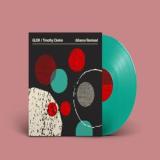
For its first release of 2026, Bytes revisits the impeccable 2024 collaboration between Andy Bell (RIDE/Oasis), recording under his electronic alter ego GLOK, and the producer and Insult to Injury label boss Timothy Clerkin. Along for the ride are an impressive cohort of musical talent - bdrmm, Richard Sen, Tom Sharkett (WH Lung), Legowelt, Xylitol and FROID Dub - who all deliver exceptional and unique interpretations of the tracks.
- Joao Gilberto - Bim Bom
- Elizete Cardoso - Outra Vez
- Luiz Bonfa - Copacabana
- Antônio Carlos Jobim & Roberto Paiva - Eu E O Meu Amor
- Joao Donato - Tim-Dom-Dom
- Carlos Lyra - Você E Eu (You And Me)
- Baden Powell - Improviso Em Bossa Nova
- Salinas - Tenha Fé, Pois Amanha Um Lindo Dia Vai Nascer
- Stan Getz & Charlie Byrd - Desafinado
- Sérgio Mendes - Oba-La-La
- Pery Ribeiro - Garota De Ipanema
- Orlandivo - Onde Anda O Meu Amor
- Shorty Rogers & His Giants - Chega De Saudade (No More
- Sylvia Telles - Corcovado
- Grant Green - Brazil
- Maysa - Agua De Beber
- Quincy Jones & His Orchestra - Soul Bossa Nova
- Trio Mocoto - Nao Adianta
- David K (Feat. Rolando Faria) - Mas Que Nada (David K R
- Tom & Joy - Para Bailar
- Seu Jorge - Carolina
- Salome De Bahia - Outro Lugar (Edit)
- Carlinhos Brown - Brasil Brasil (Ole Ole)
- Caetano Veloso - Hino Da Bahia
- Suba (Feat. Cibelle) - Felicidade
- Marcelinho Da Lua (Feat. Seu Jorge) - Cotidiano (Buzzin
- Bebel Gilberto - August Day Song
- Negrocan - Cada Vez (Grant Nelson Vocal Mix Edit)
Mit Brazil Greatest Hits veröffentlicht Wagram eine musikalische Reise durch die farbenfrohe Welt Brasiliens - von zeitlosen Bossa-Nova-Klassikern bis zu modernen Latin-Grooves. Auf zwei sorgfältig zusammengestellten Vinyl-LPs versammeln sich legendäre Aufnahmen und internationale Club-Favorites, die den Spirit von Rio, die Leichtigkeit des Samba und den warmen Sound des Tropenlands einfangen. Die erste LP präsentiert ikonische Stimmen und Instrumentalstücke der goldenen Bossa-Nova-Ära - voller Eleganz, Rhythmus und Melodie. Auf LP 2 geht es moderner und tanzbarer weiter: brasilianische Funk-Einflüsse, Remix-Perlen und energiegeladene Tracks zeigen, wie lebendig und vielfältig die Musikszene Brasiliens bis heute ist.
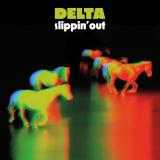
“From Birmingham and centred around the extraordinary songwriting talent of James and Patrick Roberts – initially as The Sea Urchins and since 1993 as Delta – they’ve only just got round to releasing their debut album, Slippin’ Out. It is a work of some beauty”. 9/10 NME ALBUM OF THE MONTH, 2000
“It’s classicist for sure, shot through with the influence of The Beatles, Byrds and Buffalo Springfield. In James’ downright beautiful closing ballad ‘I Want You’ one can also discern the school of ambitious English balladry that peaked in about 1968: The Casuals, Love Affair, Barry Ryan. The impression of accomplished old-schoolery is only furthered by the dizzying string arrangements penned by Louis Clark Jnr, son and namesake of the one-time orchestral chief of Electric Light Orchestra” – Mojo lead review, 2000
Having ended the 90s with the spirited ‘Laughing Mostly’ compilation of singles and demos (Guardian Album Of The Week) Delta finally released their debut studio album of twelve songs in the summer of 2000 on the Dishy Recordings label. Accepting that this might be their sole studio album the band threw everything at these recordings allowing it to exist in its own sphere, unbothered by their contemporary generation and disregarding the idea of even releasing a single.
Recorded at DEP International there was a notable difference to the scruffier, looser charm of their 1990s recordings, a tighter focus developed by having the experienced Lenny Franchi mixing the LP with them. Lenny had been working with a number of Island artists including My Bloody Valentine and Tricky so knew his way around a desk. There was also the question of budget (a few months passed between recording and mixing whilst funds were raised) so every day counted. Ultimately though you can hear the joy in the recordings, even amongst the melancholy and angst. As James recently recalled in an interview in Shindig! Magazine: “It was such a big deal for us. It’s one of my fondest memories doing that record. Everyone was happy. If there’s anything that I’d stand by, I think it would be that”
Louis Clark Jr joined the band towards the end of the ‘90s and brought a classically-trained element to the recordings particularly with his string arrangements. For ‘Cuckoo’, ‘I Want You’ and the prophetic ‘We Come Back’ Louis brought in eight players from the Birmingham Conservatoire; the baroque style is partly why the record often receives comparisons to Love’s ‘Forever Changes’.
On release ‘Slippin’ Out’ was a big favourite with writers at the NME, Mojo and The Guardian again and before long the band were signed to Mercury/Universal for their second studio album ‘Hard Light’, a far more expensive and expansive love affair. It was a temporary palatial home where things quietly fell apart again, but that’s another chapter.
“If long-term memory is nothing more than selective editing and only pop’s most weighty visceral works are built to last then it’s quite possible that in 50 years the Britpop era will be best recollected for the two bands it ostracised. Earlier this year we met Shack and thought their story of mercurial brilliance indicated the biggest music biz oversight of the 90s. We were wrong because we hadn’t met Delta yet. This is richer and more engrossing than anything by Shack”
- A1: Let's Talk About Girls
- A2: In The Midnight Hour
- A3: Come On
- A4: Dark Side Of The Mushroom
- A5: Hot Dusty Roads
- B1: Are You Gonna Be There (At The Love-In)
- B2: Gone And Passes By
- B3: No Way Out
- B4: Expo 2000
- B5: Gossamer Wings
No Way Out, released on the Tower label in September of 1967, was the debut album by the American garage rock band The Chocolate Watchband. Blending garage and psychedelic rock, its distorted guitar instrumentals were early examples of protopunk. It was their most heavily Rolling Stone- influenced LP. While No Way Out failed to reach the Billboard 200, it established the group as a popular live act. Largely overlooked at the time of its release, the album had gone out of print by the early 1970s and its reputation has continued to expand over the years.
- A1: Medication
- A2: Little Sally Tease
- A3: There Is A Storm Comin
- A4 19: Th Nervous Breakdown
- A5: Dirty Water
- A6: Pride And Devotion
- A7: Sometimes Good Guys Don't Wear White
- A8: Hey Joe, Where You Gonna Go?
- A9: Why Did You Hurt Me?
- B1: Rari
- B2: Why Pick On Me
- B3: Paint It Black
- B4: My Little Red Book
- B5: Sunshine Superman
- B6: Elanor Rigby
- B7: Try It
- B8: Barracuda
- B9: Riot On Sunset Strip
The debut studio album by the American rock band The Standells, Dirty Water was released by the Tower label in June of 1966. Taped in the midst of touring in a two-day session on April 4–5, 1966 at Audio Recording in Seattle, Washington, the LP takes its title from the homonymous song, which, along with its B-side "Rari," had been recorded on March 5, 1965, at Western Recorders in Hollywood, California and issued as a single. Dirty Water became the band's best-selling LP, peaking at #52 on the Billboard charts, and #39 in the Cashbox listings. The "Dirty Water" single peaked at #11 in Billboard and #8 in Cashbox. Along with Why Pick on Me, this is considered the group's strongest album.
New Zealand–born, Melbourne-based guitarist, producer, songwriter, DJ and recording artist Lance Ferguson returns with a killer follow-up: two new 7" releases from his third instalment of the acclaimed Rare Groove Spectrum series, offering a fresh set of reimagined and reworked classics. From '70s Australian jazz-funk and Latin-fusion to big-band soul and golden-era funk, Ferguson blends crate-digger sensibilities with modern studio craft.
The "Dominoes / Cold Bear" 7" features the exclusive track "Cold Bear", a fiery reinterpretation of The Gaturs' New Orleans funk classic. Sitting alongside it is a fan favourite among modern funk and soul lovers: Jungle's "Dominoes", stripped back, amped up and played live with an unpolished, authentic feel that pays homage to the essence of the original.
MAN ON THE RUN stammt aus dem Amazon-MGM-Studios-Dokumentarfilm Man on the Run – The
Story of Paul McCartney and Wings, inszeniert vom Oscar-Gewinner Morgan Neville. Die Musik spiegelt
McCartneys Jahre nach den Beatles wider, in denen er sich zahlreichen Herausforderungen stellte und
einen weiteren jahrzehnteprägenden Soundtrack schuf. Dieses Set enthält sowohl weniger bekannte als
auch zeitlose Favoriten aus McCartneys Solokarriere – von seltenen Demos und unveröffentlichten Stücken
bis hin zu obskuren Live-Aufnahmen. Dieses Album fasst viele der operativen Aufnahmen des Spielfilms
erstmals auf Vinyl zusammen – darunter bisher unveröffentlichte Titel wie ’Live and Let Die (Rockshow)’,
’Gotta Sing Gotta Dance’ und ’Arrow Through Me (Rough Mix)’.
- 1: Heavydale
- 2: Superposition 1
- 3: Flying Hotel
- 4: Vander
- Scanner
- 6: Apex
- 7: Rocker
- 8: Tesla's Future War
- 9: Nexus
- 10: Red Cuffs
- 11: Radio Hotel
- 12: Untitled@33Rpm
- 13: Superposition 2
- 14: Radium
- 15: H'vydale
The singles are long out of print!! “It's like electronic stoner rock. Very doomy, very sabbath! Sit back and nod your head to it. I don't know what this sounds like!’ JACK OSBOURNE (review of Kling Klang’s Heavydale in Kerrang) KKKKK - Single of The Week // “I could not believe it when I saw that there was a band named Kling Klang from Liverpool. A group named after Kraftwerk's Dusseldorf studio? I had to check them out. Pounding Krautrock inspired Motorik beat, like Neu! welded to incessant Phillip Glass keyboard riffs on acid. But somehow creating their own authentic style. I had to go and say “hello” and offer them studio time. Great maverick music… Their recordings still sound amazing, and like no other band that I have heard before or since.” Andy Mccluskey, OMD // “I first heard Kling Klang when recording The Coral with Geoff Barrow (BEAK>) and we immediately loved them. Heavydale blew me away then and still does. When we curated All Tomorrows Parties festival we invited them to play, then invited them to come on our European Tour for our Album Third. They were so awesome live. For me, when they played it was the beginning of the whole show and not just a support band. So cool this collection of singles is happening.” Adrian Utley, Portishead.
- Car Anymore
- Even Mountains Erode
- Arrow
- Tricks
- Scammer
- Heaven2
- Anywave
- Does This Go Faster?
- This City
- Wyoming Dirt
Das vierte Album und Sub Pop-Debüt von Lala Lala, alias Lillie West, ist ein kraftvoller, warmer und mit Ohrwürmern gespickter Indie-Pop-Kracher für Fans von Jay Som, Porches, Dehd, Angel Olsen und Alex G. Lillie West hat ihre Musik immer aus dem Bedürfnis heraus gemacht, ständig in Bewegung zu sein. Als sie aber kürzlich den Wunsch verspürte, sich niederzulassen, hat sie gemerkt, dass Beständigkeit Kreativität fördern kann. Diese Entwicklung ist der Antrieb für einen Großteil ihres neuen Albums "Heaven 2". Viele Jahre lang lebte West in Chicago, wo sie Lala Lala als Teil der Indie-Szene der Stadt etablierte und mehrere Alben auf Hardly Art veröffentlichte. Diese Alben, "The Lamb" und "I Want the Door to Open", waren kraftvolle Statements einer neugierigen Künstlerin: eingängige Gitarren-Pop-Songs über das Feststecken in den Höhen und Tiefen des Lebens, den Kampf, nüchtern zu bleiben, die Stadt zu verlassen, sein Leben in die Luft zu jagen. West verließ Chicago, um nach mehr zu suchen, und schrieb dabei ihr neues Album "Heaven 2". Auf ihrer Reise landete sie in New Mexico, wo sie in Taos fernab der Zivilisation lebte. "Es war sehr herausfordernd, eiskalt und voller giftiger Tiere. Aber es ist immer noch der schönste und magischste Ort, an dem ich je gewesen bin, und ich träume ständig davon", sagt West. Anschließend zog sie nach Island, wo sie zwei Jahre lang mit Unterbrechungen lebte, wobei sie die Unterbrechungen in London verbrachte, wo sie aufgewachsen war. Schließlich kam sie nach Reykjavik, wo sie sich in der Musikszene einlebte und ein Instrumentalalbum ("If I Were A Real Man I Would Be Able To Break The Neck Of A Suffering Bird") veröffentlichte, bevor sie nach Los Angeles ging, wo sie sich verliebte und sich niederließ. L.A. ist ein guter Ort zum Leben, schon allein deshalb, weil, wie West sagt: "Wo auch immer du hingehst, dort bist du. Ich wünschte, es gäbe eine coolere Art, das auszudrücken." Zum Glück gibt es die: Dieses Thema, überall Schönheit und Erfüllung zu finden, zieht sich durch "Heaven 2". In ,Even Mountains Erode" singt West: , "There are symbols and signs, you're missing your life". West ermutigt sich selbst und uns, langsamer zu werden. Innezuhalten und den Duft der Blumen zu genießen. West hat das Album zusammen mit Melina Duterte von Jay Som produziert, die mit ihrer kraftvollen Stimme einen starken Kontrast zu Wests warmem, rundem Gesang bildet. Die Beziehung zwischen den beiden war telepathisch, und das Ergebnis ist ein mutiges und selbstbewusstes Album. Duterte und West spielten fast alle Instrumente des Albums selbst, mit ein paar wichtigen Gästen wie Sen Morimoto am Saxophon im Eröffnungstrack "Car Anymore" und einer Bridge, die Aaron Maine von Porches für den Titeltrack ,Heaven 2" geschrieben hat. Bei "Catharsis" geht es nicht nur um den Schmerz, sondern auch um die Befreiung, die man erlebt, wenn man sich davon befreit. Und so gibt es auch Momente kühner Freude auf dem Album. "Arrow", das Samples der französischen Electro-Pop-Band La Femme enthält, ist schnell, und seine Schnelligkeit und Freude fühlen sich an, als würde man auf etwas zulaufen und nicht davonlaufen. "None of this was supposed to happen", singt West. Aber es ist passiert. "Es ist so eine grundlegende spirituelle Sache", sagt West, ,Widerstand ist die Wurzel allen Leidens, und ich dachte, ich könnte den Verlauf meines Lebens bestimmen." Natürlich konnte sie das, wie alle anderen auch, nicht. Wohin man auch geht, man ist immer da.
Mia Zapata was the greatest rock singer of her time. She may have likely been the greatest blues singer in punk rock history, the woman who married the 78 and the '78. Tragedy did not make this true. Mia Zapata made this true, and the ferocious, spring-loaded shrapnel frame that was built around her by Andy Kessler (guitar: metronomic and furious), Matt Dresdner (bass: fluid, punching, beat-addicted and melodic), and Steve Moriarty (drums: martial and explosive) - who, with Mia, combined to form The Gits - made it true. The Gits were formed at Antioch College in Yellow Springs, Ohio in mid-1986, grabbing and swapping pieces of art, thrash, noise, punk rock, classic rock, and all the sorts of magical silly and bookish jingle bells that an old-school liberal arts education handed you; for the next few years they worked on turning it all into something tough, sensitive, both brutal and kind. Andy, Matt, Mia, and Steve moved to Seattle in middish 1989, landing in a house on Capitol Hill where they (and fellow travelers) wood-shedded and rehearsed for the next few years. The Gits put out three EPs in 1990 and '91 before signing with C/Z Records and releasing their first full-length album, Frenching the Bully. Seattle quickly claimed the quartet as their own and embraced the Gits blend of ferocious fangs and soft heart, the slug/slap of the guitars, and the gorgeous, soft underbelly of the poetic emotions. These qualities not only fit in with the doe-eyed/sharp-clawed grunge ethos but earned the Gits the respect of their peers, including Nirvana, who tapped them to open a major local show in 1990. Then other stuff happened, and their frantic, confessional barbed-heart snowball began rolling up hill very, very fast; the Gits "quickly" (hah! After half a decade learning to implode and explode hearts and stomping their boots on manifold beer-softened, Marlboro-weeded wood stages!) inspired rapture, awe, and the levitation that happened when peak emotion meets peak grindage in front of amps spitting out something that sounded like the mad marriage of Bolan swagger and Dischord tension_ all fronted by a genuinely incomparable woman who held her heart in her mouth and shared it, in all its celebration and fear, without hesitation. The Gits were an angry, inflamed slinky fully in tune with and tuned by the Bessie Patti Smith of her time, truly the only singer who could summon Joplin, Poly Styrene, Sam Cooke, Iggy Pop and Ian MacKaye all in the same goddamn song. In 1993, less than four weeks after accepting an offer from Atlantic Records, Mia died. I leave it at that, because this is not about death; it's about an extraordinary life. I do not say, "You should have been there," I say, "We are lucky so many of us were, and I am so glad we have this extraordinary evidence of the power and gifts of Mia and the Gits that you now can hold in your hands." And I note that Frenching the Bully, this extraordinary testament to the soul, shock, fury and feeling of the Gits, has been long out of print on vinyl and CD, and this new edition - remastered by legendary Seattle engineer Jack Endino - joyfully rectifies that. -Tim Sommer
This double LP of instrumental Hindustani, Carnatic and folk 78rpm shellac records from India comes with a full color 12-page insert of gramophone record ephemera, shops, labels, manufacturing details and graphics. The LPs feature over 25 artists recorded between 1904 and 1959 playing a panoply of instruments: jalatarang, dilruba, sarod, clarionet, pakhawaj, violin, been, kazoo, shehnai, tabla, sarangi, sitar, vina and more.
Artists include Imdad Khan (the first sitarist ever recorded), Ahmedjan Thirkhawa, Bundu Khan, Amir Hussain, Allauddin Khan (who taught Ravi Shankar), and others both forgotten and revered.
The Indian classical instrumental tradition is one of incredible proficiency and expressiveness using instruments and techniques created over generations that seem to perfectly and uniquely compliment Indian culture, landscape and tradition. Sympathetic strings resonate inside sitars and sarangis to manifest shimmering reverberant spiritual spaces; horns, reeds and flutes extend the range, volume and melodic inventiveness of the voice; a mind-boggling array of elaborately turned percussion instruments allow for rhythms as complex or as simple as the flowing Ganges river. Classical music in India was perhaps at its height during the 78rpm period as the Raj era was ending and the world was globalizing.
2-LP gatefold with 12 page full-color booklet insert - features never reissued recordings and is the long-anticipated follow up to the Indian Talking Machine book/CD (Sublime Frequencies 099), which was also produced by Robert Millis from his collection of 78rpm records and ephemera.
- Ornithology
- Skylark
- Desafinado
- Joy Spring
- Round Midnight
- Voyage
James Davison, the most startlingly talented UK brass player of his generation, joins this highly experienced team with brilliant results. Charlie Parker's 'Ornithology',Thelonious Monk's 'Straight No Chaser', Billy Strayhorn's 'Satin Doll' and Horace Silver's 'Peace are amongst the gems to be found here. This is the second Woodville Records release to be based solely around the brilliant arranging skills of world class trombonist Mark Nightingale. The first, Alan Barnes plus 11 (WVCD151) featured Mark's adept and characterful handling of a twelve- piece ensemble. Jazz Classics ...with a Twist displays equal inventiveness and imagination, showcasing a sextet line-up in a programme of individually re-thought takes on these ageless tunes. In Mark's hands this band frequently resembles a much larger ensemble such is his skill in manipulating tone colour and voicing.
- B1: Calle
- A1: Overture
- A2: Víctima
- A3: Jaco Y Chofi
- A4: Atlantis
- A5: La Sal No Sala
- A6: Chipi-Chipi
- B2: Love Is Love
- B3: Tema De Amor
- B4: Fax U
- B5: Lament
- B6: Interludio De La Lágrima
- C1: Workin' In The Morning
- C2: Waitin
- C3: Kurosawa
- C4: Chiquilin
- C5: Andan (Excerpt)
- C6: James Brown
- D1: Intraterreno
- D2: No Sugar
- D3: Atlantis (Parte Ii)
- D4: Locomotion
- D5: Andan (Complete)
Carlos Alberto García Moreno, better known by his stage name Charly García, is an Argentine singer-songwriter, multi-instrumentalist, composer and record producer, considered one of the most important rock musicians in Argentine and Latin American music.
Named "the father of rock nacional", he is known for the complexity of his compositions covering genres like folk rock, progressive rock, symphonic rock, jazz, new wave and many others.
a conceptual rock opera featuring experimental passages and two big hits, "Chipi Chipi" and "La Sal No Sala".
La Hija De La Lágrima is available as a limited edition of 1000 individually numbered copies on silver coloured vinyl.
g B1. Calle Taxi
[g] B1. Calle [Taxi]
[g] B1. Calle [Taxi]
- A1: Lazy Love
- A2: The Best
- A3: Like The Sun
- A4: Bitter Medicine
- A5: Hunned Bandz
- B1: Natural
- B2: The Blue Sky
- B3: Sundays
- B4: Perfect
- B5: This Time
Sundays is the debut full length from Oakland-based Tanukichan, aka multi-instrumentalist Hannah van Loon. At surface level, the album sounds just how the title describes: hazy, dreamy, reflective, just like a lazy Sunday afternoon. Upon second and third listens, the dreamy music unveils a deeper world: an ever present sense of longing, an endless state of summer and a period of instability that plagues us all at one point or another in our lives.
Raised in San Francisco, van Loon started out making classical, bluegrass and jazz music as well as playing in numerous bands in the area before deciding to make something more personal. What started with a few unfocused demos, with van Loon playing all the instruments herself in her house, became a studio experience and viable collection of music after her friend Anthony Ferraro of Astronauts, Etc. introduced her to Company Records founder Chaz Bear (Toro Y Moi, Les Sins). After collaborating on her 2016 EP Radiolove, van Loon and Bear set out to make a much more sonically cohesive release, with both the producer and artist playing all the instruments on the record. The result is a slice of dream pop that could only come from the combination of the laid back atmosphere of California and the nostalgic and often difficult memories that are generally associated with coming of age.
To van Loon, the tracks of Sundays are a form of contemplation and approaching life’s issues from a different and less complicated perspective. “Sometimes for me, it feels easier to write songs about things than to talk. A lot of things in life are layered and paradoxical, but with songs it always seems simpler.”
Opening track “Lazy Love” sets the stage, sonically and lyrically, for the rest of the album, combining vulnerable lyrics with gorgeous, fuzzy tones. Above pummeling synths and guitar tones, van Loon sings “you know I'd do anything/don't you know I try my best/if I could wake up when the sun is rising” showing the album’s constant theme of balancing always wanting to be the best person you can be, while also feeling a low level joy at letting life play out as it wants to. “Natural” is a track that feels perfect for a road trip, a track that hums away with a driving beat, culminating in the sheer excitement of finally having a night alone with someone you’ve loved for a while, among many highs and lows: “a window too bright/it's natural sunlight/grey fades to white lie/kiss you tonight/it's natural delight/help me feel right.” The tracks collectively address a deep rooted sense of yearning for someone, something new, while also feeling content with your life; a realization that maybe the places you’ve always belonged aren’t where you should be anymore, that suddenly you might be looking for something completely different.
“I settled on the name Sundays as the title of the record because it encapsulated how the record felt to me,“ van Loon says. “I was thinking about the laziness, and dreamy clarity that you can feel after a late night, waking up having to face the world with a new perspective.” Sundays encapsulates this feeling, a nostalgic way of looking at the world, waking up feeling like a slightly different person than before, looking back on life, not sure if you can tackle what’s next, but doing your best, day in and day out
- A1: Cariñito (Akio Nagase Jungle Mix)
- B1: Cariñito (Wepa Remix Cover Ver.)
Peru's soul classic “CARINITO” covered by Japanese cumbia band REAL THING! Plus, a jungle version is also included!
This cumbia, blending passion and sweetness, is a true killer tune beloved not only by bands across South America but worldwide, reinterpreted
countless times in different styles.
- A1: Give It To Me Baby
- A2: Ghetto Life
- B1: Make Love To Me
- B2: Mr. Policeman
- C1: Super Freak
- C2: Fire And Desire
- D1: Call Me Up
- D2: Below The Funk (Pass The J)
Rick James Blends Brazen Attitude, Fearless Sexuality, and Shrewd Charisma on Street Songs:
Punk-Funk Album Aims for the Hips and Head, Includes the Timeless Hit “Super Freak”
Sourced from the Original Master Tapes and Strictly Limited to 4,000 Numbered Copies:
Mobile Fidelity’s 180g 45RPM 2LP Set Presents 1981 Smash in Audiophile Sound for the First Time
1/4” / 30 IPS analogue master to DSD 256 to analogue console to lathe
“Punk funk” was a relatively unknown concept before 1981. But once Street Songs took the charts by storm that year, the world soon knew about what became Rick James’ signature style. And how. True to its name, Street Songs blends outspoken sexuality, brazen attitude, and edgy commentary amid contagious R&B-fueled arrangements that simultaneously aim for the hips, head, and various nether regions. And it’s never sounded better.
Sourced from the original master tapes, strictly limited to 4,000 numbered copies, pressed at Fidelity Record Pressing, and housed in a Stoughton gatefold jacket, Mobile Fidelity’s 180g 45RPM 2LP set presents James’ platinum-certified effort in audiophile quality for the first time. Playing with crisp dynamics, lively textures, airy headroom, and revealing clarity, this collectible edition of the record that stayed at the No. 1 spot on the R&B Album Charts for 20 weeks invites you to get closer to music that beckons you to turn your space into a private dance floor.
Then again, you’ll likely be so taken by how the taut bass lines, snappy rhythms, and four-on-the-floor beats — all rendered in stunning detail and with full-bodied architecture — come across with such accuracy and presence, you might stay pinned to your seat. On this pressing, the soundstaging, imaging, and lit-fuse energy of Street Songs reach new heights. Everything from the rubbery feel of the guitar lines to the depth of James’ temperature-raising vocals to the scale of the horn charts emerges as if James and his ace session crew set up in your room.
The Buffalo native and his ensemble waste no time getting their message across. On the album-opening “Give It to Me Baby,” James and company lay down a mix of sleek funk and pulsing disco that practically activates the bright lights of a discotheque and stimulates the libido of anyone within earshot. Having reached No. 1 on the Billboard Hot Soul charts, the song is pure sex — and just one of the carnal delights on a record that embraces the subject as fearlessly as James does his identity.
Of course, the most famous of James’ erotic excursions — the timeless “Super Freak” — hit No. 1 on Hot Dance Club Play charts, No. 16 on the Hot 100, and, later, No. 153 on Rolling Stone’s list of the Top 500 Songs of All Time. Bolstered by a quavering keyboard theme and electro riffs, the much-sampled track worms itself inside your muscles with smile-inducing subject matter, gliding vocals, nimble movements, a hot tenor-saxophone solo, and backing vocals by the Temptations.
The iconic Motown group isn’t the only celebrated guest artist on the Grammy-nominated Street Songs. James’ then-labelmate, Stevie Wonder, lends harmonica to the frank sociopolitical narrative on “Mr. Policeman,” a protest tune that also manages to stroll ’n’ strut via simmering organ, staggering brass accents, and James’ gritty vocal performance. In addition to contributing backing vocals on several cuts, Teena Marie turns in one of the album’s signature moments on “Fire and Desire,” a romantic old-school duet with James that impresses with smoothness, sensitivity, and smokiness.
High-profile colleagues aside, James remains the undisputed star, a figure whose leather-and-latex attire, braided hair, and natural swagger made him misunderstood by some in the mainstream and embraced by everyone in the know as a true original. As a testament to his magnetism and skills, his charisma and rawness seemingly seep through every note, whether on the balladic sweep of the risqué “Make Love to Me” or strident, poke-and-prod persuasion of the moonwalking “Call Me Up.”
On the closing “Below the Funk (Pass the J),” an uptempo autobiographical tale that addresses the visionary musician’s second-favorite love, the singer acknowledges his upbringing and inseparable connection with his roots — an homage to where he began and a toast to where he’s gone.
Rick James, keepin’ it real on Street Songs, still as real as it gets.
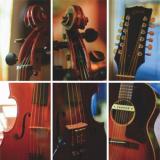
Debut by a new string trio of Pelt and Elkhorn veterans with the wild card contributions of Kaily Schenker, creating a new variant of supremely pleasing acoustic-psychedelic-drone-Americana etc. “Lullaby>Summer Field” is an aptly named gentle rise, with Sheppard’s fingerpicked 12 string snaking through waves of elongated fiddle and cello. “Triode>Freedom” follows a darker minor-key ostinato with Gangloff’s keening melody over the top. “Freedom>Universal Blues” starts as a dirge and builds to a transition into the traditional “The Squirrel is a Pretty Thing,” with Kaily Schenker’s droning harmonium and vocal delivering a riveting, epic version of what’s usually cast as a short “kids”/folk-tale song (e.g. Peggy Seeger’s version). Originally this album was released by the band in an instantly sold-out edition of 100 for sale at their shows. This updated version includes a new insert by Kaily, a new cut by John Golden and a thick pressing from Smashed in Chicago.