Quartabê’s identity was built upon the metaphor of the classroom: the group sees itself as a school class, which chooses its own teachers from among great masters of Brazilian music. Assuming that the learning and creative processes have in common experimentation and play, the quartet is characterized by its bold versions coupled with irreverent performance.
In addition woto its sound, marked by the group’s various music references - from the São Paulo avant-garde movement to the free improvisation, passing through pop and electronic music - Quartabê also stands out for the formation composed mostly of women who, besides instrumentalists are also arrangers, composers, singers and improvisers - which is unusual in Brazil and it has high political relevance in a music scene where positions of creation and power are still held disproportionately by men. The band started its studies by recording a first album about the work of maestro Moacir Santos, “Lição # 1: Moacir” (2015). After performing this show in Brazil and Europe, the group took a break to record ‘Depê’ (2017), also dedicated to the oeuvre of Santos. In 2018 Quartabê released their third album, starting new studies: “Lição # 2: Dorival”, which was released by the Natura Musical / label RISCO
Search:3 quartet
Following his acclaimed first album, French pianist
Dexter Goldberg is back, leading a completely
renewed trio, formed with two young French jazz
wizards, double bassist Clément Daldosso (known
for his stints with the Paris Jazz Sessions and
Giovanni Mirabassi New Quartet) and drummer
Raphaël Pannier (currently a sideman with Biréli
Lagrène and Thomas Enhco), who has just
returned from New York.
Summoning the genuine spirit of childhood and the
pleasure of interplay, Goldberg puts his trio into
perspective, moving from homage to the great
masters - in particular, Ahmad Jamal, who
encouraged him just before passing - to the joyful
building of moving musical forms.
Dazzling cover illustration by cartoonist Thomas
Baas.
“Dexter affirms with just the right amount of
strength and delicacy his personality, that of an
authentic jazzman of the 21st century.” - Jazz
Magazine
Da ist er... der Beat der grossen Stadt - und ich dachte schon, dass die Gäng alle schon im Ruhestand wären und dann flattert die Mail ins Haus: Peeps von Surf Nazis Must Die, Herpes, Heat... wilde Nummer, hau drauf und ungestüm... Jetzt, ein paar Monate später, sind Leute weg und neue da und die Sache läuft. Am Sound hat sich nichts geändert, liefert das energetische Quartett weiterhin extrem treibenden Upbeat-Postpunk oder No Future-Sound. Man hört etwas Parquet Courts, etwas Uranium Club, etwas Dischord-Sound und 70s Punk - schneidende Gitarren, wummernder Bass und ein von 16tel getriebenes Schlagzeug - hektisch, rhythmisch, schiebend, manchmal hypnotisch repetitiv. Und über alldem schnarzt der aufgekratze Gesang von Florian Pühs, der über all jene Großstadt/Kleinstadt/Jugend/Durchdreh-Sachen singt, die einem manchmal sehr bekannt und manchmal sehr unbekannt vorkommen. Es werden auf jeden Fall Antworten auf einige der wichtigen Fragen des Lebens gegeben - oder wisst Ihr was Hüsker Dü tun würde? Oder was mit Dennis Rodman los ist, warum der Fahrstuhl dich nicht runterziehen soll oder was die Höhe-und Tiefpunkte im Leben eines Liftboys sind?
Nur wenige Hardrock-Alben sind so intim wie die modernen Veröffentlichungen von OF MICE & MEN. Während ihre Songs die Art von rhythmischem Druck und hymnischen Bombast haben, die das Festivalpublikum begeistern, sind die konfessionellen Texte und eindringlichen Melodien das Herzstück ihres Schaffens. Das südkalifornische Quartett nahm alle kreativen Angelegenheiten selbst in die Hand und produzierte und konstruierte alle Songs auf Tether, ihrem erstaunlichen achten Album. Frontmann Aaron Pauley hat das Album gemischt und gemastert, während Schlagzeuger Valentino Arteaga das Artwork des Albums entworfen und gemalt hat. Wie es eine Legion treuer Zuhörer auf der ganzen Welt erwartet hat, haben die Gitarristen Phil Manansala und Alan Ashby, Aaron und Tino ihr Herz und ihre Seele in jede Note gesteckt und so ein weiteres Klangdokument ihres Lebens geschaffen.
- A1: Themes: Sound/Second Attention/Soul Warrior
- A2: Fist Of Fire
- A3: Brother Of Mine: The Big Dream/Nothing Can Come Between Us/Long Lost Brother Of Mine
- A4: Birthright
- A5: The Meeting
- B1: Quartet: I Wanna Learn/She Gives Me Love/Who Was The First/I'm Alive
- B2: Teakbois
- B3: Order Of The Universe: Order Theme/Rock Gives Courage/It's So Hard To Grow/The Universe
- B4: Let's Pretend
Wakeman Howe//180gr./8p Booklet/Yes/Black Vinyl
Anderson Bruford Wakeman Howe was the self-titled debut album by the reformation of the classic Yes line-up, consisting of Jon Anderson, Bill Bruford, Rick Wakeman, and Steve Howe. It was also the only studio album they released under this name as they reunited as Yes later on
- A1: Take Five - The Dave Brubeck Quartet
- A2: Moanin' - Art Blakey & The Jazz Messengers
- A3: Soul Bossa Nova - Quincy Jones & His Orchestra
- A4: Milestones - Miles Davis
- A5: My Bucket's Got A Hole In It - The Ramsey Lewis Trio
- B1: Watermelon Man - Herbie Hancock
- B2: Caravan - Duke Ellington
- B3: One Mint Julep - Ray Charles
- B4: Walk On The Wild Side - Jimmy Smith And The Big Band
- B5: Desafinado - Stan Getz & Charlie Byrd
- C1: So What - Miles Davis
- C2: Tuxedo Junction - Quincy Jones
- C3: Harlem Nocturne - King Curtis
- C4: Blues Walk - Herbie Mann
- C5: Unsquare Dance - The Dave Brubeck Quartet
- D1: Sing, Sing, Sing - Benny Goodman And His Orchestra
- D2: Love For Sale - Dexter Gordon
- D3: Take The "A" Train - Duke Ellington
- D4: Work Song - Cannonball Adderley & Ray Brown
- D5: I've Got A Woman (Part 1) - Jimmy Mcgriff
There are as many flavours of Jazz as there are pebbles on a
beach, but the majority combine rhythmic invention with
instrumental virtuosity to create a sound that can transport the
listener to a different plane. Our compilation features duos,
trios, bands and orchestras playing music inspired by Africa,
Brazil and all points in-between. Film themes, standards, charttoppers and relative obscurities have been carefully assembled
to provide a wide-ranging picture of the Jazz instrumental.
In 1995 the self-titled full-length debut of Die Anarchistische Abendunterhaltung (DAAU) was released. The band consisted of four young, 'classically derailed' musicians who played their own compositions with acoustic instruments such as violin, cello, clarinet and accordion. Their work contained influences from Roma music, Eastern European folk, klezmer and jazz, but was performed with the energy, rebellious spirit and Sturm und Drang of a bona fide punk band. DAAU was part of the fertile Antwerp scene, which also produced dEUS, Zita Swoon and Kiss My Jazz, and soon signed an international record deal with Sony Classical.
The group's influential first record, which has been out of print for a while, is now finally being released again and is available on vinyl for the very first time.
In those early days, DAAU consisted of four young, classically trained musicians who tackled their instrumental compositions with a true punk spirit. 'If we'd had guitars, bass or drums at that time, we would probably have been just another rock band', says accordionist Roel Van Camp, who, together with his schoolmates Buni Lenski on violin, the latter's brother Simon on cello and Han Stubbe on clarinet made up the Antwerp quartet. 'With our acoustic instruments we tried to create our own version of the music we loved listening to, from sixties rock and prog to new wave.'
The quartet, which initially played in streets and cafes, appealed to a diverse audience and sometimes joked that they were a classically trained unit that had 'gone off the rails'. 'As befits teenagers, we wanted to shake things up', Stubbe remembers, 'even though we always kept cherishing our classical backgrounds.' Van Camp: 'Our education was never supposed to feel like a straitjacket. We were free-spirited enough to ignore the laws and regulations of the music academy and to create our own sound. Our compositions were open to influences from Roma music, Eastern European folk, klezmer and jazz'. 'That eclecticism was a direct result of the zeitgeist', Han Stubbe adds. 'We loved different styles and happily mixed them together'.
The monniker Die Anarchistische Abendunterhaltung was derived from Steppenwolf, a novel by German writer Hermann Hesse about a character who was outside society. 'In the book, the narrator talks of a theatre', Van Camp explains. 'And at the entrance there is a warning sign sign that says: if you go in here, you are guaranteed to lose your mind. That was an apt description of the way our music worked'.
Almost all tracks on DAAU's first album were 'Drieslagstelsels' (or 'three-course rotations'). The term referred to an agricultural method of the early Middle Ages, but also to the fact that each song of the group consisted of three major movements. Van Camp: 'The titles of those pieces referred to our method of writing. We piled up a huge bunch of ideas, because we wanted to tell more than just one story. With each composition, we took the listener for a ride'.
In 1995 the self-titled full-length debut of Die Anarchistische Abendunterhaltung (DAAU) was released. The band consisted of four young, 'classically derailed' musicians who played their own compositions with acoustic instruments such as violin, cello, clarinet and accordion. Their work contained influences from Roma music, Eastern European folk, klezmer and jazz, but was performed with the energy, rebellious spirit and Sturm und Drang of a bona fide punk band. DAAU was part of the fertile Antwerp scene, which also produced dEUS, Zita Swoon and Kiss My Jazz, and soon signed an international record deal with Sony Classical.
The group's influential first record, which has been out of print for a while, is now finally being released again and is available on vinyl for the very first time.
In those early days, DAAU consisted of four young, classically trained musicians who tackled their instrumental compositions with a true punk spirit. 'If we'd had guitars, bass or drums at that time, we would probably have been just another rock band', says accordionist Roel Van Camp, who, together with his schoolmates Buni Lenski on violin, the latter's brother Simon on cello and Han Stubbe on clarinet made up the Antwerp quartet. 'With our acoustic instruments we tried to create our own version of the music we loved listening to, from sixties rock and prog to new wave.'
The quartet, which initially played in streets and cafes, appealed to a diverse audience and sometimes joked that they were a classically trained unit that had 'gone off the rails'. 'As befits teenagers, we wanted to shake things up', Stubbe remembers, 'even though we always kept cherishing our classical backgrounds.' Van Camp: 'Our education was never supposed to feel like a straitjacket. We were free-spirited enough to ignore the laws and regulations of the music academy and to create our own sound. Our compositions were open to influences from Roma music, Eastern European folk, klezmer and jazz'. 'That eclecticism was a direct result of the zeitgeist', Han Stubbe adds. 'We loved different styles and happily mixed them together'.
The monniker Die Anarchistische Abendunterhaltung was derived from Steppenwolf, a novel by German writer Hermann Hesse about a character who was outside society. 'In the book, the narrator talks of a theatre', Van Camp explains. 'And at the entrance there is a warning sign sign that says: if you go in here, you are guaranteed to lose your mind. That was an apt description of the way our music worked'.
Almost all tracks on DAAU's first album were 'Drieslagstelsels' (or 'three-course rotations'). The term referred to an agricultural method of the early Middle Ages, but also to the fact that each song of the group consisted of three major movements. Van Camp: 'The titles of those pieces referred to our method of writing. We piled up a huge bunch of ideas, because we wanted to tell more than just one story. With each composition, we took the listener for a ride'.
Ahora, die neue Platte von Melenas, ist das genaue Gegenteil von "dem schwierigen dritten Album". Während andere Bands unter einem Mangel an Inspiration leiden, der typisch für diesen heiklen kreativen Moment ist, erscheint unser spanisches Quartett unbesiegbarer denn je, mit einer Sammlung umwerfender Songs und revitalisiert mit einer herrlichen neuen Klangpalette, die folgende Frage aufwirft: Kann man Jangle Pop und Garage Rock mit Synthesizern machen? Wenn man sich Songs wie 'K2' oder 'Bang' anhört, ist die Antwort ein klares Ja, denn das herrliche Pochen der analogen Keyboards, die Ahora dominieren, verrät nicht den Sound von Melenas, diese brodelnde Vibration, die bisher die Gitarren lieferten und ihre Songs in den Pop-Himmel trieben.
Die neuen Texturen, die Vintage-Synthesizer wie der Korg Delta oder der Yamaha PSR-36 liefern, bewahren diese Unmittelbarkeit und prägen faszinierende neue Farbschattierungen, indem sie die klangliche Identität der Band ausdehnen und mit neuen Nuancen versehen, vom kristallinen Pop von '1986' bis zu den düsteren, aber bewegenden Untertönen von 'Flor de la Frontera'. Dieser neue Reichtum an Klangfarben steht im Übrigen im Einklang mit einem Album, auf dem Melenas viel zu sagen haben: Sein Titel (übersetzt "Now") will, so die Band, "die Bedeutung der Zeit rechtfertigen, um darüber nachzudenken, wie wir unseren Alltag leben, mit wem wir unsere Momente teilen und wie wir es tun (oder nicht tun) wollen". Eine Erkundung ihrer eigenen Identität, ihrer Beziehungen zu anderen und der Bedeutung von "Zusammengehörigkeit, geteilten Gefühlen und gemeinsamen Aktionen". Gleichzeitig vertiefen die neuen Klänge symbolisch diese Themen: Das Konzept der Zusammengehörigkeit wird in den Gesangsharmonien vermittelt, die reichhaltiger und ausgefeilter sind.
Das Konzept der Zeit wird mit Hilfe einiger verblüffender Sequenzer, Arpeggiatoren und mechanischer Rhythmen vermittelt. Kombiniert mit Melenas' Gespür für Pop machen diese Elemente viele dieser Songs zu einer aufregenden Mischung aus dunkleren, maschinenartigen Tönen (die Cold-Wave-Echos von 'Flor de la Frontera', der Kraut-Rhythmus von 'Bang') und himmlischen Melodien. All dies wird mit einer Fülle von schillernden elektronischen Arrangements verwoben, die handwerklich perfekt gemacht sind, aber mit der Energie einer Live-Band gespielt werden, in einer sehr post-punkigen Verbindung von Synthesizern mit echtem Bass und Schlagzeug.
Das Ergebnis sind solche Wunder wie "Dos pasajeros", "Tú y yo", "1986" oder das wunderschöne "Promesas", letzteres ein wahrer Neo-Synth-Pop-Klassiker. Melenas sind mehr denn je im Besitz ihrer kreativen Kräfte. Nicht so sehr, um ihrer Musik - die im Wesentlichen immer noch in der Liebe zum Pop verwurzelt ist - eine neue Wendung zu geben, sondern um ihre Songs mit einer neuen elektronischen Energie und einem neuen Vibe zu versehen.
black LP[21,39 €]
Ahora, die neue Platte von Melenas, ist das genaue Gegenteil von "dem schwierigen dritten Album". Während andere Bands unter einem Mangel an Inspiration leiden, der typisch für diesen heiklen kreativen Moment ist, erscheint unser spanisches Quartett unbesiegbarer denn je, mit einer Sammlung umwerfender Songs und revitalisiert mit einer herrlichen neuen Klangpalette, die folgende Frage aufwirft: Kann man Jangle Pop und Garage Rock mit Synthesizern machen? Wenn man sich Songs wie 'K2' oder 'Bang' anhört, ist die Antwort ein klares Ja, denn das herrliche Pochen der analogen Keyboards, die Ahora dominieren, verrät nicht den Sound von Melenas, diese brodelnde Vibration, die bisher die Gitarren lieferten und ihre Songs in den Pop-Himmel trieben.
Die neuen Texturen, die Vintage-Synthesizer wie der Korg Delta oder der Yamaha PSR-36 liefern, bewahren diese Unmittelbarkeit und prägen faszinierende neue Farbschattierungen, indem sie die klangliche Identität der Band ausdehnen und mit neuen Nuancen versehen, vom kristallinen Pop von '1986' bis zu den düsteren, aber bewegenden Untertönen von 'Flor de la Frontera'. Dieser neue Reichtum an Klangfarben steht im Übrigen im Einklang mit einem Album, auf dem Melenas viel zu sagen haben: Sein Titel (übersetzt "Now") will, so die Band, "die Bedeutung der Zeit rechtfertigen, um darüber nachzudenken, wie wir unseren Alltag leben, mit wem wir unsere Momente teilen und wie wir es tun (oder nicht tun) wollen". Eine Erkundung ihrer eigenen Identität, ihrer Beziehungen zu anderen und der Bedeutung von "Zusammengehörigkeit, geteilten Gefühlen und gemeinsamen Aktionen". Gleichzeitig vertiefen die neuen Klänge symbolisch diese Themen: Das Konzept der Zusammengehörigkeit wird in den Gesangsharmonien vermittelt, die reichhaltiger und ausgefeilter sind.
Das Konzept der Zeit wird mit Hilfe einiger verblüffender Sequenzer, Arpeggiatoren und mechanischer Rhythmen vermittelt. Kombiniert mit Melenas' Gespür für Pop machen diese Elemente viele dieser Songs zu einer aufregenden Mischung aus dunkleren, maschinenartigen Tönen (die Cold-Wave-Echos von 'Flor de la Frontera', der Kraut-Rhythmus von 'Bang') und himmlischen Melodien. All dies wird mit einer Fülle von schillernden elektronischen Arrangements verwoben, die handwerklich perfekt gemacht sind, aber mit der Energie einer Live-Band gespielt werden, in einer sehr post-punkigen Verbindung von Synthesizern mit echtem Bass und Schlagzeug.
Das Ergebnis sind solche Wunder wie "Dos pasajeros", "Tú y yo", "1986" oder das wunderschöne "Promesas", letzteres ein wahrer Neo-Synth-Pop-Klassiker. Melenas sind mehr denn je im Besitz ihrer kreativen Kräfte. Nicht so sehr, um ihrer Musik - die im Wesentlichen immer noch in der Liebe zum Pop verwurzelt ist - eine neue Wendung zu geben, sondern um ihre Songs mit einer neuen elektronischen Energie und einem neuen Vibe zu versehen.
Animal Collective veröffentlichen ihr neues Studioalbum "Isn't It Now?". Das Quartett, bestehend aus Avey Tare, Panda Bear, Deakin und Geologist, nahm das Album mit dem Grammy-Preisträger und Produzenten Russell Elevado (D'Angelo, The Roots, Kamasi Washington) auf, der es auch mitproduzierte und abmischte.
Die Struktur von Animal Collective ist seit langem eine Spielwiese, ein offener Raum, um neue Ideen und Einflüsse auszuprobieren und auszuleben. Und warum auch nicht? Es kann bedeuten, dass man Panda Bear erlaubt, sich mehr auf sein Schlagzeugspiel zu konzentrieren, oder dass man Deakin ermutigt, tiefer in sein Klavierspiel einzutauchen. Oder man lässt dem aufkeimenden Interesse von Avey Tare und Geologist an der Musik der Renaissance - dem Flötenspiel, der Drehleier, der vergoldeten Polyphonie - Raum zur Entfaltung. Diese Impulse sind der Kern von "Isn't It Now?", dem zweiten Animal Collective-Album in ebenso vielen Jahren und ein markanter Meilenstein auf ihrer fröhlichen Rundreise. Mit 64 Minuten ist Isn't It Now? das längste Animal-Collective-Album aller Zeiten, wobei fast ein Drittel der Laufzeit auf die hinreißende und eruptive 22-minütige Ode an die hoffnungsvolle Beharrlichkeit, "Defeat", entfällt. Sie haben es in nur 12 Tagen fertiggestellt und dabei höchstens 24 Kanäle verwendet, was nicht nur davon zeugt, dass sie diese Songs auf der Time Skiffs-Tour aufgenommen haben, sondern auch davon motiviert, dass sie wieder in einem Raum zusammen waren.
Animal Collective veröffentlichen ihr neues Studioalbum "Isn't It Now?". Das Quartett, bestehend aus Avey Tare, Panda Bear, Deakin und Geologist, nahm das Album mit dem Grammy-Preisträger und Produzenten Russell Elevado (D'Angelo, The Roots, Kamasi Washington) auf, der es auch mitproduzierte und abmischte.
Die Struktur von Animal Collective ist seit langem eine Spielwiese, ein offener Raum, um neue Ideen und Einflüsse auszuprobieren und auszuleben. Und warum auch nicht? Es kann bedeuten, dass man Panda Bear erlaubt, sich mehr auf sein Schlagzeugspiel zu konzentrieren, oder dass man Deakin ermutigt, tiefer in sein Klavierspiel einzutauchen. Oder man lässt dem aufkeimenden Interesse von Avey Tare und Geologist an der Musik der Renaissance - dem Flötenspiel, der Drehleier, der vergoldeten Polyphonie - Raum zur Entfaltung. Diese Impulse sind der Kern von "Isn't It Now?", dem zweiten Animal Collective-Album in ebenso vielen Jahren und ein markanter Meilenstein auf ihrer fröhlichen Rundreise. Mit 64 Minuten ist Isn't It Now? das längste Animal-Collective-Album aller Zeiten, wobei fast ein Drittel der Laufzeit auf die hinreißende und eruptive 22-minütige Ode an die hoffnungsvolle Beharrlichkeit, "Defeat", entfällt. Sie haben es in nur 12 Tagen fertiggestellt und dabei höchstens 24 Kanäle verwendet, was nicht nur davon zeugt, dass sie diese Songs auf der Time Skiffs-Tour aufgenommen haben, sondern auch davon motiviert, dass sie wieder in einem Raum zusammen waren.
'In the span of just twelve months Girl Scout have stirred up a storm. The Stockholm based band appeared on the scene in 2022 with their mix of alternative grunge rock, big chorusses and glistening melodies and baffled fans with their raucous energy and contagious live shows. For the first time ever the quartet's music is available on vinyl. This LP unites their first EP Real Life Human Garbage and their second EP Granny Music, combining rock anthems and alternative pop songs that will make you want to put a badge on you denim jacket again.
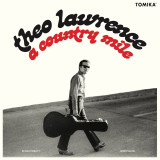
After supporting Alison Krauss & Robert Plant during summer '22 and going on tour alongside Charley Crockett across UK and Netherlands, French-Canadian singer-songwriter Theo Lawrence invites you to travel with him on the roads of Texas for an exclusive RSD release. Four performances captured on the spot, in a studio away from the city. Love songs flirting with bluegrass and rock'n'roll, straight out of a honky tonk where western waltzes follow one another. With this country hillbilly quartet (fiddle, lap steel and double bass), each of the instrumentalists is a reference. Together they form the beating heart of the Austin, TX music scene.
- A1: Door Mekaar
- A2: Kanon Pittoresk
- B1: Ritme 7000
- B2: Drei
- B3: Karrotten
- C1: Improv 'Stille Willie' (Previously Unreleased Outtakes)
- C2: Kanonjam-Pedaal Kwijt
- C3: Improv 'Rockin' Rollie
- C4: Die Sterveloze Melodie
- D1: Kaas! (Live In Alpha Beverwijk Holland Sept 30 1978)
- D2: Oude & Spaanse Kaas
- D3: Karrottentokkel
- D4: Moedel Moedel Hij Pnaagt Mij
- D5: Improv Alpha
„III“ wurde ursprünglich 1978 privat veröffentlicht und war bei Sammlern schon lange begehrt. Es ist das einzige Album des niederländischen Progressive-Rock-Quartetts Het Pandorra Ensemble, das von zwei Gitarren angetrieben wird und dem sie einen Hauch von Anarchie in ihre Mischung aus Improvisation und King Crimson einbrachten.
- A1: Eazycon -Double Life
- A2: The Modern Model - (The) Days On
- A3: Die Form - No Kill
- A4: Bisca - Dott. Jekyll
- A5: Funkwagen – Ebdomero
- A6: Nofun –Mongolia
- B1: Hakkah – Stairs
- B2: Illogico - 871Zx
- B3: Rinf - Was Besonders
- B4: State Of Art - Scoop 'N' Loop
- B5: Hi-Fi Bros -Stranger In The Night
- B6: Band Aid - L’inviato D’oltreoceano/Festa Happening
- B7: Confusional Quartet - Nebdo Zip
Taking up the gauntlet thrown down by New York's no wave scene, many Italian bands of the early '80s, playing far from the footlights of the world's stage, began creating compelling, and often cutting edge, hybrid sounds. This kind of experimenting soon went viral along the entire peninsula: from Southern Italy to the Alps, creating a brave new Italian take on post-punk. From the nervous white funk of Neopolitans Bisca, to the instrumental explorations of Confusional Quartet, to the "fake jazz" of the Hi-Fi Bros (who even had a track produced by Arto Lindsay), to Band Aid, this collection testifies to one of the most creative periods of the Italian underground. Also features: Eazycon, Modern Model, Die Form, Funkwagen, Nofun, Hakkah, Illogico, Rinf, and State Of Art. Includes CD; CD features the previously unreleased bonus track by La Maison, "Noise Express".
- A1: Ryuichi Sakamoto - The Revenant Main Theme 2 41
- A2: Alva Noto & Bryce Dessner - Hawk Punished 2 14
- A3: Ryuichi Sakamoto & Alva Noto - Carrying Glass 3 07
- A4: Ryuichi Sakamoto & Alva Noto - First Dream 3 05
- A5: Ryuichi Sakamoto - Killing Hawk 3 49
- A6: Ryuichi Sakamoto - Discovering River 1 11
- A7: Ryuichi Sakamoto - Goodbye To Hawk 3 41
- B1: Ryuichi Sakamoto & Alva Noto - Discovering Buffalo 2 43
- B2: Ryuichi Sakamoto - Hell Ensemble 2 38
- B3: Ryuichi Sakamoto - Glass And Buffalo Warrior Travel 1 51
- B4: Ryuichi Sakamoto - Arriving At Fort Kiowa 1 21
- B5: Ryuichi Sakamoto & Alva Noto - Church Dream 2 38
- B6: Ryuichi Sakamoto, Alva Noto & Bryce Dessner - Powaqa Rescue 5 35
- C1: Bryce Dessner - Imagining Buffalo 2 39
- C2: Ryuichi Sakamoto - The Revenant Theme 2 1 54
- C3: Ryuichi Sakamoto & Alva Noto - Second Dream 1 13
- C4: Ryuichi Sakamoto - Out Of Horse 3 57
- C5: Bryce Dessner - Looking For Glass 2 51
- C6: Ryuichi Sakamoto, Alva Noto & Bryce Dessner - Cat & Mouse 5 42
- D1: Ryuichi Sakamoto - The Revenant Main Theme Atmospheric 2 50
- D2: Ryuichi Sakamoto & Bryce Dessner - Final Fight 6 35
- D3: Ryuichi Sakamoto - The End 2 16
- D4: Ryuichi Sakamoto & Alva Noto - The Revenant Theme (Alva Noto Remodel) 4 00
- D5: Ryuichi Sakamoto & Alva Noto - The Revenant - Main Theme (Alva Not Remodel R)
Après le succès de Birdman (quatre Oscars dont ceux du meilleur film et du meilleur réalisateur), le réalisateur Alejandro G. Inarritu repousse les limites de l'art cinématographique avec ce western épique : The Revenant. Avec Leonardo DiCaprio (Titanic, Le Loup de Wall Street) et Tom Hardy (Mad Max: Fury Road, The Dark Knight Rises), tourné dans un Canada sauvage et glacé, à la lumière naturelle, The Revenant est une histoire de vengeance, de survie et de ténacité face à la fureur de l'homme et de la nature. Le film est en passe de devenir un grand favori de la critique, à l'aube de la saison des récompenses... Inarritu a choisi de sacrifier presque tout dialogue à un paysage sonore splendide et à une musique majestueuse. Un film de cette ampleur méritait un compositeur compréhensif de la création artistique pure et des passions déchaînées. Le Maître japonais Ryuichi Sakamoto (Furyo, Le Dernier Empereur - Oscar de la meilleure musique de film) a rempli le contrat haut la main. Avec son collaborateur Alva Noto (notamment au sein du Yellow Magic Orchestra), Sakamoto a créé une bande originale captivante qui sera assurément la bonne surprise de l'hiver. L'album contient également la musique additionnelle de Bryce Dessner (compositeur pour le Kronos Quartet et le LA Phil).
Daniel Ögren is one of the key artists in Sweden’s contemporary, underground music scene. He has already accrued quite the back catalogue, both as a member of the sensational quartet Dina Ögon and also as a solo artist with eight albums already under his belt. ‘Fastingen-92’ was originally released as a limited-edition vinyl pressing in 2020 on the independent label Sing A Song Fighter Records (the same label that first introduced us to Dina Ögon's music). The album came to our attention after hearing Daniels' solo band performing live at the Stockholm Jazz Club, Fasching. The band featured Love Örsan and Christopher Cantillo of Dina Ögon fame (who also records with the incredible Sven Wunder), and their sensational genre-busting set blew us away. It convinced us that this now out-of-print album needed to reach a wider audience.
‘Fastingen-92’ doesn't sit in one genre, it draws from Daniels's love of South American folk music, soul, Nordic folk music and film soundtracks, resulting in something unique, dreamlike and transformational.
It features 'Idag’, an epic, beautiful, cinematic song that introduces the ethereal vocalist Anna Ahnlund. ‘Idag’ has gained a cult following and Daniel has stated that it was the spark that started the Dina Ögon project. Tracks like 'Annalena' and 'Kristinehamn by Night (for Christopher)' sound like a new club sound that hasn't yet been invented (which Nicola Cruz would spin in his DJ sets), mysterious, hypnotic, and engaging. Other songs like 'Maj (for Tintin)' and 'Picasso' venture into blissed-out Scando-Balearic realms. Daniel's love of nature and the inspiration he draws from the geographic environment of the Swedish countryside can be felt in these tracks, they take you to other places and times and are simultaneously familiar, ancient and alien.
Alongside the collaborations with Anna and Christoper, the album features Josefin Runsteen playing the drums on 'Idag' and Swedish musicians Edvin Nahlin and Ulrik Ordin. The majority of the album was played, recorded and mixed by Daniel. For the Mr Bongo edition, we have added the bonus track 'April’, which was previously only available digitally. ‘Fastingen - 92’ is a truly remarkable record that gets into your soul, so please delve in!
SODOMISERY spinnen auf ihrem zweiten Album "Mazzaroth" ein dunkles lyrisches Garn über den Irrsinn der Gesellschaft, Religion und den Kampf des Individuums. Das schwedische Melodic Death Quartett unterstreicht seinen locker-konzeptionellen Ansatz mit einer bemerkenswerten musikalischen Entwicklung, die ihren ursprünglichen Sound, der auf der Kraft und Präzision des Death Metal basiert, um die rasende und kalte Aggression des Black Metal erweitert. SODOMISERY verleihen ihrem Sound durch den Einsatz von Keyboards eine zusätzliche dramatische Tiefe. Kein Wunder, denn die Schweden zählen DIMMU BORGIR, CRADLE OF FILTH und CHILDREN OF BODOM zu den wesentlichen Quellen ihrer Inspiration. SODOMISERY entstanden aus einem Studioprojekt des Stockholmer Gitarristen Harris Sopovic, der die Band mit Hilfe von NETHERBIRD-Frontmann Johan Fridell, Bassist Niklas Sandin (KATATONIA, LIK) und Schlagzeuger Pär Johansson, der für seine Arbeit mit CRAFT und DIABOLICAL bekannt ist, im Jahr 2015 ins Leben rief. Das Resultat war die gleichnamige 3-Track-EP "Sodomisery", die im Jahr 2017 digital erschien. Angespornt von dem massiven Lob für die EP rekrutierte Sopovic neue Mitglieder und beschloss, die Band unter dem Namen SODOMISERY weiterzuführen. Das Debütalbum "The Great Demise" (2020) lässt sich auch als bewusste Absichtserklärung interpretieren, dabei nicht blindlings in die riesigen, obgleich auch etwas abgenutzten Fußstapfen der legendären Stockholmer Death Metal Szene zu treten. Stattdessen bevorzugen die schwedischen Newcomer einen melodischeren und vielseitigeren Ansatz. In der Zeit zwischen ihren Anfängen und dem zweiten Album haben sich SODOMISERY massiv weiterentwickelt, wofür "Mazzaroth" der schlagende Beweis ist!
Ein ungewöhnliches Album und einzigartiger Einblick in die Arbeitsweise des 'Free -Jazz'-Pioniers in den frühen 70er Jahren. Aufgenommen in seinem großen Loft in der Innenstadt von New York, tobt eine Musikform bei dem Colemann sowohl Trompete als auch Saxophon spielt. Sein Quartett mit dem zweiten Saxophonisten Dewey Redman sowie den langjährigen Kollegen Ed Blackwell und Charlie Haden erweist sich als perfekte Ergänzung zu diesem legendären Set. Die erste Vinyl-Neuauflage seit fast 20 Jahren nutzt eine neue 24/96-Übertragung des ursprünglichen Produktionsmasters.