AWESOME TAPES FROM AFRICA News

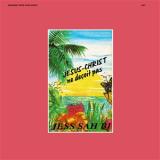
JESS SAH BI - JESUS - CHRIST NE DECOIT PAS

JESS SAH BI

JESUS - CHRIST NE DECOIT PAS

12inchATFALP51
AWESOME TAPES FROM AFRICA
13.05.2026

Jess Sah Bi is well-known as half of the legendary duo Jess Sah Bi & Peter One who brought homegrown Country-Americana to the West African masses with their smash debut Our Garden Needs Its Flowers in the mid-1980s. Touring stadiums and reaching listeners worldwide, their music has racked up millions of spins on YouTube and remains imprinted in the hearts of Ivorians of a certain age. ATFA reissued their album in 2018, garnering critical acclaim from publications including Pitchfork and Rolling Stone and reaching a new generation of listeners outside Ivory Coast (Cote d'Ivoire). Sometime in the early 90s, Die Sahbi - or Jesse, as he known to friends-became gravely ill with an unknown ailment and almost died. He visited various doctors and all kinds of religious healers and nothing helped. One day he went down to an Evangelical Christian revival in his neighborhood. They prayed over him and he was delivered. He says, "Their prayers helped chase out whatever demons and unhealthy spirits were inside me. After that my illness went away. When I went to the United States a few months later on an exchange program I wanted to make music to thank God because I was saved." He recorded an album of music praising God in order to honor a promise he made to himself at the depths of his desperation in the hospital. The album Jesus-Christ Ne Deçoit Pas Jesus Christ Does Not Let Us Down came out in 1991 and sold around 3000 cassettes in Ivory Coast. The master tape was lost along the way so the recording has never been on digital platforms until now. Jesse didn't have much time to record while visiting South Carolina, hence the relatively short album, 6 songs including two reprises for filler. A local pastor connected him with a studio and some American musicians (Robert Fortner and Gary Davis) to help. They added acoustic guitar, percussion and keyboard accompaniment to Jesse's soaring French and Gouro vocals, harmonica and finger-picked acoustic. The resulting recording is deeply soothing and contemplative music that perfectly compliments the songs already embraced by millions. But he had to find the rest of the studio expenses-$600 total-which he secured drawing cartoons for UNICEF. Jesse is Ivory Coast's first political cartoonist, a vocation for which he was widely celebrated at the time. It also made him a few enemies which lead to him leaving the country permanently a few years later. Jesus-Christ Ne Deçoit Pas is Jess Sah Bi's first and only gospel album. Fortunately, fans responded with enthusiasm: widespread radio airplay and concerts followed, along with a growing solo profile in the country. The first big gospel artists in Ivory Coast were the duo Mathieu et Constance, who emerged in 1989. There was a bigger gospel music movement in English-speaking counties like Ghana and Nigeria (Christians make up roughly 40% of the population in Ivory Coast, slightly less than Muslims). Jesse didn't have any intention of working in Christian music but he realized, "You don't make music to make money-you want to send a message." In the years since Jesus-Christ's release, gospel music in Ivory Coast has grown to become a key part of music culture in the country. Spiritual music appears in community actives across the public and private spectrum from religious gatherings and parties to television broadcasts and music festivals. And, as it has evolved and indigenized locally, gospel music has picked up elements of traditional Ivorian music, reggae and soul. The album ultimately precipitated the demise of the duo, who were soon separated geographically as Peter One relocated to Nashville. He went on to become a nurse and release a successful solo album on Verve following the ATFA collaboration. Nowadays Jesse lives in the Bay Area and continues to record and perform music wherever and whenever he has the chance. He is publishing a new book of humorous cartoons in 2025 and his most recent album Never Give Up came out in 2020

non in magazzino

Ordina ora e ordineremo l'articolo per te presso il nostro fornitore.

22,27

Last In: 20 days ago
ATA KAK - BATAKARI

Ata Kak schuf mit seinem Debütalbum **,Obaa Sima"** ein eigenwilliges Stück ghanaischer Musikgeschichte. Bei seiner Veröffentlichung im Jahr 1994 blieb es zunächst weitgehend unbeachtet, doch 2006 erlebte die Kassette online ein neues Leben. Als erster Beitrag auf dem Blog *Awesome Tapes From Africa* avancierte sie zu einer Art Manifest für das gesamte Projekt - und löste eine ungewöhnliche, aber nicht gerade leise Kultbegeisterung aus. Seine fesselnde Mischung aus experimenteller elektronischer Musik und Twi-sprachigem Hiplife erreichte ein überraschend breites Publikum unter Musikfans unterschiedlichster Couleur. Das Rätsel um die Identität des Musikers wuchs. Schließlich trat Yaw Atta-Owusu aus dem Schatten - aus seinem ruhigen Zuhause in Kumasi - und tourte um die Welt, spielte energiegeladene, schweißtreibende Auftritte auf großen Festivals wie Glastonbury, Sónar und Pop Montreal. Nun veröffentlicht Ata Kak erstmals seit 1994 neue Musik. Über mehrere Jahre hinweg in Studios rund um Kumasi entwickelt, präsentieren die Songs den akrobatischen Rap und das charakteristische Scatting des Sängers-Rappers, dramatische Drums und sogar die traditionelle Akan-Harfe. Die Kompositionen sind ambitionierter als seine frühen Werke, mit komplexeren Arrangements und vielschichtigen Harmonien. Die neuen Stücke sind auch Ausdruck eines ruhelosen Künstlers - Ata Kak ist ein produktiver Dichter und Autor von rund einem halben Dutzend Büchern, zudem passionierter Gärtner und fleißiger Maler. Geboren 1960 in Ghana, war Ata Kak nicht immer in der Musik aktiv. Seine Reisen und seine Offenheit für die Welt führten ihn jedoch in die Musikszene. Während seines Aufenthalts in Deutschland wurde er eingeladen, in einer Reggae-Band Schlagzeug zu spielen, und trat später in Highlife-Bands in Ontario auf, nachdem er in die Gegend um Toronto gezogen war. Dort nahm er **,Obaa Sima"** in seinem Heimstudio auf und veröffentlichte es 1994 in Ghana. In den Jahren danach war er nur wenig musikalisch aktiv, bis ,Obaa Sima" 2015 neu aufgelegt wurde. Seitdem spielt er seine Songs live - unterstützt von einer brillanten Gruppe Londoner Musiker - und hat auf drei Kontinenten getourt, vor Tausenden von Fans in den unterschiedlichsten Locations.

non in magazzino

Ordina ora e ordineremo l'articolo per te presso il nostro fornitore.

22,27

Last In: 6 months ago
ATA KAK - BATAKARI

ATA KAK

BATAKARI

12inchATFADLX53
AWESOME TAPES FROM AFRICA
07.11.2025

Ata Kak schuf mit seinem Debütalbum **,Obaa Sima"** ein eigenwilliges Stück ghanaischer Musikgeschichte. Bei seiner Veröffentlichung im Jahr 1994 blieb es zunächst weitgehend unbeachtet, doch 2006 erlebte die Kassette online ein neues Leben. Als erster Beitrag auf dem Blog *Awesome Tapes From Africa* avancierte sie zu einer Art Manifest für das gesamte Projekt - und löste eine ungewöhnliche, aber nicht gerade leise Kultbegeisterung aus. Seine fesselnde Mischung aus experimenteller elektronischer Musik und Twi-sprachigem Hiplife erreichte ein überraschend breites Publikum unter Musikfans unterschiedlichster Couleur. Das Rätsel um die Identität des Musikers wuchs. Schließlich trat Yaw Atta-Owusu aus dem Schatten - aus seinem ruhigen Zuhause in Kumasi - und tourte um die Welt, spielte energiegeladene, schweißtreibende Auftritte auf großen Festivals wie Glastonbury, Sónar und Pop Montreal. Nun veröffentlicht Ata Kak erstmals seit 1994 neue Musik. Über mehrere Jahre hinweg in Studios rund um Kumasi entwickelt, präsentieren die Songs den akrobatischen Rap und das charakteristische Scatting des Sängers-Rappers, dramatische Drums und sogar die traditionelle Akan-Harfe. Die Kompositionen sind ambitionierter als seine frühen Werke, mit komplexeren Arrangements und vielschichtigen Harmonien. Die neuen Stücke sind auch Ausdruck eines ruhelosen Künstlers - Ata Kak ist ein produktiver Dichter und Autor von rund einem halben Dutzend Büchern, zudem passionierter Gärtner und fleißiger Maler. Geboren 1960 in Ghana, war Ata Kak nicht immer in der Musik aktiv. Seine Reisen und seine Offenheit für die Welt führten ihn jedoch in die Musikszene. Während seines Aufenthalts in Deutschland wurde er eingeladen, in einer Reggae-Band Schlagzeug zu spielen, und trat später in Highlife-Bands in Ontario auf, nachdem er in die Gegend um Toronto gezogen war. Dort nahm er **,Obaa Sima"** in seinem Heimstudio auf und veröffentlichte es 1994 in Ghana. In den Jahren danach war er nur wenig musikalisch aktiv, bis ,Obaa Sima" 2015 neu aufgelegt wurde. Seitdem spielt er seine Songs live - unterstützt von einer brillanten Gruppe Londoner Musiker - und hat auf drei Kontinenten getourt, vor Tausenden von Fans in den unterschiedlichsten Locations.

non in magazzino

Ordina ora e ordineremo l'articolo per te presso il nostro fornitore.

23,49

Last In: 6 months ago
ATA KAK - OBAA SIMA

Es gibt wohl keine größere Überraschungserfolgsgeschichte aus dem Internet im Bereich Musik als die von Ata Kak.Der ghanaische Rapper und Sänger veröffentlichte 1994 still und leise ein Tape, das erst 2006 wiederentdeckt wurde - zu einer Zeit, als die bloggetriebene Online-Sammlerbewegung für Musik in der Vor-Streaming-Ära auf ihrem Höhepunkt war.Die mitreißende Mischung aus Lo-Fi-House und aufrichtig vorgetragenem, kraftvollem Burger Highlife eroberte Mitte der 2000er die Herzen von Musikliebhabern auf der ganzen Welt. Mit Unterstützung seiner Londoner Band spielte Ata Kak weltweit Konzerte und stand auf riesigen Bühnen vor Tausenden von Fans.Die sieben Songs auf ,Obaa Sima" haben Hörerinnen und Hörer gleichermaßen begeistert und verblüfft, seit sie als erster Beitrag auf dem Blog Awesome Tapes From Africa erschienen. Eine gut dokumentierte, jahrelange Suche nach dem Sänger endete 2015 mit einer Neuauflage.Trotz der sorgfältigen Arbeit der langjährigen ATFA-Mastering-Partnerin Jessica Thompson war die Klangqualität der Quelle jedoch nicht optimal - das originale DAT-Tape war verschimmelt und zerfiel.Nach jahrelanger Suche nach der bestmöglichen Kassette steht nun die Obaa Sima Anniversary Remaster-Version bereit. Zum ersten Mal können wir diesen inzwischen legendären, unkonventionellen Dancefloor-Klassiker in glasklarem Klang hören.Die ursprüngliche Neuauflage von ,Obaa Sima" hat über 10.000 LPs verkauft, und die Kassette wurde vom ursprünglichen Blogpost Hunderttausende Male heruntergeladen. Auf der Basis dieser legendären Aufnahme spielte Ata Kak energiegeladene Shows in Clubs und auf Festivals weltweit.Die Deluxe-Edition des neuen Remasters enthält eine LP in gesprenkeltem Vinyl sowie eine DVD-Dokumentation mit bisher unveröffentlichtem Filmmaterial.

In Stock

Disponibile in Stock e pronto per la spedizione

22,27
ATA KAK - OBAA SIMA

ATA KAK

OBAA SIMA

12inchATFADLX54
AWESOME TAPES FROM AFRICA
05.11.2025

Es gibt wohl keine größere Überraschungserfolgsgeschichte aus dem Internet im Bereich Musik als die von Ata Kak.Der ghanaische Rapper und Sänger veröffentlichte 1994 still und leise ein Tape, das erst 2006 wiederentdeckt wurde - zu einer Zeit, als die bloggetriebene Online-Sammlerbewegung für Musik in der Vor-Streaming-Ära auf ihrem Höhepunkt war.Die mitreißende Mischung aus Lo-Fi-House und aufrichtig vorgetragenem, kraftvollem Burger Highlife eroberte Mitte der 2000er die Herzen von Musikliebhabern auf der ganzen Welt. Mit Unterstützung seiner Londoner Band spielte Ata Kak weltweit Konzerte und stand auf riesigen Bühnen vor Tausenden von Fans.Die sieben Songs auf ,Obaa Sima" haben Hörerinnen und Hörer gleichermaßen begeistert und verblüfft, seit sie als erster Beitrag auf dem Blog Awesome Tapes From Africa erschienen. Eine gut dokumentierte, jahrelange Suche nach dem Sänger endete 2015 mit einer Neuauflage.Trotz der sorgfältigen Arbeit der langjährigen ATFA-Mastering-Partnerin Jessica Thompson war die Klangqualität der Quelle jedoch nicht optimal - das originale DAT-Tape war verschimmelt und zerfiel.Nach jahrelanger Suche nach der bestmöglichen Kassette steht nun die Obaa Sima Anniversary Remaster-Version bereit. Zum ersten Mal können wir diesen inzwischen legendären, unkonventionellen Dancefloor-Klassiker in glasklarem Klang hören.Die ursprüngliche Neuauflage von ,Obaa Sima" hat über 10.000 LPs verkauft, und die Kassette wurde vom ursprünglichen Blogpost Hunderttausende Male heruntergeladen. Auf der Basis dieser legendären Aufnahme spielte Ata Kak energiegeladene Shows in Clubs und auf Festivals weltweit.Die Deluxe-Edition des neuen Remasters enthält eine LP in gesprenkeltem Vinyl sowie eine DVD-Dokumentation mit bisher unveröffentlichtem Filmmaterial.

non in magazzino

Ordina ora e ordineremo l'articolo per te presso il nostro fornitore.

23,49

Last In: 5 months ago
MOSKITO - IDOLAR LP

In the vibrant streets of Tembisa, South Africa, amidst the sprawling urbanity connecting Johannesburg and Pretoria, the story of Moskito began. Formed in 2001 by Mahlubi "Shadow" Radebe and the late Zwelakhe "Malemon" Mtshali, the group first emerged as a powerhouse of pantsula dancers. However, their undeniable passion for music soon led them down a new path_ one that would cement their place in kwaito history. Spending countless hours on the street corners of their township, where they were born and raised, Shadow and Malemon danced and sang with an infectious energy that attracted crowds. It wasn't long before the duo decided to channel their talents into a kwaito group, and after adding friends Patrick Lwane and Menzi Dlodlo, Moskito was born. (Pantsula dancing emerged in the 1950s among Black South Africans in townships and continually evolved until it became intertwined with kwaito music culture. The stylized, rapid foot movements and characteristic low-dancing became associated with kwaito as it took over South African urban culture into the early 2000s.) With limited resources, the group displayed immense creativity, recording demos using two cassette decks and instrumental tracks from other artists. They would rap and sing over an instrumental playing on one deck while the second deck records their performance. Their determination paid off when they submitted their demo to Tammy Music Publishers, who were captivated by Moskito's style. "Kwaito was the thing `in' at the time. If you did music you did kwaito. We wanted to fit in and actually it was easy," says Radebe. "We didn't have engineers in the group, so the first time in a real studio was with Percy and Thami to record Idolar." That same year, the group released their debut album, Idolar, under Tammy Music. The album was an undeniable success reaching gold status selling over 25,000 units and earning them a devoted fan base across South Africa and neighboring countries like Botswana, Swaziland, Namibia and Zimbabwe. Moskito collaborated with industry legends such as Chilly Mthiya Tshabalala, who was known for his work with Thiza and Spoke "H." They drew inspiration from Thami Mdluli a.k.a Professor Rhythm, who had dominated the disco scene back in the 80s and 90s. Mdluli helped with musical arrangements and executive produced the album and signed on producer-engineer Percy Mudau, while Shadow and Malemon took pride in composing most of their songs. Like many of the rising kwaito artists of the time, they didn't have music production or engineering backgrounds so they required support from engineers together their ideas down on tape. They were inspired from South African kwaito icons like Trompies, Mdu, Mandoza, and Arthur Mafokate, alongside international heavyweights like Snoop Doggy Dogg, Dr. Dre, 2Pac, and R. Kelly, Moskito created a sound that was uniquely theirs_a perfect blend of local flavor and global influence.

non in magazzino

Ordina ora e ordineremo l'articolo per te presso il nostro fornitore.

22,27

Last In: 12 months ago
NAHAWA DOUMBIA - VOL. 2

Awesome Tapes From Africa the label began over 10 years ago with the reissue of Nahawa Doumbia’s Vol. 3. The recording kicked off a successful run of classic and new recordings from artists across Africa, being made available for the first time in the international marketplace. ATFA makes it possible for artists to expand their fanbases and revenues streams with legally licensed recordings and a 50/50 profit split. For its 50th release, ATFA presents iconic Malian singer Nahawa Doumbia’s beloved Vol. 2

non in magazzino

Ordina ora e ordineremo l'articolo per te presso il nostro fornitore.

21,64

Last In: 16 months ago
HAILU MERGIA - PIONEER WORKS SWING (LIVE)

It's been a little over ten years since Hailu Mergia reemerged on the international music scene. Following the first in a series of his classic recordings reissued in collaboration with Awesome Tapes From Africa, Mergia assembled a band and began performing live again after many years driving a cab in Washington, DC. His first show back appeared on the front page of the New York Times along with a stellar review and he took off from there performing his flavor of Ethiopian jazz all over the world in the years since, including Radio City Music Hall and Montreal Jazz Festival. Finally, we have a recorded document of the keyboard player's powerful DC-based trio _ which practices each weekend in his basement _ featuring Kenneth Joseph on drums and Alemseged Kebede on bass. Beautifully captured at one of their fiery live shows at the venerable Brooklyn non-profit cultural center Pioneer Works on July 1, 2016, the concert was recorded by PW staff and mixed by Ted Young with mastering by ATFA's expert audio extraction collaborator Jessica Thompson. The performance clarifies what many people across the globe already know: in his fifth decade of music-making Hailu Mergia continues to push the boundaries of his remarkable abilities. Mergia and his veteran band energetically and playfully unpeel layer after layer of harmonic and rhythmic interest out of a spectrum of Ethiopian repertoire. Modern jazz demands constant reinvention and improvisation, night after night creating new works out of known modes and classic standards. This band is unstoppable when it comes to turning age-old melodies (like "Tizita" or "Anchihoye Lene") upside down and inside out until they emerge as molten new works, often spontaneously. Mergia's original compositions (like "Yegle Nesh") shine brighter than ever here as well. Moving from keyboard to organ to accordion to melodica, he deftly switches instruments _ often during the same song. Mergia at 77 years old seems to be working harder than musicians half his age. "Pioneer Works Swing (Live)" brings into focus the kind of onstage group improvisation and deadly solo passages that reach for places Mergia and the band have never gone, on festival and club stages across four continents. Now that Mergia has released two new recordings along with four classic reissues, he is eager to let everyone hear what he's been doing on the road since he re-took the global stage for his victory laps. So much more than an old act from yesteryear, Mergia balances his legendary Ethiopian recordings with good old fashioned sweat-soaked live concert triumphs such as the one we have here.

pre-ordina ora03.11.2023

dovrebbe essere pubblicato su 03.11.2023

23,49
Hailu Mergia - Pioneer Works Swing LP

It’s been a little over ten years since Hailu Mergia re- emerged on the international music scene. Following the first in a series of his classic recordings reissued in collaboration with Awesome Tapes From Africa, Mergia assembled a band and began performing live again after many years driving a cab in Washington, DC. His first show back appeared on the front page of the

New York Times along with a stellar review and he took off from there performing his flavor of Ethiopian jazz all over the world in the years since, including Radio City Music Hall and Montreal Jazz Festival.

Finally, we have a recorded document of the keyboard player’s powerful DC-based trio—which practices each weekend in his basement—featuring Kenneth Joseph on drums and Alemseged Kebede on bass. Beautifully captured at one of their fiery live shows at the venerable Brooklyn non-profit cultural center Pioneer Works on July 1, 2016, the concert was recorded by PW staff and mixed by Ted Young with mastering by ATFA’s expert audio extraction collaborator Jessica Thompson. The performance clarifies what many people across the globe already know: in his fifth decade of music-making Hailu Mergia continues to push the boundaries of his remarkable abilities.

Mergia and his veteran band energetically and playfully unpeel layer after layer of harmonic and rhythmic interest out of a spectrum of Ethiopian repertoire. Modern jazz demands constant reinvention and improvisation, night after night creating new works out of known modes and classic standards. This band is unstoppable when it comes to turning age-old melodies (like “Tizita” or “Anchihoye Lene”) upside down and inside out until they emerge as molten new works, often spontaneously. Mergia’s original compositions (like “Yegle Nesh”) shine brighter than ever here as well. Moving from keyboard to organ to accordion to melodica, he deftly switches instruments—often during the same song. Mergia at 77 years old seems to be working harder than musicians half his age.

Pioneer Works Swing (Live) brings into focus the kind of onstage group improvisation and deadly solo passages that reach for places Mergia and the band have never gone, on festival and club stages across four continents.

Now that Mergia has released two new recordings along with four classic reissues, he is eager to let everyone hear what he’s been doing on the road since he re-took the global stage for his victory laps. So much more than an old act from yesteryear, Mergia balances his legendary Ethiopian recordings with good old fashioned sweat-soaked live concert triumphs such as the one we have here.

pre-ordina ora03.11.2023

dovrebbe essere pubblicato su 03.11.2023

30,28
Gibraltar Drakus - Hommage A Zanzibar LP

No shortage of colorful characters emerged from Cameroon’s bikutsi scene in the 1980’s and early 90’s. Gibraltar Drakus is one of the most enduring and enigmatic of the artists who helped transform bikutsi into a beautifully endless fabric of triplet rhythms that eventually reached ears around the world.

Following the advent of Cameroon Radio Television in 1987, bikutsi began to supplant makossa and soukous for domination of the local airwaves and the attention of cosmopolitan, thrill-seeking residents of Cameroon’s capital Yaoundé and beyond. Biktusi perfectly fused Beti traditional music and increasingly electronic, highly rhythmic guitarbased bikutsi. Mimicking the sound of village-based xylophone music by rigging a mute to electric guitar strings, bikutsi artists provided a relentlessly energetic dance format for those with a taste for music steeped in their hometown sensibility (countering the popular makossa that many felt sounded less indigenous).

By the early 1990’s, Les Tetes Brûlées were indisputably the most famous and influential artists in bikutsi, due in part to the innovations of their incendiary guitarist Théodore Zanzibar Epeme. Following their first European tour in 1987, the band blew up internationally but Zanzibar tragically, and mysteriously, passed away, which nearly brought an end to the band completely. In hindsight, the consensus among most Cameroonians is Zanzibar’s contributions to biktusi were transformational and immeasurable.

“Zanzibar is the one who taught me how to compose a song, and I learned a lot from Zanzibar musically. We spent whole nights working on methods and other approaches to compose beautiful songs. I owe half of everything I have today to Zanzibar!”

Swept up in all this was Gibraltar Drakus, who was the youngest member of Les Têtes Brûlées and was also the protégé of his biggest supporter, Zanzibar. So it was fitting that he dedicate his 1989 debut to their groundbreaking late guitarist who had meant so much to him. Drakus literally exploded from his first album Hommage A Zanzibar (1989), which sold over 100,000 copies despite rampant piracy. For the recording, Drakus made sure he engaged prolific producer Mystic Jim to record and mix the album. The innovation musically rests both within the guitar interplay and the discipline in the orchestration, which result in a mind-bending clockwork of cross-rhythmic harmony.

pre-ordina ora11.08.2023

dovrebbe essere pubblicato su 11.08.2023

27,69
Roger Bekono - Roger Bekono LP

Long out-of-print release available digitally for the first time. Extensive notes by a local writer in English and French. Previously unpublished family photos. Urbanized traditional music at a dance-floor-friendly tempo. The very definition of an "Awesome Tape From Africa". Roger Bekono made a deep mark in the contemporary history of Cameroonian music through the four-on-the-floor, ribald intensity of bikutsi. The Ewondo-language dance-pop style that forms an undulating tapestry of interlocking triplet rhythmic interplay came to international prominence in the European "world music" scene as the 90s began. But the relentless sound of bikutsi developed in Yaoundé at the hands of Bekono and many others, as it developed from a village-based singing style performed mostly by women into a cosmopolitan music force that rivaled the popularity of established musics like Congolese rhumba, merengue and makossa. With his unique—some say suave—voice, Bekono contributed much over a period of more than 10 years as part of the evolution of this traditional rhythm-turned-urban dance movement. Bekono worked with legendary producer Mystic Jim, who had built a prolific home studio along with a crack team of musicians. They joined as part of the production of his self-titled album, which became known locally as "Jolie Poupée," the name of the album's lead single and most popular song. For "Jolie Poupée" Mystic Jim programmed the kick or bass drum, adding effects to have a heavier bass. Overall the album represented a new level of finesse and professionalism for his second release. In the middle of 1989, Jolie Poupée was released by the label Inter Diffusion System and aggressively hit the radio, discos and national television. The music video for the title track was on loop on TV. It felt like everyone was talking about it, even artists in adjacent music scenes like makossa. The album came out on vinyl and cassette and remains Bekono's best-selling recording to this day. With Jolie Poupée Bekono finally made an impact outside Cameroon as the record captured listeners in some Central African countries like Equatorial Guinea, Gabon, Republic of Congo and Sao Tome & Principe. In these countries, we find the Fang or Mfan people (also known as Ekang), Bantu-speaking ethnic groups that are also found in Cameroon. This umbrella language group includes the language in which bikutsi is mainly sung. Most of Bekono's songs are in French, Ewondo (of which Beti is a dialect) and Pidgin. The four songs on Jolie Poupée are all considered bikutsi classics. On September 15, 2016, Bekono died of a long illness at the age of 62. In the wake of his passing the media published a wave of tributes, thanking him for what he did for Cameroonian music. He was an admired musician, songwriter and guitarist, and some of his old colleagues and some of the new generation of performers showered Bekono with vibrant tributes via social media, many of which noting something to the effect of: "The artist dies but his works remain."

pre-ordina ora16.06.2023

dovrebbe essere pubblicato su 16.06.2023

27,31
DJ BLACK LOW - IMPUMELELO 2x12"

There's more than a hint of ambition on the double LP sophomore effort from Sam Austin Rabede, the producer known as DJ Black Low. Pretoria, South Africa-born and based, the young man makes amapiano with new ways of expressing this local- turned-global style of dance music. In DJ Black Low's musical imagination, the songs manage to smoothly vacillate between dreamy and firmly-grounded. Adorned with vocalists across most of the twelve tracks, there's a new dimension to Black Low's now-signature approach to abstract, angular deconstruction of the rhythmic developments in his songs. The album references influences and ambitions in its song titles and lyrics while the music itself is anthemic in its sonic and structural aspirations. On many of the songs a slow-burning tension transforms into something unexpected until you're somewhere else as the track concludes. There is an emotional and compositional maturity that builds on his earlier work. Vocals and lyrics are in focus. Production collaborators among Black Low's Gauteng Province circle add to the constantly churning array of ideas that populate this consistently surprising release. Despite being a relative newcomer, DJ Black Low is onto something here.

non in magazzino

Ordina ora e ordineremo l'articolo per te presso il nostro fornitore.

26,01

Last In: 3 years ago
TENO AFRIKA - AMAPIANO SELECTIONS

South Africa's reputation for expanding dance music again with Amapiano.
The past five years have seen amapiano, South Africa’s electronic music movement born in the townships of the country’s Gauteng province, evolve from an underground sound to a nationwide mainstream staple. Even with its commercial success though, amapiano’s DIY ethos has continued to disrupt music creation and distribution in the country. Most amapiano commercial successes today began their careers on cracked versions of production software like FL Studio, distributed their work through file sharing platforms like datafilehost and marketed it using social media pages they controlled and influenced. Amapiano Selections, the debut album by DJ and producer Teno Afrika, gives listeners outside the movement’s online release economy an insight into the high-burn nature of amapiano that has spawned a distinct typology under its larger umbrella. Twenty-one-year-old Lutendo Raduvha has spent the bulk of his life moving between different townships on the outskirts of Johannesburg and Pretoria in the Gauteng province. The palette of amapiano styles on the album reflect these influences.

But at first, South Africa’s youngest electronic music movement lived underground with a small, loyal following. “Amapiano is a genre that I chose because I have a passion for it,” says Teno “I started following amapiano in 2016 because I wanted to explore how it’s produced. It was not taken seriously in our country.” Interestingly, Teno Africa only gives vocals prominence on the closing track “Chants of Africa.” As a way of making their music recognizable and relatable for broadcast, amapiano producers have sometimes overly relied on vocals in the form of singing, catch-phrases and party refrains for the purpose. “It was my decision not to use vocals on this project,” says Teno “The reason is I wanted people to feel my instrumentals and style because this is my first album.” On his closing track the young producer gives a glimpse of the considered approach to music which buoys anticipation for greater things from his future releases.

non in magazzino

Ordina ora e ordineremo l'articolo per te presso il nostro fornitore.

20,46

Last In: 3 years ago
DJ Black Low - Impumelelo LP 2x12"

There’s more than a hint of ambition on the double LP sophomore effort from Sam Austin Rabede, the producer known as DJ Black Low. Pretoria, South Africa-born and based, the young man makes amapiano with new ways of expressing this local turned-global style of dance music.

In DJ Black Low’s musical imagination, the songs manage to smoothly vacillate between dreamy and firmly-grounded. Adorned with vocalists across most of the twelve tracks, there’s a new dimension to Black Low’s now-signature approach to abstract, angular deconstruction of the rhythmic developments in his songs.

The album references influences and ambitions in its song titles and lyrics while the music itself is anthemic in its sonic and structural aspirations. On many of the songs a slow-burning tension transforms into something unexpected until you’re somewhere else as the track concludes. There is an emotional and compositional maturity that builds on his earlier work. Vocals and lyrics are in focus.

Production collaborators among Black Low’s Gauteng Province circle add to the constantly churning array of ideas that populate this consistently surprising release. Despite being a relative newcomer, DJ Black Low is onto something here.

In Stock

Disponibile in Stock e pronto per la spedizione

22,27
HAILU MERGIA & DAHLAK BAND - WEDE HARER GUZO 2x12"

Hailu Mergia & Dahlak Band's Wede Harer Guzo is the third release on Awesome Tapes From Africa for Ethiopian keyboard and accordion maestro. In the years since Shemonmuanaye, Mergia has revamped his touring career, playing festivals and clubs worldwide, including a recent tour supporting Beirut. By 1978, Addis Ababa's nightlife was facing challenges. The ruling Derg regime imposed curfews, banning citizens from the streets after midnight until 6:00 am. But that didn't stop some people from dancing and partying through the night. Bands would play from evening until daybreak and people would stay at the clubs until curfew was lifted in the morning. One key denizen of Addis' musical golden age, Hailu Mergia, was preparing a follow-up to his seminal Tche Belew LP with the famed Walias Band. It was the band's only full-length record and it had been a success. But his Hilton house band colleagues were a bit tied up recording cassettes with different vocalists. Still Mergia, amidst recording and gigs with the Walias, was also eager to make another recording of his instrumental-focused arrangements. So he went to the nearby Ghion Hotel, another upmarket outpost with a popular nightclub. Dahlak Band was the house band at Ghion at the time. Together they made this tape Wede Harer Guzo right there in the club during the band's afternoon rehearsal meetings, with sessions lasting three days. Dahlak Band catered to a slightly more youthful, local audience, while Mergia's main gig with the Walias at Addis' swankiest hotel had a mixed audience that included wealthy Ethiopians, foreign diplomats and older folks from abroad. Therefore, their sets featured lighter fare during dinnertime and a less rollicking selection of jazz and r&b. Meanwhile, Dahlak was known more for the mainly soul and Amharic jams they served up for hours two nights a week to a younger crowd. Mergia released Wede Harer Guzo ("Journey to Harer," a city in eastern Ethiopia) with Sheba Music Shop, which was located in the Piazza district but has long since shut down. His cassette copy is the only known source we could find. Jessica Thompson at Coast Mastering managed to restore the recording to clean up layers of hiss, flutter and distorted frequencies, made worse by years of storage. Although there are some remaining sonic artifacts of the era's recording and cassette duplicating quality, this reissue captures the band's inimitable vibe. Recalling the audience's positive reaction to Wede Harer Guzo's novel arrangements, he says it sold well and found many fans. However, as no trace of the tape can be found online, there's no indication as to why the cassette appears largely forgotten until now

non in magazzino

Ordina ora e ordineremo l'articolo per te presso il nostro fornitore.

23,49

Last In: 3 years ago
TENO AFRIKA - WHERE YOU ARE

Teno Afrika's 2020 debut Amapiano Selections drew an international wave of support sparked by the producer's deftly minimal take on the emergent style. Amapiano combines the South African predilection for deep house alongside a melange of endemic influences like kwaito, jazz and gqom. The 20-year-old's new crop of songs Where You Are expands on his rhythmic subtlety hooded in warm bass adorned by amapiano's telltale shakers, hi-hats and mid-tempo shuffle. Lutendo Raduvha hails from Pretoria, South Africa, where he produces music incessantly and DJ's parties around Gauteng province. He hangs with a crowd of musical friends, many of whom join him on Where You Are. For his second album Teno Afrika brings more vocalists into the sonic picture, unlocking an emotive and timbral escalation to his rapidly mushrooming catalog of work. Singers Leyla and KayCee feature on the title track and "Fall In Love," respectively. Regular cohort Diego Don joins for two driving, pad-propelled works of significant vibrancy, "SK Love" and "AK Love." The album's dramatic closer "Duma ICU" features another returning collaborator, Stylo MusiQ, who helps bring an icy, almost cinematic conclusion to a slice of the sound Teno Afrika is pushing at the moment. There's a palpable feeling of not knowing where the young producer might go next.

non in magazzino

Ordina ora e ordineremo l'articolo per te presso il nostro fornitore.

20,46

Last In: 2 years ago
Teno Afrika - Where You Are

Teno Afrika's 2020 debut "Amapiano Selections" drew an international wave of support sparked by the producer's deftly minimal take on the emergent style. Amapiano combines the South African predilection for deep house alongside a melange of endemic influences like kwaito, jazz and gqom. The 20-year-old's new crop of songs "Where You Are" expands on his rhythmic subtlety hooded in warm bass adorned by amapiano's telltale shakers, hi-hats and mid-tempo shuffle. Lutendo Raduvha hails from Pretoria, South Africa, where he produces music incessantly and DJ's parties around Gauteng province. He hangs with a crowd of musical friends, many of whom join him on "Where You Are." For his second album Teno Afrika brings more vocalists into the sonic picture, unlocking an emotive and timbral escalation to his rapidly mushrooming catalog of work. Singers Leyla and Kaycee feature on the title track and "Fall In Love," respectively. Regular cohort Diego Don joins for two driving, pad-propelled works of significant vibrancy, "SK Love" and "AK Love." The album's dramatic closer "Duma ICU" features another returning collaborator, Stylo Musiq, who helps bring an icy, almost cinematic conclusion to a slice of the sound Teno Afrika is pushing at the moment. There's a palpable feeling of not knowing where the young producer might go next. Also Available From Teno Afrika: Amapiano Selections LP/CD. Track listing: 1 Teno Afrika ft Leyla “Where You Are” 2. Teno Afrika & Diego Don “SK Love” 3. Teno Afrika “Bells” 4. Teno Afrika ft KayCee “Fall in Love” 5. Teno Afrika “Gomora Groove” 6. Teno Afrika “Halaal Flavour” 7. Teno Afrika & Diego Don “AK Love” 8. Teno Afrika ft Stylo MusiQ “Duma ICU”

pre-ordina ora16.12.2022

dovrebbe essere pubblicato su 16.12.2022

23,11
DJ BLACK LOW - UWAMI II LP

DJ Black Low burst on the international scene last year with Uwami, a collection of his early, downright avantgarde amapiano work. The young producer and DJ makes electronic music that sounds like nothing else: glitchy and fierce while smooth and soulful, all under the rubric of South Africa's most-exported dance music movement to date. Now comes Uwami II, which features the rest of the tracks from the acclaimed debut plus a new song "Gijima." The Pretoria, South Africa-based artist has more work in the pipeline as we present these inimitable songs for the first time on vinyl. The song "Gijima" is a previously unreleased track Black Low chose to include in this collection as cremates more work at a furious pace. "This is essential listening from a 20 year-old star." - Resident Advisor Best Tracks of 2021 "Uwami keeps an adventurous spirit at its core and pushes far beyond genre conventions in the process." - The Vinyl Factory "A producer with a fully realized voice." - Bandcamp Best Albums of Winter 2021 "The hard hitting beats of the electronic percussions make the songs seem like they're out of this planet." - AfroPop Worldwide

non in magazzino

Ordina ora e ordineremo l'articolo per te presso il nostro fornitore.

19,96

Last In: 15 months ago
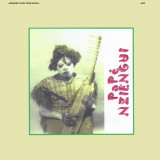
Papé Nziengui et son Groupe - Kadi Yombo LP 2x12"

Kadi Yombo, published in 1989, is the most successful album in the quest for a fusion between tradition and modernity in Bwiti harp music of the Tsogho people of Gabon. Combining beating rattles with a layer of synthesizers, Papé Nziengui blends in a contrapuntal dialogue characteristic of harp playing: male song in appeal and female choir in response, male voice of the musical arc and rhythms of female worship. But above all it’s Tsogho ritual music and modern studio orchestration. The result is an initiatory itinerary of 10 musical pieces which are all milestones likely to be simultaneously listened to, danced, meditated on, and soon acclaimed. In the years since, Nziengui has traveled he world from Lagos to Paris, from Tokyo to Cordoba, from Brussels to Mexico City to become a true icon, the emblem of Gabonese music.

Like Bob Dylan, "electrifying" folk and Bob Marley mixing rock with reggae, some purists have criticized Nziengui for having distorted the music of harp by imposing a cross with modern instruments. They even went so far as to claim that Nziengui was just an average harpist covering his shortcomings with stunts that were only good for impressing neophytes; like playing a harp placed upside down behind his back or playing two or three harps simultaneously. Sincere convictions or venomous defamations, in any case, Nziengui never gave in to such attacks, imposing himself on the contrary to pay homage to the elders (Yves Mouenga, Jean Honoré Miabé, Vickoss Ekondo) while instructing the maximum of young people. He is thus the promoter of many young talents, the most prominent of which is certainly his nephew Jean Pierre Mingongué. In a conservative society where the sacred is confused with secrecy, exposing the mysteries of Bwiti in broad daylight can be punished by exclusion or even execution.

Papé Nziengui has always claimed that he faces such risks because he never felt enslaved to a community that governs his life, that regulates his conduct, that has a right of censorship over his activities. Like Ravi Shankar, the famous sitarist, Papé Nziengui is a man of rupture but also of openness, a transmitter of culture. As proof, he has established himself in Libreville, Gabo’s capital, as the main harpist for sessions and concerts, accompanying the greatest national artists (Akendengué, Rompavè, Annie-Flore Batchiellilys, Les Champs sur la Lowé, etc.) as well as foreign artists (Papa Wemba, Manu Dibango, Kassav', Toups Bebey, etc.). In 1988, he was the first harpist to release an album in the form of a cassette produced by the French Cultural Center (Papé Nziengui, Chants et Musiques Tsogho). At the same time, he created his own group (Bovenga), combining traditional music instruments (musical bow, drums, various percussion instruments, etc.) in the framework of a true national orchestra, which gave the first concert and the first tours of a traditional music that was both modern and dynamic, thus "democratizing" the harp, to the dismay of certain purists.

On the other hand, in modern music, dominated by the logic of profit or even commercialism, artistic creation must often be adjusted for a specific audience based on reason rather than heart. But instead of allowing himself to be distorted, Papé Nziengui has always tried to produce music that is not a caricature, worthy in its expression as in its content, of the sacredness and transcendence of the music of the Origins. This is what makes Nziengui not only the musician, but the man someone whose age hasn’t altered any of his freshness or authenticity

pre-ordina ora08.04.2022

dovrebbe essere pubblicato su 08.04.2022

32,73
Articoli per pagina:
N/ABPM
Vinyl

