White vinyl, limited to 650 copies. The album title hangs heavy throughout the duration of the songs themselves, a weight around the neck of its creators. Inspired by a tumultuous time for vocalist Seb Alvarez, the album is an uncomfortable listen as he grapples with then-undiagnosed bi-polar and unchecked addiction issues. Whilst the themes of shame, deception and trauma are not new to meth., they have previously been dressed up with a fictional veneer. This time around, Alvarez lays his vulnerabilities bare, offering up the darkest parts of himself. The oppressive burden of shame, galvanised by behaviours rooted in addiction and mental illness seeps into the anxiety-inducing atmosphere of the album. Alvarez chronicles the differing types of shame and rock bottom feelings from Catholic guilt instilled in him from a young age, through to the more recent deceptions of concealing the effects of alcoholism. As he details his constant internal battles and downward spirals, everything is channelled into the creative process. The result is stark, unyielding and raw. For the first time, the band wrote as a unit, indicating a shift in focus. Alvarez focussed on the lyrical and thematic elements of the album and created more room for his bandmates to thrive. The ominous sound of SHAME is littered with experimental flourishes, as meth. lean into noise rock and metal simultaneously. There is an industrial bleakness to the album that propels it along, at some points as though through gritted teeth. Operating under a remit that included avoiding a reliance on riffs, meth. instead let rhythm - specifically their drums - carry the weight and forward motion of their compositions. Recorded in winter 2022-23 by Zack Farrer at Rose Raft in New Douglas, IL, the album was later mixed and mastered by Colin Marston.
Search:undiagnosed
- 1
Avant-garde pioneer Eric Dolphy achieved incredible things with the bass clarinet, establishing it as a vehicle for solo improvisation, and was equally adept on alto and flute, gaining kudos from peers such as John Coltrane and Charles Mingus. Outward Bound holds a special place in jazz as Dolphy’s first LP fronting his dynamite quintet, leaving conventions behind from the get-go. With the entire group on tremendous form throughout and Dolphy reaching the heights of his genius, this is a stellar release from a giant whose star shined brightly and briefly, until his tragic early death from undiagnosed diabetes.
Incl. Bonus tracks "April Fool" and "245 (alternate take 1)"
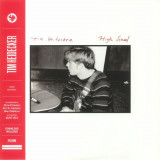
Produced by Heidecker, Drew Erickson, Eric D. Johnson and Mac DeMarco, High School sees Heidecker emerging as an increasingly playful and poignant story teller, infusing childhood tales with new gravity. In conjunction, he announces Tim Heidecker Live! Featuring Tim Heidecker and The Very Good Band, his first two-act tour of comedy and music. Since 2016, Tim Heidecker has chronicled the annals of adulthood on a series of supreme singer-songwriter albums. The crushing devastation of divorce and the existential malaise of middle-age, the minutiae of home ownership and the ritual of family vacation, child rearing and global warming: Heidecker has handled it all with humor and heart. But, there’s one pivotal lodestar of human development he has yet to mine that’s right, High School. First single “Buddy” is a composite of a few woebegone friends, which finds Heidecker reminiscing on the familiar tragedy of the adolescent stoner, manifesting the destiny of undiagnosed depression and parents who didn’t care much. The song itself is a jangly delight, but it’s hard not to mourn for “Buddy,” then re-count whatever blessings you may have. After initial and fruitful sessions with Jonathan Rado, Heidecker started recording tunes with DeMarco and Erickson, who had also worked on 2020’s collaboration with Weyes Blood, Fear of Death. At DeMarco’s studio, they added drum machines and synths and sidewinding solos to Heidecker’s big strummed chords. Johnson (Bonny Light Horseman, Fruit Bats) helped Heidecker finesse the tunes even more, making the music as rich as the feelings. Kurt Vile contributed to one song, as well. Through all those sessions, it slowly became clear: Heidecker was writing not only about the adventures and misadventures of life as a Pennsylvania teen in the early ’90s, but also how it felt to lose a juvenile sense of mystery and possibility as an adult. He was writing about high school and, really, the way it helped shape everything else. Back at Pennsylvania’s Allentown Central Catholic High School, Heidecker dreamed of making it with one of his many rock bands — Time and Other Things, Shaggy’s Beltbuckle, and (incredibly) The Pulsating Libidos. Two years shy of his graduating class’ 30th anniversary, Heidecker admits he had little of substance to say when he was 17, like all but the rarest of precocious minds. In college, though, he found the friends with whom he built his comedy career, largely apart from music and without much thought for his time back at Central Catholic. He was focused on his future. It is fitting, then, that as Heidecker has become such a delightful singer-songwriter and collaborator, he returns to the first scene of his time as a musician. Maybe he’s right — he didn’t have anything to say or sing about life back then. But across the earnest and amusing High School, he finds plenty to say about those weird and wonderful and ordinary times.
- 1