A few words for the album
Moment’s Aeternity:
a 12/8 composition celebrating the raw power of the “moment”, marked by whirling improvised moments between drums, bass clarinet and Harris P’s Armenian duduk.
Pajko, fire in the forest on the mountain:
in Sokratis own words: “I have a really vivid memory as a child. I was staring at the Djena mountain from my window in Archangellos which sits on the Pajko mountain. A little beam of light shone far in the horizon; it was a fire that in my little eyes looked as if the giants of Almopia were trying to communicate with each other using phryktoria (a way of contacting through fire in Ancient Greece).”
Footprints of some Giant Steps:
While the classic compositions of two true Jazz Giants- Wayne Shorter and John Coltrane- are certainly different, they do both connect in a mystical way. Rearranged in 5/8 combining half of each melody and half of each one’s chord progression, keeping the form of the piece for improvisation, still in 5.
Oson Zeis Fainou (Seikilo’s Epitaph):
found in a tomb stone in the Northeast of Greece, this is the only melody saved from the ancient times. It is accompanied by lyrics contemplating the meaning of life:
Ὅσον ζῇς φαίνου
μηδὲν ὅλως σὺ λυποῦ πρὸς ὀλίγον ἐστὶ τὸ ζῆν τὸ τέλος ὁ xρόνος ἀπαιτεῖ.
‘’While you live, shine
don’t feel blue for anything because our life is short and time demands an end.’’
Here is to Oghene K:
’’Hey man, where is the groove?’’, he would say, just to trigger another wave of inspiration for Sokratis. Oghene was a true force of nature, a well of kindness, a masterful artist that left this world too early. This one is for him.
Balkan Riff (for Milcho Leviev):
Milcho Leviev (1936-2019), was a long-time friend and collaborator and a true inspiration for expression, creativity and colorfulness. Expressing the deep sentiments evoked by the Balkan sound and history, this is a sorrowful dialogue between bass clarinet and contrabass.
Spirits of Djena:
one of the most esoteric and personal moments of the album. Composed and recorded during the challenging times of the COVID-era, you can hear the baritone and tenor saxophone firmly grounded on a crispy, hypnotizing contrabass groove.
Sokratis Votskos Quartet
Kostas Anastasiadis / Giorgos Klountzos - Chrysidis: Drums
Leandros Pasias: Piano
Vaggelis Vrachnos: Contrabass
Sokratis Votskos: Soprano Saxophone, Bass Clarinet and Compositions
Sokratis Votskos is a jazz saxophonist, clarinetist, composer, educator, and bandleader from Greece. Deeply invested in unearthing the folk sounds and heritage music of Greece and Eastern Europe, he weaves these into modern jazz compositions though the use of melodies, polyrhythms, and his reedy, timeless tone. He leads the Sokratis Votskos Quartet, he is one half of Kolida Babo and member of the Reggetiko Project. A highly regarded sideman and ensemble player, he has worked extensively with renowned jazz musicians with several highly acclaimed releases (MiC, Jazzman, Walt Disney and now Fair Weather Friends Records).
He has performed his music in numerous venues and festivals worldwide from Vinterjazz in Copenhagen, to the EFG London Jazz Festival where he performed at the legendary Ronnie Scott’s alongside Greg Foat.
He is also an archaeoacoustics researcher and enthusiast, having completed his Master studies on the field of ancient ritualistic caves of Greece research.
Leandros Pasias was born in Thessaloniki, Greece. At age 10 was introduced to piano, continuing his studies at the Modern Conservatory of Thessaloniki and later at the Conservatorium van Amsterdam in the department of jazz piano.Ηe holds a classical harmony diploma and a BA at the Department of Music Studies at the Aristotle University of Thessaloniki. In 2020 he received jazz improvisation lessons from Aaron Parks.
With a series of appearances in multiple international jazz festivals, Leandros has collaborated with a wide range of musicians from Nicolas Masson and James Wylie to Marina Osk, Ivo Papasov and Haris Lambrakis, among others.
A member of the Yako Trio, he released “OdesSea” on Fair Weather Friends Records (2021).
Vangelis Vrachnos was born in Thessaloniki, Greece, in 1989. While he started playing the bass at the age of 12, alongside his brother, his studies would commence a few years later. Introduced to double bass at the age of 23, he undertook jazz double bass studies at the Codarts Αcademy of Rotterdam. He has participated in several festivals such as the Technopolis and Odessa international jazz festivals. Since returning to his hometown, in 2015, he has been a founding member of Mordana and Yako Trio and has collaborated with a series of musicians like James Wyllie, Sokrates Votskos and Dimitis Agelakis, among others.
Kostas Anastasiadis is a tireless researcher, that has been diligently studying Tradition and its evolution, creating a fresh amalgam of sound moods. His mature improvisational virtuosity highlights a uniquely individual artistic expression and was recognized with the ̈Unique Individual Stylist" award by the PIT (Percussion Institute of Technology) in Los Angeles, California. He has been associated with various ensembles that have garnered significant interest in the global music scene. As an educator, he is the founder of "The Harmony of Rhythm" musical method, which aims to explore and establish the elements that constitute the concept of rhythm.
Giorgos Klountzos-Chrysidis was born in Thessaloniki in 1991. Following studies at the Modern Conservatory of Thessaloniki, he moved to France and the Conservatoire de Nice. With performances at well-known festivals like Nice Jazz Festival, Nuits du Sud and Jazz à Vienne, he had the opportunity to meet the American drummer Leon Parker, who encouraged him to move to Paris, where he spent the next two years under his tutoring and guidance.
In 2016, came a defining moment in his career as he traveled to New York for the first time. He participated in the quartet of saxophonist Diego Rivera for a series of performances and attended lessons by Rodney Whitaker and Randy "Uncle G" Gelispie at Michigan's State University.
Collaborations include Xavier Davis, Ricky Ford, Nicolas Masson, Diego Rivera, Craig Bailey, Baptiste Herbin, Marc Abrams, Pantelis Stoikos, Antonis Anissegos, David Lynch, Ziad Rajab and Ivo Papasov, among others.

quête:a c reed
Ron Basejam is, of course, a project from Crazy P co-founder James Baron where he focuses on deep and heavy house. He lands on Leeds label 20/20 Vision here with 'Maynard', which is a trudging rhythm brought to life with bluesy vocals and big horns. 'Bighorn' then works the filters to cook up an emotionally charged and loopy sound and 'Is It Daylight?' cuts more loose with a soulful, dusty sound that Moodymann would love. Last but not least is the cosmically charged 'The 8 Bit Slowdown' with its jazzy reed work and raw, broken, driving beats. A smart and varied four tracker from a real G.
- 1: Nuvole I
- 2: Nuvole Ii
- 3: Nuvole Iii
- 4: Nuvole Iv
- 5: Nuvole Ix
- 6: Nuvole V
- 7: Nuvole Vi
- 8: Nuvole Vii
- 9: Nuvole Viii
- 10: Nuvole X
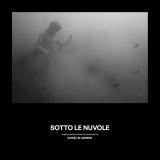
In Gianfranco Rosi’s portrait of Naples, Sotto le Nuvole, the ground shakes periodically. Between Mount Vesuvius and the Tyrrhenian Sea, the fumaroles of the Phlegraean Fields hiss volcanic gas and steam. Below the sleeping volcano, modern day Naples emerges in black and white and fills with voices, with lives. From the traces of history and the concerns of the present, Rosi documents a city immersed in its continuous past, with Daniel Blumberg’s minimal soundscape hovering in a sonic space between liquid and air.
Tasked with creating a soundscape that would suspend space within Rosi’s film, Blumberg called upon the extended technique of saxophonists Seymour Wright and John Butcher to create a gossamer fabric of traces and sounds abstracted from their instruments. Having transitioned from theoretical physics to the saxophone, John Butcher has always deeply considered space in the context of his playing. His concerns are with flow, density and how the saxophone is situated in the living world. Zeroing in on the core sonic properties of the mechanical and acoustic components of the saxophone, Seymour Wright has integrated its every breath, reed vibration, keypad clatter and hissed microtone of his alto into his own, unique improvisational language. In his work with these two seminal players, Blumberg makes his most concentrated soundtrack to date - reinforcing the film's sense of overlapping time and space, and pushing at the limits of experimentation.
Initially recorded in Daniel’s flat in London, Butcher and Wright centre themselves around long, consistent tones, so soft that it seems breath is being gently pulled from the saxophone's bell by an invisible hand. Blumberg himself adds haunting bass harmonica, and recordings of Wright’s launeddas - a traditional and ancient triple pipe polyphonic reed instrument from Sardinia, Italy. Blumberg then travelled to the volcanic region of Baia, next to Pompeii. Once a flourishing classical Roman city loved by Nero, Baia slowly sank under hydrothermal pressure, leaving the city in a kind of geological purgatory. Using specialised geophones and hydrophones, Blumberg took those initial recordings and amplified them underwater, sending them calling out across the ruins of Baia’s mosaics, Nymphaeum statues and villas.
“It was important to me that the music was whispered in the same landscape that Gianfranco has worked for the past three years, so that you can hear the volcanic air gulping, the lapping of the waves, the steam and bubbles popping against John and Seymour’s saxophone breaths – an echo from a suspended time.”
What emerges is deeply melancholic, tender, subtle and right at the edges of audio technology. Submerged in an aquarian mausoleum, the mysterious vibrations of the saxophone and its bell become an echo of an echo, wading from the future into the past. ‘Sotto le Nuvole’ is less a soundtrack than a process of aeration - a sonic puncture in the material of the film which allows its central message to breathe, and a remarkable experiment at the limits of the saxophone’s possibility.
After their recent LP Mirages (Kraak Records, 2025) with French turntablist Guilhem’All, the group continues to explore collaborations with artists and instruments from diverse musical traditions. Building on decades of uncompromising acoustic exploration, Razen delves deeper into their practice with five improvisational pieces that unfold slowly in time and space. The duo’s radical core - Brecht Ameel and Kim Delcour - finds in Van der Harst a longtime kindred spirit, united by the impact of sound, intonation, and the sheer joy of playing.
To be released on April 24 via VIERNULVIER Records, the artwork for Stained Glass Starling was created by American visual artist Robert Beatty (Oneohtrix Point Never, Christina Vantzou, The Weeknd, Tame Impala). The physical release comes with a 16-page booklet including artwork and an interview.
A long-standing artistic kinship lies at the heart of this project, with first encounters dating back to the early 2000s in Belgian musical improv theatre. Van der Harst’s lifelong experience in improvised music and music theatre, spanning back to the 1980s, combined with a vast arsenal of rare and historical instruments, opens new tonal territories within the Razen universe.
These explorations are not incidental: his family roots in the former Dutch East Indies — through his great-grandfather — provide a quiet backdrop to his enduring affinity for Asian musical traditions. Instruments such as erhu, Javanese kacapi, and others introduce timbres
that bring the music its most pronounced Asian inflections to date.
Yet despite this shift in colour, the underlying ethos remains unmistakably Razen. Working from sound rather than form, the ensemble approaches music as painters approach a canvas: adding layers, contrasts and shades with care. There is no soloist’s ego here; all voices are equal, echoing principles found in gamelan traditions.
Over the decades, Razen and Dick Van der Harst have crossed paths repeatedly, notably through cult theatre productions by Belgian theatre maker Eric De Volder, including Zwarte vogels in de bomen (2002) and Huis der Verborgen Muziekjes I–II (2000–2006). Recording an albumtogether had long been a shared aspiration — a wish that crystallised after a 2024 concert at Concertzaal Miry in Ghent, part of the Ruiskamer series by VIERNULVIER Art Centre.
‘Their ability to harmonize together is stunning, their reedy voices coming together and pulling apart amid delicate fingerstyle guitar and concertina deployed in just intonation, which imparts a deeply resonant, almost glowing harmonic presence. It’s all quite subtle, and if you only listen to the way the voices of Cater and Rasten blend you might even miss it—but the full sonic spectrum is what distinguishes and, in certain ways, connects it to traditional practice… Although the album is pure balladry, unfolding with exquisite patience, each song contains nifty little flourishes or instrumental elements that set them apart, such as the slide guitar and wheezy bass harmonica on For the Ear That is No More, or the slow peal of trumpet on Death and the Lady, courtesy of Rasten’s partner in Pip and Oker, Torstein Lavik Larsen. (Peter Margasak, Nowhere Street).
‘All done with such grace and elegance, without a note wasted or any required. Wonderful… faultless and deeply considered’ (Glenn Kimpton, KLOF).
Three high English and Scottish ballads, and three original settings of European folk tales.
Matt gatefold cover; gloss spot varnish.
Check it out!
- 1: Amidst Things Uncontrolled (2026 Remaster) 05:00
- 2: Pigeon Hurt (06 Remaster) 03:3
- 3: Roots Growing (2026 Remaster) 04:42
- 4: From Verse To Verse (2026 Remaster) 03:9
- 5: Refrain From (2026 Remaster) 01:13
- 6: Tentative Growth (202 Remaster) 04:28
- 7: Across From Golden (Remix) (2026 Remaster) 05:08
- 8: Standing On A Hummingbird (2026 Remaster) 04:54
- 9: Pattern For A Pillow (2026 Remaster) 07:14
- 10: Difficult To Light (2026 Remaster) 05:00
Originally released on Ezekiel Honig's Anticipate label in 2007, Standing on a Hummingbird is the debut album by Canadian sound artist Mark Templeton, now appearing for the first time on vinyl, newly remastered by Giuseppe Ielasi and cut by LUPO. Working at the intersection of post-glitch, electroacoustic ambient, and textural minimalism, Templeton composes through restraint and erosion, building patient and richly tactile pieces primarily from acoustic sources - fingerpicked guitar, plaintive banjo, muted accordion tones - subjected to careful processes of granulation, filtering, and environmental masking. These gestures never overwhelm the source material; instead, they wonderfully destabilize it. Melodies appear briefly, only to dissolve into dense atmospheres of field recordings: distant streets, birds, water, air. Sounds hover, vibrate, and vanish, much like the wing beating latent in the album’s title.
Tracks such as “Pattern For a Pillow” and “Amidst Things Uncontrolled” articulate this approach with particular clarity, setting languid acoustic figures against churning granular backdrops that feel at once sheltering and unstable. Elsewhere, moments of fragile clarity - fluttering guitar lines, reedy accordion tones - briefly break the surface before being absorbed back into the field.
Heard today, the record offers a clarion, almost spartan strain of textural ambient music: intricate yet unforced, shaped by human touch rather than automated excess. Its refusal of spectacle feels especially vital in a landscape saturated with maximalist digitalia - a reminder that electronic music’s most enduring gestures often occur where sound is allowed to tremble and hold itself just long enough to be felt before disappearing once again. (Alex Cobb, 2026)
- 1: From The Air
- 2: Good Evening
- 3: Cloud
- 4: Let X=X
- 5: It Tango
- 6: Drum Solo
- 7: Teachers
- 8: Story To No One
- 9: Gravity’s Angel
- 10: Ramon
- 11: New Angels
- 12: Walk The Dog
- 13: Looking At The Moon
- 14: Church Of Panic
- 15: Dog Show
- 16: Junior Dad
- 17: O Superman
- 18: The Lake
- 19: Swimming
- 20: It’s Not The Bullet That Kills You
- 21: Only An Expert
- 22: What Are Days For?
- 23: How To Feel Sad Without Being Sad
Nonesuch Records releases Let X=X, by Laurie Anderson with Sexmob. This triple-LP/double-CD set was recorded live during a 2023 tour by Anderson and the jazz band Sexmob – Steven Bernstein and Briggan Krauss on brass, Kenny Wollesen on percussion, Douglas Wieselman on winds and guitar, and Tony Scherr on bass. Its cover and interior packaging feature paintings by Anderson. The album features 23 songs, including many favourites from throughout Anderson’s career, performed in new arrangements – plus one by Lou Reed and Metallica, ‘Junior Dad’. Anderson and Sexmob play more US and international dates this spring and summer (details below).
The New York Times said Anderson and Sexmob’s concert at the Brooklyn Academy of Music (BAM) ‘wasn’t a historical recreation of past recordings; Sexmob’s sound is a beefier one than on Anderson’s albums. With musicians who can double on electric guitar and bass clarinet, its members offered a rich range of textural variation throughout the evening.’
Laurie Anderson is one of America’s most renowned – and daring – creative pioneers. Her work, which encompasses music, visual art, poetry, film, and photography, has challenged and delighted audiences around the world for more than 40 years. In a recent 60 Minutes profile, Anderson Cooper said she ‘is a pioneer of the avant-garde, but... that doesn’t begin to describe what she creates... It’s experienced by audiences who come to see her perform: singing, telling stories, and playing strange violins of her own invention... she blends the beautiful and the bizarre, challenging audiences with homilies and humor. She blurs boundaries across music, theater, dance, and film.’ The Washington Post has said she ‘doesn’t just tell stories; she draws out every word with a kind of physical pleasure, tasting its flavor as she probes the everyday mysteries of life.’
Anderson released her first album with Nonesuch Records, the critically lauded Life on a String, in 2001. Her subsequent releases on the label include Live in New York (2002); Homeland (2010); the soundtrack to her acclaimed film Heart of a Dog (2015); and her Grammy-winning collaboration with Kronos Quartet, Landfall (2018). Nonesuch released a re-mastered edition of Big Science in 2007 for its 25th anniversary, followed by a vinyl LP re-issue in 2021; the album includes Anderson’s beloved, surprise hit, song, ‘O Superman’, which also is featured on Let X=X. Her recent Nonesuch release was 2024’s Amelia, about renowned female aviator Amelia Earhart’s tragic last flight.
Anderson’s virtual-reality film La Camera Insabbiata, with Hsin-Chien Huang, won the 2017 Venice Film Festival Award for Best VR Experience, and, in 2018, Skira Rizzoli published her book All the Things I Lost in the Flood: Essays on Pictures, Language and Code, the most comprehensive collection of her artwork to date. Recent exhibitions and installations of Anderson’s work include Habeas Corpus at New York’s Park Avenue Armory; her largest exhibition to date, The Weather, at Washington, DC’s Smithsonian’s Hirshhorn Museum of Modern Art; and Looking into a Mirror Sideways at Stockholm’s Moderna Museet, which was her largest European exhibition to date.
Laurie Anderson was awarded the 2024 Stephen Hawking Medal for Science Communication, along with Christopher Nolan and David Attenborough, and the International Astronomical Union named a minor planet in her honour: Asteroid 270588, Laurieanderson. That same year, she was awarded a Grammy Lifetime Achievement Award.
- 1: Annelie
- 2: Wild Palms
- 3: Drowning Man
- 4: Two Black Irises
- 5: Vagabond
- 6: Isn't This How The Story Always Begins?
- 7: Winter Says
- 8: Last Call For Karaoke
- 1: In A Room Like This
- 2: How To Talk To Your Man
- 3: Allegiances
- 4: Anniversary Song
- 5: Tough Love
Seit über 30 Jahren ist Simon Joyner eine Ausnahmeerscheinung - ein vollkommen unabhängiger Künstler, der sich ganz auf sein Handwerk konzentriert. Der in Omaha lebende Singer-Songwriter veröffentlichte Anfang der 90er Jahre erstmals Musik und ist seitdem seinem Weg treu geblieben. Joyners Songs voller stiller Freude und Herzschmerz haben verschiedene Generationen von Künstlerkollegen geprägt und zeigen sich als offensichtlicher Einfluss bei Acts wie Bright Eyes oder Kevin Morby sowie als Anklänge gemeinsamer Perspektiven bei den nachfolgenden Lenkers, Oldhams und Molinas. "Tough Love", Joyners 19. Studioalbum, setzt diesen Aufwärtstrend fort. Obwohl es untrennbar mit der persönlichen Trauer von "Coyote Butterfly" aus dem Jahr 2024 verbunden ist - dem autobiografischen Album, das Joyner nach dem Tod seines Sohnes aufgenommen hat - erforscht dieses neue Album das Konzept der ,tough love" als Dichotomie, die auf verschiedene fiktive Beziehungen angewendet wird, darunter romantische, familiäre und politische. Dieser Balanceakt zeigt sich in lebhaften Schilderungen alltäglicher Herzensschmerzen und in der Auseinandersetzung mit politischer Wut und dem Verrat am amerikanischen Traum. Eines der Wunder von Joyners Werk ist, dass sich seine Muster nicht wiederholen, sondern wandeln. Anspielungen auf Cohen, Dylan und die Velvets sind seit den frühen Lo-Fi-Tagen Teil seines Songwritings, doch die Art und Weise, wie diese Vorbilder einfließen, verändert sich ständig. Während Joyners raue Akustiksongs im Rampenlicht stehen, werden sie von E-Gitarren angestachelt und sind von experimentellen Tendenzen durchdrungen. Die Rocksongs bilden einen Mittelweg zwischen minimalistischen Grooves, die von Velvet Underground der Loaded-Ära übernommen wurden, und der ekstatischen rhythmischen Verrücktheit von Can. Wenn wir beim vorletzten Track, ,Anniversary Song", angelangt sind, haben die geisterhaften Vocals und die Scratches des mikrotonalen Synthesizers die Grenzen zwischen Joyners Folk-Sänger-Herz und seinem Avantgarde-Geist verwischt. All das mündet in den 20-minütigen Titeltrack, der "Tough Love" abschließt - ein erschütternder Sturz in einen scheinbar bodenlosen Abgrund aus Reue, Überlebensschuld und unverblümter Trauer. Er leiht sich eine repetitive Struktur aus Lou Reeds erzählter Suite ,Street Hassle" und kombiniert sie mit dem seitenfüllenden Zeugnis von Dylans ,Sad-eyed Lady of the Lowlands", Joyner erzählt dazu aus der Perspektive seines verstorbenen Sohnes, der zu seinem Vater spricht, all seine Fehler darlegt und schonungslos hervorhebt, dass nichts davon rückgängig gemacht werden kann. Bald jedoch öffnet sich diese Qual zu etwas Transzendentem, sowohl in ihrer eleganten Bildsprache als auch in ihrer ätherischen Atmosphäre. Die letzten Momente des Albums gewähren die Erlaubnis zur Selbstvergebung und hoffentlich eines Tages auch zum Verständnis. Dieses kathartische Ende bringt all die verworrenen Gefühle, die sich durch "Tough Love" ziehen, auf den Punkt. So wie Joyner das Songwriting aus ungewöhnlichen Blickwinkeln angegangen ist, die sich jedes Mal ändern, wenn er zur Gitarre greift, um ein neues Album aufzunehmen, so verändert sich auch auf "Tough Love" seine Beziehung zu Trauer, den alltäglichen Kämpfen und dem ewigen Streben nach etwas Besserem.
- A1: Monsters
- A2: Alien Point Of View
- A3: Cardinal Newman
- A4: Fat Cow
- A5: Nothing To Hide
- A6: People Like You
- A7: Regress For You
- A8: Christian Lovers
- A9: Exorcism
- B1: Bathroom Sluts
- B2: Pie On A Ledge
- B3: Push, Push, Push
- B4: Alice's Song
- B5: Praise The Lord
- B6: My Mommy's Chest
- B7: Slave
- B8: Poets (Early Version)
- B9: Pretty Vacant
- C1: Miscarriage
- C2: Scandinavian Dilemma
- C3: Poets
- C4: Confession
- C5: She Works For Safeway
- C6: Bible Stories
- D2: Green Tile Floor
- D3: Bathroom Sluts (Demo)
- D4: Waterpiss
- D5: Baby Face
- D6: Berlin Red Head
- C7: Dyptheria
- D1: Castration
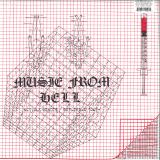
Nervous Gender’s legendary synthpunk LP Music From Hell burbles up from infernal depths to resurface on Dark Entries. Confrontational, unhinged, and unabashedly queer, Music from Hell is an unholy grail for fans of the strangest underbellies of post-punk, minimal synth, and early industrial music, and is presented here newly remastered and on expanded double LP.
Nervous Gender (de)formed in LA in 1978 at the hands of Phranc, Gerardo Velaquez, Edward Stapleton, and Michael Ochoa. Phranc, the androgynous embodiment of the band’s name, left in 1980. Following her departure, a wide cast of LA freaks would find themselves drawn into the band’s orbit, including Alice Bag of the Bags, Paul Roessler of the Screamers, the Germs’ Don Bolles, and an 8-year old drummer named Sven Pfeiffer. In 1980, Nervous Gender appeared on the seminal Live at Target compilation alongside Factrix, uns, and Flipper. With the band’s notoriety cemented, Music from Hell followed in 1981 on Subterranean Records (as no LA label would touch this material).
Side A, dubbed “Martyr Complex”, presents a more punk-forward sound with live drum salvos and slabs of aggressive synth. These twitchy, unsettling shockers ooze with the kind of snotty misanthropy that will endear them to fans of the Screamers or Crass.
Side B, known as “Beelzebub Youth”, is a live performance the band labeled "an electronic bruto-canto dissertation on the banality of spiritual transcendence." Mutant melodies cede way to synthesized clangs, whirs, bleeps, manipulated tapes, and howls of despair.
In addition to all the material from the original LP, we’re treated to a full disc of the band’s demos, the material from the Live at Target compilation, and early live recordings. Included are unrecognizable covers of Carly Simon and Lou Reed, and the Sex Pistols that are so despairingly skewed they fall into the void. This reissue of Music From Hell includes a 36 page lyric booklet, foldout poster, and gatefold sleeve with photos, flyers, and news-clippings designed by Eloise Leigh. Tackling taboo issues like sexual kinks, mental illness, drug use, and childhood molestation, Music From Hell is still surprising – even shocking - over 40 years after the album’s release. Nervous Gender stand as one of the most genuinely anti-establishment outfits in underground music, a colossal fuck you to social norms from religious strictures to gender essentialism.
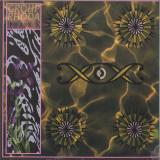
Group Rhoda returns to Dark Entries with Phase 5, a new LP of synthesizer-driven art-pop. An integral member of the West Coast electronic music scene, Mara Barenbaum has been writing, performing, and plunging into oneiric depths as Group Rhoda since 2009. Barenbaum’s songcraft is at once stylistically diffuse and laser-focused, a synesthetic approach that allows her to effortlessly glide between genres and soundworlds while centering her singular poetics. On Phase 5, her fifth LP as Group Rhoda, we find Barenbaum waxing nondualistic. Lines between fairytale and fact, between nature and art, between subject and object all dissolve under contemplation.
The songs on Phase 5 are perpetually in-between states, deftly shifting form at the blink of an eye. With sleight of hand, “Field Tone” transmutes from brooding John Carpenter-esque electro into vocoder-driven space disco. “Dragon Pine” darts from cosmic dub to cybernetic dancehall and back again. The uptempo darkwave-leaning number “Aeolian Crossing” dissolves into the void, like sand falling through one’s fingers, like a retreating wave. The cover artwork for Phase 5 is by Shawn Reed, and features purple lilies and light refracted through water. All songs on this album were mastered by Ruud Lekx. The digital version of Phase 5 will be released via Katabatik, a label and sound system that Barenbaum has had close ties to for the past decade.
- A1: Design - Premonition
- A2: Vision - Lucifer’s Friend
- A3: Richard Bone - Alien Girl
- A4: John Howard - I Tune Into You
- A5: Ian North - We’re Not Lonely
- A6: Selwin Image - The Unknown
- B1: Harry Kakoulli - I’m On A Rocket
- B2: Rich Wilde - The Lady Wants To Be Alone
- B3: Billy London - Woman
- B4: Alan Burnham - Science Fiction
- B5: The Microbes - Computer
- B6: The Goo-Q - I’m A Computer
- C1: Gerry & The Holograms - Gerry & The Holograms
- C2: The Warlord - The Ultimate Warlord
- C3: Die Marinas - Fred From Jupiter
- C4: Dee Jay Bert & Eagle - I Am Your Master
- C5: Peta Lily & Michael Process - I Am A Time Bomb
- C6: Sole Sister - It’s Not What You Are But How
- D1: Alasdair Riddell - Do You Read Me?
- D2: Karel Fialka - Armband (The Mystery Song)
- D3: John Springate - My Life
- D4: Idncandescent Luminaire - Famous Names
- D5: Disco Volante - No Motion
- D6: Dream Unit - A Drop In The Ocean
2025 REPRESS ON TRANSPARENT GREEN VINYL
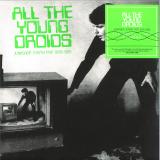
Compiled by Philip King “And then came the rise of synth pop : blokes with dodgy haircuts hunched over keyboard-operated machines stuffed with wires and do-it-yourself tone oscillators making sounds like a brood of geese passing gas in a wind tunnel. Whoopee! This is the way the ‘70s ended : not with a blood-curdling bang bang but with a cheap, synthesized, emasculating whimper.” NICK KENT, NME. All The Young Droids: Junkshop Synth Pop 1978-1985 is a new compilation that charts the underbelly of the epoch-defining sound of the synthesiser in 80s popular music. Compiled by Philip King (previously seen compiling All The Young Droogs, Glitterbest and Boobs - The Junkshop Glam Discotheque), the music here connects the dots between DIY synth enthusiasts grappling with new, cheap synthesisers at the tail-end of punk and wannabe, jobbing songwriters enthral to the new music pioneered by Gary Numan, Depeche Mode and Daniel Miller’s Mute Records. Featuring rare tracks of auto-didactic progressive pop music, proto-techno punk, shoot-for-the-stars-land-in-the-gutter chart flops and heralded, underground synth classics, School Daze paints a picture of beautiful failure. Complete with extensive sleeve notes written by King and never before seen imagery, all 24 tracks were remastered by RPM in-house engineer Simon Murphy, many from vinyl copies due to lost master tapes. The story told on All The Young Droids is one of the dawning opportunity presented by both the emergence to the market of cheaper analog synthesisers and the distribution networks plus indie labels that exploded with the advent of punk music in 1976. While the music that sprouted out all over the globe in the wake of these factors was decried as fake, plastic, a refutation of punk’s guitar-led revolution, it’s telling that much of the music on All The Young Droids.. was created in bedrooms, ramshackle studios and home-made set ups with often borrowed equipment. In the era of record labels jumping to capitalise on the success of The Sex Pistols, The Clash (both on major labels, of course) these artists struggled to stand out from a new gold-rush with next to no budget or PR team. With radio and labels desperate for the new Yazoo, what resulted was a testament to necessity being the mother of invention. At the time, the synthesiser was the music of the future, a shiny new machine that could paint like an orchestra with a single finger and a 4-track. In the hands of Manchester avant-pranksters Gerry & The Holograms it’s a pulsing, sardonic weapon.. the only instrument on the Messthetics classic lampooning of New Wave fashion. In Hamburg, a 16 year old Andreas Dorau used it to write and record (with his female classmates on vocals) a global smash in Fred Vom Jupiter (later licensed to Mute Records). The hard-to-find English version (Fred From Jupiter, natch) is included here. Many artists with alreadystoried careers caught the bug and recorded synthesiser-fuelled peons to space, computers, the future and, of course, love-interests. Harry Kakoulli, late of Squeeze, recorded a solo album in 1979 that included the incredible power-synth-pop smash-that-never-smashed I’m On A Rocket. Similarly, Ian North of Neo and American Power Pop stalwarts Milk ’n’ Cookies bought a Korg MS20 and used a tape machine to record We’re Not Lonely, an absolute lost-classic of minimal synth pop. We’re Not Lonely also features on the Junkshop Synth Pop sampler 7” twinned with John Howard unreleased track You Will See, released April 12th 2025. There are plenty of compilation debuts in evidence. Sole Sister were a mysterious trio who were featured on the Scaling Triangles compilation of female-fronted, queer-adjacent post-punk / underground music that also featured The Petticoats. Selwin Image were from San Francisco and featured members of the recently defunct power pop/punk group The Pushups. Their stupidly catchy The Unknown fizzes with New Wave energy - think XTC to Sparks but remains unreleased until now. Dream Unit’s A Drop In The Ocean is an early synth wave cut, positively teaming with Joy Division instrumentation, previously only released on a long-forgotten and super rare, self-released EP. Incandescent Luminaire’s Famous Names belies an archetypal struggle of a small-town trying to make it in a cruel industry but is a thrilling New Romantic-Synth Wave cross over with a OMD gloominess that’s a joy to hear. Feminist Minimal Wave track I Am A Time Bomb by performance artist Peta Lilly and Michael Chance is a revelation destined for new found cult status. It was released on 7” and lost until now. The flipside to the subterranean, never-made-it synth pop mentioned above are the ambitious, even fruity attempts at success that have a perennial elegance to their confidence. New Jersey-ite Billy London (real name Ed Barth) tried to cash in on the synth boom with Woman, released by a major label, a lurching new wave track built on the Louie Louie rhythm and a wonderfully camp Lou Reedstyle sleazy vocal before exploding in the synthesised chorus. The song bombed but with a chorus like this, you have to wonder why? Ex-Glitter Band member John Springate’s My Life is truly epic, with doomed chord progressions and massive sounding drums turning into at least 3 different songs in the course of the track. Before you wonder what’s going on the song resolves with a glorious return to the main refrain. The dry-ice-dressed dance floor is well catered for too. Design’s Premonition and Vision’s Lucifer’s Friend are stone-cold minimal synth bangers, well loved but given a new lease of life here. The Warlord’s The Ultimate Warlord was released in 1978, a homespun proto Hi NRG banger that was later re-recorded by The Immortals in Canada who had a club hit with it. One-man- band Disco Volante’s No Motion was re-issued by Synth wave label Medical in 2012 but makes its first vinyl compilation appearance here. Close your eyes and you can imagine what Lawrence of Felt would have sounded like with some cheap Korgs a little earlier in his career. Gibraltar-based trio The Microbes imagined a computer programming people to dance - how prescient - and ended up with a propulsive, robo-funk track with splendid rubbery bass playing over a tectonic drum machine. Previously picked up by Belgian label Stroom TV, Dee Jay Bert & Eagle’s heavily Euro-accented I Am Your Master demands the listener to “come to paradise!” In a frankly terrifying manner. All The Young Droids is the first compilation to peel away from the narrative that dour, Minimal Synth and Cold Wave were the only musical children of the first rush of synth pop. Philip King and School Daze Records describe a much more complicated world: along with the austere, Brutalist children of Daniel Miller (who produced Alan Burnham’s Bowie-Low-influenced Science Fiction here) was a plethora of desperate cash-ins, accidental mainstream hits, ambitious pop dramas and major label punts that went nowhere. Crucially, the compilation blurs the line between junk and treasure. What if the two things are interchangeable. What if it’s all science fiction?
Drummer-composer Tom Skinner announces Kaleidoscopic Visions, his second solo album, out 26th September 2025 via Brownswood Recordings and International Anthem
Kaleidoscopic Visions unfolds across two distinct sonic landscapes. Side A presents entirely instrumental compositions performed by Skinner's live Bishara band—bassist Tom Herbert, cellist Kareem Dayes, and Robert Stillman and Chelsea Carmichael on various woodwinds and reeds—with electric guitar on two tracks courtesy of Portishead's Adrian Utley. A drummer-composer bringing his wealth of experience to bear on the role of bandleader, Skinner composed primarily on guitar, embracing the freedom that came with writing on his secondary instrument.
These compositions include "Auster," dedicated to late novelist Paul Auster, and "Margaret Anne," which honours Skinner's mother Anne Shasby, a former classical concert pianist prodigy who abandoned her own promising career in the face of systemic misogyny, only to impart on her son what Skinner calls "the gift of music."
Skinner’s musical world opens further on Side B, where a collection of poised vocal collaborations stretch out from jazz and improvisation towards a more dream-like, soulful sound. The centerpiece is "The Maxim," a ten-minute collaboration with Grammy Award-winning Meshell Ndegeocello, a dubby, spacious meditation on life and death, delivered with a free-spirited grace. For Skinner, working with Ndegeocello—whom he first saw at Glastonbury as a teenager in 1994—represents a full-circle moment, indicative of the indirect paths and inspirational detours that have shaped his life.
The album goes on to feature South Carolina-based singer Contour (Khari Lucas) who appears on the low-lit soul ballad ‘Logue’, and closes with ‘See How They Run’, featuring London keyboardist-vocalist Yaffra (Jonathan Geyevu). It is the album’s most overtly lyrical track, an articulate exposition of jazz-inflected spoken word that speaks not only to the genre-fluid nature of the music but the breadth of Skinner’s palette.
This should come as no surprise. On Kaleidoscopic Visions, one of London’s most vital musical figures gives us a sparkling glimpse of the multi-coloured lens through which his unique sound is now refracting.
Warsaw 480km ist das Debütalbum des irisch/portugiesischen Quintetts pôt-pot, das die treibenden Grooves des Krautrock mit einer phosphoreszierenden Psych-Rock-Ausstrahlung verbindet, unterstrichen von Harmonium-Drones, hypnotischen männlich-weiblichen Gesangsharmonien und tiefen Schichten rauer Texturen. Das Album entstand in erster Linie aus Demos des Multiinstrumentalisten und Leadsängers Mark Waldron-Hyden während einer Zeit der Trauer und des persönlichen Umbruchs und wurde durch eine Reihe von Live-Studio-Sessions in voller Besetzung zum Leben erweckt, die ein außergewöhnliches Spektrum an Talenten dokumentieren, die sich in einer Umarmung der rohen Katharsis mit einer süßlich düsteren Kante vereinen. Ein entscheidendes Element von Warsaw 480km ist die beeindruckende Bandbreite an Einflüssen und atmosphärischen Landschaften. Waldron-Hyden beschreibt: ,Ich habe die ersten Songs geschrieben, als ich noch nicht wirklich an einem Ort lebte, daher denke ich, dass sie sich irgendwie vergänglich anfühlen - sie mit der Band zu entwickeln half mir, eine Zeit zu verarbeiten, in der ich emotional frei war, daher erinnern sie mich gleichermaßen an die schönen Erfahrungen, die wir als kreative Einheit teilten, und an die schwierigen Zeiten, die sie inspirierten." Die Leadsingle ,WRSW" ist ein Beispiel für diese Komplexität, denn ihr robustes rhythmisches Rückgrat trägt Tremolo-Gitarren, ein wummerndes Harmonium und eine halb gesprochene, an Lou Reed erinnernde Gesangslinie, in der Strophe und Refrain wunderbar miteinander verschmelzen. Vor allem ist Warsaw 480km ein Album, das seinen Reichtum und seine Aura durch bewusste Sparsamkeit erreicht, wie Waldron-Hyden erklärt: "Ollie Oliver Smith und Sara Sara Leslie sind Experten darin, das Beste aus einem Pedal, einem beschissenen Verstärker und einer geliehenen Gitarre herauszuholen, ein Ergebnis von angeborenem Talent und jahrelanger Erfahrung; sie verwenden einige Modulationen für dröhnende Passagen, aber es sind ihre Spielstile und ihr Verständnis für ,den Vibe`, die die geheimen Zutaten sind." Diese Art von intuitiver Verbindung und Zusammenarbeit ist unglaublich selten, und mit diesen zehn Stücken vollbringen pôt-pot etwas wahrhaft Entrücktes, indem sie tiefen Schmerz in eine leuchtende Träumerei alchemisieren. Für Fans von Lewsberg, Spacemen 3, Spiritualized, Brian Jonestown Massacre, Velvet Underground, The Oh Sees, Ty Segall, Uranium Club, Night Beats, Goat, Black Lips.
- A1: To The Wilder
- A2: Any Love Of Any Kind Feat Bryce Dessner
- A3: Black Drift
- A4: Story Of Rainy
- B1: Are You There
- B2: Asphalt Maelstrom
- B3: Fragile Things
- B4: Quiet Strike
- C1: Amekara Nijie
- C2: Tmrrw
- C3: Minus Sixty One
- D1: And Now The Bonus Tracks Feat Hideo Kojima
- D2: To The Wilder Feat Elle Fanning
- D3: Any Love Of Any Kind (Choir Version)
- D4: To The Wilder (Piano Version)
- D5: To The Wilder (Instrumental)
WOODKID komponiert die Musik zum heiß erwarteten PlayStation-Spiel "Death Stranding 2: On The Beach". Mit seinem neuen Album "WOODKID FOR DEATH STRANDING 2: ON THE BEACH" zum sehnlichst erwarteten Spiel von Hideo Kojima hebt WOODKID die Idee von Game-Musik auf ein neues Level. Die Songs sind inspiriert von Kojimas Erzählkunst, seinen Figuren und der Welt von Death Stranding - und entfalten sich als eigenständiges Werk voller Tiefe, Kontraste und Atmosphäre.WOODKID, bürgerlich Yoann Lemoine, ist ein französischer Sänger und Komponist. Mit seiner stilsicheren Kombination aus orchestraler Dramatik, elektronischer Präzision und emotionalem Tiefgang hat er sich international einen Namen in der Musik- und Filmwelt gemacht - sowohl als Musiker als auch als Videoproduzent für Künstler:innen wie Rihanna, Lana Del Rey, Pharrell Williams oder Harry Styles. Seine Musik wurde für zahlreiche Film-, Serien- und Videospielproduktionen eingesetzt (Arcane, Assassin's Creed, The Umbrella Academy). Für seine Arbeiten wurde er mehrfach für Grammy- und MTV-Awards nominiert, seine Single "Run Boy Run" wurde weit über fünfhundert Millionen Mal gestreamt. Auch in der Modewelt ist WOODKID präsent - etwa mit Musik für die Shows von Louis Vuitton oder Dior.Über drei Jahre hinweg arbeitete WOODKID eng mit Kojima und dem Team von Kojima Productions zusammen, um Musik zu erschaffen, die weit über klassische Soundtracks hinausgeht. "Jeder Song, jedes Thema wurde in zahllosen Varianten und Schichten komponiert", erklärt WOODKID. Das Ergebnis ist ein Album, das cineastische Orchesterarrangements mit elektronischen Klanglandschaften und eindringlichen Gesangslinien verbindet."Death Stranding 2: On The Beach" ist das neue Werk von Hideo Kojima, einem der visionärsten Köpfe der Gaming-Welt. Als Fortsetzung des vielfach ausgezeichneten ersten Teils, der über 20 Millionen Spieler:innen weltweit erreichte, führt das Spiel die Themen Verbindung, Isolation und Verantwortung in eine neue erzählerische Dimension. Das Spiel besticht zudem durch einen hochkarätigen Cast - darunter Norman Reedus, Léa Seydoux, Troy Baker, Elle Fanning und Shioli Kutsuna - und eine Geschichte, die von den globalen Erfahrungen der letzten Jahre inspiriert ist.Von zarten Melodien bis zu eruptiven Breakcore-Momenten - jeder Track erzählt eine Geschichte. Für die Aufnahmen reiste WOODKID zwischen Paris, Los Angeles und Tokio, um die kreative Vision Kojimas einzufangen. "Es ist manchmal schwer, Hideos Vision ganz zu verstehen, weil sie sich ständig verändert. Man muss dem Prozess vertrauen - und das Ergebnis ist immer überwältigend", sagt er. Was dabei entstand, ist mehr als ein Soundtrack: Es ist ein Manifest künstlerischer Freiheit, ein musikalischer Gegenentwurf zu Konventionen - und eine Hommage an das Anderssein.Die erste Single "To The Wilder" erschien im März 2025 und verzeichnet bereits über 3,7 Millionen Streams weltweit. Das Album erscheint digital, sowie als Vinyl- und CD-Edition - beide mit dem großartigen Artwork des Spiels und als liebevoll gestaltete Sammlerstücke für die internationale Fancommunity.Neben WOODKIDs Album erscheinen zwei weitere Veröffentlichungen zum Spiel: ein Score-Album sowie ein weiteres Song-Album mit noch nicht angekündigten Künstler:innen. Beide erscheinen digital, ebenfalls bei Milan Records.Das Spiel "Death Stranding 2: On The Beach" erscheint am 26. Juni 2025 exklusiv für PlayStation®5.
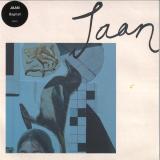
Operating on the fringes of pure improv, organised chaos, minimal composition, lo-fi electronics and Italian spaghetti westerns, wide-eyed and with a healthy dose of DIY aesthetics lies the world of Jaan. It’s a poetic & cosmic universe, exploring “discreet music” whilst wandering on the edges of the Cat People soundtrack & Brian Eno’s more experimental output, in which you might yourself find floating, wandering or in the middle of a market place.
Jaan is a collective of one, a deliberately anonymous activistic unit with strong ties to the international art scene. Purposefully bypassing the know-it-all of the the internet & embracing the bygone mystery of dusty old archives and deep-dive searching, remarkably little is known about this project. Jaan is lead by veteran experimental sonic alchemist Jaan; they operate between Greenland, the Middle East and Europe, with frequent associates Lisqa, Mashid & Schneorr N. acting as local hubs for collaboration and exploration.
The purpose of this wilful obscurity: full focus on the actual music, whether live events or on recordings. Which brings us to Baghali, their first for World of Echo. It’s a deeply personal album, much like slowly browsing old family albums filled with vaguely remembered tales, some still very much present, some faded, leaving but a ghost-like reflection of what once was. Baghali was compiled over the course of a year on the road, trapped in snow storms, waiting for cancelled flights and stuck rides. It’s made up of snippets of diary, quick recordings on road sides, abandoned buildings, garden ruins, vast desert and focussed studio sessions, following a collage-like aesthetic and steeped in an exploration of non-lineair storytelling. There’s broken memories, a sense of displacement and an occasional yearning for what can’t be again, clouded in fever and unrest, but there is also hope, wonderment and bright colours seeping through the cracks in the wall. Jaan weaves home-made instruments, old tape loops, broken synths, beat-up reeds, dusty beat boxes and the occasional doom guitar squall into a tapestry of fractured sound, with tracks following their own inherent logic rather than following formats. Sounds crash in and out, field recordings placing the listener firmly in an environment then throwing several perspectives at once onto them, with individual elements - a wandering clarinet, a lone mandoline, a beat out of place yet perfectly in place - slowly walking in and out & doing their thing.
The whole album is alive, breathes, takes a wrong turn, gets lost, somehow finds its way again - effortless and with a unique sense of space and flow.
Baghali is released digitally and on vinyl in an edition of 300 on 3rd October 2025.
- A1: Laraaji
- A2: Peshawar
- A3: Calypso Gene (Feat Silka & Cleo Reed)
- A4: Glue Traps (Feat Quelle Chris)
- A5: Scandinavia
- A6: Nil By Mouth
- A7: Dogeared (Feat Kapwani)
- B1: Crisis Phone (Feat Pink Siifu)
- B2: Moonbow
- B3: No Grabba
- B4: U Know My Body
- B5: Longjohns (Feat Quelle Chris & Cleo Reed)
- B6: California Games (Feat Earl Sweatshirt)
- B7: Super Nintendo
Armand Hammer und The Alchemist erschaffen Welten. Ihre erste war Haram, die nach wie vor in ihrer Umlaufbahn gefangen ist, gleichermaßen üppig wie bedrohlich. Ihre neue Welt heißt Mercy und besteht aus Blut und Imperium, Kinderlachen, unbezahlten Strafzetteln und Dingen, die noch nicht geschehen sind. Die Rapper ELUCID und billy woods werden am Mikrofon von Earl Sweatshirt, Quelle Chris, Cleo Reed, Pink Siifu, Kapwani und Silka begleitet. The Alchemist hat alles andere übernommen.
Great Vacation! are just that: a momentary escape from a crazy world. Sunshine permeates every note, with good times abound when the band throws down. Both “Yellow Gold Diamond Fire” and “You Make It Look Easy” were recorded old school style with the whole band live in the studio to capture that special magic.
Artist Bio:
Great Vacation! was formed by Riley Geare in 2023. The lineup has rotated a bit but always includes Riley and guitarist Topher Mohr. Currently the group includes drummer Sheldon Reed (who appears on Yellow Gold Diamond Fire). Dedicated to an old school aesthetic, the band performs together live in the studio and has only ever done 2 takes of a song. Every track is recorded to tape for maximum stank. We thrive in the Southern California climate- lots of sunshine, classic cars, palm trees and love vibrations pervade the vibe.
Island5 is Islandman’s most focused and detailed exploration of Anatolian psychedelia to date. They re-imagine the deep-rooted sounds of Anatolia through a modern lens. To them, this music isn’t frozen in time — it’s alive, shifting, and always becoming. Tradition, in their hands, isn’t something to preserve in glass, but something to carry, stretch, and let grow.
Each track offers a different angle into this reimagined sound. Analog synths mimic reed instruments, fuzzed guitars evoke forgotten tales, and percussion carries both the pulse of the city and the stillness of rural ground. There are meditative passages that invite silence (Slwly), and sunlit grooves that move the body before the mind (Adada, Rüzgar). Everything flows as if improvised—but nothing feels accidental.