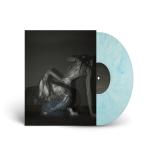
In the Summer of 2023, Dans Dans were nearing the end of a two-and-a-half-year-long period of intense creativity, during which they had released two celebrated albums, Zink and 6, and had toured extensively in Belgium and abroad. Feeling it was time for a well-deserved break in activity, they decided to play three final, intimate concerts before going into hiding: two consecutive nights at Trix in Antwerp (hometown of drummer Steven Cassiers and guitarist Bert Dockx) and one at Botanique in Brussels (hometown of bassist Frederic Jacques). 'LIVE!', Dans Dans' first ever full length live record, features highlights from these memorable nights, offering excitingversions of several of the group's most beloved compositions from across their back catalogue. While the band is, at the time of writing, getting ready to start working on new material, these recordings from 2023 are a good reminder of the magic Dans Dans are able to conjur when they get together and play. Here is one of the most original instrumental trios of the last two decades in their natural habitat, on stage, performing for a live audience, speaking through their intensely personal music. Here is Dans Dans at full flight, effortlessly blending different musical genres and painting fascinating sonic landscapes full of energy, mystery and contrast.
quête:ab
- With Age
- Water
- Ththe State I'm In" Aka "Goode Buy From Cobbs Creek Park
- Cacophony
- Alingual
- Tow Truck
- Pines
- Concrete
Karates trotziges und letztes Studioalbum rundet eine 12-jährige Diskografie ab, die von harDCore-artiger Katharsis bis hin zu feedbackgesättigten Improvisationen reicht. Dieser Klassiker aus dem Jahr 2004 verzichtete auf die Friendster-Migration zugunsten eines zurück zum Wesentlichen gerichteten Songwritings, das von Jazzphrasierungen und beatinspirierter Lyrik durchdrungen ist. Mit Chris Brokaw, dem Gitarristen von Codeine/Come, wurde ,Pockets" von den originalen Analogbändern neu gemastert und kommt in einer Deluxe-Hülle mit reproduzierten Songtexten.
- A1: The Gathering
- A2: She Wants Me
- A3: Pants On Fire
- A4: War & Peace
- B1: Luva Changer
- B2: Samba
- B3: After Hours (Extended Euro Mix)
In the vibrant, post-millennial landscape of independent hip-hop, few collective names commanded as much respect as the Living Legends. A monumental alliance of some of the West Coast's most respected solo artists—including Murs, The Grouch, Eligh, Aesop, Bicasso, Luckyiam, Sunspot Jonz, and Arata—the crew's 2008 album, The Gathering, served as a powerful declaration of their unity and enduring relevance.
The Gathering was a snapshot of a legendary crew working at the peak of their collaborative power. The project masterfully weaves together the diverse styles of its eight members, moving effortlessly from the conscious storytelling of Murs to the soulful, introspective flow of The Grouch and Eligh, and the abstract lyrical dexterity of Aesop. The production, handled largely within the collective, provides a lush, sample-heavy, and distinctly West Coast soundscape that perfectly complements the lyrical fireworks. Tracks like the anthemic title track "The Gathering" and the legendary posse cut "After Hours" showcase the organic chemistry that made the Living Legends a seminal force in underground music.
For the first time ever, this pivotal album is being officially pressed on vinyl. This highly anticipated Record Store Day 2026 release finally delivers The Gathering to the format its rich, soulful production has always deserved. This limited edition pressing is presented on striking Coke Bottle Clear Vinyl, a perfect visual complement to the album's crisp, refreshing sound.
A crucial artifact of independent hip-hop history, The Gathering on vinyl is an essential addition for fans who have supported the Living Legends for decades and a must-have for vinyl collectors looking to own a tangible piece of the era's best crew collaborations. Don't miss the chance to own this definitive, first-ever vinyl pressing of a true underground classic.
- Portschute
- Human Absence
- Galt
- Moon Traveling
- Different Directions
- Visual Assualt
- Respond To Sound
- Clockwise
- Il Mattino
YOUNGE ist Adrian Younges Meisterwerk: ein Orchesteralbum, das aus der Perspektive eines Hip-Hop-Produzenten geschrieben wurde, und eine Hip-Hop-Platte, die mit der Disziplin klassischer und filmischer Musik komponiert wurde. Inspiriert von Komponisten wie Lalo Schifrin, David Axelrod, Ennio Morricone, Galt MacDermot und Geoff Barrow von Portishead, knüpft das Album an eine Tradition emotional aufgeladener, zukunftsweisender Musik an, die Jahrzehnte später durch Sampling still und leise den Hip-Hop geprägt hat.
- Eastern Wizard - Chant Of The Blue Wolf
- Maziri - Mi Silencio
- Idin Gorji / Mahdis Soltani - Sarv
- Nato (Fr) - Lonely
- Tamer Elderini - Mawlay
- Majnoon - Mektep
- Christos Fourkis - Aegean Myst
- Glender - Canto De Xisto
- Berk Ocal - Artsunkneri Gisher
- A X L - Awaly
- Marsey / Chris Bell - Reload
- Marco Tegui - Huayna Cocha
- The Saint - Mozanda
- Pablo Denuit - Timon
- Safar / Hind Ennaira - Janguariye
- Ravin / D-Compost - Champagne After Midnight
Mit Buddha-Bar XXVIII öffnet sich erneut das Tor zu einer Welt voller Eleganz, Sinnlichkeit und globaler Klangfarben. Die legendäre Compilation-Reihe, die längst zu einem internationalen Lifestyle-Phänomen geworden ist, präsentiert mit diesem Kapitel erneut einen Mix, der die Balance zwischen elektronischer Finesse, weltumspannenden Melodien und tiefen Chill- und House-Vibes meisterhaft hält. DJ Ravin, seit Jahren prägende Sound-Signatur des Buddha-Bar-Universums, führt Hörer:innen mit sicherer Hand durch eine Reise voller Atmosphäre und subtiler Spannung. Jeder Track reiht sich wie ein Mosaikstein in ein großes Ganzes ein - perfekt geeignet für entspannte Abende, stilvolle Lounges oder Momente der Entschleunigung. "Buddha-Bar XXVIII" steht exemplarisch für die besondere Kunst dieser Serie: Musik als Erlebnis, als Raum, als Stimmung. Eine Einladung, abzuschalten, einzutauchen und die Welt für einen Augenblick in warmen Farben zu hören.
- All These Years
- Just To Make You Laugh
- Bipolar Crack
- About Nothing
- Echoes
- You
- Something Good
- Black Swans
- In Your Grace
- Pillar Of Davidson
- Afterlife
- Black Swans
Robert Pettersson, die kraftvolle Stimme hinter zwei der größten schwedischen Rockbands, Takida und Stiftelsen, tritt nun mit seinem ersten Soloalbum ins Rampenlicht. Bekannt für seine rohe Emotion und seinen unverwechselbaren Sound, hat Robert mehr als zwei Jahrzehnte damit verbracht, Charts anzuführen, Arenen auszuverkaufen und den modernen schwedischen Rock zu prägen. Sein Solodebüt zeigt eine persönlichere Seite und verbindet tiefgehende Texte mit elektronischen Klangwelten. Produziert wurde das Album von Roberts langjährigem Songwriting-Partner Chris Rehn. So habt ihr Robert Pettersson noch nie gehört - intim, mutig und unverkennbar authentisch.
- 1: Im Jenseits Gibt Es Kein Bier
- 2: Amerikanisches Intro
- 3: Frau Bayersdorf
- 4: Mein Vater War Ein Hurenbock
- 5: So Leb Dein Leben
- 6: Älterer Herr
- 7: Ich Bin Jesus Und Kann Alles
- 8: Außerirdischer, Wo Befindet Sich Dein After?
- 9: Mit 'Nem Zeppelin Durchs Jenseits
- 10: Frauenarzt
- 11: Wenn Das Wasser Der Ruhr
- 12: Deutsche Polizisten
- 13: Ich Töte Meinen Nachbarn Und Verprügel Seine Leiche
- 14: Menschenkatapult
- 15: Überall Blühen Rosen
- 16: Mach Die Titten Frei, Ich Will Wichsen
- 17: Kein Geld Für Bier
- 18: Kommandant Ashtar's Grußworte
- 19: Proletentechno
- 20: Habe Brille
Das dritte Album der Kassierer von 1996 ist wieder auf Vinyl erhältlich, Nachpressung von 500 Stück! "Habe Brille" ist benannt nach einem Stück aus einer Operette von Jacques Offenbach und der Titel deutet schon an, wohin die musikalische Reise geht: Es wird ein weiter Bogen geschlagen von der Klassik (hier brilliert Wölfi mit einem a capella Solo über acht Oktaven), Big Band-Einspielungen bis zu düsteren technoiden Maschinenklängen, wobei das Hauptgewicht selbstverständlich auf solidem Punkrock liegt. Die Kassierer überraschen mit ihren virtuos eingespielten Liedern auch verwöhnte Ohren und strafen all die Lügen, die ihnen musikalische Kompetenz absprechen wollen. Was wie ein Streifzug durch die Musikhistorie wirkt, bringt kurz vor der Jahrtausendwende die Vielfalt und Beliebigkeit aller Stile auf den Punkt und liefert nicht mehr und weniger ein Stück Zeitgeschichte. Dabei bleiben die vielen Ohrwürmer sofort im Gedächtnis und laden zum spontanen mitsingen ein. Das große Plus der Band liegt in ihrer konsequenten Konzentration auf die deutsche Sprache, deren Vielfalt sie tiefer ausschöpfen als jede andere Gruppe der Gegenwart. Die Musik der Kassierer läßt den Hörer niemals kalt, sie packt ihn, entwickelt ihre dämonische Kraft und läßt den Hörer als einen anderen zurück. Hier werden Grenzen der Wirklichkeit verzerrt und verschoben, hier wird die realität neu zusammengezimmert. "Habe Brille" bildet die Größe und die Ungeheuerlichkeit der Welt auf musikalische Weise ab. Die Kassierer sind Visionäre und Propheten des dritten Jahrtausends, sie sind Menschen von übermorgen, die mitten unter uns leben. "Nennt es infantil, nennt es genial, scheißegal, die KASSIERER kümmern sich einen Dreck drum - Hauptsache, es wird reagiert. (...) Musikalisch sind die KASSIERER hier unbestritten in Höchstform: von Swing über Volksmusik bis hin zu ihrem altgewohnten Primitiv-Punk ist alles dabei." - Ox-Fanzine / Ausgabe #24
Belgian minimalist, Dutch-language new wave/synth pop, since 1981! The historic album ‘Jonge Helden’ (1981) brought them instant eternal fame, the single ‘Lekker Westers’ (1983) a Belpop classic & the line-up changed wildly with icons such as Luc Van Acker (Revolting Cocks), Dani Klein (Vaya Con Dios), Willy Willy (The Scabs) or Andrew Chi Claes (Stuff) ...
However, MARCEL VANTHILT (lyrics & music) continues to rock the anarcho-Dadaist-electro-super-tronica scene to this day. Side note: Vanthilt often strayed into TV land (BRT, VPRO, MTV-EUROPE, BBC) and is now a DJ at Radio WILLY with the alternative ‘De M-Show’.
AA! is once again performing frequently in the best clubs (Depot, Casino, Macca) and on major stages (Pukkelpop, Villa Pace, Paulus Oostende). This will also be the case in 2026! This is due to the fresh and spicy new album ‘AA!PKPP’ in collaboration with PARKAPARAPLU.
PARKAPARAPLU: New dark wave duo from Antwerp. With ...
> EMMA ROTSAERT, singer and actress. She plays the lead role in the Ensor-nominated TV drama series ‘How To Kill Your Sister’ (2025). And comes from the same absurd planet as Vanthilt.
> GEERT VANBEVER, veteran of Wizards Of Ooze, Rudy Trouvé Septet, Dead Man Ray, Tuff Guac, among others... worked with Hugh Cornwell (The Stranglers) and Budgie (The Banshees), among others. Together, Emma & Geert also have a Sisters Of Mercy tribute band: Body Electric.
- 1: Numbers 3:7-8
- 2: Out In The Garden
- 3: Star V
- 4: The Chicken Is Naked And Afraid
- 5: Above The Neck
- 6: Evergreen Soldier
Clear Smoke coloured vinyl[27,94 €]
Isella doesn’t flinch from the horror stitched into the fabric of the feminine experience. Citing writers like Plath Margaret Atwood, and Mona Awad as germinal influences on her lyricism, Isella plunges into the underbelly of expectations of good-girlhood, of valiant womanhood. In her songs she splays out the stakes of it all, plumbing the viscera, unearthing the blood, guts, dirt, and decay lurking beneath. By the time she hit fifteen, Isella’s taste had expanded and grown darker and more mature. Artists like Nine Inch Nails and Tom Waits became a conduit for the kind of raw intensity she’d always been drawn to, and gave her permission to push herself to new depths of expression. This is evidenced on her latest EP; That freedom that Reznor et al. endowed to the songwriter are evidenced on her latest EP; Something is a shell . Isella’s vocals swing from coolly detached to emotional detonation, often in the span of the same song. She brings listeners into a world colored by feminist hyper-realism, challenging listeners to re-define ideas of femininity, and safety; to see that things are not okay.
- A1: Les Masques - Il Faut Tenir (1969)
- A2: Isabelle Aubret - Casa Forte (1971)
- A3: Christianne Legrand - Hlm Et Ciné Roman (1972)
- A4: Jean Constantin - Pas Tant D'chichi Ponpon (1972)
- A5: Billy Nencioli & Baden Powell - Si Rien Ne Va (1969)
- B1-: Marpessa Dawn - Le Petit Cuica (1963)
- B2: Jean-Pierre Sabar - Vai Vai (1974)
- B3: Sophia Loren - De Jour En Jour (1963)
- B4: Isabelle - Jusqu’à La Tombée Du Jour (1969)
- B5: Sylvia Fels - Corto Maltesse (1974)
- C1: Frank Gérard - Comme Une Samba (1972)
- C2: Ann Sorel - La Poupée Des Favellas (1971)
- C3: Charles Level - Un Enfant Café Au Lait (1971)
- C4: Andrea Parisy - Les Mains Qui Font Du Bien (1970)
- C5: Audrey Arno - Quand Jean-Paul Rentrera (1969)
- C6: Aldo Frank - T’as Vu Ce Printemps (1970)
- D1: Christianne Legrand - Cent Mille Poissons Dans Ton Filet (1972)
- D2: Clarinha - Lemenja (1970)
- D3: Hit Parade Des Enfants - Aquarela (1976)
- D4: Jean-Pierre Lang - Tendresse (1965)
- D5: Magalie Noël - Une Énorme Samba (1970)
- D6: Françoise Legrand - La Lune
Ever since the late 1950s bossa-nova revolution, Brazil’s influence on French music has been undeniable. Pierre Barouh, Georges Moustaki and a vast array of lesser known artists, all made the Musica Popular Brasileira (MPB) an axis of promotion at the service of a cool and metaphysical, modern and mixed Brazilian lifestyle. Some were seduced by the poetic languors of the bossa, some were looking for fun, and others just loved the American hybridization of jazz-bossa, jazz-samba.
What is bossa nova? One of its creators, Joao Gilberto said: "Its style, cadence, everything is samba. At the very start, we didn't call it bossa nova, we sang a little samba made up of a single note - Samba de uma nota so .... The discussion around the origins of bossa nova is therefore useless”. It is nevertheless useful to remember that these magnificent Brazilian songs, which the guitarist describes as samba, were shifted and balanced around improbable chords. "I like things that lean, the in-betweens that limp with grace," said Pierre Barrouh, quoting Jean Cocteau.
With emotion, arrangements for violin and supple guitar licks, bossa nova rapidly changed. A transformation that can be heard in the Tchic, tchic, French Bossa Nova 1963-1974 compilation, the result of a cultural reappropriation, which traveled through the United States and supplemented itself in France.
A musical revolution that has remained significant, bossa nova was born in Rio. From 1956 to 1961, Brazil lived through its golden years. In five years, the country had invented its modernist style. Elected president in 1956, Juscelino Kubitschek de Oliveira, an elegant man with a broad forehead, brandished a promising slogan: "Fifty years of progress in five years". He quickly got to work. Not worried about increasing debt, he launched the project for a new federal capital, Brasilia, designed by the communist architect Oscar Niemeyer. Volkswagen opened state-of-the-art factories and created the “fusquinha”, the Beetle. In Rio, the Vespa made its first appearance. The Arpoador Surf Club crew run into the “girl” from Ipanema, Helô Pinheiro - the tanned garota ("chick"), between a flower and mermaid, who at 17 walked by the Veloso bar, where the fiery author and composer, Tom Jobim and Vinicius de Moraes, were getting drunk on whiskey. From then on, bossa symbolized cool.
In 1958, Joao Gilberto recorded Chega de Saudade, which the directors of Philips denied, calling it "music for fagots". The marketing director, who believed in it, secretly pressed 3000 78-inch vinyls and distributed them at schools around Rio, creating a tidal wave.
American jazzmen then took over. In particular, trumpeter Dizzy Gillespie and guitarist Charlie Byrd. In November 1962, the Brazilian Ministry of Foreign Affairs funded a "Bossa-Nova" concert at Carnegie Hall in New York, inviting the genre’s pioneers. Unprepared, the show soon turned to disaster. But the troupe was invited to the White House by Jackie Kennedy. The first lady loved "the new beat" and in particular Maria Ninguem, a song by Carlos Lyra, later covered by Brigitte Bardot.
In Brazil, the 1964 military coup quickly ended this euphoria. The destructive atmosphere that ensued pushed many Brazilian musicians to leave, if not to exile. Thus, Tom Jobim, Sergio Mendes and Joao Gilberto arrived to the United States. In New York, Joao Gilberto met saxophonist Stan Getz. At the time, he was married to the Bahianese Astrud Weinert Gilberto, who had a German father. She had never sung before, but she knew how to speak English. Getz therefore asked her to replace her husband on The Girl From Ipanema. The Getz/Gilberto record with Tom Jobim on piano, was released in March 1964. Phil Ramone, the "pope of pop" was in charge of sound.
Bossa nova arrived in Paris through the classic “guitar-voice” channel (Pierre Barouh, Baden Powell, Moustaki…) But France loved jazz and Paris had already welcomed its American contributors. All these good people were to pass through Saint-Germain-des-Prés. The cabaret l'Escale became the Mecca of Latin American sound where one could find Pierre Barrouh and his friends, such as the Camara Trio, samba-jazz aces, whose only record was published by the Saravah label. With a band strangely called Les Masques (a band that included Nicole Croisille and Pierre Vassiliu, among others), the Camara Trio recorded an interesting Brazilian Sound, including the track Il faut tenir which is present on this tasty compilation of rarities.
Other enlightened musicians can also be found on the compilation, such as Jean-Pierre Sabar (songwriter for Hardy, Auffray, Leforestier ...) and the French pop rock organist Balthazar. In 1975, Sabar recorded Aurinkoinen Musiikkimatka on a Finnish label, which featured the crazy Vai, Vai, included on this record. We are now following the footsteps of Brazilian electronic musicians such as Sergio Mendes, Eumir Deodato or Marcos Valle who created funk and disco sounds on their keyboards and synthesizers. A style that influenced Véronique Sanson when she wrote Jusqu’à la Tombée de la nuit in 1969 for Isabelle de Funès, the niece of Louis and a great friend of Michel Berger - Sanson did end up singing this track on her 1992 Sans Regret record.
The pinnacle of exoticism and travel, Sylvia Fels’ Corto Maltese includes bongos, sea mist and ocean sounds. The title was taken from Jacky Chalard’s concept album written in 1974, Je suis vivant, mais j’ai peur (I am alive, but I am scared), based on Gilbert Deflez’s science fiction novel.
However, bossa nova extended the scope of popularity. "In the 1970s, I was a fan of Sergio Mendes, Getz / Gilberto. I fell in love with this music that I knew because I had been an orchestral singer, " explained Isabelle Aubret, who in 1971 delivered a composite record of covers by the very funky Jorge Ben, Orfeu Negro, Tom Jobim, Vinicius de Morais and Jean Ferrat. "I recorded this album for Meys Records in Paris, far from Brazil, with wonderful musicians, François Raubert, Roland Vincent, Alain Goraguer...". The latter wrote the arrangements for Casa Forte, a very percussive title borrowed from Edu Lobo, one of the initiators of the bossa who spent time in California. "Jazz and bossa came together and produced very rhythmic music. I love singing, it allows me to dream, to have fun, to feel a high on stage, and these songs brought me joy, made me swing, my singing felt like a dance.”
The world tours of French singers and their desire for the tropics, often brought them to Rio with its hills, forests, caipirinhas and tanned bodies. There are surprises though, like this Iemenja (Iemenja is the goddess of the sea in the Afro-Brazilian candomblé religion). Not unlike the composer and musician Jean-Pierre Lang, based in Sao Paulo, Claire Chevalier taught Brazil to Brazil. In 1970, the singer and painter published a 45-inch vinyl, Mon mari et mes amants (My husband and my lovers), under the improbable pseudonym of Clarinha (little Claire). She was then living in Rio, with her husband, Joël Leibovitz, who founded a band called Azimuth, and who owned a record label specialized in "sambas enredos" songs for samba school parades.
For its B side, she asked Pierre Perret to come up with lyrics for a song composed by Carlos Imperial: "Oh goddess of the sea, o goddess Iemenja, I bring a white rose to adorn your long hair ..." . "Perret came to see us, and we had fun, remembers Joël Leibovitz. We wrote Lemenja for fun, we recorded it at the Havaí studio, behind the Central do Brasil the central station. Erlon Chaves, the arranger who worked with Elis Regina, joined us" adding his share of Afro-Brazilian percussions and funky brass to the mix.
There is a common misunderstanding in Franco-Brazilian history: that bossa, admittedly hedonistic, is perceived as funny, even though the poets who wrote the texts are often philosophizing on the human condition. Its French interpreters pull it towards a carnival inspired universe, far removed from its fundamental essence. Thus, Jean Constantin covered the famous Samba da minha terra, an ode to the art of samba written by the classic Bahian composer Dorival Caymmi, renaming it with the enticing title of Pas tant de tchi tchi pompon: "On your pier there is no tchi tchi / when you arch your back, you know everything is alright ”(lyrics by Gérard Calvi). This expedited bossa aims for the absurd, but retains a certain elegance.
Indeed, Jean Constantin was not an idiot, the rather large man had a huge mustache and liked fantasy, (Les pantoufles à papa, Le pacha, inspired by cha-cha-cha-cha, salsa and jazz) but he was also the lyricist of Mon manège à moi interpreted by Edith Piaf, the composer of Mon Truc en plume by Zizi Jeanmaire and the soundtrack of François Truffaut’s 400 Blows. Le Poulpe, published in 1970, from which this bossa is extract, was arranged by Jean-Claude Vannier, an accomplice of Serge Gainsbourg’s Melody Nelson. In short: "There is enough of samba / By looking at the parasol / Because my poor cabeza / Is going to die in the sun".
Even the American actress Marpessa Down, who was at the heart of the bossa nova revolution with her role as Euridyce in Marcel Camus’ film Orfeu Negro, winner of the 1959 Cannes Palme d'or, fed the clichée with Je voudrais parler au petit cuica - "Tell me how you manage to always make people want to dance / It's true, I must admit that I cannot resist your magic" - in consequence, once can hear the cuica, a little drum inherited from the Bantu.
But bossa nova had many angles. Societal, of course, pushing actresses who were symbols of women's liberation like Brigitte Bardot, Jeanne Moreau, or Sophia Loren to engage in the exercise of accelerated bossa. In February of 1963, Sophia Loren made a record in French in Rome, Je ne t'aime plus, featuring the song De jour en jour, a bossa written by two Italians, Armando Trovajoli and Tino Fornai, which was released a little later by Barclay. Bossa accompanied the 1960s, a decade of moral liberation. Ann Sorel, who interpreted La Poupée des favellas, caused a sensation with L’amour à plusieurs, a provocative song written by Frédéric Bottom and Jean-Claude Vannier. As for the actress Andrea Parisy, she displayed her bourgeois cheekiness in Marcel Carné's Les Tricheurs before interpreting Les mains qui font du bien. And Magalie Noël, the friend of Boris Vian, who sung Johnny fais-moi mal, was hired to sing Une énorme Samba, composed by Alain Goraguer (arranger to Gainsbourg, Bobby Lapointe and Jean Ferrat) with lyrics by Frédéric Botton.
But in the end, of what wood is bossa nova made of? The answer is given by Christianne Legrand, daughter of Raymond the conductor, and sister to Michel the composer: "With me, with jà" - jà means "immediately" in Portuguese. In 1972, the singer, an expert in vocal jazz and a member of the Double Six, published Le Brésil de Christianne Legrand. Two songs included on the Tchic Tchic compilation that demonstrate how bossa, jazz, funk, rock, etc. work like a swiss army knife: the music is used to denounce broken systems, or miracles, HLM et ciné roman, Cent mille poissons dans ton filet, two songs from the O Cafona soundtrack, a successful telenovela broadcast, at the time in black and white, on TV Globo. The first was adapted in French by the fighter and friend of the Legrand tribe, Agnès Varda. The second is content with a play on words, jostling them into a summer fun.
Véronique Mortaigne
- 1: Hurricane Girl
- 2: Just Say No!
- 3: Everybody Talks
- 4: Mountain Sized
- 5: The Great Plains
- 6: English Tea
- 7: Ropeburn
- 8: La
- 9: Daisy Chain Reaction
- 10: Summer Rolls
Im April 2026 bringt Eaves Wilder ihr heiß erwartetes Debütalbum ,Little Miss Sunshine" raus. Die Platte ist ein krasser Entwicklungssprung für die Singer-Songwriterin aus Nord-London, die 2020 mit 16 Jahren mit ihrem selbst aufgenommenen Lockdown-Release ,Won't You Be Happy" zum ersten Mal auf sich aufmerksam gemacht hat. Eaves begann mit der Arbeit an ,Little Miss Sunshine" nach einer Phase des Nachdenkens, in der sie sich fragte, ob sie der Musik in ihrem Kopf letztlich gerecht werden könnte. Wer sich mit dem Album beschäftigt, entdeckt zehn Songs, die sich an den Zyklen der Natur orientieren, um die emotionalen Stimmungen zu erklären und zu feiern, die uns zu Menschen machen. ,Als ich am Boden war", erinnert sich Eaves, die an einer Stelle sogar lacht, als sie sich daran erinnert, wie sie beschloss, die Musik ganz aufzugeben, um in ein Kloster einzutreten: ,Ich wollte einfach nur unmenschlich, gefühllos und unbewegt sein. Wie ein Berg oder ein Baum. Oder der Himmel. Das sind alles Dinge, die einen Zweck haben, aber ich wusste nicht, was mein Zweck war. Und so musste ich es herausfinden, Song für Song." Auf Little Miss Sunshine wird diese Geschichte in spannenden Episoden erzählt, angefangen mit den ersten Sekunden des Albums und der Lead-Single Hurricane Girl, einer sensationellen Synergie aus durchscheinenden Shoegaze-Harmonien und elementaren Rockgitarren, inspiriert durch Dokumentarfilme über Sturmjäger, wobei die Metapher verwendet wird, um ein Licht auf Freunde zu werfen, die gezwungen waren, stürmische Beziehungen zu suchen. ,Ich habe das Gefühl, dass dies mein Pearl-Jam-Song ist", erklärt sie. ,Das erste Mal, als ich Pearl Jam hörte, war ich auf einem riesigen Berg in Wales. In derselben Woche hörte ich auch zum ersten Mal Jagged Little Pill von Alanis Morissette." Von hier aus, bis hin zu seinem schmerzlich bewegenden Requiem an die Kindheit Summer Rolls fungiert jeder Song auf Little Miss Sunshine als leuchtender Koordinatenpunkt in einem Bogen der Selbstfindung. Da ist der hochfliegende Klangrausch Everybody Talks, mit seinem ansteigenden Crescendo aus aufdringlichen Stimmen, der auf beiden Seiten des Atlantiks große Unterstützung im Radio fand. Für Mountain Sized bezog sie sich auf Lily Allens Single The Fear aus dem Jahr 2009 - ,weil da diese eine Frau ist, die ganz beiläufig all die schlimmsten Dinge über sich selbst aufzählt, Dinge, die man sich eigentlich nicht trauen würde zuzugeben". In Eaves' Song wird diese aufkommende Angst jedoch durch einen panoramischen Refrain ausgelöscht, in dem sie die Grenzen ihrer realen Welt durchbricht, um zu verkünden: ,But in my mind/But in my mind/I am taller than the highest mountain sides." In dem schmerzlich melodiösen ,The Great Plains" hinterfragt Eaves ihre frühesten Erinnerungen, in denen sie ihre ältere Schwester Dora vergötterte. ,Sie war so zurückhaltend und wie eine Meerjungfrau", erinnert sich Eaves, ,und ich wurde von meinen Emotionen beherrscht - und je mehr ich versuchte, das nicht zu sein, desto mehr wurde mir klar, dass ich niemals wie sie sein könnte." In dem Song findet Eaves eine Art Selbstakzeptanz, indem sie auf die Natur schaut, um zu erfahren, dass es okay ist, so zu sein, wie sie ist: "As I erupt into a blaze / It's ok the sky will do the same/Let no-one bat an eye when / Every year I'll hibernate till May / Because no-one blames the clouds for rain / So take me as I am, tears down my face." Als die Sessions an Fahrt gewannen, fand Eaves Inspiration in zeitgenössischen Veröffentlichungen. Beispiele dafür waren Wolf Alice (,die einzige Band, die die Balance gefunden hat, die ich immer suche - die Kombination aus schweren Gitarren und hohen, ätherischen Vocals"), Mannequin Pussy (,sie gaben mir etwas von dem, was ich in der Ära von Riot Grrrl vermisst habe, als L7 und Babes In Toyland auf Tour waren") und CMATs ,geradlinig brillantes Songwriting". Weitere Highlights auf einem Album, das von ihnen geprägt ist, sind Daisy Chain Reaction, dessen glitzernder Power-Pop-Glanz einen Text über die Kultur des Wettbewerbs rund um Essstörungen verbirgt, und der unangenehme, mechanisierte Angriff von Just Say No, ein Song, der auf den brutalen Wahrheiten basiert, die Eaves und ihre Freundinnen in ihren Auseinandersetzungen mit missbräuchlichen Männern gesammelt haben. Zwei Jahre lang hat Eaves unermüdlich daran gearbeitet, jeden einzelnen Vers, Refrain, Pre-Chorus und Middle Eight auf Little Miss Sunshine zu verfeinern, bevor sie mit dem Co-Produzenten des Albums, Andy Savours (My Bloody Valentine, The Killers, The Horrors), ins Studio ging. Dies ist ein Album, auf dem jedes einzelne Detail seinen Platz verdient hat und das Zeugnis ablegt von der einzigartigen musikalischen Vision seiner Schöpferin.
- 1: Federleicht Feat. Reinhard Mey
- 2: Vom Ich Zum Wir Zum Wir Zur Einheit
- 3: Das Leben Ist Ein Geschenk Feat. Gu
- 4: Mutterliebe – Vaterstolz
- 5: Neocortex
- 6: Nur Mut
- 7: Ständige Veränderung Feat. Jack Mcbannon
- 8: Mein Nachbar
- 9: Om
- 10: Auf Wiedersehn
- 11: Alaska
- 12: Kurz Zu Mir
Mit seinem neuen Solo-Projekt „NEOCORTEX“ präsentiert Thomas D ein Werk, dessen Entstehungsprozess teilweise über ein Jahrzehnt zurückreicht. Abseits der großen Stadion-Produktionen der Fantastischen Vier liegt der Fokus hier auf einer persönlichen und inhaltlich dichten Auseinandersetzung mit dem menschlichen Sein. Im Gegensatz zu den vorangegangenen Veröffentlichungen mit der Hamburger Band The KBCS handelt es sich bei den zwölf Titeln ausschließlich um neues Material und keine Remakes.
Musikalisch setzt Thomas D erneut auf die Zusammenarbeit mit den KBCS, die für einen organischen und geerdeten Sound sorgen. Ergänzt wird das Album durch Kollaborationen mit dem Künstler Gu sowie der Liedermacher-Legende Reinhard Mey.
„NEOCORTEX“ dokumentiert eine über 13 Jahre gereifte künstlerische Entwicklung und zeigt Thomas D als Songwriter, der sich direkter und lebensnäher als in bisherigen Solo-Arbeiten positioniert.
BLUE & WHITE COLOUR IN COLOUR VINYL
In the culinary arts, it’s easy to overcomplicate the final product. Theme, presentation, texture…they’re important but should work to complement the raison d'etre of any food. At the end of cooking a dish, it should taste good and feed people. Some dishes, like barbeque or provoleta, resist the tendency towards hollow showmanship. One of their expressions can be more or less aesthetic, but the first purpose is to be simple and tasteful. Argentinian provoleta goes so far as to blur the line between ingredient and dish. It relies on the inherent flavor of provolone being heated at the right speed for the perfect amount of time. You can add garlic or chives or red pepper to the slice, but ultimately they serve to bring out an essence that’s already there.
Los Angeles’ Cousin Feo has developed his rapping acumen in the five years since releasing Provoleta, but returning to the project today shows that he always had the penmanship, grit and delivery that christens an emcee worthy of remembrance. Like the bubbles rising up in the appetizer that is the album’s namesake, Feo showed that true profundity is found in the simple gestures.
Since dropping the project in 2019, Cousin Feo has expanded his vision of a world where hip-hop and football, two proletarian art forms, mingle in creative and compelling ways. He has collaborated across multiple continents, chronicled football histories, aided in canonizing legends, kept the flames high in age-old rivalries and constantly forced his audience to search for the last time they heard bars this hard. In anyone else’s hands it would be too great a task.
The maturity he showed on Provoleta wasn’t nascent, it was an inherent quality forcing itself to the surface. The songs refract his experience as a working class Angeleno through the archetypes of Argentinian football legends. The kernel that unites the two worlds is hustle. When Feo was coming up, missteps had greater consequences than crashing out in the group stage and street deals had the weight of a Boca-River Plate match.
Each track uses slightly different ingredients to let Feo’s underlying talent shine. “Maradona” feels salvific, fitting for a football legend canonized from the Andes to the Alps and a Los Angeles rapper looking to inspire similar hope in the neighborhoods that raised him. On “Di Stefano” Feo massages the instrumental with the same composure of the late forward, until he pierces through the headphones like one of Di Stefano’s arrows. It’s also refreshing to hear a song celebrating Messi before his meme-ification, focusing on the universal truths contained in his footballing talent instead of using number 10 as a stand-in to make a point in a fruitless argument. And he still finds space to show deference to Batistuta, Kempes and other members of the Argentinian pantheon who’ve been erased from the popular imagination by the national team's contemporary success.
Real ones know that true players, true rappers, and true artists will always stand the attacks of time and consensus. In Provoleta’s first verse, Cousin Feo says he moves with the hand of God. Maybe one day he’ll tell the whole truth and let us know how he was able to wrestle the pen away too. Limited edition of 300 hand-numbered copies.
Ola Tunji is a young French quintet based in Brussels. Together, they explore the boundaries between spiritual jazz and free jazz, following in the footsteps of their great heroes John Coltrane, Pharoah Sanders, and Albert Ayler. At the forefront is the still only 24-year-old Ornella Noulet, whose saxophone playing can both rasp and soothe with the authority of a seasoned jazz veteran.
The band describes their music as collective meditations, in which they express love, compassion, joy, and serenity through improvisation. By making music together, they search for a deeper sense of humanity.
Their self-titled EP was initially released only digitally on Bandcamp, but it was immediately met with enthusiastic international acclaim, including praise from the American platform All About Jazz. Bandcamp itself also highlighted the release as a jazz standout. While awaiting their first full-length album, W.E.R.F. records is releasing this outstanding EP on vinyl for the first time.
- 1: Furthur
- 2: Stronger
- 3: Aurora
- 4: Aether
LTD. KELLY GREEN VINYL[24,58 €]
'Beyond The Beyond' is the highly anticipated tenth studio album from inter-dimensional space travelling explorers The Cosmic Dead, the album takes listeners on a four track expedition into the deepest cosmos of the band. Recorded at Dystopia Recording Studio in Glasgow, 'Beyond The Beyond' features the riff rolling rhythm section of Tommy Duffin on drums and Omar Aborida on bass guitar alongside soaring fiddle acrobatics from Calum Calderwood and electronic textural bleeps and bloops from Luigi Pasquini on synthesizers, all wah laden and with phasers set to destroy - Turn on, tune in and immerse yourself in the sound of The Cosmic Dead.
Kelly Green Vinyl, limited to 350 copies. 'Beyond The Beyond' is the highly anticipated tenth studio album from inter-dimensional space travelling explorers The Cosmic Dead, the album takes listeners on a four track expedition into the deepest cosmos of the band. Recorded at Dystopia Recording Studio in Glasgow, 'Beyond The Beyond' features the riff rolling rhythm section of Tommy Duffin on drums and Omar Aborida on bass guitar alongside soaring fiddle acrobatics from Calum Calderwood and electronic textural bleeps and bloops from Luigi Pasquini on synthesizers, all wah laden and with phasers set to destroy - Turn on, tune in and immerse yourself in the sound of The Cosmic Dead.
The recordings on Volume II were captured in Copenhagen, Denmark on January 18, 2020. Guided as much by human instinct as by musical intention, the ensemble moved through the evening with a shared sensitivity…listening, responding, and trusting the moment as it unfolded. Though Morten McCoy admits to having felt quite ill that evening, nothing in the music suggests restraint. Instead, what remains is a vivid, playful exchange, where McCoy and Johannes Wamberg carry both Part I and Part II as a flowing conversation, speaking through sound rather than words.
Part I begins abruptly, almost throwing the listener back in time to the exact moment the improvisation was born. Jonathan Bremer steps to the forefront, providing a solid, melodic bassline as Kristoffer and Eliel, perfectly in sync, lay down a steady foundation for whichever voice chooses to rise above the rhythm.
This is also one of the few I Am An Instrument recordings to feature two guitarists. Johannes Wamberg leads the way, shaping the harmonic direction, while Steven Jess Borth II adds subtle rhythmic textures through muted palm work, deepening the groove without ever stepping into the foreground.
Part II unfolds with Morten McCoy on his Moog One, delivering a beautiful, expansive solo. Using a carefully chosen patch, the sound pulses through the rhythm, moving with the groove rather than above it, riding the beat like a wave through the ocean.
Shaped by trust, presence, and collective improvisation, Volume II captures a group deeply attuned to one another, allowing intuition and momentum to guide the unfolding form.
——
Volume III was recorded in Copenhagen on March 5, 2020. Little did anyone know that only days later, the world would be placed on pause for years. Captured just before that moment of global stillness, this session carries a heightened sense of presence, a final gathering before silence reshaped everything. Recorded in a space more commonly associated with a club atmosphere, the music draws on a different kind of energy and immediacy. With Eliel Lazo unable to attend, the group invited Victor Dybbroe of Girls In Airports to join on percussion, subtly reshaping the ensemble while preserving its core spirit. Part I opens with Steven Jess Borth II calling out on tenor saxophone, answered by Morten McCoy on Wurlitzer electric piano. The piece gradually unfolds into a meditative groove, patient and expansive, carrying the listener through an eight-minute journey of layered rhythm and restraint.
Part II begins with Jonathan Bremer on stand up bass, slowly joined by the rest of the ensemble as each voice enters with intention. Midway through, an unexpected vocal melody from Borth emerges, drenched in reverb and delay, later reappearing as a melodic line on the tenor saxophone.
Part III is led by Morten McCoy on Wurlitzer electric piano. His signature melodic language sets the direction, guiding the ensemble while leaving ample space for the music to breathe and evolve through collective improvisation. Reprise returns to the closing moments of Part II, its title reflecting its origin. The familiar groove reappears, transformed into a distinctly Jamaican-influenced rhythm, over which Borth delivers a final tenor saxophone solo, bringing the conversation to rest.
Any questions about any of these products feel free to get in touch and we'll help you out!
[a] a1. Part I [Vol.2]
[b] a2. Part II [Vol.2]
[c] a3. Part I [Vol.3]
[d] b1. Part II [Vol.3]
[e] b2. Part III [Vol.3]
[f] b3. Reprise [Vol.3]
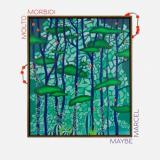
French artist Swan Wisnia, under her solo project molto morbidi, announces her second album Maybe Marcel for release on April 17th via No Salad Records. An experimental album forged in both tenderness and turmoil, combining art / weird pop and baroque pop, the album moves between the intimate and raw to the playful and inventive, creating a universe that is at once dark and hopeful.
"What inspires me are artists who stand by their influences while transcending traditions," she explains. "Artists who are recognisably their own." Drawing inspiration from everything from Siouxsie Sioux to The Raincoats to Broadcast, Lizzy Mercier Descloux, and ESG, Wisnia balances melodic sensibility with the experimentally daring, creating a body of work that is both timeless and wholly original.
Cassette[9,03 €]
PINK-WHITE MARBLE Vinyl[22,65 €]
SEA GREEN/SKY BLUE MARBLE SWIRL Vinyl[22,06 €]
PHOENIX II ED. RED/BLACK/WHITE MERGE Vinyl[22,06 €]
LTD ZOETROPE ANIMATED PICTURE DISC[22,27 €]
Eines der besten Metal-Alben des Jahres 2025 wird 2026 als exklusive Metal Hammer Picture Disc geehrt. Klasse Artwork, einmal "The Rat Queen" aka Band-Chefin Riley Pinkerton, einmal die gesamte Band plus Logos und Tracklist. Das Fantasy-Mittelalter-Metal-Phänomen CASTLE RAT präsentiert sein zweites Album! Castle Rat ist die NY Fantasy-Heavy-Metal-Band, die von der Rat Queen angeführt wird, welche die Mission verfolgt, ihr Refugium gegen diejenigen zu verteidigen, die es zerstören wollen. Ihr zur Seite stehen The Count, The Plague Doctor und The All-Seeing Druid. Gemeinsam stellen sie sich mit Heavy Magie dem unerbittlichen Zorn ihrer Erzfeindin - dem Tod in Form von The Rat Reaperess. The Bestiary ist ein riffgeladenes Kompendium mystischer Kreaturen und vorwarnender Erzählungen aus einer vergessenen Welt. Es erzählt 13 allegorische Geschichten von mythischen Bestien und dem Zauberer, der sie beschwört, und verwebt kraftvolle Heavy-Hymnen und dunkle Verzückungen zu einer betörenden und unvergesslichen Heavy-Metal-Odyssee. Als ob Grace Slick mit Black Sabbath ca. 1200 A.D. auf einem Kiss-Konzert Liebe macht. Aufgenommen von Randall Dunn (Sunn O))), Wolves in the Throne Room, Björk) und gemischt von Jonathan Nuñez (Torche, Restless Spirit), bietet das Album episches Heavy-Gemetzel und doomy Hard Rock. Hervorgegangen aus New Yorks abscheulichem, kreaturenverseuchtem Untergrund, schlugen die Fantasy-Heavy-Metaller zunächst mit ihren Live-Auftritten und später mit ihrem Debütalbum "Into The Realm" im Jahr 2024 große Wellen. Seit ihrer Gründung im Jahr 2019 haben CASTLE RAT ein lebendiges Labyrinth aus Erzählungen und Mythen geschaffen, welches sie nun rund um die Welt führt. Die MH Picture Disc kommt in durchsichtiger, halbfester PVC-Hülle mit Lasche (semi-rigid transparent PVC sleeve with flap), ansonsten auch noch auf CD (aufklappbares Digipak), MC (mit gefaltetem Inlay) und auf LP (farbiges Vinyl, inklusive ausklappbarem Lyrics-Insert)!
- 1: Intro
- 2: I Cut Up Rough
- 3: Bitch In A Bullet Belt
- 4: In The Night Back In The Day
- 5: I Can Hear The Angels Cumming
- 6: Motorboatin
- 7: I Fucked Her Mind
- 8: Motorboatin
- 9: I Fucked Her Mind
- 10: Killed To Death
- 11: Beer Monkeys
- 12: Doomhill
- 13: Into It
- 14: Fullmoon Crazy
Geboren im Sommer '96/'97 - dem Jahr des Höllenschweins - brannten Mustang als soziales Experiment aus der Innenstadt Tasmaniens heraus. Sie kamen mit ziemlich viel davon, andere hätten für weniger wohl nicht mehr gleich ausgesehen.Sie sauf-ten, machten Sachen kaputt und brachten dieses Chaos in das Schreiben von Banger-Songs - während sie sich bei den ,Proben" XXX Ales reinzogen und bei sehr wichtigen ,Bandmeetings" Protokolle führten.Mustang schütteten Benzin über ihre tasmanische Ödnis, bevor sie 7,69 Millionen Quadratkilometer Landmasse der Erde in sich aufsogen und dort ,dominierten", auf die einzige Art, die sie kannten: laut, wütend und zu ihren eigenen Bedingungen - und nahmen dabei Horden williger Partygänger mit auf die Reise.Über drei Non-Studio-Alben und eine Handvoll kleiner Veröffentlichungen hinweg bauten Mustang einen Katalog auf, der von Bier, Speed und störrischer Unabhängigkeit geprägt war. Kein Glanz. Kein Trendgehechel. Kein Buckeln vor dem Mann. Sie ritten ein, tranken, was da war, und hinterließen klingelnde Köpfe.Cut Up Rough (2015) war ihr Schwanengesang - geboren in einer Heuscheune am ausgefransten Rand von Tasmaniens Rock-Hochburg. Aufgenommen über zwei schlaflose, bierselige Tage wurde das Album mit improvisierten Drum-Takes, aufgedrehten Gitarren und purem Instinkt in die Existenz gerissen. Die Band lebte während der Aufnahmen buchstäblich in der Scheune - schiss ins Gras, schlief zwischen leeren Dosen, und ließ Isolation und Absurdität direkt in billige Mikrofone bluten.