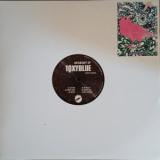
The latest 7" single on Bob Stanley's MEASURED MILE label is a floor-filling double-sider.
The percussion-and-woodwind driven ‘Night Of The Wolf’ has been played out at northern soul nights in the UK, at Brooklyn discotheques in the mid-70s, and originally it was an Italian progressive rock album track. Much loved by everyone. It was issued as a super-rare US 45 in 1975 under the name the Al Foster Band, and this is its first official reissue.
ACT 1's 70s modern soul midtempo classic ‘It’s The Same Old Story’ also got played out in the early discos of New York, Chicago and LA, but it was only ever an album track. This marks its first ever release on a DJ-friendly 7". Get it while you can!
quête:act 1
This is the only album produced in 1975 by the 11-piece Turner Brothers, who were active mainly in Indianapolis, Indiana, USA!
As the band's name suggests, the Turner Brothers were a funk band consisting mainly of the Turner brothers. From driving high-speed funk to slow ballads, the rhythm section supports the backbone of the band, and the vocals and chorus are perfectly matched to deliver a superb groove that only a family band can deliver. The band's groove is as breathtaking as a family band can be! The opening number "Running In The Rain" (M1) starts with a thunderous sound effect and is followed by a thick brass sound, while "Please The People" (M5) starts with the sound of rain and shouts, with the brass blowing in all directions, The percussive beat of "Cause I Love You" (M3) with MJ-like boy vocals, the rich sweet soul of "I Remember" (M6) that will make you cry, and the killer soul of "Sweetest Thing In The World" (M7) that should be considered the highlight of this album, are just a few examples of the many soulful tracks on this album. The album is a top-quality disc that is full of the best of soul and funk, including the killer soul "Sweetest Thing In The World" (M7), which is the highlight of the album!
This is a newly remastered reissue with the latest specifications!
2 unformated Hard beautyfull tunes : A side brings a terror Speedbreakcore Deathmetal track, dropping into a strange Oriental Bass-music Hard jungle sound... Music changes from something to something different … magnific sound ! B side brings a superb classic Arvo Part style in a meltdown with a downtempo fat Hardbreak sound.
Preservation Act 1 is a concept album and the 12th studio LP by The Kinks, originally released on RCA on 16 November 1973.
Preservation is the bands most ambitious project - a rock opera that uses the charming, small-town nostalgia of Village Green as a template to draw the entirety of society and how it works.
Epic opener ‘Morning Song’ sets the scene and mood for the record, followed by a classic sounding Dave Davies’ riff, ‘Daylight’, which echoes themes and sounds tones of one their most recognisable and highly acclaimed albums, ‘The Village Green Preservation Society’.
Standout tracks are the endearingly lazy ‘Sitting in the Midday Sun’ and the beautiful ‘Sweet Lady Genevieve’ – both strong contenders for overlooked Ray Davies masterpieces.
A critically acclaimed album, reviewed by Rolling Stone at the time as "A highly listenable, enjoyable album".
This release is a faithful reproduction of the original 1973 album, on heavyweight 180g vinyl. A must-have for any Kinks fan and its first vinyl re-press, apart from a limited edition 2008 US edition, since the original 1973 LP release.
- Satellites
- Who We Are
- And So I Goes
- Cloud On My Tongue
- The Great Escape
- Off-White
- Trigger Warning
- Stay
- Fallen Empire
- Let There Be Love
- True Love Waits
Viktoria Tolstoy, celebrated for her expressive voice, emotional storytelling and cross-genre artistry, seamlessly blends jazz, pop and original songs.
Her standout tracks ‘Autumn Breeze’ (4.6M streams) and ‘Calling You’ (6.5M streams) have reached millions of listeners worldwide.
Collaborations with top Scandinavian and European jazz artists, including Nils Landgren and Esbjörn Svensson, have positioned Viktoria as one of the leading female voices in European jazz.
Jacob Karlzon, renowned Swedish pianist and composer, is recognized for his virtuosic technique, cinematic soundscapes and inventive harmonic language.
Their collaboration began in the mid-1990s, forming one of the most enduring and successful partnerships in Scandinavian jazz.
Their music bridges Nordic lyricism and modern jazz sophistication, appealing to both jazz and a wider crossover audience. A trusted name on the European scene, they continue to tour internationally and attract strong streaming and media presence.
Their new duo album reflects and renews that bond - an intimate conversation shaped by time, friendship, and change. The world has shifted since their last recording and so have they. Yet their shared musical language endures - evolving, deepening, and gathering new shades of emotion. There is a rare ease between them: two Artists who no longer need to explain, only to listen and respond.
The result is music that feels unforced, sincere and alive - born of trust and the courage to explore the unknown. In the end, it’s the simple beauty of reunion: two musicians meeting again, with everything they’ve lived and everything still to discover
- Kopanitsa (Traditional)
- Ravel Reloaded (Willeitner)
- String Quartet No. 4, Ii, Percussive Dimensions (Bartók)
- String Quartet No. 4, Iii (Bartók)
- Lydian Rose (Willeitner)
- String Quartet No. 4, Iv, Percussive Dimensions (Bartók)
- Raindance (Willeitner)
- Convalescence (Mirarab)
- String Quartet No. 4, V (Bartók)
- Skymning (Lyssarides)
Founded in 2012, Vision String Quartet quickly became one of the most innovative ensembles in contemporary chamber music. What sets them apart is their fearless flexibility: combining classical stringquartet mastery with fearless, genre-defying creativity. They perform from memory, showcasing extraordinary musical communication and freedom on stage. They write and perform their own music, blending influences from folk, rock, jazz, minimalism and improvisation.
Based in Berlin - part of a vibrant creative scene, constantly experimenting - Vision String Quartet are expanding the definition of chamber music by making it accessible, relevant and visually engaging for a new generation.
‘In the Fields’ is the young quartet’s bold return - their ACT debut and first recording in five years. It’s a single, choreographed journey that fuses the spirit of folk, the pulse of dance and the depth of classical tradition into one seamless arc.
Inspired by Béla Bartók’s Fourth String Quartet and its dramatic fivemovement form, the album reimagines the string quartet as a living, breathing band, one that thrives on improvisation, rhythm and fearless experimentation. Movements from Bartók are interwoven with music by Ravel and Dvořák, original works by the quartet’s own Florian Willeitner and their guest collaborators, and arrangements of traditional folk tunes.
Joined by pianist Joel Lyssarides, guitarist Mahan Mirarab and drummer Bernhard Schimpelsberger, the ensemble expands the sonic possibilities of the string quartet, exploring new tonal Worlds where classical mastery meets jazz, folk and global influences.
‘In the Fields’ is an album that bridges past and future - timeless yet full of fresh energy - and a declaration that the string quartet still has endless horizons. The quartet invite listeners to press play, lean in and be carried across fields of sound, memory, invention and tradition.
- Fils D’or
- Lumen
- Mantra
- What You Always Wanted
- Dove
- Treehouse
- Lovers Leap
- Opal
- Sera
- Even After All
“It’s not often you find yourself recording alone in a churchat 3am. I’m not religious, but I experienced somethingunique while playing through the night as the streetsaround me slept. It felt like the music was telling me whatto play and I was the passenger. Lumen grew out of avariety of compositional seeds - from composed songsthat remain true to the score, leaving little room forfreedom, to wide open improvisations recorded in themoment with nothing predetermined.
“It’s in the space between composition and improvisationwhere the magic happens - and where, if the musiciansare willing, the music can lead. I recorded day and nighton a Yamaha grand and an upright felted piano. It felt likesome sort of solo retreat: sitting in a building of faiththrough the night, delving ever deeper into the music.When I finally resurfaced, I felt profoundly that it was themusic that had led me, rather than the other way around. “As a composer, it’s simplicity that I’m searching for - howto say the most with the least. My previous albums wereabout filling the space, both texturally and dynamically. Butsolo performance is different. There’s unlimited freedom,and while that can be liberating, it also comes with addedresponsibility. Beyond the recording, the music takes on anew life. The piano, the room, the acoustic, the mood ofthe audience, even how much sleep I’ve had - all of itinforms how the music evolves. So, each performance iscompletely unique and unrepeatable.
“The recording of Lumen is just the beginning of itsjourney. Where and how it evolves from here is whatkeeps me searching.” - Bill Laurance
- Life Rhythm
- Balance
- Joy Of Life
- Eternity
- Desert Move Feat. Shantel & Thomas Konstantinou
- Second Nature Feat. Dominic Miller
- Open Land
- Full Circle Feat. Bill Evans
- Silence And Sound
- Supernova
- Home
»Ich denke immer wieder aufs Neue darüber nach, wie ich mich als Schlagzeug-spielender Bandleader so positionieren kann, dass das Instrument eine tragende Funktion einnimmt, dies aber auf eine musikalische Weise geschieht und auf keinen Fall als Zurschaustellung von Virtuosität«, sagt Wolfgang Haffner. Diese Haltung zieht sich als roter Faden durch seine gesamte Karriere - und auch durch »Life Rhythm«, sein zehntes Album auf ACT.
Und obwohl Haffners Musik gängigen Vorstellungen virtuoser Schlagzeug-Leader ganz bewusst widerspricht, steht das Instrument diesmal besonders im Fokus. Ausgangspunkt dafür war Wolfgang Haffners allererstes Solokonzert im Jahr 2022 auf Schloss Elmau. Er erinnert sich: »Das war eine Wahnsinns-Herausforderung bei der ich auch vor der Entscheidung stand: Spiele ich jetzt eine Stunde Schlagzeugsolo? Natürlich nicht! Also habe ich habe eine Menge melodisch klingender Perkussionsinstrumente eingebaut, Passagen live geloopt, mit Echos und Delays gearbeitet – im Grunde wie im Studio, nur eben auf der Bühne.« All dies brachte Haffner dazu, sich noch einmal auf ganz intensive Art mit dem Thema mit dem Instrument zu beschäftigen, welches ihn sein Leben lang begleitet. Und so haben alle Stücke auf »Life Rhythm« diesmal ihren Ursprung, nicht wie sonst bei Haffner, am Piano, sondern am Schlagzeug.
Das Ergebnis dieses Prozesses kann man gleich zum Auftakt von »Life Rhythm« auf dem Titeltrack erleben: Das Stück basiert auf einem hypnotischen Groove, bei dem nicht die Becken, wie sonst im Jazz üblich, die Time angeben, sondern vor allem die Trommeln. Das dieser Groove direkt Phil Collins und besonders an dessen Stück »Take Me Home« erinnert, ist kein Zufall: Collins' Art, Drum-Parts zu elementaren Teilen des Songwritings zu machen, ist bis heute eine von Haffners größten Inspirationen. Und auch jedes weitere der elf sehr kompakten, Song-haften Stücke auf »Life Rhythm« öffnet eine eigene Welt des musikalischen Schlagzeugspiels: Mal mal trocken-reduziert mit Besen wie auf »Balance«, poppig bei »Joy of Life«, mit filigranen Becken-Grooves, dezenter Elektronik und Percussion auf »Eternity« oder minimalis-tisch bis kurz vor der Stille in »Silence and Sound«.
Das aus all diesen Stilistiken ein so stimmiges Ganzes ent-steht liegt daran, das Wolfgang Haffner diese im Laufe seiner Karriere bis in die Tiefe durchdrungen hat - an der Seite von stilbildenden Charakteren wie Al Jarreau, Chaka Khan, Pat Metheny, Jan Garbarek, Esbjörn Svensson, Nils Petter Molvaer, Albert Mangelsdorff, Ricardo Villalobos und vielen, vielen mehr. All diese Kollaborationen haben Wolfgang Haffners Voka-bular am Instrument und auch als Komponist geprägt und die da-mit verbundenen, unterschiedlichsten Stile sind gleichermaßen Teil seiner musikalischen Persönlichkeit.
Vielseitigkeit und höchste Musikalität sind auch die Eigen-schaften, die Wolfgang Haffner und seine Mitmusiker auf »Life Rhythm« verbinden. Die Basis bildet ein bestens einges-pieltes Trio zusammen mit Keyboarder Simon Oslender, selbst auch Drummer und Bandleader, und Thomas Stieger, einem der gefragtesten deutschen Bassisten in Pop wie Jazz. Dazu kommen Trompeter Sebastian Studnitzky, Mitstreiter Haffners seit seinem ACT-Debüt »Shapes« und der Finne Arto Mikälä, eine echte Entdeckung in Sachen Klangvielfalt an der Gitarre. Diese Band herausragender Allrounder erweitert Haffner um eine Reihe musikalischer Charaktere, die der Musik ihre ganz eigene Farbe verleihen: Nils Landgren, Freund und Weggefährte seit mehr als 20 Jahren, Saxofon-Ikone Bill Evans, Sting-Gitarrist Dominic Miller, Balkan-Beat-Star Shantel, Bass-Feingeist Nicolas Fiszman, Oud-Virtuose Thomas Konstantinou und Bruno Müller, einer der besten deutschen Jazzgitarristen.
»Life Rhythm«, sagt Wolfgang Haffner, »ist für mich eine Fortsetzung, keine Wiederholung«. Die Musik trägt mit ihrer Wärme, Kraft und Klarheit die charakteristische Handschrift, die Haffner mit seinen Alben und auf tausenden von Konzerten in mehr als 100 Ländern zum wohl populärsten Schlagzeug-spielenden Leader Europas gemacht hat. Und gleichzeitig ist es eine Evolution seiner Musik. Gut möglich, dass Haffners Erfolg genau darin begründet ist, dass seine Musik immer etwas Ver-trautes und etwas Neues beinhaltet und dass Haffner sein Publikum so immer »mitnimmt« im Fluss seiner Ideen - und in einem gemeinsamen »Lebensrhythmus«
- Vent Chaud
- Dodo 04:08
- Dancing Windmills
- Movimiento 04:57
- Fields Of Gold
- Solitude 03:20
- El Caballo Valiente
- Luzifer
- Safe Place
- Perfect Tiny Moment
The German jazz duo Roman and Julian Wasserfuhr craft an intimate refuge through music. This is not about a physical destination—it’s a state of mind, a sanctuary for reflection and focus amidst the noise of modern life. Joined by cellist Jörg Brinkmann and saxophonist Paul Heller, the brothers craft an intimate, heartfelt soundscape that celebrates genuine connection and invite the listener on a musical journey away from distractions, offering clarity and tranquility. It’s a celebration of friendships, authenticity, and the power of music to ground us in what truly matters.
Bill Laurance and Michael League, longtime friends and collaborators, have released their second duo album “Keeping Company,” which contrasts with the larger scale of Snarky Puppy. The album showcases an intimate musical partnership, with Laurance focusing on acoustic piano and League on fretless bass and oud, creating a rich, sparse sound that blends Western and Middle Eastern influences. Building on their successful debut, “Where You Wish You Were,” they emphasize deeper exploration and personality while prioritizing live recordings to capture organic spontaneity. Laurance’s use of a lightly prepared piano adds texture, while League's self-taught approach to the oud introduces exotic timbres and expressive nuances. Their partnership thrives on experimentation, with Laurance’s clear, compact melodies complementing League's unique ornaments. “Keeping Company” serves as a snapshot of their evolving friendship and artistic dialogue, highlighting spontaneity and shared humor in their music.
Wann genau die Langhalslaute Bouzouki nach Griechenland kam, ist unklar. Ihre Wurzeln gehen bis ins vierte Jahrhundert vor Christus zurück. Die heutige Form des Instruments, benannt nach "Βυζί", dem griechischen Wort für die weibliche Brust, ist relativ jung und seit etwa 1920 in Athen und auf dem Peloponnes verbreitet. Ursprünglich in Bars und auf privaten Festen gespielt fand es durch das Revival des „Rebetiko“, dem „griechischen Blues“ ab den 1960er Jahren weitere Verbreitung. „Ursprünglich wurde auf der Bouzouki viel improvisiert“, meint Georgios Propkopiou, „viel mehr als später. Denn ab den Fünfzigerjahren wurde ihr Spiel professionell unterrichtet. Da wurde vieles festgelegter“. Seitdem ist der metallische Klang des Instruments fast zum Synonym für die griechische Folklore als Begleitung von Liedern und Tänzen geworden... vor allem bei dem Komponisten Mikis Theodorakis, der mehr als nur ein paar Ohrwürmer hervorgebracht hat.
Die Jazzkarriere der Bouzouki hingegen stand bislang noch aus. Es brauchte einen Umweg über Stockholm, damit etwas in Bewegung kam. „Die Kombination Bouzouki und Jazz liegt erst einmal nicht so nahe“, meint der Pianist Joel Lyssarides. „Für mich persönlich hängt sie mit meinem Großvater zusammen, einem griechischen Zyprioten. Er kam in den 1940ern nach Schweden. Griechische Musik mochte ich immer, ich war aber damit nicht wirklich vertraut. Jedenfalls fand ich die Bouzouki faszinierend. Während der Pandemie habe ich mir ein Instrument gekauft, um es ein wenig zu lernen. Beim Stöbern im Internet entdeckte ich dann Georgios durch ein TV-Konzert, ein Tribute an Theodorakis. Ich war total begeistert und habe in Stockholm herumgefragt, ob ihn jemand kennt. Tatsächlich spielte er zufällig ein paar Tage später in der Nähe in einer Hotelbar ein Konzert“.
Das war im Herbst 2022. Joel Lyssarides hörte Georgios Prokopiou zu, sprach ihn an und sie verabredeten sich zu einer Session. Sie jammten und improvisierten, fanden musikalisch schnell zusammen und im Sommer 2023 spielten sie ihr erstes gemeinsames Konzert. „Es ist sehr unüblich, dass jemand mit der Bouzouki über Changes improvisiert,“ erzählt Joel Lyssarides weiter. „Sie ist ja ein traditionelles Instrument mit klar definierter Rolle, meistens Begleitung mit gedoppelten Terzen und Sexten. Georgios aber macht viel mehr. Ich hatte zunächst keine Ahnung, wie unglaublich virtuos und stilistisch variabel er ist. Seine Vielseitigkeit öffnet viele Türen. Wir hatten von Anfang an sehr viel Spaß an den neuen Möglichkeiten. Und ich hatte vorher noch niemanden gehört, der so spielt. Dafür musste ich unbedingt Musik schreiben“.
Lyssarides erzählte ACT-Chef und Produzent Andreas Brandis von der Idee für das Duo und auch dieser war sofort begeistert: „In der Lesart von ACT steht der Begriff Jazz vor allem für ein Vokabular mithilfe dessen Musiker:innen ihre eigene Geschichte vor ihrem persönlichen kulturellen Hintergrund erzählen. Es ist faszinierend, dass hier immer wieder Konstellationen entstehen, die es vorher nicht gegeben hat. Und die Musik, die Joel Lyssarides und Georgios Prokopiou gemeinsam kreieren ist einerseits absolut überraschend und neu, klingt jedoch gleichzeitig so organisch und natürlich, als hätte es diese Konstellation schon immer gegeben.“
Es sind aber nicht nur die Instrumente Klavier und Bouzouki, die sich getroffen haben, sondern auch die speziellen Charaktere und Geschichten der beiden Duopartner. Der Stockholmer Joel Lyssarides verbindet in seinem Spiel größte Virtuosität mit beeindruckender Leichtigkeit und einem starken Gespür für Stimmung und Dynamik. Er arbeitet mit so unterschiedlichen Künstler:innen wie Anne Sofie von Otter, Benny Anderson, Nils Landgren, Viktoria Tolstoy und ist Teil des Esbjörn Svensson Tributes „e.s.t. 30“. Das ACT-Debüt „Stay Now“ von Lyssarides‘ eigenem Trio wurde seit seinem Erscheinen 2022 allein auf Spotify eindrucksvolle 25 Millionen Mal gehört. Der Athener und Wahl-Stockholmer Georgios Prokopiou spielte zum ersten Mal mit sechseinhalb Jahren Bouzouki, gab mit acht seinen Konzerteinstand und hatte als Zehnjähriger bereits feste Musikengagements in Bars und Bordellen. Seitdem arbeitet er im klassischen Kontext ebenso wie in der Folklore und dem Experimentellen, spielt neben der Bouzouki außerdem Saz und andere Saiteninstrumente.
Die Voraussetzungen für das Album „Arcs & Rivers“ waren daher so vielfältig und offen, wie nur möglich. Nach einem Probekonzert in der Berliner ACT Art Collection, von dem das Live-Stück „Zafeirious Solo“ auf das Album übernommen wurde, trafen sich die beiden noch einmal am selben Ort, um mit Studio-Equipment auch andere Facetten aufnehmen zu können. „Wir wollten zum Beispiel leise Stellen dabeihaben, nah mikrofoniert. Außerdem den großartigen Klang des Flügels, der früher einmal Alfred Brendel gehört hat. Insgesamt aber war vieles sehr spontan. Das ganze Album wurde in einem Rutsch aufgenommen, innerhalb von vier Stunden, meistens mit den ersten Takes. Ich bin sonst oft Perfektionist und verbringe Tage mit der Nachbearbeitung von Musik im Studio. Diesmal hingegen sollte es so direkt und spontan wie möglich sein“. Und es funktionierte: „Arc & Rivers“ ist ein Dialogskizzenbuch mit normsetzender Wirkung. Egal ob neue Kompositionen oder Verarbeitungen traditioneller Rhythmen und Muster wie in „Kamilieriko Road“ – diese Musik hat eine schillernde, klangmagische Kraft. Und das Duo selbst strahlt eine Selbstverständlichkeit der Kulturverknüpfung aus, die die Enge der Stile hinter sich lässt. Und es macht klar: Es ist tatsächlich Zeit für etwas mehr Bouzouki im Jazz, in der Improvisation und auf den Bühnen der internationalen Musikwelt.
Anna Gréta goes gentle...into her second album on ACT, “Star of Spring”. The Reykjavik-born pianist, singer and a songwriter, who has lived in Stockholm since 2014, has her own way of approaching the art of quiet, artful, deeply personal songs, often drawing inspiration from the beauty and power of Iceland’s natural landscape. Her 2021 ACT debut "Nightjar in the Northern Sky" was named after a bird, and this follow-up album lands gracefully on a flower, the “glory of the snow”, also known as the "star of spring", which symbolises the ending of winter and the arrival of spring.
But look closer, and there are always other levels of meaning. Her "Nightjar”, the rare bird she once saw in front of the northern sky, was a metaphor for the search for the things which are special and essential. In fact, almost all of Anna Gréta's lyrics have more than one significance, and her storytelling has now taken a leap forward on "Star of Spring". She says of the little flower on the title track: "I wasn't just inspired by the way it takes over the meadows in spring and turns them from green to blue, but also by the fact that it blooms because it is compelled to do so. It cannot do anything else."
Anna Gréta's starting point to creating music was and is the piano. She first studied classical music, then switched to jazz. She only started singing later, when she was writing the songs for Nightjar and wanted to express herself in words. Anna Gréta's debut as a singer, pianist and songwriter earned her international acclaim: Downbeat Magazine called it „an album with the metamophoric diversity of a year’s seasons and a voice like the everchanging colours of the Northern lights“, France Musique “a remarkably immersive experience” and Jazzwise “starkly beautiful”.
On "Star Of Spring" Anna Gréta has further developed her individual style. Her vocal lines can resemble piano motifs, often doubling them and resonating with an impressively quiet vibrato, sometimes quirkily reminiscent of Björk, at other times with the brooding ease of Norah Jones. The album also bears a very distinctive production style. For each of the songs, Anna Gréta has created her own little world of choirs, rhythmic textures and various smartly used keyboard instruments. The album ranges from the hymnal and elegiac - in "She Moves" or in the title track - to the playful and cheerful "Space Time" or the extremely pared-down melancholic ballad "Denouement". And even if the general mood of the music exudes above all warmth and comfort, Anna Gréta also deals with serious topics, such as the forced birth control of women in Greenland during the 60s and 70s in the song "The Body Remembers".
There is a directness of expression and emotionality, even sensuousness about the new album, and that is not least because Anna Gréta’s band has developed and become a properly played-in unit with the experience to take this album’s more complex arrangements in its stride. The sheen and brightness of her piano playing is contrasted with a deeper voice, that of her father Sigurður Flosason's bass clarinet, on three tracks. "This album is more playful and experimental," she says. "A lot of things were easier for me than on the first album. And while I was still completely focussed on my own world then, now I was even more conscious and aware of what was going on around me."
The result is music that is rooted in jazz, but at the same time goes far beyond it in a very subtle and deeply touching way.
When accidents happen, they are normally over in seconds, sometimes minutes; this one has been going on for 20 years. It is two decades since the members of Emile Parisien’s quartet played a jam session together. At the end, they looked at each other in disbelief. They had not just been hit by a collective musical thunderbolt, they also knew they had just brought...well...something...into being. The common ground between them was jazz, but each had all kinds of seeds to sow in it, from classical music and contemporary sounds to rock, electronica and chanson. Saxofonist Emile Parisien, Pianist Julien Touéry, Bassist Ivan Gélugne and drummer Julien Loutelier rip up labels, break down barriers, upset codes, and yet they know exactly where they are headed. There is a shared obsession with narrative. “The central axis of the quartet has always been storytelling,” Parisien emphasizes.
“Let Them Cook” is like a breath of fresh air, and with a band sound now firmly and unmistakably of 2024 rather than 2004. There was a particular turning point: at a concert in Sweden near the end of their “Double Screening” album tour, they had taken a chance and tried out a move from an entirely acoustic sound to incorporate some electronics.It worked, so they stayed with it: they found that these electronic punctuations never polluted the band’s DNA, but rather stimulated it. The electronic apparatus was clearly additive to the stories of these compositions, the way it all fitted together was astounding.
Which brings us back to the ever-present question: how do you get away from the classic jazz quartet of sax, piano, bass and drums? “We’re always trying to find the answer! There’s no point in redoing what the John Coltrane and Wayne Shorter groups did, because in many ways you’ll never reach their level.” “There’s a certain road in life most people walk on,” Wayne Shorter once said, “because it’s familiar, and they can jostle to get in front. I prefer to take a different road that’s less crowded, with many forks, where you get a wider view of life. I call it ‘the road less travelled’. That’s where I want to be.” In the year which marks its 20th anniversary, Emile Parisien’s quartet has never been more in tune with the thinking of one of its main influences.
slide 7 to 10 of 8
Les Égarés
Les Égarés
Viktoria Tolstoys ACT-Debütalbum »Shining On You« aus dem Jahr 2004 markiert aus heutiger Sicht einen wichtigen Moment in der Erfolgsgeschichte populärer Jazzstimmen aus Skandinavien. Die Musik für die Aufnahme schrieb Esbjörn Svensson, der zusammen mit Dan Berglund und Magnus Öström die Kern-Band bindet, welche wenig später als e.s.t. weltberühmt wurde. Das von Nils Landgren produzierte Album ist auch ein Treffen vieler Mitglieder der damals noch jungen ACT Family of Artists, die als Gäste an der Session teilnahmen.
Genau 20 Jahre später hat Viktoria Tolstoy für »Stealing Moments« die Idee des »familiären« Musikzierens wieder aufgegriffen. Die Kompositionen des Albums stammen von einer ganzen Reihe aktueller ACT Künstler, von denen viele auch schon an »Shining on You« beteiligt waren. Und auch Esbjörn Svensson ist auf besondere Art am Album beteiligt: Von ihm stammt die Instrumentalkomposition »Hands Off«, für welche seine Frau Eva nun einen Text verfasst hat. Dazu kommen Kompositionen, die langjährige Freunde und Weggefährten wie Nils Landgren, Ida Sand, Wolfgang Haffner, Cæcilie Norby, Lars Danielsson, Iiro Rantala und Jan Lundgren eigens für Viktoria Tolstoy und ihre Stimme geschrieben haben.
»Wenn du singst, geht die Sonne auf«, sagte Pat Metheny einst zu Viktoria Tolstoy. Ihre klare, kraftvoll strahlende Stimme ist der rote Faden, der alle Stücke auf »Stealing Moments« verbindet. Dazu kommt eine Mischung aus Energie und Leichtigkeit, die Viktoria Tolstoy als Person ausmacht und die sich durch die Musik auf die Zuhörer überträgt. Ihre Botschaft ans Publikum, in Anlehnung an den Albumtitel: »Lasst mich Euch ein bisschen Zeit stehlen, um dieser Musik zuzuhören.«
Wir sind mit Groove-Jazz groß geworden, mit Marcus Miller, David Sanborn oder den Brecker Brothers, das ist unsere DNA“ sagt der Altsaxofonist Jakob Manz „aber wir wollten für das zweite Album von The Jakob Manz Project auch neue Inspirationen, die uns herausfordern und weiterbringen.“ Diese lieferten vor allem ein Aufritt beim Papjazz Festival auf Haiti. Die Lebensumstände und die Musik des Landes, sowie die dortige Begegnung dem Pianisten Meddy Gerville aus La Réunion bewegten die Band zutiefst. So hören wir auf „The Answer“ wieder Jakob Manz atemberaubende Virtuosität, die jedoch immer im Dienst der Musik steht. Wir hören von amerikanischem Soul- und Pop-Jazz geprägte Grooves und Melodien. Aber auch neue Farben und Schattierungen, welche die Beschäftigung mit Musiken jenseits der westlichen Welt mit sich gebracht hat. Diese neuen, erweiterten Klangräume erobert sich Manz mit seiner Band bestehend aus Hannes Stollsteimer am Piano, Frieder Klein am Bass und Paul Albrecht am Schlagzeug, nun erweitert um Perkussionisten Karl Degenhardt. Dazu kommen Gäste aus den unterschiedlichsten Richtungen: Lionel Loueke steuert mit Gesang und Gitarre eine faszinierende westafrikanische Note bei, Alexandra Stollsteimer einen klassischen Geigenklang und Matthias Schriefl Trompete und Alphorn - letzteres sicher ein Novum im Groove-Jazz-Genre. Wie so oft ist Jazz auch auf „The Answer“ vor allem ein Vokabular, mit dem Musiker:innen auf der ganzen Welt ausdrücken, was sie bewegt und beeinflusst und ihr Publikum dies miterleben lassen.