Buscar:bossa nova beat!

Estilos
Todo
Nu Genea - People of the Moon
  • A1: Acelera (Ft. María José Llergo)
  • A2: Onenon (Ft. Tom Misch)
  • A3: Puleza (Ft. Fabiana Martone)
  • A4: Celavi (Ft. María José Llergo)
  • A5: Carè
  • B1: People Of The Moon
  • B2: Ma Tu Che Bbuò
  • B3: Sciallà
  • B4: Shway Shway (Ft. Celinatique)
  • B5: Ondas Do Mar (Ft. Gabriel Prado)

After the acclaimed Bar Mediterraneo, Massimo Di Lena and Lucio Aquilina return with a new album that broadens the scope of their sound even further, sailing beyond the Pillars of Hercules into a constellation of gravity-defying creative freedom.

People Of The Moon is not an imagined cosmic species, but a dimension within us all. Deeply personal yet universally shared. An alternative way of thinking that lays dormant until we find the courage to untether it, helping us experience life more fully. It is that precious sphere of the soul that slips away from everyday life. A form of self-expression free from the social pressures that weigh on each, at every latitude on the planet.

Under the moonlight, these songs trace anxieties and aspirations, guided by the international language of groove and rhythmic motion, articulated in Neapolitan, Arabic, English, Spanish, and Portuguese. It speaks with equal clarity through the Afro-Cuban influences of Celavì (“That’s Life”), with its circular rhythmic energy, and through the Anatolian zurna of Ma Tu Che Bbuò (“What Do You Want?” in Neapolitan), moving from highlife guitars to the mandolins that have become a Nu Genea signature. New idioms and rhythms, filtered through an Italian perspective.

The first single Sciallà (“Go Away” in Neapolitan), released in the summer of 2025, already hinted at what was taking shape in the Nu Genea workshop - a radiant guide to embracing difficulty and finding relief in dance. Not so much an escape, but a form of catharsis. Looking up at the giant mirror ball orbiting above us, we catch a glimpse of our best selves reflected back, and appreciate that the People Of The Moon invoked in the title track are more familiar than we first realised.

There’s a kind of resilience in these voices that isn’t loud or triumphant, but persistent and rooted in the simple act of continuing. The imagery of high-speed motion is central to Onenon (“On and On”), where British singer and multi-instrumentalist Tom Misch helps conjure a Mediterranean brit-funk reminiscent of Pino D’Angiò’s basslines.

The voice in Acelera (“Speed Up” in Spanish) summons the strength to chase the moon as if it were an unattainable ideal, in this Andalusian-tinged track featuring María José Llergo, who also lends her voice to Celavì. Both tracks are among the more languorous arrangements, with flamenco palmas introducing an original fusion into the Nu Genea groove.
With its driving momentum, Puleza (“Clean Up” in Neapolitan) recalls the spirit of Nuova Napoli, albeit with vintage synth textures and wild, unrestrained delays. The track’s protagonist, performed by Fabiana Martone, is another of our lunar dwellers.

Yet even when it leans into forward motion, People Of The Moon doesn’t pulse at a frantic pace, moving instead through shifting states of speed, orbit, and suspension. In fact, the Levantine bossa nova Shway Shway (“Slowly, Slowly” in Arabic), sung by Celinatique, captures the orbital motion of the entire record. Not exactly slow, but measured. Rich in color, and marked by a rhythmic complexity that was also heard on the duo’s rare access to foundational afrobeat on The Tony Allen Experiments.
All the while, the album remains deeply attuned to melody - a Nu Genea hallmark - as heard in the effervescent hook of Carè (“Falling” in Neapolitan). In the lunar microgravity of these ten tracks, falling and flying become interchangeable with dancing as ways of following the beat, suspended yet compelled to move. That compulsion is also invoked by Brazilian percussionist Gabriel Prado, making his vocal debut on Ondas Do Mar (“Waves Of The Sea” in Portuguese). The pull of the waves, a constant interplay of motion and return, steady as a lunar phase, is impossible to resist. One might as well lean into the blue, not to dissolve but to rebuild. “Você vai ver que dentro de nós / vai rolar”: you’ll see that something will happen within us.

Reservar31.07.2026

debe ser publicado en 31.07.2026

30,21
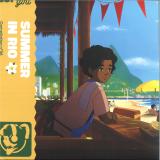
Various - Summer in Rio - Limited LP 2x12"
 
28

Feel the sun, samba, and soul that define summer in Rio.


Summer in Rio blends smooth bossa grooves with mellow lofi beats, capturing the laid-back energy of Brazil’s most iconic city. Born on Rio’s beaches in the late 1950s, bossa nova fused samba rhythms with jazz harmony and soft vocals, a sound both timeless and deeply expressive. This 28-track compilation brings that spirit to life: the first 14 tracks dive into bossa lofi with guitars and syncopated rhythms, while the last 14 ease into warm, expansive summer lofi.


From beachside mornings to golden hour evenings, this is summer on loop.

Disponible

En el almacen y preparando para el envío

39,08
Benjamin Long - LTDBLBL020

Benjamin Long

LTDBLBL020

12inchLTDBLBL020
Ltd,W/Lbl
22.08.2025

London-based Benjamin Long returns to Limited White Label with LTDBLBL020, his second contribution to the Berlin label. Staying true to his style, he blends deep, textured house with loose, jazz-driven arrangements. Expect crisp broken beats, smooth bossa nova influences, and soulful hip-hop touches

- all meticulously crafted, just like his vinyl debut LTDBLBL011 from 2022. If this is new to you, don’t miss out
- LTDBLBL011 still goes strong and pairs perfectly with this new sniff of lacquer!

Disponible

En el almacen y preparando para el envío

14,24
MARCOS VALLE - MARCOS VALLE LP

Marcos Valle

MARCOS VALLE LP

12inchVAMPI318
Vampisoul
03.06.2025

Marcos Valle is one of the few artists you cannot miss if you have the slightest interest in Brazilian music. Whether your taste is focused on bossa jazz, samba, psych folk or soul, Valle has surely recorded a great album for you. His much sought-after and stunning self-titled album from 1970 includes ‘Ele E Ela’, as sampled on Jay-Z’s ‘Thank You’, as well as some of his most popular songs like ‘Freio Aerodinamico’ and ‘Os Grilos’, swinging between sophistication and groove… Remastered from the original tapes and pressed on 180g vinyl. This release is part of our new reissue series that comprises many other outstanding Brazilian classics by the likes of Evinha, Cassiano, Gerson King Combo, Hyldon... Marcos Valle is one of the few artists you cannot miss if you have the slightest interest in Brazilian music. Whether your taste is focused on bossa jazz, samba, psych folk or soul, Valle has surely recorded a great album for you. By the late 60s he had already put out enough quality records to secure a place within the top Brazilian songwriters of all time, but his career luckily did not stop there and he continued releasing amazing music over the following decades until this day. By the dawn of the 1970s, the multi-talented Valle was entering a new era, ready to test the government censors (Brazil was under strict military rule since a coup d’état in 1964) and express a socially aware stance and a playful hodge-podge of musical styles including samba, bossa nova, baião (a rhythmic beat from the rural northeast of Brazil), black American music, and rock. “Marcos Valle” was originally released in 1970 and features a dynamic musical backing from some of Brazil’s most gifted players. Hip-hop fans may even recognize the opening horn blasts of ‘Ele E Ela,’ sampled to great effect on Jay-Z’s “Thank You.” It includes some of his most popular songs like ‘Freio Aerodinamico’ and ‘Os Grilos’, swinging between sophistication and groove…

Disponible

En el almacen y preparando para el envío

34,41
MARCOS VALLE - GARRA

MARCOS VALLE

GARRA

12inchVAMPI317
Vampisoul
03.06.2025

Marcos Valle is one of the few artists you cannot miss if you have the slightest interest in Brazilian music. Whether your taste is focused on bossa jazz, samba, psych folk or soul, Valle has surely recorded a great album for you. “Garra” was originally released in 1971 and brought us Valle’s classics such as ‘Com Mais De 30’, ‘O Cafona’, ‘Vinte E Seis Anos De Vida Normal’ and the rare groove classic ‘Wanda Vidal.’ Remastered from the original tapes and pressed on 180g vinyl. This release is part of our new reissue series that comprises many other outstanding Brazilian classics by the likes of Evinha, Cassiano, Gerson King Combo, Hyldon... By the late 60s he had already put out enough quality records to secure a place within the top Brazilian songwriters of all time, but his career luckily did not stop there and he continued releasing amazing music over the following decades until this day. By the dawn of the 1970s, the multi-talented Valle was entering a new era, ready to test the government censors (Brazil was under strict military rule since a coup d’état in 1964) and express a socially aware stance and a playful hodge-podge of musical styles including samba, bossa nova, baião (a rhythmic beat from the rural northeast of Brazil), black American music, and rock. “Garra” was originally released in 1971 and maintains the same socially conscious content as in his previous album while also combining diverse musical styles and influences. Recorded amongst sessions for a steady stream of popular TV soap opera soundtracks, it brought us Valle’s classics such as ‘Com Mais De 30’, ‘O Cafona’, ‘Vinte E Seis Anos De Vida Normal’ and the rare groove classic ‘Wanda Vidal.’

Disponible

En el almacen y preparando para el envío

27,31
D.D. MIRAGE - EXOTIC ILLUSIONS

180G vinyl pressing

After releasing their well-received 7” and 12” singles ‘Night Time’ and ‘Feel It / So Hot’, Isle of Jura is pleased to present Exotic Illusions, the debut album from D.D. Mirage, the Sydney-based duo of Josh Dives and Disky Dee.

Having first played music together during the mid-2010s in the indie-psyche and punky-shoegaze bands King Colour and SCK CHX, the two Australian musicians/DJs came up in the warehouse party scene that fermented in the wake of the Sydney lockout laws. While organising mixed media events under the Yeah Nah Yeah brand, they discovered the joys of disco, dance-punk and the Balearic beat through Pender St Steppers’ DJ mixes and reissue releases and found themselves changing direction in response.

Written and recorded with a range of vintage keyboards and preamps, instruments and digital studio software, Exotic Illusions is a cosmopolitan love letter to the immaculate blend of Italo disco, Neopolitan funk, Nigerian boogie, cosmic house, synth-pop, UK street soul and lovers rock sounds that have inspired D.D. Mirage since they began this iteration of their ever-evolving musical relationship.

“The name Exotic Illusions refers to our fascination with all of this music made in other parts of the world,” they explain. “During lockdown and thereafter, we indulged in these exotic sounds as an antidote to our lack of travel. This fascination continued as the world opened up again, and we started working on tunes together. It’s also a way of acknowledging that we feel like tourists partaking in these styles and established sounds. They aren’t ours and weren’t born out of the place we’re from, but we hope we’ve been able to add something unique to them.”

In recognition of this, rather than just reinterpreting genre motifs through an antipodean lens, D.D. Mirage opened up lines of communication with some of their favourite musicians from the Neapolitan scene, bassist Daniel Monaco (Rush Hour, Periodica Records) and drummer Andrea De Fazio (Parbleu/ Nu Genea), who recorded the rhythm section for ‘So Hot’. They also wrote to the Manchester-based singer/producer Private Joy, who graced ‘Night Time’ with a smoother-than-silk street soul vocal that helped the single secure crucial plays on NTS and BBC Radio 6.

Opening with the tropical melodies, post-disco machine beats and jilted art-punk singalong chants of the title track, Exotic Illusions unfolds as a series of sturdy, internationally-minded dancefloor excursions. ‘Piranesi’ is boogie with a South American shuffle. ‘So Hot’ is Neapolitan funk with a Leichhardt strut, and ‘Antenna’ (featuring Jofi) is D.D. Mirage’s love letter to ‘80s drum machine bossa nova from Brussels.

On ‘Feel It’, the duo hit a sparking groove that reaches into an eternal sunset of the mind before throwing out a bubbly disco-not disco spoken word bounce on ‘Cat’s Cradle’, featuring psychedelic-pop singer Jermango Dreaming. From there, D.D. Mirage bring it home with a cheeky Aussie drawl on ‘Living Upside Down’ and the nocturnal excellence of ‘Night Time’, making a case for themselves as a significant new force from Australian music to the world.
full sleeve artwork from Bradley Pinkerton.

Disponible

En el almacen y preparando para el envío

20,59
Testbild! - Bed Stilt 10"

Matching breezy, Bossa nova-tinged sophistication with softly spiralling psychedelia, Testbild! arrive in the Quindi lounge as though they've always been there. On their 12th album, Bed Stilt, the Swedish collective cast their attention back to the earlier days of their 25-year trip through sweetly mysterious pop-not-pop rendered in warm tones and shot through with surrealism. It's tricky to get a precise fix on the story and structure of Testbild! The project was spearheaded by Petter Herbertsson in his hometown of Malmö in the late 90s, although the story on their website credits the inspiration and source material to a chance meeting and unpublished manuscript from a retiring scientist. The collective's evolution since then is a tangled web of facts and fiction spun by a revolving cast of collaborators including Siri af Burén, Katja Ekman, Rikard Heberling, Douglas Holmquist, Mattias Nihlén and Petter Samuelsson. Along the way, their music has touched on chamber pop, post-punk and modern jazz with the elaborate harmonies and catchy songwriting charm of the Canterbury scene. The tracks which make up Bed Stilt were in fact track recorded in Malmö back in the mid- 00s, lying in wait for the right opportunity to be brought to light with some delicate overdubs and finishing flourishes in the here and now. The core musicians working on the record were Herbertsson and Douglas Holmquist on a similarly expansive list of vocals, guitars, bass, synths and keys, Siri af Burén on lead vocals and Mattias Nihlén on synths and additional mixing. Meanwhile Tomas Bodén - better known as Civilistjavel - lent some additional synth work as well as mastering the record. Musically, Testbild! stay true to their idiosyncratic approach on Bed Stilt with six immaculately rendered sojourns through lilting harmonies and brushed rhythms, feeling nostalgic but beguiling in equal measure. Theirs is a luxurious sound, not least on the opening strains of 'The First New Years Eve,' which purrs to life draped in silky Rhodes and chiming vibes. Behind this comfortable veneer the enigmatic lyrical themes unfurl through Herbertsson, Holmquist and af Burén's vocal harmonies like fractalized puzzles waiting to be solved. The finger-picking delicacy and languid harmonica of 'Streams' strike a pastoral mood neatly countered by the elegant slide into dislocated ambience for the track's final stretch. By contrast, 'And Her Eyes Are Red' surges with a big beat urgency which plays beautifully with the mellow jazziness of the chord sequences, boldly toying with song structure to dart down curious tangents without losing the immediate impulse of a great pop record. Somewhere in this tension between clarity and chaos we can understand the addictive charm of Testbild! - a band steeped in the considerable craft of making accomplished and unconventional music so very easy to sink into. If that doesn't make for a perfect addition to the Quindi catalogue, we don't know what does.

Disponible

En el almacen y preparando para el envío

19,75
Willie Bobo - Bobo's Beat LP

The gifted Puerto Rican-American drummer and percussionist Willie Bobo was one of the architects of Latin Jazz. Following mentorship from Machito and Mongo Santamaria, Bobo played with Tito Puente, Cal Tjader, and Herbie Mann, before going solo. Bobo’s Beat is a sure-fire winner from 1962 with excellent support from trumpeter Clark Terry, saxophonist Joe Farrell and keyboardist Frank Anderson, a fully three-dimensional set with fine jazz nuances. It shows that Bobo never accepted less than the best from his counterparts, and there are some bossa nova covers mixed in with the driving Latin originals too. An essential work!

Disponible

En el almacen y preparando para el envío

15,76
Sahib Shihab - Companionship LP 2x12"

Jazz music has more than its fair share of overshadowed figures that whilst contributing much to the music have little presence in its collective conscious. One such musician is the talented multi-reedist, Sahib Shihab. Born Edmond Gregory, as he was known before he adopted the Muslim faith in 1946, Sahib Shihab's music background shows a deep and significant evolution, influenced by Thelonious Monk, Dizzie Gillespie (his experience in Dizzie's band marked Sahib's switch to Baritone, the instrument he became most readily associated with), and above all by Charlie Parker's Bop. Had it not been for the post-war migration of many top American jazz musicians to Europe, it is quite likely that the legendary Clarke-Boland Big Band might never come into existence. Sahib, one of this musicians disillusioned with the politics and racism of the United States, accepted to join the band of Quincy Jones for an European tour in 1959. When the tour ended, Shihab he remained in Europe where he joined, in 1961, the Clarke-Boland Big Band. The collection 'Companionship', whose line up consists of seven elements which derives from this original band, spotlights the consummate musicianship and individuality of Sahib Shihab and is testimony to his special musical gifts - not only as a top-rank flautist and baritone saxophone but also as a composer. Furthermore, it provides a welcome reminder of the high quality of the Clarke-Boland Big Band's rhythm section, the lively style of vibraphonist Fats Sadi and the power and personality of two of the C-BBB's horn-playing stalwarts, Benny Bailey and Ake Persson. Here's a real rarity, surely a desert island disc. This double album has it all from frantic banging percussive workouts to modal numbers to beautiful ballads. It's a staggeringly good piece of music and worth every penny of the price tag it commands. Let's have a look to the most significant pieces. Francy Boland's "Om Mani Padme Hum", taken from a Tibetan prayer, shows Shihab in exuberant mood, playing against a vigorous percussion background and making dramatic use of his special technique of combining voice and flute. Boland contributes an incisive, effervescent solo. "Bohemia After Dark", a classic original by bassist Oscar Pettiford which he first recorded back in August 1955, finds Shihab in exultant form on baritone. "Companionship" has a Bossa Nova beat and features Bailey on flugelhorn and Shihab on flute, playing with a limpid, floating sound. Bailey's minor-key original, "Stoned Ghosts" was, he says, inspired by listening to some music written by Bela Bartok before he emigrated to the United States. The piece has an infectious back-beat pulse and showcases the superb walking technique of Jimmy Woode. In "Con Alma" Shihab's mellow flute set against a churning 12/8 beat in this stylish Boland arrangement. Woode's performance of the superb Mei Torme ballad, "Born To Be Blue", reveals his great affection for the song. "lt is the perfect combination," he says, "a beautiful melody married to a great lyric. I really love that tune." It is a song of rueful resignation, putting a brave face on the blues. "Balafon" is an up-tempo Francy Boland original written for the French mime artist, Marcel Marceau. The rhythm section really cooks on this track with Kenny Clarke's cymbal work outstanding. Boland's solo here is notable for its neat, left hand punctuations. "Calypso Blues" has been written by Nat King Cole and Don George. lt tells the wry and wistful tale of a Trinidadian in New York desperately homesick for the land where everything 5 so much cheaper (in New York "a dollar buy, a cup of coffee and a ham on rye") and the girls more natural than the artificial, painted beauties of New York. Woode's composition, "Sconsolato" is a haunting theme in A minor and it brings to a close a truly fascinating album. This is dynamic music played with vigour, verve and vitality - and it is an enormous pleasure to rediscover it. A shadowy fugitive from his home in the land of jazz, Sahib Shihab remains a true unsung figure, worthy of more attention. With his equally expert technique on Baritone, Flute, Alto and Soprano saxophones and his capacity to adapt easily to a variety of musical settings. His warm, individual, singsong sound in improvisation and his unusual and interesting compositions mark him out as a hidden treasure in the dusty corners of jazz archive.

Disponible

En el almacen y preparando para el envío

20,97
Giancarlo Barigozzi, Oscar Rocchi & Sergio Farina - Woman's Colours LP
  • 01: Violet Lips
  • 02: White Neck
  • 03: Dark Hands
  • 04: Silver Legs
  • 05: Green Nails
  • 06: Red Face
  • 07: Lilac Arms
  • 08: Yellow Fingers
  • 09: Blue Hairs
  • 10: Black Heart
  • 11: Golden Eyes
  • 12: Grey Cheeks
  • 13: Rose Nose
  • 14: Ivory Breast

In the early 1970s, Milan was a city defined by a restless, creative energy. Its recording studios hummed with activity day and night, populated by an elite circle of jazz-trained session musicians who split their time between tracking dates in the studio and jam sessions in the city’s clubs. Among them was Giancarlo Barigozzi, one of the most revered flautists and saxophonists of the scene, who was just then beginning to navigate the enigmatic world of library music.

The Barigozzi Group – formed alongside guitarist Sergio Farina and pianist Oscar Rocchi, both fellow session musicians – became a defining ensemble of Italian library. Commissioned by publishers in Milan and Rome, they produced some of the most exquisite library LPs of all time, records that effortlessly translated the spirit of the era into sound.

Of these, Woman’s Colours stands as arguably their most iconic and celebrated achievement. Originally released in 1974 on the Fonovideo label under the artistic supervision of Fabio Fabor, the album is a cohesive, organic exploration of a single theme: a refined tribute to the female form, with every track associating a specific colour with a different part of the body (“Violet Lips”, “Green Nails”, “Lilac Arms”, etc.).

While the subtitle "Pop Jazz – Pianoforte Elettronico Wurlitzer" might suggest a simple affair, the reality is a surprisingly rich and layered sonic universe. Here, jazz-funk and jazz-rock intertwine with echoes of Afro-rhythms, exotica, and bossa nova. The result is a vibrant mosaic of fusion and lounge, where driving basslines, fuzz guitars, Fender Rhodes, and prog-leaning flutes create a soundscape that balances elegance and groove in equal measure.

Over the decades, the record has attained true cult status, cherished by successive generations of dedicated collectors and listeners. It is now recognized as essential to the very definition of the Italian psycho-beat sound, standing shoulder-to-shoulder with the likes of I Marc 4 and Alessandro Alessandroni, while remaining a foundational milestone for acid-jazz and funk enthusiasts. Above all, it is a rare example of a library record so consistent and fluid that the listening journey, from start to finish, remains entirely seamless.

Today, Woman’s Colours is finally available again in its first official reissue, and for the first time in digital format. Presented by Four Flies Records, this edition features a premium tip-on sleeve and meticulously restored artwork by Eric Adrian Lee.

Reservar29.05.2026

debe ser publicado en 29.05.2026

30,88
GIGI MASIN - MOVEMENT

Nach den jazzigen Library-Klängen der 2023 erschienenen gemeinsamen LP ,Dolphin" mit Greg Foat und Moses Boyd kehrt der venezianische Maestro Gigi Masin zu dem Ambient-Sound zurück, für den er bekannt ist - mit ,Movement", seinem ersten Solo- Album seit ,Calypso" aus dem Jahr 2020 und seinem Debüt bei Sacred Bones Records. Angetrieben von kreativer Neuerfindung und rhythmischer Bewegung bewegt er sich nahtlos zwischen melancholischen MIDI-Klängen, technoider Robotik, groovigen, liminalen Wolkenlandschaften und meeres tiefem Ambient. Seit seinen frühen Anfängen in der Anonymität baute sein Debütalbum ,Wind" aus dem Jahr 1986 langsam eine organische Anhängerschaft im Late-Night-Radio auf, die später noch verstärkt wurde, als ,Clouds" von Künstlern wie Björk, Post Malone und anderen gesampelt wurde. Zu seinen Fans zählen heute Oneohtrix Point Never, Devendra Banhart, Caroline Polachek und der verstorbene Kenny Wheeler. Das neue Album ,Movement" reflektiert Masins Stellung im Pantheon der Ambient-Meister, seine anhaltenden künstlerischen Ambitionen und seine Bestrebungen für eine Szene, deren exponentielles Wachstum er seit ihren bescheidenen Anfängen miterlebt hat. Die LP ist zudem eine Ode an die wörtliche Bewegung, sowohl in der Natur als auch in den körperlichen Ausdrucksformen des Menschen gegenüber dem Klang. Masin strebte danach, Ambient-Musik für Bewegung zu schaffen, nicht im üblichen Sinne von Tanzmusik, sondern ,dynamische Musik, mit einem schlagenden Herzen voller Liebe". Indem er die Assoziation von Ambient mit einsamen Hörerlebnissen und kühler Akademik auflöste, wandte sich Gigi nach außen und kanalisierte etwas Somatisches, das sich mit dem Körper verbindet, nicht nur mit dem Geist. ,Bed on Mars" gibt den titelgebenden Ton für Masins neu entfachte Neugier an, mit kosmischen Atmosphären, die das Gefühl hervorrufen, auf einem neuen Planeten ohne Furcht zu erwachen, während die ergreifende synthetische Trompete und der schwebende liminale Schwebezustand von ,Lost" sich anfühlen, als würde man in einem unbekannten Meer treiben. Noch tiefer in die exzentrischen Beats taucht der himmlische Techno-Funk von ,Deception Dance" ein, der klingt, als würden Sun Electric mit Carl Craig und Kraftwerk jammen. Das strahlende Licht von ,Golden" strahlt Wärme aus und klingt wie der Bossa-Nova-Bruder von Göttschings Balearic- Klassiker E2 E4. Trotz des Todes seiner Frau nach langer Krankheit und des Verlusts seines musikalischen Archivs durch eine Überschwemmung bleibt Gigi im Herzen rein und positiv und legt seine ganze Seele in das Streben nach Schönheit. Als jüngstes Werk einer langsam beginnenden, aber stetig wachsenden Karriere festigt Masin mit ,Movement" weiterhin seinen Platz unter den wahren Ambient-Größen.

No en stock

Haga su pedido ahora y le encargaremos el artículo en nuestro proveedor.

22,27

Ültimo hace: 12 Días
GIGI MASIN - MOVEMENT

GIGI MASIN

MOVEMENT

12inchSBRLPC3382
Sacred Bones Records
28.05.2026

Nach den jazzigen Library-Klängen der 2023 erschienenen gemeinsamen LP ,Dolphin" mit Greg Foat und Moses Boyd kehrt der venezianische Maestro Gigi Masin zu dem Ambient-Sound zurück, für den er bekannt ist - mit ,Movement", seinem ersten Solo- Album seit ,Calypso" aus dem Jahr 2020 und seinem Debüt bei Sacred Bones Records. Angetrieben von kreativer Neuerfindung und rhythmischer Bewegung bewegt er sich nahtlos zwischen melancholischen MIDI-Klängen, technoider Robotik, groovigen, liminalen Wolkenlandschaften und meeres tiefem Ambient. Seit seinen frühen Anfängen in der Anonymität baute sein Debütalbum ,Wind" aus dem Jahr 1986 langsam eine organische Anhängerschaft im Late-Night-Radio auf, die später noch verstärkt wurde, als ,Clouds" von Künstlern wie Björk, Post Malone und anderen gesampelt wurde. Zu seinen Fans zählen heute Oneohtrix Point Never, Devendra Banhart, Caroline Polachek und der verstorbene Kenny Wheeler. Das neue Album ,Movement" reflektiert Masins Stellung im Pantheon der Ambient-Meister, seine anhaltenden künstlerischen Ambitionen und seine Bestrebungen für eine Szene, deren exponentielles Wachstum er seit ihren bescheidenen Anfängen miterlebt hat. Die LP ist zudem eine Ode an die wörtliche Bewegung, sowohl in der Natur als auch in den körperlichen Ausdrucksformen des Menschen gegenüber dem Klang. Masin strebte danach, Ambient-Musik für Bewegung zu schaffen, nicht im üblichen Sinne von Tanzmusik, sondern ,dynamische Musik, mit einem schlagenden Herzen voller Liebe". Indem er die Assoziation von Ambient mit einsamen Hörerlebnissen und kühler Akademik auflöste, wandte sich Gigi nach außen und kanalisierte etwas Somatisches, das sich mit dem Körper verbindet, nicht nur mit dem Geist. ,Bed on Mars" gibt den titelgebenden Ton für Masins neu entfachte Neugier an, mit kosmischen Atmosphären, die das Gefühl hervorrufen, auf einem neuen Planeten ohne Furcht zu erwachen, während die ergreifende synthetische Trompete und der schwebende liminale Schwebezustand von ,Lost" sich anfühlen, als würde man in einem unbekannten Meer treiben. Noch tiefer in die exzentrischen Beats taucht der himmlische Techno-Funk von ,Deception Dance" ein, der klingt, als würden Sun Electric mit Carl Craig und Kraftwerk jammen. Das strahlende Licht von ,Golden" strahlt Wärme aus und klingt wie der Bossa-Nova-Bruder von Göttschings Balearic- Klassiker E2 E4. Trotz des Todes seiner Frau nach langer Krankheit und des Verlusts seines musikalischen Archivs durch eine Überschwemmung bleibt Gigi im Herzen rein und positiv und legt seine ganze Seele in das Streben nach Schönheit. Als jüngstes Werk einer langsam beginnenden, aber stetig wachsenden Karriere festigt Masin mit ,Movement" weiterhin seinen Platz unter den wahren Ambient-Größen.

No en stock

Haga su pedido ahora y le encargaremos el artículo en nuestro proveedor.

24,79

Ültimo hace: 12 Días
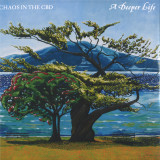
Chaos In The CBD - A Deeper Life

2025 Repress

“We created a holiday inside our heads.”

A Deeper Life, Chaos In The CBD’s debut album over 10 years in the making, is nostalgic for the duo’s nature-filled youth, exploring the magical coastline and lush rainforest of New Zealand. “The title refers to our childhood, which was idyllic,” says Ben. “It was just the sun, the sand, the sea, waterfalls, birds and fish…” The album’s blissful setting is also depicted on the album cover: a painting, by a childhood friend, of the beach where they grew up in Devonport.

A Deeper Life whirls that profound love of house music and wide-ranging influences – from Brazilian to R&B, ambient to Italo to deep house and downtempo pop – into a serene, cohesive whole with their signature finesse. The result is an international dance sound that feels unmistakably like Chaos and ebbs and flows from the beach party to the club to the afterhours.

On the album they’ve teamed up with a number of US legends and married their vocals with the UK underground: Josh Milan of house pioneers Blaze brings his soulful vocals to the bossa nova beats of ‘I Wanna Tell Somebody,’ a future jazz-dance anthem. Unheralded Chicago house hero and Larry Heard collaborator Lee Pearson Jr. goes deep over ‘More Time’s broken beat flex. And on ‘Maintaining My Peace’, the brothers have matched veteran house singer-songwriter Stephanie Cooke with UK grime MC Novelist, on a slinky LDN interpretation of LA hip-hop and g-funk.

Also featured on the album are New Zealand jazz artist Nathan Haines, frequent collaborator Isaac Asaeili and more.

No en stock

Haga su pedido ahora y le encargaremos el artículo en nuestro proveedor.

25,00

Ültimo hace: 57 Días
SHIGEHARU MUKAI - SPACING OUT (1978) LP

SHIGEHARU MUKAI

SPACING OUT (1978) LP

12inchTYO-1005
THREE BLIND MICE
22.05.2026

This is the long-awaited reissue of Mukai’s first release on the Better Days label, bringing together jazz dynamism and fusion’s vivid flair. With a spirituality reminiscent of his early works, bossa nova touches that hint at what would come later, plus tropical and rock beats and plenty of funk, it’s a crossover gem packed with diverse appeal.

Reservar22.05.2026

debe ser publicado en 22.05.2026

43,49
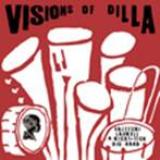
Valtteri Laurell - Visions of Dilla
  • 1: Y'all Ain't Ready
  • 2: Rico Suave Bossa Nova
  • 3: Won’t Do
  • 4: B.b.e. - Big Booty Express
  • 5: Beej-N-Dem

Finnish jazz producer Valtteri Laurell reworks some of J Dilla’s most iconic beats into adventurous big band versions. With drummer/producer Teddy Rok (Teppo Mäkynen of Five Corners Quintet, Stance Bros. etc.), flutist extraordinaire Elena Pinderhughes and Laurell’s own 17-piece Ricky-Tick Big Band, he creates a big band album that you never thought you would hear. Using the sparse and visionary beats of J Dilla as a starting point, Laurell has composed and arranged material on top of the original versions, performed by Ricky-Tick Big Band. ”My original idea was to write very abstract big band moments, that would be like samples Dilla might have used in his work. During the process though, on some of the tracks I started to feel more of a Bob James or Henry Mancini vibe in the arrangements, so the end result is a hybrid of those worlds. Naturally, the spirit of Gil Evans and the later work of Duke Ellington is also floating in the air”. To create a strong connection with the original material, Laurell asked Dilla-aficionado and drummer/producer Teppo ”Teddy Rok” Mäkynen to work with him on the rhythmic side of the pieces. Teddy Rok also mixed the album. As a special guest star, flutist Elena Pinderhughes is featured on Won’t Do and Rico Suave Bossa Nova. Ricky-Tick Big Band, which Laurell founded in 2010 is also well on display here, with rising baritone sax star Linda Fredriksson featured on Beej-n-Dem and trumpetist Jukka Eskola featured on Y’All Ain’t Ready.

Reservar22.05.2026

debe ser publicado en 22.05.2026

32,35
Visioneers - Dirty Old Hip Hop Remastered (2x12")

"Dieses Jahr feiert "Dirty Old Hip Hop" sein 20-jähriges Jubiläum, und wir feiern mit einer Neuauflage dieses absoluten Klassikers. Das ursprünglich 2006 erschienene und für die Worldwide Awards nominierte Album ist eine meisterhafte Sammlung von Tracks von Marc Mac (4hero). Mit den Musikern Somatik und Luke Parkhouse sowie den Rappern Voice und Capital A hat Marc Hip-Hop-Breaks & Beats neu interpretiert und in Grooves eingebettet, die den gesampleten Original-Tunes Tribut zollen. Dieser postmoderne Ansatz hat ein Album mit zeitloser Musik hervorgebracht, das Epochen überdauert und gleichermaßen frisch wie vertraut klingt. Und es funktioniert einfach." - Bob Hill. Remastertes 180g Doppelvinyl.

No en stock

Haga su pedido ahora y le encargaremos el artículo en nuestro proveedor.

27,52

Ültimo hace: 27 Días
Various - Lounge Psychedelique (Best Of Exotica 1954-2022) 2x12"
Reservar01.05.2026

debe ser publicado en 01.05.2026

43,28
Various - Tchic Tchic: French Bossa Nova 1963-1974  Colored Edition LP 2x12"
  • A1: Les Masques - Il Faut Tenir (1969)
  • A2: Isabelle Aubret - Casa Forte (1971)
  • A3: Christianne Legrand - Hlm Et Ciné Roman (1972)
  • A4: Jean Constantin - Pas Tant D'chichi Ponpon (1972)
  • A5: Billy Nencioli & Baden Powell - Si Rien Ne Va (1969)
  • B1-: Marpessa Dawn - Le Petit Cuica (1963)
  • B2: Jean-Pierre Sabar - Vai Vai (1974)
  • B3: Sophia Loren - De Jour En Jour (1963)
  • B4: Isabelle - Jusqu’à La Tombée Du Jour (1969)
  • B5: Sylvia Fels - Corto Maltesse (1974)
  • C1: Frank Gérard - Comme Une Samba (1972)
  • C2: Ann Sorel - La Poupée Des Favellas (1971)
  • C3: Charles Level - Un Enfant Café Au Lait (1971)
  • C4: Andrea Parisy - Les Mains Qui Font Du Bien (1970)
  • C5: Audrey Arno - Quand Jean-Paul Rentrera (1969)
  • C6: Aldo Frank - T’as Vu Ce Printemps (1970)
  • D1: Christianne Legrand - Cent Mille Poissons Dans Ton Filet (1972)
  • D2: Clarinha - Lemenja (1970)
  • D3: Hit Parade Des Enfants - Aquarela (1976)
  • D4: Jean-Pierre Lang - Tendresse (1965)
  • D5: Magalie Noël - Une Énorme Samba (1970)
  • D6: Françoise Legrand - La Lune

Ever since the late 1950s bossa-nova revolution, Brazil’s influence on French music has been undeniable. Pierre Barouh, Georges Moustaki and a vast array of lesser known artists, all made the Musica Popular Brasileira (MPB) an axis of promotion at the service of a cool and metaphysical, modern and mixed Brazilian lifestyle. Some were seduced by the poetic languors of the bossa, some were looking for fun, and others just loved the American hybridization of jazz-bossa, jazz-samba.


What is bossa nova? One of its creators, Joao Gilberto said: "Its style, cadence, everything is samba. At the very start, we didn't call it bossa nova, we sang a little samba made up of a single note - Samba de uma nota so .... The discussion around the origins of bossa nova is therefore useless”. It is nevertheless useful to remember that these magnificent Brazilian songs, which the guitarist describes as samba, were shifted and balanced around improbable chords. "I like things that lean, the in-betweens that limp with grace," said Pierre Barrouh, quoting Jean Cocteau.


With emotion, arrangements for violin and supple guitar licks, bossa nova rapidly changed. A transformation that can be heard in the Tchic, tchic, French Bossa Nova 1963-1974 compilation, the result of a cultural reappropriation, which traveled through the United States and supplemented itself in France.

A musical revolution that has remained significant, bossa nova was born in Rio. From 1956 to 1961, Brazil lived through its golden years. In five years, the country had invented its modernist style. Elected president in 1956, Juscelino Kubitschek de Oliveira, an elegant man with a broad forehead, brandished a promising slogan: "Fifty years of progress in five years". He quickly got to work. Not worried about increasing debt, he launched the project for a new federal capital, Brasilia, designed by the communist architect Oscar Niemeyer. Volkswagen opened state-of-the-art factories and created the “fusquinha”, the Beetle. In Rio, the Vespa made its first appearance. The Arpoador Surf Club crew run into the “girl” from Ipanema, Helô Pinheiro - the tanned garota ("chick"), between a flower and mermaid, who at 17 walked by the Veloso bar, where the fiery author and composer, Tom Jobim and Vinicius de Moraes, were getting drunk on whiskey. From then on, bossa symbolized cool.

In 1958, Joao Gilberto recorded Chega de Saudade, which the directors of Philips denied, calling it "music for fagots". The marketing director, who believed in it, secretly pressed 3000 78-inch vinyls and distributed them at schools around Rio, creating a tidal wave.

American jazzmen then took over. In particular, trumpeter Dizzy Gillespie and guitarist Charlie Byrd. In November 1962, the Brazilian Ministry of Foreign Affairs funded a "Bossa-Nova" concert at Carnegie Hall in New York, inviting the genre’s pioneers. Unprepared, the show soon turned to disaster. But the troupe was invited to the White House by Jackie Kennedy. The first lady loved "the new beat" and in particular Maria Ninguem, a song by Carlos Lyra, later covered by Brigitte Bardot.

In Brazil, the 1964 military coup quickly ended this euphoria. The destructive atmosphere that ensued pushed many Brazilian musicians to leave, if not to exile. Thus, Tom Jobim, Sergio Mendes and Joao Gilberto arrived to the United States. In New York, Joao Gilberto met saxophonist Stan Getz. At the time, he was married to the Bahianese Astrud Weinert Gilberto, who had a German father. She had never sung before, but she knew how to speak English. Getz therefore asked her to replace her husband on The Girl From Ipanema. The Getz/Gilberto record with Tom Jobim on piano, was released in March 1964. Phil Ramone, the "pope of pop" was in charge of sound.

Bossa nova arrived in Paris through the classic “guitar-voice” channel (Pierre Barouh, Baden Powell, Moustaki…) But France loved jazz and Paris had already welcomed its American contributors. All these good people were to pass through Saint-Germain-des-Prés. The cabaret l'Escale became the Mecca of Latin American sound where one could find Pierre Barrouh and his friends, such as the Camara Trio, samba-jazz aces, whose only record was published by the Saravah label. With a band strangely called Les Masques (a band that included Nicole Croisille and Pierre Vassiliu, among others), the Camara Trio recorded an interesting Brazilian Sound, including the track Il faut tenir which is present on this tasty compilation of rarities.

Other enlightened musicians can also be found on the compilation, such as Jean-Pierre Sabar (songwriter for Hardy, Auffray, Leforestier ...) and the French pop rock organist Balthazar. In 1975, Sabar recorded Aurinkoinen Musiikkimatka on a Finnish label, which featured the crazy Vai, Vai, included on this record. We are now following the footsteps of Brazilian electronic musicians such as Sergio Mendes, Eumir Deodato or Marcos Valle who created funk and disco sounds on their keyboards and synthesizers. A style that influenced Véronique Sanson when she wrote Jusqu’à la Tombée de la nuit in 1969 for Isabelle de Funès, the niece of Louis and a great friend of Michel Berger - Sanson did end up singing this track on her 1992 Sans Regret record.


The pinnacle of exoticism and travel, Sylvia Fels’ Corto Maltese includes bongos, sea mist and ocean sounds. The title was taken from Jacky Chalard’s concept album written in 1974, Je suis vivant, mais j’ai peur (I am alive, but I am scared), based on Gilbert Deflez’s science fiction novel.


However, bossa nova extended the scope of popularity. "In the 1970s, I was a fan of Sergio Mendes, Getz / Gilberto. I fell in love with this music that I knew because I had been an orchestral singer, " explained Isabelle Aubret, who in 1971 delivered a composite record of covers by the very funky Jorge Ben, Orfeu Negro, Tom Jobim, Vinicius de Morais and Jean Ferrat. "I recorded this album for Meys Records in Paris, far from Brazil, with wonderful musicians, François Raubert, Roland Vincent, Alain Goraguer...". The latter wrote the arrangements for Casa Forte, a very percussive title borrowed from Edu Lobo, one of the initiators of the bossa who spent time in California. "Jazz and bossa came together and produced very rhythmic music. I love singing, it allows me to dream, to have fun, to feel a high on stage, and these songs brought me joy, made me swing, my singing felt like a dance.”


The world tours of French singers and their desire for the tropics, often brought them to Rio with its hills, forests, caipirinhas and tanned bodies. There are surprises though, like this Iemenja (Iemenja is the goddess of the sea in the Afro-Brazilian candomblé religion). Not unlike the composer and musician Jean-Pierre Lang, based in Sao Paulo, Claire Chevalier taught Brazil to Brazil. In 1970, the singer and painter published a 45-inch vinyl, Mon mari et mes amants (My husband and my lovers), under the improbable pseudonym of Clarinha (little Claire). She was then living in Rio, with her husband, Joël Leibovitz, who founded a band called Azimuth, and who owned a record label specialized in "sambas enredos" songs for samba school parades.


For its B side, she asked Pierre Perret to come up with lyrics for a song composed by Carlos Imperial: "Oh goddess of the sea, o goddess Iemenja, I bring a white rose to adorn your long hair ..." . "Perret came to see us, and we had fun, remembers Joël Leibovitz. We wrote Lemenja for fun, we recorded it at the Havaí studio, behind the Central do Brasil the central station. Erlon Chaves, the arranger who worked with Elis Regina, joined us" adding his share of Afro-Brazilian percussions and funky brass to the mix.

There is a common misunderstanding in Franco-Brazilian history: that bossa, admittedly hedonistic, is perceived as funny, even though the poets who wrote the texts are often philosophizing on the human condition. Its French interpreters pull it towards a carnival inspired universe, far removed from its fundamental essence. Thus, Jean Constantin covered the famous Samba da minha terra, an ode to the art of samba written by the classic Bahian composer Dorival Caymmi, renaming it with the enticing title of Pas tant de tchi tchi pompon: "On your pier there is no tchi tchi / when you arch your back, you know everything is alright ”(lyrics by Gérard Calvi). This expedited bossa aims for the absurd, but retains a certain elegance.

Indeed, Jean Constantin was not an idiot, the rather large man had a huge mustache and liked fantasy, (Les pantoufles à papa, Le pacha, inspired by cha-cha-cha-cha, salsa and jazz) but he was also the lyricist of Mon manège à moi interpreted by Edith Piaf, the composer of Mon Truc en plume by Zizi Jeanmaire and the soundtrack of François Truffaut’s 400 Blows. Le Poulpe, published in 1970, from which this bossa is extract, was arranged by Jean-Claude Vannier, an accomplice of Serge Gainsbourg’s Melody Nelson. In short: "There is enough of samba / By looking at the parasol / Because my poor cabeza / Is going to die in the sun".

Even the American actress Marpessa Down, who was at the heart of the bossa nova revolution with her role as Euridyce in Marcel Camus’ film Orfeu Negro, winner of the 1959 Cannes Palme d'or, fed the clichée with Je voudrais parler au petit cuica - "Tell me how you manage to always make people want to dance / It's true, I must admit that I cannot resist your magic" - in consequence, once can hear the cuica, a little drum inherited from the Bantu.


But bossa nova had many angles. Societal, of course, pushing actresses who were symbols of women's liberation like Brigitte Bardot, Jeanne Moreau, or Sophia Loren to engage in the exercise of accelerated bossa. In February of 1963, Sophia Loren made a record in French in Rome, Je ne t'aime plus, featuring the song De jour en jour, a bossa written by two Italians, Armando Trovajoli and Tino Fornai, which was released a little later by Barclay. Bossa accompanied the 1960s, a decade of moral liberation. Ann Sorel, who interpreted La Poupée des favellas, caused a sensation with L’amour à plusieurs, a provocative song written by Frédéric Bottom and Jean-Claude Vannier. As for the actress Andrea Parisy, she displayed her bourgeois cheekiness in Marcel Carné's Les Tricheurs before interpreting Les mains qui font du bien. And Magalie Noël, the friend of Boris Vian, who sung Johnny fais-moi mal, was hired to sing Une énorme Samba, composed by Alain Goraguer (arranger to Gainsbourg, Bobby Lapointe and Jean Ferrat) with lyrics by Frédéric Botton.

But in the end, of what wood is bossa nova made of? The answer is given by Christianne Legrand, daughter of Raymond the conductor, and sister to Michel the composer: "With me, with jà" - jà means "immediately" in Portuguese. In 1972, the singer, an expert in vocal jazz and a member of the Double Six, published Le Brésil de Christianne Legrand. Two songs included on the Tchic Tchic compilation that demonstrate how bossa, jazz, funk, rock, etc. work like a swiss army knife: the music is used to denounce broken systems, or miracles, HLM et ciné roman, Cent mille poissons dans ton filet, two songs from the O Cafona soundtrack, a successful telenovela broadcast, at the time in black and white, on TV Globo. The first was adapted in French by the fighter and friend of the Legrand tribe, Agnès Varda. The second is content with a play on words, jostling them into a summer fun.


Véronique Mortaigne

Reservar17.04.2026

debe ser publicado en 17.04.2026

27,31
MARCOS VALLE - PREVISÇO DO TEMPO LP

Ten years after Marcos Valle’s debut long player (Samba Demais) introduced Brazilian music lovers to the immense talents of the Valle brothers, a new direction and backing band helped the singer expand his musical palette. Showcasing a groovy funk and jazz-fusion influence with help from then current backing band Azimuth (later known as Azymuth), synthesizers, Fender Rhodes, and electronic sounds took Valle’s samba, bossa nova, baião (a rhythmic beat from the rural northeast of Brazil), along with the inspiration of black American music and psychedelic rock from prior albums, to dimensions unheard. While not a complete departure, the vocals, grooves, and engaging songs of Previsão Do Tempo are guaranteed to make you feel free and think deep.

No en stock

Haga su pedido ahora y le encargaremos el artículo en nuestro proveedor.

34,87

Ültimo hace: 55 Días
Sambalanço Trio - Sambalanco Trio (+6 Bonus Tracks) LP
  • 1: Samblues
  • 2: Balanço Zona Sul
  • 3: O Morro Nao Tem Vez
  • 4: Nós E O Mar
  • 5: Homenagem A Clifford Brown
  • 6: Berimbau
  • 7: Nana
  • 8: Preciso Aprender A Ser Só
  • 9: Samba De Verao
  • 10: Jacqueline K
  • 11: Consolaçao
  • 12: O Amor Que Acabou
  • 13: P'ra Que Chorar
  • 14: Marisa (Unaccompanied Piano)
  • 15: Sambinha
  • 16: Deus Brasileiro
  • 17: Você
  • 18: Reza
Reservar21.11.2025

debe ser publicado en 21.11.2025

18,45
Artículos por página
N/ABPM
Vinyl