Buscar:bro sa


- A1: Super Strut - Apostles
- A2: Escucha Mi Funk - The Hightower Set
- A3: Testify - Mains Ignition
- A4: Russian Roulette - Night Trains Featuring Afrika Bambaataa
- B1: From The Ghetto (Modern Tone Family Mix) - Dread Filmstone
- B2: Delancey Street .. The Theme - The Ballastic Brothers
- B3: Trans Euro X-Press (Ballistic Step) - X-Press 2
- B4: Farside - Jaziac Sunflowers
Back in the early 1990s as Acid Jazz began a period of extraordinary commercial success where acts like the Brand New Heavies and Jamiroquai sold millions of records, and US groups such as A Tribe Called Quest, The Roots and Digable Planets were actively influenced by what was being played in London, the whole scene was being fuelled by a small number of clubs, led by Gilles Peterson’s Sunday afternoons at Dingwalls but taking in nights in Leeds, Bari, Munich, Tokyo, Stockholm and New York. In those clubs funky jazz, latin boogaloo and 70s soul soundracks competed for time on the dance floor with import records from New York, and the latest sounds coming out of bedrooms and makeshift basement studios that created contemporary sounds out of the past.
Acid Jazz’s Eddie Piller and Dean Rudland have put together this compilation of the sort of sounds that we were playing at the time. They are releases on Acid Jazz and other label’s that surrounded the scene and they were mainly made by people we knew from either around the club scene, behind the counters of our favourite record shops, or from trips to New York or Europe. They range from The Ballistic Brother anthem ‘Blacker’ to the jazz house of A-Zel - a Roger Sanchez mix that still sounds fresh today. We have the Humble Soul’s instrumental version of ‘Beads Things And Flowers’ which at the time was only available as a DJ special on Acetate. There is the presence of A Man Called Adam before they went to Ibiza, and the early Mo’ Wax (before they went Trip Hop) single by Marden Hill ‘Come On’.
These records could fill a dance floor in seconds and we feel that they are today largely forgotten, as they were non-album, underground club records. It’s time to celebrate them!
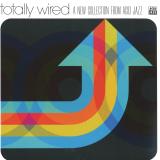
- A1: Something In My Eye – The Acid Jazz Orchestra Featuring Sherine
- A2: Samba De Flora (Original Full Length Version) – Romero Bros
- A3: Tambores Da Vida (Drums Of Life) – Chris Bangs
- A4: Coconut Rock – Soul Revivers Featuring Sheila Maurice-Grey And Anoushka
- A5: Rocksteady – Brand New Heavies
- B1: Crucifix Lane – Matt Berry
- B2: Thinkin’ About You – Carmy Love
- B3: Beggin’ – Bdq
- B4: This Is Day One – Earth-O-Naut
- B5: That’s About The Time (I Fell In Love With You) – Quiet Fire
We are excited to announce the return of the iconic Totally Wired series with a brand new collection on LP and CD. The first 50 orders will include a special art print of the artwork. We are also doing a limited edition T-shirt to celebrate this milestone!
In 1988 Acid Jazz released its first compilation album ‘Totally Wired: A Collection From Acid Jazz Records’. Compiled by Eddie Piller and Gilles Peterson it collated 11 tracks that summed up the early days of our scene, mixing new label signings, cool new records being played in our clubs and a couple of oldies. It sold well to the then small scene and set the template for a series, that in the wake of the international success of The Brand New Heavies, Jamiroquai, The James Taylor Quartet and others exploded. By the time that Volume 5 appeared, we were selling tens of thousands of copies, with major label artists vying for inclusion.
By that point ‘Totally Wired’ was a phenomenon, that sign-posted changes in both the directions of new music, but of the oldies that were played on the scene. It gave DJs new tunes to play and soundtracked 1000s of Cafés and bars the world over in the age of the CD. It was largely retired at the end of the 90s and as times changed.
Over the years we have been asked to return to the scene of the crime, but it has never quite felt right, until now. With vinyl back, and the need for easy to digest compilations becoming neccessary in the chaos of streaming’s ‘I can listen to anything I want, but can’t think what that might be’ is evident, but also we are feeling excited about where Acid Jazz is right now. New artists on the label are making great records, Matt Berry has a Top thirty album, and The Brand New Heavies are headlining the Royal Albert Hall. It’s easy to make an exciting album when that is happening.
So we are releasing “Totally Wired: A New Collection From Acid Jazz” and treating it like the important milestone that it is. From the Acid Jazz sid we have new and exclusive recordings by Matt Berry, Chris Bangs and new signings Earth-o-Naut and Quiet Fire, there is also a recent white label only 45 cut by the Soul Revivers – released ahead of their new album due this Autumn and featuring Kokoroko’s Shiela Maurice-Grey and Anoushka Nanguy. For the oldies we have dug deep into our own archives to bring you the Acid Jazz Orchestra’s version of Corduroy’s ‘Something In My Eye’ and The Brand New Heavies astounding funk take of Aretha Franklin’s ‘Rock Steady’. These are all joined by recent scene records by Carmy Love – one of the greatest voices in the UK – The Romero Brothers, and BDQ, carrying the series onwards at last.

- A1: Malavoi - Te Traigo Guajira
- A2: Los Caraibes - Donde
- A3: Tropicana - Amor En Chachacha
- A4: Ryco Jazz - Wachi Wara
- A5: Eugene Balthazar - Dap Pignan
- A6: Roger Jaffort - Oye Mi Consejo
- A7: Les Kings - Oriza
- B1: Les Supers Jaguars - Tatalibaba
- B2: Super Combo De Pointe A Pitre - Serrana
- B3: L'ensemble Abricot - Se Quedo Boogaloo
- B4: Henri Guedon - Bilonga
- B5: Les Aiglons - Pensando En Ti
- B6: Los Martiniquenos - Caterate
In Guadeloupe, many people think that jazz and ka music are like a ring and a finger. To some extent, the same could be said about so called Latin music and the music played in the French West Indies.
Both aesthetics were born in the Caribbean and bear so many connections that they can easily be considered cousins. In constant dialogue, there are lots of examples of their fruitful alliance and have been for a while. The English country dance that used to be practiced in European lounges came to be called kadrille in Martinique and contradanza in Cuba. They both featured additional percussion instruments inherited from the transatlantic deportation. Drawing from shared feelings about the same traumatized identity – later to be creolized – it would be hard not to assume that they were meant to inspire each other. The golden age of the orchestras that graced the Pigalle nights during the interwar period further proves the point. As soon as the 1930s, Havana-born Don Barreto naturally mixed danzón and biguine music in a combo based at Melody's Bar. In the following decade, Félix Valvert, a conductor who was born and raised in Basse-Terre in Guadelupe, also worked wonders in Montparnasse with La Coupole, which was an orchestra made up of eclectic musicians. Afro- Caribbean performers of various origins were often hired on rhythm and brass sections in jazz bands, which used to enliven the typical French balls of the capital. In the 1930s and onwards, Rico’s Creole Band was one of them.
Martinican violinist-clarinettist Ernest Léardée, who would become the king of biguine music as well as the main figure of French Uncle Ben's TV commercials (a dark stigma of post-colonial stereotypes), had musicians from the whole Caribbean sphere play at his Bal Blomet – and they all enchanted "ces Zazous-là" (according the words of Léardée's biguine-calypso piece). In les Antilles (French for French West Indies), music history started to speed up in the 1950s, when trade expanded and radio stations grew bigger. The Guadelupean and Martiniquais youth tuned in their old galena radio sets to South American and Caribbean music. As for the women traders, les pacotilleuses, they bought and sold goods across different islands (the "passing of items through various hands" was thought to be most pleasurable) and brought back countless sounds in their luggage. Such was the case of Madame Balthazar, who once returned from Puerto Rico with the first 45rpm and 33rpm to ever enter Martinique.
Out of this adventure was created the famous Martinican label La Maison des Merengues, a music business she opened and undertook with her husband and which proved to be a major landmark. At the end of the 1950s, in Puerto Rico, Marius Cultier competed in the Piano International Contest playing a version of Monk's Round 'Midnight. He won the first prize and this distinction foreshadowed everything that was to come. Cultier, the heretic Monk of jazz, was quickly praised for writing superb melodies, always tinged with a twist that conferred a unique sound to his music. It didn't take long for the gifted self-taught musician to get to play with Los Cubanos, making a name for himself thanks to his impressive maestria on merengues.
The rest is history. Besides, in the late 1950s, Frantz Charles-Denis, born into the upper middle class in Saint-Pierre and better known by his first name Francisco, went back home after working at La Cabane Cubaine – a club located rue Fontaine where he had caught the Latin fever. Francisco's music was therefore heavily marked by his Cuban cousins' influence, which gave the combos he led a specific style and also led to renewal. Things were swinging hard in La Savane, located in the main square in Fort-de-France. He set up the Shango club close by and tested out the biguine lélé there, a new music formula spiced up with Latin rhythms. Soon afterwards, fate had him fly to Puerto Rico and Venezuela.
As for percussionist Henri Guédon (percussions were only a part of his many talents), he was born in Fort-de-France in May 22nd 1944, the day marking the celebration of the abolition of slavery. As an old man, he could remember that in " his father's Teppaz, a lot of hectic 6/8 music was constantly playing...". In the opening lines of his Lettre à Dizzy, a small illustrated collection of writings published by Del Arco, he highlighted the huge impact that cubop had on him as a teenage boy, around 1960. He eventually turned out to be the lider maximo in La Contesta, a big band steeped in Latin jazz. He was also the one who originated the word zouk to describe music which brought the sound of the New York barrio to Paris. It was the culmination of a journey that started in Sainte-Marie: "a mythical place for bélé, the equivalent of Cuban guaguancó". In the early 1960s, the tertiary economy developed to the detriment of agriculture. Yet rural life was where roots music emerged in Martinique and in Guadeloupe.
Record companies played a major part in the process of Latin versions sweeping across the islands – before reaching everywhere else. Producer Célini, boss of the great Aux Ondes label, and Marcel Mavounzy, both the head of Émeraude records - a firm which was founded in 1953 - as well as the brother of famous saxophonist Robert Mavounzy, were big names to bear in mind. Although there were many of them - all of whom are featured on this record - Henri Debs was definitely the major figure in the recording adventure. He proved to be so influential that he even got compared to Berry Gordy. In the mid 1950s, when he acquired his first Teppaz, he worked on his first compositions: a bolero and a chachacha. Then, he became the one man who made people discover Caribbean music, from calypso to merengue. He was among the first ones to rush out to San Juan, Puerto Rico, to buy records and distribute them through a store run by one of his brothers in Fort-de-France. He had members of the Fania All Star come and perform there, which he was madly proud about. He was also the first one to pay attention to Haitian music, such as compas direct and various other rhythms which would soon flood the market. As a result, many of the combos hitting his legendary studio would end up boosted by widespread "Afro-Latin" rhythms. However, he never denied his identity: gwo ka drums were given a major role, although they were instruments which had long been banned from the "official" music spheres. The present selection bears witness to such a creative swarming. Here are fourteen tracks of untimely yet unprecedented cross-fertilization: all types of music rooted in the Creole archipelago have found their way, whatsoever, to the tracklisting. Whether originating from the city or being more rural, they all go back to what Edouard Glissant, in an interview about the place of West Indian music in the Afro-American scope, called "the trace of singing, the one which got erased by slavery." "It is so in jazz, but also in reggae, calypso, biguine, salsa... This trace also manifests through the drums, whether Guadelupean, Dominican, Jamaican or Cuban... None of them being quite the same. They all point to the idea of a trace, seeking it out and connecting to each other through it. This is the hallmark of the African diaspora: its ability to create something new, in relation to itself, out of a trace. It may be the memory of a rhythm, the crafting of a drum, a means of expression which doesn't resort to an old language but to the modalities of it." The opening track features one of the emblematic orchestras of this aesthetic identity, criscrossing many music types from the archipelago. The 1974 Ray Barretto guajira – Ray Barretto was a major New York drummer influenced by Charlie Parker and Chano Pozzo – is magnificently performed by Malavoi, a legendary Fayolais group (i.e from Fort-de-France). Additionally, the compilation ends on a piece by Los Martiniqueños de Francisco. It symbolically closes the circle as it is a genuine potomitan of Martinique culture which also functions as a tireless campaigner for Afro-Caribbean music. Practicing the danmyé rounds (a kind of capoeiria) to the rhythm of the bèlè drum, it delivers a terrific Caterete, a kind of champeta of Afro- Colombian obedience which was originally composed by Colombian Fabián Ramón Veloz Fernández for the group Wgenda Kenya. The icing on the cake is Brazilian Marku Ribas, who found refuge in Martinique in the early 1970s, bringing his singing to the last trance-inducing track. These two "versions" convey the whole tone of a selection composed of rarities and classics of the tropicalized genre, swarming with tonic accents and convoluted rhythms. It is the sort of cocktail that the West Indians never failed to spice up with their own ingredients. For instance, the Los Caraïbes cover of Dónde, a famous Cuban theme composed by producer Ernesto Duarte Brito, has a typical violin and features renowned Martinique singer Joby Valente and his piquant voice.
The track used to be – or so we think – their only existing 45rpm. The meaningful Amor en chachachá by L'Ensemble Tropicana, a band which included Haitian musicians among whom was composer and leader Michel Desgrotte, also recalls how Latin music was pervasive in the tropics in the mid-1960s. They were the ones keeping people dancing at Le Cocoteraie in Guadelupe and La Bananeraie in Martinique. Around the same time, another "foreign" band, Congolese Freddy Mars N'Kounkou's Ryco Jazz, achieved some success on both islands by covering Latin jazz classics – such as their adaptation of Wachi Wara, a "soul sauce" by Dizzy Gillespie and Chano Pozo whose interweaving of strings and percussions can have anyone hit the dancefloor. How can you resist Dap Pinian indeed, a powerful guaguancó by Eugene Balthazar, performed by the Tropicana Orchestra and published by the Martinique-founded La Maison des Merengues? It also acts as a symbol of the maelstrom at work. Going by the name Paco et L'orchestre Cachunga, Roger Jaffory used to play guaguancó too: his Fania-inspired Oye mi consejo is one example of his style. Baila!!!!! Dancing was also one of the Kings' focus points. Oriza is a Puerto Rican bomba and a "classic" originally composed by Nuevayorquino trumpeter Ernie Agosto, which reserves major space for brasses, giving it a special sheen.
Emerging from the New York barrios crucible was also La Perfecta, a Martinique group originating from Trinidad, whose name directly references the totemic Eddie Palmieri figure as well as his own band, also called La Perfecta. Here they borrow Toumbadora from Colombian producer and composer Efraín Lancheros and interpret it by emphasizing percussions, which set fire to the track even more than the wind instruments. The same goes for Martinique's Super Jaguars, who use Tatalibaba – a composition by Cuban guitarist Florencio "Picolo" Santana which was made famous by Celia Cruz & La Sonora Matencera – as a pretext for sending their cadences into a frenzy. In a more typically salsa vein, the Super Combo, a famous Guadelupean orchestra from Pointe-Noire that was formed around the Desplan family and had Roger Plonquitte and Elie Bianay on board, adapt Serana, a theme by Roberto Angleró Pepín, a Puerto Rican composer, singer and musician also known for his song Soy Boricua. Here again, their vision comes close to surpassing the original. In the 1970s, L'Ensemble Abricot provided a handful of tracks of different syles, hence reaching the pinnacle of the art of achieving variety and giving pleasure. They played boleros, biguines, compas direct, guaguancó and even a good old boogaloo - the type they wanted to keep close to their hearts for ever, "pour toujours", as they sang along together in one of their songs. Léon Bertide's Martinican ensemble excelled at the boogaloo which had been composed by Puerto Rican saxophonist Hector Santos for the legendary El Gran Combo.
Three years later, in 1972, Henri Guédon, with the help of Paul Rosine on the vibraphone, tackled the Bilongo made famous by Eddie Palmieri. Such a classic!!!!! And so were the Aiglons, the band from Guadelupe: choosing to execute Pensando en tí, a composition by Dominican Aniceto Batista, on a cooler tempo than the original, they noticeably used a wonderfully (un)tuned keyboard in place of the accordion. On the high-value collectible single – the first one released by Les Aiglons under the Duli Disc label – there is a sticker classifying the track under the generic name "Afro". Now that is what we call a symbol. Jacques Denis

NECHTO returns with its second 12” vinyl compilation, continuing the mission of presenting forward-thinking techno from both rising talents and trusted names. Each of the six tracks adds a unique voice to the raw and honest collection.
Mecha opens the record with “All My Love”, a hypnotic debut techno track shaped by years in drum and bass. Contakt follows with “Peak Jam”, a one-take hardware jam built around the warmth of a signature synth. “16th Symphony” by Human Safari is a jazz-influenced cut intended for special moments in a DJ set. Unspent delivers “Moog Gorning”, a track that shifts from percussive 4x4 to broken rhythm, carrying deep personal emotion. ARGIE’s “Strangers” captures the tension of connection and distance with layered percussion and melody. Franz Jäger closes with “Get Simon to sync”, a rave-influenced hybrid track designed for peak-time impact.
With contributions from the UK, Poland, Malta, France, the Netherlands, and Sweden, this compilation once again highlights NECHTO’s dedication to showcasing both emerging and established artists while pushing the boundaries of modern techno.

- A1: Believe (Feat Anda)
- A2: Five Days (Feat Dj Epik)
- A3: Lost & Found (Feat Sally Green)
- A4: Evergreen (Feat Tony Ozier)
- A5: Take A Ride (Feat Jp Patterson)
- B1: Eight Nine (Feat Sally Green)
- B2: Sure Shot (Feat Dj Epik)
- B3: How Ya Gonna Do It (Feat Kate Moe Dee)
- B4: Cruise Control (Feat Nice Rec)
- B5: Turn It Out (Feat Brothermartino)
Neo funk rising star Buscrates aims high with Blasting Off, his first full-length album. The Pittsburgh-based keyboard cosmonaut has been grabbing ears since his days hooking up beats with the hip hop crew East Liberty Quarters, but after slinging spicy one-offs to a slew of hot labels like Omega Supreme, Voyage Funktastique and Razor N Tape (as well as contributing production to Wiz Khalifa and Curren$y's 2009 project), the time has come for a full-length featuring his growing modern funk repertoire.
"I'm a '90s hip hop dude, but I grew up on that '80s funk stuff," Buscrates acknowledges. DJ gigs provided a working knowledge of the jams that moved a contemporary crowd, and as his collection of keyboards and drum machines grew he began blending the best of both decades with his personal futuristic edge. "I was nice on the MPC but I wanted to have a little more dynamic range with what I was doing," he notes. The self-described "certified synth geek" was soon branching into sounds that recalled '80s legend Kashif crossed with the hip hop bounce of DJ Spinna, and the modern funk community took notice.
For his first full-length, Buscrates has crewed up with an ace team of collaborators, featuring vocalist Sally Green on the bouncy lead single "Lost And Found" and "Eight Nine." Kate Moe Dee takes over mic duties for the second single, "How Ya Gonna Do It," a slinky groove that slides in place alongside groups like the Sunburst Band and Rene & Angela as an exemplar of sophisticated R&B. Adding to those credentials are the sultry vocals of Anda on "Believe," but of course, it wouldn't be a Buscrates set without some stank, neck-snapping instrumentals. "Five Days" and "Sure Shot," both collabos with the drum technician DJ Epik, will rattle speakers and have already been lighting up message boards on recent Buscrates DJ sets. Round things out with some easy gliding, jazzy funk ("Turn It Out" with Brothermartino on flute and "Evergreen" featuring Tony Ozier) and you've got all the ingredients for a high-flying cosmic ride with Buscrates at the controls.

- Original
- Saul Williams Remix
- Heba Kadry Remix
- Patrick Carney Remix
- Broken Social Scene Remix
- Makaya Mccraven Remix
The "Oganesson Remixes EP" follows the 2025 release of "Oganesson", which was the first new song released by Tortoise since 2016. The EP includes the original version of "Oganesson" alongside five new remixes of the track created by collaborators and friends of the band, including poet and activist Saul Williams, prolific mastering engineer Heba Kadry, Black Keys drummer Patrick Carney, indie music icons Broken Social Scene, and International Anthem labelmate Makaya McCraven. The "Oganesson Remixes EP" is released ahead of a new album by Tortoise, which will be released in fall 2025 via International Anthem.
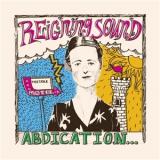
- Lyin' Girl
- Everything I Do Is Wrong
- Shaw
- Call Me #1
- Eve
- Watching My Baby
- Can't Hold On
- Not Far Away
Als er 2011 von Scion angesprochen wurde, um ein Album für die Musik-Promotion-Abteilung der Automarke aufzunehmen, konnte sich Reigning Sound Frontmann Greg Cartwright nicht weigern - trotz oder geraden wegen der prekären Existenz seiner Band zu dieser Zeit. "Mehrere Besetzungswechsel hatten sich ergeben. Die Ursprungsbesetzung, das "Memphis-Quartett", war längst aufgelöst, und ich dachte über die Möglichkeit nach den Namen Reigning Sound zurückzulassen", so Cartwright. "Ich hatte beschlossen eine Pause einzulegen, um an Produktionen für andere Leute zu arbeiten und Songs zu schreiben für The Parting Gifts, meine Zusammenarbeit mit Coco Hames." Aber plötzlich hatte Reigning Sound dieses Toyota Angebot auf dem Tisch, und es gab keine Band. Neben Cartwright war die eine Konstante der letzten drei Reigning Sound Jahre Keyboarder Dave Amels, der ansonsten in der Brooklyn-Soul-Combo The Jay Vons Schwarzarbeit machte. Etwa zur gleichen Zeit war Dan Auerbach von den Black Keys nach Nashville gezogen und kümmerte sich dort in seinem Privatstudio darum, dem Gitarrensound der Parting Gifts Platte den letzten Schliff zu verpassen. "Dan war begierig darauf, etwas im neuen Studio zur Vorbereitung auf eine bevorstehende Sitzung mit Dr. John zu tun, und bot er mir etwas Studiozeit sowie seine Produktionsunterstützung an. Da saß ich nun ohne Band in einem Nashville-Studio, die Uhr tickte. Ich rief in Brooklyn an und The Jay Vons sagten ja. Ich rief Scion an und bat um drei Flugtickets und Hotelzimmer. In wenigen Stunden war die Band auf dem Weg nach Nashville. In zwei Tagen nahmen wir fünf Songs auf. Ich habe diese fünf mit drei Outtakes der vorherigen Reigning Sound LP "Love and Curses" mit Lance Wille am Schlagzeug und Dave Gay am Bass kombiniert.", erzählt Cartwright und fügt hinzu: "Greg + The Jay Vons ist die bis heute gültige Reigning Sound Besetzung." Nach der Veröffentlichung von "Abdication...." brachten Reigning Sound 2014 die beliebte "Shattered" LP raus. Cartwright war zudem seitdem ausgiebig mit den reformierten Oblivians auf Tour.

Mit ITALIA begibt sich Europas erfolgreichster Jazzmusiker hinein in den sonnendurchfluteten Soundtrack Italiens der 70er-Jahre.
Dolce Vita trifft auf höchste Klangqualität: In Rom und Apulien entstanden neue Versionen italienischer Klassiker
Mit dabei: hochkarätige Feature-Gäste wie Giovanni Zarrella, Mandy Capristo, Chiara Civello und Mario Biondi.
Starke TV-Präsenz rund um die VÖ u. a. 03.09. ARD & MDR, 04.09. BR, 09.09. ZDF & WDR, 10.09 rbb & Sat.1.
Breit angelegte Online-Kampagne und überregionale Plakatwerbung
Titelstory im tonart-Magazin (Auflage: 70.000, EVT 25.07.).
Drei Singles, begleitet von hochwertigem Bewegtbild-Content.
Till Brönner steht seit jeher für musikalische Exzellenz: Über eine Million verkaufte Tonträger in Deutschland belegen das eindrucksvoll.

- A1: Introduction
- A2: Twist And Shout
- A3: You Can't Do That
- A4: All My Loving
- 5: She Loves You
- 6: Things We Said Today
- 7: Roll Over Beethoven
- 8: Can't Buy Me Love
- 9: If I Fell
- Side Two
- 1: Boys
- 2: A Hard Day's Night
- 3: Long Tall Sally
- 4: Vancouver Press Conference
20,000 fans were there for The Beatles’ first appearance in Canada at the open-air Empire Stadium, Vancouver. The boys’ set lasted just under half an hour and they forgot to play ‘I Want To Hold Your Hand’. The show was broadcast live by local radio station CKWX and the engineer only got the balance right on the fourth song, the vocals on the previous songs had too much distortion. It almost didn’t happen as the airline pilot didn’t have the correct paperwork for entering Canada, and the group only got to the venue at 9.15pm. The fans loved it but the critics were less impressed. “Seldom in Vancouver’s entertainment history have so many paid so much for so little” said Jack Wasserman, covering for Owl Prowl radio show.

Yet another solid Soul/Funk nugget lifted from the vaults of Miami's CAT Records (Another T.K. Disco subsidiary).
Often sampled, re-edited & re-jigged but never bettered! Gwen McCrae's all time classic "All This Love I'm Giving" finally see's a timely repress, just as God intended, on a dinked 45 with all original artwork intact! That's right, you may recognize this number from Cassius' 1999 hit "Feelin' For You" but this track has long been a staple of rare groove dances & sophisticated soul parties with discerning DJ's & selectors clamoring for the original 45 at any cost.
Backed here with it's original b-side slow jam "Maybe I'll Find Somebody New" this rare 45 has been re-mastered, re-pressed & brought back for 2015's dance-floors in conjunction & with the permission of T.K. Disco / Henry Stone Music, Miami USA.

- 1: You Don't Dream
- 2: Overwhelmed
- 3: Really (Nothing Is Cool)
- 4: Keep Me In The Picture
- 5: Wanna Dance
- 6: Afternoon
- 7: My Mother's Mother Feat. Jally Kebba Sussa
- 8: Higher Ground
- 9: Q&A
- 10: Ancestry
- 11: Magic
- 12: Guided Feat. Ebi Soda
- 13: Only Your Love
Anushka's third album Ancestry comes out on BBE Music as both digital and vinyl and represents a massive hitting of the duo's potential as songwriters, musicians and performers following their well received and critically acclaimed previous releases on Brownswood and Tru Thoughts respectively. Indeed Ancestry represents their best album to date and one which befits a release on one of the UK's (and the world's) premiere independent record labels. Anushka is the collaborative name for Victoria Port and Max Wheeler. The duo first met in the vibrant club, music and arts scenes in that creativity incubating south coast town that is Brighton.
With their first single, Yes Guess, gaining support from major broadcast influencers such as Gilles Peterson they released their debut album, Broken Circuit, in 2014. With major airplay support from Mary Anne Hobbs, Annie Mac, the aforementioned Gilles Peterson and others the second album Yemaya was released in 2021. On this second record they experimented with their sound, exploring darker and more complex songs and palettes. Both albums forged Anushka's sound and production values, combining a deep respect for the UK's electronic club culture mixed with Jazz and Soul. Now, with the release of Ancestry on BBE Music, the duo has created an album that furthers their sound, their songwriting, their arrangements and their production. Victoria's songwriting for Ancestry is influenced by her love of Ella Fitzgerald, Sampha, Jimmy Cliff and Georgia Anne Muldrow.
Max's approach to the production on Ancestry is driven by his own ancestral back catalogue of music from Moodymann and Theo Parrish and further back to Larry Heard, Wu Tang Clan and the 90's electronica of Tricky, Portishead and David Holmes. It definitely bears repeating that list of influences has resulted in Ancestry being Anushka's best album yet. Releasing on BBE Music, on both digital and vinyl formats, Ancestry is an album that is a must for lovers of the highly innovative, jazz and soul fuelled club sound that is part of the UK's contemporary music scene.

„A Danger to Ourselves“, das neue Album von Lucrecia Dalt, erscheint am 5. September 2025 bei RVNG Intl. und ist eine gewagte und doch intime Reflexion über die ungefilterten Komplexitäten menschlicher Beziehungen. Ohne die fiktiven Erzählungen der letzten Alben der Künstlerin kommt „A Danger to Ourselves“ von einem Ort der emotionalen Aufrichtigkeit. Dalts Stimme steht im Mittelpunkt und wird von einer üppigen akustischen Orchestrierung, perkussiven Instrumenten und einer Reihe hochkarätiger Mitstreiter unterstützt, die sich wie ein tiefes persönliches Gespräch entwickeln.
Die in Pereira, Kolumbien, geborene Dalt wuchs in einer musikbegeisterten Familie auf, die sie im Alter von neun Jahren dazu ermutigte, eine Gitarre in die Hand zu nehmen. Dalt folgte diesem kreativen Impuls, war fasziniert von computergestützter Produktion und verließ eine aufkeimende Karriere als Bauingenieurin, zog von Medellín nach Barcelona und schließlich nach Berlin, wo sie ihren unverwechselbaren, abenteuerlichen Sound entwickelte. Mit „Anticlines“ (2018) und „No era sólida“ (2020) und vor allem mit „¡Ay!“, Dalts bahnbrechendem Sci-Fi-Bolero-Album von 2022, hat sich ihre Arbeit auf immer anspruchsvolleres Terrain begeben. Auf dem Weg dorthin hat Dalt ihre Praxis auf die Vertonung von Filmen wie „On Becoming a Guinea Fowl“ (2024), die HBO-Serie „The Baby“ (2022) und den bevorstehenden psychologischen Horrorfilm „Rabbit Trap“ ausgeweitet, während sie Klanginstallationen und Performances kreiert, die ihre leuchtenden Modulationen und ihren unverwechselbaren, sich entwickelnden stimmlichen Ansatz zur Schau stellen. „A Danger to Ourselves“ entstand aus fragmentarischen Erklärungen, die Dalt aufschrieb, während sie das Leben auf der Tournee von „¡Ay!“ und die prägenden Momente einer neuen Beziehung meisterte. Im Januar 2024 begann sie, diese intimen Fragmente zu musikalischen Kompositionen zu kristallisieren, die allmählich zu einer zielgerichteten Konstellation von Songs wurden. Die Klangarchitektur des Albums basiert auf dynamischen Drum-Loops, die von Alex Lázaro beigesteuert werden, dessen perkussives Rückgrat wie bei „¡Ay!“ zur Leinwand für Dalts vielschichtigen Gesang wurde. Anstatt konventionellen melodischen Strukturen zu folgen, erzeugt das Album Musikalität durch das Zusammenspiel von Basslinien, Rhythmen und kompositorischem Design. „A Danger to Ourselves“ offenbart Dalts kompromissloses Streben nach klanglicher Klarheit, bei dem kühne Produktionsentscheidungen und sorgfältige Aufnahmetechniken Stimme und Instrument mit neuer Tiefe und Strahlkraft harmonieren lassen. „A Danger to Ourselves“ ist eindeutig anti-konzeptionell und ein poetischer Instinkt, mit dem Dalt den Fokus auf die Musik selbst lenkt, indem er Stimmen verwendet, die über die Parameter der Songs hinaus schwingen, und die perlenden Echos der ursprünglichen, romantischen Erregung beobachtet. Dalts klare Aufmerksamkeit für Details ist in jedem Takt spürbar, eine Hingabe, die sich in konzentrischen Kreisen dreht und ein Feld bildet, das das Persönliche und das Ätherische vereint. Das Album basiert auf intuitiven Experimenten und nutzt einfache Gesten und komplexe Kompositionen, um wandernde Linien zu weben, wie in „Divina“, das sich zwischen Spanisch und Englisch durch elastische Klanglandschaften bewegt. Der Titel des Albums geht auf David Sylvians Text „cosa rara“ zurück, der die Zerbrechlichkeit des Lebens, die Schwingungen der Liebe und die treibende Sehnsucht nach dem Wundersamen symbolisiert. „A Danger to Ourselves“ spiegelt diese transzendenten Zustände wider, indem es die Komplexität menschlicher Verstrickungen und den Wunsch nach Befreiung von Dopaminspiralen und gewöhnlichen Pfaden hin zu einer offeneren inneren Welt widerspiegelt. Sylvian selbst hat auf „A Danger to Ourselves“ eine Doppelrolle als Co-Produzent und Musiker gespielt. Es ist eine kollaborative Collage mit Beiträgen zahlreicher gefeierter Künstler. Weitere Kollaborationen ziehen sich durch das gesamte Album: Juana Molina ist Co-Autorin und Interpretin von „The Common Reader“, Camille Mandoki singt bei „Caes“, Cyrus Campbell spielt den grundlegenden Elektro- und Kontrabass, und Eliana Joy steuert bei mehreren Stücken Hintergrundgesang und Streicherarrangements bei. In den leuchtenden Tiefen von „A Danger to Ourselves“ inszeniert Dalt eine tiefgreifende Metamorphose, bei der das Persönliche durch klangliche Alchemie zum Universellen wird. Dieses Album ist sowohl Höhepunkt als auch Aufbruch - ein Portal, an dem ihre früheren experimentellen Reisen zu etwas verblüffend Intimem und doch Expansivem zusammenlaufen. Das Album ist ein Netz emotionaler Offenbarungen, jede Komposition ein präziser Indikator für Verletzlichkeit, in der Dalts Stimme eine Offenbarung in neuen harmonischen Gefilden verkörpert. Dalt hat ein lebendiges Dokument der Intuition jenseits konventioneller Grenzen geschaffen, das den Weg in Bereiche eröffnet, in denen die Musik sowohl Spiegel als auch Fenster ist.
Für Fans von PJ Harvey, Broadcast, St. Vincent, ML Buch, Stereolab, Cate LeBon, Aldous Harding, Mabe Fratti, Dry Cleaning, Juana Molina

- A1: Through Air
- A2: For Goodbyes
- A3: Dancing
- A4: An Upward Motion
- A5: Five Corners Of Blue
- A6: Miscellaneous Trio For Viola
- A7: Movement Of Dawn
- B1: Zero
- B2: Spirit Of Mind
- B3: Eternal Daydream
- B4: Shape Of Solace
- B5: By The Sea
- B6: Sunlight On The Beams Of Hollow
- B7: Dim / Fading
- B8: Like Leaves
Emil Friis’ neues Album Moving Images, seine erste Soloveröffentlichung für das Klassik-Imprint 130701 des Labels FatCat, ist ein Zeugnis der menschlichen Verfassung und der Dinge, die uns als Spezies zusammenbringen. Es ist inspiriert von den Bewegungen des menschlichen Geistes und den Geschichten, die wir durch Musik, Worte, Kunst und Film teilen.
Das Album umfasst ein breites Spektrum an Instrumenten und Emotionen: düstere Kammermusikstücke wie „For Goodbyes“, bedrohliche, aber hoffnungsvoll hypnotische Ambient-Stücke wie „Zero“, sanfte Solo-Piano-Stücke wie „Dancing“, poetische und verspielte Flöten- und Synthesizer-Stücke wie „Through Air“ und spannungsgeladene, filmische Streicher-, Synthesizer- und Klavierstücke wie „An Upward Motion“.
„Moving Images“ ist auch ein gemeinsames Projekt zwischen Friis und ausgewählten Filmemachern. Jeder der 15 Albumtracks wird von einer Videoarbeit begleitet. Die Filmemacher Kevin Brooks, Shaun Hart, Morgan Jon Fox und Jonathan Meyers hatten kreative Freiheit, die Stücke zu interpretieren, die ihnen am meisten zusagten.
Das aus nur wenigen Elementen bestehende Arrangement sorgt für ein enges Zusammenspiel aus Instrumenten und Emotionen sowie der Tiefe der Texturen. Die Originalkompositionen werden auf Synthesizern, Streichern, Holzbläsern und Klavier dargeboten. Mit Beiträgen von Künstlern wie dem renommierten Streicher Davide Rossi werden sie in cineastische, moderne klassische Werke verwandelt. Die Stücke sind so voller Helligkeit, Sensibilität, Spannung und düsterer Schönheit, dass es oft den Anschein hat, als würden die Instrumente miteinander sprechen. Die Phrasen wirken manchmal einsam. An anderer Stelle schweben und fliegen sie. Trotz ihrer Kürze sind die Resultate von Wärme und Inbrunst erfüllt.

"Kein Hinterfragen, kein Überdenken. Ich möchte mein Leben so leben, dass ich die Dinge tue, die mir wichtig sind, und ich denke, dass jeder so leben sollte", sagt Mei Semones über ihr gestärktes Selbstvertrauen. Die 24-jährige Songwriterin und Gitarristin aus Brooklyn hat sich durch die kontinuierliche Verfeinerung ihrer unverwechselbaren Mischung aus Indierock, Bossa Nova, Jazz und Kammerpop, die ihre technischen Fähigkeiten auf der Gitarre unterstreicht, schnell als innovative musikalische Kraft etabliert. Seit der Veröffentlichung ihrer hochgelobten "Kabutomushi"-EP im Jahr 2024, einer Reihe von üppig instrumentierten Reflexionen über die Liebe in ihren vielen Phasen, ist Mei ausgiebig durch die USA getourt, hat sich dort eine treue Fangemeinde aufgebaut und ihr mit Spannung erwartetes Debütalbum "Animaru" geschrieben und aufgenommen. Animaru bedeutet ,Tier' auf Japanisch und ist die Verkörperung von Meis tieferem Vertrauen in ihre Instinkte - eine Sammlung von musikalisch beeindruckenden Tracks, die Mei abenteuerlicher, verletzlicher und selbstbewusster klingen lassen als je zuvor. Meis neues Selbstbewusstsein ist zum Teil auf die Erfahrungen des vergangenen Jahres zurückzuführen, denn 2024 war ein Jahr der Veränderung für die Band Mei Semones. Sie traten unter anderem mit Liana Flores, Elephant Gym und Kara Jackson auf, und Mei ging dazu über, Vollzeit Musik zu machen. Inmitten der häufigen Tourneen nahmen Mei und ihre fünfköpfige Band das Album im Sommer 2024 in der Ashlawn Recording Company auf, einem Farmstudio in Connecticut, das von ihrem Freund Charles Dahlke betrieben wird. Zu diesen Sessions brachte sie eine Reihe von Stücken mit, die, nicht anders als Kabutomushi, raffinierte Erklärungen einer nicht-romantischen Liebe sind: Liebe zum Leben ("Dumb Feeling"), Liebe zur Familie ("Zarigani"), Liebe zur Musik und zu ihrer Gitarre ("Tora Moyo"). Animaru veranschaulicht Meis bezaubernde Bandbreite als Songwriterin und Musikerin und enthält einige der anspruchsvollsten und einfachsten Lieder, die Mei je geschrieben hat. Die schlichteren Momente auf Animaru sind ebenso fesselnd wie wenn Mei auf der Gitarre schreddert oder ihre Bandkollegen ein kompliziertes Arrangement ausführen. "Donguri", eine reduzierte Jazz-Duo-Performance zwischen Akustikgitarre und Kontrabass, ist der einfachste Song, den Mei je geschrieben hat. Er wird von Mei zum Leben erweckt, indem sie auf süße Weise (meist auf Japanisch) beschreibt, wie sie sich das Leben als Waldbewohner vorstellt. Das vorletzte Stück des Albums, das helle, spritzige "Zarigani", ist eine nostalgische Liebeserklärung an ihre Zwillingsschwester, in der Mei singt: "We'll always have each other / I love you like my guitar / I love you like no other". Obwohl "Animaru" ein Statement für Meis Autonomie und Selbstvertrauen an diesem Punkt in ihrem Leben ist, sind es die verschiedenen Lieben, mit denen sie sich umgibt - ihre Familie, ihre Freunde, ihre Band, ihre Musik - die sie dazu befähigen, Dinge zu tun, die sie sich wünscht.

Back from the undead in the fresh (because we believe in upgrades & afterlifes!) is this new pressing of the first of all Gastr del Sol records, The Serpentine Similar. It is one of several distinct initiators of a definitive musical drift in the 1990s, and a drift all of its own, to boot! At the time, this album was largely heard within an underground whose boundaries were clearly defined - but if today"s sound-pool of "commercial" music is deeper and wider than it was back then, it is without a doubt due to the cracking open of certain doors of perception by Gastr del Sol, alongside their esteemed others. The year was 1992. After a bruising run of tour dates the year before, the final lineup of Bastro, a power-trio of David Grubbs, Ken (Bundy) Brown and John McEntire, retired, exhausted. Shortly thereafter, they were rebirthed, sans drums, via a new set of ideas composed in the cut-down configuration of Grubbs on guitars, keyboards and vocals and Brown on bass. Playing in duo format opened up sound and intention, leaving the need for speed (and the stock in rock) out, while letting in an expanse of brooding, droning acoustic space that highlighted the songs" serpentine shapes. This was something so radically different as to require a new calling card: henceforth, Gastr del Sol. Signing to Teen Beat, Gastr del Sol completed The Serpentine Similar in late 1992 for release the following year (the DC reissue came in "97). In the final rendering, Serpentine"s roof-rent, white-sky execution was attenuated with several percussion appearances from the prodigal John McEntire. Over the next five years, his cameo presence was a constant in Gastr del Sol"s steadily-evolving tradition of significant breaks from tradition at every turn. There would be an even more significant tradition-breaker onboard for all this; following the release of The Serpentine Similar, Jim O"Rourke joined Grubbs in Gastr as Brown exited (to focus on Tortoise, with McEntire et al). For the new Gastr duo, a world of new directions in music awaited, the future became the past, and the music of Gastr del Sol emerged from the thin air, then returned there. Now, The Serpentine Similar has been returned to vinyl from the temporal streams of contemporary music listening, a glorious rematerializing of all its spatial details on LP for the first time in 20 years.

"After two EPs and an illuminating start to his career, Grammy Award-winning saxophonist Venna releases his debut album, Malik. Not wanting to be rooted in jazz alone, Malik embodies the melting pot of sounds that
reflects Venna’s environment. Bossa Nova influences can be heard across the album, as well as a deep love for Soul, R&B, and Rap. Venna’s broad range shines bright in his choice of collaborators, including vocalists Jorja Smith, Leon Thomas, MIKE, and Smino, as well as instrumentalists such as Yussef Dayes and Marco Bernardis.
It’s a beautiful rarity when an artist sees themselves as a vessel of the music, and though Malik is a manifestation of his experiences and how he sees the world and years of craft, Venna wants Malik to be an invitation. An invitation to let go, be present and submit to sensory experiences."

Lanie Gardner, von der RIAA als „Artist to Watch“ bezeichnet und mit Bands wie den Jonas Brothers
oder Jelly Roll auf Tournee gewesen, steigert mit ihrem kommenden 18 Titel umfassenden Album „Faded
Polaroids“ die Lautstärke und die Vorfreude – ein genreübergreifendes Meisterwerk, das ihre künstlerische
Stimme definieren wird. Voller dynamischer Energie und emotionaler Tiefe verspricht das zweite Projekt,
das die lebendigen Grooves ihrer Sommer-EP „Polaroids“ enthält, eine kaleidoskopische Klangreise. Durch
die Verschmelzung der rauen Seele des Blues, des erzählerischen Herzens des Country, der Härte des Rock
und des verträumten Pulsierens des Pop hat jeder Track seine eigene Identität – manche intim und rau wie
„Concrete Cowboy“, andere mutig und filmisch wie „The Hill Have Eyes“ – und Gardners charakteristischer
samtweicher Gesang führt die Zuhörer durch Themen wie Sehnsucht, Widerstandskraft und Selbstfindung.
Einflüsse von Fleetwood Mac bis Chris Stapleton schimmern durch das gesamte Album, überlagert mit
unerwarteten Wendungen und üppigen Klangtexturen. „Faded Polaroids“ erscheint am 5. September und
ist ihr bisher ehrgeizigstes und eindringlichstes Projekt – ein Album, das Genregrenzen nicht nur niederreißt,
sondern sie durch furchtlose Kreativität implodieren lässt.

- A1: Intro
- A2: Blah Blah Blah
- A3: Medina’s In Da House
- A4: Danger - Pt. 2
- B1: Don’t Let This Rap Shit Fool You
- B2: Pain I Feel
- B3: Posse Jumpa
- C1: Maniac Cop
- C2: Good Cop / Bad Cop
- C3: Sendin’ Dem Back
- D1: Long Winded
- D2: Jackpot
- D3: Danger
Blah Blah Blah is the 1996 debut album by Brooklyn-based hip hop duo Blahzay Blahzay, composed of DJ P.F. Cuttin' and rapper Outloud. Their big breakthrough was the single "Danger", which was issued as the lead single of their 1996 album Blah Blah Blah. The single contains many samples, including Beastie Boys and Q-Tip "Get It Together", Gwen McCrae "Rockin' Chair", and Jeru The Damaja "Come Clean". It reached #4 on the Billboard Hip Hop Chart and #46 on the Billboard Hot 100. The tracks "Pain I Feel", "Good Cop/Bad Cop" and "Danger, Pt. 2" also gained traction. The album featured guest performances by Dark Man, Smoothe Da Hustler and Trigga Tha Gambla.

- Jnsp
- Le Retour Du Courant
- La Machine
- Mystère Court
- Où Cours-Je
- Inspirex
- Martien Certain
- Prairies
- Allô Conseillé
- Animal
- Erreur 499 Et Demi
Why the Eye is an experimental masked quartet from Brussels that propels bodies into trance during its live performances. All instruments are DIY and played in real time, without loops or sequencers. Fans of The Residents, Société Étrange, Autechre, Boards Of Canada, The Meridian Brothers and Fulu Miziki could easily relate to their sound. On the recording of 'Inspirex', Damien Magnette who produced the album says, "The album is live music based on energy. It has a chaotic side. How do you convey the chaotic, wild, animal energy of live music on record? My point of view is that to achieve this energy, you have to do exactly the opposite in the studio. A lot of layering. Lots of overdubs that we can't do live. It's all these elements that give the album its wildness."
