Petre Inspirescu returns with a four-part suite of mesmeric, long-form compositions. Spanning two 12" records, each track occupies a full side - unfolding with the patience and precision of serialist structures. Drawing from minimalism and contemporary classical traditions, this is introspective electronica in its most refined form - hypnotic, elegant, and quietly expansive.
Search:c mos
- A1: Mc Trix – Big Greetings!
- A2: Oer Beatz- Boty 2025
- A3: Dj Plash- Shobo
- A4: Markowy - Organ'izm
- A5: Dj Spike / Breakdafunk Orchestra - Brown Funk
- A6: Dj Pablo - Momentum
- B1: @600V - Flute Groove
- B2: Dj Spike / Breakdafunk Orchestra- Make My Day
- B3: Decó - Rock On
- B4: Merrenda – Mystic
- B5: Dj Feel-X - Let Me Get Down
The Battle of the Year Poland 2025 Official Soundtrack is a powerful compilation created especially for b-boys and b-girls, capturing the energy and raw essence of the Polish breaking scene. Curated to accompany the prestigious Battle of the Year Poland event, this release features exclusive tracks from some of the most respected and influential producers in the country.
The tracklist showcases an all-Polish lineup, including talents such as Oer Beatz (IBE Beat Battle Winner), DJ Plash (Official DJ – Olympic Games 2024 Paris), the legendary DJ 600V, DJ Pablo, and many more. Each beat is crafted to elevate the dancefloor and pay tribute to the roots and future of hip-hop culture in Poland.
This soundtrack is not just a musical release—it's a celebration of movement, rhythm, and community, reflecting the strength of the Polish breaking scene on the global stage.
- A1: Pharoah Jones
- A2: Ghost Gospel
- A3: Ill Feeling
- A4: Capital Punishment
- A5: Do Not Adjust
- A6: Cool Green Trees
- A7: Chill Scratch
- A8: Poisonous Fumes
- A9: Welcome Aboard The Starship
- B1: Keep On Runnin
- B2: Sounds Impossible
- B3: Painted Faces
- B4: The Knew Style
- B5: Chicken Wing Blues Sauce
- B6: Kool Breeze
- B7: Sexx Bullets
- B8: Soul Child
- B9: Take Off Runnin
- B10: Centurian
- B11: Bozack
- B12: Church
- B13: Splash One
- B14: Hank
- B15: 73 Goatee
"Chasing the funky symphonies that filled my head and my dreams..."
December 25th, 2023 - an Instagram post. Stimulator Jones shared half a dozen FIRE tracks from his beat tape archive. We were immediately drawn to the rough hewn boom bap.
"I'd release that", Rob commented.
Hours of material was shared and the result is this: Cool Green Trees (1999-2005). A collection of beats and loops Stimulator Jones created between the ages of 14-20 at home in his basement, bedroom and computer room in Roanoke, Virginia.
You will not believe the profound soulful genius contained within these naive schoolboy melodies.
December 25th, 1998 - 25 years ago to the day and his much-coveted Yamaha SU10 sampler was finally bestowed upon young Stimmy AKA Sam Lunsford: "I immediately hooked up a CD Walkman to the input jack and looped the beginning two bars of Grover Washington Jr.'s "Mercy Mercy Me". I don't know what exactly was so thrilling about hearing two measures of music repeating over and over but it was so infectious and hypnotizing and enthralling to me. I'll never forget that ecstatic rush of making my first loop - an uncontrollable, gleeful smile plastered all over my face." When you hear the pocket breakbeat symphonies featured here on Cool Green Trees, you'll feel the same sense of frisson.
In the wake of his Stones Throw breakthrough - Exotic Worlds & Master Treasures - Stimulator Jones was pegged by many as a 90s throwback artist. However, he literally IS a 90s artist. He's been recording music most of his life and he's now 40. He created the bulk of Cool Green Trees as a teenager. Everything before 2004 was recorded when Sam was still in school. He was in 8th grade when he made the 1999 tracks - he didn't even have his learner's permit. This album is a snapshot of a young man in a simpler time. Things were still mysterious back then and he was flying blind, relying on his ears and having to figure things out for himself: "I had no road map for becoming a beatmaker. I have been collecting music since I was a kid, I am a lifelong digger and seeker of cool and interesting sounds. I was there in the golden age of Hip Hop, and while I may have been a suburban white kid in Roanoke, Virginia, I was tuned in and I bought so many classic albums when they came out. I was attracted to Hip Hop because of the musical and poetic quality. I was hypnotized by the rhythms, partially because I was a drummer. I didn't brag about collecting my breakbeat records or making beats - it was something I did in isolation. It wasn't something I generally wanted to bring attention to and it didn't really score me any cool points. I certainly wasn't flexing on social media about it."
Hell, he can do that now!
Opener "Pharoah Jones" was inspired by Yesterday's New Quintet and Madlib's ability to capture that classic 70s sound whilst playing all the instruments. Sam created this one stoned afternoon by laying down a 2 bar loop and a shaker loop on his Yamaha SU700 sampler. He hung a microphone from the ceiling and played his Yamaha Stage Custom drum kit over the top before adding ender Rhodes and playing his dad's Selmer tenor sax through an Electro Harmonix Memory Man echo pedal. Yes! Up next, "Ghost Gospel" utilises a dope loop from a gospel record and adds some soul-funk drums overtop, whilst working that filter knob. Says Sam: "The loop reminded me of something Ghostface would rap over. The sample was in 3/4 waltz time but I flipped it for a 4/4 groove, a technique I picked up from RZA. "Ill Feeling" uses sped-up pieces from a dusty old funk record and putting them over a classic NOLA drum loop; gain chopping up a slow, bluesy 3/4 time signature and bending it to a 4/4 groove. Classy shit. "Capital Punishment" features drums tapped in live, inspired by MF Doom's Special Herbs series. "Do Not Adjust" consists loops found on a compilation of 70s French music at Happy's Flea Market, a classic Roanoke digging spot.
The sublime, evocative title track, "Cool Green Trees" was created when Sam was still living at home. He dumped samples off his SU10 into the family desktop and arranged them in a demo version of Pro Tools: "This track was sort of my ode to the DJ Shadow style of sample based production. Super spacey, slow, and moody. The heavily filtered drums were inspired by Alec Empire's 'Low on Ice' album. I later added some scratches and sounds from a Spider Man storybook record." "Chill Scratch" snags the final bit of a bossanova record and pairs it with a drum loop before adding experimental scratching run through an Electro Harmonix Memory Man echo pedal. "Poisonous Fumes" was made using a sampler, mixer and a turntable; a kind of mixtape beat collage with added scratches and sounds from various records. Using dialogue from superhero records was a nod to Madlib. "Welcome Aboard The Starship" is dark, downtempo trip-hop with a spooky bent. Sam paired a slow, hard drum loop with a guitar sample grabbed off a psychedelic rock record. To finish, he added various backwards sounds and weird atmospheric effects and a little scratching. Swoon.
Side B opens with "Keep On Runnin", made on a borrowed Roland SP202 sampler. Having always loved the sound of the Lo-Fi filter on those machines, reminiscent of the Emu SP1200, Sam always imagined Del or another of the Hieroglyphics crew rapping over this beat. You can certainly hear why. "Sounds Impossible" sees Sam experimenting with layering multiple kick samples at different volumes to create patterns similar to those heard by Showbiz and Lord Finesse during their God-level 1995 period. "Painted Faces" was made by chopping up a REDACTED record which he had gotten from Happy's Flea Market and paired it with a REDACTED drum loop. By the time Sam recorded "The Knew Style", he had acquired a shitty old 1960s portable turntable off eBay. It didn't function properly when he bought it but his brother opened it up, cleaned it out and got it working: "I remember he told me that there was a bunch of sand inside of it when he opened it up, as if its previous owner had taken it to the beach. I would take that turntable on my Happy's Flea Market digs so I could preview records...that's how I found this loop."
"Chicken Wing Blues Sauce" loops up a classic blues joint and pairs it with some REDACTED drums. A bit of filtering and arranging et voilà! "Kool Breeze", from 1999, is one of Sam's oldest surviving beats, as is "Sexx Bullets". The Roots sampled the same record, leaving Sam frustrated yet vindicated. "Soul Child" was an early SU10 creation, looping a dusty old Soul Children 45 and pairing it with 70s rock drum loops to great effect. "Take Off Runnin" was another loop found digging with a portable turntable. Paired with some boom bap drums it makes for a hypnotic head-nod groove. "Centurian" was intended to be a little beat interlude a la Pete Rock. The sample is from a sun-dappled soft-psych record and it's paired with a Robin Trower drum loop that just happens to fit perfectly. Sometimes you slap things together kind of haphazardly and magic happens. "Bozack" was the first beat Sam made using Pro Tools, his first foray into using chopped sounds instead of loops, an exciting new world. "Church" is beat interlude using a Phil Upchurch loop with the "Long Red" drums - a favourite break of Dilla et al. Sam was really on a tear in late 2004, probably because he was unemployed and phoneless and able to just make beats all day. He made "Splash One" on a borrowed Yamaha SU700 and again was experimenting with tapping the drums in live with his fingers, instead of using a loop or sequenced pattern. Channeling 9th Wonder, Sam used a water splash sound effect from a Batman record as a percussive element, hence the title (also a 13th Floor Elevators reference). The main loop is a backwards portion of one of his favourite Roy Ayers songs.
"Hank" is another fun little beat interlude thing, created on a borrowed Roland SP202 sampler with the fantastic Lo-Fi effect that resembled the Emu SP1200 at a fraction of the price. "73 goatee", from 99, is another of his oldest surviving beats, created in his bedroom with his Yamaha SU10 and his brother's Vestax MR-300 4-track recorder: "This one will always feel special. I can remember having a feeling all the way back then on the night that I created it that this was a solid beat with a catchy loop. There was something in the Fender Rhodes melody that resonated with me emotionally, and I had never heard a producer sample that portion before. I felt like I had found my own unique sound, my own unique loop. It came from an Ahmad Jamal '73. I actually even recorded myself rapping and scratching over this beat way back then, I still have that version in all its imperfect sloppy glory."
Sam explains just how much these tracks mean to him: "They all have immense historical and sentimental value and I'm proud of them. These beats come from an innocent, simple time when I was just figuring out how to craft these sounds. They're something very personal to me. They are the initial part of a journey that I really was taking *alone*. There was no YouTube. I couldn't Google shit. I didn't even know any other beatmakers, producers or DJs in my town that could teach me anything. It was always just me, alone, in a room with some equipment - chasing the funky symphonies that filled my head and my dreams. What I was doing wasn't cool. Most of my peers thought I was a weirdo and couldn't care less. Creating these sounds was an anti-social endeavour. In a sense, I felt like it was me against the world, and all I had to instruct and assist me were the recordings produced by my heroes - RZA, DJ Premier, Erick Sermon, Beatminerz, Showbiz, Diamond D, Beatnuts, Prince Paul, The Bomb Squad, Pete Rock, Q-Tip, E-Swift, Mista Lawnge, DJ Shadow, Cut Chemist, Peanut Butter Wolf, El-P and so many more...I dedicate this collection to them, and to my older brother Joe who has always been a musical and technical guiding light for me.
This was a time before every kid was a self-described producer and beatmaker, before everyone had a DAW, before Kanye and "chipmunk soul", before Red Bull beat battles, before there was any social media beyond chat rooms and AOL Instant Messenger, before Soundcloud, before SP-404 mania, before lo-fi beats to study to, before Splice, before targeted ads for MIDI chord packs, etc. In 99 when I told people that I had a sampler and made beats I was mostly met with bewildered confusion and indifference. Kids and adults alike would wonder why I got this weird machine for Christmas instead of something worthwhile like a Playstation or a mountain bike or even a guitar for that matter because at least that could be used to make "real music". Back then, sampling was still not widely respected as an art form - it was seen as lazy, talentless and unoriginal at best and outright criminal theft at worst. I had gotten respect for playing drums and guitar and things of that nature but this was a step in the wrong direction in the eyes of many."
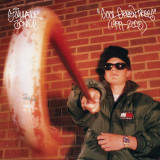
The cover photo is a picture of Sam standing on his back porch in the latter part of 1998, just before he got his first sampler. He was 13 years old, in 8th grade. His dad took the picture with his 35mm film camera: "I actually wanted to be pointing my dad's .22 pistol at the camera lens but he wouldn't let me. He gave me an old walking cane to use instead. The Tommy Hilfiger puffer jacket came from the lost and found at William Fleming High School where my mom worked as a secretary. I was thrilled when she brought it home because we never spent money on expensive name brand clothing like that - we were for the most part strictly a sale rack, bargain bin, thrift store, yard sale, flea market kind of family when it came to clothes. My watch is some cheap off-brand fake gold department store watch." Mastering for this vinyl edition was overseen by Be With regular Simon Francis and it was cut by the esteemed Cicely Balston at Abbey Road Studios to be pressed in the Netherlands by Record Industry.
Over the past near-decade, Lancashire's medieval metal phenomenon WYTCH HAZEL have been honing an uncommonly wholesome, rustic and devotional brand of timewarped hard rock that's all their own, with 2016's Prelude and 2018's II: Sojourn summoning to mind fevered images of Robin Hood and his Merry Men grooving to Jethro Tull and Thin Lizzy. Yet within moments of pressing play on their third LP, III: Pentecost, the musty mystical minstrelsy takes a back seat in favour of a rich, sumptuous, anthemic late-night drivetime vibe, passionately embracing the most high-end smash-hit classic rock and metal circa its late 1970s heyday. "I thought I put a lot into the second album, but this album has been an absolute obsession," stresses the band leader, Colin Hendra. "Every aspect had to be as good as possible. We've gone back and forth, Ed was tinkering with it for months on end. There's quadruple tracking going on with the rhythm parts, then we've doubled, tripled and quadrupled all our lead parts to get that richness and fullness of sound, all meticulously planned with pages and pages of organisational notes. It wasn't just `get in the studio and see how it goes!'" he laughs. "One day I did 14 hours of vocal recording. All vocals are double-tracked, I can't express how much hard work that is. The last album feels like a breeze compared to what we've done with this - and I don't plan on ramping it down!" Musically there are gorgeous self-professed touches of Black Sabbath, Blue Öyster Cult, AC/DC and early Scorpions_"With the soloing I was trying to go for Michael Schenker" beams Colin_while the scampering headbanger I Will Not initially took a nod from Angel Witch, who Hendra was helping out on second guitar back in 2015 when the track was composed, before studio treatment made it sound "a lot more Wytch Hazelly". But perhaps the most lateral comparison is to a band from the opposite spiritual realm, with Archangel an explicit homage to Swedish faux-Satanic devil cult Ghost. "I find them fascinating, Ghost; musically great, the songwriting is spot-on," enthuses the frontman. "We share an intrinsic connection, with Bad Omen honcho Will Palmer being the person who discovered us both. "Music is created for all, it's a common grace for everyone," he affirms, "which is why the music that shows the glory of God the most, in my opinion, is not music created by Christians. It's Black Sabbath!"
Remixes V1[12,56 €]
Remixes V2[8,61 €]
Remixes V4[11,72 €]
Remixes V5[12,56 €]
Remixes V6[11,35 €]
2025 Repress
The Godfather of Hardcore, Marc Acardipane, needs no introduction. His outstanding releases over the past 30 years speak for themselves. He has been instrumental in helping to create electronic music history, with countless well-known productions which have been unsurpassed by any other artist of this calibre. His timeless masterpieces have been and always will be heard at hardcore raves spanning the circumference of the Planet. With "9 Is A Classic", "Slaves To The Rave", "Pitch-Hiker", "Stereo Murder" and "We Have Arrived", just to name a few, he clearly proves who's the boss. "The Most Famous Unknown" is a well compiled collection of Marc's music, which showcases a mere portion of what he has composed and produced since the early nineties! The vinyl and digital selection of "The Most Famous Unknown" features remixes by Body Sushi a.k.a. VTSS & Randomer, Dasha Rush, Gabber Eleganza feat. Delirio, Jasss, Kilbourne, Minimum Syndicat, Nina Kraviz, Perc, Solid Blake, Stranger, Umwelt and VTSS, which all deliver excellent interpretations of tracks they have chosen to revamp. All original tracks have been re-mastered to the highest possible standard of quality.
- A1: Program 1 A K A. Marc Acardipane - World's Famous Mf (Stranger Remix)
- A2: Marshall Masters A K A. Marc Acardipane Feat. The Ultimate Mc - Hustler For Life (Jasss Remix)
- B1: Marshall Masters A K A. Marc Acardipane - E-Day (Body Sushi Remix)
- B2: The Phuture Project A K A. Marc Acardipane - Escape From 2017 (Dasha Rush Remix/Ambient Mix)
Remixes V1[12,56 €]
Remixes V2[8,61 €]
Remixes V3[11,72 €]
Remixes V5[12,56 €]
Remixes V6[11,35 €]
2025 Repress!
The Godfather of Hardcore, Marc Acardipane, needs no introduction. His outstanding releases over the past 30 years speak for themselves. He has been instrumental in helping to create electronic music history, with countless well-known productions which have been unsurpassed by any other artist of this calibre. His timeless masterpieces have been and always will be heard at hardcore raves spanning the circumference of the Planet. With "9 Is A Classic", "Slaves To The Rave", "Pitch-Hiker", "Stereo Murder" and "We Have Arrived", just to name a few, he clearly proves who's the boss. "The Most Famous Unknown" is a well compiled collection of Marc's music, which showcases a mere portion of what he has composed and produced since the early nineties! The vinyl and digital selection of "The Most Famous Unknown" features remixes by Body Sushi a.k.a. VTSS & Randomer, Dasha Rush, Gabber Eleganza feat. Delirio, Jasss, Kilbourne, Minimum Syndicat, Nina Kraviz, Perc, Solid Blake, Stranger, Umwelt and VTSS, which all deliver excellent interpretations of tracks they have chosen to revamp. All original tracks have been re-mastered to the highest possible standard of quality.
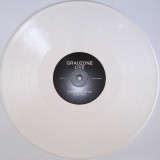
WRWTFWW Records is very happy to release Swiss cult band Grauzone’s recording of their April 12th 1980 live show at Gaskessel in their hometown of Bern. The 9-track album, documenting the very beginnings of the group, is available as a limited edition white vinyl LP in heavy 350gsm sleeve with special artwork by band member Stephan Eicher.
Experience the early Grauzone days, live from Bern, Switzerland, with a concert recorded at legendary local venue Gaskessel, with Martin Eicher on guitar and vocals, Christian G.T. Trüssel on bass, Marco Repetto on drums, Stephan Eicher on synth, and Claudine Chirac on saxophone. The performance is a true time capsule of the early 80s underground, showcasing the punk side of Grauzone with renditions of songs that were never officially released, as well as future fan-favorite “Moskau”. A piece of Swiss music history, This limited release is a must have for all Grauzone fans and DIY archivists.
About Grauzone:
The pioneering band from Bern (Switzerland) had a short-lived but highly-regarded career which birthed a cult discography that still fascinates and resonates today. Consisting of core members Martin Eicher, Stephan Eicher, and Marco Repetto, and on-and-off participants Christian GT Trüssel, Claudine Chirac, and Ingrid Berney, the elusive group broke new grounds in the early 80s, experimenting with punk and industrial music, early techno sounds, minimalism, new wave, pop, and various electronics. With an innovative and polished approach to design, visuals, performance, and all around style and philosophy on top of their superb music, the constantly transforming unit developed a whole experience - the Grauzone experience: wild and unpredictable, yet sophisticated and cohesive, or as Swiss music historian Lurker Grand would call it, "an Art band with a Punk attitude".
Completely rejecting the music industry rules and refusing to play the game of promotion, touring, release schedules, and TV appearances even though they had a multi-platinum international hit with the song "Eisbär", the band quickly disintegrated in full convention-defying glory, leaving behind an inspiring music legacy for the world to discover and discover again, one generation after the other.
Stephan Eicher went on to be, arguably, the most successful Swiss musician ever, with an international career extending from pop chanson to experimental escapades and collaborations with Moondog, artists Sophie Calle and Sylvie Fleury, and author Martin Suter among many other luminaries. Marco Repetto flourished as a techno and ambient producer, releasing multiple projects including releases on Aphex Twin’s Rephlex label.
"Wind, Again" is Sary Moussa’s fourth studio album and second album on Other People. Based between France and Lebanon, Moussa returns with a riveting electro-acoustic album informed by his ever-changing relationships to space, listening, and resonance as well as his growing interest in the study of harmonics in electronic and electro-acoustic music.
Years in the making, “Wind, Again” approaches distinct musical worlds and languages by bringing together improvisations by musicians performing on Western and West Asian instruments such as the Hammond organ, clarinet, saz, and buzuk with electronic arrangements and textures. Rather than force a rapprochement of these musical worlds through the instruments, and keenly aware of the weighty sonic histories they carry, Moussa proposes another way through which they can exist together in contemporary electronic composition.
Composed of six tracks, each of which demonstrate an array of recording and processing techniques, the album generates moments of tension produced by the synthesis of textural, tonal, and harmonic encounters that Moussa calls “shadows”, which outline an impressionistic musical language, existing at the edge of familiarity. Such moments permeate tracks like “Everywhere at once” and “Violence” that open with the Hammond organ and the saz respectively and slowly reveal an expansive field of sounds that showcases each of the musicians’ characteristic performances and Moussa’s densely layered textures. It is a latent yet unrelenting tension through which the composer invokes rather than represents a collective experiential state, especially familiar to those who know his environment. In “Wind, Again” these shadows are articulations of sounds steeped in traditions they are never quite tethered to. Such articulations are implied and alluded to, they play within a musical reference without the latter explicitly existing in the recording, always teetering, never completely here nor there.
Sonically and musically, the album is fueled by the cultural, social, and personal realities that Moussa was brought up and lives in.
Both personal and musical ties with the musicians who feature on the album is central to Moussa’s practice. In the title track “I will never write a song about you”, musician Julia Sabra opens with rolled piano chords, followed by Paed Conca on clarinet and Abed Kobeissy on buzuk, before Moussa’s electronic processing pieces together, lifts, and sustains the melodic direction of the track that emerged from the musicians’ separate improvisations. For Moussa: “The initial connection between the three performances was made on a track that no longer existed, the original recording was both an obstacle and necessary step for the track we hear on the record. It’s as if we were all telling different stories and I pulled on the thread that held them together”. The track, and more generally the record, is tinged with a melancholy of things lost, though it never fully succumbs to it.
“Everything inside a circle”, Moussa’s most personal track and for which he provides the only vocals on the record, harkens back to a childhood memory of listening to music with his mother in a car: “There was a sound I was looking for — a memory of a sound and how I first heard it. This track is a hybrid of that memory and what I wanted to make of it”. The track relies heavily on generativesystems and perhaps embodies most the ambiguous quality of the record’s music in its refusal to be pinned down by one musical tradition or another.
“Wind, Again” is both familiar and alien, cold and warm; it pays homage to the mechanics, materials, and tactility of the instruments and converges acoustic and synthetic spaces. What anchors the sound of the album are the elements of a whole that cannot find its own idiosyncrasy and that is precisely why Moussa’s album is a tour de force.
The first and most independent of all independent producers, Joe Meek needs little introduction. He was the first to chart in both the UK and the USA with an independently produced song -which was actually recorded in his home’s kitchen- when The Tornados' Telstar took the world in 1962. Meek was, of course, one of the most in vogue producers of the first half of the 1960s, providing the soundtrack to the evolution of UK Rock’n'Roll to Swinging London, scoring hits with actors like John Leyton (Johnny Remember Me), showmen like Screaming Lord Sutch and bands like The Outlaws and The Tornados. He also produced a wide stream of R&B and freakbeat 45s that are nowadays hardly sought after by the collectors with the biggest bank accounts.
Joe Meek experimented with all kinds of recording techniques in his home studio, his tricks and gimmicks won his productions chart placement and critical and public acclaim, but none of his projects was so advanced and way out as the avantgarde experimentation showed in his I Hear a New World electronic symphony from 1960. Aided by The Blue Men formed by Rod Freeman (group leader, guitar, vocals), Ken Harvey (tenor sax, vocals), Roger Fiola (Hawaiian Guitar), Chris White (guitar), Doug Collins (bass), Dave Golding (drums) -also known as Rodd-Ken and The Cavaliers- who provided a tight base to his electronically produced sounds, Meek came up with what he envisioned as the soundtrack of the future, the sounds he envisioned were to be heard in outer space. It was too way out for its time, certainly. To the point that of all the opus, only four tracks saw the light of day on a 7" EP released on Triumph, Meeks very own label. It wouldn’t be until 1991 that the whole recordings from the I Hear a New World sessions would see the light of day on a CD issued by the RPM label.
Wah Wah offers a new reissue of this now classic early electronics masterpiece, housed in a beautiful front-laminated back-flapped sleeve and offered as a limited 400 copies only black vinyl version and an ultra-limited 100 copies only transparent purple vinyl. Get yours before they fly!
RIYL : Delia Derbyshire and The BBC Radiophonic Workshop, Louis and Bebe Barron’s soundtrack to Forbidden Planet, Raymond Scott, Tom Dissevelt & Kid Baltan, Morton Subotnick…
The first and most independent of all independent producers, Joe Meek needs little introduction. He was the first to chart in both the UK and the USA with an independently produced song -which was actually recorded in his home’s kitchen- when The Tornados' Telstar took the world in 1962. Meek was, of course, one of the most in vogue producers of the first half of the 1960s, providing the soundtrack to the evolution of UK Rock’n'Roll to Swinging London, scoring hits with actors like John Leyton (Johnny Remember Me), showmen like Screaming Lord Sutch and bands like The Outlaws and The Tornados. He also produced a wide stream of R&B and freakbeat 45s that are nowadays hardly sought after by the collectors with the biggest bank accounts.
Joe Meek experimented with all kinds of recording techniques in his home studio, his tricks and gimmicks won his productions chart placement and critical and public acclaim, but none of his projects was so advanced and way out as the avantgarde experimentation showed in his I Hear a New World electronic symphony from 1960. Aided by The Blue Men formed by Rod Freeman (group leader, guitar, vocals), Ken Harvey (tenor sax, vocals), Roger Fiola (Hawaiian Guitar), Chris White (guitar), Doug Collins (bass), Dave Golding (drums) -also known as Rodd-Ken and The Cavaliers- who provided a tight base to his electronically produced sounds, Meek came up with what he envisioned as the soundtrack of the future, the sounds he envisioned were to be heard in outer space. It was too way out for its time, certainly. To the point that of all the opus, only four tracks saw the light of day on a 7" EP released on Triumph, Meeks very own label. It wouldn’t be until 1991 that the whole recordings from the I Hear a New World sessions would see the light of day on a CD issued by the RPM label.
Wah Wah offers a new reissue of this now classic early electronics masterpiece, housed in a beautiful front-laminated back-flapped sleeve and offered as a limited 400 copies only black vinyl version and an ultra-limited 100 copies only transparent purple vinyl. Get yours before they fly!
RIYL : Delia Derbyshire and The BBC Radiophonic Workshop, Louis and Bebe Barron’s soundtrack to Forbidden Planet, Raymond Scott, Tom Dissevelt & Kid Baltan, Morton Subotnick…
- The Devil Is Here
- Save My Life
- Still We Fight
- Wait On The Wind
- See My Demons
- Barrow Hill
- Chorale/Slaves To Righteousness
- Victory
- Angel Take Me
Wytch Hazel's stellar 2016 debut Prelude confirmed these Lancastrian apprentice wizards to be Britain's most promising new hard rock band. Two years on, that promise comes to abundant fruition on II: Sojourn, an album that moves Wytch Hazel on from the innocence and exuberance of the debut to a darker, more profound and complex place, carefully wrought into optimum shape by the band's singer, guitarist, songwriter and mastermind Colin Hendra. "I'm really into the idea of an album," notes Colin. "I don't do mix-tapes, I don't listen to singles, I'm interested in albums. I want to make a good, listenable, cohesive work, that is the whole thing." Asked what inspirations were brought to bear this time, Colin has good news, and even better taste: "I was listening to plenty of Judas Priest, Thin Lizzy and Wishbone Ash last year," remarks the frontman. "This seems to be more of a hard rock album, where the last one was more rock-folk. It's definitely more rock than folk!" The most crucial influence fully expresses itself via Les Paul guitars in sweet twin harmony through cranked Super Lead Marshalls - "Exactly the same type of amp that Thin Lizzy would have used," beams Colin - a benefit of working in James Atkinson's Hand Of Law Studio, a converted gaolhouse in Leeds. "We knew there would be a lot more great gear, more amps, more options," enthuses Colin of this productive new work environment. "We were more prepared, we planned better. I had a lot more vocals to record on this album, pretty much every song has at least three harmonies, but James is a really chilled out guy, he made it easy for us. I had a very clear idea of how I wanted each song to sound, I thought about every single aspect. I probably over-prepared for this album, and it paid off!" Wytch Hazel's proud, avowed Protestant Christianity continues to set them apart from the occult hocus-pocus of their peers, and the very title Sojourn has a Biblical inspiration: "It's used a lot in the Old Testament, people would travel somewhere to stay for a short period of time," explains Colin, comparing the idea to Wytch Hazel's development since Prelude. "We're going to reside here with this sound for a while, and the next album might not sound the same. Come and have a listen to this aspect of Wytch Hazel - it's a temporary stay. We'll be here for a while, then there will be something else. I'm always writing, it's a constant stream, but I'm always trying to raise the bar, because I don't want the next album to be not as good as the other ones!"
- A1: Free State Fence
- A2: The Surfer
- A3: Prayer For Civilisation
- A4: Hillbrow 1
- A5: Hillbrow 2
- B1: Hippo In Town
- B2: Independence Day
- B3: Don't Dance
- B4: Crossed Cheques
- B5: September 1984
This is an album made during a crucial period in South Africa’s history during which there was a palpable feeling of a slow turning towards the collapse of the apartheid state side by side with an increasingly well-organised culture of resistance through the formation of the United Democratic Front (UDF) and various affiliated bodies. However, as a result, there was increased pushback from the state security establishment, a turning to dirty tricks and the formation of hit squads whose members murdered and tortured many of our friends and created chaos throughout South Africa as well as neighbouring countries.
This album is situated in this political environment however it took advantage of the new do-it-yourself music technologies available at that time. Technologies that made it possible to make and release records without interference from traditional record company executives. Two musician friends of mine pooled their resources after their respective bands had broken up. Ivan Kadey (National Wake) and Lloyd Ross (Radio Rats) built an 8-track recording studio control room and fitted it out in a second hand caravan and called it Shifty. They parked it in a garage attached to the only house left in a demolished and derelict mining village near Soweto on the outskirts of Johannesburg.
All the work on this album was completed there, mainly after hours and mostly alone where I enjoyed an exhilarating freedom to develop a whole new set of musical skills and ideas, incorporating my love of a wide range of music I’d grown up with. Influences of 1970s progressive/kraut/and psychedelic rock combined with mbaqanga bass styles, early reggae/dub and Indian tabla rhythms. Stockhausen, early Zappa and Holgar Czukay were radio text and shredding influences, and Chris Cutler’s band Henry Cow & Art Bears helped me see a way to political expression. Mostly though was the exciting post-punk and no-wave music coming through to us from Europe and America: bands like This Heat, the Mekons, Raincoats, Sonic Youth and Pere Ubu were immensely important to me as was my reading from the period: J.M.Coetzee’s first 3 novels are strong influences on Free State Fence; the stark landscape, superstition, ritual, and sexual repression are in many of his settings. JG Ballard was a constant presence throughout that period, especially whilst living in such a surreal environment, surrounded by mine dumps, but mostly I think the whole French post-modern philosophical movement—Derrida, Foucault and of course, Baudrillard’s Simulacra and Simulation—set out a new sense of possibilities, possible ways to express oneself, ways to think, and ways to try and analyse the political intersection of public and private life. Most important at that time was the influence of sound recordings I had made and experiences garnered from working as a sound recordist on documentary films. These financed my work and later the studio and were consistent employment throughout the 1980s. Film work also enabled me to experience much of South Africa that was hidden from most. The track Independence Day is a good example; drawn from some time spent in the rural homeland of Venda. This then was the first full length Kalahari Surfers album, completed in summer of 1984 it was taken to EMI pressing plant but rejected by the cutting engineer as being ""political, pornographic and anti religious"". Chris Cutler at Recommended Records took up the challenge and released the album through his label. He wrote the original liner note
Matthew Herbert and drummer/vocalist Momoko Gill announce the release of new album Clay, via Strut Records in collaboration with Accidental. A soulful, elastic collaboration, Clay treads nimbly between the dancefloor and the more introspective moods of the early hours, both reminiscent of Herbert"s iconic album Around The House while taking off in a compelling new direction. Agile and open-hearted, Clay is a thrilling, sonically adventurous record from two of the UK"s most forward-thinking artists.
- A1: Handbags & Gladrags
- A2: Maggie May
- A3: In A Broken Dream By Python Lee Jackson
- A4: You Wear It Well
- A5: Sailing
- B1: I Don’t Want To Talk About It
- B2: Tonight’s The Night (Gonna Be Alright)
- B3: The First Cut Is The Deepest
- B4: The Killing Of Georgie (Pt I And Ii)
- B5: You’re In My Heart (The Final Acclaim)
- C1: Hot Legs
- C2: Da Ya Think I’m Sexy?
- C3: Young Turks
- C4: Baby Jane
- C5: Some Guys Have All The Luck
- D1: Forever Young
- D2: Downtown Train
- D3: Have I Told You Lately
- D4: Rhythm Of My Heart
- D5: For The First Time
Embark on a sonic journey through Rod Stewart's unparalleled career with this comprehensive compilation. Ultimate Hits gathers his most beloved songs, from the heartfelt storytelling early classics like "Handbags and Gladrags" and "Maggie May" to the irresistible hooks of chart-topping anthems such as "Da Ya Think I'm Sexy?" and "Forever Young". More than just a collection of hits, this meticulously curated set spans decades, revealing the evolution of a true musical icon's enduring talent and versatility. This is the ultimate Rod Stewart experience for both longtime fans and new listeners, a testament to his lasting impact on music.
Rod Stewart’s Ultimate Hits will be a new career-spanning greatest hits collection. The release will be the first to include songs ranging from his 1971 hit, “Maggie May” to selections from 2024’s UK #1,“Swing Fever,” with key touchstone hits along the way - celebrating 6 #1 UK singles and a top 5 hit worldwide in consecutive decades. Rod will participate in several major milestone events this year, including his performance in the Teatime Legend Slot at Glastonbury Festival on Sunday, June 29th.
Dame-Music continues to celebrate its 15 Years with the release of Vol. 2
15 Years Of Dame-Music series is an ode to the unmistakable sound of the TB-303, a core element of Bloody Mary's widely respected sound and label.
Continuing the strong momentum from Vol. 1, this release features four standout tracks from some of the most respected and forward-thinking names in electronic music: DEAS, Ben Sims & Ritzi Lee, Viikatory, and the highly anticipated return of Jerome Hill vs Fear-E to the Dame-Music roster.
Spanning three curated volumes, the “15 Years of Dame-Music” series highlights the label’s enduring commitment to underground dance music culture and its dedication to vinyl and analog sound.
- A1: I'm Sorry
- A2: Don't Go
- A3: Forgiven
- A4: It'll Be Easier In The Morning
- A5: Hallelujah Jordan
- A6: If You Go
- B1: The Older We Get
- B2: Yes I Was
- B3: Love Don't Work This Way
- B4: Ballad Of Katie
- B5: Feet On The Ground
"PEOPLE" (original release year : 1988)
Hothouse Flowers' debut album People (1988) was a remarkable fusion of rock, folk, and soulful blues, spearheaded by the charismatic vocals of Liam Ó Maonlaí. The album was anchored by the hit single 'Don't Go', which propelled the band to international recognition.
With rich instrumentation and passionate performances, People stood out for its refreshing blend of Irish musical roots with contemporary rock influences.
The album was the fastest-selling debut in Irish history at the time. It topped the Irish Albums Chart and peaked at No. 2 on the UK Albums Chart, while also making significant impact in the U.S. and other markets. People was certified Platinum in the UK and Double Platinum in Ireland. Backed by strong singles like 'I'm Sorry' and 'Feet on the Ground,' the album sustained impressive momentum, further fuelled by the band's dynamic live performances.
People solidified Hothouse Flowers as one of the most exciting Irish bands of the late '80s, demonstrating the band's ability to bridge genres while delivering powerful, heartfelt music.
For 2025 Hothouse Flowers celebrate both People and its follow up album Home with a UK national tour revisiting both albums in full.
London Records celebrate the tour with represses of People and Home on vinyl, with restored artwork faithful to the original editions.
- A1: Hardstone City
- A2: Give It Up
- A3: Christchurch Bells
- A4: Sweet Marie
- A5: Giving It All Away
- A6: Shut Up And Listen
- B1: I Can See Clearly Now
- B2: Movies
- B3: Eyes Wide Open
- B4: Water
- B5: Home
- B6: Seoladh Na Ngamhna
"HOME" (Original Release year : 1990)
Hothouse Flowers' sophomore album, Home, released in 1990, built on the success of their debut People while showcasing a more mature and introspective sound while maintaining their signature heartfelt, genre-blending approach to music. The album continued their signature fusion of rock, folk, gospel, and blues, its tracks demonstrating both introspection and a vibrant energy.
Home reached No. 1 on the Irish Albums Chart and peaked at No. 5 in the UK. The album was certified Gold in the UK and Platinum in Ireland, reaffirming the band's status as one of Ireland's most successful exports at the time. Lead single 'Give It Up' became a fan favourite, while the band's cover of Johnny Nash's 'I Can See Clearly Now' broadened their appeal, a Top 5 in Ireland and chart hit in UK and Australia.
The band's relentless touring and powerful live shows helped sustain Home's international momentum and commercial success. For 2025 Hothouse Flowers celebrate both Home and its predecessor People with a UK national tour revisiting both albums in full.
London Records celebrate the tour with represses of People and Home on vinyl, with restored artwork faithful to the original editions.
- In My Head
- Alone Again
- Where Are You Going?
- The L’s Feat. Ivan Ave
- 123: Ah
- 303: ?
- Ode Til Djh
- Life Can Get In Your Ass
- Aw Shit
- Headnodder
- Dabada
- Mmmm?
- Yezir
- Lease Ft. Vuyo
- Never Forget Purple?
- Right On Schedule Ft. Vuyo
- Kawaii Leonard
- 16: Mm?
- The Cat
- So Long Purple
- Exodus?
- Sleep Is The Cousin
- By Now Feat. Vuyo
- Poly M8?
- Golden Hour
- Purple Summers Last Feat. Vuyo
One of Norways most acknowledged and established drummers, is finally ready to unleash his debut album as an
solo artist. DUMMY THICC - who’s real name is Sigmund Vestrheim - has played for acts such as Boy Pablo,
AURORA and with his own R&B/Soul-group Giddy Gang.
This album tells the story of DUMMY THICC, with crisp
snares and drums being the focal point of the soundscape. He invites a bunch of his friends in on the
journey, members from Giddy Gang, Ivan Ave and Vuyo jumps on the mic and instruments to help DUMMY
THICC complete his awaited debut album. The album is a travel in sound, and a perfect introduction to the world
of DUMMY THICC as a producer and artist.
Sit back and enjoy 44 minutes of beautiful beats, R&B and hiphop in the spirit of DJ Harrison, Ohbliv, Madlib and other inspirational figures that have been a key source
for Sigmund.
- A1: Walking (Theme)
- A2: Just A Little Lovin’
- A3: Infinite Vibrations
- A4: Walking
- A5: Today Years Old
- A6: Choir Beat
- B1: Music Will Explain
- B2: 1000 Goodbyes
- B3: Animal Noises
- B4: Music Will Explain (Reprise)
- B5: Wiggle Room
- B6: The Outer Limits
Mockys neues Album - und das erste auf Stones Throw - 'Music Will Explain (Choir Music Vol. 1)' dreht sich um die menschliche Stimme und versucht, die Essenz des Menschseins in einer zunehmend digitalen und künstlichen Welt einzufangen.
Mocky lud Freunde und Kollaborateure ein, sich in seiner Garage um ein Mikrofon zu versammeln und eine bewusste Mischung aus menschlichen Harmonien, Live-Instrumenten und analogen Aufnahmen, die nur Menschen machen können, zu kreieren.
Seine Fingerabdrücke sind in der Musik vieler Künstler zu finden: Er produzierte für Feist, Kelela, Moses Sumney und Vulfpeck und wurde von GZA, Kanye West und Cordae gesampelt.
Für den Anime Carole and Tuesday von Shinichiro Watanabe komponierte er die preisgekrönte Filmmusik.
Für Fans von: Benny Sings, Feist, Eddie Chacon, Helado Negro, Sault, Michael Kiwanuka, Jamie Lidell.
Limited Super Sound 12" Single out in June 2025
The Chairman of Acid Norwich debuts on Offen with The Caustic Wymondham EP.
Four much beloved tunes to impress your friends.
AI for the Zoomers:
MOY, the groundbreaking artist/band/group, has set a new milestone in the music/entertainment industry with their latest record-breaking achievement. His/Her/Their newest [album/single/track], titled [Album/Single Name], has officially become the [fastest-selling/highest-streamed/most-awarded/etc.] [album/single] in [genre/category], cementing MOY’s status as a global phenomenon.
A1 Phaseacid
A2 Outburst
B1 Strange Geometry
B2 Platonic Solid
All tracks written and produced by Jonny Moy