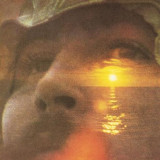
If I Could Only Remember My Name was the debut solo record from David Crosby. Recorded in 1970 after the passing of his girlfriend Christine and released in February of 1971, the album explores themes including loss and disorientation. The album features a who's who of contributors from the San Francisco Bay area including Paul Kantner and Grace Slick of Jefferson Airplane, Jerry Garcia of the Grateful Dead, and Santana, and his cohort from Los Angeles including Graham Nash, Neil Young, and Joni Mitchell.
The album has attained a cult status throughout the last 50 years, hailed for its spooky, psychedelic, and truly unique sounds.
AllMusic gave the album 4.5 stars, with reviewer Stanton Swihart writing: "With his ringing, velvety voice — the epitome of hippie crooning — and inspired songwriting, he turns If I Could Only Remember My Name into a one-shot wonder of dreamy but ominous California ambience."
All the hallmarks of a top-notch Analogue Productions reissue are here for you to savor: Mastered directly from the original master tape by Bernie Grundman and cut at 45 RPM. Pressed on 180-gram vinyl at Quality Record Pressings, and housed in tip-on old style gatefold double pocket jackets with film lamination by Stoughton Printing.
Buscar:christi
- The Black Angels' classic sophomore album - Special color edition pressed on Metallic Silver Wax. - Triple LP housed in a Stoughton tri-fold gatefold jacket // "The Black Angels bring the aura of mid-1966 the drilling guitars of early Velvet Underground shows, the raga inflections of late-show Fillmore jams, the acid-prayer stomp of Austin avatars the 13th Floor Elevators everywhere they go, including the levitations on their second album, Directions to See a Ghost. Mid-Eighties echoes of Spacemen 3 and the Jesus and Mary Chain also roll through the scoured-guitar sustain and Alex Maas' rocker-monk incantations. But he knows what time it is. 'You say the Beatles stopped the war," Maas sings in `Never/Ever.' `They might've helped to find a cure/But it's still not over.' Even so, this medicine works wonders." - David Fricke, Rolling Stone Last time we met The Black Angels, they were staring into the desert sun somewhere outside of Austin, Texas. Two years later, night has fallen and the spirits have come out. It's time for The Black Angels to provide Directions On How To See A Ghost. If you're familiar with Passover, the band's 2006 debut, you'll know that The Black Angels's music alone is enough to invoke spirits. There's a name for the band's sound; they call it `hypno-drone 'n roll'. It's the sound of long nights on peyote, of dreams of a new world order, and of half-invented memories of the seamy side of '60s psychedelia. While the Iraq war is still a major influence on the band's lyrics, there are new forces at work here, including Eugene Zamyatin's dystopian novel We and in Christian Bland's words "psychic information from the past and future." See, The Black Angels really are in contact with ghosts. "Civil War battlefields are prime spots for seeing ghosts," says Bland. "One time at Kennesaw mountain in Georgia, I was climbing the mountain in the middle of June and it must have been close to 100 degrees, but in this one particular spot it was very cold. The hairs on my neck stood up and I knew something strange was happening. Then the wind whispered something like `retreat,' and I did. I later learned that the spot where I was on the battlefield was known as `the dead angle', the place where the fiercest fighting took place. The confederates ended up retreating from the mountain towards Peachtree Creek." The Black Angels formed in Austin, Texas, in 2004, comprising from six people (now five) from very different backgrounds. Singer/vocalist Christian Bland is the son of a Presbyterian Pastor and was raised in a devoutly religious household. Bassist / guitarist Nate Ryan was born on a cult compound and drummer Stephanie Bailey claims she's a descendent of Davy Crocket. She and Alex Maas (vocals/guitar) believe a little girl in a red linen dress haunts the group's home. The band released Passover in 2006 to critical acclaim for both the album and the song "The First Vietnamese War". Most of all, Passover established The Black Angels as a band with brains, balls and a strong message. And this time around, the message is there to read in a 16-page booklet that comes with the album. "Our central theme is that people need to open up their minds and let everything come through, and to learn from past mistakes," says Christian. "Only then will we understand the reality of this world and progress beyond where we are now as humans. We've built upon that theme with Directions to See a Ghost. We want people to study the booklet we are providing with the album in hopes that they will be able to relate each song to something in their life." _"War is Peace. Freedom is Slavery. Ignorance is Strength. Keep Music Evil."_
A very "MGMT MGMT album" which the band describes as "a group of songs about love and change, first and foremost." Descriptors from the band include: bold, flavorful, playful, sincere, optimistic, perceptive. Loss Of Life was produced by MGMT and Patrick Wimberly (Solange, Lil Yachty, MGMT), with mixing and additional production by Dave Fridmann (Flaming Lips, Interpol, Spoon). The album includes the first ever MGMT song with a feature, courtesy Christine and the Queens. The album artwork has been licensed from John Baldessari's estate and is an artwork titled Noses & Ears, Etc. (Part Two). Formed in 2002, MGMT released their era-defining debut album Oracular Spectacular in 2007. One of the most influential albums of the '00’s - it went on to sell over 2 million copies worldwide and was certified Gold or Platinum in over 10 major territories, including double platinum in UK, Platinum in Australia, Gold in France and Platinum in the USA. It gave the world evergreen hits such as “Kids”, “Electric Feel” and “Time to Pretend” which have inspired, and continue to inspire new generations of artists and music fans alike to this day - those three songs combined have been streamed over 2 billion times on audio streaming platforms since released. Always taking an unexpected creative turn at every new record, but always maintaining their cultural and commercial relevance over the subsequent 15 years, MGMT later released three further studio albums: “Congratulations” (2010), “MGMT” (2013) and “Little Dark Age” (2018).
For more than 30 years, singer-songwriter and guitar hero Mary Timony has cut a distinctive path through the world of independent music, most recently as vocalist and guitarist of acclaimed garage-pop power trio Ex Hex (Merge) but also as a member of seminal postpunk band Autoclave (Dischord), celebrated leader of the deeply influential Helium (Matador), multifaceted solo artist (Matador, Lookout!, Kill Rock Stars), and a co-founder of supergroup Wild Flag (Merge). Described by Sleater-Kinney's Carrie Brownstein as "Mary Shelley with a guitar" and dubbed "a trailblazer and an innovator" by Lindsey Jordan a.k.a. Snail Mail, Timony has distinguished herself as one of her generation's most influential. Although she has remained a cult hero and critical favorite since the early '90s, Timony's many triumphs have long been counterbalanced by crippling doubt and self-nullification. Her fifth solo album, Untame the Tiger, approaches these emotions head on. Her first solo release in 15 years is a startling document of an artist fully coming into her own power during the fourth decade of her career. It is the product of lessons learned during life-altering struggle. The mystical, acoustic-driven Untame the Tiger emerged after the dissolution of a long-term relationship and was bookended by the deaths of Timony's father and mother. The album was recorded during a two-year period during which she was the primary caregiver for her ailing parents. The tectonic psychic shift Mary experienced due to this loss informs many of her lyrics. Standout track "No Thirds" "is a song about losing everything and having to keep on going," says Timony. "I wanted the verses to sound like a wide-open barren space, like driving across a desert, because that is what the song is about - losing people and the feeling that your future is a giant, wide-open blank space." The stripped-back acoustic instrumentation of "The Guest" conjures Sweetheart-era Byrds. Timony describes it as a song sung directly to loneliness: "I was imagining loneliness as a house guest who keeps knocking on your door. I thought it would be funny to say loneliness is the only one who always comes back." Untame the Tiger does not eschew Timony's guitar hero reputation; in fact, "Summer" relishes in it, a straight-up banger that you'd be half tempted to call "no frills" until its initial garage rock stomp breaks into the unexpected bliss of a twin guitar solo conclusion. "I wanted the recording to have the energy of the Kinks, early Dio and Elf, or Rory Gallagher," she explains. "I was also listening to a lot of Gerry Rafferty's first solo album and was inspired to have two simultaneous guitar solos." Untame the Tiger picks up the thread woven through Timony's freak-folk-anticipating solo albums of the early '00s. Basic tracks were recorded at Studio 606 in Los Angeles, with Timony backed by Dave Mattacks, drummer of legendary British folk-rock band Fairport Convention. "Mattacks is a hero of mine and one of my favorite musicians of all time. He is a true legend. I never in a million years thought he'd agree to play on my record," says Timony. "Before the session, I had a panic attack and had to go sit alone in the parking lot_ Once we started playing together, it felt so great that the fear subsided and turned into excitement. His playing felt instantly familiar, which makes sense because it's the foundation of many of my favorite records." Untame the Tiger was produced by Mary Timony, Joe Wong, and Dennis Kane. The album was recorded over the course of two years at Studio 606, Magpie Cage, 38North, and in Mary's basement Additional engineering by J. Robbins (Jawbox, Burning Airlines). Musicians include Chad Molter (Faraquet, Medications), David Christian (Karen O, Hospitality), and Brian Betancourt (Cass McCombs, Devendra Banhart, Hospitality). The album was mixed by Dave Fridmann (MGMT, The Flaming Lips, Mercury Rev), Dennis Kane, and John Agnello (Dinosaur Jr., Kurt Vile, Waxahatchee).
Black Vinyl[19,75 €]
"Klez.e sind zurück! Im Jahr 2016 überraschten sie mit "Desintegration". Das war eine Überdosis The Cure, die ganz toll war. Nun sind sie mit ihrem neuen Album ,Erregung' wieder bei sich selbst angekommen. Der autobiographische Titeltrack ist ein bewegendes Zeugnis davon, wie Außenseitertum Menschen wie uns in die Liebe zur Musik treibt. In "Tortur" singt Tobias Siebert: ,Wir sind wie die Welt nicht mehr zu retten / Meine Lippen auf Deinen'. Der Blick von Klez.e auf die Welt ist romantisch, tieftraurig und politisch. In der Musik liegt Schmerz, aber auch Wut auf die Umstände, in denen wir gefangen sind. Ich empfehle euch, tief in ihren Songs zu versinken!" - Jan Müller (Tocotronic) "Anders gesagt, in stürmischen Zeiten braucht man manchmal irgendwen oder irgendwas zum Anlehnen. Zum Beispiel einen Sound, der einem vertraut ist. Aus der Kindheit oder Jugend. Der aber so zeitgemäß ist, dass nichts Verstaubtes an ihm haftet. In stürmischen Zeiten braucht man manchmal was zum Nachdenken, das über die Frage hinausgeht, wo man den nächsten Kaffee trinken, das nächste Konzert erleben oder den anstehenden Urlaub verbringen möchte. Für die, die gut zuhören können, auch Songtexte. Und die dürfen gerne das aktuelle Geschehen aufgreifen. Aber sie müssen einem nicht zwingend mit belehrendem Zeigefinger kommen, für den sich irgendwer eventuell nicht mal vom eigenen Schreibtisch oder Sofa wegbewegt hat, um der Welt da draußen zu erklären, was zu tun ist und was zu lassen, sobald irgendetwas passiert. Und es passiert ja immer irgendetwas, und deswegen kommt das neue Album der Band Klez.e genau richtig. Während viele andere Bands, die aktuell New Wave oder Post Punk spielen, gut aber bemüht klingen, wirkt die Musik bei Klez.e leichtfüßig gespielt und dennoch mit enormer Dringlichkeit aufgeladen. Sie klingt mächtig und selbstbewusst, dabei wärmend und umarmend - und sie erscheint nun auf einem neuen Album, das den ambivalenten Titel "Erregung" trägt." - Christiane Falk (RBB Radio Eins)
MAGENTA TRANSPARENT VINYL[20,97 €]
"Klez.e sind zurück! Im Jahr 2016 überraschten sie mit "Desintegration". Das war eine Überdosis The Cure, die ganz toll war. Nun sind sie mit ihrem neuen Album ,Erregung' wieder bei sich selbst angekommen. Der autobiographische Titeltrack ist ein bewegendes Zeugnis davon, wie Außenseitertum Menschen wie uns in die Liebe zur Musik treibt. In "Tortur" singt Tobias Siebert: ,Wir sind wie die Welt nicht mehr zu retten / Meine Lippen auf Deinen'. Der Blick von Klez.e auf die Welt ist romantisch, tieftraurig und politisch. In der Musik liegt Schmerz, aber auch Wut auf die Umstände, in denen wir gefangen sind. Ich empfehle euch, tief in ihren Songs zu versinken!" - Jan Müller (Tocotronic) "Anders gesagt, in stürmischen Zeiten braucht man manchmal irgendwen oder irgendwas zum Anlehnen. Zum Beispiel einen Sound, der einem vertraut ist. Aus der Kindheit oder Jugend. Der aber so zeitgemäß ist, dass nichts Verstaubtes an ihm haftet. In stürmischen Zeiten braucht man manchmal was zum Nachdenken, das über die Frage hinausgeht, wo man den nächsten Kaffee trinken, das nächste Konzert erleben oder den anstehenden Urlaub verbringen möchte. Für die, die gut zuhören können, auch Songtexte. Und die dürfen gerne das aktuelle Geschehen aufgreifen. Aber sie müssen einem nicht zwingend mit belehrendem Zeigefinger kommen, für den sich irgendwer eventuell nicht mal vom eigenen Schreibtisch oder Sofa wegbewegt hat, um der Welt da draußen zu erklären, was zu tun ist und was zu lassen, sobald irgendetwas passiert. Und es passiert ja immer irgendetwas, und deswegen kommt das neue Album der Band Klez.e genau richtig. Während viele andere Bands, die aktuell New Wave oder Post Punk spielen, gut aber bemüht klingen, wirkt die Musik bei Klez.e leichtfüßig gespielt und dennoch mit enormer Dringlichkeit aufgeladen. Sie klingt mächtig und selbstbewusst, dabei wärmend und umarmend - und sie erscheint nun auf einem neuen Album, das den ambivalenten Titel "Erregung" trägt." - Christiane Falk (RBB Radio Eins)
Der in den USA aufgewachsene Christian Kjellvander (sprich: "Schjellwander") kam schon als Jugendlicher mit der texanischen Alt-Country-Szene in Berührung, die ihn nachhaltig beeinflusste. Als einer der bekanntesten Singer/Songwriter Schwedens veröffentlichte Kjellvander neben mehreren CDs mit seinen Bands Loosegoats und Songs of Soil auch zahlreiche Soloalben.
Bevor zum Jahresbeginn 2011 das Album "The Rough And Rynge" erschien, hatte Christian Kjellvander mehrere Jahre damit verbracht, Geschichten aufzuspüren und in sich aufzusaugen. Geschichten von der Straße, dem Land, der Stadt und der See. Zwei Jahre lang tourte er mit Band und/oder seiner Familie mit allen möglichen Fortbewegungsmitteln durch Nordamerika und Europa. Danach war seine Stimmung so zwiespältig wie nie zuvor. Einerseits war er erfüllt von Begegnungen mit kreativen, geistreichen und warmherzigen Menschen, die er an wunderschönen Orten getroffen hatte, andererseits verzweifelte er an den Auswüchsen des Kapitalismus. Deshalb zog er sich in ein kleines, abgeschiedenes Haus auf dem Land zurück, wo er die Songs für "The Rough And Rynge" schrieb. Es wurde live mit Band in fünf Tagen im Rynge Castle aufgenommen, einer Scheune an einem Haus in einem kleinen Dorf an einer Bahnlinie.
The initial idea was for Christian Kjellvander to be playing instrumental songs backed by other musicians at a large exhibition of the Swedish photographer Jacob Felländer"s work at Kraftwerk in Berlin in May 2020. As they are mutual admirers of each others work, Christian Kjellvander agreed. Well, things happened and then nothing happened. But they did exchange photos and song ideas and Jacob finally asked Christian if he would like to record the music anyway and release as an album.
Sublime Christian folk jazz from 1970s Norway. In the '60s and '70s churches throughout Europe had serious competition for the attention of its younger members. The ecclesiastical establishment was shocked to hear teenagers expressing 'Sympathy for the Devil' rather than sympathy for Christ and his teachings. In Norway at this time the same situation was prevalent as was happening across Europe; teenagers were turning their back on the church and embracing the temptations and pleasures of the flourishing new pop culture. Priest Olaf Hillestad was all to aware of what was going on, and instead of relying on the floundering traditional methods of rounding up his flock, he embraced the musical aspirations of his younger followers. In so doing he founded the Forum Experimentale in Oslo, an organisation that promised in its statutes to "boldly work for a renewal in service life, church music and church art". It was here in the late '60s where That's Why founder members Jan Simonsen and Per Arne Løvold became responsible for the jazz masses at Forum Experimentale's chapel. Together with some top-notch musicians from other Christian music centres around the Oslo district, they recorded two albums in 1970 and 1971 under the moniker That's Why. That's Why blended deep acoustic and electric jazz with elements of Norwegian folklore and Christianity. They also included interpretations of young and old transcendental Norwegian poets such as Sidsel Mørck Krogdahl, Alfred Hauge and Aslaug Vaa, as well as introducing English and Swedish songwriters such as Åke Rosenstrøm and Charles Wesley and even William Blake's "Children of the Future Age" into the mix. This highly original fusion of secular rhythmic music, jazz improvisation and a distinguished selection of transcendental lyrics is one of the standout qualities of That's Why, separating them from more programme-orientated Christian music. The unique mix leads the listener to think they are hearing among the record grooves the tightness of grey, sober Protestantism along with the ecstasy of a lay preacher. This listener, for one, has never heard anything quite like it.
Wichtig Ö wie bei Labelmate Kristofer Âström Ö ist die Musik dieser Platte. Und die geht durch Mark und Bein. So voller Melancholie, Leiden, Verlangen und ja, Moll, stecken die zehn Songs auf Kjellvanders Debüt ûSongs From A Two-Room Chapelë.(...)Im Zentrum der zehn Songs steht überdeutlich die herrliche Stimme Christian Kjellvanders. In Schweden geboren und in den USA aufgewachsen, ist sein Englisch zwar akzentfrei, verliert sich jedoch äußerst selten in kaugummiesquen Vernuschelungen. Er formt die Worte wohlüberlegt, bevor sie ihn verlassen, gibt ihnen ab und an einen oldschoolig-countryfizierten Twist, der für einige Millisekunden die ausgemergelten Geister uralter Countrytitanen aufscheinen lässt. Und wer das schafft, hat eh gewonnen... Markus Hablizel
Die schönsten, traurigsten und innigsten Songs kommen noch immer aus Skandinavien. Als Christian Kjellvander sich in dem winzigen Dorf Österåker, eine halbe Autostunde nördlich von Stockholm, eine alte Kirche kaufte, war klar, dass er seine Heimat gefunden hatte: für sich, seine Familie und seine Songs. Der schwedische Singer/Songwriter brauchte einen Ausgangs- und einen Endpunkt, dazwischen kann er mit seinen Liedern auf der ganze Welt unterwegs sein, im Vorprogramm von Leonard Cohen oder Kris Kristofferson singen, mit seinen Bandprojekten Loosegoats und Songs Of Soil touren oder Solo-Konzerte spielen, die nur so vor Intensität und Erhabenheit leuchten. So wie sein neues Album "A Village: Natural Light" es schon im Titel trägt. Lieder über nicht weniger als Leben, Lieben und Sterben. Es sind keine Lieder, die einen weit fort tragen, sondern sie stehen mit beiden Beinen fest auf dem Boden. Und doch atmen sie etwas Überirdisches, eine raue Schönheit wie in einem kargen, nördlichen Wald und die Klarheit einer mittendrin entspringenden Quelle. Kjellvander erzählt, er habe, als er diese Lieder schrieb, auf dem Dorffriedhof als Leichengräber gearbeitet. Nicht, weil er so morbide wäre, sondern weil er den wahrhaftigsten Job, den es nur geben kann, machen wollte. Das setzt er als Songwriter konsequent fort Und als Musiker lässt er die Lieder dann so hell erstrahlen, dass man ihn quasi vor sich sieht, wie er sich die Erde von den Händen reibt, die Gitarre nimmt und in seiner Kirche seine Stimme erhebt.
Christian Kjellvander gehört zu den wenigen Musikern, die ohne Kompromisse ihren Weg gehen, immer nur das nächste Album im Blick. Nach der Reunion seiner Band Loosegoats und deren 2012er-Album "Ideas For To Travel Down Death"s Merry Road" legt er mit "The Pitcher" umgehend nach. Es ist die fünfte Soloplatte des schwedischen Singer/Songwriters und die erste seit "The Rough And Rynge" aus dem Jahr 2010. Aufgenommen in einer alten Kirche auf dem Land in Schweden, ist "The Pitcher" sein vielleicht elegantestes und handwerklich sauberstes Werk. Eine sehr atmosphärische, dichte, bewegende Platte, mit Hingabe geschnitzt aus Worten, Noten und Erinnerungen, die mit den ersten Akkorden von "The Mariner" - einer zarten, sehr persönlichen Ballade - beginnt, sich in "The Zenith Sunset" mit den Brüchen in der Mitte des Lebens beschäftigt, um dann mit der Hymne "The Bloodline" zu enden. Das Ganze vorgetragen mit geradezu hypnotisierender Klarheit und dieser einzigartigen Stimme, die hier noch tiefer, noch einschmeichelnder erscheint als je zuvor. Die LP erscheint mit CD.
In diesen Tagen, in denen Ausgrenzung und Abschottung zu regieren scheinen, braucht es Künstler wie Christian Kjellvander. Der schwedische Singer/Songwriter ist einer, der das Fremde umarmt und das zutiefst Menschliche auslotet. Bereits der Titel seines neunten Albums, "Wild Hxmans", zeigt: etwas ist anders, irritierend. Denn Kjellvander macht uns ein X für ein U vor. Das ist gut, denn er macht uns nachdenklich und sensibilisiert. Wir nutzen ein X, um unsere Stimme abzugeben. Aber auch, um einen Fehler grob unkenntlich zu machen. "Einfach durchstreichen und weg - wenn Leute versuchen, dieses Prinzip auf andere Menschen anzuwenden, haben wir ein Problem", sagt der Musiker, dessen Wunderstimme mal an Leonard Cohen, mal an Neil Young und mal an David Sylvian erinnert. Und so erzählt uns der 42-JaÌêhrige in sieben rauen wie soghaften Songs zwischen Folk, Blues, Americana und Free Jazz von Abschied und Aufbruch, von Flucht und dem Gefühl, neu in einer Welt zu sein. So erschafft Kjellvander einen Sound, der ruhig atmet und pulsiert, um sich dann aus dieser Intimität in eine unglaubliche Dynamik hineinzufiebern, in etwas Dunkles, Sattes, Schwüles. Mitunter scheint seine Musik zu entschwinden, um kurz darauf flirrend und transparent zu strahlen.
Kurz nach dem sowohl von der Kritik wie auch vom Publikum warm aufgenommenen fünften Album "The Pitcher" erschienen zum Record Store Day 2014 zwei unveröffentlichte Tracks aus derselben Session: "The Painted Bird" (Singleversion) und "The Lady Came From Baltimore". Das gute Stück ist auf 500 Exemplare limitiert.
- Never Enough (Opb Kelly Clarkson)
- Its All Coming Back To Me (Celine Dion)
- Despacito ( Pablo Cepeda)
- The Power Of Love (Jennifer Rush)
- Hoy Tengo Ganas De Ti (Alejandro
- Fernandez, Christina Aguilera)
- Crazy (Gnarls Barkley)
- I Have Nothing (Whitney Houston)
- Talking To The Moon (Bruno Mars)
- Show Me The Meaning (Backstreet Boys)
- Apres Un Reve (Gabriel Faure
- Barbara Streisand)
- Always On My Mind
20. Jubiläumsalbum der weltweit bekannten klassischen Crossover-Gruppe Il Divo mit neuem Material, darunter ein neuer Originalsong. Erstes Album
mit dem neuen Mitglied Steven LaBrie,nach dem Tod von Gründungsmitglied Carlos Marin im Jahr 2020. Il Divo hebt 2024 mit ihrem 10. Album "XX"
ab. Wieder einmal machen sie einen kreativen Sprung nach vorne und erweitern gleichzeitig ihren Stil und ihre Vision. "Das Album hat wirklich einen
eigenen Sound", so Sébastien weiter. "Es ist aufregend zu hören, wohin wir gehen. Es ist Il Divo, aber es ist das nächste Kapitel"."Es hat etwas
Magisches, dass wir 2022 auf Tournee waren, enge Freunde wurden und zusammen Musik machen", führt Steven weiter aus. "Es ist unglaublich."Für
Il Divo beginnt jetzt eine neue Zeitrechnung."Für mich ist Musik mehr als nur Unterhaltung", sagt David. "Sie trennt den Menschen vom Rest des
Tierreichs. Die menschliche Stimme ist zu Dingen fähig, die jeder im Publikum schwingungsmäßig zuordnen kann. Wir haben alle schon Traurigkeit
und Glück erlebt. Il Divo übersetzt extreme Emotionen in eine moderne Erfahrung von Menschlichkeit. Das ist keine Hintergrund Musik. Wir spiegeln
in unseren Schwingungen wider, wie Sie sich vielleicht fühlen, und ermöglichen eine Katharsis. Wir möchten, dass dies so lange wie möglich andauert.
Solange wir den Atem haben und in der Lage sind, das zu tuntun können, was wir tun, ist das alles, was wir wollen. Wir wollen Fenster der
Transformation für jeden schaffen, der bereit ist zuzuhören.""Alles, was wir tun, ist für das Publikum", erklärt Sebastien. "Carlos wird immer in
unseren Herzen sein. "Nachdem wir einen Bruder verloren und in 20 Jahren so viel erlebt haben, sind Il Divo und unsere Musik kein bisschen müde",
sagt Urs weiter. Das ist für mich das Wichtigste: Il Divo ist nach 20 Jahren immer noch da, und Il Divo ist da um zu bleiben."


