A brash, unapologetic blend of electronic, dance, punk, industrial, and pop music, No Lube So Rude exists at the intersection of the personal and the political, where the body serves not only as a sexual and spiritual vessel, but also as the front line in a battle for basic human rights. Peaches’ lyrics are bawdy and explicit here, laced with biting sarcasm and clever wordplay, but they’re also surprisingly vulnerable, offering up a candid look in the mirror from a post-menopausal queer icon reckoning with a society that’s come to expect silence, if not outright erasure. The result is a deliberately provocative exploration of identity, sexuality, and bodily autonomy from a trailblazer, a singular work of emotional and sonic alchemy that balances the poetic and the profane in equal measure as it transforms all the friction and frustration of modern life into joy and transcendence.
quête:d explicit
- A1: Power Glory (5:53)
- A2: Art Of War On Art (5:32)
- A3: Body Betrayal (5:08)
- B1: Explicit (3:01)
- B2: God On Goddess (7:10)
- B3: You Always You Never (6:17)
For years, L.A.’s David Jasso and the UK’s Mike Vest walked separate but parallel routes through psychedelic noise rock—two genre outsiders pulling the music toward raw instinct, intensity, and sonic extremity. Their paths kept echoing each other, from their own projects and collaborations—most notably through their work with key artists in the Japanese psych underground—both speaking the same volatile language of improvisation and avant-garde abrasion. A collision wasn’t just likely—it was inevitable.
This ethos and commitment to raw, volume-overdosed psych rock led to this new collaboration. Rather than deliver the expected heavy psych freakout, they opted for something more direct and confrontational.
The result is Non Violence and the album “Lifted Curse,” a six-track blast of noise rock focused not on mysticism and psych tropes, but on psychological depth. The album rips through raw male emotion: fraternity, loss, carnal impulses, mental states. Jasso’s lyrics read like an unfiltered journal mid-burnout; Vest’s swirling, savant-garde guitars create tension with Jasso’s own guitars; and Sned’s rocksteady grooves form a fistfight of harmony and dissonance.
Together, this new power trio carves out a new sonic language—heaviness rooted not in posturing, but in realness and weight: fragility, weakness, and the human efforts forged to break out from it. Non Violence is noise rock with an unironic violent aim in the physical dimension—a new conversation in a familiar space, where vulnerability hits harder than distortion and conviction outweighs myth.
David Jasso — Guitars, Bass & Vocals
Mike Vest — Guitars, Bass & Mix
Dave Sneddon — Drums
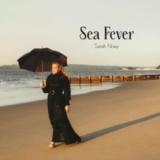
Formerly one third of the much-loved trio Black Box Recorder, alongside The Auteurs’ Luke Haines and Jesus and Mary Chain guitarist John Moore, the British singer-songwriter Sarah Nixey has steadily gained acclaim as a solo artist who makes savvy, sophisticated and poised pop.
Delivering vocals with a detached elegance over opulent tracks, any perceived nonchalance in Nixey’s luxe, cut glass voice belies her empathy, where social commentary serves as protest, both explicit and implied. Like Billy Bragg deepfaked as prime Julie Andrews, this strange but effective juxtaposition radiates soft power. ‘Lies of the Land’ depicts a corrupt post-Brexit and Covid-19 world where inequality and division flourish. ‘England's On Fire’ delves into the nuanced concepts of patriotism and nationalism, and ‘Pleasure Bay’ narrates the story of a love affair with a deprived yet beautiful English seaside town, written after Nixey left London, drawn back to the Dorset coast.
More than just a political record though, Nixey was drawn to the poetic elements of living too, telling stories of life and death, love and loss, conflicts and symmetry, in an intimate and close-up way, as if whispering secrets to her listeners.
“Sea Fever explores the bittersweet beauty of human life amid a volatile world of changing seasons and brutal elements,” says Nixey. “These are songs of deep sorrow, remembrance, birth, and change, set against a backdrop of the sensuous natural world.”
‘Rolling Waves’ explores profound grief following her beloved grandmother's death, while ‘Spring Equinox’ celebrates the joy and awe of life after welcoming her first grandchild. ‘At the Edge of the Forest’ is a poignant story of someone losing their memory, and ‘On This Wide Night’ recounts the early hours return home of a teenage runaway.
- Hasiera 00:50
- 2: Iratzarri 0:37
- Sarrakio 02:10
- Dantza Bihurritua 03:50
- Desagertu 03:18
- Meditazioa I 02:09
- Besarkatu Ninduzun (Cdr Y Basandere Ahotsak) 03:50
- Meditazioa Ii 02:53
- Ametza Iii 02:06
- Oroipen 04:04
- Fallen Gaza 03:09
- Atseginzale Dantza 02:14
- Sua Eta Heriotza 00:59
- Agur Maria (Cdr Y Basandere Ahotsak) 03:55
- Bukaerako Dantza 04:03
- Amaiera 00:36
Una interpretación de Soinuarenbidea II debería partir de esta premisa: todo es posible, nada es aleatorio, y en sí mismo es un imposible de aleatoriedades. El escenario planteado explora la idea de realidad aumentada desde una percepción sonora, ambiental y colectiva. La obra transita hacia adelante y hacia atrás recreando experiencias extintas de porvenir incierto, tratando de facilitar un fin pacificador. Cada pieza sonora se crea, se despliega, se repliega y se destruye, en una torsión permanente de toda la realidad que hace posible cada fragmento musical, cada identidad acústica, cada espacio sonoro. Lo onírico, la ficción, y el viaje están continuamente presentes, y es en el transitar de cada fragmento donde se produce el diálogo de la exposición musical. Los elementos de esta ficción se recrean continuamente, en un continuum donde se entrelazan y se van contorsionando a medida que crecen o decrecen con cada fragmento de síntesis concreta. Los temas explícitamente musicales son el magma que conduce a dar voluptuosidad al disco, siendo la piel un contexto o límite que en sí mismo fluctúa indefinidamente en texturas y configuraciones posibles. Y la urdimbre del silencio es la síntesis que está continuamente presente y que trata de cohesionar los fragmentos en continua colisión expresiva. Las grabaciones de campo proporcionan el material sonoro concreto, y como un fractal sonoro cada una de ellas ofrece diferentes grados de interpretación que a su vez conduce a nuevos fragmentos y nuevas creaciones. Así que se puede pensar que esta es una síntesis de una posible realidad, pero interpretable en infinidad de maneras. Un movimiento y una estaticidad implícitas que generan estructuras y dinámicas acústicas. Lo que se escucha no es real, pero en sí mismo forma parte de la realidad, creando un escenario expectante. Lo cinematográfico, plástico y teatral, danzante y dinámico cobra importancia en este juego, porque se trata de contar una historia, una experiencia recreada desde los puntos de vista del arte visual. Es a su vez hilo conductor y entretenimiento, discurso político y puro divertimento. Es desde este espacio de convivencia artística que tiene sentido la totalidad y justifica el formato sonoro planteado. La contradicción de la obra es patente en el formato, y es a su vez el planteamiento de una accidentalidad en el devenir vital. Contenedor de Ruido recoge todas estas contradicciones y las manifiesta en la obra Soinuarenbidea II. Es una historia sonora, es un cuento acústico. Es un fragmento de vitalidad en imágenes audibles. Es una invitación a la reflexión, a la crítica, al disfrute, a la meditación, a la celebración. Y sobre todo es esperanzadora apreciación de la realidad como algo maleable que confeccionamos colectivamente, que requiere de una paciente observación y la participación colectiva global, en un mundo finito pleno de diversidades y del que ignoramos prácticamente todo, al que deberíamos volver con respeto y devoción.
Soinuarenbidea II-ren interpretazio batek premisa honetatik abiatu beharko luke: dena da posible, ezer ez da ausazkoa, eta, berez, ausazkotasun ezinezko bat da. Planteatutako agertokiak errealitate areagotuaren ideia aztertzen du, soinu-, ingurumen- eta talde-pertzepzio batetik abiatuta. Lanak aurrera eta atzera egiten du, etorkizun zalantzagarriko esperientzia desagertuak birsortuz eta helburu baketsua lortzen saiatuz. Soinu-pieza bakoitza sortu, hedatu, tolestu eta suntsitu egiten da, musika-zati bakoitza, identitate akustiko bakoitza eta soinu-espazio bakoitza ahalbidetzen dituen errealitate osoaren etengabeko bihurdura batean. Onirikoa, fikzioa eta bidaia etengabe daude presente, eta pasarte bakoitzaren joan-etorrian gertatzen da musika-erakusketaren elkarrizketa. Fikzio honen elementuak etengabe birsortzen dira, continuum batean, non sintesi zati zehatz bakoitzarekin hazi edo txikitu ahala elkar lotzen eta bihurritzen diren. Esplizituki musikalak diren gaiak diskoari atsegintasuna ematera eramaten duen magma dira, azala testuingurua edo muga izanik, testura eta konfigurazio posibleetan mugarik gabe aldatzen dena. Eta isiltasunaren irazkia etengabe presente dagoen sintesia da, zatiak etengabeko adierazpen-talkan kohesionatzen saiatzen dena. Landa-grabazioek soinu-material zehatza ematen dute, eta soinu-fraktal batek bezala, horietako bakoitzak interpretazio-maila desberdinak eskaintzen ditu, eta horrek, aldi berean, zati eta sorkuntza berrietara eramaten du. Beraz, pentsa daiteke errealitate posible baten sintesia dela, baina hamaika modutan interpreta daitekeena. Egitura eta dinamika akustikoak sortzen dituzten mugimendu eta estatikotasun inplizitu bat. Entzuten dena ez da erreala, baina, berez, errealitatearen parte da, eta agertoki espektakularra sortzen du. Zinematografikoak, plastikoak eta antzerkikoak, dantzariak eta dinamikoak garrantzia hartzen dute joko honetan, ikusizko artearen ikuspegitik birsortutako istorio bat, esperientzia bat, kontatzea baita helburua. Aldi berean, hari gidaria eta entretenimendua da, diskurtso politikoa eta dibertimendu hutsa. Elkarbizitzarako espazio artistiko honetatik osotasunak zentzua du eta planteatutako soinu-formatua justifikatzen du. Obraren kontraesana nabarmena da formatuan, eta, aldi berean, bizi-bilakaeran istripu-tasa bat planteatzea da. Zarata-edukiontziak kontraesan horiek guztiak jasotzen ditu eta Soinuarenbidea II obran adierazten ditu. Soinu istorio bat da, ipuin akustiko bat. Bizitasun zati bat da, irudi entzungarrietan. Hausnarketarako, kritikarako, gozamenerako, meditaziorako eta ospakizunerako gonbidapena da. Eta, batez ere, itxaropentsua da errealitatea modu kolektiboan egiten dugun gauza xaflakor gisa hautematea, behaketa pazientea eta partaidetza kolektibo globala eskatzen dituena, dibertsitatez betetako mundu mugatu batean, ia guztia kontuan hartzen ez duguna, eta errespetuz eta debozioz itzuli beharko genukeena.
An interpretation of Soinuarenbidea II should start from this premise: everything is possible, nothing is random, and in itself is an impossible randomness. The proposed scenario explores the idea of augmented reality from a sonic, environmental, and collective perception. The work moves back and forth, recreating extinct experiences of an uncertain future, seeking to facilitate a peaceful end. Each sound piece is created, unfolds, retreats, and is destroyed, in a permanent twisting of all reality that makes each musical fragment, each acoustic identity, each sonic space possible. The dreamlike, the fictional, and the journey are continually present, and it is in the transit of each fragment that the dialogue of the musical exposition takes place. The elements of this fiction are continually recreated, in a continuum where they intertwine and contort as they grow or diminish with each fragment of concrete synthesis. The explicitly musical themes are the magma that leads to the work's voluptuousness, the skin being a context or boundary that in itself fluctuates indefinitely in possible textures and configurations. And the warp of silence is the synthesis that is continually present and seeks to unite the fragments in a continuous expressive collision. The field recordings provide the concrete sound material, and like a sonic fractal, each one offers different degrees of interpretation that in turn lead to new fragments and new creations. So one can think of this as a synthesis of a possible reality, but interpretable in an infinite number of ways. An implicit movement and staticity that generate acoustic structures and dynamics. What is heard is not real, but in itself is part of reality, creating an expectant scenario. The cinematic, plastic and theatrical, dance and dynamic aspects take on importance in this game, because it is about telling a story, an experience recreated from the perspective of visual art. It is at once a common thread and entertainment, political discourse and pure entertainment. It is from this space of artistic coexistence that the whole makes sense and justifies the proposed sound format. The contradiction of the work is evident in its format, and it is, in turn, the presentation of an accidentality in the course of life. Noise Container gathers all these contradictions and manifests them in the work Soinuarenbidea II. It is a sound story, an acoustic tale. It is a fragment of vitality in audible images. It is an invitation to reflection, to critique, to enjoyment, to meditation, to celebration. And above all, it is a hopeful appreciation of reality as something malleable that we collectively craft, requiring patient observation and global collective participation, in a finite world full of diversity and of which we know practically nothing, to which we should return with respect and devotion.
Paisajes sonoros, diseño sonoro, drones y música grabada, realizada y arreglada para Contenedor de Ruido por David Aranaz. Coro: Basandere Ahotsak. Producido y mezclado por David Aranaz. Mástering: Estanis Elorza. Fotografía: David Aranaz. Texto: David Aranaz. Traducción: Saioa Aranaz Oreja. Trabajo y Diseño artístico: Cristina Martinez. Edición: Contenedor de Ruido Producciones y Sarbide Music. Distribución: Contenedor de Ruido.
Contenedor de Ruido agradece el apoyo en la realización de Soinuarenbidea II al coro Basandere Ahotsak y en especial a Eva Orbara Goicoa.
Soinuarenbidea II está dedicado al pueblo palestino.
Paisajes y objetos Sonoros, samplers y otras músicas transformadas para Soinuarenbidea II
Burlada: Paseos sonoros matinales por Merindad de Sangüesa, Calle Mayor, Capuchinas, Parque Uranga y varias iglesias y plazas. Pasajes del cotidiano: basura de papel, cristal y plástico.
Pamplona: Cementerio de San José. CEIP Sanduzelai /// Quinto Real: Fábrica de Armas, Puerto de Urkiaga y alrededores. Suite del silencio, bosques en movimiento /// Fábrica de armas de Orbaiceta: regatas, biosques, paseo sonoro hasta regata /// Belate: Puerto de Belate y alrededores. Vacas en pradera junto a las turberas /// Bardenas Reales: Suite de guitarra y Suite del silencio, estepa desértica /// Austria: Tranvías de Graz y Viena. Muchedumbre del metro de Viena.
Voces cinematográficas de: Matanza en Texas, Robocop, Espíritu Sagrado, Solo los Amantes Sobreviven, Voces de Gaza, Yojimbo, Terciopelo Azul, Los 7 Magníficos.
La pista A2 está dedicada a la memoria de David Lynch.
La pista B4 está dedicada a Eva Orbara Goicoa.
Pista A4: Contiene interpretaciones de piano de Three Piano Pieces Op.11 de Arnold Schoenberg.
Pista A5: Es una interpretación expandida con síntesis FM del Concerto Op. 24 - Etwas lebhaft - de Anton Webern.
Pista A7: Contiene la canción Besarkatu ninduzun (Letra de Josune López y música de Josu Elberdin) en interpretación de Basandere Ahotsak en la iglesia de Burutain bajo la tormenta.
Pista B2: Contiene la canción Recuerdos de la Alhambra (Fernando Tárrega) en interpretación torsionada de David Aranaz Sarasa.
Pista B14: Contiene la canción Agur María (Letra y Música de Estíbaliz Robles “Estitxu” y arreglo exclusivo de Alfonso Ortiz para Basandere Ahotsak) en interpretación de Basandere Ahotsak.
Equipamiento para Soinuarenbidea II.
Micros de condensador SE7, configuración XY y ORTF; Micros de cinta ORTIZ LUTHIER configuración XY y Blumlein; Grabadoras MARANTZ y ZOOM; Sintetizadores y samplers Elektron MONOMACHINE SPS-1, MACHINEDRUM SFX6 y MODEL:SAMPLES. Dave Smith MOPHO. Torso Electronics S-4. Sintetizador Modular 333 DIY; Guitarra clásica ALHAMBRA 6P; Esculturas Sonoras tipo Baschet, cristal y metales; Mesa Soundcraft FX16ii; Interface de Audio RME Babyface Pro FS; DAW Logic Pro; Procesamiento de modelado analógico con Acústica Audio, Waves, Softube, Brainworx, Sonible, Analog Obsesion, Tokio Dawn. Metering de Logic y RME DigiCheck . Amplificación Hafler PRO2400. Monitorización BW DM602 S3. Mezcla digital; Mastering híbrido.

Bert At the BBC is a comprehensive collection of Jansch’s appearances at the BBC, featuring over eight hours of rare and unreleased recordings, including live-on-air spots, studio sessions and full concerts straight from the BBC vaults, delving further into this legendary performer’s canon. Bert Jansch was the very essence of folk music, providing inspiration for everyone from Paul Simon and Neil Young to Led Zeppelin and countless folk revivalists. This unparalleled limited-edition compendium is available as a 4xLP and 8xCD set, housed in a coffee-table book set with a lavish 40-page book tracing the recordings from Bert’s earliest moments at the BBC. It includes interviews and insights from Lauren Laverne, Jools Holland, Johnny Marr, Jacqui McShee, Bob Harris, Bernard Butler, Mark Radcliffe and many more. Twenty broadcasters, producers and collaborators contribute at length to the booklet, with great affection for this gentle, maverick genius. Bert’s BBC legacy remains the most significant and exciting untapped reservoir of his music. The undeniable advantage of recordings made for broadcast is that they were, by their nature, created for public consumption and, barring live-on-air appearances – which might go well or go badly, but were going out either way – were explicitly signed-off by the artist as representations of his art that were good enough to be heard. The set is compiled by Colin Harper, author of Dazzling Stranger: Bert Jansch and the British folk and blues revival (Bloomsbury, 2000), who contributes detailed liner notes to the package. The release is mastered by IFTA award-winning engineer Cormac O’Kane. The vinyl release features 48 tracks on LP and is accompanied by a download card with over six hours of extras spanning 1966–2009, including BBC4’s St Luke’s concert (2003), and a complete Queen’s Hall, Edinburgh concert (2004) for BBC Radio Scotland. It is also available as a special 8xCD set containing all 147 tracks and encased within a coffee-table book. Bert Jansch At The BBC is an epic and enduring trail, 45 years in the making. “He was that rarity, a musician who really did deserve to be regarded as a legend.” The Guardian // “As a guitar player there was no one like him. He was jazz and blues and folk but there was a whole world in there that was just him, esoteric”
- A1: Tucked In
- A2: Cruise Your New Baby Fly Self
- A3: Kill The Sex Player
- A4: (I) Don’t Got A Place Psychic Know-How
- B1: Explicity Yours
- B2: From Now On
- B3: Raindrop
- B4: The Royal Lowdown
- B5: My Martini
- B6: Glazed-Eye
Suspended Gold Vinyl[28,53 €]
Originally released in 1994, GVSB’s second full-length release for Touch and Go Records, Cruise Yourself, is characterized by catch vocal lines wrapped in a sonic double-bass low end. Guitars filter in and out of songs driven by heavy powerhouse groove drumming. There is noise, there is melody. “Tucked In” churns, “Kill the Sexplayer” pounds relentlessly, “(I) Don’t Got A Place” glides, and “Psychic Know-How” blows your head off… but you regain it immediately in the ominous groove of “Explicitly Yours.”
- A1: Les Arbres Grincent Pour Se Parler
- A2: Temple Bouddhiste Amidain, Ogimachi, Île De Sado
- A3: Les Démons S'absentent
- A4: Bulbul À Oreillons Bruns Et Autres Oiseaux De L'île De Sado
- B1: Kigi Ga Kotoba O Kawasu Tame Karada O Yusuri Kishima Seru
- B2: Fête Du Daimyō Gyoretsu, Hakone
- B3: Herbes Argentées
- B4: Criquets De Kurashiki
blickwinkel warmly welcomes Brussels-based composer Roxane Métayer to the label with her new album »Vies Sylvestres«, out on November 21 on vinyl and digital formats. The album was conceived and developed during performances and travels in Japan in 2023, where its sounds and ideas gradually came together.
»Vies Sylvestres« continues the direction of her previous release on Kraak, where Métayer built imagined narratives unfolding in forests or urban spaces inhabited by animal and plant characters. On this new album, however, the presence of these elements becomes more explicit and central. Field recordings are not solely used as backdrops but become compositions, complementing the instrumental works and expanding the album’s narrative into the realm of lived sound and place.
The listener encounters recordings of crickets and birds but we're also witnessing a scenery at a Buddhist temple. As such, combined with violin, electronics, and voice, Métayer explores the relationship between the natural environment and human culture. Her work bridges both worlds, showing how sound can connect different spaces and contexts.
- 1: On Stubborn Defiance
- 2: A Worldwide Clique Pt. Ii
- 3: Before Judge And Jury
- 4: When They Come For Me
- 5: Death Is Not Our Only Option
CLIQUE exists not as a traditional band but as a forum for radical discourse within hardcore's landscape. Formed in 2022 in California with members spanning the Bay Area and Los Angeles, CLIQUE has quickly made a name for itself through an undeniably vicious live show and a depth that's been long missing from the scene. In a world increasingly defined by individual recognition, CLIQUE operates anonymously, rejecting the spotlight in favor of their message and finding strength in collective struggle.
Unlike many of their contemporaries, CLIQUE was formed with explicit political intent. In an era where hardcore’s content has drifted toward toothless posturing, they aim to reintroduce radical thought into a scene that has lost much of its subversive edge. Drawing from influences spanning Crass to Neurosis, Earth Crisis to MBV, they forge a sound that defies easy categorization while undoubtedly belonging to hardcore.
CLIQUE isn't interested in raising awareness for impotent establishment causes or upholding the system. Their vision extends beyond reform to revolution - the dismantling of structures that exploit people, degrade cultures and destroy the earth. Each show is an invitation for people of all walks of life to participate, a reminder that hardcore’s true strength lies in the connection of everybody in the room, erasing the boundary between stage and crowd.
As they put it: "This is a prayer for those we've lost along the way. This is a celebration of our liberation to come. This is a eulogy for the state and its worthless existence." In an increasingly commercialized hardcore landscape, CLIQUE stands apart - anonymous, uncompromising, and unwavering in their conviction that another world is possible. The message is clear: no one is coming to save us, we can only make our own future, together. This music is both a reflection of our hellish reality and an invitation to imagine and create something better. Clique up. Say nothing.
»Chronotopia« is the second album by composer-performer Elisabeth Klinck. After collaborating closely with artist Oscar Claus to blend her violin playing with electronic soundscapes and field recordings on her 2023 debut Picture a Frame (Hallow Ground), Belgian electroacoustic artist Elisabeth Klinck now turns inward. On Chronotopia, she takes a more song-oriented approach, embracing her voice as a vital counterpart to her violin, intertwining their sounds like threads in a dynamic, multicolored fabric. The record marks an essential turning point in her artistic evolution and opens up a rich internal world. It is a tapestry of sound, emotion, and curiosity spun from—both literally and figuratively—her growing voice.Klinck, who works as a composer and performer in theater, wrote the pieces between tours and recorded the album in the same place as its predecessor, the Spanish Pyrenees. Though the outside world isn’t as explicitly reflected in the recordings as it was the case on »Picture a Frame,« her sophomore album responds to the outside world by capturing both the expansive serenity of the mountains and the frenetic pulse of life on the road. Eschewing her previous, more atmospheric and abstract approach, Klinck creates a landscape that is built on the song and filled with intimacy. Her music feels at once vulnerable and deeply human, balancing the rawness of improvisation with the careful precision of melody-led composition.Klinck describes »Chronotopia« as a playful exploration of time—its fluidity, its constraints, and its influence on how we navigate the world. These notions reverberate through her melodies and lyrics, which dance between moments of shimmering clarity and messy, beautiful chaos. These contrasts are further accentuated by the cunning interplay of voice and violin, which itself reflects the artist’s fascination with duality and transformation. Recorded in both organic and controlled environments, »Chronotopia« blurs the lines between intuition and design. The »time space« into which Klinck invites her audience is a place where sound becomes touch, time bends like light, and every moment carries the thrill of discovery
- Intro
- La Vida De Alguien Más
- Igual Que Ayer
- Wako
- Los Gusanos Respiran Por La Piel
- Vanidad (Explicit)
- Outro
- Noticias Del Espejo
- 2021:
Ursprünglich in kleinen, ausverkauften Auflagen selbst veröffentlicht, fangen La vida de alguien más (2021) und Obrigaggi (2023) Diles Que No Me Maten auf dem Höhepunkt ihrer unermüdlichen Kreativität ein - sie bewegen sich fließend zwischen krautrockigen Grooves, Free-Jazz-Chaos und spektralen, traumartigen Meditationen. La vida ist ein berauschender 34-minütiger Ausbruch von Post-Punk-Dringlichkeit und improvisierten Wendungen, während Obrigaggi, aufgenommen in einem Haus am Flussufer in Veracruz, mit intimer, jenseitiger Anmut dahinschwebt. Nun werden diese Alben zum ersten Mal gemeinsam neu aufgelegt und über Moonlight Activities vertrieben. Diese Alben markieren die Entwicklung der Band von Underground-Lieblingen in Mexiko-Stadt zu einer der experimentierfreudigsten Rockbands auf der internationalen Bühne.
- 1: Cherry Pie
- 2: Uncle Tom's Cabin
- 3: I Saw Red
- 4: Bed Of Roses
- 5: Sure Feels Good To Me
- 6: Love In Stereo
- 7: Blind Faith
- 8: Song And Dance Man
- 9: You're The Only Hell Your Mama Ever Raised
- 10: Mr. Rainmaker
- 11: Train Train
- 12: Ode To Tipper Gore( Explicit Content)
American glam metal band Warrant released their second studio album Cherry Pie in 1990, which became their best-known and highest-selling release. It peaked at #7 on the Billboard 200 and featured two hit singles, “Cherry Pie” and “I Saw Red”. The title track contains a guitar solo performed by Poison’s guitarist C.C. DeVille. The album features more guest performers, including Dio’s Scott Warren, Bruno Ravel and Steve West from Danger Danger. Besides well-known guest performers, the album was produced by Beau Hill (Alice Cooper, Europe) and mastered by Grammy Award winner Ted Jensen, who also mastered the Eagles’ Hotel California and Norah Jones’ Come Away With Me.
Cherry Pie is available as a limited edition of 3000 Individually numbered copies on cherry coloured vinyl and includes an insert.
- A1: Explicit
- A2: Clean
- B1: A Capella
- B2: Full Length Instrumental
Better Than Money is an explosive collaboration between funk powerhouse Lettuce and legendary hip-hop lyricist Styles P from The Lox. Blending Lettuce’s signature groove-driven funk with Styles P’s raw, introspective bars, the track delivers a dynamic fusion of tight horn arrangements, relentless basslines, and gritty storytelling. It’s a celebration of the hustle, the passion, and the drive that push artists beyond material success — proving that soul and authenticity are truly better than money. This genre-bending anthem is set to light up playlists, moving both funk heads and hip-hop fans alike.
"Wind, Again" is Sary Moussa’s fourth studio album and second album on Other People. Based between France and Lebanon, Moussa returns with a riveting electro-acoustic album informed by his ever-changing relationships to space, listening, and resonance as well as his growing interest in the study of harmonics in electronic and electro-acoustic music.
Years in the making, “Wind, Again” approaches distinct musical worlds and languages by bringing together improvisations by musicians performing on Western and West Asian instruments such as the Hammond organ, clarinet, saz, and buzuk with electronic arrangements and textures. Rather than force a rapprochement of these musical worlds through the instruments, and keenly aware of the weighty sonic histories they carry, Moussa proposes another way through which they can exist together in contemporary electronic composition.
Composed of six tracks, each of which demonstrate an array of recording and processing techniques, the album generates moments of tension produced by the synthesis of textural, tonal, and harmonic encounters that Moussa calls “shadows”, which outline an impressionistic musical language, existing at the edge of familiarity. Such moments permeate tracks like “Everywhere at once” and “Violence” that open with the Hammond organ and the saz respectively and slowly reveal an expansive field of sounds that showcases each of the musicians’ characteristic performances and Moussa’s densely layered textures. It is a latent yet unrelenting tension through which the composer invokes rather than represents a collective experiential state, especially familiar to those who know his environment. In “Wind, Again” these shadows are articulations of sounds steeped in traditions they are never quite tethered to. Such articulations are implied and alluded to, they play within a musical reference without the latter explicitly existing in the recording, always teetering, never completely here nor there.
Sonically and musically, the album is fueled by the cultural, social, and personal realities that Moussa was brought up and lives in.
Both personal and musical ties with the musicians who feature on the album is central to Moussa’s practice. In the title track “I will never write a song about you”, musician Julia Sabra opens with rolled piano chords, followed by Paed Conca on clarinet and Abed Kobeissy on buzuk, before Moussa’s electronic processing pieces together, lifts, and sustains the melodic direction of the track that emerged from the musicians’ separate improvisations. For Moussa: “The initial connection between the three performances was made on a track that no longer existed, the original recording was both an obstacle and necessary step for the track we hear on the record. It’s as if we were all telling different stories and I pulled on the thread that held them together”. The track, and more generally the record, is tinged with a melancholy of things lost, though it never fully succumbs to it.
“Everything inside a circle”, Moussa’s most personal track and for which he provides the only vocals on the record, harkens back to a childhood memory of listening to music with his mother in a car: “There was a sound I was looking for — a memory of a sound and how I first heard it. This track is a hybrid of that memory and what I wanted to make of it”. The track relies heavily on generativesystems and perhaps embodies most the ambiguous quality of the record’s music in its refusal to be pinned down by one musical tradition or another.
“Wind, Again” is both familiar and alien, cold and warm; it pays homage to the mechanics, materials, and tactility of the instruments and converges acoustic and synthetic spaces. What anchors the sound of the album are the elements of a whole that cannot find its own idiosyncrasy and that is precisely why Moussa’s album is a tour de force.
Over the past near-decade, Lancashire's medieval metal phenomenon WYTCH HAZEL have been honing an uncommonly wholesome, rustic and devotional brand of timewarped hard rock that's all their own, with 2016's Prelude and 2018's II: Sojourn summoning to mind fevered images of Robin Hood and his Merry Men grooving to Jethro Tull and Thin Lizzy. Yet within moments of pressing play on their third LP, III: Pentecost, the musty mystical minstrelsy takes a back seat in favour of a rich, sumptuous, anthemic late-night drivetime vibe, passionately embracing the most high-end smash-hit classic rock and metal circa its late 1970s heyday. "I thought I put a lot into the second album, but this album has been an absolute obsession," stresses the band leader, Colin Hendra. "Every aspect had to be as good as possible. We've gone back and forth, Ed was tinkering with it for months on end. There's quadruple tracking going on with the rhythm parts, then we've doubled, tripled and quadrupled all our lead parts to get that richness and fullness of sound, all meticulously planned with pages and pages of organisational notes. It wasn't just `get in the studio and see how it goes!'" he laughs. "One day I did 14 hours of vocal recording. All vocals are double-tracked, I can't express how much hard work that is. The last album feels like a breeze compared to what we've done with this - and I don't plan on ramping it down!" Musically there are gorgeous self-professed touches of Black Sabbath, Blue Öyster Cult, AC/DC and early Scorpions_"With the soloing I was trying to go for Michael Schenker" beams Colin_while the scampering headbanger I Will Not initially took a nod from Angel Witch, who Hendra was helping out on second guitar back in 2015 when the track was composed, before studio treatment made it sound "a lot more Wytch Hazelly". But perhaps the most lateral comparison is to a band from the opposite spiritual realm, with Archangel an explicit homage to Swedish faux-Satanic devil cult Ghost. "I find them fascinating, Ghost; musically great, the songwriting is spot-on," enthuses the frontman. "We share an intrinsic connection, with Bad Omen honcho Will Palmer being the person who discovered us both. "Music is created for all, it's a common grace for everyone," he affirms, "which is why the music that shows the glory of God the most, in my opinion, is not music created by Christians. It's Black Sabbath!"
- A1: I Wanna Get High (Album Version)
- A2: I Ain't Goin' Out Like That (Explicit Album Version)
- A3: Insane In The Brain (Explicit Album Version)
- B1: When The Shit Goes Down
- B2: Lick A Shot (Album Version)
- B3: Cock The Hammer (Album Version)
- C1: Lil' Putos (Album Version)
- C2: Legalize It (Album Version)
- C3: Hits From The Bong (Album Version)
- D1: What Go Around Come Around, Kid (Album Version)
- D2: A To The K (Album Version)
- D3: Hand On The Glock (Album Version)
- D4: Break 'Em Off Some (Album Version)
Remixes[28,36 €]
- A1: Suffocate City Feat. Spencer Charnas Of Ice Nine Kills (3:33)
- A2: Holy Water (Feat. Ivan Moody Of Five Finger Death Punch) (3:01)
- A3: Blood Mother (3:17)
- A4: Doom And Gloom (3:18)
- A5: Dark Thoughts (4:01)
- A6: You’re So Ugly When You Cry Feat. Bert Mccracken Of The Used (3:23)
- B1: Chernobyl (3:21)
- B2: Dopamine (3:44)
- B3: Voodoo Doll (3:57)
- B4: Happier Than You (3:10)
- B5: Alien (4:10)
- C1: Generation Psycho (3:51)
- C2: Stay Weird (3:29)
- C3: Hearse For Two (Feat. Lilith Czar) (3:28)
- C4: Evergreen (3:23)
- C5: Skinny Lies (3:21)
- D1: Lost Boy
- D2: Stay Weird (Beyond The Abyss) (3:42)
- D3: Suffocate City (Live) (4:47)
- D4: Alien (Demo) / Friends Like These
After securing the number 1 spot on Billboard’s Mainstream Rock Airplay chart with their song Suffocate City (feat. Spencer Charnas), The Funeral Portrait will release a deluxe edition of their critically acclaimed second album, Greetings From Suffocate City on June 13th! The deluxe collection includes “Holy Water” feat. Ivan Moody, “Hearse for Two” feat. Lilith Czar and three brand new songs, “Skinny Lies,” “Evergreen,” and “Lost Boy.” Enjoy a total of 24 songs on the digital deluxe album, or choose between the CD or double vinyl that includes the exclusive track “Friends Like These”!
[l] C1 Generation Psycho (3:51) [EXPLICIT]
[m] C2 Stay Weird (3:29) [EXPLICIT] /
[o] C4 Evergreen (3:23) [EXPLICIT]
[q] D1 Lost Boy [EXPLICIT]
[r] D2 Stay Weird (Beyond The Abyss) (3:42) [EXPLICIT]
[s] D3 Suffocate City (Live) (4:47) [EXPLICIT]
After the release of 2017's Chroma, Buzz Kull (real name Marc Dwyer), has returned with his sophomore album. Traversing EBM, darkwave and goth sounds with ease, New Kind Of Cross traverses much darker waters than Dwyer’s last effort, speaking to the rapid change and tension at play in Dwyer’s own life.Marc spends a good portion of each year in a new city every night - and when settled in Sydney, is constantly between jobs. It makes perfect sense that New Kind Of Cross deals explicitly with themes of isolation, introversion and sometimes anger. The music on this record is heavy and unforgiving. Throughout the past, Dwyer has refined his sound to a knife's edge, proving his capabilities within the realm of darker music time and time again.
Divine Dances. In plural form.
The fourth album from DjeuhDjoah & Lieutenant Nicholson couldn't have a more explicit title.
Masters of emotions and feelings, the duo has always known how to express melancholy and nostalgia with precision. Yet this time, all their efforts have concentrated on a single goal: taking listeners by the hand—no, by the ear, obviously!—to bring everyone back to the dance floor and explore a variety of atmospheres together.
And naturally, a variety of styles. Funk, ndombolo, electro, hip hop or zouk, each new vibration discovered carries away the previous one to form a dancefloor where all eventually come together.
Divinely light.
The body, surrendered to this call to dance in all its forms, has been so caught up in the whirlwind of groove that the mind has fallen in behind it to continue as one. Words explode into syllables that metamorphose into notes, then perfectly align with those from the score.
One second. A bit of attention. Caught by an irrepressible groove, then comes the moment to slalom through melodies to discover, at the turn of a rhyme, a new meaning. Approached head-on, certain overly serious themes would empty the room and bring the atmosphere down to lead levels. The diagonal approach, humor, and apparent nonchalance of the two men are the best weapons at their disposal. Their Trojan horse to put substance into their form(s). To evoke transidentity, consent, economic malaise as well as the spiritual, or to tell little stories of frustrated loves, seemingly insoluble but which will end well.
Anthony Hilaire for Creole words, Sarah Solo for hip-swiveling soukous, Patrick Bebey for pygmy flute notes, and Grégoire Mahé to bring electricity to DjeuhDjoah & Lieutenant Nicholson's songs; styles blend in a musicality worked into its smallest interstices.
Gathered on this dance floor illuminated with 80s disco brilliance, you observe brassy notes slithering under the electronic veneer, synthesizer keys splashed by furious hip movements. To raise your eyes to connect with the spiritual is to watch the sky become constellated with crystalline Fender Rhodes notes, destined to fall like rain on the heavy bass of afrobeat groove.
Smiles attached to faces, no one should think they can get through the ten tracks of Divine Dances while remaining seated : he's doomed to fail.
OUT MAY 2025 DELUXE WHITE VINYL 180 G /CD / DIGITAL
- A1: Explicit
- B1: Instrumental
Serving as a lead single for Montréal-based artist NARCY’s new double LP “To Be An (Arab)”, COMMUNITY is a centerpiece of a banger.
Led by the legendary Dave Chappelle, NARCY, Niko Is, Talib Kweli, Donnell Rawlings, Mo Amer and Issa Ali reminisce on the 2020 pandemics' Summer Camp Cornfield Shows led by Dave. "COMMUNITY" is a high-level (no pun intended) posse cut reminiscent of ATCQ's "Scenario" - banging and uplifting energy and smothered in bars. Produced by 2oolman, Federico 'c sik' Lopez and NARCY. Limited Edition Run.