From the trademark melancholy tone of Scandinavian Jazz, to cinematic synth textures and propulsive programmed drum machines, Danish quintet "Andorra" embodies the melting-pot spirit of jazz. Their sophomore album "Current", set to release March 23rd on April Records, brings a hard-hitting indie-rock-esque attitude to a sound which is bold, fresh, and full of twists. Jazz"s ability to evolve, grow, and remain relevant over the past century is arguably due to its capacity to transcend genre and classification. Andorra"s 2021 debut (conceived and recorded during covid) re-united five musicians who met at the Funen Music Conservatory in Denmark and work in a range of areas, from film music and orchestral, to large ensembles and chamber jazz. With their long-held desire to explore their creative potential together finally launched, "Currents" shows them diving deeper into their self described "modern vintage" sound. Distorted guitar riffs, modern effects processing, warm soaring trumpet melodies and deep grooves carry the listener through an exciting journey that pays homage to their roots whilst pushing confidently into the future. With a focus on lyrical melodies, the record features intricate compositions, open passages of ethereal texture, and virtuosic, interactive improvisations from all corners of the ensemble. Each member of the quintet is a highly active member of Denmark"s vibrant music scene; Mads La Cour is an award-winning horn player who runs his own band Almugi and plays in the DR Big Band; Morten Jorgensen plays with The White Album and Soren Huss; Nikolaj Bundvig has played for Alex Canasta and Blue Foundation; Simon Krebs has recorded with the likes of Tomasz Dabrowski; and Peter Kohlmetz Moller"s diverse back catalogue includes compositions for Den-mark Radio"s documentary department, and multiple theatre productions.
Cerca:dan mela
Die Apart Demos wurden zwischen 1980 und 1984 in verschiedenen Kellern und professionellen Studios in Chicago aufgenommen und dokumentieren 12 intime und reduzierte Skizzen, Demos und unveröffentlichte Tracks von Andre Gibson und der Universal Togetherness Band, als sie sich auf ihre Solokarrieren zubewegten. Von tief empfundenen Huldigungen an die Liebenden, die von einem seidigen Fender Rhodes verziert werden, bis hin zu Disco-Party-Startern über spirituelle Dankbarkeit - Andre Gibson lässt uns in sein Herz blicken und bringt am Ende alles zusammen. Die Universal Togetherness Band aus Chicago, verband in ihrem eklektischen Sound Funk-, Soul-, Disco-, Jazz-, Rock- und New-Wave-Einflüsse mit intelligenten und fantasievollen Texten. 1978 gegründet und geleitet von Andre Gibson, mit seinem Bruder Arnold Gibson (Schlagzeug, Bass), dem ehemaligen Colorvision-Mitglied Fred Misher (Bass, Hintergrundgesang) und Freds Bruder Leslie Misher (Leadgitarre), während Andre die Keyboards, das Vibraphon und den Leadgesang übernahm. Obwohl die Gruppe mehrere Jahre lang in den Clubs von Chicago auftrat und gelegentlich größere Auftritte absolvierte (vor allem als Vorgruppe von Peter Gabriel), hatte sie Mühe, ein größeres Publikum für ihre anspruchsvolle R&B-Melange zu finden. Zwischen 1979 und 1982 nahm die Band Dutzende von Sessions auf, die Gibsons weitreichende Vision als Komponist und Bandleader dokumentierten. Während Gibsons Zeit am Columbia College kamen Paul Hanover (Mundharmonika und Klavier) und Louis Sanford (Schlagzeug) zu den ursprünglichen vier Multiinstrumentalisten hinzu. Nachdem sich die ursprüngliche Besetzung der Universal Togetherness Band schließlich Mitte der 1980er auflöste, nahm Andre Gibson weiterhin mit einer Besetzung mit Frank Alexander (Schlagzeug), Allen Burroughs (Gitarre), Art Love (Bass) und Michael Young (Saxophon) auf. 2015 veröffentlichte Numero Group eine erste Zusammenstellung mit unveröffentlichten Aufnahmen mit dem schlichten Titel Universal Togetherness Band.
5th release coming next, the 8th district is now the subject.
We're super excited to welcome estonian duo Abdul Raeva for the first time on the label and to have close friends like Ginko, Max Cohle, MLM and Takadoum
First nug is the Abdul's bomb, Concorde, which is a track with a lot of energy and starts the release with high notes. Synths, drums and the rumbling techy loops give an original energy to this track.
Second one is the Ginko's track Jungle Palazzo which is a very nice and powerful house track.
To close this side, we welcome our friend Takadoum with a very melancholy track, almost like a lo-fi track but very fast.
On the other hand, murdering tracks with MLM & Max Cohle and their acid groovy track, and the Ginko's one which is a breaky dancefloor killer.
We hope you'll enjoy it :)
Valentine Lover Red Vinyl. Die Apart Demos wurden zwischen 1980 und 1984 in verschiedenen Kellern und professionellen Studios in Chicago aufgenommen und dokumentieren 12 intime und reduzierte Skizzen, Demos und unveröffentlichte Tracks von Andre Gibson und der Universal Togetherness Band, als sie sich auf ihre Solokarrieren zubewegten. Von tief empfundenen Huldigungen an die Liebenden, die von einem seidigen Fender Rhodes verziert werden, bis hin zu Disco-Party-Startern über spirituelle Dankbarkeit - Andre Gibson lässt uns in sein Herz blicken und bringt am Ende alles zusammen. Die Universal Togetherness Band aus Chicago, verband in ihrem eklektischen Sound Funk-, Soul-, Disco-, Jazz-, Rock- und New-Wave-Einflüsse mit intelligenten und fantasievollen Texten. 1978 gegründet und geleitet von Andre Gibson, mit seinem Bruder Arnold Gibson (Schlagzeug, Bass), dem ehemaligen Colorvision-Mitglied Fred Misher (Bass, Hintergrundgesang) und Freds Bruder Leslie Misher (Leadgitarre), während Andre die Keyboards, das Vibraphon und den Leadgesang übernahm. Obwohl die Gruppe mehrere Jahre lang in den Clubs von Chicago auftrat und gelegentlich größere Auftritte absolvierte (vor allem als Vorgruppe von Peter Gabriel), hatte sie Mühe, ein größeres Publikum für ihre anspruchsvolle R&B-Melange zu finden. Zwischen 1979 und 1982 nahm die Band Dutzende von Sessions auf, die Gibsons weitreichende Vision als Komponist und Bandleader dokumentierten. Während Gibsons Zeit am Columbia College kamen Paul Hanover (Mundharmonika und Klavier) und Louis Sanford (Schlagzeug) zu den ursprünglichen vier Multiinstrumentalisten hinzu. Nachdem sich die ursprüngliche Besetzung der Universal Togetherness Band schließlich Mitte der 1980er auflöste, nahm Andre Gibson weiterhin mit einer Besetzung mit Frank Alexander (Schlagzeug), Allen Burroughs (Gitarre), Art Love (Bass) und Michael Young (Saxophon) auf. 2015 veröffentlichte Numero Group eine erste Zusammenstellung mit unveröffentlichten Aufnahmen mit dem schlichten Titel Universal Togetherness Band.
A1 - Interconnected
Taking the reigns again for his latest solo EP, Aural Imbalance opens in style as Interconnected blends delicate keys and ambient soundscapes swirling together creating a sumptuous, serene intro before brisk amen patterns gently roll their way into the mix, filtered perfectly and set over silky, graceful 808 undertone bass, transporting your mind across the oceans to distant shores - while equally catering for the discerning dancefloor.
A2 - Solitude
Aural Imbalance showcases all aspects of his incredible production journey on Spatial with Solitude, an anthemic, almost spiritual track with enveloping escalating swathes of powerful somber mood ambience, set upon finely crafted rousing drum patterns which punctuate proceedings perfectly. Solitude is a track which lives long in the memory - it is an experience you will identify with on your own level, within, as the title suggests.
AA1 - Subliminal Messages
A melancholic, unnerving amtmosphere introduces Subliminal Messages, shaped with enchanting synthwork and light hi hats, accentuating a mournful audio landscape. As the tightly constructed breakbeats unfold, immersive sub bass adds depth and presence to the mix and the listener is taken on a meditative voyage to the inner spirit, challenged to understand and reflect.
AA2 - Sentience
Closing the EP, Aural Imbalance shakes things up again as Sentience carves a more upbeat vibe, a beautiful addictive earworm melody composed with gently refined keys instantly grabbing the attention. Filtered breaks are slowly introduced before announcing themselves fully, a sublime drum loop layering a dynamic percussive energy as the catchy melody captivates us throughout.
Fantastic masterpiece, considered one of the best Italo-Disco songs ever. A mega-classic produced by Stefano Zito and Carlo Favilli (the latter passed away too soon) characterized by a heartbreaking melody and lush strings that exemplify the mood and rhythm of the Italo-Disco style with the use of some sounds of pre-bleepy keyboard and siren that technically make it one of the very first rave songs ever, inspiring the style of many artists that came later, like Duft Punk. However, many of them don't even come close with their imaginative computers to that bassline and string sounds that melted the souls of many of us back in that distant April 1983, even if it seems that part of the melodic line has been copied not very subtly by Casco from that of El Deux's Computer-Madchen released in 1982 in Switzerland, where Salvatore Cusato was working as a club-DJ. On the flip another excellent remix version by Danilo Braca of the song revisited a few years later. The confirmation of the wisdom and foresight of its producers, aware that the BPM would soon be lowered by a lot. In the more than 8 minutes of "Cyberlover" the constant melancholy background together with the drum/bass/synth lines are preserved intact, giving us a complete reissued product.
"Ob man sie nun Darkwave, Synth-Pop, Post-Punk, EBM oder anders nennen sollte, was Body of Light machen, ist Tanzmusik. Und was die Tanzmusik angeht, so trifft sie jede Genusszone genau ins Schwarze." - Treble Bitter Reflection, das vierte Album der Wüstenbrüder Alex und Andrew Jarson alias Body Of Light, verfeinert ihren schwelenden, stürmischen Synth-Pop zu einer transformativen Suite von Hymnen, Träumereien und Abrechnungen. Nach dem Neo-EBM-Klassiker "Time To Kill" (2019) suchten sie nach Inspirationen aus versteckten Momenten in ihren eigenen Arkanen - Kassetten aus der Kindheit, Heimvideos, verworfene Demos - und stellten sich die Frage: "Wie können wir das wachsen lassen?" Gesampelte Schnipsel von Stimmen, Geräuschen, Synthesizern und Feldaufnahmen flackern in der Peripherie der 11 Tracks von Bitter Reflection auf und murmeln wie halb vergessene Nostalgien oder verdrängte Erinnerungen. Zusammen mit Josh Eustis von Telefon Tel Aviv, haben Body Of Light in Los Angeles eine erweiterte Palette von Live-Instrumenten - Klavier, Bass, Saxophon, Akustikgitarre - zusätzlich zu alten Akai-Samplern, Moogs und archaischer Hardware in Bitter Reflection integriert, was dem Album eine eklektische, unvorhersehbare Sound-Palette verleiht. Dies ist Musik zwischen den Zwillingsflammen von Wahrheit und Sehnsucht, Romantik und Realität, Katharsis und Kontrolle, geboren aus einem Band, das durch Jahre, Träume und Blut besiegelt wurde. Bitter Reflection führt durch eine Galerie der anhaltenden Faszinationen von Body Of Light: Depeche-eske Deklarationen des Schreckens und des Exzesses, grüblerische Dancefloor-Epiphanien, liebeskranke Spiegel-Balladen mit orchestralen Stabs von Art Of Noise und sanfte Thomas-Dolby-Melancholien der Stadtsilhouette.
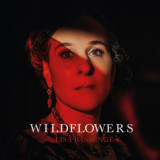
Lisa Bassenge ist zurück, und sie hat Blumen mitgebracht. Mit "Wildflowers" vollendet sie ihre Trio-Trilogie, wieder mit Jacob Karlzon am Klavier und Andreas Lang am Bass - wie schon bei "Borrowed and Blue" (2018) und "Mothers" (2020).
Elf Songs sind es diesmal, scheinbar querbeet und doch aus einem Guss. Von Dolly Parton bis Depeche Mode reicht die Bandbreite auf "Wildflowers", von Bob Dylan bis Death Cab for Cutie. Dazu Lisa Bassenges hintergründig-melancholische Eigenkomposition "Morning Song". Ein bunter Strauß, aber so wie die drei ihn arrangieren und darbieten, wirken die einzelnen Stücke nicht zusammengewürfelt, sondern wie Kapitel einer Erzählung. Jedes schillert für sich, doch das Ganze ist mehr als die Summe seiner Teile.
Das gilt auch für das Trio selbst. Die beiden Musiker - Jacob Karlzon aus Schweden und Andreas Lang aus Dänemark - betten Lisa Bassenges unverwechselbare Stimme in einen warmen, im besten Sinn skandinavischen Sound: entspannt, aber stets verbindlich; sehr spielfreudig, aber nie aufdringlich. "Dieser Sound hat uns gefunden", sagt Lisa Bassenge. Und auf "Wildflowers" haben die drei ihn zur Vollendung gebracht. Jeder Takt des Albums bezeugt die unglaubliche Chemie zwischen der Sängerin und den Musikern.
Was die Songs außerdem verbindet, ist die Qualität der Lyrics. Es sind poetische Texte von existentieller Tiefe, und in Lisa Bassenges eindringlicher Interpretation und glasklarer Phrasierung werden sie zum berauschenden Kopfkino.
Ist das nun Jazz, Pop oder Chanson? Mit "Wildflowers" zeigt das Lisa Bassenge Trio einmal mehr souverän, wie fließend die Grenzen zwischen vermeintlich ganz unterschiedlichen Genres sind. Diese Musik braucht keine Schublade. Es geht ihr um die Schönheit und Wahrheit der Songs.
In the centre of deep space we tune in to the radio broadcasts from an old Class T interstellar spaceship. The emissions endlessly resonate the frequencies of the seventeenth release on the label HC Records by one of the titans of the Valencian scene, The Lost Boys, new pseudonym of the DJ and producer Raszia.
With releases on labels such as Bass Agenda, Subsist or Hxagrm Records, the artist mesmerises our senses with the Exiles of Mars Ep, available in both double vinyl and digital.
Syncopated rhythms are the protagonists across four original tracks together
with remixes by four electro legends: Boris Divider, Estrato Aurora, Dark Vektor, and Filmmaker.
The EP’s first cut is a remix of "Wall Of Bricks" by the legendary Boris Divider, which gives the track an air of crystalline, synthetic and cosmic sound, very much in line with his latest works on the Generative Operations series. Next, we find the original version, where the kick drums are heavier, the synths and basses more colourful and the acid sequences take centre stage in an odyssey of sidereal intensity.
On the record’s flip side, a feeling of overwhelming melancholy takes root in our soul. Valencian Estrato Aurora mentally transports us to the mysterious red sand of Mars in a precise exercise in symphonic minimalism with his remix of "Exiles of Mars", which mutates the original idea with velvety pads, synths and a slow and rapturous hypnotism that sinks us to unfathomable depths.
The Lost Boys' original concept on B2 is a combination of Miami Bass-style breaks and a demonic mantra-like main synth line, backed by what seems like an infinity of pearly effects and secondary melodies, pushing the track towards a crescendo punctuated by a dry and sharp snare.
The second disc’s opener "Bust My Moves" is a masterclass in deconstruction and reconstruction by Dark Vektor with his "Electro Escuadrón Remix”. The genius from Terrassa provides powerful lyrics loaded with a message about the modern rise of the 808 movement. We return to the original Lost Boys version on C2, a futuristic martial discourse takes shape with combating breaks combined with rave chords and brief episodes of respite, almost dreamlike, in the middle and end of the track’s exciting development.
On the D side, rough frequencies verging on distortion materialise through our ship's speakers as we pick up the Colombian Filmmaker’s remix of "Data Recovery For Brains". A psychotronic final appetiser that combines harshness and elegance in the use of the rolling kick drums and saturation of the sound, it is without a doubt the ideal soundtrack to narrate the collision of two galaxies. The closing of the EP features the original track, in which The Lost Boys show us his most mental and lysergic side as the track progresses along a slow and comforting broken rhythm, made dynamic by clever use of diverse acid sequences and clairvoyant stellar melodies.
The complete artistic experience is enhanced in all dimensions with accompanying artwork by
Daniel Requeni and videos elaborated by Frank-F.
Mastering as usual by Steve Voidloss at Black Monolith Studios in London (UK).
- 1: Now It's On (Cassette Demo)
- 2: Yeah Is What We Had (Cassette Demo)
- 3: I'm On Standby (Cassette Demo)
- 4: Passed Out In A Datsun (Cassette Demo)
- 5: The Go In The Go-For-It (Cassette Demo)
- 6: Stray Dog And The Chocolate Karaoke
- 7: The Group Who Couldn't Say (Cassette Demo)
- 8: Ok With My Decay (Cassette Demo)
- 9: Lost On Yer Merry Way (Cassette Demo)
- 10: The Warming Sun (Cassette Demo)
- 11: El Caminos In The West (Cassette Demo)
- 12: The Final Push To The Sum (Cassette Demo)
"Sumday is all glorious, throbbing heart." - PITCHFORK "the band also reaffirms a gift for creating melancholic melodies that are surprisingly sturdy and self-assured." - ENTERTAINMENT WEEKLY "cool indie-rockers make a summer blockbuster." - SPIN Complete 4-track demo version of Sumday recorded by Jason Lytle Available for the first time as part of the Sumday 20th anniversary
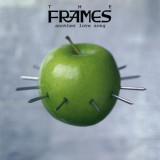
"Another Love Song - The Frames are an Irish indie rock band formed in Dublin in 1990. The band is known for their passionate and emotive sound, which blends elements of rock, folk, and traditional Irish music. Over the years, they have released several critically acclaimed albums, including ""Another Love Song,"" which is widely regarded as one of their most influential works.
""Another Love Song"" was released in 1991 and marked a turning point in the band's career. The album featured a raw, stripped-down sound that was a departure from their earlier, more polished work. The songs on the album were deeply personal and introspective, exploring themes of love, loss, and the complexities of human relationships. The album's title track, ""Another Love Song,"" became an instant classic, showcasing the band's signature sound with its driving rhythms and soaring vocals. The song's bittersweet lyrics and haunting melody struck a chord with listeners and quickly became a fan favourite.
In addition to ""Another Love Song,"" the album features several other standout tracks, including ""Say It to Me Now,"" ""The Dancer,"" and ""Downhill."" Each song on the album showcases the band's dynamic musicianship and poetic lyricism, earning the album a reputation as a seminal work in the Irish indie rock scene. Over the years, The Frames have continued to evolve and innovate, releasing several more critically acclaimed albums and earning a dedicated following of fans around the world. With their unique blend of raw emotion and musical artistry, The Frames continue to inspire and captivate audiences with their powerful, soulful music.
Fitzcarraldo - ""Fitzcarraldo"" is the sixth studio album by the Irish rock band The Frames, released in 1995. The album marked a significant departure from the band's earlier work, with a more experimental sound that blended rock, folk, and experimental elements.
The album takes its name from the Werner Herzog film of the same name, which tells the story of a man who attempts to build an opera house in the Amazon jungle. This theme of ambition and perseverance in the face of adversity runs throughout the album, as frontman Glen Hansard explores themes of love, loss, and the human experience. The album opens with the hauntingly beautiful track ""Revelate,"" which sets the tone for the rest of the album with its soaring vocals and intricate guitar work. From there, the album takes the listener on a journey through a diverse range of sounds and emotions, from the upbeat rock of ""What Happens When the Heart Just Stops"" to the melancholic balladry of ""Fitzcarraldo.""
One of the standout tracks on the album is ""Lay Me Down,"" a tender and heartfelt ballad that showcases Hansard's powerful vocals and poetic lyricism. The song has become a fan favourite and is often performed live by the band. Another highlight of the album is the epic nine-minute track ""Fitzcarraldo,"" which features lush instrumentation and intricate guitar work. The song is a tribute to the film of the same name and explores themes of ambition and determination in the face of seemingly insurmountable obstacles.
Overall, ""Fitzcarraldo"" is a powerful and deeply personal album that showcases The Frames at their most ambitious and experimental. With its diverse range of sounds and emotions, the album remains a fan favourite and a landmark in the Irish rock canon.
Dance the Devil
Dance the Devil is the fourth studio album by the Irish rock band, The Frames. Released in 1999, it marked a significant departure from the band's earlier sound and was a critical and commercial success.
The album features 10 tracks, including the hit single ""Pavement Tune,"" which received extensive radio play and helped to propel The Frames to greater prominence in the music industry. Dance the Devil showcases the band's versatility and musical prowess, blending elements of rock, folk, and pop to create a unique and compelling sound. The lyrics are introspective and poetic, exploring themes of love, loss, and self-discovery.
Produced by Steve Albini, the album was recorded in just five days, giving it a raw and unpolished feel that perfectly captures the energy and passion of The Frames' live performances.
Dance the Devil remains a beloved album among fans of Irish music and continues to inspire new generations of musicians. Its enduring popularity is a testament to the artistry and vision of The Frames and their commitment to pushing the boundaries of what is possible in rock music.
"
"Another Love Song - The Frames are an Irish indie rock band formed in Dublin in 1990. The band is known for their passionate and emotive sound, which blends elements of rock, folk, and traditional Irish music. Over the years, they have released several critically acclaimed albums, including ""Another Love Song,"" which is widely regarded as one of their most influential works.
""Another Love Song"" was released in 1991 and marked a turning point in the band's career. The album featured a raw, stripped-down sound that was a departure from their earlier, more polished work. The songs on the album were deeply personal and introspective, exploring themes of love, loss, and the complexities of human relationships. The album's title track, ""Another Love Song,"" became an instant classic, showcasing the band's signature sound with its driving rhythms and soaring vocals. The song's bittersweet lyrics and haunting melody struck a chord with listeners and quickly became a fan favourite.
In addition to ""Another Love Song,"" the album features several other standout tracks, including ""Say It to Me Now,"" ""The Dancer,"" and ""Downhill."" Each song on the album showcases the band's dynamic musicianship and poetic lyricism, earning the album a reputation as a seminal work in the Irish indie rock scene. Over the years, The Frames have continued to evolve and innovate, releasing several more critically acclaimed albums and earning a dedicated following of fans around the world. With their unique blend of raw emotion and musical artistry, The Frames continue to inspire and captivate audiences with their powerful, soulful music.
Fitzcarraldo - ""Fitzcarraldo"" is the sixth studio album by the Irish rock band The Frames, released in 1995. The album marked a significant departure from the band's earlier work, with a more experimental sound that blended rock, folk, and experimental elements.
The album takes its name from the Werner Herzog film of the same name, which tells the story of a man who attempts to build an opera house in the Amazon jungle. This theme of ambition and perseverance in the face of adversity runs throughout the album, as frontman Glen Hansard explores themes of love, loss, and the human experience. The album opens with the hauntingly beautiful track ""Revelate,"" which sets the tone for the rest of the album with its soaring vocals and intricate guitar work. From there, the album takes the listener on a journey through a diverse range of sounds and emotions, from the upbeat rock of ""What Happens When the Heart Just Stops"" to the melancholic balladry of ""Fitzcarraldo.""
One of the standout tracks on the album is ""Lay Me Down,"" a tender and heartfelt ballad that showcases Hansard's powerful vocals and poetic lyricism. The song has become a fan favourite and is often performed live by the band. Another highlight of the album is the epic nine-minute track ""Fitzcarraldo,"" which features lush instrumentation and intricate guitar work. The song is a tribute to the film of the same name and explores themes of ambition and determination in the face of seemingly insurmountable obstacles.
Overall, ""Fitzcarraldo"" is a powerful and deeply personal album that showcases The Frames at their most ambitious and experimental. With its diverse range of sounds and emotions, the album remains a fan favourite and a landmark in the Irish rock canon.
Dance the Devil
Dance the Devil is the fourth studio album by the Irish rock band, The Frames. Released in 1999, it marked a significant departure from the band's earlier sound and was a critical and commercial success.
The album features 10 tracks, including the hit single ""Pavement Tune,"" which received extensive radio play and helped to propel The Frames to greater prominence in the music industry. Dance the Devil showcases the band's versatility and musical prowess, blending elements of rock, folk, and pop to create a unique and compelling sound. The lyrics are introspective and poetic, exploring themes of love, loss, and self-discovery.
Produced by Steve Albini, the album was recorded in just five days, giving it a raw and unpolished feel that perfectly captures the energy and passion of The Frames' live performances.
Dance the Devil remains a beloved album among fans of Irish music and continues to inspire new generations of musicians. Its enduring popularity is a testament to the artistry and vision of The Frames and their commitment to pushing the boundaries of what is possible in rock music.
"
Das nunmehr 20. Studioalbum der erfolgreichsten deutschen Art- & Progressive Rockband ELOY. Es ist zugleich das 3. Album einer einzigartigen, vom Band- Mastermind Frank Bornemann als Rock Opera gestalteten Trilogie über das Leben und Schicksal der französischen Nationalheldin und Heiligen Jeanne d´Arc.
Bereits die beiden ersten Alben mit dem Titel „The Vision, the Sword and the Pyre, Part 1 & 2“, auf denen sich diverse illustre Künstler (u.a. Alice Merton) auf der Gästeliste befinden, wurden nicht nur durchweg positiv rezensiert, und erreichten hohe Chartsplatzierungen, sondern fanden auch aufgrund ihrer auf profunden Kenntnissen basierenden Umsetzung in allen historischen Details auf kultureller Ebene viel Beachtung.
Mit „Echoes from the Past” legt nun der Autor nochmal nach, und lässt den durch die Handlung der ersten beiden Alben führenden Protagonisten und Waffengefährten von Jeanne d´Arc, Jean de Metz, die aufwühlenden Ereignisse der Vergangenheit auf sehr emotionale Weise reflektieren.
Musikalisch entstand dadurch ein Werk, bei dem sich sensible und atmosphärische Passagen mit gewaltigen, dramaturgisch geprägten Klangwogen abwechseln, die den ELOY-Fan sicherlich an frühere Konzept-Werke der Band erinnern werden.
Diese Melange ist aber gemäß Frank Bornemann, der sich bei dieser Produktion erneut mit Veränderungen im Line up konfrontiert sah, voll beabsichtigt. Obwohl es sich bzgl. seiner musikalischen Elemente bestens in die Trilogie integriert, ließ es bei seiner Entstehung offensichtlich doch viel Spielraum für künstlerische Momente, die man nicht erwartet, aber die sich außerordentlich prägend für das Album auswirken, welches wieder einmal einzigartig ist.
Das nunmehr 20. Studioalbum der erfolgreichsten deutschen Art- & Progressive Rockband ELOY. Es ist zugleich das 3. Album einer einzigartigen, vom Band- Mastermind Frank Bornemann als Rock Opera gestalteten Trilogie über das Leben und Schicksal der französischen Nationalheldin und Heiligen Jeanne d´Arc.
Bereits die beiden ersten Alben mit dem Titel „The Vision, the Sword and the Pyre, Part 1 & 2“, auf denen sich diverse illustre Künstler (u.a. Alice Merton) auf der Gästeliste befinden, wurden nicht nur durchweg positiv rezensiert, und erreichten hohe Chartsplatzierungen, sondern fanden auch aufgrund ihrer auf profunden Kenntnissen basierenden Umsetzung in allen historischen Details auf kultureller Ebene viel Beachtung.
Mit „Echoes from the Past” legt nun der Autor nochmal nach, und lässt den durch die Handlung der ersten beiden Alben führenden Protagonisten und Waffengefährten von Jeanne d´Arc, Jean de Metz, die aufwühlenden Ereignisse der Vergangenheit auf sehr emotionale Weise reflektieren.
Musikalisch entstand dadurch ein Werk, bei dem sich sensible und atmosphärische Passagen mit gewaltigen, dramaturgisch geprägten Klangwogen abwechseln, die den ELOY-Fan sicherlich an frühere Konzept-Werke der Band erinnern werden.
Diese Melange ist aber gemäß Frank Bornemann, der sich bei dieser Produktion erneut mit Veränderungen im Line up konfrontiert sah, voll beabsichtigt. Obwohl es sich bzgl. seiner musikalischen Elemente bestens in die Trilogie integriert, ließ es bei seiner Entstehung offensichtlich doch viel Spielraum für künstlerische Momente, die man nicht erwartet, aber die sich außerordentlich prägend für das Album auswirken, welches wieder einmal einzigartig ist.
Das nunmehr 20. Studioalbum der erfolgreichsten deutschen Art- & Progressive Rockband ELOY. Es ist zugleich das 3. Album einer einzigartigen, vom Band- Mastermind Frank Bornemann als Rock Opera gestalteten Trilogie über das Leben und Schicksal der französischen Nationalheldin und Heiligen Jeanne d´Arc.
Bereits die beiden ersten Alben mit dem Titel „The Vision, the Sword and the Pyre, Part 1 & 2“, auf denen sich diverse illustre Künstler (u.a. Alice Merton) auf der Gästeliste befinden, wurden nicht nur durchweg positiv rezensiert, und erreichten hohe Chartsplatzierungen, sondern fanden auch aufgrund ihrer auf profunden Kenntnissen basierenden Umsetzung in allen historischen Details auf kultureller Ebene viel Beachtung.
Mit „Echoes from the Past” legt nun der Autor nochmal nach, und lässt den durch die Handlung der ersten beiden Alben führenden Protagonisten und Waffengefährten von Jeanne d´Arc, Jean de Metz, die aufwühlenden Ereignisse der Vergangenheit auf sehr emotionale Weise reflektieren.
Musikalisch entstand dadurch ein Werk, bei dem sich sensible und atmosphärische Passagen mit gewaltigen, dramaturgisch geprägten Klangwogen abwechseln, die den ELOY-Fan sicherlich an frühere Konzept-Werke der Band erinnern werden.
Diese Melange ist aber gemäß Frank Bornemann, der sich bei dieser Produktion erneut mit Veränderungen im Line up konfrontiert sah, voll beabsichtigt. Obwohl es sich bzgl. seiner musikalischen Elemente bestens in die Trilogie integriert, ließ es bei seiner Entstehung offensichtlich doch viel Spielraum für künstlerische Momente, die man nicht erwartet, aber die sich außerordentlich prägend für das Album auswirken, welches wieder einmal einzigartig ist.
Angel Deradoorian and Kate NV are Decisive Pink - Ticket To Fame is their highly anticipated debut. After teasing the single 'Haffmilch Holiday' the duo amassed a rapturous response, with The Guardian calling it "a space-age-dancefloor swoon that brings to mind Kate Bush's Waking the Witch" and the New York Times highlighting the single as "substantive and thoroughly hypnotic". On their first LP they do not disappoint, calling on Kate NV's experimental pop leanings and Angel Deradoorian's taste for atmosphere and otherworldliness, Decisive Pink have created a playful and abstract album designed for escape and enchantment. Electronic pop at it's finest, the debut points to the fact that life is a puzzle, but you can still get a lot from living it. 'Destiny' is a smart take on the nature of belief, built on a question-and-answer format, where Angel plays a role as the seer, and Kate the enquirer. The poppy beat is reminiscent of Talking Heads' 'The Great Curve', from Remain in Light. There again, it could be a sinister take on Will Powers' 'Kissing with Confidence'. The synth squeaks, squelches and toots sound like the timid affirmation of the initiate. Ticket to Fame is also unashamedly romantic in atmosphere and tone. Romance is to be found in the simple pleasures, such as listening to a blackbird on the instrumental 'Rodeo', where warm synths, a melancholic guitar pattern and hissing rhythm combine with some vocal snippets to form a soothing contemplation. Then there is 'Ode to Boy'; a perfect pop track. The walking into the room of "more than just an ordinary boy" (doubtless "drunk with fire") allows a set of initially different, and shortened synth patterns to build to a glorious affirmation of the power of love. "Perfect pop music" Marc Riley, BBC6 Music And guess what? The vinyl comes in pink!
Der Titel des fünften SATURNUS-Albums, "The Storm Within", spielt sowohl auf die Stürme an, die in der Natur tosen, als auch Aufruhr in der Seele. Es ist recht offenkundig, dass die lange Zeit, welche die Dänen für dieses Album gebraucht haben, und die persönlichen Gründe, die hinter dem Umbruch in der Band standen, dessen künstlerischen Ausdruck stark inspiriert haben. SATURNUS haben sich mit "The Storm Within" selbst übertroffen. Die musikalischen Themen Meer, Regen und stürmische Gewässer ziehen sich wie ein roter Faden durch die Songs, in denen sich Wut, Verlust, Melancholie und Schmerz gleichermaßen widerspiegeln. Die handwerkliche Reife des Albums verleiht seinen erhabenen aber auch ruhigen Momenten sowie den gelegentlichen brutalen Ausbrüchen eine äußerst spannende Dynamik. Obendrein sorgt die erneute Zusammenarbeit mit Produzent Flemming Rasmussen, dem legendären dänischen Produzenten der METALLICA-Klassiker dafür, dass der Sound von "The Storm Within" seiner herausragenden musikalischen Qualität mehr als gerecht wird. Die Anfänge von SATURNUS liegen im Jahr 1991 als Sänger Thomas A.G. Jensen im Umfeld der dänischen Hauptstadt Kopenhagen nach Mitmusikern suchte, um eine Death-Metal-Band zu gründen. Nach mehreren Umbenennungen und Umbesetzungen wurde der Name SATURNUS schließlich im Jahr 1993 in Beton gegossen. Die Band veröffentlichte ihr erstes Album "Paradise Belongs to You" im Januar 1997 und erhielt sofort eine Einladung zum berühmten Roskilde Festival. Der Auftritt wurde vom norwegischen Rundfunk (NRK) aufgezeichnet und in ganz Skandinavien ausgestrahlt, was die Band binnen kürzester Zeit in Nordeuropa zu einer Marke in Sachen Death Doom machte. Nach ihrem zweiten Album "Martyre" (2000) und dem ikonischen dritten Studioalbum "Veronika Decides to Die" sowie ständigem Touren durch Europa und zunehmend auch darüber hinaus, erschien 2012 "Saturn in Ascension", das erneut von Flemming Rasmussen produziert wurde. Zur Feier ihres 20-jährigen Bestehens kehrten SATURNUS auf Europas Straßen zurück und traten unter anderem bei renommierten Festivals wie dem Brutal Assault (CZ), Copenhell (DK) und ArtMania (RO) auf. Von 2014 bis 2017 tourten die Dänen nur mit gelegentlichen Unterbrechungen, was sie bis nach Russland und in den Nahen Osten führte. Nach einigen signifikanten Umbesetzungen stießen die Gitarristen Indee (ehemals CLOUDS und EYE OF SOLITUDE) und Julio von AUTUMNAL im Jahr 2020 zu SATURNUS. Trotz weiterer Hindernisse, die durch die Pandemie entstanden, begann die Band schließlich mit der Arbeit an ihrem nächsten Album und setzte dabei auch die Zusammenarbeit mit Flemming Rasmussen fort. Die lange, schwierige Entstehung von "The Storm Within" verlangte SATURNUS auf dem Weg einige schmerzhafte Opfer ab. Blut, Schmerz und Schweiß haben ihre Spuren auf diesem Album hinterlassen. Doch aus jeder Note spricht eine brutale Ehrlichkeit. SATURNUS offenbaren ihre Seele und genau das macht "The Storm Within" zu einem brillanten Stück Musik.