Search:early house

Styles
All
Various - ECHOES OF ITALY – THE BIRDS OF PARADISE – EARLY 90S HOUSE VIBES VOL.2 (2x12")

Googling “paradise house”, the first results to pop up are an endless list of European b&b’s with whitewashed lime façades, all of them promising “…an unmatched travel experience a few steps from the sea”. Next, a little further down, are the institutional websites of a few select semi-luxury retirement homes (no photos shown, but lots of stock images of smiling nurses with reassuring looks). To find the “paradise house” we’re after, we have to scroll even further down. Much further down.

It feels like yesterday, and at the same time it seems like a million years ago. The Eighties had just ended, and it was still unclear what to expect from the Nineties. Mobile phones that were not the size of a briefcase and did not cost as much as a car? A frightening economic crisis? The guitar-rock revival?! Certainly, the best place to observe that moment of transition was the dancefloor. Truly epochal transformations were happening there. From America, within a short distance one from the other, two revolutionary new musical styles had arrived: the first one sounded a bit like an “on a budget” version of the best Seventies disco-music – Philly sound made with a set of piano-bar keyboards! – the other was even more sparse, futuristic and extraterrestrial. It was a music with a quite distinct “physical” component, which at the same time, to be fully grasped, seemed to call for the knotty theories of certain French post-modern philosophers: Gilles Deleuze, Félix Guattari, Paul Virilio... Both those genres – we would learn shortly after – were born in the black communities of Chicago and Detroit, although listening to those vinyl 12” (often wrapped in generic white covers, and with little indication in the label) you could not easily guess whether behind them there was a black boy from somewhere in the Usa, or a girl from Berlin, or a pale kid from a Cornish coastal town.

Quickly, similar sounds began to show up from all corners of Europe. A thousand variations of the same intuition: leaner, less lean, happier, slightly less intoxicated, more broken, slower, faster, much faster... Boom! From the dancefloors – the London ones at least, whose chronicles we eagerly read every month in the pages of The Face and i-D – came tales of a new generation of clubbers who had completely stopped “dressing up” to go dancing; of hot tempered hooligans bursting into tears and hugging everyone under the strobe lights as the notes of Strings of Life rose up through the fumes of dry ice (certain “smiling” pills were also involved, sure). At this point, however, we must move on to Switzerland.

In Switzerland, in the quiet and diligent town of Lugano, between the 1980s and 1990s there was a club called “Morandi”. Its hot night was on Wednesdays, when the audience also came from Milan, Como, Varese and Zurich. Legend goes that, one night, none less than Prince and Sheila E were spotted hiding among the sofas, on a day-off of the Italian dates of the Nude Tour… The Wednesday resident and superstar was an Italian dj with an exotic name: Don Carlos. The soundtrack he devised was a mixture of Chicago, Detroit, the most progressive R&B and certain forgotten classics of old disco music: practically, what the Paradise Garage in New York might have sounded like had it not closed in 1987. In between, Don Carlos also managed to squeeze in some tracks he had worked on in his studio on Lago Maggiore. One in particular: a track that was rather slow compared to the BPM in fashion at the time, but which was a perfect bridge between house and R&B. The title was Alone: Don Carlos would explain years later that it had to be intended both in the English meaning of “by itself” and like the Italian word meaning “halo”. That wasn’t the only double entendre about the song, anyway. Its own very deep nature was, indeed, double. On the one hand, Alone was built around an angelic keyboard pattern and a romantic piano riff that took you straight to heaven; on the other, it showcased enough electronic squelches (plus a sax part that sounded like it had been dissolved by acid rain) to pigeonhole the tune into the “junk modernity” section, aka the hallmark of all the most innovative sounds of the time: music that sounded like it was hand-crafted from the scraps of glittering overground pop.

No one knows who was the first to call it “paradise house”, nor when it happened. Alternative definitions on the same topic one happened to hear included “ambient house”, “dream house”, “Mediterranean progressive”… but of course none were as good (and alluring) as “paradise house”. What is certain is that such inclination for sounds that were in equal measure angelic and neurotic, romantic and unaffective, quickly became the trademark of the second generation of Italian house. Music that seemed shyly equidistant from all the rhythmic and electronic revolutions that had happened up to that moment (“Music perfectly adept at going nowhere slowly” as noted by English journalist Craig McLean in a legendary field report for Blah Blah Blah magazine). Music that to a inattentive ear might have sounded as anonymous as a snapshot of a random group of passers-by at 10AM in the centre of any major city, but perfectly described the (slow) awakening in the real world after the universal love binge of the so-called Second Summer of Love.

For a brief but unforgettable season, in Italy “paradise house” was the official soundtrack of interminable weekends spent inside the car, darting from one club to another, cutting the peninsula from North to centre, from East to West coast in pursuit of the latest after-hours disco, trading kilometres per hour with beats per minute: practically, a new New Year’s Eve every Friday and Saturday night. This too was no small transformation, as well as a shock for an adult Italy that was encountering for the first time – thanks to its sons and daughters – the wild side of industrial modernity. The clubbers of the so-called “fuoriorario” scene were the balls gone mad in the pinball machine most feared by newspapers, magazines and TV pundits. What they did each and every weekend, apart from going crazy to the sound of the current white labels, was linking distant geographical points and non-places (thank you Marc Augé!) – old dance halls, farmhouses and business centres – transformed for one night into house music heaven. As Marco D’Eramo wrote in his 1995 essay on Chicago, Il maiale e il grattacielo: “Four-wheeled capitalism distorts our age-old image of the city, it allows the suburbs to be connected to each other, whereas before they were connected only by the centre (…) It makes possible a metropolitan area without a metropolis, without a city centre, without downtown. The periphery is no longer a periphery of any centre, but is self-centred”.

“Paradise house” perfectly understood all of this and turned it into a sort of cyber-blues that didn’t even need words, and unexpectedly brought back a drop of melancholic (post?)-humanity within a world that by then – as we would wholly realise in the decades to come – was fully inhuman and heartless. A world where we were all alone, and surrounded by a sinister yellowish halo, like a neon at the end of its life cycle. But, for one night at least, happy."

out of Stock

Order now and we will order the item for you at our supplier.

28,99

Last In: 35 days ago
Various - ECHOES OF ITALY - ARTISTS IN WONDERLAND – EARLY 90S HOUSE VIBES VOL.1 LP 2x12"

Volume 1 of this expertly curated project of 90s Italian House - put together by Don Carlos.

If Paradise was half as nice… by Fabio De Luca.

Googling “paradise house”, the first results to pop up are an endless list of European b&b’s with whitewashed lime façades, all of them promising “…an unmatched travel experience a few steps from the sea”. Next, a little further down, are the institutional websites of a few select semi-luxury retirement homes (no photos shown, but lots of stock images of smiling nurses with reassuring looks). To find the “paradise house” we’re after, we have to scroll even further down. Much further down.

It feels like yesterday, and at the same time it seems like a million years ago. The Eighties had just ended, and it was still unclear what to expect from the Nineties. Mobile phones that were not the size of a briefcase and did not cost as much as a car? A frightening economic crisis? The guitar-rock revival?! Certainly, the best place to observe that moment of transition was the dancefloor. Truly epochal transformations were happening there. From America, within a short distance one from the other, two revolutionary new musical styles had arrived: the first one sounded a bit like an “on a budget” version of the best Seventies disco-music – Philly sound made with a set of piano-bar keyboards! – the other was even more sparse, futuristic and extraterrestrial. It was a music with a quite distinct “physical” component, which at the same time, to be fully grasped, seemed to call for the knotty theories of certain French post-modern philosophers: Gilles Deleuze, Félix Guattari, Paul Virilio... Both those genres – we would learn shortly after – were born in the black communities of Chicago and Detroit, although listening to those vinyl 12” (often wrapped in generic white covers, and with little indication in the label) you could not easily guess whether behind them there was a black boy from somewhere in the Usa, or a girl from Berlin, or a pale kid from a Cornish coastal town.

Quickly, similar sounds began to show up from all corners of Europe. A thousand variations of the same intuition: leaner, less lean, happier, slightly less intoxicated, more broken, slower, faster, much faster... Boom! From the dancefloors – the London ones at least, whose chronicles we eagerly read every month in the pages of The Face and i-D – came tales of a new generation of clubbers who had completely stopped “dressing up” to go dancing; of hot tempered hooligans bursting into tears and hugging everyone under the strobe lights as the notes of Strings of Life rose up through the fumes of dry ice (certain “smiling” pills were also involved, sure). At this point, however, we must move on to Switzerland.

In Switzerland, in the quiet and diligent town of Lugano, between the 1980s and 1990s there was a club called “Morandi”. Its hot night was on Wednesdays, when the audience also came from Milan, Como, Varese and Zurich. Legend goes that, one night, none less than Prince and Sheila E were spotted hiding among the sofas, on a day-off of the Italian dates of the Nude Tour… The Wednesday resident and superstar was an Italian dj with an exotic name: Don Carlos. The soundtrack he devised was a mixture of Chicago, Detroit, the most progressive R&B and certain forgotten classics of old disco music: practically, what the Paradise Garage in New York might have sounded like had it not closed in 1987. In between, Don Carlos also managed to squeeze in some tracks he had worked on in his studio on Lago Maggiore. One in particular: a track that was rather slow compared to the BPM in fashion at the time, but which was a perfect bridge between house and R&B. The title was Alone: Don Carlos would explain years later that it had to be intended both in the English meaning of “by itself” and like the Italian word meaning “halo”. That wasn’t the only double entendre about the song, anyway. Its own very deep nature was, indeed, double. On the one hand, Alone was built around an angelic keyboard pattern and a romantic piano riff that took you straight to heaven; on the other, it showcased enough electronic squelches (plus a sax part that sounded like it had been dissolved by acid rain) to pigeonhole the tune into the “junk modernity” section, aka the hallmark of all the most innovative sounds of the time: music that sounded like it was hand-crafted from the scraps of glittering overground pop.

No one knows who was the first to call it “paradise house”, nor when it happened. Alternative definitions on the same topic one happened to hear included “ambient house”, “dream house”, “Mediterranean progressive”… but of course none were as good (and alluring) as “paradise house”. What is certain is that such inclination for sounds that were in equal measure angelic and neurotic, romantic and unaffective, quickly became the trademark of the second generation of Italian house. Music that seemed shyly equidistant from all the rhythmic and electronic revolutions that had happened up to that moment (“Music perfectly adept at going nowhere slowly” as noted by English journalist Craig McLean in a legendary field report for Blah Blah Blah magazine). Music that to a inattentive ear might have sounded as anonymous as a snapshot of a random group of passers-by at 10AM in the centre of any major city, but perfectly described the (slow) awakening in the real world after the universal love binge of the so-called Second Summer of Love.

For a brief but unforgettable season, in Italy “paradise house” was the official soundtrack of interminable weekends spent inside the car, darting from one club to another, cutting the peninsula from North to centre, from East to West coast in pursuit of the latest after-hours disco, trading kilometres per hour with beats per minute: practically, a new New Year’s Eve every Friday and Saturday night. This too was no small transformation, as well as a shock for an adult Italy that was encountering for the first time – thanks to its sons and daughters – the wild side of industrial modernity. The clubbers of the so-called “fuoriorario” scene were the balls gone mad in the pinball machine most feared by newspapers, magazines and TV pundits. What they did each and every weekend, apart from going crazy to the sound of the current white labels, was linking distant geographical points and non-places (thank you Marc Augé!) – old dance halls, farmhouses and business centres – transformed for one night into house music heaven. As Marco D’Eramo wrote in his 1995 essay on Chicago, Il maiale e il grattacielo: “Four-wheeled capitalism distorts our age-old image of the city, it allows the suburbs to be connected to each other, whereas before they were connected only by the centre (…) It makes possible a metropolitan area without a metropolis, without a city centre, without downtown. The periphery is no longer a periphery of any centre, but is self-centred”.

“Paradise house” perfectly understood all of this and turned it into a sort of cyber-blues that didn’t even need words, and unexpectedly brought back a drop of melancholic (post?)-humanity within a world that by then – as we would wholly realise in the decades to come – was fully inhuman and heartless. A world where we were all alone, and surrounded by a sinister yellowish halo, like a neon at the end of its life cycle. But, for one night at least, happy.

out of Stock

Order now and we will order the item for you at our supplier.

28,99

Last In: 35 days ago

Andrew Soul - The Wide Range Of Expirience Ep

Snuff Trax is thrilled to announce that Andrew Soul is back with his big love for house music on this new record. The - Wide Range Of Experiences EP' features four tracks full of irresistible grooves, driving beats and sweet melodies. You can even catch up with Klaudia bringing fantastic and emotional vocals on the opening track - Strange Feelings'. Enjoy the music!

In Stock

On Stock and ready to ship

10,71
Various - Merritone Rock Steady 2: This Music Got Soul 1966-1967 LP 2x12"
 
21
also available

Part 1[31,72 €]


repress !

The birth of rock steady portrayed in a consummate collection from the vaults of Federal Records

Most of them drawn directly from Ken Khouri's master tapes this miscellany of cool rock steady includes marvellous music from the originator of the genre, the one and only Lynn Taitt, alongside an array of Jamaica's greatest singers and vocal harmony group

American rhythm & blues fervour, boosted by a multitude of sound systems playing 78rpm records on increasingly larger sets, gripped Jamaica from the late forties onwards but, towards the end of the decade, the American audience began to move towards a somewhat softer sound. The driving rhythm & blues discs became increasingly hard to find and the more progressive Jamaican sound system operators, realising that they now needed to make their own music, turned to Kingston's jazz and big band musicians to record one off custom cut discs. These were not initially intended for commercial release but designed solely for sound system play on acetate or 'dub plates' as they would later be termed. These 'specials' soon began to eclipse the popularity of American rhythm & blues and the demand for their locally produced music proved so great that the sound system operators began to release their music commercially on vinyl and became record producers. Clement Coxsone' Dodd, Duke Reid 'The Trojan' and Prince Buster, who operated his Voice Of The People Sound System, were among the first to establish themselves in this new role and the nascent Jamaican recording industry now went into overdrive.

In 1954 Ken Khouri had numbered among the first far sighted entrepreneurs to produce mento records with local musicians (mento is Jamaica's original indigenous music) before progressing to opening Jamaica's first record manufacturing plant. Three years later he moved his operation to Foreshore Road (later renamed Marcus Garvey Drive) where, with the assistance of the inestimable Graeme Goodall, he updated and upgraded his recording studio. The importance of this enterprising move was critical to the development of Jamaican music and its influence both profound and far reaching.

"It was Ken Khouri's Federal Recording Studio, the womb that gave birth to the talented writers, artists and musicians that gave Jamaica its musical identity." Prince Buster

Federal Records was not only the place for the sound system men to record their music but it was also where they had their records manufactured and, consequently, the company enjoyed a near total monopoly on recording and record pressing in Kingston. In 1963 Ken Khouri sold his one track board to Clement 'Coxsone' Dodd, who established Studio One, and Ken imported the first stereo equipment to Jamaica and Federal began making stereo records. The following year WIRL (West Indies Records Limited) opened but the competition served to drive the company on to higher heights. Ken Khouri continued to work on his own productions and, in 1966, the seven inch release of Hopeton Lewis' 'Take It Easy', recorded under the guidance of Trinidadian guitarist Lynn Taitt, ushered in the rock steady era.

These two essential albums showcase a stunning selection of well known hits, and not so well known rarities, from the vast Federal catalogue. All tracks have been transferred direct from the master tapes and assembled with the invaluable assistance of Ken Khouri's son, Paul Khouri, who generously gave Dub Store unlimited access to the Federal tape vaults. The extensive liner notes feature extracts from extensive interviews with Paul Khouri whose knowledgeable recollections of working on Marcus Garvey Drive, not only as a producer but as an engineer and musician, are illuminating and educational. Both sets present an insight into the birth and growth of Federal Records and the Jamaican recording industry and are essential to an understanding of the real roots of reggae music.

out of Stock

Order now and we will order the item for you at our supplier.

47,48

Last In: 12 months ago
Toronto Hustle & Sean Roman - Social Narcotics

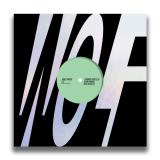
Back for round two on WOLF Music, Toronto Hustle & Sean Roman present their ‘Social Narcotics’ EP. The deep house dons from Canada don’t disappoint with a hard-hitting slammer, and a suite of remixes courtesy of some of the scene’s most-respected producers.

The A-side starts with none-other than Byron The Aquarius on the remix. You see that name on a record and you know it’s going to be a hot 12”. Just look at some of the labels he’s released on; Sound Signature, Wild Oats, Eglo, Axis; that’s the only stamp of approval you need. His remix of ‘Social Narcotics’ is deeper than deep. Moody, musical and packed with detail. Proper house for those that know the good stuff.

Then POW! - you're hit with a legend of the game. Calling Nick Holder a legend isn’t hype, it’s just fact. Active since the early ‘90s and head of DNH Records, with releases on labels like NRK and Poker Flat Recordings, his influence runs deep. Any serious head will have some of his jams in their collection (‘Summer Daze’!!!). Teaming up with Tyrone Solomon under their ‘Trackheadz’ guise, the Canadian duo have delivered a trademark peak-time remix. Driving and groovy, this is tackle for proper dancefloors.

For the flip we have Toronto Hustle & Sean Roman's original track and a rather tasty dub version. ‘Social Narcotics’, blends sharp social commentary with a late-night, low-slung thumper of a soundtrack. With its warm, rolling and hypnotic feel, it has echoes of a prime 90s deep house cut, yet still sounds fresh and very much of the now. The dub mix turns the lights down even lower, stripping it back and letting the groove bubble away with a more heads-down sound.

This EP is a strong follow-up that keeps things deep, soulful, and club-ready. Exactly what you want from Toronto Hustle & Sean Roman, and another solid addition to the WOLF Music catalogue.

In Stock

On Stock and ready to ship

14,24
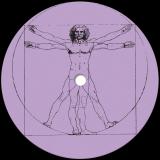
Luca Lozano - Da Vinci

Luca Lozano

Da Vinci

12inchPHONICA043
Phonica Records
08.06.2026

Luca Lozano has long been an artist whose output as both a producer and designer we've admired and after many years of seeing his records fly off the shelves here at Phonica, we're delighted to be releasing the 'Da Vinci' EP by the Klasse Wrecks boss on our main label. We'll let Lucas, the modern day renaissance man himself, take it from here:

"These four tracks were created over a few sessions while I was settling into a dank basement studio (which was new at the time and now long gone).

‘The Magnificent’ and ‘Delta Force’ were made just after I acquired an old Korg Delta synth, I spent a lot of time getting the 1970s beast to sync up with modern equipment and both tracks make use of it in various elements.

‘Eau De Dave’ is a cheeky homage to a UK producer legend, I’ve been digging into his various older productions recently and went back to a fidget sound for the fun of it.

‘Crunchy Nut’ was kind of inspired by early U.K. tech house, it was the last track confirmed on the EP and came together super quick. As usual it’s a mix of old drum machines like a modded 707 and a bunch of old samples I’ve had on my computer for a couple of decades now. I’m happy I managed to work some slap bass into a track finally…"

In Stock

On Stock and ready to ship

16,77
Piero Pirupa & Shield Feat. The Egyptian - Lover & Paris Brightledge I Like

Born from a demo session originally recorded in 2011, “I Like” finally came to life when Daniele “Shield” Contrini and Piero Pirupa reunited in late 2025 to complete the track, transforming an early idea into a powerful new collaboration featuring two legendary voices of house music: The Egyptian Lover and Paris Brightledge.

Daniele “Shield” Contrini, founder and creative force behind Rebirth Records, joins forces with globally respected DJ and producer Piero Pirupa to deliver a record designed to fire any dancefloor.

Blending Italo disco influences, classic house grooves and a powerful bassline, “I Like” carries a warm, uplifting energy while paying tribute to the golden era of club music. The track is driven by the unmistakable vocal presence of The Egyptian Lover, the pioneering American artist, producer and DJ Greg Broussard. Widely recognized as one of the architects of West Coast electro and early hip-hop, he helped shape the sound of 1980s Los Angeles electronic music through his groundbreaking use of the Roland TR-808.

Adding further depth to the record is the distinctive voice of Chicago house legend Paris Brightledge, whose haunting and melodic tone became iconic through classics such as “It’s Alright” and “Paris Dub 1”. Over the years he has collaborated with some of the most important names in house music including Joe Smooth, Frankie Knuckles, Marshall Jefferson, Ron Hardy, Mike Dunn, Farley “Jackmaster” Funk and Byron Stingily, while also appearing on projects with Pet Shop Boys, Paranoid London and Groove Armada.

With its blend of electro heritage, Chicago house soul and contemporary club production, “I Like”connects different generations of dance music in a single record, a collaboration that bridges eras, styles and scenes. Set for an official release on 22nd May, the track marks another chapter in the label’s ongoing story and its commitment to celebrating the roots of club culture while pushing it forward.

ships from12.06.2026

The item is already on it's way to us and is expected to be shipped from 12.06.2026.

13,87
Ricardo Villalobos & Mohammad Reza Mortazavi - Latency

Ricardo Villalobos runs wild on Mohammad Reza Mortazavi’s Persian tombak hand drum actions, expanding a 4 min kernel of inspiration into 24 minutes of mesmerising polyrhythmic traction. From an original ‘Swamp’’ piece that practically recalls Ricardo’s style of slinky minimal techno sorcery to begin with, the Chilean-German maverick derives a more driving tract of rough hewn rhythmic grit bound to hypnotise ‘floors for the duration. Accentuating the undulating bass and dialling up the volume whilst retaining the frictional grind of the original, Villalobos gets right inside the groove with typically obsessive tekkerz, plucking out additional string
motifs and tempering the flow with signature, taut but sinuous, loosey goosey flex that cross-pollinates cultures and gets right under the skin of the thing.

Ricardo Villalobos (b. 1970, Chile) is a pioneering figure in minimal techno, celebrated for his hypnotic and groovy approach to rhythm. Raised in Germany after his family fled Pinochet’s regime, Villalobos was drawn early to percussion - he began playing congas and bongos at eleven, developing a tactile relationship to rhythm that would later inform his distinctive production style. Immersed in both Latin American folk traditions and the emerging house and techno scenes of late-80s Europe, he began DJing and producing in the early 1990s, quickly achieving cult status within global club culture. Mohammad Reza Mortazavi (b. 1979, Iran) is a virtuoso percussionist known for his groundbreaking work with the tombak and daf, traditional Persian drums that he has radically redefined through new playing techniques. Mortazavi began playing the tombak at the age of six. By nine, he had already outpaced his teacher and won Iran’s national tombak competition - a distinction he would earn six more times. By his early twenties, he was widely regarded as one of the foremost players of the instruments. Since then, his music has continued to evolve, embracing new forms beyond tradition.

pre-order now12.06.2026

expected to be published on 12.06.2026

15,92
BASS TOAST - FROM ABOVE EP

Cosmic Breeze Records is happy to present From Above, from Brussels based producer Bass Toast, an artist who has spent years honouring and preserving the rich musical house heritage. Bass Toast has always had an enormous will to connect what separates.From the early New York House to intricate broken beats, he’s been spending the last few years colliding different genres, soulful at heart, both club and non club, comfortable and uncomfortable, celebrating the floor and the grace of simply listening.The A side opens with African Girl, sexy and sensual, moving you in slowly before FromAbove takes you on a whimsical Latin journey, before Stance closes it out with a broken beats jazz and intricate drums that reward every listen. The B side shifts weight, Chucho and Watch And Remember are both club-oriented, propelling without ever losing the thread that runs through the whole record, before Childhood Memories closes everything down with grace.

“A lot of people run to see who’s fastest. I merely run to feel the breeze.”

pre-order now12.06.2026

expected to be published on 12.06.2026

15,08
Digidub ft Julian Fairshare - A Tribute to Julian Fairshare

Digidub ft Julian Fairshare

A Tribute to Julian Fairshare

10inchDD-014
Digi Dub Records
12.06.2026

The second in a series of releases from Digi Dub’s archives, this 10” serves, as the title suggests, as a tribute to the late, great Julian Fairshare.

On the A-side, Julian vocalises, in his unique style, his crazy finger flicking lyrics over a slinky Digidub riddim that was always a favourite on his sound system. Repent, the (only) slightly more traditional flipside, finds him commenting on the politricks and lies of those in charge, asking them to change their ways, with backing vocals by Helen Macdonald.

A true rasta with firm principles and a heart of gold, Julian was brought up by his Windrush generation parents in a Brixton house that hosted blues parties, and as a result became deeply involved in sound system culture from an early age. For years he ran the Fairshare Unity Sound, working with people from all cultures and walks of life, always maintaining an inclusive attitude while also favouring the more experimental side of dub. In later years he used the name ‘Unruly Julian’, which suited him somehow.

He toured widely around Europe and was one of the first to take a roots and culture sound system to the USSR. Nearer to home he played regularly on the London underground scene, which is where Lee Digidub and Julian first met, leading to a steady supply of dubplates for his sound. On a memorable visit to the studio, Julian announced that he wanted to voice a dub that Lee was working on, which led to them releasing I Scream and No Way on David Records.

“Sadly missed, it’s such a shame that the great man isn’t here to enjoy this release in person, but it’s wonderful that people get a chance to listen to Julian Fairshare: a unique vocalist, soundman and mentor to so many” Lee Digidub Berwick

pre-order now12.06.2026

expected to be published on 12.06.2026

15,93
Uplink - Sporting Audio

Uplink

Sporting Audio

12inchSFLX002
Superflux
05.06.2026

After a sold out first release, NY’s Superflux is back for Round Two with a debut release from arguably the most unsung hero of the Midwest underground. Uplink is a REDACTED-based hardware specialist known for their work running a series of labels and organizing parties that have helped define the region’s sound for more than a decade. Crafted using time-honored tools of the trade, these four dubby, tracky, and raw cuts – lifted from live stereo board recordings – will sit comfortably alongside releases from STL, Skudge, and MRSK.

The A1, Audio Sport, is a dubby groover with almost-steppy hats and bit of bite; a reverb-drenched lattice of delayed pads bends your sense of time and space until you realize you’re 12 hours into the warehouse function and someone’s just thrown a piano off the roof. A2, Blue Untitled, is a deep stomper reminiscent of the early WAX records. A big & shifty bassline turns this into a true head-nodder. B1, Temporary Machine 1, is a more subdued dubbed-out tech house cut anchored on a rolling bassline and flanked by dusty percussion and prescriptive stabs. Proper warm up tackle or hazy after-afters fodder: the choice is yours. Connoisseurs of a fine B2 rejoice – this one is it. Dokta is a moody, tripped out late night techno affair with a dash of bounce for good measure. All that hisses is gold.

Written by Colin Boardway

In Stock

On Stock and ready to ship

15,34
Niki IL B - Data Transfer

Niki IL B

Data Transfer

12inchOCD014
OCD
14.06.2026

For our 14th release on OCD we welcome Italy’s veteran producer Niki IL B, an artist whose career in electronic music spans decades. Active since the mid-90s, he established himself as an important figure in the early-2000s progressive house scene. Since then, he has crafted a very personal sound that is refined and distinctive, shaped by a long and diverse journey across genres and driven by a deep-rooted dedication to the craft, emerging from a generation that lived electronic music as a true way of life.
This EP is a showcase of Niki’s ability to confidently move through different moods and to draw inspiration from various genres.

pre-order now14.06.2026

expected to be published on 14.06.2026

14,24
Instant House / Joe Claussell - Hat Hat (7")

Instant House returns with their long-awaited second 7-inch release, from one of the most respected and underground names of the 1990s deep house era. This essential edition features the out-of-print yet highly sought-after remix of “Hat Hat”, reimagined by the legendary Joe Claussell, a deep, spiritual reconstruction that stands as a true collector’s gem. On the flip side lies the timeless Instant House classic “Mellow Out,” a defining deep house cut that captures the pure essence of the early ’90s movement. Pressed in limited quantities, this 7-inch is a must-have for true deep house collectors and admirers of Instant House and the golden era of late ’80s / early ’90s underground house.

pre-order now15.06.2026

expected to be published on 15.06.2026

25,00
Inner City - Good Life LP

Inner City

Good Life LP

12inchKMSV003
KMS
03.06.2026

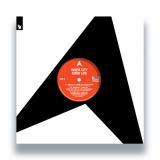
Good Life sees Detroit icons Inner City return on KMS with one of the most celebrated house records of all time, presented here on fresh 12” vinyl.
A defining track of the late 80s and early house movement, Good Life remains a timeless anthem, driven by uplifting melodies, soulful vocals and unmistakable Detroit energy.
This edition features a remastered version of the original alongside an Inner City edit of the Carl Craig remix, plus a Dub Mix, offering both classic playback and updated DJ functionality.
As a cornerstone release from the KMS catalogue, the record continues to resonate across generations of DJs and listeners, maintaining its place as an essential dancefloor staple.
Back on fresh 12" vinyl, this repress offers strong appeal for both collectors and DJs looking to stock a truly iconic house record.
An essential catalogue piece for stores supporting classic house and Detroit heritage releases.


c B2: Good Life (Remastered) Dub Mix

In Stock

On Stock and ready to ship

13,87
THE PINK SATIN - GREASER MAN EP

The Pink Satin is the Greaser Man. This is a homage to the early sounds of house music. TPS Gears up with his Yamaha PSS-780 and PSS-580 and fires FM basslines to spread the whimsical word of disinformation and minor truths. The world is full of hate today. Try not to take everything so serious.

pre-order now15.06.2026

expected to be published on 15.06.2026

14,50
The Pool - Dance It Down/jamaica Running

REPRESSED !
Patrick Keel is a multi-instrumentalist, composer, producer, and performer. The Pool was his solo project, the sum of fifteen years of experience in live bands, studios, and home recording. Patrick was heavily influenced by the radio of the early and mid 1960's in Dallas. The British bands and Black soul of the era gave him a distinct style, and shaped his musical attitude. The New Wave/Punk/D.I.Y. attitudes of the late 1970s inspired him to express himself in a new way. 1980 saw the release of "Pool One," a sixty minute home-produced cassette. "Pool Two" followed in 1981, which received much praise and little distribution. In 1982 he released a 5-song self-titled vinyl EP of tight, skeletal, synthetic dance music.

In 1983, 'Dance It Down/Jamaica Running' 12' EP was released on Moment Productions. Based on response from D.J.'s in New York and the Bronx, Patrick went back in the studio and remixed two songs from the self-titled EP for rapping, scratching and break dancing. "Jamaica Resting" was sped-up, extended, and reconfigured as "Jamaica Running". The whirlpool synth-strut of 'Dance It Down' came out of the studio as 'Dance In Dub', with a heavier kick and extended dub outro. These spacious versions were optimal for DJ play, slotting regularly in sets at hip clubs like Danceteria. For this reissue we've added two bonus European remixes from the 1984 12' of 'Dance It Down/Jamaica Running', released on Nunk records from Belgium. Both songs employ the use of a Boss DR-55, Korg MS-20, Korg PolySix, and a Prophet 5, and were mixed on a 16- track Ampex recorder. The Pool's spartan, self-assured songs are experiments you can dance to.

All songs have been remastered for vinyl by George Horn at Fantasy Studios in Berkeley. The record comes housed in a newly designed jacket by Eloise Leigh, updating the magenta and blue grid and Pool logo of the Moment Productions release. Each copy includes a 12-page booklet with a never seen before photos, press clippings and notes.

pre-order now15.06.2026

expected to be published on 15.06.2026

14,92

Last In: 9 years ago
Nightmares On Wax / Marlon Lopez - Patang

Given the Balearic life that Leeds ex-pat Nightmares on Wax now leads in Ibiza, we have to admit we did not see this coming: the downtempo Warp legend returning to his early 90s electronic roots. He does so with a new series of collaborations with young talents on 20/20 Vision, starting with Marlon Lopez. 'Patang' is slow, snaking dub with glitchy synth patches and melodic bass. 'Cancel Dat!' has a crunchy feel next to the bleepy synths with a leggy, loopy low end and tech house snap. Wulf's Jam 4 Jamie is a deeper, more twisted version and label head RL's Get It Together remix cuts up the groove and brings a spoken word that reframes the cut as soulful I:Cube style jam.

In Stock

On Stock and ready to ship

19,75
Shep' - Reach For The Tongs EP

Shep is back on his People Pleaser's label with a fourth transmission of groovy tech house that blends drive, cosmic atmospheres and just the right amount of vocal and melodic hookiness. 'Reach For The Tongs' is warm and dubby, one to get the head down and lock into. 'Pulver Zimmer' has warped synths and glassy percussion, bringing the early Terry Francis style drums to life and 'Rave Gravel Drive' gets more unhinged. The synths are wonky, the sound designs more trippy and abstract and the groove is minimal and synthetic. 'Mutzki' closes with a subtle, warming rush of low-key joy thanks to the muted chords that ride a slick groove.

pre-order now15.06.2026

expected to be published on 15.06.2026

14,08
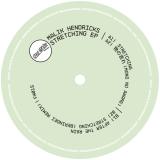
Malik Hendricks - Stretching EP
  • A1: Stretching
  • A2: 物の哀れ (Mono No Aware)
  • B1: After The Rain
  • B2: Stretching (Beringei Remix)

Making his first appearance on Flat White Records, NYC’s Malik Hendricks arrives with Stretching, a four-track EP that leans comfortably into the grey space between Deep House and Techno. Across three original cuts, Hendricks delivers warm, hypnotic, and quietly confident sounds that are unmistakably his own.

Rounding out the release is a remix from London-based, Spain-born producer Beringei. Known for his broken-beat excursions, Beringei with a 4x4 workout that still carries his unmistakable percussive touch, proving that even when stepping outside his usual lane, his identity remains firmly intact.

With previous releases on respected imprints like Eglo, Darker Than Wax, and Phuture Shock Muzik, Hendricks arrives in trusted company, thus making it an easy call to hand him the reins for our 15th release.

Born in the ’80s and raised in the ’90s, Malik Hendricks is a product of transatlantic club culture, drawing inspiration from Detroit’s futurism, New York’s grit, and the UK’s rhythmic experimentation. A DJ for over a decade, he approaches music with an almost academic curiosity, seeing the dancefloor as a shared space for cultural exchange.

Recently, his work has caught the attention of heavyweights like Eli Escobar, Byron the Aquarius, James Bangura, and Roy Vision, all stepping in to remix his material. With Stretching, Hendricks continues to prove that subtlety, craft, and groove still go a very long way.

Early DJ Support from: Shy One, LDLDN, Louise Chen, Dam Swindle, LTJ Bukem, Christophe Salin, Franck Roger, Jazzanova, Mr Redley, Last Nubian, Glenn Davis, Seven Davis Jr, Stonie Blue, Stu Clark (WOLF), Adriatique, Marco Weibel, Mr Ties, Tereza, Cottam, Joyce Muniz + MORE

pre-order now15.06.2026

expected to be published on 15.06.2026

15,34
Marcos Coya - Moon Trippin EP

For UnExposed Records first vinyl release, Uruguay’s Marcos Coya wanted to show the world a different side of his artistic approach. In a world of monotonous copy/paste, Marcos wanted to bring something unique to the table. A compilation of spacey, dreamy & emotional tunes custom built for the dance floor yet still experimental as well. Deep grooves & long developments. No fluff. No overbearing bangers. True underground production principles. Crafted for those with a refined palate.

The A-side is dedicated to Marcos Coya’s four to the floor production work. This sonic expedition begins w/ a bang: the record’s title track “Moon Trippin”! A showcase of freaky melodies accompanied by groovy percussions which bolster a vocal of Prince speaking his mind about the true essence of creating musical art & his disdain for mainstream music industry critics.

“Delirium” closes out the A-side w/ a dreamy acid house tune adding an emotional touch to the record. After hours material. A real step forward for Marcos and his production work. Leaning heavier than ever into trusting his melodies. Taking a bit more risk with his approach by creating something you’ve never heard from him on any of his nearly 20 vinyl releases over his career.

For the B-side we shift over to a more breakbeat approach with 2 absolute heaters. B1 introduces the track Hearthug has claimed to be one of the tracks of the year: “Rage Dog”. Rage Dog is a Marcos Coya signature track due to its rock & hip hop influences developed during his adolescence. Marcos even purchased new synthesizers specifically to improve this track & its melodies. The cherry on top is the vocal from Rage Against The Machine’s front man, Zack de la Rocha, which adds a rebelliously political undertone to the record, something UnExposed & Marcos both are very proud to address w/ passionate conviction during this time of war and injustice.

We close out the record with “D.N.A.”, the most experimental piece of art on this vinyl release. A wild combination of breakbeats, guitars, melodies & crazy vocals. The perfect bizarrely fascinating conclusion to this wild trip to the moon and back.

Early support from heavy hitters such as: DJ Koolt, Anthea, Velasco, KT, Hearthug, Mario Liberti, Daïf & many more!

In Stock

On Stock and ready to ship

12,56
Items per Page:
N/ABPM
Vinyl