Reissue of George Duke's classic 1975 jazz-funk-fusion album 'I Love The
Blues'
On the fourth album of his fusion cycle, George Duke substantially expanded the
number of his colleagues. As before, drummer Leon "Ndugu" Chancler beats as
the heart of the rhythm section, and the Brazilian couple, Airto and Flora are again
on board. The ten tracks perform a stylistic balancing act. The jittery funk of
"Chariot" and the smooth ballad "Someday" show off Duke's soulful vocal flair.
Flora Purim crowns the complex "Look Into Her Eyes" with her spheric sound as
she and guitarist George Johnson take care of business on this stratospheric
piece with its bluesy electric shuffle. With two high- voltage guitarists (Daryl
Stuermer and Byron Miller), "That's What She Said" points to the tie between rock
and funk. The most eye- opening outing occurs with star guitarist Lee Ritenour
stomping on "Rokkinrowl, I Don't Know", and its Hendrix parody. "Sister Sirene"
shows that, naturally, the typical dreamy Duke instrumentals are not left off the
album. An almost animistic soundscape is woven into the fabric of "Mashavu",
and "Giant Child Within Us - Ego" is a small fusion suite encompassing the
spectrum from the classical to the Zappaesque finale. The title piece is indeed a
blues, dished out pure and simple - a far cry from the sounds of the preceding
piece with its mountains of synthesizers. Rather, the sultry delta heat, the
acoustic simplicity and raw truth of the song prevail - the blues.
Buscar:eye d
The beauty of the sound: clear, transparent, precise, a work of art - and
that includes both the actual recording, and the subsequent production -
something that was already an essential difference in clarinettist,
composer and sound researcher, Rolf Kühn's musical concept
The pieces were recorded on separate sound tracks, in a stereo technique that
lends a visual sense to the music. In fact, there is a cinematic feel as sounds
project on the mind's eye. For this special, sensual production, Kühn has gathered
his Berlin trio around him - his "working band" with Christian Lillinger (drums),
Ronny Graupe (guitar) and Johannes Fink (bass). Their previous studio
recordings have had a sense of freedom about them that has indicated the
direction in which these musicians are heading. Theirs is a concentrated,
compact play that has moved further and further away from the delineation
between notated and improvised music. Duo and group improvisations flow
across the interstices between the sketched-out musical islands. On 'Stereo' Rolf
Kühn goes even one step further; he condenses the compositions, providing
accurate and concise sound ideas. The sound of 'Stereo' is reminiscent of the
Blue Note aesthetics of the 1960s, when the stereo sound was something
outrageously new and greatly enhanced the tonal possibilities of the recordings.
Wounded Bird by Flying Norwegians is the best Norwegian country rock
album to ever have been made - An album that is so convincingly good, in
every conceivable way, that it was almost released by A&M Records
But it's also an album that serves as a classic example in which everything that
can go wrong, does go wrong. And at the worst possible time..
Brand new album by the legendary Swamp Dogg.In 1954, 12 year old
Jerry Williams, then performing under the name Little Jerry Williams,
made his first recording for Mechanic Records, a blues stomp with a
shockingly mature vocal performance - Through the 60"s Williams' career
developed with a number of successful singles, including 'I'm the Lover
Man' and 'Baby You're My Everything', as well as writing and producing
hits for Dee Dee Warwick, Doris Duke, and Patti LaBelle and the Blue
Belles. It was in 1970, however, that the full extent of Williams' eccentric
creative genius was unleashed on the world for the first time, with the
birth of his musical alter-ego, Swamp Dogg
Created to 'occupy the body while the search party was out looking for Jerry
Williams, who was mentally missing in action due to certain pressures, maltreatments and failure to get paid royalties on over fifty single records,' the
Swamp Dogg alias, still in use today, allowed Williams to create music that was
bolder, raunchier, and more honest to his creative instincts. The Dogg's cult
classic debut 'Total Destruction to Your Mind' struck a powerful blend of Williams
classic soulful sensibilities and the blooming psychedelia of the time. Infused in
the swirling brew is Swamp's blink- and- you'll- miss- it humor, a number of acid
odes, and a heavy dose of sharp political insight. Though the psychedelic
strangeness alienated R&B fans of the time, and the authentic R&B infrastructure
prevented it from clicking with hippie audiences, it has retroactively received
legendary status in cult music circles.Now, 50 years after Total Destruction
introduced Swamp Dogg to an unprepared world, and nearly 70 since Little Jerry
Williams went into the studio for Mechanic, Williams brings us I Need A Job' So I
Can Buy More Autotune. A spiritual successor to 2018"s hit Love, Loss and
Autotune, this album continues to push Swamp's sonic exploration of the effect
as one of his many creative weapons. In the extended tradition of Total
Destruction, Swamp Dogg's 2021 LP neatly balances sleek modern production
techniques with that classic Dogg sound that has anchored William's music since
the 70s. Subtle yet soulful drumming, skin- tight horn grooves and meandering
funk guitar leads create a sonic landscape fitting Swamp Dogg's iconic croon,
occasionally drenched in the titular autotune. At 78, Swamp Dogg is as sharp of a
singer and songwriter as ever. His raunchy yet charismatic sense of humor takes
a more forward role on I Need a Job' So I Can Buy More Autotune, with earnestly
delivered lyrics about all day sex and an entire song dedicated to the perils of
'Cheating in the Daylight.' Many of the record's most charming moments emerge
from the juxtaposition of Swamp's left field humor with genuine messages of
love, such as 'She Got That Fire', which weaves descriptions of imagined sex acts,
including but not limited to an encounter involving edible underwear, in between
relatively wholesome proclamations like 'she must be an angel on earth,' and
'when she looks at you, it's like sunshine from her eyes'. I Need a Job does more
than prove that Swamp's still got it, it proves he's still getting better.
Dashboard Confessional's ninth studio album, All The Truth That I Can
Tell, is both a remarkable renewal and fortunate step forward for the
band's songwriter, front man, and founder, Chris Carrabba
All The Truth That I Can Tell stands among Carrabba's finest – a strikingly potent musical look at himself through a rediscovered keyhole, both an achievement of vision and a vital burst of artistic clarity; less like reading someone's diary and more like reading their eyes.
Der Klassiker "The Savage Poetry" bekommt zum 20 jährigen Jubiläum noch einmal eine Neuauflage mit komplettem Remastering und ist erstmals als Vinyl erhältlich.
Gut 20 Jahre nach Veröffentlichung des viel beachteten vierten Edguy-Albums "Savage Poetry" (ursprünglich 2000 erschienen) kommt nun eine neue Version - als Digipak und erstmals als Vinyl (in verschiedenen Farben).
Zweites Album der der norwegischen Psychedelic Rock Band!
Aus den dunklen psychedelischen Schatten Bergens kehren Himmellegeme mit ihrem zweiten Album zurück! Himmellegemes Musik ist beeinflusst von atmosphärischem Progrock. Mit ihren knallharten Riffs, manchmal chilligen Melodien und melancholischen Texten schaffen Himmellegeme Musik, die vergangene Ereignisse in ihrem eigenen Leben und im Leben anderer abbildet. Die übergeordneten Themen des Albums sind der Einfluss, den wir Menschen auf den Planeten Erde haben, und die Zerstörung, die wir überall hin mitnehmen. Nicht nur im Hinblick auf den Planeten selbst, sondern auch auf die Menschen, die ihn bewohnen. Es ist kein Konzeptalbum an sich - die Texte sind fiktiv mit Wurzeln in der Realität, basieren aber auf neueren und älteren Ereignissen aus unterschiedlichen Blickwinkeln. 'Variola Vera' wurde in einem der besten Studios in Bergen, den Broen Studios, aufgenommen und von Anders Bjelland (Electric Eye / Hypertext) produziert, der auch als Klangzauberer an dem Album mitwirkte.
Für Fans von Sigur Rós, Pink Floyd, Seigmen, Jeff Buckley, Radiohead, Queens of the Stone Age u.a.
- A1: Alright Brutus, I’m On
- A2: What If I Knocked
- A3: Everything’s Fine
- A4: Rocked, Wrecked, Robbed & Ruined
- A5: You Got A Diamond In Me
- A6: A Rock In The Sea
- B1: You Shouldn’t Be Lonely On A Saturday Night
- B2: Make Up Boogie
- B3: Ghost Pain Of Your Love
- B4: Golden Wheel
- B5: Get Me Out
- B6: Slap-Bang Blue
- C1: Queen Of The Milky Way
- C2: Rock It & Roll It
- C3: Toxic Daydream
- C4: Common For Of Life
- C5: Rocket Ricochet
- C6: Sunday Haze
- D1: Run Through The Wildfire
- D2: Suicidal Idol
- D3: Anyway I Can Make Her Smile
- D4: Vanity Villains
- D5: Lose To Get By
- D6: Blind Broke Patron Saint
Black Vinyl[26,68 €]
Das Warten hat ein Ende! 30 Jahre nach Bandgründung melden sich die Diamond Dogs, Schwedens Boogie-Rock-Legende, mit einem neuen Studioalbum zurück. 'Slap Bang Blue Rendezvous' ist eine Doppel-Album mit insgesamt 24 Songs, das von Tomas Skogsberg produziert und gemischt wurde. Skogsberg beschreibt es wie folgt: 'This is my masterpiece, my White Album'! Musikalisch bieten die schwedischen Rock 'n' Roller ihre spezielle Mischung aus UK-Glam und Blue-Eyed-Soul der frühen 70er Jahre. Klingt wie The Faces, Slade, Mott The Hoople, Kinks oder Rolling Stones!
- A1: Alright Brutus, I’m On
- A2: What If I Knocked
- A3: Everything’s Fine
- A4: Rocked, Wrecked, Robbed & Ruined
- A5: You Got A Diamond In Me
- A6: A Rock In The Sea
- B1: You Shouldn’t Be Lonely On A Saturday Night
- B2: Make Up Boogie
- B3: Ghost Pain Of Your Love
- B4: Golden Wheel
- B5: Get Me Out
- B6: Slap-Bang Blue
- C1: Queen Of The Milky Way
- C2: Rock It & Roll It
- C3: Toxic Daydream
- C4: Common For Of Life
- C5: Rocket Ricochet
- C6: Sunday Haze
- D1: Run Through The Wildfire
- D2: Suicidal Idol
- D3: Anyway I Can Make Her Smile
- D4: Vanity Villains
- D5: Lose To Get By
- D6: Blind Broke Patron Saint
Blue & Yellow Vinyl[28,78 €]
Das Warten hat ein Ende! 30 Jahre nach Bandgründung melden sich die Diamond Dogs, Schwedens Boogie-Rock-Legende, mit einem neuen Studioalbum zurück. 'Slap Bang Blue Rendezvous' ist eine Doppel-Album mit insgesamt 24 Songs, das von Tomas Skogsberg produziert und gemischt wurde. Skogsberg beschreibt es wie folgt: 'This is my masterpiece, my White Album'! Musikalisch bieten die schwedischen Rock 'n' Roller ihre spezielle Mischung aus UK-Glam und Blue-Eyed-Soul der frühen 70er Jahre. Klingt wie The Faces, Slade, Mott The Hoople, Kinks oder Rolling Stones!
- A1: The Slaughter Of Baby Jesus
- A2: Blinded By Light, Enlightened By Darkness
- A3: I Strike With Wrath
- A4: Age Of Chaos
- A5: Bloodshed Eyes
- A6: The Crossing
- B1: Eternal Winter
- B2: Death Immaculate
- B3: Sitra Ahra
- B4: Serpents (Beneath The Forest Of The Dead) (Beneath The Forest Of The Dead)
- B5: Black Hate
- B6: Hrimthursum
Es gibt keinen perfekten Weg, um das New Yorker Duo Water From Your Eyes zu beschreiben, sie allein auf Zahlen zu reduzieren wäre ungenau und leichtsinnig. Bestehend aus Nate Amos (er/sie) und Rachel Brown (sie/sie), die beide auch für ihre Soloarbeit unter den Namen This Is Lorelei bzw. Thanks For Coming bekannt sind, ist die Gruppe seit 2016 zusammen und hat einen klarsichtigen Ansatz für zukunftsweisende Tanzmusik entwickelt, die Strenge, Charme und Satire in einem Paket vereint, das durchweg innovativ und anders als alles ist, was ihre Zeitgenoss*innen in der Brooklyner DIY-Szene oder außerhalb davon machen. "Structure" ist ein Album, das sich an Widersprüchen erfreut und mit augenzwinkerndem Witz und unzweifelhaftem Know-How durch geradlinige Subgenres watet - ein Album, das das bisher erstaunlichste Projekt von Water From Your Eyes darstellt. Beeinflusst von Scott Walkers einziger Veröffentlichung aus den 80ern, "Climate Of Hunter", und den nachhallenden Werken des Farbfeldmalers Mark Rothko, ist "Structure" ein Konzeptalbum, das sich über die Idee von Konzeptalben lustig macht. Wie aus Höhlen zu kommende Tanzstücke dienen als hypnotisches Fundament zwischen Spoken-Word-Monologen, cineastischen Nummern und einem scheinbar fröhlichen Opener. Die siebenminütigen Epen "My Love's" und ""Quotations"" sind ausufernde, an Industrial gemahnende Stücke, wobei beide Tracks sägezahnartige Loops und Grooves einsetzen, die in der Lage sind, selbst die passivsten Zuhörer zu hypnotisieren. Wie Rothkos widersprüchliche Darstellung des Statischen und Kinetischen laden Water From Your Eyes dazu ein, an der stoischen Fassade von "Structure" zu kratzen, einen genaueren Blick auf die detaillierte Handarbeit zu werfen und die Risse im Spiegel zu verfolgen. Trotz der titelgebenden Implikationen und der kunstvollen konzeptionellen Ästhetik ist "Structure" eher unbeschwert als ernst. Sowohl Rachel Brown als auch Nate Amos, die in ihren jeweiligen Solo-Projekten bissig witzig sind, wenden ihren Humor natürlich auch auf "Structure" an, eine Platte, die den kreativen Prozess der Band widerspiegelt. Eifrige Hörer werden sich an wiederholten Durchläufen erfreuen, um die melodischen Feinheiten, die rhythmischen Kleinigkeiten und die lyrischen Wiederholungen der Platte zu entdecken. "Structure" ist eine erstklassige Errungenschaft des "brutalen" Pop: Es ist verträumt und dissoziativ, nuanciert und hypnotisch und webt Fäden zusammen, die der Hörer mit jedem Durchlauf neu entwirren kann.
- A1: The Moonlight Duel
- A2: Determination: Father's Message
- A3: The Dragon Ninja
- A4: Mysterious Woman
- A5: Bravery: On The Clutches
- A6: Reminiscence
- A7: A Sudden Development
- A8: Like A Howling Gale
- A9: In Hiding: Pursuing The Nightmare
- A10: Eyecatch
- A11: The Cia
- A12: The Sanctuary Of Shadows
- A13: The Amazing Ryu
- A14: Crisis
- A15: Surprise Attack: The Wicked God's Secret Maneuvers
- B1: Malth The Crimson Terror
- B2: The Truth Concealed
- B3: Melancholy Destiny
- B4: Requiem
- B5: The Truth Concealed (Reprise)
- B6: The Menace Of Jaquio
- B7: Showdown: At The Portal Of Death (Battlefield) (Battlefield)
- B8: The Demon's Incantation
- B9: In A Pinch: The Ordeal Of Battle
- B10: At The End Of The Battle
- B11: Irene: Overture Of Dawn (Prelude)
- B12: Credits
- B13: Game Over
- B14: Cinema Display Sound Attack 1
- B15: Cinema Display Sound Attack 2
- B16: Sound Effects
- C1: Insert Coin
- C10: Las Vegas Stage Boss
- C11: Round Clear 3
- C2: Game Start
- C3: La Stage
- C4: La Stage/Grand Canyon Stage Boss
- C5: Round Clear 1
- C6: Ny Stage
- C7: Ny Stage/Transcontinental Railroad Stage Boss
- C8: Round Clear 2
- C9: Las Vegas Stage
- D1: Grand Canyon Stage (Japan) (Japan)
- D2: Grand Canyon Stage (Usa) (Usa)
- D3: Round Clear 4
- D4: Transcontinental Railroad Stage
- D5: Round Clear 5
- D6: Final Stage
- D7: Final Stage Boss
- D8: Time's Up
- D9: Game Over
- D10: Credits
- D11: High Score Screen
- D12: Round Clear 1 (Usa) (Usa)
- D13: Round Clear 2 (Usa) (Usa)
- D14: Round Clear 3 (Usa) (Usa)
- D15: Round Clear 4 (Usa) (Usa)
- D16: Round Clear 5 (Usa) (Usa)
- D17: Game Over (Usa) (Usa)
Ninja Gaiden, of the most iconic and beloved 2D action game series ever created, was first released in the arcades in 1988, while making its console debut on the Nintendo Entertainment System (NES) later in the same year. At the time of the console release, Ninja Gaiden was renowned not only for its deep storytelling beautifully visualized by TECMO’s unique “cinema scenes,” but also through its legendary chiptune soundtrack, whose unique rock-’n’-roll sound and drum beat instantly became a formative musical experience for players who were only just getting into video games.
Ninja Gaiden: The Definitive Soundtrack is divided into volumes. The first, Ninja Gaiden Vol. 1, features the music of both the NES title and the Arcade game, both titled Ninja Gaiden. These legendary soundtracks have been digitally restored under the supervision of Keiji Yamagishi, one of the original series composers. The booklet includes a comprehensive roundtable discussion among several members of the original development team, including the director, producers, artist and composers; an essay by game historian Ray Barnholt; and original archival artworks.
- A1: Green Onions
- A2: Rinky-Dink
- A3: I Got A Woman
- A4: Mo' Onions
- A5: Twist & Shout
- A6: Behave Yourself
- A7: Squint-Eye (Bonus Track)
- B1: Stranger On The Shore
- B2: Lonely Avenue
- B3: One Who Really Loves You
- B4: Can't Sit Down
- B5: A Woman, A Lover, A Friend
- B6: Comin' Home Baby
- B7: Sit Still (The Mar Keys) (The Mar Keys)
60th Anniversary Edition[36,56 €]
Limited coloured marbled vinyl edition of this album Booker T. & the M.G.s formed as the house band for Stax Records and provided playbacks for numerous singers, including Wilson Pickett and Otis Redding. During a - recording break for Billy Lee Riley, 17-yearold keyboardist Booker T. Jones, guitarist Steve Cropper, Lewie Steinberg on bass and Al Jackson Jr. on drums began messing around with a bluesy organ riff. The president of Stax Records, Jim Stewart, was at
the mixing board. He liked what he heard and recorded it. The result: „Green Onions,“ with „Behave Yourself“ as the B-side.
The record became a hit when radio DJ Reuben Washington played it four times in a row, even before the band had a name. The single went to #1 on the US R&B chart, #3 on the pop chart, reached #7 in the UK
and sold over a million copies. The song was listed as one of the 500 greatest songs of all time by Rolling Stone magazine and received a Grammy Hall of Fame Award in 1999. It was followed by the allinstrumental album „Green Onions“, which is now a classic of the era.
The album was included in Robert Dimery‘s 1001 Albums You Must Hear Before You Die. Booker T. & the M.G.s have been called the most influential stylists in modern American music. Until the 2000s, they
played as the house band for countless world stars such as Bob Dylan, Stevie Wonder, Johnny Cash, Eric Clapton, George Harrison, Neil Young and many others.
Mourn The Light were formed in early 2018 by
Dwayne Eldredge, also co-founder of The New
England Stoner And Doom Festival.
Driven by his passion for thunderous, traditional
doom metal mixed with lofty progressive and
power metal leanings, Dwayne was hell-bent on
creating a band that could sonically push a
message of hope in spite of despair.
Following their highly acclaimed 2019-debut EP,
‘Weight Of The World’, and touring the US and
Canada on the back of this, Mourn The Light
returned to the studio to record their first album.
Entitled ‘Suffer, Then We’re Gone’, the band’s
debut album showcases a plethora of influences.
At one moment, Mourn The Light deliver crushingly
massive riffs, only to jump at the next turn,
galloping along with shades of classic heavy,
progressive and power metal taking hold and
leading the way, all the while focusing on incredibly
memorable songs with catchy hooks and anthemic
choruses.
For fans of Solitude Aeturnus, Savatage, Psychotic
Waltz, Trouble, Black Sabbath, Saint Vitus,
Candlemass.
LP pressed on green and orange splatter vinyl.
"The core of confusion and upheaval that drove some of the band's most fiery earlier work, however, is replaced by a more stabilized undercurrent, a mentality that's reflected in songs not afraid to try new things and honestly explore uncomfortable feelings. When combined with exciting production and songwriting choices, that mindset helps make Feels So Good // Feels So Bad one of the Shivas' best albums.” - AllMusic "Portland, Oregon-hailing psych-surf band The Shivas accomplish another time-traveling, reverb-ridden sound that refuses to get boring. Jared Molyneux’s guitar work knows when to be bright or bashful at the right times, breaking into guitar solos that possess a late-’60s groove… The Shivas seem to blissfully flourish” - Paste "a consistent treat for the ears” - The Vinyl District "Though the psych-tinged guitar riff that drives 'Feels So Bad' was written while The Shivas were still on the road, its lyrics didn’t fall into place until the band was well into lockdown, unsure of when they’d be able to return to their most imperative true love: Live shows... Accordingly, 'Feels So Bad' permeates with a sense of urgent desperation, building off a chugging prog-rock instrumental.” - Consequence (on “Feels So Bad”) "They hooked the audience with their throwback rock sounds. The guitar strums and rhythmic drum beats were layered atop smooth and hallucinogenic vocals. The eyes can tell the take at times and there was a sparkle there that said that the band members just love doing live performances." - California Rocker "This single layers on the fuzz but keeps it dreamy, with an especially sticky guitar riff sure to lodge itself in your brain with minimal effort." - Portland Monthly (on “If I Could Choose”) “'My Baby Don’t' translates the genuine vibrant joy
of the live experience into the studio, bringing the band’s ‘60s garage rock roots, sharp pop vocal harmonies, and fervent performances along for the ride." - Under The Radar "Perfectly straddling the line between a solid-head bopping track and an introspective deep cut, The Shivas’ 'Undone' is a rock & roll gem. The track sounds straight out of the late 60s and fits seamlessly in the Portland band’s electrifying catalog." - The Luna Collective "The first time I clicked play on this track, I knew it was a yes for me." - Ear To The Ground Music (on “If I Could Choose”) "The harmonies would make the “Happy Together” Turtles blush, but the unsettling guitar doesn’t shy away from the woollier implications of the ’60s." - Willamette Week (on “If I Could Choose”) "'Undone' is just the perfect song for the good days and the bad ones." - GlamGlare "another hit" - Austin Town Hall (on “Undone”) "one of the best forthcoming albums of the year" - Austin Town Hall RADIO: #3 Most Added @ NACC - 50 official adds BIO Every working musician has had their life turned upside down by Covid-19. For The Shivas, who had recently released a new LP and normally keep a rigorous touring schedule, it was a particularly screeching halt. “We were about to go to SXSW, the following weekend was Treefort in Boise, and then we were going to open for our friends’ band on tour in the US before going to Europe,” Jared Molyneux remembers. Then everything just stopped. They were faced with a dilemma. “It forced us to adapt or just quit,” Molyneux says. “The reality is that shows are our job.” In truth, live shows aren’t just The Shivas job: they are the band’s greatest love. Shivas shows are bombastic, explosive and thoroughly communal live rock and roll experiences where barriers between the performers and their audience seem to dissolve into the sweat and sound. The stage—or the basement, or the living room—that’s The Shivas’ true element. It’s their raison d’etre. It’s their religion. The band’s live urgency may have been born in 2006, when the band’s young members—who began booking West Coast tours while still in high school—waited without fanfare on sidewalks or in parking lots, before being rushed onstage for their sets at 21-and-up clubs. Maybe it developed a little later, as The Shivas blasted their way through Portland’s storied and unsanctioned mid-aughts house show scene. Whatever the origin of their famously kinetic live experience, it’s the show that keeps them coming back after over 1,000 performances spread over 25 countries in 15 years. In those 15 years, The Shivas have grown tight-knit as a group. Guitarist/singer Jared Molyneux, bassist Eric Shanafelt and drummer/singer Kristin Leonard have all been with the band since its earliest days; guitarist Jeff City, another high school friend, joined in 2017. Together they’ve learned to thread a seemingly impossible needle: They’ve honed and tightened their performances without sacrificing the element of surprise that makes each show special. And despite touring and recording for most of their lives, they speak about their project with humility, in the DIY vernacular of their Pacific Northwest upbringing. They talk up their own favorite bands, play all-ages shows as much as possible, and bring a sort of blue-collar humanism to the live performances they relish so much. “We just want to make people feel good,” Molyneux says. “We want them to forget they have to work tomorrow.” Kristin Leonard elaborates, “The live show is all about that feeling of catharsis—in ourselves and in everyone who comes out. We’re creating this safe space where we can all let go. Where we can exhale. And it feels really good when we are able to facilitate that.” So when Covid hit, the band knew it was time for transformation. After a settling realization that live music would be grounded for the foreseeable future, The Shivas booked significant studio time with Cameron Spies, who also produced the 2019 Dark Thoughts LP. They also transformed their lives: three of the band’s four members found work with a local nonprofit serving unhoused Portland residents. They became engaged in protests and fundraisers for social justice. They spent a whole summer actually living in Portland, settling into the city they had always called home, but that sometimes felt like a temporary stop between tours. “We got into a more community-minded headspace,” Leonard says. “And that did give us some purpose. It felt cool to see everybody come together to stick up for what they believe in. It feels like an incredibly formative last twelve months.” The album that emerged from this new moment finds The Shivas reborn as a band that seems seasoned and perfectly at home with itself. There is a calm, even a hopefulness, to Feels So Good // Feels So Bad that sounds new. The Shivas didn’t write or record the album with a particular theme in mind, but one seems to have emerged: where Dark Thoughts was about confronting your demons with fearless self-examination, much of Feels So Good // Feels So Bad is about what happens once you find that peace: how being honest with yourself changes your relationships and your priorities. “I do think it’s about acceptance,” Leonard says. “There’s a weird relaxation that comes with being at peace with things you can’t control or have regrets about.” Maybe that’s why the squealing, riff-laden break-up song opener, “Feels So Bad,” is such a shock to the system. But it’s more of an exorcism than a melodrama: more a song about not being able to do the thing you love (in
this case, playing live shows) than splitting with a partner. “It’s like part of you goes to sleep,” Leonard says. As bandmates who are also in a long-term relationship, Molyneux and Leonard know that their songs might be seen as glimpses into their personal lives, but their songwriting is rarely autobiography. Leonard compares their process to something more akin to screenwriting. “There’s bound to be some autobiographical material in there,” she says. “But the common denominator is the exploration of universal feelings: ones that everyone experiences or can relate to.” The goal is to use the music to drill down into something genuine and sincere, beyond genre or stylistic affectation. That’s where The Shivas have arrived. Whatever growth led the band to Feels So Good // Feels So Bad, plenty of their fascinations remain. They’re still turning love songs into psychedelic, transcendent epics. “Tell Me That You Love Me” subverts doo-wop extravagance and dabbles in Flamenco rhythms. “Rock Me Baby” is a bubblegum anthem soaked in so much reverb that we might just be hearing it from the stadium nosebleeds. “Sometimes” is almost impossibly huge, like a witchy outtake from the Brill Building era. Those songs feel like logical expansions from a band that has always excelled at a timeless sort of rock and roll that tinkers with and explodes elements from every era. But on the towering and mournful “You Wanna Be My Man,” a slow-burning six-minute shoegaze prayer for a higher sort of love, there is a level of emotional nuance that feels like something altogether revolutionary. It’s there again in the stripped-down vulnerability of the album-closing elegy “Please Don’t Go.” Yes, Feels So Good // Feels So Bad is an album about acceptance. Sometimes that acceptance feels enlightened and sometimes it feels like the end result of a lot of kicking and screaming. The Shivas have adapted in both of those ways. With new tours scheduled and a new album on the way, they’re still hoping--like all of us--for a new era of vibrant, cathartic live music. The lessons they learned from having their normal upended, though, have only helped them grow
Tape
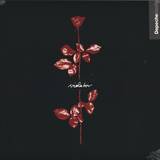
The occult and folk music have been friends for a while. In the 21st century, hauntology and the resurface of some cult soundtracks from the 1970s and 1980s helped to create a new sense of folk, not associated with the typical acoustic feeling, but more relatable with library, krautrock/kosmische and industrial music. João Kyron and Tony Watts, long time collaborators since the late 1990s with their band Hipnótica, and more recently with Beautify Junkyards (Ghost Box) are well acquainted with this friendship. Hidden Horse is their new project as a duo and “Opala” their first release.
With eight tracks and almost thirty minutes, their first release explores dense and greyish urban utopias. The song titles explore ideas that mix sci-fi, horror, science, space and urban phobia, and the music Kyron and Watts create delivers, using electronics and drums with great relish. Their relationship as musicians, which spans more than two decades, can be felt in the way their music flows with a continuous dialogue.
“Opala” is always keen to take you to another dimension. It lives in its own twilight zone, where the obscure entangles the most obvious senses of reality. It sounds like Jacques Tati “Playtime” with a hauntology soundtrack: it kind of feels that this imaginary world is real, but it’s not. And it sucks you in to be a part of it and enjoy it: close your eyes and let yourself go while listening to “Levitação Magnética” or “Fantasmas do Planeta”. You will feel like a foreigner in a new city.
With a string of releases on Hot Haus, Running Out Of Steam and Distant Horizons, M4A4 is no stranger to creating ear-catching dance music against a backdrop of collective influences, ranging from UKG, house and lunging 2-step. The prolific producer now makes his debut for Breaks ‘N’ Pieces - twisting the standard house template; with one eye on the past and another on the future.
‘Cartier’ creates a spark by combining slinky drums and classic house sounds with an M4A4 signature twist; while also offering a zesty 2-step digi-only version. ‘Enchanter’ is a punchier affair, with layers of nostalgia painted vividly within dreamy pads and M1 organs, before ‘Starbeam’ comes in as smooth as a knife to melted butter, with a bassline as tantalizing as it is hard. Each element within its structures supports another - creating a harmonized symphony of dance-floor conduction.
Responsible for some of the best UK induced music of 21’ - Interplanetary Criminal is on hand to remix, this time with a reflective rendition of ‘Starbeam.’ Neon lights luminate a smoke-filled dance-floor in a kaleidoscope of boundless colour, showing another face to Interplanetary Criminal’s seemingly endless talents.