Introducing Airways, Alpha Tracks’ new record label, crafted to be an ultra-inclusive platform that celebrates the full spectrum of electronic music.
Airways is a space for experimentation, where fresh and unexplored visions can thrive. It’s an auditory stage for musical ideas in all forms—a place where genre boundaries dissolve, and connections emerge between diverse musical tastes.
Kicking off this new era, the label debuts with a stunning masterpiece from Scandinavian trance artist and avant-gardist Mikkel Rev.
Suche:fresh air
Mint Green Vinyl.[22,27 €]
Since first bonding over Slowdive at a Texas karaoke bar six years ago, musicians Uriel Avila and Jonathan Perez have grown trauma ray into Fort Worth's foremost flag bearer of crushing shoegaze. A five-piece rounded out by bassist Darren Baun, drummer Nicholas Bobotas, and guitarist Coleman Pruitt, the band's debut album, Chameleon, captures their evolving sound at an apex of majestic devastation. A fusion of downer hooks, gauzy melancholia, and bulldozer riffs, the album heaves and crashes across 50 minutes of stacked amplifier alchemy. Lyrically the songs trace similarly lofty and brooding terrain; Avila says "The theme is death. And a chameleon, like death, can shape-shift in and out our lives in different forms." Chameleon opens with "Ember," dreamy and distant, alternately anthemic and apocalyptic, defeated and deafening. Lead single "Bishop" perfectly encapsulates trauma ray's depth and dimension, ripping out of the gate with "the biggest, baddest, saddest wall of sound." Lyrics about being burnt at the stake and "tossed in the flame" float above a stop-start assault of precision distortion, eventually expanding into a lush, heavy, sorrowful end coda. "Spectre" is a mysterious, introspective dirge, envisioned as a "mellow, slowcore, Duster-thing," all feeling and heavy fuzz chords (with no lead guitar). Avila wrote it, "to be a hymnal" from the perspective of someone who won't let go - a ghost, an ex, a shadow self. Although the album is rich with subtleties, graceful lulls, and "breaths of air," the band's three guitar attack is its defining force, a power flexed to its peak on "Bardo." Perez's intentions were blunt: "I wanted to write a riff that was hard as fuck." The result is alternately mean and eerie, veering between noisy one string bends and surging headbang, mapping a middle ground between Unwound and early-Deftones. One of trauma ray's greatest gifts is their ability to make doomy, sledgehammer heaviness sound like an earworm, without production tricks or gimmicks: "Riff, verse, chorus, three guitar parts - that's all you need." This quality is particularly apparent on the title track, a churning slab of amplifier worship, swirling chords, and heavenly, defeated vocals about not belonging, shape-shifting, and death ("A twisted face / Void of attention / An empty space / In your reflection"). "U.S.D.D.O.S" closes the album, swaying across seven minutes of grey skied guitar and haunted voice, subtly thickening as it deepens. Feedback and shrapnel gradually begin raining down, like a satellite disintegrating in the atmosphere. Titled as an acronym after a poem by Chilean writer Roberto Bolaño that loosely translates to "a dream within a dream," the melody softens, smears, and then disappears, slowly swallowed by the gravity of eternal descent. Chameleon is a masterpiece of craft, balance, melody, lyricism, and gravity, flexing a fresh vision of loud-quiet-loud architectures and the vertigo depths of blasted harmonics. From Slowdive to Nothing, to Hum and beyond, the band absorb and expand on their influences into a rare and dedicated alchemy. trauma ray's cinematic tempest is a gathering storm only just taking flight.
Black Vinyl[21,22 €]
Since first bonding over Slowdive at a Texas karaoke bar six years ago, musicians Uriel Avila and Jonathan Perez have grown trauma ray into Fort Worth's foremost flag bearer of crushing shoegaze. A five-piece rounded out by bassist Darren Baun, drummer Nicholas Bobotas, and guitarist Coleman Pruitt, the band's debut album, Chameleon, captures their evolving sound at an apex of majestic devastation. A fusion of downer hooks, gauzy melancholia, and bulldozer riffs, the album heaves and crashes across 50 minutes of stacked amplifier alchemy. Lyrically the songs trace similarly lofty and brooding terrain; Avila says "The theme is death. And a chameleon, like death, can shape-shift in and out our lives in different forms." Chameleon opens with "Ember," dreamy and distant, alternately anthemic and apocalyptic, defeated and deafening. Lead single "Bishop" perfectly encapsulates trauma ray's depth and dimension, ripping out of the gate with "the biggest, baddest, saddest wall of sound." Lyrics about being burnt at the stake and "tossed in the flame" float above a stop-start assault of precision distortion, eventually expanding into a lush, heavy, sorrowful end coda. "Spectre" is a mysterious, introspective dirge, envisioned as a "mellow, slowcore, Duster-thing," all feeling and heavy fuzz chords (with no lead guitar). Avila wrote it, "to be a hymnal" from the perspective of someone who won't let go - a ghost, an ex, a shadow self. Although the album is rich with subtleties, graceful lulls, and "breaths of air," the band's three guitar attack is its defining force, a power flexed to its peak on "Bardo." Perez's intentions were blunt: "I wanted to write a riff that was hard as fuck." The result is alternately mean and eerie, veering between noisy one string bends and surging headbang, mapping a middle ground between Unwound and early-Deftones. One of trauma ray's greatest gifts is their ability to make doomy, sledgehammer heaviness sound like an earworm, without production tricks or gimmicks: "Riff, verse, chorus, three guitar parts - that's all you need." This quality is particularly apparent on the title track, a churning slab of amplifier worship, swirling chords, and heavenly, defeated vocals about not belonging, shape-shifting, and death ("A twisted face / Void of attention / An empty space / In your reflection"). "U.S.D.D.O.S" closes the album, swaying across seven minutes of grey skied guitar and haunted voice, subtly thickening as it deepens. Feedback and shrapnel gradually begin raining down, like a satellite disintegrating in the atmosphere. Titled as an acronym after a poem by Chilean writer Roberto Bolaño that loosely translates to "a dream within a dream," the melody softens, smears, and then disappears, slowly swallowed by the gravity of eternal descent. Chameleon is a masterpiece of craft, balance, melody, lyricism, and gravity, flexing a fresh vision of loud-quiet-loud architectures and the vertigo depths of blasted harmonics. From Slowdive to Nothing, to Hum and beyond, the band absorb and expand on their influences into a rare and dedicated alchemy. trauma ray's cinematic tempest is a gathering storm only just taking flight.
THE DYNAMICS • DRAG’N'FLY
by VINCENT HELLO.
Jamaica, 1960s. Ska artists, rock steady and reggae take back some soul songs of the United States, thus giving their versions that will in turn become future classics. The hits of the moment are also seasoned with Jamaican sauce, no matter where it comes from Original, pop, country, jazz... The rhythms of the island permanently transform the tracks of origin. In 2024, with their third album called Dragn'fly and decorated with a beautiful dragonfly (a "dragonfly" so in the language of King Tubby) the Dynamics honour Jamaican tradition and dynamite 10 versions of hits from yesterday and today. The Dragonfly spread his wings reggae, soul, funk to land in all headsets at the heart of good stereos and on spicy dancefloors. Because this dragonfly is a true superfly that speaks to the heart... and legs.
After two albums whose success led them to walk the globe of Glastonbury in Tokyo, honoured by the large elders (the first part of Lee Perry here, a regular dj support of Don Letts over there) the Dynamics are alive so their 'soul reggae vocal sound system” in front of audiences specializing in Jamaican or to those who are who were lucky enough to meet them by chance in Chemical Brothers... or Lady Gaga.
The Dynamics have forgotten the weight of ancestors to make their own recipe. They proclaim it, they are Sound System! The voices of Mounam, Steve Levi and Mr Day are in the front row, so making lovers, preachers, crooners and crooners to Turns of Duty, while Fab Master Flab all in one of the roots and futuristic echos. But if the mind is a sound system, the dynamics sounds also as a group through instruments live performances that plunge the tracks into a fervor unique. And then there are the hits, so, from all times and of all styles.
The low rider becomes toaster and leaves the road a American carried by these vocal harmonies Sky to take the exit Kingston. On the roadside, the joker delivers his lovers soft rock after a small detour to Muscle Shoal, The time to borrow a guitar from Duane Allman. In the south again, Mounam “Mrs Dynamics” meets the spirit of «Mr Dynamite» and tells him his radical, soul version. “ man’s world...” inna digital style! The spiritual anthem “you got to have freedom” by Master Pharoah Sanders becomes a universal skank, pop and dub who sends resounding high its universal message Dance! The dynamics are mutating the classic of ESG into a small, minimal pop bomb that is not without resemblance to the Neptunes of Mr Pharell Williams. On the edge of the track, Peter Gabriel sees his “Sledgehammer” groover as he does could imagine it and dissolve into sublime soul scrolls. Later, “After laughter...” soul classic celebrated and sampled Born into a rock steady air promised also to eternity. JJ Cale’s "cocaine," leaves its on the dancefloor for a reggae disco version, necessarily! And then, we must conclude. So it’s time to send an original title. It will be "Rubba Sub", to the aromas of sleng teng, which proves that far from the hits, the Dynamics deploys same layouts to deliver fresh and authentic sounds. And when the dub echoes evaporated, that the riddims have been silent, only remains an album majestic, in turn a future classic, full of unique Dynamics sound that mixes with instinct the echoes of yesterday to its own voices today.
Pique is the sensational debut solo album from Dora Morelenbaum, one of the key talents spearheading Brazil’s new musical wave. A member of the Latin Grammy award-winning band, Bala Desejo, Dora showcases a new side to her solo productions on this special LP. Whereas Dora’s first solo EP, Vento de Beirada, was a leap of faith, Pique sees her soaring as one of Brazil’s standout stars, emboldened, emphatic but ever elegant. Building bridges between past and present, it’s a funkier, more groove-based affair, weaved together with those signature, slower, celestial tracks. Touching on disco, MPB, soul, R&B and jazz, the album is enriched with an indie pop aesthetic courtesy of fellow Brazilian star and co-producer, Ana Frango Elétrico.
With an ethereal, enveloping air few can match, Dora’s gift shines through both the serene and the spirited songs contained within. The blissful, sun-soaked ‘Não Vou Te Esquecer’ opens, before the funk-fuelled, feel-good ‘Venha Comigo’ and ‘Sim, Não.’ give a glimpse of the creativity bursting from the production partnership between Dora and Ana Frango Elétrico. Elsewhere, the album reclines into hazy lean-back realms via ‘A Melhor Saída’ and ‘Petricor’, virtuoso jazz funk in the form of ‘VW Blue’ and radiant MPB through the album’s title track ‘Pique’.
The drumming is tight, fresh and swung, the horns and strings deftly arranged, as funk-driven basslines and strutting guitars mesh with playful production touches that give an added vibrancy to the record. It is an album that exhibits every side of Dora and one she has been involved in from the ground up, from the songwriting, singing, arrangement and production to booking the studio time and sourcing the artwork designer, Maria Cau Levy.
An exchange of musical ideas powers every great scene and Rio’s contemporary landscape is no different - a family of interconnected musicians and friends that collaborate on each other’s productions. Pique is graced by a wealth of these leading Brazilian lights including her Bala Desejo bandmates Lucas Nunes, Julia Mestre and Zé Ibarra, as well as Guilherme Lirio, Alberto Continentino and Tom Veloso to name just a handful. This exchange crosses generations merging tradition with modernity. In a full circle moment, Dora’s parents Paula and Jaques Morelenbaum, who featured in countless recordings from Tom Jobim's Nova Banda and Ryuichi Sakamoto to Gal Costa and Gilberto Gil, join on the album through backing vocals and arrangement.
Pique sees Dora embrace a freedom through fresh forms, showcasing the depth and diversity of her creative artistry. An infinitely listenable release that nods to Brazilian greats like Gal Costa, Banda Black Rio and Lincoln Olivetti, fused with the indie pop edge of Ana’s production. The result is truly unique and sure to be a future Brazilian classic.
- A1: Gonna Get You
- A2: Working Woman
- A3: Coffee High
- A4: Everything Holds Blame
- A5: Snake Charmer
- A6: Free Vibes (Instrumental)
- B1: Love Alarm
- B2: Out Of Fashion
- B3: Nothing For Nothing
- B4: Magic Time Machine
- B5: The Time Is Right For Love
- B6: Hold Fast
- C1: Working Woman (Kenny Dope Mix)
- C2: The Time Is Right For Love (Swing-O Aka 45 Remix)
- C3: Coffee High (Bellevilloise)
- C4: Snake Charmer (Instrumental)
- C5: Free Vibes Part 2 (Vocal Version)
- D1: Burn This Disco Out
- D2: Magic Time Machine (Maida Vale)
- D3: June (Printemps De Bourges)
- D4: Hold Fast (Jr Blender Remix)
- D5: The Time Is Right For Love (Flute Version)
- D6: Working Part 2 (Instrumental)
15 years onwards from the original release in October 2009, "This Is …" by Gizelle Smith & The Mighty Mocambos remains a classic in its genre. Upfront, raw and melodic, this super sister funk album has not aged at all. Now, in 2024, it is time for a proper re-release with unreleased bonus tracks, rare remixes and a limited edition double vinyl album. Welcome to the deluxe version of "This Is …" by Gizelle Smith & The Mighty Mocambos.
Read here what the original release sheet said about the album:
"Strong album – packs a serious punch" Craig Charles Funk and Soul Show, BBC 6 Music
"A breath of fresh air" Keb Darge
"Really amazing stuff, full of killers" Nick / Record Kicks
"Definitely recommended" Peter Wermelinger, Funky & Groovy Music Records Lexicon
"What a fantastic album – this is proper funk" Tobias Kirmayer, Tramp Records
Ever since their first collaboration on the "Mocambo Funk Forty Fives" compilation, things have gained momentum for Gizelle Smith, the "Golden Girl of Funk", and the much respected Hamburg-based label and live band The Mighty Mocambos. Their first single "Working Woman" became an overnight smash and a prime-time club favourite of funk & soul DJs from all over the world. Initially released on the Finnish private press label Old Capital, producer legend and Grammy nominee Kenny Dope (Masters at Work, Bucketheads) picked up and remixed the song for his own label Kay Dee Records. Gizelle Smith & Mocambo now step up with a full-length album of bonafide sister funk. In the days of digital recording and Pro Tools editing, they show true exception to modern techniques and create their highly regarded, unique and raw soul sound, by making use of simple dynamic microphones and reel-to-reel tape machines. In a genre which is often littered with overused clichés of the past, the charismatic Gizelle Smith adds a lot of her own flavour rather than slavishly copying icons of bygone decades. The result is a refreshing alternative to post-millenium plastic pop without being a mere retro rip-off. From the heavy and determined "Gonna Get You" to vulnerable, gospel-tinged laments such as "Coffee High", "This Is Gizelle Smith & The Mighty Mocambos" is just as deeply rooted in the music from the golden era of soul as it is a modern masterpiece in its own right. Blazing horns, soulful guitars, driving drums and basslines combined with Gizelle's gripping and powerful voice all weave together to create a long player that is varied and coherent at the same time.
Wojtek Mazolewski Quintet is returning with a new, refreshed lineup with a new full-length album, Beautiful People. The album was recorded in December "23 at Polish Radio"s S4 studio after a series of a dozen WMQ concerts Beautiful People is a soulful album heading into the realm of contemporary spiritual jazz while maintaining WMQ"s identity and Slavic tradition. The fresh material presents quality new energy, sound and composition of the band.
Stepping outside his usual sphere, Blue Hour delves into dub-infused atmospheres with his latest EP, ‘Duality’. The EP kicks off with ‘Trekia’, a chord-driven techno track evolving slowly with blissful pads and a dreamy melody. ‘Orisus’ follows a similar palette, adding more funk to the drums and introducing drama with an unexpected string variation.
On the B-side, ‘Atoll’ delivers a more rolling, percussive groove, with subtle riffs breaking through the repetition. The final track, ‘Triton’, takes a deeper, moodier turn, featuring melancholic bell like tones and a wandering arpeggio. Followers of Blue Hour will find echoes of his earlier work here, but ‘Duality’ brings a breath of fresh air and sense of refinement, making it the perfect home on Arsenik Records.
Amputechture Beneath the technical flash, the fury, the fearless creative brinkmanship of the first two Mars Volta albums lay a potent seam of the blues, an existential vexation that powered every twist and turn of Omar and Cedric’s imaginations. That mournful vibe would come to the surface of the group’s third full-length Amputechture, a simmering/blistering set that was unquestionably the group’s darkest yet. There was no overarching theme here, no interlinking concept binding the songs together, though Cedric concedes that, lyrically, the album was influenced “by a lot of stuff I was going through, a really bad break-up and a lot of other crazy stuff, and trying to put that feeling into the record.” But Amputechture – its name another of the late Jeremy Michael Ward’s invented words – was no downbeat bummer. Opener Vicarious Atonement might’ve been a deliciously gloomy, slow-burning thing, capturing Cedric in delirious duet with Omar’s swooning guitar lines, accompanied by squalling saxophone by Adrian Terrazas-Gonzales and dream-frequency fuckery by the group’s new sonic manipulator, former At The Drive- In member Paul Hinojos. But second track Tetragrammaton swiftly set pulses racing, an epic-in-miniature and containing more ideas within its 16 minutes than most bands manage over an entire career, its proggy, complex guitar figures tessellating in infinite configurations and converging as if conforming to mathematical formulae from another reality. The raw material Amputechture was hewn from started life on the road. Omar now travelled with his own mobile recording studio – a little Neve ten-channel tape recorder and an array of microphones – and was able to work on new ideas on tourbuses, in hotel rooms and during soundcheck (and, occasionally, after the show was done). After touring for Frances The Mute was complete, Omar relocated to Amsterdam, staying with his photographer friend Danielle Van Ark and her partner, Nils Post. It’s here that he demoed Amputechture, flying in engineer Jon DeBaun, drummer Jon Theodore and his brother, Chino, to work on these raw sketches. He later returned to Los Angeles, where the album was finally recorded. Omar ceded guitar duties to his dear friend and kindred spirit John Frusciante, instead assuming the role of musical director. “I wanted to hear the sound of the band,” he says. “I thought, I’ll be able to sit at the console, feel the air of the speakers moving, the unified sound of everything, and not feel distant from it. It was fun, but it was also challenging.” Part of Omar’s new method was to teach the musicians their parts only moments before the tapes rolled. “To keep things fresh, and to keep everyone on edge,” he says, before chuckling. “No, not on edge – on their toes. Amputechture would prove The Mars Volta’s most diverse set yet, drawing into the group’s tornado of influences moments of fiery jazz spirituality and esoteric folk introspection, finding space for passages of devastating subtlety and also their most fierce and full-on moments to date. The aforementioned Vicarious Atonement found its meditative mood echoed by Asilos Magdalena, an intimate, acoustic piece that invoked traditional Latin folk music, as Cedric sang in Spanish a sorrowful tale of a lost soul’s quest for sanctuary within a Magdalen Asylum, a refuge set up by the Catholic church for “fallen women”. The shadowy, sinister closer El Ciervo Vulnerado, meanwhile, tapped into the darker side of spiritual jazz to further explore the album’s themes of redemption and religious myth and magick. Elsewhere, the interplay between guitar and clarinet on Viscera Eyes created complex, unsettling counter-melodies, while the coiling, ornate Meccamputechture – Cedric’s wild fusion of sacred texts, occultism and dystopian science fiction – proved a great showcase for Ikey Owens’ swarming, infernal organ runs, in concert with Frusciante’s arcane guitar-play. But it was Day Of The Baphomets that would prove Amputechture’s most ambitious and most defining epic. Cedric’s lyrics tore into the hypocrisy of religious cant and myths of sin and punishment. “I wanted to make a song that was like the movie The Believers, where this cabal stole kids and did some occult shit with them,” he explains. “But I wanted it to be like, ‘What if the people you hire to do jobs you don’t wanna do rise up one day and then pull some shit like that?’ Like it was the guerrilla warfare, them taking over – wouldn’t that be some fucked up shit? And the music just lent itself to that – the big intro, the bass solo, and all of the ruckus that occurs.” That ruckus was some of the most thrilling Mars Volta music yet, as Omar directed his musicians to rumble through fiery modes of wild tribal groove, ransack-the-palaces riot- rock and supreme progressive experimentalism. Amputechture, then, is the sound of The Mars Volta in imperial mode: fearless, insatiable, unstoppable.
Egle Martin enjoyed a long career as a dancer, actress, singer and played an important role in the promotion of Afro roots in Rio de la Plata and in reclaiming Afro-Argentine culture. Her performances were fresh and powerful, showcasing diversity and, later on in her career, her desire to diffuse Afro-Latin American culture. By the time this single was recorded, Egle Martin had already performed in several plays and films; she had already sung with Dizzy Gillespie and the Berlin Symphony Orchestra; she had already released an album with composer and bandoneon player Astor Piazzolla. And she was already beginning to frequent the Casa Suiza, with its gatherings and carnivals in the neighborhoods of San Telmo and San Nicolás in the beautiful Buenos Aires of the 1960s, teeming with happenings and avant-garde galleries. Egle sings in Spanish and her voice dazzles with a very distinctive sound and texture as she performs these rhythms; you can clearly appreciate the freedom and power in her vocals. In 'El Dombe' tenderness permeates the lyrics as she tells the world what this dance and its cadenced rhythm is all about. 'Dombe Bariló' is bolder and more sweeping in scope: the ritual and empowering message is uplifting... Roberto Montiel's arrangements are a prime example of the brilliant fusion of soul, funk and Latin American music, all linked through Afro roots. Originally released in 1970 on Music Hall in Argentina, it has become an elusive and sought-after record over the years, at the top of many collectors wants list due to its amazing dance floor energy. First time 7” reissue. TRACKLIST Side A EL DOMBE Side B DOMBE BARILO
Two seminal 12" mixes of a pair of enormous tracks from Surface. Housed in the super-rare and - until now - French-only picture sleeve of the eternal "Falling In Love", we've backed that classic with Be With's favourite deconstructed mix of the swirling electronic soul / synth-driven slow jam "Happy". These sought-after versions have never been paired on the same record before. This fresh Be With edition ensures these legendary tracks now sound, looks and feel as sensational as they deserve to. You know what to do...
American post-disco/R&B trio Surface were a New Jersey vocal group made up of Bernard Jackson, David Townsend and David Conley. The majesty of boogie ballad "Falling In Love" was their first single, released in 1983 on Salsoul Records. The mellow magic of this track is loved the world over; it's a feel-good smooth boogie jam that's forever coveted. The slick, crystal clear beat, the legendary minimoog bassline, the melody, Karen Copeland's superb vocal, the great flute solo (referenced on the cover) all of it is literally perfect and beautifully encapsulates that mid 80s international club vibe. This here is the original Shep Pettibone mix in its entirety - it's the only one you really need.
Flip for the legendary "Love Mix" of 1987 hit single “Happy". You all know the original. At least, you *should* all know it. But the "Love Mix" is a deconstructed, boldly produced mix which is the one the heads have turned to for so long. Yet, in our opinion, its hypnotic groove has flown under the radar for too many years. This killer remix begins with Jackson's spine-tingling isolated vocal, cleverly subverting expectations by actually delivering the first words of the original's second verse "You must be Heaven sent...Sent into my life...And I compliment you baby...Baby" before a heavy 808 drum kicks hard with echoey handclaps. It's super sparse and a dubbed out slow-mo boogie banger like no other. The synth bass, atmospheric synth pads and synthesized flute glide in and out with effortless style and the whole thing is a wonder to behold.
It's a slow jam, for sure, but crafted in the straight up funk tradition, using the digital tools of the day and this sparser than sparse version almost sounds like a precursor to UK Street Soul. A unique combination of undeniable funk, electro beats and an earnest, youthful tenor; it should be slamming out of every jeep forevermore.
Simon Francis remastered the original audio for both tracks and Cicely Balston's precise cut for Alchemy at AIR Studios ensures this 12" well and truly slaps. The immaculate Record Industry pressing will ensure this incredibly sought-after treasure finds a home in many more collections, this and every year. Simply flawless.
- A1: All In (Original Mix)
- A2: Golden (Original Mix)
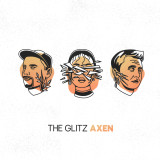
- A3: Axen (Original Mix)
- A4: Dicktator (Original Mix)
- A5: Give It To Me (Original Mix)
- A6: Ergh (Original Mix)
- B1: Treat Yourself Badly (Original Mix)
- B2: Try Again (Original Mix)
- B3: Flummi (Original Mix)
- B4: Rabbit Underground (Original Mix)
- B5: Your Mother (Original Mix)
- B6: Seven Rivers (Original Mix)
- C1: Dicktator (Club Mix)
- C2: Golden (Cub Mix)
- C3: Treat Yourself Badly (Club Mix)
- D1: Give It To Me (Club Mix)
- D2: All In (Club Mix)
Heavy support by Radio Slave, Sam Divine, Acid Pauli, Green Velvet and Maceo Plex to name a few, while also being played on radio stations world wide. The album marks the beginning of a new chapter for The Glitz as they embark on a journey beyond the world of electronic music. After a wide range of beautiful, inspiring, provoking and uplifting The Glitz-singles, we are now approaching the full album in all its might. The singles have shown us the diverse soundscapes you can find in Andreas and Daniels musical multiverse, with the genres ranging from the classic House and Techno genres, to also introducing their take on Trip Hop, Neo RnB, Hip Hop, Ballad and Electronica. This journey into their musical realm has resonated with fans and colleagues alike the last months, putting the first single on position 1 in the German Club Charts for four weeks straight (it is still in the Beatport top100 after 7 months). Born out of a desire to create a space to explore and expand their unique sound, their new album is a bold extension of The Glitz vision and purpose. It has been a long time coming and is the result of four intense years in the studio together with the unique and talented singer and songwriter Mulay. And now it is time to present the full album to the world. is the mesmerising product of one of their many jam sessions in the studio. It carries the unique The Glitz fingerprints all over it while also letting them shine in a new context. The slow flowing Hip Hop beat paired with Mulays raw vocals and incredibly poetical and personal lyrics is a must hear for old and new The Glitz-fans alike.
Placed between some of the beautiful singles we have heard before, "Ergh" hits us with full force. The track takes us on a breaky, synth loaded trip. As an energetic and driving fresh breath of air, the track combines a frisky attitude with a tension building arrangement, showing that while Andreas and Daniel embrace new genres and styles, they still have good ears for club oriented, heavier hits as well. "Flummi" is put to work in a similar setting, but with a completely different world of sounds. Bright synths slowly build up, paralleled with the pulsating low end and guiding the listener towards an explosive breakdown. The track is followed by the wild and intoxicating "Rabbit Underground" that swoops you off your feet like a rocket launch. A skilfully crafted yet raw drum work with an exquisite snare creates a foundation for tantalising synths and captivating vocals that radiates with power. After this rollercoaster of a track, the wilderness is countered with the soft and playful "Mother". The Glitz bring together various layers of soft synths and smooth percussions, creating a beautiful sphere where the captivating vocals by Mulay shine in a new way. Ending this incredible journey of sound exploration is the stunning ballad "Seven Rivers". No noise, no distractions, just a beautifully stripped down ballad that carries an ocean of emotions. A perfect completion of "Axen". In their own way, each song carries the unique sound characteristics that Andreas and Daniel are so known and loved for, while giving them space to experiment and show themselves in new ways. The mix of emotionally charged, dance floor oriented and vibrant songs are bound to give the listeners an entrancing, unforgettable experience.
“Überkeine underlines his inclination towards textured techno drifts with this second Ep. Four tracks designed for the club, designed for motion, stirring up disorder on the dancefloor. Aggressive Starter, as its name implies, lays the foundations of the record with assertiveness.
Infatuated with Broken beat techno debauchery, Überkeine continues
experimenting the relationship between kick drum layers and synthetic rambunctious sounds. Revolving around a simple yet effective loop, this track toggles between various stages of distortion bringing emotions through force and discharge. Piggyback Ride brings us into a wavering and unhealthy yet very danceable chamber of depravity.
Energetic, odd and straightforward, the track is divided into two different sections acting as trauma resolving pieces of cake. Radical Jazz starts the B side with ruthless energy, delivering a noteworthy slap dipped in lunatic infringement. A not so sorry, carnal bassline, that hits you in the guts, right where it belongs. Techno with a lack of boundaries. Last but not least, Atomic moog’s proficiency in making deep and spaced out techno acts as leverage for the record. A breath of fresh-air, dedicated to the after-hours. Solid, dubbed-out and delectable piece of equipment. Black and clear “split effect” vinyl, each record is unique !”
Obsidian, the upcoming album from Pennsylvania's own riff-titans Crobot, and likely the band's most introspective journey yet, is set for release on the extraordinarily lucky 13th Friday. Produced by Crobot, recorded at The Machine Shop Studios in Austin, TX, and engineered, mixed, and mastered by Alberto De Icaza, the 12 tracks on Obsidian dive into the deep, murky waters of the human condition, threading ancient myths with personal demons across its tracks.
While the band's primary songwriters - Bishop and Yaegley - tend to leave their songs somewhat ambiguous, the upcoming album's new tunes touch upon very personal growth, conflicts, and reflections. "Each song descends into the darker reaches of the psyche," Bishop says, "set to a relentless rhythm of heavy, pulsing beats and gut-wrenching guitar solos, and offers a stark reflection of internal struggles." "'Obsidian' is almost a rebirth of our career," Brandon adds. "We were able to take a different approach to the writing and recording of this album, so the experience was very rewarding and different from past projects. Conflicts and reflections make you a better person, even in those darker moments, but I know I become a better person for it. I think that's what symbolizes this entire album for us. It's been a real breath of fresh air."
Get ready for a musical revolution! The Antwerp Gipsy Ska Orkestra is back, and this time, they're turning the music world upside down with their electrifying new album, "Revolution (Never Has Been Simple)." This groundbreaking project, produced by the modern genius Lunaman, features an infusion of new energy and talent with the remarkable addition of 18-year-old sensation Ramadan Sali, who has been a fan of the band since the tender age of three. But before we dive into the future, let's take a moment to appreciate the rich history of the Antwerp Gipsy Ska Orkestra.
A Journey Through Time and Sound: The Antwerp Gipsy Ska Orkestra Story
The Antwerp Gipsy Ska Orkestra's journey is a testament to the transformative power of music. Rooted in the vibrant city of Antwerp, Belgium, this innovative collective began its musical voyage decades ago. Their story is one of passion, diversity, and an unshakable commitment to crafting unforgettable sounds.
The band's unique blend of Gypsy and Ska, along with an eclectic mix of world influences, has earned them a dedicated global following. With each album, they pushed the boundaries of musical fusion, forging a path where genres intertwined, creating something entirely unique. Their evolution has been an ongoing exploration of culture, rhythms, and the unifying language of music.
"Revolution (Never Has Been Simple)": A New Era of Sound
And now, they're back with "Revolution (Never Has Been Simple)" – a title that perfectly encapsulates their journey. Produced by Lunaman, known for his innovative approach to modern soundscapes, this album is a breath of fresh air for the music world. It's a bold step forward, a revolution of their own creation, and a testament to their constant willingness to reinvent themselves.
Meet the Prodigy: Ramadan Sali
But that's not all that makes this album special. The Antwerp Gipsy Ska Orkestra has also welcomed a young prodigy into their ranks: Ramadan Sali. At just 18 years old, he's not only an extraordinary talent but a lifelong fan of the band, having followed their music since he was three years old. His fresh energy and creative spirit have injected new life into the band, making "Revolution" a truly remarkable chapter in their history.
"Revolution (Never Has Been Simple)" Unveiled
This album is more than just a collection of songs; it's a testament to the band's enduring spirit, their journey of growth, and their unyielding commitment to the craft of music. The tracks on "Revolution" are a thrilling mix of genres, emotions, and messages. From the high-energy dance anthems to soul-searching ballads, this album encapsulates the complexities of life and the raw power of music to connect with our hearts.
Get Ready for the Revolution!
As we eagerly await the release of "Revolution (Never Has Been Simple)," mark your calendars and prepare to join the musical revolution. This album is a testament to the Antwerp Gipsy Ska Orkestra's ongoing legacy, a fusion of the past and the future, and a celebration of the unifying power of music. Stay tuned for release dates, sneak peeks, and all the excitement surrounding this revolutionary musical masterpiece. The Antwerp Gipsy Ska Orkestra is back, and the world is about to witness a "Revolution" like never before!
Steve Moore returns to the library music fold and it's a total doozy: Cursed Objects is truly sensational prog-synth-wave. Featuring epic electronic explorations with chamber music and symphonic flourishes, it's our favourite thing Steve has ever done. In keeping with the horror heat of the music contained within, this vinyl release is frighteningly limited, with just 500 pressed for the world.
New York-based multi-instrumentalist/producer/film composer Steve Moore is probably best known for his synthesizer and bass guitar work as Zombi, together with Anthony Paterra. But he is also part of Miracle and Titan as well as being a prolific solo artist releasing music as Gianni Rossi, Lovelock and under his own name. Steve’s music has found a home across hallowed labels like Future Times, Mexican Summer, LIES, Static Caravan, Kompakt, Death Waltz, Ghost Box and, of course, Be With Records.
Steve released Cursed Objects for fresh library label Fold. Run by ex-KPM head Paul Sandell, it's a library with values we can all get behind. It's the first production music platform working exclusively with independent labels, publishers and artists to create a truly authentic artist-led sound, at production music rates. Here's what Steve had to say: "I had worked with Paul before, at KPM. After he left, he mentioned that he had started a new library - Fold - and I was very interested in being a part. And I happened to be working on a bunch of music at the time that I thought could fit." So here we are!
The LP opens by letting in "The Uninvited One". Calm and relaxed arpeggiated synths build around sweeping strings and plucked harp to create a mystical and hopeful feel. The title track sees dark synths merge and swell with a piano, string and harp melody that is dark, mysterious and brooding. "Evolutionary Steps" is an electro synthwave track that builds with epic strings and beats, offering an expansive and dreamy approach with a mystical and driving rhythm. Next up, "The Icarus Feather" is daring, pulsing and cinematic synthwave that builds with arpeggiated synths to a hopeful end. "Daily Affirmations" offers calm and meditative ambient synths with plucked harp and strings for a reflective, peaceful, daydreamy feel.
“Mesmer's Bauble” ushers in side two, its dark synth backing builds with plucked harp and strings building with a sense of unknown and dread; it's introspective and heartfelt. "Quiet Springs" is all mystical synths, harps and strings, building to an epic panoramic scope with a hopeful and poignant atmosphere. "Festival Of Samhain" presents a dark and brooding piano melody which builds with synths and strings to create a slow and desolate feel. "The Icarus Feather (Revisited)" is epic building synthwave with arpeggiated synths and strings and a driving rhythm - the beat builds with the strings entering a forceful and marching mood. To close, "Shard Of Medusa" rides a serious and dark piano melody and, in concert with harp and strings, it creates a suspenseful and solemn atmosphere.
Steve recorded Cursed Objects, as always, at his home studio in Albany, NY. For synths, he mostly used his trusty Prophet 6, as well as his Moog Minitaur and lots of Korg Polysix too. But he also utilised a lot of virtual instruments - he doesn't have the budget for a full string section, or a harpist, alas.
The album’s cover was designed by Chris Stevenson. The artwork is a nod to first wave cyberpunk and in particular Neal Stephenson’s Snow Crash and the idea of mind viruses and cursed data. Mastering for this vinyl edition was overseen by Be With regular Simon Francis, and it was cut by the esteemed Cicely Balston at AIR Studios to be pressed in the Netherlands by Record Industry. Far from being cursed, this is another future classic library LP.
You may recognise this fine fellow as the bass player for such acts as Spoon, Lee Fields' Expressions, Reigning Sound and The Jay Vons. Or perhaps you've heard the man himself wailing away on several well-received 45's released on Wick Records and compiled on the digital EP 'Hey Lovers'.
With 'Do You Still Think of Me?', his debut album for Wick Records, Trokan takes the listener through the full spectrum of 60s influenced music: the moody teen-beat bop of 'Save a Place', the garage dwelling angst of 'Nowhere to Be Found', to the sweet soul sound of the title track. But throughout the records, it's the unique sound of Benny's raspy, vulnerable lead vocal that carries us across this truly stunning collection of modern pop. 'Do You Still Think of Me?' is a breath of fresh air from a well-seasoned veteran. Unquestionably worth the wait.
You may recognise this fine fellow as the bass player for such acts as Spoon, Lee Fields' Expressions, Reigning Sound and The Jay Vons. Or perhaps you've heard the man himself wailing away on several well-received 45's released on Wick Records and compiled on the digital EP 'Hey Lovers'.
With 'Do You Still Think of Me?', his debut album for Wick Records, Trokan takes the listener through the full spectrum of 60s influenced music: the moody teen-beat bop of 'Save a Place', the garage dwelling angst of 'Nowhere to Be Found', to the sweet soul sound of the title track. But throughout the records, it's the unique sound of Benny's raspy, vulnerable lead vocal that carries us across this truly stunning collection of modern pop. 'Do You Still Think of Me?' is a breath of fresh air from a well-seasoned veteran. Unquestionably worth the wait.
- A1: I've Got A Heart
- A2: It Takes A Worried Man
- A3: Skye Boat Song
- A4: Once Upon A Time
- A5: Memphis, Tennessee
- A6: Whatcha' Gonna Do
- A7: I Need Your Loving
- A8: It's Not Unusual
- B1: Autumn Leaves
- B2: The Rose
- B3: If You Need Me
- B4: Some Other Guy
- B5: Endlessly
- B6: It's Just A Matter Of Time
- B7: Spanish Harlem
- B8: When The World Was Beautiful
The ever-present and unstoppable Welsh legend Sir Tom Jones continues to grow his deep-rooted legacy around the world. His recording of ‘It’s Not Unusual’ (released in 1965) has been covered by a number of incredible artists including Cher, Brenda Lee, Glen Campbell and more. The song first resurged in the 90s when it was synced on ‘The Fresh Prince Of Bel-Air’ bringing the world ‘The Carlton Dance’, and many times since Along Came Jones, the debut album from Tom Jones, contains the monumental hit ‘It’s Not Unusual’ alongside a beautiful renditions of ‘Autumn Leaves’ and Spanish Harlem. Presented on vinyl for the first time since it’s release, this will be a real collectors item for Tom Jones fans worldwide.
Marking its first decade of activity, Blume returns with the first ever vinyl reissue of the seminal “New Music for Electronic and Recorded Media”, from 1977, the third and final instalment in a suite of releases that includes James Tenney’s “Postal Pieces” and Ben Vida’s “Vocal Trio”. Unquestionably among the most important collections of experimental music to emerge during the 20th Century, “New Music for Electronic and Recorded Media” is the original feminist presentation in its context, releasing the work of Johanna M. Beyer, Annea Lockwood, Pauline Oliveros, Laurie Spiegel, Megan Roberts, Ruth Anderson, and Laurie Anderson under its collective banner. Includes newly commissioned liner notes by Jennifer Lucy Allen and Bradford Bailey.
Since its founding back in 2014, Blume has carved a unique place in cultural landscape, issuing free standing works, spanning the historical and contemporary, that represent singular gestures of creativity within the field of experimental sound. Joining their broad efforts in building networks of context and understanding that already includes the efforts of efforts of Werner Durand, Sarah Hennies, Bruce Nauman, John Butcher, Jocy de Oliveira, Mary Jane Leach, Valentina Magaletti, Alvin Curran, Julius Eastman, Alvin Lucier, and others, Blume delivers their third release in their first suite of releases for 2024, the fist ever vinyl reissue of the seminal “New Music for Electronic and Recorded Media” compilation, originally issued by Thomas Buckner's 1750 Arch Records in 1977. Out of print for decades on vinyl and arguably the most important feminist statement in the history of experimental music, illuminating the work of Johanna M. Beyer, Annea Lockwood, Pauline Oliveros, Laurie Spiegel, Megan Robert, Ruth Anderson, and Laurie Anderson - in a number of cases representing their recording debuts - during a crucial moment in the history of experimental music. Blume’s brand new edition - complete with newly commissioned liner notes by Jennifer Lucy Allen and Bradford Bailey, as well as reproducing Charles Amirkhanian’s original accompanying text - radically shifts perceptions of the past and present day with its truly revolutionary sounds.
Issued by Thomas Buckner's 1750 Arch Records in 1977, and out of print nearly the entire time since, “New Music for Electronic and Recorded Media” can be understood within two simple frameworks. On one hand, it is an astounding document of the landscape of experimental music toward the end of the 1970s. On the other, it is a historically significant feminist statement, being the first collection of experimental music entirely dedicated to female composers, a number of whom were grossly under-celebrated at the time, but have since gone on to be regarded as among the most important composers of their generation.
The eight pieces gathered by “New Music for Electronic and Recorded Media” - Johanna M. Beyer’s “Music of the Spheres”, Annea Lockwood’s “World Rhythms”, Pauline Oliveros’ “Bye Bye Butterfly”, Laurie Spiegel’s “Appalachian Grove I”, Megan Roberts’ “I Could Sit Here All Day”, Ruth Anderson’s “Points”, and Laurie Anderson’s “New York Social Life” and “Time To Go (For Diego)” - might be regarded as the first cohesive vision of alternate proximity or expression of experimental music to what has always been a frustratingly male dominated environment, and to the tropes, temperaments, and sensibilities that have been historically perceived to define it. It is an expanded vision of truth. While the presence of feminine sensibilities and temperaments in experimental music, however they may present themselves, were anything but new in 1977, “New Music for Electronic and Recorded Media” was the first opportunity, beyond the temporal limitations of live performance, to view them collectively, rather than as individualised expressions within a larger body of similar gestures (as was the case of Oliveros’ inclusion in Odyssey’s 1967 “New Sounds In Electronic Music” and “Extended Voices” compilations) where they might be confused for something else; to regard and celebrate a radical notion of feminine sonority for its unique characteristics and through its interrelations.
While its historical significance and groundbreaking nature can not be debated in its totality, nearly half a century on “New Music for Electronic and Recorded Media” remains compelling in both its musicality and the palpable sense of its lasting influence. Every composition across the album’s two sides is not only engrossing and deeply compelling - feeling as fresh and relevant as the day it was laid to tape - but clearly tangible in their lasting influence. Viewed in context, the album’s eight works feel like breath of fresh air when compared to much of what came before, and laid the groundwork for much of what was to come, introducing a new, often more holistic temperament and more sensitive and inclusive sensibility into the landscape of experimental music.
Particularly in the case of Annea Lockwood, Pauline Oliveros, Laurie Spiegel, Ruth Anderson, and Laurie Anderson, it's hard to throw ourselves back in time and imagine a moment when these composers rested in a fairly marginalised corner of the creative landscape. Blume’s brand new edition of “New Music for Electronic and Recorded Media” - complete with newly commissioned liner notes by Jennifer Lucy Allen and Bradford Bailey, as well as reproducing Charles Amirkhanian’s original accompanying text - brings us back to this confounding moment and points us toward a crucial moment of change set forth by these incredible composers and their sounds. Absolutely seminal and not to be missed.