Sunset edition - 300 copies
Driving is Sam Wilkes’ Indie Rock record. Iit is the first release on Wilkes Records, an imprint borne of the artist’s emergent need to self-release. The songs presented here exist comfortably within the ever-expanding Wilkesian cosmos, characterized as they are by virtuosity, torqued experimentalism, and collaboration with a range of talented musicians. But Driving’s influences, its sincerity, and its allegiance to a certain pop sensibility reflects a departure for an artist who has primarily staked his claim within the experimental jazz idiom.
Take the first track, “Folk Home,” which inaugurates the album’s fecundity—a bright, green, humid, summer feel. A swirling, freakout coda of reversed vocals gives way, in no short order, to a caterwaul of flute work that conjures Van Morrison’s (in)famous Astral Weeks sessions. Standing beside Morrison, the usual suspects are all present, if somewhat abstractedly. Dylan, The Dead, Joni, the Fab Four. Wilkes has developed a reputation as an experimental jazz luminary, but his deep affinity for the pop/rock/folk idiom of the latter twentieth century rings clear throughout Driving. More so than any Wilkes release to date, Driving is a collection guided by and dedicated to the man’s attention to songcraft.
Written and recorded during a period of rain-damage induced renter’s itinerance (and the attendant desire to produce a kind of therapeutic, self-soothing, home-feeling music), Driving loosely charts the trajectory/experience of “a protagonist,” both Wilkes and not, “who has figured out how to live an enlightened and fulfilled life, but is unable to do so because he thinks about it too much.” This friction is surely relatable — a symptom of our compulsively self-aware present. But Wilkes avoids the obvious pitfalls of public hand-wringing. Rather, Driving’s nine tracks evince a genuine, and mature searching-ness, both sonically and lyrically. The ending refrain of “Own” serves like something close to a thesis— “Letting go // isn’t a concept // it’s an action.” In an attempt to beat back ego, hyper-cogitation, language itself, Wilkes arrives at an axiom that feels so true and familiar, you’d swear you’d heard it one hundred times before.
Driving’s final third is, fittingly, its most emotive and cathartic. Tracks seven and eight, “Again, Again” and “And Again,” form a diptych, joined most obviously by the jangling, recursive grooves of guitarist Daryl Johns. Wilkes is said to have encouraged Johns to go “full Lindsey Buckingham” (clearly a welcome and resonant prompt), but one also catches stray Knopfler vibes, some intermittent Fripp, and (perhaps more-so in tone than technique) the spirit of DIY prophet and jangling man himself, Martin Newell (the Cleaners from Venus). Wilkes has stated that he finds joy in creating musical environments suitable to the contribution and flourishing of his favorite musicians. Throughout Driving, and in these two tracks especially, he has more than succeeded.
The record closes with the titular track: a story-song that, according to Wilkes, poured out of him (melody, composition, and lyrics) in a single sitting. The tale is told plainly, bravely, starkly; a mistake was made, regrets have been had, and all is wrapped up in the recollection of a deeply felt adolescent heartsickness—a time when the narrator was first afire with music and automotive freedom. The song captures the moment when meaning inexplicably falls into place, when a long-nagging memory suddenly assumes narrative form, and the subsequent sense of lightness and unburdening. It is fitting that Driving, a record conceived as a form of self-therapy, should culminate with a sense of humble revelation. That Wilkes is plainly eager to share the vulnerable fruits of this labor constitutes Driving’s joyful offering.
Words by Emmett Shoemaker
Cerca:groove allegiance
- 1
Oakland, CA mainstays Lunchbox are back with "Pop and Circumstance," an explosive new album draws on influences from both sides of the Atlantic. Besides its obvious debt to the hard end of the 1970s UK mod-revival and the jangle of 1980s British indie pop, the record proclaims Lunchbox’s continued allegiance to the 1960s/70s Southern California pop sensibility and love for the classic AM radio pop single. From the bubblegum mod pop of "Dinner for Two" to the junkshop soul of "Love for Free," the Who-adjacent power pop of "Summer’s Calling" to the horn-driven grooves of "Is this Real?," "Pop and Circumstance" transposes Lunchbox’s unique blend of influences into a transcendent new key.
- The Scum Always Rises To The Top
- Morbid Bails
- Les Mufflers Du Mal
- Ride Into The Rot (Everything Lewder Than Everything Else)
- Triple D (Dead, Drunk, Depraved)
- Lucifer?S Bend
- Brain Bucket
- Open Road X Open Casket
- Motortician
- Interquaalude
- Sissy Bar Strut (Nymphony 69)
- Cycling For Satan Part Ii
Cursed to ride forever on this mortal plane after partaking in a satanic drug ritual, the Death Wheelers pledge allegiance to the god of hell and fire. However, in order to prove themselves to their newly anointed leader and for the spell to take effect, the club Will need to engage in a series of lewd acts of sex and violence across the country.Immortality comes at a price and you’re about to pay for it… The beating heart of The Death Wheelers is a rumbling engine. Since their self-titled debut in 2015 and in 2020’s cinematic-storytelling breakout, Divine Filth, the Canadian outfit have tapped into wind-through-hair freedom and careened down open roads of groove, not a cop in sight. Their third record, Chaos and the Art of Motorcycle Madness, more than lives up to its name on all fronts. With songs like “Morbid Bails” and “Lucifer’s Bend,” the in-the-know references abound, and The Death Wheelers draw from classic underground metal, scummer heavy rock and cast themselves into a cauldron of cultish biker devil worship, reveling in any and all post-apocalyptic dystopias with genuine glee at having just seen the world eat itself. You might hear some surf guitar. Crazy things can happen. A sample in “Triple D (Dead, Drunk and Depraved)” underscores the message: “We want to be free to ride our machines without being hassled by the man. And we want to get loaded.” That line, from Roger Corman’s 1966 film The Wild Angels, serves as a mission statement, and as “Lucifer’s Bend” starts by laughing about how you can’t get away from Satan, they might as well carve it into their forearms to be ready when the blast of distortion hits, as much Entombed as Motörhead, galloping and sinister, coated in road dust and blood. The band tells the story like this: “Cursed to ride forever on this mortal plane after partaking in a satanic drug ritual, the Death Wheelers pledge allegiance to the god of hell and fire. However, in order to prove themselves to their newly anointed leader and for the spell to take effect, the club will need to engage in a series of lewd acts of sex and violence across the country. Immortality comes at a price and you’re about to pay for it…” While forging songs adherent more to ideology than style, The Death Wheelers cast their biker cult in their own image, and on Chaos and the Art of Motorcycle Madness, they challenge death head-on as only those with no fear of it could hope to do.
In einer Ära, die darauf ausgelegt ist, das Individuum niederzuschlagen und zu schwächen, ist "Black Flame Eternal" ein Album, das Stärke, Ermächtigung und totalen Widerstand repräsentiert. Angesichts des zunehmenden Drucks, sich im modernen gesellschaftlichen Tribalismus zu engagieren, beschwört Cloak mit Album Nummer drei eine spirituelle Rebellion, die jenseits von Gut und Böse existiert. Während Cloak gegen gesellschaftliche Konventionen wüten, umarmt das Quartett aus Atlanta die rebellischen und altbewährten Traditionen des Heavy Metal.
Ob sie nun den chaotischen Geist der schwedischen Black-Metal-Vertreter Watain und Dissection beschwören, den tiefen, dunklen und sinnlichen Groove von Danzig heraufbeschwören oder die rohe Geschwindigkeit und raue Energie von Motörhead heraufbeschwören - der Einfluss der Gründerväter des Metal ist tief in der DNA von Cloak verankert. Der Charme von Cloak liegt jedoch nicht nur in der Romantik der Vergangenheit, sondern vielmehr in der Art und Weise, wie jedes dieser Genres die persönliche Identität von Cloak geprägt hat. Und mit "Black Flame Eternal" baut Cloak seinen eigenen, einzigartigen und etablierten Sound weiter aus.
FFV: Watain, Dissection, Behemoth, Rotting Christ
In einer Ära, die darauf ausgelegt ist, das Individuum niederzuschlagen und zu schwächen, ist "Black Flame Eternal" ein Album, das Stärke, Ermächtigung und totalen Widerstand repräsentiert. Angesichts des zunehmenden Drucks, sich im modernen gesellschaftlichen Tribalismus zu engagieren, beschwört Cloak mit Album Nummer drei eine spirituelle Rebellion, die jenseits von Gut und Böse existiert. Während Cloak gegen gesellschaftliche Konventionen wüten, umarmt das Quartett aus Atlanta die rebellischen und altbewährten Traditionen des Heavy Metal.
Ob sie nun den chaotischen Geist der schwedischen Black-Metal-Vertreter Watain und Dissection beschwören, den tiefen, dunklen und sinnlichen Groove von Danzig heraufbeschwören oder die rohe Geschwindigkeit und raue Energie von Motörhead heraufbeschwören - der Einfluss der Gründerväter des Metal ist tief in der DNA von Cloak verankert. Der Charme von Cloak liegt jedoch nicht nur in der Romantik der Vergangenheit, sondern vielmehr in der Art und Weise, wie jedes dieser Genres die persönliche Identität von Cloak geprägt hat. Und mit "Black Flame Eternal" baut Cloak seinen eigenen, einzigartigen und etablierten Sound weiter aus.
FFV: Watain, Dissection, Behemoth, Rotting Christ
- A1: Second Chance Ft. Kimberly Davis (Club Mix)
- A2: Try My Love (On For Size) Ft. Teni Tinks (Club Mix)
- B1: Life Is A Dancefloor Ft. Kimberly Davis (Club Mix)
- B2: Look, Don't Touch Ft. Teni Tinks (Extended Mix)
- C1: Bring On The Rain Ft. Joss Stone
- C2: When Love Breaks Down Ft. Teni Tinks
- D1: Slippery People Ft. Ramona Renea & Fiorious
- D2: Tell Me It's Not Over Ft. Adi Oasis
- E1: Love's Been Waiting Ft. Kimberly Davis
- E2: You Ain't Love Ft. Teni Tinks (Club Mix)
- F1: Finally Ready Ft. Billy Porter (Extended Monologue Mix)
- F2: The One That Got Away Ft. Obi Franky (Extended Mix)
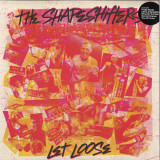
From an aspiring b-boy to working with luminaries Billy Porter, Joss Stone, Kimberly Davis and Teni Tinks, The Shapeshifters, Simon Marlin announces the release of his brand-new studio album “Let Loose”.
Wrapped in a defining optimistic mood and colourful palette, “Let Loose” plays with the friction between musical persona and influence, delivering a masterclass in Simon’s flourishing depth of integrity as a producer and admiration to those that exert their enduring influence upon him.
“I'm a facilitator of talent. I'm blessed that over the years I've managed to put a team of people together - as a producer, that's what I do, very much in the old school sense like a Quincy Jones or Gamble & Huff, they’re the guys I try to emulate - and make something magic out of nothing, but do it in a contemporary way. That’s what really floats my boat, and that's what this whole project is about.” Simon Marlin – The Shapeshifters
Across the latest and long-awaited studio album “Let Loose” The Shapeshifters pledge rhythmic allegiance to the golden era disco records and their spellbinding qualities; embracing the tension often found between tradition and future to craft a euphoric, certifiable body of work presented to the devoted audience he deserves. The Shapeshifters exemplify a scene in rude health one that is now switching on an ever-younger fan base, and with Marlin being the beating heart of it it’s easy to see why The Shapeshifters are more in demand in the clubs than ever.
The twelve-track album is illuminated with vocal collaborations including the recently released and debut collaboration with the Grammy, Tony and Emmy Award-winning Billy Porter.
Layers of rushing strings, flares of brass and hedonistic grooves provide refreshing dancefloor power dynamics and deliver a liberating, triumphant and inherently uplifting record.
Taking an impeccably smooth course through disco-infused house, The Shapeshifters continue the rich relationship with Glitterbox and its record label; one that has yielded instant classics that epitomise the label’s ethos for preserving disco’s mission to uplift and empower.
To challenge the leader of the five element ninjas, Shaw Cuts lines up a heavy squad on the next record, armed with versatile remixes of Farron's "Five Element Ninjas EP": Pugilist, Substance, Jonas Friedlich and Realitycheck.
First off the mark, Pugilist launches into battle dealing forceful blows with his version of "Liquid Shorts". Whirlwind breaks, sharp drum patterns and cavernous chords, lacerate the ninja leader. The heat is on!
Substance rolls in to support, shredding the field with his remix of "Contaship". With blood-spattered pads, a gargantuan rolling groove and harmonic synth elements, he brings the villain to his knees.
Jonas Friedlich blazes in with his remake of "Brooklyn Banks", catching the leader off-guard with dirty Hip-Hop rhythmics, swirling vocals and twist of the original's lead synth. The leader lurches forward...
Realitycheck furiously steps into the clash. His remix version of "It's Only 4 Life" circles the field, its propelling rhythm and floating percussions closing in on the enemy.
The target surrounded, attacking from four sides with full force and allegiance, they execute the ninja leader in one sweep.
The battle leaves them with deep scars, but suffering, like fate and death, is part of life. And through it, the strongest souls emerge.
Two of Hospital Record's most electrifying artists have formed an allegiance for a true coming together of titans. Bournemouth's Krakota and Sao Paulo's Urbandawn have combined their production talents to create the five-track 'Focus Shift' EP - a real drum & bass mash up of styles and sonic sequences.
The aptly named 'Coyote' is an absolute howler, unashamedly powerful and loaded with energy, distorting and plunging itself into new streams of audio chaos throughout.
'Laguna' fits with their alter-egos - sweet, pensive and majestic. Operating within a more classic Hospital framework, this rolling stroke of musical bliss will leave no party unsatisfied.
Sitting in the middle of this concerted creation is title track 'Focus Shift'. Informed by both liquid-funk and tech styles, it's gelled together with scathing bass riffs and high profile percussive chops.
'Epigram' has all the bassweight you'd expect from such a monolith collision of production powerhouses. Crisp and sinful, with a consistently militant atmosphere this song is pure depth, darkness and danger, with a genuinely intriguing sonic progression that renders this track as devastating as weapons grade plutonium.
Seeing the release home is 'Paladin'. An ardent dancefloor destroyer that fuses the power of the stepper with the groove of a roller, that even angels would find themselves bustin' a skank. Uplifting and powerful with cosmic subtleties in the low end twinned with sombre melodies and skittering drum-work all tempered in unison to create a certified banger.
- 1