1000 Robota im Jahr 2022 sind, soviel sei verraten, immer noch Sebastian Muxfeldt, Jonas Hinnerkort und Anton Spielmann. Und was macht eine Band, die schon immer den Zeitgeist angeschrien hat, mit der hochfrequenten Gegenwart? Sie durch den Fleischwolf drehen und ihr die eigene Reflexion vorlegen, genauer: Ein neues Album. Es klingt gewaltig, intensiv und intim zugleich und strahlt eine utopisch finstere Wärme aus.
quête:ha ze
Sechs Jahre nach seinem Debütalbum "Butter", in denen der fleissige Produzent u.a. mit seinem Projekt TNGHT (zusammen mit Partner Lunice) vorführte, wie man EDM und HipHop zu einem neuen modernen Clubsound vermengt, bietet sein Zweitling "Lantern" alles, was wir uns gewünscht, aber niemals erwartet hätten. "Lantern" ist ein Fusion-Album, das alles kristallisiert, woran Hudson bislang gearbeitet hat, ein Entwurf seines Masterplans. Eine moderne Fusion von avantgardistischem Ansatz und urbaner Pop-Sensibilität, intensiv und dynamisch orchestriert. Ein zeitloser, in die Zukunft blickender, neuer Massstab für Pop und Soul Musik. Herausragende Beispiele dafür sind die potentiellen Singletracks "Very First Breath" mit dem französischen R&B-Sänger Irfane, der chorale Hurricane namens "Warriors" mit dem kalifornischen Mysterium Ruckazoid an seiner Seite, sowie die elegische Symphonie "Indian Steps" mit Antony Hegarty on vocals.
Merging the simple with the complex. Whereabouts will be the second release from Danish guitarist/composer Rasmus Oppenhagen Krogh and compared to Krogh's critically acclaimed debut album, Distill, from 2017, this album marks new artistic directions for Krogh, both in terms of exploring the spheric versus the rhythmic dimensions, in the meeting between organic and manipulated sound sources and through its special focus on percussion. Whereabouts explores the intersection between improvisation/composition and simplicity/complexity, the relation between time and space and the sonic qualities of the musicians gathered in unity. The group consists of some of the leading voices of the contemporary Danish jazz scene, who have all worked across genres and borders, and are known for their work with internationally acclaimed bands/artists such as Girls in Airports, Jakob Bro, Paul Motian and IRAH among others. Krogh's debut album Distill was released by Centrifuga/Gateway in 2017 to positive reviews. The album was selected as album of the week by Danish Radio P8 Jazz and was highlighted as one of the ten best Danish jazz releases that year by the acclaimed Danish jazz blog Jazznyt. Besides his work as a composer and as a bandleader, Krogh has worked, as a guitarist, with artists such as Takykardia, Kentaur, Guldimund, Schultz and Forever, Jesper Zeuthen and many more.
2x LTD CLEAR VINYL
Limitiertes, durchsichtiges Doppelvinyl inklusive Downloadcode!
Grammygewinner RAC veröffentlicht sein lang erwartetes neues Album auf Counter Records!
Aufgenommen in Anjos' Heimstudio in Portland und bei Sessions in L.A., finden sich auf RAC's neuem Album Kollaborationen mit u.a. Rivers Cuomo von Weezer, Vampire Weekends Rostam, MNDR, ST. Lucia, KNA und Joywave. - EGO ist Anjos ambitioniertestes, geschlossenstes und persönlichstes Werk und zeigt deutlich seine organische Weiterentwicklung als Künstler auf. Geboren und aufgewachsen in Portugal, lernte Anjos in seiner Jugend Klavier und Gitarre und spielte in lokalen Bands. Später zog er in die USA, um Musikbusiness am Greenville College in Illinois zu studieren, bevor er sich in Portland, Oregon, niederließ. Anjos gründete RAC im Schlafzimmer seines Studentenwohnheims und gewann fortan ein stetig wachsendes Publikum für sich, wodurch offizielle Remix-Aufträge für u.a. Lana del Rey, Yeah Yeah Yeahs, Ellie Goulding, Foster The People, Phoenix, Imagine Dragons, Two Door Cinema Club und The Shins enstanden. Seine erste Grammy-Nominierung erhielt Anjos schon 2016 für seinen Remix von ODESZAs - Say My Name und bei den diesjährigen Verleihungen gewann er mit seinem Remix für Bob Moses' - Tearing Me Up .
Mit seinem ersten Song, - Hollywood , begann RAC 2012 eigenes Material zu veröffentlichen und unterstrich mit seinem Debütalbum - Strangers von 2014 seinen Qualitäten als Songwriter. Darauf enthalten waren die Singles - Let Go mit Kele von Bloc Party und MNDR sowie - Cheap Sunglasses mit Matthew Koma. Außerdem absolvierte er bereits gefeierte Auftritte auf den weltbekannten Festivals Coachella, Electric Zoo und Lollapalooza.
Das Londoner Electro-Pop-Duo Real Lies verbindet klassische englische Pop-Poesie mit den regenverhangenen Atmosphären von Künstlern wie Claude Young, Drexciya und Richard D James. Auf dem zweiten Album 'Lad Ash' romantisiert Texter Kevin Lee Kharas ekstatische Teenagerausflüge, die die Koordinaten für zwei Jahrzehnte des aufregenden Hedonismus setzten. Eine wilde Zeit, die sowohl zum euphorischen Debüt 'Real Life' (2015), Remixes für Pet Shop Boys und Two Door Cinema Club in 2016, als auch zur langen Wartezeit auf den Nachfolger führte.
Before New Zealand's Salad Boys, there was T54, also fronted by Joe
Sampson, joined by Matt Scobie on drums and Sam Hood on bass - T54
featured a visceral, sonic guitar sound, perhaps out of step with most of
the Flying Nun bands at the time
Joe describes T54 as being stuck in the wrong era somewhat yet enduring well in
NZ for those who bought the music and saw us live at the time. Originally
released in 2011, Ally is proud to bring you an expanded and remastered limited
vinyl edition of their first ep that also includes several demos and live tracks. Be
prepared to be wowed by this noisy three piece from Christchurch influenced by
classic NZ bands who also have three members (The Clean) or numbers in their
name (The 3Ds) -- like The Clean, The 3Ds, and other NZ greats, T54 will not
disappoint!
Tracks: Birds / Julie K / CR Model / Vehicle / Singer in Mouth / Death Drive / CR
Model / Life Is Swell / O Nina / Fred Gavin / Kill Red / Julie K / Le Snack / Choose
Your Own Ending / Localism / Soon I'll Be Nicking Speed Boats / House Music /
Julie's Last Wish / Nurse Jen / Christian Dale
May one say that nobody has composed for jazz like Rebecca
Trescher?" (Frankfurter Allgemeine Zeitung) The composer, clarinettist
and bandleader Rebecca Trescher has been leading her own large
ensemble for almost 10 years and has made an excellent name for
herself in the German jazz scene
She has also received numerous prizes and grants (e.g. Wolfram-von-Eschenbach
Prize 2021, Artist in Residence at the Cité Internationales des Arts de Paris 2019,
Bavarian Art Promotion Prize 2017, scholarship holder of the Baden-Württemberg
Art Foundation 2014). Now she is presenting the new album Paris Cycle - The
Spirit of the Streets with her tentett. The four- part work cycle was inspired by
Trescher's six-month Composer in Residence at the renowned Cité Internationale
des Arts in Paris. The composer walked the streets of Paris a lot and was
nspired by the spirit of the city. Become part of a musical journey through Paris.
The composer is looking forward to a live concert with a real audience! With the
unique and multifaceted line- up of her ten- piece Large Ensemble of trumpet,
saxophone, clarinet, cello, concert harp, piano, vibraphone, bass and drums,
Rebecca Trescher creates a refreshing, modern sound that moves experimentally
between jazz and classical music. Under her leadership, the ensemble weaves a
fascinating musical network that is based on Trescher's contemporary
compositional style, but also on the musicians' shared experience, precise
coordination and mutual trust.
On their new album Looming, The Spindle, The Pleasure Majenta shape a
terrifying and sublime mix of noise, broken electronics and guitar
feedback that begs to remain untamed
From New Zealand by way of Berlin, these dystopian goth punks take their cues
from the harsh and heavy energy of The Birthday Party, Swans and The Fall
€"casting bummer vibes into the void to create the pain- soaked statement so
many albums want to make but wind up missing the mark.The lead single € Full
of It € fills the screen with flashes of cinematic post-punk savagery up to its ears
in swampy distortion and sleazy funhouse skronk. Velvety € 70s exploitation flick
saxophones hustle with devilish no-wave spaghetti western guitars and a slippery
bassline like a coffin dragged through mud in a grungy post- punk dirge. It's a
waking tour through a dysfunctional late- capitalist bardo where disassociation
becomes an effective coping mechanism for the cyclical, paralyzing grind of
clock- in, clock- out psychosis. € I felt okay when I wasn't myself "when I was
making music or playing onstage, so I decided I would contact myself in this way,
says The Pleasure Majenta's Lawrence Loz Fergus Goodwin. It's a dangerous
game to play.
Tracks: Satellite / Fabric / Sad2say / Smiles Through A Sneer / Anxious Patient /
Osc / Full Of It / It's Ten / Erik Satie / Gardens
Gold Vinyl
Die Jazzkantine hatte nie Berührungsängste beim Manövrieren zwischen den Genres, das neue Studioalbum "Discotheque" stellt dies eindrucksvoll unter Beweis. Gründer und Bandleader Christian Eitner hat es geschafft, die vielköpfige Charaktertruppe im Kern seit fast 30 Jahren zusammenzuhalten. Gestählt durch unzählige Gigs in kleinen schmuddeligen Clubs, aber auch in piekfeinen Theatern und in riesigen Arenen. Die Jazzkantine hat bis dato um die 1.500 Konzerte gespielt, das Schönste und Schlimmste, Aufregendste und Außergewöhnlichste aus allen Musikwelten erlebt. Und sie hat noch lange nicht genug. Wir müssen wieder tanzen. Wir müssen wieder singen. Und so taucht die Jazzkantine ein in die Welt der "Discomusik", die in ihren Ursprüngen vor 50 Jahren im Milieu des New Yorker Undergrounds viel diverser und innovativer ist, als man vermutet. Eine Melange aus ersten DJ-Techniken und neuen bombastischen Sound-Systemen bietet auf privat organisierten House Partys viel Raum zur Entfaltung der LGBT-Community. Noch heute erinnert alljährlich der Christopher Street Day an die Stonewall-Riots und somit an eine Zeit, als noch gleichgeschlechtlicher Tanz verboten ist. Vor allem David Mancusos "Loft" ist Anfang der 70er eine Keimzelle für den Disco-Sound, der erst viel später mit Hits wie "Stayin' Alive" und "Le Freak" zum internationalen Boom wächst - auch die Rolling Stones, Abba und Kiss springen bekanntlich später auf den Zug auf. Parallel verbinden aber auch Jazzgrößen wie Herbie Hancock, Miles Davis und Chick Corea die Raffinesse des Jazz mit der rhythmischen Intensität des Funks zu "Fusion". Und Fred Wesley sagt: "Discomusic ist Funk mit einer Krawatte". Wie es sich für die experimentierfreudige Jazzkantine gehört, entsteht auf "Discotheque" ein Sound, den man "Disco Jazz" nennen könnte - alles im gewohnten Mix aus Funk, Soul und Rap. Songs, die Lust machen, die neun Musiker endlich wieder live auf der Clubbühne zu erleben.
After a long silence New Zealand bestial death metal horde Exaltation finally unveil their first proper full-length offering, "Under Blind Reasoning", after a demo tape had surfaced back in 2017 amongst generalized obscurity. Indeed what we find on this debut offering is something distant from the lo-fi quality of the promising but under-produced demo, and sees the band tap instead into a realm of vehemence and aural destruction of unseen magnitude and terror. Feral, enveloping, monumental and sprawling in its unrelenting wrath, "Under Blind Reasoning" sees the obscure New Zealand death-bringers whip the sum of their influences (Immolation, Morbid Angel, Incantation, Deicide, Blasphemy) into a coercive realm of shell shocking torment and rise from the depths of obscurity like a cataclysmic weapon of mass-destruction. The album's dense and multidimensional recording quality (courtesy of engineers Raj Singarajah and Cam Sinclair along by mastering from Luke Finlay of Primal Mastering) has yielded a death metal beast of truly unsettling proportions. Every instrument and the utter violence with which it is wielded appears on full display, as the listener is helplessly left annihilated, blow after to blow, to witness the band's tight, savage and merciless performance and technical proficiency literally maul down the fabric of reality piece by piece. These are death metal songs from a realm of perpetual darkness that bare a load of death and ruin of unprecedented traits. Songs of boundless terror and oblivion that evoke eons of darkness and an immanent and oppressive presage of complete inevitability as the music roars out of the speakers with ominous grimness and near-weaponized violence. All hail the realm of darkness and death conceived by Exaltation, one where the death metal craft is reborn as a feral ungovernable force to inflict merciless ruin unto this mortal plane and all that dares to attempt to exist within it. Tracklisting: 1. Iron Rebellion 2. Impending Deceased 3. Exaltation 4. Ascension 5. Fate Revolt 6. Impious Massacre 7. Blaspheme Mortality 8. Divider of Redemption
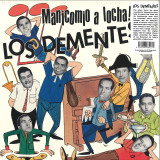
This album marks the debut recording for Venezuela's Velvet label by pianist Ray Pérez and his trombone-led salsa band Los Dementes. Heavy dance numbers and the distinctive vocals of Perucho Torcat make this historic 1967 rarity a sought-after collector's item. Now the LP has been lovingly restored, mastered from the original tapes, with its original artwork intact, preserving the legacy of Los Dementes for today's generation of salsa lovers everywhere. First time reissue. Salsa pianist, vocalist, composer and arranger Ray Pérez, acquired his nickname "Loco" by being a free, independent spirit, an innovator and iconoclast who was initially branded as "crazy" for the freshness and audacity of his sound. Amazingly, he is not that well known in the US, where he spent some time in the late 1960s and salsa was king during the 1970s. Yet he was quite popular in his home country from the beginning, especially amongst the working class of Caracas and Maracaibo, who adopted Cuban music played by New York Puerto Ricans as their own and called it "salsa" years before the term was employed by US labels like Fania as a marketing tool. Pérez is revered in Venezuela, as well as in Mexico and Colombia, and his storied career, which spans seven decades and thousands of concerts, has yielded more than 35 albums recorded by his various bands, including Los Dementes, Los Kenya, and Los Calvos, all of which are collector's items today. At the start of 1967 Pérez debuted Los Dementes, with vocalists Claudio Zerpa and Perucho Torcat backed by an ace band featuring only trombones in the brass section. Titled "¡Alerta mundo! Llegaron los 'The Crazy Men'" the record was released on the small Venezuelan label Prodansa. Soon after, Prodansa folded and Los Dementes were left without representation or much compensation for their efforts, being paid only in records. In the end of February of that year, Pérez returned to Caracas from a stint in Maracaibo in order to finish his first LP with the well-established and larger Velvet label, entitled "Manicomio a locha". In the first quarter of 1967, Velvet unleashed a trilogy of salsa records in order to compete with rival label Palacio and their recent success with Federico y su Combo Latino: "Porfi '67 Salsa & Boogaloo" by Porfi Jiménez y su Orquesta, "Guasancó" by Sexteto Juventud and lastly "Manicomio a locha". The LP begins appropriately with the boisterous title track, written by the band's conguero Carlos "Nené" Quintero, who would become a legend in coming years. Torcat describes a jam session in mental institution and introduces the band, with tasty solos by trombonist Rufo García followed by Ray on piano. Already you can hear something was different about Ray and his "Crazy Men"-a sound as wild and innovative as what was happening in New York with Eddie Palmieri, but with a more unhinged, raw feeling in line with Willie Colón and other younger Nuyorican bands. Next up is an intriguing track sung in a mix of Italian, English, Spanish and Papiamento by Pérez himself, performed in the complicated rhythm of the mozambique, an Afro-Cuban carnival beat developed in the early 1960s. This is followed by the heavy dancer 'Rico guaguancó', penned by Angelito Pérez, which changes from the guaguancó to the mozambique rhythm mid-way through, proving that Los Dementes were "different from the rest" as the lyrics say. 'Puerto Libre', sung by Torcat, is dedicated to the Venezuelan island of Margarita in the Oriente region, and the independent spirit of its working people. The rhythm changes from guaguancó to guajira and back again but remains danceable all the way through. The side closes out with a "3 in 1" medley inspired by the popular formula of the mosaicos of Billo's Caracas Boys, seamlessly knitting together several different tempos, rhythms, moods and compositions. Side two starts strong with the fierce yet satirical 'Corte e' patas', then 'Alma Cumanesa', a typical folk song refashioned as a guaguancó. This is followed by the funky 'Guajira con Boogaloo'. The tune echoes the sound of young Latin New York, pointing out the connection between Cuban and African American soul music. The pace picks up again with 'Fiesta de trombones', a hot descarga and then the album closes with another medley. Though this marks the end of a rather short album, it also signaled the emerging success of Los Dementes and their involvement with the salsa boom in Venezuela, quickly selling out of its initial run of 1000 records and making for a memorable debut on the Velvet label. Now this rare and sought-after LP has been lovingly restored, mastered from the original tapes, with its original artwork intact, preserving the legacy of Los Dementes for today's generation of salsa lovers everywhere.
"The whole point of this record was to share every emotion that I feel," sagt THE SOFT MOON aka Luis Vasquez. "No two songs are the same. It's about existing in the world as a human being and experiencing many emotions and experiences throughout life." Daher auch der Titel "Exister", ein Album, das von den ekstatischen Freuden und lähmenden Tiefen des Lebens handelt und davon, dass das Durchhalten und die Existenz manchmal alles ist, was wir haben. Der Grund, warum das Album für Vasquez so persönlich ist, liegt darin, dass sich sein Leben während der Entstehung des Albums stark verändert hat. Er verließ Berlin, sein langjähriges Zuhause, und zog in den Joshua Tree, um während des Lockdowns musikalisch und persönlich etwas Freiraum zu finden. Es fühlt sich wie eine Art musikalischer Neustart für Vasquez an. Das Cover des Albums zeigt ein Foto von Vasquez als Kind und steht stellvertretend für eine Platte, bei der es darum ging, sich wieder mit seinem jüngeren Ich zu verbinden, wobei eine Mutter-Sohn-Beziehung im Mittelpunkt des Albums steht. "It's my child self that you hear all over it," sagt er. "I was reminiscing and hurting a lot during the writing process. This is possibly my most vulnerable record yet." Doch trotz des Schmerzes, der Wut, der Verletzlichkeit und des Schmerzes, die im Kern dieser Platte zu finden sind, gibt es auch ein tiefes Gefühl von Hoffnung und Schönheit. Auf dem abschließenden Titel-Song "Exister" scheint das Album einen Ort des Friedens und des Trostes zu erreichen und endet mit einem ruhigen, nachdenklichen und ergreifenden Moment, der ein Gefühl des Optimismus nach einer Zeit des Umbruchs einfängt.
1000 Robota im Jahr 2022 sind, soviel sei verraten, immer noch Sebastian Muxfeldt, Jonas Hinnerkort und Anton Spielmann. Und was macht eine Band, die schon immer den Zeitgeist angeschrien hat, mit der hochfrequenten Gegenwart? Sie durch den Fleischwolf drehen und ihr die eigene Reflexion vorlegen, genauer: Ein neues Album. Es klingt gewaltig, intensiv und intim zugleich und strahlt eine utopisch finstere Wärme aus. 1000 Robota über das Artwork: Jede Platte ist physisch (per Hand) individuell von uns gestaltet worden. Kein Artwork sieht gleich aus. Durch Heißluft werden handelsübliche Supermarkttüten um die Albumhülle geschmolzen. Faktisch gibt es kein "grafisches Artwork", es ist physischer Natur und schafft sich seine ganz eigene Form, die zu immer wieder neuen, unberechenbaren Oberflächen, Kerben und Strukturen führt, zu einer zusammengeschmolzenen und übersehenen Welt. Wahrscheinlich unsere Welt.
Brandneue 6-Track-Vinyl-only-EP von Kelela, eine der stärksten Vertreterinnen des Future-R&B, frisch gesignt auf Warp Records, z.T. produziert von Arca. Die "Hallucinogen EP" - von den Meinungsmachern bei Pitchfork als "sinnlicher, feinfühliger Hi-Definition R&B-Ansatz" bezeichnet - erzielte bereits mehrere "Album Of The Week" Platzierungen in den Trendmedien (Spin, Stereogum) und besitzt laut Guardian "mehr Ideen in den 6 Songs als manche Künstler in 6 Alben haben". Auch das Radio hierzulande zeigt sich sehr aufgeschlossen.
There’s no escaping the motherlode - that eternal continuum of high drama and overheated amp stacks fit to raise the pulse and revivify the spirits. It’s merely an unmistakable band chemistry that transforms base hard rock into gemstones, and this process is an increasingly rare phenomenon in the here and now. Luckily for Stockholm’s alchemists LUGNET, they are one of the few. Here in these steamrollering grooves and strident anthems is just the kind of swagger and bravado on which rock built its foundations in the ‘70s, yet without any of the cliches or the bloated self-importance. The roots of LUGNET may be visible to see, and the primal stomp of early Deep Purple, the apocalyptic sermonising of Black Sabbath and the cinematic majesty of Rainbow can easily be detected in the almighty sturm-und-drang. Yet this sound is delivered with charisma and maverick energy that effortlessly summons fresh vibrant life to a classic form. The spark that lit LUGNET originates in 2009, when Fredrik Jansson-Punkka (also drummer of Angel Witch, and whose storied history includes stints in Witchcraft, Abramis Brama and Count Raven) met bassist Lennart ‘Z’ Zethzon at Sweden Rock Festival and the two first discussed getting together to jam. Three years later this finally came to fruition and guitarists Bonden Jansson and Mackan Holten joined the fray, alongside vocalist Roger Solander. An original plan to play ‘70s blues-rock with Swedish lyrics was ultimately warped and transformed into the monumental attack of 2016’s self-titled debut proper on Pride & Joy Music. The road to ‘Nightwalker’ saw changes afoot in the band, as Solander was replaced by the soulful pipes of Johan Fahlberg, who matches the swashbuckling charm of the Dio/Coverdale tradition with flourishes and personality all his own, whilst Bonden Jansson made way for wunderkind new guitarist Matti Norlin. This was a quantum leap on from the debut, replete with fiery interplay and incisive song writing, from the slow Zeppelin-esque catharsis of ‘Death Laughs At You’ to the monstrous ‘Stargazer’-esque grandeur of the mellotron-assisted finale ‘Kill Us All’. The aftermath saw Lugnet traverse from strength to strength, a notable highlight being packing out their tent at Sweden Rock Festival in 2018 even whilst a certain Birmingham-birthed Prince Of Darkness himself occupied the main stage across the field. Michael Linder (formerly of Troubled Horse) soon replaced Mackan Holten, and this line-up has subsequently amassed enough material for two albums, with all members throwing their hat into the ring song writing-wise. One of these ‘Tales From The Great Beyond’ has already been recorded at SolnaSound Recording with the dream-team of Simon Johansson (Wolf/ Soilwork) and Mike Wead (King Diamond/ Mercyful Fate) at the helm / mixed by Marcus Jidell (Avatarium/ Candlemass). Just like for the debut album, the front cover artwork was designed by Vance Kelly. Whatever the future holds for Lugnet, only a fool would bet on the result not being a spectacular explosion of righteousness. This machine is firing on all cylinders, and rockers of all persuasions would be well advised to get on board or get out of the way. Track listing: Still A Sinner; In Harvest Time; Another World; Out Of My System; Svarv; Eaten Alive; Pale Design; I Can’t Wait; Black Sails; Tåsjö Kyrkmarsch
- A1: Rock This Mother
- A2: Talk To Me Girl
- A3: You Can Find Me
- A4: Check This Out
- A5: Jesus Going To Clean House
- A6: Hope You Understood
- A7: Is It What You Want
- A8: Love Is Everlasting
- A9: This Is Hip-Hop Art
- A10: Opposite Of Love
- A11: Do You Know What I Mean
- B1: Saving All My Love For You
- B2: Look Out Here I Come
- B3: Girl You Always Talking
- B4: Have A Great Day
- B5: Take My Hand
- B6: I Need Your Love
- B7: Your Town
- B8: Talk Around Town
- B9: Booty Head/Take A Little Walk
- B10: I Love My Mama
- B11: I Never Found Anyone Like You
Cassette[11,72 €]
As the sun sets on a quaint East Nashville house, a young man bares a piece of his soul. Facing the camera, sporting a silky suit jacket/shirt/slacks/fingerless gloves ensemble that announces "singer" before he's even opened his mouth, Lee Tracy Johnson settles onto his stage, the front yard. He sways to the dirge-like drum machine pulse of a synth-soaked slow jam, extends his arms as if gaining his balance, and croons in affecting, fragile earnest, "I need your love… oh baby…"
Dogs in the yard next door begin barking. A mysterious cardboard robot figure, beamed in from galaxies unknown and affixed to a tree, is less vocal. Lee doesn't acknowledge either's presence. He's busy feeling it, arms and hands gesticulating. His voice rises in falsetto over the now-quiet dogs, over the ambient noise from the street that seeps into the handheld camcorder's microphone, over the recording of his own voice played back from a boombox off-camera. After six minutes the single, continuous shot ends. In this intimate creative universe there are no re-takes. There are many more music videos to shoot, and as Lee later puts it, "The first time you do it is actually the best. Because you can never get that again. You expressing yourself from within."
"I Need Your Love" dates from a lost heyday. From some time in the '80s or early '90s, when Lee Tracy (as he was known in performance) and his music partner/producer/manager Isaac Manning committed hours upon hours of their sonic and visual ideas to tape. Embracing drum machines and synthesizers – electronics that made their personal futurism palpable – they recorded exclusively at home, live in a room into a simple cassette deck. Soul, funk, electro and new wave informed their songs, yet Lee and Isaac eschewed the confinement of conventional categories and genres, preferring to let experimentation guide them.
"Anytime somebody put out a new record they had the same instruments or the same sound," explains Isaac. "So I basically wanted to find something that's really gonna stand out away from all of the rest of 'em." Their ethos meant that every idea they came up with was at least worth trying: echoed out half-rapped exhortations over frantic techno-style beats, gospel synth soul, modal electro-funk, oddball pop reinterpretations, emo AOR balladry, nods to Prince and the Fat Boys, or arrangements that might collapse mid-song into a mess of arcade game-ish blips before rallying to reach the finish line. All of it conjoined by consistent tape hiss, and most vitally, Lee's chameleonic voice, which managed to wildly shape shift and still evoke something sincere – whether toggling between falsetto and tenor exalting Jesus's return, or punctuating a melismatic romantic adlib with a succinct, "We all know how it feels to be alone."
"People think we went to a studio," says Isaac derisively. "We never went to no studio. We didn't have the money to go to no studio! We did this stuff at home. I shot videos in my front yard with whatever we could to get things together." Sometimes Isaac would just put on an instrumental record, be it "Planet Rock" or "Don't Cry For Me Argentina" (from Evita), press "record," and let Lee improvise over it, yielding peculiar love songs, would-be patriotic anthems, or Elvis Presley or Marilyn Monroe tributes. Technical limitations and a lack of professional polish never dissuaded them. They believed they were onto something.
"That struggle," Isaac says, "made that sound sound good to me."
In the parlance of modern music criticism Lee and Isaac's dizzying DIY efforts would inevitably be described as "outsider." But "outsider" carries the burden of untold additional layers of meaning if you're Black and from the South, creating on a budget, and trying to get someone, anyone within the country music capital of the world to take your vision seriously. "What category should we put it in?" Isaac asks rhetorically. "I don't know. All I know is feeling. I ain't gonna name it nothing. It's music. If it grabs your soul and touch your heart that's what it basically is supposed to do."
=
Born in 1963, the baby boy of nine siblings, Lee Tracy spent his earliest years living amidst the shotgun houses on Nashville's south side. "We was poor, man!" he says, recalling the outhouse his family used for a bathroom and the blocks of ice they kept in the kitchen to chill perishables. "But I actually don't think I really realized I was in poverty until I got grown and started thinking about it." Lee's mom worked at the Holiday Inn; his dad did whatever he had to do, from selling fruit from a horse drawn cart to bootlegging. "We didn't have much," Lee continues, "but my mother and my father got us the things we needed, the clothes on our back." By the end of the decade with the city's urban renewal programs razing entire neighborhoods to accommodate construction of the Interstate, the family moved to Edgehill Projects. Lee remembers music and art as a constant source of inspiration for he and his brothers and sisters – especially after seeing the Jackson 5 perform on Ed Sullivan. "As a small child I just knew that was what I wanted to do."
His older brother Don began musically mentoring him, introducing Lee to a variety of instruments and sounds. "He would never play one particular type of music, like R&B," says Lee. "I was surrounded by jazz, hard rock and roll, easy listening, gospel, reggae, country music; I mean I was a sponge absorbing all of that." Lee taught himself to play drums by beating on cardboard boxes, gaining a rep around the way for his timekeeping, and his singing voice. Emulating his favorites, Earth Wind & Fire and Cameo, he formed groups with other kids with era-evocative band names like Concept and TNT Connection, and emerged as the leader of disciplined rehearsals. "I made them practice," says Lee. "We practiced and practiced and practiced. Because I wanted that perfection." By high school the most accomplished of these bands would take top prize in a prominent local talent show. It was a big moment for Lee, and he felt ready to take things to the next level. But his band-mates had other ideas.
"I don't know what happened," he says, still miffed at the memory. "It must have blew they mind after we won and people started showing notice, because it's like everybody quit! I was like, where the hell did everybody go?" Lee had always made a point of interrogating prospective musicians about their intentions before joining his groups: were they really serious or just looking for a way to pick up girls? Now he understood even more the importance of finding a collaborator just as committed to the music as he was.
=
Isaac Manning had spent much of his life immersed in music and the arts – singing in the church choir with his family on Nashville's north side, writing, painting, dancing, and working various gigs within the entertainment industry. After serving in the armed forces, in the early '70s he ran The Teenage Place, a music and performance venue that catered to the local youth. But he was forced out of town when word of one of his recreational routines created a stir beyond the safe haven of his bohemian circles.
"I was growing marijuana," Isaac explains. "It wasn't no business, I was smoking it myself… I would put marijuana in scrambled eggs, cornbread and stuff." His weed use originated as a form of self-medication to combat severe tooth pain. But when he began sharing it with some of the other young people he hung out with, some of who just so happened to be the kids of Nashville politicians, the cops came calling. "When I got busted," he remembers, "they were talking about how they were gonna get rid of me because they didn't want me saying nothing about they children because of the politics and stuff. So I got my family, took two raggedy cars, and left Nashville and went to Vegas."
Out in the desert, Isaac happened to meet Chubby Checker of "The Twist" fame while the singer was gigging at The Flamingo. Impressed by Isaac's zeal, Checker invited him to go on the road with him as his tour manager/roadie/valet. The experience gave Isaac a window into a part of the entertainment world he'd never encountered – a glimpse of what a true pop act's audience looked like. "Chubby Checker, none of his shows were played for Black folks," he remembers. "All his gigs were done at high-class white people areas." Returning home after a few years with Chubby, Isaac was properly motivated to make it in Music City. He began writing songs and scouting around Nashville for local talent anywhere he could find it with an expressed goal: "Find someone who can deliver your songs the way you want 'em delivered and make people feel what you want them to feel."
One day while walking through Edgehill Projects Isaac heard someone playing the drums in a way that made him stop and take notice. "The music was so tight, just the drums made me feel like, oh I'm-a find this person," he recalls. "So I circled through the projects until I found who it was.
"That's how I met him – Lee Tracy. When I found him and he started singing and stuff, I said, ohhh, this is somebody different."
=
Theirs was a true complementary partnership: young Lee possessed the raw talent, the older Isaac the belief. "He's really the only one besides my brother and my family that really seen the potential in me," says Lee. "He made me see that I could do it."
Isaac long being a night owl, his house also made for a fertile collaborative environment – a space where there always seemed to be a new piece of his visual art on display: paintings, illustrations, and dolls and figures (including an enigmatic cardboard robot). Lee and Issac would hang out together and talk, listen to music, conjure ideas, and smoke the herb Isaac had resumed growing in his yard. "It got to where I could trust him, he could trust me," Isaac says of their bond. They also worked together for hours on drawings, spreading larges rolls of paper on the walls and sketching faces with abstract patterns and imagery: alien-like beings, tri-horned horse heads, inverted Janus-like characters where one visage blurred into the other.
Soon it became apparent that they didn't need other collaborators; self-sufficiency was the natural way forward. At Isaac's behest Lee, already fed up with dealing with band musicians, began playing around with a poly-sonic Yamaha keyboard at the local music store. "It had everything on it – trumpet, bass, drums, organ," remembers Lee. "And that's when I started recording my own stuff."
The technology afforded Lee the flexibility and independence he craved, setting him on a path other bedroom musicians and producers around the world were simultaneously following through the '80s into the early '90s. Saving up money from day jobs, he eventually supplemented the Yamaha Isaac had gotten him with Roland and Casio drum machines and a Moog. Lee was living in an apartment in Hillside at that point caring for his dad, who'd been partially paralyzed since early in life. In the evenings up in his second floor room, the music put him in a zone where he could tune out everything and lose himself in his ideas.
"Oh I loved it," he recalls. "I would really experiment with the instruments and use a lot of different sound effects. I was looking for something nobody else had. I wanted something totally different. And once I found the sound I was looking for, I would just smoke me a good joint and just let it go, hit the record button." More potent a creative stimulant than even Isaac's weed was the holistic flow and spontaneity of recording. Between sessions at Isaac's place and Lee's apartment, their volume of output quickly ballooned.
"We was always recording," says Lee. "That's why we have so much music. Even when I went to Isaac's and we start creating, I get home, my mind is racing, I gotta start creating, creating, creating. I remember there were times when I took a 90-minute tape from front to back and just filled it up."
"We never practiced," says Isaac. "See, that was just so odd about the whole thing. I could relate to him, and tell him about the songs I had ideas for and everything and stuff. And then he would bring it back or whatever, and we'd get together and put it down." Once the taskmaster hell bent on rehearsing, Lee had flipped a full 180. Perfection was no longer an aspiration, but the enemy of inspiration.
"I seen where practicing and practicing got me," says Lee. "A lot of musicians you get to playing and they gotta stop, they have to analyze the music. But while you analyzing you losing a lot of the greatness of what you creating. Stop analyzing what you play, just play! And it'll all take shape."
=
"I hope you understood the beginning of the record because this was invented from a dream I had today… (You tell me, I'll tell you, we'll figure it out together)" – Lee Tracy and Isaac Manning, "Hope You Understand"
Lee lets loose a maniacal cackle when he acknowledges that the material that he and Isaac recorded was by anyone's estimation pretty out there. It's the same laugh that commences "Hope You Understand" – a chaotic transmission that encapsulates the duality at the heart of their music: a stated desire to reach people and a compulsion to go as leftfield as they saw fit.
"We just did it," says Lee. "We cut the music on and cut loose. I don't sit around and write. I do it by listening, get a feeling, play the music, and the lyrics and stuff just come out of me."
The approach proved adaptable to interpreting other artists' material. While recording a cover of Whitney Houston's pop ballad "Saving All My Love For You," Lee played Whitney's version in his headphones as he laid down his own vocals – partially following the lyrics, partially using them as a departure point. The end result is barely recognizable compared with the original, Lee and Isaac having switched up the time signature and reinvented the melody along the way towards morphing a slick mainstream radio standard into something that sounds solely their own.
"I really used that song to get me started," says Lee. "Then I said, well I need something else, something is missing. Something just came over me. That's when I came up with 'Is It What You Want.'"
The song would become the centerpiece of Lee and Isaac's repertoire. Pushed along by a percolating metronomic Rhythm King style beat somewhere between a military march and a samba, "Is It What You Want" finds Lee pleading the sincerity of his commitment to a potential love interest embellished by vocal tics and hiccups subtlely reminiscent of his childhood hero MJ. Absent chord changes, only synth riffs gliding in and out like apparitions, the song achieves a lingering lo-fi power that leaves you feeling like it's still playing, somewhere, even after the fade out.
"I don't know, it's like a real spiritual song," Lee reflects. "But it's not just spiritual. To me the more I listen to it it's like about everything that you do in your everyday life, period. Is it what you want? Do you want a car or you don't want a car? Do you want Jesus or do you want the Devil? It's basically asking you the question. Can't nobody answer the question but you yourself."
In 1989 Lee won a lawsuit stemming from injuries sustained from a fight he'd gotten into. He took part of the settlement money and with Isaac pressed up "Saving All My Love For You" b/w "Is It What You Want" as a 45 single. Isaac christened the label One Chance Records. "Because that's all we wanted," he says with a laugh, "one chance."
Isaac sent the record out to radio stations and major labels, hoping for it to make enough noise to get picked up nationally. But the response he and Lee were hoping for never materialized. According to Isaac the closest the single got to getting played on the radio is when a disk jock from a local station made a highly unusual announcement on air: "The dude said on the radio, 107.5 – 'We are not gonna play 'Is It What You Want.' We cracked up! Wow, that's deep.
"It was a whole racist thing that was going on," he reflects. "So we just looked over and kept on going. That was it. That was about the way it goes… If you were Black and you were living in Nashville and stuff, that's the way you got treated." Isaac already knew as much from all the times he'd brought he and Lee's tapes (even their cache of country music tunes) over to Music Row to try to drum up interest to no avail.
"Isaac, he really worked his ass off," says Lee. "He probably been to every record place down on Music Row." Nashville's famed recording and music business corridor wasn't but a few blocks from where Lee grew up. Close enough, he remembers, for him to ride his bike along its back alleys and stumble upon the occasional random treasure, like a discarded box of harmonicas. Getting in through the front door, however, still felt a world away.
"I just don't think at the time our music fell into a category for them," he concedes. "It was before its time."
=
Lee stopped making music some time in the latter part of the '90s, around the time his mom passed away and life became increasingly tough to manage. "When my mother died I had a nervous breakdown," he says, "So I shut down for a long time. I was in such a sadness frame of mind. That's why nobody seen me. I had just disappeared off the map." He fell out of touch with Isaac, and in an indication of just how bad things had gotten for him, lost track of all the recordings they'd made together. Music became a distant memory.
Fortunately, Isaac kept the faith. In a self-published collection of his poetry – paeans to some of his favorite entertainment and public figures entitled Friends and Dick Clark – he'd written that he believed "music has a life of its own." But his prescience and presence of mind were truly manifested in the fact that he kept an archive of he and Lee's work. As perfectly imperfect as "Is It What You Want" now sounds in a post-Personal Space world, Lee and Isaac's lone official release was in fact just a taste. The bulk of the Is It What You Want album is culled from the pair's essentially unheard home recordings – complete songs, half-realized experiments, Isaac's blue monologues and pronouncements et al – compiled, mixed and programmed in the loose and impulsive creative spirit of their regular get-togethers from decades ago. The rest of us, it seems, may have finally caught up to them.
On the prospect of at long last reaching a wider audience, Isaac says simply, "I been trying for a long time, it feels good." Ever the survivor, he adds, "The only way I know how to make it to the top is to keep climbing. If one leg break on the ladder, hey, you gotta fix it and keep on going… That's where I be at. I'll kill death to make it out there."
For Lee it all feels akin to a personal resurrection: "It's like I was in a tomb and the tomb was opened and I'm back… Man, it feels so great. I feel like I'm gonna jump out of my skin." Success at this stage of his life, he realizes, probably means something different than what it did back when he was singing and dancing in Isaac's front yard. "What I really mean by 'making it,'" he explains isn't just the music being heard but, "the story being told."
Occasionally Lee will pull up "Is It What You Want" on YouTube on his phone, put on his headphones, and listen. He remembers the first time he heard his recorded voice. How surreal it was, how he thought to himself, "Is that really me?" What would he say to that younger version of himself now?
"I would probably tell myself, hang in there, don't give up. Keep striving for the goal. And everything will work out."
Despite what's printed on the record label, sometimes you do get more than one chance.
..Zeit für ein neues gurD Album!
Nach 8 Jahren seit dem letzten regulären Studioalbum war es wieder an der Zeit, die Gitarren sprechen zu lassen!
Vollgepackt mit rasanten Thrashern wie "Merry Go Round", "Devil's Bread" oder "Taste For More" ist auch Platz für groovige Riff-Monster, für die die Band bekannt ist.
Tracks wie "FEAR" oder "I Like The Pain" beweisen, dass sie es immer noch verstehen, ein solides Fundament aus schweren Riffs und stampfenden Drums zu legen.
Der letztgenannte Song kann als Hommage an die vergangenen Touren mit ihren guten Kumpels von Pro-Pain verstanden werden und beschreibt die Freude und den Schmerz des Unterwegsseins.
Auf dem Album gibt es mehrere Gastauftritte der ehemaligen gurD-Gitarristen Tommy B. (er spielte auf den ersten beiden Alben) und Bruno Spring (er war von 1999-2004 in der Band). Es war ein großes Vergnügen, sie erneut im Studio zu haben.
"Hallucinations" wurde wieder in V.O.s eigenem Little Creek Studio aufgenommen, wo auch Bands wie Destruction, Burning Witches, Pro-Pain und natürlich Poltergeist einen Großteil ihrer Alben aufgenommen haben.
..Zeit für ein neues gurD Album!
Nach 8 Jahren seit dem letzten regulären Studioalbum war es wieder an der Zeit, die Gitarren sprechen zu lassen!
Vollgepackt mit rasanten Thrashern wie "Merry Go Round", "Devil's Bread" oder "Taste For More" ist auch Platz für groovige Riff-Monster, für die die Band bekannt ist.
Tracks wie "FEAR" oder "I Like The Pain" beweisen, dass sie es immer noch verstehen, ein solides Fundament aus schweren Riffs und stampfenden Drums zu legen.
Der letztgenannte Song kann als Hommage an die vergangenen Touren mit ihren guten Kumpels von Pro-Pain verstanden werden und beschreibt die Freude und den Schmerz des Unterwegsseins.
Auf dem Album gibt es mehrere Gastauftritte der ehemaligen gurD-Gitarristen Tommy B. (er spielte auf den ersten beiden Alben) und Bruno Spring (er war von 1999-2004 in der Band). Es war ein großes Vergnügen, sie erneut im Studio zu haben.
"Hallucinations" wurde wieder in V.O.s eigenem Little Creek Studio aufgenommen, wo auch Bands wie Destruction, Burning Witches, Pro-Pain und natürlich Poltergeist einen Großteil ihrer Alben aufgenommen haben.
Blue Vinyl[41,13 €]
Nordjevel entwickelt sich konzeptionell weiter und begibt sich in noch düsterere Gefilde. Gnavhòl ist getrieben von Krieg, Zerstörung und höllischem Esoterik-Glauben - sie haben ein Album geschaffen, das noch düsterer und brutaler ist als ihre bisherigen Veröffentlichungen. Über das Album sagt Nordjevel: "Gnavhòl ist düsterer, dynamischer und technisch auf einem anderen Level als zuvor. Genau so wollen wir Nordjevel klingen lassen." Nordjevel betrat die internationale Black-Metal-Szene im Jahr 2015, verbreitete sich wie eine Seuche und eroberte das Publikum auf Festivals wie Inferno, Kaltenbach Open Air, Wacken, Hellfest, Bloodstock, Maryland Deathfest und In Flammen Open Air. Die Band wurde von Doedsadmiral gegründet und besteht aus etablierten Musikern von Bands wie Ragnarok, Myrkskog und Dark Funeral. Mit unverwechselbarem Gesang, untermalt von einer brutalen, instrumentalen Klangwüste, führt Nordjevel die Zuhörer in ein Reich infernalischer Wut - erfüllt von einer obskuren, barbarischen Dunkelheit.
Ihr selbstbetiteltes Debütalbum wurde 2016 veröffentlicht und Nordjevel wurden schnell zu einer Kraft, mit der man rechnen muss. Nordjevels brutale und wahre Interpretation von Black Metal beeindruckte. Der atmosphärische und engagierte Sound der Band, gepaart mit hoher technischer Finesse, einzigartigem Zusammenspiel und roher, ungefilterter Bildsprache, hat das Zeug dazu, jedem Black-Metal-Fan eine Gänsehaut zu verpassen. Im Jahr 2019 veröffentlichte Nordjevel das Nachfolgealbum Necrogenecis und 2021 die EP Fenriir. Beide Veröffentlichungen zeigen die Größe, zu der Nordjevel fähig ist, und erhielten begeisterte Kritiken und Top-Bewertungen von Presse und Fans auf der ganzen Welt. Alle Veröffentlichungen von Nordjevel haben es in zahlreiche "Best of the Year"-Listen geschafft, und sie haben ihre Position in der internationalen Black-Metal-Szene schnell bewiesen.
- Gnavhòl" ist düsterer, dynamischer und technisch auf einem anderen Level als bisher. So wollen wir Nordjevel klingen lassen." - NORDJEVEL
- Nordjevel betrat 2015 die internationale Black-Metal-Szene und verbreitete sich wie eine Seuche und eroberte das Publikum auf Festivals wie Inferno, Kaltenbach Open Air, Wacken, Hellfest, Bloodstock, Maryland Deathfest und In Flammen Open Air.
- Die Band wurde von Doedsadmiral gegründet und besteht aus etablierten Musikern von Bands wie RAGNAROK, MYRKSKOG und DARK FUNERAL.
- Alle Veröffentlichungen von Nordjevel haben es in zahlreiche "Best of the Year"-Listen geschafft, und sie haben ihre Position in der internationalen Black Metal-Szene schnell bewiesen.
- Erhältlich auf CD Digipak (INDIE314CD), Black Vinyl Gatefold 2xLP mit 12-seitigem Buch und Side D Ätzung (INDIE314LP), Blue Vinyl Trifold 2xLP mit 12-seitigem Buch und Bonus Track (INDIE314LPL)
Black Vinyl[37,61 €]
Nordjevel entwickelt sich konzeptionell weiter und begibt sich in noch düsterere Gefilde. Gnavhòl ist getrieben von Krieg, Zerstörung und höllischem Esoterik-Glauben - sie haben ein Album geschaffen, das noch düsterer und brutaler ist als ihre bisherigen Veröffentlichungen. Über das Album sagt Nordjevel: "Gnavhòl ist düsterer, dynamischer und technisch auf einem anderen Level als zuvor. Genau so wollen wir Nordjevel klingen lassen." Nordjevel betrat die internationale Black-Metal-Szene im Jahr 2015, verbreitete sich wie eine Seuche und eroberte das Publikum auf Festivals wie Inferno, Kaltenbach Open Air, Wacken, Hellfest, Bloodstock, Maryland Deathfest und In Flammen Open Air. Die Band wurde von Doedsadmiral gegründet und besteht aus etablierten Musikern von Bands wie Ragnarok, Myrkskog und Dark Funeral. Mit unverwechselbarem Gesang, untermalt von einer brutalen, instrumentalen Klangwüste, führt Nordjevel die Zuhörer in ein Reich infernalischer Wut - erfüllt von einer obskuren, barbarischen Dunkelheit.
Ihr selbstbetiteltes Debütalbum wurde 2016 veröffentlicht und Nordjevel wurden schnell zu einer Kraft, mit der man rechnen muss. Nordjevels brutale und wahre Interpretation von Black Metal beeindruckte. Der atmosphärische und engagierte Sound der Band, gepaart mit hoher technischer Finesse, einzigartigem Zusammenspiel und roher, ungefilterter Bildsprache, hat das Zeug dazu, jedem Black-Metal-Fan eine Gänsehaut zu verpassen. Im Jahr 2019 veröffentlichte Nordjevel das Nachfolgealbum Necrogenecis und 2021 die EP Fenriir. Beide Veröffentlichungen zeigen die Größe, zu der Nordjevel fähig ist, und erhielten begeisterte Kritiken und Top-Bewertungen von Presse und Fans auf der ganzen Welt. Alle Veröffentlichungen von Nordjevel haben es in zahlreiche "Best of the Year"-Listen geschafft, und sie haben ihre Position in der internationalen Black-Metal-Szene schnell bewiesen.
- Gnavhòl" ist düsterer, dynamischer und technisch auf einem anderen Level als bisher. So wollen wir Nordjevel klingen lassen." - NORDJEVEL
- Nordjevel betrat 2015 die internationale Black-Metal-Szene und verbreitete sich wie eine Seuche und eroberte das Publikum auf Festivals wie Inferno, Kaltenbach Open Air, Wacken, Hellfest, Bloodstock, Maryland Deathfest und In Flammen Open Air.
- Die Band wurde von Doedsadmiral gegründet und besteht aus etablierten Musikern von Bands wie RAGNAROK, MYRKSKOG und DARK FUNERAL.
- Alle Veröffentlichungen von Nordjevel haben es in zahlreiche "Best of the Year"-Listen geschafft, und sie haben ihre Position in der internationalen Black Metal-Szene schnell bewiesen.
- Erhältlich auf CD Digipak (INDIE314CD), Black Vinyl Gatefold 2xLP mit 12-seitigem Buch und Side D Ätzung (INDIE314LP), Blue Vinyl Trifold 2xLP mit 12-seitigem Buch und Bonus Track (INDIE314LPL)