Dark Blue Vinyl. Nina Nastasia's rare gift of a voice is an intimate, winged presence that is able to either freeze or melt your heart; that can powerfully soar and twist, or brush ultra-gently against you, suddenly summoning goose bumps. Released in 2003 by Touch and Go Records (and out of print for almost two decades), Run to Ruin is the third album by Nina Nastasia. It was recorded by Steve Albini at Black Box studio in Noyant-la-Gravoyère, France and at Looking Glass studio in New York. Combined with the prodigious talents of her backing band and the sparse but lush arrangements of the instruments, the songs on Run to Ruin evoke haunting scenes of heartache, passion and a slightly seedy world. Nina's voice is at once delicate and intense, neither sweet nor harsh, i conveys an array of emotion moving between joy and sadness with just a moment's pause.
Cerca:her fr
An unsung modernist classic from 1974 – Pitchfork Bennie Maupin hat mit seinem Erfindungsreichtum zu ikonischen Platten wie Bitches Brew von Miles Davis, Mwandishi und Headhunters von Herbie Hancock und Afternoon Of A Georgia Faun von Marion Brown beigetragen. Aufnahmen unter eigenem Namen waren eher selten, aber sein Leader-Debüt ist ein Juwel. „Ein selbstloseres Album ist schwer vorstellbar“, schrieb Down Beat 1975. „Der Klang auf The Jewel In The Lotus ist überragend, und alle Musiker bemühen sich darum zu einer Einheit zu verschmelzen“. 1974 in New York aufgenommen, überschneidet sich das Personal des Albums mit dem aus Herbie Hancocks Umfeld dieser Zeit, doch die Musik hat einen gänzlich eigenen Charakter. Die Luminessence-Vinyl-Edition des Albums kommt in einem Tip-On-Gatefold und enthält neue Liner Notes
French singer, songwriter and producer Léa Sen’s debut album Levels, is a deeply immersive journey through memory, self-discovery, and emotional growth—imagined as a surreal, liminal hotel where each room holds a different chapter of her life.
Created in collaboration with her brother, Florian Fourlin, and inspired by Léa's own coming-of-age, Levels blends experimental pop with slinky R&B, woozy trip-hop, and warm, smudged guitars. The album plays with the tension between reality and dreamlike abstraction, examining the mysterious ups and downs of existence.
- A1: We Never Talked
- A2: I Say That I Will Go
- A3: Regrets
- A4: You Her And Me
- B1: Superstar
- B2: The Body
- B3: On Teasing
- B4: While We Talk
Nina Nastasia's rare gift of a voice is an intimate, winged presence that is able to either freeze or melt your heart; that can powerfully soar and twist, or brush ultra-gently against you, suddenly summoning goose bumps.
Released in 2003 by Touch and Go Records (and out of print for almost two decades), Run to Ruin is the third album by Nina Nastasia. It was recorded by Steve Albini at Black Box studio in Noyant-la-Gravoyère, France and at Looking Glass studio in New York. Combined with the prodigious talents of her backing band and the sparse but lush arrangements of the instruments, the songs on Run to Ruin evoke haunting scenes of heartache, passion and a slightly seedy world. Nina's voice is at once delicate and intense, neither sweet nor harsh, it conveys an array of emotion moving between joy and sadness with just a moment's pause.
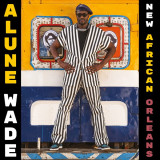
In his sixth and latest album “New African Orleans”, released by ENJA and Yellow Bird, bass guitarist and composer Alune Wade explores the multiple junctions between his native West African rhythms, the Afrobeat and juju rhythms from Lagos and the brass band repertoire immortalized in New Orleans. “I’m exploring a world that goes from my roots to the lost branches on the other side of the Atlantic,” explains the musician from Senegal. He has whittled down around 50 compositions – both original and standards - to a dozen which Alune recorded in Paris, Dakar, Lagos and New Orleans. “The idea first came to me during the Jazz à Gorée festival I organized back in 2014,” he explains. “It had me reflect on the notion of reversing the musical trip most people take from the United States to the African continent. I wanted to set out westward and begin a musical conversation with the best artists, both in Nigeria and the US.”
To achieve this, Wade has invited top artists from both sides of the Atlantic, including the Nigerian talking drummer Olaore Muyiwa Ayandeji, the percussionist Weedie Braimah and the jazz drummer Herlin Riley from New Orleans. The musical inspirations are equally transatlantic, ranging from Dr. John to Manu Dibango and Charlie Parker. But the 45-year-old also pays homage to his father who was a brass band star in his native Senegal back in the Sixties.
BACKGROUND
We only have a partial idea of the birth and remarkable development of the music born of the transatlantic slave trade. From Malinke ballads to Cuban son, from call-and-response patterns to field hollers and hip-hop, Yoruba rhythms to Argentinian tango, from Angolan percussions to the New Orleans brass band sounds… all have roots in Africa and a shackled migration that lasted four centuries. No more so than Congo Square in the Louisiana capital. In 2024, we mark the 300th anniversary of the implementation of the Code Noir which “gave enslaved Africans Sundays off to dance”. A drop in the ocean, but one which shows the importance of culture as a lifebuoy against this barbaric trade. As the Guadeloupian writer Daniel Maximin once claimed: “Our music guided us from the scream to the song, from dragging our chains to dancing.”
In 2021, Luke (aka Lukid) recorded a mix for Dekmantel, which had some of his jungle tunes (under his Refreshers alias) featured in the set, including an unreleased tune of his called Crumbling Down. I couldn't find any information about this tune anywhere and was unsure if it ever came out or if there were ever any plans to release it.
So out the blue, in 2023, I reached out to him about this track to find out about what the situation was with it, and he replied saying that there were no plans for it to come out. I offered to release it on Future Retro London, which Luke was thankfully up for & here we are!! It was quite a gamble considering I'd never seen any Refreshers tunes released anywhere else besides on his own label (which I have all the releases of and can recommend strongly) but I'm grateful that he was willing to work with me on putting this one out.
Big thanks to Luke for allowing me to have put out Crumbling Down, to Andrew (aka Yedsy, who does all the artwork for Refreshers) for the design of this release's artwork and to Phineus II for his heavyweight remix on the b-side.
- Peter Gunn
- Victims Of Society
- Insane Human Race (Feat. Tom Angelripper)
- Strange Ways
- Warmonger
- Sound Thrashing
- Metropolis
- Valley Of Suiciders
- Beautiful World (Feat. Nancy Kunze)
- Wicked Siste
Oxblood Vinyl[26,47 €]
High Roller Records präsentieren zum 10. Jahrestag von Frank Blackfires erstem Soloalbum "Back on Fire" eine remasterte Neuauflage mit neuem Artwork und zum ersten Mal auch eine Vinyl-Edition. Frank Blackfire als lebende Legende zu bezeichnen ist keine Übertreibung. Sein bahnbrechendes Gitarrenspiel bei den frühen Sodom und Kreator war für die Entwicklung des deutschen Thrash-Metal-Sounds maßgeblich. Während er nach der Jahrtausende in Brasilien lebte, gründete er die Band Mystic und nahm mit ihr zwei Demos auf, die den Grundstein für ein vollständiges Album legten, das allerdings lange auf sich warten ließ. "Es war eine Menge harter Arbeit, bis wir es veröffentlichten", sagt Blackfire rückblickend, während er tatsächlich an einem zweiten Soloalbum arbeitet. Die zehn Tracks von "Back on Fire" - darunter eine thrashige Interpretation von Henry Mancinis ‚Peter Gunn'-Titelmelodie als Intro und ein Gastauftritt von Sodom-Frontmann Tom Angelripper - zeichnen sich durch Franks charakteristische Gitarre und raue Stimme aus. Mit seinen etlichen Killer-Riffs in herausragenden Stücken wie ‚Victims of Society', ‚Warmonger' und ‚Valley of Suiciders' bleibt die Platte ein ein zeitloses, aber vergessenes Thrash-Juwel, das es wert ist, (wieder-)entdeckt zu werden.
- Peter Gunn
- Victims Of Society
- Insane Human Race (Feat. Tom Angelripper)
- Strange Ways
- Warmonger
- Sound Thrashing
- Metropolis
- Valley Of Suiciders
- Beautiful World (Feat. Nancy Kunze)
- Wicked Sister
Black Vinyl[24,79 €]
High Roller Records präsentieren zum 10. Jahrestag von Frank Blackfires erstem Soloalbum "Back on Fire" eine remasterte Neuauflage mit neuem Artwork und zum ersten Mal auch eine Vinyl-Edition. Frank Blackfire als lebende Legende zu bezeichnen ist keine Übertreibung. Sein bahnbrechendes Gitarrenspiel bei den frühen Sodom und Kreator war für die Entwicklung des deutschen Thrash-Metal-Sounds maßgeblich. Während er nach der Jahrtausende in Brasilien lebte, gründete er die Band Mystic und nahm mit ihr zwei Demos auf, die den Grundstein für ein vollständiges Album legten, das allerdings lange auf sich warten ließ. "Es war eine Menge harter Arbeit, bis wir es veröffentlichten", sagt Blackfire rückblickend, während er tatsächlich an einem zweiten Soloalbum arbeitet. Die zehn Tracks von "Back on Fire" - darunter eine thrashige Interpretation von Henry Mancinis ‚Peter Gunn'-Titelmelodie als Intro und ein Gastauftritt von Sodom-Frontmann Tom Angelripper - zeichnen sich durch Franks charakteristische Gitarre und raue Stimme aus. Mit seinen etlichen Killer-Riffs in herausragenden Stücken wie ‚Victims of Society', ‚Warmonger' und ‚Valley of Suiciders' bleibt die Platte ein ein zeitloses, aber vergessenes Thrash-Juwel, das es wert ist, (wieder-)entdeckt zu werden.
- Fragment I
- Bodies
- Wolfsbane (Album Version)
- Reliks
- Whispers
- Fragment Ii
- Penance (Album Version)
- Fragment Iii
- Embers
- Rite
AQUAMARINE RED RIPPLE VINYL[26,01 €]
A mix of metallic doomgaze, epic gothic soundscapes and post punk attitude. Loud and crushing, yet sharp enough to stick in your head for days. There are two kinds of heavy bands: the ones that make a lot of noise and the ones that drag you somewhere you didn't know you needed to go. Cwfen (pronounced 'Coven') are the latter, and Sorrows is a record that doesn't just crush - it haunts long after the final note. The allure of Cwfen's sound lies in contrasts: the glacial ferocity of Amenra, with the velvet-and-razor vocals of King Woman, and the rotting grandeur of Type O Negative. It's as hypnotic as it is harrowing, but somehow even better than the sum of those parts. Since emerging from Glasgow's underground just 18 months ago, Cwfen's reputation is growing, selling out shows and pulling growing audiences into their doom-laden fever dream. Released in October, the band's debut single 'Reliks' was a hit with fans and critics, landing a spot on Kerrang!'s release of the week playlist. And rightly so. Their sound devours and delights in equal measure. "Cwfen have emerged from the darkest depths of the Caledonian underground with a beguiling blend of doom metal and gothic post-punk for those who like to live deliciously." Kerrang! Sorrows lives in the space around doom where the weight of the riffs is matched by the weight in your chest, where the lyrics and the songwriting are as important as the music itself. Loud and crushing, yet sharp enough to stick in your head for days. It builds, burns, collapses, resurrects. Big on riffs, bigger on feeling. The kind of songs you carry with you. Singer and rhythm guitarist Agnes Alder bears her claws one minute, then whispers the next, as the band follows like a storm front, rising, breaking, drowning you in the weight of it. From the guttural Penance to the lush Whispers, to the feral Wolfsbane and the insurrectionist Rite. It includes a long reworking of Embers and Bodies, the two self-recorded demos that launched them into the scene with a bang and their growing legion of fans already adore. Intricate vocal arrangements, heavy and harsh guitars, a mix of atmosphere and heft, it undoubtedly punches above its weight for a debut. As Agnes says: "When we stopped trying to fit into any one space, what came out was this beautiful mix of dark and light. Something visceral and cathartic." This is a band that sits right in the boundaries between the heavy genres, pulling in everyone from the young goths and to the die-hard metalheads alike and 'Sorrows' truly does deliver in spades. Make no mistake, Cwfen are set to be one of the names to watch in 2025. FFO: Chelsea Wolfe, Zetra, King Woman, Type O Negative, Alcest, Faetooth, Liturgy. Limited vinyl pressing, 500 copies in transparent red vinyl. Full colour Gatefold outer sleeve, with a full colour printed inner sleeve, Full download included as well.
Kicking off what will be an Alice Coltrane year with more releases to come in the next 12 months, is a previously unreleased, killer live recording from 1971. Recorded live, by Impulse! at a charity gala given at Carnegie Hall for the benefit of the Integral Yoga Institute in 1971, this incredible set never saw commercial release until now. The gala concert was one of two halves with the first two transcendental tunes by Alice taken from the album she had just released on Impulse! and then two explosive tunes by her late husband John Coltrane. Naturally, à la Coltrane/Dolphy at the Gate, which picked up the recent Grammy nomination for Best Liner Notes, the package includes some knockout editorial, with essays by Lauren Du Graf and Alice’s producer Ed Michel.
- Reflexion
- One And All
- Undercurrents
- A Game Of Chess, A Game Of Chance
- The Summer Girls
- Her Key Is Minor
- Inflexion
- Into The Woods
Drag City and Yoga Records are delighted to return to the music of Matthew Young. Following Recurring Dreams (1981, reissued 2014) and Traveler"s Advisory (1986, reissued 2010), Undercurrents (2025) collects eight oddly dissimilar pieces that somehow fit together perfectly. Ranging from heady synthesizer experiments to earthy dulcimer meditations, Undercurrents is unique enough to be called outsider while still occupying a musical world accessible to fans of many genres. Composed and recorded over the span of several decades, Undercurrents displays the wide range of Young"s various sonic pallets: similar to Recurring Dreams, the electronic landscapes meander coherently, and much like Traveler"s Advisory, the album skews from the nearly algorithmic computer music of side one to the moving pastoral folk of the second.
Pianist Rob Clearfield, who has been a regular sideman for drummer Makaya McCraven, both live and in the studio, emerges from the shadows with an album that reveals the strength and originality of his talent.
In trio with double bassist and teenage friend Joe Sanders (Gerald Clayton, Charles Lloyd) and drummer Fred Pasqua, or in quartet adding trumpeter Itamar Borochov, the American pianist presents a dense, spellbinding opus as carefully produced as it is sensitively arranged, reconciling the creative heritage of the Chicago scene, of which he is one of the most fertile offspring, with a sense of lyricism that goes straight to the heart.
Includes two tracks produced by Makaya.
Crack the coffers, Oh Sees have spawned another frothy album of head-destroying psych-epics to grok and rock out to. Notice the fresh dollop of organ and keyboard prowess courtesy of Memory Of A Cut Off Head-alum and noted key-stabber Tom Dolas, while the Paul Quattrone / Dan Rincon drum-corps polyrhythmic pulse continues to astound and pound in equal measure, buttressed by the nimble fingered bottom end of Sir Tim Hellman the Brave and the shred-heaven fret frying of John Dwyer, whilst Lady Brigid Dawson again graces the wax with her harmonic gifts. Aside from the familiar psych-scorch familiar to soggy pit denizens the world over, there’s a fresh heavy-prog vibe that fits like a worn-in jean jacket comfortably among hairpin metal turns and the familiar but no less horns-worthy guitar fireworks Dwyer’s made his calling card. Perhaps the most notable thing about Smote Reverser is the artistic restlessness underpinning its flights of fancy. Dwyer refuses to repeat himself and for someone with such a hectic release schedule, that stretching of aesthetic borders and omnivorous appetite seems all the more superhuman!
Presented here on solid white vinyl, Small Faces is the second studio album by Small Faces, released through Immediate Records on 23 June 1967. The Immediate album shares its name with their 1966 Decca debut album, which has led to some confusion regarding the titles and as a result, this album has been unofficially dubbed The First Immediate Album by fans.
Considered to be the artistic breakthrough for the group in terms of songwriting and composition, and marks their transition from a mod-influenced blue-eyed soul/R&B band to a psychedelic studio group. It was the band’s first LP to contain solely original compositions and includes ‘Green Circles’, ‘Talk To You’ and ‘(Tell Me) Have You Ever Seen Me’.
The album reached number 12 on the UK charts, becoming their only original studio album to chart outside the top-10, but is considered by many fans to be the groups best album.
- Life Rhythm
- Balance
- Joy Of Life
- Eternity
- Desert Move Feat. Shantel & Thomas Konstantinou
- Second Nature Feat. Dominic Miller
- Open Land
- Full Circle Feat. Bill Evans
- Silence And Sound
- Supernova
- Home
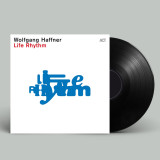
»Ich denke immer wieder aufs Neue darüber nach, wie ich mich als Schlagzeug-spielender Bandleader so positionieren kann, dass das Instrument eine tragende Funktion einnimmt, dies aber auf eine musikalische Weise geschieht und auf keinen Fall als Zurschaustellung von Virtuosität«, sagt Wolfgang Haffner. Diese Haltung zieht sich als roter Faden durch seine gesamte Karriere - und auch durch »Life Rhythm«, sein zehntes Album auf ACT.
Und obwohl Haffners Musik gängigen Vorstellungen virtuoser Schlagzeug-Leader ganz bewusst widerspricht, steht das Instrument diesmal besonders im Fokus. Ausgangspunkt dafür war Wolfgang Haffners allererstes Solokonzert im Jahr 2022 auf Schloss Elmau. Er erinnert sich: »Das war eine Wahnsinns-Herausforderung bei der ich auch vor der Entscheidung stand: Spiele ich jetzt eine Stunde Schlagzeugsolo? Natürlich nicht! Also habe ich habe eine Menge melodisch klingender Perkussionsinstrumente eingebaut, Passagen live geloopt, mit Echos und Delays gearbeitet – im Grunde wie im Studio, nur eben auf der Bühne.« All dies brachte Haffner dazu, sich noch einmal auf ganz intensive Art mit dem Thema mit dem Instrument zu beschäftigen, welches ihn sein Leben lang begleitet. Und so haben alle Stücke auf »Life Rhythm« diesmal ihren Ursprung, nicht wie sonst bei Haffner, am Piano, sondern am Schlagzeug.
Das Ergebnis dieses Prozesses kann man gleich zum Auftakt von »Life Rhythm« auf dem Titeltrack erleben: Das Stück basiert auf einem hypnotischen Groove, bei dem nicht die Becken, wie sonst im Jazz üblich, die Time angeben, sondern vor allem die Trommeln. Das dieser Groove direkt Phil Collins und besonders an dessen Stück »Take Me Home« erinnert, ist kein Zufall: Collins' Art, Drum-Parts zu elementaren Teilen des Songwritings zu machen, ist bis heute eine von Haffners größten Inspirationen. Und auch jedes weitere der elf sehr kompakten, Song-haften Stücke auf »Life Rhythm« öffnet eine eigene Welt des musikalischen Schlagzeugspiels: Mal mal trocken-reduziert mit Besen wie auf »Balance«, poppig bei »Joy of Life«, mit filigranen Becken-Grooves, dezenter Elektronik und Percussion auf »Eternity« oder minimalis-tisch bis kurz vor der Stille in »Silence and Sound«.
Das aus all diesen Stilistiken ein so stimmiges Ganzes ent-steht liegt daran, das Wolfgang Haffner diese im Laufe seiner Karriere bis in die Tiefe durchdrungen hat - an der Seite von stilbildenden Charakteren wie Al Jarreau, Chaka Khan, Pat Metheny, Jan Garbarek, Esbjörn Svensson, Nils Petter Molvaer, Albert Mangelsdorff, Ricardo Villalobos und vielen, vielen mehr. All diese Kollaborationen haben Wolfgang Haffners Voka-bular am Instrument und auch als Komponist geprägt und die da-mit verbundenen, unterschiedlichsten Stile sind gleichermaßen Teil seiner musikalischen Persönlichkeit.
Vielseitigkeit und höchste Musikalität sind auch die Eigen-schaften, die Wolfgang Haffner und seine Mitmusiker auf »Life Rhythm« verbinden. Die Basis bildet ein bestens einges-pieltes Trio zusammen mit Keyboarder Simon Oslender, selbst auch Drummer und Bandleader, und Thomas Stieger, einem der gefragtesten deutschen Bassisten in Pop wie Jazz. Dazu kommen Trompeter Sebastian Studnitzky, Mitstreiter Haffners seit seinem ACT-Debüt »Shapes« und der Finne Arto Mikälä, eine echte Entdeckung in Sachen Klangvielfalt an der Gitarre. Diese Band herausragender Allrounder erweitert Haffner um eine Reihe musikalischer Charaktere, die der Musik ihre ganz eigene Farbe verleihen: Nils Landgren, Freund und Weggefährte seit mehr als 20 Jahren, Saxofon-Ikone Bill Evans, Sting-Gitarrist Dominic Miller, Balkan-Beat-Star Shantel, Bass-Feingeist Nicolas Fiszman, Oud-Virtuose Thomas Konstantinou und Bruno Müller, einer der besten deutschen Jazzgitarristen.
»Life Rhythm«, sagt Wolfgang Haffner, »ist für mich eine Fortsetzung, keine Wiederholung«. Die Musik trägt mit ihrer Wärme, Kraft und Klarheit die charakteristische Handschrift, die Haffner mit seinen Alben und auf tausenden von Konzerten in mehr als 100 Ländern zum wohl populärsten Schlagzeug-spielenden Leader Europas gemacht hat. Und gleichzeitig ist es eine Evolution seiner Musik. Gut möglich, dass Haffners Erfolg genau darin begründet ist, dass seine Musik immer etwas Ver-trautes und etwas Neues beinhaltet und dass Haffner sein Publikum so immer »mitnimmt« im Fluss seiner Ideen - und in einem gemeinsamen »Lebensrhythmus«
- 1: You Can't Hide
- 2: Take It All In Before The Lights Go Out
- 3: I Won't Run Away
- 4: Find My Way
- 5: Won Na Pa
- 6: My Voice
- 7: Story
- 8: Life As We Know It
- 9: Our Own
- 10: After The Tears Flow
- 11: Pray
During the course of his career, the legendary creator of Afrobeat Fela Kuti used his music to lament social injustices and political corruption in his native Nigeria. His music, a compelling blend of American funk and West African highlife, often locked into spellbinding grooves that seemed to go on forever. Yet that was the point: to fall deep into the rhythm and dance away the hardship. While this impacted Nigeria and the entire world, it also affected Fela’s son Femi and his son Made, both of whom carry his legacy as torchbearers for change. On February 5th 2021, Partisan Records, home to Fela’s catalog, will release two albums from Femi and Made — both very much in the tradition of Fela’s music, but with different scopes. Femi’s album, Stop The Hate, radiates the unique Afrobeat sound that he has forged throughout his long career, affirming the sharply political conviction that his father would’ve claimed in the 1960s, ‘70s and ‘80s. Made’s album, For(e)ward, is a modern and progressive freedom manifesto, pushing boundaries of the subgenre even further. Made also performs every instrument on the album. Together they will be packaged into a double album called Legacy + that, when taken as a whole, bolsters the rich musical heritage of the Kuti name. Yet this isn’t just about honoring Fela, it’s also personal for Femi and Made, a father and son with deep creative synergy. Most importantly, the project finds these men coming together in the name of family. “This is probably the most important part of my life right now,” Femi says. “I’m happy because he’s not copying me. He has found his voice. What other joy could a father want than to experience this in his lifetime?”
- A1: Tequila Coma
- A2: The Girl Who Sold Her Face
- A3: Eko
- A4: 1967
- A5: Vv
- B1: Dudu
- B2: What3Vr
- B3: Saiko
- B4: Evangelic Girl Is A Gun
- B5: Skullcrusher
Red-marbled Vinyl[25,63 €]
„Evangelic Girl Is A Gun“ ist yeules bisher hemmungslosestes und emotional entblößendstes Werk, in dem sie sich mit Ideen einer selbstzerstörerischen Identität auseinandersetzen, die sich durch die Leinwand der Postmoderne brennt. Begleitet von visuellen Kunstwerken, die in Zusammenarbeit mit dem Künstler Vasso Vu entstanden sind, und einem Video für die neueste Single, das von dem bereits erwähnten Neil Krug gedreht wurde, erforschen yeule die Dualität der Dunkelheit sowie ihre persönliche Geschichte mit ihrer Rolle als „Maler“. Durch die hypnotischen Melodien des Albums präsentieren sie ein Porträt des/ der gequälten Kunstschaffenden, der/ die in einem Bild gefangen ist, während yeules eindringliche Vocals wie ein emotionaler Würgegriff auf die Dance-Beats wirken.
Mit „Evangelic Girl Is A Gun“ verleihen yeule dem Triphop aus Bristol und dem Gothic-Style der 90er Jahre ihre eigene „cyborgianische“ Note. Das Album enthält Produktionen von A.G. Cook, Chris Greatti, Mura Masa, Clams Casino, Fitnesss und Kin Leonn, yeules vertrauter Kollaborateur und Co-Produzent des Vorgängeralbums, „softscars“ (2023). yeules unbehandelter Gesang auf dem Album trägt ebenfalls zu einem Gefühl von brennender Authentizität bei; die Rohheit kommt zum Vorschein, wenn sie auf Auto-Tune verzichten. Dieser schrille künstlerische Stil ist eine Abkehr von ihren früheren, glitchigen Werken. Als Gegenpol zum Aufkommen von KI wollten sie ihren Gesang mit einer „rohen, unersetzlichen Kante“ versehen.
„Evangelic Girl Is A Gun“ ist yeules bisher hemmungslosestes und emotional entblößendstes Werk, in dem sie sich mit Ideen einer selbstzerstörerischen Identität auseinandersetzen, die sich durch die Leinwand der Postmoderne brennt. Begleitet von visuellen Kunstwerken, die in Zusammenarbeit mit dem Künstler Vasso Vu entstanden sind, und einem Video für die neueste Single, das von dem bereits erwähnten Neil Krug gedreht wurde, erforschen yeule die Dualität der Dunkelheit sowie ihre persönliche Geschichte mit ihrer Rolle als „Maler“. Durch die hypnotischen Melodien des Albums präsentieren sie ein Porträt des/ der gequälten Kunstschaffenden, der/ die in einem Bild gefangen ist, während yeules eindringliche Vocals wie ein emotionaler Würgegriff auf die Dance-Beats wirken.
Mit „Evangelic Girl Is A Gun“ verleihen yeule dem Triphop aus Bristol und dem Gothic-Style der 90er Jahre ihre eigene „cyborgianische“ Note. Das Album enthält Produktionen von A.G. Cook, Chris Greatti, Mura Masa, Clams Casino, Fitnesss und Kin Leonn, yeules vertrauter Kollaborateur und Co-Produzent des Vorgängeralbums, „softscars“ (2023). yeules unbehandelter Gesang auf dem Album trägt ebenfalls zu einem Gefühl von brennender Authentizität bei; die Rohheit kommt zum Vorschein, wenn sie auf Auto-Tune verzichten. Dieser schrille künstlerische Stil ist eine Abkehr von ihren früheren, glitchigen Werken. Als Gegenpol zum Aufkommen von KI wollten sie ihren Gesang mit einer „rohen, unersetzlichen Kante“ versehen.
Transparent Yellow Vinyl, 2025 Repress
A Colourful Storm presents the first vinyl edition of Yahho no Potori, a treasured recording by one of the most cherished contemporary Japanese folk outfits, Eddie Marcon.
Comprised of the core duo of Eddie Corman and Jules Marcon, Eddie Marcon was formed in Himeji in 2001, following Corman's involvement in noise-rock duo Coa and Shinsuke Michishita's fabled psychedelic outfit, LSD March. Marking a stylistic shift into delicate, acoustic territories, the duo would release dozens of albums and singles, mostly self-released through their Pong-Kong imprint, that have seen little distribution outside of Japan.
Recorded over a particularly humid summer and autumn, Yahho no Potori sees Eddie Marcon drifting from the delicate psychedelia of their debut EP into traditional song-based structures. A touching document of joy, tenderness and wistfulness, Marcon's deft yet effortless strum sets a stylish backdrop for Corman's voice to ascend. Desirous yet self-assured, Corman breathes life into an intimate space adorned by the elegant instrumentation of Yashuhisa Mizatani, Yoriro Tatekawa, Ran Mizutani and Saya Ueno, whose ingenuous collaborative instinct has been gifted to listeners through collectives such as Tenniscoats, Maher Shalal Hash Baz and Spirit Fest. Here, she also lends her engineering prowess, having produced the album.
Devotees of ambitious yet beautifully understated songwriting, as well as followers of Reiko and Tori Kudo, Nagisa Ni Te and Ai Aso, will find much to adore in the songs of Eddie Marcon. An intense and devastating recording, A Colourful Storm is proud to give new life to a shimmering, underappreciated gem.
- Nightclouds
- Still Life
- Chordalities
- Nightclouds (Variation)
- Morningclouds
Das vierte Album von Ellen Arkbro, "Nightclouds", versammelt fünf Improvisationen für Orgel solo, die 2023-24 in Mitteleuropa aufgenommen wurden. "Nightclouds" ist unverhohlener romantisch und introspektiver als ihre früheren Werke, obwohl es fest in der Strenge und Präzision verwurzelt, die Arkbro's Konzept ausmachen. Es ist die Erweiterung ihrer Erkundungen von räumlicher Harmonie, Taktilität und Textur, Arkbro schöpft gleichermaßen aus sakraler Musik, Jazz im ECM-Stil und Minimalismus und beschwört eine kühle Intimität und einen kühlen Ton herauf. Ihre entschleunigten Akkordimprovisationen hüllen den Zuhörer in düsteres verwaschen, während ihre Mikrofonierung die raue haptische Maserung des Rohrblatts offenbart und den Zuhörer sowohl innerhalb als auch außerhalb des Klangs bringt. Sie evoziert Duette von Kjell Johnsen und Jan Garbarek oder La Monte Young und Tony Conrads Bearbeitung von Euringers und Harmer's Cowboy-Song ,Oh Bury Me Not". "Nightclouds" kanalisiert spirituelles Pathos durch eine rigoros zurückhaltende Architektur. Anknüpfend an das letztjährige Album "Sounds While Waiting" (W.25TH, 2024), einer Auswahl von Stereomischungen, die Arkbro's räumliche Orgelinstallationen dokumentieren, ändert Nightclouds die Richtung und konzentriert sich auf unmittelbare Komposition und Improvisation. Elegante, einfache akkordische Gerüste unterstützen reiche, sich ständig verändernde Texturen; genaues Hinhören erfordert die Hingabe an anhaltende Unentschlossenheit. Den Abschluss einer Sammlung von kurzen Stücken bilden zwei Variationen über die titelgebende Komposition ,Nightclouds", eine eine schelmische Anspielung auf den britischen Jazz-Gitarristen Allan Holdsworth: Die erste Aufnahme verlangsamt und dehnt eine kontinuierlich modulierte harmonische Progression, während die kurze Schlussversion einfach drei Akkorde schleift. Zwischen diesen Stücken liegen ,Still Life" und ,Chordalities", zwei kurze Werke, die im Temple de La-Tour-de-Peilz in Vevey, Schweiz, aufgenommen wurden. Die zweite Hälfte des Albums ist folgenden Stücken gewidmet ,Morningclouds", ein weitläufiges Werk, das in der rekonstruierten Gedächtniskirche (Kaiser-Wilhelm-Gedächtniskirche) in Berlin aufgenommen wurde. Arkbro's prägnantes musikalisches Vokabular und formale Architektur evozieren ein Gefühl der emotionalen Ambivalenz, gleichzeitig erhebend und schwermütig und führt den Hörer mit kühler und distanzierter Schönheit. "Nightclouds", das als tiefgründiges Statement in Arkbros sich entwickelndem Werk steht, das zugleich introspektiv und expansiv ist, bestätigt ihre einzigartige Fähigkeit, harmonische Einfachheit in tief berührende Klanglandschaften zu verwandeln, die den Hörer in einen Raum der Kontemplation und emotionalen Tiefe führen.