WRWTFWW Records is thrilled to announce the first ever release of the soundtrack for the sci-fi Amiga demoscene wonder Odyssey by the Alcatraz group, with music from Greg - and what is possibly the first ever vinyl release for an Amiga demoscene soundtrack, if not the first ever vinyl release for a demoscene soundtrack whatsoever!
The special limited edition vinyl features the complete soundtrack of the demo sourced from the original masters as well as printed innersleeves, a 24x24 inch double-sided poster with extensive liner notes on the fascinating history of the Amiga demoscene on one side and a floppy disk print on the other, and a WRWTFWW sticker sheet. Odyssey is also available in digital format.
Wikipedia says: The demoscene is an international computer art subculture focused on producing demos: self-contained, sometimes extremely small, computer programs that produce audiovisual presentations. The purpose of a demo is to show off programming, visual art, and musical skills. Demos and other demoscene productions (graphics, music, videos, games) are shared at festivals known as demoparties, voted on by those who attend and released online.
In the demoscene galaxy, one era was particularly exciting: the Amiga years during which the demos were created for the Commodore Amiga home computer - a time of intense rivalry between programmers, graphics artists, and computer musicians, testing the limits of the (fixed) Amiga hardware.
The Odyssey demo was one of the largest productions ever released by an Amiga group, a real sci-fi movie on five floppy disks made with 3D sequences. It was presented at a demoscene party in 1991 and won the competition, setting a new standard for Amiga demo possibilities.
One of the highlights of the demo was the funky cosmic music from Swiss composer Greg, a true space opera, the 90s galactic soundscape you didn’t know was missing from your life! And so here it is, available for the first time, 10 tracks of pure video game music joy, adventurous computer pop, pixelated techno-trance, Star Wars gone floppy disk, and interstellar beats for days.
Suche:high five
Coming February 10: the most live-sounding Yo La Tengo album in years, This Stupid World. Times have changed for Yo La Tengo as much as they have for everyone else. In the past, the band has often worked with outside producers and mixers. In their latest effort, the first full-length in five years, This Stupid World was created all by themselves. And their time-tested judgment is both sturdy enough to keep things to the band’s high standards, and nimble enough to make things new. At the base of nearly every track is the trio playing all at once, giving everything a right-now feel. There’s an immediacy to the music, as if the distance between the first pass and the final product has become more direct. Available on standard black vinyl.
- A1: Logic System - Unit
- A2: Kraftwerk - Computerwelt (2009 Remastered
- B1: Whodini - Magic's Wand
- B2: Rocker's Revenger - Walking On Sunshine (Feat Donnie Calvin
- C1: Klein & Mbo - Dirty Talk (European Connection
- D1: Liaisons Dangereuses - Los Niños Del Parque
- D2: Yello - Bostich
- E1: The The - Giant
- F1: The Residents - Kaw-Liga
- G1: Clan Of Xymox - Stranger
- G2: A Split - Second - Flesh
- H1: Severed Heads - Dead Eyes Opened
- H2: The Weathermen - Poison!
- I1: New Order - Blue Monday
- J1: Anne Clark - Our Darkness
- J2: 16 Bit - Where Are You?
- K1: Phuture - We Are Phuture
- K2: Model 500 - No Ufo's (Vocal
- L1: Frankie Knuckles Feat Jamie Principle - Your Love
- L2: Quest - Mind Games (Street Mix
- M1: Jasper Van't Hof - Pili Pili
- N1: Guem Et Zaka Percussion - Le Serpent
- N2: Hugh Masekela - Don't Go Lose It Baby
- O1: Sly & Robbie - Make 'Em Move
- Q1: The Ecstasy Club - Jesus Loves The Acid
- R1: Foremost Poets - Reason To Be Dismal?
- S1: Lhasa - The Attic
- S2: A Guy Called Gerald - Voodoo Ray
- T1: M/A/R/R/S - Pump Up The Volume - Usa 12" Mix
- T2: Bobby Konders - Nervous Acid
- U1: Meat Beat Manifesto - Helter Skelter
- V1: Raze - Break 4 Love
- W1: Sueño Latino With Manuel Goettsching Performing E2-E4 - Sueño Latino (Paradise Version
- X1: Off - Electrica Salsa
- O2: Brian Eno - David Byrne - Help Me Somebody
- P1: Primal Scream - Loaded (Andy Weatherall Mix
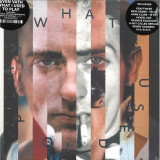
For this uniquely personal retrospective spread over twelve vinyl discs, Sven Väth takes us back to the early days of his DJ career. On What I Used To Play we meet great pioneers of electronic music, gifted percussionists, obscure wave bands, and innovative producers of a bygone 'new electronic' era. Rough beats and irresistible grooves from the identification stage of house, techno, and acid remind us not just how far electronic music has evolved over the past four decades, but how great it was to dance to EBM, techno, and house for the very first time.
If there is one protagonist of the electronic music scene who has remained curious, innovative and at the very cutting edge of music for over four decades, it's Sven Väth. His multi-layered artist albums and Sound of the Season mix compilations have been defining the genre for over two decades, and even today, he is constantly on the lookout for the next top tune to add to the highlights of his next set. At least, that's the case when he's not producing them himself as an artist or remixer. "Actually, it's always been part of my DNA to think ahead," and nothing had been further from his mind than looking back at his past, but when in spring of 2020 the international DJ circuit had to be scaled down to virtually zero, the 'restless traveler' suddenly had time. Time to stop and reflect on "how it actually was back then, at the very beginning of my career..."
"It was a great trip and with every track, beautiful memories came flooding back".
In the London apartment, he had just moved into, Sven has set up a "little music room", where he cocooned himself for several days, "to look way back for the first time and review my musical journey through the eighties, so to speak."
The interim result was six thematically oriented playlists with a grand total of 120 tracks from 'early 80s' to 'Balearic late 80s', together with excursions into afrobeat, European new wave, and EBM sounds and a few epochal techno/house tracks from the USA in between. From these 'Best of Sven Väth's favorites', the project What I Used To Play crystallized. Sven remembers how the Cocoon team reacted to his proposal: "They found the idea of making a compilation out of it MEGA from the beginning and everyone said 'Sven, go for it', but then, of course, the work really started, namely, to clear the rights and to get clean sounding masters of the up to 40-year-old tracks. There was also disappointment, of course. We couldn't clear certain titles because the rights holders in the USA had fallen out with each other or simply disappeared from the scene. In short, it wasn't easy, but now I can safely say we got the most important tracks."
Finally, after two years of research, curation, design, and administrative fine-tuning, the "little retrospective" from 1981 to 1990 is available. The exquisitely packaged, and three-kilo heavy box set is not only physically impressive, WIUTP is also the definitive record of Sven Väth's musical development. On each of the twenty-four sides of vinyl, you can trace track by track, what influenced him during which phase, and how he took off as a DJ from his parents' Queen's Pub straight into the spotlight at Dorian Gray. There and at Vogue (later OMEN), Sven became the style-defining player in the DJ booth that he still is today.
1981 - 1990: Future Sounds of Now
In the early eighties, the crowd in clubs like Vogue and Dorian Gray danced to what nowadays we call 'dance classics' - mainly disco, funk, soul, and chart pop. It was up to a new generation of DJs, including Sven Väth, the youngest protagonist in the Rhine-Main area at the time, to create their own club-ready music mix. Good new tracks and potential floor-fillers were rarities that had to be sought out and found, in order to prove oneself worthy.
Without MP3s, internet streaming, or other digital download possibilities, music didn't just gravitate to the DJ, instead, it had to be tracked down. In well-stocked record stores in Frankfurt and Wiesbaden or even in Amsterdam, London, or New York, Sven and friends sourced the material for countless magical nights. On WIUTP we can follow Sven's very personal journey through this wild, innovative era in which synth-pop, funk, hip-hop, and disco were successively replaced as 'club music' by house, techno, acid, and breakbeat. By the end of the decade, it was clear to see that these once exotic 'fringe' phenomena would soon become 'mass' phenomena.
Early 80s
Dirty Talk by the Italian-American duo Klein & M.B.O. represents the most innovative phase of the Italo-disco genre in the early eighties like no other track. Mario Boncaldo (I) and Tony Carrasco relied entirely on the original synthetic drum and percussion sounds of the Roland TR-808, coupled with the raunchy vocals of Rossana Casale and guitar accents of Davide Piatto. Of course, other tracks from this period were also influential in style, most notably Unit by Logic System, which worked as the perfect soundtrack to the laser lighting system at the legendary Dorian Gray club. With stomping beats and robotic rap interludes, Bostich by Yello also belongs on Sven's eternal playlist - after all, it caught the attention of Afrikaa Bambaataa, who invited the Swiss duo to perform at the Roxy in New York in 1983.
EBM Wave - Mid 80s
From today's point of view, the almost ten-minute-long, downtempo track Giant by Matt Johnson's band project The The, would probably not be considered an obvious club classic. However, a closer (re)listen reveals the rhythmic intricacies of the percussion overdubs by JG Thirlwell (aka Foetus) on Johnson's composition, and it becomes clear why this exceptional piece of music is one of Sven's absolute favorites. Other classics from this phase include Kaw-Liga by the mysterious The Residents, the hypnotic-synthetic Our Darkness by Anne Clark (and David Harrow), and last but not least, the somber, monotonous anthem Where Are You? by 16Bit, one of Sven Väth's projects together with Michael Münzing, Luca Anzilotti from 1986.
US House - Late 80s
You certainly can't talk about Chicago house without mentioning Frankie Knuckles. The resident DJ at the Warehouse not only gave the name to an entire genre, but also produced epochal floor fillers on the Trax label like the timeless Your Love, sung (and moaned) by Jamie Principle. Acid house protagonists Phuture also hail from Chicago, and on We Are Phuture (also released on Trax) we hear the chirping acid sounds of the legendary Roland TB-303 in full effect. Another featured classic is No UFO's by Detroit's Model 500 aka Juan Atkins, who is rightly considered the 'Godfather of Techno' even if the genre-defining track from 1985 still breathes with the spirit of hip-hop and electro from the first breakdance era.
Afrobeat
Le Serpent, by Algerian-born Abdelmadjid Guemguem, is a track that sounds completely different from everything else on WIUTP. Made in 1978, it's a monumental, rousing groove created without bass or synths, just with five congas! Even though Guem sadly passed away in 2021, his immortal, acoustic beats are understood all over the world and will continue to enrich many thousands of DJ sets for years to come. Another classic that not only Sven appreciates beyond measure is Hugh Masekela's Don't Go Lose it, Baby. In addition to being one of the most important jazz pioneers, the trumpeter and freedom fighter from Johannesburg was very experimental, integrating electronic sounds into his music in later years, in a similar vein to Miles Davis and Herbie Hancock. Dutch jazz pianist Jasper van't Hof's afrobeat project Pili Pili has also aged well. The trance-like, almost sixteen-minute-long track of the same name, manages to fill a whole side on the seventh of twelve vinyl discs in the WIUTP box.
UK-US-Euro - Late 80s
Time for a change of scene, in the truest sense of the word, and from a musical perspective, this section is like landing on another planet. First up is Andrew Weatherall's classic remix of Primal Scream's Loaded, featuring the iconic Peter Fonda sample (lifted from the 1966 biker film Wild Angels) that came to personify the mood triggered by the British Second Summer of Love in the late eighties: "We wanna be free to do what we wanna do, and we wanna get loaded...". This period also saw the emergence of M/A/R/R/S whose only single, 1987's Pump Up The Volume, became a club classic with support from DJ legend CJ Mackintosh. In this most eclectic of sections, we also encounter New York house and reggae producer Bobby Konders and his seminal Nervous Acid.
Balearic - Late 80s
Those who know him, know that Sven had already lost his heart to the 'magic island' of Ibiza as a teenager, so with that in mind, the WIUTP project couldn't end without a Balearic chapter. Inspired by Manuel Göttsching's E2-E4, the immortal, eponymously titled Sueño Latino belongs in there without question. Equally popular on the island was, and still is Break 4 Love by Raze, which thinking about it, would also fit perfectly into the house chapter. Last, but not least, there's an overdue reunion with Sven Väth himself, in his role as frontman of the successful Frankfurt trio OFF. Together with Michael Münzing and Luca Anzilotti (later of Snap!) this 'Organization For Fun' created the off-the-wall club hit Electric Salsa in 1986 which incidentally turned into an international chart smash, putting Sven in the enviable position of having to decide between pop stardom and a DJ career. Well, we all know how that decision turned out and the rest, as they say, is history. A not insignificant part of his story is What I Used To Play. Enjoy!
The recordings on this album constitute the material from a June 20th, 1968 studio session recorded by Hans Georg Brunner-Schwer (HGBS) and Joachim-Ernst Brendt in Germany's Black Forest. This is no ordinary recording. This enthralling Bill Evans session was recorded five days after a famous performance at the 1968 Montreux jazz festival by Evans, bassist Eddie Gomez and drummer Jack DeJohnette. Verve's Montreux live recording won a Grammy, but this studio session has been in the vaults ever since.
For the first time this album was mastered in all analogue (AAA), from the original analog master. Mastered by René Laflamme at 2xHD Mastering lab and cut at Bernie Grundman at 45 RPM.
The 2xHD Fusion Mastering System is an innovation in audio restoration for a virtual audio reality. In the constant evolution of its proprietary mastering process, 2xHD has progressed to a new phase called 2xHD Fusion, integrating the finest state-of-the-art analog Nagra-T tape recorder modified with high-end tube playback technology, wired with OCC silver cable for better transparency and 3D imaging. 2xHD Vinyl are sourced from first generation analog recordings without any digital corruption. The cutting is done at Bernie Grundman Mastering Lab on tube cutting equipment.
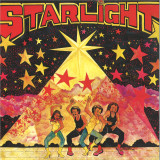
South African production duo of Emil Zoghby and John Galanakis were responsible for a string of high-quality disco singles in the early 80s, typically cover versions of international hits — Klein & MBO’s ‘The Big Apple’, Sly & the Family Stone’s ‘Family Affair’ & David Joseph’s ‘You Can’t Hide (Your Love From Me)’ — backed with their own compositions. When Starlight hit the market with an album in 1983, it featured only one cover, the local hit ‘Picnic’, along with five of the duo’s original compositions, including their similarly styled response, ‘Picnicing’, which replaces the original’s sax with spaced-out synth stabs. Then there’s ‘Jah Jah Love’, an ecstatic disco sermon of dancefloor dynamite weighing in at over eight and a half minutes. Other tracks on this landmark album — ‘Let’s Go Dancing (Boogie Boogie)’, ‘Keep On Moving’ and an eponymous instrumental — offer a similar fusion of classic disco with newer Italo and proto-house influences: machine music with a human touch! Remastered from the original master tapes and reissued for the first time, Starlight will be available on vinyl and digital platforms from early 2023 (40 years after its initial release) via Afrosynth Records.
- A1: I Walk The Line
- A2: Folsom Prison Blues
- A3: Rock Island Line
- A4: Ballad Of A Teenage Queen
- A5: Hey Porter
- A6: Get Rhythm
- A7: Oh Lonesome Me
- A8: I Love You Because
- B1: Five Feet High And Rising
- B2: The Rebel - Johnny Yuma
- B3: Don’t Take Your Guns To Town
- B4: Hey Good Lookin’
- B5: Frankie's Man, Johnny
- B6: Bonanza!
- B7: Country Boy
- B8: In The Jailhouse Now
If one single song is indelibly associated with Johnny Cash, it has to be I Walk The Line - the song that landed him his first American hit in October 1956. But for many, Cash is defined by a single line from Folsom Prison Blues. “I shot a man in Reno, just to watch him die…”
confirmed Cash as a hard-living, fast-shooting guy (Don’t Take Your Guns To Town; Bonanza!) and also saw him identifying with prisoners and prison life. The ‘Man in Black’ had become a friend of Presidents and pop idols; a man whom stars like Bono and Bob Dylan deferred to; a legend courted by fans such as Quentin Tarantino and Johnny Depp.
And though a lot has been written about Johnny Cash since he died in 2003, questions remain about how this man came to dominate the world of popular music - but here, in your hands, are sixteen reasons why…
- A1: Gloria: In Excelsis Deo / Gloria (Version) - Patti Smith
- A2: Survive - The Bags
- A3: Iama Poseur - X-Ray Spex
- A4: I Gave My Punk Jacket To Rickie - Mary Monday & The Bitches
- A5: I Didn’t Have The Nerve To Say No - Blondie
- A6: You’re A Million - The Raincoats
- B1: Popcorn Boy (Waddle Ya Do?) - Essential Logic
- B2: Expert - Pragvec
- B3: My Cherry Is In Sherry - Ludus
- B4: Kray Twins - Mo-Dettes
- B5: Earthbeat - The Slits
- B6: Das Ah Riot - Bush Tetras
- C1: Bitchen Summer (Speedway) - Bangles
- C2: Shakedown - Au Pairs
- C3: It’s About Time - The Pandoras
- C4: Come On Now - The Pussywillows
- C5: Rules And Regulations - We’ve Got A Fuzzbox And We’re Gonna Use It!!
- C6: Her Jazz - Huggy Bear
- C7: Bruise Violet - Babes In Toyland
- D1: Rebel Girl - Bikini Kill
- D2: Pretend We’re Dead - L7
- D3: What’s Wrong With You - Bratmobile
- D4: Let Go Of The Past - The Tuts
- D5: Hot - The Regrettes
- D6: Silver Spoons – Skinny Girl Diet
• “Guerrilla Girls!”, Ace Records’ much-anticipated first release of 2023, takes us on a thrilling ride from punk’s mid-70s origins, via the left-field post-punk groups, jangly female combos, grunge bands and vigilante Riot Grrrls of the 80s and 90s, to the she-punk bands of recent years – a five-decade alternative to the macho hegemony of rock.
• The collection highlights songs that emerged out of a dynamic underculture of female creative expression. What unites the featured artists is a healthy disregard for the way the music industry ties up its female performers into pretty, neo-liberal packages. From Patti Smith, universal mother of the punk movement, to the Bags, Bikini Kill and Skinny Girl Diet, this music is anti-A&R. Including lesser-known names such as San Francisco street punk Mary Monday and London-based experimentalists pragVec, it shows that, rather than being a few novelty bands existing on the margins, these performers represent a stronger, more three-dimensional version of the female experience.
• Glorious resistance was on display in the first wave of UK female-fronted punk bands. Poly Styrene’s charged vocals on X-Ray Spex’s ‘Iama Poseur’, for instance, were a deliberate refusal to be a pretty punkette. With 15 year-old Lora Logic on saxophone, X-Ray Spex epitomised a fearless, self-defined agency that was at odds with the pastel shades and flowery, submissive Laura Ashley version of 1970s girlhood. By the early 80s, there was a hugely vibrant scene propelled by the diverse rhythms and voices of post-punk feminism. Lora Logic had left X-Ray Spex to form the interweaving textures of Essential Logic, the Mo-dettes mangled ska and off-kilter pop, and Birmingham band Au Pairs sliced political rigour into their lyrics and funky guitar work.
• Some female artists took that elemental energy into pop, creating pop-punk with a twist. We’ve Got A Fuzzbox And We’re Gonna Use It!! made a statement on music technology and female power with a cheeky play on words. Their song ‘Rules And Regulations’ shows that what Guerrilla Girls do well is debunking – taking genres of popular song and turning them inside out – like the way the Pandoras and the Pussywillows would amp up the driving beat and high vocals of the 60s girl group style, and subvert it with a DIY garage element.
• In its fanzine culture, use of montage and DIY music, 90s Riot Grrrl bands such as Bikini Kill and Bratmobile drew direct inspiration from 70s punk, articulated through the prism of Third Wave feminism. Too often, Riot Grrrl gigs were invaded by men intent on heckling “the enemy”. Liz Naylor, manager of British Riot Grrrl band Huggy Bear, says that their concerts became war zones. From the US grunge and Riot Grrrl scenes emerged more female instrumentalists, with bands such as L7 and Babes In Toyland proving that it was possible to recruit cutting-edge drummers, bass players and guitarists. Lori Barbero, whose relentless power drumming is a major element of Babes In Toyland, took the one instrument that has been a staple of male rock’n’roll and made it her muse.
• In the 2000s a new generation of girl-punk bands drew on the Riot Grrrl underculture to form their own sound. London trio the Tuts refashioned C86, Riot Grrrl and lush dream pop on songs like the ironically titled ‘Let Go Of The Past’, while the Regrettes injected shots of ska and doo wop into their explosive West Coast pop-punk. What began with Patti Smith and 70s punk has grown into a vast, spikey infrastructure of girl music. Many take inspiration from their foremothers, like Skinny Girl Diet whose vigilante feminism and punk distortion has been championed in return by Viv Albertine of the Slits. As long as these female artists stay aware of their musical vision and what they are trying to express – in a sense, A&R themselves – the underculture will continue to grow and flower. And this “Guerrilla Girls!” compilation is a celebration of that power.
• The back sleeve of the release features a scene-setting introductory essay by Lucy O’Brien (author of She Bop: The Definitive History Of Women In Popular Music). Each of the two discs come in a swanky inner bag containing a track commentary by compiler Mick Patrick (Ace Records’ long-serving champion of female artists of all persuasions) and exclusive interviews with many of the featured artists by Vim Renault and Lene Cortina (founders of the Punk Girl Diaries webzine).
Eva Louise Goodman’s Nighttime project locates itself on a musical tree planted on the British Isles, perched atop the branch of folk leaning into sixties rock. Her upstate New York environs don’t stray far from that image. With tempered percussion, floating mellotron, and singing that evokes Bleecker & MacDougal on a fervent Saturday afternoon, her new album Keeper Is The Heart reaches deep into the essence of musicians such as Vashti Bunyan, Sibylle Baier and Pentangle, breaking down the decades into a sound thoroughly and bizarrely modern.
Through her years performing with Mutual Benefit, Goodman fell in love with life on the road and the collaborative energy of a band. In this third Nighttime album, she channels these experiences into her own music. The creative journey from writing to recording to mixing drove her deeper into a sense of self while expanding her sound. In the process, she put aside lo-fi origins and challenged herself to achieve the same intimacy with a bigger production.
Like most paths of self-discovery, the journey started with displacement. In October 2019, Goodman set out to record the album on her own, while cat-sitting at a friend’s empty Brooklyn apartment. Rather than recording, she was drawn to the overgrown garden, where she spent her days listening to music and reading old journals. Charlie Megira, The Incredible String Band and Roy Montgomery invoked the spirit of the album, as she realized that a new, more collaborative approach would be necessary to bring the songs to life.
In March 2021, after a pandemic year immersed in sound experimentation and writing, she entered the upstate New York studio of recording engineer Rick Spataro (Florist). Together, Spataro and Goodman dove into creating the album, recording one song a day, letting the spark and excitement of spontaneity be their guide. “I've always been fascinated with ‘automatic’ arts,” Goodman says, “where things are created intuitively and without premeditation, from the subconscious.” In this light, they worked with abandon–pushing through the heaviness of songs written years earlier with the same energy as songs which were not yet fully developed. Taking chances, improvising, they sought to strip away pretense, and elude perfectionism at all cost.
Among their experiments, the duo manipulated tape speeds–slowing or speeding up different instrument tracks, imbuing passages with altered perspectives. Improvisation was the key in track five, ‘The Way,’ a song about “the magical act of carving out a path through life, amidst all possibility.” After a long day of recording, the song was feeling heavy and uninspired. As night fell, Spataro picked up the Stratocaster and, in one take, laid down a rolling, roiling guitar line that defined the track.
This spirit of surrender weaves through the album. “Break free from time, and sink in the pool of the mind,” begins ‘Garden of Delight’, an energetic highlight, propelled by 60’s-era organ and Jefferson Airplane-esque vocals. The song was accidentally deleted after the first day of recording. By luck or fate, the one surviving file captured the song’s loose and free-wheeling essence. Inspired, Goodman encouraged her circle of collaborators to work similarly: “I gave everyone trust and total freedom to contribute as they felt called to, encouraging an intuitive approach of simply improvising, playing through the song a few times and then sending over the results.” Synth, cello, violin, saxophone and flute all appear, but often in unconventional ways.
Keeper Is the Heart reflects Goodman’s process towards greater creative freedom. The first words she sings: “Lift the veil of all of this hate/To see the fear at its base.” Her last lines: “We’ll follow the fates across the great expanse of time/To the source of the light within our mind.” In between is a work of art awash in personal awakenings that revel in the freedom of intuition, the lifting of veils, and the beauty of transformation. As Goodman states, “What is it you find when you look inward to see beyond, past your fears, to your heart's true desires?”
Silver biplanes are Tim Vass (one half of Razorcuts - the Creation-signed indie pop darlings) and Vanessa Vass (singer of Radcliffe jangle pop favourites the Melons). "A Moment In The Sun” is the debut long player by silver biplanes, a melodic indie band based in Bedfordshire, England. The band features wife-and-husband team Vanessa Vass and Tim Vass alongside drummer Rob Scott and the album is the pinnacle of a musical career which has previously seen Vanessa and Tim release songs on no fewer than 30 different labels between them! The band are lifelong fans of the highways and bi-ways of music and the album draws upon a wide range of influences. It’s a heady mix of choruses, hooks and catchy tunes in which you’ll hear traces of psychedelia, post-punk, krautrock and more. Tim was bassist and lyricist in cult indie band Razorcuts, co-writing all of their songs. Razorcuts releases regularly featured in the higher reaches of the independent charts throughout the late 80s and included two top five albums recorded for the famous Creation label. Both albums were reissued in sellout deluxe vinyl editions in 2020. Razorcuts continue to appear on numerous compilations and their influence is often cited in books and internet articles. Tim has also played in Red Chair Fadeaway, Dandelion Wine and the Forever People. Vanessa was the singer in 90’s indie band The Melons who are probably best remembered for their two legendary live sessions on Mark Radcliffe’s Radio 1 show. The Melons released 6 singles and were regularly featured in the British music press.
On their transformative debut album Nakshatra, violinists Trina Basu and Arun Ramamurthy reach both deep into their past and high into the celestial realm, culminating in a lush and spiritual collaboration that bridges traditions and defies genres
A Sanskrit word evocative of constellations, stars, and interconnectedness, nakshatra perfectly encapsulates the album's expansive sound, which quite surprisingly, is made by just two violins vibrating together in sublime harmony.
Profoundly intimate yet bearing a cinematic gravitas, this work five years in the making conveys a feeling of two souls in conversation spanning hundreds of years into the past and the future. Basu (Karavika) and Ramamurthy (Arun Ramamurthy Trio) are deeply rooted in traditions of South Indian classical music, Western chamber music, and jazz, uniquely positioning them to create a sound that feels ancient, orchestral, and contemporary or as The New Yorker put it, "free- flowing and globe- spanning.
Through the duo's grounding in tradition paired with their fluency in improvisation, the compositions on Nakshatra have a clear architecture, which allows space for
their two violins to be deliciously indiscernible while shining individually. Basu
says of the duo's collaboration, our hope for our music is to be a meeting point for
the tradition of South Indian classical music raga music that Arun comes from
and Western classical music and creative improvisation that I come from, and
bring these pieces together in a way that creates a sound that reflects who we
are, a sound that reflects our multicultural background, and our experiences in
this world."
Eric Clapton’s studio albums for Reprise Records are among the most beloved of the guitarist’s storied career and the focus of a new series of limited-edition, vinyl-only boxed sets. The first instalment, The Complete Reprise Studio Albums – Volume I, is available now The 180-gram, 12-LP set features Clapton’s first six studio albums for Reprise (Money and Cigarettes, Behind the Sun, August, Journeyman, From the Cradle, and Pilgrim) along with an additional LP of rarities from the era. The second instalment, coming in January, features 10 LPs that cover all five albums Clapton recorded for Reprise between 2001 and 2010, plus an LP exclusive to the collection that includes rarities from the same time.
The Complete Reprise Studio Albums – Volume II will be available on January 13, 2023. The set contains newly remastered versions of five studio albums pressed on 180-gram vinyl: Reptile (2001), Me & Mr. Johnson (2004), Sessions For Robert J (2004), Back Home (2005), and Clapton (2010). All the albums will be released as double-LPs except Sessions For Robert J, which makes its vinyl debut in the collection as a single LP.
Rarities (2001-2010), the collection’s final LP, brings together eight hard-to-find recordings from this prolific era in Clapton’s recording career. Highlights include the B-side “Johnny Guitar” and the Japanese-only bonus track, “Losing Hand.” “Midnight Hour Blues,” another rarity, was released in 2010 as a bonus track for Clapton.
VOLUME II covers a nine-year period that starts in 2001 with Reptile, Clapton’s 14th solo studio album. It reached #5 on the albums chart in the U.S. and sold more than 2.5 million copies worldwide. Two singles from the album – “Superman Inside” and “Reptile” – were nominated for Grammy Awards, with the latter winning for Best Pop Instrumental Performance.
Clapton returned in 2004 with Me and Mr. Johnson, an album of cover songs originally written and recorded by Delta-bluesman Robert Johnson, a trailblazing artist who profoundly influenced Clapton. Packed with passionate performances, the record sold more than two million copies worldwide and was nominated for a Grammy Award. The album is presented as a double-LP in the new collection and features an etching of the album cover on the final side.
Also in 2004, Clapton released Session for Robert J, a companion piece to Me and Mr. Johnson. The album captures acoustic and electric performances by Clapton and his band in Dallas and England as they rehearsed and recorded songs for Me and Mr. Johnson. The album, which makes its vinyl debut in this collection, includes fantastic versions of “Terraplane Blues” and “Sweet Home Chicago.”
Clapton’s hot streak continued in 2005 with Back Home, his 17th studio album. Certified gold in the U.S., the record featured guest performances by Vince Gill, John Mayer, Robert Randolph, Billy Preston, and Steve Winwood. On the album, Clapton paid tribute to his close friend George Harrison with a cover of Harrison’s 1979 song “Love Comes To Everyone.” Back Home won the 2006 Grammy Award for Best Engineered Album, Non-Classical.
Clapton is the final studio album on Volume II. It debuted in 2010 and peaked on the album charts at #6 in the U.S. and #7 in the U.K. Once again, Clapton was joined in the studio by an all-star group of guest musicians that includes Derek Trucks, Wynton Marsalis, Allen Toussaint, and J.J. Cale. On the album, Clapton mixed Tin Pan Alley standards and New Orleans jazz with new songs like “Run Back To Your Side,” which was nominated for a Grammy Award in 2011.
The Complete Reprise Studio Albums Vinyl Box Set - Volume 2 track listing
Reptile
• Reptile
• Got You On My Mind
• Travelin’ Light
• Believe In Life
• Come Back Baby
• Broken Down
• Find Myself 5:15
• I Ain’t Gonna Stand For It
• I Want A Little Girl
• Second Nature
• Don't Let Me Be Lonely Tonight
• Modern Girl
• Superman Inside
• Son & Sylvia
Me & Mr Johnson (3-sided Album)
• When You Got A Good Friend
• Little Queen OF Spades
• They're Red Hot
• Me And The Devil Blues
• Traveling Riverside Blues
• Last Fair Deal Gone Down
• Stop Breakin' Down Blues
• Milkcow's Calf Blues
• Kind Hearted Woman Blues
• Come On In My Kitchen
• If I Had Possession Over Judgement Day
• Love In Vain
• 32-20 Blues
• Hell Hound On My Trail
Sessions For Robert J
• Sweet Home Chicago
• Milkcow's Calf Blues
• Terraplane Blues
• If I Had Possession Over Judgement Day
• Stop Breakin' Down Blues
• Little Queen Of Spades
• Traveling Riverside Blues
• Me And The Devil Blues
• From Four Until Late
• Kind Hearted Woman Blues
• Ramblin' On My Mind
Back Home
• So Tired
• Say What You Will
• I'm Going Left
• Love Don't Love Nobody
• Revolution
• Love Comes To Everyone
• Lost And Found
• Piece Of My Heart
• One Day
• One Track Mind
• Run Home To Me
• Back Home
Clapton
• Travelin' Alone
• Rocking Chair
• River Runs Deep
• Judgement Day
• How Deep Is The Ocean
• My Very Good Friend The Milkman
• Can't Hold Out Much Longer
• That's No Way To Get Along
• Everything Will Be Alright
• Diamonds Made From Rain
• When Somebody Thinks You're Wonderful
• Hard Time Blues
• Run Back To Your Side
• Autumn Leaves
Rarities Vol 2
• Johnny Guitar
• Midnight Hour Blues
• You Better Watch Yourself
• Traveling Riverside Blues
• Little Queen Of Spades
• Take A Little Walk With Me
• Losing Hand
• I Was Fooled
PETE MOLINARI is a country blues singer, songwriter from the Medway Delta. He was born into a large Maltese/ Italian/ Egyptian family in Chatham, Kent, where he was discovered by Billy Childish.
He’s got five critically-acclaimed albums’ worth of timeless folk, blues, rock and alt- country songs to his credit, plus a bunch more EPs.
THIS IS THE FIRST PHYSICAL RELEASE OF ALBUM ONLY RELEASED DIGITALLY IN 2020 DURING THE PANDEMIC…AVAILABLE ON BLACK VINYL AND INDIES-ONLY PALE BLUE VINYL (NON-RETURNABLE) WITH NEW ARTWORK.
Just Like Achilles is the distillation of everything Pete has learned since those years on the road as a travelling troubadour, playing tiny theatres and coffee houses everywhere from London, to New York, Paris to Nashville and around the world, eventually taking him to the most celebrated venues such as The Royal Albert Hall, The Royal Festival Hall, Carnegie Hall and Radio City Music Hall.
Just Like Achilles brims with big songs and huge choruses. After a first listen, it’s like you’ve known and loved this record forever. Although surprising for some who think he is the lone songwriter with his guitar, Pete is a big fan of Pop. Yes, somewhat of a dirty word today, but it is that timeless and well-crafted pop that created so many hit songs in the past that we still adore today.
Pete’s songs always cut straight to the heart of the matter. No fat, no artifice, no histrionics. The sound is real. Live. Real people playing real instruments. Front and center are Pete’s own majestic guitar chops and unique, soulful voice. Even on Achilles’ sadder songs, there’s a buoyancy and potency to them, an infectious effervescence that imbues life is for living, and it is that loving of life that we find celebrated in every song, arrangement and composition.
To coincide with Just Like Achilles highly anticipated release, Linda Perry organized an extraordinary event. She booked out the legendary Capitol Records’ Studio A and hit her contacts list to pull together a supergroup to join Pete in performing his new songs live in the studio. It included legends Ronnie Spector and Don Was, plus Mike Garson and Gail Ann Dorsey from the David Bowie band. Evan Rachel Wood also came along to sing on a couple of songs, while Jakob Dylan duetted with Pete on a very special version of “Waiting For A Train”.
So, everything was ready to go, ready for release. This was the beginning of 2020. And then .... well, as we all know, everything stopped. Now, two more years on, this is Take Two: Just Like Achilles is finally set to receive the release it always deserved.
Blue Vinyl
PETE MOLINARI is a country blues singer, songwriter from the Medway Delta. He was born into a large Maltese/ Italian/ Egyptian family in Chatham, Kent, where he was discovered by Billy Childish.
He’s got five critically-acclaimed albums’ worth of timeless folk, blues, rock and alt- country songs to his credit, plus a bunch more EPs.
THIS IS THE FIRST PHYSICAL RELEASE OF ALBUM ONLY RELEASED DIGITALLY IN 2020 DURING THE PANDEMIC…AVAILABLE ON BLACK VINYL AND INDIES-ONLY PALE BLUE VINYL (NON-RETURNABLE) WITH NEW ARTWORK.
Just Like Achilles is the distillation of everything Pete has learned since those years on the road as a travelling troubadour, playing tiny theatres and coffee houses everywhere from London, to New York, Paris to Nashville and around the world, eventually taking him to the most celebrated venues such as The Royal Albert Hall, The Royal Festival Hall, Carnegie Hall and Radio City Music Hall.
Just Like Achilles brims with big songs and huge choruses. After a first listen, it’s like you’ve known and loved this record forever. Although surprising for some who think he is the lone songwriter with his guitar, Pete is a big fan of Pop. Yes, somewhat of a dirty word today, but it is that timeless and well-crafted pop that created so many hit songs in the past that we still adore today.
Pete’s songs always cut straight to the heart of the matter. No fat, no artifice, no histrionics. The sound is real. Live. Real people playing real instruments. Front and center are Pete’s own majestic guitar chops and unique, soulful voice. Even on Achilles’ sadder songs, there’s a buoyancy and potency to them, an infectious effervescence that imbues life is for living, and it is that loving of life that we find celebrated in every song, arrangement and composition.
To coincide with Just Like Achilles highly anticipated release, Linda Perry organized an extraordinary event. She booked out the legendary Capitol Records’ Studio A and hit her contacts list to pull together a supergroup to join Pete in performing his new songs live in the studio. It included legends Ronnie Spector and Don Was, plus Mike Garson and Gail Ann Dorsey from the David Bowie band. Evan Rachel Wood also came along to sing on a couple of songs, while Jakob Dylan duetted with Pete on a very special version of “Waiting For A Train”.
So, everything was ready to go, ready for release. This was the beginning of 2020. And then .... well, as we all know, everything stopped. Now, two more years on, this is Take Two: Just Like Achilles is finally set to receive the release it always deserved.
Fire Red Color Vinyl[34,41 €]
Five tracks of masterful, ritualistic, and pitch-black evil make up the
entirety of Ng'ambu - an album which is meant to be interpreted as a
hymnal to invoke and praise spirits - shows the band drenched in
offerings to the bands personal connection and dedication to Quimbanda,
the Afro-Brazilian diasporic belief system based around magic, rituals,
and offerings
The band explains, "It is both an offering to our Cabula, that is our house, as it is
to the spirits of Quimbanda themselves. In some sense we are turning what could
otherwise be poison into medicine. It is a process of engaging, through struggle,
with those aspects of ourselves and the world which live at the pivot point of
chance and desire. It is about seeking agency even in the thistles of the road.
Quimbanda is the fire by which we forge our iron and the strangling plantst that
cure disease. Quimbanda is both the pox and the inoculation. Quimbanda is our
anxiety and the motivation that anxiety produces. It is conflict and the strength
that comes from engaging that conflict. People say, idle hands are the devil's
plaything, and so we have put those hands and The Devil to work."
For the band's sophomore release, MEHENET connects a powerful fury of black
metal mastery to the deeply rooted sounds of New Orleans - by way of utilizing
samples of the bustling French Quarter and by paying respect and praise to the
cultural music of the city by incorporating congas, whistles, and bells. Recorded
and mixed in 2019 by James Whitten at High Tower Recording in New Orleans,
LA.
Black Vinyl[34,41 €]
Five tracks of masterful, ritualistic, and pitch-black evil make up the
entirety of Ng'ambu - an album which is meant to be interpreted as a
hymnal to invoke and praise spirits - shows the band drenched in
offerings to the bands personal connection and dedication to Quimbanda,
the Afro-Brazilian diasporic belief system based around magic, rituals,
and offerings
The band explains, "It is both an offering to our Cabula, that is our house, as it is
to the spirits of Quimbanda themselves. In some sense we are turning what could
otherwise be poison into medicine. It is a process of engaging, through struggle,
with those aspects of ourselves and the world which live at the pivot point of
chance and desire. It is about seeking agency even in the thistles of the road.
Quimbanda is the fire by which we forge our iron and the strangling plantst that
cure disease. Quimbanda is both the pox and the inoculation. Quimbanda is our
anxiety and the motivation that anxiety produces. It is conflict and the strength
that comes from engaging that conflict. People say, idle hands are the devil's
plaything, and so we have put those hands and The Devil to work."
For the band's sophomore release, MEHENET connects a powerful fury of black
metal mastery to the deeply rooted sounds of New Orleans - by way of utilizing
samples of the bustling French Quarter and by paying respect and praise to the
cultural music of the city by incorporating congas, whistles, and bells. Recorded
and mixed in 2019 by James Whitten at High Tower Recording in New Orleans,
LA.
- 180 GRAM AUDIOPHILE VINYL
- RANKED FIRST IN ALL-TIME TOP TEN LIST OF SHRED ALBUMS BY GUITAR WORLD MAGAZINE
- LIMITED EDITION OF 1.000 NUMBERED COPIES ON GOLD VINYL
Rising Force is the first studio album by guitarist Yngwie Malmsteen, released on 5 March 1984 through Polydor Records. The album reached No. 14 on the Swedish albums chart, No.
60 on the US Billboard 200, and received a nomination for Best Rock Instrumental Performance at the 1986 Grammy Awards. It is regarded as a seminal release in the shred and neoclassical metal genres.
Steve Huey at AllMusic gave Rising Force four stars out of five, calling it 'a revelation upon its release' and 'The true inauguration of the age of the guitar shredder'. He praised Malmsteen's technique and 'blinding virtuosity', as well as highlighting 'his obsessions with Bach, Beethoven, and Paganini'.
In a 2009 article by Guitar World magazine, Rising Force was ranked first in the all-time top ten list of shred albums. The staff wrote: 'Yngwie J. Malmsteen was, is, and always will be the greatest shredder of all time. Hell, he invented the genre with his debut.'
Black Star' and Far Beyond the Sun' have endured as two of Malmsteen's most popular songs, as well as being staples of his live setlist. In a 2008 Guitar World interview, Malmsteen said of the two songs: 'I'll probably play Far Beyond the Sun' and Black Star' until the day I die.'
One thing that is written in stone even in these days of near endless uncertainty is that when Topical Disco unleashes one of their vinyl releases they are a no questions asked, must have. For a label which regularly dominates the top spot of the download charts they still consistently manage to up the ante for their vinyl drops. It’s no wonder at all that the previous editions have gone on to become collector’s editions, disappearing from the shelves as quickly as you can say here today, gone tomorrow.
Volume 24 easily keeps this incredible run of club vinyl masterpieces going strong. Packed across two side of black gold are tracks from newcomers and scene heavy hitters alike Toscana, Toby O’Conner, Charly Angelz and Frank Virgilio.
The mysterious Toscana leads the way with the wonderfully enigmatic ‘The Girl With The Red Hair’, a six and a half minute slice of pleasure packed Balearic disco. Incessant, warm and inviting it combines a divine groove heavy bassline, funky guitar licks and a subtle percussive backbone with a rather brilliant stand-out guitar solo. This is a track which is guaranteed to fill those summer dancefloors.
Next up is Toby O’Conner who is returning to Tropical Disco after his lauded ‘The Heist / 1920 EP’ with another high energy slice of disco goodness in the shape of ‘Cave Of Gold’. Again this is classic Tropical Disco, combing both live chops with jazz overtones as throbbing club ready drums provide the framework for a bubbling bassline, subtle keys and sax solo’s aplenty to weave their magic. Expect jazz inspired shapes to be thrown on dancefloors across the globe when this one drops.
Over on the flip is Charly Angelz, another artist who has been making a considerable swirl on the disco scene of late. ‘Mother Phunk’ is very aptly named with an absolute gem of a bassline front and centre as classic funk vocal chops, vibey pads and guitar stabs all combine perfectly with earworm strings for anther sure fire floor filler.
Closing the EP out is scene stalwart Frank Virgilio. Hailing from Napoli Frank has been behind a virtual disco smorgasbord over the five years including regular chart bothering appearances on Tropical disco. ‘What We Love’ tips its hat to the golden era of house music, think 90’s Soulfuric meets MAW. Vibes abound here from the classic drum sounds right through to the divine ethereal percussion which adds that touch of class. This is another track which will sound just perfect on the golden Isle this coming summer, did some-one say Ibizan boat party? We’re onboard!
The Belgian minimal synth band's three releases – a cassette and two vinyl EPs – were all titled »Against The Dark Trees Beyond«. This compilation collects the songs from these records.
"They were interesting times, the early eighties. Against a backdrop of cold war and economic crises, the DIY attitude of the earlier punk movement had spawned near countless new genres where artists and bands broke the three-chord guitar mould and experimented with new content matter, singular song structures and – in many cases – new instruments. Synthesizers became affordable and were no longer the sole privilege of rock millionaires. All around the globe, musical creativity boomed as never before, and Belgium was no exception: Digital Dance, Snowy Red, The Names, Pseudocode, Marine, 1000 Ohm, De Kommeniste, M.Bryo & D.M.T., De Brassers, Struggler, Siglo XX are but a few legendary names of bands and artists who started making a name for themselves.
In Leuven, things were happening as well. Until then, the music scene in this rather provincial town had been dominated by straightforward rock and blues acts. Not for much longer, though: in places like Arno'z and (later) The Gladhouse, where young budding artists met with kindred spirits, bands were often formed on the spot and, more importantly, started to make ripples.
Ludo Camberlin and Karel 'Bam' Saelemaekers already had a certain track record in Leuven's burgeoning music microcosm. But what they shared would become the cornerstone of A Blaze Colour (Against The Dark Trees Beyond): a fascination for new forms and instruments, a penchant for sonic adventure and a profound love for gripping songs. The full band name, by the way, was inspired by a phrase from the Irish-American novelist J.P. Donleavy, a writer who belongs in the definitely-worth-checking-out section.
After appearing on the first No Big Business LP (1981) with the instrumental 'Fisk', A Blaze Colour's first proper release, as was so often the case in those days, was a self-produced cassette. The music – which would later be dubbed 'minimal' – was characterized by the use of basic rhythm machines (Boss Dr. 55, mainly) and analog synthesizers (for the synth geeks: Korg Delta and MS20, Roland SH-2 and Jupiter IV, and the infamous Casio VL-1). Camberlin’s vocals, meanwhile, displayed an aloofness totally in sync with the zeitgeist. Equally important, though: all five tracks on this cassette were bona fide songs with a clear sense of structure, aided by a sonic mastery that demonstrated a high level of experience: 'Means To An End' started out as a proto-industrial track before bursting out into a moroderesque finale. The remix of 'Fisk' was as sprightly as the next river salmon, while 'Or Lie Again' proved the perfect soundtrack to a nightly walk through wet deserted streets. On the other hand, 'Through With Life', rife with disturbing sound effects countered by a slow portamento, could have been a prize track on a post punk 'Lamb Lies Down On Broadway'. And in true dramatic fashion, 'Follow The Signs' was the perfect ending of this five-song cycle: a driving sequencer and gripping chord progression coupled with a simple but powerful vocal line. Considering the limited technical means the duo was working with, this was no less than a triumph.
A few months later, the band released a seven-inch single on its own ABLACO label. 'Dark Trees Beyond', a quirky pop song, was coupled with 'Addict Of Time', a dark and brooding spoken word piece. Not the kind of single to storm hit parades, but it didn't go unnoticed. The Minny Pops' Wally van Middendorp, who had founded the Plurex label in 1978, invited A Blaze Colour to his studio in the Netherlands, to record an EP. It would prove to be a massive step forward: recording in a semi-professional studio offered great possibilities, the recently acquired TR-808 drum machine allowed for a broader rhythm palette, and the three new tracks (next to the re-recording of 'Through With Life') showed a band on the top of their game: 'The New Ones' was a wry and haunting song built around a live drum loop and an ominous bass pattern, while 'Nowhere Else' was a near-pop track with very un-minimal vocal harmonies. And it's a mystery why 'Altitude' – another instrumental – was never used in a stylized, high-profile detective soundtrack.
Another song from these sessions, the revved-up 'Cold As Ever' turned up on the high-profile Plurex "Hours" compilation, where it shone brightly, next to songs of a.o. X-Mal Deutschland, Nasmak, Minny Pops and Section XXV.
Meanwhile, Camberlin had already carved out a bit of a reputation for himself as a producer, while Saelemaekers was a respected graphic designer. It remains uncertain if this played a big part in the end of A Blaze Colour, but the fact remains: as studio recordings go, 'The Ultimate Fight' on the "No Big Business 2" compilation, was to be their swan song. What a way to go, though: maybe their best song ever, this was a synthetic bastard funk groove, complete with shout-out chorus and punch-drunk middle-eight. It shut a door, for sure, but it did so with a resounding bang.
So there it is and there it was. Short, sweet, visionary, pioneering and highly influential. And as anybody listening to this first ever compilation will be able to assess probably one of the most colourful electronic acts of its time.
On a more a personal note, A Blaze Colour proved to be instrumental in my own coming of age as a lyric writer, when Ludo and Bam graciously adopted some of my earlier writings, warts and all. To hear them translated into songs was no less than magic, and it certainly gave me the confidence to start our own band a bit later. And the magic continued when Ludo became our producer and Bam designed our record sleeves. But that’s another story, obviously. Because this is the place and the time to dive back into the wondrous world of A Blaze Colour!"
Bart Azijn (Aimless Device)
Latvian producer mu tate joins Utter with the ‘Faded’ EP, a collection of five mesmerising ambient electronica pieces.
mu tate - real name Artur Strekalov - has been diligently and unceremoniously weaving his musical magic for the past half-decade. ‘Faded’ walks the same spectral path as his feted album ‘Let Me Put Myself Together’ (Experiences Ltd, 2020), which introduced many to Strekalov’s highly atmospheric, blissed-out sonic explorations. The EP glides along, each track enveloping the listener in a cocoon of undulating frequencies and ghostly rhythm, softly contained yet stretching out beyond into wide open space. Delicate, crackling sparks fizz in and out of perception above.
It’s a trip alright!
‘Faded’ is available on limited vinyl and digital formats, mastered and cut by Anne Taegert at D&M. Artwork by AS, laid out by Alex Egan. A special insert designed by Art Crime is also included with physical copies.
The liner notes for "The Inner Mounting Flame" were written by the guru Sri Chinmoy – now that’s a real sales point! The music too burns right from the very first note to the last as though it were licked by the flames of hell fire. The wealth of ideas, sheer vitality and supreme soloistic virtuosity of the five top-notch musicians from four different countries is absolutely first class.
In addition there is their truly dreamlike interplay; one could say they were born and grew up with the same 'spirit'. "Meeting Of The Spirit", "The Dance Of Maya" and "You Know You Know" are the highlights of this first Mahavishnu Orchestra. Aspiration – struggle, hope and desire – is seen as an inner mounting flame which takes man towards 'divine perfection'. Well, opinions differ of course. But what is certain is that this music from 1971 is still amazingly fresh and creative even 36 years later – and luckily it is available once again in the form of a vinyl disc.