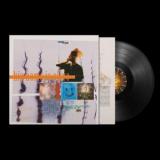
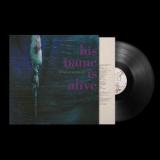
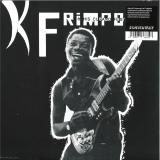
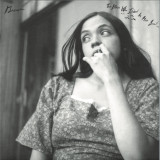
Das 1990 erschienene 4AD-Debütalbum von His Name Is Alive festigte die Stellung der Band innerhalb der bereits etablierten, ätherischen Klangtradition des Labels, indem es dessen Sound neu erfand und durch ein Prisma brach. Ein zartes und leicht entrücktes Dream-Pop-Album, das nahezu zehn Jahre von Defevers Heimaufnahmen bündelt - zusammengeführt zu einem eindringlichen Gesamtklang durch den geisterhaften, femininen Gesang von Karin Oliver. Produziert und gemischt von Ivo Watts-Russell sowie dem This Mortal Coil-Kollaborateur John Fryer, ist das Album ein kraftvolles Eröffnungsstatement, das mit rauschhaften Refrains und texturierten Gitarrenklängen Neugier weckt. Es behandelt die beiden zentralen Themen Liebe und Verlust, die taumelnd und wie in einem Traum vorgetragen werden.
Cerca:his
- 1: Baby Fish Mouth
- 2: Lip
- 3: Cornfield
- 4: In Every Ford
- 5: Lord, Make Me A Channel Of Your Peace
- 6: Drinks, Dress, And Ink
- 7: Where Knock Is Open Wide
- 8: Can't Go Wrong Without You
- 9: Jack Rabbits
- 1: Sort Of
- 2: Sick
- 3: Blue Moon
- 4: Ear
- 5: Lemon Ocean
- 6: The Torso
- 7: The Dirt Eaters
Mouth By Mouth ist das erste Album von His Name Is Alive bei dem die Band alle Prozesse - einschließlich des Mixings - selbst kontrollierte, und markierte einen deutlichen Wandel: Es ist zugleich ihr vielfältigster und zugänglichster Katalogeintrag. Die kontinuierliche künstlerische Weiterentwicklung des Projekts ermöglichte es Defever, einen außergewöhnlich experimentierfreudigen Ansatz für Klang und Vision des Albums zu verfolgen und seiner Liebe zu unterschiedlichsten Musikstilen freien Lauf zu lassen - von loop-basiertem Dub über zuckersüßen Pop der 1960er, verzerrten Dream-Gaze, atmosphärischen Alternative-Noise bis hin zu gitarrenbetontem Folk. Indem die Band das Surreale aufgriff und ihren experimentellen Ansatz noch weiter intensivierte, während Defevers Studiofähigkeiten voll zur Entfaltung kamen, gilt dieses Album für viele als ein Höhepunkt ihres Schaffens.
- 1: Are You Comin' Down This Weekend?
- 2: Her Eyes Were Huge Things
- 3: The Charmer
- 4: Hope Called In Sick
- 5: My Feathers Needed Cleaning
- 6: The Well
- 7: There's Something Between Us And He's Changing My Words
- 8: The Phoenix, A Pool Of Ice
- 9: Are We Still Married?
- 10: Put Your Finger In Your Eye
- 11: Home Is In Your Head
- 12: Why People Disappear
- 13: Here Eyes Are Huge
- 1: Save The Birds
- 2: Chances Are We Are Mad
- 3: Mescalina
- 4: Sitting Still Moving Still Staring Out
- 5: Very Bad A Bitter Hand
- 6: Beautiful And Pointless
- 7: Tempe
- 8: Spirit And Body
- 9: Love's A Fish Eye
- 10: Dreams Are Of The Body
Home Is In Your Head enthält 23 Songs, die in schneller Abfolge durch verschiedenste Emotionen führen, wobei Momente beruhigender Ruhe schon bald mit weißem Rauschen und rohem, unmittelbarem Chaos kollidieren. Als vielseitige und zugleich geerdete Sammlung aus neuem und älterem Material (teils zurückreichend bis in Defevers frühe Schulzeit) zeigt das Album eine Band, die in eine selbstbewusste kreative Phase eintritt. Es fesselt die Hörer sowohl durch seine Schönheit als auch durch seine Dunkelheit und beweist, wie einzigartig Defevers inspirierte Produktionen sind. "Spät in der Nacht hörte ich mir die Mischungen ganz leise an und ließ das Ticken meines Weckers mit dem auf der Platte gesampelten Uhrgeräusch verschmelzen - es ist eine so unvorhersehbare, fließende Reise." - Ivo Watts-Russell
- A1: Yede Aba
- A2: Mene Menua Mienu
- A3: Sabarima
- A4: Ebia Nie
- A5: Amintiminim
- A6: Siakwaa
- A7: Nana Agyei
- B1: Efie Ne Fie
- B2: Nyankonton Nko Nyaa
- B3: Kwankwaasem Nti
- B4: Egya Ananse Yi Wonan Baako
- B5: Kwaadede Meyare Merewu
- B6: Eda A Mewu
Strut proudly presents the first-ever reissue of a landmark 1974 Ghanaian highlife classic Sikyi Highlife by Dr K. Gyasi & His Noble Kings, originally released on Essiebons.
A defining recording of the era, Sikyi Highlife bridges tradition and innovation at a pivotal moment in Ghanaian music. Deeply rooted in the classic 1950s–’60s highlife sound, K. Gyasi drew inspiration from the ancient sikyi drum-dance of the Akan people of southern Ghana, shaping the album’s rhythms around its distinctive pulse.
The vocal arrangements echo the traditional Akan modal style, grounding the music firmly in Ghana’s cultural heritage. Yet Sikyi Highlife is equally forward-thinking. As electric guitars became standard in highlife during the 1960s, the 1970s ushered in further experimentation. The Noble Kings broke new ground as the first highlife guitar band to incorporate keyboards and a full horn section into their sound, expanding the genre’s sonic possibilities while retaining its rootsy spirit.
Gyasi’s approach was part of a broader indigenisation movement among Ghana’s electric highlife bands in the post-independence era. Inspired by the nation’s ‘African Personality’ ethos and reinforced by Afrocentric messages arriving from American soul and funk, artists began reclaiming traditional forms within modern arrangements. Contemporaries included Koo Nimo, who revived the older palmwine style, and drummer Nii Ashitey, whose Wulomei band pioneered a folklorised Ga highlife sound from 1973.
Like many musicians of his generation, Gyasi was a passionate supporter of Ghana’s independence movement. In 1963, he travelled as a musical ambassador alongside Ghana’s first president, Kwame Nkrumah, performing across North Africa and the USSR and carrying Ghanaian culture onto the world stage.
The Noble Kings’ mid-’70s line-up featured some of the country’s finest musicians, including guitarist Eric Agyeman (who led the band at the time), Thomas Frimpong on drums and vocals, Ernest Honny on organ, and bassist Ralph Karikari - who was renowned for his innovative technique of translating the rhythms and tonal language of the traditional talking drum onto electric bass.
Upon its original release, Sikyi Highlife became one of the biggest-selling albums of the 1970s for Essiebons, earning Gyasi the affectionate honorary title of “Dr” from his devoted fans. Today, the album remains an evergreen classic, still cherished across Ghana and beyond.
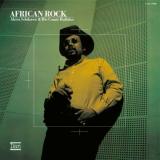
- A1: Prayer
- A2: Dawn
- A3: Animals
- A4: Hunting
- B1: The Earth
- B2: Love
- B3: Joy
- B4: Jumbo
This album is a masterpiece in which the three core pillars of Akira Ishikawa’s musical vision—jazz, rock, and African music—are fused in a sublime and thrilling balance. One arresting track follows another: the solemn and majestic “Prayer”, evoking the eternal land; the clear yet subtly psychedelic “Dawn”; the serene and beautiful “Love”; and the highly dynamic, explosive “Jumbo”.
The brilliance of Hirmasa Suzuki’s arrangements deserves special mention—simple yet profoundly deep, they give vivid clarity to the album’s overall concept and imagery. Among Ishikawa’s serious, non–instrumental-cover works, this album stands shoulder to shoulder with Electrum, Bakishinba, and Uganda, and should be regarded as one of his definitive achievements.
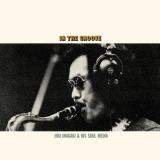
- A1: That’s How I Feel
- A2: Blue Blood
- A3: It’s Impossible
- A4: Put It Where You Want It
- A5: Crazy Medicine
- B1: Joie De Vivre
- B2: Papa Hooper’s Barrel House Groove
- B3: Thrill Is Gone
- B4: Raven Speaks
- B5: Samba Chimba
Formed in 1969, Soul Media set out with a clear mission to fuse jazz and rock. That approach took a decisive next step with In The Groove, recorded in 1973. Here, the sharpness of jazz is brought to the forefront, rock elements are dissolved and refined to give a cutting edge, and funk is injected to add drive, elasticity, and physical force. The result is a body of music that transcends existing genre labels—jazz-rock, jazz-funk, or fusion—and stands instead as something simply, undeniably cool: strong yet sophisticated.
This album is often described as Soul Media’s response to The Crusaders, a band that saxophonist Jiro Inagaki was paying close attention to at the time. The aim hit its mark. With In The Groove, Soul Media acquired a “refined black feeling”, setting them firmly on the path toward their ultimate destination: Funky Stuff.
Blue Album[22,65 €]
Two Seminal albums from cult Ghanaian musician Alhaji K. Frimpong and his group the Cubano Fiestas, recorded in 1976 and 1977 respectively and considered to be some of the best highlife albums ever recorded, at the pinnacle of West African musical tradition and innovation.
Both originally self titled, they have become known by the colour of the covers - Blue and Black respectively. The Blue Album brings new arrangements to traditional Ghanaian melodies and features the masterpiece Kyenkyen Bi Adi M’awu (come back my love) - universally known in Ghana, covered and sampled by artists such as Chronnix, Gnarls Barkley and many more. The Black Album expands the electronic elements and features the equally visionary Hwehwe Mu Na Yi Wo Mpena, although the real gem is hiding on the B side: the extended groove of “Adam Nana”. Sinuously evolving guitar lines, clavinet vamps, harmonised vocal snatches and otherworldly percussion expand and contract over a full quarter of an hour - a Ghanaian repost to the Afro Jazz experiments going on at the same time on the other side of the Atlantic. Although popular in Ghana at the time of the release, the albums were never distributed internationally and original copies of the album are extremely rare.
The albums got a limited reissue in 2011 and have been unavailable since - even reissue copies sell for high prices on the second hand market
Mr Bongo proudly presents an official reissue of an iconic, exploratory album by Indian maestro of the sitar, Ananda Shankar, aptly titled 'Ananda Shankar And His Music'.
Released on His Master's Voice in 1976, the album is a sublime collage of sitar-funk, traditional Indian classical music and psychedelic grooves, from the Indian sitarist, composer and musician. Nephew to India’s legendary sitar virtuoso Ravi Shankar, Ananda’s musical family and upbringing led to a deep respect and love of the wealth of music that emanated from his birthplace. His travels to the west coast of America in the late ‘60s though, saw Shankar immersed in the full swing of psychedelic rock. The collision of these two musical worlds with a whole range of other Eastern and Western influences on 'Ananda Shankar And His Music', is a truly entrancing combination.
First big in the UK in the mid-‘90s jazz/rare groove club scene, when it was unearthed by adventurous DJs and crate diggers, the sensational Indian-funk tracks 'Streets Of Calcutta' and 'Dancing Drums' became firm dancefloor favourites. The mixture of drum-heavy funk with Indian music and psychedelia is the perfect melting pot. Flavourful and balanced, it still feels fresh and exciting 40 years on.
Like a fine wine, this album keeps getting better with age and once-overlooked tracks are now seen in a new light. Aside from the main 'club' cuts that many have praised and loved, 'The River' is a part blissed-out, Balearic gem, part cosmic wild west soundtrack, that would provide the perfect complement to any sunset session. Elsewhere, 'Dawn' is a spiritual and meditative journey into Indian classical music, with ‘Cyrus’ floating you away to heavenly heights. On a different tip, 'Back Home' fuses styles and themes via an organ and Moog-infused, tripped-out excursion, whilst 'Renunciation' hits with a psych-rock sentiment to its sitar-soaked grooves.
A beautiful time capsule of Eastern culture meets Western influence, where experimentation and intrigue produced a fusion of sounds that still sound as vibrant and alluring as they have ever been.
The King of Miami's Cuban music scene, the late Ray Fernandez, is featured here fronting his enormously talented family band on an album that first brought him into the spotlight.
Heavily influenced by deep funk and Latin music, their psych-tinged creations also incorporated many other kaleidoscopic sound infusions, including soul, calypso, Afro-Cuban and salsa. Fronted by Ray Fernandez, his band included his very talented wife and two sons and proved to be a highly influential group on Miami's Latin music scene in the late 70's. What also made them stand out was their versatility; this group could easily shift from Cuban funk to Reggae in a blink. Their instrumentation was also different to the 'norm', and where a lot of similar sounds were saxophone-led, this band used a bass clarinet. Instead of bongos, Ray and His Court played with the unique Osi drums from Africa.
Sampled heavily by DJs worldwide (including DJ Shadow) On High presents a must have piece of music for any serious Latin, funk, or rare groove collector. Remastered and pressed on audiophile virgin vinyl for your listening pleasure.
- A1: The Second Dreams (Theme From House On The Sand)
- A2: The Torture (Theme From Time Of Heroes)
- A3: Motorcycle (Theme From The Exile)
- A4: The Opening Night (Theme From Ljuba Par Lui Meme)
- A5: In The Beaubourg Gallery (Theme From Ljuba Par Lui Meme)
- A6: All And Nothing At All (Main Theme From All And Nothing At All)
- A7: All And Nothing At All (Unused Theme From All And Nothing At All)
- A8: Jere And Marija In The Room (Theme From Marjuca Or Death)
- A9: The Bitter Tears Of Petra Von Kant I (Theme From The Bitter Tears Of Petra Von Kant)
- A10: The Bitter Tears Of Petra Von Kant Ii (Theme From The Bitter Tears Of Petra Von Kant)
- B1: Cassandra (Theme From The Trojan War Will Not Take Place)
- B2: Peace (Theme From The Trojan War Will Not Take Place)
- B3: Fourth Choir - Sun Ray (Theme From Biedermann Und Die Brandstifter)
- B4: Second Choir - Marching Step (Theme From Biedermann Und Die Brandstifter)
- B5: The Beginning Before The Beginning (Theme From Fool For Love - Savage Love)
- B6: She Runs Away (Theme From Fool For Love - Savage Love)
- B7: Eddie Enters (Theme From Fool For Love - Savage Love)
- B8: A Jerk (Theme From Fear And Hope Of The German Federal Republic)
- B9: Song 3 (Theme From Fear And Hope Of The German Federal Republic)
- B10: Chernobyl (Theme From Fear And Hope Of The German Federal Republic
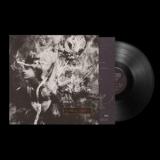
A collection of music for the various films and theatre plays by Mirko Krsticevic, Croatian and Yugoslavian composer and musician active since 1970s. All and Nothing at All (Film and Theatre Music 1978 - 1988) focuses on his work for the underground and avantgarde cinema from the era: directors Ivan Martinac, Svemir Pavic, Lordan Zafranovic, Aleksandar F. Stasenko and Vanca Kljakovic are all part of the Split Cinema Club association; their work explores art, death, sexuality and eroticism. Pavic's portrait of surrealist painter Ljuba Popovic, made in the same year as its counterpart by Walerian Borowczyk, features scenes form Beaubourg Gallery in Paris and Udo Kier as a guest. Side B of the record is all about theatre: plays by Sam Shepard, Rainer Werner Fassbinder and Jean Giraudoux were all produced in Sarajevo and Split in the 1980s, with the rare electronic takes by Mirko Krsticevic and his subtle minimalist soundings of the themes from the Cold War era. This unique and diverse compositions by founder of the rock band Metak and sound studio Tetrapak from Split, are document of the time that is, especially in the closing Chernobyl theme, relevant again. Composer, musician and musical arranger Mirko Krsticevic was born in 1948 in Sibenik. He graduated in music theory at the Pedagogical Academy in Split and then at the Music Academy in Sarajevo. He studied composition with Josip Magdic, Mladen Pozajic and Miroslav Spiler. He is the co-founder of the Tetrapak music studio in Split, where numerous performers and musicians have recorded (Animatori, D'Boys, Haustor, Oliver Mandic, Gibonni, Srdjan Marjanovic, Stil, Trotakt Projekt and others). The first group he founded was the rock group Che, which performed his own songs, in which he played bass guitar. It was founded in the summer of 1969. Together with Ranko Boban and Momcilo Popadic, he founded the Metak group in the spring of 1978 in Prigradica on Korcula. In the group, he is the author of songs and lyrics, and he also plays the bass guitar. "Da mi je biti morski pas" is the group's most successful single, which in 1980 became one of the most played songs on radio and television. Metak performed in Belgrade in front of 70,000 people, and the media declared them the best group along with Macedonian Leb i sol. In compositional work and arrangements for other pop and rock artists, Krsticevic had high commercial success with Tutti Frutti Balkan Band, Biljana Petrovic, Seid Memic Vajta, Pepel in kri, Osmi putnik, Oliver Dragojevic , Djordji Peruzovic, Henda and others. Parallel to his pop and rock career, Krsticevic composed stage and film music for 45 films, mostly collaborating with the circle of experimental and amateur directors of the Split Cinema Club (Kino klub Split) as well as the rest of the local underground scene. He is the author of stage music for 130 theatre plays, and also records his own compositions in the field of contemporary music. He wrote over 30 works for solo instruments, chamber and symphonic music. At the end of 2007, he founded the Split society for contemporary music and the contemporary music ensemble Splithesis. In 2015, he founded his own orchestra The Highway to Well Family, composed of fourteen musicians and three singers. In 2021, he founded Arthesis, an artistic organization for contemporary music and visual arts. He is the author of four operas: "Krvava svadba" (1997), "Halugica" (1999), "Atlantida - Legenda o Dan'zoru" (2018) i "Atlantida II - Lu'blis Kaoamos" (2020). He is the winner of numerous awards, lives and works in Split. Gatefold LP with extensive liner notes, Direct Metal Mastering (DMM) from original tapes, pressed at Record Industry. File under: Soundtrack, Stage, Electronica
- A1: Posjet Iz Svemira (A Visit From Space) (1964)
- A2: Cudna Ptica (Strange Bird) (1969)
- A3: Astromati I (Astromutts I) (1963)
- A4: Astromati Ii (Astromutts Ii) (1963)
- A5: Surogat (Ersatz - The Substitute) (1961)
- A61: Klizi-Puzi (Twidle-Twidle) (1969)
- B1: Zacarani Princ (The Enchanted Prince) (1978)
- B2: Medvjedja Romansa (Grin And Bear It) (1978)
- B3: Zid (The Wall) (1965)
- B4: Dnevnik (Diary) (1974)
- B5: Gubecziana (The Serfs Uprising) (1974)
- C1: Plemeniti Soj (The Noble Strain) (1971)
- C2: Homo Augens (1972)
- C3: Idu Dani (Passing Days) (1969)
- C4: Opera Cordis (1968)
- D1: San (The Dream) (1982)
- D2: Kugina Kuca (The House Of The Plague) (1980)
- D3: Utopia (1973)
- D4: Dan Kad Sam Prestao Pusiti (The Day I Stopped Smoking) (1982)
A collection of unreleased themes and scores from 18 short animated films from the world famous Zagreb School Of Animated Film. Includes Oscar winning short cartoon Ersatz / Surogat by Dusan Vukotic (1961) and many other jazz, electronica and experimental scores by composer Tomislav Simovic. Coined by the famed film theorist Georges Sadoul at the 1959 Cannes Festival, The Zagreb School of Animated Film(s) or The Zagreb School of Animation, was defined as an artistic and philosophical world-view that set its mark on the history of animation in the 60's and 70's. The key feature of the Zagreb School (not educational facility in any kind), was commitment to stylization in contrast with the Disney-style canon of realistic animation. Among many composers that worked in Zagreb Film productions, the name of Tomislav Simovic (1931 - 2014) stands out. In his oeuvre of 300+ film scores (not counting compositions and arrangements for pop singers and jazz orchestras), many were made exclusively for Zagreb film documentaries, fiction shorts, features and animation. Simovic was particularly adept at writing music for cartoons. He skillfully synchronized movement and sound and mixed different musical genres, although, like his peers at the time, he leaned towards jazz. 'The Zagreb School of Animated Film (Original Soundtracks 1961-1982)' is compiled by Leri Ahel (Mutant Disco Radio Show) and Zeljko Luketic (Electronic Jugoton, Ex-Yu Electronica III). Master tapes were considered lost, now found and restored for this epic 2 x LP release celebrating Yugoslavia's animated art shorts. Double vinyl gatefold with extensive liner notes, photographs from the films and exclusive cover artwork by Dejan Krsic (NEP / Nova Evropa).
Official AFRODELIC reissue of the ultra-rare Tunde Mabadu’s debut album. Originally released in 1978 on Blackspot label (DECCA’s West Africa division), Bisu, which includes the supergroovy ‘Red Jeans’, differs from the later 1980 ‘Viva Disco’ album by a much more pure African style.
A beautiful and soulful production in which Tunde’s deep voice and sax move on the excellent horns arrangements, percussions, the wahwah rhythm guitar and weird keyboards and synths (at times psychedelic as in the ‘Blue Bird’ 9 minutes).
As wrote on the original liner notes of the era “His music will mesmerize you from the first track. A dedicated Musician especially to his African Roots with so much to offer Musically”.
Repressed for the first time. Limited Edition.
- A1: Sjecanje (Memory)
- A2: Maglica (Nebula)
- A3: Cudesna Panorama (Magical Panorama)
- A4: Prizma (The Prism)
- A5: Sanjivi Glasnik (Dreamy Messenger)
- A6: Zlato Mozaika (Mosaic Gold)
- B1: Iza Oriona (Behind The Orion)
- B2: Prerija (Prairie)
- B3: Konjanici (Horsemen)
- B4: Istocni Pravac (East Direction)
- B5: Sjecanje Na Istok (Memory Of The East)
- B6: Refleksija (Reflection)
Deluxe limited edition vinyl LP of the unpublished Nenad Vilovic lost synth-masterpiece Prizma. The Yugoslavian and Croatian disco and pop chart-maker and once a Split International Music Festival headman (also in groups Grupa ST, Mladi Batali, etc.), producer of Dino Dvornik, Ambasadori, Oliver Dragojevic, Meri Cetinic, Leo Martin and many more, recorded this space-prog-electronica album in complete secrecy. It was refused in the 1980s by major Yugoslavian record labels for being too experimental, but it is actually a game changer in the field of socialist YU electronica. Miha Kralj, Laza Ristovski, Igor Savin and Kornelije Kovac now have company in the field of complex analog synthesizer concept albums, with this one being finally released by Fox & His Friends Records after 37 years of being shelved. Every instrument on this album has been played by Vilovic himself. This rare piece of vinyl is cut by Pauler Acoustics, mastered by Antony Ryan and features exclusive cover design by Eric Adrian Lee. The studio master is here presented in its entirety; no track was replaced or changed its order. This is how it was imagined to be released in 1985, when Nenad Vilovic played all instruments, produced, composed, arranged, recorded and even sang on the whole thing. However the title "Prizma" may suggest, this is not a structuralist concept album, but a conceptual use of his studio, instruments and musical knowledge. It mixes the ethnic, electronic, geographical and ambient roots of the crowned festival producer, hit-maker and fast-skilled studio musician who spent all of his money on new machines and his musical progress.
- A1: Alphaville
- A2: Reason Or Rhyme
- A3: Sign Of The Times
- A4: New Town
- A5: Limbo
- A6: Bitter-Sweet
- B1: Dance Away
- B2: Zamba
- B3: Sea Breezes
- B4: While My Heart Is Still Beating
- B5: Bitters End
- B6: Chance Meeting
- B7: Boys And Girls
- Melody Of Love
- A Swingin‘ Safari
- Sail Along Silv‘ry Moon
- La Paloma
- Blue Hawaii
- Wheels
- Look For A Star
- Cimarron (Roll On)
- Aloha Oe
- Morgen
- Moonlight And Roses
- Blueberry Hill
- Blue Tomorrow
- Berlin Melody
- Lili Marleen
- Together
- Someone
- Orange Blossom Special
- Singing Hills
- Raunchy
Mit His Greatest Hits präsentiert Billy Vaughn eine stimmungsvolle Vinyl-Zusammenstellung seiner bekanntesten und erfolgreichsten Aufnahmen. Der legendäre Bandleader und Arrangeur prägte mit seinem unverwechselbaren Orchester-Sound die Easy-Listening-Ära und erzielte weltweit Millionenverkäufe.
Diese LP vereint seine größten Klassiker, darunter „Melody Of Love“, „A Swingin’ Safari“ und „Blueberry Hill“ – zeitlose Instrumentalhits, die bis heute für entspannten Hörgenuss und nostalgisches Flair stehen. Der warme Vinylklang unterstreicht die eleganten Arrangements und macht diese Veröffentlichung zu einem besonderen Hörerlebnis.
His Greatest Hits ist die ideale Zusammenstellung für Fans klassischer Orchester- und Instrumentalmusik sowie für alle, die zeitlose Melodien schätzen
Vinyl gatefold jacket includes a 12x12 insert reproduction of the original LP jacket art.Recorded in 1956 and released in 1957, Supersonic Jazz is arguably the first long-playing album by Sun Ra and His Arkestra on his Saturn label. However, it was not recorded as a debut. Rather, the album was assembled from tapes recorded during a number of sessions at two Chicago studios (RCA Victor and Balkan), and several tracks had been released as singles before their inclusion on this album. (Sunny's first fully realized commercial album was 1957's Jazz by Sun Ra, produced by Tom Wilson on his short lived/soon to be defunct Transition label.) Prior to these sessions, Sunny was still arranging for the Red Saunders Orchestra and singer Joe Williams, in addition to arranging for and coaching doo-wop ensembles. As Sunny's ambitions achieved liftoff, the Arkestra coalesced, began building a repertoire (mostly of Ra's originals), and making forays into studios. Deciding it was time for commercial releases, Sunny and business partner Alton Abraham launched Saturn (sometimes called El Saturn) as a record company in 1956. As a first offering, Supersonic Jazz is a pinnacle Sun Ra release. While reflecting many prevailing bebop, Latin, and R&B conventions of the mid-1950s, it's evident that Sun Ra's musical voice and vision were starting to propel him away from the jazz mainstream. Biographer John Szwed finds on these recordings "characteristics which seemed alien to swing, bebop, or the new, more soulful and hard-edged music which was coming to be called hard bop."
A heretical masterpiece with an overwhelming presence in the history of Japanese jazz. Jiro Inagaki was one of the central figures in the development of jazz rock in Japan. Inagaki, who had doubts about the existing jazz music, turned the helm to jazz-rock at once with this album recorded in 1970. From the opening track "The Vamp" to the closing "Head Rock," Inagaki poured all his ideas and passion into this jazz-rock album that leaves no time to exhale.
Jiro Inagaki(Tenor Sax)
Tetsuo Fushimi(Trumpet)
Ryo Kawasaki(Guitar)
Masaru Imada(Organ)
Yasuo Arakawa(Bass)
Sadakazu Tabata(Drums)
- Nobody You'd Know
- Amazing Things
- Teenage Guitar
- Something Beautiful
- Clean White Page
- Do Whatever You Want
- Hearts Been Broken Before
- All The Toys
- It's Gotten Quiet Round Here
- Somebody Good Thinks I'm Good
Amazing Things is an album about death which isn't morose, slow, or quiet. A year ago Darren lost a friend to cancer. Amazing Things is an album about death which isn't morose, slow, or quiet. Instead, it is packed with joyful, melodic guitars and some of Darren's prettiest tunes. It is sometimes very sad, but also heartfelt, loving, and rewarding. Darren recorded the album almost entirely solo and this time he has dug deep into his primary instrument, the electric guitar, creating a sound that is rich in tone and texture. Darren Hayman is a British songwriter best known for his work with late 90s band Hefner, but has since made more than 20 albums dealing with astronauts, the English Civil War, William Morris, Lidos, and Thankful Villages. He lives in South London with his dog.