- A1: Shit On Me
- A2: Fucking Rotten
- A3: You, Me, Carpark, Now
- A4: Burn Your Home
- A5: Terror Australis
- B1: The Shaftmen - Shaftman - Toecutter Remix
- B2: Kill Intelligent Jocks (They Are The Master Race)
- B3: Scooter - Ramp ! The Logical Song (Progressive Mix) - Toecutter Remix
- B4: Nu-Lo
- C1: Donna Summer - Striving For Peace Between Mac And P C. Users - Toecutter Remix
- C2: Dave Dobbin & The Herbs - Beauty And The Beats - Toecutter Remix
- C3: Sokuseki Men - Big Toe Blues - Toecutter Remix
- C4: Kid606 - Lap Top. Hot. Shot. - Toecutter Remix
- C5: Dnil8R - Ft Mc Slurry
- D1: Baby, Don't Call Me - Xian Remix
- D2: Sodomecstacy - Shitmat Remix
- D3: Cum On Barbie - Sickboy Remix
- D4: Graveyard Haters - Maladroit Remix
- D5: Cut Up Cops
- E1: Ode To Brendan Phelan
- F1: I Milk Myself - Smoo Operator
Cerca:hot x
- A1: Opening (3 11)
- A2: Crabby Beach (3 03)
- A3: Dark Ruins (3 02)
- A4: Cryptic Relics (3 08)
- A5: Stadium Attack (3 07)
- B1: Crumbling Castle (3 10)
- B2: Frosty Retreat (Inside) (3 09)
- B3: Frosty Retreat (Outside) (3 05)
- B4: Snowy Mammoth (3 24)
- B5: Specter's Factory (Outside) (2 05)
- C1: Thick Jungle (Woods) (2 55)
- C2: Thick Jungle (River) (3 04)
- C3: Molten Lava (2 52)
- C4: Results (1 03)
- C5: Molten Lava (T-Rex) (3 04)
- C6: Coral Cave (3 35)
- D1: Specter Circus (2 49)
- D2: Hot Springs (3 07)
- D3: Hot Springs (Maze) (3 08)
- D4: Laboratory (0 58)
- D5: Monkey Madness (2 58)
- D6: Wabi Sabi Wall (3 09)
- E1: Staff Roll (Normal) (2 59)
- E2: Opening (3 11)
- E5: Tv Tower (3 11)
- F1: City Park (3 04)
- F2: Stage Select (0 49)
- F3: Specter Boxing (2 54)
- F4: Primordial Ooze (3 22)
- F5: Western Land (3 12)
- F6: Fossil Field (3 10)
- G1: Staff Roll (2 59)
- G2: Dexter's Island (3 05)
- G3: Specter's Theme (2 57)
- G4: Ski Kidz Racing (Type A) (2 52)
- G5: Ski Kidz Racing (Type B) (3 04)
- G6: Ski Kidz Racing (Type C) (2 53)
- H1: Movie From Opening (1 05)
- H2: Movie From Shifting Time (1 34)
- H3: Crumbling Castle (Alternative Version) (3 11)
- H4: Hot Springs (Alternative Version) (2 59)
- H5: Specter Boxing (Training Version) (2 21)
- E3: Sushi Temple (3 17)
- E4: Peak Point Matrix (3 09)
4XLP. Hardcover slipcase box. Liner notes from Soichi Terada, Colour: translucent red, clear, blue, and yellow vinyl
It has been 25 years since the release of Saru Get You (サルゲッチュ), known stateside and in the UK as Ape Escape. Ape Escape marked a significant milestone for the PlayStation, as it was the first game to require use of the PlayStation's DualShock (analog) controller. In Ape Escape, the use of the analogue sticks goes beyond camera rotation and acts as an extension of Kakeru's (Spike's) own character, controlling his many gadgets like the stun club, time net, and sky flyer. It's a unique form of control that, really, didn't become popularized until the release of the Nintendo Wii. It feels like a distinctly Japanese design, the sort of off-the-wall design that is either embraced or rejected on a global scale. In Ape Escape's case, the mechanic caught on.
Ape Escape is fast, frantic, and—at times—downright frustrating. Pipo monkeys dash, taunt, and swim away from your advances. They ride water monsters, fly UFOs, and even shoot uzis! Whether it's Kakeru, his friends, or the monkeys themselves, the characters are always running across the levels. This mad dash is enhanced by the game's soundtrack, composed by legendary composer Soichi Terada. As he recalls, the director of the production said, "Spike and his friends always have the image of running." In response, Terada happily produced fast songs with an average speed of over 170bpm. The resulting gameplay and audio is a match made in heaven.
Ape Escape is the first game soundtrack Mr. Terada ever created. The producers of the game heard one of his singles, "Sumo Jungle," and thought his frenetic drum-and-bass (Jungle) would be perfect for the game. The marriage of Ape Escape's charming overworld and Soichi's upbeat compositions is nothing short
of sublime. Especially now, it is difficult to separate the mischievous Pipos and fast-paced action from Soichi Terada's silky smooth synthesizer and heart-pounding bass. Earlier this year (2024), Soichi Terada's Ape Escape work was celebrated by the six-track EP Apes in the Net, which includes music from Ape Escape 1 and 3 (Terada did not compose the series' second installment). The label, Rush Hour Music, has prestigiously championed almost all of Soichi Terada's music, especially his (specifically non-VGM) house, jungle, and drum and bass releases (Sounds from the Far East, Asakusa Light, and more).
Before Apes in the Net, Terada's Ape Escape music was only available on CD, released in Japan around 2010. This release featured reconstructed tracks created by Mr. Terada himself, identical to the music arrangements featured in the game. The biggest difference, of course, was that they were of higher fidelity than was originally available on the PS1 disk format. Completing all of the aforementioned releases is this box set, released by Far East Recording in partnership with Cartridge Thunder and officially licensed by Sony Computer Entertainment. This box set release includes four LPs, housed individually by a hardcover slipcase. This box set includes every song from Ape Escape 1, except those available on Apes in the Net. This box set release also includes one bonus song, previously unreleased anywhere else (including the game itself!).
The music on this box set was meticulously mastered by Justin Perkins of Mystery Room Mastering. Using Mr. Terada's premastered source files, the music was completely and specifically mastered for vinyl. Rounding out the audio is absolutely stunning artwork created by Gobo3D. CT worked with Gobo to recreate some of Ape Escape's most iconic characters, referencing the original Japanese guidebook and other promotional materials. The result is visually delicious 300dpi artwork that takes you straight back to 1999. As uber-fans of the original PlayStation game, Cartridge Thunder and Far East Recording are proud to celebrate Soichi Terada's music and pay our respects to such a legendary PlayStation franchise—on the original hardware's 30th anniversary no less! It's with a happy heart, then, that Far East Recording and CT present to you Soichi Terada's Ape Escape Originape Soundtracks in a Box.
Please note: due to licensing exclusivity, this release does not include tracks previously released on Apes in the Net
Big new release by Peter Van Hoesen! Continuing his exploration of intricate techno systems, their effect and direct perimeter of action, Peter van Hoesen turns in his newest four-track piece, ‘Prime Directive’: a fascinating dive into the artist’s shape-shifting headspace and inner creative chaos.
Fuelled on a furnace-hot mix of abstract-leaning immersion and hi-octane rhythmic thrust, ‘Prime Directive’ looks at contemporary techno from the angle of experimentation and intuitive abandon. The result comes in the form of four distinct movements, each carving out their own logic and associated behaviour out an endless pool of potentialities. Here comes chaology unfolding in all its unadulterated, visceral glory.
‘Definition by Absence’ breaks the trip in to the sound of a faux-random symphony: its train-like swing and fiery bass seesaw coalesce through an elliptic fluttering of sorts, iterative and not, patterns moving in and out of synchronicity as van Hoesen applies more or less pressure on both ends. All in gusty in-your-face-ness, ‘Variables Edit 1’ whirls and swirls like an ominous vengeance of nature; Its puncturing kicks and whistling menace set against stellar winds and rabid machinery on the prowl for its next victim.
An even more unsettling piece of disjointedly arrhythmic, anti-club music for the dance floor, ‘Prime Directive’ will have you zoning out like a bad dream, flush with metronome-faced monsters and molten clocks hanging from dead trees. ‘Morphology’ could be PVH’s attempt at giving his concepts a carnal carcass to hold onto. Here, rhythm becomes somewhat less erratic, offering his 360-degree vision more melodic surface and actual room for dispersion. One to keep the boundaries pushed and status-quo challenged, this is techno at its most entrancingly bold and fearless.
*This new four-track epic from Peter van Hoesen comes draped in a fine piece of artwork courtesy of Atact, and pressed according to our standards in 180g audiophile quality so you get to experience the Belgian master's chiselled sound design in all its glory.
The Ibex Band, with Giovanni Rico and Selam Woldemariam at the creative helm, provided the musical backbone for legends like Aster Aweke, Girma Beyene, Tilahun Gessesse, Mulatu Astatke, and Mahmoud Ahmed, including the iconic album Ere Mela Mela, shaping modern Ethiopian music as we know it today. This 1976 album (Ge’ez Year 1968) played a pivotal role in that legacy and has now resurfaced to set the record straight.
There’s a tendency to talk about the seventies as a golden age of Ethiopian music. There are good reasons for that, and just as good reasons against it. However, the notion of a golden past privileges the role of Western explorers and suggests that the pinnacle of Ethiopia’s musical culture is something only a foreigner can appreciate and unearth. It downplays the complexities of Ethiopia’s culture and history, creating an artificial divide between then and now. And it underestimates the constantly evolving sound that has followed.
The legendary musical outfit The Ibex Band, later metamorphosed into The Roha Band, has played a central role in defining the sound of many of the greatest stars on the music scene of Ethiopia from the mid-seventies onwards–but their golden output has never really waned. The story of the origins of the band that provided the musical backbone for greats such as Aster Aweke, Girma Beyene, Tilahun Gessesse, backing the solo career of group member Mahmoud Ahmed as well as backing Mulatu Astatke and many others has yet to be properly told.
Two misconceptions plague the image of Ethiopian music, one is that the music is pure because it is, by some notion, unexploited, the other is that it is all traditional. To begin with, a combination of political changes between the late sixties and the mid-nineties created an environment where only the most dedicated and skilled musicians struggled on and pursued a musical career against fierce odds. The whole Ibex Band, with Giovanni Rico and Selam “Selamino” Seyoum Woldermarian at the creative helm, are arguably the origo of the vibrant scene in the mid-seventies, and the said pair are foremost responsible for not only navigating the band through troubled times, but also modernizing the 6/8 chickchicka rhythm to a contemporary form. Giovanni laid the rhythmic foundation with heavy looped basslines that reinvented traditional melodies as dance music, and with Selamino’s innovative guitar work they influenced scores of musicians from Abegaz Kibrework Shiota to Henock Temesgen. Even Giovanni’s Fender bass and Selamino’s Gibson guitar inspired younger musicians in their choice of instruments. Not only in choice of instruments but also in sound–even as the digital revolution hit Ethiopian music, a lot of popular music still took its cue from the masters from Ibex and Roha.
Ibex emerged out of the ashes of the sixties group the Soul Echos band, adding Giovanni and Selamino to their ranks and taking their cues from a slew of influences, such as Motown and The Beatles, fused with traditional music. A tighter-knit unit than most bands at the time – Ibex has remained six to seven members throughout their whole career, compared to many bands that were as large as fifteen or sixteen men strong when Ibex set out. Their playing has been viciously focused, economical yet heavy. Just a year before the recording sessions of the album in your hands, Giovanni and Selamino made a contribution to the popular musical lexicon of Ethiopia that was simply defining the popular sound: their arrangement and recording of bandmate Mahmoud Ahmed’s solo effort and real commercial breakthrough tune and eponymous album, Ere Mela Mela, from 1975.
Selamino has never limited himself to being an adroit lead guitarist, but has always been a scholar of history, and as such he has probably contributed as much to modern Ethiopian music with his guitar playing and compositions as with a deepened understanding of modern or contemporary – Zemenawi – Ethiopian music. Selamino’s contributions serve as a metaphor for those of the whole band, at one and the same time creating and defining a new, danceable and updated sound anchored in Giovanni’s bass, whilst also elevating the broader scene through their support for others on the scene and on top of that, increasing the understanding of the music.
There is an understandable desire to romanticize the musical heyday Ibex and Roha were at the forefront of, because so much of the output is sorrowfully hard to come by. Ibex creativity was nothing short of ridiculously fierce compared to many of their Western contemporaries. Based on their sheer recorded output alone they could have usurped the title “hardest working in show business” from James Brown, recording more than 250 albums or 2500 songs in the seventies and eighties. Some only surface as cassettes today, others were never given full LP release, and some are simply impossible to find today. In the light of that, it’s nothing short of a miracle that the recording Stereo Instrumental Music from 1976 (Ge’ez Year 1968) has resurfaced. Unearthed in perfect condition on a chrome cassette, this is musical history comes alive–to set the future straight. Stereo Instrumental Music was recorded in collaboration with Karl-Gustav Lundgren, a Swedish national working for the Radio Voice of the Gospel. It took two sessions at the Ras Hotel ballroom in Addis Ababa. The Ibex Band was the first band in Ethiopia to employ a four-track recorder for their recording (the first available in the country, lent by Karl-Gustav). Later the same week, Giovanni and Selamino realized that, lengthwise, the recorded material fell short of what they wished for, so they recorded four more tracks in one more session on a single-track recorder. The Ras Hotel and Ghion Hotel, where the Ibex Band held musical residencies were to Ethiopia in general and Addis Ababa in particular what Motown was to the USA and Detroit a few years earlier – a hotbed of musical creativity and showmanship.
The most astonishing thing about Ethiopian music of the last half century is how tradition and modernity are intertwined. Because of this feature, it’s kind of hard to tell when there ever was or when we are in a “golden age”. So much of music from the past has been criminally neglected, but because of the hardships in the past, it would be an oversimplification to say that said past was a golden age. Probably, the golden age is what we are approaching, because for the first time both the past and future are accessible, and the monumental contributions from before can lay a firm foundation for a thriving music scene today. The Ibex Band stands firmly in the past, present and the future. That, if anything, is golden.
The detailed history of Stereo Instrumental Music is in many ways unique. To begin with, it couldn’t have been recorded earlier (there were no four-track recorders available) and it really couldn’t have been recorded afterwards either, at least not in the years directly following, because of the toll the musical scene took from the unfavorable political climate that followed when the nascent Derg regime and rival groups tried to assert themselves, the musical equipment lent from The Voice of Gospel Radio simply disappeared from Ethiopia when the radio station folded in 1977. Karl-Gustav Lundgren,
the Swedish foreign national who assisted during the recording, worked with the Ethiopian Evangelical Church Mekane Yesus at the time, recalls how they only had about fifteen minutes to get the microphones in place for the recording as to not alert neither the management at Ras Hotel nor the authorities and most importantly, to complete the recording before the curfew came into effect at midnight. In leaping to the opportunity to use previously unavailable equipment to push their sound forward and improvising to meet the logistical challenges, the Ibex Band displayed the very avant-gardism and adaptability that explains their longevity as a band through the years. The recording of Stereo Instrumental Music is from a given time in history, but it sounds as beyond time.
Much of the energy that burst out of the scene that Stereo Instrumental Music came out of dissipated or got sidetracked during the societal changes Ethiopia went through in the 1970s and 80s. Whilst leaders might have professed to be revolutionary, the work ethic of the Ibex Band can truly be described as that. They never called it quits, but adapted, toured extensively abroad in Africa, Europe, and the Middle East, and found ways to work even in the face of the curfew that curtailed a lot of musical life. They even played major arenas in the nineteen eighties, despite said curfew and restrictions. The whole extent of their legacy has never been told, but their music speaks louder than words, so therefore… tune in to the Ibex Band’s Stereo Instrumental Music.
Unreleased Miami boogie and deep soul from the vault of Teddy Studstill. Mixed and mastered from the original session tapes recorded in the early eighties. Terrestrial Funk ties back to their first release with this Miami magic. Teddy Studstill, an unsung hero of South Florida who played guitar on Lang Cook's 'She's Hot With 2,000 Watts' unearths these timeless tunes he wrote four decades ago. Accompanied by Miami legends Luke Jasmin on the keys and vocalist Harris Mazyck. We're grateful Teddy has brought these tracks to light and now the world can finally indulge in their delight. *comes with double sided insert poster*
- 1: Forgiveness
- 2: Embrace
- 3: Present Past
- 4: Compassion
- 5: Reflection
- 6: Past Present
- 7: Revelation
- 8: Peace
- 9: Heart
- 10: Gratitude
- 11: Acceptance
past present (tone poems across time)" is Mark de Clive-Lowe's exquisite new solo album and his debut for Greg Boraman's Impressive Collective label in partnership with BBE Music. Previously the pair released the Pharoah Sanders tribute album 'Freedom', and the equally lauded 'Hotel San Claudio' in collaboration with Shigeto & Melanie Charles. A deeply personal sonic exploration by Mark, "past present" is a reflection on family, heritage, and healing which was created in tandem with retracing his late father’s journey across Japan 70 years ago. The project is a collection of ambient jazz, emotional cinematic soundscapes that weave analog synths with field recordings from Japanese sacred sites and nature locations. "past present” partially came into existence thanks to the perseverance of producer, percussionist and Mark’s friend Carlos Niño, who after experiencing Mark's multi-layered motifs in the studio and in live contexts over many years explains, "I kept hearing him make an album like this, I kept telling him that he needed to, and that it would be his best album yet. Subtle, poetic, solo, texturally rhythmic, expressive, full of rippling layers, and arrangements representing such profound thoughts, feelings, relationships, and memories". Mark also took on board Carlos' recommendation of recording the bulk of "past present" at Ken Barrientos’ analog synth studio, 'The Breath' in Pomona, California - where he utilized no less than 22 different keyboards to create the ethereal and engaging soundscapes across all 11 tracks, also intertwining his own field recordings made during a long, explorative stay in Japan. Being such an individual and personal concept, it was only correct that Mark wrote the extensive album liner notes, to fully illustrate the decades-long backstory to this stunning collection. Mark completes the album's presentation using archive images from his family's private photo collection - an entire process he likens to time travel and signs off to the listener by stating that he hopes "it takes you on your own journey of imagination and reflection, leading to unexpected places, just as it has for me
Following the success of last year’s Walks - their first album of completely original compositions - Group Listening release a new 12” vinyl of Tell Everyone Everything via PRAH Recordings.
The title track and artwork are informed by decay, expiration and musical renewal.
“The title comes from a music festival that happened a few years back in Bristol. A really small DIY festival, called Tell Everyone Everything. I really liked the title - so I stole it. The name stuck in my mind as something very open and positive - a radical action. It could be taken as a proposal for progressive change, or a revolutionary art manifesto,” explains Paul Jones.
“The cover art is a photo that I took a long time ago somewhere on a beach in Sir Benfro (Pembrokeshire). The colours are all weird because it was taken on a very expired roll of Kodachrome. It’s sort of eerie. The bucket and spade had just been left there. It was one of the last ever rolls of Kodachrome to be processed, I snuck it into the developers on the last month they were still open, just before the very last processing plant was shut down forever.”
The release features remixes by both Ancient Plastix (who the duo toured with in 2024) and Loggsplitter. The band were delighted with the results: “I loved watching Ancient Plastix every night and was thrilled when he agreed to remix our song. It turned out great too”, says Stephen. Of the Loggsplitter remix Paul says: “It’s like a hot blast of compressed air travelling across the downs from a ravers airhorn. Lush”
- A1: Weejuns (Intro) Ft Will Stowe
- A2: Beautiful Black
- A3: One Hand Washes The Other Ft Lojii
- A4: Crossroad(S)
- A5: Negroni (Skit)
- A6: Firefly Ft Fatima
- A7: Nothin' To Say
- A8: Uptown Mami (Skit)
- B1: Manuva(S) Ft Joe Armon-Jones
- B2: Driftin' Interlude Ft Pearl De Luna
- B3: Chase The Sunrise Ft Yaya Bey, Lojii, Fatima
- B4: First Dates
- B5: Quiz Interlude Ft Salimata
- B6: Lizards / Dancin' With The Devil Ft Jaydon Clover & The Hotel
- B7: Mind, Body, Spirit Ft Seafood Sam
- B8: Forever Pooh
Cassette[14,08 €]
Auf "Warlord of the Weejuns" definiert er in Brooklyn geborene und im Südosten Londons lebende Rapper Goya Gumbani seinen Sound mit reichhaltigen Full-Band-Arrangements neu und verbindet Londons neue Jazz-Generation mit dem Hip-Hop-Erbe von New York City. Zu den Gästen des Albums gehören die ebenfalls in London lebende schwedischen Soulsängerin Fatima, lojii, Seafood Sam und Yaya Bey. Der Titel des Albums ist eine Ode an Miles Davis, den Goya für seine Leidenschaft für Musik und den allgegenwärtigen Stil bewundert, den er in jeden Aspekt seines Lebens einbrachte. Goya kanalisiert diesen Ehrgeiz auf diesem neuen Album, das mit üppigen Arrangements in voller Bandbesetzung aufgenommen wurde und seine eigene Stimme als Teil der Instrumentierung einsetzt. Mit Goya und seiner scharfen, mühelos geschmeidigen Stimme als tonangebendem Dirigenten des Albums bringt er eine Schar musikalischer Köpfe zusammen, um eine weitläufige, strahlende Sammlung musikalischer Vignetten zu schaffen, die die wortlosen Ausdrücke des Jazz und die meditativen Rhythmen des Reggae aufgreifen. In "Warlord of the Weejuns" geht es um Selbstbestätigung, Selbstwert und das schwarze Erbe, das Wissen und Macht von innen heraus manifestiert. Goya arrangierte seine einzigartige Vision mit Produktionen von Joe Armon-Jones, Swarvy, Franky Bones, Dan Diggers, Alejandro ?anchez, Maxwell Owin, Omari Jazz, Les Lockheart, Zalente und Ghostly-Labelkollegen quickly, quickly.
- A1: Weejuns (Intro) Ft Will Stowe
- A2: Beautiful Black
- A3: One Hand Washes The Other Ft Lojii
- A4: Crossroad(S)
- A5: Negroni (Skit)
- A6: Firefly Ft Fatima
- A7: Nothin' To Say
- A8: Uptown Mami (Skit)
- B1: Manuva(S) Ft Joe Armon-Jones
- B2: Driftin' Interlude Ft Pearl De Luna
- B3: Chase The Sunrise Ft Yaya Bey, Lojii, Fatima
- B4: First Dates
- B5: Quiz Interlude Ft Salimata
- B6: Lizards / Dancin' With The Devil Ft Jaydon Clover & The Hotel
- B7: Mind, Body, Spirit Ft Seafood Sam
- B8: Forever Pooh
CLOUDY COGNAC VINYL[24,79 €]
Auf "Warlord of the Weejuns" definiert er in Brooklyn geborene und im Südosten Londons lebende Rapper Goya Gumbani seinen Sound mit reichhaltigen Full-Band-Arrangements neu und verbindet Londons neue Jazz-Generation mit dem Hip-Hop-Erbe von New York City. Zu den Gästen des Albums gehören die ebenfalls in London lebende schwedischen Soulsängerin Fatima, lojii, Seafood Sam und Yaya Bey. Der Titel des Albums ist eine Ode an Miles Davis, den Goya für seine Leidenschaft für Musik und den allgegenwärtigen Stil bewundert, den er in jeden Aspekt seines Lebens einbrachte. Goya kanalisiert diesen Ehrgeiz auf diesem neuen Album, das mit üppigen Arrangements in voller Bandbesetzung aufgenommen wurde und seine eigene Stimme als Teil der Instrumentierung einsetzt. Mit Goya und seiner scharfen, mühelos geschmeidigen Stimme als tonangebendem Dirigenten des Albums bringt er eine Schar musikalischer Köpfe zusammen, um eine weitläufige, strahlende Sammlung musikalischer Vignetten zu schaffen, die die wortlosen Ausdrücke des Jazz und die meditativen Rhythmen des Reggae aufgreifen. In "Warlord of the Weejuns" geht es um Selbstbestätigung, Selbstwert und das schwarze Erbe, das Wissen und Macht von innen heraus manifestiert. Goya arrangierte seine einzigartige Vision mit Produktionen von Joe Armon-Jones, Swarvy, Franky Bones, Dan Diggers, Alejandro ?anchez, Maxwell Owin, Omari Jazz, Les Lockheart, Zalente und Ghostly-Labelkollegen quickly, quickly.
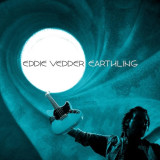
Knapp zwei Jahre nachdem Pearl Jam ihr Album „Gigaton“ veröffentlichten, erschien d iesen F ebruar das langersehnte dritte Studioalbum von Pearl Jam Frontmann Eddie Vedder: „Earthling“. Nun ist das Warten endlich vorbei - das Album erscheint jetzt endlich auch als schwarze Standard LP und Deluxe CD!
Neben dem Song „Long Way“ gibt auch „Brother The Cloud”, ein Tribut an den verstorbenen Chris Cornell von Soundgarden, emotionale und musikalische Einblicke in das Album, welches auf das 2011 erschienene ”Ukulele Songs” folgte. Die Produktion von „Earthling“ übernahm Andrew Watt, gemeinsam mit PJ-Tourmitglied Josh Klinghoffer, Bassist Pino Palladino, Multiinstrumentalist Glen Hansard und dem Red-Hot-Chili-Peppers-Schlagzeuger Chad Smith. Die Aufnahmen für das Album fanden in Watts Studio
in Beverly Hills statt.
- Nda
- Ungrateful (Featuring Key Glock)
- Not Nice
- Budget (Featuring Latto)
- Her
- Gift & A Curse
- Ms. Nasty
- Who Me (Featuring Pooh Shiesty)
- Red Wine
- Scary (Featuring Rico Nasty)
- Anxiety
- Flip Flop
- Consistency (Featuring Jhene Alko)
- Star (Featuring Lucky Daye)
- Pressurelicious (Featuring Future)
- Plan B
- Southside Royalty Freestyle (Featuring Big Pokey, Lil’ Keke & Sauce Walka)
- Sweetest Pie (Featuring Dua Lipa)
"Traumazine" ist das zweite Studioalbum von Megan Thee Stallion. Die Leadsingle des Albums, "Sweetie Pie", mit Dua Lipa, erreichte Platz 15 der US Billboard Hot 100 und wurde in den USA und Kanada mit Platin ausgezeichnet. Das mit Gold zertifizierte Album debütierte auf Platz 4 der Billboard 200 Charts und erreichte damit ihre fünfte Top-10-Platzierung. Außerdem erreichte es Platz 3 in den US R&B/Hip-Hop-Charts und Platz 19 in Kanada. Vier weitere Singles wurden aus dem Album ausgekoppelt, darunter "Plan B" (#29 US Hot 100, #7 US Rap / Hip-Hop - Goldstatus), "Pressurelicious" (#55 US Hot 100, #14 US R&B/Hip-Hop), "Her" (#62 US Hot 100, #19 US R&B/Hip-Hop - Goldstatus) und "Ungrateful" (#82 US Hot 100, #29 R&B/Hip-Hop).
Dies ist das erste Mal, dass "Traumazine" auf Vinyl erhältlich sein wird.
- Lana_V@Gmx.de
- Bon Jovi
- Ich Sang Die Ganze Zeit Von Dir 2
- Tag Des Pferdes
- Ehrlich
- Reich
- Gutes Arbeitsklima Trotzdem Kalt
- Wer Soll Ich Heute Für Dich Sein
- Freefalltower
- HP2071: F
- Maria Magdalena
- Danke
COLORED Vinyl[24,79 €]
Im hiesigen Indie-Punk-Kontext gab es in den letzten Jahren kaum einen Weg, der nicht an KOCHKRAFT DURCH KMA aus Duisburg-Marxloh vorbeigeführt hätte. Ob bei zahlreichen eigenen Shows oder noch mehr Festivalauftritten, oder auf Touren zusammen mit so unterschiedlichen Bands wie Team Scheisse, Kettcar, Das Lumpenpack, FJORT oder Adam Angst - Die Kochkraft war immer da und ist eine von den Bands die am Ende jede Person im Raum mitnimmt. Mit der ersten Single "Ehrlich" kündigt die Band ihr neues Studioalbum "Hardcore ever dies das" an, das über Hamburger Label Grand Hotel van Cleef erscheint.
- Behind
- Pyre
- Madison
- Trace
- Hollow
Kills Birds gehen mit einer Intensität an ihre Songs heran, die so greifbar ist wie keine andere junge amerikanische Rockband. Angeführt von Nina Ljeti, einer bosnisch-kanadischen Filmemacherin, die die Los Angeles Times als "L.A.s elektrisierendste neue Rocksängerin" bezeichnete, gehören zur Band noch Jacob Loeb (git), Fielder Thomas (bass) und Griffin Kisner (drums). Kills Birds' Gigs sind emotional und kathartisch. Fing das Debütalbum "Kills Birds" (2019) noch das Versprechen ihres Grunge-inspirierten Sounds und Ljetis unerschrockener Texte ein, trieb der Nachfolger "Married" (2021) ihre musikalische Chemie auf neue Höhen. Ihre unerbittlichen Songs führen zu elektrisierenden Liveshows, die ihnen jede Menge Lob einbringen. Kim Gordon nennt sie "hot as fuck".
- Aboubakrin
- Awa
- Tassi
- Kante Manfila
- Chérie
- Soundiata
- Laban
- Tu Vas Me Manquer
- Proud
The idea of an acoustic album had long been dismissed by the artist himself. "I"m not a guitarist; I use the guitar to compose", he used to say, reluctant to expose this level of vulnerability. However, in 2023, during the Kyotophonie Festival in Japan, organized by photographer Lucille Reyboz and encouraged by producer Laurent Bizot (No Format!), something changed. Surrounded by the spirituality of a Zen temple and supported by his loyal musicians - Badié Tounkara on ngoni and Mamadou Koné on percussion - Salif agreed to bare himself like never before. The title So Kono, meaning "in the room" in Mandinka, reflects both the simplicity and depth of this album. Recorded in the intimacy of his hotel room, So Kono captures the very essence of Salif Keita: a powerful voice, shaped by trials and travels, elevated by minimalist arrangements. Blending reimagined classics and new compositions, this album resonates as a sincere and timeless work, reaffirming why Salif Keita is considered one of the greatest living singers, across all cultures and continents.
- A1: Road To Earth (Feat. Peter Thomas)
- A2: It's The Music (Feat. Afrika Bambaataa, Charlie Funk, Hektek & Deejay Snoop)
- A3: In The Dark (Feat. Nichola Richards)
- A4: The Spell Of Ra-Orkon
- A5: Political Power (Feat. Afrika Bambaataa, Charlie Funk & Donald D)
- A6: Drifting Stars
- B1: Not Get Caught (Feat. Derobert)
- B2: Locked And Loaded
- B3: Catfight
- B4: Hot Stuff (Feat. Afrika Bambaataa, Charlie Funk & Deejay Snoop)
- B5: The Showdown
Limitierte Neuauflage auf goldfarbenem Vinyl samt Bonus-7" zur Feier des 10. Jubiläums dieses grossartigen Albums von Deutschlands bestem Funk-Ensemble. Elf filmreife Deep-Funk-Instrumentals, gefeierte B-Boy-Breaks und Dancefloor-Killer-Vocals von The Mighty Mocambos und ihren Featuregästen. Mit von der Partie sind Filmkomponist Peter Thomas, HipHop-Pate Afrika Bambaataa, die Rap-Legenden Charlie Funk aka Afrika Islam (Rocksteady Crew) und Donald D (von Ice-Ts Rhyme Syndicate), desweiteren Nichola Richards, Shawn Lee, DeRobert (vom Nashville-Label GED Soul), die Zulu Nation MCs Deejay Snoop und DJ Hektek sowie Orgel-Genie Guillaume Metenier.
Doomed Utility is the debut album by Alex Wang, a bass-heavy, noisy, and abstract work that blends industrial and club music into an unsettling soundscape.
Sound existed before there were human ears to hear it—ancient and eternal, as silence itself. In the first few hundred thousand years after our cosmos was born, a deep hum traveled through a plasma of hot particles, eventually finding its way into our machines. Now, computers weave a web of sound around us, abstracting from meaning, pleasure, or melody, crafting disharmonies that dig into us raw.
In Doomed Utility, that primordial hum resurfaces—fractured, raw, and discordant—pulling us into rhythms of exhaustion, exhilaration, and annihilation.
This is a sound that doesn’t merely enter us; it claims us. It lingers, waits—hungry. It tears through cognition and rips through bodies. We may have no obvious use for it, but it has a use for us.
Computer sound perpetuates itself through our ears, our thoughts, and our human culture. It recalls all things, binds all things, moves all things. We are its resources, its vessels for messages not yet decoded, and for purposes yet unknown.
- A1: Kotms Ii Intro Ft Kingpin Skinny Pimp
- A2: Ultra Shxt Ft Key Nyata
- A3: Set It Ft Maxo Kream
- A4: Hot One Ft Tiacorine & A$Ap Ferg
- A5: Black Flag Freestyle Ft That Mexican Ot
- A6: Headcrack Interlude Ft Kingpin Skinny Pimp
- A7: G'z Up Ft 2 Chainz & Mike Dimes
- A8: Lunatic Interlude
- B1: Sked Ft Kenny Mason & Project Pat
- B2: Choose Wisely Interlude Ft Kingpin Skinny Pimp
- B3: Cole Pimp Ft Ty Dolla $Ign & Juicy J
- B4: Wishlist Ft Armani White
- B5: Hit The Floor Ft Ski Mask The Slump God
- B6: Hoodlumz Ft A$Ap Rocky & Playthatboizay
- B7: Kotms Ii Outro Ft Kingpin Skinny Pimp
Neon Green Vinyl[32,98 €]
Denzel Curry's forthcoming King Of The Mischievous South Volume 2 finds him presenting a sequel to the project, and bringing back the sound, that helped launch his career. While the first installment of King Of The Mischievous South was performed from the perspective of his Raven Miyagi persona, a name bestowed upon him by Raider Klan founder SpaceGhostPurrp, Volume 2 finds Curry operating under his Big Ultra persona -- an elevated version of Raven Miyagi that is bragadocious and revels in the success that Curry has seen over the last decade of his career. Creating King Of The Mischievous South Volume 2 has been a goal of Curry's for some time, though his earliest attempts to do so ultimately morphed into other projects, namely his 2016 album Imperial and 2020's 13LOOD 1N + 13LOOD OUT. It wasn't until he stopped overly attempting to create Volume 2 that its songs started to emerge naturally.
Given the project's sound, which pays homage to the great musical heritages of the South -- from Memphis to Houston and Curry's own South Florida -- its features include the region's greats, both old and new, as well as others whose style is indebted to the South's musical legacy. Features include fellow former Raider Klan member Key Nyata, Memphis stalwarts Juicy J and Project Pat, Texas' Maxo Kream, That Mexican OT and Mike Dimes, North Carolina’s TiaCorine, Atlanta's 2 Chainz and Kenny Mason and South Florida's Ski Mask The Slump God and PlayThatBoiZay, as well as ASAP Ferg and ASAP Rocky, among others. The project more broadly and the intentional inclusion of Rocky and Ferg is Curry's attempt to show what could have been had relationships not soured with SpaceGhostPurrp, fulfilling the promise that existed at the rise of their respective careers in the early 2010s.
With all of the otherworldly adventures Denzel has taken listeners on over the course of his last few conceptually-driven albums, this project serves as a showcase for the fun, spontaneity and technical mastery that has made him one of rap's most in-demand talents over the course of the last decade.