quête:j j mast

Genres
Tout
STARLIGHT ASSEMBLY - THERE WILL BE FIREWORKS

The London based singer and keyboard player Dominic Appleton, known since the early eighties for his musical activity in the post punk/dream pop band Breathless, and perhaps even more for his vocal contributions to the legendary This Mortal Coil project on 4AD, joins forces with the Milanese producer and sound artist Matteo Uggeri, active from 1993 behind several projects spanning from industrial to post-rock and ambient soundscapes, known for collaborating with artists such as Maurizio Bianchi, Nocturnal Emissions, Controlled Bleeding, De Fabriek, OvO, Giuseppe Ielasi, Lau Nau, Giulio Aldinucci and many more.

Starlight Assembly’s first album, “Starlight and Still Air”, was released in 2021 by the American label Beacon Sound. In Italy the album received amazing reviews in all four of the main music monthlies. It was album of the month in Blow Up and Rockerilla ran a four page interview. Several articles and reviews were made, including a special issue on Foxy Digitalis by Brad Rose.

A remix project was launched afterwards, including old and new friends and fans of the two S.A. members: among the others, Robin Rimbaud/Scanner, Auscultation, Gabriel Saloman (Yellow Swans), Patricia Wolf, Insides, Julia Sabra with Fadi Tabbal, Sawako and Pan American.

The new album, “There Will Be Fireworks”, continues the duo’s complex cross-genres approach to music by melding Uggeri’s intricate musical textures with Appleton’s sweet and melancholic melodies, in this case even supported by the haunting guitars of Gary Mundy (in Breathless as well but also in Ramleh and Broken Flag’s label manager). The tracks on this album are more songlike, the journey more cohesive, with the artists playing more to one another’s strengths. The mastering will be done by Martin Bowes/Attrition, making it even more powerful and clean for its publication on Silentes (ex-Amplexus), historic italian label well known for releases by Rod Modell, Gigi Masin, Dirk Serries, Eraldo Bernocchi, Merzbow, Fabio Orsi and the latest releases by AUBE and much more.

1) WAIT FOR THE WORLD
2) TIME
3) THIS DESERT
4) ALL THE LOVE THE STANDS BESIDE US
5) MOTH TO THE FLAME
6) FRICTION
7) SYMPHONY IN MELANCHOLY
8) THE NOT DEAD
9) RELIEF
+
10) THERE WILL BE FIREWORKS (ghost track)

pas en stock

Commandez maintenant et nous commanderons l'article pour vous chez notre fournisseur.

23,74

Derniere entrée: 24 jours
Various - Cartulis Music 15th Anniversary Compilation Part 1

Record 1 of the Cartulis Music 15th Anniversary compilation, marking fifteen years of
independent activity across club culture, events, and releases.
Cartulis 15th Anniversary Compilation — 15 years of rhythm, risk, and reverie. Still
dancing, always forward.
Mastered by Alberto Pretto
Artwork by Samantha Millows

pas en stock

Commandez maintenant et nous commanderons l'article pour vous chez notre fournisseur.

14,08

Derniere entrée: 24 jours
Iivana Mišukka & Arja Kastinen - Iivana Mišukka (Tape)
  • 01: Maanitus &Amp; Tšiižik
  • 02: Markka
  • 03: Melkutus
  • 04: Letška
  • 05: Kuuen Parin Hoirola
  • 06: Brišatka
  • 07: Tšiižik
  • 08: Kirkonkellot
  • 09: Kirkonkellot Korkea
  • 10: Hoirola, 3 Parin
  • 11: Lippa
  • 12: Kyngäkiža
  • 13: Ristakondra
  • 14: Vanha Polkka
  • 15: Viistoista
  • 16: Vanha Valssi
  • 17: Kiberä
  • 18: Maanitus Kuokan Kanteleella
  • 19: Tuuti Lasta Nukkumahe
également disponible

Vinyl[22,65 €]


Death Is Not The End present a further volume of Arja Kastinen's eerie amalgamations of 110 year old wax cylinders with her own meticulously transcribed takes, this time focussing in on Armas Otto Väisänen's field recordings of kantele player Iivana Mišukka (b. 1861 d.1919).

"Ivana Mišukka (1861–1919) was one of the Karelian kantele players recorded by the folk music researcher Armas Otto Väisänen on wax cylinders in 1916 and 1917. In the early 20th century, the remote areas of Border Karelia were undergoing the final phase of a transformation in musical culture, with the ancient runo song tradition giving way to newer forms of music. This transition is reflected in Mišukka's repertoire and choice of instrument. The ancient small kantele, hollowed out of a single piece of wood, was already rare at the turn of the century. Mišukka's kantele was a new type of instrument with 26 strings, constructed of several parts, but he played it using the traditional plucking technique. Like other Border Karelian kantele players, his repertoire consisted of music rooted in runosong culture, as well as newer dances and songs from the east and west. Most of the recorded material falls into the latter category.

Ivan Bogdanov Mišukka was born out of wedlock in Suursara village, Suistamo, on 1 May 1861. He began playing the kantele at the age of five or six, quickly mastering the instrument. In adulthood, he was considered one of the area's best master players. Mišukka was landless for most of his life and lived in different parts of the Suistamo parish. His first wife, Tekla Markintytär, died in 1897 at the age of 40, and his second wife, Jevdokia Filipintytär Jeminen, died in 1907 at the age of 50. Seven children were born from the first marriage, two of whom died young. The third wife, Maria Ignatintytär Gurnan (Kuurnanen), was a well-known master of lamentations. Together with Maria, Iivana Mišukka worked as a tenant farmer in the village of Suursara. Mišukka suffered from rheumatism, which prevented him from participating in physical work like Maria. This was apparently partly the reason why Iivana Mišukka went to earn extra money by playing the kantele on gig trips. He often had other traditional artists from Suistamo as his travelling companions, such as the runosingers Konstantin Kuokka and Iivana Onoila. Iivana Mišukka died in Leppäsyrjä village, Suistamo, on 18 May 1919 at the age of 58, and his kantele was donated to Teppana Jänis.

Mišukka only used 14 of the 26 strings on his kantele, playing the same tunes either a fourth higher or lower. He tuned his kantele to the major scale using fifths, except for a low seventh scale degree on the upper strings, but not below the fundamental. Since he did not use the seventh note of the scale on the upper strings at all, he could use the major scale both lower and a fourth higher with this tuning. According to Mišukka, the sound of higher, or 'finer', strings is 'more beautiful', while that of lower ones is 'greater'. Among runosingers, the size of the thirds varied, ranging from major to minor to neutral. A similar phenomenon can be observed in kantele tunings, where the third, sixth and seventh scale degrees vary in a comparable way.

During a meeting, Väisänen suggested that Mišukka play the smaller kantele belonging to Konstantin Kuokka. The idea was to bring it closer to the horn to improve the recording quality. However, the kantele was completely out of tune, and now Mišukka tuned it to the Lydian scale (track 18).

Using the old plucking technique, Mišukka placed his right middle finger on the fundamental tone, his right index finger on the second scale degree, his left middle finger on the third scale degree and his left index finger on the fourth scale degree, and his right thumb on the fifth. The thumb also played the notes above the fifth note of the scale. As Mišukka remarked to Väisänen: 'Peigaloll' tuloo enemb ruadoa' (the thumb has to do more work). However, he did not use the seventh note of the scale on the upper strings at all. Below the fundamental note, he played the seventh and sixth notes of the scale with his right middle finger of and the fifth note of the scale with his right ring finger. This fifth scale degree below the fundamental is almost always used as a drone. Sometimes, when the melody required it, Mišukka, like other players, also varied the fingering. He would also occasionally strike the same string with the side of his fingernail after plucking it.

The wax cylinder recordings of Karelian kantele players are kept in the archives of the Finnish Literature Society in Helsinki, Finland. Copies were made of them onto reel-to-reel tapes in both the 1960s and 1980s. The 1960s copies are mono and the 1980s copies are stereo. However, not all kantele recordings from these decades have survived.

The sound of the kantele is difficult to hear in wax cylinder recordings due to its low volume, and it occasionally becomes completely obscured by noise. During the copying process, the cylinder sometimes rotates unevenly, resulting in breaks or jumps in the music. Additionally, the rotation speed of the cylinder in the copies does not correspond to the performance speed of the original music, which alters the pitch. However, since Väisänen's precise notes are available in the archive, it is possible to deduce the melodies, their speed, and the tuning level of the kantele in the recordings. Of the copies of the original recordings from the 1960s and 1980s, I have selected the one that best met the requirements of this publication and adjusted the speed of the recording to align with Väisänen's notes. To enhance the listening experience, I have replayed the songs, which now partly overlap the old recordings on this release."

— Arja Kastinen

pré-commande27.03.2026

il devrait être publié sur 27.03.2026

16,39
Iivana Mišukka & Arja Kastinen - Iivana Mišukka LP

Death Is Not The End present a further volume of Arja Kastinen's eerie amalgamations of 110 year old wax cylinders with her own meticulously transcribed takes, this time focussing in on Armas Otto Väisänen's field recordings of kantele player Iivana Mišukka (b. 1861 d.1919).

"Ivana Mišukka (1861–1919) was one of the Karelian kantele players recorded by the folk music researcher Armas Otto Väisänen on wax cylinders in 1916 and 1917. In the early 20th century, the remote areas of Border Karelia were undergoing the final phase of a transformation in musical culture, with the ancient runo song tradition giving way to newer forms of music. This transition is reflected in Mišukka's repertoire and choice of instrument. The ancient small kantele, hollowed out of a single piece of wood, was already rare at the turn of the century. Mišukka's kantele was a new type of instrument with 26 strings, constructed of several parts, but he played it using the traditional plucking technique. Like other Border Karelian kantele players, his repertoire consisted of music rooted in runosong culture, as well as newer dances and songs from the east and west. Most of the recorded material falls into the latter category.

Ivan Bogdanov Mišukka was born out of wedlock in Suursara village, Suistamo, on 1 May 1861. He began playing the kantele at the age of five or six, quickly mastering the instrument. In adulthood, he was considered one of the area's best master players. Mišukka was landless for most of his life and lived in different parts of the Suistamo parish. His first wife, Tekla Markintytär, died in 1897 at the age of 40, and his second wife, Jevdokia Filipintytär Jeminen, died in 1907 at the age of 50. Seven children were born from the first marriage, two of whom died young. The third wife, Maria Ignatintytär Gurnan (Kuurnanen), was a well-known master of lamentations. Together with Maria, Iivana Mišukka worked as a tenant farmer in the village of Suursara. Mišukka suffered from rheumatism, which prevented him from participating in physical work like Maria. This was apparently partly the reason why Iivana Mišukka went to earn extra money by playing the kantele on gig trips. He often had other traditional artists from Suistamo as his travelling companions, such as the runosingers Konstantin Kuokka and Iivana Onoila. Iivana Mišukka died in Leppäsyrjä village, Suistamo, on 18 May 1919 at the age of 58, and his kantele was donated to Teppana Jänis.

Mišukka only used 14 of the 26 strings on his kantele, playing the same tunes either a fourth higher or lower. He tuned his kantele to the major scale using fifths, except for a low seventh scale degree on the upper strings, but not below the fundamental. Since he did not use the seventh note of the scale on the upper strings at all, he could use the major scale both lower and a fourth higher with this tuning. According to Mišukka, the sound of higher, or 'finer', strings is 'more beautiful', while that of lower ones is 'greater'. Among runosingers, the size of the thirds varied, ranging from major to minor to neutral. A similar phenomenon can be observed in kantele tunings, where the third, sixth and seventh scale degrees vary in a comparable way.

During a meeting, Väisänen suggested that Mišukka play the smaller kantele belonging to Konstantin Kuokka. The idea was to bring it closer to the horn to improve the recording quality. However, the kantele was completely out of tune, and now Mišukka tuned it to the Lydian scale (track 18).

Using the old plucking technique, Mišukka placed his right middle finger on the fundamental tone, his right index finger on the second scale degree, his left middle finger on the third scale degree and his left index finger on the fourth scale degree, and his right thumb on the fifth. The thumb also played the notes above the fifth note of the scale. As Mišukka remarked to Väisänen: 'Peigaloll' tuloo enemb ruadoa' (the thumb has to do more work). However, he did not use the seventh note of the scale on the upper strings at all. Below the fundamental note, he played the seventh and sixth notes of the scale with his right middle finger of and the fifth note of the scale with his right ring finger. This fifth scale degree below the fundamental is almost always used as a drone. Sometimes, when the melody required it, Mišukka, like other players, also varied the fingering. He would also occasionally strike the same string with the side of his fingernail after plucking it.

The wax cylinder recordings of Karelian kantele players are kept in the archives of the Finnish Literature Society in Helsinki, Finland. Copies were made of them onto reel-to-reel tapes in both the 1960s and 1980s. The 1960s copies are mono and the 1980s copies are stereo. However, not all kantele recordings from these decades have survived.

The sound of the kantele is difficult to hear in wax cylinder recordings due to its low volume, and it occasionally becomes completely obscured by noise. During the copying process, the cylinder sometimes rotates unevenly, resulting in breaks or jumps in the music. Additionally, the rotation speed of the cylinder in the copies does not correspond to the performance speed of the original music, which alters the pitch. However, since Väisänen's precise notes are available in the archive, it is possible to deduce the melodies, their speed, and the tuning level of the kantele in the recordings. Of the copies of the original recordings from the 1960s and 1980s, I have selected the one that best met the requirements of this publication and adjusted the speed of the recording to align with Väisänen's notes. To enhance the listening experience, I have replayed the songs, which now partly overlap the old recordings on this release."

— Arja Kastinen

pré-commande27.03.2026

il devrait être publié sur 27.03.2026

22,65
Eels - Daisies Of The Galaxy (LP 2x12")
  • A1: Grace Kelly Blues
  • A2: Packing Blankets
  • A3: The Sound Of Fear
  • A4: I Like Birds
  • A5: Daisies Of The Galaxy
  • A6: Flyswatter
  • A7: It's A Motherfucker
  • B1: Estate Sale
  • B2: Tiger In My Tank
  • B3: A Daisy Through Concrete
  • B4: Jeannie's Diary
  • B5: Wooden Nickles
  • B6: Something Is Sacred
  • B7: Selective Memory
  • B8: Mr. E's Beautiful Blues

Ursprünglich veröffentlicht im Februar 2000, handelt es sich bei 'Daisies Of The Galaxy' um das dritte Studioalbum der amerikanischen Rockband Eels um Mastermind Mark Oliver Everett.
War der Vorgänger - aufgrund schwerer persönlicher Schicksalsschläge des Sängers - noch düster und verzweifelt, so ist das neue Album das komplette Gegenteil - größtenteils fröhlich-freundliche Songs, die sich alle im drei-Minuten-Format bewegen.

pré-commande27.03.2026

il devrait être publié sur 27.03.2026

34,03
MASAYOSHI TAKANAKA - Saudade LP
  • A1: A Fair Wind
  • A2: Saudade
  • A3: Eona
  • A4: Breakin’ Loose
  • A5: Ride’em High
  • B1: Chill Me Out
  • B2: New York Strut
  • 03: The Forest Of My Heart
  • B4: Manifestation

"SAUDADE" (originally released September 10, 1982): 180g clear salmon pink vinyl Remastered and cut by Alex Wharton (Abbey Road Studios, London)

Produced by Narada Michael Walden and recorded at THE AUTOMATT in San Francisco, featuring T.M. Stevens on bass and Sheila E. on percussion.
A danceable, relaxed masterpiece where Takanaka’s ultimate resort-guitar sound truly comes alive.

pré-commande27.03.2026

il devrait être publié sur 27.03.2026

40,13
FRANCE - Good Thoughts, Bad Thoughts

“France absolutely engage the body... but the spectacle is one for your mind, especially as you start to wonder how much of what you’re hearing is really there.” The Quietus

Legendary hurdy-gurdy-powered kraut/psych/folk/drone band France have announced a new album ‘Good Thoughts. Bad Thoughts’ on The state51 Conspiracy label; capturing a wild performance at The state51 Factory in East London - part of their very first tour of England. They played Liverpool Psych Fest as a one off some years back.

Forming 20 years ago as a trio in Valence, France, for this performance, were Jeremie Sauvage on bass, Yann Gourdon on electrified hurdy-gurdy, and Cyril Bondi (of La Tene and Cyril Cyril on drums (stalwart Mathieu Tilly was taking some much needed time off).

This album sees the band plunge into the depths of the human psyche, backed up by Hugo Hyart’s deep, all-over cosmic doodles and an unhidden homage to the Parliafunkadelicment state of mind : Uniting, dancing, staying creative and open minded despite the tribulations of life. Dedicated to the feeling of good (and baby they’re good... at being good).

On the night France were recorded by Hot Chip’s in-house engineer James Crump who subsequently mixed the record at Hot Chip’s studio in East London. The album was mastered by Richy Hughes at Binary Feedback.

pré-commande27.03.2026

il devrait être publié sur 27.03.2026

27,94
Pirogue - Idesia

Pirogue

Idesia

12inchPIROGUE001LP
Native Cat
27.03.2026
  • A1: Escalier
  • A2: L'ile Perdue
  • A3: Le Bal
  • A4: Sur Le Chemin De L'école
  • A5: L'ile La Nuit
  • A6: Holidays(S)
  • B1: Robot Rêveur
  • B2: Dernier Vol
  • B3: Pas De Côté
  • B4: Cavalière De L'aube
  • B5: Idésia
  • B6: Balayeur De L'espace

The duo’s debut album sets off on an airy, groovy odyssey.

Recorded at the legendary La Frette studio (Parcels, Fontaines D.C.), the album follows an extensive period of demo development.

Immersed alongside outstanding musicians, the team worked in a relaxed, old-school spirit: a handful of takes, tape recording, and analog gear. Plenty of space was left for ideas to emerge organically in the studio. The arrangements—synthesizers, flute, backing vocals, percussion—were then carefully refined over many months.


"Idésia" stands out for its delicate production, brought to life by Maxime Kosinetz on recording (Oracle Sisters, Bon Voyage Organisation), Stan Neff on mixing (Andrea Laszlo de Simone, Polo & Pan), and Chab on mastering (Daft Punk, La Femme).


The record unfolds across changing sonic landscapes, with Will’s voice gliding over melodies rooted in a bright, warm groove. A subtle blend of pop and Californian warmth runs throughout the album.

The album explores themes of childhood (Sur le Chemin de l’École, L’Île Perdue), ecstatic escapes (Holiday(s), Pas de Côté, Escalier), and simple pleasures (Le Bal, Cavalière de l’Aube). It also casts a poetic eye on the evolution of the world (Dernier Vol, Robot Rêveur, Balayeur de l’Espace). Will & Paul play with contrasts, shifting perspectives along the way.


"Idésia" is the imaginary world in which Will & Paul gracefully lose themselves - a suspended place between nostalgia and science fiction, as if their silhouettes were drifting from a bright, carefree past toward a place suspended in time.

pré-commande27.03.2026

il devrait être publié sur 27.03.2026

22,48
YUJI OHNO & GALAXY - CAPTAIN FUTURE (ORIGINAL SOUNDTRACK) LP
  • A1: Yume No Funanori
  • A2: Andromeda No Kanata
  • A3: Uzumaku Sargasso
  • A4: Nagareboshi No Dance
  • A5: Toki No Lost World
  • A6: Shinobiyoru Invade
  • A7: Oyasumi Future Men
  • A8: Oira Ha Sabishii Space Man
  • B1: Kirameku Inner Space
  • B2: Toumei Wakusei He Warp
  • B3: Astronaut No Uta
  • B4: Ok! Captain
  • B5: Icarus No Hoshi
  • B6: Youki Na Alien
  • B7: Ijigen No Eden
  • B8: Poplar Doori No Ie

(Vinyl LP with obi strip and 4-page insert, pressed and printed in Japan) The legendary soundtrack of the Captain Future anime is finally getting its long awaited vinyl reissue

Composed by Yuji Ohno, renowned for his work on the Lupin the Third soundtrack, this masterpiece delivers a unique “Space × Jazz × Funk” approach, creating an unparalleled galactic groove. From the fiercely funky slap bass of “Beyond Andromeda”, to the spacey, mellow Rhodes on “Good Night, Future Men”, the iconic tracks that colored this cosmic adventure are back in all their glory

This is a must have for fans of anime, jazz-funk, rare groove, and synth sounds.

pré-commande

Cet article n'a pas encore été publié. Vous pouvez pré-commander le produit maintenant.

37,77
FUMIO ITABASHI - NATURE (1979)

FUMIO ITABASHI

NATURE (1979)

12inchHMJY-227
NIPPON COLUMBIA JAPAN
27.03.2026out soon

(Vinyl LP with obi strip and 4-page insert, pressed and printed in Japan) The legendary soundtrack of the Captain Future anime is finally getting its long awaited vinyl reissue

Composed by Yuji Ohno, renowned for his work on the Lupin the Third soundtrack, this masterpiece delivers a unique “Space × Jazz × Funk” approach, creating an unparalleled galactic groove. From the fiercely funky slap bass of “Beyond Andromeda”, to the spacey, mellow Rhodes on “Good Night, Future Men”, the iconic tracks that colored this cosmic adventure are back in all their glory

This is a must have for fans of anime, jazz-funk, rare groove, and synth sounds.

pré-commande

Cet article n'a pas encore été publié. Vous pouvez pré-commander le produit maintenant.

45,59
Yasuhito Ohno - Music in DNA

Yasuhito Ohno

Music in DNA

12inchEMC029LP
EM Records
27.03.2026

When you notice the cheerful mystery playing with the synths, the edges of this small world start to look slightly distorted. In any era, someone is always creating mysterious music on their own. (7FO)

----------------------------

Music in DNA is an album recorded in the early 1980s in New York City by Yasuhito Ohno, a young Japanese man breaking free from the constraints of his homeland. The album is a naive burst of outsider DIY enthusiasm, inspired by the multiple avant-garde movements of the era, in music, painting and performance, as well as the native energy of 80s NYC. Ohno channeled his youthful "edge" and zeal into open-minded lo-fi musical explorations using a mere two machines: the then-new technological glories of a four-track cassette recorder and that polyphonic synthesizer masterpiece, the Roland Juno-60; on several pieces he vocalizes. These seven tracks have a zestful, innocent, anything-goes charm, free from preciousness and self-consciousness: a raw and youthful human spirit at play in a new world. Ohno was also inspired by the humanistic promise of the general technological developments of the day, including DNA research, personal computing, and early computer graphics, an example of which can be found on the cover. Ohno later returned to Japan, becoming a renowned composer/producer. In an era of jaded cynicism, Music in DNA is a welcome taste of big-hearted innocence, a revival of a raw self. Available on CD/LP/Digital, with E/J liner notes.

pré-commande27.03.2026

il devrait être publié sur 27.03.2026

21,81
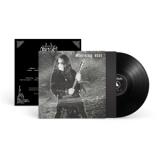
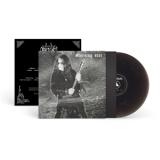
KEKHT ARÄKH - MORNING STAR
  • Wänderer
  • Castle
  • Lament
  • Genom Sorgen (Ft. Vs
  • Angest
  • Mörker Över Mörker
  • Three Winters Away
  • Drömsång
  • Raven King
  • Vigil
  • Eternal Martyr (Ft. Bladee)
  • Trollsång (Ft. Spöke)
  • Land Av Evig Natt L
  • Land Av Evig Natt Ll
  • Gates
  • Morning Star
  • Outro (Ft. Varg2)
également disponible

BLACK ICE VINYL[21,43 €]

Cassette[14,08 €]


"Morning Star" zeigt Kekht Aräkh auf dem Weg zu einer authentischeren, verfeinerten Version seiner selbst. Das Album wurde in Berlin und Stockholm aufgenommen und entstand in einer Phase intensiven persönlichen und künstlerischen Wachstums. Es verbindet aggressive Black-Metal-Passagen mit immersiven, strukturierten Klanglandschaften, die sowohl intim als auch weitläufig wirken. Seit seinen Anfängen in Mykolajiw, Ukraine, hat Dmitry (alias Crying Orc), der alleinige Kopf hinter dem Projekt, einen unverwechselbaren Weg innerhalb des Black Metal gesucht. Diese Vision entfaltete sich durch sein Debütalbum "Through the Branches to Eternity EP" (2018) und die Alben "Night & Love" (2018) und "Pale Swordsman" (2021), die eine charakteristische Spannung zwischen wildem, viszeralem Black Metal und zarten, introspektiven Balladen etablierten. Auf "Morning Star" erreicht diese Dynamik eine neue Tiefe. Das Album entstand in einer Phase künstlerischer Klarheit und erkundet eine rauere, persönlichere Gefühlspalette, geprägt von Stress, Angst und langen Phasen der Schreibblockade, was ihm eine seltene Unmittelbarkeit und Verletzlichkeit verleiht. Dmitry nahm fast alle Instrumente selbst auf, das Schlagzeug stammt von Jonathan (Spira Me, Vanskapth, Olycka). Bladee steuerte den Gesang bei und war Co-Autor der Texte zu "Eternal Martyr", eine unerwartete Zusammenarbeit, die eine intuitive Chemie offenbart. VS--55 und Varg2Ö fügen abstrakte Samples und subtile Texturdesigns hinzu, die "Morning Star" seine unverwechselbare Körnigkeit und analoge Wärme verleihen, während James Ginzburg (Emptyset, Osmium) sich um das finale Mastering kümmerte und die dynamische Tiefe und atmosphärische Fülle verstärkte. Mehrere Tracks greifen früheres Material mit neuen Perspektiven wieder auf. ,Wänderer" und ,Drömsang" wurden teilweise neu aufgenommen oder komplett neu interpretiert. Intensive, treibende Passagen kollidieren mit spärlichen, kontemplativen Zwischenspielen und erzeugen eine Landschaft, die sowohl viszeral als auch eindringlich ist. Themen wie Isolation und Wanderschaft tauchen in "Wänderer" auf, traumhafte Melancholie in ,Drömsang", existenzielle Kämpfe in "Angest" und Reflexionen über Zeit und Transformation in "Three winters away". Mit "Morning Star" verbindet Kekht Aräkh vergangene Erkundungen mit neuer kollaborativer Energie und produziert ein Album, das die Black-Metal-Tradition der 90er Jahre würdigt und gleichzeitig Lo-Fi-Wärme, melancholische Melodien, klangliche Experimente und emotionale Offenheit umfasst. Das Ergebnis ist ein zutiefst persönliches Statement - ein Album, das sowohl eine Ankunft als auch eine Fortsetzung seiner künstlerischen Reise darstellt.

pré-commande27.03.2026

il devrait être publié sur 27.03.2026

21,43
KEKHT ARÄKH - MORNING STAR

"Morning Star" zeigt Kekht Aräkh auf dem Weg zu einer authentischeren, verfeinerten Version seiner selbst. Das Album wurde in Berlin und Stockholm aufgenommen und entstand in einer Phase intensiven persönlichen und künstlerischen Wachstums. Es verbindet aggressive Black-Metal-Passagen mit immersiven, strukturierten Klanglandschaften, die sowohl intim als auch weitläufig wirken. Seit seinen Anfängen in Mykolajiw, Ukraine, hat Dmitry (alias Crying Orc), der alleinige Kopf hinter dem Projekt, einen unverwechselbaren Weg innerhalb des Black Metal gesucht. Diese Vision entfaltete sich durch sein Debütalbum "Through the Branches to Eternity EP" (2018) und die Alben "Night & Love" (2018) und "Pale Swordsman" (2021), die eine charakteristische Spannung zwischen wildem, viszeralem Black Metal und zarten, introspektiven Balladen etablierten. Auf "Morning Star" erreicht diese Dynamik eine neue Tiefe. Das Album entstand in einer Phase künstlerischer Klarheit und erkundet eine rauere, persönlichere Gefühlspalette, geprägt von Stress, Angst und langen Phasen der Schreibblockade, was ihm eine seltene Unmittelbarkeit und Verletzlichkeit verleiht. Dmitry nahm fast alle Instrumente selbst auf, das Schlagzeug stammt von Jonathan (Spira Me, Vanskapth, Olycka). Bladee steuerte den Gesang bei und war Co-Autor der Texte zu "Eternal Martyr", eine unerwartete Zusammenarbeit, die eine intuitive Chemie offenbart. VS--55 und Varg2Ö fügen abstrakte Samples und subtile Texturdesigns hinzu, die "Morning Star" seine unverwechselbare Körnigkeit und analoge Wärme verleihen, während James Ginzburg (Emptyset, Osmium) sich um das finale Mastering kümmerte und die dynamische Tiefe und atmosphärische Fülle verstärkte. Mehrere Tracks greifen früheres Material mit neuen Perspektiven wieder auf. ,Wänderer" und ,Drömsang" wurden teilweise neu aufgenommen oder komplett neu interpretiert. Intensive, treibende Passagen kollidieren mit spärlichen, kontemplativen Zwischenspielen und erzeugen eine Landschaft, die sowohl viszeral als auch eindringlich ist. Themen wie Isolation und Wanderschaft tauchen in "Wänderer" auf, traumhafte Melancholie in ,Drömsang", existenzielle Kämpfe in "Angest" und Reflexionen über Zeit und Transformation in "Three winters away". Mit "Morning Star" verbindet Kekht Aräkh vergangene Erkundungen mit neuer kollaborativer Energie und produziert ein Album, das die Black-Metal-Tradition der 90er Jahre würdigt und gleichzeitig Lo-Fi-Wärme, melancholische Melodien, klangliche Experimente und emotionale Offenheit umfasst. Das Ergebnis ist ein zutiefst persönliches Statement - ein Album, das sowohl eine Ankunft als auch eine Fortsetzung seiner künstlerischen Reise darstellt.

pré-commande27.03.2026

il devrait être publié sur 27.03.2026

21,43
DON CABALLERO - AMERICAN DON -DELUXE EDITION- LP 3x12"
  • Fire Back About Your New Baby's Sex
  • The Peter Criss Jazz
  • Haven't Lived
  • Afro Pop
  • You Drink A Lot Of Coffee For A Teenager
  • Ones All Over The Place
  • I Never Liked You
  • Details On How To Get Iceman On Your License Plate
  • A Lot Of People Tell Me I Have A Fake British Accent
  • Lets Face It Pal, You Didn't Need That Eye Surgery
  • Fire Back About Your New Baby's Sex
  • Haven't Lived
  • Afro Pop
  • The Peter Criss Jazz
  • Ones All Over The Place
  • I Never Liked You
  • Details On How To Get Iceman On Your License Plate
  • Let's Face It Pal, You Didn't Need That Eye Surgery

Maui Blue & Orchid Vinyl. Nachdem wir American Don mit (Steve) Albini fertiggestellt hatten, waren wir kurz davor, dass die Spannungen zwischen uns so groß wurden, dass wir uns trennen mussten. Ich (Eric) war überzeugt, dass wir bei den Aufnahmen die wahre Essenz der Songs verloren hatten. Es war keine einstimmige Entscheidung, mit Steve aufzunehmen. Wir haben das Album komplett mit Gitarrenloops geschrieben, und Team Storm & Stress wollte im Studio mit Pro Tools weitermachen, was sowohl zu dem passte, was wir machten, als auch zu dem, was wir erreichen wollten. Steve hatte gerade den großartigen A-Raum bei Electrical fertiggestellt, und Damon bestand darauf, dass wir dort die Drums aufnehmen würden. Er gab in dieser Frage nicht nach. Sobald wir dort ankamen, wurde uns klar, dass alle Songs, die wir mit unseren Pedalen in mehreren Overdubs geschrieben hatten, nur Mono-Gitarrenaufnahmen zuließen. Wir haben das Problem gelöst, indem wir die Songs zu einem einzigen Loop gespielt und alle Gitarren später überlagert haben, sodass ein volles Stereofeld entstand, das zu den grandiosen Drum-Aufnahmen von Steve passte. Dieser Ansatz hat unsere Spielweise total verändert. Das hat zwar magische Momente der Improvisation ermöglicht (Peter Criss Intro), aber als das Album fertig war, klang es aufgebläht und die Darbietungen waren träge. Ich war mir immer sicherer, dass der Sound des Akai Headrush und die Tempi, die er für Damon vorgab, das Herzstück dieser Songs waren. Ian stimmte mir zu. In einem gewagten letzten Versuch hatte ich die Idee, Greg Norman (der für Steve arbeitete!) anzurufen und ihn zu fragen, ob wir nach unseren nächsten Shows heimlich in sein Studio in S. Chicago kommen und das Album LIVE neu aufnehmen könnten. Es war ein riesiger Schritt, der niemals hätte funktionieren können, aber wie durch ein Wunder waren alle einverstanden, und wir versuchten es. Greg hat uns persönlich und professionell in unserer heißesten Phase eingefangen. Die Tempi sind schneller, und niemand hält sich zurück. Diese echten Live-Bänder zeigen die Songs genau so, wie wir sie auf Tour gespielt haben, wo sie zwischen Juni 1999 und Juli 2000 entstanden sind. Jetzt, 25 Jahre später, wurden die Greg-Norman-Aufnahmen entstaubt und digitalisiert. Mit Hilfe moderner Restaurierungswerkzeuge und dem Fachwissen von Sir Bob Weston konnten wir diese Aufnahmen zum ersten Mal neu abmischen und mastern. - Eric Emm, Bassist

pré-commande27.03.2026

il devrait être publié sur 27.03.2026

54,58
THE ALAN PARSONS PROJECT - THE TURN OF A FRIENDLY CARD LP

2LP 180gm heavyweight 45 RPM Audiophile Edition, Featuring a half speed remaster by Miles Showell at Abbey Road Studios, Housed in polylined inners, Printed insert with sleevenote. The Alan Parsons Project"s multi-million selling album The Turn of a Friendly Card (1980), their celebrated prog pop tour de force, is reissued in a variety of formats, including this 2LP heavyweight, 45 RPM Audiophile edition. Expertly cut by Miles Showell at Abbey Road Studios on a customised Neumann VMS 80 lathe at half speed using high-resolution archive transfers taken from Eric Woolfson"s rarely played, mint condition duplicate masters run at the time of the original sessions in 1980. Like other Alan Parsons Project albums, there were a variety of different lead vocalists employed including Chris Rainbow, Lenny Zakatek, Elmer Gantry as well as Eric Woolfson himself. Plus, a selection of session musicians such as guitarists Ian Bairnson and David Paton and drummer Stuart Elliott with arrangements by Andrew Powell.

pré-commande27.03.2026

il devrait être publié sur 27.03.2026

23,11
THE ALAN PARSONS PROJECT - AMMONIA AVENUE LP

2LP 180gm heavyweight 45 RPM Audiophile Edition, Featuring a half speed remaster by Miles Showell at Abbey Road Studios, Housed in polylined inners, Printed insert with sleevenote. The Alan Parsons Project"s million selling album Ammonia Avenue (1984), is re-issued in a variety of formats including this 2LP heavyweight, 45 RPM Audiophile edition. Expertly cut by Miles Showell at Abbey Road Studios on a customised Neumann VMS 80 lathe at half speed using a 1:1 archive transfer from the original SONY 1610 format digital mastertape recorded in 1984. Like other Alan Parsons Project albums, there were a variety of different lead vocalists employed including Chris Rainbow, Colin Blunstone, Lenny Zakatek as well as Eric Woolfson himself. Plus, a selection of session musicians such as guitarists Ian Bairnson and David Paton and drummer Stuart Elliott with arrangements by Andrew Powell.

pré-commande27.03.2026

il devrait être publié sur 27.03.2026

23,11
Yeun Elez - RAVEN OF DAWN LP

Yeun Elez opens a breach: that of a forgotten threshold, a gateway to Hell concealed beneath the peat and legends of the Breton marshes, from which Hoel Moce borrows the name for this project.

Born from Celtic tales passed down in hushed tones, it summons wandering souls, suspended spirits, and those who have already reached the end of their journey. Having escaped from Techno Thriller, Hoel founded Yeun Elez in 2022, as an autonomous and haunting sonic territory.

Surrounded by talented collaborators (Maria: NaturaMorta, Lou Savary de Reymour), he weaves a ritualistic and visceral music, traversed by dreamlike landscapes, misty battlefields, and a fantastical medieval Brittany.

Between pagan symbolism and spectral visions, the project explores the murky depths of the human condition. Thus, birth, love, decline, death: the themes emerge as archaic truths. Betrayal and revenge exist alongside devotion and the quest for an ideal that transcends us.

Mixed by Luc Bersier (Reymour) and then mastered by Tioma Tchoulanov (UVB76, Nze Nze), this album by Yeun Elez doesn't reconstruct the past: it invents it to better haunt it.

Music like a rite of passage, both rooted and timeless, like an inner journey, dark and necessary, to a place where myths refuse to die.

pré-commande27.03.2026

il devrait être publié sur 27.03.2026

21,22
TOMMY PELTIER - ECHO PARK (THE 70'S SESSIONS)

TOMMY PELTIER

ECHO PARK (THE 70'S SESSIONS)

12inchDC977
DRAG CITY
27.03.2026
  • 1: Oneness
  • 2: Judee Girl
  • 3: National Stardom
  • 4: Flight Of The Dancer
  • 5: Time After Time
  • 6: Blue Rose
  • 710: 000 Greyhounds
  • 8: A Heartbeat Away
  • 9: Yellow Beach Umbrella
  • 10: Here Today
  • 11: Smile All The While
 
2

Just east of Hollywood, Tommy Peltier"s made sweet music in the Echo Park hills for over sixty years. A jazzman first, he recast himself in 1970 as an LA troubadour, crafting a set of glitter-light pop tunes that somehow missed release "til now. Recorded "70-"76 all over town & mixed and mastered by Jim O"Rourke, Echo Park is an encompassing trip through a whole other time and place. Echo Park captures the smooth sounds, glamour "n free spirits to be found just down the street from Tinseltown in its golden day. Tommy has continued to play music, releasing new stuff with Plastic Theatre Art Band in 1996, and a number of releases under his own name, most recently in 2011. And at the ripe young age of 90(!), he"s still playing today!

pré-commande27.03.2026

il devrait être publié sur 27.03.2026

29,83
PARIAH - Blaze of Obscurity Re-Issue
  • 1: Missionary Of Mercy
  • 2: Puppet Regime
  • 3: Canary
  • 4: Blaze Of Obscurity
  • 5: Retaliate!
  • 6: Hypochondriac
  • 7: Enemy Within
  • 8: The Brotherhood

Pariah’s cult album re-issued! “Blaze of Obscurity” brings you pure Thrash Metal fury! Satan changed their name to Pariah in 1988-1989. There’s Heavy Metal, Power Metal, Thrash Metal, Death Metal, the list seems almost endless. Sub-genres are important in metal and bands are quickly classified and labeled. Pariah (the last re-incarnation of Satan) is one of few bands that are difficult if not impossible to classify. Is it Heavy metal? NWOBHM? Thrash Metal? Pariah did not make it easy to describe their sound. It might be too sophisticated to simply label it Heavy Metal, which in its infancy was a rather simple affair.

They don’t sound like any Metal band out there, perhaps discounting some of the more aggressive and technical ones, and then the signature NWOBHM sound is added. The guitar playing by Russ Tippins and Steve Ramsey is undeniably what defines Pariah as well as Satan in the past. Undeniably, Satan has gone a long way; from humble NWOBHM beginnings, to Experimental/Melodic Mettal (in Blind Fury) and something that could be described as a NWOBHM/Thrash Metal hybrid (“The Kindred”). It’s as if they’ve been experimenting trying to find their identity, and theyfinally found it. Stylistically, “Blaze of Obscurity” could be seen a step back to “Suspended Sentence”, but this time around they got everything right, down to the last note. Those who have heard Satan know what to expect: great guitar playing.

And sure enough, “Blaze of Obscurity” is a demonstration of guitar mastery and is overall a very guitar-driven album, with plenty of mind-boggling riffs and solos are all over the place, but more importantly, it’s a demonstration of some amazing songwriting as well. This is easily Pariah/Satan’s creative peak and one of the most consistent albums I’ve ever heard, featuring eight great and conceptually perfect songs with lyrics that come across as sophisticated and thought-provoking. It is not fair to put the entire spotlight on Tippins and Ramsey though since the drumming and bass work from Sean Taylor and Graham English really shines. The rhythm is fast and tight, keeping it focused, aggressive and intense till the end. Vocalist Michael Jackson (yes, that’s his name) has to be commended too as this is easily his careers best performance.

The verdict: “Blaze of Obscurity”: the level of musical genius expressed here, along with near flawless songwriting, is more than enough to skyrocket it to heights reserved only for classics. Probably not your choice for some light listening those quiet Sunday evenings, but those who take a more serious, intellectual approach when selecting their music will find very much to appreciate here.
Tracklisting

pré-commande27.03.2026

il devrait être publié sur 27.03.2026

28,99
Defacing God - Darkness Is My Crown

Defacing God

Darkness Is My Crown

12inch426239083192
Apostasy Records
27.03.2026
  • 1: Nocturnal Vestige
  • 2: Malediction Manor
  • 3: It Comes At Night
  • 4: I See Shadows
  • 5: Nefarious Enclave
  • 6: Hymns Of The Memoir
  • 7: There Is No Light
  • 8: Your Presence Lingers Here
  • 9: Transition
  • 10: The Last Revelation

With „Darkness Is My Crown“, DEFACING GOD present their most personal and intense album to date. The Danish extreme metal visionaries once again fuse blackened death metal, symphonic darkness and occult atmosphere - this time with a strong focus on inner conflict, loss, transformation and resilience. The album stands as an unfiltered reflection of confronting darkness head-on and reshaping it into strength, identity and purpose. „Darkness Is My Crown“ is a powerful artistic statement, defined by authenticity, emotional depth and uncompromising vision, further solidifying DEFACING GOD’s place within the modern extreme metal landscape. The album will be released on March 27, 2026, and was mixed and mastered by Tue Madsen (Heaven Shall Burn, Babymetal, Belphegor …) at Antfarm Studios.

pré-commande27.03.2026

il devrait être publié sur 27.03.2026

22,48
Articles par page:
N/ABPM
Vinyl