Suche:jorge c

Styles
Alle
TEMPERS - DELUSION
  • Sublevel
  • Rise And Fall Fetish
  • Who Says
  • Cold And Cruel
  • Fail Better
  • Deep Fake Heaven
  • What We All Get
  • Mirror
  • My River
  • What Kind Of Time
auch erhältlich

ULTRA CLEAR VINYL[23,49 €]


Auf ihrem neuen Album ,Delusion" begibt sich Tempers - das musikalische Pseudonym der in New York lebenden Künstlerin Jasmine Golestaneh - auf eine nichtlineare Reise der Heilung und des Werdens. In zehn Tracks navigiert sie durch stürmische emotionale Gezeiten und tastet sich durch einen Fiebertraum aus Gewitterwolken und Sonnenstrahlen hin zu seelischer Klarheit, wobei sie einen Soundtrack für "diejenigen, die zu sehr lieben, zu tief fallen und zu lebhaft träumen" kreiert. "Delusion" bewegt sich fließend zwischen verschiedenen Genres, von Art-Pop bis Techno, Grunge bis Metal, mit epischen balladischen Momenten, die überall verstreut sind. Das Album wurde von Golestaneh und Jorge Elbrecht (Sky Ferreira, Crushed, Wild Nothing) co-produziert und enthält Kollaborationen mit Camille Henrot, Estelle Hoy und Sandra Mujinga. Das mit Spannung erwartete neue Album von Tempers folgt auf das Debütalbum "Services" aus dem Jahr 2015, das den Underground-Dance-Hit ,Strange Harvest" enthielt. Im Jahr 2019 veröffentlichten Tempers das Album "Private Life", das einen eher introspektiven Sound präsentierte, gefolgt von "New Meaning" im Jahr 2022, das von einem Buch mit Golestanehs originellen Collagen begleitet wurde, die von dem Album inspiriert waren. Die Neigung von Tempers zur Kunstwelt hat zu einzigartigen Kooperationen geführt, darunter Auftritte in Museen, Galerien und O-Spaces, eine EP (Fundamental Fantasy aus dem Jahr 2017), die aus einer Künstlerresidenz bei The Vinyl Factory hervorgegangen ist, und die Veröffentlichung von Junkspace feat. Rem Koolhaas im Jahr 2018.

vorbestellen24.04.2026

erscheint voraussichtlich am 24.04.2026

22,27
TEMPERS - DELUSION

Auf ihrem neuen Album ,Delusion" begibt sich Tempers - das musikalische Pseudonym der in New York lebenden Künstlerin Jasmine Golestaneh - auf eine nichtlineare Reise der Heilung und des Werdens. In zehn Tracks navigiert sie durch stürmische emotionale Gezeiten und tastet sich durch einen Fiebertraum aus Gewitterwolken und Sonnenstrahlen hin zu seelischer Klarheit, wobei sie einen Soundtrack für "diejenigen, die zu sehr lieben, zu tief fallen und zu lebhaft träumen" kreiert. "Delusion" bewegt sich fließend zwischen verschiedenen Genres, von Art-Pop bis Techno, Grunge bis Metal, mit epischen balladischen Momenten, die überall verstreut sind. Das Album wurde von Golestaneh und Jorge Elbrecht (Sky Ferreira, Crushed, Wild Nothing) co-produziert und enthält Kollaborationen mit Camille Henrot, Estelle Hoy und Sandra Mujinga. Das mit Spannung erwartete neue Album von Tempers folgt auf das Debütalbum "Services" aus dem Jahr 2015, das den Underground-Dance-Hit ,Strange Harvest" enthielt. Im Jahr 2019 veröffentlichten Tempers das Album "Private Life", das einen eher introspektiven Sound präsentierte, gefolgt von "New Meaning" im Jahr 2022, das von einem Buch mit Golestanehs originellen Collagen begleitet wurde, die von dem Album inspiriert waren. Die Neigung von Tempers zur Kunstwelt hat zu einzigartigen Kooperationen geführt, darunter Auftritte in Museen, Galerien und O-Spaces, eine EP (Fundamental Fantasy aus dem Jahr 2017), die aus einer Künstlerresidenz bei The Vinyl Factory hervorgegangen ist, und die Veröffentlichung von Junkspace feat. Rem Koolhaas im Jahr 2018.

vorbestellen24.04.2026

erscheint voraussichtlich am 24.04.2026

23,49
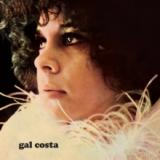
GAL COSTA - Gal Costa (1969) LP
  • A1: Não Identificado (Caetano Veloso)
  • A2: Sebastiana (Rosil Cavalcanti)
  • A3: Lost In The Paradise (Caetano Veloso)
  • A4: Namorinho De Portão (Tom Zé)
  • A5: Saudosismo (Caetano Veloso)
  • A6: Se Você Pensa (Roberto Carlos-Erasmo Carlos)
  • B1: Vou Recomeçar (Roberto Carlos-Erasmo Carlos)
  • B2: Divino, Maravilhoso (Caetano Veloso-Gilberto Gil)
  • B3: Que Pena (Êle Já Não Gosta De Mim) (Jorge Ben)
  • B4: Baby (Caetano Veloso)
  • B5: A Coisa Mais Linda Que Existe (Gilberto Gil-Torquato Neto)
  • B6: Deus É O Amor (Jorge Ben)

Gal Costa’s 1969 self-titled album stands as one of the
boldest statements of the Tropicália movement. Blending
psychedelic rock, experimental arrangements, and Brazilian
popular music with fearless originality, the album showcases
Costa’s powerful, expressive voice at its most adventurous.
Featuring contributions from major Tropicália figures such as
Caetano Veloso and Gilberto Gil, its mix of sweetness and
sonic daring helped redefine contemporary Brazilian music,
cementing Gal Costa as a groundbreaking and influential artist.

nicht am Lager

Bestelle jetzt und wir bestellen den Artikel für dich beim Lieferanten.

17,02

Last In: vor 9 Tagen
Various - Tchic Tchic: French Bossa Nova 1963-1974  Colored Edition LP 2x12"
  • A1: Les Masques - Il Faut Tenir (1969)
  • A2: Isabelle Aubret - Casa Forte (1971)
  • A3: Christianne Legrand - Hlm Et Ciné Roman (1972)
  • A4: Jean Constantin - Pas Tant D'chichi Ponpon (1972)
  • A5: Billy Nencioli & Baden Powell - Si Rien Ne Va (1969)
  • B1-: Marpessa Dawn - Le Petit Cuica (1963)
  • B2: Jean-Pierre Sabar - Vai Vai (1974)
  • B3: Sophia Loren - De Jour En Jour (1963)
  • B4: Isabelle - Jusqu’à La Tombée Du Jour (1969)
  • B5: Sylvia Fels - Corto Maltesse (1974)
  • C1: Frank Gérard - Comme Une Samba (1972)
  • C2: Ann Sorel - La Poupée Des Favellas (1971)
  • C3: Charles Level - Un Enfant Café Au Lait (1971)
  • C4: Andrea Parisy - Les Mains Qui Font Du Bien (1970)
  • C5: Audrey Arno - Quand Jean-Paul Rentrera (1969)
  • C6: Aldo Frank - T’as Vu Ce Printemps (1970)
  • D1: Christianne Legrand - Cent Mille Poissons Dans Ton Filet (1972)
  • D2: Clarinha - Lemenja (1970)
  • D3: Hit Parade Des Enfants - Aquarela (1976)
  • D4: Jean-Pierre Lang - Tendresse (1965)
  • D5: Magalie Noël - Une Énorme Samba (1970)
  • D6: Françoise Legrand - La Lune

Ever since the late 1950s bossa-nova revolution, Brazil’s influence on French music has been undeniable. Pierre Barouh, Georges Moustaki and a vast array of lesser known artists, all made the Musica Popular Brasileira (MPB) an axis of promotion at the service of a cool and metaphysical, modern and mixed Brazilian lifestyle. Some were seduced by the poetic languors of the bossa, some were looking for fun, and others just loved the American hybridization of jazz-bossa, jazz-samba.


What is bossa nova? One of its creators, Joao Gilberto said: "Its style, cadence, everything is samba. At the very start, we didn't call it bossa nova, we sang a little samba made up of a single note - Samba de uma nota so .... The discussion around the origins of bossa nova is therefore useless”. It is nevertheless useful to remember that these magnificent Brazilian songs, which the guitarist describes as samba, were shifted and balanced around improbable chords. "I like things that lean, the in-betweens that limp with grace," said Pierre Barrouh, quoting Jean Cocteau.


With emotion, arrangements for violin and supple guitar licks, bossa nova rapidly changed. A transformation that can be heard in the Tchic, tchic, French Bossa Nova 1963-1974 compilation, the result of a cultural reappropriation, which traveled through the United States and supplemented itself in France.

A musical revolution that has remained significant, bossa nova was born in Rio. From 1956 to 1961, Brazil lived through its golden years. In five years, the country had invented its modernist style. Elected president in 1956, Juscelino Kubitschek de Oliveira, an elegant man with a broad forehead, brandished a promising slogan: "Fifty years of progress in five years". He quickly got to work. Not worried about increasing debt, he launched the project for a new federal capital, Brasilia, designed by the communist architect Oscar Niemeyer. Volkswagen opened state-of-the-art factories and created the “fusquinha”, the Beetle. In Rio, the Vespa made its first appearance. The Arpoador Surf Club crew run into the “girl” from Ipanema, Helô Pinheiro - the tanned garota ("chick"), between a flower and mermaid, who at 17 walked by the Veloso bar, where the fiery author and composer, Tom Jobim and Vinicius de Moraes, were getting drunk on whiskey. From then on, bossa symbolized cool.

In 1958, Joao Gilberto recorded Chega de Saudade, which the directors of Philips denied, calling it "music for fagots". The marketing director, who believed in it, secretly pressed 3000 78-inch vinyls and distributed them at schools around Rio, creating a tidal wave.

American jazzmen then took over. In particular, trumpeter Dizzy Gillespie and guitarist Charlie Byrd. In November 1962, the Brazilian Ministry of Foreign Affairs funded a "Bossa-Nova" concert at Carnegie Hall in New York, inviting the genre’s pioneers. Unprepared, the show soon turned to disaster. But the troupe was invited to the White House by Jackie Kennedy. The first lady loved "the new beat" and in particular Maria Ninguem, a song by Carlos Lyra, later covered by Brigitte Bardot.

In Brazil, the 1964 military coup quickly ended this euphoria. The destructive atmosphere that ensued pushed many Brazilian musicians to leave, if not to exile. Thus, Tom Jobim, Sergio Mendes and Joao Gilberto arrived to the United States. In New York, Joao Gilberto met saxophonist Stan Getz. At the time, he was married to the Bahianese Astrud Weinert Gilberto, who had a German father. She had never sung before, but she knew how to speak English. Getz therefore asked her to replace her husband on The Girl From Ipanema. The Getz/Gilberto record with Tom Jobim on piano, was released in March 1964. Phil Ramone, the "pope of pop" was in charge of sound.

Bossa nova arrived in Paris through the classic “guitar-voice” channel (Pierre Barouh, Baden Powell, Moustaki…) But France loved jazz and Paris had already welcomed its American contributors. All these good people were to pass through Saint-Germain-des-Prés. The cabaret l'Escale became the Mecca of Latin American sound where one could find Pierre Barrouh and his friends, such as the Camara Trio, samba-jazz aces, whose only record was published by the Saravah label. With a band strangely called Les Masques (a band that included Nicole Croisille and Pierre Vassiliu, among others), the Camara Trio recorded an interesting Brazilian Sound, including the track Il faut tenir which is present on this tasty compilation of rarities.

Other enlightened musicians can also be found on the compilation, such as Jean-Pierre Sabar (songwriter for Hardy, Auffray, Leforestier ...) and the French pop rock organist Balthazar. In 1975, Sabar recorded Aurinkoinen Musiikkimatka on a Finnish label, which featured the crazy Vai, Vai, included on this record. We are now following the footsteps of Brazilian electronic musicians such as Sergio Mendes, Eumir Deodato or Marcos Valle who created funk and disco sounds on their keyboards and synthesizers. A style that influenced Véronique Sanson when she wrote Jusqu’à la Tombée de la nuit in 1969 for Isabelle de Funès, the niece of Louis and a great friend of Michel Berger - Sanson did end up singing this track on her 1992 Sans Regret record.


The pinnacle of exoticism and travel, Sylvia Fels’ Corto Maltese includes bongos, sea mist and ocean sounds. The title was taken from Jacky Chalard’s concept album written in 1974, Je suis vivant, mais j’ai peur (I am alive, but I am scared), based on Gilbert Deflez’s science fiction novel.


However, bossa nova extended the scope of popularity. "In the 1970s, I was a fan of Sergio Mendes, Getz / Gilberto. I fell in love with this music that I knew because I had been an orchestral singer, " explained Isabelle Aubret, who in 1971 delivered a composite record of covers by the very funky Jorge Ben, Orfeu Negro, Tom Jobim, Vinicius de Morais and Jean Ferrat. "I recorded this album for Meys Records in Paris, far from Brazil, with wonderful musicians, François Raubert, Roland Vincent, Alain Goraguer...". The latter wrote the arrangements for Casa Forte, a very percussive title borrowed from Edu Lobo, one of the initiators of the bossa who spent time in California. "Jazz and bossa came together and produced very rhythmic music. I love singing, it allows me to dream, to have fun, to feel a high on stage, and these songs brought me joy, made me swing, my singing felt like a dance.”


The world tours of French singers and their desire for the tropics, often brought them to Rio with its hills, forests, caipirinhas and tanned bodies. There are surprises though, like this Iemenja (Iemenja is the goddess of the sea in the Afro-Brazilian candomblé religion). Not unlike the composer and musician Jean-Pierre Lang, based in Sao Paulo, Claire Chevalier taught Brazil to Brazil. In 1970, the singer and painter published a 45-inch vinyl, Mon mari et mes amants (My husband and my lovers), under the improbable pseudonym of Clarinha (little Claire). She was then living in Rio, with her husband, Joël Leibovitz, who founded a band called Azimuth, and who owned a record label specialized in "sambas enredos" songs for samba school parades.


For its B side, she asked Pierre Perret to come up with lyrics for a song composed by Carlos Imperial: "Oh goddess of the sea, o goddess Iemenja, I bring a white rose to adorn your long hair ..." . "Perret came to see us, and we had fun, remembers Joël Leibovitz. We wrote Lemenja for fun, we recorded it at the Havaí studio, behind the Central do Brasil the central station. Erlon Chaves, the arranger who worked with Elis Regina, joined us" adding his share of Afro-Brazilian percussions and funky brass to the mix.

There is a common misunderstanding in Franco-Brazilian history: that bossa, admittedly hedonistic, is perceived as funny, even though the poets who wrote the texts are often philosophizing on the human condition. Its French interpreters pull it towards a carnival inspired universe, far removed from its fundamental essence. Thus, Jean Constantin covered the famous Samba da minha terra, an ode to the art of samba written by the classic Bahian composer Dorival Caymmi, renaming it with the enticing title of Pas tant de tchi tchi pompon: "On your pier there is no tchi tchi / when you arch your back, you know everything is alright ”(lyrics by Gérard Calvi). This expedited bossa aims for the absurd, but retains a certain elegance.

Indeed, Jean Constantin was not an idiot, the rather large man had a huge mustache and liked fantasy, (Les pantoufles à papa, Le pacha, inspired by cha-cha-cha-cha, salsa and jazz) but he was also the lyricist of Mon manège à moi interpreted by Edith Piaf, the composer of Mon Truc en plume by Zizi Jeanmaire and the soundtrack of François Truffaut’s 400 Blows. Le Poulpe, published in 1970, from which this bossa is extract, was arranged by Jean-Claude Vannier, an accomplice of Serge Gainsbourg’s Melody Nelson. In short: "There is enough of samba / By looking at the parasol / Because my poor cabeza / Is going to die in the sun".

Even the American actress Marpessa Down, who was at the heart of the bossa nova revolution with her role as Euridyce in Marcel Camus’ film Orfeu Negro, winner of the 1959 Cannes Palme d'or, fed the clichée with Je voudrais parler au petit cuica - "Tell me how you manage to always make people want to dance / It's true, I must admit that I cannot resist your magic" - in consequence, once can hear the cuica, a little drum inherited from the Bantu.


But bossa nova had many angles. Societal, of course, pushing actresses who were symbols of women's liberation like Brigitte Bardot, Jeanne Moreau, or Sophia Loren to engage in the exercise of accelerated bossa. In February of 1963, Sophia Loren made a record in French in Rome, Je ne t'aime plus, featuring the song De jour en jour, a bossa written by two Italians, Armando Trovajoli and Tino Fornai, which was released a little later by Barclay. Bossa accompanied the 1960s, a decade of moral liberation. Ann Sorel, who interpreted La Poupée des favellas, caused a sensation with L’amour à plusieurs, a provocative song written by Frédéric Bottom and Jean-Claude Vannier. As for the actress Andrea Parisy, she displayed her bourgeois cheekiness in Marcel Carné's Les Tricheurs before interpreting Les mains qui font du bien. And Magalie Noël, the friend of Boris Vian, who sung Johnny fais-moi mal, was hired to sing Une énorme Samba, composed by Alain Goraguer (arranger to Gainsbourg, Bobby Lapointe and Jean Ferrat) with lyrics by Frédéric Botton.

But in the end, of what wood is bossa nova made of? The answer is given by Christianne Legrand, daughter of Raymond the conductor, and sister to Michel the composer: "With me, with jà" - jà means "immediately" in Portuguese. In 1972, the singer, an expert in vocal jazz and a member of the Double Six, published Le Brésil de Christianne Legrand. Two songs included on the Tchic Tchic compilation that demonstrate how bossa, jazz, funk, rock, etc. work like a swiss army knife: the music is used to denounce broken systems, or miracles, HLM et ciné roman, Cent mille poissons dans ton filet, two songs from the O Cafona soundtrack, a successful telenovela broadcast, at the time in black and white, on TV Globo. The first was adapted in French by the fighter and friend of the Legrand tribe, Agnès Varda. The second is content with a play on words, jostling them into a summer fun.


Véronique Mortaigne

vorbestellen17.04.2026

erscheint voraussichtlich am 17.04.2026

27,31
Zé Ibarra - Afim

Zé Ibarra

Afim

12inchMRBLP324
Mr Bongo
13.04.2026

Mr Bongo proudly presents, ‘AFIM’, the second solo album by one of Brazil’s most exciting new talents, Zé Ibarra. You may be familiar with the hypnotic, entrancing tones of Ibarra’s vocals through his work with the Latin Grammy award-winning, four-piece, Bala Desejo and the band Dônica. He has also toured with the musical titan, Milton Nascimento, performing guitar and vocals, which is quite the honour and a testament to Ibarra's craft. As a solo artist, he has performed headline solo shows in Japan, Portugal and the US, as well as recently completing a support tour with the great, Seu Jorge.

‘AFIM’ is comprised of eight tracks, featuring Zé’s own compositions as well as cover versions of tracks by contemporaries and friends, Sophia Chablau, Tom Veloso, and Dora Morelenbaum. It combines elements of MPB, jazz, pop and progressive rock in a bold, authoritative style. The album represents the intersection between different facets of the artist, from the stripped-down, intimate, guitar singer-songwriter, to dense arrangements with sweeping strings sections. Writing this album allowed Ibarra "to explore sides of myself that had not yet been organized in an album: a certain darkness, a more cinematic musicality, a desire for new soundscapes.

The album features the single, 'Transe', a song with an instantly comforting tone reminiscent of classic Brazilian songs of the past (think Caetano Veloso). It is built on a rhythmic guitar that supports dynamic sound layers, opening space for Ibarra's intense interpretation. Cinematic atmospheres that lend an air of mystery come courtesy of string arrangements by Jaques Morelenbaum.

His unique cover version of Sophia Chablau's 'Segredo' is equally compelling, taking Sophia's punky-indie original in a different direction and making it feel like his own. 'Essa Confusão', a song celebrating the intensity of love and co-written by Dora Morelenbaum, is steered into epic, 70's AOR, singer-songwriter territory with wind arrangements by Ibarra, Jorge Continentino and strings by Jaques Morelenbaum.

The album is the result of the collaboration of experienced musicians and long-time partners of Ibarra. Fellow Bala Desejo and Dônica member Lucas Nunes co-produced the album. The core band featured on the record consists of Lucas Nunes on organs, Alberto Continentino on bass, Daniel Conceição and Thomas Harres on drums and percussion, Rodrigo Pacato on additional percussion, Chico Lira on Fender Rhodes and Guilherme Lírio on guitar.

The overall feel of the record is archetypically quintessential without slipping into retro mode. It is a stunning album from one of the finest musicians of his generation. A true star of Brazil’s blooming contemporary scene.

nicht am Lager

Bestelle jetzt und wir bestellen den Artikel für dich beim Lieferanten.

27,05

Last In: vor 21 Tagen
DJ Rosvil - We Can Fly

DJ Rosvil

We Can Fly

12inchREMSG-004
Remedy Sound
08.04.2026

A track built around bass, drums and horns that carry the groove from the very first bar.

The beat breaks into an explosive breakdown featuring a bongo solo performed by Borja Vizcaíno, adding tension and organic energy to the composition.

On the B-side, Rosvil keeps it straight to the point with a Battle version designed for the floor: pure, direct and functional rhythm. The 7” also includes a bonus Beats version — a DJ tool with drums and percussion ready to be remixed or used in session.

The EP will be available on 7-inch vinyl and across all digital platforms.

Artwork by graffiti writer Hize.
Mixed and mastered by Jorge Alamar.

nicht am Lager

Bestelle jetzt und wir bestellen den Artikel für dich beim Lieferanten.

13,66

Last In: vor 23 Tagen
VARIOUS - TIRITITRAN - UNA RECOPILACIN DE FLAMENCO-JAZZ VOL 1 LP 2x12"
  • 1: Por Dónde Caminas?
  • 2: Refrito
  • 3: La Tumbona
  • 4: Segment
  • 5: Sencillito
  • 6: Bulería De Los Chicos
  • 7: Camino
  • 8: Amores
  • 1: Tangos Del Buenro
  • 2: Martinete A Trane
  • 3: Zapatito
  • 4: La Propina
  • 5: Mientras Duermes
  • 6: Pentalegrías
  • 7: En Mi Casa
  • 8: Luna De Madrid

Celebrating the 30th anniversary of Enlace Funk magazine, they present the world's first Flamenco-Jazz compilation, featuring 16 tracks from between 1978 to 2025, released on vinyl for the first time. A musical dialogue between Flamenco and Jazz, unique in the world, a journey through some of the most important artists of this style, starting with the seminal work of the group Dolores in 1978, and continuing to examples of the current sound of this exciting fusion. Includes tracks never before released on vinyl by artists such as Jorge Pardo, Chano Dominguez, Pedro Ojesto, and Marc Miralta. The first volume of Flamenco-Jazz aims to showcase this unique style that has proven to be a bridge of communication and dialogue between flamenco and jazz musicians, creating an inimitable sound that is constantly evolving and transcending barriers. We take as our starting point a 1978 recording by Dolores, featuring Paco de Lucía, which later led to the formation of her legendary sextet with musicians who had participated in this recording. Of course, this first volume wouldn't be complete without other masters like Josemi Carmona, Pedro Ojesto, and Marc Miralta. And of course, a new generation of names that have elevated the genre to its current status, such as flautists Trinidad Jiménez and Sergio De Lope, Juanfe Pérez and Juan Pérez Rodríguez from Huelva, Pablo Martín Caminero from Vitoria, and Miquel Alvarez from Valencia. Not forgetting innovators like Antonio Lizana and Enriquito, who are crossing borders and sharing their unique style. Ltd ed.classic black vinyl double LP in gatefold sleeve

vorbestellen27.03.2026

erscheint voraussichtlich am 27.03.2026

47,27
Various - Musubi

Various

Musubi

12inchWS004
Wabi Sabi
26.03.2026

Musubi is an album conceived as a puzzle without a predefined plan. Each artist created their track independently, without listening to the others, yet the result is a coherent journey of downtempo, psychedelic and elegant pieces that naturally resonate with one another. This album reflects the essence of Wabi Sabi Audio Imprint: embracing imperfection, spontaneity, and the beauty found in the unexpected.

nicht am Lager

Bestelle jetzt und wir bestellen den Artikel für dich beim Lieferanten.

14,08

Last In: vor 18 Tagen
Various Artists - Brazil Greastest Hits LP 2x12"
  • Joao Gilberto - Bim Bom
  • Elizete Cardoso - Outra Vez
  • Luiz Bonfa - Copacabana
  • Antônio Carlos Jobim & Roberto Paiva - Eu E O Meu Amor
  • Joao Donato - Tim-Dom-Dom
  • Carlos Lyra - Você E Eu (You And Me)
  • Baden Powell - Improviso Em Bossa Nova
  • Salinas - Tenha Fé, Pois Amanha Um Lindo Dia Vai Nascer
  • Stan Getz & Charlie Byrd - Desafinado
  • Sérgio Mendes - Oba-La-La
  • Pery Ribeiro - Garota De Ipanema
  • Orlandivo - Onde Anda O Meu Amor
  • Shorty Rogers & His Giants - Chega De Saudade (No More
  • Sylvia Telles - Corcovado
  • Grant Green - Brazil
  • Maysa - Agua De Beber
  • Quincy Jones & His Orchestra - Soul Bossa Nova
  • Trio Mocoto - Nao Adianta
  • David K (Feat. Rolando Faria) - Mas Que Nada (David K R
  • Tom & Joy - Para Bailar
  • Seu Jorge - Carolina
  • Salome De Bahia - Outro Lugar (Edit)
  • Carlinhos Brown - Brasil Brasil (Ole Ole)
  • Caetano Veloso - Hino Da Bahia
  • Suba (Feat. Cibelle) - Felicidade
  • Marcelinho Da Lua (Feat. Seu Jorge) - Cotidiano (Buzzin
  • Bebel Gilberto - August Day Song
  • Negrocan - Cada Vez (Grant Nelson Vocal Mix Edit)

Mit Brazil Greatest Hits veröffentlicht Wagram eine musikalische Reise durch die farbenfrohe Welt Brasiliens - von zeitlosen Bossa-Nova-Klassikern bis zu modernen Latin-Grooves. Auf zwei sorgfältig zusammengestellten Vinyl-LPs versammeln sich legendäre Aufnahmen und internationale Club-Favorites, die den Spirit von Rio, die Leichtigkeit des Samba und den warmen Sound des Tropenlands einfangen. Die erste LP präsentiert ikonische Stimmen und Instrumentalstücke der goldenen Bossa-Nova-Ära - voller Eleganz, Rhythmus und Melodie. Auf LP 2 geht es moderner und tanzbarer weiter: brasilianische Funk-Einflüsse, Remix-Perlen und energiegeladene Tracks zeigen, wie lebendig und vielfältig die Musikszene Brasiliens bis heute ist.

vorbestellen27.02.2026

erscheint voraussichtlich am 27.02.2026

23,49
LOS INDIOS - LOS INDIOS

LOS INDIOS

LOS INDIOS

12inchMRLP495
MUNSTER
20.02.2026
  • Los Indios
  • Bailarin A Go-Go
  • Ronco Salvaje
  • Las Pruebas
  • Es No Hay Tiempo Que Perder
  • Valeria
  • Quiero Gritar
  • La Gripe
  • Helelule
  • India
  • Ovni

This compilation brings together some of the best recordings by Los Indios from Bolivia, recorded during their brief time as a band, pioneers in blending beat sounds with garage rawness through a repertoire packed with covers of artists such as Deep Purple, Wilson Pickett, Eduardo Araujo (via Los Iracundos)_ The birth of Los Indios took place at a key moment for Bolivian music, in May 1968, during the "Festival de la Canción" held at the Félix Capriles Stadium. This event was a milestone for the so-called Bolivian new wave, featuring various groups from all over the country. A month later, Jorge Filipo Dalence, in association with Freddy Valdivieso, decided to launch their own band, Los Indios, ready to make their mark on the music scene. Their discography includes one LP and a handful of EPs released on the Caracol and Imperio labels. Their album not only showcases their musical talent but also represents an important moment in the evolution of rock in Bolivia. The combination of their unique style helped open new doors for other artists in the country's music scene. By 1969, the group was enjoying overwhelming success and widespread popularity. This is a joint release with the Peruvian label Rey Record and includes an insert with notes on the band's history

vorbestellen20.02.2026

erscheint voraussichtlich am 20.02.2026

22,27
Professor Bop Presents Various - Down At The Ugly Men's Lounge Vol. 8 (LP 10")
  • A1: Why Don’t You Do Right - Cleo Jons & Dick Reynolds Orchestra
  • A2: Fiche Le Camp Jack - Richard Anthony & Les Angels, Dir. Christian Chevallier
  • A3: I Pawned Everything - Walter Spriggs & Jesse Stone Orchestra
  • A4: Don’t Play No Mambo - The Charioteers & Sid Bass Orchestra
  • A5: Mr. Sandman - Chris Powell & The Blue Flames
  • A6: Teen Age Rock - Pete Rugolo & His Orchestra
  • A7: The Rhinoceros - Osie Johnson & His Orchestra
  • B1: Lady Be Good - Knud Jörgensen & The Metronome Singers
  • B2: Walk Softly Children - Elizabeth Lands, Orchestra Cond. By Dave Martin
  • B3: Timber’s Gotta Roll - The Deep River Boys Feat. Harry Douglass
  • B4: Blues In The Closet - The Tritones
  • B5: The Baggage Room Blues - Tom Kennedy
  • B6: Write Me Baby - The Metrotones
  • B7: Rat Race - Little Norman (Norman Kaye)

Auf dem komplett unübersichtlichen Markt der Vinyl-Wiederveröffentlichungen rarer Aufnahmen aus dem im weitesten Sinne Rock & Roll/Rhythm & Blues/Popcorn-Umfeld hat sich die Serie DOWN AT THE UGLY MEN’S LOUNGE mit einer komplett eigenständigen konzeptionellen Farbe etabliert. Das authentische 10“-Format und die Covergestaltung mit obskuren und anonymen Musikerfotos der ersten fünfzig Jahre des 20. Jahrhunderts sind gleichermaßen unverkennbar wie unwiderstehlich.
Das stilistische Spektrum der neuen Auswahl rarer und rarster Trouvaillen aus dem legendären Archiv von Prof. Bop bleibt dem Ursprungskonzept treu: Zwischen Boogie und Mambo, zwischen Blues und Bop, zwischen Exotica und Egozentrik...weniger amateurhaft gespielter Teenager-Rockabilly, eher Rock & Roll etc. von musikalisch versierten und Jazz-geschulten Vollprofis. Allesamt Aufnahmen der goldenen Epoche 1950 – 1962.

vorbestellen20.02.2026

erscheint voraussichtlich am 20.02.2026

20,80
Anar Band with E.M. de Melo e Castro - Dou Dou Doudo: Ao Vivo Na Cooperativa Árvore

Audio taken from a live performance by Anar Band (Jorge Lima Barreto and Rui Reininho) with E.M. de Melo e Castro in November of 1978 at Cooperativa Árvore, Porto. The performance was filmed. A segment was included in »Obrigatório Não Ver«, a weekly programme presented by Ana Hatherly on Public Television’s Second Channel. It was not possible to determine the exact date of the event, and no documentation seems to be available in the relevant archives.

»Encontro que Tenho« and »Profissões«: these titles are specific to this release. Having failed to locate the respective poems after a thorough search in E.M. de Melo e Castro’s body of work, it was deduced both texts were created for the occasion.

Even without a full contextualisation, the sound transmits the spirit of cultural agitation proper to these sessions. When this show happened, Anar Band were Jorge Lima Barreto (ARP Odyssey synthesizer) and Rui Reininho (Ibanez double-neck guitar), with the addition of E.M. de Melo e Castro, whom we shall call a poet but whose creative intervention was far reaching. Besides poetry, also continued his efforts in linking up diverse artistic areas (painting, drawing, collage, performance, video) and his official training in textile engineering. He was one of the artists featured in Henri Chopin's »OU Revue« in 1966, establishing his natural connection to the European concrete/visual/sound-poetry avant-garde. Melo e Castro was also proficient in the agitation of minds and political awareness. A good example in »Profissões«, where initially separate professionals (an intellectual, a fisherman, a soldier, a factory worker) are gradually mixed in a show of interdependency. Symbolically, through his words one listens to a transformation of society, although the same conclusion arises twice: surplus always finds its way to the hands of the capitalists.

That was the state of affairs many were looking to change, an economic and social malaise that the 1974 Revolution in Portugal fully uncovered, when dissident voices could finally be heard in public. Each in his own way, all three participants in this recording were non-believers in the structure of society such as it was presented. Through his books and press writings, mainly concerned with Jazz, Jorge Lima Barreto pushed his way into Portuguese artistic and critical circles since the late 1960s. Consciously and unwittingly, he collected enemies and pointed them by name, people he labelled as reactionary, people who delayed progress, social and cultural mixes, the avant-garde; they even delayed the chaos from which new forms and attitudes arise.

Rui Reininho, a non-conformist by heart, experienced incomprehension from an early age. His anarchic ways, a tendency to baffle others, were revealed through the choice of clothes and accessories, public behaviour, and »real life« performances. Just as Lima Barreto, and even together with him, he enjoyed provoking the extremes: Maoists on one side, right-wing conservatives on the other. He translated leftist books and joined Anar Band precisely on the day a duck or swan or goose (one of them) was thrown on stage in Porto, 1976.

This record documents a concrete action, a snapshot of the agitation, something we have no problem calling punk activism, something which allowed two people with little to no musical training to play and record music. By then, Anar Band had managed to release their only LP in 1977. It’s this performance, however, that reveals the naked rawness of the music: improvisation, mutual listening, and choice of intervention between both musicians and Melo e Castro, clearly sensing when the synth has to change tone, the voice has to make pauses, the guitar punctuates both and finds the space to… scream. The sound was captured by the film crew, adding to the rawness: the instruments are palpable, the voice often too close to the mic. Everything was preserved. First time on disc.

vorbestellen30.01.2026

erscheint voraussichtlich am 30.01.2026

23,95
GRUPO UM - NINETEEN SEVENTY SEVEN

Grupo um celebrate 50 years with release of lost dictatorship-era album nineteen seventy seven!

First time release - vinyl comes with printed innersleeves

Brazilian avant-jazz vanguardists Grupo Um celebrate their 50th anniversary, sharing a second previously lost 1970s album from the vaults. Nineteen Seventy Seven (titled after the year it was recorded) is another rip-roaring instrumental fusion treasure from the band which spawned from within Hermeto Pascoal’s famed mid-1970s São Paulo collective.

Like their debut album Starting Point, Grupo Um’s Nineteen Seventy Seven was recorded when Brazil's military dictatorship was at its most repressive. “There were no open doors to those who dreamt to be protagonists in creative instrumental music”, remembers drummer Zé Eduardo Nazario, “even popular composers and singers had to submit their songs to censors and many records were banned and confiscated from the stores.”

Just like Hermeto Pascoal's Viajando Com O Som (1977) and Grupo Um's previous album Starting Point (1975), both of which remained unreleased until the 21st century, Zé Eduardo asserts that the 1977 album was flatly 'without any chance to be released at that time."

Recorded at Rogério Duprat’s Vice-Versa Studios in São Paulo, the group were under both time and space restraints, “we chose the small Studio B,” Lelo Nazario recalls, “which had a Tascam (TE AC) 12x8 console and a 4-channel AMPEX AG 440 machine. Therefore, we had to record without overdubs, everything straight to tape.”

Expanding from a trio to a quintet, original Grupo Um members Lelo Nazario (keys), Zé Eduardo Nazario (drums), and Zeca Assumpção (bass) were joined by saxophonist Roberto Sion and percussionist Carlinhos Gonçalves. Carlinhos, Zé and Zeca had already played together in the group Mandala, while brothers Lelo and Zé had just finished a stint backing Hermeto Pascoal during his years in São Paulo.

Lelo was deeply immersed in modular synthesizer experimentation during this period, working extensively with the ARP2600 and EMS Synthi AKS. These electroacoustic explorations formed the sonic foundation for "Mobile/Stabile," one of his first compositions to merge modular synthesis with Brazilian music, a fusion that would ripple throughout the Brazilian jazz scene. The piece premiered at the first São Paulo International Jazz Festival in 1978, performed by Grupo Um with guest trumpeter Márcio Montarroyos. In a shocking moment, festival organizers interrupted the show mid-performance, sparking fierce backlash from both audience members and journalists who denounced the incident as artistic censorship during Brazil's era of political and cultural repression. The version on Nineteen Seventy Seven is the first recording of the composition.

Nineteen Seventy Seven combines Afro-Brazilian rhythm, modular synthesis and a plethora of whistles, percussion and effects pedals. Album opener “Absurdo Mudo” - so titled for the absurd difficulty it poses to the musicians performing it - starts out in a cloud of mysterious dissonance, before the haze breaks for a glorious keyboard and saxophone interplay atop an uptempo samba groove. “Cortejo dos Reis Negros (Version 2)” (Procession of the Black Kings), based on the maracatu rhythm, inverts the traditional jazz song structure by beginning with improvisations, which are followed by the theme and a final coda. “The studio also had two Parasound electronic reverb units,” Lelo notes, “and the timbre is very audible on the soprano sax and percussion.”

Grupo Um’s daring music represents a manifesto of resistance during the dictatorship years, but it’s one which remains just as relevant today. As Lelo puts it: “For me, the aesthetic issue has always been about combining contemporary avant-garde languages with Brazilian music, independent of categories and commercial interests. The result of this fusion takes music to a new level.”

Recording credits (1977)
Recorded at Vice-Versa B Studio, São Paulo, November 9, 1977
Produced by Lelo Nazario and Zé Eduardo Nazario
Engineered by Ricardo “Franja” Carvalheira


Lelo Nazario – Wurlitzer electric piano, acoustic piano, signal generator, percussion

Zé Eduardo Nazario – drums, percussion

Zeca Assumpção – electric bass

Carlinhos Gonçalves – percussion

Roberto Sion – soprano sax, clarinet

Release credits (2025)
Produced by UTOPIA Studio, São Paulo
Project Coordination in Brazil by Irati Antonio (Utopia Studio)
Tape Restoration and Digital Mastering by Lelo Nazario at Utopia Studio, July 2025
Liner Notes by Lelo Nazario and Zé Eduardo Nazario
Photography by Jorge Las Heras, Lelo Nazario, and artists' personal archives
Photo Restoration by Lelo Nazario
Artwork and Design by Alessandro Renaldin

vorbestellen30.01.2026

erscheint voraussichtlich am 30.01.2026

23,11
JAMES MATTHEW SEVEN FT. FABIO SANTANNA - JAMES MATTHEW SEVEN
 
2

Beijinho do Brasil announce their second release with the highly anticipated follow-up from LA-based producer and multi-instrumentalist James Matthew Seven, featuring guest vocals on the A-side by Rio de Janeiro's Fabio Santanna.

Recorded in a small studio on the beach in Oaxaca, Mexico, "Feels Good, Do It" brings to mind a lost recording from Marcos Valle's time with Leon Ware. Funky and soulful with warm Fender Rhodes and a horn section reminiscent of Banda Black Rio, the tune is a breezy, mid-tempo ode to embracing life's pleasures. Originally with vocals in English, the track was translated and re-recorded in Rio de Janeiro by Fabio Santanna. Fabio has a long-established reputation in Brazil as a torchbearer of modern funk and boogie, continuing in the lineage of artists like Robson Jorge and Lincoln Olivetti. But with his releases on labels like Onda Boa and Dippin' Records (which sold out nearly instantly), his international reputation is steadily growing. He has a new 7" due out on Dippin' Records on October 10th, pushing his name to the forefront once again, right on time to generate more buzz for our next 45!

About the flip side, "Ilha Racional" (a nod to Tim Maia's Racional era):
I had this dream where I was in a dive bar discotheque somewhere in the Caribbean. A thick cloud of smoke hung in the air as the selector dropped this bass-heavy bop that had the whole crowd vibing. Then, out of nowhere, in walked Tim Maia with a bag of mushrooms. He proceeded to grab the mic and preach about this alien world of rational energy. Shit was bugged out. When I woke up, James Matthew Seven had sent me this track to check out.

nicht am Lager

Bestelle jetzt und wir bestellen den Artikel für dich beim Lieferanten.

11,35

Last In: vor 3 Monaten
Julian Lage - Scenes From Above

“Diesmal bin ich mit dem Wunsch an meine Musik herangegangen, sie als etwas Gleichberechtigtes zu
verstehen, nicht als etwas nach dem Motto ’Ich bin der Chef’”, sagt Julian Lage über sein fünftes BlueNote-Album und Nachfolger des GRAMMY-nominierten ”Speak To Me”, erneut produziert von Joe Henry.
Diesmal wird der Gitarrenvirtuose mit einer neuen Band feat. John Medeski (Hammond B3, Piano), Jorge
Roeder (Double Bass) und Kenny Wollesen (Drums, Percussion) zu hören sein.
Während „Speak To Me“ Lages großes Statement als improvisierender Bandleader war, geht es ihm auf
seinem neuen Album darum, sich selbst mehr als Bandmitglied zu verstehen und die von ihm geschriebenen Stücke gemeinsam mit seinem neuen Ensemble zu erkunden. Ein prominenter Teil des neuen Sounds
ist dabei Organist John Medeski. Julian Lages moderner Gitarren-Sound trifft in dieser Kombination auf
Anklänge klassischer Gitarre/Orgel-Sessions der Jazzgeschichte, wie z.B. von Grant Green & Larry Young,
Wes Montgomery & Jimmy Smith oder Kenny Burrell & Jack McDuff.

vorbestellen23.01.2026

erscheint voraussichtlich am 23.01.2026

25,63
HATCHIE - LIQUORICE

HATCHIE

LIQUORICE

12inchSCLPC1503
Secretly Canadian
09.01.2026

Das Cover von ,Liquorice", dem dritten Album der australischen Indie-Pop-Künstlerin Hatchie, zeigt ein Nahporträt von Harriette Pilbeam, die lächelt, wobei ihr verschmierter roter Lippenstift auf die glorreiche Folge eines Kusses hindeutet. Das Bild wurde während eines spontanen Fotoshootings im Hinterhof mit einer einfachen Digitalkamera aufgenommen und fängt eine Erinnerung ein, die etwas unvollkommen ist und von Sehnsucht, Begierde und Bedauern geprägt ist Das Bild wurde während eines spontanen Fotoshootings im Hinterhof mit einer kleinen Digitalkamera aufgenommen und verkörpert ein Album, das rau und voller Freude ist und sich mit Themen wie Sehnsucht, Begierde und Reue befasst. Pilbeam begann ernsthaft mit dem Schreiben von ,Liquorice", während sie von 2022 bis 2023 in Brisbane lebte, und später in einem gemeinsamen Haus mit Agius in Melbourne, wo sie die Demos schließlich Mitte 2024 fertigstellte. Als Musikerin, die ihre Einflüsse bisher offen zur Schau gestellt hat, bemühte sich Pilbeam, von Grund auf neu zu schreiben, ohne bestimmte musikalische Einflüsse im Hinterkopf zu haben. Pilbeam begann ernsthaft mit dem Schreiben von ,Liquorice", während sie von 2022 bis 2023 in Brisbane lebte, und später in einem gemeinsamen Haus mit Agius in Melbourne, wo sie die Demos schließlich , und stellte die Demos schließlich Mitte 2024 fertig. Als Musikerin, die ihre Einflüsse bisher offen zur Schau gestellt hatte, bemühte sich Pilbeam, ganz von vorne anzufangen, ohne bestimmte musikalische Einflüsse im Hinterkopf zu haben, und ließ den Songs wochenlang Zeit zum Atmen, anstatt Ideen zu überstürzen. Sie fühlte sich von der melodischen Einfachheit ihrer frühen Songs angezogen und akzeptierte ihre musikalischen Unsicherheiten: ,Ich wollte meine Grenzen als Stärken betrachten, die meinen Stil prägen." Nachdem sie mit den Produzenten Jorge Elbrecht (Caroline Polachek, Japanese Breakfast, Sky Ferreira) und Dan Nigro (Olivia Rodrigo, Chappell Roan) an ,Giving the World Away" gearbeitet hatte, wollte Pilbeam ,Liquorice" mit einem einzigen Kollaborateur fertigstellen, idealerweise einem nicht-männlichen Produzenten, der auch sein eigenes Musikprojekt vorantreibt. Im September 2024 kehrten Pilbeam und Agius nach Los Angeles zurück, um mit Melina Duterte zusammenzuarbeiten, die unter dem Namen Jay Som Indie-Rock aufnimmt und an einer Reihe von Projekten mitgewirkt hat, darunter das mit einem Grammy ausgezeichnete Album ,The Record" von boygenius. ,Mein letztes Album ist sehr düster und introspektiv geworden, und das ist zwar ein Teil von mir, aber es gab noch eine ganz andere Seite, die ich nicht zum Ausdruck gebracht habe", sagt Pilbeam. ,Ich bin eine hoffnungslose Romantikerin und eine sehr alberne Person, manchmal sogar bis zum Äußersten." Die heute 32-jährige, verheiratete Pilbeam stellte fest, dass ,ewige Gefühle" der Sehnsucht und des Herzschmerzes schnell zurückkehrten, als sie über ihre Erfahrungen als jüngere Frau nachdachte. Gleichzeitig ließ sie ihre Vorliebe für tragische Liebesfilme einfließen, in denen die Figuren nicht unbedingt ein gemeinsames Happy End finden. Liquorice beschäftigt sich mit der Endlichkeit des Ewigen. Diese Songs fangen die überwältigenden, berauschenden und transformierenden Nebenwirkungen der Verliebtheit ein, auch wenn die gesamte Liebesgeschichte nur eine einzige magische Nacht dauert. Wie die reichhaltigen Aromen der gewundenen, titelgebenden Süßigkeit - süß, salzig und bitter in einem Bissen - bestätigt Liquorice, wie Sehnsucht und Besessenheit in der Selbstfindung einer jungen Frau miteinander verflochten sind.

nicht am Lager

Bestelle jetzt und wir bestellen den Artikel für dich beim Lieferanten.

26,01

Last In: vor 3 Monaten
HATCHIE - LIQUORICE

HATCHIE

LIQUORICE

12inchSCLP503
Secretly Canadian
07.11.2025
  • Anemoia
  • Only One Laughing
  • Liquorice
  • Carousel
  • Sage
  • Someone Else's News
  • Wonder
  • Lose It Again
  • Anchor
  • Part That Bleeds
  • Stuck
auch erhältlich

LIPSTICK RED VINYL[26,01 €]


Das Cover von ,Liquorice", dem dritten Album der australischen Indie-Pop-Künstlerin Hatchie, zeigt ein Nahporträt von Harriette Pilbeam, die lächelt, wobei ihr verschmierter roter Lippenstift auf die glorreiche Folge eines Kusses hindeutet. Das Bild wurde während eines spontanen Fotoshootings im Hinterhof mit einer einfachen Digitalkamera aufgenommen und fängt eine Erinnerung ein, die etwas unvollkommen ist und von Sehnsucht, Begierde und Bedauern geprägt ist Das Bild wurde während eines spontanen Fotoshootings im Hinterhof mit einer kleinen Digitalkamera aufgenommen und verkörpert ein Album, das rau und voller Freude ist und sich mit Themen wie Sehnsucht, Begierde und Reue befasst. Pilbeam begann ernsthaft mit dem Schreiben von ,Liquorice", während sie von 2022 bis 2023 in Brisbane lebte, und später in einem gemeinsamen Haus mit Agius in Melbourne, wo sie die Demos schließlich Mitte 2024 fertigstellte. Als Musikerin, die ihre Einflüsse bisher offen zur Schau gestellt hat, bemühte sich Pilbeam, von Grund auf neu zu schreiben, ohne bestimmte musikalische Einflüsse im Hinterkopf zu haben. Pilbeam begann ernsthaft mit dem Schreiben von ,Liquorice", während sie von 2022 bis 2023 in Brisbane lebte, und später in einem gemeinsamen Haus mit Agius in Melbourne, wo sie die Demos schließlich , und stellte die Demos schließlich Mitte 2024 fertig. Als Musikerin, die ihre Einflüsse bisher offen zur Schau gestellt hatte, bemühte sich Pilbeam, ganz von vorne anzufangen, ohne bestimmte musikalische Einflüsse im Hinterkopf zu haben, und ließ den Songs wochenlang Zeit zum Atmen, anstatt Ideen zu überstürzen. Sie fühlte sich von der melodischen Einfachheit ihrer frühen Songs angezogen und akzeptierte ihre musikalischen Unsicherheiten: ,Ich wollte meine Grenzen als Stärken betrachten, die meinen Stil prägen." Nachdem sie mit den Produzenten Jorge Elbrecht (Caroline Polachek, Japanese Breakfast, Sky Ferreira) und Dan Nigro (Olivia Rodrigo, Chappell Roan) an ,Giving the World Away" gearbeitet hatte, wollte Pilbeam ,Liquorice" mit einem einzigen Kollaborateur fertigstellen, idealerweise einem nicht-männlichen Produzenten, der auch sein eigenes Musikprojekt vorantreibt. Im September 2024 kehrten Pilbeam und Agius nach Los Angeles zurück, um mit Melina Duterte zusammenzuarbeiten, die unter dem Namen Jay Som Indie-Rock aufnimmt und an einer Reihe von Projekten mitgewirkt hat, darunter das mit einem Grammy ausgezeichnete Album ,The Record" von boygenius. ,Mein letztes Album ist sehr düster und introspektiv geworden, und das ist zwar ein Teil von mir, aber es gab noch eine ganz andere Seite, die ich nicht zum Ausdruck gebracht habe", sagt Pilbeam. ,Ich bin eine hoffnungslose Romantikerin und eine sehr alberne Person, manchmal sogar bis zum Äußersten." Die heute 32-jährige, verheiratete Pilbeam stellte fest, dass ,ewige Gefühle" der Sehnsucht und des Herzschmerzes schnell zurückkehrten, als sie über ihre Erfahrungen als jüngere Frau nachdachte. Gleichzeitig ließ sie ihre Vorliebe für tragische Liebesfilme einfließen, in denen die Figuren nicht unbedingt ein gemeinsames Happy End finden. Liquorice beschäftigt sich mit der Endlichkeit des Ewigen. Diese Songs fangen die überwältigenden, berauschenden und transformierenden Nebenwirkungen der Verliebtheit ein, auch wenn die gesamte Liebesgeschichte nur eine einzige magische Nacht dauert. Wie die reichhaltigen Aromen der gewundenen, titelgebenden Süßigkeit - süß, salzig und bitter in einem Bissen - bestätigt Liquorice, wie Sehnsucht und Besessenheit in der Selbstfindung einer jungen Frau miteinander verflochten sind.

vorbestellen07.11.2025

erscheint voraussichtlich am 07.11.2025

24,79
Tamba Trio - Tamba Trio

Tamba Trio

Tamba Trio

12inch709107
Jazz Samba
07.11.2025

The original album + 6 bonus tracks - limited edition pressing on 180g vinyl
The most talented bossa nova group of the '60s, Tamba Trio perfected a breezy,
swinging version of bossa nova vocal jazz that proved incredibly influential in Brazil
and throughout the world.
Comprising pianist Luiz Eca, bassist Bebeto, and drummer Helcio Milito, the trio not
only played a wide range of instruments but also contributed incredibly close vocal
harmonies. Presented here is their debut album, 'O Barquinho' (Little Boat), which was
a huge hit in Brazil and throughout South and Central America.
One of their later recordings, a rendition Jorge Ben's ' Mas, que nada!' ( But That Is
Nothing!) and included here as a bonus, became their best-known hit, and used most
famously by Nike in a 1998 World Cup television commercial.

vorbestellen07.11.2025

erscheint voraussichtlich am 07.11.2025

22,90
TRIO MOCOTO - MUITA ZORRA!

Trio Mocoto

MUITA ZORRA!

12inchVAMPI327
Vampisoul
31.10.2025
  • Meu Pais
  • Xamgo De In
  • O Criolauta
  • O Sorriso De Narinha
  • Esperança
  • Maria Domingas
  • Nag
  • S Quero
  • O Canto Da Ema
  • Aleluia, Aleluia (E Ainda Tem Mais)
  • Coqueiro Verde

A samba funk essential. This debut album from Jorge Ben's iconic backing band blends Brazilian rhythms, soulful vocals, and American funk energy into one unforgettable groove. Includes the hit single 'Coqueiro Verde' along with standout tracks like 'Meu País,' 'Aleluia, Aleluia,' and 'O Canto da Ema.' A timeless gem for fans of Brazilian soul, vintage funk, or global grooves. Trio Mocotó is best known for being the powerhouse backing band behind Brazilian legend Jorge Ben during the height of his creative explosion in the early 1970s. But their contribution to music goes far beyond the supporting role-they were instrumental in shaping what would become known as samba funk, a vibrant fusion of traditional Brazilian rhythms with the groove and energy of American soul and funk music. Formed in Sao Paulo's iconic Jogral nightclub, Trio Mocotó-featuring Fritz Escovao, Joaozinho Parahyba, and Nereu Gargalo-began their musical journey as resident musicians, providing live accompaniment for a rotating cast of performers. It was here that Jorge Ben first encountered their raw talent and unmistakable chemistry, ultimately inviting them to join his band. The collaboration would go on to define an era. In 1971, Trio Mocotó stepped into the spotlight with their debut solo album, "Muita Zorra! (...Sao Coisas Que Glorificam a Sensibilidade Atual)." The record made an immediate impact, climbing the charts with the infectious single 'Coqueiro Verde' and marking the start of a prolific period in the group's career. "Muita Zorra!" is a dazzling blend of styles-mixing the baroque funk and melodic sophistication of artists like Marcos Valle with the soulful spirit of Jorge Ben. Layered with elements of American funk, the album delivers a dynamic, rhythm-driven sound that still feels fresh today. The trio's vocal harmonies are front and center, weaving through each track with warmth and richness, creating a captivating sonic tapestry that energizes every beat. This album isn't just a snapshot of a musical moment-it's a cornerstone of Brazilian soul. A must-listen for fans of global grooves, vintage funk, and timeless Brazilian music, "Muita Zorra!" is once again available and ready to take its well-deserved place in your collection. First time official reissue.

vorbestellen31.10.2025

erscheint voraussichtlich am 31.10.2025

28,53
EMMERHOFF & THE MELANCHOLY BABIE - THE DYING OF THE LIGHT
  • Repercussionist
  • Hex
  • In The Hour Of The Wolf
  • Rain's C
  • Backtracked
  • The Canyon
  • Holy Motors
  • Bête Noire
  • Beyond The Blue

Limited to 250 copies. Death comes to us all. Emmerhoff & The Melancholy Babies do not shy away from this irrefutable fact. The band, celebrating their 30th anniversary in 2026, may now rightly consider themselves distinguished "elder statesmen" of rock. With such perspectives also comes the recognition of the transience of life. There are now more funerals than weddings lingering on the horizon, and the ranks of both the idols of our youth and contemporaries on the music scene are beginning to thin. "The Dying of The Light", its title taken from Dylan Thomas' iconic poem, contemplates and embraces the twilight of life, but also, in the spirit of the poem, fighting spirit and stubborn resistance to the inevitable. Death will come, but until then we will create music and celebrate life. October 2025 will see the release of the band's seventh studio album, recorded at Duper and Solslottet Studios in Bergen, produced by Iver Sandoy and Jorgen Træen.. The music reflects the sombre thematic while also being vital and vigorous. The range is wide, from delicate contemplation to powerful outbursts, strictly composed in one moment and loosely improvised in the next.

vorbestellen31.10.2025

erscheint voraussichtlich am 31.10.2025

37,77
Artikel pro Seite:
N/ABPM
Vinyl