Сделать предзаказ30.10.2026
он должен быть опубликован на 30.10.2026
29,37 €
он должен быть опубликован на 30.10.2026

Есть у нас в наличии и готов к отправке
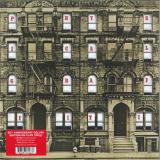
2025 marks the 50th anniversary of Led Zeppelin’s iconic sixth album, and their first double LP, Physical Graffiti.
To celebrate this landmark, Led Zeppelin will release an updated 50th Anniversary edition of 2015’s Physical Graffiti Deluxe Edition 3LP vinyl set, on 180g black vinyl, still featuring the Companion Audio disc, and now including a new bonus replica Physical Graffiti promotional poster (sized 443mm x 610mm).
Released on February 24, 1975 in the US (and four days later in the UK), Physical Graffiti immediately achieved platinum sales status and has recently been certified 17x platinum in the United States.
Есть у нас в наличии и готов к отправке

Есть у нас в наличии и готов к отправке

"Led Zeppelin feiern das 50. Jubiläum ihres ikonischen sechsten Albums, „Physical Graffiti“ mit unter anderem einer aktualisierte „50th Anniversary Edition“ des 2015er „Physical Graffiti Deluxe Edition“ 3LP-Vinyl-Sets veröffentlicht. Diese enthält die bekannte Companion-Audio-Disc und wurde um ein neues Bonus-Replikat eines „Physical Graffiti“-Promoposters (Größe: 443 mm x 610 mm) erweitert.
„Physical Graffiti“ bestand aus neuen Kompositionen, darunter „Kashmir“, „Sick Again“, „Ten Years Gone“, „The Wanton Song“, „Custard Pie“, „Trampled Under Foot“ und „In My Time Of Dying“, sowie aus unveröffentlichten Songs früherer Album-Sessions: „Houses Of The Holy“, „The Rover“, „Black Country Woman“ (aus den Sessions zu „Houses Of The Holy“), „Down By The Seaside“, „Boogie With Stu“, „Night Flight“ (aus den Sessions zu „Untitled“, auch bekannt als „Led Zeppelin IV“), und „Bron-Yr-Aur“ (aus den Sessions zu „Led Zeppelin III“)."
он должен быть опубликован на 12.09.2025

"Led Zeppelin feiern das 50. Jubiläum ihres ikonischen sechsten Albums, „Physical Graffiti“, mit der Veröffentlichung ihrer neuen Live E.P. am 12. September. Die E.P. erscheint auf 180-Gramm-12""-Vinyl, CD und in digitalen Formaten.
Die neue Live E.P. enthält Live-Aufnahmen von ""In My Time of Dying"" und ""Trampled Under Foot"" vom Earl's Court 1975, sowie ""Sick Again"" und ""Kashmir"" vom Knebworth 1979."
он должен быть опубликован на 12.09.2025

он должен быть опубликован на 27.06.2025

он должен быть опубликован на 27.06.2025
он должен быть опубликован на 27.06.2025

он должен быть опубликован на 20.06.2025

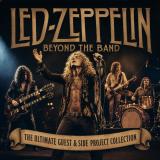
Find all the titles that influenced one of the greatest rock band of all times, on a double vinyl. With: B.B. King, John Lee Hooker, Elvis Presley, Little Richard, Bob Dylan, Joan Baez, Muddy Waters, Sonny By Williamson I... The tracklist was made up by the journalist Lionel Eskenazi, who is a true specialist of the what many consider as the best rock band ever
Закажите сейчас, и мы закажем товар для вас у нашего поставщика.


он должен быть опубликован на 27.09.2024

Double LP - Remastered album on 180-gram vinyl, packaged in a sleeve that replicates the LP's first pressing in exacting detail.
The Led Zeppelin reissue campaign continues in 2015, turning the spotlight on the double album Physical Graffiti. The deluxe edition of the group's sixth studio album will arrive 40 years to the day after the original debuted in February, 1975. The reissues of the first five Led Zeppelin albums in 2014 found both commercial successes, with multiple titles reaching Top 10 chart status in countries around the world, as well as widespread critical acclaim, including the recent Classic Rock 'Reissue Of The Year' Award. As with the previous deluxe editions, Physical Graffiti has been newly remastered by guitarist and producer Jimmy Page and is accompanied by a disc of companion audio comprising previously unreleased music related to the original release.
The companion audio disc that accompanies the deluxe edition of Physical Graffiti has seven unreleased tracks, including rough mixes of 'In My Time Of Dying' and 'Houses Of The Holy,' as well as an early mix of 'Trampled Under Foot' called 'Brandy & Coke.' All the unreleased companion tracks offer fans a chance to hear well-known songs from a different perspective, including the Sunset Sound mix of 'Boogie With Stu' and 'Driving Through Kashmir,' a rough orchestra mix of the band's eight minute opus 'Kashmir.' Also featured is 'Everybody Makes It Through,' a strikingly different early version of 'In The Light' with alternate lyrics.
Закажите сейчас, и мы закажем товар для вас у нашего поставщика.
он должен быть опубликован на 20.07.2022

The Grammy-nominated powerhouse vocalist Beth Hart takes on one of
her most profound undertakings to date by channelling the legendary
voice of Robert Plant on A Tribute To Led Zeppelin
The album will be released on CD, double black vinyl and doulbe orange vinyl via
Provogue/ Mascot Label Group. The nine- song album highlights the incredible
spectrum that Led Zeppelin operated in, from powerhouse rock to psychedelia,
folk, jazz, prog, blues, funk, soul and beyond. Rumours about the album had been
circulating for a few years. At the helm was super- producer Rob Cavallo and
engineer Doug McKean. The A-list musicians include Cavallo on guitar along with
Tim Pierce, Chris Chaney on bass, Jamie Muhoberac on keyboards, Dorian
Crozier on drums and Matt Laug, with Orchestral arrangements by David
Campbell. All that was left was the final piece of the puzzle… the voice.
Things clicked into place when Cavallo was producing Hart's previous album, War
In My Mind (2019), and she did an impromptu version of "Whole Lotta Love" in the
control room during the session. Maybe this was always in the cards. It's fitting
that the song that started it all, "Whole Lotta Love", is the opening song of the
album. From there, it's a non-stop, palpitating journey.
Talking about the music and legacy of Zeppelin, Beth says, "it's so beautifully
done, it's timeless. It will go on forever. Sometimes people come along, and
they're from another planet, and they make these pieces of art which will forever
be, like the Mona Lisa."
он должен быть опубликован на 25.02.2022

The Grammy-nominated powerhouse vocalist Beth Hart takes on one of
her most profound undertakings to date by channelling the legendary
voice of Robert Plant on A Tribute To Led Zeppelin
The album will be released on CD, double black vinyl and doulbe orange vinyl via
Provogue/ Mascot Label Group. The nine- song album highlights the incredible
spectrum that Led Zeppelin operated in, from powerhouse rock to psychedelia,
folk, jazz, prog, blues, funk, soul and beyond. Rumours about the album had been
circulating for a few years. At the helm was super- producer Rob Cavallo and
engineer Doug McKean. The A-list musicians include Cavallo on guitar along with
Tim Pierce, Chris Chaney on bass, Jamie Muhoberac on keyboards, Dorian
Crozier on drums and Matt Laug, with Orchestral arrangements by David
Campbell. All that was left was the final piece of the puzzle… the voice.
Things clicked into place when Cavallo was producing Hart's previous album, War
In My Mind (2019), and she did an impromptu version of "Whole Lotta Love" in the
control room during the session. Maybe this was always in the cards. It's fitting
that the song that started it all, "Whole Lotta Love", is the opening song of the
album. From there, it's a non-stop, palpitating journey.
Talking about the music and legacy of Zeppelin, Beth says, "it's so beautifully
done, it's timeless. It will go on forever. Sometimes people come along, and
they're from another planet, and they make these pieces of art which will forever
be, like the Mona Lisa."
он должен быть опубликован на 25.02.2022

The Grammy-nominated powerhouse vocalist Beth Hart takes on one of her most profound undertakings to date by channelling the legendary voice of Robert Plant on A Tribute To Led Zeppelin
The album will be released on CD, double black vinyl and doulbe orange vinyl via Provogue/ Mascot Label Group. The nine- song album highlights the incredible spectrum that Led Zeppelin operated in, from powerhouse rock to psychedelia, folk, jazz, prog, blues, funk, soul and beyond. Rumours about the album had been circulating for a few years. At the helm was super- producer Rob Cavallo and engineer Doug McKean. The A-list musicians include Cavallo on guitar along with Tim Pierce, Chris Chaney on bass, Jamie Muhoberac on keyboards, Dorian Crozier on drums and Matt Laug, with Orchestral arrangements by David Campbell. All that was left was the final piece of the puzzle… the voice.
Things clicked into place when Cavallo was producing Hart's previous album, War In My Mind (2019), and she did an impromptu version of "Whole Lotta Love" in the control room during the session. Maybe this was always in the cards. It's fitting that the song that started it all, "Whole Lotta Love", is the opening song of the album. From there, it's a non-stop, palpitating journey.
Talking about the music and legacy of Zeppelin, Beth says, "it's so beautifully done, it's timeless. It will go on forever. Sometimes people come along, and they're from another planet, and they make these pieces of art which will forever be, like the Mona Lisa."
он должен быть опубликован на 25.02.2022

он должен быть опубликован на 07.05.2021

Закажите сейчас, и мы закажем товар для вас у нашего поставщика.

Закажите сейчас, и мы закажем товар для вас у нашего поставщика.

Закажите сейчас, и мы закажем товар для вас у нашего поставщика.

Recently discovered in the vaults - 10 previously unreleased and virtually unheard studio recordings.
Including covers of Bob Dylan, Sly & The Family Stone, The Smiths, Led Zeppelin, Bukka White and Jevetta Steele, in addition to the first ever studio recording of his signature song 'Grace' and 'Dream Of You And I', an unheard original recording which informs the deeply intimate and profoundly personal mood of the album. These recordings represent the breadth of Buckley's influences and talent for interpretation.
Recorded prior to the sessions which would become his seminal debut album 'Grace', these tracks offer a unique insight in to the creative process of a developing genius and inimitable immerging talent.
The Columbia/Legacy release of Jeff Buckley's You and I has been overseen by the artist's mother, Mary Guibert.
Закажите сейчас, и мы закажем товар для вас у нашего поставщика.
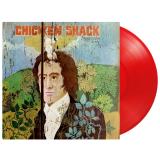
Imagination Lady is the fifth long-player for Stan Webb's Chicken Shack and was originally released in 1972.
Much in the same tradition as the great British bluesmen Alexis Corner and John Mayall, Webb's revolving-door personnel landed the band several notable members. For this album, Webb (guitar/vocals) gathered a trio consisting of himself, future Gods and Jethro Tull member John Glascock (bass), and Paul Hancox (drums). As with the previous Chicken Shack long-players, this disc features several Webb originals augmented with some well-chosen cover tunes.
The album opens with a ferocious cover of B.B. King's "Crying Won't Help You." In a style akin to the Faces or even some of the rowdier moments from the Peter Green-led Fleetwood Mac, this trio grinds out the blues with a decidedly English edge, followes by the folkie "If I Were a Carpenter". "Daughter of the Hillside" & is Webb's most impressive contribution to the album. This straight-ahead rocker is an ideal trio effort recalling the intense instrumentality of Cream or early Led Zeppelin. The closing number "The Loser" is upbeat and almost pop-oriented, again displaying the immense strength of this Chicken Shack line up.
Imagination Lady is available as limited numbered edition of 1000 copies on red vinyl and comes in a gatefold sleeve.
он должен быть опубликован на 09.10.2026
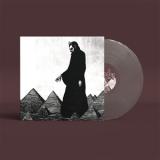
Einerseits ist ,In Spades" so typisch für die Afghan Whigs wie kaum ein anderes Werk der Band - und wird damit ihrem ursprünglichen Anspruch gerecht, die fehlende Verbindung zwischen dem heulenden Punk des Mittleren Westens à la Die Kreuzen und Hüsker Dü, den psychedelischen Soul-Symphonien der Temptations und den weitläufigen Hardrock-Klangerlebnissen von Led Zeppelin und Lynyrd Skynyrd zu erkunden. Gleichzeitig geht dieses Album weit über alles hinaus, was das bisherige Repertoire der Whigs zu bieten hatte - ein weiteres Markenzeichen, ebenso wie die explosive Gruppendynamik, die auf der Aufnahme eingefangen wurde. Klapphülle mit maßgefertigter Schutzhülle. Gepresst auf kristallklarem Vinyl!
он должен быть опубликован на 09.10.2026
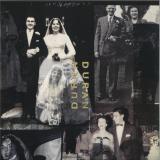
“Duran Duran” aka “The Wedding Album” released in 1993 was a return to form for the band, charting in the top10 on both the UK and US album charts and spawning the world-wide hit’s ‘Ordinary World’ and ‘Come Undone’
Following in 1995, “Thank You” was an album of covers featuring songs written by Led Zeppelin, Bob Dylan, The Doors, Lou Reed and Elvis Costello. The album charted in the top20 of both UK and US charts.
Originally squeezed onto 1LP, both albums are highly sought after as neither have been re-pressed on vinyl since their original release. They are now spread across 140g 2LPs for the best sound. CDs will now be in paper sleeves as opposed to jewel cases.
“The Wedding Album” has a newly embossed sleeve and includes a 12” art card, and “Thank You” features a gatefold sleeve with a fold out poster replicating the original release.
Есть у нас в наличии и готов к отправке

The second volume of this (already) cult series of British proto-metal compilation albums. Every artist on here was a regional band in their local underground scene of the late 1960s/early 1970s. The main thing that differentiates this series to any other, is the fact that none of the artists included had any kind of commercial release during their existence (apart from Fusion Farm, who self-released an extremely rare private press LP titled 'Rush Job' in 1971). All the artists were discovered after extremely lengthy searches of old music magazines, local newspapers, concert posters, government agencies.... By any means possible! It was a lot of work, but the results speak for themselves. The one thing that joins all these bands together (apart from being exclusively British), was their desire to play as loud and heavy as possible. This was a magical era in rock music, where Black Sabbath were the undisputed kings, but the industry simply didn't want to recognise the countless other band that existed in their gloomy wake. All of the recordings on Yeah Man, It's Bloody Heavy! are taken from demos, whether originating from crusty old 1/4 inch tapes, dusty acetate discs or third generation cassette tapes. Basically, whatever format was available. As a result, sound quality varies, though we did our utmost to get these precious artefacts sounding as killer as possible. For instance, Bonehead were close friends of Led Zeppelin. Their guitarist/vocalist Paul Lockey had previously played with Robert Plant and John Bonham in the Band Of Joy. Their track, 'Free To Escape', was actually an audition tape for Atlantic Records, which had been instigated by Robert himself. Unfortunately, the band broke up not long after the recording. So, their recording is top notch, whereas others were taken from rehearsal tapes (such as Fusion Farms' - Keys To Hell). But the main thing is, there's a spirit that unites them all. Sit back, roll up a fat one and let your mind be blown by the obnoxious sounds and sheer weight of vintage gravity that is: 'Yeah Man, It's Bloody Heavy! Vol 2'.
он должен быть опубликован на 04.09.2026

This 45 reissues two Spanish classics-DJ'd, sung, and danced to exhaustion-featuring striking arrangements and rhythms inspired by soul, funk, and rock, pushing flamenco-influenced popular music into previously uncharted territory. The flamenco rock of 'Orgullo' (1974) by Las Grecas will appeal to international listeners already captivated by the Anatolian sound of Baris, Manço, Mogollar_ On the B-side, Paco, Paco, Paco' (1969) by Encarnita Polo is a soul-pop hit with an irresistible syncopated rhythm and killer bass lines. In the final years of Franco's dictatorship, when Spain's popular music was kept on the sidelines of avant-garde and countercultural trends, a number of records emerged that dared to bend and hybridize the country's so-called "national" musical genres (calling it flamenco outright would be imprecise) and infuse them with a dose of modernity. The first 20 seconds of 'Orgullo' (1974) hit with a powerful sonic punch built on ferocious fuzzed-out guitars, distorted keyboards, and thunderous drums that could easily belong in the discography of Led Zeppelin, The Guess Who, or Cream_ until, suddenly, Las Grecas start to sing and Flamenco rock is born. It will undoubtedly resonate with international audiences already drawn to the Anatolian sounds of Bar?? Manço or Mogollar. A few years earlier, in 1969, the brilliant Argentine producer and arranger Adolfo Waitzman had already transformed a harmless light pop tune recorded by a yeyé girl, Encarnita Polo, into a soul-pop hit driven by an irresistible syncopated groove and killer bass lines. The playful 'Paco, Paco, Paco' became a bestselling single in Spain and, more than 50 years later, is still celebrated as a brilliant example of the romance between flamenco-inflected sounds and soul-pop. First-ever single reissue.
он должен быть опубликован на 24.07.2026

AQUA BLUE VINYL[24,58 €]
Reissue. As undeniably powerful, durable, and straight-shooting as Motorhead's Lemmy Kilminster, Spirit Caravan's inveterate founder and leader, Scott "Wino" Weinrich, is an absolute rock lifer. Following on the heels of the band's debut, Jug Fulla Sun, Dreamwheel is a Spartan-sounding five-song EP, the perfect compliment to the dense, doom-laden psychedelia of the full-length. In fact, Dreamwheel's greatest strength is the breathing space between notes, provided by the rock solid rhythm section of drummer Gary Isom and bassist Dave Sherman. Such rhythmic austerity -- the kind championed by the effort of bands like Free, Bad Company, Led Zeppelin, and Grand Funk Railroad -- allows Wino's compelling, soulful baritone voice and sizzling Hawkwind-esque leads to truly sing out. As the voice behind St. Vitus and the Obsessed, Wino helped formulate and configure the shape of modern stoner rock and doom metal. Spirit Caravan, as evidenced by this brilliant, relaxed gem of an EP, is perhaps his most able vessel. Each song burns with analog warmth, intensity, and brightness. Though it took nearly a decade for Wino to receive his overdue appreciation as an artist, the late '90s and early part of the new millennium have seen his stock soar, even if not financially. - All music
он должен быть опубликован на 26.06.2026

Black Vinyl[23,32 €]
Aqua Blue Vinyl, limited to 300 copies. As undeniably powerful, durable, and straight-shooting as Motorhead's Lemmy Kilminster, Spirit Caravan's inveterate founder and leader, Scott "Wino" Weinrich, is an absolute rock lifer. Following on the heels of the band's debut, Jug Fulla Sun, Dreamwheel is a Spartan-sounding five-song EP, the perfect compliment to the dense, doom-laden psychedelia of the full-length. In fact, Dreamwheel's greatest strength is the breathing space between notes, provided by the rock solid rhythm section of drummer Gary Isom and bassist Dave Sherman. Such rhythmic austerity -- the kind championed by the effort of bands like Free, Bad Company, Led Zeppelin, and Grand Funk Railroad -- allows Wino's compelling, soulful baritone voice and sizzling Hawkwind-esque leads to truly sing out. As the voice behind St. Vitus and the Obsessed, Wino helped formulate and configure the shape of modern stoner rock and doom metal. Spirit Caravan, as evidenced by this brilliant, relaxed gem of an EP, is perhaps his most able vessel. Each song burns with analog warmth, intensity, and brightness. Though it took nearly a decade for Wino to receive his overdue appreciation as an artist, the late '90s and early part of the new millennium have seen his stock soar, even if not financially. - All music
он должен быть опубликован на 26.06.2026

Random ReVINYL Edition. Black Mountain, the front-line soldiers for the Black Mountain Army, an arts collective from Vancouver, British Columbia, write, perform and record music that speaks (and sings) to this realization: that solutions are rarely simple, that the world is as complex as it is ambiguous, and that music sprinkled with an inoculating dose of madness may well be the Pied Piper that takes us all back into the primordial mountain, where our hearts can be made steady and our minds can be set free. Their debut self-titled record, like a space probe built of erector set parts and transmitting secret and arcane messages to earth by string, charts territories unknown yet remains grounded by the roots of classic rock and roll. It is easy to discern these roots: Black Sabbath, Animals-era Pink Floyd, Blue Cheer, Led Zeppelin and Can. Principal songwriter Stephen McBean's vocals are a smoother, bluesier amalgam of the voices of Neil Young, Mick Jagger and perhaps a James Brown loaded on cough syrup. And when Amber Webber's voice joins Stephen's, the combination brings to mind the potency and chemistry of Richard and Linda Thompson singing together on Shoot Out The Lights, or of Meat Loaf and Ellen Foley howling together on Bat Out Of Hell. Musical comparisons aside, the Black Mountain full-length is one part protest song, one part pop-cultural commentary, and one part sick-groove-rock casserole peppered with mesmerizing ballads and intoxicating ditties. "Modern Music" is the lead-off hitter and counts its way to the imposing and riff-rife "Don't Run Our Hearts Around". Immediately thereafter, the sludge-rock masterpiece "Druganaut" establishes the fecund heart and tone of the record. Black Mountain have also just recently released a 12-inch single (on Jagjaguwar), including an extended mix of "Druganaut" on the A-side. And the band's currently sexploitative counterpart The Pink Mountaintops, a band that also pipes into the prolific well-spring of Stephen McBean's mind, released their self-titled debut record (on Jagjaguwar as well) this past summer. A video by Heather Trawick of the song "Druganaut" is included on the CD version of the Black Mountain self-titled record.
он должен быть опубликован на 26.06.2026

This 45 reissues two Spanish classics—DJ’d, sung, and danced to exhaustion—featuring striking arrangements and rhythms inspired by soul, funk, and rock, pushing flamenco-influenced popular music into previously uncharted territory. The flamenco rock of ‘Orgullo’ (1974) by Las Grecas will appeal to international listeners already captivated by the Anatolian sound of Baris Manço, Mogollar… On the B-side, Paco, Paco, Paco’ (1969) by Encarnita Polo is a soul-pop hit with an irresistible syncopated rhythm and killer bass lines. In the final years of Franco’s dictatorship, when Spain’s popular music was kept on the sidelines of avant-garde and countercultural trends, a number of records emerged that dared to bend and hybridize the country’s so-called “national” musical genres (calling it flamenco outright would be imprecise) and infuse them with a dose of modernity. This single brings back two of those local popular classics—DJ’d, sung, and danced to exhaustion—which featured arrangements and rhythms inspired by what their creators had heard in international soul, funk, and rock productions. The first 20 seconds of ‘Orgullo’ (1974) hit with a powerful sonic punch built on ferocious fuzzed-out guitars, distorted keyboards, and thunderous drums that could easily belong in the discography of Led Zeppelin, The Guess Who, or Cream… until, suddenly, Las Grecas start to sing and Flamenco rock is born. It will undoubtedly resonate with international audiences already drawn to the Anatolian sounds of Baris Manço or Mogollar. A few years earlier, in 1969, the brilliant Argentine producer and arranger Adolfo Waitzman had already transformed a harmless light pop tune recorded by a yeyé girl, Encarnita Polo, into a soul-pop hit driven by an irresistible syncopated groove and killer bass lines. The playful ‘Paco, Paco, Paco’ became a bestselling single in Spain and, more than 50 years later, is still celebrated as a brilliant example of the romance between flamenco-inflected sounds and soul-pop. First-ever single reissue.
он должен быть опубликован на 26.06.2026

Heartbreak Station, released in 1990, is the third studio album by American rock band Cinderella. The record climbed to No. 19 on the Billboard 200 and earned platinum certification the following year. VH1 described the album’s shift in direction as “bluesy and brawny,” a fitting summary for a project that produced three Billboard Hot 100 singles; “Shelter Me,” “Heartbreak Station,” and “The More Things Change.”
The album marked a deliberate move away from the glam‑metal sound that defined Night Songs and Long Cold Winter. Instead, Cinderella embraced a rawer, more stripped‑down blues approach. Speaking to the Los Angeles Daily News shortly before release, frontman Tom Keifer explained the evolution: the band aimed for a “rawer, simpler approach,” reducing reverb and overdubs to let the songs breathe. Keifer also noted that blues played a major role in shaping his songwriting during this period.
Adding to the album’s depth, former Led Zeppelin bassist John Paul Jones arranged the string sections for two tracks. The band sought him out after being impressed by his orchestral work for artists like The Rolling Stones and Donovan.
Heartbreak Station includes an insert with lyrics and is available on black vinyl.
он должен быть опубликован на 05.06.2026
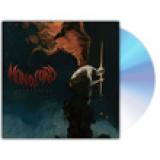
For well over a decade, MONOLORD have caused mass riff hypnosis with longform epics steeped in repetition, volume, and heaviness. One of heavy music’s most consistent and beloved bands, MONOLORD are gearing up for their next chapter with a new album titled Neverending. In looking for a new take on the genre, MONOLORD approached the legendary producer Sylvia Massy, known for her work with Tool, System of a Down, and Johnny Cash, among many more. The payoff from this new process is undeniable. Neverending feels like the culmination of 13 years of heavy, molten music, with a keen eye towards creating a sharper album. “The recording of this album is an example of the spirit of MONOLORD’s camaraderie,” says bassist Mika Häkki. “We’ve looked back and seen for the first time how much we have done as a band collectively, and realized what an intense 13 years it has been.” "The lyrics on this album are more personal than before because I went through some major life changes in the last couple of years,” guitarist/vocalist Thomas Jäger says. “I usually write about religion and how people are superstitious, but this record is more about relationships between people. But it’s not all about me. Sometimes I’m writing from another person’s perspective.” Neverending’s lead single “You Bastard” offers listeners a sharp contrast: A propulsive groove offset by lyrics about suicide. There’s two sides to suicide,” Jäger points out. “There’s the person who commits suicide and the people who gets left behind...The choruses represent the person left behind, and that person is calling the other a bastard—but it’s not pointing fingers or saying, ‘You suck.’ It’s more like, ‘You left me here with all the bullshit.’ It’s an understanding that life is not easy." Though it might not be immediately obvious, album opener “Iodine” was inspired by 70's rock epics like Lynyrd Skynyrd’s “Free Bird,” The Eagles’ “Hotel California,” and Led Zeppelin’s “No Quarter." Elsewhere, album closer “It’s Neverending” is the first MONOLORD song that Jäger doesn’t sing on. Instead, the death-metal style vocals are performed by former Entombed bassist Jörgen Sandström, (also of Grave, Domedagen and Firespawn.) 13 years on, MONOLORD’s path takes a new turn, and Neverending becomes the band’s most befitting album title. “It's been a wild ride and still is,” says drummer Esben Willems. “I've spent a quarter of my life in this band. Looking back, I'm incredibly proud of what we've accomplished along the way, and in many ways, this album feels like the essence of everything we've done so far. My mindset is the same it's always been, to be the absolute best the three of us can be.”
он должен быть опубликован на 29.05.2026
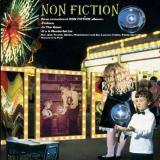
Während einer Europa-Tournee von HADES zeichnete sich ab, dass sich die Band sehr bald auflösen würde. Gitarrist Dan Lorenzo gründete mit Dan Nastasi (MUCKY PUP, DOG EAT DOG) Non-Fiction, die in Folge eine EP aufnahmen.
Das Besetzungskarussell sollte sich aber nochmal drehen und HADES- und WATCHTOWER- Sänger Alan Tecchio, sowie Bassist Kevin Bolembach (später u.a. SEVEN WITCHES, JACK FROST) kamen an Bord. 1991 erschien auf Grand Slamm Records, in Europa auf Steamhammer/SPV, das Debüt „Preface“. Die Stilrichtung in Richtung Doom Metal dürfte damals viele Fans von HADES und WATCHTOWER verwundert haben, während Fans von diesem Stil, damals noch ohne das Internet, unwissend blieben. Erstaunlich ist, dass gewisse Trademarks von HADES trotzdem in der Musik von NONFICTION zu finden sind (siehe auch das 1995er ReunionAlbum von HADES). Das an die Glanztaten der Grafikfirma Hipgnosis erinnernde Coverartwork gibt dem Album eine perfekte Aura und gibt einen Hinweis auf den Groove alter LED ZEPPELIN.
Das zweite Album „In The Know“ ist die perfekte Fortsetzung und wird von vielen Fans als Highlight der Band bezeichnet. Bei „It´s A Wonderful Lie“ spürte man die Bereitschaft zum Experimentieren und man kann bei einigen Tracks die Neunziger und ihre Strömungen nicht überhören.
Sowohl HADES, als auch WATCHTOWER (mit Alan Tecchio), sind heute –sporadisch- wieder aktiv und nicht wenige Fans hoffen, dass auch Non-Fiction nochmal in Erscheinung treten. Die musikalische Fortsetzung, wenn auch ein Stück moderner, ist aktuell Dan Lorenzos erfolgreiche Band PATRIARCHS IN BLACK, die er zusammen mit TYPE O NEGATIVE Drummer John Kelly 2021 gegründet hat.
он должен быть опубликован на 29.05.2026
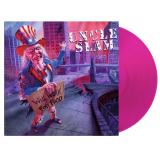
Uncle Slam, featuring former members of Suicidal Tendencies and Warrior, was a politically-minded thrash act from the 90's. Their list of influences shouldn’t surprise anyone with a passing familiarity of the genre: early Corrosion of Conformity, Dark Angel, Testament, Megadeth and of course Suicidal Tendencies.
Will Work for Food, originally released in 1993 by Roadrunner Records in Europe, with cover art by the legendary Ed Repka, will now be a available on vinyl for the first time ever.
This album features an iconoclastic take on Led Zeppelin’s “Dazed and Confused” which is one of the record’s highlights, These guys are turning that song’s proto-punk into actual punk. The rest of the album is a blast of antigovernment aggression, and is ready to be rediscovered 30-odd years later!
Will Work For Food is for the first time available on vinyl as a limited edition of 750 individually numbered copies on purple vinyl and includes an insert.
он должен быть опубликован на 15.05.2026

Punch, gegründet 1969 in Long Island, war eine ambitionierte Hardrock-Band, die mit voller Wucht spielte. Die Band, bestehend aus Dave Stein (Gesang), Ray Kusnier (Gitarre), Tony Giustra (Bass) und Pete Tudda (Schlagzeug), hatte einen Sound, der von Kritikern als ,härter als Hardrock" und ,lauter als laut" beschrieben wurde. Die Musik von Punch hat eine unerbittliche Energie, die durch klagende Gitarrenriffs und einen Gesang, der sich erst schlängelt und dann knurrt, vorangetrieben wird. Während ihrer kurzen dreijährigen Karriere stand Punch mit Illinois Speed Press aus Chicago und Elephant's Memory aus New York auf der Bühne. Sie machten sich schnell einen Namen in der Clubszene von New York, am meisten begeistert war das Publikum aber in Montreal, wo ihre kraftvollen Auftritte echt gut ankamen. Die Band nutzte riesige Lautsprecherhörner, um die Wände zum Wackeln zu bringen, und füllte den Raum mit nur drei Instrumenten, eine Technik, die auch Led Zeppelin und Mountain nutzten. Obwohl Punch nur bis 1972 existierte, wird die Musik der Band mit der Zeit immer lauter und findet eine neue Generation von Fans. Ihr kompromissloser Ansatz hat auch heute noch die gleiche Kraft und erinnert uns daran, wie roher Hardrock klang, bevor Mitte der 1970er Jahre ein ausgefeilterer Sound die Oberhand gewann.
он должен быть опубликован на 08.05.2026

Clear Vinyl[25,00 €]
"Weejuns is all about interplay,"erklärt Gitarristin Mollestad. ,Bitches Blues besteht aus sechs Instrumentalstücken oder Musikabschnitten mit einer extremen Bandbreite an Dynamik. Einige basieren auf kräftigen Beats, während andere Stücke weitaus lyrischer und rubato sind. Die Bandbreite reicht von riffbasierten rockigen Stücken über lautes Chaos bis hin zu melancholischen Balladen und sogar völlig freien Improvisationen." Mit einem kultivierten und dennoch erfrischend instinktiven Ansatz, Instrumente und Einflüsse miteinander zu verflechten, wechselt Bitches Blues (ein ironischer Verweis auf Miles Davis' Album Bitches Brew) unvorhersehbar zwischen langsamen und sanften, klar gegliederten Songs mit disziplinierten Akkordfolgen und explosiven Ausbrüchen kathartischer und komplexer Strukturen. Weejuns (eine Slang-Abkürzung für ,Norwegians") stellten sich 2023 mit einem selbstbetitelten Doppel-Live-Album vor. Ursprünglich von Mollestad für das Kongsberg Jazz Festival zusammengestellt, wo sie mit dem renommierten Musicians Prize ausgezeichnet wurde, hat sich die Chemie innerhalb von Weejuns als dauerhaft und verlockend erwiesen, auch als Gegenpol zum bisher härtesten Album des Hedvig Mollestad Trios, Bees in the Bonnet aus dem Jahr 2025. Mollestad hat mit ihrem gleichnamigen Trio acht gefeierte Alben veröffentlicht. Das Markenzeichen ihrer 15-jährigen Karriere ist die Verschmelzung von ernsthaftem Können mit einem offensichtlichen Fokus darauf, Spaß am Klang zu finden. Als Tochter eines Jazzmusikers vertiefte sie sich in dessen Plattensammlung und studierte klassische Werke von Miles Davis, Charlie Parker, Joe Pass und Jim Hall, bevor sie in ihren 20ern Riff-gewaltige Titanen wie Led Zeppelin, Black Sabbath und Mahavishnu Orchestra entdeckte. Dies führte zur Gründung des Hedvig Mollestad Trios, dessen unermüdlicher Aufnahme- und Tourneeplan seit Anfang der 2010er Jahre der Gitarristin eine Reihe von Auszeichnungen einbrachte, darunter zwei norwegische Grammys (Spellemannprisen) und die Ernennung durch das DownBeat-Magazin zu einer der 25 Künstlerinnen, die ,den Jazz für Jahrzehnte prägen könnten". Ståle Storlokken (Bass, Synths) ist Gründer und langjähriges Mitglied von Supersilent und Elephant9, seit Mitte der 90er Jahre die ,rechte Hand" von Terje Rypdal und hat mit Motorpsycho auf Platte und auf der Bühne sowie mit unzähligen anderen zusammengearbeitet. Ole Mofjell (Drums) ist das jüngste Mitglied und spielt bei Krokofant, Signe Emmeluths Amoeba und seinem eigenen Free-Jazz-Trio 3 Days Of Maceration.
он должен быть опубликован на 17.04.2026
"Weejuns is all about interplay,"erklärt Gitarristin Mollestad. ,Bitches Blues besteht aus sechs Instrumentalstücken oder Musikabschnitten mit einer extremen Bandbreite an Dynamik. Einige basieren auf kräftigen Beats, während andere Stücke weitaus lyrischer und rubato sind. Die Bandbreite reicht von riffbasierten rockigen Stücken über lautes Chaos bis hin zu melancholischen Balladen und sogar völlig freien Improvisationen." Mit einem kultivierten und dennoch erfrischend instinktiven Ansatz, Instrumente und Einflüsse miteinander zu verflechten, wechselt Bitches Blues (ein ironischer Verweis auf Miles Davis' Album Bitches Brew) unvorhersehbar zwischen langsamen und sanften, klar gegliederten Songs mit disziplinierten Akkordfolgen und explosiven Ausbrüchen kathartischer und komplexer Strukturen. Weejuns (eine Slang-Abkürzung für ,Norwegians") stellten sich 2023 mit einem selbstbetitelten Doppel-Live-Album vor. Ursprünglich von Mollestad für das Kongsberg Jazz Festival zusammengestellt, wo sie mit dem renommierten Musicians Prize ausgezeichnet wurde, hat sich die Chemie innerhalb von Weejuns als dauerhaft und verlockend erwiesen, auch als Gegenpol zum bisher härtesten Album des Hedvig Mollestad Trios, Bees in the Bonnet aus dem Jahr 2025. Mollestad hat mit ihrem gleichnamigen Trio acht gefeierte Alben veröffentlicht. Das Markenzeichen ihrer 15-jährigen Karriere ist die Verschmelzung von ernsthaftem Können mit einem offensichtlichen Fokus darauf, Spaß am Klang zu finden. Als Tochter eines Jazzmusikers vertiefte sie sich in dessen Plattensammlung und studierte klassische Werke von Miles Davis, Charlie Parker, Joe Pass und Jim Hall, bevor sie in ihren 20ern Riff-gewaltige Titanen wie Led Zeppelin, Black Sabbath und Mahavishnu Orchestra entdeckte. Dies führte zur Gründung des Hedvig Mollestad Trios, dessen unermüdlicher Aufnahme- und Tourneeplan seit Anfang der 2010er Jahre der Gitarristin eine Reihe von Auszeichnungen einbrachte, darunter zwei norwegische Grammys (Spellemannprisen) und die Ernennung durch das DownBeat-Magazin zu einer der 25 Künstlerinnen, die ,den Jazz für Jahrzehnte prägen könnten". Ståle Storlokken (Bass, Synths) ist Gründer und langjähriges Mitglied von Supersilent und Elephant9, seit Mitte der 90er Jahre die ,rechte Hand" von Terje Rypdal und hat mit Motorpsycho auf Platte und auf der Bühne sowie mit unzähligen anderen zusammengearbeitet. Ole Mofjell (Drums) ist das jüngste Mitglied und spielt bei Krokofant, Signe Emmeluths Amoeba und seinem eigenen Free-Jazz-Trio 3 Days Of Maceration.
он должен быть опубликован на 17.04.2026
“Duran Duran” aka “The Wedding Album” released in 1993 was a return to form for the band, charting in the top10 on both the UK and US album charts and spawning the world-wide hit’s ‘Ordinary World’ and ‘Come Undone’
Following in 1995, “Thank You” was an album of covers featuring songs written by Led Zeppelin, Bob Dylan, The Doors, Lou Reed and Elvis Costello. The album charted in the top20 of both UK and US charts.
Originally squeezed onto 1LP, both albums are highly sought after as neither have been re-pressed on vinyl since their original release. They are now spread across 140g 2LPs for the best sound. CDs will now be in paper sleeves as opposed to jewel cases.
“The Wedding Album” has a newly embossed sleeve and includes a 12” art card, and “Thank You” features a gatefold sleeve with a fold out poster replicating the original release.
он должен быть опубликован на 10.04.2026
