This year marks 3 years of Needs.
From humble beginnings in 2017, the label has since gone on to release tracks from some of our favourite artists in the scene, curated events with essential charities and initiatives, and in the process raised over L10,000.
To mark this special occasion we're back where it all started, raising money and awareness for mental health. October 10th marks World Mental Health Day and this year's theme set by theAWorld Federation for Mental Health is suicide prevention. To recognise and promote this occasion we've brought along another all-star cast to help us spread the message far and wide.
Needs 008 is a double vinyl compilation which features the talents of Shanti Celeste, OCB, Michelle, Bobby., Peder Mannerfelt, Yu Su, Adam Pits and DJ Sports.
Stay tuned to the Needs channels during our birthday month for regular updates, plus panels and artist features.
We'd also like to take this opportunity to say a big thank you to everyone that has supported us this far: especially Juno Records, For The Record PR, all artists that have kindly donated their music, and of course the music lovers, dancers and forward thinkers that have supported us on this wonderful journey <3
Search:love over money
When we started Ilian Tape 10 years ago in 2007, we were both basically kids at the ages of 23 (Dario) and 18 (Marco). There was no plan behind it, no concept, no promotion campaign or any budget, but just an early vision of where it could go. We wanted to build something that lasts. After a few years of playing at parties and producing music, it was the next logical step to start a label. You can clearly see us growing up through the label in terms of artwork, compiling the records and handling things. We made some mistakes along the way and there are surely things we could have done better, but looking back after 10 years now it all makes sense as it was a natural and human development with all its ups and downs.It was always a very personal project, never about making money, but about creating a platform for music we believe in and building relationships with artists in a transparent and fair way. We really appreciate that we were able to work with so many great artists, who shared the same vision and trusted in us, over all the years. A while ago we moved away from the ordinary release info write ups, because in general writing about music is tricky and who isn't tired of the typical, full of praise for every detail of a record, release textsBut this might be starting to get boring for you too, so just buy this lovely triple vinyl package including a poster and download code, light one up and turn up the volume!One last thing though - we want to deeply thank our parents for teaching us to live our dreams and find out who we really are, our friends for the vibes and honesty, all the artists releasing on the label, all the supporters & fans for buying vinyl and files, all the DJ's playing out the stuff, all the diggers selling the stuff overpriced on Discogs, all the dancers working out on the dancefloors & all the clubs doing label nights over all the years.
UILTY RAZORS, BONA FIDE PUNKS.
Writings on the topic that go off in all directions, mind-numbing lectures given by academics, and testimonies, most of them heavily doctored, from those who “lived through that era”: so many people today fantasize about the early days of punk in our country… This blessed moment when no one had yet thought of flaunting a ridiculous green mohawk, taking Sid Vicious as a hero, or – even worse – making the so-called alternative scene both festive and boorish. There was no such thing in 1976 or 1977, when it wasn’t easy to get hold of the first 45s by the Pistols or the Clash. Few people were aware of what was happening on the fringes of the fringes at the time. Malcolm McLaren was virtually unknown, and having short hair made you seem strange. Who knew then that rock music, which had taken a very bad turn since the early 1970s, would once again become an essential element of liberation? That, thanks to short and fast songs, it would once again rediscover that primitive, social side that was so hated by older generations? Who knew that, besides a few loners who read the music press (it was even better if they read it in English) and frequented the right record stores? Many of these formed bands, because it was impossible to do otherwise. We quickly went from listening to the Velvet Underground to trying to play the Stooges’ intros. It’s a somewhat collective story, even though there weren’t many people to start it.
The Guilty Razors were among those who took part in this initial upheaval in Paris. They were far from being the worst. They had something special and even released a single that was well above the national average. They also had enough songs to fill an album, the one you’re holding. In everyone’s opinion, they were definitely not among the punk impostors that followed in their wake. They were, at least, genuine and credible.
Guilty Razors, Parisian punk band (1975-1978). To understand something about their somewhat linear but very energetic sound, we might need to talk about the context in which it was born and, more broadly, recall the boredom (a theme that would become capital in punk songs) coupled with the desire to blow everything off, which were the basis for the formation of bands playing a rejuvenated rock music ; about the passion for a few records by the Kinks or the early Who, by the Stooges, by the Velvet mostly, which set you apart from the crowd.
And of course, we should remember this new wave, which was promoted by a few articles in the specialized press and some cutting-edge record stores, coming from New York or London, whose small but powerful influence could be felt in Paris and in a handful of isolated places in the provinces, lulled to sleep by so many appalling things, from Tangerine Dream to President Giscard d’Estaing...
In 1975-76, French music was, as almost always, in a sorry state ; it was still dominated by Johnny Hallyday and Sylvie Vartan. Local rock music was also rather bleak, apart from Bijou and Little Bob who tried to revive this small scene with poorly sound-engineered gigs played to almost no one.
In the working class suburbs at the time, it was mainly hard rock music played to 11 that helped people forget about their gruelling shifts at the factory. Here and there, on the outskirts of major cities, you still could find a few rockers with sideburns wearing black armbands since the death of Gene Vincent, but it wasn’t a proper mass movement, just a source of real danger to anyone they came across who wasn't like them. In August 1976, a festival unlike any other took place in Mont-de-Marsan – the First European Punk Festival as the poster said – with almost as many people on stage as in the audience. Yet, on that day, a quasi historical event happened, when, under the blazing afternoon sun, a band of unknowns called The Damned made an unprecedented noise in the arena, reminiscent of the chaotic Stooges in their early adolescence. They were the first genuine punk band to perform in our country: from then on, anything was possible, almost anything seemed permissible.
It makes sense that the four+1 members of Guilty Razors, who initially amplified acoustic guitars with crappy tape recorder microphones, would adopt punk music (pronounced paink in French) naturally and instinctively, since it combines liberating noise with speed of execution and – crucially – a very healthy sense of rebellion (the protesters of May 1968 proclaimed, and it was even a slogan, that they weren’t against old people, but against what had made them grow old. In the mid-1970s, it seemed normal and obvious that old people should now ALSO be targeted!!!).
At the time, the desire to fight back, and break down authority and apathy, was either red or black, often taking the form of leafleting, tumultuous general assemblies in the schoolyard, and massive or shabby demonstrations, most of the time overflowing with an exciting vitality that sometimes turned into fights with the riot police. Indeed, soon after the end of the Vietnam War and following Pinochet’s coup in Chile, all over France, Trotskyist and anarcho-libertarian fervour was firmly entrenched among parts of the educated youth population, who were equally rebellious and troublemakers whenever they had the chance. It should also be noted that when the single "Anarchy in the UK" was first heard, even though not many of us had access to it, both the title and its explosive sound immediately resonated with some of those troublemakers crying out for ANARCHY!!! Meanwhile, the left-wing majority still equated punks with reckless young neo-Nazis. Of course, the widely circulated photos in the mainstream press of Siouxsie Sioux with her swastikas didn’t necessarily help to win over the theorists of the Great Revolution. It took Joe Strummer to introduce The Clash as an anti-racist, anti-fascist and anti-ignorance band for the rejection of old-school revolutionaries to fade a little.
The Lycée Jean-Baptiste Say at Porte d’Auteuil, despite being located in the very posh and very exclusive 16th arrondissement of Paris, didn’t escape these "committed" upheavals, which doubled as the perfect outlet for the less timid members of this generation.
“Back then, politics were fun,” says Tristam Nada, who studied there and went on to become Guilty Razors’ frontman. “Jean-Baptiste was the leftist high-school in the neighbourhood. When the far right guys from the GUD came down there, the Communist League guys from elsewhere helped us fight them off.”
Anything that could challenge authority was fair game and of course, strikes for just about any reason would lead to increasingly frequent truancy (with a definitive farewell to education that would soon follow). Tristam Nada spent his 10th and 11th unfinished grades with José Perez, who had come from Spain, where his father, a janitor, had been sentenced to death by Franco. “José steered my tastes towards solid acts such as The Who. Like most teenagers, I had previously absorbed just about everything that came my way, from Yes to Led Zeppelin to Genesis. I was exploring… And then one day, he told me that he and his brother Carlos wanted to start a rock band.” The Perez brothers already played guitar. “Of course, they were Spanish!”, jokes their singer. “Then, somewhat reluctantly, José took up the bass and we were soon joined by Jano – who called himself Jano Homicid – who took up the rhythm guitar.” Several drummers would later join this core of not easily intimidated young guys who didn’t let adversity get the better of them.
The first rehearsals of the newly named Guilty Razors took place in the bedroom of a Perez aunt. There, the three rookies tried to cover a few standards, songs that often were an integral part of their lives. During a first, short gig, in front of a bewildered audience of tough old-school rockers, they launched into a clunky version of the Velvet Underground's “Heroin”. Challenge or recklessness? A bit of both, probably… And then, step by step, their limited repertoire expanded as they decided to write their own songs, sung in a not always very accurate or academic English, but who cared about proper grammar or the right vocabulary, since what truly mattered was to make the words sound as good as possible while playing very, very fast music? And spitting out those words in a language that left no doubt as to what it conveyed mattered as well.
Trying their hand a the kind of rock music disliked by most of the neighbourhood, making noise, being fiercely provocative: they still belonged to a tiny clique who, at this very moment, had chosen to impose this difference. And there were very few places in France or elsewhere, where one could witness the first stirrings of something that wasn’t a trend yet, let alone a movement.
In the provinces, in late 1976 or early 1977, there couldn’t be more than thirty record stores that were a bit more discerning than average, where you could hear this new kind of short-haired rock music called “punk”. The old clientele, who previously had no problem coming in to buy the latest McCartney or Aerosmith LP, now felt a little less comfortable there…
In Paris, these enlightened places were quite rare and often located nex to what would become the Forum des Halles, a big shopping mall. Between three aging sex workers, a couple of second-hand clothes shops, sellers of hippie paraphernalia and small fashion designers, the good word was loudly spread in two pioneering places – propagators of what was still only a new underground movement. Historically, the first one was the Open Market, a kind of poorly, but tastefully stocked cave. Speakers blasted out the sound of sixties garage bands from the Nuggets compilation (a crucial reference for José Perez) or the badly dressed English kids of Eddie and the Hot Rods. This black-painted den was opened a few years earlier by Marc Zermati, a character who wasn’t always in a sunny disposition, but always quite radical in his (good) choices and his opinions. He founded the independent label Skydog and was one of the promoters of the Mont-de-Marsan punk festivals. Not far from there was Harry Cover, another store more in tune with the new New York scene, which was amply covered in the house fanzine, Rock News (even though it was in it that the photos of the Sex Pistols were first published in France).
It was a favorite hang-out of the Perez brothers and Tristam Nada, as the latter explained. “It’s at Harry Cover’s that we first heard the Pistols and Clash’s 45s, and after that, we decided to start writing our first songs. If they could do it, so could we!”
The sonic shocks that were “Anarchy in the UK”, “White Riot” or the Buzzcocks’s EP, “Spiral Scratch” – which Guilty Razors' sound is reminiscent of – were soon to be amplified by an unparalleled visual shock. In April 1977, right after the release of their first LP, The Clash performed at the Palais des Glaces in Paris, during a punk night organised by Marc Zermati. For many who were there, it was the gig of a lifetime…
Of course, Guilty Razors and Tristam were in the audience: “That concert was fabulous… We Parisian punks were almost all dressed in black and white, with white shirts, skinny leather ties, bikers jackets or light jackets, etc. The Clash, on the other hand, wore colourful clothes. Well, the next day, at the Gibus, you’d spot everyone who had been at this concert, but they weren’t wearing anything black, they were all wearing colours.”
It makes sense to mention the Gibus club, as Guilty Razors often played there (sometimes in front of a hostile audience). It was also the only place in Paris that regularly scheduled new Parisian or Anglo-Saxon acts, such as Generation X, Siouxsie and the Banshees, the Slits, and Johnny Thunders who would become a kind of messed-up mascot for the venue. A little later, in 1978, the Rose Bonbon – formerly the Nashville – also attracted nightly owls in search of electric thrills… In 1977, the iconic but not necessarily excellent Asphalt Jungle often played at the Gibus, sometimes sharing the bill with Metal Urbain, the only band whose aura would later transcend the French borders (“I saw them as the French Sex Pistols,” said Geoff Travis, head of their British label Rough Trade). Already established in this small scene, Metal Urbain helped the young and restless Guilty Razors who had just arrived. Guitarist for Metal Urbain Hermann Schwartz remembers it: “They were younger than us, we were a bit like their mentors even if it’s too strong a word… At least they were credible. We thought they were good, and they had good songs which reminded of the Buzzcocks that I liked a lot. But at some point, they started hanging out with the Hells Angels. That’s when we stopped following them.”
The break-up was mutual, since, Guilty Razors, for their part, were shocked when they saw a fringe element of the audience at Metal Urbain concerts who repeatedly shouted “Sieg Heil” and gave Nazi salutes. These provocations, even still minor (the bulk of the skinhead crowd would later make their presence felt during concerts), weren’t really to the liking of the Perez brothers, whose anti-fascist convictions were firmly rooted. Some things are non-negotiable.
A few months earlier (in July 1978), Guilty Razors had nevertheless opened very successfully for Metal Urbain at the Bus Palladium, a more traditonally old-school rock night-club. But, as was sometimes the case back then, the night turned into a mass brawl when suburban rockers came to “beat up punks”.
Back then, Parisian nights weren’t always sweet and serene.
So, after opening as best as they could for The Jam (their sound having been ruined by the PA system), our local heroes were – once again – met outside by a horde of greasers out to get them. “Thankfully,” says Tristam, “we were with our roadies, motorless bikers who acted as a protective barrier. We were chased in the neighbouring streets and the whole thing ended in front of a bar, with the owner coming out with a rifle…”
Although Tristam and the Perez brothers narrowly escaped various, potentially bloody, incidents, they weren’t completely innocent of wrongdoing either. They still find amusing their mugging of two strangers in the street for example (“We were broke and we simply wanted to buy tickets for the Heartbreakers concert that night,” says Tristam). It so happened that their victims were two key figures in the rock business at the time: radio presenter Alain Manneval and music publisher Philippe Constantin. They filed a complaint and sought monetary compensation, but somehow the band’s manager, the skilful but very controversial Alexis, managed to get the complaint withdrawn and Guilty Razors ended up signing with Constantin with a substantial advance.
They also signed with Polydor and the label released in 1978 their only three-track 45, featuring “I Don't Wanna be A Rich”, “Hurts and Noises” and “Provocate” (songs that exuded perpetual rebellion and an unquenchable desire for “class” confrontation). It was a very good record, but due to a lack of promotion (radio stations didn’t play French artists singing in English), it didn’t sell very well. Only 800 copies were allegedly sold and the rest of the stock was pulped… Initially, the three tracks were to be included on a LP that never came to be, since they were dropped by Polydor (“Let’s say we sometimes caused a ruckus in their offices!” laughs Tristam.) In order to perfect the long-awaited LP, the band recorded demos of other tracks. There was a cover of Pink Floyd's “Lucifer Sam” from the Syd Barrett era – proof of an enduring love for the sixties’ greats –, “Wake Up” a hangover tale and “Bad Heart” about the Baader-Meinhof gang, whose actions had a profound impact on the era and on a generation seeking extreme dissent... On the album you’re now discovering, you can also hear five previously unreleased tracks recorded a bit later during an extended and freezing stay in Madrid, in a makeshift studio with the invaluable help of a drummer also acting as sound engineer. He was both an enthusiastic old hippie and a proper whizz at sound engineering. Here too, certain influences from the fifties and sixties (Link Wray, the Troggs) are more than obvious in the band’s music.
Shortly after a final stormy and rather barbaric (on the audience’s side) “Punk night” at the Olympia in June 1978, Tristam left the band ; his bandmates continued without him for a short while.
But like most pioneering punk bands of the era, Guilty Razors eventually split up for good after three years (besides once in Spain, they’d only played in Paris). The reason for ceasing business activities were more or less the same for everyone: there were no venues outside one’s small circuit to play this kind of rock music, which was still frightening, unknown, or of little interest to most people. The chances of recording an LP were virtually null, since major labels were only signing unoriginal but reassuring sub-Téléphone clones, and the smaller ones were only interested in progressive rock or French chanson for youth clubs. And what about self-production? No one in our small safety-pinned world had thought about it yet. There wasn’t enough money to embark on that sort of venture anyway.
So yes, the early days of punk in France were truly No Future!
- A1: The Town I Live In Mckinley Mitchell
- A2: I'm The One Who Loves You The Impressions
- A3: Shake A Tail Feather The Five Du-Tones
- A4: Mama Didn't Lie Jan Bradley
- A5: Make It Easy On Yourself Jerry Butler
- A6: Seven Day Fool Etta James
- A7: The Blues Don't Like Nobody Tony Adams
- A8: I've Got To Get Away From It All Mitty Collier
- A9: How Much Longer Geraldine Taylor
- A10: I'm On The Prowl Roberta
- B1: Fat Boy Billy Stewart
- B2: Can't Take No More Ted Taylor
- B3: I Don't Want To Suffer Walter Jackson
- B4: Open Your Heart Sugar Pie Desanto
- B5: Shook Up Over You Dee Clark
- B6: Something's Got A Hold On Me Etta James
- B7: Why Not Tonight Dorothy Prince
- B8: Delilah Major Lance
- B9: Money In My Pocket Moss Tolbert
In 1962, Black Music was making its transition from R&B to soul and the Chicago music industry was exploding, producing thousands of records and dozens of new labels. The two biggest black labels Vee-Jay and Chess led in the creation of the distinctive, smooth, Chicago soul brand with names familiar and not so familiar: the former with Curtis Mayfield and Jerry Butler and the latter with Mitty Collier, Etta James and Billy Stewart. And yet it's the smaller labels that make up the bulk of the Chicago story: Hawk with Geraldine Taylor, Lu-Cee with Roberta, M-Pac with Dorothy Prince and it's here that we explore some of the finest sounds of the era in this collection. Extensive liner notes written by Robert Pruter, author of the acclaimed 'Chicago Soul'. Side One. 1. The Town I Live In - McKinley Mitchell 2. I'm The One Who Loves You - The Impressions 3. Shake A Tail Feather - The Five Du-Tones 4. Mama Didn't Lie - Jan Bradley 5. Make It Easy On Yourself - Jerry Butler 6. Seven Day Fool - Etta James 7. The Blues Don't Like Nobody - Tony Adams 8. I've Got To Get Away From It All - Mitty Collier 9. How Much Longer - Geraldine Taylor 10. I'm On The Prowl - Roberta. Side Two: 1. Fat Boy - Billy Stewart 2. Can't Take No More - Ted Taylor 3. I Don't Want To Suffer - Walter Jackson 4. Open Your Heart - Sugar Pie DeSanto 5. Shook Up Over You - Dee Clark 6. Something's Got A Hold On Me - Etta James 7. Why Not Tonight - Dorothy Prince 8. Delilah - Major Lance 9. Money In My Pocket - Moss Tolbert
Jesper Lindell and his band have come a long way in a short time.
Since the release of the acclaimed 2022 album “Twilights”, they played well over 100 shows all over Europe to an ever growing number of fans.
The new album “Before the Sun” will establish Jesper Lindell as a major Swedish and international artist. Ten brilliant songs steeped in a classic, timeless sound!
Press quotes “Twilights”;
“soulful Americana… a roots sensation” - PopMatters
“Can a Swedish ex-soccer player sing soulful roots music with as much warmth, heart and feeling as Van Morrison or The Band? The answer, which will be obvious as soon as you hit play on Jesper Lindell’s second album, is a resounding “oh yeah”.” - Holler
“it’s clear that Lindell is destined for big things” - Glide Magazine
“a near-perfect wedding of deeply affecting, imaginatively arranged Americana/rock material, soulful, raspy vocals, and consummate performances” - BlogCritics
- A1: Come To My Aid
- A2: Sad Old Red
- A3: Look At You Now
- A4: Heaven
- A5: Jericho
- B1: Money's Too Tight (To Mention)
- B2: Holding Back The Years
- B3: Picture Book
- B4: Open Up The Red Box
- B5: The Right Thing
- C1: To Be With You
- C2: It's Only Love
- C3: A New Flame
- C4: You've Got It
- C5: Ev'ry Time We Say Goodbye
- D1: More
- D2: If You Don’t Know Me By Now
- D3: Enough
- D4: Something Got Me Started
- D5: Thrill Me
- E1: Stars
- E2: Your Mirror
- E3: For Your Babies
- E4: Angel
- F4: Mellow My Mind
- F5: Say You Love Me
- G1: Night Nurse
- G2: Ain't That A Lotta Love
- G3: Home
- G4: Fake
- G5: A Song For You
- H1: Sunrise
- H2: You Make Me Feel Brand New
- H3: So Not Over You
- H4: Thinking Of You
- H5: Just Like You
- E5: Fairground
- F1: Never Never Love
- F2: So Beautiful
- F3: The Air That I Breathe
Crystal Clear & Black Marbled Vinyl LP 2x12"[44,33 €]
Crystal Clear VinylLP 4x12"[84,66 €]
- A1: All Night
- A2: Lovers
- A3: Still Stills
- A4: Warriors
- A5: Breathe
- B1: Take All My Money
- B2: Lovely Day
- B3: Sail With Me
- B4: Livewire
- B5: Idtyclm
White Elephant announce their debut album “World Elephant Day”, the sound of time, trust and total freedom.
A project forged over ten years in Crazy P’s Nottingham studio, blending dancefloor DNA with intimate musicianship.
White Elephant began as a no-agenda weekend in Crazy P’s Nottingham studio, where Chris “Hot Toddy” Todd, Jim “Ron Basejam” Baron and Ben “BJ” Smith discovered an effortless musical union. Over the next decade, their collaboration slowly evolved into a debut album shaped by warmth, trust and lived experience rather than deadlines. Blending Crazy P’s dancefloor DNA with tender musicianship, the record moves between glowing disco grooves, 80s-bright sparkling pulses and intimate acoustic moments. It’s reflective without being nostalgic, playful yet deeply human. White Elephant is three friends rediscovering the joy of making music simply because it feels good.
- A1: All Night
- A2: Lovers
- A3: Still Stills
- A4: Warriors
- A5: Breathe
- B1: Take All My Money
- B2: Lovely Day
- B3: Sail With Me
- B4: Livewire
- B5: Idtyclm
White Elephant announce their debut album "World Elephant Day", the sound of time, trust and total freedom. A project forged over ten years in Crazy P"s Nottingham studio, blending dancefloor DNA with intimate musicianship. White Elephant began as a no-agenda weekend in Crazy P"s Nottingham studio, where Chris "Hot Toddy" Todd, Jim "Ron Basejam" Baron and Ben "BJ" Smith discovered an effortless musical union. Over the next decade, their collaboration slowly evolved into a debut album shaped by warmth, trust and lived experience rather than deadlines. Blending Crazy P"s dancefloor DNA with tender musicianship, the record moves between glowing disco grooves, 80s-bright sparkling pulses and intimate acoustic moments. It"s reflective without being nostalgic, playful yet deeply human. White Elephant is three friends rediscovering the joy of making music simply because it feels good.
ATA Records are proud to present the new release by Work Money Death, A Portal to Here. This album continues WMD’s exploration of Spiritual Jazz and the sounds and styles that evolved out of the 60s New Thing, particularly the recordings of
Alice Coltrane and Pharaoh Sanders. The first WMD album released since the tragic death of ATA guitarist Chris Earl Dawkins in early 2025, all four tracks reference the journey that band members and the studio have been on – in many ways this record is a testament and tribute to Chris, his musicality and creativity.
Featuring WMD stalwarts Tony Burkill, Neil Innes, Sam Hobbs, and Sam Bell, the album introduces Sorcererskeyboardist Johnny Richards to the WMD sound. Richards brings a fresh new take to the piano role here, drawing on what is clearly a broad knowledge of jazz history and channelling that through his own unique 21st century musical perspective.
The album also features contributions from Alice Roberts on harp, bringing the spirit of Alice Coltrane, Ben Powling on baritone saxophone, Richard Ormrod on woodwind, and Kev Holbrough & Steve Parry on brass. Those Sun Ra-esque horn sections lift the mood whenever they appear.Standout tracks are the second, Dance of the Spirits, with a strong core of Baptism and The Blues and some lovely playing by Richards, and the third track, Brother Earl, which begins with Tony on flute over rhythms that are directly reminiscent of open-hearted, late-60s spirituality. Tony later moves to tenor and, as on all four tracks here, eventually builds to the peaks of shattering emotional intensity that fans of Work Money Death - and spiritual jazz in general - love.
- A1: I Saw Her Standing There (Take 2)
- A2: Money (That’s What I Want) (Rm7 Undubbed)
- A3: This Boy (Takes 12 And 13)
- A4: Tell Me Why (Takes 4 And 5)
- A5: If I Fell (Take 11)
- A6: Matchbox (Take 1)
- A7: Every Little Thing (Takes 6 And 7)
- A8: I Need You (Take 1)
- B1: I’ve Just Seen A Face (Take 3)
- B2: In My Life (Take 1)
- B3: Nowhere Man (First Version – Take 2)
- B4: Got To Get You Into My Life (Second Version – Unnumbered Mix)
- B5: Love You To (Take 7)
- B6: Strawberry Fields Forever (Take 26)
- B7: She’s Leaving Home (Take 1 – Instrumental)
- C1: Baby, You’re A Rich Man (Takes 11 And 12)
- C2: All You Need Is Love (Rehearsal For Bbc Broadcast)
- C3: The Fool On The Hill (Take 5 – Instrumental)
- C4: I Am The Walrus (Take 19 – Strings, Brass, Clarinet Overdub)
- D1: Hey Bulldog (Take 4 – Instrumental)
- D2: Good Night (Take 10 With A Guitar Part From Take 5)
- D3: While My Guitar Gently Weeps (Third Version – Take 27)
- D4: (You're So Square) Baby I Don't Care (Studio Jam)
- D5: Helter Skelter (Second Version – Take 17)
- D8: Julia (Two Rehearsals)
- E1: Get Back (Take 8)
- E2: Octopus's Garden (Rehearsal)
- E3: Don't Let Me Down (First Rooftop Performance)
- E4: You Never Give Me Your Money (Take 36)
- E5: Here Comes The Sun (Take 9)
- E6: Something (Take 39 – Instrumental – Strings Only)
- F1: Free As A Bird (2025 Mix)
- F2: Real Love (2025 Mix)
- F3: Now And Then
- D6: I Will (Take 29)
- D7: Can You Take Me Back? (Take 1)
Anthology 4 - Triple LP. The new volume from The Beatles Anthology Collection.
Anthology 4, is newly curated by Giles Martin, including 13 previously unreleased demos, plus fascinating session and other rare recordings dating from 1963 to 1969. It also includes the band’s final single, ‘Now And Then’, released in 2023, and new mixes of The Beatles’ Anthology-associated hit singles: the GRAMMY-winning ‘Free As A Bird’ and ‘Real Love’, given new life by their original producer, Jeff Lynne, using de-mixed John Lennon vocals. Furthermore, Anthology 4 presents 26 tracks that have never previously been released on vinyl.
The track notes are written by Kevin Howlett with an introduction compiled from 1996 interviews recorded with The Beatles’ close friend and adviser Derek Taylor.
Pressed on 180g black vinyl, the triple LP is housed within poly-lined inner bags and a triple gatefold sleeve.
12LP
Anthology 1-3: track listing remains as per original releases.
4 x 3LP albums in triple gatefold sleeves and slipcase
The Anthology Collection 12LP set includes the three groundbreaking Anthology albums from the mid-1990s, remastered in 2025 by Giles Martin, plus a new compilation, Anthology 4. Containing 191 tracks, the collection’s studio outtakes, live performances, broadcasts and demos reveal the musical development of The Beatles from 1958 to the final single ‘Now And Then’ released in 2023.
Anthology 4 features 13 previously unreleased tracks and 17 songs selected from Super Deluxe versions of five classic albums. In addition to fascinating outtakes dating from 1963 to 1969, the album includes new 2025 mixes by Jeff Lynne of ‘Free As A Bird’ and ‘Real Love’.
Furthermore, Anthology 4 presents 26 tracks that have never previously been released on vinyl.
Pressed on 180g black vinyl, each 3LP album will be housed within a triple gatefold sleeve, featuring the original art, sleevenotes by Mark Lewisohn, and restored photos for Anthology 1-3; Anthology 4 has brand new sleevenotes written by Kevin Howlett alongside photos. The outer slipcase features the original Klaus Voorman triptych art, and a 3/4 O-Card image of the band with detailed track listing.
- A1: Ndzirombi (Conflict Monger)
- A2: Chenaimoyo (Pure Heart)
- A3: Mangaingai (Glitterings)
- B1: Tsvarakadenga (Beautiful Girl)
- B2: Nyamutamba Nevamwe (Play With Others)
- B3: Ndoita Ripi Zano? (What Advice Can You Give Me?)
- C1: Ndarimano (I Am Alive)
- C2: Rudo Rwemari (The Love Of Money)
- C3: Pfumo Reropa (Spear Of Blood)
- D1: Gomo Ramasare (Masare's Mountain)
- D2: Mercy
- D3: Mudzimu Mukuru (Great Ancestral Spirit)
- D4: Hombiro (Mischievous Baboon)
Accomplished musical documenters Analog Africa shine a long-overdue spotlight on the trailblazers of Zimbabwe's Chigiyo sound with this lovingly curated new collection. Emerging from Kwekwe in the 1980s, the group fused reggae grooves with Shona chants, mbira-inspired guitars and bold brass to create a style uniquely their own. Anchored by legendary guitarist Gilbert Zvamaida, Zig-Zag's music carried spiritual weight and infectious energy with classics like 'Gomo Ramasare' and 'Mudzimu Mukuru' shaping the country's cultural landscape. This lovingly curated compilation revives their groundbreaking catalogue and celebrates their fearless creativity while introducing a new generation to one of Zimbabwe's most distinctive and visionary bands.
- 1: Intro Feat. Killa Kela
- 2: Put My Feet Up
- 3: It Wasn't Easy
- 4: Final Results Feat. Grafh
- 5: Different Fabric
- 6: Imposter Feat. Spyda, P Money & Rag'n'bone Man
- 7: Bad Boy Sound Feat. Eksman & Shabba D
- 8: Labour Of Love Feat. Scrufizzer
- 9: Motion Picture
- 10: Stay Defiant
- 11: Legendary Feat. Fliptrix, Jazz T & Verb T
- 12: Wild Bunch Feat. Leaf Dog
- 13: Chasing A Buzz
- 14: New Breed
- 15: Overthinking
- 16: Lazy Days
- 17: You Deserve It
- 18: Breathing Under Water
- 19: Salute Feat. Dj Prime Cuts
- 20: Odyssey Feat. Terri Walker
- 21: No Competition Feat. Westman
- 1: Intro Feat. Killa Kela
- 2: Put My Feet Up
- 3: It Wasn't Easy
- 4: Final Results Feat. Grafh
- 5: Different Fabric
- 6: Imposter Feat. Spyda, P Money & Rag'n'bone Man
- 7: Bad Boy Sound Feat. Eksman & Shabba D
- 8: Labour Of Love Feat. Scrufizzer
- 9: Motion Picture
- 10: Stay Defiant
- 11: Legendary Feat. Fliptrix, Jazz T & Verb T
- 12: Wild Bunch Feat. Leaf Dog
- 13: Chasing A Buzz
- 14: New Breed
- 15: Overthinking
- 16: Lazy Days
- 17: You Deserve It
- 18: Breathing Under Water
- 19: Salute Feat. Dj Prime Cuts
- 20: Odyssey Feat. Terri Walker
- 21: No Competition Feat. Westman
- A1: Intro
- A2: Hustle On
- A3: Look What The Cat Dragged In
- A4: The Way It Is
- A5: Bus Commercial
- A6: Get Your Money Up
- B1: Ner Ner
- B2: Reminiscing (Featuring Joe Grind & Gunna Dee)
- B3: The Loves Still There (Featuring Kyra)
- B4: Little Man & Me (Featuring Ml)
- B5: Life (Featuring Shereen Shabana)
- B6: What More Do They Want
- C1: Matic (Featuring Gunna Dee & Y Butch)
- C2: Signs
- C3: Up Up & Away (Featuring J-Melo)
- C4: Have It Out
- C5: All I Know (Get Your Money Up Remix) (Featuring Nathan)
- C6: Let Em Ave It
- D1: Don’t Go There (Feat. B.o.b)
- D2: Talking The Hardest
- D3: Blow Em Away (Feat. Shola Ama)
- D4: Slow Songs (Feat. Mike Skinner)
A truly unique voice, Giggs’ combination of slow flow, dark lyrics, a well-documented past and explosive street sales saw him hailed as one of the most exciting voices in British rap. He first burst onto the scene in 2008 with his debut ‘Talkin The Hardest’ a freestyle which has become one of British rap’s biggest anthems (over 12M views at YouTube). Giggs’ sold tens of thousands of copies of his mixtapes on his own SN1 (Spare No 1) label and won 2008’s BET Award for Best British Hip Hop Act before signing to XL Recordings for his iconic debut proper, ‘Let Em Ave It’ in 2010. 15 years on the album gets its first ever release on vinyl, featuring bonus tracks from the era that originally appeared as singles, including ‘Talking The Hardest’ and ‘Slow Songs’ featuring The Streets’ Mike Skinner.
[s] D1: Don’t Go There (feat. B.O.B) [Bonus]
[t] D2: Talking The Hardest [Bonus]
[u] D3: Blow Em Away (feat. Shola Ama) [Bonus]
[v] D4: Slow Songs (feat. Mike Skinner) [Bonus]
- A1: You Can't Bring Me Down
- A2: Lost Again
- A3: Alone
- A4: Lovely
- A5: Give It Revolution
- B1: Get Whacked
- B2: Send Me Your Money
- B3: Emotion No. 13
- B4: Disco's Out, Murder's In
- B5: Go'n Breakdown
Lights… Camera… Revolution is the fourth studio album from Venice Beach, L.A. heavyweights Suicidal Tendencies. Suicidal’s flirtation with the mainstream (complete with obligatory criticism of ‘selling-out’) went Gold in the US with over half a million copies sold, and to this day remains an essential record in any Metal or Punk collection. It is an excellent record for fans of Anthrax, Metallica, Biohazard and Black Flag. Lights… Camera… Revolution is available as a 35th anniversary edition of 2000 individually numbered copies on red coloured vinyl
- A1: Love Is All I Bring
- A2: Cocaine In My Brain
- A3: Time So Hard
- A4: Don't Want To Wait In Vain
- A5: Money Alone Is Not Enough
- A6: Some More Love
- A7: Hear & Deaf
- B1: Marijuana In My Brain
- B2: Bathe In A Washpan
- B3: King Pharaoh Was A Bald Head
- B4: Dub It In A Three Mile
- B5: I Want To Squeeze You
- B6: Rastafari Rule
- B7: Concubine
Dillinger one of the most consistently successful DJ’s to come out of the Jamaica, fondly remembered for his massive ‘Cocaine In My Brain’ hit from the great CB200 album and the later reworked ‘Marijuana In My Brain’ which gave Dillinger crossover hits in both England and Europe. But the versatile DJ has many more strings to his bow.
Dillinger (born. Lester Bullocks,1953 Kingston, Jamaica) began his musical venture around 1971, working asa DJ to Sound Systems run by Prince Jackie and El Brasso.1974 saw his first vinyl release in the form of ‘Freshly’ for Producer Yabby U and in 1975 he came with the great ‘Brace A Boy’ for the young Mr Augustus Pablo.But his first album release was through Coxsone Dodd’s Studio One setup, where he let Dillinger fire some vocals over classic Rocksteady rhythms. It took the form of ‘Ready Natty Dreadie’. It was his time at Joseph ‘Jo Jo’ Hookim’s Channel One Studio that produced his second album set(a crossover release and fore mentioned) the timeless 1976 classic ‘CB 200’. It contained three big singles in ‘Plantation Heights’, ‘Cocaine In My Brain’ and ‘Crank Face’. The reworked ‘ Marijuana In My Brain’ even became a No 1 hit in Holland in 1979.
We have taken our set of tunes from his classic 70’s period when Mr Dillinger could do no wrong.Alongside the big ‘Cocaine’ and ‘Marijuana’ hits the great opening track ‘Love Is All I Bring’ sees him working over Alton Ellis ‘Still In Love With You’ which Itself turned into ‘3 Piece Suite’. ‘Money Alone Is Not All’ where he works over Barry Brown’s ‘Mr Money Man’, ‘Hear and Deaf’ working over Johnny Clarke’s ‘Nobodies Business’. ‘King Pharaoh Was A Baldhead’ has him working Frankie Jone’s ‘ Jesse Black’ cut. ‘Concubine’ reworks the Mighty Diamond’s ‘Mother Winney’ and ‘Time So Hard’ sees Dillinger telling it like it is over Ronnie Davis’ original ‘ Time So Hard’ cut, empathizing the points in fine style.
A classic set of tunes all ‘Killer No Filler’ from the master of rhyme himself we hope you agree…..
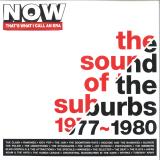
- A1: London Calling
- A2: Blitzkrieg Bop
- A3: Lust For Life
- A4: Going Underground
- A5: Teenage Kicks
- A6: Boys Don't Cry
- A7: Love Will Tear Us Apart
- A8: Making Plans For Nigel
- A9: Rat Trap
- B1: Hanging On The Telephone
- B2: Hong Kong Garden
- B3: Top Of The Pops
- B4: Ca Plane Pour Moi
- B5: Banana Splits
- B6: Cool For Cats
- B7: Into The Valley
- B8: Shot By Both Sides
- B9: Death Disco
- C1: The Sound Of The Suburbs
- C2: No More Heroes
- C3: Babylon's Burning
- C4: Cherry Bomb
- C5: Another Girl, Another Planet
- C6: (I Don't Want To Go To) Chelsea
- C9: Because The Night
- D1: Brass In Pocket
- D2: Roxanne
- D3: Geno
- D4: Time For Action
- D5: Airport
- D6: Echo Beach
- D7: Over You
- D8: Is She Really Going Out With Him?
- E1: Gangsters
- E2: The Prince
- E3: On My Radio
- E4: Mirror In The Bathroom
- E5: Food For Thought
- E6: Life In Tokyo
- E7: The Number One Song In Heaven
- E8: Rock Lobster
- F1: Dog Eat Dog
- F2: C30 C60 C90 Go
- F3: Money
- F4: Nightclubbing
- F5: Are Friends Electric?
- F6: Underpass
- F7: Messages
- F8: Video Killed The Radio Star
- C7: Roadrunner (Once)
- C8: 2-4-6-8 Motorway
Repress!
The funky, atmospheric, evocative and sometimes downright weird output of companies such as DeWolfe, Cavendish, Burton and the ubiquitous KPM have always been a guiding inspiration for ATA Records, as evidenced in the spooky soundtrack works of The Sorcerers, the big band brass of The Yorkshire Film & Television Orchestra and even in the soul-jazz of The Lewis Express ('Theme From The Watcher').
It only seemed natural for the team at ATA Records to scratch their own Library itch and so last year's "The Library Archive Vol. 1" was born. Recorded over a series of sessions in the Alladins cave of vintage recording equipment that is ATA studios, it featured many of the stalwart musicians from the label who can also be found recording with The Sorcerers, Work Money Death and The Lewis Express.
Garnering praise from Library aficionado Shawn Lee("Holy F*$K this sounds great! ATA really smash the classic British Library sound. 10 out of 10") and the Don of British Library Music himsel fAlan Hawkshaw, "The Library Archive Vol. 1" was very well received and so a follow up was inevitable. Recorded during the Autumn of 2020, "The Library Archive Vol. 2" still has the golden age of European Library music squarely in it's sights, but this time the focus is drawn more to the wonky organ work of Italian quartet I Marc 4.
Each track has been lovingly crafted with a keen ear for authenticity and the same eye for detail shown on 'The Library Archive Vol. 1', recorded on the same instruments and equipment and with the same techniques as the music that inspired it.
The Library Archive is a labour of love for the label with more volumes planned.
Originally issued on Hut Records in June 2000, Alone With Everybody was eagerly anticipated, as it was Ashcroft's first recordings since the demise of the group he founded and led, The Verve - This re-issue replicates the 2000 UK first pressing and is available on audiophile 180g double vinyl in gatefold sleeve.
Opening the album with its string overture, "Song For The Lovers" signalled Ashcroft's intent immediately. Intensely melodic, anthemic, it picked up exactly where The Verve's 1997 multi-platinum album Urban Hymns left off. Lifted as a single, it reached No 3 in the UK and spent most of the summer on the charts.
Recorded at Olympic Studios and Metropolis in London, big, bold and frequently beautiful, Alone With Everybody raced to No 1 in early July; it played to all of Ashcroft's strengths, memorable hooks, catchy choruses, beats subtly influenced by dance music; the brass-blazing bold hoedown of "Money To Burn" was the album's second single; other highlights include the ballad "Slow Was My Heart", the upbeat joy of "C'Mon People (We're Making It Now)" and the reflective, string-enrobed "You On My Mind In My Sleep".