Suche:mala

Styles
Alle
SISTER IRENE O'CONNOR - FIRE OF GOD'S LOV

SISTER IRENE O'CONNOR

FIRE OF GOD'S LOV

12inchFTSLPC134
Freedom to Spend
14.11.2025

Fire of God's Love ist das legendäre Album der australischen Nonne Schwester Irene O'Connor aus dem Jahr 1973 - eine aufrichtige, gefühlvolle und unbewusst psychedelische Songfolge, die der Selbstreflexion und dem Erwachen des inneren Geistes gewidmet ist. Das Album ist eine Sammlung von originellen spirituellen Folksongs, die von O'Connor geschrieben und mit Gitarre, E-Orgel, Drumcomputer und ihrer engelsgleichen Stimme interpretiert wurden. Es wurde von ihrer Mitschwester und Toningenieurin Sister Marimil Lobregat auf erstaunlich futuristische Weise aufgenommen und abgemischt. Freedom To Spend bietet die erste autorisierte Neuauflage dieses heiligen Grals seit 1976; das Album wurde mit Sorgfalt und Bedacht aus den besten verfügbaren Quellen restauriert und remastered. Als junge römisch-katholische Nonne im Orden der Franziskanerinnen von Maria begann Schwester Irene 1953 ihre musikalischen Aktivitäten, als sie von Sydney in ein Kloster in Singapur zog und begann, Kinder mit Lernschwierigkeiten zu unterrichten. Nachdem sie sich eine Akustikgitarre zugelegt und drei einfache Akkorde gelernt hatte, blühten Irenes Lieder dank der Begeisterung der Kinder auf. Durch einen glücklichen Zufall arbeitete ein Elternteil eines Schülers bei einem kommerziellen Radiosender in Singapur, und Irene wurde eingeladen, im Studio des Senders aufzutreten und aufzunehmen. Sie ging hin, trug ihre Ordenstracht und hatte ihre Gitarre dabei, und nahm dort 1965 ihren ersten eigenen Song auf. Unter dem Pseudonym Myiriam Frances, um innerhalb ihres Ordens anonym zu bleiben (,Nonnen machten so etwas nicht", bemerkte O'Connor), veröffentlichte Phillips Ende der 1960er Jahre eine Reihe von Platten von Schwester Irene. Im Kloster in Singapur lernte Schwester Irene Schwester Marimil Lobregat kennen, eine Mitbrüderin aus dem Franziskanerorden, die Anfang der 1960er Jahre von den Philippinen auf die Insel gezogen war. Mehr als ein Jahrzehnt später trafen sie sich, wie durch göttliche Fügung, in einem anderen Kloster in Point Piper in Sydney wieder. Marimil, ebenfalls Musikerin und Klangenthusiastin, arbeitete als Audio- und Videotechnikerin beim Catholic Radio and Television Centre in Homebush im Westen Sydneys. Schwester Irene, die treu an ihren musikalischen Fähigkeiten feilte, und Schwester Marimil schmiedeten den Plan, sich an mehreren Sonntagnachmittagen im Zentrum zu treffen und die Lieder zu komponieren, die später auf ,Fire of God's Love" erscheinen sollten. Die Lieder von ,Fire of God's Love" werden von Schwester Irene mit ihrer engelsgleichen Sopranstimme gesungen (mit Texten in Englisch, Latein und Malaiisch) und von Schwester Marimil produziert und auf einem Teac 3340S 4-Spur-Tonbandgerät aufgenommen. Marimil trug maßgeblich dazu bei, die unheimliche Jenseitigkeit zu zaubern, die das Album durchzieht. Die kristallklare Stimme von Schwester Irene wird exquisit von einem schimmernden Mosaik aus Hall und analogen Synthesizer-Klängen umhüllt, während sie wie eine Glocke in der Dunkelheit erklingt und so lange nachhallt, bis die Wahrheit oder das Göttliche erscheint. Themen wie Barmherzigkeit, Gnade, Licht und Geheimnis werden von sanften Akustikgitarrenklängen und ewigen Pianotönen untermalt, die sich langsam auf vibrierenden Fäden drehen. Bei den Songs mit Keyboards spielte Schwester Irene alle Parts live in Echtzeit, einschließlich der Basspedale. Die Drum Machine wurde von derselben Orgel erzeugt, die sie spielte, und gleichzeitig ausgeführt. All dies trägt zu einer Atmosphäre erhöhter Präsenz bei, einem organischen Blitz, der tief aus dem Unterbewusstsein kommt. Entstanden aus Ideen, die in einem ruhigen Kloster und abgeschieden von weltlichen Einflüssen entstanden sind, wird der liturgische Rahmen des Albums durch die innige Hingabe zweier Schwestern gefiltert - ihre eigene Interpretation von Popmusik, befreit von Anmaßung und oberflächlichem Glamour. Der Titel des Albums stammt, wie viele seiner Songs, aus einem Bibelvers, in diesem Fall Lukas 12:49. Aber Schwester Irene und Schwester Marimil haben ihn in einen Raum gebracht, in dem alle spirituell Suchenden die Übertragung oder: ungewöhnliche Hermeneutik schätzen können. Die Texte sprechen universelle Bedürfnisse, Wünsche und Sehnsüchte an: ewige Liebe und Zuneigung, ein Ende der Einsamkeit, eine neue Form der Erleichterung, Befreiung von der Angst vor dem Tod. Anstelle von Hymnenformeln bedient sich Schwester Irene, vielleicht unbeabsichtigt, der damals modischen Folk- und Psychedelic-Musik, um eine Predigt zu halten, die sich wie Liebesbriefe an eine göttliche Präsenz liest und über jede formale Religion hinaus zur Seele spricht. ,Fire of God's Love" ist ein inspirierendes Archiv früher elektronischer Experimente zwischen zwei befreundeten Frauen und Mystikerinnen, eine Dokumentation ihrer göttlichen Energie, die auf disziplinierte Weise kanalisiert wurde. Bei seiner Erstveröffentlichung war es weder ein durchschlagender Erfolg noch ein Misserfolg, sondern wurde vor allem mit Neugierde aufgenommen. Die beiden haben nie wieder gemeinsam Musik gemacht, und in den 50 Jahren seitdem zieht ihre einmalige Zusammenarbeit weiterhin Zuhörer an, die sie in Plattenläden entdecken (sei es die Originalpressung von Phillips oder die klanglich überlegene Neuauflage von 1976 bei Alba House Communications) oder eher über YouTube, als zufällig entdeckter und heiß diskutierter Kultklassiker. Heute lebt Schwester Irene in Sydney, Australien, und freut sich, dass ein neues Publikum in ihrer Musik mit Schwester Marimil einen Sinn findet. Ihre Geschichte ist ein Beweis dafür, dass man nicht viel braucht, um ein visionäres, zeitloses Album zu schaffen: ein Tonbandgerät, Freundschaft und ,The Fire of God's Love", um den Weg in die Zukunft zu ebnen. Das kann ein spiritueller Freund sein oder ein irdischer Begleiter direkt neben einem. Sister Irene O'Connors ,Fire of God's Love" wird am 14. November über Freedom To Spend auf Vinyl, CD und als digitale Ausgabe veröffentlicht.

vorbestellen14.11.2025

erscheint voraussichtlich am 14.11.2025

24,79
Martin Denny - latin village
  • 1: Angelito
  • 2: On Green Dolphin Street
  • 3: Corcovado
  • 4: Without You (Tres Palabras)
  • 5: Ho-Ba-La-La
  • 6: Something Latin
  • 7: Manha De Carnaval
  • 8: Latin Village
  • 9: The Girl From Ipanema
  • 10: Malaguena
  • 11: Sugar Cane
  • 12: Flying Down To Rio

In 1964, Martin Denny looked beyond the Hawaiian and Asian influences of his previous records to find another place to plant his umbrella in the sand, as well as in your drink: the sounds of Latin America. With this new sound to hang his exciting arrangements on, Latin Village has long been considered one of Denny's high-water marks, and Jackpot is thrilled to have this long-cherished LP back in print. This is an album that rips through what was considered "The Now Sound From Overseas," a sophisticated mash-up of sambas, bossa novas, and Latin jazz. From the first track, "Angelito" (the hit song written by Réne y Réne, later to also be covered by Trini Lopez & Herb Albert), all the way through to its closer, "Flying Down To Rio" (a song which Roxy Music later referenced in their 1972 song "Virginia Plain”), the album is a hypnotic listen. Latin Village also drops in some serious jazz numbers, with respected compositions such as "On Green Dolphin Street" by Kaper & Washington (which has been covered by Miles Davis, Bill Evans & Sarah Vaughn), "Malagueña" the sixth movement in Ernesto Lecona's Suite Andalucía & "Corcovado" by Antônio Carlos Jobim (who merged samba with jazz to create bossa nova). Latin Village is comforting in its familiarity within Denny's sonic world, but steps refreshingly out of the smoke-filled Tiki bars of his previous records and straight into the sunlight where this music still strolls around in a listener's heart, soul, and mind. “Latin Village is a triumph of Martin Denny’s search for a new style, post-exotica.” – ALLMUSIC, 4 stars.

vorbestellen07.11.2025

erscheint voraussichtlich am 07.11.2025

28,99
VARIOUS - ANTHOLOGIE RAP FRANCAIS LP 2x12"
  • Mafia K'1 Fry - Pour Ceux
  • Mala - Hommes De L'ombre (Feat. Lunatic)
  • Nessbeal - Rap De Tess
  • Kamelancien - Stressés (Feat. Iam)
  • Psy 4 De La Rime - Le Son Des Bandits (Feat. Saleem)
  • Suprême Ntm - Ma Benz (Feat. Lord Kossity)
  • Salif - Il Suffit
  • Mc Jean Gab'1 J't'emmerde
  • Antilop Sa - Avec Des Si, On Mettrait Paris En Bouteill
  • Dany Dan & Kyo Itachi - Crypto Cash (Feat. Freeze Corl
  • Lacrim - A.w.a ( Feat. French Montana)
  • Gradur - Terrasser
  • Niska - Salé
  • Ateyaba - Casino
  • Maes - Billets Verts
  • Kalash - Mwaka Moon (Feat Damso)
  • Kaaris - Zoo
  • Sch - A7
  • Dosseh - Habitué
  • Isha & Limsa D'aulnay - Le Chant Des Cigales
  • Sdm - Bolide Allemand
  • Jolagreen23 - 4Bulldog

Französischer Rap - Die komplette Geschichte auf 5 CDs & farbigem Doppel-Vinyl! Frankreichs Hip-Hop hat längst Kultstatus - auch in Deutschland! Von den harten Straßenpoesien der 90er bis zu den modernen Trap-Beats: Diese Sammlung zeigt, warum französischer Rap weltweit gefeiert wird. Mit dabei sind Klassiker wie Suprême NTM - Ma Benz, IAM - Stressés, Mafia K"1 Fry - Pour Ceux, aber auch aktuelle Größen wie Damso, SCH, Ninho, Freeze Corleone, SDM, Kalash, Kaaris, Josman, Jul, Ateyaba und viele mehr. Ob du den Sound von Paris, Marseille oder Brüssel liebst - diese Compilation bringt dir die Vielfalt und Tiefe des französischen Rap direkt nach Hause.

vorbestellen24.10.2025

erscheint voraussichtlich am 24.10.2025

23,49
GANNA - UTOPIA

Ganna

UTOPIA

12inchBR324120
Berthold Records
17.10.2025
  • Malanka
  • Mermaids
  • Carpathians
  • Utopia
  • Rano
  • Mother
  • Baba
  • Zemlya
  • Der Mann Im Mond (The Man In The Moon)

Die gefeierte Sängerin und Komponistin Ganna Gryniva präsentiert mit UTOPIA ein Album zwischen ukrainischer Folklore, Indie-Pop und improvisiertem Electro-Folk. Uralte Melodien aus Archiven treffen auf Eigenkompositionen - mal verträumt, mal treibend, immer voller Emotion. Seltene Ritualgesänge wie Malanka mischen sich mit peruanischer Percussion, der Opener Mermaids entführt in eine magische Welt, Stücke wie Baba und Mother ehren starke Frauen. Zemlya erzählt von Grynivas Rückkehr in die Ukraine nach der russischen Invasion. Überraschend fügt sich das deutsche Gedichtlied Der Mann im Mond ein - Ausdruck einer Identität zwischen zwei Kulturen. Mit Gästen wie Ambrose Akinmusire (Trompete) und Maxym Berezhnyuk (Flöten) entsteht ein poetischer, kraftvoller und grenzenloser Sound zwischen Folk, Jazz, Synths und Loops. UTOPIA erscheint am 17. Oktober 2025 bei BERTHOLD records.

vorbestellen17.10.2025

erscheint voraussichtlich am 17.10.2025

30,21
Victor Deme - Yeleen Kura

Victor Deme

Yeleen Kura

12inchCBLP01
Chapa Blues
10.10.2025
  • A1: Djilon
  • A2: Sira
  • A3: Mousso Mina Mousso
  • A4: Ambideu
  • A5: Bara
  • B1: Labanko
  • B2: Tungan
  • B3: Djonmaya
  • B4: Deen Wolo Mousso

Victor Démé loved life, music, friends, his hometown of Bobo Dioulasso, and above all, his family — by blood and by heart. Jovial and generous, he would have been delighted to see his world gathered once again in celebration: with concerts, unreleased tracks, live recordings, and a podcast retracing his finest musical years. Ten years after his sudden passing, this album carries the simple ambition of honoring his music and memory.

Victor passed away on September 21, 2015, in Bobo Dioulasso, during the coup d’État in Burkina Faso. The hospital he rushed to for malaria treatment was closed… His third album was due to be released just days later, but he never had the chance to sing it on stage.

A prolific and unique songwriter, Victor often revived songs he had composed in his youth during sessions at the OuagaJungle studio. With his guitar, he would breathe new life into them, refining them with his musicians — making the final choices sometimes difficult. Among the previously unreleased tracks on this record are Djilon, a reggae piece from Abidjan; Sira, a radiant yet solitary blues; Ambideu, a crooner-style ballad reimagined as an elegant cello-and-voice duet; Mousso mina mousso, a love song meant for a djandjoba celebration; and Bara, a heartfelt choral tribute to the workers of Burkina Faso.

These songs remained in the studio after Victor’s passing and have now been brought to life by the talented musicians Clément Petit, Alex Finkin, and Max “Blundetto” Guiguet. On Side B, the album captures the energy and sincerity of Victor and his band live on stage, with recordings from the May 19, 2009 concert at Théâtre de la Ville in Rouen. The performance opens with Labanko — a song never recorded in studio — followed by several classics, including the iconic Djon Maya, delivered here in its most blues-infused version, carried by Issouf Diabaté’s magical guitar.

Unforgettable memories for his musicians and for all who had the chance to applaud him live. We can only hope that, wherever he is, Victor is smiling and dancing as we celebrate him once more through music.

vorbestellen10.10.2025

erscheint voraussichtlich am 10.10.2025

23,11
JASSS - EAGER BUYERS

Jasss

EAGER BUYERS

12inchAWOSLP1
AWOS
01.10.2025

Eager Buyers is an observation of longing, of memory, of attempted connection, of lost innocence, and irreconcilable dreams. It"s the sound of broken promises for a bright future, where rose-tinted glasses have lost their clarity, dirtied with disaffection over time. Across this sultry, smoky, cinematic epic, JASSS attempts to process mixed feelings amidst the modern malaise. Alluringly atmospheric and cerebral, but bold and direct, with high-spec sound design, JASSS spaces each element with expert definition. Searing swathes of noise nestle with crisp breakbeats, billowing bass, dark ambience, prepared piano, phosphorescent electronics and calibrated percussion.

nicht am Lager

Bestelle jetzt und wir bestellen den Artikel für dich beim Lieferanten.

22,06

Last In: vor 7 Monaten
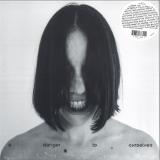
LUCRECIA DALT - A DANGER TO OURSELVES LP

„A Danger to Ourselves“, das neue Album von Lucrecia Dalt, erscheint am 5. September 2025 bei RVNG Intl. und ist eine gewagte und doch intime Reflexion über die ungefilterten Komplexitäten menschlicher Beziehungen. Ohne die fiktiven Erzählungen der letzten Alben der Künstlerin kommt „A Danger to Ourselves“ von einem Ort der emotionalen Aufrichtigkeit. Dalts Stimme steht im Mittelpunkt und wird von einer üppigen akustischen Orchestrierung, perkussiven Instrumenten und einer Reihe hochkarätiger Mitstreiter unterstützt, die sich wie ein tiefes persönliches Gespräch entwickeln.


Die in Pereira, Kolumbien, geborene Dalt wuchs in einer musikbegeisterten Familie auf, die sie im Alter von neun Jahren dazu ermutigte, eine Gitarre in die Hand zu nehmen. Dalt folgte diesem kreativen Impuls, war fasziniert von computergestützter Produktion und verließ eine aufkeimende Karriere als Bauingenieurin, zog von Medellín nach Barcelona und schließlich nach Berlin, wo sie ihren unverwechselbaren, abenteuerlichen Sound entwickelte. Mit „Anticlines“ (2018) und „No era sólida“ (2020) und vor allem mit „¡Ay!“, Dalts bahnbrechendem Sci-Fi-Bolero-Album von 2022, hat sich ihre Arbeit auf immer anspruchsvolleres Terrain begeben. Auf dem Weg dorthin hat Dalt ihre Praxis auf die Vertonung von Filmen wie „On Becoming a Guinea Fowl“ (2024), die HBO-Serie „The Baby“ (2022) und den bevorstehenden psychologischen Horrorfilm „Rabbit Trap“ ausgeweitet, während sie Klanginstallationen und Performances kreiert, die ihre leuchtenden Modulationen und ihren unverwechselbaren, sich entwickelnden stimmlichen Ansatz zur Schau stellen. „A Danger to Ourselves“ entstand aus fragmentarischen Erklärungen, die Dalt aufschrieb, während sie das Leben auf der Tournee von „¡Ay!“ und die prägenden Momente einer neuen Beziehung meisterte. Im Januar 2024 begann sie, diese intimen Fragmente zu musikalischen Kompositionen zu kristallisieren, die allmählich zu einer zielgerichteten Konstellation von Songs wurden. Die Klangarchitektur des Albums basiert auf dynamischen Drum-Loops, die von Alex Lázaro beigesteuert werden, dessen perkussives Rückgrat wie bei „¡Ay!“ zur Leinwand für Dalts vielschichtigen Gesang wurde. Anstatt konventionellen melodischen Strukturen zu folgen, erzeugt das Album Musikalität durch das Zusammenspiel von Basslinien, Rhythmen und kompositorischem Design. „A Danger to Ourselves“ offenbart Dalts kompromissloses Streben nach klanglicher Klarheit, bei dem kühne Produktionsentscheidungen und sorgfältige Aufnahmetechniken Stimme und Instrument mit neuer Tiefe und Strahlkraft harmonieren lassen. „A Danger to Ourselves“ ist eindeutig anti-konzeptionell und ein poetischer Instinkt, mit dem Dalt den Fokus auf die Musik selbst lenkt, indem er Stimmen verwendet, die über die Parameter der Songs hinaus schwingen, und die perlenden Echos der ursprünglichen, romantischen Erregung beobachtet. Dalts klare Aufmerksamkeit für Details ist in jedem Takt spürbar, eine Hingabe, die sich in konzentrischen Kreisen dreht und ein Feld bildet, das das Persönliche und das Ätherische vereint. Das Album basiert auf intuitiven Experimenten und nutzt einfache Gesten und komplexe Kompositionen, um wandernde Linien zu weben, wie in „Divina“, das sich zwischen Spanisch und Englisch durch elastische Klanglandschaften bewegt. Der Titel des Albums geht auf David Sylvians Text „cosa rara“ zurück, der die Zerbrechlichkeit des Lebens, die Schwingungen der Liebe und die treibende Sehnsucht nach dem Wundersamen symbolisiert. „A Danger to Ourselves“ spiegelt diese transzendenten Zustände wider, indem es die Komplexität menschlicher Verstrickungen und den Wunsch nach Befreiung von Dopaminspiralen und gewöhnlichen Pfaden hin zu einer offeneren inneren Welt widerspiegelt. Sylvian selbst hat auf „A Danger to Ourselves“ eine Doppelrolle als Co-Produzent und Musiker gespielt. Es ist eine kollaborative Collage mit Beiträgen zahlreicher gefeierter Künstler. Weitere Kollaborationen ziehen sich durch das gesamte Album: Juana Molina ist Co-Autorin und Interpretin von „The Common Reader“, Camille Mandoki singt bei „Caes“, Cyrus Campbell spielt den grundlegenden Elektro- und Kontrabass, und Eliana Joy steuert bei mehreren Stücken Hintergrundgesang und Streicherarrangements bei. In den leuchtenden Tiefen von „A Danger to Ourselves“ inszeniert Dalt eine tiefgreifende Metamorphose, bei der das Persönliche durch klangliche Alchemie zum Universellen wird. Dieses Album ist sowohl Höhepunkt als auch Aufbruch - ein Portal, an dem ihre früheren experimentellen Reisen zu etwas verblüffend Intimem und doch Expansivem zusammenlaufen. Das Album ist ein Netz emotionaler Offenbarungen, jede Komposition ein präziser Indikator für Verletzlichkeit, in der Dalts Stimme eine Offenbarung in neuen harmonischen Gefilden verkörpert. Dalt hat ein lebendiges Dokument der Intuition jenseits konventioneller Grenzen geschaffen, das den Weg in Bereiche eröffnet, in denen die Musik sowohl Spiegel als auch Fenster ist.


Für Fans von PJ Harvey, Broadcast, St. Vincent, ML Buch, Stereolab, Cate LeBon, Aldous Harding, Mabe Fratti, Dry Cleaning, Juana Molina

nicht am Lager

Bestelle jetzt und wir bestellen den Artikel für dich beim Lieferanten.

23,95

Last In: vor 5 Monaten
Star Feminine Band - Jusqu'au Bout Du Monde

Star Feminine Band

Jusqu'au Bout Du Monde

12inchBBLP185
Born Bad Records
12.09.2025

Star Feminine Band, hardest working women in Beninese show business, are releasing their third album on Born Bad, who went all out for their first. Some get malaria at the sight of that sticky world label : rest assured, the world is all they deserve after nine years of hard work. These eight young women, from a village that even Beninese can't quite place, started out in hard mode.

They had to convince themselves that it was worth a shot, but also their family, their village and an entire continent.

André Balaguemon, composer, manager and lyricist, does a lot, while remaining in the background. He put the group together, included his three daughters, houses everyone with his wife Edwige who also manages dances and costumes. He gave them a musical training, and created the framework for them to continue school while rehearsing hard. From local heroes to UNICEF ambassadors, the group has made it. The very existence of this new album is a testament to the perseverance of Grâce, Anne, Urrice, Bénie, Angélique, Sandrine, Julienne and Ashley. The personnel of this family affair has changed a bit : two new women have joined the group, which conquered bigger stages (Glastonbury in the summer, the X-mas BBC special).


This new album brings simple joys : watching them grow from Benin's first girl band to a band in its own right. And never forgetting why they took to the stage in the first place. Star Feminine Band makes straightforward music, taking no detours to express what's missing in the country. When Grâce advocates for kids getting a chance to get to school it's because there's nothing else more important to say that day. Teachers, don’t leave the kids alone, after all.


As they said on their first album, « music is our job », let them be that : musicians having a lot of fun on this album. It wanders through the vast territory of the countless West African styles. They even make a quick foray into reggae to talk about marriage (with a little rap thrown in), and interweave their voices in multiple languages (Waama, Ditamari, Bariba, Fon, Yoruba). And boy do they have hits. To each is own, but “L'enfant c'est un don de Dieu » (Child is god’s gift) is a mighty steamroller, methodically smoothing out the ground for dancing together to its final chorus, singing « debout-les-en-fants / get up, kids ! » along.


Smoother than the first two albums, supported by fine arrangements, ambitious keyboard parts and more complex vocal harmonies without losing any of their spontaneity, this third opus quietly adds to Benin's musical heritage. As they make clear in « Jusqu'au bout du monde », clever little number that we can already hear swelling up on stage: « oui, c’est Star Feminine Band qui a gagné - o / Star Feminine Band won».

vorbestellen12.09.2025

erscheint voraussichtlich am 12.09.2025

21,43
YS - BURN

YS

BURN

12inchPERF000
Perf
12.09.2025

Sticking a dirty thumb in the eye of fate, our third collaboration sees this marrow deep family malarky turn official as Pace Yourself teams up with YS’s own imprint ERF REC for a split release. As if our status as minor celebrities and footnotes of the underground could level off no further: the unification no one asked for is here. Sticking it to the man, handing your arse to ya on plate; cauterising infected suburban minds world over.

Burn is the second YS album and written as a direct follow-up album to Brutal Flowers. If their first album was an exercise in the incremental, a construction of poise and patience, Burn, should be taken way the fuck at it’s word: it quite literally finds catharsis in twisted reverse. Birthed out the malignant kick found in deconstruction and chaos. Evil twin, psychotic younger sibling, call it what the hell you like. It might take you a moment to get the lay of the land in this darkly mutated world. Like a bug eye’d native first confronted with a zippo, the hit is radical and instant: a new way for the world to go up in smoke.

Splice the Seattle slacker scene with the spliffhead soundsystem culture of the 90s Bristol trip-hop scene, then cross-breed that with the DIY optimism and glee in creation found in the cut-and-paste worlds of skate, graffiti and hiphop, now run that through the skitzo basement mind of John.T. Gast and you’re close to the kind of scorched earth and spiked suburbia that birthed Burn.

Dunno quite what YS have been ingesting of late but this massively twisted LP touches on a host of gloriously fucked totemic underground sources while not sounding much like any of them. It has the ballsy swagger and hard flipping of the script as Massive Attack’s seminal Blue Lines. Indeed, the eponymous album tracks sound similar - the opener ‘Burn’ is like a hard nosed jammed out redux of ‘Blue Lines’. Getting into a kind of slow-spinning overdubbed maximal euphoria ending with mumbled downer vocals, struggling to conceal their tongues in their cheeks there’s an air of paranoia and proto-conspiracy theory. It’ll leave you scratching your head, feeling like you’ve stepped into a New World Order governed by a cacophony of drop outs, dope fiends and apocalyptic stoners. A cracked out world somewhere between Richard Linklater’s movie Slacker (1990) and Marc Singer’s Dark Days (2001).

The rest of the album parts like a tongue on a wine glass: Smith and Mighty, Bandulu, ambient Luke Slater records, Wah Wah Wino, Nurse with Wound, Land of the Loops, Placid Angels, Adrian Sherwood, Urban Tribe and DJ Shadow can all be heard in momentary splatters - but Burn like other works by YS, is its own ritual beast. ‘Moth’, a track which has been knocking about the underground deejai circuit for many moons, is a real raw chopped and screwed slice of stoner erotica that reeks of obsession and unrequited desire. Elsewhere, on tracks like ‘Switch’, ‘Trying’ and ‘Drift’ the throughline from Brutal Flowers can be heard. Underneath the driving heavy gravity the trademark emotional intimacies of YS linger: eternal recurrence, ghosts of static and shortwave, worn memories of the playful and painful sort. The brief moments where flashes of orchestral ambience get out from underneath the swagger are so pure, personal and unguarded that for a moment they leave you completely lonesome. In the album’s closer ‘End’, you can hear the fleeting promise and DIY possibilities of an analogue world and embers of ash that flutter in its wake: where it seemed, for a brief moment, that collective of DJs, engineers, rappers, graffiti artists and skate crews were emerging from the streets, giving the middle fingers to the system, before just as quickly disappearing back to the doldrums of obscurity. ‘End’ is a bittersweet ode to early soundsystem culture, MCs and pirate radio - an out of step time where for a moment the underdogs and weirdos seemed to be kicking on the door of something bigger.

A veritable teenage doof suite dosed with desire, claustrophobia and deviance. Burn is a good old howl at the moon: lonely, raw, and out for blood; basement style exegesis at its best. A thump to the gut, a stud through your blood. A dubbed-to-death classic straight out of the annals of nowhere. A perfect post card from oblivion. A bleak, bold and personally ferocious vision of tomorrow and tomorrow and tomorrow.

This is everything that record collectors skip dates for. Fuck the scene and keep that shit underground. That’s what it is all about. Know what I mean, if you do? You’re in…

nicht am Lager

Bestelle jetzt und wir bestellen den Artikel für dich beim Lieferanten.

23,32

Last In: vor 6 Monaten
Various - Dolores: Salsa & Guaracha From 70's French West Indies

In Guadeloupe, many people think that jazz and ka music are like a ring and a finger. To some extent, the same could be said about so called Latin music and the music played in the French West Indies.

Both aesthetics were born in the Caribbean and bear so many connections that they can easily be considered cousins. In constant dialogue, there are lots of examples of their fruitful alliance and have been for a while. The English country dance that used to be practiced in European lounges came to be called kadrille in Martinique and contradanza in Cuba. They both featured additional percussion instruments inherited from the transatlantic deportation. Drawing from shared feelings about the same traumatized identity – later to be creolized – it would be hard not to assume that they were meant to inspire each other. The golden age of the orchestras that graced the Pigalle nights during the interwar period further proves the point. As soon as the 1930s, Havana-born Don Barreto naturally mixed danzón and biguine music in a combo based at Melody's Bar. In the following decade, Félix Valvert, a conductor who was born and raised in Basse-Terre in Guadelupe, also worked wonders in Montparnasse with La Coupole, which was an orchestra made up of eclectic musicians. Afro- Caribbean performers of various origins were often hired on rhythm and brass sections in jazz bands, which used to enliven the typical French balls of the capital. In the 1930s and onwards, Rico’s Creole Band was one of them.


Martinican violinist-clarinettist Ernest Léardée, who would become the king of biguine music as well as the main figure of French Uncle Ben's TV commercials (a dark stigma of post-colonial stereotypes), had musicians from the whole Caribbean sphere play at his Bal Blomet – and they all enchanted "ces Zazous-là" (according the words of Léardée's biguine-calypso piece). In les Antilles (French for French West Indies), music history started to speed up in the 1950s, when trade expanded and radio stations grew bigger. The Guadelupean and Martiniquais youth tuned in their old galena radio sets to South American and Caribbean music. As for the women traders, les pacotilleuses, they bought and sold goods across different islands (the "passing of items through various hands" was thought to be most pleasurable) and brought back countless sounds in their luggage. Such was the case of Madame Balthazar, who once returned from Puerto Rico with the first 45rpm and 33rpm to ever enter Martinique.

Out of this adventure was created the famous Martinican label La Maison des Merengues, a music business she opened and undertook with her husband and which proved to be a major landmark. At the end of the 1950s, in Puerto Rico, Marius Cultier competed in the Piano International Contest playing a version of Monk's Round 'Midnight. He won the first prize and this distinction foreshadowed everything that was to come. Cultier, the heretic Monk of jazz, was quickly praised for writing superb melodies, always tinged with a twist that conferred a unique sound to his music. It didn't take long for the gifted self-taught musician to get to play with Los Cubanos, making a name for himself thanks to his impressive maestria on merengues.

The rest is history. Besides, in the late 1950s, Frantz Charles-Denis, born into the upper middle class in Saint-Pierre and better known by his first name Francisco, went back home after working at La Cabane Cubaine – a club located rue Fontaine where he had caught the Latin fever. Francisco's music was therefore heavily marked by his Cuban cousins' influence, which gave the combos he led a specific style and also led to renewal. Things were swinging hard in La Savane, located in the main square in Fort-de-France. He set up the Shango club close by and tested out the biguine lélé there, a new music formula spiced up with Latin rhythms. Soon afterwards, fate had him fly to Puerto Rico and Venezuela.

As for percussionist Henri Guédon (percussions were only a part of his many talents), he was born in Fort-de-France in May 22nd 1944, the day marking the celebration of the abolition of slavery. As an old man, he could remember that in " his father's Teppaz, a lot of hectic 6/8 music was constantly playing...". In the opening lines of his Lettre à Dizzy, a small illustrated collection of writings published by Del Arco, he highlighted the huge impact that cubop had on him as a teenage boy, around 1960. He eventually turned out to be the lider maximo in La Contesta, a big band steeped in Latin jazz. He was also the one who originated the word zouk to describe music which brought the sound of the New York barrio to Paris. It was the culmination of a journey that started in Sainte-Marie: "a mythical place for bélé, the equivalent of Cuban guaguancó". In the early 1960s, the tertiary economy developed to the detriment of agriculture. Yet rural life was where roots music emerged in Martinique and in Guadeloupe.

Record companies played a major part in the process of Latin versions sweeping across the islands – before reaching everywhere else. Producer Célini, boss of the great Aux Ondes label, and Marcel Mavounzy, both the head of Émeraude records - a firm which was founded in 1953 - as well as the brother of famous saxophonist Robert Mavounzy, were big names to bear in mind. Although there were many of them - all of whom are featured on this record - Henri Debs was definitely the major figure in the recording adventure. He proved to be so influential that he even got compared to Berry Gordy. In the mid 1950s, when he acquired his first Teppaz, he worked on his first compositions: a bolero and a chachacha. Then, he became the one man who made people discover Caribbean music, from calypso to merengue. He was among the first ones to rush out to San Juan, Puerto Rico, to buy records and distribute them through a store run by one of his brothers in Fort-de-France. He had members of the Fania All Star come and perform there, which he was madly proud about. He was also the first one to pay attention to Haitian music, such as compas direct and various other rhythms which would soon flood the market. As a result, many of the combos hitting his legendary studio would end up boosted by widespread "Afro-Latin" rhythms. However, he never denied his identity: gwo ka drums were given a major role, although they were instruments which had long been banned from the "official" music spheres. The present selection bears witness to such a creative swarming. Here are fourteen tracks of untimely yet unprecedented cross-fertilization: all types of music rooted in the Creole archipelago have found their way, whatsoever, to the tracklisting. Whether originating from the city or being more rural, they all go back to what Edouard Glissant, in an interview about the place of West Indian music in the Afro-American scope, called "the trace of singing, the one which got erased by slavery." "It is so in jazz, but also in reggae, calypso, biguine, salsa... This trace also manifests through the drums, whether Guadelupean, Dominican, Jamaican or Cuban... None of them being quite the same. They all point to the idea of a trace, seeking it out and connecting to each other through it. This is the hallmark of the African diaspora: its ability to create something new, in relation to itself, out of a trace. It may be the memory of a rhythm, the crafting of a drum, a means of expression which doesn't resort to an old language but to the modalities of it." The opening track features one of the emblematic orchestras of this aesthetic identity, criscrossing many music types from the archipelago. The 1974 Ray Barretto guajira – Ray Barretto was a major New York drummer influenced by Charlie Parker and Chano Pozzo – is magnificently performed by Malavoi, a legendary Fayolais group (i.e from Fort-de-France). Additionally, the compilation ends on a piece by Los Martiniqueños de Francisco. It symbolically closes the circle as it is a genuine potomitan of Martinique culture which also functions as a tireless campaigner for Afro-Caribbean music. Practicing the danmyé rounds (a kind of capoeiria) to the rhythm of the bèlè drum, it delivers a terrific Caterete, a kind of champeta of Afro- Colombian obedience which was originally composed by Colombian Fabián Ramón Veloz Fernández for the group Wgenda Kenya. The icing on the cake is Brazilian Marku Ribas, who found refuge in Martinique in the early 1970s, bringing his singing to the last trance-inducing track. These two "versions" convey the whole tone of a selection composed of rarities and classics of the tropicalized genre, swarming with tonic accents and convoluted rhythms. It is the sort of cocktail that the West Indians never failed to spice up with their own ingredients. For instance, the Los Caraïbes cover of Dónde, a famous Cuban theme composed by producer Ernesto Duarte Brito, has a typical violin and features renowned Martinique singer Joby Valente and his piquant voice.


The track used to be – or so we think – their only existing 45rpm. The meaningful Amor en chachachá by L'Ensemble Tropicana, a band which included Haitian musicians among whom was composer and leader Michel Desgrotte, also recalls how Latin music was pervasive in the tropics in the mid-1960s. They were the ones keeping people dancing at Le Cocoteraie in Guadelupe and La Bananeraie in Martinique. Around the same time, another "foreign" band, Congolese Freddy Mars N'Kounkou's Ryco Jazz, achieved some success on both islands by covering Latin jazz classics – such as their adaptation of Wachi Wara, a "soul sauce" by Dizzy Gillespie and Chano Pozo whose interweaving of strings and percussions can have anyone hit the dancefloor. How can you resist Dap Pinian indeed, a powerful guaguancó by Eugene Balthazar, performed by the Tropicana Orchestra and published by the Martinique-founded La Maison des Merengues? It also acts as a symbol of the maelstrom at work. Going by the name Paco et L'orchestre Cachunga, Roger Jaffory used to play guaguancó too: his Fania-inspired Oye mi consejo is one example of his style. Baila!!!!! Dancing was also one of the Kings' focus points. Oriza is a Puerto Rican bomba and a "classic" originally composed by Nuevayorquino trumpeter Ernie Agosto, which reserves major space for brasses, giving it a special sheen.

Emerging from the New York barrios crucible was also La Perfecta, a Martinique group originating from Trinidad, whose name directly references the totemic Eddie Palmieri figure as well as his own band, also called La Perfecta. Here they borrow Toumbadora from Colombian producer and composer Efraín Lancheros and interpret it by emphasizing percussions, which set fire to the track even more than the wind instruments. The same goes for Martinique's Super Jaguars, who use Tatalibaba – a composition by Cuban guitarist Florencio "Picolo" Santana which was made famous by Celia Cruz & La Sonora Matencera – as a pretext for sending their cadences into a frenzy. In a more typically salsa vein, the Super Combo, a famous Guadelupean orchestra from Pointe-Noire that was formed around the Desplan family and had Roger Plonquitte and Elie Bianay on board, adapt Serana, a theme by Roberto Angleró Pepín, a Puerto Rican composer, singer and musician also known for his song Soy Boricua. Here again, their vision comes close to surpassing the original. In the 1970s, L'Ensemble Abricot provided a handful of tracks of different syles, hence reaching the pinnacle of the art of achieving variety and giving pleasure. They played boleros, biguines, compas direct, guaguancó and even a good old boogaloo - the type they wanted to keep close to their hearts for ever, "pour toujours", as they sang along together in one of their songs. Léon Bertide's Martinican ensemble excelled at the boogaloo which had been composed by Puerto Rican saxophonist Hector Santos for the legendary El Gran Combo.


Three years later, in 1972, Henri Guédon, with the help of Paul Rosine on the vibraphone, tackled the Bilongo made famous by Eddie Palmieri. Such a classic!!!!! And so were the Aiglons, the band from Guadelupe: choosing to execute Pensando en tí, a composition by Dominican Aniceto Batista, on a cooler tempo than the original, they noticeably used a wonderfully (un)tuned keyboard in place of the accordion. On the high-value collectible single – the first one released by Les Aiglons under the Duli Disc label – there is a sticker classifying the track under the generic name "Afro". Now that is what we call a symbol. Jacques Denis

nicht am Lager

Bestelle jetzt und wir bestellen den Artikel für dich beim Lieferanten.

21,43

Last In: vor 53 Tagen
Various - La Malanga 25 / Paragunde 45

Tony Lavrutz & Scruscru join forces for this latest fiery 45 rpm on Scruniversal. First up, they also call on Mr. And-7 to get involved on 'La Malanga 25', a sunny funk jam with raw horns that bring a Mexican twist to the percussive drums and lively pianos. Marelua steps up for the flip side, 'Paragunde 45', which slows things down and burns warm and bright with Portuguese vocals and plenty of gorgeous acoustic guitar trills. Both of these are primed and ready to inject Latin flavour into any set the moment the sun comes out, so are likely to fly off the shelves.

nicht am Lager

Bestelle jetzt und wir bestellen den Artikel für dich beim Lieferanten.

13,03

Last In: vor 4 Monaten
LA DISPUTE - NO ONE WAS DRIVING THE CAR LP 2x12"
  • I Shaved My Head
  • Man With Hands And Ankles Bound
  • Autofiction Detail
  • Environmental Catastrophe Film
  • Self-Portrait Backwards
  • The Field
  • Sibling Fistfight At Mom's Fiftieth / The Un-Sound
  • Landlord Calls The Sheriff In
  • Steve
  • Top-Sellers Banquet
  • Saturation Diver
  • I Dreamt Of A Room With All My Friends I Could Not Get
  • No One Was Driving The Car
  • End Times Sermon

It"s been six years since LA DISPUTE released their last album, Panorama. Since then, the Michigan post-hardcore band-made up of Jordan Dreyer on vocals, Brad Vander Lugt on drums, Chad Morgan-Sterenberg and Corey Stroffolino on guitar, and Adam Vass on bass-dealt with the stagnance of the pandemic, celebrated the ten-year anniversaries of Wildlife and Rooms Of The House, and began working on NO ONE WAS DRIVING THE CAR. The fifth studio LP is the first entirely produced by the group, and it came together in Grand Rapids and Detroit, the United Kingdom, Australia, and the Philippines: "I think the change in environment was really helpful to breathing new life into the process each time we came back to it," Dreyer says. Partly inspired by the 2017 psychological thriller First Reformed, NO ONE WAS DRIVING THE CAR reckons with malaise in the shadow of the looming apocalypse, which has noticeably been worsened by the advancement of tech. The title comes from a quote from a police officer Dreyer read in a news article about a lethal self-driving Tesla crash, an absurd event which raises questions about the amount of control we have in our own lives. In fourteen dynamic tracks, the band grapples with the existential topic and the human need to find comfort and a sense of security in an existence where we"re often thrust into chaos without permission.

vorbestellen05.09.2025

erscheint voraussichtlich am 05.09.2025

26,01
LUCRECIA DALT - A DANGER TO OURSELVES LP

„A Danger to Ourselves“, das neue Album von Lucrecia Dalt, erscheint am 5. September 2025 bei RVNG Intl. und ist eine gewagte und doch intime Reflexion über die ungefilterten Komplexitäten menschlicher Beziehungen. Ohne die fiktiven Erzählungen der letzten Alben der Künstlerin kommt „A Danger to Ourselves“ von einem Ort der emotionalen Aufrichtigkeit. Dalts Stimme steht im Mittelpunkt und wird von einer üppigen akustischen Orchestrierung, perkussiven Instrumenten und einer Reihe hochkarätiger Mitstreiter unterstützt, die sich wie ein tiefes persönliches Gespräch entwickeln.


Die in Pereira, Kolumbien, geborene Dalt wuchs in einer musikbegeisterten Familie auf, die sie im Alter von neun Jahren dazu ermutigte, eine Gitarre in die Hand zu nehmen. Dalt folgte diesem kreativen Impuls, war fasziniert von computergestützter Produktion und verließ eine aufkeimende Karriere als Bauingenieurin, zog von Medellín nach Barcelona und schließlich nach Berlin, wo sie ihren unverwechselbaren, abenteuerlichen Sound entwickelte. Mit „Anticlines“ (2018) und „No era sólida“ (2020) und vor allem mit „¡Ay!“, Dalts bahnbrechendem Sci-Fi-Bolero-Album von 2022, hat sich ihre Arbeit auf immer anspruchsvolleres Terrain begeben. Auf dem Weg dorthin hat Dalt ihre Praxis auf die Vertonung von Filmen wie „On Becoming a Guinea Fowl“ (2024), die HBO-Serie „The Baby“ (2022) und den bevorstehenden psychologischen Horrorfilm „Rabbit Trap“ ausgeweitet, während sie Klanginstallationen und Performances kreiert, die ihre leuchtenden Modulationen und ihren unverwechselbaren, sich entwickelnden stimmlichen Ansatz zur Schau stellen. „A Danger to Ourselves“ entstand aus fragmentarischen Erklärungen, die Dalt aufschrieb, während sie das Leben auf der Tournee von „¡Ay!“ und die prägenden Momente einer neuen Beziehung meisterte. Im Januar 2024 begann sie, diese intimen Fragmente zu musikalischen Kompositionen zu kristallisieren, die allmählich zu einer zielgerichteten Konstellation von Songs wurden. Die Klangarchitektur des Albums basiert auf dynamischen Drum-Loops, die von Alex Lázaro beigesteuert werden, dessen perkussives Rückgrat wie bei „¡Ay!“ zur Leinwand für Dalts vielschichtigen Gesang wurde. Anstatt konventionellen melodischen Strukturen zu folgen, erzeugt das Album Musikalität durch das Zusammenspiel von Basslinien, Rhythmen und kompositorischem Design. „A Danger to Ourselves“ offenbart Dalts kompromissloses Streben nach klanglicher Klarheit, bei dem kühne Produktionsentscheidungen und sorgfältige Aufnahmetechniken Stimme und Instrument mit neuer Tiefe und Strahlkraft harmonieren lassen. „A Danger to Ourselves“ ist eindeutig anti-konzeptionell und ein poetischer Instinkt, mit dem Dalt den Fokus auf die Musik selbst lenkt, indem er Stimmen verwendet, die über die Parameter der Songs hinaus schwingen, und die perlenden Echos der ursprünglichen, romantischen Erregung beobachtet. Dalts klare Aufmerksamkeit für Details ist in jedem Takt spürbar, eine Hingabe, die sich in konzentrischen Kreisen dreht und ein Feld bildet, das das Persönliche und das Ätherische vereint. Das Album basiert auf intuitiven Experimenten und nutzt einfache Gesten und komplexe Kompositionen, um wandernde Linien zu weben, wie in „Divina“, das sich zwischen Spanisch und Englisch durch elastische Klanglandschaften bewegt. Der Titel des Albums geht auf David Sylvians Text „cosa rara“ zurück, der die Zerbrechlichkeit des Lebens, die Schwingungen der Liebe und die treibende Sehnsucht nach dem Wundersamen symbolisiert. „A Danger to Ourselves“ spiegelt diese transzendenten Zustände wider, indem es die Komplexität menschlicher Verstrickungen und den Wunsch nach Befreiung von Dopaminspiralen und gewöhnlichen Pfaden hin zu einer offeneren inneren Welt widerspiegelt. Sylvian selbst hat auf „A Danger to Ourselves“ eine Doppelrolle als Co-Produzent und Musiker gespielt. Es ist eine kollaborative Collage mit Beiträgen zahlreicher gefeierter Künstler. Weitere Kollaborationen ziehen sich durch das gesamte Album: Juana Molina ist Co-Autorin und Interpretin von „The Common Reader“, Camille Mandoki singt bei „Caes“, Cyrus Campbell spielt den grundlegenden Elektro- und Kontrabass, und Eliana Joy steuert bei mehreren Stücken Hintergrundgesang und Streicherarrangements bei. In den leuchtenden Tiefen von „A Danger to Ourselves“ inszeniert Dalt eine tiefgreifende Metamorphose, bei der das Persönliche durch klangliche Alchemie zum Universellen wird. Dieses Album ist sowohl Höhepunkt als auch Aufbruch - ein Portal, an dem ihre früheren experimentellen Reisen zu etwas verblüffend Intimem und doch Expansivem zusammenlaufen. Das Album ist ein Netz emotionaler Offenbarungen, jede Komposition ein präziser Indikator für Verletzlichkeit, in der Dalts Stimme eine Offenbarung in neuen harmonischen Gefilden verkörpert. Dalt hat ein lebendiges Dokument der Intuition jenseits konventioneller Grenzen geschaffen, das den Weg in Bereiche eröffnet, in denen die Musik sowohl Spiegel als auch Fenster ist.


Für Fans von PJ Harvey, Broadcast, St. Vincent, ML Buch, Stereolab, Cate LeBon, Aldous Harding, Mabe Fratti, Dry Cleaning, Juana Molina

nicht am Lager

Bestelle jetzt und wir bestellen den Artikel für dich beim Lieferanten.

23,95

Last In: vor 5 Monaten
THE SHADOW RING - HOLD ONTO I.D.
  • Watch The Water
  • The Way Of The World
  • Coombe House
  • Wash What You Eat
  • Like When
  • Basic Everyday Life
  • Hold Onto I.d

Recorded from late 1996 through early 1997, Hold Onto I.D., The Shadow Ring's fourth album, marks the apogee of the trio's experimental rock epoch - their last record clinging to their factitious bandness before they let all song and structure go awash in sonic malaise for their final run of releases on Swill Radio. The surrealist dreams of City Lights and Put the Music in Its Coffin give way to pseudo-expressionistic lyrics mired in the banality and bleakness of the everyday, set against the backdrop of the Coombe House (as pictured on the album's cover). While Hold Onto I.D. is the group's most overtly autobiographical release to date, Lambkin's lyrics obfuscate his expressionist tendencies filtering them through the codes and languages of officialdom, linking the "inner self" with documents of the state_identification cards, National Insurance numbers, and British passport numbers. Having moved out of their parents' homes and into the top floor of the famed Coombe House, Graham Lambkin and Darren Harris set out to rework material drafted over the previous year, aided by Tim Goss, still safely in residence at the "Valebrook Inn." While the familiar sounds of Harris's deadpan recitation and Lambkin's electric guitar, amateurishly strummed, dominate the album, the emotive interludes of Goss's keyboards populate the record along with of home-cooked tape experiments and dime-store concrète. Originally released on CD and supported by a US tour with friends Scott Foust and Karla Borecky's Idea Fire Company, Hold Onto I.D. is perhaps the band's best-known and most accessible album. (The Shadow Ring's sole representative on a streaming platform, it was once acknowledged by the Guardian as one of "the 101 strangest records on Spotify.") Offered here for the first time on vinyl, Hold Onto I.D. is an essential album for both completists and the uninitiated alike. Throughout their legendary, decade-long run, the Shadow Ring were an enigmatic force on the international musical sub-underground. Before their disbandment in 2002, this shambolic rock outfit, formed by a group of rowdy teenagers in southeast England, left behind a mighty run of eight LPs, a handful of 7"s, and a spate of raucous live shows and cryptic zine appearances on both sides of the Atlantic, all which have bolstered their enduring word-of-mouth mystique. Beginning in 2023 with the first-ever vinyl pressing of the self-released pre-Shadow Ring tape The Cat & Bells Club (1992), Blank Forms Editions has been conducting a systematic retrospective of the storied group. Wax-Work Echoes and Hold Onto I.D. are the latest releases in a multiyear reissue effort that includes several LPs, a comprehensive CD box set, and a nearly five-hundred-page book.

vorbestellen22.08.2025

erscheint voraussichtlich am 22.08.2025

24,79
Lagoss - Plátano Tapes LP
 
1

Originally available as a tour only tape for the bands Asian tour 2024 (Japan, Malaysia & Indonesia). Limited retail quantity available.
Plátano Tapes is a collage of unreleased studio recordings and free-flowing jams from the band’s rehearsal space in a banana plantation.
Recorded, mixed and mastered at the bands studio between 2019-2024 in Tenerife, Canary Islands

vorbestellen22.08.2025

erscheint voraussichtlich am 22.08.2025

11,72
Fou Malade & Niagass - C'est Vrai

Born from a virtual encounter in lockdown between two Parisian neighbors, the DJ/producer Prosper and saxophonist Le Marabout, this new playful and joyous project is pulling freely from the Afro, Funk, Disco, Hip-Hop, Oriental and Electro influences of the two artists.
The iconoclastic DJ Romain “Prosper” Coolen, fervent purveyor of no holds barred euphoria on the dance floor, and the versatile saxophonist, composer and jack-of-all-trades Johann “Le Marabout” Guihard offer us a lavish, eclectic, uninhibited, coherent and furiously groovy listening experience.

First single “C’est Vrai“, from their forthcoming album ‘Le Moustache Conspiracy’ (released October 2022) is a banging Electro Afro Funk joint featuring Fou Malade and Niagass, two luminaries of the Senegalese Hip-Hop scene.

Over the bouncing beat and snarling horns, these two juggle lyrics back and forth in Wolof (Senegal’s most widely spoken language), calling out those fake friends who smile in your face before stabbing you in the back.

nicht am Lager

Bestelle jetzt und wir bestellen den Artikel für dich beim Lieferanten.

10,29

Last In: vor 8 Monaten
SCOWL - ARE WE ALL ANGELS

Scowl

ARE WE ALL ANGELS

12inchDOCLPC7358
Dead Oceans
08.08.2025

Scowl is a band that sounds exactly like their name implies. Venomous, fierce, antagonistic. A sneer not to be crossed. Over the last five years, the Santa Cruz, California, band has firmly planted their flag in the hardcore scene with their vicious sound and ripping live show, sharing stages around the world with Circle Jerks, Touché Amoré, and Limp Bizkit, and filling slots at prominent festivals like Coachella, Sick New World, and Reading and Leeds. But with their new album, Are We All Angels (Dead Oceans), Scowl is aiming to funnel all that aggression through a more expansive version of themselves.Much of Are We All Angels grapples with Scowl's newfound place in the hardcore scene, a community which has both embraced the band and made them something of a lightning rod over the past few years. Standout single "Not Hell, Not Heaven" outright rejects the narratives cast onto them by outsiders. "It's about feeling victimized and being a victim, but not wanting to identify with being a victim," explains vocalist Kat Moss. "It's trying to find grace in the fact that I have my power. I live in my reality. You have to deal with whatever you're dealing with, and it ain't working for me." The band breaks from a sense of disassociation to seek deeper connections on "Fantasy." "It's incredibly challenging to try to balance my love for the scene while also feeling, in some spaces, extremely alienated and hated," Moss says. "`Fantasy' is about feeling like I don't know how to connect with these people anymore, because I have shelled myself away so hard." The album ends in a philosophical place on the closing, titular track, "Are We All Angels," asking questions like, "Is this all there is?" and ultimately putting it on the listener to decide. "It's about the personal struggle between good and evil. It doesn't matter how `good' or `bad' you are, there are systems that will try to rewrite your narrative no matter what you actually do," explains Moss, noting that punctuation on "Are We All Angels" has been deliberately omitted in an attempt to leave the statement open-ended. Are We All Angels is the highly anticipated follow-up to Scowl's debut, 2021's How Flowers Grow, a 16-minute primal scream over punishing riffs. But amidst the pounding chaos, it was the record's sonic outlier, a cleaner interlude called "Seeds to Sow," that, true to its name, planted the seed for what was to come for the band. "It kind of laid out this destiny for us, and I feel like now we're fulfilling that," says drummer Cole Gilbert. The band continued to expand their sound on 2023's widely acclaimed Psychic Dance Routine EP, incorporating more pop hooks and favoring gentler singing over heavy screaming, paving the way for what would come next.Scowl's growth got a huge boost from producer Will Yip (Turnstile, Title Fight, Code Orange, Balance and Composure), who broadened the band's scope. "Will would say, `Everything you have here is correct, but it's in the wrong place,'" says Gilbert. Moss adds: "Will really helped restructure a lot of the material. Some songs he tore apart to make more space for the really good hooks and choruses." But even through this more eclectic approach, Scowl loses none of their edge, and still manages to convey the anger and frustration that lies underneath. They are deeply committed to carrying the ethos of punk and its sense of community. "Hardcore and punk have sculpted how we operate, what we want to do as a band, and how we participate," says guitarist Malachi Greene. "At our core, we are a punk and a hardcore band, regardless of how the song shifts and changes."

vorbestellen08.08.2025

erscheint voraussichtlich am 08.08.2025

22,27
Artikel pro Seite:
N/ABPM
Vinyl