Cerca:maria

Generi
Tutto
Hans Reichel - Dalbergia retusa LP 2x12" + DL

Black Truffle is thrilled to announce Dalbergia Retusa, an extensive double LP selection of the solo guitar music of Hans Reichel, compiled by Oren Ambarchi. Last heard on Black Truffle as one quarter of the joyously anarchic Bergisch-Brandenburgisches Quartett, Hans Reichel (1949-2011) is one of the great figures of experimental guitar music. Though perhaps lesser known than peers like Derek Bailey, Fred Frith and Keith Rowe, Reichel’s rethinking of the instrument was in some ways the most radical of all. Early on, he dispensed with existing guitars to build a series of his own that explored the use of additional strings and fretboards, moveable pickups, extra bridges, special capos, and other innovations documented in the extensive booklet accompanying this release.

Reichel was a long-term resident of Wuppertal, the small Western Germany city that became an unlikely centre of European free jazz in the late 1960s, also home to Peter Brötzmann and Peter Kowald. His solo debut Wichlinghauser Blues was an early entry into the FMP discography and began a relationship with the label that stretched into the 1990s; all the solo performances heard here were first released on FMP. As Reichel says in the charming archival interview with Markus Müller included here, he was ‘always a cuckoo’s egg at FMP’, a label that began as an outlet for roaring European free jazz. What strikes the listener right from the opening selection on Dalbergia Retusa—‘Return of the Knödler show’, from 1987’s The Dawn of Dachsman—is the extraordinary beauty of Reichel’s music, at once alien in the shimmering sonorities and unconventional pitch relationships made possible by his invented instruments, and deeply lyrical, even romantic in its harmonic content. Growing up in West Germany in the 1960s, Reichel’s formative influences were mainly British and American rock bands, a background that shines through in many of the pieces included here: ‘An old friend passes by’ is haunted by the ghost of Hendrix’s rhythm guitar, and the wild closer ‘Heimkehr der Holzböcke’, taken from a rare 1975 7” and the only piece to use overdubbing, layers errant hammer-on and slide tones over a Canned Heat boogie chug.

Reichel was an important source for the development of Oren Ambarchi’s own extended approach to the electric guitar. Appropriately enough, his selection opens with the very first piece by Reichel he ever heard, on a flexidisc included with a 1989 issue of Guitar Player magazine. Though Reichel collaborated with others extensively in many settings and also performed on violin and his other major contribution to instrument invention, the daxophone, his music for solo guitar remains at the core of his oeuvre. Focusing exclusively on solo pieces recorded between 1973 and 1988, the 23 pieces on Dalbergia Retusa showcase the range and consistency of Reichel’s work, allowing the listener to see how his performances developed hand-in-hand with his instrumental inventions. On a piece from his very first LP, played on an 11-string instrument (partly strung with piano strings and using a schnapps glass a slide), we hear his intensive exploration of fret-hammering to create zither-like, chiming tone, which Reichel would hone further in later years with a double fretboard guitar specifically designed to be hammered rather than fretted and picked. On a piece from 1979’s Death of the Rare Bird Ymir, Reichel uses two steel-string acoustic guitars at once, with beautiful results: ‘some even say too beautiful’, he jokes in the interview included here. Many of the pieces from the 1980s make use of varieties of the ‘pick behind the bridge guitar’, instruments of uncanny harmonic richness primarily designed to be played on the ‘wrong’ side of the bridge. At times the unexpected behaviour of attacks, resonance, and decay can almost seem electronic, conjuring up the technology-assisted work of Henry Kaiser or even Fennesz, but realised solely through Reichel’s unorthodox techniques on his invented instruments. Extensively illustrated with photos and Reichel’s own plans and drawings of his instruments, Dalbergia Retusa is an essential introduction to the unique world of Hans Reichel. Rarely has music been at once so strange and so beautiful.

In Stock

Disponibile in Stock e pronto per la spedizione

35,50
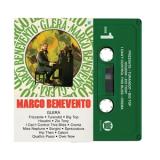
MARCO BENEVENTO - GLERA

MARCO BENEVENTO

GLERA

12inchBCRLP205
Big Crown Records
24.07.2026
  • 1: Frizzante
  • 2: Turandot Feat Marianne Mirage
  • 3: Big Top
  • 4: Houdini
  • 5: Zio Tony Feat. Molly Lewis
  • 6: I Can't Control This Bliss Feat Dream Crease
  • 7: Crema
  • 8: Miss Neptune Feat Elizabeth Steiner
  • 9: Sorgini Feat. Dave Guy
  • 10: Sprezzatura
  • 11: Hip Then
  • 12: Catoni Feat. 13Th Ward Social Club
  • 13: Quattro Passi Feat. Chiara Civello
  • 14: Over Now
disponibile anche

COKE BOTTLE CLEAR VINYL[23,95 €]

Cassette[10,71 €]


Big Crown Records freut sich, Glera zu präsentieren, Marco Beneventos Debütalbum auf dem Label. Marco Benevento hat sich schon immer wie jemand bewegt, der das Studio als eigenes Instrument begreift - nicht bloß als Raum, in dem das Spielzeug herumsteht. Lange bevor er auf Bühnen mit Freddie Gibbs und Madlib auftauchte oder in den Liner Notes von Alben von Clairo und Leon Bridges erwähnt wurde, dachte Benevento bereits wie ein Produzent: Er hörte auf Texturen, Spannungen und Negativräume - und auf jene seltsame emotionale Alchemie, die entsteht, wenn Groove und Neugier aufeinandertreffen. Sein neues Album Glera schärft diesen Instinkt und rückt Benevento nicht nur als virtuosen Keyboarder und Bandleader ins Licht, sondern als Komponisten, der aus Rhythmus, Klang und Gefühl ganze Welten formt.Glera ist ein genreübergreifendes Jazzalbum, das Soul und das elastische Low-End des Reggae mit einem offenen Sinn für Möglichkeiten verbindet. Das Projekt begann vor drei Jahren als eine Art privates Experiment: Benevento schrieb intuitiv, inspiriert von italienischen Filmmusiken und Melodien. Mit der Zeit entwickelten sich diese Skizzen zu etwas Größerem und Kraftvollerem - und mündeten schließlich in die hier zu hörende majestätische Ausformung.Entstanden ist Musik mit filmischer Bewegung, ohne dabei kostbar oder überladen zu wirken. Die Stücke fühlen sich mal wie Verfolgungsjagden, mal wie langsame Überblendungen an - manchmal sogar innerhalb desselben Songs. Jazz-Improvisation teilt sich den Raum mit Reggae-Grooves, orchestralen Elementen und einer psychedelischen Pop-Atmosphäre. Explorativ, aber geerdet; komplex, doch stets klar groove-orientiert.Der Album-Opener ,Frizzante" ist eine reine musikalische Feier - ein energiegeladener Feel-Good-Banger, auf Band gebannt, in dem Marco über einem unnachgiebigen Groove Melodien mit sich selbst austauscht. Auf ,Turandot" wird Benevento von Italiens Marianne Mirage am Gesang begleitet; der düstere, cineastische Track bewegt sich mühelos zwischen den Welten von Portishead und Serge Gainsbourg.Mit ,Big Top" erweitert sich die klangliche Palette noch weiter: ausgestattet mit Sprachaufnahmen und Pfauengeräuschen lässt sich der Song am treffendsten als ,Zirkus-Funk" beschreiben. Ein Pfiff - und das Spiel beginnt mit ,Houdini", einem jazz-fusionhaften Dancefloor-Füller, der vom ersten Schlagzeugschlag an die Tür eintritt. Auf ,I Can't Control This Bliss" mischt Benevento Dream Pop unter und bittet Dream Crease ans Mikrofon - für eine Dosis lo-fi-getränkter Schönheit. Elizabeth Steiner steuert ihre renommierte Harfenarbeit zu ,Miss Neptune" bei, getragen von einem tief vibrierenden, reggae-inspirierten Fundament.Mit Vollgas prescht ,Sprezzatura" wie eine Hochgeschwindigkeitsverfolgung durch enge Straßen, während ,Quattro Passi" das Tempo drosselt und zum entspannten Schlendern einlädt - mit Jazzsängerin Chiara Civello als Feature.Marco Benevento agiert hier auf höchstem Niveau, formt Klang mit Zielstrebigkeit und Neugier. Dieses Album kündigt sich laut an - zugleich nach außen gerichtet und zutiefst intim. Es ist Musik in Bewegung: zwischen Genres, Tempi und Registern, stets verankert in der Freude am Entdecken. Ein Album, das Bewegung verkörpert, die Vergangenheit mitnimmt und doch niemals stehen bleibt.

pre-ordina ora24.07.2026

dovrebbe essere pubblicato su 24.07.2026

22,65
MARCO BENEVENTO - GLERA

MARCO BENEVENTO

GLERA

12inchBCRLPC2205
Big Crown Records
24.07.2026

Big Crown Records freut sich, Glera zu präsentieren, Marco Beneventos Debütalbum auf dem Label. Marco Benevento hat sich schon immer wie jemand bewegt, der das Studio als eigenes Instrument begreift - nicht bloß als Raum, in dem das Spielzeug herumsteht. Lange bevor er auf Bühnen mit Freddie Gibbs und Madlib auftauchte oder in den Liner Notes von Alben von Clairo und Leon Bridges erwähnt wurde, dachte Benevento bereits wie ein Produzent: Er hörte auf Texturen, Spannungen und Negativräume - und auf jene seltsame emotionale Alchemie, die entsteht, wenn Groove und Neugier aufeinandertreffen. Sein neues Album Glera schärft diesen Instinkt und rückt Benevento nicht nur als virtuosen Keyboarder und Bandleader ins Licht, sondern als Komponisten, der aus Rhythmus, Klang und Gefühl ganze Welten formt.Glera ist ein genreübergreifendes Jazzalbum, das Soul und das elastische Low-End des Reggae mit einem offenen Sinn für Möglichkeiten verbindet. Das Projekt begann vor drei Jahren als eine Art privates Experiment: Benevento schrieb intuitiv, inspiriert von italienischen Filmmusiken und Melodien. Mit der Zeit entwickelten sich diese Skizzen zu etwas Größerem und Kraftvollerem - und mündeten schließlich in die hier zu hörende majestätische Ausformung.Entstanden ist Musik mit filmischer Bewegung, ohne dabei kostbar oder überladen zu wirken. Die Stücke fühlen sich mal wie Verfolgungsjagden, mal wie langsame Überblendungen an - manchmal sogar innerhalb desselben Songs. Jazz-Improvisation teilt sich den Raum mit Reggae-Grooves, orchestralen Elementen und einer psychedelischen Pop-Atmosphäre. Explorativ, aber geerdet; komplex, doch stets klar groove-orientiert.Der Album-Opener ,Frizzante" ist eine reine musikalische Feier - ein energiegeladener Feel-Good-Banger, auf Band gebannt, in dem Marco über einem unnachgiebigen Groove Melodien mit sich selbst austauscht. Auf ,Turandot" wird Benevento von Italiens Marianne Mirage am Gesang begleitet; der düstere, cineastische Track bewegt sich mühelos zwischen den Welten von Portishead und Serge Gainsbourg.Mit ,Big Top" erweitert sich die klangliche Palette noch weiter: ausgestattet mit Sprachaufnahmen und Pfauengeräuschen lässt sich der Song am treffendsten als ,Zirkus-Funk" beschreiben. Ein Pfiff - und das Spiel beginnt mit ,Houdini", einem jazz-fusionhaften Dancefloor-Füller, der vom ersten Schlagzeugschlag an die Tür eintritt. Auf ,I Can't Control This Bliss" mischt Benevento Dream Pop unter und bittet Dream Crease ans Mikrofon - für eine Dosis lo-fi-getränkter Schönheit. Elizabeth Steiner steuert ihre renommierte Harfenarbeit zu ,Miss Neptune" bei, getragen von einem tief vibrierenden, reggae-inspirierten Fundament.Mit Vollgas prescht ,Sprezzatura" wie eine Hochgeschwindigkeitsverfolgung durch enge Straßen, während ,Quattro Passi" das Tempo drosselt und zum entspannten Schlendern einlädt - mit Jazzsängerin Chiara Civello als Feature.Marco Benevento agiert hier auf höchstem Niveau, formt Klang mit Zielstrebigkeit und Neugier. Dieses Album kündigt sich laut an - zugleich nach außen gerichtet und zutiefst intim. Es ist Musik in Bewegung: zwischen Genres, Tempi und Registern, stets verankert in der Freude am Entdecken. Ein Album, das Bewegung verkörpert, die Vergangenheit mitnimmt und doch niemals stehen bleibt.

pre-ordina ora24.07.2026

dovrebbe essere pubblicato su 24.07.2026

23,95
MARCO BENEVENTO - GLERA (TAPE)

Big Crown Records freut sich, Glera zu präsentieren, Marco Beneventos Debütalbum auf dem Label. Marco Benevento hat sich schon immer wie jemand bewegt, der das Studio als eigenes Instrument begreift - nicht bloß als Raum, in dem das Spielzeug herumsteht. Lange bevor er auf Bühnen mit Freddie Gibbs und Madlib auftauchte oder in den Liner Notes von Alben von Clairo und Leon Bridges erwähnt wurde, dachte Benevento bereits wie ein Produzent: Er hörte auf Texturen, Spannungen und Negativräume - und auf jene seltsame emotionale Alchemie, die entsteht, wenn Groove und Neugier aufeinandertreffen. Sein neues Album Glera schärft diesen Instinkt und rückt Benevento nicht nur als virtuosen Keyboarder und Bandleader ins Licht, sondern als Komponisten, der aus Rhythmus, Klang und Gefühl ganze Welten formt.Glera ist ein genreübergreifendes Jazzalbum, das Soul und das elastische Low-End des Reggae mit einem offenen Sinn für Möglichkeiten verbindet. Das Projekt begann vor drei Jahren als eine Art privates Experiment: Benevento schrieb intuitiv, inspiriert von italienischen Filmmusiken und Melodien. Mit der Zeit entwickelten sich diese Skizzen zu etwas Größerem und Kraftvollerem - und mündeten schließlich in die hier zu hörende majestätische Ausformung.Entstanden ist Musik mit filmischer Bewegung, ohne dabei kostbar oder überladen zu wirken. Die Stücke fühlen sich mal wie Verfolgungsjagden, mal wie langsame Überblendungen an - manchmal sogar innerhalb desselben Songs. Jazz-Improvisation teilt sich den Raum mit Reggae-Grooves, orchestralen Elementen und einer psychedelischen Pop-Atmosphäre. Explorativ, aber geerdet; komplex, doch stets klar groove-orientiert.Der Album-Opener ,Frizzante" ist eine reine musikalische Feier - ein energiegeladener Feel-Good-Banger, auf Band gebannt, in dem Marco über einem unnachgiebigen Groove Melodien mit sich selbst austauscht. Auf ,Turandot" wird Benevento von Italiens Marianne Mirage am Gesang begleitet; der düstere, cineastische Track bewegt sich mühelos zwischen den Welten von Portishead und Serge Gainsbourg.Mit ,Big Top" erweitert sich die klangliche Palette noch weiter: ausgestattet mit Sprachaufnahmen und Pfauengeräuschen lässt sich der Song am treffendsten als ,Zirkus-Funk" beschreiben. Ein Pfiff - und das Spiel beginnt mit ,Houdini", einem jazz-fusionhaften Dancefloor-Füller, der vom ersten Schlagzeugschlag an die Tür eintritt. Auf ,I Can't Control This Bliss" mischt Benevento Dream Pop unter und bittet Dream Crease ans Mikrofon - für eine Dosis lo-fi-getränkter Schönheit. Elizabeth Steiner steuert ihre renommierte Harfenarbeit zu ,Miss Neptune" bei, getragen von einem tief vibrierenden, reggae-inspirierten Fundament.Mit Vollgas prescht ,Sprezzatura" wie eine Hochgeschwindigkeitsverfolgung durch enge Straßen, während ,Quattro Passi" das Tempo drosselt und zum entspannten Schlendern einlädt - mit Jazzsängerin Chiara Civello als Feature.Marco Benevento agiert hier auf höchstem Niveau, formt Klang mit Zielstrebigkeit und Neugier. Dieses Album kündigt sich laut an - zugleich nach außen gerichtet und zutiefst intim. Es ist Musik in Bewegung: zwischen Genres, Tempi und Registern, stets verankert in der Freude am Entdecken. Ein Album, das Bewegung verkörpert, die Vergangenheit mitnimmt und doch niemals stehen bleibt.

pre-ordina ora24.07.2026

dovrebbe essere pubblicato su 24.07.2026

10,71
Matole - Fight the Algorithm LP

Matole

Fight the Algorithm LP

12inchXRD037
Exarde
24.02.2026

It is time for the guitar riffs and the basslines deeper than the Mariana Trench and therefore who can do it better than the Uruguayan born & raised mastermind that stands behind this next next edition - Matole. Hearing the music from this man leaves a great positive feel wanting to dance, live and love life. By perfecting his sound over the years, as soon as it touches the ear canals you can tell that it’s him and can only be him behind the wheel.

By his young age with utmost will to create, the man is leaving disc artefacts all over the globe working with different labels and promo teams. Now the time has come to synergize with XRD and the feeling is absolutely blissful. As the wise people say the algorithm is not going to fight itself, very important to get into battle stance and show these ones and zeros who is the boss around here.

In Stock

Disponibile in Stock e pronto per la spedizione

12,82
FLO - Therapy At The Club LP

FLO

Therapy At The Club LP

12inchEMIV2156
EMI UK
24.07.2026

FLO are leading the modern revival of the British girl group — and doing so at a scale not seen in over two decades. With over half a billion global streams, the trio have delivered the highest-selling tour by a British girl group in more than 20 years, becoming the first since the Spice Girls to reach that milestone. They are also the first British girl group to receive a Grammy nomination in two decades, alongside three MOBO nominations in 2026, cementing their status as both a commercial and cultural force. Rather than simply revisiting the past, FLO are reshaping the possibilities for what a contemporary girl group can be.

Comprised of Renée Downer, Stella Quaresma and Jorja Douglas, FLO’s story is one of intention, craft and deep-rooted connection. The trio had long been aware of one another through theatre school circles, social media and shared creative worlds before coming together as a group in 2019. That early familiarity quickly grew into a sisterhood, shaped behind the scenes through years of studio work, vocal development and trust. Raised by strong single mothers and immersed in performance from a young age, each member brings resilience, emotional intelligence and discipline into the group — qualities that underpin both their sound and their dynamic.

Individually, FLO’s balance comes from contrast. Renée is the group’s compass: composed, business-minded and creatively precise, grounding the trio with clarity and vision. Stella is the spark and the glue — sociable, emotionally intuitive and collaborative — shaped by a childhood between England and Mozambique where music was communal, expressive and felt. Jorja is the fire: outspoken, instinctive and vocally commanding, with a natural ear for harmony and arrangement. Their roles shift and evolve, but together they form a unit built on mutual respect, honesty and shared authorship.

That chemistry is central to FLO’s music. Drawing from classic R&B and soul while pushing it forward through modern production, their sound centres vocal harmony, emotional nuance and storytelling that reflects the realities of young womanhood. FLO reject the idea that strength requires emotional distance; instead, they explore power through vulnerability, confidence and control. From independence and self-worth to intimacy and desire, their writing is direct and unapologetically theirs. As Jorja puts it, FLO are “the brains, the heart and the soul” behind everything they do.

The success of their debut album marked a defining moment — not only for FLO, but for British pop more broadly. It confirmed the appetite for harmony-led, female-fronted groups operating with creative agency, and propelled FLO onto global stages, from sold-out headline tours to major festivals and international television. Along the way they have earned respect from R&B legends and peers alike, performing during Grammy Week for icons including Mariah Carey, Brandy and Chaka Khan, and showcasing their vocal chemistry on NPR’s Tiny Desk — a moment that further underlined the trio’s technical precision and emotional depth.

With their next chapter, Therapy At The Club, FLO expand this emotional honesty into a fully realised creative universe. The concept reimagines the club not just as a place of nightlife, but as a site of release, confession and self-possession — encompassing the moments before, during and after the night out. From mirror affirmations and pre-game chaos, to late-night Uber conversations, dance-floor catharsis and the clarity of the morning after, Therapy At The Club captures how women process desire, heartbreak, confidence and healing in real time, together. It is both fantasy and reality: cinematic, fashion-led and emotionally raw, grounded in sisterhood as a form of survival.

Sonically, the new music leans into dark, euphoric R&B and pop with sharper edges, built on vocal mastery and diaristic storytelling. Lead single “Leak It” sets the tone for the era — playful, charged and unapologetically self-aware — exploring what happens when desire spills over, secrets surface and control is reclaimed. Across the new songs, FLO move fluidly between intimacy and euphoria, turning the club into a space where vulnerability is power and feeling everything is the point.

As a trio built on discipline, joy and deep creative trust, FLO represent a new model for the British girl group: one rooted in authorship, harmony and cultural impact. Balancing softness with strength and ambition with authenticity, they are shaping the future of R&B and pop on their own terms. FLO are not looking backwards — they are setting the standard for what comes next.

pre-ordina ora24.07.2026

dovrebbe essere pubblicato su 24.07.2026

25,17
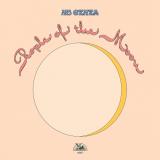
NU GENEA - People Of The Moon LP

After the acclaimed Bar Mediterraneo, Massimo Di Lena and Lucio Aquilina return with People Of The Moon, expanding their sound into a space of creative freedom. The “People of the Moon” are not fictional, but a dimension within us all: a deeply personal yet universal force, an alternative mindset that emerges when freed from social constraints.


Under moonlight, the album explores anxieties and aspirations through groove and rhythm, expressed in Neapolitan, Arabic, English, Spanish, and Portuguese. It moves fluidly from Afro-Cuban influences in “Celavì” to Anatolian textures in “Ma Tu Che Bbuò”, blending highlife guitars with Nu Genea’s signature mandolins-new rhythms filtered through an Italian lens.


The first single “Sciallà” (2025) introduced this direction: dance as catharsis, not escape. The title track reflects a quiet resilience-persistent rather than triumphant. “Onenon”, featuring Tom Misch, channels Mediterranean brit-funk, while “Acelera”, with María José Llergo, evokes a flamenco-tinged pursuit of the unattainable.


“Puleza” recalls Nuova Napoli with driving energy and vintage synths, while “Shway Shway”, sung by Celinatique, captures the album’s orbital flow-measured, rich, and rhythmically complex, echoing afrobeat explorations with Tony Allen.


Melody remains central, as in “Carè”. Across ten tracks, falling, flying, and dancing merge in a suspended groove. Gabriel Prado’s “Ondas Do Mar” embodies this pull: a cyclical motion, like the tides—irresistible, transformative, and alive within us.

pre-ordina ora30.07.2026

dovrebbe essere pubblicato su 30.07.2026

22,27
Various - The Devil Wears Prada 2 LP
  • A1: Shape Of A Woman – Lady Gaga
  • A2: Runway – Lady Gaga & Doechii
  • A3: Glamorous Life – Lady Gaga
  • A4: Material Lover – Sienna Spiro
  • A5: End Of An Era – Dua Lipa
  • A6: Walk Of Fame (Edit) – Miley Cyrus & Brittany Howard
  • A7: Mr. Eclectic - Laufey
  • B1: Nice To Each Other – Olivia Dean
  • B2: Saturn – Sza
  • B3: Worth It. – Raye
  • B4: Daydreaming – Ledisi
  • B5: Evergreen Avenue – Izzy Escobar
  • B6: No One Noticed – The Marias

10 years after the original, The Devil Wears Prada 2 picks up in a new era of fashion, ambition, and shifting power—where old rivalries resurface and the runway is fiercer than ever. The soundtrack matches every moment with Lady Gaga, Doechii, Dua Lipa, Miley Cyrus, SZA, RAYE, Laufey, Olivia Dean, and more, delivering the perfect mix of glamour, edge, and reinvention

ABOUT THE FILM

20th Century Studios’ The Devil Wears Prada 2:

Twenty years after making their iconic turns as Miranda, Andy, Emily and Nigel—Meryl Streep, Anne Hathaway, Emily Blunt and Stanley Tucci return to the fashionable streets of New York City and the sleek offices of Runway Magazine in 20th Century Studios’ The Devil Wears Prada 2, the eagerly awaited sequel to the 2006 phenomenon that defined a generation. The film is directed by David Frankel, written by Aline Brosh McKenna, produced by Wendy Finerman, and executive produced by Michael Bederman, Karen Rosenfelt and Aline Brosh McKenna.

pre-ordina ora31.07.2026

dovrebbe essere pubblicato su 31.07.2026

28,99
MIRROR PEOPLE - DESERT ISLAND BROADCAST LP

Desert Island Broadcast, the new album from Mirror People—the project of Portuguese musician and producer Rui Maia—is out September 26 on vinyl and across all digital platforms. The release is accompanied by the single Any Color U Like, following the earlier teaser track Million Questions, unveiled on May 9.

Described by Maia as “a radio transmission from a desert island—an imaginary space where different styles and references meet and coexist,” the record completes a trilogy begun with Voyager (2015) and Heartbeats Etc. (2022). “I wanted to create an album that felt both familiar and unexpected, like a lost signal reaching the right listener at the right time. It’s a celebration of music as companionship, even in isolated places,” says Maia.

Written between 2022 and 2025, Desert Island Broadcast features longtime collaborators and special guests, including vocalist Rö (Maria do Rosário), percussionist Ryoko Imai, saxophonist João Cabrita, and backing vocalists Ana Vieira and Isa Gomes.

With a career that has resonated both in Portugal and abroad, Mirror People continues to assert its relevance in the independent scene, delivering captivating songwriting and meticulous production.

Mirror People is the alter ego of musician, producer, and DJ Rui Maia, also known as the keyboardist of X-Wife. Conceived as a collaborative project with artists from diverse cultural backgrounds, Mirror People explores the intersections of disco, funk, and electronic music.

In Stock

Disponibile in Stock e pronto per la spedizione
19,12
Various - Your Kisses Are Like Roses: Fado Recordings, 1914-1936 (TAPE)

The definition of the word 'fado' is technically 'fate', though the Portuguese meaning bound up with this term is more complex. The music itself can be fairly closely compared with that of Greek rebetika - also the American blues or the original working-class tango music of Argentina and Uruguay - and similarly takes it's common subject matter from the various cruel realities of the world. Though perhaps what distinguishes fado in character is it's often poised acceptance of the pains of life rather than protestation or resistance - as writer Paul Vernon says "It speaks with a quiet dignity born of the realisation that any mortal desire or plan is at risk of destruction by powers beyond individual control"

Death Is Not The End compile here a spine-tingling collection of fado recordings, taken from records issued in the mid 1910s through to the 1930s. The fado's Lisbon and Coimbra variants are presented here by some of the music's earliest recorded stars - spanning a time period leading up to the emergence of the fado's all-conquering star, Amália Rodrigues.

In Stock

Disponibile in Stock e pronto per la spedizione

16,39
Katatonic Silentio - Acid Foundation

Italian artist and researcher Mariachiara Troianiello is Katatonic Silentio, and is an artist able to move fluidly between club culture and experimental practice. A DJ with more than 15 years behind the decks, her selections can drift from musique concrete, ambient, spoken word and global soundscapes to the harder edges of techno, drum & bass, and leftfield electronics. Her work also explores how sound interacts with space and the body and on Lysergic Induction Forge, she dips into IDM, electro, ambient and dub. 'Velvet Dweller" gets underway with warped synths and liquid rhythms, 'Dubbin'Acid' is a slow, percolating rhythm and 'Psychoactive Groove' sounds like the innerworkings of a brain during a psychoactive experience. 'Acid Foundation' closes with a gentle acid-laced ascent. Classy stuff.

In Stock

Disponibile in Stock e pronto per la spedizione
19,29
NALBANDIAN THE ETHIOPIAN & EITHER/ORCHESTRA - NALBANDIAN THE ETHIOPIAN (ETHIOPIQUES)

The Éthiopiques series returns! Essential archive recordings from an extremely fruitful period in Ethiopian music.

Before “Swinging Addis” took over the world, there was Moussié Nerses Nalbandian — the Armenian-born composer who shaped modern Ethiopian music. Mentor, arranger, and pioneer, he laid the foundations of Ethio-jazz.

This Éthiopiques volume revives his forgotten legacy, recorded live by Either/ Orchestra First issue ever with new exclusive photos and in depth liner 8-page insert.

“Ethiopian jazzmen are the best musicians that we have seen so far in Africa.
They really are promising handlers of jazz instruments.”

Wilbur De Paris
(1959, after a concert in Addis Ababa)

አዲስ፡ዘመን። *Addis zèmèn* **A new era.**
The time is the mid-1950s and early 1960s, just before "Swinging Addis" bloomed – or rather boomed – onto the scene. Brass instruments are still dominant, but the advent of the electric guitar, and the very first electronic organs, are just around the corner. Rock’n'Roll, R’n’B, Soul and the Twist have not yet barged their way in. Addis Ababa is steeped in the big band atmosphere of the post-war era, with Glenn Miller's *In the* *Mood* as its world-wide theme song, neck and neck with the Latin craze that was in vogue at the same period. Life has become enjoyable once again, with the return of peace after the terrible Italian Fascist invasion of Ethiopia (1935-1941). The redeployment of modern music is part and parcel of the postwar reconstruction. *Addis zèmèn* – a new era – is the watchword of the postwar period, just as it was all across war-torn Europe.
The generation who were the young parents of baby boomers** were the first to enjoy this musical renaissance, before the baby boomers themselves took over and forever super-charged the soundtrack of the final days of imperial reign. Music is Ethiopia's most popular art form, and very often serves as the best barometer for the upsurge of energy that is critical for reconstruction. Whether it be jazz in Saint-Germain-des-Prés or the *zazous* who revolutionised both jazz and French *chanson* after the *Libération*, be it Madrid's post-Franco Movida, or Dada, the Surrealists and *les années folles* that followed World War I, the periods just after mourning and hardship always give rise to brighter and more tuneful tomorrows. Addis Ababa, as the country's capital, and the epicentre of change, was no exception to this vital rule.

**Two generations of Nalbandian musicians**
Nersès Nalbandian belonged to a family of Armenian exiles, who had moved to Ethiopia in the mid-1920s. The uncle Kevork arrived along with the fabled "*Arba Lidjotch*", the** "*40 Kids*", young Armenian orphans and musicians that the Ras Tafari had recruited when he visited Jerusalem in 1924, intending to turn their brass band into the official imperial band. If Kevork Nalbandian was the one who first opened the way of modernism, pushing innovation so far as to invent musical theatre, it was his nephew Nersès who would go on to become, from the 1940s and until his death in 1977, a pivotal figure of modern Ethiopian music and of the heights it. Going all the way back to the 1950s. Nothing less. And it is Nersès who is largely to thank for the brassy colours that so greatly contributed to the international renown of Ethiopian groove. While the younger generations today venture timidly into the genealogy of their country's modern music, often losing their way amidst a distinctly xenophobic historiographical complacency, many survivors of the imperial period are still around to bear witness and pay tribute to the essential role that "Moussié Nersès" played in the rise of Abyssinia's musical modernity.
Given the year of his birth (15 March 1915), no one knows for sure if Nersès Nalbandian was born in Aintab, today Gaziantep (Turkiye/former Ottoman Empire) or on the other side of the border in Alep, Syria... What is certain is that his family, like the entire Armenian community, was amongst the victims of the genocide perpetrated by the Turks. Alep, the place of safety – today in ruins.
Before Nersès then, there was uncle Kevork (1887-1963). For a quarter of a century, he was a whirlwind of activity in music teaching and theatrical innovation. *Guèbrè Mariam le Gondaré* (የጎንደሬ ገብረ ማርያም አጥቶ ማግኘት, 1926 EC=1934) is his most famous creation. This play included "ten Ethiopian songs" — a totally innovative approach. According to his autobiographical notes, preserved by the Nalbandian family, Kevork indicates that he composed some 50 such pieces over the course of his career. This shows just how much he understood, very early on, the critical importance of song as Ethiopia's crowning artistic form. Indeed, for Ethiopian listeners, the most important thing is the lyrics, with all their multifarious mischief, far more than a strong melody, sophisticated arrangements or even an exceptional voice. (This is also why Ethiopians by and large, and beginning with the artists and producers themselves, believed for a long time — and wrongly — that their music could not possibly be exported, and could never win over audiences abroad, who did not speak the country's languages).

Last but not least, one of Kevork's major contributions remains composing Ethiopia's first national anthem – with lyrics by Yoftahé Negussié.
Nersès Nalbandian moved to Ethiopia at the end of the 1930s, at the behest of his ground-breaking uncle. Proficient in many instruments (pretty much everything but the drums), conductor, choir director, composer, arranger, adapter, creator, piano tuner, purveyor of rented pianos,... he was above all an energetic and influential teacher. From 1946 onwards, thanks to Kevork's connexion, Nersès was appointed musical director of the Addis Ababa Municipality Band. In just a few years, Nersès transformed it into the first truly modern ensemble, thanks to the quality of his teaching, his choice of repertoire, and the sophistication of his arrangements. It was this group that would go on to become the orchestra of the Haile Selassie Theatre shortly after its inauguration in 1955, which was a major celebration of the Emperor's jubilee, marking the 25th anniversary of his on-again-off-again reign.

At some point or other in his long career, Nersès Nalbandian had a hand in the creation of just about every institutional band (Municipality Band, Police Orchestra, Imperial Bodyguard Band, Army Band, Yared Music School…), but it was with the Haile Selassie Theatre – today the National Theatre – that his abilities were most on display, up until his death in 1977. To this must be added the development of choral singing in Ethiopia, hitherto unknown, and a sort of secret garden dedicated to the memory of Armenian sacred music, and brought together in two thick, unpublished volumes. Shortly before his death (November 13, 1977), he was appointed to lead the impressive Ethiopian delegation at Festac in Lagos, Nigeria (January-February 1977).

His status as a stateless foreigner regularly excluded him from the most senior positions, in spite of the respect he commanded (and commands to this day) from the musicians of his era. Naturally gifted and largely self-taught, Nerses was tirelessly curious about new musical developments, drawing inspiration from the very first imported records, and especially from listening intensely to the musical programmes broadcast over short-wave radio – BBC *First*. A prolific composer and arranger, he was constantly mindful of formalising and integrating Ethiopian parameters (specific “musical modes”, pentatonic scale, and the dominance of ternary rhythms) into his “modernisation” of the musical culture, rather than trying to over-westernise it. It even seems very probable that *Moussié* Nerses made a decisive contribution to the development of tighter music-teaching methods, in order to revitalise musical education during this period of prodigious cultural ferment. Flying in the face of all the historiographical and musicological evidence, it is taken as sacrosanct dogma that the four musical modes or chords officially recognised today, the *qǝñǝt* or *qiñit* (ቅኝት), are every bit as millennial as Ethiopia itself. It would appear however that some streamlining of these chords actually took place in around 1960. It was only from this time onward that music teaching was structured around these four fundamental musical modes and chords: *Ambassel*, *Bati*, *Tezeta* and *Antchi Hoyé*. A historical and musical “details” that is, apparently, difficult to swallow, especially if that should honour a *foreigner*. Modern Ethiopian music has Nersès to thank for many of its standards and, to this day, it is not unusual for the National Radio to broadcast thunderous oldies that bear unmistakable traces of his outrageously groovy touch.

In Stock

Disponibile in Stock e pronto per la spedizione
22,06
GRANT MILLER - STAR - DANCE REMIXES EP

3ZZZ Music is pleased to present the return of a musical icon from the 80s and 90s. “Star,” originally released as a pop ballad, has been remixed in four versions by Italoconnection, Claybaback, and Mariano Ballejos. Limited edition vinyl in three different colors, including a numbered and autographed postcard.

In Stock

Disponibile in Stock e pronto per la spedizione

20,97
White Chief - The Background Character For Self_Sabotage Deconstruction

The White Chief project has been defined by her creator as the background character for self_sabotage deconstruction. Deeply inspired in early Industrial, Noise and Power Electronics taking, musically and conceptually some development model acts like Throbbing Gristle or Whitehouse, and certain complex lyrical compositions like could be some Fad Gadget tracks, Maria Barros, a colombian dj and producer known as Gatasanta delivers 5 dense, raw, noisey and dark cuts with the aesthetical connotation of the violent modern times, created among other analogical sounds with multiple Moog bass lines. This record includes also, two tracks from AMAS, Gatasanta's first live project with artist performer Ivana Ray Singh, both artists based in Barcelona. These two tracks appears on the EP as a tribute to the duo's early years of electronic production and performance tours around. All tracks has been produced 100% hardware.

In Stock

Disponibile in Stock e pronto per la spedizione
19,29
Molen / Qasio - Aurora EP

Molen / Qasio

Aurora EP

12inchLFDO004
Lunfardo
17.12.2025

Lunfardo presents “Aurora" introducing the fourth conceptual album that deep dives into Uruguayan culture and misticism once again.

On March 3, 1976, Ángel María Tonna, owner of the ¨La Aurora¨ ranch in Paysandú, observed a strange flash of light near his shed. Upon approaching, he found a spaceship suspended 75 meters high, with an intense circular light that caused radiation effects later discovered in the ground. Simultaneously, a blackout occurred in the nearby cities of Paysandú and Salto, and several witnesses of lights crossing the sky were documented in the local press by major newspapers such as El Telegrafo.

Thereafter, Neil Armstrong, the first man to walk on the moon, visited Uruguay and the ranch several times, eight times to be exact. He shared photos of flying objects with Tonna and left a drawing in the house depicting space and "supreme beings." Despite UFO reports throughout Uruguay, ¨La Aurora¨ remains a mystical place. The truth is out there, or as it is sayed beneath there.

“Aurora EP¨ immerses us in two sides divided between Molen and Qasio. Side A invites us to explore the inexplicable in an abduction, a “close encounter” (Encuentro cercano) that transports us directly on a journey through outer space but also immerses us in the mysteries of "Ulimen." Side B offers a profound guide to worlds of "dark matter” (Materia Oscura), disconcerting presences, “orbs”(Orbes), and galaxies above our heads

In Stock

Disponibile in Stock e pronto per la spedizione

13,87
Various - Kunda 09

Various

Kunda 09

12inchKUNDA09
Kunda
08.12.2025

9th release from the Madrid-based label Kunda Records.

This time, it features the participation of “El-y”, aka Techno, and the well-known French artist AcidUPDub (co-founder of Dune Records, 2008).

On the A-side, we’re treated to two heavy-hitting tracks:

- “Andromeda”, a dancefloor destroyer with an intriguing rhythmic progression that builds into a climax of sinister melody, leaving a repeating echo resonating in our heads.

- “Torpedo”, a projectile of pure hypnotic techno.


On the B-side, we find two aliases behind which stands the same person: José María Moreno Vega (Granada, Spain):

- C-system, presenting “темный век” (Dark Ages), a pure Tekno track with pounding kicks and a martial rhythm.

- And Spectrums Data Forces, bringing us “Revenant” and “Space Crucifix”. Both tracks will take us on a spacey, robotic journey full of electro rhythms and broken beats.

Straight-up bombs!

In Stock

Disponibile in Stock e pronto per la spedizione

15,08
Aitcher Clark - Silliness LP

Aitcher Clark

Silliness LP

12inchVEYL047
VEYL
14.11.2025

Aitcher Clark steps out from his work as one half of LOFN (Veyl, 2021) with a first solo long-player that draws a sharp line between the club and the cinema.
The 6-track LP moves with intent across ambient space, industrial techno frameworks, and restrained neoclassical harmony. It favors patience over peaks, detail over spectacle, and a narrative arc that rewards a
start-to-finish listen.
The campaign begins September 19th with the lead single “Improperly Planned Experience”, an industrialleaning cut driven by a relentless drum pattern and an eerie, immersive atmosphere. Stark and physical, it sets the tone for the album with its focus on tension, texture, and shadow rather than melody. On the same day, Clark will debut a new live and visual show at Lunchmeat Festival in Prague in collaboration with visual artist OXOO, translating the record into an immersive set where sound design and reactive visuals lock to the micro-gestures that run through the album. The performance is built around custom stems, live resampling, and dynamic lighting cues that mirror the music’s push and pull.
Across the LP, Clark threads field-recorded texture with precision drum programming and layered harmonies, avoiding predictable drops in favor of pressure that accumulates over time. The palette is cool and tactile: detuned pads, clipped low-end, and percussive details at the edge of audibility. Moments of clarity, strings, voice-like synths, negative space, arrive as structural markers rather than ornaments.
For Veyl, the album sits comfortably within a catalog that values forward motion and atmosphere, while opening a more composition-driven lane. For listeners who followed LOFN’s 2021 release, this solo debut widens the frame: less collaborative call-and-response, more solitary architecture, with the same focus on tension and timbre. The live show with OXOO extends that idea beyond the record, using visual rhythm and color to render the music’s internal logic in real time.

In Stock

Disponibile in Stock e pronto per la spedizione

17,44
Anders Hajem & Koloah - FNS007

FNS007 — a collaborative EP by Oslo-based producer and founder of Boring Crew Records Anders Hajem and Berlin-based Ukrainian Koloah, founder of Salon Imaginalis delivering a cinematic, dubbed-out club record charged with Electro arp’s breaks and basslines.

A meeting point between Anders’s bold rhythmic palette and Koloah’s intense precussions.

Mastering : Incision Mastering
Artwork : Wrongmeow & Mariam Kantaria

In Stock

Disponibile in Stock e pronto per la spedizione

13,40
Wally Badarou - Simple Things (LP)

Wally Badarou is a synth pioneer and musical polymath. But rarely does he sing over his sumptuous tracks. The 6 songs that comprise new record Simple Things finally realise Wally's vision for select backing tracks from his beloved Colors Of Silence.

The tracks were originally developed back in 2001 for the release of the original CD; here, Wally has “simply" added overdubs and vocals to their mastered mixes with some discerning edits. Simply put, Simple Things is another slice of simply stunning Wally Badarou genius.

Simple Things has been decades in the making. Indeed, Wally struggled not only with the idea of singing these wonderful songs himself but singing them in English and writing his own lyrics, while wrestling with the sensational backing tracks, which themselves seemed to have taken on a life of their own.

As Wally explained to us: "In addition to the instrumental artist I have been known as, so far, there has always been a singer who simply was not sure he was, up until now. Even though “Back To Scales Tonight”, my very first album, was, indeed, a song album."

Opener "It Couldn't Be You" embellishes the uptempo groove of soca-funk gem "The Lights Of Kinshasa". As Wally explained to us, it's about “a simple love story somewhere, one rainy night, under the lights of Kinshasa. A woman, a man, online dating, quite usual in our times. Then they meet, almost missing each other." The guide vocal Wally had laid for Colors Of Silence - with an organ sound - seemed striving for words in Linguala, a Congolese language he could not speak. Therefore the decision to do it himself was not an easy one, for it had to be in English to fit his singing. We think it turned out pretty good!

"You Can't Hide Always" vocalises Wally's deep concerns set to the propulsive "Smiles By The Millions": "Populism, ostracism, radicalism, ethics and values all turned upside down worldwide, are they all inevitably exacerbated by our social networks? It could all melt down one day, like a house of cards in the ocean of fake news and false prophecies”. Wally wanted to keep the track as bare as possible but, inevitably, the backing vocals and the synth-brass arrive ultimately to present a welcome 70s flavour, with no snare-drum added.

The bright and breezy "We'll Make It Again" adds vocals to "Where Were We", a tropical, reggae-tinged bounce through the islands. Here's Waly: "Where were we when we last said: "I love you"? Simple words to express something quite common, but never quite simple to deal with. A simple song about the resilience of the broken hearts.” The reggae came from it being conceived when Wally was scoring for “Third World Cop”, a 1999 Jamaican action movie.

"Walk Straight Ahead" provides Wally's gorgeous, contemplative and idiosyncratic vocals to the deep serenity of Colors Of Silence highlight, "Amber Whispers". It's a gliding, divine, mini melodic masterpiece. It'll make you swoon in its extreme beauty. As Wally describes, "it started as just whispers, sweet amber whispers. Then the colour turned darker, as darker skies seemed to fall upon us while the whole world keeps on walking ahead, straight ahead, regardless of the blatant warnings, feeling much too comfortable in conformity. Initially, the verses were to be spoken only. I realised they could be sung all the while, without overshadowing the ethereal atmosphere." Amen.

The serene, celestial "Painting My Life Blue" presents the vocal version of "Days To Wonder". Says Wally, "how does it feel when your second half is gone after decades of riding life together? Past the temporary loss of your bearings, you come to realise you've been blind to the essential, and suddenly you can see...For this most intimate song of mine, I had tried to come up with a melody on top of the existing backing track, long before realising the melody was in the keyboard part already. It just needed to be properly mixed with it."

The profoundly emotional "Just Two Lovers" works up the formerly-too-brief and glorious "Crystal Falls" into a much fuller masterpiece and features acoustic guitar sparkle before fully glistening with some gentle head-nod percussion. Waly explains further: "Dear little green men, please tell me, what is it about us that makes you want to come and visit us so often (contrary to Fermi's assertion)? And here is the reply I believe I heard them sing: "You've got the key you've been searching for: Love”. I reverted to the initial backing track I had made around 1985, which already bore the melody, and which I added acoustic guitars to, before singing it." An astounding closer.

A synth specialist, there can be few artists more under-appreciated given their vast influence than Wally Badarou. His solo work practically defined the sound of the Balearic DJs of the 1980s, and thus the more sophisticated sound of dance culture thereafter. He was one of the Compass Point All Stars (with Sly and Robbie, Barry Reynolds, Mikey Chung and Uziah "Sticky" Thompson), the in-house recording team of Compass Point Studios responsible for a series of albums in the 1980s recorded by Grace Jones, Tom Tom Club, Mick Jagger, Black Uhuru, Gwen Guthrie, Jimmy Cliff and Gregory Isaacs. Badarou's keyboard playing could also be heard on albums by Robert Palmer, Marianne Faithfull, Herbie Hancock, M (Pop Muzik), Talking Heads, Manu Dibango and Miriam Makeba. He also produced Fela Kuti. Phew!

When we asked Wally about the significance of this collection's title, he explained: "These are "Simple things” that everyday’s life seems to build upon. The simplest are the harder to describe, but when satisfactorily described i.e. with simple words, they are the more genuine and authentic to express and share. I’ve immersed myself in other classic song lyrics, something I hardly did before, just to appreciate the genius behind the simple words they were made of, and had a great time studying how powerful they were in expressing complex ideas such as love."

Recording was twofold: first, most of the backing tracks were recorded in 2001, in Wally's studio in Normandy, mostly using hardware synths and Yamaha digital consoles. Then, he fine-tuned the melodies and wrote the lyrics in late 2023, then added some overdubs and sang them all during summer 2024. States Wally, "Digital Performer was and remains the DAW I’ve been using throughout, ever since the 80s."

Wally's sophisticated synth textures and expressive keyboard runs are so full of character, so full of life, that this work of art transcends any easy genre categorisation. Meticulously remastered and cut by both Simon Francis and Cicely Balston respectively, it has been pressed to the highest possibly quality at Record Industry in Holland. Sometimes, the simple things are the most extraordinary.

In Stock

Disponibile in Stock e pronto per la spedizione

26,68
Articoli per pagina:
N/ABPM
Vinyl
