- A1: Fête - Roland Bocquet
- A2: I Think It’s Time (You Were Mine) - Alice Swoboda
- A3: Lay This Burden Down - Mary Love
- A4: What You See Is What You Get - Stoney And Meatloaf
- A5: Left Over People - Alan Price
- A6: Never Get Ahead - Bobby Conn
- A7: Terminal Stupid – The Snivelling Shits
- A8: A Glass Of Champagne – Sailor
- B1: I See Stars – Supersempfft
- B2: I Dig You- Demis Roussos
- B3: Yaya (Nelue Rework Mutant Disco Edit) - Ron Rogers
- B4: Slippery People (Club Version) – The Staple Singers
- B5: Love Is A Serious Business - Alfie Davison
- C1: Happy (Is My Life) - Andre Willliams / Velvet Hammer
- C2: My Little Girl - Bobby Garrett
- C3: Waiting For A Train - Flash And The Pan
- C4: Flame (Chicken Lips Version) - Bell X1
- C5: Release Yo’delf (Prodigy Remix) - Method Man
- D1: Hateful - Aaron Carl
- D2: Rose Rouge - St. Germain
- D3: Imperfect List Pt.1 - Big Hard Excellent Fish
- D4: Nothing - Rene Halkett / David Jay
Buscar:mary love
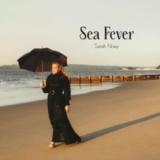
Formerly one third of the much-loved trio Black Box Recorder, alongside The Auteurs’ Luke Haines and Jesus and Mary Chain guitarist John Moore, the British singer-songwriter Sarah Nixey has steadily gained acclaim as a solo artist who makes savvy, sophisticated and poised pop.
Delivering vocals with a detached elegance over opulent tracks, any perceived nonchalance in Nixey’s luxe, cut glass voice belies her empathy, where social commentary serves as protest, both explicit and implied. Like Billy Bragg deepfaked as prime Julie Andrews, this strange but effective juxtaposition radiates soft power. ‘Lies of the Land’ depicts a corrupt post-Brexit and Covid-19 world where inequality and division flourish. ‘England's On Fire’ delves into the nuanced concepts of patriotism and nationalism, and ‘Pleasure Bay’ narrates the story of a love affair with a deprived yet beautiful English seaside town, written after Nixey left London, drawn back to the Dorset coast.
More than just a political record though, Nixey was drawn to the poetic elements of living too, telling stories of life and death, love and loss, conflicts and symmetry, in an intimate and close-up way, as if whispering secrets to her listeners.
“Sea Fever explores the bittersweet beauty of human life amid a volatile world of changing seasons and brutal elements,” says Nixey. “These are songs of deep sorrow, remembrance, birth, and change, set against a backdrop of the sensuous natural world.”
‘Rolling Waves’ explores profound grief following her beloved grandmother's death, while ‘Spring Equinox’ celebrates the joy and awe of life after welcoming her first grandchild. ‘At the Edge of the Forest’ is a poignant story of someone losing their memory, and ‘On This Wide Night’ recounts the early hours return home of a teenage runaway.
- A1: See See Rider
- A2: Release Me (And Let Me Love Again)
- A3: Sweet Caroline
- A4: Runaway
- A5: The Wonder Of You
- B1: Polk Salad Annie
- B2: Yesterday
- B3: Proud Mary
- B4: Walk A Mile In My Shoes
- B5: Let It Be Me
On Stage is a live album by legendary American singer Elvis Presley. Recorded in Las Vegas in 1969-1970, the album was a follow-up to From Memphis to Vegas/From Vegas to Memphis. Unlike its predecessor, On Stage is focused on songs that weren’t associated with Elvis previously. The album features the worldwide number one single “The Wonder of You”, written by Baker Knight and originally recorded by Vince Edwards. Some other notable songs include “Sweet Caroline” (Neil Diamond), “Yesterday” (The Beatles) and “Proud Mary” (Creedence Clearwater Revival). “See See Rider” would eventually become Elvis’ frequent opening songs during concerts up until his last show. The album brings Elvis’ charismatic stage presence straight to your living room, and contains nothing but classic songs to sing along to. Pressed on transparent red vinyl, this record is available as a limited edition of 2500 individually numbered copies.
- A1: Scala!!! (Opening Title)
- A2: Timelines
- A3: Scala Posters (Mondo Bongo)
- A4: As Steve Woolley Sees It
- A5: Babs Johnson Is Divine
- A6: Iggy And Lou And Mick Rock Too
- A7: Latex Gloves
- A8: Acid Celluloid
- A9: Scala Cats
- A10: Sodom And Tomorrow
- A11: Barry's Iranian Embassy Blues
- B1: Spandau Politics
- B2: Another All Nighter
- B3: One Of Us / Sticky Floors Atmos
- B4: Pink Narcissus
- B5: Black Leather Lovers
- B6: Back To The Cats
- B7: Jane's Day Out In Court
- B8: King's Cross Skyline
- B9: The Party's Over
- B10: Scala!!! (End Title)
- B11: Scalarama (Outtake)
Barry Adamsons Original-Soundtrack versetzt uns in die Unterwelt des nächtlichen Londons – ein lebhafter Soundtrack zum Underground-Kino und zur kulturellen Rebellion.
Barry Adamson, Gründungsmitglied von Magazine und Nick Cave and the Bad Seeds sowie gefeierter Solokünstler und Komponist, kehrt mit dem Soundtrack zu „SCALA!!!“ zurück, dem vielgelobten Dokumentarfilm über die Geschichte des berüchtigtsten Independent-Kinos Londons. Adamson, bekannt für seine Filmarbeiten, darunter Kooperationen mit David Lynch, bringt seine charakteristische Mischung aus Noir, Jazz, Funk und Atmosphäre in eine Filmmusik ein, die ebenso bewegend ist wie das Scala selbst.
Das Album fängt den Geist des Kinos ein: lange Nächte, klebrige Böden, schäbige Underground-Vorführungen und die berauschende Welt subversiver Kunst. In den 22 Titeln zaubert Adamson Stimmungen, die von grüblerisch und cineastisch bis verspielt und chaotisch reichen und die wilde Programmgestaltung und kulturelle Rebellion widerspiegeln, für die das Scala stand.
Der Film unter der Regie von Jane Giles und Ali Catterall erzählt die Geschichte des legendären Repertoirekinos King's Cross (1978–1993). Mit Interviews mit Mitarbeitern, Stammgästen und Ikonen wie John Waters, Mark Moore, Mary Harron, Isaac Julien und Ben Wheatley sowie seltenem Archivmaterial feiert er einen Ort, der zu einem Schmelztiegel für Gegenkultur, Sexploitation, Horror, Kung-Fu, LGBTQ+-Kino, Live-Musik und Kult-Doppelvorstellungen wurde.
Barry Adamson’s original score plunges us into the underworld of late-night London - a vivid soundtrack to underground cinema and cultural rebellion, available on vinyl and CD via Mute.
Barry Adamson, original member of Magazine and Nick Cave and the Bad Seeds, and a celebrated solo artist and composer, returns with the soundtrack to SCALA!!!, the acclaimed documentary chronicling the history of London’s most infamous independent cinema. Known for his film work, including collaborations with David Lynch, Adamson brings his trademark blend of noir, jazz, funk and atmosphere to a score that’s as evocative as the Scala itself.
The album captures the cinema’s spirit: late nights, sticky floors, sleazy underground screenings, and the intoxicating world of subversive art. Across its 22 tracks, Adamson conjures moods that shift from brooding and cinematic to playful and chaotic, echoing the wild programming and cultural rebellion the Scala embodied.
The film, directed by Jane Giles and Ali Catterall, tells the story of the legendary King’s Cross repertory cinema (1978–1993). Featuring interviews with staff, regulars and icons including John Waters, Mark Moore, Mary Harron, Isaac Julien and Ben Wheatley, alongside rare archival footage it celebrates a venue that became a crucible for counterculture, sexploitation, horror, kung-fu, LGBTQ+ cinema, live music, and cult double bills.
- A1: Young Love And Laughter
- A2: Stop Using My Love
- A3: If You Want You Can Be My Girl
- A4: Do You Remember When
- A5: Your Picture
- A6: Catch You On The Rebound
- B1: Some Kind Of Magic
- B2: In My Dreams
- B3: Magic Mary
- B4: Made Me Change My Mind
- B5: Six Eighths Of Your Time
- B6: Gonna Catch You
The Sha La Das are Bill Schalda and his talented sons Paul, Will and Carmine, originating from Staten Island, NY.
Your Picture, the Sha La Das’ second album and the first release on producer Tom Brenneck's own label, Diamond West Records, is yet another singular testament to the stirring power of blood harmony and a celebration of the enduring love story between Bill and the family matriarch, Linda.
Traces of old memories flicker through Your Picture. Bill’s classic songwriting and lush vocal arrangements get whirled into new territory, updating doo-wop with the bottom-heavy groove and swirling pop of Brenneck’s lean, spacious production. “We brought in some psychedelic sounds and drew inspiration from deep soul records to the Beatles and Beach Boys alike,” Brenneck says.
Love radiates throughout Your Picture, flowing out from the shimmering melodies Bill and his sons produce. Bill Schalda and sons are living their musical dream—Your Picture is the proof.
Swan Song
The vinyl LP at the heart of this éthiopiques 31 tracks 2 to 11 was one of the very last vinyl records ever released in Ethiopia. But above all it represents, we felt, the absolute masterpiece of the Ethiopian Groove – the Swan Song of Swinging Addis. The album leaves a clear idea for posterity of the level of sophistication and mastery that modern Ethiopian music had achieved, before being crushed under the Stalino-military heel of the Derg – as the bloody revolution that was unfolding came to be called.
Ethiopia1976.
The Revolution that broke out in February 1974 rolled on in a ruthless march. The whole of Ethiopian society was utterly stunned. The bouquets of flowers handed joyfully to the first tanks of the coup d'état were to wilt very rapidly. From September 1976 to February 1978, 18 months of Red Terror (the name given by the junta itself) spilled blood throughout the country. This fratricidal conflict took its heaviest toll among students and youth. The shift from feudalism to a cruel and primitive Stalinism left the country's citizens deeply traumatised, and snuffed out any pretence of activism, whatever the sector of society. This ice age was to last for seventeen long years.
ሙሉቀን፡መለሰ Mulukèn Mellèssè Muluqän Mälläsä
It was three tracks by Muluken that served as the opener for éthiopiques-1 more than 25 years ago. Seven more tracks appeared on éthiopiques-3 and 13, all accompanied by The Equators, which was soon to become the Dahlak Band.
The first track, Hédètch alu, also the very first piece that Muluken ever recorded, left audiences both unsettled and amazed. Reflecting the singer's extremely young age (he was just 17 at the time), this angelic voice mystified many, who thought they were in fact listening to a feminine voice. He was not yet 22 when he released his last vinyl record in 1976 with Kaifa Records (KF 39LP), one of the very last to be issued in Ethiopia, before the cassette tape became the dominant medium for music distribution – and before the new revolutionary regime put a stop to all independent musical life, via an unspeakable barrage of prohibitions and other persecutions.
Mulu qèn, literally, “A well filled day”. This tender maternal intention wasn't enough to ward off the cruelty of fate. His mother's premature death drove Muluken to leave his native Godjam, in northeast Ethiopia, to live with an uncle in Addis Ababa. Born Muluken Tamer, he took his uncle's last name – Mèllèssè.
The spelling Muluken appeared in his administrative records. Transcription of Amharic to the Latin alphabet, both in Ethiopia and for scholars, gives rise to controversies and quibbles that can never be neatly settled. French allows for a closer approximation of the original pronunciation, thanks to its battery of accent marks, confusing as they may be to anglophones.
Between rather accommodating administrative record-keepers and the various versions that pop up in interviews given by the artist, Muluken's year of birth oscillates between 1953 and 1955…
1954? One thing is certain: the artist's talent made itself known very early indeed, because he got his start in 1966-67, at the age of 13 or 14. Photos from the period attest to his extreme youth. It's a strange sort of initiation for a very young teenager to become a sensation in the heart of Addis's nightlife at the time, Woubé Bèrèha – the Wilds of Woubé. And what's more, in the club of the Queen of the Night, the Godjamé Assègèdètch Alamrèw herself, the very same that was portrayed by Sebhat Guèbrè-Egziabhér in his novel-memoir Les Nuits d’Addis Abeba2… The legendary female club owner who is remembered to this day by the capital's ageing boomers.
Muluken first tried his hand at the drums, before he grabbed the microphone. He emigrated briefly to the Zula Club, across the street from the old Addis Post Office, one of the ground-breaking bars of the burgeoning musical scene, before joining the Second Police Band in 1968, for around three years. He spent a few months with the short-lived Blue Nile Band founded by saxophonist Besrat Tammènè. As the musical scene grew increasingly successful, and pulled slowly but decisively away from its institutional ties, Muluken released his first 45rpm single in February 1972 (Amha Records AE 440). It was included in two LP Ethiopian Hit Parade compilation albums in September of the same year. All in all, Muluken released eight two-track 45s and the same number of original cassette tapes between February 1972 and 1984, the year that he departed for permanent exile in the USA. After converting to Pentecostalism in 1980, Muluken gradually abandoned all secular musical activity. In 1985, at the end of a concert in Philadelphia, he decided to quit concerts and recording for good. Mèlakè Gèbré, the historic bass player from the Walias band who was playing with him that night, recalls that everything appeared so irredeemably diabolical in Muluken's eyes, that it was to be the end of his contribution to Ethiopian Groove.
The end of the story, the beginning of a legend.
Dahlak Band, forgotten by History
Aside from his personal history and vocal talents, it must be remembered that Muluken Mèllèssè was one of the biggest names in the musical innovations that marked the end of the imperial period. These éthiopiques aim to convince those who are just discovering this hidden gem... As for Ethiopians themselves, they are to this day captivated by this singular and atypical figure in the Abyssinian pop landscape – even though he withdrew from public life some 40 years ago. Incorrigible devotees of poetic twists, of more or less hidden meanings, Ethiopians appreciate above all the care Muluken took in choosing his lyrics and the writers who penned them, such as Feqerte Haylou, Alemtsehay Wodajo and, here, Shewalul Mengistu (1944-1977). Love songs, written by women, a far cry from the conventional drivel that pleases sappy sentimentalists.
Muluken is equally acclaimed for his perfectionism when it came to music, the opposite of the overly casual approach that is all too common. He remained a faithful partner of musicians who came from a lineage that borrowed from several inventive and pioneering bands (Venus, Equators, Dahlak). Amongst them were certain artists who began their musical lives with Nersès Nalbandian at the Haile Sellassie Theatre and who come of age in around 1973 – at just the wrong time, you might say. Among them were the pillars Shimèlis Bèyènè (trumpet), Dawit Yifru (keyboards) and Tilayé Gèbrè (sax & flute). Most notably Tilayé Gèbrè, certainly one of the most important musicians, composers and arrangers of his generation, of the end of the imperial era, and of the early years of the Derg.
It was only in 1981 that a miraculous opportunity arose for Tilayé to escape the Stalinist paradise of the dictator Menguistou Haylè-Maryam. Once again it was Amha Eshèté (1946-2021) who provided a solution. The spirited and courageous producer, who had been in exile in Washington since 1975, succeeded, thanks to his incredible perseverence, in bringing the Walias Band to the USA. It was, in fact an extended Walias Band comprising ten musicians3, six of whom chose to slip away after a few concerts and the recording of an LP (The Best of Walias, WRS 100). Tilayé Gèbrè was one of these. He has been living in the USA ever since. There he joined the then-nascent Ethiopian diaspora, which lived largely unto itself, and was making only very modest headway in the American musical market. It seems unfair that Tilayé Gèbrè and the Dahlak Band were not able to benefit earlier from the public recognition that they do deserve.
A similar draining away of the top-rate talents would lead to the reorganization of the major groups of the “Derg Time”. The remaining artists spread themselves around between Ibex Band (renamed Roha Band), Ethio Star Band and a remodeled Walias Band. That spelled the end of the Dahlak Band.
With this record, produced by the essential Ali Abdella Kaifa a.k.a. Ali Tango, we can appreciate everything that the Derg not only destroyed, but also prevented from flourishing. This gem of Ethiopian-style afrobeat came out in 1976 (and, by way of a parenthesis, before the FESTAC 1977 in Lagos, which was attended by an impressive delegation of Ethiopian musicians — although Fela was already personna non grata in his own country). Despite everything that might distinguish this ethio-groove from Fela’s music – no colonial axe to grind, no question of political confrontation with the authorities, no claims to negritude or Africanism for the Ethiopian musicians, and less extrovertion! –, this LP fits beautifully into the saga of intense and electrified soul of the new “African” groove that Fela and Manu Dibango embodied so well from that point onwards.
In restoring this record to its place in the afrobeat epic, it can be seen that, if nothing else, the timeline bestows a legitimate pedigree and a historical primacy to works that had no international impact when they were originally released.
Warning! Masterpiece!
- Angel's Share
- Void Lacquer
- California Sober
- Steal Wool
- Plunder!
- A Good Man Is Hard To Find
- Doubt Mountain
- Flight Risk
- Potemkin Village Voice
- Aim's True
- Love Is A Battlefield Simulation
- Crueler Walls
- Camel Cash
- Fever Dream
- Receipts
- Did You Enjoy Your Time Here.?
Did You Enjoy Your Time Here...? ist das neue Studioalbum von PremRock, einem Künstler von Backwoodz Studioz(vielleicht am besten bekannt als die Hälfte von ShrapKnel; das ernüchternde Yin zu Curly Castros wildem Yang). DYEYTH knüpft da an, wo Prems nachdenkliches Backwoodz-Debütalbum ,Load Bearing Crow's Feet" aus dem Jahr 2021 aufhörte: klar, herzlich und gnadenlos witzig. Das Album wurde von Sebb Bash, Blockhead, YUNGMORPHEUS, Child Actor, Controller 7, ELUCID, Small Professor, Jeff Markey und Fines Double produziert, während Prems langjähriger Kollaborateur Willie Green alles zusammenfügt. Textlich wird Prem von einigen der weltweit besten Künstler unterstützt, darunter Pink Siifu, Billy Woods, Cavalier, Nappy Nina, Illogic, AJ Suede, Mary Esther Carter und natürlich Castro. Jeder Gast holt das Beste aus dem Mix heraus und sorgt für fruchtbare Kollaborationen, die weit über einfache Gastverse hinausgehen. Mit originellen Artworks, die vom Album inspiriert sind, vom Chicagoer Künstler Gabe Karagianis. Die besten Formulierungen sind diejenigen, die mehr als eine Bedeutung haben. Wie beim Betrachten eines abstrakten Gemäldes können Worte für verschiedene Menschen unterschiedliche Bedeutungen haben. Eine Frage oder ein Satz, der entweder zu einer längeren existenziellen Überlegung oder einfach nur zu einem Achselzucken führt. Könnte sich auf das gesamte Leben beziehen, auf 90 Minuten in einer Einrichtung oder auf 5 Jahre in einer romantischen Beziehung. Der kurze, berauschende Rausch einer Designerdroge oder die automatisierte Umfrage am Ende einer Online-Transaktion. Es ist eine einfache, aber heimlich geladene Frage. Nun, hast du es getan?
- My Baby Left Me
- Rollin And Tumblin
- Got Love If You Want It
- Gin House Blues
- Baby What You Want Me To Do
- When Things Go Wrong
- Matchbox
- Mystery Train
- So Glad You're Mine
- Bright Lights, Big City
- Lightnin's Boogie
- Lifeis Good
Throughout a professional career defined by early pop successes, every single one of Andy Fairweather Low's performances has been shaped by his blues, gospel and soul influences, and although the many hits he has enjoyed have to some extent overshadowed his undeniable credentials as a great bluesman - his talent for the blues hasn't escaped the notice of some of the world's finest artists who have drawn on his skills as a guitarist and singer Eric Clapton of course leads this impressive list of Andy's discerning employers and collaborators which includes, BB King, Benmont Tench, Bill Wyman, Bob Dylan, Bonnie Raitt, Buddy Guy, Charlie Dore, Charlie Watts, Chris Barber, Chris Rea, Clarence 'Gatemouth' Brown, Dave Edmunds, David Crosby, David Gilmour, David Sanborn, Donald 'Duck' Dunn, Edie Brickell, Elton John, Emmylou Harris, Garth Hudson, George Harrison, Georgie Fame, Gerry Rafferty, Helen Watson, Jackson Browne, Jeff Beck, Jimi Hendrix, Jimmy Page, Joe Cocker, Joe Satriani, John Mayall, Kate Bush, Levon Helm, Linda Ronstadt, Lonnie Donegan, Mary J. Blige, Mick Hucknall, Otis Rush, Paul Weller, Paul Young, Pete Townshend, Phil Collins, Richard and Linda Thompson, Rick Danko, Ringo Starr, Roger Waters, Ronnie Lane, Sheryl Crow, Steve Gadd, Steve Winwood, Stevie Nicks, The Impressions, The Who, Van Morrison, Warren Zevon, and hundreds more. But, despite the blues having become such a hugely popular genre internationally these days, and Andy having been in the thick of it for most of his professional life, he has largely missed the recognition he deserves in that field because up until now, he has never released a blues album. That's why I wanted to make a record that reveals the identity of the Invisible Bluesman to the world beyond his existing loyal fans. Meet Andy Fairweather Lowdown!
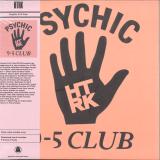
,Psychic 9-5 Club" schlägt ein neues Kapitel HTRK auf. Es ist ein Album, das zurückblickt auf eine Zeit der Traurigkeit und der inneren Kämpfe und das in diesen Kämpfen auf Hoffnung, Humor und Liebe stößt. Es ist das erste Album, das Jonnine Standish und Nigel Yang komplett als Duo aufgenommen haben - ihr ehemaliger Bandkollege Sean Stuart starb mitten in den Aufnahmen zu ihrem letzten Album ,Work (Work, Work)" von 2011. Obwohl ,Psychic 9-5 Club" von den ersten Tönen an nach HTRK klingt - der Gesang von Standish ist noch immer das Hauptaugenmerk des HTRK Sounds, während die Produktion charakteristisch schlank und dubbig ist - lässt sich die Band ausreichend Raum für Experimente. Verschwunden sind die in Hall und Verzerrung aufgehenden Gitarrenexperimente der 2009er Platte ,Mary Me Tonight" und die zerfuzzten Growls, die sich durch ,Work (Work, Work)" zogen. An ihre Stelle tritt etwas zärtlich-samtig Poliertes. Dies ist HTRK, doch ihr Sound wurde entfettet und richtet das Rampenlicht auf die nackten Arrangements und minimalistisches Sound Design. Das Album wurde mit Nathan Corbin von EXCEPTER in den Blazer Sound Studios in New Mexiko aufgenommen, der bereits Regisseur des Videoclips zum Track ,Bendin von ,Work (Work, Work)" gewesen war. Anfang 2013 wurde ,Psychic 9-5 Club" in Australien fertiggestellt und schließlich über den Sommer des Jahres in New York auf Hochglanz poliert. Das Kernthema des Albums ist die Liebe. Das Wort webt sich durch die Texte und Songtitel; die Liebe als Ablenkung, die Eigenliebe und die Liebe zu anderen. ,Psychic 9-5 Club" ist ein Album für den Körper und die Seele.
- A1: Bill Ortiz - Fusion/Noche Cubana
- A2: Born 74 & Onj - Tape Your Beat
- A3: Geew – Still In Love
- B1: Mary Greer Mudiku – Happy Sunrise
- B2: The Sultan's Swing - 46 To Somewhere
- B3: Stefano Di Santis – Unreachable Galaxy
- C1: Charro Band De Emilio Guerrero – Movin
- C2: Somos Amigos - Pa'gozar
- C3: Telmo Fernandez & The Latin Soul Beat - Cuchifrito Pa’ Los Pollos
- C4: Juju – Clã Samba
- D1: Moreen Meriden - Caught In A Fever
- D2: Alfredo Dias Gomes - Samba De Negro
- D3: Alonso Gonzalez & Jazz Latino - Mr Fool
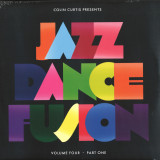
Colin Curtis is back! with another finely curated selection of the best Jazz Dance Fusion records he could find. Volume 4 reflects a combination of new music unreleased music and tracks that have never been on vinyl before or not attained the recognition they deserve. Packed with great Jazz Dance music from the UK and all around the world. The whole purpose of these compilations is to introduce you to fantastic talent and allow you to then go and explore all their works and keep this movement moving!
With brand new & exclusive releases, extremely rare tracks and many only available on Vinyl for the first time from Brazil, Cuba, Japan, Italy, USA, UK and beyond. Showcasing another insight into Colin Curtis's world of Jazz Dance Fusion and highlighting the sheer diversity & talent on offer from Vocal Jazz, Salsa, Latin Spoken Word to Sambas & Fusion, It’s all Here!
- Young Love And Laughter
- Stop Using My Love
- If You Want You Can Be My Girl
- Do You Remember When
- Your Picture
- Catch You On The Rebound
- Some Kind Of Magic
- In My Dreams
- Magic Mary
- Made Me Change My Mind
- Mix Eighths Of Your Time
- Gonna Catch You
The Sha La Das sind Bill Schalda und seine talentierten Söhne Paul, Will und Carmine, die aus Staten Island, New York, stammen. "Your Picture", das zweite Album der Sha La Das und ihre erste Veröffentlichung auf dem Label Diamond West Records des Produzenten Tom Brenneck (Charles Bradley, Menahan Street Band, Lady Wray), ist ein weiteres einzigartiges Zeugnis der mitreißenden Kraft der Harmonie zwischen Blutsverwandten und eine Hommage an die dauerhafte Liebesgeschichte zwischen Bill und der Matriarchin der Familie, Linda. Spuren alter Erinnerungen flimmern durch "Your Picture". Bills klassisches Songwriting und üppige Gesangsarrangements werden in neues Territorium katapultiert und aktualisieren den Doo-Wop mit dem basslastigen Groove und dem wirbelnden Pop von Brennecks schlanker, räumlicher Produktion. "Wir haben einige psychedelische Klänge eingebracht und uns von Deep-Soul-Platten bis hin zu den Beatles und den Beach Boys inspirieren lassen", sagt Brenneck. Liebe strahlt aus "Your Picture" heraus und fließt aus den schimmernden Melodien, die Bill und seine Söhne produzieren, während sie ihren musikalischen Traum leben.
- Fire (Luke 12:49)
- Nature Is A Song
- Springtime (In Australia)
- Mass-Emmanuel
- Messe Du Saint Esprit
- Light (John 8:12)
- O Brother (Matt. 7:1-5)
- Mary Was Here
- Teenager's Chorus
- O Great Mystery (John 6)
- Christ Our King (Col. 1:13)
- Keshukoran
FIRE VINYL[24,79 €]
Fire of God's Love ist das legendäre Album der australischen Nonne Schwester Irene O'Connor aus dem Jahr 1973 - eine aufrichtige, gefühlvolle und unbewusst psychedelische Songfolge, die der Selbstreflexion und dem Erwachen des inneren Geistes gewidmet ist. Das Album ist eine Sammlung von originellen spirituellen Folksongs, die von O'Connor geschrieben und mit Gitarre, E-Orgel, Drumcomputer und ihrer engelsgleichen Stimme interpretiert wurden. Es wurde von ihrer Mitschwester und Toningenieurin Sister Marimil Lobregat auf erstaunlich futuristische Weise aufgenommen und abgemischt. Freedom To Spend bietet die erste autorisierte Neuauflage dieses heiligen Grals seit 1976; das Album wurde mit Sorgfalt und Bedacht aus den besten verfügbaren Quellen restauriert und remastered. Als junge römisch-katholische Nonne im Orden der Franziskanerinnen von Maria begann Schwester Irene 1953 ihre musikalischen Aktivitäten, als sie von Sydney in ein Kloster in Singapur zog und begann, Kinder mit Lernschwierigkeiten zu unterrichten. Nachdem sie sich eine Akustikgitarre zugelegt und drei einfache Akkorde gelernt hatte, blühten Irenes Lieder dank der Begeisterung der Kinder auf. Durch einen glücklichen Zufall arbeitete ein Elternteil eines Schülers bei einem kommerziellen Radiosender in Singapur, und Irene wurde eingeladen, im Studio des Senders aufzutreten und aufzunehmen. Sie ging hin, trug ihre Ordenstracht und hatte ihre Gitarre dabei, und nahm dort 1965 ihren ersten eigenen Song auf. Unter dem Pseudonym Myiriam Frances, um innerhalb ihres Ordens anonym zu bleiben (,Nonnen machten so etwas nicht", bemerkte O'Connor), veröffentlichte Phillips Ende der 1960er Jahre eine Reihe von Platten von Schwester Irene. Im Kloster in Singapur lernte Schwester Irene Schwester Marimil Lobregat kennen, eine Mitbrüderin aus dem Franziskanerorden, die Anfang der 1960er Jahre von den Philippinen auf die Insel gezogen war. Mehr als ein Jahrzehnt später trafen sie sich, wie durch göttliche Fügung, in einem anderen Kloster in Point Piper in Sydney wieder. Marimil, ebenfalls Musikerin und Klangenthusiastin, arbeitete als Audio- und Videotechnikerin beim Catholic Radio and Television Centre in Homebush im Westen Sydneys. Schwester Irene, die treu an ihren musikalischen Fähigkeiten feilte, und Schwester Marimil schmiedeten den Plan, sich an mehreren Sonntagnachmittagen im Zentrum zu treffen und die Lieder zu komponieren, die später auf ,Fire of God's Love" erscheinen sollten. Die Lieder von ,Fire of God's Love" werden von Schwester Irene mit ihrer engelsgleichen Sopranstimme gesungen (mit Texten in Englisch, Latein und Malaiisch) und von Schwester Marimil produziert und auf einem Teac 3340S 4-Spur-Tonbandgerät aufgenommen. Marimil trug maßgeblich dazu bei, die unheimliche Jenseitigkeit zu zaubern, die das Album durchzieht. Die kristallklare Stimme von Schwester Irene wird exquisit von einem schimmernden Mosaik aus Hall und analogen Synthesizer-Klängen umhüllt, während sie wie eine Glocke in der Dunkelheit erklingt und so lange nachhallt, bis die Wahrheit oder das Göttliche erscheint. Themen wie Barmherzigkeit, Gnade, Licht und Geheimnis werden von sanften Akustikgitarrenklängen und ewigen Pianotönen untermalt, die sich langsam auf vibrierenden Fäden drehen. Bei den Songs mit Keyboards spielte Schwester Irene alle Parts live in Echtzeit, einschließlich der Basspedale. Die Drum Machine wurde von derselben Orgel erzeugt, die sie spielte, und gleichzeitig ausgeführt. All dies trägt zu einer Atmosphäre erhöhter Präsenz bei, einem organischen Blitz, der tief aus dem Unterbewusstsein kommt. Entstanden aus Ideen, die in einem ruhigen Kloster und abgeschieden von weltlichen Einflüssen entstanden sind, wird der liturgische Rahmen des Albums durch die innige Hingabe zweier Schwestern gefiltert - ihre eigene Interpretation von Popmusik, befreit von Anmaßung und oberflächlichem Glamour. Der Titel des Albums stammt, wie viele seiner Songs, aus einem Bibelvers, in diesem Fall Lukas 12:49. Aber Schwester Irene und Schwester Marimil haben ihn in einen Raum gebracht, in dem alle spirituell Suchenden die Übertragung oder: ungewöhnliche Hermeneutik schätzen können. Die Texte sprechen universelle Bedürfnisse, Wünsche und Sehnsüchte an: ewige Liebe und Zuneigung, ein Ende der Einsamkeit, eine neue Form der Erleichterung, Befreiung von der Angst vor dem Tod. Anstelle von Hymnenformeln bedient sich Schwester Irene, vielleicht unbeabsichtigt, der damals modischen Folk- und Psychedelic-Musik, um eine Predigt zu halten, die sich wie Liebesbriefe an eine göttliche Präsenz liest und über jede formale Religion hinaus zur Seele spricht. ,Fire of God's Love" ist ein inspirierendes Archiv früher elektronischer Experimente zwischen zwei befreundeten Frauen und Mystikerinnen, eine Dokumentation ihrer göttlichen Energie, die auf disziplinierte Weise kanalisiert wurde. Bei seiner Erstveröffentlichung war es weder ein durchschlagender Erfolg noch ein Misserfolg, sondern wurde vor allem mit Neugierde aufgenommen. Die beiden haben nie wieder gemeinsam Musik gemacht, und in den 50 Jahren seitdem zieht ihre einmalige Zusammenarbeit weiterhin Zuhörer an, die sie in Plattenläden entdecken (sei es die Originalpressung von Phillips oder die klanglich überlegene Neuauflage von 1976 bei Alba House Communications) oder eher über YouTube, als zufällig entdeckter und heiß diskutierter Kultklassiker. Heute lebt Schwester Irene in Sydney, Australien, und freut sich, dass ein neues Publikum in ihrer Musik mit Schwester Marimil einen Sinn findet. Ihre Geschichte ist ein Beweis dafür, dass man nicht viel braucht, um ein visionäres, zeitloses Album zu schaffen: ein Tonbandgerät, Freundschaft und ,The Fire of God's Love", um den Weg in die Zukunft zu ebnen. Das kann ein spiritueller Freund sein oder ein irdischer Begleiter direkt neben einem. Sister Irene O'Connors ,Fire of God's Love" wird am 14. November über Freedom To Spend auf Vinyl, CD und als digitale Ausgabe veröffentlicht.
- A1: Shania Twain– Whose Bed Have Your Boots Been Under?
- A2: Faith Hill– This Kiss
- A3: Brooks & Dunn– Boots Scootin’ Boogie
- A4: Travis Tritt– T-R-O-U-B-L-E
- B1: Tracy Byrd– Watermelon Crawl
- B2: Vince Gill– What The Cowgirls Do
- B3: George Strait– Check Yes Or No
- B4: Reba Mcentire– The Night The Lights Went Out In Georgia
- C1: Terri Clark– Better Things To Do
- C2: Patty Loveless– I Try To Think About Elvis
- C3: Martina Mcbride– Love's The Only House
- C4: Mary Chapin Carpenter– Shut Up And Kiss Me
- D1: Joe Diffie– Pick Up Man
- D2: Rhett Akins– That Ain't My Truck
- D3: Little Texas– God Blessed Texas
- D4: Rednex– Cotton Eyed Joe
- A1: Overture
- A2: A Lover’s Theory Of Value
- A3: Hedonist Arc
- A4: Conversation Pit
- A5: Vaseline Lens
- A6: Blue Of Noon
- B1: Could A Wound Be A Window?
- B2: Haunted Hearts
- B3: Self Control
- B4: The Fool
- B5: Encore
Ein inspiriertes Treffen musikalischer Köpfe erzeugt eine mehrdimensionale Noir-Welt auf diesem luftig-intimen, wunderschönen Kooperationsalbum. Zugleich der Höhepunkt seiner Disciples-Trilogie, treibt Ruth Mascelli (Special Interest) zusammen mit Mary Hanson Scott die paranoiden Torch-Songs des Vorgängers "Non-Stop Healing Frequency" in noch liminalere und abgehobenere Gefilde. Die Songseite ist stärker denn je, während die FX-beschallten Rohrblatt-Klänge von Mary Hanson Scott nicht nur Ruths verführerisches Gesäusel perfekt untermalen, sondern auch ein wolkig-ambientes Klangbett für die Instrumentals bilden, die die Sequenzen zusammenhalten und zu einer wahrhaft emotional mitreißenden Reise formen. Mit Gastauftritten von Jae Matthews (Boy Harsher) und Maria Elena (Special Interest). Im Coverdesign von Brett LaBauve von der Queer-Dance-Party-Institution Gimme A Reason, New Orleans. Zu den Höhepunkten zählt die episch-sehnsuchtsvolle Power-Ballade "Haunted Hearts", das hinreißende Zeitlupen-Cover des Hi-NRG-Pop(per)-Knallers "Self Control" und die zerhackten Rhythmen von "A Lover's Theory Of Value" zwischen abgestumpftem Trip-Hop und Julee Cruise, während "Vaseline Lens" an die elegischen Klagelieder über den Niedergang auf Seite 2 des Debütalbums "A Night At The Baths" erinnert.
- New Day Rising (Live January 30Th, 1985 At First Ave)
- Everything Falls Apart (Live January 30Th, 1985 At First Ave
- The Girl Who Lives On Heaven Hill (Live January 30Th, 1985 At First Ave)
- I Apologize (Live January 30Th, 1985 At First Ave)
- If I Told You (Live January 30Th, 1985 At First Ave)
- Every Everything (Live January 30Th, 1985 At First Ave)
- Makes No Sense At All (Live January 30Th, 1985 At First Ave)
- Terms Of Psychic Warfare (Live January 30Th, 1985 At First Ave)
- Powerline (Live January 30Th, 1985 At First Ave)
- Books About Ufos (Live January 30Th, 1985 At First Ave)
- Broken Home, Broken Heart (Live January 30Th, 1985 At First Ave)
- Diane (Live January 30Th, 1985 At First Ave)
- Hate Paper Doll (Live January 30Th, 1985 At First Ave)
- Green Eyes (Live January 30Th, 1985 At First Ave)
- Divide And Conquer (Live January 30Th, 1985 At First Ave)
- Pink Turns To Blue (Live January 30Th, 1985 At First Ave)
- Eight Miles High (Live January 30Th, 1985 At First Ave)
- Out On A Limb (Live January 30Th, 1985 At First Ave)
- Helter Skelter (Live January 30Th, 1985 At First Ave)
- Ticket To Ride (Live January 30Th, 1985 At First Ave)
- Love Is All Around (Live January 30Th, 1985 At First Ave)
- Don't Want To Know If You're Lonely (Live 1985)
- I Don't Know For Sure (Live 1985)
- Hardly Getting Over It (Live 1985)
- What's Going On (Live 1985)
- Private Plane (Live 1985)
- Celebrated Summer (Live 1985)
- All Work And No Play (Live 1985)
- Keep Hanging On (Live 1985)
- Find Me (Live 1985)
- Flexible Flyer (Live 1985)
- Sunshine Superman (Live 1985)
- In A Free Land (Live 1985)
- Somewhere (Live 1985)
- Flip Your Wig (Live 1985)
- Never Talking To You Again (Live 1985)
- Chartered Trips (Live 1985)
- The Wit And The Wisdom (Live 1985)
- Misty Modern Days (Live 1985)
- Sorry Somehow (Live 1985)
- Eiffffel Tower High (Live 1985)
Hüsker Dü. Live. 1985. Das transzendente Punk-Trio aus Minneapolis in seinem explosivsten Jahr, live aufgenommen auf der Bühne im First Avenue, in der vielleicht am besten klingenden Aufnahme der gefeierten SST-Ära der Band. Diese 4xLP/2xCD-Edition enthält Beau Sorensons Restaurierung der 21 Songs des gesamten Sets vom 30. Januar 1985, dazu 20 zusätzliche Live-Tracks aus dem weiteren Tourneeverlauf des Jahres und ein Deluxe-Booklet mit detaillierten Informationen zu den zwölf geschichtsträchtigen Monaten von Hüsker Dü. Wie klingt eine Legende, in dem Moment, wenn sie geschrieben wird? Betrachtet man das Jahr 1985 durch die dynamische Linse der Independent/DIY-Musik, so gab es Mitte des Jahrzehnts für Hüsker Dü einen kraftvollen und unbestreitbaren Sprint von der rauen Punk-Institution bei SST zur künstlerischen Empathie bei Warner Bros. Die New York Times bezeichnete die Band als "die beste, die aus der Hardcore-Szene hervorgegangen ist". Im Einklang mit diesem Lob zeigte Hüsker Dü ein kreatives Tempo, das in keiner anderen Musikära zuvor oder seitdem jemals erreicht wurde. Nachdem sie im Juli des Vorjahres mit dem Doppelalbum "Zen Arcade" die aufkeimende Alternative-Rock-Bewegung sprengte, veröffentlichte die Band nur sechs Monate später, am 14. Januar 1985, das epochale "New Day Rising" und hörte nie auf, dem Sonnenaufgang über dem Hidden Beach nachzujagen, der das Cover des Albums zierte. Am 30. Januar 1985 erreichte Minneapolis am Abend zum Zeitpunkt des Konzerts -11 °C, was einem gnadenlosen Temperatursturz von 19 Grad gegenüber dem Tageshöchstwert von 8 °C bedeutete. Die 1500 Besucher im First Avenue brauchten jedoch kein T-Shirt, geschweige denn eine Daunenjacke: Von den ersten blendenden Momenten von "New Day Rising" an war klar, dass Bob Mould, Grant Hart und Greg Norton fest entschlossen waren, jedes Molekül im Raum in Brand zu setzen. Ihre Setlist bot eine nächtliche Kaskade von Feuerbällen aus den Alben "Everything Falls Apart", "Metal Circus", "Zen Arcade" und "New Day Rising" sowie fünf neue Songs, die später auf "Flip Your Wig" wieder auftauchen sollten. Außerdem würdigten sie ihre rockigen Vorfahren: mit einer rasanten Version von "Eight Miles High" von The Byrds, einer turbulenten Interpretation von "Helter Skelter" von den Beatles mit Dave Pirner von Soul Asylum, einem Pop-Punk-Remake von "Ticket To Ride" ebenfalls von den Beatles und ihrem charakteristischen Cover von Sonny Curtis' Mary-Tyler-Moore-Titelsong "Love Is All Around" zum Abschluss. Die First-Avenue-Bänder von 1985 zeigen Hüsker Dü in Höchstform mit bereits beliebten Songs, ein paar Jahre bevor sie ihren Status als Blaupause für den kommenden Alternative-Rock-Boom endgültig gefestigt hatten. Dieses Box-Set feiert diese Aufnahmen, die vielleicht die besten Hüsker-Dü-Aufnahmen sind, die während der legendenhaften SST-Jahre der Band produziert wurden. "Wenn ich an diese Zeit zurückdenke", kommentiert Greg Norton, "waren das drei Jungs, die das taten, was sie liebten, Spaß hatten und im Grunde anderen Menschen zeigten, dass man sich selbst treu bleiben kann, seiner Musik treu bleiben kann und sich nicht der Mode oder den Erwartungen beugen muss, um etwas wirklich Großartiges zu schaffen."
Comes with 4 page insert, English and Japanese liner notes and lyrics.
A contemporary folk wonder from Cornwall (Falmouth), England.
"We at EM Records love to transport our listeners to new worlds, other worlds; “Pantilde”, this magical new album from Cornish avant-folk performance artist The Worm, is indeed an ethereal new world: otherworldly, but somehow rooted; an imaginary oral and musical story of everyday village life in an alternative Celtic landscape. The music here is strange yet familiar, fantastical and enchanting while remaining simultaneously attached to the earth. Amy Lawrence, aka The Worm, plays cello, harp, recorders and percussion, accompanying and framing her rich voice, which is often overdubbed into lovely homespun vocal ensembles; they tell song-stories of mythical and mystical village life, of nature and the human relationship with the natural world. The Worm can be considered part of a lineage which includes The Incredible String Band, Shovel Dance Collective, Bridget St John, Dorothy Carter, Vashti Bunyan, Jessica Pratt, Cathrine Howe, Mary Lattimore, Tristwch Y Fenywod and of course many others. “Pantilde”, a time-trip to a dreamlike, pastoral world that nevertheless feels distinctly realized, is a remarkable avant-folk fantasia, co-released with Prah Recordings.
Debut album by Cindy is aptly called I'm Cindy. Produced by Kai Hugo a.k.a. Palmbomen II. Vinyl comes with a 20-page handmade booklet, an individually signed and kissed handkerchief of Cindy (some of them even have her teardrops on them) and a huge fold-out poster! Who exactly is Cindy? If producer Kai Hugo used oblique strategies it would be this question that's been central to his past four years of musical output. First appearing on his 2015 LP Palmbomen II as the titular subject of the track Cindy Savalas, her life has become intertwined with the producer's. "Following that release, I made a music video for Cindy Savalas, where Cindy came to life through the portrayal by Blue LoLan,' Hugo explains. 'I really felt a connection with this character and went deeper into developing who she was and the world she lived in. The result was the creation of the LP Memories Of Cindy, where my goal was to reveal more about Carmel Vista, the town Cindy lived in. Afterwards, I imagined Cindy having her own 'lost' album, as if she had once released a record that was kind of forgotten.' I'm Cindy is altogether different though. It sits at an uncommonly explored intersection between Italo disco and shoegaze - Cocteau Twins and Slowdive are mentioned as influences and you can hear that in the blurred textures and hazy synths of the 13 tracks here. But Hugo also revels in a chance to use his self-created character as a conduit to explore his love of both mainstream pop and its more skewed forms. In many ways the record is as much LoL?n's. It was she who gave the character her voice - initially across 27 tracks recorded with the producer - but her own connection to Cindy runs deeper than that. 'It makes me really nostalgic thinking about everything Cindy went through, she and I have similar feelings' says the vocalist. 'Cindy is a mix of me and Kai so when I listen to the album I feel like I'm half entering Kai's head and half in mine, with a whole bunch of deep emotions, purity and loneliness that just makes me want to dance and cuddle with all my cats in a disco forest somewhere outside of Carmel Vista.'
Debut album by Cindy is aptly called I'm Cindy. Produced by Kai Hugo a.k.a. Palmbomen II. Who exactly is Cindy? If producer Kai Hugo used oblique strategies it would be this question that's been central to his past four years of musical output. First appearing on his 2015 LP Palmbomen II as the titular subject of the track Cindy Savalas, her life has become intertwined with the producer's. "Following that release, I made a music video for Cindy Savalas, where Cindy came to life through the portrayal by Blue LoLan,' Hugo explains. 'I really felt a connection with this character and went deeper into developing who she was and the world she lived in. The result was the creation of the LP Memories Of Cindy, where my goal was to reveal more about Carmel Vista, the town Cindy lived in. Afterwards, I imagined Cindy having her own 'lost' album, as if she had once released a record that was kind of forgotten.' I'm Cindy is altogether different though. It sits at an uncommonly explored intersection between Italo disco and shoegaze - Cocteau Twins and Slowdive are mentioned as influences and you can hear that in the blurred textures and hazy synths of the 13 tracks here. But Hugo also revels in a chance to use his self-created character as a conduit to explore his love of both mainstream pop and its more skewed forms. In many ways the record is as much LoL?n's. It was she who gave the character her voice - initially across 27 tracks recorded with the producer - but her own connection to Cindy runs deeper than that. 'It makes me really nostalgic thinking about everything Cindy went through, she and I have similar feelings' says the vocalist. 'Cindy is a mix of me and Kai so when I listen to the album I feel like I'm half entering Kai's head and half in mine, with a whole bunch of deep emotions, purity and loneliness that just makes me want to dance and cuddle with all my cats in a disco forest somewhere outside of Carmel Vista.'
- Oh Yeah
- Black Wax
- We Don't Need Money To Have A Good Time
- Taking All The Blame
- Mary
- Alright
- Kalifornia
- Popdeath
- Just Like Jude
- Uncertain Joys
- I Need To Feel You Closer
- With You
- Kiss Kiss Bang Bang
- AT 1: Am
- Good Times
- I Won't Let You Down
- Passenger's Side
- I Want To Hear What You Have Got To Say
- You Kill My Cool
- My Heart Is Pumping To A Brand New Beat
- It's A Party
- Love Waiting On You
- Girls & Boys
- Rock & Roll Queen
In 2005, teenage trio The Subways made a phenomenal breakthrough with their Gold-certified debut album "Young For Eternity". It set them on the road to an endless succession of highlights, including their iconic "Rock & Roll Queen" becoming a mainstay of rock radio and streaming playlists. Twenty years on, and now five albums deep into their career, The Subways celebrate their 20th anniversary with the career-spanning collection "When I"m With You". The compilation brings new material too. It includes two new songs: "I Need To Feel You Closer", and "Passenger"s Side". The collection features the band"s work with some of the most influential producers around, including Butch Vig (Nirvana, Foo Fighters), Stephen Street (The Smiths, Blur) and The Lightning Seeds" Ian Broudie (Echo & The Bunnymen, The Coral). The tracks taken from their self-titled album and "Uncertain Joys" were produced by Billy Lunn.