"Love it! Electronic wonkiness at its finest" - Richard Norris (The Grid)
TEA, CAKES AND THE (WO)MAN MACHINE
Curtain Twitcher could only have emerged from Sheffield.
A female electronic duo whose corrupted downtempo post Balearic chug pulses and wobbles, throbs and twitches - full of fat noises and bolshy Moogery.
It's human and appealingly analogue. More Delia Derbyshire's Radiophonic Workshop than DAF, More Tangerine Dream than Depeche Mode. Not your average bloketronica.
Frankly this music doesn't behave itself in any way you might expect. Plugged in post rave pop can be far too orderly. Music should be messy. Even on occasion revealing a tune your mum could hum.
"Leap The Dips" emerged from machine jamming with a creative freedom that only comes from friendship. That friendship is a musical one but it's also real and genuine: "We’ll talk about pretty much owt if you provide the tea and cakes".
quête:mod x
With its 31st release, EYA Records welcomes German producer Dominik Marz for a full solo outing, and the result is a shimmering, synth-laced journey that feels both retro and radically forward-thinking. Beginning to Fly EP is a four-track package that seamlessly balances warmth and drive—making it as suitable for peak-time club energy as it is for the early morning hours when the dancefloor turns inward. From the outset, Marz delivers on the EP’s title. The music feels elevated—each track hovering in that sweet spot between euphoria and control, never overreaching, always gliding. The synth work is lush and textural, channeling a sort of cosmic nostalgia that recalls early ‘90s techno and electro, yet with a sleek, modern production edge.
Das in Australien gegründete und in LA ansässige Duo VOWWS meldet sich mit I'll Fill Your House With an Army zurück, ihrem bisher ehrgeizigsten und am besten umgesetzten Album.
I'll Fill Your House With an Army ist der Höhepunkt der kühnsten Ideen der Band und zeigt, wie VOWWS, bestehend aus Rizz und Matt James, ihre charakteristische „Death-Pop“-Ästhetik vertiefen: eine genreübergreifende Mischung aus industrieller Elektronik, alternativem Rock, cineastischer Nostalgie und melancholischer Pop-Sensibilität. Co-produziert von Billy Howerdel (A Perfect Circle) und mit Gastauftritten von Josh Freese (A Perfect Circle, NIN, Devo) und James „Munky“ Shaffer (KORN), ist das Album eine Reise durch Sehnsucht, Entfremdung und die surreale Schönheit des Chaos.
Dieses Album zeigt perfekt die dynamische Bandbreite des Duos: von verzerrter Intimität bis hin zu gewaltigen Klangattacken reflektieren VOWWS ein zerbrochenes Spiegelbild des modernen Zustands - romantisch, aber desillusioniert, viszeral und doch seltsam erhebend.
Nachdem sie sich durch Touren mit den Deftones, Twin Temple und Poppy bereits eine kultige Fangemeinde erspielt haben und gerade einen bahnbrechenden Live-Auftritt im Golden Gate Park neben System of a Down und The Mars Volta absolviert haben, sind VOWWS bereit, ihr Vermächtnis mit dieser Veröffentlichung zu zementieren. Ihr künstlerisches Ethos, unbeugsam in einer Ära der Wegwerfbarkeit, hat sie auch in die Welt der High Fashion geführt, wo sie mit Comme des Garçons, Givenchy und Byredo zusammenarbeiten.
Munich-based duo Glaskin, brothers Jonathan and Ferdinand Bockelmann, have become pivotal voices in modern techno, known for their residency at the legendary Blitz Club and standout releases on labels like Mutual Rytm and Figure. Their live sets channel dynamic, forward-thinking energy, and now they bring that momentum to FJAAK's ever-expanding CROWD family. With the Blue Light EP, Glaskin deliver four impeccably groovy tracks that balance stripped-down flair and shimmering texture. "Blue Light" opens the EP with mellow synth tones, a lean, hypnotic beat and a vocal loop murmuring 'here we go' that signals the underground journey ahead. Next up is "Captcha", releasing as the single, where a spoken female voice is layered atop rhythmic percussion, marrying atmosphere with groove-driven momentum. On the B-side, "Tape", digs deep into rolling uncompromising techno territory, strict in structure yet irresistibly danceable. The EP rounds out with "Prophat Tool Board", stepping slightly into house-leaning warmth, its broader rhythm and melodic warmth offering a fitting counterpoint to the brooding energy before it. The Blue Light EP is Glaskin's debut on CROWD and a shrewd expansion of the label's sound palette: richly textured techno made for both peak-time impact and immersive listening. To celebrate the release on the label, Glaskin will join label-founders FJAAK for a CROWD night at Nitsa Club in Barcelona on October 10, an event primed to showcase the raw energy and precision behind their studio work. Don't miss this one!
Wahnsinnig authentischer 90er-Jahre-Vaporware-Jazz, kreiert für den Weather Channel von Paul Coleman, einem Chicagoer Bandleader der 60er und 70er Jahre der Bands Fabulous Epics, Rasputin's Stash und Crystal Winds. Es existieren nur 500 Exemplare auf Cloud Coloured Vinyl weltweit.
""Ein Manager des Weather Channel war mit Corky Browns Tochter unterwegs und versprach mir eine Menge Geld, wenn ich Originalmaterial schreiben und dem Weather Channel vorlegen würde. Ich schaltete sofort in Superman-Modus und begann, jeden Tag einen Song zu schreiben und zu programmieren. Ich arbeitete Tag und Nacht daran, diese Songs so schnell wie möglich zu kreieren. Sie wurden ein paar Mal gespielt, bevor der Weather Channel aufgekauft wurde. Aber wir wurden nie bezahlt."" – Paul Coleman 2025
Alina Kalancea's Impedance is an entirely instrumental album spanning four sides, contains powerful rhythmic sequences, heart-beating frequencies and hypnotic loops that are paradoxically encapsulated in carefully crafted compositions which are full of secret passages and hidden doors. Kalancea's work creates ungraspable sonic experiences, which overtakes you, immersing its listeners in powerful and mind-altering soundscapes. There's no quick payoff on Impedance. This is the sound of new, patient electronic music, full of depth and substance.
Alina Kalancea is a Romanian sound artist and composer based in Modena, Italy. She has studied sound design and synthesis with Enrico Cossimi and collaborated with producer Alex Gamez, and artists Julia Kent and Raven Bush. Highly recommended to fans of Eleh, Caterina Barbieri, Shasta Cults, Jessica Ekomane, Eliane Radigue, and Alessandro Cortini. Packaged in a deluxe, heavy duty tip-on gatefold sleeves printed by Stoughton; cut by Golden Mastering and pressed at RTI.
- A1: Broken Steps / Tokyo Ch
- A2: Rebirth - Reboot / Tokyo Ch
- A3: Wired Grace / Tokyo Ch
- A4: Steel And Skin / Tokyo Ch
- A5: Legacy In Limbo / Tokyo Ch
- A6: Beyond / Tokyo Ch
- B1: System Error / New York Ch
- B2: The Dream's Underbelly / New York Ch
- B3: Home Across Borders / New York Ch
- B4: Caught In A Paradox / New York Ch
- B5: Dilemma / New York Ch
- B6: Downfall / New York Ch
- B7: The Breaking Point / New York Ch
- C1: Guarding The Blue / Lagos Ch
- C2: Oceans In Translation / Lagos Ch
- C3: Political Obstruction / Lagos Ch
- C4: Inventing Change / Lagos Ch
- C5: The Plastic Purge / Lagos Ch
- D1: Seeds Of Tomorrow / Rio Ch
- D2: Fading Futures / Rio Ch
- D3: Something New / Rio Ch
- D4: Whistle Against The Storm / Rio Ch
- D5: We Are Human / Rio Ch
C"mon Tigre announces their new instrumental project,Instrumental Ensemble - Soundtrack for Imaginary Movie Vol 1. This album oï¬Çers an alternate view of cinematic music: a soundtrack composed for a fictional film using a challenging and inventive method.This project investigates an alternative approach in which music shapes and guides visual storytelling. It"s the first in a series of albums dedicated to as-yet-unmade films, enabling listeners to explore music as a key component in cinematic narrative. The original story that inspired this music was created in partnership with a large language model, which was taught and instructed in substance and style to best fit the project"s artistic concept. C"mon Tigre works with AI to achieve collaborative harmony while contemplating on the unavoidable future ahead. Each track on the album depicts a scene, delivering stories about humans jugglingpersonal issues and contacts with advanced technology. The end result is a story told by sound and text, designed to immerse listeners in a multisensory universe
Downwards present Alexander Tucker in metamorphosis from psych folk to techgnostic bard, aided by notable guests – Justin K Broadrick, Regis, Phew, Karl D’Silva, JJOWDY, and Elvin Brandhi – in a quest for disordered convention and new thrills. One up to Tucker’s outings for Alter and The Tapeworm, and spiritual successor to his »Nonexistant« trio on Downwards, »Clear Vortex Chamber« is an enigmatic take on the brownfield edgelands where the eldritch intersects electronic heck. Decades of work spread between hardcore punk, psych rock, folk, and drone — including work with Stephen O’Malley (Ginnungap) and Neil Campbell (Astral Social Club, ESP Kinetic) — feed forward into this album’s unsteady machine rhythms and cranky junkyard atonalities, where Tucker panel-beats aspects of his previous sound with a newfound industrial thrust and cyber-punky lust that suits him dead well.
A crafty example of how to mutate without losing sight of yourself, the album’s eight parts feel like a cyborg patching itself into modernity. On opener »Udug« Tucker’s signature falsetto peals from a A Scanner Darkly-style scramble suit of stereo-strobing electronics, setting a melodramatic, neo-gothic tension that riddles the album thru the knotted, fractured industrial dancehall bullishness of »Mallets« with Yeah You’s feral gob Elvin Brandhi, via a pair of standout »Fedbck« parts with Tucker’s personal idol, Justin K Broadrick (Godflesh, Jesu, and the rest), featuring the Brum deity’s claw-handed riffs and howl on the first, and smeared with Karl D’Silva’s brass in its noctilucent second part.
Regis also proves a staunch foil for the album’s most robust, club-ready cut »Zona«, hammered out from buzzing metallic drums and monotone bass drones, and pitting his severed vox against Tucker’s own androgynous harmonies to recall aspects of The Ephemeron Loop via British Murder Boys, whilst scene legend, Can and Ryuichi Sakamoto spar Phew (aka Aunt Sally) ideally tempers the flow in a relatively soothing »Sansu«, sharing more cyber-romantic, recombinant sentiments with the channelling of Robert Wyatt gone Funk Bruxaria on »Folded«.
Fides Records celebrates ten years of independent sound and vision with the monumental 41-track release “FIDES X – 10 Years of Fides”. The first 12” FIDESX 1, set to release on 24th October sets the tone for the seven-part vinyl journey, opening with a powerful statement of intent.
UFO95 introduces “After Light Comes Shadow”, a bleep-infused 4/4 cut whose broken accents unfold into layers of cinematic tension. Z.I.P.P.O and Claudio PRC follow with “Marte Rosso”, a poetic excursion across Martian landscapes shaped by evolving pads and hypnotic grooves. D-Leria’s “Underwater” plunges deeper still, driven by relentless modular propulsion and immersive aquatic textures.
The B-side expands the spectrum. Stephanie Sykes & Dyad contribute an untitled roller infused with spiritual intensity and organ-like resonance, while BIMOL’s “Fragmento en La” twists cinematic atmospheres and industrial edges into broken rhythms guided by a haunting Spanish vocal. Bringing the record to a close, Decoder delivers “We Keep Lying To Ourselves”—a slow-burning, 808-driven piece of subtle progression and timeless elegance
Black vinyl[27,69 €]
Dub techno dons Lempuyang are back with the first double LP from the revered JS Zeiter, an assured artist whose early 12"s merged Chain Reaction's energy with deepchord's immersive depth and made him a modern-day great. Since then, he has spent years refining his craft into a consistently exceptional and sought-after sound across various aliases. Context Collapse marks a significant new chapter with eight expertly designed sounds that offer dub for all occasions, from those zoned out early mornings after a long night at it to more airy and uplifting dreamers like 'Interplay' via cosy, cuddly and introspective gems such as the smooth and seductive 'Open'. JS Zeiter is a true craftsman, as this double pack shows once more.
In between the folds of ceremony and commonality lies a perennial spring of musical expression.
A statement along the time continuum, or a testament to the resilient resourcefulness embedded in that truth, forms the philosophical approach of this album – the first outing of Dídac.
Studying an extensive archive of instruments, artifacts, and field recordings at the Musée d’ethnographie de Genève—a space steeped in folkloric gesture – Dídac encountered a cosmos of liturgical music and folk song. Anchored in reverance for tradition and transformation alike, this album navigates the old-world Mediterranean lore through a post-modern ambient lens, threading drone, gentle rhythm, electroacoustic textures and the crude tactility of archival material into one woven tapestry.
Under the guidance of Dr. Madeleine Leclair, Dídac was invited to work within one of the world’s most extensive ethno- musicological archives—L’AIMP. In the saturated basements and tape-lined backrooms of the museum, he submerged himself in the sounds of ritual and rural life: wax cylinders from the Eastern Mediterranean, tapes of liturgical hymn, the worn edges of communal song.
In a makeshift studio on the fourth floor of the museum, he sifted through the hours of material he collected, gradually discovering that the archive was no static source – It did not dictate; rather, it served as a companion—offering not answers, but questions. Not a beaten track, but a cluster of sonic clues and riddles. Samples do appear occasionally, tenderly interwoven into the dialogue of the songs. In Dídac’s self-titled debut, the past is not worn as ornament or kitsch; it is listened to and responded to. The museum, its archives, and the visit to Geneva became a foundational culisse of sorts, igniting a myriad of rough cuts and improvisational outtakes.
Dídac, or Diego Ocejo Muñoz, was born in Madrid in 1994 to a family of both Catalan and Castilian origin.
Brought up in a religious household, the influence of the Catholic Church innately shaped the social fabric, schooling and daily life. This lingering dominance led the adolescent Diego into a path of rejection of everything sacramental, promptly resorting to subversion in the shape of grafitti, skateboarding and underground music. Only later in life, after a rigorous venture as an acid and electro producer, the Church re-emerged before him in new light, invoking a deep fascination for its mysticism, iconography and choral tradition.
Spain in general and Catalonia in particular, has long served as a crossroads of the eastern–western Mediterranean continuum, with many of its cultures sharing aspects of way of life and ceremony. At the MEG, Diego found himself puzzled with this realization, resulting in a sonic amalgamation that reaches farther away from the rugged mountains of Catalonia than you might perceive at first encounter.
The deeply embedded memory of rite and public ceremony, religious hymn and landscape—sieved through the undercurrent of personal re-emergence, forms the emotional topography of this album. The record does not trace this landscape; it inhabits it. Its repetitive mysticism and ambient, wide-eyed gaze could possibly evoke (perhaps redundant) comparisons to artists such as Dimitris Petsetakis, or Popol Vuh’s late 70’s cinema scores.
The delicate lines between the sacred and the secular – between memory and re-invention – serve as a cipher to understanding this album in its entirety. Titles like Malpàs Mines or Pantocrator’s Portal Outro nudge toward a folkloric and devotional bedrock—places where labor and spirituality coexist, where names preserve both dust and veneration.
Nevertheless, this is far from mere nostalgia. It is a reclamation — singing alongside the spirits of the past, nurturing what still hums beneath the soil. It is an intimate reflection on tradition, rebellion, adolescence, ceremony and fantasy – a pastoral contemplation on what once was and what is to be.
- A1: Millie Jackson - We Got To Hit It Off (Dimitri From Paris Liberated Women Mix) (6 35)
- A2: Street People - I Wanna Get Over (Cosmodelica Remix) (7 50)
- A3: Garland Green - Sending My Best Wishes (The Reflex Version) (6 40)
- B1: The Fatback Band - Night Fever (Kenny Dope Remix) (7 32)
- B2: Joe Simon - Love Vibration (Dj Spinna Remix)) (7 26)
- C1: Macho - Mucho Macho (Kenny Dope Mix) (7 42)
- C2: Fatback Band - Snake (Joaquin Joe Claussell Sacred Rhythm Version) (9 26)
- C3: Millie Jackson - Don’t Send Nobody Else (A Magnus Frykberg & Kenny Dope Joint) (3 01)
- D1: The Joneses - Love Contest (Dave Lee Mini Disco Mix) (3 11)
- D2: The Fatback Band - Groovy Kind Of Day (Opolopo Remix) (7 21)
- D3: Joe Simon - I Wanna Taste Your Love (Smooth Vocal Mix) (6 18)
Spring Revisited pays us a respectful revisit this autumn as a full double LP on Acid Jazz, Ace Records and Cosmos, pinching the celebrated 12" singles into one power-punchy grab bag. Spring, founded in late 60s New York by Bill Spitalsky with Roy and Julie Rifkind, became a 70s soul powerhouse, home to such dance music pioneers Millie Jackson, Joe Simon and The Fatback Band. Their collegiate creations were of course ripe for modern reinterpretation - a fated intention - and as recently as 2025 saw DJs and producers pull them apart and reappraise them for modern floors: Dimitri From Paris turned Jackson's 'We Got To Hit It Off' into a stout summer anthem, Joaquin 'Joe' Claussell reimagined Fatback's 'Snake', and Kenny Dope, Dave Lee, DJ Spinna, Opolopo, Colleen 'Cosmo' Murphy and others added their own ensouled spins.
An electrified meeting of minds, Candy Girl is a lost 1975 session by jazz pianist Mal Waldron, recorded in Paris with core members of the mighty Lafayette Afro Rock Band, the American funk unit who had made France their home and whose deep grooves would later be mined by generations of hip-hop producers.
By 1975, Waldron was a decade into his self-imposed exile from the United States—a transformed musician who had reassembled his sound in Europe and Japan after a devastating breakdown in the early '60s. His post-1969 output had stripped jazz down to its core elements: modal intensity, locked grooves, and hypnotic repetition. Candy Girl doesn’t interrupt this trajectory—it extends it, wrapping Waldron’s minimalist mantras around the funked-up chassis of the Lafayette rhythm section.
Originally released in microscopic quantities on the Calumet label and long shrouded in obscurity, Candy Girl was recorded spontaneously in the studio of French producer Pierre Jaubert, whose Paris HQ had become the workshop for both avant-garde jazz (Archie Shepp, Art Ensemble of Chicago, Steve Lacy) and psychedelic funk (Lafayette Afro Rock Band AKA Ice). This session finds Waldron jamming freely with bassist Lafayette Hudson, drummer Donny Donable, and keyboardist Frank Abel on clavinet, Moog and more—laying down raw, unfiltered instrumental funk with an experimental edge.
Highlights include the low-slung vamp of “Home Again”, the crisp, break-laden groove of “Red Match Box”, and the mesmeric swirl of the title track “Candy Girl” —a minor-key electric piano waltz with hints of cosmic soul. There's even a deep cut for the crate diggers: the somber yet meditative “Dedication to Brahms”, where Waldron deconstructs the Romantic composer’s third symphony into a sparse jazz reverie.
Unlike his polished sessions for Japanese labels or the avant-garde swing of his earlier Prestige work, Candy Girl feels more spontaneous, even accidental — and that’s part of its power. It’s a document of Waldron as bandleader, collaborator, and explorer, captured in the midst of a vibrant, cross-cultural scene in mid-70s Paris. Never officially issued with a cover and barely released at all, Candy Girl is a rare convergence of two underground traditions: Waldron’s Euro-exile electric jazz and the raw, sampled-future funk of the Lafayette Afro Rock Band. Now finally resurfaced, it deserves its rightful place in both stories.
- Burying Luck
- Ice Monster
- Knights
- White Mystery
- Dr. L'ling
- Part 2
- Throwin' Shapes
- When We Escape
- Double Vision Quest
- Lotus
Following the success of Highly Refined Pirates' forward-thinking guitar gymnastics and Menos El Oso's groundbreaking glitch rock, Seattle's premier pop revisionists Minus The Bear dug into some of rock music's most ostentatious years for inspiration for their 2007 album, Planet of Ice. The title alone conjures images of Yes's Relayer album art, and the influence of the elder statesmen's symphonic scope can be felt throughout Planet of Ice's lush and intricate arrangements. You can also hear the band channel the ominous instrumental interplay of Lamb-era Genesis on "Dr. L'Ling", the deceptively savvy musicianship and pristine production of Steely Dan on "White Mystery", and the tightrope walk between ethereal space and pre-metal riffage of Pink Floyd's "Echoes" on "Lotus". Not that Minus The Bear completely abandoned their earlier style_elements of Menos El Oso's sample-driven technique can be heard on the lead single "Knights". But the heart of the song ultimately belongs to the haunting Fripp-esque guitar lines spliced between verses. After being out of print on record since 2010, Suicide Squeeze is proud to reintroduce Planet of Ice's creative marriage of classic motifs and modern musical wizardry with a vinyl remaster courtesy of Bernie Grundman.
- A1: 3 Ecken Ein Elvers
- A2: Am 1.Mai
- A3: Blau An Der Küste
- A4: Arschkanone
- A5: Cpt Käse
- B1: 18:09 Uhr, Mist Verlaufen
- B2: Gehen Sie Über B
- B3: U-Boot Manöver
- B4: Rache Für Mautze
- B5: Wieso Herbst
- B6: Noch Ein Gedicht
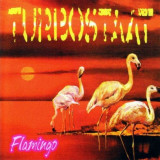
Turbostaat - Role Model für eine ganze Generation deutschsprachiger Post-Punk-Bands - feiert das 25-jährige Bandbestehen mit der Wiederveröffentlichung ihres Katalogs über das bandeigene Label 18Null9. 'Flamingo', das ursprünglich 2001 veröffentlichte Debütalbum, erscheint auf 180g schwerem Vinyl mit großem Textheft im Orginal-Artwork.
- A1: M - Eine Stadt Sucht Ihren Mörder
- A2: Die Stulle Nach Dem Schiss
- A3: Es Fehlte Etwas Im Zweiten Karton
- A4: Prima Wetter
- A5: Pop National
- A6: Monstermutter
- B1: Holland In Not
- B2: Warten Auf Flitzi
- B3: Peterantjasiensön
- B4: Trauertränen
- B5: Charles Robotnik Seine Frau
- B6: Schwan
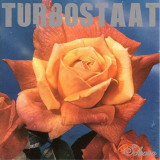
Turbostaat - Role Model für eine ganze Generation deutschsprachiger Post-Punk-Bands - feiert das 25-jährige Bandbestehen mit der Wiederveröffentlichung ihres Katalogs über das bandeigene Label 18Null9. 'Schwan', ursprünglich 2003 veröffentlicht, erscheint auf 180g schwerem Vinyl mit großem Textheft im Orginal-Artwork.
- Ltd LP: (180g, inkl. Textheft im 7" Format)
illo.trio is a young ensemble and a representative of the modern jazz scene in the spirit of British group GoGo Penguin and Swedish trio E.S.T.
The band explores an unconventional and fresh sound. In their work, they combine elements of classical and pop music, jazz and minimalism, neo-classical influences, and even post-rock. Familiar musical formulas take on anew, unexpected character.
Band members:
-Nikolay Khomenko - keyboards
-Alexey Bausin - double bass
-Viktor Kulish - drums
- Riparian A
- Riparian B
Eyvind Kang ist Komponist und Bratschist, dessen Werk experimentelle, klassische und traditionelle Musikformen umfasst. Zu seinen Kollaborationen zählen unter anderem Jessika Kenney, Bill Frisell, Laurie Anderson, Bennie Maupin, Stuart Dempster, Sun City Girls und SUNN O))). Kang ist bekannt für seine Erkundungen der Mikrotonalität, der modalen Improvisation und des Klangrituals. Seine Werke wurden weltweit auf führenden Festivals und Veranstaltungsorten präsentiert. Kang ist derzeit Fakultätsmitglied am CalArts und unterrichtet Komposition und experimentelle Klangpraktiken. Seit über dreißig Jahren erforscht Eyvind Kang die verschwommenen Grenzen zwischen Komponist, Interpret und Zuhörer. Auf Riparian präsentiert er eines seiner bisher intimsten und fokussiertesten Werke: zwei Langformstücke für Viola d'amore, improvisiert innerhalb mikrotonaler Systeme, die er während der Pandemie entwickelt hat. Kang bezeichnet diese Improvisationsmethode als ,Riparian" und beschwört damit das Bild eines Flusses herauf, der in verschiedene Richtungen überquert wird - fließend, nichtlinear und lebendig mit subtilen Variationen. ,Ich stellte mir Pizzicato und Arco wie das Springen von Stein zu Stein in einem Bach vor", sagt er. ,Es gibt eine geerdete Zufälligkeit, wie bei einem Frosch oder einer Schildkröte, die sich zwischen Land und Wasser bewegt." Jedes Stück auf Riparian ist eine erste Aufnahme, die im Studio als Teil dessen aufgenommen wurde, was Kang als ,eine Art Geschichtenerzählen unter gleichgesinnten Freunden" bezeichnet. Das Ergebnis ist Musik, die mit stiller Intensität und emotionaler Klarheit fließt und Melodien entfaltet, die sich sowohl uralt als auch lebendig präsent anfühlen. Produziert und aufgenommen von Randall Dunn (SU NN O))), Omar S ouleyman, Kali Malone) produziert und aufgenommen, fängt Riparian die volle Resonanz der Viola d'amore in einem reichen, dimensionalen Klang ein. Dunns Handschrift verleiht Kangs lyrischer Phrasierung Wärme und Transparenz und offenbart subtile Klangtexturen, die ein tiefes Hören belohnen. Meditativ und ausdrucksstark zugleich lädt Riparian den Hörer in einen Raum ein, in dem die Zeit weicher wird und Klang zu einer Form der Einstimmung wird .
- Retinal Rivalry
Retinal Rivalry ist der Soundtrack zu Cyprien Gaillards neuem stereoskopischen Film Retinal Rivalry (2024). ,Es ist eine faszinierende Reise durch die deutsche Stadtlandschaft und ihre vielschichtige historische und soziale Bedeutung. Aufbauend auf seiner früheren Erforschung der skulpturalen Qualitäten dreidimensionaler bewegter Bilder geht das Werk über die Grenzen der Leinwand hinaus. Durch die Ausschöpfung des vollen Potenzials modernster Technologie bietet Gaillard eine erweiterte, geschärfte und tief bewegende neue Sicht auf die Welt um uns herum. Retinal Rivalry ist nach dem Phänomen der visuellen Wahrnehmung benannt, das auftritt, wenn das Gehirn zwei widersprüchliche Bilder gleichzeitig empfängt. Anstatt zu einem 3D-Bild zu verschmelzen, wechselt das neuronale System zwischen der Priorisierung des einen Bildes und der Unterdrückung des anderen, was beim Betrachter Verwirrung und Unbehagen hervorruft. Gaillards Film setzt sich mit diesen Komplexitäten der visuellen Verarbeitung und den Grenzen der Technologie auseinander und sammelt visuelle Informationen durch außergewöhnliche, oft augenzwinkernde Aufnahmen, die das Innere und das Äußere, das Eingeschlossene und das Verstreute sowie das Natürliche und das Gebaute miteinander verflechten. Seine Kamera nimmt ungewöhnliche Blickwinkel ein, wechselt von sanften Luftperspektiven zu einem niedrigen Blickwinkel aus der Perspektive eines Nagetiers, zu schwindelerregenden Ein- und Ausblendungen auf der knolligen Nase einer Skulptur oder zu einer langen Einstellung eines Zuges, der durch eine Landschaft fährt, und zieht uns in eine vielschichtige Erfahrung hinein, die zwischen einem schlechten Trip und unerwarteter Schönheit, die Trost spendet, schwankt. In ,Retinal Rivalry" deuten verschiedene Treppen, Spiralen und Aufzüge auf einen Zustand des ständigen Auf- und Abstiegs hin und betonen das Wechselspiel zwischen Distanz und Nähe, abgrundtiefer Tiefe und lebendiger skulpturaler Darstellung. Der Film pulsiert rhythmisch mit Bildern, die anschwellen und sich zusammenziehen, sich aufblähen und entleeren. Er manipuliert das Gefühl der Zuschauer für Tiefe, Maßstab und Textur und lässt vertraute Materialien und Orte unheimlich erscheinen, wobei er die inhärenten Ungenauigkeiten und Verzerrungen der Darstellung hervorhebt. ,Retinal Rivalry" zeichnet die gewöhnliche Welt in großartigen Details auf und versucht dabei, unter die Oberfläche der Dinge zu blicken. Der Film ist eine Darstellung von Raum und Zeit, die Darstellungsweisen destabilisiert und eine neue Hyper-Vision-Version der Realität bietet. Mit 120 Bildern pro Sekunde aufgenommen und mit derselben Geschwindigkeit projiziert - fünfmal so schnell wie im Kino üblich - fängt Gaillard mehr ein, als das menschliche Auge natürlich wahrnehmen kann. Die Filmmusik greift auf verschiedene klangliche Elemente zurück und unterstreicht so die Erforschung von Dissonanz und Synchronität. Indonesische Instrumentalmusik wird überarbeitet und mit Feldaufnahmen von rumpelnden schweren Maschinen und seltsam melodischem Würgen kombiniert. Der Soundtrack enthält auch die ersten Zeilen aus Werner Herzogs Aguirre, der Zorn Gottes (1972) sowie die dazugehörige Ouvertüre der deutschen Band Popol Vuh. Die Klanglandschaft von Retinal Rivalry steht im Kontrast zu den Bildern - was wir sehen, steht oft im Widerspruch zu dem, was wir hören. Nur in einem Abschnitt verschmelzen Ton und Bild: Ein gebrochenes Bein betätigt das Pedal einer interaktiven Orgel, um ein Stück von Johann Sebastian Bach zu spielen, das immer wieder ins Stocken gerät.
- Eins Ist Geblieben (Feat. Reinhard Mey)
- Alchemie
Ein Vierteljahrhundert Punkrock mit Ruhrpott-Attitüde, charismatischen Texten und ehrlicher Musik mit dem gewissem Charme - Emscherkurve 77 feiern 2025 ihr 25-jähriges Bandjubiläum. Und wie! Am 30.Oktober erscheinen zwei brandneue Songs in der Königsklasse "10inch-Vinyl", die nicht nur musikalisch, sondern auch zeitlich ein echtes Highlight sind. Denn zum Jubiläum haben sich die Jungs, bei "Eins ist geblieben" eine ganz besonderen Gast (und sogar Fan) ins Boot geholt: Reinhard Mey. Ja, der Reinhard Mey! Die unerwartete, aber umso kraftvollere Kollaboration zeigt, was passiert, wenn Punk und Liedermacher auf Augenhöhe zusammenkommen: Kein billiger Crossover, sondern gelebte Solidarität zwischen Generationen und Genres, die verbindet. Reinhard Mey hat seine erste Single zwar schon vor exakt 60 Jahren veröffentlicht, da lagen die Sex Pistols und Die Toten Hosen noch in ihren Windeln und die Jungs von Emscherkurve 77 waren noch lange nicht einmal geboren, aber er war schon da und ebnete diesen Weg mit seiner freundlichen Radikalität: Niemands Herr und niemands Untertan! "Eins ist geblieben" von Emscherkurve 77 im Duett mit Reinhard Mey ist somit nicht nur nicht verwunderlich, sondern absolut naheliegend, ja sogar überfällig. Der Generationenunterschied ist irrelevant, die Geisteshaltung, die Freiheitsliebe, das Misstrauen gegen jede Machtfülle und die Demut vor dem Leben eint sie alle: "Dem Himmel sei Dank; für immer ein Punk!" Der zweite Song "Alchemie" ist ein klassischer Emscherkurve 77-Song im modernen Gewand. Ein Song über das Leben, der eine Brücke baut von der Kindheit bis ins "Jetzt" , verbunden mit der klaren Botschaft, dass man jede Phase des Lebens genießen sollte und zufrieden zu sein. Die EP erscheint als 10inch Vinyl auf 500 Exemplare streng limitiert, davon 100 black und je 200 colored (Swirl & Splatter) Feiern wir 25 Jahre Emscherkurve 77 - und eine der ungewöhnlichsten und spannendsten, musikalischen Allianzen des Jahres!