quête:model 3

Genres
Tout
Various - ANTONIO CARLOS & JOCAFI JID026
  • Rala-Bucho
  • Canarin Da Alemanha
  • Menina Do Toror
  • T Com Medo Por Qu?
  • Bacax
  • Quixod
  • Um Abraço No Adrian
  • Nunca Mais Feat. Loren Odeon
  • Loca Pasin Feat. Loren Odeon
également disponible

GREEN VINYL[26,01 €]


Antônio Carlos & Jocafi, das legendäre Duo aus Bahia, dessen Musik seit über fünf Jahrzehnten den Soul Brasiliens verkörpert, kehrt mit einer kühnen neuen Zusammenarbeit zurück: Jazz Is Dead 026. Beto Barreto von Baiana System stellte Adrian Younge und Ali Shaheed Muhammad vor, und die Begegnung war sofort von Magie geprägt. ,Als wir uns zum ersten Mal trafen, war es wie bei einer Familie", erinnern sie sich. Diese Verbundenheit veranlasste Younge und Muhammad, das Duo nach Los Angeles einzuladen, wo sie eine Handvoll Ideen mitbrachten und vor Ort neue Songs schufen - ein intuitiver, improvisatorischer Prozess, der die Philosophie von Jazz Is Dead ausmacht. Mit dieser Veröffentlichung bekräftigen Antônio Carlos & Jocafi ihre kreative Vitalität und bringen gleichzeitig einer neuen Generation ihren zeitlosen bahianischen Geist näher. ,Adrians Liebe zu Brasilien ist größer als die vieler Brasilianer", sagen sie und betonen, wie aufmerksam er zuhört, studiert und die Rhythmen, Geschichten und Gefühle ihrer Kultur vermittelt. Das Ergebnis ist ein Album, das eine Brücke zwischen dem Mercado Modelo in Salvador und der globalen Bühne schlägt und die folkloristischen Traditionen Bahias mit der analogen Seele von Jazz Is Dead verwebt.

pré-commande03.04.2026

il devrait être publié sur 03.04.2026

23,49
Various - ANTONIO CARLOS & JOCAFI JID026

Various

ANTONIO CARLOS & JOCAFI JID026

12inchJIDLPC126
Jazz Is Dead
03.04.2026out soon

Antônio Carlos & Jocafi, das legendäre Duo aus Bahia, dessen Musik seit über fünf Jahrzehnten den Soul Brasiliens verkörpert, kehrt mit einer kühnen neuen Zusammenarbeit zurück: Jazz Is Dead 026. Beto Barreto von Baiana System stellte Adrian Younge und Ali Shaheed Muhammad vor, und die Begegnung war sofort von Magie geprägt. ,Als wir uns zum ersten Mal trafen, war es wie bei einer Familie", erinnern sie sich. Diese Verbundenheit veranlasste Younge und Muhammad, das Duo nach Los Angeles einzuladen, wo sie eine Handvoll Ideen mitbrachten und vor Ort neue Songs schufen - ein intuitiver, improvisatorischer Prozess, der die Philosophie von Jazz Is Dead ausmacht. Mit dieser Veröffentlichung bekräftigen Antônio Carlos & Jocafi ihre kreative Vitalität und bringen gleichzeitig einer neuen Generation ihren zeitlosen bahianischen Geist näher. ,Adrians Liebe zu Brasilien ist größer als die vieler Brasilianer", sagen sie und betonen, wie aufmerksam er zuhört, studiert und die Rhythmen, Geschichten und Gefühle ihrer Kultur vermittelt. Das Ergebnis ist ein Album, das eine Brücke zwischen dem Mercado Modelo in Salvador und der globalen Bühne schlägt und die folkloristischen Traditionen Bahias mit der analogen Seele von Jazz Is Dead verwebt.

pré-commande

Cet article n'a pas encore été publié. Vous pouvez pré-commander le produit maintenant.

26,01
STARLIGHT ASSEMBLY - THERE WILL BE FIREWORKS

The London based singer and keyboard player Dominic Appleton, known since the early eighties for his musical activity in the post punk/dream pop band Breathless, and perhaps even more for his vocal contributions to the legendary This Mortal Coil project on 4AD, joins forces with the Milanese producer and sound artist Matteo Uggeri, active from 1993 behind several projects spanning from industrial to post-rock and ambient soundscapes, known for collaborating with artists such as Maurizio Bianchi, Nocturnal Emissions, Controlled Bleeding, De Fabriek, OvO, Giuseppe Ielasi, Lau Nau, Giulio Aldinucci and many more.

Starlight Assembly’s first album, “Starlight and Still Air”, was released in 2021 by the American label Beacon Sound. In Italy the album received amazing reviews in all four of the main music monthlies. It was album of the month in Blow Up and Rockerilla ran a four page interview. Several articles and reviews were made, including a special issue on Foxy Digitalis by Brad Rose.

A remix project was launched afterwards, including old and new friends and fans of the two S.A. members: among the others, Robin Rimbaud/Scanner, Auscultation, Gabriel Saloman (Yellow Swans), Patricia Wolf, Insides, Julia Sabra with Fadi Tabbal, Sawako and Pan American.

The new album, “There Will Be Fireworks”, continues the duo’s complex cross-genres approach to music by melding Uggeri’s intricate musical textures with Appleton’s sweet and melancholic melodies, in this case even supported by the haunting guitars of Gary Mundy (in Breathless as well but also in Ramleh and Broken Flag’s label manager). The tracks on this album are more songlike, the journey more cohesive, with the artists playing more to one another’s strengths. The mastering will be done by Martin Bowes/Attrition, making it even more powerful and clean for its publication on Silentes (ex-Amplexus), historic italian label well known for releases by Rod Modell, Gigi Masin, Dirk Serries, Eraldo Bernocchi, Merzbow, Fabio Orsi and the latest releases by AUBE and much more.

1) WAIT FOR THE WORLD
2) TIME
3) THIS DESERT
4) ALL THE LOVE THE STANDS BESIDE US
5) MOTH TO THE FLAME
6) FRICTION
7) SYMPHONY IN MELANCHOLY
8) THE NOT DEAD
9) RELIEF
+
10) THERE WILL BE FIREWORKS (ghost track)

pas en stock

Commandez maintenant et nous commanderons l'article pour vous chez notre fournisseur.

23,74

Derniere entrée: 19 jours
Byard Lancaster - Us

Byard Lancaster

Us

12inchFFL094
SouffleContinu Records
27.03.2026out soon

'At the beginning of the 1960s, at the Berklee College of Music, Byard Lancaster met some feisty friends: Sonny Sharrock, Dave Burrell and Ted Daniel. It is easy to see why he rapidly became involved in free jazz. Once he was settled in New York, he appeared on Sunny Murray Quintet, recorded under the leadership of the drum crazy colleague of Albert Ayler.
'In 1968, the saxophonist and flutist recorded his first album under his own name: It’s Not Up To Us. The following year he came to Paris in the wake of… Sunny Murray. He would come back to France in 1971 (again with Murray) and in 1973 (without Murray for a change). This is when he met Jef Gilson, the pianist and producer who encouraged him to record under his own name again. On Palm Records (Gilson’s label), he would release four albums: Us, Mother Africa, Exactement and Funny Funky Rib Crib.

'Us, the first of the four records was recorded on November 24th, 1973 with Sylvin Marc on electric bass (a Fender… Lancaster?) and the evergreen Steve McCall on drums.
'On the album, the trio works from the John Coltrane model; free jazz shook up by the timely contributions of the bassist, followed by a mesmerizing atmospheric music. Then, Lancaster delivers a sinuous solo path, which is a reminder of his unique tone. On the album’s companion single, the trio launches into great black music of a different genre which would lead the clairvoyant François Tusques to claim that Byard Lancaster is an “authentic representative of soul/free jazz”, to sum up this is Great Black Music!'

pré-commande

Cet article n'a pas encore été publié. Vous pouvez pré-commander le produit maintenant.

27,94
DAVID GRAY - NIGHTJAR
  • 1: When I Fall In Love
  • 2: Money
  • 3: The Easy Way Out
  • 4: Nightjar
  • 5: Green Light
  • 6: Mr. Bennett
  • 7: Long Gone Now (Alt Version)
  • 8: Everybody's Leaving Town (Drum Delay Mix)
  • 1: Alive
  • 2: Poor John
  • 3: Wave
  • 4: Sacred Ground (Alt Version)
  • 5: The Golden Ray
  • 6: Far From Here
  • 7: A Model Life / My Angel Now
  • 8: Madder Rain
  • 9: Laughing Gas (2004 Version)
  • 10: Side Effects (May Also Include)
  • 11: The Final Order

David Grays ,Nightjar" erscheint als Begleitwerk zur 20-jährigen Jubiläumsausgabe von ,Life in Slow Motion"; eine Sammlung von 19 bisher unveröffentlichten Songs. ,Nightjar" entstand aus denselben Songwriting-Sessions wie ,Life in Slow Motion" und ist ein Schatzkästchen mit klassischen David-Gray-Songs, aber auch experimentelleren Stücken und unerwarteten Wendungen.

pré-commande27.03.2026

il devrait être publié sur 27.03.2026

27,31
Selofan - Vitroli LP

Selofan

Vitroli LP

12inchFP025-D
Fabrika Records
27.03.2026
  • 1: Give Me A Reason
  • 2: Billie Was A Vampire
  • 3: Black Box
  • 4: I'm Addicted
  • 5: Ist Die Liebe Tot?
  • 6: Un Amor Eterno
  • 7: The Language Of Love
  • 8: Living Scandal
  • 9: Βιτριόλι - Vitrioli
  • 10: Φούξια Χαμαιλέων - Fuchsia Chameleon
  • 11: Η Μοναξιά Είναι Της Μόδας - Loneliness Is In Fashion
  • 12: Υστερία - Hysteria
également disponible

Black / White Splatter Vinyl[25,17 €]


As Selofan's fifth studio album, Vitrioli, from 2018, is a testament to the tragedy of life. The Greek duo, Joanna Pavlidou and Dimitris Pavlidis, who recorded the album in the Fabrika Records home studio, continue on in their poetic, but heartbreaking, music set to a dance beat. Between languages (Greek, English, German, and Spanish), Selofan feels on the brink of mania with Vitroli. However, the madness is controlled, the songs are restrained hysterics that culminate into the alchemic perfection of the band's specific moody sound.
From synthpop to synthpunk elements, the twelve-track LP leads listeners through dark corridors and into haunted, empty beds. There is a resignation to a doomed destiny with Vitroli—a trait that connects all Selofan releases—as a bitter pain and loneliness that cannot, or will not, subside.

The album begins with "Give Me a Reason" whose lyrics feel universal in this day and age: Give me a reason, to get out of bed / I could just watch the ceiling instead. Its heartbreak is profound as bells and voice pads echo under Joanna's voice. The adjacent music video for the song was directed by Dimitris Chaz Lee, and the band describes the video as "depicting the fragile nature, conflicts, emotional demands, and vulnerability of each person in a relationship."
"Billie Was a Vampire" is a story about an undead creature who works at a nightclub followed by the urgency of "Black Box." Brass sounds moan against the fast beat and suggest a frenzied need to escape.

"I'm Addicted" became the second single for the LP. I am addicted, you are mine, Joanna demands of the lover. The music video, also directed by Dimitris Chaz Lee, depicts a clean, white photoshoot primed for the most beautiful creatures of the Athenian wave scene. Alex Macharias, from the legendary Greek band In Trance 95, acts as the photographer for the session, as the models pose and flail under the bright bulbs. The director states: "Addiction is a mental state, something inside all of us. It altered our perception and created a parallel world of avant-garde beings and flashy lights making us part of this everlasting bond."

pré-commande27.03.2026

il devrait être publié sur 27.03.2026

25,17
Selofan - Vitroli LP

Selofan

Vitroli LP

12inchFP025-E
Fabrika Records
27.03.2026

As Selofan's fifth studio album, Vitrioli, from 2018, is a testament to the tragedy of life. The Greek duo, Joanna Pavlidou and Dimitris Pavlidis, who recorded the album in the Fabrika Records home studio, continue on in their poetic, but heartbreaking, music set to a dance beat. Between languages (Greek, English, German, and Spanish), Selofan feels on the brink of mania with Vitroli. However, the madness is controlled, the songs are restrained hysterics that culminate into the alchemic perfection of the band's specific moody sound.
From synthpop to synthpunk elements, the twelve-track LP leads listeners through dark corridors and into haunted, empty beds. There is a resignation to a doomed destiny with Vitroli—a trait that connects all Selofan releases—as a bitter pain and loneliness that cannot, or will not, subside.

The album begins with "Give Me a Reason" whose lyrics feel universal in this day and age: Give me a reason, to get out of bed / I could just watch the ceiling instead. Its heartbreak is profound as bells and voice pads echo under Joanna's voice. The adjacent music video for the song was directed by Dimitris Chaz Lee, and the band describes the video as "depicting the fragile nature, conflicts, emotional demands, and vulnerability of each person in a relationship."
"Billie Was a Vampire" is a story about an undead creature who works at a nightclub followed by the urgency of "Black Box." Brass sounds moan against the fast beat and suggest a frenzied need to escape.

"I'm Addicted" became the second single for the LP. I am addicted, you are mine, Joanna demands of the lover. The music video, also directed by Dimitris Chaz Lee, depicts a clean, white photoshoot primed for the most beautiful creatures of the Athenian wave scene. Alex Macharias, from the legendary Greek band In Trance 95, acts as the photographer for the session, as the models pose and flail under the bright bulbs. The director states: "Addiction is a mental state, something inside all of us. It altered our perception and created a parallel world of avant-garde beings and flashy lights making us part of this everlasting bond."

pré-commande27.03.2026

il devrait être publié sur 27.03.2026

25,17
ANJIMILE - YOU'RE FREE TO GO
  • You're Free To Go
  • Rust & Wire
  • Waits For Me
  • Like You Really Mean It
  • Turning Away
  • Exquisite Skeleton
  • The Store
  • Ready Or Not
  • Point Of View
  • Afarin
  • Destroying You
  • Enough

Der US-amerikanische Musiker Anjimile Chithambo (ann-JIM-uh-lee) hat sich in den vergangenen Jahren als eigenständige Stimme etabliert. In der Indie-Szene Bostons bekannt geworden, entwickelte er einen persönlichen, ehrlichen Stil, der Spiritualität, Identität und Nähe miteinander verbindet. Mit dem gefeierten Album "Giver Taker" (2020) setzte sich Anjimile mit Zugehörigkeit und Selbstverständnis auseinander. "The King" (2023), sein erstes Album auf 4AD, thematisierte Selbstbestimmung und seine Erfahrungen als schwarze Trans-Person in einer Zeit tiefgreifender persönlicher und gesellschaftlicher Veränderungen. Diese Themen führt Anjimile auf seinem neuen Album "You"re Free to Go" weiter. Im Mittelpunkt steht die Frage, was geschieht, wenn man Kontrolle loslässt und neue Formen von Bindung und Freiheit zulässt. Das Album verarbeitet Trennungen, neue Beziehungen, Verluste und Neuanfänge und beschreibt einen Weg zurück zu Vertrauen ins eigene Leben. Der Titel spiegelt eine offenere Sicht auf Beziehungen wider, geprägt durch Erfahrungen mit non-monogamen Modellen. Produziert von Brad Cook (Bon Iver, Waxahatchee) und unterstützt von Gästen wie Sam Beam (Iron & Wine), entfaltet sich "You"re Free to Go" organisch und intim. Musikalisch verbindet Anjimile Folk mit Alternative-Pop-Einflüssen der späten 1990er-Jahre. Auch stimmlich zeigt er sich weiterentwickelt - eine bewusste Veränderung, die der emotionalen Tiefe des Albums zusätzliche Kraft verleiht.

pré-commande13.03.2026

il devrait être publié sur 13.03.2026

23,32
B. CLOSE - "B. CHAMBER (STRATUM A)"

B. Chamber (Stratum A), by B. Close, is the first full length solo release by Los Angeles-based multi-disciplinary artist Brian Close. The first of two volumes assembled from some thirteen hours of music produced by Close while residing in Connecticut from 2021-2025, B. Chamber (Stratum A) offers a vivid, fractal afterimage of a prolific, specific time and space in the artist’s oeuvre.

After leaving New York City early in the pandemic to a farmhouse in the countryside with dedicated spaces for multiple sound stations, Close developed an intensive daily practice of melding with the machines. The vast, pastoral backdrop of rural CT provided inspiration and contrast for his ongoing investigations into dynamic, poly-rhythmic electronic music. The sounds on B. Chamber (Stratum A) range from the machine-modeling of acoustic instruments and natural environments to the utterly unhuman, spinning on the axis between crystalline, pointillist precision and shifty blown-cone distortion. Close’s atypical interpretations of rhythm, noise and other undefined musics land in a hybrid zone of their own.

Throughout B. Chamber (Stratum A), Close’s productions are in perpetual motion. Foxtrot’s shifting hi-hats and disembodied voices rise like cicadas propelled by glitching machines and tangled rhythms, Many Drive draws momentum from dubby stabs and twinkling atmospherics. Character Community’s nimble, drifting snares and erratic static are uplifted by swelling synths, and Mpan’s modular mining forgoes drums but is no less propulsive for it. Acre Voices’ seasick pads and deft drum patterns tap an energizing nerve, and closer 5D Bow’s ambush of pummeling machine gun fire spirals into the tryptamine palace and emerges completely rinsed and refreshed.

Equally powerful in the club as in the outdoors, in the headphones eyes closed or on the move, B. Chamber (Stratum A) grants an immersive temporary trip on B. Close’s unique wavelength, with Stratum B to complete the picture in the summer of 2026.

RIYL - Mark Fell, muay thai, Vladislav Delay, gaming, Errorsmith, modular synthesizer.

+++++

Brian Close (b. 1979, NYC) uses the cold logic of mathematics to trigger states of total sensory displacement. Close co-founded multiple AV studios to explore the "hypnotic"—a ritualistic practice of motional-graphism and improvisational sound. His work is a study in synesthesia and the architecture of trance, using geometric precision to dissolve the sense of time. It is a digital-visceral experience built on heavy logic, designed for large-scale immersion and timelessness.

Close is one half of Georgia who have released records on Palto Flats, Firecracker Recordings, Meakusma, Youth, OOH-Sounds and EM Records, and have a long-running residency on NTS.

B. Chamber was written, produced and mixed by Brian Close.
Mastered by Rashad Becker.
Artwork by Brian Close.

pré-commande12.03.2026

il devrait être publié sur 12.03.2026

22,27
JULIANE STREICH - THESE GIRLS FOREVER! (IKONEN FEMINISTISCHER -MUSIKGESCH

Über prägende Role Models von den 1920ern bis heute Eras-Tour, Brat Summer, gefeierter Opern-Pop von Rosalía: Immer häufiger sind es Female Artists, die der Popkultur ihren Stempel aufdrücken, die Charts stürmen und Preise wie die Grammys abräumen. Endlich erhalten sie die Aufmerksamkeit und Anerkennung, die ihnen lange Zeit verwehrt blieb. Einen kleinen Beitrag hierzu leisteten womöglich auch die Anthologien "These Girls" und "These Girls, too", die übersehene Musikerinnen ins Rampenlicht gerückt und Neues zu bekannten Künstlerinnen erzählt haben. Doch die feministische Musikgeschichte ist längst nicht auserzählt: Zahlreiche Künstlerinnen warten noch auf ihre Wiederentdeckung, und abseits der Megastars wird die Branche weiterhin von Männern dominiert. Folgerichtig erscheint mit "These Girls Forever!" nun der dritte Band der Reihe: Das Buch schreibt die feministischen Musikgeschichten fort und erweitert sie um außergewöhnliche Künstlerinnen. Wie schon in den Vorgängerbänden schreiben zahlreiche Autor:innen aus persönlicher Perspektive über zu Recht gefeierte wie übergangene Musikerinnen, heben vergessene Schätze und eröffnen neue Blickwinkel auf die Ikonen der Popkultur. Die Vielfalt dieser Stimmen und Geschichten macht auch "These Girls Forever!" zu einer unterhaltsamen, inspirierenden Lektüre für alle, die ihren Blick weiten und Popgeschichte neu hören wollen. Jacinta Nandi, Rebecca Spilker, Jan Müller, Steffen íGreiner, Ebba Durstewitz, Bettina Wilpert, Sibel Schick, Kersty und Sandra Grether und viele mehr schreiben über íKünstlerinnen wie Barbra Streisand, Paula Hartmann, Betty Davis, Zaho de Sagazan, Judith Holofernes, íMalaria!, Sinéad O"Connor und zahlreiche weitere.

pré-commande06.03.2026

il devrait être publié sur 06.03.2026

22,06
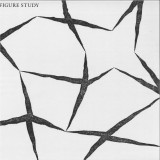
Figure Study - Figure Study

Figure Study is the Manhattan-based duo of Nathan Antolik and April Chalpara. They formed in 2009, after meeting through the Wierd Records weekly party, where they would play their first concert soon after. While their debut 7" contained two songs recorded in 2009, this full length contains all new material recorded throughout the past year.

For their debut self-titled album, Figure Study utilizes a carefully tailored set up of vintage analog synthesizers and drum machines. Figure Study creates a lush sound where haunting vocals echo over dark melodies that reflect an isolated and disintegrating world. Songs flux between dissonant dance numbers and more sparse, somber compositions, each carrying a sense of urgency and modernism. Figure Study's sound includes influences from such early underground artists as Kirlian Camera, Nine Circles, and The Actor.

The album was recorded in their small Chinatown studio using a sparse set-up of analog synthesizers, drum machines and sequencers. It was mixed at The Wave Lab in Brooklyn by AJ Tissian and mastered for vinyl at Fantasy Studios in Berkeley by George Horn. Each LP is packaged in a specially designed jacket and includes an insert with lyrics. Figure Study draw their own model using shapes and forms from the synthetic landscape.

En stock du23.04.2026

17,86

Derniere entrée: 18 jours
1000 Artists - Is This What We Want?

In February 2025, more than 1,000 musicians came together to release a silent album protesting the UK government’s planned changes to copyright law, which would make it easier to train AI models on copyrighted work without a licence. The album, titled Is This What We Want?, featured recordings of empty studios and performance spaces, representing the impact on artists’ and music professionals’ livelihoods that is expected if the government does not change course.

The digital release in February 2025 reached no. 38 in the UK album charts. Now, it is being released on vinyl, with a bonus track - a recording of an empty studio - from Paul McCartney. The vinyl is being released by state51.

Under the heavily criticised proposals, UK copyright law would be upended to benefit global tech giants. AI companies would be free to use an artist’s work to train their AI models without permission or remuneration. The government’s proposed changes would require artists to proactively ‘opt-out’ from the theft of their work – reversing the very principle of copyright law. ‘Opt-out’ models are near impossible to enforce, have yet to be proven effective anywhere else in the world, and place enormous burdens on artists, particularly emerging talent.

Facing major backlash from the creative sector and beyond, the government has said its previous proposal is no longer its preferred option. However, it has not proposed an alternative, simply recommitting to its plan to “modernise the copyright legislation”. In the meantime, it has sent creatives a worrying signal, five times rejecting House of Lords amendments to the data bill that would have given rights holders visibility over when their work was being used against their wishes by AI companies.

The album’s track listing spells out a simple message: “The British government must not legalise music theft to benefit AI companies.”

Ed Newton-Rex, the organiser of the album, said:
“The government must commit to not handing the life’s work of the country’s musicians to AI companies for free. Doing so would be hugely damaging to our world-leading creative industries, and is totally unnecessary, only benefiting overseas."

Paul Sanders, founder of The state51 Conspiracy, said:
"When tech companies lobby governments to give them songs for free, it’s not so they can cure diseases, feed the hungry, or provide clean water where it is needed. It’s simply so they can make millions of fake songs and keep all the profits for themselves. As a company with a lifelong commitment to musicians The state51 Conspiracy was honoured to be asked to help get this message out on vinyl. All profits go to Help Musicians, which is what our politicians should be doing instead of sucking up to tech bros."

pré-commande20.02.2026

il devrait être publié sur 20.02.2026

30,46
The Temprees - Lovemen LP

The Temprees

Lovemen LP

12inchLPRGM2049C
REAL GONE MUSIC
06.02.2026
  • A1: Explain It To Her Mama
  • A2: If I Could Say What's On My Mind
  • A3: (Girl) I Love You
  • A4: I Love You, You Love Me
  • A5: We've Only Just Begun
  • B1: Dedicated To The One I Love
  • B2: My Baby Love
  • B3: I'm For You, You For Me
  • B4: Love... Can Be So Wonderful
également disponible

black vinyl[28,15 €]


Produced by Josephine ''Jo'' Bridges and signed to her We Produce imprint, The Temprees were a Memphis soul vocal trio powered by one of the great falsettos in pop music, that of Jasper ''Jabbo'' Phillips. Their 1972 debut Lovemen is aptly named; this is one of the greatest make-out R&B albums ever made, with one smoldering slow jam after another. Their take on ''Dedicated to the One I Love'' is rightly considered the greatest version ever made, but ''If I Could Say What's on My Mind,'' ''Love... Can Be So Wonderful,'' and ''I Love You, You Love Me,'' will get you and your partner's hips swaying (and patch up any lovers' quarrels tout suite, too). Stax didn't really know what to do with soul this sweet (We Produce was a Stax imprint), so Lovemen languished commercially, but nowadays it's recognized as a model of its kind. For its first-ever LP reissue, we've cut Lovemen ALL-ANALOG straight from the original two-track album master, and pressed it up in two versions, one in black vinyl, the other in eco-friendly, sonically superior valentine red PET plastic. The heart on the front cover sums this one up...

pré-commande06.02.2026

il devrait être publié sur 06.02.2026

28,15
The Temprees - Lovemen LP

The Temprees

Lovemen LP

12inchLPRGM2042
REAL GONE MUSIC
06.02.2026

Produced by Josephine ''Jo'' Bridges and signed to her We Produce imprint, The Temprees were a Memphis soul vocal trio powered by one of the great falsettos in pop music, that of Jasper ''Jabbo'' Phillips. Their 1972 debut Lovemen is aptly named; this is one of the greatest make-out R&B albums ever made, with one smoldering slow jam after another. Their take on ''Dedicated to the One I Love'' is rightly considered the greatest version ever made, but ''If I Could Say What's on My Mind,'' ''Love... Can Be So Wonderful,'' and ''I Love You, You Love Me,'' will get you and your partner's hips swaying (and patch up any lovers' quarrels tout suite, too). Stax didn't really know what to do with soul this sweet (We Produce was a Stax imprint), so Lovemen languished commercially, but nowadays it's recognized as a model of its kind. For its first-ever LP reissue, we've cut Lovemen ALL-ANALOG straight from the original two-track album master, and pressed it up in two versions, one in black vinyl, the other in eco-friendly, sonically superior valentine red PET plastic. The heart on the front cover sums this one up...

pré-commande06.02.2026

il devrait être publié sur 06.02.2026

28,15
3TM - Lake LP

3TM

Lake LP

12inchWJLP16WHITE
WE JAZZ
06.02.2026
  • 01: Seven Keys
  • 02: Lake
  • 03: A Pile Of Broken Dreams
  • 04: Woods
  • 05: Contrail
  • 06: Laws Of Life
  • 07: World Loop
  • 08: Suburban Portraits
  • 09: Model Two

Drummer/producer Teppo Mäkynen's 3TM returns with a new album, "Lake", on 29 November on Helsinki's We Jazz Records. The album is the much awaited follow up to 2017's successful 3TM debut "Form", which was awarded as the "Jazz Album of the Year" in Mäkynen's native Finland. "Lake" was preceded by the ambient electronic album "Abyss" in August, which set the mood for what's to come next: A compact yet far-reaching body of work bringing together the trio's acoustic jazz sound and ideas rooted in abstract electronic music in a remarkably boundless way.

"Lake" is a collection of 9 Mäkynen-penned originals ranging from the looping, hypnotic compositions such as first single "Laws Of Life" to the delicacy of tracks such as "Woods". There is a sense of long form narrative here, evident in glorious, slowly evolving tracks such as "Lake" and "A Pile Of Broken Dreams". The overall sound is swinging, melodic, deep and futuristic. It's acoustic jazz and abstract electronic music understood deeply and used as the base of a new sound, which goes beyond the usual distinctions of "acoustic jazz" or "electronic music". This is music for the present day, moving forward.

3TM's "Lake" will be available as white and black vinyl versions, complete with printed inner sleeve featuring Mäkynen's essay about the theme of the album. On vinyl, "Lake" will also be available as a 2LP bundle with "Abyss", and the CD version includes both discs, "Lake" and "Abyss".

In the 3TM trio formation Mäkynen is joined by sax man Jussi Kannaste and bassist Antti Lötjönen, both Finnish scene mainstays. The band will celebrate their new release at Helsinki's We Jazz Festival on 7 December.

pré-commande06.02.2026

il devrait être publié sur 06.02.2026

11,13
Soinuarenbidea II - Sintesis de Paisaje sonororos y Electrónica post industrial

Una interpretación de Soinuarenbidea II debería partir de esta premisa: todo es posible, nada es aleatorio, y en sí mismo es un imposible de aleatoriedades. El escenario planteado explora la idea de realidad aumentada desde una percepción sonora, ambiental y colectiva. La obra transita hacia adelante y hacia atrás recreando experiencias extintas de porvenir incierto, tratando de facilitar un fin pacificador. Cada pieza sonora se crea, se despliega, se repliega y se destruye, en una torsión permanente de toda la realidad que hace posible cada fragmento musical, cada identidad acústica, cada espacio sonoro. Lo onírico, la ficción, y el viaje están continuamente presentes, y es en el transitar de cada fragmento donde se produce el diálogo de la exposición musical. Los elementos de esta ficción se recrean continuamente, en un continuum donde se entrelazan y se van contorsionando a medida que crecen o decrecen con cada fragmento de síntesis concreta. Los temas explícitamente musicales son el magma que conduce a dar voluptuosidad al disco, siendo la piel un contexto o límite que en sí mismo fluctúa indefinidamente en texturas y configuraciones posibles. Y la urdimbre del silencio es la síntesis que está continuamente presente y que trata de cohesionar los fragmentos en continua colisión expresiva. Las grabaciones de campo proporcionan el material sonoro concreto, y como un fractal sonoro cada una de ellas ofrece diferentes grados de interpretación que a su vez conduce a nuevos fragmentos y nuevas creaciones. Así que se puede pensar que esta es una síntesis de una posible realidad, pero interpretable en infinidad de maneras. Un movimiento y una estaticidad implícitas que generan estructuras y dinámicas acústicas. Lo que se escucha no es real, pero en sí mismo forma parte de la realidad, creando un escenario expectante. Lo cinematográfico, plástico y teatral, danzante y dinámico cobra importancia en este juego, porque se trata de contar una historia, una experiencia recreada desde los puntos de vista del arte visual. Es a su vez hilo conductor y entretenimiento, discurso político y puro divertimento. Es desde este espacio de convivencia artística que tiene sentido la totalidad y justifica el formato sonoro planteado. La contradicción de la obra es patente en el formato, y es a su vez el planteamiento de una accidentalidad en el devenir vital. Contenedor de Ruido recoge todas estas contradicciones y las manifiesta en la obra Soinuarenbidea II. Es una historia sonora, es un cuento acústico. Es un fragmento de vitalidad en imágenes audibles. Es una invitación a la reflexión, a la crítica, al disfrute, a la meditación, a la celebración. Y sobre todo es esperanzadora apreciación de la realidad como algo maleable que confeccionamos colectivamente, que requiere de una paciente observación y la participación colectiva global, en un mundo finito pleno de diversidades y del que ignoramos prácticamente todo, al que deberíamos volver con respeto y devoción.

Soinuarenbidea II-ren interpretazio batek premisa honetatik abiatu beharko luke: dena da posible, ezer ez da ausazkoa, eta, berez, ausazkotasun ezinezko bat da. Planteatutako agertokiak errealitate areagotuaren ideia aztertzen du, soinu-, ingurumen- eta talde-pertzepzio batetik abiatuta. Lanak aurrera eta atzera egiten du, etorkizun zalantzagarriko esperientzia desagertuak birsortuz eta helburu baketsua lortzen saiatuz. Soinu-pieza bakoitza sortu, hedatu, tolestu eta suntsitu egiten da, musika-zati bakoitza, identitate akustiko bakoitza eta soinu-espazio bakoitza ahalbidetzen dituen errealitate osoaren etengabeko bihurdura batean. Onirikoa, fikzioa eta bidaia etengabe daude presente, eta pasarte bakoitzaren joan-etorrian gertatzen da musika-erakusketaren elkarrizketa. Fikzio honen elementuak etengabe birsortzen dira, continuum batean, non sintesi zati zehatz bakoitzarekin hazi edo txikitu ahala elkar lotzen eta bihurritzen diren. Esplizituki musikalak diren gaiak diskoari atsegintasuna ematera eramaten duen magma dira, azala testuingurua edo muga izanik, testura eta konfigurazio posibleetan mugarik gabe aldatzen dena. Eta isiltasunaren irazkia etengabe presente dagoen sintesia da, zatiak etengabeko adierazpen-talkan kohesionatzen saiatzen dena. Landa-grabazioek soinu-material zehatza ematen dute, eta soinu-fraktal batek bezala, horietako bakoitzak interpretazio-maila desberdinak eskaintzen ditu, eta horrek, aldi berean, zati eta sorkuntza berrietara eramaten du. Beraz, pentsa daiteke errealitate posible baten sintesia dela, baina hamaika modutan interpreta daitekeena. Egitura eta dinamika akustikoak sortzen dituzten mugimendu eta estatikotasun inplizitu bat. Entzuten dena ez da erreala, baina, berez, errealitatearen parte da, eta agertoki espektakularra sortzen du. Zinematografikoak, plastikoak eta antzerkikoak, dantzariak eta dinamikoak garrantzia hartzen dute joko honetan, ikusizko artearen ikuspegitik birsortutako istorio bat, esperientzia bat, kontatzea baita helburua. Aldi berean, hari gidaria eta entretenimendua da, diskurtso politikoa eta dibertimendu hutsa. Elkarbizitzarako espazio artistiko honetatik osotasunak zentzua du eta planteatutako soinu-formatua justifikatzen du. Obraren kontraesana nabarmena da formatuan, eta, aldi berean, bizi-bilakaeran istripu-tasa bat planteatzea da. Zarata-edukiontziak kontraesan horiek guztiak jasotzen ditu eta Soinuarenbidea II obran adierazten ditu. Soinu istorio bat da, ipuin akustiko bat. Bizitasun zati bat da, irudi entzungarrietan. Hausnarketarako, kritikarako, gozamenerako, meditaziorako eta ospakizunerako gonbidapena da. Eta, batez ere, itxaropentsua da errealitatea modu kolektiboan egiten dugun gauza xaflakor gisa hautematea, behaketa pazientea eta partaidetza kolektibo globala eskatzen dituena, dibertsitatez betetako mundu mugatu batean, ia guztia kontuan hartzen ez duguna, eta errespetuz eta debozioz itzuli beharko genukeena.

An interpretation of Soinuarenbidea II should start from this premise: everything is possible, nothing is random, and in itself is an impossible randomness. The proposed scenario explores the idea of ​​augmented reality from a sonic, environmental, and collective perception. The work moves back and forth, recreating extinct experiences of an uncertain future, seeking to facilitate a peaceful end. Each sound piece is created, unfolds, retreats, and is destroyed, in a permanent twisting of all reality that makes each musical fragment, each acoustic identity, each sonic space possible. The dreamlike, the fictional, and the journey are continually present, and it is in the transit of each fragment that the dialogue of the musical exposition takes place. The elements of this fiction are continually recreated, in a continuum where they intertwine and contort as they grow or diminish with each fragment of concrete synthesis. The explicitly musical themes are the magma that leads to the work's voluptuousness, the skin being a context or boundary that in itself fluctuates indefinitely in possible textures and configurations. And the warp of silence is the synthesis that is continually present and seeks to unite the fragments in a continuous expressive collision. The field recordings provide the concrete sound material, and like a sonic fractal, each one offers different degrees of interpretation that in turn lead to new fragments and new creations. So one can think of this as a synthesis of a possible reality, but interpretable in an infinite number of ways. An implicit movement and staticity that generate acoustic structures and dynamics. What is heard is not real, but in itself is part of reality, creating an expectant scenario. The cinematic, plastic and theatrical, dance and dynamic aspects take on importance in this game, because it is about telling a story, an experience recreated from the perspective of visual art. It is at once a common thread and entertainment, political discourse and pure entertainment. It is from this space of artistic coexistence that the whole makes sense and justifies the proposed sound format. The contradiction of the work is evident in its format, and it is, in turn, the presentation of an accidentality in the course of life. Noise Container gathers all these contradictions and manifests them in the work Soinuarenbidea II. It is a sound story, an acoustic tale. It is a fragment of vitality in audible images. It is an invitation to reflection, to critique, to enjoyment, to meditation, to celebration. And above all, it is a hopeful appreciation of reality as something malleable that we collectively craft, requiring patient observation and global collective participation, in a finite world full of diversity and of which we know practically nothing, to which we should return with respect and devotion.

Paisajes sonoros, diseño sonoro, drones y música grabada, realizada y arreglada para Contenedor de Ruido por David Aranaz. Coro: Basandere Ahotsak. Producido y mezclado por David Aranaz. Mástering: Estanis Elorza. Fotografía: David Aranaz. Texto: David Aranaz. Traducción: Saioa Aranaz Oreja. Trabajo y Diseño artístico: Cristina Martinez. Edición: Contenedor de Ruido Producciones y Sarbide Music. Distribución: Contenedor de Ruido.

Contenedor de Ruido agradece el apoyo en la realización de Soinuarenbidea II al coro Basandere Ahotsak y en especial a Eva Orbara Goicoa.

Soinuarenbidea II está dedicado al pueblo palestino.

Paisajes y objetos Sonoros, samplers y otras músicas transformadas para Soinuarenbidea II
Burlada: Paseos sonoros matinales por Merindad de Sangüesa, Calle Mayor, Capuchinas, Parque Uranga y varias iglesias y plazas. Pasajes del cotidiano: basura de papel, cristal y plástico.
Pamplona: Cementerio de San José. CEIP Sanduzelai /// Quinto Real: Fábrica de Armas, Puerto de Urkiaga y alrededores. Suite del silencio, bosques en movimiento /// Fábrica de armas de Orbaiceta: regatas, biosques, paseo sonoro hasta regata /// Belate: Puerto de Belate y alrededores. Vacas en pradera junto a las turberas /// Bardenas Reales: Suite de guitarra y Suite del silencio, estepa desértica /// Austria: Tranvías de Graz y Viena. Muchedumbre del metro de Viena.
Voces cinematográficas de: Matanza en Texas, Robocop, Espíritu Sagrado, Solo los Amantes Sobreviven, Voces de Gaza, Yojimbo, Terciopelo Azul, Los 7 Magníficos.
La pista A2 está dedicada a la memoria de David Lynch.
La pista B4 está dedicada a Eva Orbara Goicoa.
Pista A4: Contiene interpretaciones de piano de Three Piano Pieces Op.11 de Arnold Schoenberg.
Pista A5: Es una interpretación expandida con síntesis FM del Concerto Op. 24 - Etwas lebhaft - de Anton Webern.
Pista A7: Contiene la canción Besarkatu ninduzun (Letra de Josune López y música de Josu Elberdin) en interpretación de Basandere Ahotsak en la iglesia de Burutain bajo la tormenta.
Pista B2: Contiene la canción Recuerdos de la Alhambra (Fernando Tárrega) en interpretación torsionada de David Aranaz Sarasa.
Pista B14: Contiene la canción Agur María (Letra y Música de Estíbaliz Robles “Estitxu” y arreglo exclusivo de Alfonso Ortiz para Basandere Ahotsak) en interpretación de Basandere Ahotsak.

Equipamiento para Soinuarenbidea II.
Micros de condensador SE7, configuración XY y ORTF; Micros de cinta ORTIZ LUTHIER configuración XY y Blumlein; Grabadoras MARANTZ y ZOOM; Sintetizadores y samplers Elektron MONOMACHINE SPS-1, MACHINEDRUM SFX6 y MODEL:SAMPLES. Dave Smith MOPHO. Torso Electronics S-4. Sintetizador Modular 333 DIY; Guitarra clásica ALHAMBRA 6P; Esculturas Sonoras tipo Baschet, cristal y metales; Mesa Soundcraft FX16ii; Interface de Audio RME Babyface Pro FS; DAW Logic Pro; Procesamiento de modelado analógico con Acústica Audio, Waves, Softube, Brainworx, Sonible, Analog Obsesion, Tokio Dawn. Metering de Logic y RME DigiCheck . Amplificación Hafler PRO2400. Monitorización BW DM602 S3. Mezcla digital; Mastering híbrido.

pré-commande30.01.2026

il devrait être publié sur 30.01.2026

26,47
DAVID MOORE - GRAZE THE BELL
  • Then A Valley
  • Graze The Bell
  • No Deeper
  • Offering
  • Will We Be There
  • All This Has To Give
  • Rush Creek
  • Being Flowers
également disponible

0747742387647[30,88 €]


"Graze the Bell" ist eine Sammlung von bewegenden, faszinierenden Solo-Klavierstücken und das bisher reinste Werk von David Moore. Bekannt für seine atmosphärischen Kompositionen mit Bing & Ruth sowie seine Zusammenarbeit mit dem Gitarristen Steve Gunn und Cowboy Sadness, ist dies Moores erstes weit verbreitetes Solo-Klavieralbum. Wie das Albumcover - ein Foto, das Moore von Hand bestickt hat - abstrahiert die Musik persönliche Erfahrungen zu transzendenten Eindrücken. Moore nutzt sein Klavier, um meditativ die Conditio Humana zu erforschen, und macht "Graze the Bell" zu einem Zufluchtsort des Klangs. Im Laufe ihrer zahlreichen Veröffentlichungen haben Bing & Ruth häufig ihre Form und ihren Sound verändert, sich zu einer fünfzehnköpfigen Gruppe entwickelt und sind schließlich zu einer Trio-Konfiguration gelangt. Ihr jüngstes Album ,Species" stellte Moores Farfisa-Spiel in den Vordergrund, während eine nachfolgende EP mit dem gleichen Namen seine Solointerpretationen des Albums enthielt. Dieser lange Prozess der Destillation konzentrierte sich stets auf Moores Kompositionen für das Klavier und sein Verständnis davon. Nach zwei Jahrzehnten gefeierter Ensemblearbeit ist das Erscheinen von ,Graze the Bell" ein Moment, in dem sich der Kreis schließt, eine Heimkehr - nicht einfach zu einem Ort oder einer Zeit, sondern zu einem leuchtenden Zentrum, das beides übersteigt. Einige der Stücke auf ,Graze the Bell" waren ursprünglich für ein Album von Bing & Ruth geplant, wurden aber schließlich als Soloprojekt neu konzipiert. Moore nutzte nur das Klavier und versuchte, die bewährten Methoden, die er im Laufe der Jahre entwickelt hatte, weiter auszubauen. ,Ich möchte mich weiterentwickeln", sagt er, ,und dogmatische Denkweisen hinterfragen." Er öffnete sich aktiv für Experimente und suchte nach einer tieferen Präsenz in seinem Spiel, wobei er seine Beziehung zum Klavier und zum Leben neu bewertete. Moores Musik basiert zwar auf komponierten Noten und schöpft aus Lebenserfahrungen, doch die Quelle seiner Inspiration bleibt eher unbeschreiblich. Indem er Letzteres bewusst pflegte, entwickelte er eine natürliche Fähigkeit, sich in einen tranceähnlichen Zustand zu versetzen. Moore kann sich mit dieser Absicht hinsetzen und ist ,innerhalb weniger Sekunden" ,vollkommen dort". Von der ersten bis zur letzten Note basiert das Album auf dem atemberaubenden Klang eines ,bestialischen" Steinway Model D aus Hamburg von 1987. Dies hängt zum Teil mit seinem subtilen Spielstil zusammen, der manchmal an Stille grenzt. Moores anmutige Herangehensweise gibt dem Klang Raum und offenbart Nuancen des Klaviers, die viele Spieler gewöhnlich ignorieren würden. Solche Nuancen wurden während der Aufnahmen des Albums im renommierten Oktaven Audio in Mt. Vernon, New York, gepflegt. Der Klang des Steinway-Flügels des Studios wurde unter der Produktionsleitung des Grammy-Gewinners Ben Kane mit Unterstützung von Owen Mulholland lebhaft eingefangen. Um Moores experimentellen Ansatz zu unterstreichen, setzten sie Pitch-Correcting-Software kreativ ein, um die verschiedenen Register des Klangprofils des Klaviers zu orchestrieren. Der Ausdruck ,graze the bell" (die Glocke streifen) kam Moore vor Jahren aus heiterem Himmel in den Sinn. Er fand ihn poetisch und blieb ihm im Gedächtnis haften. Moore, der lange Zeit daran geglaubt hatte, dass das Leben eine Reise ist, an deren Ende man etwas erreicht oder ankommt, und dies zunehmend in Frage gestellt hatte, fand zunehmend mehr Sicherheit darin, einfach da zu sein, wo er ist. ,Es gibt keinen Gipfel - und keinen Weg dorthin", schreibt er. ,Nur die Hoffnung, dass wir, wenn wir Glück haben, gelegentlich die Glocke streifen." Und diese Erkenntnis hat er in sein Klavierspiel einfließen lassen. Mit diesem Album hat er sich bewusst dafür entschieden, Eigenheiten, sowohl seine eigenen als auch die des Instruments, voll und ganz anzunehmen. Anmut, subtile Klänge, rohe Gesten und glückliche Zufälle werden hier geschätzt. Die Stickerei auf dem Cover zeigt seine Frau beim Drachensteigen an der Küste von North Carolina. Sie wurde während der Abmischung des Albums über zehn Monate hinweg methodisch mit Kreuzstich gestickt, und viele persönliche Lebensereignisse - traurige und hoffnungsvolle - sind in seine Handwerkskunst eingewoben. Da Moore selbst mit einer bipolaren Störung zu kämpfen hat, dienten sowohl das Album als auch die Stickerei als kathartische Mittel der Meditation für ihn. Moores Klavierspiel enthält eine versteckte Karte persönlicher Erfahrungen, die bezaubernde Wiederholung seiner Melodien navigiert seinen Weg und unseren durch die Skalen des Raums. Moores Musik weckt verborgene Gefühle, erweckt uns und erinnert uns an unser gemeinsames Zentrum. In einer Zeit, in der unsere Menschlichkeit regelmäßig abgelenkt und beeinträchtigt wird, lässt ,Graze the Bell" das Herz erklingen, das wir als unser wahres Zuhause kennen. David Moores "Graze the Bell" wird über RVNG Intl. veröffentlicht - eine spirituelle Heimkehr, wenn man so will.

pré-commande30.01.2026

il devrait être publié sur 30.01.2026

22,27
Various - Wizzz! French Psychorama Volume 5 (67-75)

The journey through French-speaking pop archives continues with this fifth volume, packed with fuzz, gimmicks, and dissent. Far from the charts, the selected tracks display a great creative freedom, often backed by corrosive humor. Welcome to the surprising, kaleidoscopic, and colorful world of the late sixties and early seventies, Wizzz!
Born in Montauban, Robert Pico stumbled into music by chance when he met René Vaneste, then artistic director at Pathé-Marconi. René brought him to Paris to record his first 45 RPM EP in 1964. A year later, Pierre Perret introduced him to Vogue, where he recorded his second album with Claude Nougaro’s orchestra. Sylvie Vartan then introduced him to RCA, where he recorded four singles, including the astonishing "Chien Fidèle," a track backed by a hair-rising fuzz guitar. Alongside his solo career, he also composed for other artists like Alain Delon (the song was recorded but remains unreleased), Magali Noël, Bourvil, and Georges Guétary. In the Paris of the sixties, he mingled with Mireille Darc, Elsa Martinelli, Marie Laforêt, France Gall, Françoise Hardy, Petula Clark, Régine, Dani, Serge Gainsbourg, Joe Dassin, Franck Fernandel, Charles Level, and Roland Vincent. Despite his efforts and winning a Grand Prix Sacem for his final record, Robert Pico didn’t achieve the expected success in show business and decided to leave Paris and return to the Southwest, where he devoted himself to writing. He is the author of 23 books (including Delon et Compagnie, Jean-Marc Savary Editions 2025, a memoir about his youth and his many encounters). Today, he is relieved to never have become a celebrity and devotes himself to his work with passion.
In 1969, the Franco-Italian movie Erotissimo was released, directed by Gérard Pirès (who later directed Taxi in 1998, written and produced by Luc Besson). This pop comedy features Annie Girardot, Jean Yanne, Francis Blanche, Serge Gainsbourg, Nicole Croisille, Jacques Martin, and Patrick Topaloff. The soundtrack was written by Michel Polnareff and William Sheller, with lyrics by Jean-Lou Dabadie. "La Femme Faux-cils," performed by Annie Girardot. It recounts the feelings of a rich CEO's wife who seeks to develop her sex appeal under the influence of advertisement and magazines. Groovy, sparkling and light, this track, with ITS lush arrangements humorously critiques consumer society and feminine beauty standards.
“Je suis l’Etat” (1967) is the flagship track of the first EP by singer-songwriter Spauv Georges, aka Georges Larriaga, better known as Jim Larriaga (1941-2022). Born into a family of bakers, the young man was initially planning to become a hairdresser when he discovered English-speaking music through Elvis Presley and the Beatles. After this revelation, he decided he would become a songwriter and gave himself five years to succeed. He recorded his first two EP’s independently for RCA under the pseudonym Spauv Georges; meaning “that poor George”, a nickname given to him by the mother of her friend Jean-Pierre Prévotat (future drummer of the Players, Triangle, or Johnny Hallyday). Portraying a depressed and eccentric young man, Spauv Georges created corrosive and amusing songs that didn’t reach a wide audience, despite a TV appearance with Jean-Christophe Averty.
Supported by his loyal friend and fellow songwriter Jean-Max Rivière, Georges Larriaga met the future singer Carlos in the early '70s, then Sylvie Vartan’s assistant. He wrote songs for Carlos, including the popular "La vie est belle," "Y’a des indiens partout," and "La cantine", which went onto become a huge hit in 1972. He also composed for Claude François (“Anne-Marie”, 1971), Charlotte Julian (“Fleur de province”, 1972), helped launch child singer Roméo (who sold 4 million records), and later wrote the hit "Pas besoin d’éducation sexuelle" (1975) for the young Julie Bataille. In 1971, Jim recorded an album for Disc'Az: “L’univers étrange et fou de Jim Larriaga”, which featured pop gems like “La maison de mon père”.
The story of the song "Zoé" began when Pierre Dorsay, artistic director at Vogue Records, asked Swiss singer and musician Pierre Alain to write a song for a new female singer. The inspiration came when he realized that Zoé (the artist's name) was also the name of France's first atomic battery, created in 1948, which consisted of uranium oxide immersed in heavy water! The lyrics reflect a bubbling energy that must be handled with caution, while the instrumentation echoes this atomic theme, notably with the use of a theremin.
Zoé’s career lasted only as long as a single 45 RPM, but it seems Christine Fontane was the vocalist behind this pseudonym, who is known for several EPs, a good "popcorn" album in 1964, and a handful of children’s singles in the '70s. Regardless, the photograph on the cover is of a different girl entirely.
Later, Pierre Alain continued his career, writing songs for himself, Marie Laforêt, Danièle Licari, Alice Dona, Arlette Zola (3rd place in Eurovision 1982), and achieving multiple gold and platinum records in Canada. Also an inventor with several patents, president of the Romande Academy, and head of the French Alliance in Geneva, he now composes atonal music, books, and poetry. Moreover, he is also the host of "Les Mardis de Pierre Alain" at "Le P'tit Music'Hohl" in Geneva.
Filled with oriental choruses and fuzz guitar, "Fou" is from Jacques Da Sylva's only EP released by Vogue in 1967. Despite the quality of this recording, all traces of this singer disappear after this first effort.
Valentin is a baroque pop singer born in Belgium. He is the songwriter and composer of most of the tracks on his three singles released in the late 60s in Canada. A legend says that he reincarnated himself as Jacky Valentin during the 1970s for a rock'n'roll revival career in Belgium, but his older brother sadly debunked this story. Valentin's first two singles were arranged by Claude Rogen, a Parisian session pianist who had come to Canada to promote the song “Mister A Gogo”, a cover of David Bowie’s “Laughing Gnome”, adapted by singer Delphine, his wife at the time. Far from his usual network, Claude Rogen arranged music for Polydor, including the arrangements for “Je suis un vagabond” in 1969, a jerk tune with string arrangements and a furious optimism.
Jacques Malia wrote, composed, and recorded his only 45 EP for Festival in 1966. “Histoire de gitan” is an incredible beat track with bohemian scat that tells the story of a gypsy musician who came to Paris to make it in the Music-Hall, to no avail. The hero of the song and its author probably shared a similar fate, as Jacques Malia faded into anonymity after this remarkable attempt.
Bernard Jamet recorded two EPs for Barclay in the late sixties and co-wrote several songs with Christine Pilzer, Pascal Danel, and prolific songwriters Michel Delancray and Mya Simile. The track “Raison Légale” (1968), his masterpiece, immerses the listener in a courtroom right when a murderer is being judged, with jerk rhythm and free arrangements. A unique, paranoid, judicial, and psychedelic oddity.
Jean-Pierre Lebrot-Millers started his career in show business in 1967 as a singer and songwriter for the Philips label. After three singles, he wrote several songs of a new kind with his friend Pierre Halioche, in the midst of the sexual liberation movement and the democratization of drugs. With provocative lyrics, “Les filles du hasard” and “Barbara au Chapeau Rose” were released on a Philips singles in 1968. The character of Barbara was inspired by a queen of Parisian nightlife during the psychedelic years: model Charlotte Martin, who dated Eric Clapton from 1965 to 1968, then Jimmy Page from 1970 to 1983. Jean-Claude Petit’s arrangements, with a table-filled intro, soul brass, and Hendrixian guitar, emphasize the flamboyance of a hedonistic and sexy character, whose dog is named Junkie because “Junkie est un nom exquis”! The track was recorded live in three takes with a full orchestra.
Upon its release, the record was censored by Europe 1 and RTL due to its references to drug use. Jean-Pierre Lebrot was then banned from the airwaves and later dismissed by his record label. He changed his artist name to Jean-Pierre Millers, while his companion Pierre Halioche became D. Dolby for a new dreamy composition, “Chilla”, which Jean-Pierre produced himself with arrangements by Jean Musy. Once again, the song was immediately censored everywhere. After this setback, he decided to stop singing and started taking on odd jobs to support his Swedish wife and their son until the day he met Jean-Pierre Martin, then production manager at Decca, who had worked with Manu Dibango. Martin offered Jean-Pierre Lebrot-Millers, then employed at Rank Xerox, the position of artistic director at Decca. He accepted and became, a year later, promotion director (radio, press, TV). He worked on Julio Iglesias’s first album for Decca, which became a massive hit and allowed him to meet Claude Carrère. The latter asked him to write new songs and find their performers, much like a “talent scout.” It’s through him that Jean-Pierre discovered Julie Pietri and Corinne Hermès. He composed “Ma Pompadour” for Ringo, Sheila’s husband, and took the microphone again for the syncope hit “Rendez-Vous” in 1982.
That same year, Jean-Pierre Lebrot-Millers tried to release a track for which he had heavily gone into debt: “Si la vie est un cadeau”. Having recorded it in London, he presented it to numerous professionals, all of whom refused to get involved. The same thing happened with Antenne 2 and the Sacem when he proposed the song as France’s entry for Eurovision. He then met Haïm Saban, who was producing cartoon soundtracks and had just launched the Goldorak theme song. Saban, having listened to the song, declared it had the potential to become a hit. He sent Jean-Pierre and Corinne Hermès to meet the CEO of the Luxembourg radio and television network. The latter received them, asked to hear a verse and chorus a cappella in his office, and immediately hired them to represent Luxembourg at Eurovision 1983. They reworked the arrangements and recorded a new version with Haïm Saban as co-producer. The song ended up winning Eurovision 1983, a great comeback for our hero. He continued producing and hung out with the band Nacash in Belgium when a couple came to introduce their daughter for an impromptu audition in a hotel room. The girl sang “Les démons de minuit” while dancing to a radio cassette. Impressed, he had her take singing lessons for a year and composed a song for her (for which he had the melody and title, but no lyrics). This required him to go on the hunt for a lyricist, who ended up being Guy Carlier. They recorded the song, which was initially a ballad, at Bernard Estardy’s CBE studio, and gave the singer a new name: Melody. They showed the song around their industry network without success. Later, Estardy called Jean-Pierre to suggest changing the rhythm and making it pop-rock. Orlando, Dalida’s brother, liked the result and decided to co-produce the track. “Y’a pas que les grands qui rêvent » became a classic hit. The song has since been covered by Juliette Armanet (as a ballad, like the original) and Valentina.

Born into an aristocratic Breton family, Hervé Mettais-Cartier worked as a DJ at Queen Kiss, a nightclub in Poitiers, where he formed the band Les Concentrés with Michel (an actor) and Christian (a radio technician). Together, they created a repertoire of whimsical songs (“Ma bique est morte”, “J’suis un salaud”, “Fils de dégénéré”...) that they performed on stage dressed in white (in homage to “concentrated milk”). They performed at Bliboquet and Olympia in 1968 for the 10th edition of the “Relais de la chanson Française” organized by L’Humanité-Dimanche and Nous les Garçons et les Filles, sponsored by Pepsi Cola. Winners in the author-composer category, alongside Danish singer Dorte, their visibility allowed them to record a 45, and appear on television in Jean-Christophe Averty’s show. The A-side of the disc features Bruno le ravageur, a casatchok dedicated to Bruno Caquatrix, the director of Olympia, nicknamed in the song “Coq Atroce” or “croque-actrices”. The B-side is dedicated to “Fils de dégénéré”, a quirky tribute to Hervé's aristocratic roots, mixing absurdity with sophisticated vocal harmonies.
After Les Concentrés, Hervé Mettais-Cartier formed the duo La Paire et sa Bêtise with his friend Olivier Robert. They performed in Parisian cabarets and toured with Pierre Vassiliu. In the late 1970s, Hervé began a solo career. He recorded two albums for the Motors label in 1978 and 1979, which did not achieve their anticipated success due to lack of promotion. In 1980, he met Bernadette, with whom he started a family and created a “Chansons à voir” (songs to see) show that he performed until his death at the end of 2024.

Publicité comes from the final EP by the Missiles (Ducretet Thomson, 1966), a disc that also includes “La (nouvelle) guerre de cent ans”, featured on Volume 4 of our Wizzz! series. Please refer to the booklet for the story of the band.

“He’s 1.82 meters tall, 28 years old, weighs 135 kg, is black and Belgian”: this is the description of singer Hegesippe on the back of his sole single (Decca, 1967). He appears on the album cover wearing a Greek toga, like a hippie gag – we are at the end of the year 1967. In “Le crédo d’Hegesippe”, this former bodyguard of Antoine and the Charlots plays the delightful card of the thick brute converted to Flower-Power and non-violence, with arrangements by Jean-Daniel Mercier, aka Paul Mille.
“Ethéro-disco” was released on a promotional record for clients of the Maréchal company (Liège, Belgium) for the New Year 1979. Over a funky rhythm, celebrity impersonations (Brigitte Bardot, Jacques Dutronc, Fernandel…) deliver an enigmatic text about pharmaceutical products like ether, bismuth, and aspartate. The track was composed by Dan Sarravah (responsible for Joanna's “Hold-up inusité” featured on Wizzz! Volume 3) and Tony Talado, who was also a singer (one 45 in 1967), songwriter (with over a dozen credits between 1964 and 1985 in various styles from surf music to disco), author (Devenez Végétarien, Dricot Editions, 1985), ad designer, and psychologist.

Décollez-les is on the A-side of Mamlouk's only single, a pseudonym for Marsel Hurten, who is known for his work on several EPs in the late sixties, as well as composing music for Hervé Vilard’s “Capri, c’est fini”, Claude Channes' “La Haine”, Annie Philippe’s “On m’a toujours dit”, and Nancy Holloway’s “Panne de Cœur”.
This strange song, with Afrobeat horns and absurd dialogues between a chef and his kitchen staff, is the result of a collaboration between Marsel Hurten and one of his neighbors, a photographer from Pavillon-sous-Bois (93), where the musician settled after returning from the Algerian War. A music video was shot to promote the record.
Marsel Hurten was born in Tourcoing (59) into a musical family. At a young age, he joined the brass band founded by his grandfather, playing the piston before studying trumpet at the conservatory, as well as teaching himself how to play the guitar. As an orchestra musician, he toured in France, Belgium, Germany, and England. He released a series of solo 45’s between 1965 and 1968 for the DMF and Az labels before stopping recording to focus on working for other artists (Gilles Olivier, Noëlle Cordier…).
“L’amour nu” (Vogue, 1971) is the work of the short-lived Belgian band Mozaïque. The track, written by singer Jacques Albin, closely resembles another of his compositions, “Carré Blanc”, which he recorded in 1969 for Disc’AZ.
Represented by the Lumi Son micro-label based in Marignane (Côte d'Azur), Jean-Marc Garrigues released two 45 RPMs in the late sixties, defending the French jerk sound. The song “Je dis Non” is a short, joyful ode to youth, pop music, and rebellion.
Songwriter and performer Jacques Penuel released three singles. The first one, “Astronef 328” (Fontana, 1969), features a dizzying series of chords punctuated by sound effects, a sci-fi story, and arrangements by Jean-Claude Vannier.

We would like to sincerely thank Pierre Alain, Moon Blaha, Marsel Hurten, Bastien Larriaga, Jean-Pierre Lebrot-Millers, Bernadette Mettais-Cartier, Robert Pico, Olivier Robert, Claude Rogen, Micky Segura.

pas en stock

Commandez maintenant et nous commanderons l'article pour vous chez notre fournisseur.

23,11

Derniere entrée: 78 jours
David Bowie - Station to Station LP

David Bowie

Station to Station LP

Pict-Vinyl5021732811196
Parlophone
23.01.2026
  • A1: Station To Station
  • A2: Golden Years
  • A3: Word On A Wing
  • B1: Tvc 15
  • B2: Stay
  • B3: Wild Is The Wind
également disponible

Picture Disc[32,73 €]


Marking 50 years of David Bowie’s groundbreaking tenth studio album, the limited-edition picture disc LP is pressed from the same master and includes an exact reproduction of the original promotional poster used at release.

For this anniversary edition, the Half Speed Master album has been recut on a customised late-model Neumann VMS80 lathe with fully recapped electronics, sourced from 192kHz restored masters of the original Record Plant master tapes. No additional processing was applied, delivering the closest possible representation of the album’s original sound.

pré-commande23.01.2026

il devrait être publié sur 23.01.2026

39,71
Articles par page:
N/ABPM
Vinyl