2024 BLACK VINYL REPRESS.
One can hardly imagine the genre-busting, culture-crossing musical magic of Outkast, Prince, Erykah Badu, Rick James, The Roots, or even the early Red Hot Chili Peppers without the influence of R&B pioneer Betty Davis. Her style of raw and revelatory punk-funk defies any notions that women can’t be visionaries in the worlds of rock and pop. In recent years, rappers from Ice Cube to Talib Kweli to Ludacris have rhymed over her intensely strong but sensual music.
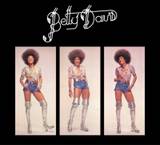
There is one testimonial about Betty Davis that is universal: she was a woman ahead of her time. In our contemporary moment, this may not be as self-evident as it was thirty years ago – we live in an age that’s been profoundly changed by flamboyant flaunting of female sexuality: from Parlet to Madonna, Lil Kim to Kelis. Yet, back in 1973 when Betty Davis first showed up in her silver go-go boots, dazzling smile and towering Afro, who could you possibly have compared her to? Marva Whitney had the voice but not the independence. Labelle wouldn’t get sexy with their “Lady Marmalade” for another year while Millie Jackson wasn’t “Feelin’ Bitchy” until 1977. Even Tina Turner, the most obvious predecessor to Betty’s fierce style wasn’t completely out of Ike’s shadow until later in the decade.
Ms. Davis’s unique story, still sadly mostly unknown, is unlike any other in popular music. Betty wrote the song “Uptown” for the Chambers Brothers before marrying Miles Davis in the late ‘60s, influencing him with psychedelic rock, and introducing him to Jimi Hendrix — personally inspiring the classic album ’Bitches Brew.’
But her songwriting ability was way ahead of its time as well. Betty not only wrote every song she ever recorded and produced every album after her first, but the young woman penned the tunes that got The Commodores signed to Motown. The Detroit label soon came calling, pitching a Motown songwriting deal, which Betty turned down. Motown wanted to own everything. Heading to the UK, Marc Bolan of T. Rex urged the creative dynamo to start writing for herself. A common thread throughout Betty’s career would be her unbending Do-It-Yourself ethic, which made her quickly turn down anyone who didn’t fit with the vision. She would eventually say no to Eric Clapton as her album producer, seeing him as too banal.
In 1973, Davis would finally kick off her cosmic career with an amazingly progressive hard funk and sweet soul self-titled debut. Davis showcased her fiercely unique talent and features such gems as “If I’m In Luck I Might Get Picked Up” and “Game Is My Middle Name.” The album Betty Davis was recorded with Sly & The Family Stone’s rhythm section, sharply produced by Sly Stone drummer Greg Errico, and featured backing vocals from Sylvester and the Pointer Sisters.
Search:nam
- A1: Hotline - Fellas Doing It In Lagos
- A2: Peter Abdul - Don't You Know
- A3: Steve Monite - Only You
- B1: Oby Onyioha - Enjoy Your Life
- B2: Kio Amachree - Ivory
- B3: Livy Ekemezie - Holiday Action
- C1: Willy Roy - Don't Give Up
- C2: Danny Offia & The Friks - Funk With Me
- C3: Rick Asikpo & Afro Fusion - Too Hot
- D1: Toby Foyeh - Ore Mi
- D2: Gboyega Adelaja - Colourful Environment
- D3: Mike Umoh - Shake Your Body
- E1: Burnis Moleme - Where Is The Answer
- E2: Sony Enang - Don't Stop That Music
- E3: Nkono Teles - Be My Lady (Mix)
- F1: Veno - Groove I Like
- F2: Godfrey Odili - Let's Do More Music
- F3: Terry Mackson - Distant Lover
- G1: Ofege - Burning Jungle
- G2: Lexy Mella - On The Air - Rap Mix(Frankie Francis Edit)
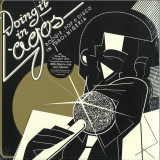
Happy to see the 'Doing It In Lagos' compilation from 2016 on Soundway being repressed. It's one of the few comps out there that put together so many amazing boogie tracks hailing from Nigeria. Nowadays it's really tough to find good condition copies of the original records, and if you do it will cost you a lot of cash too. This 3 LP with 7 inch bonus takes ((arguably) the standout tracks from the LP's and to create this 20 track opus. It's safe to say that it has a great bang for buck ratio if you like that infectious boogie sound infused with catchy synths, bumpin' basslines and often killer drumcomputer programming.
If you are new to these sounds it's a perfect intro into the works by these very talented musicians that had a high output during the end of 70's and 80's, we encourage you to dive deeper into material from the hands of for example Jake Sollo, Dizzy K. Falola, Tony Okoroji, Odion Iruoje, Nkono Teles. You will find many more names along the way..
Compliments for Uchenna Ikonne who co-compiled this and accompanied the release with liner notes.
Jedes Album malt ein Bild. Statt mit Pinsel und Leinwand malt Vandenberg mit gewaltigem Gesang, erdbebenartigen Rhythmen und der ikonischen und sofort erkennbaren Laubsägearbeit des Gitarristen und Namensgebers Adrian Vandenberg. Zusammen mit Sänger Mats Levén, Schlagzeuger Koen Herfst und Bassist Randy van der Elsen liefert der einflussreiche Axtschwinger auf dem fünften Album der Gruppe, SIN Mascot Label Group, eine lebendige, viszerale und vitale Vision, die in breiten Strichen von hymnischem Hard Rock und luftdichtem Metal zum Leben erweckt und von Bob Marlette Ozzy Osbourne, Alice Cooper, Rob Zombie produziert wurde.
"Für mich ist Musik wie ein Gemälde", bekräftigt Adrian. "Man hat seine Höhen, Tiefen, Lichter und Schattierungen. Bei einem Song möchte man vielleicht auf den Tisch springen und sich das Hirn rausfeiern. Ein anderer Song wird dich zum Nachdenken anregen. So oder so wird man in eine Landschaft hineingeworfen, was meine Lieblingsalben für mich immer noch tun. Man kann im Auto sitzen oder zu Hause, die Kopfhörer an ein Soundsystem angeschlossen, und schon ist man in einer anderen Welt."
- 1: I'm Not Getting Excited - Live
- 2: Great No One - Live
- 3: Whatever - Live
- 4: Mars, The God Of War - Live
- 5: Future Me Hates Me - Live
- 6: Introduction
- 7: Jump Rope Gazers - Live
- 8: Uptown Girl - Live
- 9: Bird Talk
- 10: Happy Unhappy - Live
- 11: Out Of Sight - Live
- 12: Thank You
- 13: Don't Go Away - Live
- 14: Little Death - Live
- 15: Dying To Believe - Live
- 16: River Run - Live
The anticipation is there in Elizabeth Stokes’ solo guitar riff under the opening lines of “I’m Not Getting Excited”: a frenetic, driving force daring a packed Auckland Town Hall to do exactly the opposite of what the track title suggests.
As the opener of The Beths’ Auckland, New Zealand, 2020 expands to include the full band, the crowd screeches and bellows. It’s a collective exhalation, in one of the few countries where live music is still possible.
The album title, and film of the same name, deliberately include the date and location, lead guitarist Jonathan Pearce says. “That’s the sensational part of what we actually did.” In a mid-pandemic world, playing to a heaving, enraptured home crowd feels miraculous.
In March 2020, everything seemed on track for another huge year for The Beths. Home after an 18-month northern hemisphere tour, they had just finished recording sophomore album Jump Rope Gazers and were primed for more extensive touring. But within days, New Zealand’s lockdown split the band between three separate houses. All touring was cancelled.
“It was existentially bad,” Stokes says. As well as worrying about economic survival, they lost something crucial to the band’s identity: live performance. “It's a huge part of how we see ourselves... What does it mean, if we can't play live?”
The band found an outlet through live-streaming, returning to the do-it-yourself mentality of their early days to connect with a global audience. The album and film have their genesis in that urge to share the now-rare experience of a live show, as widely as possible.
The fuzzy-round-the-edges live-streams pointed the way aesthetically. Native birds, wonkily crafted by the band from tissue paper and wire, festoon the venue’s cavernous ceiling while house plants soften and disguise the imposing pipes of an organ. The presence of the film crew isn’t disguised: much of the camerawork is handheld; full of fast zooms and pans.
With much of the material still fresh, the band was less focused on re-invention than playing “a good, fast rock show”, Pearce says. The tempo is up on crowd favourites “Whatever” and “Future Me Hates Me” (released as a live single on its third anniversary) as both band and audience feed off the mutual energy in the room.
Certain songs have taken on special resonance post-Covid. Pearce has found “Out Of Sight”, a tender rumination on long-distance relationships, hits particularly hard with live audiences.
Album closer “River Run” visibly brings Stokes to tears as a mix of achievement and relief kicks in. “You can finally relax at that point … You play the last note, breathe out a sigh and look up - and you’re in a giant room full of people happy and smiling.”
As time moves forward, it becomes increasingly clear that the need for emotional expression through artistry is more important than ever, especially in the wake of emerging AI technology that threatens to replace human creativity. Minus & MRDolly's new album, "Giant Stops," is a testament to the enduring power of art to connect with audiences on a deep emotional level.
Named in direct reference to arguably one of the greatest albums ever created, "Giant Steps" by John Coltrane, "Giant Stops" pays homage to the rich legacy of jazz while pushing the boundaries of the genre with a contemporary twist. The album seamlessly blends jazz, hip-hop, and electronic elements to create a unique sonic landscape that is both nostalgic and modern.
For Minus & MRDolly, "Giant Stops" represents a new chapter in his evolution as a musician, showcasing his growth and commitment to pushing boundaries in his genre-bending style. Taking inspiration from the creative process of Makaya McCraven, the album features dynamic instrumentals backed by a live band, with Minus & MRDolly's signature lyricism and storytelling shining through both the instrumentals and the lended work of guest musician such as Meta_ or Luca Argel. By using this production method the album takes a bold stand for the importance of sampling as an art form hoping to encourage listeners to appreciate the rich history and evolution of hip hop and to recognize the essential role that sampling has played in shaping the genre.
As a nod to his Portuguese roots, "Giant Stops" represents a deeper exploration of the artist's identity and a commitment to looking inward to find creative inspiration. With this album, Minus & MRDolly hopes to inspire others to embrace their own unique perspectives and use them to create art that connects with audiences on a deeply emotional level.
In a world where technology threatens to replace human creativity, "Giant Stops" is a reminder that the power of art to connect with people on a fundamental level is enduring and will continue to shape our world for generations to come.
Featuring contributions from Brittany Howard, Daniel Tashian (Kacey Musgraves, Demi Lovato), Julien Baker + more. Since moving to Nashville to start their music career in 2012, Becca Mancari has been lauded for their dextrous songwriting and prodigious guitar playing. Their sophomore album The Greatest Part, released in 2020, was an indie rock opus that garnered acclaim from The New York Times, NPR, and more. After its release, however, Mancari was despairing. An illness in their family, coupled with a realization that their alcohol dependency had become untenable, led Mancari to begin the hard work of taking ownership of their existence by mending broken relationships and investing in their mental health. "I didn't realize it then, but looking back, I was a passenger in my own life," Mancari says. The transformative period of self-reckoning was the catalyst that ultimately steered Mancari to write and produce their triumphant new album, Left Hand. After a disheartening studio session with an outside producer, Becca became convinced that they were capable of rendering their vision independently. Close friend and musical ally Juan Solorzano, who has played on all of Mancari's albums since the debut of Good Woman in 2017, joined them in the studio to co-produce the majority of the record. In addition, Daniel Tashian (Kacey Musgraves, Demi Lovato) co-wrote and co-produced the song "Don't Close Your Eyes," encouraging Mancari to track every instrument on the initial demos. As much as self-producing this album was an act of resilience and growth in one's own craft, Mancari brought trusted friends like Brittany Howard, who they play with in Bermuda Triangle, Julien Baker and Zac Farro into the process. Insecurities that had dogged Mancari since childhood couldn't weather the force of energy in that studio, where they executed decisions with newfound certainty. The title track, "Left Hand," is named for the Mancari family crest. After a lifetime spent feeling like they didn't belong, Mancari unlocked a perfect metaphor in the crest: "In many cultures children born with a dominant left hand were taught not to use that hand, and were told that using the right hand was `normal' and `correct.' Similarly, queer children are often times told that it's not `normal' for them to love who they love and that they need to `change.'" On Left Hand, Mancari offers the listener a collection of songs that should be played in moments when we are in need of reassurance and encouragement. No song exemplifies this better than the ebullient track "Over and Over," which is a reminder to friends that happiness doesn't need to be fleeting. "I wanted to write a queer pop song that has meat on its bones," they say. Inspired by one of many reckless and joyful hangs with dear friends in Nashville, the enlivening pop song makes a promise to them, and to the greater community Mancari embraces on this album. "There is something to the feeling/ Head hanging out of the window/ Being ok that we don't know," sung on the chorus over a beat replete with congas and shakers. What follows is a promise to anyone who ever feels like the greatest moments of their life are disappearing in the rearview: "We can have it like we used to, over and over and over and over again." For Fans of boygenius, Phoebe Bridgers, Julien Baker, Julia Jacklin, Caroline Rose, Miya Folick, Molly Burch, Widowspeak.
In dem Moment, als die Nadel auf die neue A Giant Dog-Platte fällt, krümmt sich die eigene Vorstellung davon, wie eine A Giant Dog-Platte klingen soll, wie Raum und Zeit um ein Raumschiff, das mit Lichtgeschwindigkeit fliegt. Bite ist ein Konzeptalbum, in dem es um Charaktere geht, die sich in einer virtuellen Realität namens Avalonia bewegen und zugleich ist es das erste Album von A Giant Dog mit eigenen Songs seit Toy von 2017.
Sabrina Ellis, Andrew Cashen, Danny Blanchard, Graham Low und Andy Bauer - auf ihrem Höhepunkt als Musiker, fordern sie sich mit komplexeren Arrangements heraus und versetzten sich hinein in die Köpfe der Figuren, die dieses vermeintliche Paradies Avalonia bewohnen. "Wir mussten uns in den Hauptfiguren wiederfinden oder uns in die Hauptfiguren hineinversetzen. Wir entwickelten sie, lernten ihre Gedanken, Emotionen und Motivationen kennen und brachten diese dann in neun Songs zum Ausdruck", erklärt Ellis. Themen wie Sucht, Geschlechterfluidität, ethisches Leben in einer kapitalistischen Gesellschaft, körperliche Autonomie, Geiz, Trauer und Zustimmung sprudeln unter dem versprochenen Glück von Avalonia.
Dies wird in Songs wie "Different Than" deutlich, in dem Ellis singt: "My body can't explain the things my mind don't comprehend", als ob der gesellschaftliche Geschlechterdruck seine Protagonistin aus ihrer Haut herausquetscht. Die Songs auf Bite sind voller Bombast und erinnern abwechselnd an den raumfahrenden Opernrock des Electric Light Orchestra und die hohe Dramatik einer Ennio Morricone Filmmusik. Der erzählerische Bogen des Albums ist von epischer Tragweite, seine Charaktere stehen vor unmöglichen Unwahrscheinlichkeiten und sind mit dem sicheren Untergang konfrontiert, und ist so bequem vergleichbar mit der Sci-Fi-Grandezza von Thin Lizzy's Jailbreak wie auch mit der High Fantasy von Dio und Iron Maiden. Passenderweise sind A Giant Dog bis an die Zähne bewaffnet mit neuen Ideen zu dieser Erzählung gekommen, mit Synthesizern und Streichern, um das zu schaffen, was Ellis als orchestral beschreibt: symphonischen, futuristischen Punk. Um dies zu erreichen, verließen sie ihre Heimat Austin, Texas, in das La Cuve Studio in der Nähe von Angers, Frankreich.
Auf dem französischen Land legten A Giant Dog ihre Zukunftsvision vor einer ausgesprochen pastoralen Kulisse nieder. Auf den Wanderungen von Angers nach La Cuve, so Ellis, sahen sie "viele Dinge, und auch gar nichts. Schwäne auf dem Fluss. Romani, die in kleinen Anhängern leben, mit einer Hütte für ihren Hund an der Seite Ein Jongleur auf einem Einrad - ich verarsche dich nicht. Wir dachten, wir dürften nach dieser Reise nicht mehr nach Frankreich zurück, um ehrlich zu sein", fährt sie fort. "Fünf laute, stampfende, klatschende, randalierende Amerikaner, die im November 2022 drei Wochen lang durch die Straßen von Angers gelaufen sind." Diese Erfahrung war der Höhepunkt von zwei Jahren Planung und Schreiben, in denen das Universum von Avalonia Gestalt annahm. Die daraus resultierenden neun Songs besetzen nicht nur diesen Raum: Sie haben darin gelebt und sie wollen raus.
In dem Moment, als die Nadel auf die neue A Giant Dog-Platte fällt, krümmt sich die eigene Vorstellung davon, wie eine A Giant Dog-Platte klingen soll, wie Raum und Zeit um ein Raumschiff, das mit Lichtgeschwindigkeit fliegt. Bite ist ein Konzeptalbum, in dem es um Charaktere geht, die sich in einer virtuellen Realität namens Avalonia bewegen und zugleich ist es das erste Album von A Giant Dog mit eigenen Songs seit Toy von 2017.
Sabrina Ellis, Andrew Cashen, Danny Blanchard, Graham Low und Andy Bauer - auf ihrem Höhepunkt als Musiker, fordern sie sich mit komplexeren Arrangements heraus und versetzten sich hinein in die Köpfe der Figuren, die dieses vermeintliche Paradies Avalonia bewohnen. "Wir mussten uns in den Hauptfiguren wiederfinden oder uns in die Hauptfiguren hineinversetzen. Wir entwickelten sie, lernten ihre Gedanken, Emotionen und Motivationen kennen und brachten diese dann in neun Songs zum Ausdruck", erklärt Ellis. Themen wie Sucht, Geschlechterfluidität, ethisches Leben in einer kapitalistischen Gesellschaft, körperliche Autonomie, Geiz, Trauer und Zustimmung sprudeln unter dem versprochenen Glück von Avalonia.
Dies wird in Songs wie "Different Than" deutlich, in dem Ellis singt: "My body can't explain the things my mind don't comprehend", als ob der gesellschaftliche Geschlechterdruck seine Protagonistin aus ihrer Haut herausquetscht. Die Songs auf Bite sind voller Bombast und erinnern abwechselnd an den raumfahrenden Opernrock des Electric Light Orchestra und die hohe Dramatik einer Ennio Morricone Filmmusik. Der erzählerische Bogen des Albums ist von epischer Tragweite, seine Charaktere stehen vor unmöglichen Unwahrscheinlichkeiten und sind mit dem sicheren Untergang konfrontiert, und ist so bequem vergleichbar mit der Sci-Fi-Grandezza von Thin Lizzy's Jailbreak wie auch mit der High Fantasy von Dio und Iron Maiden. Passenderweise sind A Giant Dog bis an die Zähne bewaffnet mit neuen Ideen zu dieser Erzählung gekommen, mit Synthesizern und Streichern, um das zu schaffen, was Ellis als orchestral beschreibt: symphonischen, futuristischen Punk. Um dies zu erreichen, verließen sie ihre Heimat Austin, Texas, in das La Cuve Studio in der Nähe von Angers, Frankreich.
Auf dem französischen Land legten A Giant Dog ihre Zukunftsvision vor einer ausgesprochen pastoralen Kulisse nieder. Auf den Wanderungen von Angers nach La Cuve, so Ellis, sahen sie "viele Dinge, und auch gar nichts. Schwäne auf dem Fluss. Romani, die in kleinen Anhängern leben, mit einer Hütte für ihren Hund an der Seite Ein Jongleur auf einem Einrad - ich verarsche dich nicht. Wir dachten, wir dürften nach dieser Reise nicht mehr nach Frankreich zurück, um ehrlich zu sein", fährt sie fort. "Fünf laute, stampfende, klatschende, randalierende Amerikaner, die im November 2022 drei Wochen lang durch die Straßen von Angers gelaufen sind." Diese Erfahrung war der Höhepunkt von zwei Jahren Planung und Schreiben, in denen das Universum von Avalonia Gestalt annahm. Die daraus resultierenden neun Songs besetzen nicht nur diesen Raum: Sie haben darin gelebt und sie wollen raus.
"Die Dunkelheit wimmelte immer von unerklärlichen Geräuschen..." (HPL)
Mit "Nahab" - dem zweiten Teil des Disharmonium-Zyklus - kehren BLUT AUS NORD wie getrieben in die unheimlichen, alptraumhaften Jenseitswelten von H.P. Lovecraft zurück, um sie in einem Spiegel erschreckenden Black Metal-Wahnsinns zu reflektieren.
Ähnlich wie die beiden dunklen Kammern des 2022 erschienenen Erstlings "Disharmonium - Undreamable Abysses" und der dazugehörigen Kompilation "Lovecraftian Echoes" ist diese neueste Emanation ähnlich gebärmutterartig, detailreich, verstört und transformativ.
Musikalisch nur durch das umfangreiche Oeuvre der Band beeinflusst, hat "Nahab" im Vergleich zu BANs jüngsten Lovecraft'schen Erkundungen einen erhöhten Anteil an derangierter Vokalmanie, die unheimliche Dynamik ist besser umgesetzt, die unverwechselbare melodische Kraft der Band verstärkt, die Gitarren - tiefer gestimmt für zusätzliche Resonanz - fließen im Tandem mit taumelnden Grooves wie ein stygianischer Tsunami.
In der totäugigen Trance eines dämonisch Beschworenen haben BLUT AUS NORD einmal mehr esoterische Folklore und moderne Gewalt in ein weiteres phänomenales Stück Außenseiterkunst kanalisiert, das ihrem eigenen Mythos und ihrer Monstrosität mehr als gerecht wird. In der Tat ein krönender Abschluss des Grauens.
The band’s upcoming 8th studio album will be full of the trademark blend of catchy pop melodies, witty lyrics, and infectious energy. Songs about hating your life, loving your life, Norwegian families, coconut crabs, 90s television shows, feeling like a loser, not trusting the government and Peppa pig. There is something for everyone.
Bereits Anfang der 80er Jahre stiegen Bon Jovl zu einer der größten Rockgruppen der Welt auf und gehören seit Jahrzehnten zu den beliebtesten wie auch stärksten Bands der Musik-Szene. Mit ihrem ebenso massen- wie radiokompatiblen Stadionrock gelang es der Band, ihre Erfolge bis heute auf höchstem Niveau zu halten. Über 3000 Auftritte haben Bon Jovi bisher absolviert, nicht wenige davon in großen Stadien. Bon Jovi´s Erfolg ist bis heute ungebrochen. Diese limitierte, edle 10" Schallplatte, gepresst in weißem Vinyl, enthält Kulthits von 1987.
"Ein außergewöhnliches Talent" (Jamie Cullum), "aktuell der Name in aller Munde" (BBC 3), "eine Kraft, mit der man rechnen muss" (Jazzwise). Mit gerade einmal 21 Jahren ist die Saxofonistin Emma Rawicz aktuell „talk of the town“ der britischen Jazz-Szene, die aktuell zu den interessantesten der Welt gehört. Ihr ACT-Debüt ‘Chroma‘ ist nicht nur ein extrem vielschichtiges, im wahrsten Sinne farbenfrohes
Album, sondern auch ein Statement und Ausrufezeichen in Richtung der internationalen Jazz-Szene.
Hailed as "gospel titans" by Rolling Stone, the Blind Boys of Alabama defied the considerable odds stacked against them in the segregated South, working their way up from singing for pocket change to performing for three different presidents over the course of an 80-year career that saw them break down racial barriers, soundtrack the Civil Rights movement, and help redefine modern gospel music forever.
The five-time Grammy-winners’ latest album, Echoes Of The South, draws its name from the Birmingham radio program that hosted the group’s very first professional performance back in
1944. Pairing traditional spirituals and long-lost gospel classics with vintage soul and R&B tunes, the collection is as moving as it is timeless, transcending genre and era to touch something deep and fundamental about the human condition.
These are songs of love and friendship, joy and gratitude, faith and perseverance. Uplifting as they are, the recordings can feel bittersweet at times, too: 91-year-old Jimmy Carter retired from performing following the sessions, while two longtime members, Paul Beasley and Benjamin Moore, Jr., have since passed away. Despite the losses, the Blind Boys of Alabama show no signs of slowing down.
“The spirit of the Blind Boys isn’t about what you can’t do it’s about what you can do,” says singer Ricky McKinnie. “As long as we stay true to that, as long as we sing songs that touch the heart, this group will live on forever.”
The most honored and revered group in Gospel music.
Winners of 5 GRAMMY; including Lifetime Achievement.
Echoes of the South brings the group back to Muscle Shoals, Alabama to record, album produced by
Matt Ross-Spang and Ben Tanner, band features Phil Cook, Dennis Crouch and Chad Gamble.
Global touring schedule planned for 2023/2024.
Documentary film to be released in conjunction with the album, book on career to be released in early 2024.
Released via Sony CMG - Critically acclaimed country singer-songwriter Morgan Wade returns with her sophomore album 'Psychopath'. This is a x13 trk album, available on standard Black LP Vinyl & CD. When Wade released her debut album 'Reckless' in 2021, it became evident that the world needed to hear her sheer talent. Rolling Stone named it the Best Country Album of the Year, quite uncommon for a debut. Extensive promo & marketing activity across all media outlets. UK promo trip planned.
new music in nearly 30 years Includes 11 brand new songs written by the band The Cowsills will be on the road through 2023 supporting the new record Some of the best music made in the last 60 years has been delivered by musical families. Think about it . . . The Everly Brothers, The Beach Boys, Bee Gees, The Jackson 5, The Staple Singers, Pointer Sisters, Kings Of Leon, Oasis . . . and The Cowsills! Starting in 1965, The Cowsills was composed of six siblings, performing their instruments and singing those glorious harmonies as only families can. Originally starting as a regional act (from Newport, Rhode Island), the group was “founded” by Joda Records owners Danny Sims and reggae/pop singer Johnny Nash (“I Can See Clearly Now”) in the mid-’60s for whom they recorded a handful of singles before turning towards more national recognition when they were signed to MGM Records in 1967. At this point, the group’s mother Barbara and young sister Susan joined the act and they were awarded a Gold record for over one million copies sold of their very first single for MGM, the sublime, “The Rain, The Park & Other Things.” This began a series of chart records that dominated the Top 40 for the next three years. Among the classic Cowsills recordings are “We Can Fly,” “Indian Lake,” “Hair” (from the rock musical Hair), and “Love American Style” (the theme song from the popular ABC-TV show of the same name). The group also recorded and charted with five successful albums during this time period. The band and their story were even the inspiration for the popular 1970s sitcom The Partridge Family. The group was also a prosperous touring attraction up through 1972, spreading their harmonious hope and love to an adoring fan base. They even had their own comic book published in 1968. As all families do, the group went through a series of changes, disbanding in 1972. But music never left the soul of this tuneful and melodic kin. Over the years, the group, as individuals, continued to make music and even reunited in 1978 and 1993 to make historic records that are woefully out of print. Now, nearly 30 years after their last recordings as a group, The Cowsills are returning with new music for the new world! Omnivore Recordings is proud to announce the release of Rhythm Of The World. Eleven brand new songs written by the band. The ambassadors of goodwill and love will be on the road through 2023 thrilling fans with their classic hits and soon to be new favorites!
- A1: Blue Ridge Mountain Blues
- A2: Somewhere Listening (For My Name)
- A3: You’re The Reason
- A4: Jambalaya (On The Bayou)
- A5: She Thinks I Still Care
- A6: California Blues (Blue Yodel #4)
- B1: Workin’ On A Building
- B2: Please Help Me, I’m Falling
- B3: Have Thine Own Way, Lord
- B4: I Ain’t Never
- B5: Hearts Of Stone
- B6: Today I Started Loving You Again
John Fogerty’s first solo album originally released in 1973, reissued for the first time on 180g vinyl
Fogerty arranged, produced, and played all the instruments on this set of 12 hand-picked traditional country songs, including “Jambalaya (On The Bayou)” and “Hearts of Stone”
Lacquers cut at Bernie Grundman Mastering
Life On Mars is the 1976 debut album by the American R&B/jazz fusion singer, arranger, musician, composer and conductor Dexter Wansel. The album is considered to be a "space-funk" classic, inspired by David Bowie's "Life On Mars?". Wansel composed his own sci-fi sounds with swirling, ring-like oscillators, cosmic sub tones, and metallic, otherworldly leads using his signature ARP 2600 synthesizer. Wansel's pioneering synth sound was shared on numerous records with artists like MFSB, Billy Paul, Evelyn "Champagne" King, Teddy Pendergrass, and The Jones Girls. The album inspired other artists and Wansel's "Theme From The Planets" drum beat intro is hailed as being one of the first foundation beats of hip-hop. His sampled music has been used by Kanye West, Lil Wayne, Drake, Rick Ross, J. Cole, Wiz Khalifa, and Ice Cube amongst others.
Life On Mars is available as a limited edition of 1500 individually numbered copies on translucent blue coloured vinyl.
Better get ready! Next up on Potency's ever expanding catalog of club
ready tracks, Cromby delivers three more cuts for the floor.
On the A side 'Namaste' goes straight in with an off its head bongo lead on top of an infectious groove and bass line that will get any dance floor moving.
On the flip, 'Voyager' a euphoric trance filled ode to the sounds of Frankfurt in the 90's, if you listen carefully you can almost hear your mate telling you how much he loves you over a sweaty dance floor hug! 'Mythology' wraps up the release, a trademark driving acid tool that dips and dives throughout thunderous leads and soaring pads.
"Matasuna Records" journey goes to "South Africa" for the first time to reissue two superb Afro-/Jazzfunk songs by the band "Freeway". Released in 1975 on the South African label "Flame", the album "Abahambi – Balomhlaba" was rediscovered and re-released by the good folks of "Black Pearl Records" from Berlin in 2013. The LP immediately landed on Matasuna Records' album best list and was at the top of the reissue wish list. Now that goal has come true to officially release two songs on 45, making them available as 7inch vinyl singles for the first time. Transferred from the original master tapes and remastered to sound as good as never before. An essential release!
The title track of the album "Abahambi" composed by "Sipho Gumede" and also the album opener is also the A-side of the Matasuna release. The song immediately builds up an incredible groove with the first bar and offers an atmospherically dense, 5-minute funk firework. The musicians master their instruments to perfection: be it in the collective playing as well as in the polished solo passages, where they can fully demonstrate their skills. One of the tunes that could run endlessly without ever getting boring.
On the flip side, the song "Umlazi" composed by "Enoch Mthalane" is another testament to the sophistication of their arrangements & musicality. Although this song is much slower in tempo, it is in no way inferior to the A-side in intensity. Especially the piano generates a hypnotic groove, which is skillfully continued by the guitar. Another musical treat!
The fact that the composers of the songs and musicians of the band are (or were) well-known greats of South African jazz music, but the album respectively the band name "Freeway" does not appear in any bio/discography is more than curious. Apparently it is considered proven that the band was founded by bass player "Sipho Gumede".
Born in "Durban" (South Africa), "Sipho Gumede" learned to play the guitar autodidactically until he received his first introduction to jazz from jazz guitarist "Cyril Magubane" at the age of 16. He switched to bass and then got his first professional music job as a member of the "Jazz Revellers" band. In 1970 he went to "Johannesburg" where he met, worked with and toured with some great musicians of that time. He formed several bands with some of them such as "Roots", "Spirits Rejoice" or "Sakhile". Gumede also recorded collaborative pieces with other jazz legends before recording his first solo album in 1985. In the following years he was involved in tours of North America, Europe, as well as many African countries. In 2000, Sipho moved back to "KwaZulu-Natal", where he taught music and performed for township youth. His artistic productivity did not stop there, however, and he produced a number of other albums. In total, he produced, recorded and contributed to more than 20 albums. He died in July 2004 after a short illness.



