c1 | NUCLEAR GURU (MANS RUIN EP VERSION)
c2 | HAND OF DOOM (BLACK SABBATH COVER)
d1 | BLACK SHAPES OF DOOM (TROUBLE COVER)
d2 | BLUE SNOW (BBC SESSION)
We're delighted to announce the release of all Orange Goblin's Rise Above Records releases on vinyl, many of which will be for the first time. Next in the series is their classic 1998 album, Time Travelling Blues. Goblin singer Ben Ward recalls the album: "Time Travelling Blues came very hot on the heels of Frequencies and is considered by a lot of people as their favourite Orange Goblin album. As a band we had found our niche, the songwriting was developing all the time and we were starting to get recognised by a wider audience. Again, we still play a lot of the material from this album live but a lot of the younger fans havent heard it so much as its been out of print. Were exceptionally proud that this record is being made available for the first time on vinyl from the original masters which really makes the songs stand out! Throw in the bonus tracks and the additional artwork and it makes for an awesome package." Deluxe vinyl edition of ORANGE GOBLIN's second album released for the very first time on vinyl from the original masters. British Doom/Stoner Metal legends. Features never before seen pictures & exclusive liner notes from singer BEN WARD. Hi quality 180gm vinyl. Gatefold sleeve with full colour insert. Includes a bonus 10 EP with 4 exclusive tracks! 10" Tracklist: Side A 1. Nuclear Guru (Mans Ruin EP version) 2. Hand of Doom (Black Sabbath cover) Side B 1. Black Shapes of Doom (Trouble cover) 2. Blue Snow (BBC Session)
quête:no mans air
- 1
- Mobali Nakobala (Nico – Ngoma J 5127, © Sukisa) Rumba Lingala
- Nalingi Yo Na Motema (Nico, Chantal – Ngoma J 5130 © Sukisa) Kiri-Kiri
- Mokili Makambo (Nico – Sukisa 93) Kiri-Kiri
- Ata Osali (Chantal – Ngoma Dnj 5214, © Sukisa) Rumba Lingala
- 1: Er Boeing (Kwamy – Air Congo) Merengue
- Hommage A Lumumba Patrice (Sukisa 44) Mabanga
- Bougie Ya Motema (Nico – Sukisa 47) Rumba Lingala
- Okosambuisa Ngai (Mizele – Sukisa 66) Rumba Lingala
- Sule (Nico – Sukisa 50) Rumba Lingala
- Okosuka Wapi ? (Josky – Sukisa 110) Danse Kono
- Kamungaziko (Lessa Lassan – Sukisa 114) Danse Kono
- Mokili Matata (Nico – Tcheza 10.001; © Sukisa) Rumba-Kono Lingala
- Baoulé (Lassan – Sukisa 99) Kiri-Kiri
- Beauté (Nico – Sukisa 101) Rumba Lingala
- Mansanga (Nico – Sukisa 131) Rumba Lingala
- Souzi (Sangana – Sukisa 117) Rumba Lingala
- Naboyi Koswana (Sangana – Sukisa 120) Rumba Cha Cha
- July (Julie – Sukisa 120) Madre Rumba
- Runeme Mama (Nico – Sukisa 47) Cha Cha Cha
- A Morow (Arr. Nico – Sukisa 66) Cha Cha Cha
- Apôtre Del Si Boney (Apôtre – Sukisa 73) Charanga
- A La Savana (Arr. Nico – Sukisa 62) Pachanga
- Alto Songo (Arr. Nico – Ngoma J5126, © Sukisa) Rumba Espagnol
- Para Bailar (Nico – Sukisa 50) Pachanga
- Meta Fua Mudia (Kaba – Sukisa 118) Rumba Lingala
- Exhibition Show (Nico – Sukisa 135) Instrumental
- Exhibition Dechaud (Dechaud – Sukisa 71) Instrumental
- Bolala - Ayando (Nico – Sukisa 132) Extrait Show Kasanda
- Excitation - Makwandungu - Ngombele (Nico – Sukisa 132) Extrait Show Kasanda
- Kamulangu
'In collaboration with the children of Nico Kasanda, better known as Docteur Nico, Planet Ilunga proudly presents an anthology dedicated to African Fiesta Sukisa, available as a 3LP set and a digital release with bonus songs. This release is the result of many years of preparations and was realized in close partnership with Liliane Kasanda, Nico’s eldest daughter. Marking forty years since his passing, we felt that the year 2025 was the right time to honor Docteur Nico’s legacy with this original collection.
'Almost all of the African Fiesta Sukisa songs were released on Nico’s Sukisa label which translates in Lingala for “the final accomplishment”. The music on Sukisa, crafted by Nico and legendary vocalists such as Chantal, Sangana, Apôtre, Mizele, Lessa Lassan and Josky, embodies the essence of that powerful phrase with genius, class and depth. The label ran between 1966 and 1975 and released approximately 280 songs. Ngoma also issued the group between 1967 and 1971 and, in addition, reissued material from the Sukisa label. Many of these songs have become part of the collective memory of Congolese society and are still heard, discussed, and analyzed daily across digital platforms worldwide, as well as on numerous Congolese radio and TV stations.
'The album we put together features some of Nico’s signature songs alongside never before reissued tracks from the Sukisa catalog. It furthermore contains a large booklet with song commentary, testimonial interviews from well-known musicians, journalists, fans and Nico’s entourage, besides never before published photography about his personal and musical life.
'Alastair Johnston, author of the book ‘A Discography of Docteur Nico’ and longstanding Planet Ilunga collaborator, designed a stylish booklet and cover using all our collected material. Audifax Bemba, longtime admirer, compiler and connoisseur of Nico’s music, and the author of most of the song commentary in our accompanying booklet, offers his portrait of Docteur Nico:
“After displaying technical virtuosity with African Jazz, expert and accomplished guitar with African Fiesta, which musicologist Sylvain Bemba described as a dream guitar, Nico Kasanda was consecrated ‘dieu de la guitare’ by the public in the late sixties. With his band African Fiesta Sukisa, Docteur Nico displays his wide palette of unusual sounds. While exploring the Hawaiian guitar with its clear, airy, plangent, psychedelic effluvia, he continues to replicate the piano comping technique, and adds two missing strings to his bow: a simulation of the sanza (likembé or thumb piano), whose sounds he reproduces right down to the noisemakers of the tiny tin rings, on the one hand, and the sounds of the Luba balafon on the other. The right note, in the right place, at the right time, is the triptych on which Nico Kasanda’s playing is based, a note dressed in the perfect sound. A guitar of pure emotion. With African Fiesta Sukisa, his playing takes a ‘Chopin-esque’ turn, sending out more notes in a sublime adagio. The true artist is the one who simplifies everything. Docteur Nico is a genius of our time, whose style makes him the supreme exponent of the most important guitar school in Congolese music. He is recognized by his peers as the greatest African solo guitarist of all time. Sculpting sound in a tireless quest for beauty, Nico Kasanda has sublimated the guitar throughout his career.”
[xd] Kamulangu [Outro] (Dr. Kasanda – Sukisa 135) Folklore Baluba
- A1: That Musician Thats Dead
- A2: Preference Is A Good Friend, Mind
- A3: No One Can Sing That Well
- B1: Last Herald
- B2: Mo**Real
- B3: Things Keep Happening
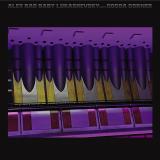
OOOOH! by Alex Bad Baby Lukashevsky with Cocoa Corner (2025)
Celebrated veteran of Toronto’s music scene, known for his boundary-pushing approach to folk and avant-garde music, twists rock music into strange and brilliant new shapes with the help of young jazz players, U.S. Girls, and his own immensely talented son.
OOOOH! is hard on the outside and soft on the inside. Made in the spirit of unity,
humanity, and poetry — disobediently renouncing the glory of personal triumph for the
generosity of an honest experiment. On the last track of the album you’ll hear “Or do you only ever never want to make a single enemy? / That’s not freedom or humility / It’s nothing, honestly.” Oooh, that's a bad baby!
A celebrated Toronto songwriter and performer, Alex Lukashevsky has always been disobedient. Which simply means, nothing is off the table when he’s looking for his
poetic voice; when trying to find the realest I of the teller. As he sings on the lead track “that musician that’s dead” The musician is radical/ it’s the world that’s demented/ listening with their eyes, the music looks dented/ they’re over-represented.
OOOOH! was recorded in January 2024 at Sound Department in Toronto, engineered by Patrick Lefler (ROY), mixed by Grammy-nominated producer Matt Smith. All the songs were tracked live off the floor in two days, with one extra day for recording vocals, to keep the recording fully alive and breathing. As leader of Deep Dark United, as a solo performer, and a sideman in Brodie Wests’ Eucalyptus and Luka Kuplowsky’s Ryokan Band, Alex has been an outsized influence on the Toronto music scene that spawned acts like Broken Social Scene and Owen Pallett. (Pallett, who has toured with Lukashevsky, went so far as to record an entire album’s worth of Alex’s songs, backed
by a full orchestra.)
Lukashevsky has approached each of his albums and projects as something completely new, using only the musical boundaries he creates with each song. Even when he
has recorded songs with nothing but his voice and his own acoustic guitar accompaniment, the results are never “stripped down” or “back to basics,”
Gong! How do you get to heaven / have fun! have fun!
It’s cool to approach music as a game of “spot the influence”; Burt Bacharach-meets-Black Flag; Lana Del Rey-meets-LCD Soundsystem etc. Glorified mash-ups are promising because of their conversational nature. But they can turn us into hyperboreans; blowing cold air beyond ourselves while doing what we can to remain warm. To devise a game or a narrative is to have a winner and a loser, but we all know that just as you win/ so you lose. And does anything really change? Alex Lukashevsky and Cocoa Corner are more at ease drawing blind contours or playing an old game like consequences. They let things add up without knowing particularly how. Cognition is recognition.
Lukashevsky, in addition to writing all the songs, plays guitar and sings on OOOOH!, doing both in ways that are soulful and spikey at the same time. Joining him on guitar and vocals is his oldest child, Charlie Lukashevsky, who, at 23, is already a talented performer and songwriter in his own right. Cocoa Corner also includes Aidan McConnell, an in-demand drummer and composer, Jack Johnston, a jazz bassist and Barry Harris acolyte, and percussionist Evan Cartwright (The Weather Station, U.S. Girls, Cola, Tasseomancy), who plays steel pan and marching drum.
Working with his son and with other younger musicians is central to the album’s
unpredictable aesthetic. It reinvigorated the sound in unexpected ways. Lukashevsky says, “I had to reconsider my own instincts. I had to deal with being 99 years old.”
In addition to these performers, the album includes a tasty contribution from Meg
Remy, the visionary musician and producer who is the leader of the critically acclaimed
project U.S. Girls. Remy duets with Lukashevsky on the imagistic and sprawling album
closer “things keep happening.”
About that album title: OOOOH! is taken straight from “that musician that’s dead” an
arch and unhinged comment on the exertion required to navigate a lifetime of music making.
Lukashevsky’s delivery of that one emotive word is a kind of cultural posture, but also a
hundred percent primitive expression. The impact is never less than visceral. His vocal
delivery ranges through rich baritone blues to keening falsettos to a kind of sprechstimme that periodically steps out from the music to grab the listener’s shirt. He
doesn’t sound too nice, but he is sincere. When life gives you lemons lament.
For OOOOH! his first official full-length album since 2012’s Too Late Blues, (a collection of knotty-yet-effervescent tunes built upon the enchantingly serpentine harmonies of Lukashevsky and his vocal collaborators, Felicity Williams (Bahamas, Bernice) and Daniela Gesundheit (Snowblink, HYDRA)), Alex has once again broken apart and rebuilt his own approach to music. Or rather (because that sounds too over-determined), he
has allowed his music to build itself into strange new shapes that only fleetingly and
coincidentally, but happily, resemble anything that might be called rock and roll. There is some editorializing within the song’s lyrics— Lukashevsky even cheekily contributes to the “spot the influence” game with the line “Muddy Waters, Rite of Spring!” a funny preemptive strike against anyone already reaching for some variation of avant-blues to describe what the song is up to here. In fact there are many names checked on this record (literally and in spirit); they are the lily pads that trace the path of this expression! Palestrina, Peter Pears and Benjamin Brittain, Andrés Segovia, Stravinsky, Lotte Lenya, Alice Coltrane, Skip James, Chuck Berry, D’Gary, Betty Carter, Mukhtiyar Ali, Chuck D, Yoko Ono, Hailu Mergia, David Bowie, Jane Siberry. rhythm is a skeleton mansion / haunted by melody / feckless prodigy / the world is under a spell / cast by some demon angel / Practice day and night / Try as hard as hell / no one can sing that well Musicians are often worried by the way in which they are prepared to fail rather
than how they would like to succeed; it’s such a deep concern that it tempers their creativity and shackles their process. Current cultural proclivities, tend to comfort a certain kind of artistic failure and abnegate another kind. How many testimonials, full of heartfelt care and investment, have you heard for Taylor Swift, and yet a craftsman like Chris Weisman is often dismissed easily as though he’s doing something anti-social. what’s throwing itself in my ears and my eyes / arrogant devil ad hominem christ.
The music you will hear on this recording veers off in multiple directions at once,
and features a rock and roll spirit with a divergent heart. This is no sclerotic clomp of the Average Rock Song, but in fact a flood of humanity in all its darkness and moodiness and unpredictability. If most performers make songs that are like sports cars or pickup trucks to drive around, Lukashevsky has built something more akin to a rowboat in a tree: it’s weird and beautiful.
- A1: Goin` To San Diego (Feat Bob Dylan, David Amram, Perry Robinson, Happy Traum, Jon Sholle, Surya, Moruga, Peter Orlovsky & Anne Waldman)
- A2: Vomit Express (Feat Bob Dylan, David Amram, Perry Robinson, Happy Traum, Jon Sholle, Surya, Moruga, Peter Orlovsky & Anne Waldman)
- A3: Jimmy Berman (Gay Lib Rag)
- A4: Ny Youth Call Annunciation (Feat Arthur Russell, Jon Sholle, David Mansfield & Steven Taylor)
- A5: Cia Dope Calypso (Feat Arthur Russell, Jon Sholle, David Mansfield & Steven Taylor)
- B1: Put Down Yr Cigarette Rag (Feat Arthur Russell, Jon Sholle, David Mansfield&Steven Taylor)
- B2: Sickness Blues (Feat Arthur Russell, Jon Sholle, David Mansfield& Steven Taylor)
- B3: Broken Bone Blues (Feat Arthur Russell, Jon Sholle, David Mansfield&Steven Taylor)
- B4: Stay Away From The White House (Feat Arthur Russell, Jon Sholle, David Mansfield & Steven Taylor)
- B5: Hard On Blues (Feat Arthur Russell, Jon Sholle, David Mansfield & Steven Taylor)
- B6: Guru Blues (Feat Arthur Russell, Jon Sholle, David Mansfield&Steven Taylor)
- C1: Everybody Sing (Feat Arthur Russell, Jon Sholle, David Mansfield & Steven Taylor)
- C2: Gospel Noble Truths (Feat Arthur Russell, Jon Sholle, David Mansfield & Steven Taylor)
- C3: Bus Ride Ballad To Suva (Feat Arthur Russell, Jon Sholle, Steven Taylor & David Amram)
- C4: Prayer Blues - 1972 (Feat Arthur Russell, Jon Sholle, Steven Taylor & David Amram)
- C5: Love Forgiven (Feat Arthur Russell, Jon Sholle, Steven Taylor & David Amram)
- C6: Father Death Blues (Feat Arthur Russell, Jon Sholle, Steven Taylor & David Amram)
- D1: Dope Fiend Blues (Feat Arthur Russell, Jon Sholle, Steven Taylor & Avid Amram)
- D2: Tyger (Feat Arthur Russell, Jon Sholle, Steven Taylor & David Amram)
- D3: You Are My Dildo (Peter Orlovsky)
- D4: Old Pond (Arthur Russell, Jon Sholle, Steven Taylor, David Amram)
- D5: No Reason (Feat Arthur Russell, Jon Sholle, Steven Taylor & David Amram)
- D6: My Pretty Rose Tree (Feat Arthur Russell, Jon Sholle, Steven Taylor & David Amram)
- D7: Capitol Air (Feat Arthur Russell, Jon Sholle, Steven Taylor & David Amram)
"Rags, Ballads & Harmonium Songs. Chanteys, Come-All-Ye's, Aborigine Song Sticks. Gospel, Improvisations, Renaissance Lyrics, Blake Hymns, Bluegrass, Hillbilly Riffs, Country & Western, 50's R&B, Dirty Dozens & New Wave"
Allen Ginsberg's recorded opus gets its first ever full vinyl reissue on a gatefold double vinyl LP replete with photography by Robert Frank. Containing studio-recorded performances that he wrote, performed and taped in sessions taking place between 1971 and 1981 - featuring Bob Dylan, Arthur Russell, Anne Waldman, David Mansfield, Perry Robinson, David Amram and many other friends and contemporaries.
A selection of what were arguably "demos" for this record were originally recorded by the legendary Harry Smith at his apartment in the Chelsea Hotel in the early 70s, and this would later appear on Folkways as First Blues: Rags, Ballads & Harmonium Songs.
Sit, you sit down
Breathe when you breathe
Lie down, you lie down
Walk where you walk
Talk when you talk
Cry when you cry
Lie down, you lie down
Die when you die credits
Issued under license from the Allen Ginsberg estate. With thanks for Peter Hale, Peter Wright & John Allen.
c 03: Jimmy Berman (Gay Lib Rag) feat. Bob Dylan, David Amram, Perry Robinson, Happy Traum, Jon Sholle, Surya, Moruga, Peter Orlovsky & Anne Waldman
- A1: God The Tube
- A2: Mother
- A3: Welcome
- A4: Chocolate Revelation
- A5: Pleasure
- A6: Echoes Of Curiosity
- A7: André A8. Granny A9. The Garden
- A10: Jeux D'eau
- A11: Go To The Temple
- A12: You Are The Rain
- A13: The Character Of Rain
- A14: Lullaby Of Takeda
- A15: Departure To Belgium
- A16: Swing Sweep
- B1: Obon B2. Open The Sea
- B3: Without Him, No Me
- B4: Nishio-San
- B5: Kashima-San's Mansion
- B6: Disillusion
- B7: A Carp Gift
- B8: Sidereal Void
- B9: Épilogue
- B10: Hana
Original soundtrack of the film Little Amélie, an adaptation of Amélie Nothomb’s ninth novel The Character of Rain (Métaphysique des tubes), published in 2000 and a major literary success.
From Tokyo, Mari Fukuhara composed an airy and playful score for the film. She blends impressionistic piano (Ravel is never far), childhood timbres (marimba, traditional Japanese songs), and orchestral textures. The shakuhachi (flute) and the koto bring in a Japanese touch, at times lyrical, at times mischievous. The result is a reading and listening experience that is both deeply personal and universal.
The album unfolds like a musical tale in its own right, evocative yet profoundly intimate.
Released in France in June 2025, the film is now campaigning for the Oscars and will premiere in the U.S. in the fall.
- A1: Obibini Takyi - Aburokyiri Abrabo
- A2: Lee Dodou - Mampong Dwa
- A3: King Solomon (Nii Mantse) - Dzen Ye Kokloo
- B1: Okyerema Asante - Ateaa
- B2: George Darko - Medo Menuanom (Lp Version)
- B3: Osei Banahene - Woanwaremea
- C1: Osei-Osarfo Kantaka - Mansa (Special)
- C2: King Solomon (Nii Mantse) - Dzoohee
- C3: Classique Vibes - Sankofa
- D1: Osei Banahene - Odo Nye Me Sa
- D2: Obibini Takyi - Ohia Sei Abrantie
- D3: Padmore Oware - Menkowu
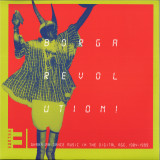
Kalita is excited to present the third volume in their groundbreaking ‘Borga Revolution!’ compilation series, exploring the revolutionary phenomenon of ‘Burger Highlife.’ This unique style fused West African melodies with synthesizers, disco, and boogie, a sound that took Ghanaian airwaves by storm in the 1980s and beyond. With previous volumes receiving strong support by tastemakers such as Gilles Peterson, Antal, Tom Ravenscroft, and Hunee, Volume 3 takes a deeper dive than ever before into the world of Ghanaian digital dance music. This volume features rare, sought-after tracks from artists including Obibini Takyi, Osei Banahene, and Okyerema Asante, as well as Burger Highlife trailblazers George Darko and Lee Dodou. Borga Revolution! Volume 3 offers a curated mix of standout anthems and rediscovered gems, many of which are otherwise nearly impossible to find, making this collection a must-have for fans and collectors alike.
The 1970s and 80s saw Ghanaian musicians begin to incorporate Western sounds like funk and disco into their music, reflecting the changing global musical landscape. However, the country's political instability and economic hardships, marked by military regimes and curfews, forced many artists to leave Ghana in search of better opportunities abroad. In Europe and the U.S., these musicians fused their traditional highlife roots with emerging digital sounds, using cutting-edge technology like the DX7 synthesizer and drum machines to create the genre now known as Burger Highlife. With ‘Borga Revolution!’ Kalita offers a vivid exposition of this musical transformation, using rare interviews, archival photos, and detailed liner notes to bring to life the pioneering spirit of both well-known icons and unsung innovators of Burger Highlife, one of West Africa’s most exciting musical movements.
2024 Reissue
The syndicate manifests its sonic potential in full glory. Giving rise to this collection of colossal heavyweights, Sentry demonstrates its spotless record of selecting certified heavyweights for the discography once again, twenty-fold. Stepping into the ring are some of the scene's most prolific artists alongside a plethora of promising, choice newcomers.
Boasting more than an hour of supercharged sound system pressure with names like Caspa, Truth, Bukez Finezt, Nomine and Youngsta himself on the controls - the subsequent inferno proves to be an authoritative display of quality bass music, that is sure to reach roaring stacks of speakers all around the globe for years to come."
"Vintage flavours transmute into fiery low-end excursions in 'Sun Ra' as Onhell reigns with fire and brimstone and makes way for what's to come. Rolling on, Taso lays waste with dimly lit half-time flows as we enter the smoke-filled mansion of Argo's meticulously crafted 'Since Then' - a prime cut of hip-hop infused breakbeats and bass.
Abstrakt Sonance & Substance set the heater into overdrive and blunts aflame as we proceed into the shelling of 207's 'Gypsy Dub' - then promptly being crunched to bits by 'Crocodile' - encapsulating Dayzero's cold-blooded dance floor armaments. Brace yourself for battle as we step to the drums of Caspa's tribal warfare, full-frontal assault engineered for the club.
Unrestrained power surges propelling us onwards in Coltcut & Ourman's decidedly high-grade collaboration as listeners march through Khiva's haunting sound system belter 'Teeth' and a zealous dosage of Dubstep as envisioned by Truth. Led through eerie alleys and pressure-ridden environments with LSN on the buttons, the onslaught proceeds with the relentlessly driving 'R U Broke' in Mr. K's signature style.
Opus merciless injects straight fury in an auditory form in the spiked 'Lime Pickle' - Bukez Finezt keeping pace with a murderous Cembalo-ridden thug anthem, lunacy! Minimal instrumentation to its fullest effect, Sukh Knight's 'Modulate' keeps it spicy - as does the claustrophobic sub-bass chiming by Leftlow. Thanom ignites what's left of the residual air in 'Tumble It' - dangerous goods.
The subsequent time bomb armed by A:Grade & Feonix, cast into the abyss that is Nomine's space-bending 'Judas' - big speaker business. The clock strikes its final hour - Youngsta & Cimm finish off the survivors with a no-holds-barred showdown, the 'Last Judgement' executing its massive verdict.
Transparent blue vinyl, limited to 1000 copies. Swedish Grammy Award winning rock duo Johnossi are back. John, Ossi and their long time partner keyboardist Mattias Franzén went back to basics and spent a lot of time together in the rehearsal room to write their eighth album "Forevers" (release September 27th). "When we were younger, that's where we did everything," the band explains. "Our instruments and our interplay were all the inspiration we needed and now we simply wanted to return to that feeling of tireless belief in ourselves". The result is an album described by the band themselves as "a distinct, big and fearless album". The album is produced by Måns Lundberg (Håkan Hellström, Deportees, Hurula etc.) and was recorded in Stockholm during spring.
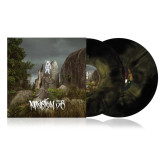
After over a year spent in a slight creative slump in a crumbling terraced house in Tottenham, Jam Baxter rang his label boss while heavily intoxicated to request they fly him to Bangkok forthwith, to rejoin forces with '...so we ate them whole' producer and engineer, Chemo. After an initial period of understandable hesitancy, the flights were booked and Baxter found himself suddenly regurgitated from the belly of a Jet Airliner into the magical and surreal surroundings of Mansion 38.
Mansion 38 is the name of the apartment block in Bangkok in which Baxter wrote the entire album, all the while going slowly insane on a heady mix of local liquor and multicoloured pharmaceuticals. The album is very much a product of the month he spent there in a dream-like state, becoming a delusional half-man half- goat figure to be admired and feared in equal measure.
Despite not being the wholesome and creative Zen retreat he anticipated and most probably needed, the backdrop of seedy late nights and impulsive tropical hedonism has resulted in some of his most intriguing and honest work to date. Chemo once again provides the haunting and evocative canvas that is all too perfect for Baxter's colourful imagery and dark psychedelic storytelling, blending a huge array of influences into an album that flows seamlessly from start to finish.
With comrades Lee Scott and Trellion flying to Bangkok on a whim to record their contributions and with videos shot in Bangkok, Hanoi and London this is truly an international project born of grand ambition and abject madness.
Mansion 38 is clear proof that after several years and multiple solo and group projects, Jam Baxter is still angrily shoving the boundaries of hip hop and lyricism further outward.
Triumph breeds confidence, and with confidence comes an expansion of ambition, a focus of ability, an emboldening of audacity. De-Loused In The Comatorium had risked everything Omar and Cedric possessed on the wildest of gambits, the most impossible of dreams: making sense of the riot of influences ricocheting about Omar’s head, and memorialising their departed friend Julio Venegas through Cedric’s magical realist roman-a-clef. It Clouds Hill shouldn’t have worked. But it did, and with that fiendish tightrope act successfully accomplished, the duo stretched the wire even further and higher, over a figurative fiery pit peopled with lions, crocodiles, piranha and other sharp-toothed beasts not yet known to man. Because how do you make great art without taking great risks? Frances The Mute was no De-Loused Part Two. For one thing, the band’s configuration had changed, in the most painful way. Shortly before the release of De- Loused, sound manipulator and founder member Jeremy Michael Ward passed away, a wound Omar says the group never recovered from. But even though his inspired fucking- with-the-sonic-parameters is absent from Frances The Mute, his spirit and influence can still be determined, the album’s concept derived from a diary Ward had encountered in his day-job in repossession. “Jeremy picked up lots of interesting stuff when he was a repo man,” remembers Cedric. “Weird things, including this diary, He let us read it a bunch of times. It was by a guy who’d been adopted and was searching to find his real parents. It was very surreal, it didn’t make much sense – the guy might’ve been schizophrenic – but it was very inspiring. It felt like how certain music helps you escape your boring every-day life. The names and scenes in the diary directly inspired these songs.” Some of the tracks pre-dated De-Loused, having their origins in early demos Omar recorded at the duo’s Long Beach home Anikulapo, songs such as The Widow and Miranda The Ghost Just Isn’t Holy Anymore. Cedric had heard these jams in their embryonic state and began working in his mind on what he could bring to them. “I was attracted to The Widow like you would be to a lover, right?” Cedric remembers. “I sang over it with Omar while we were touring De-Loused in Australia on the Big Day Out, like, ‘Okay, I’ve got something for this.’” A potent ballad, laden with emotional crescendos and evoking the epic drama of Ennio Morricone – an effect aided by an elegiac trumpet part performed by Flea – The Widow would become The Mars Volta’s first song to chart on the Billboard Top 100, capturing the album’s potent sorrow and widescreen sprawl in miniature. Indeed, the lush sound of the album, the depth of detail and breadth of instrumentation, belies its grungy roots. Having tasted the luxury of Rick Rubin’s mansion, Omar veered in the opposite direction when recording Frances, cutting the album in what he describes as “a shithole... Basically a warehouse with one little air conditioner on its last legs, awful wiring and a console you couldn’t rely on. We were there night and day – I would literally lock engineer Jon DeBaun in there. He slept on a mattress in the vocal booth.” A considerably more complex and ambitious album than its predecessor – four of its five tracks lasted over ten minutes in length, with its closing epic Cassandra Gemini spanning over half an hour – Frances The Mute wasn’t recorded “live” by an ensemble, but with the individual musicians coming into the “shithole” and recording the parts Omar had scripted for them separately. “They had to have absolute trust in me,” Omar remembers, “Like actors trust their director.” In addition to the core band – now fleshed out with incoming bassist Juan Alderete, and Omar’s brother Marcel on keyboards and percussion – the album featured guitar solos from John Frusciante, saxophone and flute by future member Adrian Terrazas-Gonzales, a full string section, and piano played by Omar’s hero, salsa legend Larry Harlow. “It was a childhood dream come true,” Omar says. “We recorded with him in my hometown in Puerto Rico, and my father flew in to watch the session. Larry was a perfect gentleman, and a very lively spirit.” The album’s fevered intensity infected even the staid string section, Cedric remembers. “When they performed the part on Cassandra Gemini, ’25 wives in the lake tonight’, one of the guys in the orchestra played so hard he broke his bow, this real old, antique bow. And you could see his ‘classical’ side come out – like, ‘I broke this playing a fuckin’ rock song??’ He was pissed off. But I was like, ‘Fuck yeah, man, that’s on the record! You’ve got to realise things like that are cool.’” The album also features field recordings of “the coqui of Puerto Rico” during the opening minutes of Miranda That Ghost Just Isn’t Holy Anymore. “We took a page out of the Grateful Dead’s book there,” laughs Cedric. “They recorded air. We recorded fuckin’ frogs in Puerto Rico.”
They Say: “New directions in contemporary scoring”.
We say: Contempo is one of the best full album listens in the KPM 1000 library. Succinct smoking soul, super tight breaks and string-drenched sleaze composed by the library master, Keith Mansfield.
The creator of the romping tunes that became the iconic themes to the BBC’s Grandstand programme and their televised Wimbledon Tennis Championship coverage, Keith Mansfield was perhaps KPM’s most prolific artist from the mid 1960s right the way through the 1980s. As well as the sort of pop orchestral sound that is all over these classic library records, he could also turn his hand to raw, edgy rock and funk. Quentin Tarantino is a big fan, going as far as including some of Keith’s work on the soundtracks to Kill Bill and Grindhouse.
Many library records are a game of two halves and Contempo is certainly one of those. The first side cooks on a high funk breaks flame whilst the flip is something altogether more tranquil, yet no less groovy. It lays back with dreamier, post-coital grooves.
Rugged funk opener “The Fix” confidently displays its low slung languid grooves with heavy drums, horns and bass. Smokin’ in slow motion. The punchy “What’s Cooking” follows and has a lighter, more whimsical touch. But the drums still roll and the clavs wiggle in fascinating opposition to those horns. The dark and moody intro to “Cut To Music” gives way to a more inclusive, relaxed funk that’s all irresistible bass and stabbing horns. The mid-tempo “Man Alive” signals the time to really get down. A percussive monster jam. If you can’t strut to this then we really can’t help you! Closing out the A side, fresh guitar licks drip all over the slick drums of “Funky Footage”, with a New Orleans piano vibe coming on to really light a fire.
Whilst the dramatic crime funk of the A side is enough on its own to have earned this record its place in the great library record canon, it’s undoubtedly the more smoothed out B side for which Contempo is rightfully adored and celebrated. It’s so chilled and mellow, with beautifully arranged, sweeping strings, sax solos aplenty and a real 70s soundtrack feel. Think Love Boat, CTI label, Bob James, Grover Washington Jr.-type jams.
The super sleek and sexy jazz funk of “Breezin’” is as light and magical as you’d hope. An open-air masterpiece, its indulgent sound is just a taster of the sophisticated funk to follow. The elegant, romantic feels of “Good Vibrations” (used brilliantly by Odd Future’s Mike G for “Swiss Army”) is a string-drenched, wah-wah fuelled ode to living your best life. Nonchalantly. Whilst it keeps a very West Coast feel, the blaxploitation strut is certainly more Blackbyrds than Brian Wilson. “Sun Goddess” will blow your mind with the sensuous sound of glorious horns and beautiful keys. The luxurious “Love De Luxe” and its horizontal grooves have been much sampled, but here it proves that it doesn’t need any help to get you in an intimate mood. Closer “Snake Hips” is a cool mid-pace slouch. Just divine.
Originally released in 1976 but, like the very best KPM records, wonderfully timeless, Contempo is also no mere LP-length collection of loosely related tracks. This is a rare example of a library record that is a genuinely great listen from start to finish.
As with all of our KPM re-issues, the audio for Contempo comes from the original analogue tapes and has been remastered for vinyl by Be With regular Simon Francis. And as usual, the sleeve reproduction duties were handed over to Richard Robinson, the current custodian of KPM’s brand identity.
: Contempo (KPM) (LP)
- A1: Keith Mansfield - Tycoon
- A2: Keith Mansfield - Hot Property
- A3: Keith Mansfield - Whistle Stop Tour
- A4: Keith Mansfield - Power Complex
- A5: Keith Mansfield - Research Establishment
- A6: Keith Mansfield - Clean Air
- A7: Keith Mansfield - Fatal Error
- A8: Keith Mansfield - Sleeping Giant 1
- A9: Keith Mansfield - Sleeping Giant 2
- B1: Keith Mansfield - World In Action
- B2: Keith Mansfield - World In Action (Composite)
- B3: Keith Mansfield - Balance Of Power
- B4: Keith Mansfield - Motorail Express
- B5: Alan Hawkshaw - Road And Rail
- B6: David Snell (2) - International Flight
- B7: Keith Mansfield - Quality Fair
- B8: Keith Mansfield - Summer Location
LP,180, 2018 REISSUE - REMASTERED FROM ORIGINAL TAPES, CAREFULLY REPRODUCED ORIGINAL ART
The two sides of 1973's Big Business / Wind of Change are mainly the work of thegreat Keith Mansfeld but there's a killer cameo each from Alan Hawkshaw and David Snell to help deliver a thematic suite, diverse in mood, applicable to dramatic and environmental situations'. A Be With favourite and truly one for the heads.
The Big Business of side A is all the work of Keith Mansfeld. It's heavy on the suspense and features the vital Hot Property', an insistent groove so good that Madlib sampled it to lace the ace Long Awaited' by Lootpack with Dilated Peoples.
Sleeping Giant 1' is a more feshed out version of the equally-dazzling Fatal Error', evoking the orchestral magic of David Axelrod. Indeed, it conjures images of Diamond D falling over himself in the early-to-mid 90s to loop its intoxicatingly
eerie soundscape. Complete with guitar flls that recall Paris, Texas-era Ry Cooder, you need this record for this piece alone.
The horn-and-fute-led "Tycoon" is a head-nodder and "Power Complex" has some fantastic percussion. Other highlights include the breezy glide of Whistle Stop Tour' and its sister groove Clean Air.'
Over on Side B is the more expansive Wind Of Change, which includes the David Snell and the Alan Hawkshaw contributions. But these ain't no fller. Snell's shufing International Flight' sounds like a smooth Dorothy Ashby track tossed from the heavens. Hawkshaw's Road And Rail' is about as luxurious and strung-
out as the great man gets and it might just be the highlight of this whole set.
Not to be outdone, if Mansfeld's Balance Of Power' doesn't make you feel like king of the world then you must be playing it wrong. Oh, and did we mention World In Action'!
As with all ten re-issues, the audio for Big Business / Wind of Change comes from the original analogue tapes and has been remastered for vinyl by Be With regularSimon Francis. We've taken the same care with the sleeves, handing the reproduction duties over to Richard Robinson, the current custodian of KPM's
brand identity.
- 1