Buscar:o rem

Estilos
Todo
THE ALAN PARSONS PROJECT - THE TURN OF A FRIENDLY CARD LP

2LP 180gm heavyweight 45 RPM Audiophile Edition, Featuring a half speed remaster by Miles Showell at Abbey Road Studios, Housed in polylined inners, Printed insert with sleevenote. The Alan Parsons Project"s multi-million selling album The Turn of a Friendly Card (1980), their celebrated prog pop tour de force, is reissued in a variety of formats, including this 2LP heavyweight, 45 RPM Audiophile edition. Expertly cut by Miles Showell at Abbey Road Studios on a customised Neumann VMS 80 lathe at half speed using high-resolution archive transfers taken from Eric Woolfson"s rarely played, mint condition duplicate masters run at the time of the original sessions in 1980. Like other Alan Parsons Project albums, there were a variety of different lead vocalists employed including Chris Rainbow, Lenny Zakatek, Elmer Gantry as well as Eric Woolfson himself. Plus, a selection of session musicians such as guitarists Ian Bairnson and David Paton and drummer Stuart Elliott with arrangements by Andrew Powell.

Reservar27.03.2026

debe ser publicado en 27.03.2026

23,11
THE ALAN PARSONS PROJECT - THE TURN OF A FRIENDLY CARD LP

Limited Edition 180gm heavyweight Clear Vinyl LP, Half-speed remaster by Miles Showell at Abbey Road Studios, Insert contains a sleevenote featuring quotes from Alan Parsons and Eric Woolfson. The Alan Parsons Project"s multi-million selling album The Turn of a Friendly Card (1980), their celebrated prog pop tour de force, is reissued in a variety of formatsincluding a Limited Edition Clear Vinyl LP, half-speed remastered by Miles Showell at Abbey Road Studios. Like other Alan Parsons Project albums, there were a variety of different lead vocalists employed including Chris Rainbow, Lenny Zakatek, Elmer Gantry as well as Eric Woolfson himself. Plus, a selection of session musicians such as guitarists Ian Bairnson and David Paton and drummer Stuart Elliott with arrangements by Andrew Powell.

Reservar27.03.2026

debe ser publicado en 27.03.2026

24,33
THE ALAN PARSONS PROJECT - AMMONIA AVENUE LP

2LP 180gm heavyweight 45 RPM Audiophile Edition, Featuring a half speed remaster by Miles Showell at Abbey Road Studios, Housed in polylined inners, Printed insert with sleevenote. The Alan Parsons Project"s million selling album Ammonia Avenue (1984), is re-issued in a variety of formats including this 2LP heavyweight, 45 RPM Audiophile edition. Expertly cut by Miles Showell at Abbey Road Studios on a customised Neumann VMS 80 lathe at half speed using a 1:1 archive transfer from the original SONY 1610 format digital mastertape recorded in 1984. Like other Alan Parsons Project albums, there were a variety of different lead vocalists employed including Chris Rainbow, Colin Blunstone, Lenny Zakatek as well as Eric Woolfson himself. Plus, a selection of session musicians such as guitarists Ian Bairnson and David Paton and drummer Stuart Elliott with arrangements by Andrew Powell.

Reservar27.03.2026

debe ser publicado en 27.03.2026

23,11
THE ALAN PARSONS PROJECT - AMMONIA AVENUE LP

Limited Edition 180gm heavyweight clear vinyl, Half-speed remaster by Miles Showell at Abbey Road Studios, Insert contains a sleevenote featuring quotes from Alan Parsons and Eric Woolfson The Alan Parsons Project"s million selling album Ammonia Avenue (1984), is re-issued in a variety of formats including a Limited Edition Clear vinyl LP, half-speed remastered by Miles Showell at Abbey Road studios. Like other Alan Parsons Project albums, there were a variety of different lead vocalists employed including Chris Rainbow, Colin Blunstone, Lenny Zakatek as well as Eric Woolfson himself. Plus, a selection of session musicians such as guitarists Ian Bairnson and David Paton and drummer Stuart Elliott with arrangements by Andrew Powell.

Reservar27.03.2026

debe ser publicado en 27.03.2026

24,33
TIGERS JAW - LOST ON YOU

TIGERS JAW

LOST ON YOU

12inchHR17545
Hopeless
27.03.2026
  • It's Ok
  • Primary Colors
  • Head Is Like A Sinking Stone
  • Anxious Blade
  • Aptized On A Redwood Drive
  • Breezer
  • Ghost
  • Staring At Empty Faces
  • Light Leaks Through
  • Roses + Thorns
  • Lost On You
También disponible

ICE BLUE VINYL[24,33 €]


Die Alternative/Emo Rock-Band Tigers Jaw kehrt mit Lost on You zurück, einem fesselnden siebten Studioalbum, das von ihrem langjährigen Kollaborateur Will Yip (Turnstile, Scowl) produziert wurde. Das Album knüpft an den Erfolg von I Won't Care How You Remember Me aus dem Jahr 2021 an und verfeinert ihren verletzlichen, aber selbstbewussten Stil mit neuen Dynamiken, Texturen und Klängen. Durch ihre Chemie und Offenheit untereinander haben Tigers Jaw einen neuen Höhepunkt ihrer Kreativität erreicht, von dem aus die Band die Veränderungen im Leben verarbeitet, die irgendwann jeden treffen. Lost On You fängt auf elektrisierende Weise die Schönheit des Loslassens ein, die Erinnerung daran, dass man das, was man bereits erlebt hat, überstanden hat, und das Wissen, dass man auch die neuesten Übergänge im Leben meistern wird. Walsh sagt, dass es in "Primary Colors", einem hellen und nachdenklichen Track mit einem klagenden, melancholischen Gitarrensolo, darum geht, ,dass deine Gefühle völlig überwältigt und eingenommen werden. Man erlebt Dinge oder sieht Gefühle in Farben. Es ist eine allumfassende Erfahrung, die den ganzen Körper einnimmt." Das ist ein bedeutungsvoller Rat in Krisenzeiten: Bleibe inmitten der Höhen und Tiefen präsent, dann wirst du Ruhm finden. Lost On You ist eine atemberaubende Erinnerung daran, dass du, egal was du durchmachst, immer am Steuer sitzt. Empathischer Alternative

Reservar27.03.2026

debe ser publicado en 27.03.2026

24,33
TIGERS JAW - LOST ON YOU

TIGERS JAW

LOST ON YOU

12inchHR17535
Hopeless
27.03.2026
  • It's Ok
  • Primary Colors
  • Head Is Like A Sinking Stone
  • Anxious Blade
  • Baptized On A Redwood Drive
  • Breezer
  • Ghost
  • Staring At Empty Faces
  • Light Leaks Through
  • Roses + Thorns
  • Lost On You
También disponible

BUBBLEGUM PINK VINYL[24,33 €]


Die Alternative/Emo Rock-Band Tigers Jaw kehrt mit Lost on You zurück, einem fesselnden siebten Studioalbum, das von ihrem langjährigen Kollaborateur Will Yip (Turnstile, Scowl) produziert wurde. Das Album knüpft an den Erfolg von I Won't Care How You Remember Me aus dem Jahr 2021 an und verfeinert ihren verletzlichen, aber selbstbewussten Stil mit neuen Dynamiken, Texturen und Klängen. Durch ihre Chemie und Offenheit untereinander haben Tigers Jaw einen neuen Höhepunkt ihrer Kreativität erreicht, von dem aus die Band die Veränderungen im Leben verarbeitet, die irgendwann jeden treffen. Lost On You fängt auf elektrisierende Weise die Schönheit des Loslassens ein, die Erinnerung daran, dass man das, was man bereits erlebt hat, überstanden hat, und das Wissen, dass man auch die neuesten Übergänge im Leben meistern wird. Walsh sagt, dass es in "Primary Colors", einem hellen und nachdenklichen Track mit einem klagenden, melancholischen Gitarrensolo, darum geht, ,dass deine Gefühle völlig überwältigt und eingenommen werden. Man erlebt Dinge oder sieht Gefühle in Farben. Es ist eine allumfassende Erfahrung, die den ganzen Körper einnimmt." Das ist ein bedeutungsvoller Rat in Krisenzeiten: Bleibe inmitten der Höhen und Tiefen präsent, dann wirst du Ruhm finden. Lost On You ist eine atemberaubende Erinnerung daran, dass du, egal was du durchmachst, immer am Steuer sitzt. Empathischer Alternative

Reservar27.03.2026

debe ser publicado en 27.03.2026

24,33
Serpente - Visita do Fogo LP
  • A1: Ghidrah
  • A2: Partes Nada
  • A3: Nos Deixei
  • B1: Choros (Edit)
  • B2: Choros (Club)
  • B3: Sigilo (Megamix)

Bruno Silva, operating here under his restless Serpente alias, returns with Visita do Fogo — a sharp, stripped-back and incendiary counterpoint to the drifting, dream-jazz abstractions of Dias da Aranha. If that record floated like smoke, this one crackles and snaps like dry wood.

Visita do Fogo finds Silva stepping back into the heat of his beat-driven origins, embracing a raw, forward-leaning approach that feels closer to his live detonation than a studio construction. The record is built on stark materials — drum fragments, percussive jolts, scorched-earth loops — all manipulated with his unmistakable “screw” instincts: micro-cuts, sudden pivots, rhythmic false floors and the sense that the track might turn itself inside-out at any moment.
Rather than smoothing edges or leaning into atmospherics, Serpente doubles down on urgency. Each piece moves through the record with a chop-and-go physicality, a kind of ritual propulsion that never settles into comfort. Silva’s rhythmic language remains entirely his own: crooked but precise, feral yet meticulous, rooted in dance structures but constantly mutating away from them.

Visita do Fogo is less a sequel to Dias da Aranha than a flare shot into the same night sky — brighter, hotter, and designed to leave afterimages. It captures an artist burning forward, shedding everything unnecessary, trusting the flame.

Reservar27.03.2026

debe ser publicado en 27.03.2026

19,54
Iivana Mišukka & Arja Kastinen - Iivana Mišukka (Tape)
  • 01: Maanitus &Amp; Tšiižik
  • 02: Markka
  • 03: Melkutus
  • 04: Letška
  • 05: Kuuen Parin Hoirola
  • 06: Brišatka
  • 07: Tšiižik
  • 08: Kirkonkellot
  • 09: Kirkonkellot Korkea
  • 10: Hoirola, 3 Parin
  • 11: Lippa
  • 12: Kyngäkiža
  • 13: Ristakondra
  • 14: Vanha Polkka
  • 15: Viistoista
  • 16: Vanha Valssi
  • 17: Kiberä
  • 18: Maanitus Kuokan Kanteleella
  • 19: Tuuti Lasta Nukkumahe
También disponible

Vinyl[22,65 €]


Death Is Not The End present a further volume of Arja Kastinen's eerie amalgamations of 110 year old wax cylinders with her own meticulously transcribed takes, this time focussing in on Armas Otto Väisänen's field recordings of kantele player Iivana Mišukka (b. 1861 d.1919).

"Ivana Mišukka (1861–1919) was one of the Karelian kantele players recorded by the folk music researcher Armas Otto Väisänen on wax cylinders in 1916 and 1917. In the early 20th century, the remote areas of Border Karelia were undergoing the final phase of a transformation in musical culture, with the ancient runo song tradition giving way to newer forms of music. This transition is reflected in Mišukka's repertoire and choice of instrument. The ancient small kantele, hollowed out of a single piece of wood, was already rare at the turn of the century. Mišukka's kantele was a new type of instrument with 26 strings, constructed of several parts, but he played it using the traditional plucking technique. Like other Border Karelian kantele players, his repertoire consisted of music rooted in runosong culture, as well as newer dances and songs from the east and west. Most of the recorded material falls into the latter category.

Ivan Bogdanov Mišukka was born out of wedlock in Suursara village, Suistamo, on 1 May 1861. He began playing the kantele at the age of five or six, quickly mastering the instrument. In adulthood, he was considered one of the area's best master players. Mišukka was landless for most of his life and lived in different parts of the Suistamo parish. His first wife, Tekla Markintytär, died in 1897 at the age of 40, and his second wife, Jevdokia Filipintytär Jeminen, died in 1907 at the age of 50. Seven children were born from the first marriage, two of whom died young. The third wife, Maria Ignatintytär Gurnan (Kuurnanen), was a well-known master of lamentations. Together with Maria, Iivana Mišukka worked as a tenant farmer in the village of Suursara. Mišukka suffered from rheumatism, which prevented him from participating in physical work like Maria. This was apparently partly the reason why Iivana Mišukka went to earn extra money by playing the kantele on gig trips. He often had other traditional artists from Suistamo as his travelling companions, such as the runosingers Konstantin Kuokka and Iivana Onoila. Iivana Mišukka died in Leppäsyrjä village, Suistamo, on 18 May 1919 at the age of 58, and his kantele was donated to Teppana Jänis.

Mišukka only used 14 of the 26 strings on his kantele, playing the same tunes either a fourth higher or lower. He tuned his kantele to the major scale using fifths, except for a low seventh scale degree on the upper strings, but not below the fundamental. Since he did not use the seventh note of the scale on the upper strings at all, he could use the major scale both lower and a fourth higher with this tuning. According to Mišukka, the sound of higher, or 'finer', strings is 'more beautiful', while that of lower ones is 'greater'. Among runosingers, the size of the thirds varied, ranging from major to minor to neutral. A similar phenomenon can be observed in kantele tunings, where the third, sixth and seventh scale degrees vary in a comparable way.

During a meeting, Väisänen suggested that Mišukka play the smaller kantele belonging to Konstantin Kuokka. The idea was to bring it closer to the horn to improve the recording quality. However, the kantele was completely out of tune, and now Mišukka tuned it to the Lydian scale (track 18).

Using the old plucking technique, Mišukka placed his right middle finger on the fundamental tone, his right index finger on the second scale degree, his left middle finger on the third scale degree and his left index finger on the fourth scale degree, and his right thumb on the fifth. The thumb also played the notes above the fifth note of the scale. As Mišukka remarked to Väisänen: 'Peigaloll' tuloo enemb ruadoa' (the thumb has to do more work). However, he did not use the seventh note of the scale on the upper strings at all. Below the fundamental note, he played the seventh and sixth notes of the scale with his right middle finger of and the fifth note of the scale with his right ring finger. This fifth scale degree below the fundamental is almost always used as a drone. Sometimes, when the melody required it, Mišukka, like other players, also varied the fingering. He would also occasionally strike the same string with the side of his fingernail after plucking it.

The wax cylinder recordings of Karelian kantele players are kept in the archives of the Finnish Literature Society in Helsinki, Finland. Copies were made of them onto reel-to-reel tapes in both the 1960s and 1980s. The 1960s copies are mono and the 1980s copies are stereo. However, not all kantele recordings from these decades have survived.

The sound of the kantele is difficult to hear in wax cylinder recordings due to its low volume, and it occasionally becomes completely obscured by noise. During the copying process, the cylinder sometimes rotates unevenly, resulting in breaks or jumps in the music. Additionally, the rotation speed of the cylinder in the copies does not correspond to the performance speed of the original music, which alters the pitch. However, since Väisänen's precise notes are available in the archive, it is possible to deduce the melodies, their speed, and the tuning level of the kantele in the recordings. Of the copies of the original recordings from the 1960s and 1980s, I have selected the one that best met the requirements of this publication and adjusted the speed of the recording to align with Väisänen's notes. To enhance the listening experience, I have replayed the songs, which now partly overlap the old recordings on this release."

— Arja Kastinen

Reservar27.03.2026

debe ser publicado en 27.03.2026

16,39
Iivana Mišukka & Arja Kastinen - Iivana Mišukka LP

Death Is Not The End present a further volume of Arja Kastinen's eerie amalgamations of 110 year old wax cylinders with her own meticulously transcribed takes, this time focussing in on Armas Otto Väisänen's field recordings of kantele player Iivana Mišukka (b. 1861 d.1919).

"Ivana Mišukka (1861–1919) was one of the Karelian kantele players recorded by the folk music researcher Armas Otto Väisänen on wax cylinders in 1916 and 1917. In the early 20th century, the remote areas of Border Karelia were undergoing the final phase of a transformation in musical culture, with the ancient runo song tradition giving way to newer forms of music. This transition is reflected in Mišukka's repertoire and choice of instrument. The ancient small kantele, hollowed out of a single piece of wood, was already rare at the turn of the century. Mišukka's kantele was a new type of instrument with 26 strings, constructed of several parts, but he played it using the traditional plucking technique. Like other Border Karelian kantele players, his repertoire consisted of music rooted in runosong culture, as well as newer dances and songs from the east and west. Most of the recorded material falls into the latter category.

Ivan Bogdanov Mišukka was born out of wedlock in Suursara village, Suistamo, on 1 May 1861. He began playing the kantele at the age of five or six, quickly mastering the instrument. In adulthood, he was considered one of the area's best master players. Mišukka was landless for most of his life and lived in different parts of the Suistamo parish. His first wife, Tekla Markintytär, died in 1897 at the age of 40, and his second wife, Jevdokia Filipintytär Jeminen, died in 1907 at the age of 50. Seven children were born from the first marriage, two of whom died young. The third wife, Maria Ignatintytär Gurnan (Kuurnanen), was a well-known master of lamentations. Together with Maria, Iivana Mišukka worked as a tenant farmer in the village of Suursara. Mišukka suffered from rheumatism, which prevented him from participating in physical work like Maria. This was apparently partly the reason why Iivana Mišukka went to earn extra money by playing the kantele on gig trips. He often had other traditional artists from Suistamo as his travelling companions, such as the runosingers Konstantin Kuokka and Iivana Onoila. Iivana Mišukka died in Leppäsyrjä village, Suistamo, on 18 May 1919 at the age of 58, and his kantele was donated to Teppana Jänis.

Mišukka only used 14 of the 26 strings on his kantele, playing the same tunes either a fourth higher or lower. He tuned his kantele to the major scale using fifths, except for a low seventh scale degree on the upper strings, but not below the fundamental. Since he did not use the seventh note of the scale on the upper strings at all, he could use the major scale both lower and a fourth higher with this tuning. According to Mišukka, the sound of higher, or 'finer', strings is 'more beautiful', while that of lower ones is 'greater'. Among runosingers, the size of the thirds varied, ranging from major to minor to neutral. A similar phenomenon can be observed in kantele tunings, where the third, sixth and seventh scale degrees vary in a comparable way.

During a meeting, Väisänen suggested that Mišukka play the smaller kantele belonging to Konstantin Kuokka. The idea was to bring it closer to the horn to improve the recording quality. However, the kantele was completely out of tune, and now Mišukka tuned it to the Lydian scale (track 18).

Using the old plucking technique, Mišukka placed his right middle finger on the fundamental tone, his right index finger on the second scale degree, his left middle finger on the third scale degree and his left index finger on the fourth scale degree, and his right thumb on the fifth. The thumb also played the notes above the fifth note of the scale. As Mišukka remarked to Väisänen: 'Peigaloll' tuloo enemb ruadoa' (the thumb has to do more work). However, he did not use the seventh note of the scale on the upper strings at all. Below the fundamental note, he played the seventh and sixth notes of the scale with his right middle finger of and the fifth note of the scale with his right ring finger. This fifth scale degree below the fundamental is almost always used as a drone. Sometimes, when the melody required it, Mišukka, like other players, also varied the fingering. He would also occasionally strike the same string with the side of his fingernail after plucking it.

The wax cylinder recordings of Karelian kantele players are kept in the archives of the Finnish Literature Society in Helsinki, Finland. Copies were made of them onto reel-to-reel tapes in both the 1960s and 1980s. The 1960s copies are mono and the 1980s copies are stereo. However, not all kantele recordings from these decades have survived.

The sound of the kantele is difficult to hear in wax cylinder recordings due to its low volume, and it occasionally becomes completely obscured by noise. During the copying process, the cylinder sometimes rotates unevenly, resulting in breaks or jumps in the music. Additionally, the rotation speed of the cylinder in the copies does not correspond to the performance speed of the original music, which alters the pitch. However, since Väisänen's precise notes are available in the archive, it is possible to deduce the melodies, their speed, and the tuning level of the kantele in the recordings. Of the copies of the original recordings from the 1960s and 1980s, I have selected the one that best met the requirements of this publication and adjusted the speed of the recording to align with Väisänen's notes. To enhance the listening experience, I have replayed the songs, which now partly overlap the old recordings on this release."

— Arja Kastinen

Reservar27.03.2026

debe ser publicado en 27.03.2026

22,65
Saša Delimar & Mirror Lake - SEQMENTS: PULSE (TAPE)

High-quality FERRO cassette tapes, printed on 160g premium paper.

Release info
New release with a remix coming from Mirror Lake (Mexico). His version of the track could easily fit into a drum & bass set, but would work just as well in a classic 4/4 set as a refreshing change of pace. Compared to my original, his version features a shorter bass, making the groove more dance-driven and energetic. Superb control over detail throughout the entire track.

Reservar27.03.2026

debe ser publicado en 27.03.2026

9,03
VREID - THE SKIES TURN BLACK LP 2x12"
  • 1: From These Woods
  • 2: The Skies Turn Black
  • 3: A Second Death
  • 4: Kraken
  • 5: Loving The Dead
  • 1: Build & Destroy
  • 2: Chaos
  • 3: Flammen
  • 4: Smile Of Hate
  • 5: Echoes Of Life
  • 6: The Earth Rumbles

In 2026, Vreid will release The Skies Turn Black, their first studio album in five years and a powerful statement from one of Norway's most enduring metal bands. The album marks a renewed creative chapter, shaped through a challenging but ultimately transformative process in which the band reconnected with the essence of their Sognametal roots while exploring new dimensions of their sound. Throughout the album's eleven tracks, Vreid merges fragments of their past with a revitalized artistic drive. The early breakthrough came with From These Woods, written during a late-night session in a remote mountain cabin. The song captured the emotional core of the album and helped steer the band back toward the heart of their identity. The title track The Skies Turn Black also holds a central place on the album. Written by bassist and songwriter Jarle Kvåle as a tribute to Ozzy Osbourne and the music that has shaped his life, the song carries a deeply personal foundation. Kvåle's experience attending Black Sabbath's farewell concert in Birmingham, after previously helping to organize the band's final Norwegian shows along with Ozzy's, left a profound mark and sparked the creative energy that shaped the song's weight and atmosphere.

Reservar27.03.2026

debe ser publicado en 27.03.2026

52,06
Carlos Dafé - Pra Que Vou Recordar LP
  • 01: De Alegria Raiou O Dia
  • 02: Tudo Era Lindo
  • 03: A Cruz
  • 04: Hello Mr. Wonder
  • 05: Bem Querer
  • 06: Pra Que Vou Recordar O Que Chorei
  • 07: Zé Marmita
  • 08: Bichos E Crianças
  • 09: O Metr?

Carlos Dafé (born October 25, 1947) is a singer and songwriter from Rio de Janeiro, recognised as one of the iconic voices of the Brazilian samba-soul era. Born into a family of musicians and trained at the conservatory, he rose to prominence in the 1970s alongside Tim Maia, Cassiano, and Hyldon, shaping the sound of Rio Noir with his warm baritone voice and soulful phrasing. His 1977 album, Pra Que Vou Recordar, became a cult classic among collectors and DJs worldwide, earning him the title of "Prince of Brazilian Soul." Still active today, Carlos Dafé remains an essential reference for artists exploring the boundaries between samba, soul, and MPB (Brazilian Popular Music). Released in 1977, Pra Que Vou Recordar reveals Carlos Dafé at the peak of his art, blending samba-soul, MPB, and the warm groove of the 1970s Rio de Janeiro scene. Surrounded by some of the city's finest musicians, Dafé showcases his baritone voice in deeply melodic arrangements and a series of songs that have become fan favourites. An album imbued with soul and elegance. The sound of BrazilianBlack music at its most sincere and timeless.

Reservar

El artículo no se ha publicado. Tú puedes reservar ahora el artículo y después de ser pagado se te será enviado.

28,53
Various - MYRYRS3 LP 2x12"

Various

MYRYRS3 LP 2x12"

2x12inchMYRYRS3
Myryrs
27.03.2026

MYRYRS3 presents a calculated compilation of cuts pulled from a variety of styles and backgrounds for their third and largest release to date. Having been quiet on the release front since 2023, this collection sets a calibrated tone for a label in its growth stage. Comprising present, esoteric, and regional techno expressions. Remaining grounded in their cultivation of a space where dancefloors and artistic endeavours share conversation, this release opens the room to an array of talent who approach the idea from varying angles of the dancefloor.

A Pandora's box of modern and daring ideas awaits inside MYRYRS3.

Reservar27.03.2026

debe ser publicado en 27.03.2026

27,69
VARIOUS - BULAYO

VARIOUS

BULAYO

12inchMRILP219
MISSISSIPPI RECORDS
27.03.2026

Afrikanische Meisterwerke der Akustikgitarre, die auf Mississippis beliebter ,African Guitar Box" aufbauen. 1979 und 1980 machte sich ein junger britisch-kenianischer Musiker namens John Low auf den Weg, um von seinen Helden das Fingerstyle-Gitarrenspiel zu lernen. Er reiste durch Kenia, Tansania, Kongo und Sambia, besuchte Stars wie Jean-Bosco Mwenda, Losta Abelo und Emmanuel Mulemena und wohnte manchmal sogar bei ihnen. Außerdem nahm er brillante, aber bisher wenig bekannte Künstler wie Francis Kitime aus Tansania und Mtonga Wanganangu aus Kenia auf. Unabhängig von ihrem Status ging John jedem Künstler demütig wie ein Schüler entgegen. Er nahm in Häusern, auf Dorfplätzen und an Wasserstellen auf. Die Sessions sind intim und ungezwungen, die Künstler fühlen sich wohl. Johns Kassettendeck nahm einige der größten Künstler des Kontinents auf, zusammen mit dem Klang von Gelächter, spielenden Kindern und klirrenden Gläsern. Fünf Jahrzehnte später bieten diese Bänder einen seltenen Einblick, wie Fingerstyle-Gitarre außerhalb der angespannten Atmosphäre kommerzieller Studios tatsächlich klang. Einige dieser Songs erschienen auf John Storm Roberts' vergriffenen Original Music-Compilations (die Mississippi stark inspirierten). Andere wurden nie öffentlich zugänglich gemacht. Alle wurden von Andrew Walter (Honest Jon's, Abbey Road) fachmännisch restauriert und von den Originalbändern remastert. John Low liefert Notizen und Songtexte, und der tansanische Musikwissenschaftler John Kitime gibt die Perspektive der Musiker wieder. Lizenziert von John Low und den Künstlern, gepresst auf hochwertigem Vinyl bei Smashed Plastic in Chicago.

Reservar27.03.2026

debe ser publicado en 27.03.2026

23,49
Dream Theatre - Black Clouds & Silver Linings (2x12")
  • 1: Nightmare To Remember
  • 2: Rite Of Passage
  • 3: Wither
  • 4: Shattered Fortress
  • 5: Best Of Times
  • 6: Count Of Tuscany

Black Clouds & Silver Linings is the tenth studio album by Dream Theater, released on June 23, 2009, through Roadrunner Records. It was the last album to feature drummer and founding member Mike Portnoy until his return for the band’s release, Parasomnia, in 2025. Limited edition 2LP release on clear vinyl.

Reservar27.03.2026

debe ser publicado en 27.03.2026

49,37
Inepsy - No Speed Limit for Destruction
  • 1: Rock N Roll Is The Only Way
  • 2: No Speed Limit For Destruction
  • 3: Among The Remains
  • 4: 10 Packs Of Smokes
  • 5: Run Away
  • 6: Time Bomb
  • 7: Warriors Of The Wasteland
  • 8: Fast Way To Die
  • 9: Wild City Night

On their 3rd and final album INEPSY leave the D-Beat Punk behind in favor of some Tank meets Motorhead Bad Ass Hard Rock Motorcycle Metal.

Reservar27.03.2026

debe ser publicado en 27.03.2026

23,49
Yonder Mountain String Band - Good As True
  • 1: Brand New Heartache
  • 2: Long Ride
  • 3: The Lie
  • 4: Barroom Feather (Radio Edit)
  • 5: Blind
  • 6: Nothing New
  • 7: One To One Another
  • 8: Always Almost
  • 9: Barroom Feather

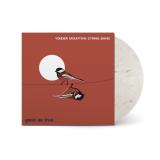
Good As True (2026), the 12th studio album from Yonder Mountain String Band, leans into a warm, expressive sound — bluegrass shaped with an indie edge, rock undertones, and a hint of country. Recorded live in the studio, its eight original tracks trace romantic, personal, and societal relationships and the work it takes to stay connected. The lead single “Brand New Heartache” pairs rock-driven verses with a bluegrass-lifted chorus as it follows the fallout of a breakup and the uneasy hope of starting again, while “Blind” opens with a striking instrumental riff that lingers long after the song ends, while its lyrics confront regret, mental health struggles, and the pull to become something better. “Long Ride” delivers a sharp, sarcastic look at life in a touring band; “Nothing New” and “The Lie” confront political rigidity and division; “One to One Another” and “Always Almost” pull toward quieter emotional corners; and “Barroom Feather” drifts into indie-folk terrain with one of the album’s most atmospheric jams. Across Good As True, Yonder moves between high-tempo runs, layered harmonies, and moments that breathe — a reminder that nearly three decades in, they’re still charting new ground.

Reservar27.03.2026

debe ser publicado en 27.03.2026

22,65
Carnivore A.D. - Transmutation

Carnivore A.D.

Transmutation

12inch426239083198
Apostasy Records
27.03.2026
  • 1: Prologue
  • 2: Transmutation
  • 3: I Stand Alone
  • 4: Social Decomposition
  • 5: Mine Is The Hand

The Evolution Has Begun. Dedicated with love and honor to the memories of Peter Steele and Keith Alexander, Carnivore A.D. emerged as a post armageddon neo barbaric soundscape - a relentless force keeping the primal energy of Carnivore alive on stages and festivals around the world. Formed by NYC Hardcore and Metal veterans Baron Misuraca (vocals & bass – ex-SHEER TERROR), Chuck Lenihan (guitar – ex-CRUMBSUCKERS), and Joe Cangelosi (drums – ex-KREATOR, WHIPLASH, MASSACRE). Co-founded with full endorsement by original drummer Louie Beateaux, Carnivore A.D. has honored its roots by performing the explosive and brilliant works of Peter Steele with intensity, respect and raw power. But now, with the release of their first-ever studio EP "Transmutation", Carnivore A.D. transcends tribute.

They have challenged themselves to write new material - not to replace the original legacy, but to continue its spirit through their own lens. While the legacy of Carnivore remains sacred, Carnivore A.D. has become something more than its origin - a band with its own scars, its own instincts, and now, its own songs. “Think of Carnivore AD as a renowned dining establishment where it’s Chef passed on years ago but the recipes remain and folks still want to dine there instead of cooking the food themselves. And Chef Pete wouldn’t mind because his friends are making it with love.”- Louie Beateaux.

Reservar27.03.2026

debe ser publicado en 27.03.2026

20,59
ZERRE - Rotting on a Golden Throne
  • 1: Intro
  • 2: Concrete Hell
  • 3: Rotting On A Golden Throne
  • 4: Pigs Will Be Pigs
  • 5: Tin God
  • 6: Deception Of The Weak
  • 7: Mental Vacation
  • 8: Killing Taste
  • 9: No Alibi

DYING VICTIMS PRODUCTIONS is proud to present ZERRE’s highly anticipated second album, Rotting on a Golden Throne, on CD and vinyl LP formats. From the cellars of Würzburg, Germany, ZERRE have been keeping the torch of old-school thrash metal burning while carving their own vicious path. Their sound draws on the razor-sharp aggression of classic Metallica and Exodus and the stomping groove of early Faith No More: no frills, no mercy. Their third full-length, 2024’s Scorched Souls, tore through the scene and earned critical acclaim for its searing riffs and unflinching energy. Now, ZERRE take a decisive step forward with Rotting on a Golden Throne. Darker, more overtly political, and more aggressive than its predecessor, this fourth full-length dives headfirst into the rot of power, corruption, and human decay – a brutal soundtrack for a world teetering on the edge. Onstage, ZERRE embody the chaos of their music: riff-driven assaults, breakneck tempos, and a raw intensity that leaves no room to breathe. On record, while those influences still remain, but the DNA has been splintered into something more unique and definitely more powerful: thrashing, yes, but within a crossover framework that feels titanic. The production is razor-sharp, but with ominous atmosphere to spare; the execution is even sharper, as the drumming especially pulses like a dread locomotive; and vocals spit forth venom, raging against a machine fatted by suffering. As the throne collapses, ZERRE deliver the anthem of its fall. Keep on Rotting on a Golden Throne!

Reservar27.03.2026

debe ser publicado en 27.03.2026

22,65
Queen - Queen II LP

Queen

Queen II LP

12inch7843852
EMI
27.03.2026
  • A1: Procession
  • A2: Father To Son
  • A3: White Queen (As It Began)
  • A4: Some Day One Day
  • A5: The Loser In The End
  • B1: Ogre Battle
  • B2: The Fairy Feller's Master-Stroke
  • B3: Nevermore
  • B4: The March Of The Black Queen
  • B5: Funny How Love Is
  • B6: Seven Seas Of Rhye

Over half a century after it set them on the path to superstardom, Queen’s regal second album, Queen II, has been remixed and remastered.

Arguably the heaviest Queen album, Queen II was originally released in 1974 and widely heralded as their first true masterpiece. With Brian May and Roger Taylor as executive producers, the album has been stunningly mixed by the team of Justin Shirley-Smith, Joshua J Macrae and Kris Fredriksson.

Reservar27.03.2026

debe ser publicado en 27.03.2026

25,63
Artículos por página
N/ABPM
Vinyl