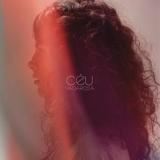
Originally released in 2009, Céu"s Vagarosa is a landmark of 21st-century Brazilian musicc- a lush, genre-blurring journey that weaves samba, dub, psychedelic soul, and electronic textures into a sound cboth timeless and futuristic. Now reissued on vinyl, this essential album invites listeners to rediscover its warm, analog charm. From the opening track "Sobre o Amor e Seu Trabalho Silencioso," with its cavaquinho and vinyl crackle, to the dub-infused "Cangote," where organ swells and basslines intertwine, Vagarosa showcases Céu"s ability to blend traditional Brazilian rhythms with global influences. Her reinterpretation of Jorge Ben"s "Rosa Menina Rosa" transforms into a psychedelic swirl of reverb and phasing effects, maintaining its breezy essence. The album"s closing track,"Espaçonave," features rainforest sounds and multi-tracked vocals layered over fuzzed-out guitar, reminiscent of the art-pop sensibilities of artists like Natalia Lafourcade. Critically acclaimed upon release, Vagarosa reached No. 2 on the US Billboard World Music chart and was nominated for a Latin Grammy Award for Best Brazilian Contemporary Pop Album in 2010. Its innovative production and Céu"s ethereal vocals have cemented its status as a modern classic in Brazilian music. This vinyl reissue captures the album"s rich textures and sonic depth, offering both longtime fans and new listeners an opportunity to experience Vagarosa in its full analog glory. Remastered by Colorsounds Paris.
Suche:on land
- 1: Magical Connection 08:6
- 2: My Foolish Heart / Fly Me To The Moon 1:04
- 3: Az Eso Es En 08:48
- 4: Sombrero Sam 07:35
- 5: Django 00:48
- 6: Thirteen 08:48
- 7: My Love 06:04
- 8: Reinhardt 05:40
- 9: Concorde (Nightflight) 11:02
- 10: Magic Mystic Faces 09:11
- 11: Django 03:57
- 12: Stormy 06:09
- 13: Killing Me Softly With His Song 04:55
- 14: The Last Song 05:52
- 15: The Biz 04:43
- 16: From A Dream 05:07
For the first time in full, a unique anthology of Hungarian TV and radio recordings by the legendary guitarist Gábor Szabó, captured during his return visits to Budapest in 1974, 1978, and 1981. This historic collection documents the deeply personal reconnection of an exiled artist with his homeland, bridging musical worlds and emotional landscapes.
The first disc features both studio and concert recordings with some of Hungary’s top jazz players of the era, including the legendary double bassist Aladár Pege and renowned vocalist Kati Kovács. The second disc includes a rare televised concert from the Hilton Hotel (1978) and Szabó’s final known performance — a moving rendition of “From a Dream” recorded in 1981.
The music collected here captures a poignant duality: Szabó as both American and Hungarian, outsider and homecomer. This is one of the most intimate and emotionally charged chapters of his career and a musical homecoming, rich in atmosphere and soul.
As always with Ebalunga!!!, Gábor Szabó’s legacy is treated with great care and passion. This edition features a 2LP gatefold vinyl release, complete with an in-depth essay by Szabó’s official biographer Douglas Payne — a fascinating piece of cultural and musical research in its own right.
The visual design is the work of artist and industrial designer Anton Bogdanov. With no use of AI tools — just handwork, imagination, and deep respect for the material — the artwork invites the listener to spend long evenings in its layered atmosphere.
Mastering is by Grammy-nominated engineer Jessica Thompson, whose work has revived dozens of legendary archival recordings — including the previous four Szabó releases on Ebalunga!!!.
This album is also available as a 2CD set in an elegant 6-panel digipak, crafted with the same care and attention as the vinyl edition.
Two hours of sublime music, stunning sound, and timeless packaging — a true gift for fans of Szabó and those who cherish deep, living jazz traditions.
Los Angeles-based duo LUCKYANDLOVE are back with their third album, evoking a new sense of art school originality, following their critically acclaimed “Transitions” album. The duo defines 'Humaura' as the atmosphere that emanates from the feelings of the human spirit void of technological control.
Blending raw analog synth sounds with driving punctuated percussion and punchy analogue bass, LUCKYANDLOVE’s music is shaped by the embers of Siouxsie and The Banshees and Bauhaus, resonant spectres carry over from synth-laden galaxies, where the needle hits the vinyl groove and Doc Martens marched to basement dance floors.
LUCKYANDLOVE is the raw sonic experiment of Loren Luck and April Love, whose music transcends genres. Their live analogue synth beats, Moog instrumentation and beautiful, harmonic vocals trigger an immediate download of fuzzy sunset synthgaze, blue-black neon darkwave, and tigerprint electro punk.
“‘Humaura’ is an action-packed, cinematic, entertaining and soulful electro-dance record full of fresh air and wide-open roads where there is more freedom to party, to be in nature, and to be our wild selves,” says April Love.
Fusing together pulsating molten kicks, abrasive fuzz-laden analog synths and sensual vocals, the anti-tech angst anthem ‘I Am Human’ is a call to take back our lives, underlining the need to reconnect with being Human before it’s too late. ‘Lonely at Night’ is a "last call" bar track about the desperate, frantic desire for human connection, building from a haunting sense of isolation to a fast-paced, climactic reunion with a crush. Elsewhere, this album features enchanting lyrics rooted in emotions from melancholy and sorrowful glom to a state of blissful trance.
This album was recorded, mixed and mastered for digital release by Grammy award-winning engineer Be Hussey (Modern English, Twin Tribes, Boy Harsher) at Balboa Studio and Catwater for the digital music, and mastered for vinyl and lathe-cut by Grammy-nominated engineer Nicholas Townsend (Weezer, Grimes) at Townsend Mastering.
Their 'Lucky + Love' and 'Transitions' albums having earning them a global fan following, US and UK tours, multiple tracks featured in the indie hit film 'Tiger Within' (Ed Asner's final performance), and wide acclaim, noting their “soulful, synthesized sound" (LA Weekly), “spectral synths and dazed-dreamy feeling” (Big Takeover Magazine), not to mention their "uncompromising and inventive sonic experiment” (The Spill Magazine) and sound that “oscillates between the asphalt synth streets & interstellar outer realms” (Impose Magazine).
LUCKYANDLOVE’s visceral, dark electro-pop appeal continues to stretch through time and space. Praise for the album’s lead track ‘I am Human’ have poured in from over a dozen countries. ‘Humaura’ promises to cement the duo’s reputation as one of America’s most vivacious electronic / synthwave acts, positioning them firmly within the lineage of artists like Phantogram, Ladytron, The Soft Moon, Twin Tribes and ACTORS.
‘Humaura’ Press:
“...In contrast to its synth-laden darkwave and electropunk sound, the song presents lyrical themes of championing the human spirit and emotions over the technological void" ~ Regen Magazine
“Moog textures and distorted synth tones weaving together like electric currents. An industrial edge that carries a dreamy undercurrent, nodding to darkwave, punk rock and post-punk influences without sounding dated" ~ Myth of Rock
"Every second and note is a meld of lava-esque incitement and beguiling melodic fixation and a breath to unpredictability and stirring fuzz hued uniqueness… a thrilling encounter" ~ The Ringmaster Review
"Layers fall into place and give rise to soaring vocals. The beautiful timbre of her voice sits over the landscapes of sound and reveal poignant lines that hit home." ~ Sound Read Six
Anlässlich des 40. Jubiläums von Clannads Album „Macalla“ (irisch für „Echo“) aus dem Jahr 1985, das
von Phil Kinrade in den Air Studios neu gemastert wurde, erschien das neunte Studioalbum. Es war ihr
erster internationaler Erfolg und markierte einen bedeutenden Meilenstein in der Karriere der Band. Es
präsentierte eine Mischung aus traditionellen irischen Folk-Wurzeln und einem eher Mainstream-, Popbeeinflussten Sound.
Aufbauend auf dem Schwung früherer Erfolge wie „Theme from Harry’s Game“ (1982), das internationale
Aufmerksamkeit erregte und sogar von U2 als Outro-Musik für Konzerte verwendet wurde, und dem preisgekrönten Soundtrack zur Fernsehserie „Robin of Sherwood“ (veröffentlicht 1984 als Album „Legend“),
stand Clannad kurz vor dem Durchbruch in Märkten wie Amerika. Macalla gelang dieser Durchbruch
vor allem dank des legendären Duetts „In a Lifetime“ mit Bono von U2. Bono, bereits ein Bewunderer
von Clannad, arbeitete mit Leadsängerin Moya Brennan an diesem eindrucksvollen Song, der ein großer
Hit wurde. Die Zusammenarbeit entstand durch gegenseitige Bewunderung und ihre gemeinsame irische
Herkunft.
„In a Lifetime“ war ein Charterfolg und erreichte Platz 5 in Irland und Platz 20 in Großbritannien. Auch das
Album „Macalla“ selbst schnitt gut ab und landete in Großbritannien und anderen Ländern in den Charts.
In Neuseeland erreichte es beispielsweise Platz 29. Während einige langjährige Fans ihres rein traditionellen
Folk-Sounds die eher pop- und elektronisch geprägte Produktion des Albums als Abkehr empfanden, gilt
„Macalla“ allgemein als eines der stärksten und prägendsten Alben von Clannad. Es verband erfolgreich
ihre Folk-Wurzeln mit einem zeitgenössischeren, atmosphärischeren und New-Age-beeinflussten Sound und
sprach damit ein breiteres internationales Publikum an. Das Album enthält Lieder auf Englisch und Irisch,
darunter „Caisleán Óir“ und „Buachaill Ón Éirne“, gesungen in ihrer Muttersprache Gälisch.
- 1: Plot Lost
- 2: Plastic Tray
- 3 3: Am Cruise
- 4: Driftwood
- 5: Stomp Nekozilla-San
- 6 50: Dpi Landscape
- 7: Hamster Wheel
- 8: Elevator
- 9: Lost In The Daytime
- 10 11: 26
- 11: Sou
- 12: Toys Dance
- Super Combo Los Famosos - El Bailador De La Esquina
- Sexteto Manaure - Bajo El Trupillo Guajiro
- La Protesta De Colombia - El Campesino
- Sonora Guantanamera - Sal Y Agua
- Orquesta Salsa Panamericana - El Fantasma Salsero
- La Integracin - Hecho Y Derecho
- Galileo Y Su Banda - No Me Conviene Tu Amor
- The Latin Brothers - Llorars
- Piper Pimienta Y Su Orquesta - El Sufrido
- Fruko Y Sus Tesos - Soy Tu Dueño
This curated collection highlights hard-to-find salsa 45s from the Discos Fuentes vaults-deep cuts that have long flown under the radar but still light up dance floors today. These tracks, once pressed in small numbers, feature top tier musicianship, fiery brass, unforgettable grooves, and lyrical gems that reflect the rich diversity of Colombia's musical landscape. Among the featured artists are: Super Combo "Los Famosos" with their irresistible barrio anthem 'El Bailador de la esquina', capturing the spirit of Cali's street life, Sexteto Manaure, delivering a poignant son that blends regional pride with poetic nostalgia, La Protesta de Colombia, a revolutionary Barranquilla outfit that gave a young Joe Arroyo his early spotlight and channeled the rebellious pulse of the times. This compilation also includes a range of studio experiments and covers-where artists like Piper Pimienta, Galileo y Su Banda, and La Integración reimagined beloved hits, from boleros to vallenatos, through a distinctly Colombian salsa lens. These obscure gems, long scattered across dusty crates and forgotten jukeboxes, now find new life. They speak not just to the past, but to a timeless rhythm that still moves dancers and dreamers alike.
- A1: Victory (0 19)
- A2: Stress (Feat Giggs) (2 38)
- A3: Angelic (2 40)
- A4: Foreign (1 41)
- A5: I Did That (1 39)
- A6: Come On Let's Go (1 48)
- A7: Landlord (3 44)
- B1: Mother Teresa (0 27)
- B2: Spirit To Cry (1 53)
- B3: Documents (Feat Nas) (2 50)
- B4: So You're Having My Baby (1 51)
- B5: Cuz I'm Here (2 01)
- B6: Matrix (0 16)
- B7: We're Not Losing (1 25)
- B8: Another Great Adventure (1 33)
The Sator Arepo, or Sator Square, is an ancient word puzzle comprising five palindromes that's etched on various historical sites throughout the Western world. Its origins are unknown, but the square has long been thought to hold magical properties, used as a charm against illness and evil, to cure insanity or to determine whether someone was guilty of witchcraft. Self-styled "punk ethnomusicologist", acoustician and musician Julien Hairon uses this mystical symbol as the starting point for his debut Judgitzu album in an attempt to reconnect with his Celtic heritage, exploring how its hallowed messages might harmonize with contemporary Tanzanian dance music.Hairon has been traveling across the world for over a decade, collecting field recordings from countries such as Indonesia, Australia, Cambodia, China and Bangladesh, and presenting them on his Les Cartes Postales Sonores label, re-issuing any curious cassettes and CDs he came across on the PetPets' TAPES imprint. It was during this time that he became fascinated by rituals that involved spirits, prompting him to examine his own ancestry when he returned to Brittany. "Many artifacts in the landscape remain," Hairon explains, "and the power of spirits is still palpable." He represents this Celtic mysticism on 'Sator Arepo' with murky drones and magickal synth tones, using xenharmonic scales (tuning outside of standard 12-tone equal temperament) that reach back to the ancient world. These sounds are augmented with fast-paced, sci-fi rhythms informed by his time in Tanzania; "Singeli has contaminated me," admits the producer.The most astonishing example of this is 'Miracle', a thrusting soundsystem experiment that layers serpentine, bagpipe-esque electronic wails over extravagant clusters of blocky percussion. Driven by the frenetic 175BPM pulse that echoes through the streets of Dar Es Salaam - popularized globally by forward-thinking producers like Sisso, Duke and Jay Mitta - Hairon opens up a rare conversation, seeking to draw parallels between today's most urgent dance forms and the archaic rituals of antiquity. On 'Vitalimetre', Hairon drives his sonic palette into the red, harmonizing with Dutch hardstyle and gabber, and splaying distorted drones over maddeningly blown-out kicks and ratcheting percussion. 'L'or Des Fous' takes a more meditative route, prioritizing Hairon's eccentric tonality with expressive sheets of pitch-warped sound that ghost walk across energized, rattling beats.If you heard Hairon's last Judgitzu release 'Umeme / Kelele', described by Boomkat as "one of 2019's deadliest dancefloor sessions," then you'll know how mindboggling this material can be. And with 'Sator Arepo', the French producer deepens his reach, grasping a world that we've almost forgotten and juxtaposing it with a landscape most of us barely comprehend.
- A1: Displacement (Kmru Rework) Feat Kmru
- A2: Reprisal (Penelope Trappes Rework) Feat Penelope Trappes
- A3: Empire Systems (Kevin Richard Martin Rework - Iced Mix) Feat Kevin Richard Martin
- B1: Ausencia (Mabe Fratti Hiatus Rework) Mabe Fratti
- B2: Persistence (Abul Mogard Rework)Feat Abul Mogard
- B3: Secretly Wishing For Rain (William Basinski & Gary Thomas Wright Rework)
A decade after its release, A Fragile Geography returns transformed. This limited edition cassette accompanies the AFG10 anniversary reissue, offering an inspired re-envisioning of Rafael Anton Irisarri’s landmark compositions. Reworks presents distinctive readings of these pieces, with each artist leaving their personal mark on the material. The titles remain unchanged, with the sole exception of “Hiatus,” reborn here as “Ausencia.” Together, these reimaginings extend the emotional cartography of the album into new terrains.
KMRU reframes “Displacement” with expansive, glimmering layers that open into meditative ambient landscapes. Nairobi born and Berlin based, he is known for morphing field recordings into vivid aural experiences, often capturing the texture of footsteps, foliage, and distant city life and weaving them into contemplative soundscapes. In this version he introduces subtle new sounds, including stringlike synths that trace and heighten the piece’s emotional arc. The result invites close listening, offering enveloping tones where the organic and the synthetic gently collide and flow.
Penelope Trappes renders “Reprisal” as a voice-led invocation of the delicate and the intimate. Her wistful vocals bloom with fragile sorrow, rising over shimmering strands of strings to create a sound world at once sacred and shadowed. She is adept at channeling inherited grief into music that is transcendent and otherworldly. The interplay of her voice, the strings, and her use of space and depth draws those qualities into Irisarri’s orbit, imbuing “Reprisal” with the same spiritual weight and clarity that define her most powerful work.
Kevin Richard Martin (a.k.a. The Bug) transforms “Empire Systems” into a cavernous “Iced Mix,” driven by polyrhythmic double bass motifs and sculpted from subterranean pressure and negative space. Known for pushing sound to its physical limits, Martin brings the stark intensity of his dub and noise infused practice into Irisarri’s architecture. The track seethes with harmonic distortion and erupts in white noise rhythms, its brooding low end depth and icy reverberant textures amplifying the tension. Vulnerability and force are set in stark relief, as silences feel as heavy as the bursts of sound themselves. The result is a stark study in atmosphere, restraint and impact, reframed through Martin’s singular lens of sonic mass and low end intensity.
On Side B, Mabe Fratti opens with a cinematic, dreamlike, Lynchian reimagining of “Hiatus” in her native Spanish (“Ausencia”). She threads cello and voice so wondrously that her rendering feels at once hauntingly beautiful and disquieting. Emotionally charged melodies shift in unexpected directions, while her soft, intimate vocals hover above Irisarri’s brooding synth textures. Fratti’s gift for blending experimental and avant pop sensibilities with visceral, emotionally powerful expression shines resplendently here. She gives voice to Irisarri’s reflections on the passage of time and his growing desire to reconnect with his familial roots.
Abul Mogard stretches “Persistence” into a vast drone elegy. A master of patient sound sculpting, Mogard layers evolving waves of analog synths into a dense shroud that radiates its own internal light. Gradual surges of tone and subtle harmonic shifts emphasize the piece’s endurance and inevitability. Irisarri’s original composition, in Mogard's hands, becomes a rumination on time’s unrelenting flow. Melancholy and transcendence coexist in equal measure in this engulfing, cathartic rework.
William Basinski and Gary Thomas Wright close the cycle with a spectral version of “Secretly Wishing for Rain.” Basinski’s field recordings of Reseda rainfall and birdsong, which open and close the rework, add a personal touch and evoke the imagined sound of a grainy film reel flickering to life. The piece suspends Irisarri’s yearning for the Pacific Northwest, lodging it hazily between memory, place and an unreachable dream. It feels like a fading recollection, half forgotten and half felt. A final gesture that dissolves the album into vapor, leaving the listener adrift in its lingering afterglow.
Mastered with great care by Stephan Mathieu and featuring a remixed version of the original artwork by Daniel Castrejón, this edition refracts the language of the original through new prisms. Less a return than a passage, across time, across interpretation, into uncharted emotional realms.
English composer Andy Cartwright aka Seabuckthorn uses picking & bowing techniques combined with various open tunings on string instruments to form a mixture of approaches, often with layered accompaniments. Generally the songs lean towards to the experimental genre, whilst on the edge of the ambient and folk.
Having grown up in Oxfordshire, Cartwright studied sound engineering in Cornwall and then lived in the cities of London, Paris & Bristol working as a broadcast wireman. He now resides in the French Southern Alps making music.
Cartwright has been actively touring internationally for several years performing in festivals and events throughout Europe. Since 2009, he has released several releases on some labels such as Lost Tribe Sound, IIKKI, Fluid Audio and recently Quiet Details. Various songs have featured in documentaries, film, websites and contemporary dance, as well as making original scores for film.
Skin/Glove is the second LP by Belgian musician Mathieu Serruys, following the release of his B.A.A.D.M. debut On Germaine Dulac back in 2014. Compiled over the course of a fortnight, the record features material recorded over the past five years: creaks of ice buckling under heat, thick hums like nauseating headaches, plumes of evaporated organ hymns, frostbitten crackles of dying tape loops. These disparate sources are unified by the pervasive corrosion of pain and time, which presses into the surface of every sonic object. Melodies splinter under the strain of being pulled apart; drones tremble under the gathering gravity of fatigue; dissonances flicker like candles on the brink of extinguishment. Yet despite the emotional density of the material itself, the process of composition provides a route toward comprehending how these sounds and experiences are connected. Skin/Glove reads as a constellatory map of adversity and grief, beautifully coalesced through the cathartic distance of retrospect, haunted by the sibilant whispers of distinct memories in dialogue, latticed by lesions that fatefully and poignantly intersect.
From the bellows of a galactic abyss, n-trip offers their first solo EP release on DU:RA. The label boss reveals 4 deep techno tracks cultivated from an appreciation of the stylings of Valentino Mora, Ntogn and Simone Bauer adjacent sound palettes. Attending festivals such as Organik and experiences with deep techno doofs out in the Aussie bushland has also heavily influenced this release.
Reservation and propulsive sound design shape the tracks for the most part, while aspects of field recordings are littered throughout the release of rocks, leaves and sticks from recent travels. The structural simplicity and minimalistic elements make for perfect DJ tracks to accompany swamp-like sets and throbbing sub basslines are sure to shake any doof or club system.
‘Domina’ opens the release with chiming pads and heavily delayed artefacts invoking an ethereal cosmos of which the kicks and bass gently reinforce in movement. A broken snare beat follows as gradually layers of percussion increase in intensity.
‘MML’ takes what energy has built and adds pounding toms to the rhythm. Harsh live synthesis swells in the backdrop as hi-hats and clicks pan around the white noise and minimal yet intentional synth work.
‘dddBBB’ drops the tempo as it comes in full of field recordings. Taking you on a bushwalk through a desolate dreamscape – it slowly grows and pulsates like a giant snake writhing through the cosmic jungle, stalking its prey.
‘MR13’ then takes these ideas and jacks up the tempo to finish off the release. Shakers pan about as sticks, rocks and leaves reinforce the rhythm. FM chords slowly add life to the beat and are accompanied by giant bassy pads that gradually coalesce into its humble yet driving finale.
All tracks have been produced on Gadigal Land. Always was, always will be Aboriginal Land.
Developed over three years across residencies, tours, and periods of deep listening, “Your Whistle Tells of Landscape” finds Australian sound artist Alexandra Spence continuing her investigations into the perceptual entanglements of sound, place, memory, and imagination. Like much of the artist’s work, it unfolds at the liminal edge between the real and the imagined — between what is heard and what is remembered.
Composed from a constellation of materials gathered across sites and seasons — snowscapes recorded in Vancouver, insect choruses from a Sydney backyard, ceramic fragments unearthed while mudlarking with tinysound — it renders an intimate cartography of experience: one shaped equally by ecological resonance and internal drift. Each piece traces a kind of imaginary geography, where sonic ephemera become proxies for topography, weather, or myth.
The album is informed by time spent at EMS (Stockholm) and MESS (Melbourne), where Spence deepened her engagement with microtonality and tuned feedback systems, and by dialogues with sympathetic artists such as Tashi Wada and Patrick Farmer. Sound materials were sourced from Serge Modular systems, a custom lyre built by Tim Wall, amplified objects, handmade electronics, and Spence’s own field recordings captured within rockpools, beneath sand, and among a flock of sheep in the French Pyrenees. On “Magenta,” a collaboration with Delphine Dora, the domestic and mythic intertwine, as layers of voice, environmental recordings, and Halldorophone feedback drift in and out of one another like overlapping weather systems.
Despite its diverse material palette, the album resists spectacle or accumulation. Instead, it moves with a quiet sense of continuity and a rich interiority — less a sequence of compositions than a set of situated attunements. Across its duration, sounds seem to murmur, glint, or hover right at the edge of presence, invoking a listening practice that is as much about orientation as it is about reception. These are pieces not simply about place, but of place — etched with the grains of time, vibration, and breath.
- Robespierre?
- Berio
- Kaldur Vindur
- Cipher
- Well, Actually
- Oslo
- Fount
- Ry
- Sneaking Around
Leading Danish contemporary jazz label April Records is proud to present Well, actually..., the third album from Polish acoustic jazz quartet O.N.E. Grounded in the spirit of democracy andcollective improvisation, the album offers a tightly woven set of original compositions that blur the lines between modal jazz lyricism and the raw energy of free improvisation.The band name O.N.E. is a clever double entendre: in Polish, "one" (pronounced oh-neh) means "they" in the feminine plural - an apt nod to the all-female lineup. In English, of course, it signifies unity. Both meanings reflect the band"s egalitarian, leaderless approach and cohesive group sound.Almost three years after the recording of their previous release Entoloma(Audio Cave), the group reunited in December 2024 at Studio S4 in Warsaw to record a fresh set of ten compositions. Spread over two sides, the album captures the continued evolution of a band that thrives on interaction, trust, and shared purpose - even in a society fractured by post-pandemic socio-economic uncertainty and political ambiguity. Featuring contributions from all four members - pianist Kateryna Ziabliuk, saxophonist Monia Muc, bassist Kamila Drabek, and drummer Patrycja Wybranczyk - the recordreflects their commitment to artistic democracy. Each voice is given space, yet the music always feels greater than the sum of its parts. Even on the miniature solo track solo form, the other three players remain present, supportive, and responsive. From Ziabliuk"s percussive piano textures and dreamlike voicings on tracks like Osloand Berio, to Muc"s expressive, woody tone on alto and baritone sax, each piece explores dynamic interplay and shifting emotional landscapes. Drabek"s resonant, grounded bass - by turns lyrical and propulsive - provides a central thread, while Wybranczyk"s drumming fizzes with precision and imagination, as heard on Cipherand the angular closer Sneaking Around.Together, these four distinctive creative forces have developed a shared language built on mutual respect, long-term collaboration, and deep listening. Their concerts across Europe (including Jazzahead, B-Jazz, Umea, and the Edinburgh Jazz & Blues Festival) haveaffirmed their standing as a boundary-pushing group with something new to say.
[f] [SOLO FORM]
- A1: Barbarella - Barbarella (The Irresistible Force Remix)
- A2: Spacetime Continuum - Fluresence
- A3: Nightmares On Wax - Nights Interlude
- B1: Insides - Skinned Clean
- B2: Global Communication - Incidental Harmony
- C1: Caustic Window - Cordialatron
- C2: Keiichi Suzuki - Satellite Serenade (Trans Asian Express Mix)
- D1: Tranquility Bass - Cantamilla (Bomb Pop)
- D2: Golden Girls - Kinetic (Morley’s Apollo Remix)
- D3: No-Man - Days In The Trees - Reich
2025 Repress
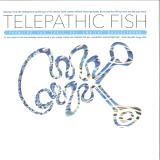
“In stark contrast to the stress-makingly staccato assault of your average 'ardcore rave, Telepathic Fish was a wombeldelic sound-and-light bath"
Simon Reynolds (Energy Flash: A Journey Through Rave Music And Dance Culture)
The first-ever illustrated compendium recounting the seminal underground South London ambient party that surfaced at the axis through which the likes of Ninja Tune, Warp and Rising High flowed. Telepathic Fish shared fertile waters with Megatripolis and The Big Chill, moving the early 90s London back room chill-out space into the kaleidoscopic spotlight.
Documenting the sights and sounds of South London’s seminal Telepathic Fish ambient parties. Hosted by Chantal Passamonte (aka Mira Calix - RIP), David Vallade, Mario Aguera and Kevin Foakes (aka DJ Food) - collectively named Openmind. With the help of Mixmaster Morris (The Irresistible Force) and Matt Black (Coldcut), they put on some of the earliest chill out events in London.
Rooted deep in the heart of the electronic underground they started DJing and decorating house parties or squats with mind-blowing installations and wholly idiosyncratic design, hosting the likes of Aphex Twin, Andrea Parker and Tony Morley (The Leaf Label). Within a year they were playing VIP after shows for the likes of Orbital and illegal New Year’s gatherings at the disused Roundhouse whilst guesting on Coldcut’s Solid Steel radio show on London’s KISS FM.
Whilst collaborations with legendary club nights such as Megatripolis saw them share bills with Autechre, Higher Intelligence Agency, Scanner and Global Communication, they also created their own ambient fanzine - Mindfood – to document the scene evolving around them. A 20-page history of their parties is included in the release, richly illustrated with personal photos, artwork and memorabilia from their adventures between 1992-95. The gatefold sleeve also features their Telepathic Fish logo, mirroring an original T-shirt design they sold in Ambient Soho, a record shop three of the four worked in at different times.
The selections featured here are all personal favourites that were played at the Telepathic Fish parties during the 90s. Picked and arranged by Mario, David and Kevin who combed their collections for key pieces they associate with the time and Chantal’s music tastes. Over a hundred tracks were selected, totalling nearly 11 hours of playing time, before being whittled down to the essentials by the trio, forming a snapshot of their world back in the day.
KEY POINTS:
* Features long deleted and hard to find tracks by Caustic Window (Richard D. James aka Aphex Twin), Tranquility Bass, Spacetime Continuum and Global Communication (Mark Pritchard and Tom Middleton).
• Pressed on DJ friendly double black vinyl
• Includes A 20-page history of their parties is included in the release, richly illustrated with unseen personal photos, artwork and memorabilia from the Telepathic Fish crew’s adventures between 1992-95, as well as detailed liner notes courtesy of founding members Mario Ageura and Kevin Foakes.
• Cover includes horizontal obi sticker with quote from Simon Reynolds' book Energy Flash: A Journey Through Rave Music And Dance Culture, describing the Telepathic Fish parties' place in the dance music landscape.
• Lacquer cut by Beau Thomas at Ten Eight Seven Mastering
Black Vinyl[45,25 €]
Effortlessly picking up from their excellent demonstration cassette, it sees the band refining their sound even further. An audio amalgamation combining the profoundness of early Ulver, with the gloom of old Katatonia and exalted boldness of Fields of the Nephilim, thus adding unique elements of nostalgia and atmosphere to their own melodic interplay of guitars and excellent musical framework.
The album contains strong signs of a band that knew at a young age how to draw their canvas. Very Scandinavian in nature, and influenced by the American landscape of the Pacific Northwest, it firmly put Agalloch on the map and raised eyebrows about what a band from North America would be capable of. As a person that grew up checking out records based on their cover-artwork alone, this album is particularly notable for such an experience, considering the wooden cover with a gold emblazoned logo engraved. This is music that glorifies the night sky, envisions campfire magic, heralds nature over humans, arcane arts & poetry, and worships the beauty of a crackling fireplace. It could be the soundtrack for a lone wanderer striving through a wintry storm, only to end up knocking on a faded
wooden door to find shelter in a desolate cabin. In many ways the sound of forlorn times.
If you are looking to fill your heart with woodsmoke and the fire of
the mountain's spirit, look no further.
"Pale Folklore was a watershed moment in American heavy music, when a few young musicians with a shared love of underground death metal - and broad personal tastes beyond - turned their already virtuosic talents toward a fresh hybrid of metal and neofolk through a gothic lens." - Daniel Lake / author of USBM: A Revolution of Identity in American Black Metal
Smoke Vinyl[45,25 €]
Effortlessly picking up from their excellent demonstration cassette, it sees the band refining their sound even further. An audio amalgamation combining the profoundness of early Ulver, with the gloom of old Katatonia and exalted boldness of Fields of the Nephilim, thus adding unique elements of nostalgia and atmosphere to their own melodic interplay of guitars and excellent musical framework.
The album contains strong signs of a band that knew at a young age how to draw their canvas. Very Scandinavian in nature, and influenced by the American landscape of the Pacific Northwest, it firmly put Agalloch on the map and raised eyebrows about what a band from North America would be capable of. As a person that grew up checking out records based on their cover-artwork alone, this album is particularly notable for such an experience, considering the wooden cover with a gold emblazoned logo engraved. This is music that glorifies the night sky, envisions campfire magic, heralds nature over humans, arcane arts & poetry, and worships the beauty of a crackling fireplace. It could be the soundtrack for a lone wanderer striving through a wintry storm, only to end up knocking on a faded
wooden door to find shelter in a desolate cabin. In many ways the sound of forlorn times.
If you are looking to fill your heart with woodsmoke and the fire of
the mountain's spirit, look no further.
"Pale Folklore was a watershed moment in American heavy music, when a few young musicians with a shared love of underground death metal - and broad personal tastes beyond - turned their already virtuosic talents toward a fresh hybrid of metal and neofolk through a gothic lens." - Daniel Lake / author of USBM: A Revolution of Identity in American Black Metal
- Take It From Me
- Let It Hiss
- English Harbour
- Run Right Into It
- Moonbeam
- She Doesn't Sleep With The Covers On
- Naturally
- Owning Up To Everyone
- Another Tangerine
- Upsetter
Dark Purple Vinyl[32,14 €]
Es sind acht Jahre vergangen, seit Montreals The Barr Brothers ein Album veröffentlicht haben. In dieser Zeit hat das Leben sie - persönlich wie beruflich - in neue Richtungen geführt und ihre Art, gemeinsam Musik zu machen, verändert. Ihr viertes Studioalbum Let it Hiss ist nicht einfach nur eine neue Sammlung von Songs. Es ist ein Dokument der Transformation. Die Entstehung dieses Albums markierte einen Wendepunkt: eine Phase der Reflexion, eine Auseinandersetzung mit Verletzlichkeit und eine Wiederverbindung zwischen den beiden Brüdern, die seit über drei Jahrzehnten Seite an Seite Musik machen.,Im Jahr 2022 standen wir an einem Wendepunkt", sagt Brad Barr, Gitarrist, Sänger und Haupt-Songwriter der Band. ,Es war klar, dass sich etwas ändern musste. Die wahre Geschichte dieses Albums ist die Geschichte dieser Veränderung - und von allem, was danach kam.",Let it Hiss ist das, was passiert, wenn man aufhört, so zu tun, als wäre alles in Ordnung - und endlich wirklich hinhört", sagt Andrew.Das Album beginnt im Kleinen: eine winzige mexikanische Gitarre, der sanfte Puls eines Klaviers, ein minimalistischer Rhythmus - und eine Stimme, die sowohl Hingabe als auch Stärke vermittelt. ,Take it from me", singt Brad - nicht als Befehl, sondern als Geständnis. Schon ab diesem ersten Moment lädt das Album in einen Raum ein, in dem Makel nicht herausgeschnitten, sondern verstärkt und gefeiert werden. Es ist ein kraftvoller Einstieg in ein Album, das auf Ehrlichkeit, Wiederentdeckung und Vertrauen beruht.Für die Brüder wurde das Aufnehmen zu einem Spiegel. Der Prozess begann nicht mit Klang - er begann mit Wahrheit. Sie setzten sich nicht nur mit kreativen Blockaden auseinander, sondern auch mit persönlichen: alten Mustern, unausgesprochenen Spannungen, Trauer, Wachstum. Durch all das fanden sie wieder zu einem Rhythmus - nicht durch Perfektion, sondern durch Erlaubnis.Brad und Andrew machen schon Musik zusammen, seit sie Kinder sind - zuerst in der sich ständig wandelnden Rockband The Slip, später als The Barr Brothers, wo sie amerikanische Roots-Musik mit experimentellen Klangtexturen zu etwas ganz Eigenem verbanden. Ihr Ruf für musikalische Raffinesse und emotionale Tiefe brachte ihnen weltweit Fans - und Anerkennung von musikalischen Größen.Der Titel des Albums ist zugleich ein Leitbild. ,Es fühlte sich einfach richtig an", sagt Andrew. ,Das Rauschen drin zu lassen. Das Unbehagen, die Unvollkommenheit, den Kampf. Wir haben aufgehört, alles sauber machen zu wollen. Und genau da fing die Musik wieder an zu atmen. Und Spaß zu machen."Tatsächlich steht Let it Hiss stärker als frühere Alben der Barr Brothers für eine freudvolle Ungezwungenheit - hörbar etwa im Roadtrip-Hymnus "Run Right Into It" (mit Elizabeth Powell von Land of Talk) oder im verspielten Garagenband-Reggae von "She Doesn't Sleep With the Covers On". Doch das Album lässt die intime Erzählweise, die das Markenzeichen der Barr Brothers ist, keineswegs hinter sich: "English Harbour" ist eine wunderschöne Folk-Hymne, bereichert durch die Harmonien von Jim James (My Morning Jacket), während "Moonbeam" eine opulente Soul-Serenade mit Streichern ist - veredelt durch den frankophonen Gastgesang der quebecischen Artpop-Künstlerin Klô Pelgag.Die Songs auf Let it Hiss besitzen eine zeitlose Qualität - besonders spürbar in Stücken wie "Naturally", das leise an die Ära klassischer Songschreiber erinnert, in der Melodie und Botschaft untrennbar miteinander verbunden waren. Es ist Musik, die dem Hörer vertraut und sich nach und nach entfaltet - mit Arrangements, die Zurückhaltung und Ambition in Einklang bringen. Im Zentrum steht vielleicht der Song "Owning Up to Everyone", der den Geist des Albums im Kleinen einfängt. ,Dieser Song hat etwas in uns aufgebrochen", sagt Andrew. ,Er fühlte sich wie ein Durchbruch an."Doch all die musikalische Freiheit und emotionale Aufwühlung, die sich durch Let it Hiss zieht, bereitet nicht auf den letzten Song vor: "Upsetter", ein schweißgetränkter, punkgetriebener Rock'n'Soul-Explosion, gekrönt von einem absolut wahnsinnigen Gitarrensolo. Es ist schlicht der wildeste Song, den die Barrs je aufgenommen haben - ein Song, der die Let it Hiss-Philosophie so weit ins Rote treibt, dass er den VU-Meter fast sprengt. ,Ich dachte mir: ,Na ja, der wird es eh nicht aufs Album schaffen`, weil er vielleicht für viele unserer Hörer unerwartet kommt", gibt Brad zu. ,Aber ich glaube, unsere Hörer schätzen es, wenn wir einfach wir selbst sind - und dazu gehört eben auch sowas."Brad und Andrew produzierten Let it Hiss selbst, hauptsächlich zu zweit in ihrem Studio in Montreal. Um die rohe Direktheit und Komplexität des Albums einzufangen, arbeiteten sie mit Mix-Ingenieur Jon Low (The National, Taylor Swift, Bon Iver). Sie luden enge Freunde aus ihrer musikalischen Community ein, ihre Stimmen, Instrumente und Texturen beizusteuern, wenn es die Songs verlangten - Kollaborationen, die sich weniger wie Features, sondern mehr wie natürliche Erweiterungen der Musik anfühlen. Viele dieser Beziehungen entstanden über Jahre gemeinsamer Bühnen, langer Nächte im Studio und einer gemeinsamen Hingabe an das Handwerk. So ist Let it Hiss zugleich das persönlichste und das kollaborativste Album, das sie je gemacht haben.Let it Hiss will nichts auflösen - es will offenlegen. Es lädt die Hörer ein, genau hinzuhören - auf das Rauschen, das Gewicht, das Staunen. Während die Barr Brothers ihren Weg fortsetzen, ist eines klar: Sie haben einander wiedergefunden - und darüber auch ihre Musik.And the rest is hiss-tory
We're proud to present our third vinyl release, showcasing one of the rising talents in the contemporary electronic music scene.
M.I.T.A. lands on Chapeau Music with a 4-track EP that moves between straight grooves and refined sampling work.
The title track, 'Money Driven', goes straight to the point: groove, cadence, and a punchy vocal, essential elements finely designed to lock the dancefloor into motion. The A-side is completed by a sharp and highly functional remix by Elisa Bee.
Flipping the record, 'My Love' delivers a filtered, groove-heavy anthem, radiating a rush of joy while maintaining a tight, practical structure.
Closing the record, 'Movie Scene' finds M.I.T.A. at his creative freedom peak, where delicate melodic fragments and high-pitched vocals float above the groove, perfectly balancing the rhythm.
Vakula invites us on a sonic journey with his latest album titled “Cloud Bloom.” Composed of four tracks, this album explores the depths of deep and dub techno, creating atmospheres that envelop the listener in a unique experience. Most of the instruments are organic, complemented by analog synthesizers, giving it a warm and authentic touch. Each track is an exploration of sonic textures that evoke dreamlike landscapes and moments of introspection. It’s an ideal offering for those who appreciate immersive sounds and a hypnotic vibe.