Cerca:pain in the ass

Generi
Tutto
Derek Baron - The Holy Restaurant

Recital releases The Holy Restaurant, the new full-length album by Derek Baron, and their first solo LP since Curtain (Recital, 2020).

The album is built from years of miniature transcriptions of improvisations, functioning in many ways as a sister to Curtain. Half-thoughts and mistakes are revisited, gilded, and illuminated. The floorboards of the album are laid with piano, organ, string pads, while serrated accruements (distortions, flourishes, and recording interferences) step and drop overhead. The resulting conflux, as Baron notes in the accompanying booklet “becomes the point and the problem to explore.”

The second track “Oven Girls” opens with us galloping on a horse in some video-game meadow on a bed of MIDI strings. Abruptly, a helicopter soars over us and we transition to a latticed guitar and woodwind exploration. The album rolls on in this fashion, juxtaposing musical half-sentences within a museum of sounds rag-picked from history and daily life. Emotional interviews with Midwestern friars who build and sell caskets are set against gothic piano and guitar duets. On “Music in the Casket,” A disorienting and hilariously epic guitar solo erupts. The penultimate titular piece, “The Holy Restaurant,” sets a text written by Baron’s grandfather. A small chorus voices his words, echoing the humanistic storytelling of “Blue” Gene Tyranny’s A Letter From Home. Under sunlit piano progressions, a fleet of smokey trumpets emerges.

Running throughout the album is a series of “traces”: short melodic phrases painted over again and again with different real and MIDI instrumentation. The “luxurious asceticism of doubling” as Baron puts it. They explain, “Part of the allure for me is that the ‘original’ material is itself kind of thin, sketchy, meaningless, maybe calling attention to itself only by way of a felicitous mistake. Hearing, transcribing, and learning what was basically only ever played first on accident becomes the guiding concern.”

The album’s shifting, variegated forms and voices pass quickly; the record feels both comforting and elusive, suitable for any hour of the day.

The Holy Restaurant features guest players Ed Atkins, Lucy Liyou, Quentin Moore, Emily Martin, Dominic Frigo, Jacob Wick, and several of Baron’s family members. It is released in a limited edition vinyl pressing of 200 copies, accompanied by a booklet of effusive program notes by the composer, alongside an assemblage of photographs, scores, and artwork.

non in magazzino

Ordina ora e ordineremo l'articolo per te presso il nostro fornitore.

27,52

Last In: 4 months ago
The Dead 60s - The Dead 60s LP 2x12"
  • A1: Riot Radio
  • A2: A Different Age
  • A3: Train To Nowhere
  • A4: Red Light
  • A5: We Get Low
  • A6: Ghostfaced Killer
  • B1: Loaded Gun
  • B2: Control This
  • B3: Soul Survivor
  • B4: Nationwide
  • B5: Horizontal
  • B6: The Last Resort
  • B7: You're Not The Law
  • C1: Too Much Tv Dub
  • C2: Invader Dub
  • C3: D-60 Fights The Evil Force
  • C4: No Control Dub
  • C5: Tower Block Dub
  • D1: Cns Lazer Attack D-60
  • D2: Police Radio Dub
  • D3: Flight Mission Dub
  • D4: No Good Town Dub
  • D5: Game Over

The Dead 60s seminal self-titled album gets a timely Deluxe edition reissue on Vinyl for its 20th Anniversary, on Deltasonic Records


“Back in the day, punk and dub weren’t just sharing space—they were smashing into each other headfirst. Late '70s Britain was a pressure cooker, and for kids like me, growing up between Brixton’s bass bins and the chaos of King’s Road, that collision was everything. Jamaican sound system culture met punk’s raw spirit in a haze of smoke, sweat, and feedback. It wasn’t about genre—it was about energy. Identity. Defiance. so when The Dead 60s came along, post-Britpop and post-bullshit, it felt like someone had dusted off the blueprint and run it through a battered old tape echo. These weren’t just lads with good taste—they understood the assignment. They took the DNA of two rebel cultures and mutated it into something that could stand tall in the 21st century. Dub-soaked, punk-fuelled, dripping with that Liverpool attitude. I remember first hearing them and thinking—yeah, here we go again. Not in a retro way, but in a real way. Guitars that cut like sirens in the night. Basslines fat and warm, straight out the Channel One playbook. Lyrics that painted the grey corners of Britain like CCTV poetry. It was the sound of youth under pressure. The sound of not fitting in—and not wanting to.

Their debut album dropped in 2005, and it hit like a flare in the dark. “Riot Radio” was a pirate broadcast from the concrete frontlines. “Control This” swaggered with menace and reverb. It was like someone opened a time capsule from the punky-reggae party and rewired it for a new generation.

Now, with this 20th anniversary vinyl reissue—complete with the full dub companion produced by Central Nervous System—we get to hear the bones and blood of it all. The dub versions pull the tracks apart and let the ghosts speak. Reverb, delay, space—it’s not just production, it’s meditation. Revolution slowed down to a heartbeat. It’s music that makes you move and think. What they’ve done here is more than remix a record—they’ve revealed its soul. That’s what dub does when it’s done right. And The Dead 60s, they got that. They weren’t tourists in the culture—they were students of it, shaped by it, and ultimately, contributors to the legacy. Liverpool’s long had a love affair with Jamaican music—you can hear it in the streets if you’re really listening. The Dead 60s tapped into that lineage, but they brought their own thing to the table. Punk's fire. Dub’s depth. Ska’s bounce. All filtered through a Northern lens and blasted out like protest graffiti. This 20th anniversary reissue ain’t about nostalgia. It’s a reminder. A celebration. A call to arms. Music like this doesn’t belong in a museum—it belongs on a system, shaking walls and waking minds. Crate diggers, completists, young punks, old heads—this one's for all of you.

So put it on and turn it up. Let the punk edge sharpen your thoughts, and the dub shake your bones ‘cos this isn’t just a reissue - it’s resistance on wax.....”

pre-ordina ora31.10.2025

dovrebbe essere pubblicato su 31.10.2025

33,19
Club Nowadays - Compilation Club Nowadays Vol.5-6
  • A1: Hey Bony - Malingan
  • A2: Soumaé - Konemafa
  • A3: Oogo & Akselaksel - Le Délire Bass
  • A4: Kaval - Wussup
  • A5: Dogzout - Dança Do Sol
  • B1: Oogo & Blanka - Phô Real
  • B2: R1D1 - Marsupilami
  • B3: Mira Ló - Don't Lie
  • B4: Yambow - Tracksuit & Loafers
  • B5: Laaanky - Bloom

For over 11 years, Nowadays Records has been shaping the French electronic music scene with boundless energy and total artistic freedom. Much more than a label, Nowadays is a big musical family where every release, meeting and event becomes a real celebration. With over a hundred albums and nearly a thousand titles to its credit, Nowadays Records embodies musical diversity across a variety of genres: abstract hip-hop, house, electronica and alternative pop.


It's in this festive spirit that the Club Nowadays project is born, a true embodiment of the collective's vision. Through its club compilations and evenings featuring label artists and outside guests.


Today, the label continues to chart its course with the release of Club Nowadays Vol. 6, a new opus in its series of compilations, which fully embodies its vision of club music. This sixth volume brings together emblematic figures of the label and emerging artists around the following dance tracks.


Don't Lie, the first single from the compilation, is a heartfelt track born of a broken heart, but turned towards the light. Mira Ló composed this track as an act of resilience, following a break-up in love. She transforms her pain into positive energy, hoping that everyone can recognize themselves in it and find a little sweetness to soothe their own grief.


R1D1 brings together his groovy house and garage influences to create the track Marsupilami around a hand-crafted synth, sharp drums and deep bass. Influenced by hip-hop beatmaking, he incorporates vocals from radio and interviews, transformed into rhythmic elements. The name, a nod to the famous character, comes naturally through the sampled “houba houba”. Between offbeat textures and assertive groove, the track embodies R1D1's singular, hybrid universe.


OOGO & Blanka, two pioneers of the label, offer us Phô Real, a hybrid track between soulful deep house and hip-hop groove, mixing organic and digital textures. A track to get the dancefloor moving, with a delicious nod to La Fine Équipe's culinary universe.


With Tracksuit & Loafers, Yambow creates a bridge between groovy French Touch elegance and the effervescent energy of UK house, in the tradition of producers like Salute and Oppidan. The track is conceived like an acid cocktail: funky, euphoric and dancefloor-friendly. The title is a nod to cultural contrasts - between English tracksuits and French loafers - which translate into a musical interplay between sophistication and fervor.


Finally, Laaanky, the Parisian producer, breaks codes and gives free rein to his passion for raw sound, efficiency and groove on the track Bloom. Between textured house, dub echoes and Afro-tinged post-dubstep rhythms, he explores a danceable, minimalist and percussive electronica. Less is more.

pre-ordina ora17.10.2025

dovrebbe essere pubblicato su 17.10.2025

22,27
Good Flying Birds - Talulah's Tape

Talulah’s Tape is the debut offering from magnetic Midwest-jangle collective Good Flying Birds. Across a patchwork mixtape of stripped-down home recordings that span the independent-guitar spectrum, the band delivers colorful, intricate pop songs perched between the immediacy of DIY punk and the intimate sweetness of twee. Breakbeats, memes, and noise glue everything together, making the album feel as chronically online as it is timeless.

Originally released on cassette in January 2025 by Midwest-punk legend Martin Meyers’s Rotten Apple label, the tape sold more than 300 copies in under a month and quickly became an out-of-print and coveted item. Meyers called it “certified catnip for popheads.” Now, with a refined track list and a fresh master from Greg Obis, Talulah’s Tape returns on LP and CD via Carpark and Smoking Room in October 2025.

While production and approach vary, a through-line of sensitive self-contemplation rests on bright, scrappy guitars and hyperactive melodic bass. Opener “Down on Me” rides a buoyant bass line while jangling guitars frame reflections on overcoming trauma: “I see you in the mirror every time I cry / I hear your voice every time I try.” Next, the guitars trade twinkling counter-melodies on “I Care for You,” pairing sugary, lovestruck lyrics with effervescent strums: “You catch me when I fall / You build me up so tall.”

The rosy grin occasionally twists into a wicked smirk. “Dynamic” warns, “You used to paint the face, but now you’re just the clown,” while “Glass” asks, “Is it lonely at the top when everyone follows the trend, and you hold the pen?” Both tracks brim with sparkling guitar interplay. By the closing, nearly five-minute “Last Straw,” Good Flying Birds stand far beyond conventional indie-pop or 4-track punk, unveiling a roller-coaster of unpredictable changes, vocal harmonies, and instrumental cross-talk.

Altogether, Talulah’s Tape is a pastel-yellow, candy-coated shell filled with thoughtful juxtapositions and melodic experiments. Standing on the same ground as idiosyncratic songwriters like Connie Converse and Daniel Johnston, Good Flying Birds find sweetness in sadness, tear stains on a colorful flower-print couch. Simultaneously, it’s packed with the scratchy guitars and vibrant rhythms of Scottish guitar groups like The Pastels, Orange Juice, and Josef K. It’s a tremendous opening statement from a band just getting started.

pre-ordina ora17.10.2025

dovrebbe essere pubblicato su 17.10.2025

25,42
Good Flying Birds - Talulah's Tape

Talulah’s Tape is the debut offering from magnetic Midwest-jangle collective Good Flying Birds. Across a patchwork mixtape of stripped-down home recordings that span the independent-guitar spectrum, the band delivers colorful, intricate pop songs perched between the immediacy of DIY punk and the intimate sweetness of twee. Breakbeats, memes, and noise glue everything together, making the album feel as chronically online as it is timeless.

Originally released on cassette in January 2025 by Midwest-punk legend Martin Meyers’s Rotten Apple label, the tape sold more than 300 copies in under a month and quickly became an out-of-print and coveted item. Meyers called it “certified catnip for popheads.” Now, with a refined track list and a fresh master from Greg Obis, Talulah’s Tape returns on LP and CD via Carpark and Smoking Room in October 2025.

While production and approach vary, a through-line of sensitive self-contemplation rests on bright, scrappy guitars and hyperactive melodic bass. Opener “Down on Me” rides a buoyant bass line while jangling guitars frame reflections on overcoming trauma: “I see you in the mirror every time I cry / I hear your voice every time I try.” Next, the guitars trade twinkling counter-melodies on “I Care for You,” pairing sugary, lovestruck lyrics with effervescent strums: “You catch me when I fall / You build me up so tall.”

The rosy grin occasionally twists into a wicked smirk. “Dynamic” warns, “You used to paint the face, but now you’re just the clown,” while “Glass” asks, “Is it lonely at the top when everyone follows the trend, and you hold the pen?” Both tracks brim with sparkling guitar interplay. By the closing, nearly five-minute “Last Straw,” Good Flying Birds stand far beyond conventional indie-pop or 4-track punk, unveiling a roller-coaster of unpredictable changes, vocal harmonies, and instrumental cross-talk.

Altogether, Talulah’s Tape is a pastel-yellow, candy-coated shell filled with thoughtful juxtapositions and melodic experiments. Standing on the same ground as idiosyncratic songwriters like Connie Converse and Daniel Johnston, Good Flying Birds find sweetness in sadness, tear stains on a colorful flower-print couch. Simultaneously, it’s packed with the scratchy guitars and vibrant rhythms of Scottish guitar groups like The Pastels, Orange Juice, and Josef K. It’s a tremendous opening statement from a band just getting started.

pre-ordina ora17.10.2025

dovrebbe essere pubblicato su 17.10.2025

13,91
Erik K Skodvin - From Darkness

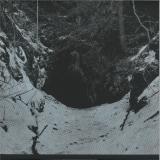
Erik K Skodvin summons his alter ego Svarte Greiner for a dive into the dark, wintery Swedish forest with the score to the psychological thriller/horror film “From Darkness” (orig: Ur Mörkret).

The film is director Philip W. Da Silva's debut and is set largely at night, deep in a Swedish nature reserve where mining used to take place. Loss, mental health and Nordic mythology come together in a story that revolves around the search for a missing woman. The score follows an eclectic and atmospherical path throughout the narrative with an uneasy underlaying vibe; although one with occasional points of refuge in the otherwise vast darkness. There is a gloomy, barely tangible sound of Nordic folk tradition buried in the music, even if it comes across in a different, more abstract way, where the various instruments are often used more as sound sources that are improvised (and abused) into becoming their own element. Skodvin performed and recorded the majority himself. In addition, he commissioned free improviser Axel Dörner to participate with his unique, custom-built electro-acoustic interface, which, along with Claudio Puntin's processed reeds and additional electronics, has been built into the elaborate backdrops to create an entire world that balances on the border between the approachable and the elusive - not unlike the journey of the protagonists. Skodvin's partner in Deaf Center, Otto A Totland, appears on piano in the stand out piece “What have you become?”.

The result is a harrowing yet deeply melancholic journey through the human psyche. One that echoes through the dark forests, cabins and lost mines of the desolate Swedish woodlands.

“It is presumed that as humans mined ore in the 1800s, they had many mishaps and dug too deep, leading them to assume they had unleashed some evil spirit that was guarding the ore. She was referred to as "Cave Wraith". It was said that she employed darkness to lure miners to their deaths. They prohibited villagers from visiting during the darkest months of the year. Some used sacrifices to subdue the evil entity.”

The vinyl is released in an edition of 150 numbered copies, with screenprinted artwork on black cardboard inside a screenprinted PVC sleeve, incl. Riso-printed insert with liner notes by Mike Lazarev, 180g vinyl.

non in magazzino

Ordina ora e ordineremo l'articolo per te presso il nostro fornitore.

32,35

Last In: 6 months ago
Jessica93 - 666 Tours de Periph'

Jessica93

666 Tours de Periph'

12inchBBLP192
Born Bad Records
10.10.2025

Jessica93, prodigal bastard of our glorious french squat scene, relocated on Born Bad : this is no picnic. Geoffroy Laporte, alone against all odds, alternates bass and guitar to build harsh loops with a drum machine spitting pre-Gulf War patterns. That’s where it gets tricky : every musical posse claims him. Grunge, sure, but Jessica doesn’t indulge in necrophilia. His circuit is punk, he doesn’t dress the part though. Cold wave, the atmosphere fits somehow, but the gear does not. The self-confident rock horde saw him playing with hair in his eyes… but he never joined the Party. Metal had something to say but sadly, nobody listened. Maybe it's time to give it a rest and let Jessica93 cook his great misery broth on her own, called « 666 tours de périph’ » (666 laps on the beltway). Witnessing Jessica93 live makes you dread that he'll get up the next morning, drive 200 miles and one nap later kick it again, when it takes us a good week to recover from the bad half of that same evening. Like so many other unknown soldiers during our very own world war of music, he patrols small venues relentlessly.


At the heart of this cultural pentacle painted by french weirdos Bryan's Magic Tears, and Carine Krinator, Jessica93 has built a sound validated by years of chosen vagrancy, birthing bands with joyously stupid monikers, in the humid jungle of small labels. Jessica93's debut album had a track celebrating Omar Little, HBO’s gay bandit from Baltimore. This story begins on the beltway, where Florence Rey, accidental copkiller turned to political icon of the 90’s. Geoffroy offers his brilliant analysis : " C’est la police qui nous tire d’ssus / C’est mon trou d’balle qui leur chie d’ssus « (Police shoots us down / my dripping asshole gets the job done).


A previous album was haunted by bedbugs, this one is essentially about love, a delicious scourge just as hard to eradicate. Two black diamonds peek out of the LP : ’’La colline du crack’’, heartbreak song about the ultimate temptation of violent delights, located on crackhead central in Paris. The brilliant chorus, ‘Take my hand and come with me to Crack Hill’ will put an end to the rumours, almost everything was really false. And Bébé Requin, alternative obituary that’ll make you shiver, where our nice couple states ‘’on kiffe la drogue dure et les ptits chiens’ (‘we love hard drugs and little dogs’). And that is the reason we face the wall of sound jostled by unnecessary shoulder thrusts: those nice fat chunks of charcoal poetry, hidden under light sarcasm.


The rest of the record demonstrates the know-how acquired in loop-by-loop construction of ruins that are pleasant to squat in together. There’s your classic doom delicatessen, with bits of heavy metal inside, crafted with the manic care typical of hard wankers. Arthur Satàn, who produced and mixed the album at home in Bordeaux, helped him get his head out of the reverb safe house. And Jessica93 took the opportunity to switch to the dark side of the language : french at last. Worth the wait ! Sing along : « nique sa mère / nique sa grosse mère » (translate that yourself).

pre-ordina ora10.10.2025

dovrebbe essere pubblicato su 10.10.2025

22,65
Sergio Armaroli & David Toop - Decay Music n.10: And I Entered Into Sleep

Returning with its final instalments, Die Schachtel's Decay Music series extends its explorations of inspired contemporary experimental efforts of the ambient, ethereal, and emotively abstract with Luigi Turra and Elio Martusciello’s “Liminale” and Sergio Armaroli and David Toop’s “And I Entered Into Sleep”, two astounding electroacoustic gestures of blurred space and time, plumbing complexity of meaning bound to sonority. Creatively groundbreaking and inspired, radically rethinking the terms of what ambient music can be perceived to be, they stand among the most striking efforts to appear within the series to date.

Reconfiguring the notion of bridge building on a multitude of terms, it feels fitting that the tenth and final installment of Die Schachtel’s Decay Music series, Sergio Armaroli and David Toop’s “And I Entered Into Sleep”, was co-created by an artist whose work featured in the first suite of LPs issued by Brian Eno’s Obscure Records in 1975, the groundwork toward which Decay Music’s own efforts nod. Since that auspicious debut, “New and Rediscovered Musical Instruments” — his split with Max Eastley — David Toop has been regarded as a pioneer in British experimental and improvised music: a sonic voyager who has continuously challenged the sources and materiality of sound through rigorously thoughtful performances, a vast catalog of recordings, and a steady flow of highly influential texts. Be it as a member of Alterations, his group breaking group with Peter Cusack, Terry Day, and Steve Beresford that ran between 1977 to 1986, or through is noteworthy work with artists like Rie Nakajima, Thurston Moore, Paul Burwell, Rhodri Davies, Lee Patterson, Ryuichi Sakamoto, Akio Suzuki, Elaine Mitchener, and numerous others, collaboration has always played a central role within Toop’s singular practice, but few can claim the sprawling sense of beauty and intimacy that’s achieved by “And I Entered Into Sleep”, his first recorded outing with Sergio Armaroli.

A composer, percussionist, vibraphonist, and multidisciplinary artist, Armaroli has been issuing radical and forward-thinking musical gestures for decades, working as one of Italy’s most noteworthy interpreters of composer’s like Giacinto Scelsi, John Cage, Franco Evangelisti, Giancarlo Schiaffini, and Walter Branchi, as both a solo performer and member of the highly regarded Rib Trio, as well as forging a singular practice as a composer, intertwining his efforts as a painter, concrete percussionist, fragmentary poet and sound artist, within a total art, rooted “within the language of jazz and improvisation” as an “extension of the concept of art”. Like Toop, Armaroli’s career has been populated by many collaborators, notably with Riccardo Sinigaglia, Alvin Curran, and Walter Prati, among others, setting the stage for a remarkable meeting between the pair.

Featuring Armaroli on vibraphone and prepared vibraphone and Toop on electronics, “And I Entered Into Sleep” is “a sonic journey, a Proustian suggestion à la Recherche, into the unconscious between electronic and acoustic sounds”. Using a bell that sounds at the beginning of Proust’s “À la Recherché du Temps Perdu”, which reappears more than 3,000 pages later — signaling a transition of phases, as well an auditory trigger of memory — as a departure point, as an association to the percussive vibraphone pulses that thread the album’s two sides, the pair weave a striking interior world of immersive psychological depth. Feeling almost subaquatic at times, like captured glimpses of rumbling, shadowy ecosystems lost within murky ambiences, before washing ashore in a series of pointillistic, highly detailed alien landscapes of the mind, each artist’s markedly different sound-sources, and treatment of the subsequent material elements, dance in abstract grace, incorporating subtle nods to minimalism, free jazz, and musique concrète within its seamless total form of sparse texture and tone.

Easily one of the most striking and memorable releases by either artist to appear in recent years, Sergio Armaroli and David Toop’s “And I Entered Into Sleep” traverses uncharted realms at the borders of literary reference, sound art, ambience and abstraction through delicately musical sounds, revealing new depths at every turn. Issued as the tenth and final album in Die Schachtel’s Decay Music series, highlighting inspired contemporary experimental efforts of the ambient, ethereal, and emotively abstract.

non in magazzino

Ordina ora e ordineremo l'articolo per te presso il nostro fornitore.

26,68

Last In: 6 months ago
HALIMA - SWEET TOOTH

Halima

SWEET TOOTH

12inchDSWLPC120
Drink Sum WTR
19.09.2025
  • Omoge
  • Eleven Eleven
  • Eau De Vie
  • Oops
  • Sweet Tooth
  • Wasting My Body
  • Cocoa Body
  • Feel About It
  • Aundromat
  • November Like U
  • Callum

Halima's debut album SWEET TOOTH is a bold declaration of power from an undeniable talent. Seductive, restless, and deeply assured, the record unspools like a night in motion. In the afterglow of her 2024 EP on drink sum wtr, praised by Clash Magazine, The Fader, BBC Radio, and others, the Brooklyn-based, UK/Nigerian musician solidifies her sound and expands it tenfold. If EXU was a spark, SWEET TOOTH is the full burn. Not so much genre-less as "genre-full"; the album spans a bright, lush world where club bangers meet deep ballads in a striking, fully-formed hybrid of honeyed Afro-pop and scorched R&B. Across its eleven tracks, Halima maps the push-pull of desire, transformation, and emotional reckoning. "Sweetness on my terms," she offers a mantra for reclaiming softness without surrendering strength. "The album is about the journey to reclaim one's self amidst the chaos of life and ultimately acts as a love letter to the pleasures and pain of these human pursuits." While SWEET TOOTH declares Halima's artistic arrival, she calls it an epilogue, a reflection on past behaviors and lessons learned. "Am I the person that I wanted to grow into becoming? I think so. I've given myself permission to be free of those things. To be bold. To take up space."

pre-ordina ora19.09.2025

dovrebbe essere pubblicato su 19.09.2025

23,49
ASHER WHITE - 8 TIPS FOR CATASTROPHE LIVING
  • The Sink Thank You
  • Beers With My Name On Them
  • Why I Bought The House
  • Travel Safe
  • Cobalt Room: Good Work / Silver Saab
  • Voice Memo
  • Like Another Planet Instrumental
  • Country Girls
  • Falls

On the cover of 8 Tips for Full Catastrophe Living, the new album by Asher White, The Statue of Liberty is in pieces but not destroyed - in progress, being built, not yet complete. Her torch is on the ground, her head somewhere out of frame. Before she was a symbol, she was metal, and living, sweating people riveted her together. The spirit of de/construction characterizes 8 Tips, White's 16th LP overall and first since signing to Joyful Noise. Like White's previous albums, 8 Tips for Full Catastrophe Living darts boldly among varied musical styles. Doom metal splits open into bossa nova; psychedelic rock and power pop flip into industrial techno. Each song emerges from its composite parts in the studio: White doesn't draft or demo before recording, but builds out her pieces sculpturally, sound by sound. "It's forever collage, forever assemblage," she says of her music. "To me, it has more to do with J Dilla, L.A. beat, and musique concrète than pop songwriting." The record's quick turns and vivid contrasts reflect White's cultural voraciousness. A writer, painter, and sculptor as well as a musician, she gathers materials constantly, always digging for new ideas in every possible form. The films of Claire Denis, the novels of Clarice Lispector, and the memoirs of Eve Babitz all funnel into White's reflection of 21st century disaster capitalism. 8 Tips is also White's first album to have been mixed outside her Providence studio; after recording it herself, she brought tracks to Seth Manchester (Lightning Bolt, Battles, The Body) who gave the album its brawny, unruly charge. "I was interested in making something that serves dually as a self-help book and a chronicle of self-destruction," says White. Overlaying autobiography onto character vignettes, 8 Tips for Full Catastrophe Living wrenches open the idea of apocalypse - an abrupt disaster rained down on uncomplicated innocents - and peers inside at its bursting, devastated particulars. Apocalypse is slow and uneven. Nations falter as do individual people, clinging fast to their old, dilapidated self-preservation strategies. What saved you in the past might destroy you in the future. Flip it around, shake yourself loose, ruin the person you've known yourself to be, and you might get the chance to become something else. "There have been so many end times, many other apocalypses." White says. "People were writing self-help tips, and people were partying." We have survived catastrophe before. Out of the ruins, people made work - art, books, culture. "I was interested in making something that sounds like a self-help book, but it's actually about self-destruction," says White. "In full catastrophe living, you just have to do a bunch of whippets. This album is mostly about doing whippets. I'm not even kidding."

pre-ordina ora12.09.2025

dovrebbe essere pubblicato su 12.09.2025

24,79
DEAF CLUB - WE DEMAND A PERMANENT STATE OF HAPPINESS
  • Nihilism For Dummies
  • Crap Circles
  • Pain In The Assery
  • Biblical Loophole
  • Vinegar, Soap, & Holy Water
  • Counterfeit Coins
  • Frequency Illusion Master
  • Liquidate The Living Body
  • All Hot Dogs Are In-Bred
  • Closed Fists Closed Minds
  • End Of An Ear

Deaf Club continues their scathing indictment of society with their second full-length album, being released on Southern Lord and Three One G: We Demand a Permanent State of Happiness. Fast wit and faster blast beats are mainstays of the band, but there is also a sense of growth. This is their strongest songwriting yet, incorporating more hooks and good old-fashioned moments to mosh while staying as weird as ever. Raygun guitar riffs and unexplainable sounds abound. Justin Pearson, Brian Amalfitano, Scott Osment, and Jason Klein excel at inciting emotion in the face of apathy and voicing disgust amid a world rapidly burning.

pre-ordina ora12.09.2025

dovrebbe essere pubblicato su 12.09.2025

27,31
Miles Davis - Sketches Of Spain LP
  • A1: Concierto De Aranjuez
  • A2: Will O’ The Wisp
  • B1: The Pan Piper
  • B2: Saeta
  • B3: Solea

Miles Davis' Final Collaboration with Arranger Gil Evans Yields Watershed Innovations: Flamenco-Themed Sketches of Spain Spins Graceful Webs of Sound and Emotion Mobile Fidelity's UltraDisc One-Step 180g 33RPM LP Set Brings Out the Record's Full Spectrum of Color: 65th Anniversary Edition Pressed at Fidelity Record Pressing and Strictly Limited to 5,000 Numbered Copies 1/4" / 15 IPS analogue master to DSD 64 to analogue console to lathe Miles Davis and Gil Evans bridged styles and collaborated on high-concept projects three different times during their celebrated careers. For their final act, they created Sketches of Spain, a peak moment in each luminary's legacy.

The transformative album weds Spanish themes, lush orchestrations, romantic timbres, and Davis' lyrical methods in a tender ceremony that resonates more than six decades after its original release. Part of Mobile Fidelity's Miles Davis restoration series, this 1960 landmark has been afforded the ultimate white-gloves treatment for its 65th anniversary. Sourced from the original master tapes, strictly limited to 5,000 numbered copies, and pressed at Fidelity Record Pressing, this UltraDisc One-Step 33RPM 180g LP set dramatically expands the soundstages and eradicates a dryness that many critics found inhibitive to the record's enjoyment. You can now hear the full-range responsiveness of the woodwinds, strings, and percussion, all of which come alive with superior definition and detail.

The beautiful presentation of this UD1S set befits the record's historical importance. Housed in a deluxe slipcase, it features a special foil-stamped jacket and faithful-to-the-original graphics that illuminate the splendor of the 1960 LP. This reissue is made for discerning listeners who desire to fully immerse themselves with the album. And who wouldn't want to go deep with Sketches of Spain? Whether it is the somber mood piece "Concierto de Aranjuez," renowned for Davis' flugelhorn performance, or the folktale-based "Solea," Sketches of Spain transfixes with playing, ideas, and innovations exclusive to this incomparable effort. It's one reason why Mobile Fidelity's engineers took all available measures to insert listeners into the space originally occupied by Davis, bassist Paul Chambers, drummer Jimmy Cobb, percussionist Elvin Jones, and an 18-piece orchestra. The results are as breathtaking as the music.

Multi-note motifs, brief improvisational solos, fanfare sweeps, and contrapuntal exchanges inform flamenco-spiced pieces. Davis' famous Harmon-muted trumpet is complemented by an assortment of bassoons and French horns. Heard together, they create pleasing contrasts and sounds (pp, mf, ppp) that get to what resides at the heart of Sketches of Spain: color. Seldom, if ever, did Davis ever so expressively and liberally paint with color. And in Evans, he has a likewise-minded partner to help draw out tones, shades, layers, and textures. What they achieved continues to draw praise from the global music community in the 21st century. Ranked #358 on Rolling Stone's 500 Greatest Albums of All Time, deemed "a work of unparalleled grace and lyricism" by noted scribe J.D. Considine, bestowed a five-star review from DownBeat, and noted by Q to have taken "jazz in a new direction," the Grammy Award-winning effort has never been better.Miles Davis' Final Collaboration with Arranger Gil Evans Yields Watershed Innovations: Flamenco-Themed Sketches of Spain Spins Graceful Webs of Sound and Emotion Mobile Fidelity's UltraDisc One-Step 180g 33RPM LP Set Brings Out the Record's Full Spectrum of Color: 65th Anniversary Edition Pressed at Fidelity Record Pressing and Strictly Limited to 5,000 Numbered Copies 1/4" / 15 IPS analogue master to DSD 64 to analogue console to lathe Miles Davis and Gil Evans bridged styles and collaborated on high-concept projects three different times during their celebrated careers.

For their final act, they created Sketches of Spain, a peak moment in each luminary's legacy. The transformative album weds Spanish themes, lush orchestrations, romantic timbres, and Davis' lyrical methods in a tender ceremony that resonates more than six decades after its original release. Part of Mobile Fidelity's Miles Davis restoration series, this 1960 landmark has been afforded the ultimate white-gloves treatment for its 65th anniversary. Sourced from the original master tapes, strictly limited to 5,000 numbered copies, and pressed at Fidelity Record Pressing, this UltraDisc One-Step 33RPM 180g LP set dramatically expands the soundstages and eradicates a dryness that many critics found inhibitive to the record's enjoyment. You can now hear the full-range responsiveness of the woodwinds, strings, and percussion, all of which come alive with superior definition and detail. The beautiful presentation of this UD1S set befits the record's historical importance. Housed in a deluxe slipcase, it features a special foil-stamped jacket and faithful-to-the-original graphics that illuminate the splendor of the 1960 LP.

This reissue is made for discerning listeners who desire to fully immerse themselves with the album. And who wouldn't want to go deep with Sketches of Spain? Whether it is the somber mood piece "Concierto de Aranjuez," renowned for Davis' flugelhorn performance, or the folktale-based "Solea," Sketches of Spain transfixes with playing, ideas, and innovations exclusive to this incomparable effort. It's one reason why Mobile Fidelity's engineers took all available measures to insert listeners into the space originally occupied by Davis, bassist Paul Chambers, drummer Jimmy Cobb, percussionist Elvin Jones, and an 18-piece orchestra. The results are as breathtaking as the music. Multi-note motifs, brief improvisational solos, fanfare sweeps, and contrapuntal exchanges inform flamenco-spiced pieces. Davis' famous Harmon-muted trumpet is complemented by an assortment of bassoons and French horns. Heard together, they create pleasing contrasts and sounds (pp, mf, ppp) that get to what resides at the heart of Sketches of Spain: color. Seldom, if ever, did Davis ever so expressively and liberally paint with color. And in Evans, he has a likewise-minded partner to help draw out tones, shades, layers, and textures. What they achieved continues to draw praise from the global music community in the 21st century. Ranked #358 on Rolling Stone's 500 Greatest Albums of All Time, deemed "a work of unparalleled grace and lyricism" by noted scribe J.D. Considine, bestowed a five-star review from DownBeat, and noted by Q to have taken "jazz in a new direction," the Grammy Award-winning effort has never been better.

pre-ordina ora30.08.2025

dovrebbe essere pubblicato su 30.08.2025

159,62
WEDNESDAY - I WAS TRYING TO DESCRIBE YOU TO SOMEONE
  • Fate Is
  • Billboard
  • Love Has No Pride (Condemned)
  • Underneath
  • November
  • Maura
  • Coyote
  • Revenge Of The Lawn

Banana Stand vinyl. I Was Trying to Describe You to Someone is Wednesday's second fulllength album & first as a full band. The Asheville, NC quintet (guitarist/ vocalist Karly Hartzman, lead guitarist Daniel Gorham, pedal steel guitarist Xandy Chelmis, bassist Margo Schultz & drummer Alan Miller) maximizes the dark dissonance of a three guitar attack to highlight the emotionality of Hartzman's bell-clear vocals & wisps of half-recalled memories & literary references that make up her lyrics. I Was Trying to Describe You to Someone's eight songs meld elements of shoegaze, grunge, indie pop & southern American culture into a uniquely personal style of modern rock music that resonates with power & tenderness. The ever-darkening & deepening of Wednesdays' sound on I Was Trying to Describe You to Someone owes a debt of influence to The Swirlies, Arthur Russell, Red House Painters, Tenniscoats, Ana Roxanne, Acetone, & their continued collaboration with MJ Lenderman (who lends backing vocals to the songs "Billboard" & "November"). I Was Trying to Describe You to Someone was recorded at Hartzman's home with engineering assistance from her roommate Colin Miller. The depth & clarity of the recordings balance the distorted volume of Wednesday's live performances with the intimacy of Hartzman's voice. Her words hold the center of the chaos, unobscured by the power of the band. Hartzman describes her lyrics as "attempts to access old personal memories & do them justice through prose, with inspiration from the writings of Richard Brautigan, Flannery O'Connor, David Berman & Tom Robbins, & movies like Steel Magnolias."

pre-ordina ora15.08.2025

dovrebbe essere pubblicato su 15.08.2025

23,49
Thee Sacred Souls - Somebody Knew / We Don't Have To Be Alone 7"
  • A1: Somebody Knew
  • B1: We Don’t Have To Be Alone

Thee modern masters of sweet soul return with two killer 6/8 ballads that explore the messy particulars of love lost and love found. The moody, blues forward “Somebody Knew” tackles the former as singer Josh Lane bares his soul with a tale about a sensitive subject many of us can relate to- processing the shame and pain associated with losing the one you love to another. Tracked during the sessions for Got A Story to Tell and a stand out in their live set, “We Don’t Have to Be Alone” is a gorgeous, floaty ballad that deals with two folks coming to terms with the fact that it’s ok to find comfort and joy in love at a provisional level.

pre-ordina ora21.07.2025

dovrebbe essere pubblicato su 21.07.2025

9,03
Stimulator Jones - Cool Green Trees (1999-2005) (LP)

"Chasing the funky symphonies that filled my head and my dreams..."

December 25th, 2023 - an Instagram post. Stimulator Jones shared half a dozen FIRE tracks from his beat tape archive. We were immediately drawn to the rough hewn boom bap.

"I'd release that", Rob commented.

Hours of material was shared and the result is this: Cool Green Trees (1999-2005). A collection of beats and loops Stimulator Jones created between the ages of 14-20 at home in his basement, bedroom and computer room in Roanoke, Virginia.

You will not believe the profound soulful genius contained within these naive schoolboy melodies.

December 25th, 1998 - 25 years ago to the day and his much-coveted Yamaha SU10 sampler was finally bestowed upon young Stimmy AKA Sam Lunsford: "I immediately hooked up a CD Walkman to the input jack and looped the beginning two bars of Grover Washington Jr.'s "Mercy Mercy Me". I don't know what exactly was so thrilling about hearing two measures of music repeating over and over but it was so infectious and hypnotizing and enthralling to me. I'll never forget that ecstatic rush of making my first loop - an uncontrollable, gleeful smile plastered all over my face." When you hear the pocket breakbeat symphonies featured here on Cool Green Trees, you'll feel the same sense of frisson.

In the wake of his Stones Throw breakthrough - Exotic Worlds & Master Treasures - Stimulator Jones was pegged by many as a 90s throwback artist. However, he literally IS a 90s artist. He's been recording music most of his life and he's now 40. He created the bulk of Cool Green Trees as a teenager. Everything before 2004 was recorded when Sam was still in school. He was in 8th grade when he made the 1999 tracks - he didn't even have his learner's permit. This album is a snapshot of a young man in a simpler time. Things were still mysterious back then and he was flying blind, relying on his ears and having to figure things out for himself: "I had no road map for becoming a beatmaker. I have been collecting music since I was a kid, I am a lifelong digger and seeker of cool and interesting sounds. I was there in the golden age of Hip Hop, and while I may have been a suburban white kid in Roanoke, Virginia, I was tuned in and I bought so many classic albums when they came out. I was attracted to Hip Hop because of the musical and poetic quality. I was hypnotized by the rhythms, partially because I was a drummer. I didn't brag about collecting my breakbeat records or making beats - it was something I did in isolation. It wasn't something I generally wanted to bring attention to and it didn't really score me any cool points. I certainly wasn't flexing on social media about it."

Hell, he can do that now!

Opener "Pharoah Jones" was inspired by Yesterday's New Quintet and Madlib's ability to capture that classic 70s sound whilst playing all the instruments. Sam created this one stoned afternoon by laying down a 2 bar loop and a shaker loop on his Yamaha SU700 sampler. He hung a microphone from the ceiling and played his Yamaha Stage Custom drum kit over the top before adding ender Rhodes and playing his dad's Selmer tenor sax through an Electro Harmonix Memory Man echo pedal. Yes! Up next, "Ghost Gospel" utilises a dope loop from a gospel record and adds some soul-funk drums overtop, whilst working that filter knob. Says Sam: "The loop reminded me of something Ghostface would rap over. The sample was in 3/4 waltz time but I flipped it for a 4/4 groove, a technique I picked up from RZA. "Ill Feeling" uses sped-up pieces from a dusty old funk record and putting them over a classic NOLA drum loop; gain chopping up a slow, bluesy 3/4 time signature and bending it to a 4/4 groove. Classy shit. "Capital Punishment" features drums tapped in live, inspired by MF Doom's Special Herbs series. "Do Not Adjust" consists loops found on a compilation of 70s French music at Happy's Flea Market, a classic Roanoke digging spot.

The sublime, evocative title track, "Cool Green Trees" was created when Sam was still living at home. He dumped samples off his SU10 into the family desktop and arranged them in a demo version of Pro Tools: "This track was sort of my ode to the DJ Shadow style of sample based production. Super spacey, slow, and moody. The heavily filtered drums were inspired by Alec Empire's 'Low on Ice' album. I later added some scratches and sounds from a Spider Man storybook record." "Chill Scratch" snags the final bit of a bossanova record and pairs it with a drum loop before adding experimental scratching run through an Electro Harmonix Memory Man echo pedal. "Poisonous Fumes" was made using a sampler, mixer and a turntable; a kind of mixtape beat collage with added scratches and sounds from various records. Using dialogue from superhero records was a nod to Madlib. "Welcome Aboard The Starship" is dark, downtempo trip-hop with a spooky bent. Sam paired a slow, hard drum loop with a guitar sample grabbed off a psychedelic rock record. To finish, he added various backwards sounds and weird atmospheric effects and a little scratching. Swoon.

Side B opens with "Keep On Runnin", made on a borrowed Roland SP202 sampler. Having always loved the sound of the Lo-Fi filter on those machines, reminiscent of the Emu SP1200, Sam always imagined Del or another of the Hieroglyphics crew rapping over this beat. You can certainly hear why. "Sounds Impossible" sees Sam experimenting with layering multiple kick samples at different volumes to create patterns similar to those heard by Showbiz and Lord Finesse during their God-level 1995 period. "Painted Faces" was made by chopping up a REDACTED record which he had gotten from Happy's Flea Market and paired it with a REDACTED drum loop. By the time Sam recorded "The Knew Style", he had acquired a shitty old 1960s portable turntable off eBay. It didn't function properly when he bought it but his brother opened it up, cleaned it out and got it working: "I remember he told me that there was a bunch of sand inside of it when he opened it up, as if its previous owner had taken it to the beach. I would take that turntable on my Happy's Flea Market digs so I could preview records...that's how I found this loop."

"Chicken Wing Blues Sauce" loops up a classic blues joint and pairs it with some REDACTED drums. A bit of filtering and arranging et voilà! "Kool Breeze", from 1999, is one of Sam's oldest surviving beats, as is "Sexx Bullets". The Roots sampled the same record, leaving Sam frustrated yet vindicated. "Soul Child" was an early SU10 creation, looping a dusty old Soul Children 45 and pairing it with 70s rock drum loops to great effect. "Take Off Runnin" was another loop found digging with a portable turntable. Paired with some boom bap drums it makes for a hypnotic head-nod groove. "Centurian" was intended to be a little beat interlude a la Pete Rock. The sample is from a sun-dappled soft-psych record and it's paired with a Robin Trower drum loop that just happens to fit perfectly. Sometimes you slap things together kind of haphazardly and magic happens. "Bozack" was the first beat Sam made using Pro Tools, his first foray into using chopped sounds instead of loops, an exciting new world. "Church" is beat interlude using a Phil Upchurch loop with the "Long Red" drums - a favourite break of Dilla et al. Sam was really on a tear in late 2004, probably because he was unemployed and phoneless and able to just make beats all day. He made "Splash One" on a borrowed Yamaha SU700 and again was experimenting with tapping the drums in live with his fingers, instead of using a loop or sequenced pattern. Channeling 9th Wonder, Sam used a water splash sound effect from a Batman record as a percussive element, hence the title (also a 13th Floor Elevators reference). The main loop is a backwards portion of one of his favourite Roy Ayers songs.

"Hank" is another fun little beat interlude thing, created on a borrowed Roland SP202 sampler with the fantastic Lo-Fi effect that resembled the Emu SP1200 at a fraction of the price. "73 goatee", from 99, is another of his oldest surviving beats, created in his bedroom with his Yamaha SU10 and his brother's Vestax MR-300 4-track recorder: "This one will always feel special. I can remember having a feeling all the way back then on the night that I created it that this was a solid beat with a catchy loop. There was something in the Fender Rhodes melody that resonated with me emotionally, and I had never heard a producer sample that portion before. I felt like I had found my own unique sound, my own unique loop. It came from an Ahmad Jamal '73. I actually even recorded myself rapping and scratching over this beat way back then, I still have that version in all its imperfect sloppy glory."

Sam explains just how much these tracks mean to him: "They all have immense historical and sentimental value and I'm proud of them. These beats come from an innocent, simple time when I was just figuring out how to craft these sounds. They're something very personal to me. They are the initial part of a journey that I really was taking *alone*. There was no YouTube. I couldn't Google shit. I didn't even know any other beatmakers, producers or DJs in my town that could teach me anything. It was always just me, alone, in a room with some equipment - chasing the funky symphonies that filled my head and my dreams. What I was doing wasn't cool. Most of my peers thought I was a weirdo and couldn't care less. Creating these sounds was an anti-social endeavour. In a sense, I felt like it was me against the world, and all I had to instruct and assist me were the recordings produced by my heroes - RZA, DJ Premier, Erick Sermon, Beatminerz, Showbiz, Diamond D, Beatnuts, Prince Paul, The Bomb Squad, Pete Rock, Q-Tip, E-Swift, Mista Lawnge, DJ Shadow, Cut Chemist, Peanut Butter Wolf, El-P and so many more...I dedicate this collection to them, and to my older brother Joe who has always been a musical and technical guiding light for me.

This was a time before every kid was a self-described producer and beatmaker, before everyone had a DAW, before Kanye and "chipmunk soul", before Red Bull beat battles, before there was any social media beyond chat rooms and AOL Instant Messenger, before Soundcloud, before SP-404 mania, before lo-fi beats to study to, before Splice, before targeted ads for MIDI chord packs, etc. In 99 when I told people that I had a sampler and made beats I was mostly met with bewildered confusion and indifference. Kids and adults alike would wonder why I got this weird machine for Christmas instead of something worthwhile like a Playstation or a mountain bike or even a guitar for that matter because at least that could be used to make "real music". Back then, sampling was still not widely respected as an art form - it was seen as lazy, talentless and unoriginal at best and outright criminal theft at worst. I had gotten respect for playing drums and guitar and things of that nature but this was a step in the wrong direction in the eyes of many."

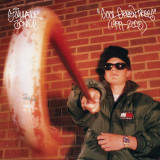
The cover photo is a picture of Sam standing on his back porch in the latter part of 1998, just before he got his first sampler. He was 13 years old, in 8th grade. His dad took the picture with his 35mm film camera: "I actually wanted to be pointing my dad's .22 pistol at the camera lens but he wouldn't let me. He gave me an old walking cane to use instead. The Tommy Hilfiger puffer jacket came from the lost and found at William Fleming High School where my mom worked as a secretary. I was thrilled when she brought it home because we never spent money on expensive name brand clothing like that - we were for the most part strictly a sale rack, bargain bin, thrift store, yard sale, flea market kind of family when it came to clothes. My watch is some cheap off-brand fake gold department store watch." Mastering for this vinyl edition was overseen by Be With regular Simon Francis and it was cut by the esteemed Cicely Balston at Abbey Road Studios to be pressed in the Netherlands by Record Industry.

non in magazzino

Ordina ora e ordineremo l'articolo per te presso il nostro fornitore.

25,63

Last In: 9 months ago
Powerplant - Crashing Cars
  • A1: Crashing Cars
  • B1: Never Smile

‘You are behind the damn wheel every day and you don’t even know it’ , weightily remarks Powerplant’s band leader Theo Zhykharyev on the reading of his latest single. London-based project signals the return to signature formula of marching drum machines and wailing synthesisers, matured by life experiencing of prolonged touring. ’Car is life, brother. Sometimes you drive it, other times - the car drives you. And, statistically, we’ll all see the airbags go off sooner than later as consequence of choices made by us or onto us, consciously or not.’
Crashing Cars breaks out the gates to the heavy low end driven dance floor. ‘I was listening to a lot of Bladee when I wrote it and needed a similar thick kick to get you moving’, says Theo. Its an emotionally loaded cannon of a track that will keep you in its grip until it has run its course and told its story. Yearning from connection unfulfilled, rings out through the heartbroken and weeping synth and choir lines. The ever-morphing and dynamic bass works in tandem with razor sharp guitars. The instrumentation, through combined ‘no looking back’ forward charge and immediacy, conjure a manic and emotional forward momentum, which rings out in the song’s lyrics. The vocal performance ranges from the trademark Powerplant goblin squeaks, to more mature, tour-hardened singing. On a sonic aesthetic level, Crashing Cars vibrates in a familiar fashion to Powerplant’s biggest hit Dungen. However, this time far less playful and harder hitting. Described as the fallout of “avoiding, chasing and running away”, lyrically it paints a dead end in human relationships concluding it car-crash heading for the scrapyard. The song concludes with a loaded four line spoken word poetry segment, that hangs over the fleeting outro.
The B side of the single, Never Smile, rolls the speed back, but throws in jangly guitar hooks and bouncy bass lines. Zhykharyev’s vocals sit in a lower register, hence are more stoic and melancholic. If this track had to be a day of the week, it would be a calm, introspective Sunday. With lyrics about looking into evil omens, the sky and reading people as ‘not something different’, it paints an ambiguous, but heavy conclusion about the world and its people. It tells a story about circumstantially settling into an identity and playing the assigned part for the convenience of the external world. It’s easier to fit than to stand apart. It's a perfect balance of mid-tempo radio-rock that builds and changes, before exploding into a shaggy guitar solo, only to go into an unexpected ethereal outro and this 7”s crescendo.
‘Both of these songs are kinda old now, sitting at around 4 years old. And although I haven’t changed the lyrics since then, I somehow find new meaning in them as time goes on. Being Ukrainian and going into the fourth year of the full scale Russian invasion back home, the chorus “my death to you - a better price to pay” makes a lot of sense looking at how the world powers are trying to spin the devastation of my people for a quick profit and an easier life for themselves. This single coming out now at this very point in my life feels both profound and very ironic. Life never ends’, summarises Zhykharyev.

pre-ordina ora13.06.2025

dovrebbe essere pubblicato su 13.06.2025

12,40
CAUSA SUI - SZABODELICO LP 2x12"

Causa Sui

SZABODELICO LP 2x12"

2x12inchEPR063LP
El Paraiso
23.05.2025
  • Echoes Of Light
  • Gabor's Path
  • Sole Elettrico
  • Under The Spell
  • Vibratone
  • Laetitia
  • Szabodelico
  • Honeydew
  • Lucien's Beat
  • Premonitions
  • Rosso Di Sera Bel Tempo Si Spera
  • La Jolla
  • Merging Waters

Something different from Causa Sui. While Causa Sui have always had one foot in heavy psychedelic rock, they've had the other one deep in a wide variety of esoteric styles. On this new double LP set, that other dimension of the band is being explored full-scale. "Szabodelico" paints with a colourful palette, both compositionally and sonically - digging deep into an assortment of cultures, eras and sounds with a true crate-digger mindset. Throughout their 15 year life-span Causa Sui has always been about seeking out new directions, exploring the past and the present in a way that's unique at each step of their subtle progression - forging new paths into an existing map. "Szabodelico" feels like discovering a small room under the stairs of your own house: familiar, yet new and exciting. Their latest vision is an elegantly zoned-out version of itself: a turn inward. Anti-bombastic, yet rich with ecstatic harmonics and dynamics. The band stringed together a long series of sessions in 2019 and early 2020 in their studio in Odense, often prioritizing playful first takes and good vibes rather than clinical perfection.Sparsely dubbed and mixed with a natural, full bodied flavour by Jonas Munk during the summer of 2020, each track has its own aesthetic. There's no simple equation to sum up the 13 individual parts of the album, but as a whole it creates an entity that's as complete as each of its parts. From the windblown opener "Echoes of Light", to the closing slow-motion epic "Merging Waters" you'll find yourself asking where did the time go? The answer of course is: Szabodelico.

pre-ordina ora23.05.2025

dovrebbe essere pubblicato su 23.05.2025

25,84
Jadu Heart - Post Heaven

Jadu Heart

Post Heaven

12inchVLF098
VLF Records
20.05.2025

POST HEAVEN is Jadu Heart's 5th studio album, but marks their first album since splitting as a couple, signalling the end of one chapter opening the door to another. The romance may be over, but the band endures.

The album release precedes the band supporting Fontaines D.C. across the entirety of their US tour this April with Carlos from Fontaines describing the band as 'one of his favourites out there at the moment'. The picture of Jadu Heart’s evolving emotional landscape of the new record POST HEAVEN has come into sharper focus following the release of singles 'Mild To Moderate Pain', 'AUX' and 'U' which have been played across the BBC Radio network, the band also recently played a session for Radio 1 at Maida Vale Studios playing tracks from the album and covering the Portishead track 'Glorybox'.

This is your favourite band's favourite band and POST HEAVEN will solidify their underground cult band status.

non in magazzino

Ordina ora e ordineremo l'articolo per te presso il nostro fornitore.

24,79

Last In: 10 months ago
BEDRIDDEN - MOTHS STRAPPED TO EACH OTHER'S BACKS (TAPE)
  • Gummy
  • Etch
  • Chainsaw
  • Heaven's Leg
  • Philadelphia Get Me Through
  • Mainstage
  • Snare
  • Uno
  • Bonehead
  • Ring Size

Growing up is painful, brutal, and sometimes beautiful _ something Brooklyn-based indie-rock band Bedridden knows all too well. The band's name is even a nod to that ineffable period between childhood and the jagged edges of the real world. "When I was 21, I kind of lost my home," says frontman/guitarist Jack Riley. "I was couch-surfing. I was having a hard time.The next iteration in the band's maturation, then, is their debut, LP Moths Strapped To Eachother's Backs, 10 fuzzed-out (and sometimes gnarly) ruminations on dating, drugs, and survival out April 11 on Julia's War. The title came from a mysterious missive Riley received on astrology app Co-Star. "Last year I was way too reliant on other people _ my partner at the time, my friends," he says. "I was strapped to them in a weird way _ and flying in circles. This album is about that time."The current incarnation of Bedridden encompasses a patchwork of styles, influences, and friends Riley accumulated over the years. A Chicago native who first started making music at age five on a thrift-store guitar emblazoned with Kurt Cobain's name, Riley moved to New Orleans for college where he dabbled in punk before falling in love with shoegaze. There, he launched the first version of Bedridden. Sebastian Duzian (bass) _ a jazz musician and Pasadena native _ linked up with Riley in NOLA along with his bandmate, drummer Nick Pedroza. Pedroza, from Claremont, grew up on rock, metal, and jazz, honing his style after joining the band. Wesley Wolffe _ a guitarist fed on a steady diet of New Wave and `90s alt _ rounded out the crew just a few months back. Bedridden's previous lineup released their first EP, Amateur Heartthrob, in 2023 _ a noise-washed blend of shoegaze, DIY, and indie that Riley says is a "coming-of-age EP _ these formative stories about not having a bed, dating, being kind of a jackass. I was making fun of myself a lot." That release caught the attention of Douglas Dulgarian from Philly Label Julia's War (and TAGABOW), who signed them for Moths."Some of these songs have been around for years," says Riley, adding that they were recorded last February at Studio G Brooklyn; the album was produced by Aron Kobayashi Ritch (Momma). "As opposed to Amateur Heartthrob, we attempted to blend more clean guitars into a driving sound to capture more clarity _ one that also sounds live_ and raw," Riley says. That rawness thrums through the record, which kicks off with the thrashed "Gummy," about an incident when Riley had to gently fend off a co-worker's unwanted advances while both drunk and high on an MDMA gummy. And then there's mournful rager "Etch," which sees Riley daydreaming about beating up a meddler in his personal life _ in the minor key.The annihilating "Chainsaw" revs in next, a lightning-fast Lemonheads-inspired track that recalls Riley moving in with new roommates who were unnaturally obsessed with purchasing a lamp. "For some reason that pissed me off," he laughs; that rage is evident in the album cover, which shows said power tool demolishing a lampshade. Heavy-shredding "Heaven's Leg" showcases the band's affinity for `90s mainstays like Smashing Pumpkins while telling the tale of a gig at a local church. "The lyrics are about a pastor I had met that had lost his leg," Riley says. "The church had signs about not cussing and I had a feeling that neither of us had anything to talk about without potentially offending the other."The band's not afraid to get confrontational, though, on the anger-fueled, drum-heavy "Philadelphia, Get Me Through," which deals with a dead-end relationship and the mistaken assumption that getting drunk in the titular city would be a balm against the pain. And the nasty, brutist, and short hardcore-adjacent "MainStage"? "It's about being disrespected at a show on New Year's and how I lashed out," Riley says. "I then began to take it out on other people, which was a quality that I despise."Things get contemplative and mournful from here on out _ the emo-edged "Snare" is about bringing flowers to a hospital room where you're not welcome, while the Smiths-inspired "Uno" wrestles with self-loathing. "I guess the big finale of that song was my response to dealing with this recurring experience of feeling like I wasn't good enough by getting really into whippets," Riley says. Nu-metal bop "Bonehead," then, recalls an embarrassing dinner that turned into an argument _ the name applies both to that incident and the delicious simplicity of the guitar parts.After all that turmoil and pain, the band caps everything off with their eyes to the future on the jangle-pop "Ring Size." "All my friends are getting married _ do I follow in their footsteps? Or is it all a waste of time?" Riley says of the song. "At the end, through it all, I guess that's what I've been trying to figure out _ how to grow up, how to move on. I'm trying to navigate things as an adult and I'm not very good at it. But this is just the first record. This is just the beginning."And, hey, at least now he has a bed.

pre-ordina ora09.05.2025

dovrebbe essere pubblicato su 09.05.2025

14,08
Black Arches with Sexton Ming - Folly

DESCRIPTION
Looming above Hastings on the South Coast of the UK, carved into East Hill, three black shapes are visible from a distance. Mysterious and ominous, they assume the aspect of the entrance to a church or a portal to dimensions unknown. Closer inspection however reveals them to be no more than mere follies carved and painted into the rock, as hoaxster John Coussens sought to convince visitors that an elaborate subterranean kingdom lurked within. Centuries later, this coastal town remains a place that serves as a magnet to the wyrd and the mischievous. And it’s here that the meeting of minds took place that led to 'Folly' - the second release for Rocket’s Black Hole series - an imprint focused on the unorthodox, otherworldly and esoteric. The journey that led to ‘Folly’ began in the dingy cellar of a wine bar in the town. Black Arches formed around a regular local experimental night in such environs aptly named Weird Shit, initially as a freeform musical outlet for author and musician Gareth E. Rees’ later incorporating Matt Frost from his garage rock troupe The Dirty Contacts, and frequent collaborator James Weaver, to form a vehicle for wild experimentation and psychic abandon. Given he was also a regular attendee, it was no surprise when Sexton Ming, arch maverick outsider artist and uncompromising iconoclast of over four decades standing, entered the picture. Soon after a perplexing but serendipitous chain of events took place, with demons conjured up via improvised sessions, poetic licence taken, dystopias chronicled, audio files gone awry, vocals overdubbed and laptops lost, Somehow amidst the sturm-und-drang ‘Folly’ was summoned in all its murky glory. As we embark on the second quarter of an uncertain century, just maybe this psychic travelogue is a dark prism to make sense of the chaos we confront. Whichever, it remains a spectacle as compelling as that by which Black Arches were named

pre-ordina ora02.05.2025

dovrebbe essere pubblicato su 02.05.2025

25,63
Articoli per pagina:
N/ABPM
Vinyl