Buscar:pas

Estilos
Todo
Various - Tchic Tchic: French Bossa Nova 1963-1974  Colored Edition LP 2x12"
  • A1: Les Masques - Il Faut Tenir (1969)
  • A2: Isabelle Aubret - Casa Forte (1971)
  • A3: Christianne Legrand - Hlm Et Ciné Roman (1972)
  • A4: Jean Constantin - Pas Tant D'chichi Ponpon (1972)
  • A5: Billy Nencioli & Baden Powell - Si Rien Ne Va (1969)
  • B1-: Marpessa Dawn - Le Petit Cuica (1963)
  • B2: Jean-Pierre Sabar - Vai Vai (1974)
  • B3: Sophia Loren - De Jour En Jour (1963)
  • B4: Isabelle - Jusqu’à La Tombée Du Jour (1969)
  • B5: Sylvia Fels - Corto Maltesse (1974)
  • C1: Frank Gérard - Comme Une Samba (1972)
  • C2: Ann Sorel - La Poupée Des Favellas (1971)
  • C3: Charles Level - Un Enfant Café Au Lait (1971)
  • C4: Andrea Parisy - Les Mains Qui Font Du Bien (1970)
  • C5: Audrey Arno - Quand Jean-Paul Rentrera (1969)
  • C6: Aldo Frank - T’as Vu Ce Printemps (1970)
  • D1: Christianne Legrand - Cent Mille Poissons Dans Ton Filet (1972)
  • D2: Clarinha - Lemenja (1970)
  • D3: Hit Parade Des Enfants - Aquarela (1976)
  • D4: Jean-Pierre Lang - Tendresse (1965)
  • D5: Magalie Noël - Une Énorme Samba (1970)
  • D6: Françoise Legrand - La Lune

Ever since the late 1950s bossa-nova revolution, Brazil’s influence on French music has been undeniable. Pierre Barouh, Georges Moustaki and a vast array of lesser known artists, all made the Musica Popular Brasileira (MPB) an axis of promotion at the service of a cool and metaphysical, modern and mixed Brazilian lifestyle. Some were seduced by the poetic languors of the bossa, some were looking for fun, and others just loved the American hybridization of jazz-bossa, jazz-samba.


What is bossa nova? One of its creators, Joao Gilberto said: "Its style, cadence, everything is samba. At the very start, we didn't call it bossa nova, we sang a little samba made up of a single note - Samba de uma nota so .... The discussion around the origins of bossa nova is therefore useless”. It is nevertheless useful to remember that these magnificent Brazilian songs, which the guitarist describes as samba, were shifted and balanced around improbable chords. "I like things that lean, the in-betweens that limp with grace," said Pierre Barrouh, quoting Jean Cocteau.


With emotion, arrangements for violin and supple guitar licks, bossa nova rapidly changed. A transformation that can be heard in the Tchic, tchic, French Bossa Nova 1963-1974 compilation, the result of a cultural reappropriation, which traveled through the United States and supplemented itself in France.

A musical revolution that has remained significant, bossa nova was born in Rio. From 1956 to 1961, Brazil lived through its golden years. In five years, the country had invented its modernist style. Elected president in 1956, Juscelino Kubitschek de Oliveira, an elegant man with a broad forehead, brandished a promising slogan: "Fifty years of progress in five years". He quickly got to work. Not worried about increasing debt, he launched the project for a new federal capital, Brasilia, designed by the communist architect Oscar Niemeyer. Volkswagen opened state-of-the-art factories and created the “fusquinha”, the Beetle. In Rio, the Vespa made its first appearance. The Arpoador Surf Club crew run into the “girl” from Ipanema, Helô Pinheiro - the tanned garota ("chick"), between a flower and mermaid, who at 17 walked by the Veloso bar, where the fiery author and composer, Tom Jobim and Vinicius de Moraes, were getting drunk on whiskey. From then on, bossa symbolized cool.

In 1958, Joao Gilberto recorded Chega de Saudade, which the directors of Philips denied, calling it "music for fagots". The marketing director, who believed in it, secretly pressed 3000 78-inch vinyls and distributed them at schools around Rio, creating a tidal wave.

American jazzmen then took over. In particular, trumpeter Dizzy Gillespie and guitarist Charlie Byrd. In November 1962, the Brazilian Ministry of Foreign Affairs funded a "Bossa-Nova" concert at Carnegie Hall in New York, inviting the genre’s pioneers. Unprepared, the show soon turned to disaster. But the troupe was invited to the White House by Jackie Kennedy. The first lady loved "the new beat" and in particular Maria Ninguem, a song by Carlos Lyra, later covered by Brigitte Bardot.

In Brazil, the 1964 military coup quickly ended this euphoria. The destructive atmosphere that ensued pushed many Brazilian musicians to leave, if not to exile. Thus, Tom Jobim, Sergio Mendes and Joao Gilberto arrived to the United States. In New York, Joao Gilberto met saxophonist Stan Getz. At the time, he was married to the Bahianese Astrud Weinert Gilberto, who had a German father. She had never sung before, but she knew how to speak English. Getz therefore asked her to replace her husband on The Girl From Ipanema. The Getz/Gilberto record with Tom Jobim on piano, was released in March 1964. Phil Ramone, the "pope of pop" was in charge of sound.

Bossa nova arrived in Paris through the classic “guitar-voice” channel (Pierre Barouh, Baden Powell, Moustaki…) But France loved jazz and Paris had already welcomed its American contributors. All these good people were to pass through Saint-Germain-des-Prés. The cabaret l'Escale became the Mecca of Latin American sound where one could find Pierre Barrouh and his friends, such as the Camara Trio, samba-jazz aces, whose only record was published by the Saravah label. With a band strangely called Les Masques (a band that included Nicole Croisille and Pierre Vassiliu, among others), the Camara Trio recorded an interesting Brazilian Sound, including the track Il faut tenir which is present on this tasty compilation of rarities.

Other enlightened musicians can also be found on the compilation, such as Jean-Pierre Sabar (songwriter for Hardy, Auffray, Leforestier ...) and the French pop rock organist Balthazar. In 1975, Sabar recorded Aurinkoinen Musiikkimatka on a Finnish label, which featured the crazy Vai, Vai, included on this record. We are now following the footsteps of Brazilian electronic musicians such as Sergio Mendes, Eumir Deodato or Marcos Valle who created funk and disco sounds on their keyboards and synthesizers. A style that influenced Véronique Sanson when she wrote Jusqu’à la Tombée de la nuit in 1969 for Isabelle de Funès, the niece of Louis and a great friend of Michel Berger - Sanson did end up singing this track on her 1992 Sans Regret record.


The pinnacle of exoticism and travel, Sylvia Fels’ Corto Maltese includes bongos, sea mist and ocean sounds. The title was taken from Jacky Chalard’s concept album written in 1974, Je suis vivant, mais j’ai peur (I am alive, but I am scared), based on Gilbert Deflez’s science fiction novel.


However, bossa nova extended the scope of popularity. "In the 1970s, I was a fan of Sergio Mendes, Getz / Gilberto. I fell in love with this music that I knew because I had been an orchestral singer, " explained Isabelle Aubret, who in 1971 delivered a composite record of covers by the very funky Jorge Ben, Orfeu Negro, Tom Jobim, Vinicius de Morais and Jean Ferrat. "I recorded this album for Meys Records in Paris, far from Brazil, with wonderful musicians, François Raubert, Roland Vincent, Alain Goraguer...". The latter wrote the arrangements for Casa Forte, a very percussive title borrowed from Edu Lobo, one of the initiators of the bossa who spent time in California. "Jazz and bossa came together and produced very rhythmic music. I love singing, it allows me to dream, to have fun, to feel a high on stage, and these songs brought me joy, made me swing, my singing felt like a dance.”


The world tours of French singers and their desire for the tropics, often brought them to Rio with its hills, forests, caipirinhas and tanned bodies. There are surprises though, like this Iemenja (Iemenja is the goddess of the sea in the Afro-Brazilian candomblé religion). Not unlike the composer and musician Jean-Pierre Lang, based in Sao Paulo, Claire Chevalier taught Brazil to Brazil. In 1970, the singer and painter published a 45-inch vinyl, Mon mari et mes amants (My husband and my lovers), under the improbable pseudonym of Clarinha (little Claire). She was then living in Rio, with her husband, Joël Leibovitz, who founded a band called Azimuth, and who owned a record label specialized in "sambas enredos" songs for samba school parades.


For its B side, she asked Pierre Perret to come up with lyrics for a song composed by Carlos Imperial: "Oh goddess of the sea, o goddess Iemenja, I bring a white rose to adorn your long hair ..." . "Perret came to see us, and we had fun, remembers Joël Leibovitz. We wrote Lemenja for fun, we recorded it at the Havaí studio, behind the Central do Brasil the central station. Erlon Chaves, the arranger who worked with Elis Regina, joined us" adding his share of Afro-Brazilian percussions and funky brass to the mix.

There is a common misunderstanding in Franco-Brazilian history: that bossa, admittedly hedonistic, is perceived as funny, even though the poets who wrote the texts are often philosophizing on the human condition. Its French interpreters pull it towards a carnival inspired universe, far removed from its fundamental essence. Thus, Jean Constantin covered the famous Samba da minha terra, an ode to the art of samba written by the classic Bahian composer Dorival Caymmi, renaming it with the enticing title of Pas tant de tchi tchi pompon: "On your pier there is no tchi tchi / when you arch your back, you know everything is alright ”(lyrics by Gérard Calvi). This expedited bossa aims for the absurd, but retains a certain elegance.

Indeed, Jean Constantin was not an idiot, the rather large man had a huge mustache and liked fantasy, (Les pantoufles à papa, Le pacha, inspired by cha-cha-cha-cha, salsa and jazz) but he was also the lyricist of Mon manège à moi interpreted by Edith Piaf, the composer of Mon Truc en plume by Zizi Jeanmaire and the soundtrack of François Truffaut’s 400 Blows. Le Poulpe, published in 1970, from which this bossa is extract, was arranged by Jean-Claude Vannier, an accomplice of Serge Gainsbourg’s Melody Nelson. In short: "There is enough of samba / By looking at the parasol / Because my poor cabeza / Is going to die in the sun".

Even the American actress Marpessa Down, who was at the heart of the bossa nova revolution with her role as Euridyce in Marcel Camus’ film Orfeu Negro, winner of the 1959 Cannes Palme d'or, fed the clichée with Je voudrais parler au petit cuica - "Tell me how you manage to always make people want to dance / It's true, I must admit that I cannot resist your magic" - in consequence, once can hear the cuica, a little drum inherited from the Bantu.


But bossa nova had many angles. Societal, of course, pushing actresses who were symbols of women's liberation like Brigitte Bardot, Jeanne Moreau, or Sophia Loren to engage in the exercise of accelerated bossa. In February of 1963, Sophia Loren made a record in French in Rome, Je ne t'aime plus, featuring the song De jour en jour, a bossa written by two Italians, Armando Trovajoli and Tino Fornai, which was released a little later by Barclay. Bossa accompanied the 1960s, a decade of moral liberation. Ann Sorel, who interpreted La Poupée des favellas, caused a sensation with L’amour à plusieurs, a provocative song written by Frédéric Bottom and Jean-Claude Vannier. As for the actress Andrea Parisy, she displayed her bourgeois cheekiness in Marcel Carné's Les Tricheurs before interpreting Les mains qui font du bien. And Magalie Noël, the friend of Boris Vian, who sung Johnny fais-moi mal, was hired to sing Une énorme Samba, composed by Alain Goraguer (arranger to Gainsbourg, Bobby Lapointe and Jean Ferrat) with lyrics by Frédéric Botton.

But in the end, of what wood is bossa nova made of? The answer is given by Christianne Legrand, daughter of Raymond the conductor, and sister to Michel the composer: "With me, with jà" - jà means "immediately" in Portuguese. In 1972, the singer, an expert in vocal jazz and a member of the Double Six, published Le Brésil de Christianne Legrand. Two songs included on the Tchic Tchic compilation that demonstrate how bossa, jazz, funk, rock, etc. work like a swiss army knife: the music is used to denounce broken systems, or miracles, HLM et ciné roman, Cent mille poissons dans ton filet, two songs from the O Cafona soundtrack, a successful telenovela broadcast, at the time in black and white, on TV Globo. The first was adapted in French by the fighter and friend of the Legrand tribe, Agnès Varda. The second is content with a play on words, jostling them into a summer fun.


Véronique Mortaigne

Reservar17.04.2026

debe ser publicado en 17.04.2026

27,31
Vaudou Game - Apiafo (2025 Repress)
  • A1: No Problem
  • A2: Dangerous Bees
  • A3: Pas Contente Feat Roger Damawuzan
  • A4: Meva
  • A5: Happiness
  • B1: Ata Calling
  • B2: Wrong Road
  • B3: No Way To Go
  • B4: Djin Ku Djin
  • B5: Think Positive

Repress of the 1 st album of the fresh Afro funk sensation ! Recorded on analog equipment in Lyon in 2014 !


Peter Solo is a singer and composer born in Aného-Glidji, Togo, the birthplace of the Guin tribe and a major site of the Voodoo culture. He was raised with this tradition’s values of respect for all forms of life and the environment. With his new band, Vaudou Game, Peter Solo claims, and spreads this spiritual and musical heritage. Chants are at the heart of the Voodoo practice, but for times immemorial, harmonic instruments have never accompanied them. No balafon, no kora - only the “skins” support the singers. However, in 2012, Peter, along with his band based in Lyon, France, decided to explore and codify the musical scales that are found in sacred or profane songs of Beninese and Togolese Voodoo so they can be played easily on modern instruments. Peter composed the album Apiafo, using the two main musical scales of this tradition. The first musical scale on Apiafo leans towards raw Funk with a sound similar to the famous 70’s bands, L’Orchestre Poly Rythmo De Cotonou and El Rego. Funk, is the skeletal structure of this record, and provided the opportunity for Peter to invite his uncle, Roger Damawuzan - the famous pioneer of the 70s Soul scene - on two tracks. Their collaboration on “Pas Contente” is a highlight on this 100% analog album. Apiafo was entirely recorded, mixed and mastered with old tapes and vintage instruments. The second scale, which had never before been transposed for instruments, evokes deeper feelings and a sacred ambiance. The moving song Ata, an invocation to a supreme divinity is another highlight of this record. Even if some can recognize similarities between this scale and Ethiopian scales, they are in fact different. Peter, the only African band member, introduced the other musicians to the universal values of Voodoo and he taught them his native language. On the recording of Apiafo and during their live performances, the musicians all sing and answer Peter in the Mina language. The strive for authenticity, the analog sound and vintage looks don’t mean that Vaudou Game is looking backwards. This is Togolese funk, born in the post-colonial era but that never before explored its ancient roots so deeply and proudly.


Antoine RAJON

Reservar17.04.2026

debe ser publicado en 17.04.2026

24,58
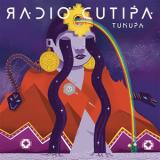
RADIO CUPITA - TUNUPA

RADIO CUPITA

TUNUPA

12inchREYLP9
REY Records
17.04.2026
  • 1: Q'ori Kinti
  • 2: Agüita Fría
  • 3: Puma
  • 4: Abuelo Fuego
  • 5: Puka Tika Feat. Grupo Norte Potosí
  • 6: Oro Negro Feat. Los Wemblers De Iquitos
  • 7: Tunupa
  • 8: Tu Partida
  • 9: Pantanal Feat. Henrique Maluf
  • 10: Yareta

"Tunupa", the second album by Bolivian band Radio Cutipa is out now on Rey Record (Peru)! Radio Cutipa fuses native Bolivian music with electronic soundscapes, mixing past and present in a unique musical experience. Radio Cutipa's second album, "Tunupa," fuses Bolivian musical roots with electronic soundscapes, creating an experience that connects the past and present. Released under the Peruvian label Rey Records and distributed worldwide by Vampisoul (Spain), this independent project seeks to position electrofolk as one of the region's most innovative expressions. "Tunupa" represents the encounter between the ancestral and the contemporary. Inspired by Bolivia's sacred landscapes, the album narrates a spiritual and sonic journey through rhythms such as Andean cumbia, electronic huayño, Bolivian rap, and high-altitude soundscapes.

Reservar17.04.2026

debe ser publicado en 17.04.2026

29,83
THE EASTERN DARK - Johnny And Dee Dee / Julie Is A Junkie 7"
  • A1: Johnny And Dee Dee
  • B1: Julie Is A Junkie

To commemorate the 40th Anniversary of the passing of James Darroch, singer/songwriter/guitarist for Sydney's incredible The Eastern Dark, Grown Up Wrong! is thrilled to announce a long-awaited reissue of the band's classic single "Julie Is A Junkie/Johnny and Dee Dee".

Heavily influenced by the Ramones - the band opened their first live show with 'Blitzkrieg Bop' and from then on opened with a new Ramones song every time they played, working through the band's complete catalogue in chronological order - as all manner of hyper-melodic and high energy rock. The Eastern Dark were a classic trio powered by former Celibate Rifles bassplayer James Darroch's blazing guitar and anchored by former Lime Spiders backing vocalist Bill Gibson's hard driving and melodic bass playing (and supreme backing vocals) and Geoff Milne's untouchable beat keeping. They set Sydney's Radio Birdman influenced scene alight in 1984 and quickly built an international following on the back of their classic single. Sadly, just hours after completing what would become their next release - the mini-LP "Long Live the New Flesh" - the band's life, and that of 26-year old James Darroch, was brutally ended in a road accident whilst the band was on its way to Melbourne.

On the back of the tragedy, the band's music lived on and it's global impact was reflected in the influence it bore on numerous bands, from Boston's the Lemoneads to Tokyo's Teengenenete, and obviously a succession of Australian bands from the Hard-Ons through to God and the Meanies and beyond.

After years of searching, surviving members Bill Gibson and Geoff Milne recently found the single's original multi-track tapes, and for the new release, the original recordings have been both remixed and remastered for maximum impact under their supervision.

Reservar17.04.2026

debe ser publicado en 17.04.2026

14,71
ARBEID ADELT FT. PARKAPARAPLU - AA! FT. PKPP

ARBEID ADELT FT. PARKAPARAPLU

AA! FT. PKPP

12inchSMR521
STARMAN Records
17.04.2026

Belgian minimalist, Dutch-language new wave/synth pop, since 1981! The historic album ‘Jonge Helden’ (1981) brought them instant eternal fame, the single ‘Lekker Westers’ (1983) a Belpop classic & the line-up changed wildly with icons such as Luc Van Acker (Revolting Cocks), Dani Klein (Vaya Con Dios), Willy Willy (The Scabs) or Andrew Chi Claes (Stuff) ...

However, MARCEL VANTHILT (lyrics & music) continues to rock the anarcho-Dadaist-electro-super-tronica scene to this day. Side note: Vanthilt often strayed into TV land (BRT, VPRO, MTV-EUROPE, BBC) and is now a DJ at Radio WILLY with the alternative ‘De M-Show’.

AA! is once again performing frequently in the best clubs (Depot, Casino, Macca) and on major stages (Pukkelpop, Villa Pace, Paulus Oostende). This will also be the case in 2026! This is due to the fresh and spicy new album ‘AA!PKPP’ in collaboration with PARKAPARAPLU.

PARKAPARAPLU: New dark wave duo from Antwerp. With ...

> EMMA ROTSAERT, singer and actress. She plays the lead role in the Ensor-nominated TV drama series ‘How To Kill Your Sister’ (2025). And comes from the same absurd planet as Vanthilt.
> GEERT VANBEVER, veteran of Wizards Of Ooze, Rudy Trouvé Septet, Dead Man Ray, Tuff Guac, among others... worked with Hugh Cornwell (The Stranglers) and Budgie (The Banshees), among others. Together, Emma & Geert also have a Sisters Of Mercy tribute band: Body Electric.

Reservar17.04.2026

debe ser publicado en 17.04.2026

23,95
THE COSMIC DEAD - BEYOND THE BEYOND
  • 1: Furthur
  • 2: Stronger
  • 3: Aurora
  • 4: Aether
También disponible

LTD. KELLY GREEN VINYL[24,58 €]


'Beyond The Beyond' is the highly anticipated tenth studio album from inter-dimensional space travelling explorers The Cosmic Dead, the album takes listeners on a four track expedition into the deepest cosmos of the band. Recorded at Dystopia Recording Studio in Glasgow, 'Beyond The Beyond' features the riff rolling rhythm section of Tommy Duffin on drums and Omar Aborida on bass guitar alongside soaring fiddle acrobatics from Calum Calderwood and electronic textural bleeps and bloops from Luigi Pasquini on synthesizers, all wah laden and with phasers set to destroy - Turn on, tune in and immerse yourself in the sound of The Cosmic Dead.

Reservar17.04.2026

debe ser publicado en 17.04.2026

23,32
THE COSMIC DEAD - BEYOND THE BEYOND
 
4
También disponible

Black Vinyl[23,32 €]


Kelly Green Vinyl, limited to 350 copies. 'Beyond The Beyond' is the highly anticipated tenth studio album from inter-dimensional space travelling explorers The Cosmic Dead, the album takes listeners on a four track expedition into the deepest cosmos of the band. Recorded at Dystopia Recording Studio in Glasgow, 'Beyond The Beyond' features the riff rolling rhythm section of Tommy Duffin on drums and Omar Aborida on bass guitar alongside soaring fiddle acrobatics from Calum Calderwood and electronic textural bleeps and bloops from Luigi Pasquini on synthesizers, all wah laden and with phasers set to destroy - Turn on, tune in and immerse yourself in the sound of The Cosmic Dead.

Reservar17.04.2026

debe ser publicado en 17.04.2026
24,58
Dukwa - Work.Life.Money.Romance EP

In my productions, I always strive to blend the multiple genres I’ve explored over the years while staying true to my artistic essence. In this EP, I aimed to unite house, techno, deep house, and acid, all with a more musical and melodic approach, similar to the tracks I’ve created in the past. Just listen to 'Searching For A Match' and 'For You'—I find them incredibly melodic and harmonious.

No en stock

Haga su pedido ahora y le encargaremos el artículo en nuestro proveedor.

14,92

Ültimo hace: 17 Meses
LA PESTE - I DON'T KNOW RIGHT FROM WRONG: LOST LA PESTE 1976-1979 LP 2x12"
  • 1: I Don't Know Right From Wrong
  • 2: Black
  • 3: Spymaster
  • 4: Let Me Sleep
  • 5: Kindness Invites Abuse
  • 6: Acid Test
  • 7: I Don't Wanna Die In Mt Sleep Tonight
  • 8: Army Now
  • 9: Color Scheme
  • 10: Leave Me Alone
  • 11: Blood
  • 1: Better Off Dead
  • 2: Kill Me Now
  • 3: Figure It Out
  • 4: Truth
  • 5: Whirlpool
  • 6: The Road
  • 7: Tko
  • 8: Whites Of Their Eyes
  • 9: Skintite
  • 10: Not Today
  • 11: After Dinner Crimes
  • 12: Computer Love

La Peste war Bostons erste echte Punkband und hat die Lücke zwischen der einflussreichen Proto-Punk-Szene der Stadt in den 1970er Jahren und dem College-Rock und Hardcore-Punk der 1980er und 1990er Jahre gefüllt. Diese Sammlung will die ganze Geschichte von La Peste erzählen und zeigt die unveröffentlichten Studio- und Loft-Aufnahmen der Band zusammen mit den beiden offiziell veröffentlichten Tracks. Diese Tracks stammen aus der Studio-Session, aus der die 7"-Single ,Better Off Dead" (die einzige offizielle Aufnahme der Band) hervorging, aus ihrer Session mit Ric Ocasek von The Cars aus dem Jahr 1978, aus einer Session in den Electro Acoustic Studios aus dem Jahr 1978 und aus 4-Spur-Loft-Aufnahmen, die 1977 von den Bostoner Punks Billy Dafodil und Dave Cola gemacht wurden. ,Wenn du dir ,I Don't Know Right From Wrong" anhörst, wage ich zu behaupten, dass du nicht mehr aufhören kannst, sobald du angefangen hast - stell dir vor, diese Songs wären verfügbar gewesen, als La Peste sie aufgenommen hat. Stell dir vor, die atomaren Songs dieses Trios hätten aus den Plattenläden und Autoradios in ganz Boston, an der gesamten Ostküste und in ganz Amerika gedröhnt. Ich habe kaum Zweifel, dass genau das passiert wäre, wenn diese Musik Ende der 70er Jahre auf Platte erschienen wäre. Stattdessen müssen wir uns damit begnügen, sie jetzt zu hören - und wow, was für ein Trostpreis! Alles auf diesem Album kommt aus den Lautsprechern geflogen, macht Spaß, ist intensiv und so voller kaum zu bändigender Energie, dass man sich fühlt, als hätte man sich gerade Koffein gespritzt. Johnny Angels Beschreibung von La Peste als ,Black Sabbath meets Wire" trifft jetzt voll ins Schwarze: große, fette, dreckige Riffs zu einem umwerfenden Beat. Zwischen Peter Daytons feuriger Gitarre und seinen kehligen Schreien, Mark Andreassons tiefem Bass und Roger Tripps kraftvollen Drums gibt es in ,I Don't Know Right From Wrong" so viel Klanggewalt, dass der Typ in der Maxell-Werbung dagegen wie eingeschlafen wirkt" - Marc Masters

Reservar17.04.2026

debe ser publicado en 17.04.2026

37,40
They Might Be Giants - The World Is to Dig LP
  • 1: Back In Los Angeles
  • 2: Wu-Tang
  • 3: Sleep's Older Sister
  • 4: Je N'en Ai Pas
  • 5: Outside Brain
  • 6: Let's Fall In Lava
  • 7: Telescope
  • 8: Garbage In
  • 9: What The Cat Dragged In
  • 10: They Might Be Feral
  • 11: Get Down
  • 12: New Wave Will Never Die
  • 13: Overnight Sensation (Hit Record)
  • 14: Character Flaw
  • 15: Hit The Ground
  • 16: What You Get
  • 17: Slow
  • 18: In The Dead Mail
También disponible

Yellow Vinyl[30,67 €]


Reservar17.04.2026

debe ser publicado en 17.04.2026
30,67
They Might Be Giants - The World Is to Dig LP
  • 1: Back In Los Angeles
  • 2: Wu-Tang
  • 3: Sleep's Older Sister
  • 4: Je N'en Ai Pas
  • 5: Outside Brain
  • 6: Let's Fall In Lava
  • 7: Telescope
  • 8: Garbage In
  • 9: What The Cat Dragged In
  • 10: They Might Be Feral
  • 11: Get Down
  • 12: New Wave Will Never Die
  • 13: Overnight Sensation (Hit Record)
  • 14: Character Flaw
  • 15: Hit The Ground
  • 16: What You Get
  • 17: Slow
  • 18: In The Dead Mail
También disponible

Black Vinyl[30,67 €]


Reservar17.04.2026

debe ser publicado en 17.04.2026

30,67
The Last Ten Seconds of Life - The Dead Ones
  • 1: The Dead Ones
  • 2: Make It To Heaven
  • 3: Rat Trap
  • 4: Freak Reflection
  • 5: 1-800-Do You Want To Die?
  • 6: Stiletto
  • 7: Stereo
  • 8: Dollar To A Dime
  • 9: Corruption Concerto
  • 10: Xxxxxxxxxx

Intense and intensely personal, The Dead Ones marks The Last Ten Seconds of Life’s Metal Blade label debut. 10 original tracks of pulverizing deathcore produced by Carson Slovak and Grant McFarland of Pennsylvania’s Atrium Audio. In creating The Dead Ones, “everyone took what we learned from the past two releases and assembled what we thought would bring out the best of us from song structure, tonality of instruments, the mix/master, and the lyrical themes,” furthers McLaughlin.

The end result reflects a more personal and human experience rather than the philosophical and fictional approach used on earlier releases. The Dead Ones follows 2024’s acclaimed No Name Graves in the theme of death and rebirth, but in contrast, is directly focused on the human experience and the band members’ own struggles.

Reservar17.04.2026

debe ser publicado en 17.04.2026

25,17
Australian Chamber Orchestra - John Luther Adams: Horizon
  • 1: Horizon: Ii. True Horizon
  • 2: Horizon: I. Visible Horizon

Pulitzer Prize-winning American composer John Luther Adams wrote this piece for the Australian Chamber Orchestra. Inspired by his recent relocation to Australia and his travels across the continent - from the Northern Territory and the Red Centre all the way to Tasmania - 'Horizon' is an immersive audio experience exploring the relationship between the visible horizon, with its trees, its mountains and its human structures, and the true horizon: the enveloping circle where the sky meets the earth. How long might it take us to traverse that distance, from where we are to as far as we can see? And what lies beyond that edge of the known? The Australian Chamber Orchestra brings its passion, its virtuosity and its vibrant energy to this exquisitely unique musical experience.

Reservar17.04.2026

debe ser publicado en 17.04.2026
40,29
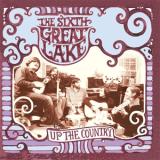
THE SIXTH GREAT LAKE - UP THE COUNTRY
  • 1: Duck Pond
  • 2: Across The Northern Border
  • 3: Up The Country
  • 4: The Ballad Of A Sometimes Traveller
  • 5: Cannon Beach
  • 6: Descending Star
  • 7: Blue
  • 8: Last In Line
  • 9: You Make The Call
  • 10: Shade Of Love
  • 1127: Forever
  • 12: Spin Your Wheels
  • 1330: 0 Miles
  • 14: Rockin' Chair
  • 15: Lovely Today

Originally released in 2001, Up The Country is the debut album by The Sixth Great Lake and a quietly revered title within the late-'90s / early-2000s indie scene. Rooted in jangly guitars, melodic songwriting, and a distinctly pastoral sensibility, the album sits at the intersection of indie pop, folk-rock, and classic guitar-driven pop. Although initially released with modest exposure, Up The Country steadily developed a loyal following, earning cult status among fans of understated, melody-focused indie. Its charm lies in its simplicity: clean arrangements, memorable hooks, and an unforced warmth that has allowed the record to age exceptionally well over the past 25 years. This 25th anniversary reissue presents an opportunity to reintroduce an overlooked catalogue gem to today's market, appealing both to original fans and to a new audience drawn to timeless, guitar-led indie records. With renewed interest in archival and heritage releases, Up The Country offers strong long-term catalogue potential beyond initial anniversary demand. A timeless, understated record with strong appeal for fans of melodic, guitar-driven indie.

Reservar17.04.2026

debe ser publicado en 17.04.2026

29,83
Somos - Temple of Plenty LP

Somos

Temple of Plenty LP

12inchLPTE129C2
Tiny Engines
17.04.2026
  • 1: Familiar Theme
  • 2: Domestic
  • 3: Dead Wrong
  • 4: Lives Of Others
  • 5: When You Pass
  • 6: Strangest Example
  • 7: Lifeline
  • 8: Distorted Vision
  • 9: Before You Merge
Reservar17.04.2026

debe ser publicado en 17.04.2026

25,42
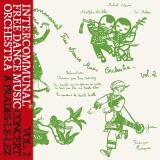
Intercommunal Free Dance Music Orchestra - Vol. 2 Concert A Prades Le Lez

Concert at Prades-le-Lez marks the origins of the Intercommunal Free Dance Music Orchestra. In 1974, François Tusques and his companions (Michel Marre, Jo Maka, Adolf Winkler and Guem), in the spirit of Don Cherry or Chris McGregor, playfully dismantle all borders and all styles of creative music.

On this second volume, the Intercommunal builds unprecedented soundscapes around a song of revolt, a dance tune, or a burst of dissonance. The journey is unforgettable, no question about it. On repeat listening, it even becomes… lunar!

“The music that we make is primarily meant to be listened to live,” warned a leaflet from the Intercommunal Free Dance Music Orchestra. This is precisely why the (restored!) reissue of the two volumes of Concert at Prades-le-Lez, recorded on January 25 and 26, 1974 by François Tusques and his comrades, is such an important event.

In 1971, after recording a series of albums that would leave a lasting mark on French jazz (Free Jazz, of course, with Michel Portal, François Jeanneau, Bernard Vitet, Beb Guérin and Charles Saudrais, but also Le Nouveau Jazz with Barney Wilen, or the solo Piano Dazibao), François Tusques founded the Intercommunal—a grouping whose very name called for the fraternization of the various communities making up the country: Our music will help, we hope, to resolve the contradictions that exist between workers be longing to different communities, by breaking down various forms of national chauvinism, and more particularly the chauvinism of certain French people toward the cultures of Third World countries… Long live the friendship between the peoples of the whole world!

Among the great records made by the Intercommunal Free Dance Music Orchestra, the two volumes of Concert at Prades-le-Lez come first, before L’Inter Communal, Vol. 4, Le Musichien, and Après la marée noire (four titles already reissued by Souffle Continu). François Tusques and his companions (Michel Marre and Jo Maka on saxophones, Adolf Winkler on trombone, and Guem on percussion) performed on January 25 and 26, 1974 at the Moulin de Prades-le-Lez, a few kilometers from Montpellier. It was thus in the southern region of Occitanie that the first echoes of this musical vision of a borderless brotherhood were recorded.

“We’re not among the Colonels,” the Intercommunal reassures us right away, performing a stride piano tune carried by African winds that the audience cannot resist for long. The energy is already striking and it never lets up throughout these two recordings, from start to finish: jazz, blues, traditional music, minimalism, even funk… The musicians of the Intercommunal have heard a lot of great music and now delight in reinventing it by mixing it all together.

“We want the song form to take its place as a weapon in the struggle against capitalist exploitation and all those who oppress us morally and materially,” declared an Intercommunal leaflet, quoting Jean-Baptiste Clément, author of the lyrics to “Le Temps des cerises.” The struggle was therefore serious—but it did not prevent François Tusques and his group from waging it in a festive spirit: each piece on Concert at Prades-le- Lez sends out a call for love and fraternity. Fifty years later, the message remains as relevant as ever—and once again, it is François Tusques who makes it heard.

Reservar17.04.2026

debe ser publicado en 17.04.2026

23,95
Intercommunal Free Dance Music Orchestra - Vol. 1 Concert A Prades Le Lez
  • On N'est Pas Chez Les Colonels
  • Intercommunal Blues
  • Mazir
  • Kan-Ha-Diskan - We Shall Over Come
  • African Rythm-N-Logy
También disponible

2[23,95 €]


Concert at Prades-le-Lez marks the origins of the Intercommunal Free Dance Music Orchestra. In 1974, François Tusques and his companions (Michel Marre, Jo Maka, Adolf Winkler and Guem), in the spirit of Don Cherry or Chris McGregor, playfully dismantle all borders and all styles of creative music.

On this first volume, the Intercommunal takes its audience from New Orleans to Brittany and on to North Africa. The journey was bold, without a doubt—and its memory remains unforgettable.

“The music that we make is primarily meant to be listened to live,” warned a leaflet from the Intercommunal Free Dance Music Orchestra. This is precisely why the (restored!) reissue of the two volumes of Concert at Prades-le-Lez, recorded on January 25 and 26, 1974 by François Tusques and his comrades, is such an important event.

In 1971, after recording a series of albums that would leave a lasting mark on French jazz (Free Jazz, of course, with Michel Portal, François Jeanneau, Bernard Vitet, Beb Guérin and Charles Saudrais, but also Le Nouveau Jazz with Barney Wilen, or the solo Piano Dazibao), François Tusques founded the Intercommunal—a grouping whose very name called for the fraternization of the various communities making up the country: Our music will help, we hope, to resolve the contradictions that exist between workers be longing to different communities, by breaking down various forms of national chauvinism, and more particularly the chauvinism of certain French people toward the cultures of Third World countries… Long live the friendship between the peoples of the whole world!

Among the great records made by the Intercommunal Free Dance Music Orchestra, the two volumes of Concert at Prades-le-Lez come first, before L’Inter Communal, Vol. 4, Le Musichien, and Après la marée noire (four titles already reissued by Souffle Continu). François Tusques and his companions (Michel Marre and Jo Maka on saxophones, Adolf Winkler on trombone, and Guem on percussion) performed on January 25 and 26, 1974 at the Moulin de Prades-le-Lez, a few kilometers from Montpellier. It was thus in the southern region of Occitanie that the first echoes of this musical vision of a borderless brotherhood were recorded.

“We’re not among the Colonels,” the Intercommunal reassures us right away, performing a stride piano tune carried by African winds that the audience cannot resist for long. The energy is already striking and it never lets up throughout these two recordings, from start to finish: jazz, blues, traditional music, minimalism, even funk… The musicians of the Intercommunal have heard a lot of great music and now delight in reinventing it by mixing it all together.

“We want the song form to take its place as a weapon in the struggle against capitalist exploitation and all those who oppress us morally and materially,” declared an Intercommunal leaflet, quoting Jean-Baptiste Clément, author of the lyrics to “Le Temps des cerises.” The struggle was therefore serious—but it did not prevent François Tusques and his group from waging it in a festive spirit: each piece on Concert at Prades-le- Lez sends out a call for love and fraternity. Fifty years later, the message remains as relevant as ever—and once again, it is François Tusques who makes it heard.

Reservar17.04.2026

debe ser publicado en 17.04.2026

23,95
HEDVIG MOLLESTAD WEEJUNS - BITCHES BLUES
  • 1: Bitches Blues
  • 2: Kompet Blir
  • 3: For A Moment I Thought I Could Hear You
  • 4: Limite
  • 5: Dynamax
  • 6: Recollection Of Sorrow
También disponible

Clear Vinyl[25,00 €]


"Weejuns is all about interplay,"erklärt Gitarristin Mollestad. ,Bitches Blues besteht aus sechs Instrumentalstücken oder Musikabschnitten mit einer extremen Bandbreite an Dynamik. Einige basieren auf kräftigen Beats, während andere Stücke weitaus lyrischer und rubato sind. Die Bandbreite reicht von riffbasierten rockigen Stücken über lautes Chaos bis hin zu melancholischen Balladen und sogar völlig freien Improvisationen." Mit einem kultivierten und dennoch erfrischend instinktiven Ansatz, Instrumente und Einflüsse miteinander zu verflechten, wechselt Bitches Blues (ein ironischer Verweis auf Miles Davis' Album Bitches Brew) unvorhersehbar zwischen langsamen und sanften, klar gegliederten Songs mit disziplinierten Akkordfolgen und explosiven Ausbrüchen kathartischer und komplexer Strukturen. Weejuns (eine Slang-Abkürzung für ,Norwegians") stellten sich 2023 mit einem selbstbetitelten Doppel-Live-Album vor. Ursprünglich von Mollestad für das Kongsberg Jazz Festival zusammengestellt, wo sie mit dem renommierten Musicians Prize ausgezeichnet wurde, hat sich die Chemie innerhalb von Weejuns als dauerhaft und verlockend erwiesen, auch als Gegenpol zum bisher härtesten Album des Hedvig Mollestad Trios, Bees in the Bonnet aus dem Jahr 2025. Mollestad hat mit ihrem gleichnamigen Trio acht gefeierte Alben veröffentlicht. Das Markenzeichen ihrer 15-jährigen Karriere ist die Verschmelzung von ernsthaftem Können mit einem offensichtlichen Fokus darauf, Spaß am Klang zu finden. Als Tochter eines Jazzmusikers vertiefte sie sich in dessen Plattensammlung und studierte klassische Werke von Miles Davis, Charlie Parker, Joe Pass und Jim Hall, bevor sie in ihren 20ern Riff-gewaltige Titanen wie Led Zeppelin, Black Sabbath und Mahavishnu Orchestra entdeckte. Dies führte zur Gründung des Hedvig Mollestad Trios, dessen unermüdlicher Aufnahme- und Tourneeplan seit Anfang der 2010er Jahre der Gitarristin eine Reihe von Auszeichnungen einbrachte, darunter zwei norwegische Grammys (Spellemannprisen) und die Ernennung durch das DownBeat-Magazin zu einer der 25 Künstlerinnen, die ,den Jazz für Jahrzehnte prägen könnten". Ståle Storlokken (Bass, Synths) ist Gründer und langjähriges Mitglied von Supersilent und Elephant9, seit Mitte der 90er Jahre die ,rechte Hand" von Terje Rypdal und hat mit Motorpsycho auf Platte und auf der Bühne sowie mit unzähligen anderen zusammengearbeitet. Ole Mofjell (Drums) ist das jüngste Mitglied und spielt bei Krokofant, Signe Emmeluths Amoeba und seinem eigenen Free-Jazz-Trio 3 Days Of Maceration.

Reservar17.04.2026

debe ser publicado en 17.04.2026

23,49
HEDVIG MOLLESTAD WEEJUNS - BITCHES BLUES

"Weejuns is all about interplay,"erklärt Gitarristin Mollestad. ,Bitches Blues besteht aus sechs Instrumentalstücken oder Musikabschnitten mit einer extremen Bandbreite an Dynamik. Einige basieren auf kräftigen Beats, während andere Stücke weitaus lyrischer und rubato sind. Die Bandbreite reicht von riffbasierten rockigen Stücken über lautes Chaos bis hin zu melancholischen Balladen und sogar völlig freien Improvisationen." Mit einem kultivierten und dennoch erfrischend instinktiven Ansatz, Instrumente und Einflüsse miteinander zu verflechten, wechselt Bitches Blues (ein ironischer Verweis auf Miles Davis' Album Bitches Brew) unvorhersehbar zwischen langsamen und sanften, klar gegliederten Songs mit disziplinierten Akkordfolgen und explosiven Ausbrüchen kathartischer und komplexer Strukturen. Weejuns (eine Slang-Abkürzung für ,Norwegians") stellten sich 2023 mit einem selbstbetitelten Doppel-Live-Album vor. Ursprünglich von Mollestad für das Kongsberg Jazz Festival zusammengestellt, wo sie mit dem renommierten Musicians Prize ausgezeichnet wurde, hat sich die Chemie innerhalb von Weejuns als dauerhaft und verlockend erwiesen, auch als Gegenpol zum bisher härtesten Album des Hedvig Mollestad Trios, Bees in the Bonnet aus dem Jahr 2025. Mollestad hat mit ihrem gleichnamigen Trio acht gefeierte Alben veröffentlicht. Das Markenzeichen ihrer 15-jährigen Karriere ist die Verschmelzung von ernsthaftem Können mit einem offensichtlichen Fokus darauf, Spaß am Klang zu finden. Als Tochter eines Jazzmusikers vertiefte sie sich in dessen Plattensammlung und studierte klassische Werke von Miles Davis, Charlie Parker, Joe Pass und Jim Hall, bevor sie in ihren 20ern Riff-gewaltige Titanen wie Led Zeppelin, Black Sabbath und Mahavishnu Orchestra entdeckte. Dies führte zur Gründung des Hedvig Mollestad Trios, dessen unermüdlicher Aufnahme- und Tourneeplan seit Anfang der 2010er Jahre der Gitarristin eine Reihe von Auszeichnungen einbrachte, darunter zwei norwegische Grammys (Spellemannprisen) und die Ernennung durch das DownBeat-Magazin zu einer der 25 Künstlerinnen, die ,den Jazz für Jahrzehnte prägen könnten". Ståle Storlokken (Bass, Synths) ist Gründer und langjähriges Mitglied von Supersilent und Elephant9, seit Mitte der 90er Jahre die ,rechte Hand" von Terje Rypdal und hat mit Motorpsycho auf Platte und auf der Bühne sowie mit unzähligen anderen zusammengearbeitet. Ole Mofjell (Drums) ist das jüngste Mitglied und spielt bei Krokofant, Signe Emmeluths Amoeba und seinem eigenen Free-Jazz-Trio 3 Days Of Maceration.

Reservar17.04.2026

debe ser publicado en 17.04.2026

25,00
Willie Nelson - For Always LP
  • Nite Life
  • Hello Walls
  • Funny How Time Slips Away
  • Crazy
  • Touch Me
  • Rainy Days Blues
  • Wake Me When It's Over
  • Mr. Record Man
  • No Place For Me
  • Willingly
  • Lumberjack
  • The Storm Has Just Begun
  • What A Way To Live
  • Is This My Destiny
  • Three Days
  • Where My House Lives
  • One Step Beyond
  • You Dream About Me
Reservar17.04.2026

debe ser publicado en 17.04.2026

20,13
Artículos por página
N/ABPM
Vinyl