Nach ihrem Auftritt auf der We Are Not Alone Pt. 9 Compilation präsentiert Sarah Sommers nun VIVID, ihre Solo-Debüt-EP auf BPitch - eine lebendige, kinetische Reise durch farbenfrohe Basslines, scharfe Percussions und lebhafte Atmosphären.
Die vom Planeten Pink stammende und in Berlin lebende Sarah Sommers hat mit ihren euphorischen, jenseitigen Livesets Dancefloors in ganz Europa und den USA zum Glühen gebracht. Seit sie in einer Spur von Glitzer auf der Erde gelandet ist, hat sie sich einen einzigartigen Raum geschaffen, in dem sie 90er-Jahre-Rave-Referenzen, dublastige Basslines und rohe Techno-Energie miteinander verbindet. Bekannt für ihren Old-School-Ansatz, bei dem nur Hardware zum Einsatz kommt, fängt diese Veröffentlichung sowohl die Körperlichkeit der Tanzfläche als auch die emotionale Energie ein, die über den Club hinausgeht. VIVID kanalisiert eine Reihe prägender Dancefloor-Erinnerungen - gefiltert durch einen ausgeprägten Produktionsinstinkt und durch die Vermischung von federnden Rhythmen mit rauen Texturen. Es bewegt sich auf dem schmalen Grat zwischen Funktion und Gefühl und fängt sowohl die rohe Energie der Tanzfläche als auch die emotionale Tiefe ein, die noch lange nachhallt.
Search:plan z
- 1: Louisiana Stomp
- 2: Clifton's Blues
- 3: Boppin' The Rock
- 4: Ay-Tete Fee
- 5: Rockin' Accordion
- 6: Baby What You Want Me To Do
- 7: That's Alright
- 8: Ay, Ai, Ai
- 9: Why Did You Go Last Night
- 10: Zydeco Et Pas Sale
- 11: Louisiana Blues
- 12: Lafayette Waltz
- 13: Hot Rod
- 14: Louisiana Shuffle
- 15: French Zydeco
- 16: Bon Ton Roulet
- 17: Jole Blonde
- 18: If I Ever Get Lucky
- 19: Black Gal
- 20: Keep On Scratching
- 1: Black Snake Blues
- 2: Let's Talk It Over
- 3: Walking To Louisiana
- 4: Johnny Can't Dance
- 5: Grand Mamou
- 6: Gone A La Maison
- 7: Live From Phr Studio, Clifton Chenier!
- 8: Mr. Charlie
- 9: Hey Madeleine
- 1063: 4-5789 (That's My Number)
- 11: Drifting Blues/Breaux Bridge Waltz
- 12: Shake, Rattle And Roll
- 13: Rock House
- 14: Breaux Bridge Waltz
- 15: Ma Negresse Est Gone
- 16: Fannie Mae
- 17: Going Home Tomorrow
- 1: J'ai Conet, C'est Pas Me Femme (I Know, You're Not My Woman)
- 2: Since I Met You Baby
- 3: Cher Catin
- 4: You're My Mule
- 5: I'm On The Wonder
- 6: You're Fussin' Too Much
- 7: All Your Love
- 8: Zydeco Cha Cha
- 9: Ti Na Na (Little Na Na)
- 10: Someone Told Me It Was All Over
- 11: You Can't Sit Down
- 12: Oh! My Lucille
- 13: Take Off Your Dress
- 14: M'appel Fou (They Call Me Crazy)
- 15: Je Suis En Racolteur (I'm A Farmer)
- 16: Je Marche Le Plancher (I Walk The Floor)
- 1: Tu Le Ton Son Ton (Every Now And Then)
- 2: Down The Road I Go
- 3: Calinda
- 4: Zydeco
- 5: What I'd Say
- 6: Dust My Broom
- 7: My Mama Told Me
- 8: Night Time Is The Right Time
- 9: I'm A Hog For You
- 10: Grand Prix
- 11: You Got Me Crying
- 12: Tit Mam's Zydeco
- 13: Party Down (At The Blue Angel Club)
- 14: I'm Coming Home (To See My Mother)
- Hasiera 00:50
- 2: Iratzarri 0:37
- Sarrakio 02:10
- Dantza Bihurritua 03:50
- Desagertu 03:18
- Meditazioa I 02:09
- Besarkatu Ninduzun (Cdr Y Basandere Ahotsak) 03:50
- Meditazioa Ii 02:53
- Ametza Iii 02:06
- Oroipen 04:04
- Fallen Gaza 03:09
- Atseginzale Dantza 02:14
- Sua Eta Heriotza 00:59
- Agur Maria (Cdr Y Basandere Ahotsak) 03:55
- Bukaerako Dantza 04:03
- Amaiera 00:36
Una interpretación de Soinuarenbidea II debería partir de esta premisa: todo es posible, nada es aleatorio, y en sí mismo es un imposible de aleatoriedades. El escenario planteado explora la idea de realidad aumentada desde una percepción sonora, ambiental y colectiva. La obra transita hacia adelante y hacia atrás recreando experiencias extintas de porvenir incierto, tratando de facilitar un fin pacificador. Cada pieza sonora se crea, se despliega, se repliega y se destruye, en una torsión permanente de toda la realidad que hace posible cada fragmento musical, cada identidad acústica, cada espacio sonoro. Lo onírico, la ficción, y el viaje están continuamente presentes, y es en el transitar de cada fragmento donde se produce el diálogo de la exposición musical. Los elementos de esta ficción se recrean continuamente, en un continuum donde se entrelazan y se van contorsionando a medida que crecen o decrecen con cada fragmento de síntesis concreta. Los temas explícitamente musicales son el magma que conduce a dar voluptuosidad al disco, siendo la piel un contexto o límite que en sí mismo fluctúa indefinidamente en texturas y configuraciones posibles. Y la urdimbre del silencio es la síntesis que está continuamente presente y que trata de cohesionar los fragmentos en continua colisión expresiva. Las grabaciones de campo proporcionan el material sonoro concreto, y como un fractal sonoro cada una de ellas ofrece diferentes grados de interpretación que a su vez conduce a nuevos fragmentos y nuevas creaciones. Así que se puede pensar que esta es una síntesis de una posible realidad, pero interpretable en infinidad de maneras. Un movimiento y una estaticidad implícitas que generan estructuras y dinámicas acústicas. Lo que se escucha no es real, pero en sí mismo forma parte de la realidad, creando un escenario expectante. Lo cinematográfico, plástico y teatral, danzante y dinámico cobra importancia en este juego, porque se trata de contar una historia, una experiencia recreada desde los puntos de vista del arte visual. Es a su vez hilo conductor y entretenimiento, discurso político y puro divertimento. Es desde este espacio de convivencia artística que tiene sentido la totalidad y justifica el formato sonoro planteado. La contradicción de la obra es patente en el formato, y es a su vez el planteamiento de una accidentalidad en el devenir vital. Contenedor de Ruido recoge todas estas contradicciones y las manifiesta en la obra Soinuarenbidea II. Es una historia sonora, es un cuento acústico. Es un fragmento de vitalidad en imágenes audibles. Es una invitación a la reflexión, a la crítica, al disfrute, a la meditación, a la celebración. Y sobre todo es esperanzadora apreciación de la realidad como algo maleable que confeccionamos colectivamente, que requiere de una paciente observación y la participación colectiva global, en un mundo finito pleno de diversidades y del que ignoramos prácticamente todo, al que deberíamos volver con respeto y devoción.
Soinuarenbidea II-ren interpretazio batek premisa honetatik abiatu beharko luke: dena da posible, ezer ez da ausazkoa, eta, berez, ausazkotasun ezinezko bat da. Planteatutako agertokiak errealitate areagotuaren ideia aztertzen du, soinu-, ingurumen- eta talde-pertzepzio batetik abiatuta. Lanak aurrera eta atzera egiten du, etorkizun zalantzagarriko esperientzia desagertuak birsortuz eta helburu baketsua lortzen saiatuz. Soinu-pieza bakoitza sortu, hedatu, tolestu eta suntsitu egiten da, musika-zati bakoitza, identitate akustiko bakoitza eta soinu-espazio bakoitza ahalbidetzen dituen errealitate osoaren etengabeko bihurdura batean. Onirikoa, fikzioa eta bidaia etengabe daude presente, eta pasarte bakoitzaren joan-etorrian gertatzen da musika-erakusketaren elkarrizketa. Fikzio honen elementuak etengabe birsortzen dira, continuum batean, non sintesi zati zehatz bakoitzarekin hazi edo txikitu ahala elkar lotzen eta bihurritzen diren. Esplizituki musikalak diren gaiak diskoari atsegintasuna ematera eramaten duen magma dira, azala testuingurua edo muga izanik, testura eta konfigurazio posibleetan mugarik gabe aldatzen dena. Eta isiltasunaren irazkia etengabe presente dagoen sintesia da, zatiak etengabeko adierazpen-talkan kohesionatzen saiatzen dena. Landa-grabazioek soinu-material zehatza ematen dute, eta soinu-fraktal batek bezala, horietako bakoitzak interpretazio-maila desberdinak eskaintzen ditu, eta horrek, aldi berean, zati eta sorkuntza berrietara eramaten du. Beraz, pentsa daiteke errealitate posible baten sintesia dela, baina hamaika modutan interpreta daitekeena. Egitura eta dinamika akustikoak sortzen dituzten mugimendu eta estatikotasun inplizitu bat. Entzuten dena ez da erreala, baina, berez, errealitatearen parte da, eta agertoki espektakularra sortzen du. Zinematografikoak, plastikoak eta antzerkikoak, dantzariak eta dinamikoak garrantzia hartzen dute joko honetan, ikusizko artearen ikuspegitik birsortutako istorio bat, esperientzia bat, kontatzea baita helburua. Aldi berean, hari gidaria eta entretenimendua da, diskurtso politikoa eta dibertimendu hutsa. Elkarbizitzarako espazio artistiko honetatik osotasunak zentzua du eta planteatutako soinu-formatua justifikatzen du. Obraren kontraesana nabarmena da formatuan, eta, aldi berean, bizi-bilakaeran istripu-tasa bat planteatzea da. Zarata-edukiontziak kontraesan horiek guztiak jasotzen ditu eta Soinuarenbidea II obran adierazten ditu. Soinu istorio bat da, ipuin akustiko bat. Bizitasun zati bat da, irudi entzungarrietan. Hausnarketarako, kritikarako, gozamenerako, meditaziorako eta ospakizunerako gonbidapena da. Eta, batez ere, itxaropentsua da errealitatea modu kolektiboan egiten dugun gauza xaflakor gisa hautematea, behaketa pazientea eta partaidetza kolektibo globala eskatzen dituena, dibertsitatez betetako mundu mugatu batean, ia guztia kontuan hartzen ez duguna, eta errespetuz eta debozioz itzuli beharko genukeena.
An interpretation of Soinuarenbidea II should start from this premise: everything is possible, nothing is random, and in itself is an impossible randomness. The proposed scenario explores the idea of augmented reality from a sonic, environmental, and collective perception. The work moves back and forth, recreating extinct experiences of an uncertain future, seeking to facilitate a peaceful end. Each sound piece is created, unfolds, retreats, and is destroyed, in a permanent twisting of all reality that makes each musical fragment, each acoustic identity, each sonic space possible. The dreamlike, the fictional, and the journey are continually present, and it is in the transit of each fragment that the dialogue of the musical exposition takes place. The elements of this fiction are continually recreated, in a continuum where they intertwine and contort as they grow or diminish with each fragment of concrete synthesis. The explicitly musical themes are the magma that leads to the work's voluptuousness, the skin being a context or boundary that in itself fluctuates indefinitely in possible textures and configurations. And the warp of silence is the synthesis that is continually present and seeks to unite the fragments in a continuous expressive collision. The field recordings provide the concrete sound material, and like a sonic fractal, each one offers different degrees of interpretation that in turn lead to new fragments and new creations. So one can think of this as a synthesis of a possible reality, but interpretable in an infinite number of ways. An implicit movement and staticity that generate acoustic structures and dynamics. What is heard is not real, but in itself is part of reality, creating an expectant scenario. The cinematic, plastic and theatrical, dance and dynamic aspects take on importance in this game, because it is about telling a story, an experience recreated from the perspective of visual art. It is at once a common thread and entertainment, political discourse and pure entertainment. It is from this space of artistic coexistence that the whole makes sense and justifies the proposed sound format. The contradiction of the work is evident in its format, and it is, in turn, the presentation of an accidentality in the course of life. Noise Container gathers all these contradictions and manifests them in the work Soinuarenbidea II. It is a sound story, an acoustic tale. It is a fragment of vitality in audible images. It is an invitation to reflection, to critique, to enjoyment, to meditation, to celebration. And above all, it is a hopeful appreciation of reality as something malleable that we collectively craft, requiring patient observation and global collective participation, in a finite world full of diversity and of which we know practically nothing, to which we should return with respect and devotion.
Paisajes sonoros, diseño sonoro, drones y música grabada, realizada y arreglada para Contenedor de Ruido por David Aranaz. Coro: Basandere Ahotsak. Producido y mezclado por David Aranaz. Mástering: Estanis Elorza. Fotografía: David Aranaz. Texto: David Aranaz. Traducción: Saioa Aranaz Oreja. Trabajo y Diseño artístico: Cristina Martinez. Edición: Contenedor de Ruido Producciones y Sarbide Music. Distribución: Contenedor de Ruido.
Contenedor de Ruido agradece el apoyo en la realización de Soinuarenbidea II al coro Basandere Ahotsak y en especial a Eva Orbara Goicoa.
Soinuarenbidea II está dedicado al pueblo palestino.
Paisajes y objetos Sonoros, samplers y otras músicas transformadas para Soinuarenbidea II
Burlada: Paseos sonoros matinales por Merindad de Sangüesa, Calle Mayor, Capuchinas, Parque Uranga y varias iglesias y plazas. Pasajes del cotidiano: basura de papel, cristal y plástico.
Pamplona: Cementerio de San José. CEIP Sanduzelai /// Quinto Real: Fábrica de Armas, Puerto de Urkiaga y alrededores. Suite del silencio, bosques en movimiento /// Fábrica de armas de Orbaiceta: regatas, biosques, paseo sonoro hasta regata /// Belate: Puerto de Belate y alrededores. Vacas en pradera junto a las turberas /// Bardenas Reales: Suite de guitarra y Suite del silencio, estepa desértica /// Austria: Tranvías de Graz y Viena. Muchedumbre del metro de Viena.
Voces cinematográficas de: Matanza en Texas, Robocop, Espíritu Sagrado, Solo los Amantes Sobreviven, Voces de Gaza, Yojimbo, Terciopelo Azul, Los 7 Magníficos.
La pista A2 está dedicada a la memoria de David Lynch.
La pista B4 está dedicada a Eva Orbara Goicoa.
Pista A4: Contiene interpretaciones de piano de Three Piano Pieces Op.11 de Arnold Schoenberg.
Pista A5: Es una interpretación expandida con síntesis FM del Concerto Op. 24 - Etwas lebhaft - de Anton Webern.
Pista A7: Contiene la canción Besarkatu ninduzun (Letra de Josune López y música de Josu Elberdin) en interpretación de Basandere Ahotsak en la iglesia de Burutain bajo la tormenta.
Pista B2: Contiene la canción Recuerdos de la Alhambra (Fernando Tárrega) en interpretación torsionada de David Aranaz Sarasa.
Pista B14: Contiene la canción Agur María (Letra y Música de Estíbaliz Robles “Estitxu” y arreglo exclusivo de Alfonso Ortiz para Basandere Ahotsak) en interpretación de Basandere Ahotsak.
Equipamiento para Soinuarenbidea II.
Micros de condensador SE7, configuración XY y ORTF; Micros de cinta ORTIZ LUTHIER configuración XY y Blumlein; Grabadoras MARANTZ y ZOOM; Sintetizadores y samplers Elektron MONOMACHINE SPS-1, MACHINEDRUM SFX6 y MODEL:SAMPLES. Dave Smith MOPHO. Torso Electronics S-4. Sintetizador Modular 333 DIY; Guitarra clásica ALHAMBRA 6P; Esculturas Sonoras tipo Baschet, cristal y metales; Mesa Soundcraft FX16ii; Interface de Audio RME Babyface Pro FS; DAW Logic Pro; Procesamiento de modelado analógico con Acústica Audio, Waves, Softube, Brainworx, Sonible, Analog Obsesion, Tokio Dawn. Metering de Logic y RME DigiCheck . Amplificación Hafler PRO2400. Monitorización BW DM602 S3. Mezcla digital; Mastering híbrido.
- A1: Robert Pico - Le Chien Fidèle
- A2: Annie Girardot - La Femme Faux Cils
- A3: Spauv Georges - Je Suis L'état
- A4: Zoé - Zoé
- A5: Jacques Da Sylva - Fou
- A6: Valentin - Je Suis Un Vagabond
- A7: Jacques Malia - Histoire De Gitan
- A8: Bernard Jamet - Raison Legale
- B1: Jean-Pierre Lebort - Barbara Au Chapeau Rose
- B2: Les Concentrés - Fils De Dégénérés
- B3: Les Missiles - Publicité
- B4: Hegessipe - Le Credi D'hegessipe
- B5: Marechalement Votre - Ethero Disco
- B6: Mamlouk - Decollez Les
- B7: Mozaique - L'amour Nu
- B8: Jean-Marc Garrigues - Je Dis Non
- B9: Penuel - Astronef 328
The journey through French-speaking pop archives continues with this fifth volume, packed with fuzz, gimmicks, and dissent. Far from the charts, the selected tracks display a great creative freedom, often backed by corrosive humor. Welcome to the surprising, kaleidoscopic, and colorful world of the late sixties and early seventies, Wizzz!
Born in Montauban, Robert Pico stumbled into music by chance when he met René Vaneste, then artistic director at Pathé-Marconi. René brought him to Paris to record his first 45 RPM EP in 1964. A year later, Pierre Perret introduced him to Vogue, where he recorded his second album with Claude Nougaro’s orchestra. Sylvie Vartan then introduced him to RCA, where he recorded four singles, including the astonishing "Chien Fidèle," a track backed by a hair-rising fuzz guitar. Alongside his solo career, he also composed for other artists like Alain Delon (the song was recorded but remains unreleased), Magali Noël, Bourvil, and Georges Guétary. In the Paris of the sixties, he mingled with Mireille Darc, Elsa Martinelli, Marie Laforêt, France Gall, Françoise Hardy, Petula Clark, Régine, Dani, Serge Gainsbourg, Joe Dassin, Franck Fernandel, Charles Level, and Roland Vincent. Despite his efforts and winning a Grand Prix Sacem for his final record, Robert Pico didn’t achieve the expected success in show business and decided to leave Paris and return to the Southwest, where he devoted himself to writing. He is the author of 23 books (including Delon et Compagnie, Jean-Marc Savary Editions 2025, a memoir about his youth and his many encounters). Today, he is relieved to never have become a celebrity and devotes himself to his work with passion.
In 1969, the Franco-Italian movie Erotissimo was released, directed by Gérard Pirès (who later directed Taxi in 1998, written and produced by Luc Besson). This pop comedy features Annie Girardot, Jean Yanne, Francis Blanche, Serge Gainsbourg, Nicole Croisille, Jacques Martin, and Patrick Topaloff. The soundtrack was written by Michel Polnareff and William Sheller, with lyrics by Jean-Lou Dabadie. "La Femme Faux-cils," performed by Annie Girardot. It recounts the feelings of a rich CEO's wife who seeks to develop her sex appeal under the influence of advertisement and magazines. Groovy, sparkling and light, this track, with ITS lush arrangements humorously critiques consumer society and feminine beauty standards.
“Je suis l’Etat” (1967) is the flagship track of the first EP by singer-songwriter Spauv Georges, aka Georges Larriaga, better known as Jim Larriaga (1941-2022). Born into a family of bakers, the young man was initially planning to become a hairdresser when he discovered English-speaking music through Elvis Presley and the Beatles. After this revelation, he decided he would become a songwriter and gave himself five years to succeed. He recorded his first two EP’s independently for RCA under the pseudonym Spauv Georges; meaning “that poor George”, a nickname given to him by the mother of her friend Jean-Pierre Prévotat (future drummer of the Players, Triangle, or Johnny Hallyday). Portraying a depressed and eccentric young man, Spauv Georges created corrosive and amusing songs that didn’t reach a wide audience, despite a TV appearance with Jean-Christophe Averty.
Supported by his loyal friend and fellow songwriter Jean-Max Rivière, Georges Larriaga met the future singer Carlos in the early '70s, then Sylvie Vartan’s assistant. He wrote songs for Carlos, including the popular "La vie est belle," "Y’a des indiens partout," and "La cantine", which went onto become a huge hit in 1972. He also composed for Claude François (“Anne-Marie”, 1971), Charlotte Julian (“Fleur de province”, 1972), helped launch child singer Roméo (who sold 4 million records), and later wrote the hit "Pas besoin d’éducation sexuelle" (1975) for the young Julie Bataille. In 1971, Jim recorded an album for Disc'Az: “L’univers étrange et fou de Jim Larriaga”, which featured pop gems like “La maison de mon père”.
The story of the song "Zoé" began when Pierre Dorsay, artistic director at Vogue Records, asked Swiss singer and musician Pierre Alain to write a song for a new female singer. The inspiration came when he realized that Zoé (the artist's name) was also the name of France's first atomic battery, created in 1948, which consisted of uranium oxide immersed in heavy water! The lyrics reflect a bubbling energy that must be handled with caution, while the instrumentation echoes this atomic theme, notably with the use of a theremin.
Zoé’s career lasted only as long as a single 45 RPM, but it seems Christine Fontane was the vocalist behind this pseudonym, who is known for several EPs, a good "popcorn" album in 1964, and a handful of children’s singles in the '70s. Regardless, the photograph on the cover is of a different girl entirely.
Later, Pierre Alain continued his career, writing songs for himself, Marie Laforêt, Danièle Licari, Alice Dona, Arlette Zola (3rd place in Eurovision 1982), and achieving multiple gold and platinum records in Canada. Also an inventor with several patents, president of the Romande Academy, and head of the French Alliance in Geneva, he now composes atonal music, books, and poetry. Moreover, he is also the host of "Les Mardis de Pierre Alain" at "Le P'tit Music'Hohl" in Geneva.
Filled with oriental choruses and fuzz guitar, "Fou" is from Jacques Da Sylva's only EP released by Vogue in 1967. Despite the quality of this recording, all traces of this singer disappear after this first effort.
Valentin is a baroque pop singer born in Belgium. He is the songwriter and composer of most of the tracks on his three singles released in the late 60s in Canada. A legend says that he reincarnated himself as Jacky Valentin during the 1970s for a rock'n'roll revival career in Belgium, but his older brother sadly debunked this story. Valentin's first two singles were arranged by Claude Rogen, a Parisian session pianist who had come to Canada to promote the song “Mister A Gogo”, a cover of David Bowie’s “Laughing Gnome”, adapted by singer Delphine, his wife at the time. Far from his usual network, Claude Rogen arranged music for Polydor, including the arrangements for “Je suis un vagabond” in 1969, a jerk tune with string arrangements and a furious optimism.
Jacques Malia wrote, composed, and recorded his only 45 EP for Festival in 1966. “Histoire de gitan” is an incredible beat track with bohemian scat that tells the story of a gypsy musician who came to Paris to make it in the Music-Hall, to no avail. The hero of the song and its author probably shared a similar fate, as Jacques Malia faded into anonymity after this remarkable attempt.
Bernard Jamet recorded two EPs for Barclay in the late sixties and co-wrote several songs with Christine Pilzer, Pascal Danel, and prolific songwriters Michel Delancray and Mya Simile. The track “Raison Légale” (1968), his masterpiece, immerses the listener in a courtroom right when a murderer is being judged, with jerk rhythm and free arrangements. A unique, paranoid, judicial, and psychedelic oddity.
Jean-Pierre Lebrot-Millers started his career in show business in 1967 as a singer and songwriter for the Philips label. After three singles, he wrote several songs of a new kind with his friend Pierre Halioche, in the midst of the sexual liberation movement and the democratization of drugs. With provocative lyrics, “Les filles du hasard” and “Barbara au Chapeau Rose” were released on a Philips singles in 1968. The character of Barbara was inspired by a queen of Parisian nightlife during the psychedelic years: model Charlotte Martin, who dated Eric Clapton from 1965 to 1968, then Jimmy Page from 1970 to 1983. Jean-Claude Petit’s arrangements, with a table-filled intro, soul brass, and Hendrixian guitar, emphasize the flamboyance of a hedonistic and sexy character, whose dog is named Junkie because “Junkie est un nom exquis”! The track was recorded live in three takes with a full orchestra.
Upon its release, the record was censored by Europe 1 and RTL due to its references to drug use. Jean-Pierre Lebrot was then banned from the airwaves and later dismissed by his record label. He changed his artist name to Jean-Pierre Millers, while his companion Pierre Halioche became D. Dolby for a new dreamy composition, “Chilla”, which Jean-Pierre produced himself with arrangements by Jean Musy. Once again, the song was immediately censored everywhere. After this setback, he decided to stop singing and started taking on odd jobs to support his Swedish wife and their son until the day he met Jean-Pierre Martin, then production manager at Decca, who had worked with Manu Dibango. Martin offered Jean-Pierre Lebrot-Millers, then employed at Rank Xerox, the position of artistic director at Decca. He accepted and became, a year later, promotion director (radio, press, TV). He worked on Julio Iglesias’s first album for Decca, which became a massive hit and allowed him to meet Claude Carrère. The latter asked him to write new songs and find their performers, much like a “talent scout.” It’s through him that Jean-Pierre discovered Julie Pietri and Corinne Hermès. He composed “Ma Pompadour” for Ringo, Sheila’s husband, and took the microphone again for the syncope hit “Rendez-Vous” in 1982.
That same year, Jean-Pierre Lebrot-Millers tried to release a track for which he had heavily gone into debt: “Si la vie est un cadeau”. Having recorded it in London, he presented it to numerous professionals, all of whom refused to get involved. The same thing happened with Antenne 2 and the Sacem when he proposed the song as France’s entry for Eurovision. He then met Haïm Saban, who was producing cartoon soundtracks and had just launched the Goldorak theme song. Saban, having listened to the song, declared it had the potential to become a hit. He sent Jean-Pierre and Corinne Hermès to meet the CEO of the Luxembourg radio and television network. The latter received them, asked to hear a verse and chorus a cappella in his office, and immediately hired them to represent Luxembourg at Eurovision 1983. They reworked the arrangements and recorded a new version with Haïm Saban as co-producer. The song ended up winning Eurovision 1983, a great comeback for our hero. He continued producing and hung out with the band Nacash in Belgium when a couple came to introduce their daughter for an impromptu audition in a hotel room. The girl sang “Les démons de minuit” while dancing to a radio cassette. Impressed, he had her take singing lessons for a year and composed a song for her (for which he had the melody and title, but no lyrics). This required him to go on the hunt for a lyricist, who ended up being Guy Carlier. They recorded the song, which was initially a ballad, at Bernard Estardy’s CBE studio, and gave the singer a new name: Melody. They showed the song around their industry network without success. Later, Estardy called Jean-Pierre to suggest changing the rhythm and making it pop-rock. Orlando, Dalida’s brother, liked the result and decided to co-produce the track. “Y’a pas que les grands qui rêvent » became a classic hit. The song has since been covered by Juliette Armanet (as a ballad, like the original) and Valentina.
Born into an aristocratic Breton family, Hervé Mettais-Cartier worked as a DJ at Queen Kiss, a nightclub in Poitiers, where he formed the band Les Concentrés with Michel (an actor) and Christian (a radio technician). Together, they created a repertoire of whimsical songs (“Ma bique est morte”, “J’suis un salaud”, “Fils de dégénéré”...) that they performed on stage dressed in white (in homage to “concentrated milk”). They performed at Bliboquet and Olympia in 1968 for the 10th edition of the “Relais de la chanson Française” organized by L’Humanité-Dimanche and Nous les Garçons et les Filles, sponsored by Pepsi Cola. Winners in the author-composer category, alongside Danish singer Dorte, their visibility allowed them to record a 45, and appear on television in Jean-Christophe Averty’s show. The A-side of the disc features Bruno le ravageur, a casatchok dedicated to Bruno Caquatrix, the director of Olympia, nicknamed in the song “Coq Atroce” or “croque-actrices”. The B-side is dedicated to “Fils de dégénéré”, a quirky tribute to Hervé's aristocratic roots, mixing absurdity with sophisticated vocal harmonies.
After Les Concentrés, Hervé Mettais-Cartier formed the duo La Paire et sa Bêtise with his friend Olivier Robert. They performed in Parisian cabarets and toured with Pierre Vassiliu. In the late 1970s, Hervé began a solo career. He recorded two albums for the Motors label in 1978 and 1979, which did not achieve their anticipated success due to lack of promotion. In 1980, he met Bernadette, with whom he started a family and created a “Chansons à voir” (songs to see) show that he performed until his death at the end of 2024.
Publicité comes from the final EP by the Missiles (Ducretet Thomson, 1966), a disc that also includes “La (nouvelle) guerre de cent ans”, featured on Volume 4 of our Wizzz! series. Please refer to the booklet for the story of the band.
“He’s 1.82 meters tall, 28 years old, weighs 135 kg, is black and Belgian”: this is the description of singer Hegesippe on the back of his sole single (Decca, 1967). He appears on the album cover wearing a Greek toga, like a hippie gag – we are at the end of the year 1967. In “Le crédo d’Hegesippe”, this former bodyguard of Antoine and the Charlots plays the delightful card of the thick brute converted to Flower-Power and non-violence, with arrangements by Jean-Daniel Mercier, aka Paul Mille.
“Ethéro-disco” was released on a promotional record for clients of the Maréchal company (Liège, Belgium) for the New Year 1979. Over a funky rhythm, celebrity impersonations (Brigitte Bardot, Jacques Dutronc, Fernandel…) deliver an enigmatic text about pharmaceutical products like ether, bismuth, and aspartate. The track was composed by Dan Sarravah (responsible for Joanna's “Hold-up inusité” featured on Wizzz! Volume 3) and Tony Talado, who was also a singer (one 45 in 1967), songwriter (with over a dozen credits between 1964 and 1985 in various styles from surf music to disco), author (Devenez Végétarien, Dricot Editions, 1985), ad designer, and psychologist.
Décollez-les is on the A-side of Mamlouk's only single, a pseudonym for Marsel Hurten, who is known for his work on several EPs in the late sixties, as well as composing music for Hervé Vilard’s “Capri, c’est fini”, Claude Channes' “La Haine”, Annie Philippe’s “On m’a toujours dit”, and Nancy Holloway’s “Panne de Cœur”.
This strange song, with Afrobeat horns and absurd dialogues between a chef and his kitchen staff, is the result of a collaboration between Marsel Hurten and one of his neighbors, a photographer from Pavillon-sous-Bois (93), where the musician settled after returning from the Algerian War. A music video was shot to promote the record.
Marsel Hurten was born in Tourcoing (59) into a musical family. At a young age, he joined the brass band founded by his grandfather, playing the piston before studying trumpet at the conservatory, as well as teaching himself how to play the guitar. As an orchestra musician, he toured in France, Belgium, Germany, and England. He released a series of solo 45’s between 1965 and 1968 for the DMF and Az labels before stopping recording to focus on working for other artists (Gilles Olivier, Noëlle Cordier…).
“L’amour nu” (Vogue, 1971) is the work of the short-lived Belgian band Mozaïque. The track, written by singer Jacques Albin, closely resembles another of his compositions, “Carré Blanc”, which he recorded in 1969 for Disc’AZ.
Represented by the Lumi Son micro-label based in Marignane (Côte d'Azur), Jean-Marc Garrigues released two 45 RPMs in the late sixties, defending the French jerk sound. The song “Je dis Non” is a short, joyful ode to youth, pop music, and rebellion.
Songwriter and performer Jacques Penuel released three singles. The first one, “Astronef 328” (Fontana, 1969), features a dizzying series of chords punctuated by sound effects, a sci-fi story, and arrangements by Jean-Claude Vannier.
We would like to sincerely thank Pierre Alain, Moon Blaha, Marsel Hurten, Bastien Larriaga, Jean-Pierre Lebrot-Millers, Bernadette Mettais-Cartier, Robert Pico, Olivier Robert, Claude Rogen, Micky Segura.
- A1: The Whip Hand
- A2: Aegis
- A3: Dyslexicon
- B1: Empty Vessels Make The Loudest Sound
- B2: The Malkin Jewel
- B3: Lapochka
- C1: In Absentia
- C2: Imago
- C3: Molochwalker
- C4: Trinkets Pale Of Moon
- D1: Vedamalady
- D2: Noctourniquet
- D3: Zed And Two Naughts
Noctourniquet And then everything went black, at least for a while, at least for The Mars Volta. In the months and years following their fifth full-length, Octahedron, Omar kept on at his usual fearsome creative pace. In fact, he ramped up his output considerably, starting up his own Rodriguez Lopez Productions label and releasing a slew of solo albums. It was a practice he’d begun shortly after De-Loused’s release, with his solo debut A Manual Dexterity: Soundtrack Volume One, but as the decade reached its close, Omar grew to rely upon his solo recordings as an outlet for his prolific creativity, these albums often exploring musical pastures far beyond even The Mars Volta’s wide-ranging parameters. Before choosing to release music under his own name, Omar would always play it to Cedric first, to see if the frontman thought it had potential to become Mars Volta music. Shortly after Octahedron’s completion, Cedric flagged one batch of tracks Omar had cut with Deantoni Parks, a brilliant drummer and composer who’d briefly occupied the Mars Volta drumstool in-between Jon Theodore and Thomas Pridgen’s tenures, and whose volcanic creativity and unique, unpredictable approach to rhythm and composition had quickly made him one of Omar’s favourite artistic foils.
As with the music that made up Octahedron, the new tracks Cedric had optioned for The Mars Volta often veered far from the riotous, Grand Guignol visions of their earlier releases. It possessed the punchy, song-based focus of Octahedron, though this was a considerably darker, more menacing strain of pop, with synthesisers figuring heavily in the productions. Cedric took the tracks in 2009 and set about writing songs to the music. But no more new Mars Volta music would be heard until 2012. The years that passed in-between were nonetheless momentous, and busy, witnessing an unexpected reunion of the members of At The Drive-In, and Cedric joining his own side-project, Anywhere. But there wasn’t any sign of life within the Mars Volta until Omar, Cedric and their bandmates took to the road for a series of live shows in the spring of 2011, billed as The Omar Rodriguez-Lopez Group, debuting the songs that would become Noctourniquet. The album followed the next year, and it remains one of The Mars Volta’s finest, its electronic textures staking out unfamiliar but fertile new ground.
An unsettling, subtly turbulent listen, Noctourniquet found Cedric sketching out a story about “some sort of device that stops the darkness from bleeding”, drawing influence variously from the nursery rhyme Solomon Grundy, the Greek myth of Hyacinthus and the song Birth, School, Work, Death by British underground rockers The Godfathers. It was an album of dystopian futurism, signalled by the paranoid cyber-rock of opener The Whip Hand and its unnerving chorus, “That’s when I disconnect from you”. But it was also an album of inspired, unexpected moves and uncanny invention, like how Dyslexicon seemed to eerily evoke Blondie’s Rapture, before rushing headlong into its bruising chorus, tempos shifting restlessly throughout like quaking earth beneath the listener’s feet, or how Aegis put a brave new spin on The Mars Volta’s trademark rewiring of salsa’s overdriven passions, or how Cedric had never sounded as scary as he did on The Malkin Jewel’s mutant burlesque shuffle. Tracks like Molochwalker were sleek and concise in a way The Mars Volta had never really attempted before – which was all part of Omar’s plan.
“It had all been guitar, guitar, guitar, overdubs, everything fighting for space in the same frequency,” he explains. “So for Noctourniquet, it was all about subtracting elements, of sticking to how I made demos.” Deantoni’s presence helped revivify the group, playing against cliché and expectation, and taking each song in unexpected directions. “I’d beatbox a rhythm for him to play, to go with my guitar part, and he’d come back with three or four alternate options. It was so great.” Similarly, Cedric had never sung better than on Noctourniquet, staking out a fearsome spectrum from the chilling Tom Waitsian growl of The Malkin Jewel to the keening, beautiful vocalisation on Vedamalady, rising to match some of Omar’s most deft, most immediately effective and melodic songs yet. Indeed, Noctourniquet is the sound of a band discovering new ways to do familiar things, renewing their commitment to their mission, finding fresh inspiration a decade in, and shaking off any complacency that might have come with ten years of acclaim and success.
- Power Of This Song
- Dance And Die
- Swimming In Trance
- Dead Inside
- Calypso
- The 9 Commandments Of Men
- Long Drive
- Me And My Shadow
In der Rock-Mythologie traf Robert Johnson 1930 an einer Kreuzung auf den Teufel und begründete damit den Rock'n'Roll. Fast hundert Jahre später, im Mai 2024, steht Dirty Sound Magnet vor seinem eigenen Schicksal, als es an der Zeit ist, ein neues Album aufzunehmen.Zum ersten Mal in ihrer Geschichte hat das Trio nicht den Luxus, jeden Schritt des Aufnahmeprozesses sorgfältig zu planen. Seit 2022, nach der Veröffentlichung ihres vielgelobten Albums DSM-III, spielt die Band 120 Konzerte pro Jahr und managt alle Aspekte ihrer Karriere selbst. Daher ist es 2024 für das Trio die einzige Möglichkeit, ein neues Album zu produzieren und aufzunehmen, indem es seinem Instinkt folgt. Me and My Shadow ist das Album, zu dessen Entstehung die Band bestimmt war - ein Album, auf dem alles auf elegante Weise zusammenkommt.Wie immer in der Rockgeschichte war die Tragödie nie weit entfernt, und das Album wäre beinahe nicht entstanden. Zwei Wochen vorden ersten Aufnahmesessions entgeht Stavros nur knapp dem Tod durch eine versehentliche Vergiftung. Auf einem Krankenhausbett, halb bewusstlos und umgeben von aufgeregten Ärzten, tauchen die Themen des Albums in seinem Unterbewusstsein auf. Inmitten des Geflüsters der besorgten Ärzte, die um sein Leben fürchteten, wuchs in ihm die Gewissheit und Klarheit: ,Das kann unmöglich das Ende sein - wir müssen noch ein Album aufnehmen." Dieses Licht, das ihn aus den Schatten zurückholte, ist dasselbe Licht, das vor hundert Jahren Robert Johnson und seitdem unzählige Musiker inspiriert hat.
- 1: You Could Perhaps
- 2: Dream Life
- 3: Antarctica
- 4 20: Days Of Summer
- 5: Alpha Centauri
- 6: Shoe Shaped Cloud
- 7: Neon Lights
- 8: Gold Mine
- 9: Some Days (Feat. Fenne Kuppens)
- 10: Oh, My Father
Die italienische Singer-Songwriterin Marta Del Grandi veröffentlicht Ende Januar 2026 ihr neues Album Dream Life bei Fire Records, ihre erste neue Musik seit dem raffinierten, hingebungsvollen Pop ihres Albums Selva aus dem Jahr 2023. Del Grandi kehrt mit einem Album zurück, das in einem Feld der Träume spielt, einer multidimensionalen Panoramaaufnahme, unterbrochen von gelassener Desillusionierung, die musikalische Grenzen überschreitet, während persönliche Hoffnungen und Sehnsüchte gegen die Weite der Sterne und darüber hinaus geworfen werden. Das Album beginnt mit ,Antarctica", einem Song, der sich mit dem ethischen Dilemma der Welt auseinandersetzt und uns mit einem Riff, das an Talking Heads in ihrer Blütezeit erinnert und mit abstrakten Phrasierungen à la Laurie Anderson durchsetzt ist, aus unserer Komfortzone reißt. ,Neon Lights" unterstreicht diese Stimmung, geht jedoch auf einer persönlicheren Ebene darauf ein. Die verzerrten Gitarren und der wandernde Bass bieten einen härteren Einblick in rebellische Selbstfindung, eingebettet in einen symphonischen Klangteppich. Weiter in ,Dream Life" ist ,Alpha Centauri" ein eindringliches, introspektives Stück Pop-Magie, das Martas wunderschöne Stimme in Nostalgie für die Teenagerzeit schwelgen lässt und ihr inneres Kind wiederentdeckt, während eine entfernte Tuba eine Gegenmelodie trägt. Der Titeltrack untersucht den Quantensprung zwischen Realität und unseren Träumen und Ambitionen und bildet einen Kontrapunkt zu ,Shoe Shaped Cloud" und seiner grüblerischen Untersuchung einer gescheiterten Beziehung, die von einer schmerzerfüllten Stimme vorangetrieben wird, die an Radiohead in ihrer zerbrechlichsten Phase erinnert. Das Album spiegelt das wachsende Bewusstsein wider, dass wir die Zukunft oder das Ergebnis unserer Pläne nicht vollständig kontrollieren können. Dieser rote Faden zieht sich durch das gesamte Album, eine Reise, die poetisch, ironisch und tief in der Gegenwart verwurzelt ist. ,Mein vorheriges Album Selva hatte einen poetischen und bukolischen Charakter - in meinem Kopf kann ich mir jeden Song als Ölgemälde vorstellen - Dream Life hat einen zeitgemäßeren Ansatz, mit Texten, die politische und soziale Themen berühren, einer expliziteren persönlichen Erzählweise und einem klareren Pop-Sound. Es ist eher wie ein Fotobuch, klarer und detaillierter." - Marta Del Grandi Limitiertes, goldfarbenes Vinyl, bedruckte Innenhülle, mit DLC oder Digi-Sleeve CD.
- A1: Conrad Schnitzler Ballet Statique
- A2: Faust I've Heard That One Before/Watch Your Step
- A3: Eno Moebius Roedelius Foreign Affairs
- A4: Harald Grosskopf Emphasis
- A5: Cluster 21:32 (Bureau B Edit)
- A6: Moebius & Plank Rastakraut Pasta
- B1: Roedelius Glaubersalz
- B2: Pyrolator Minimal Tape 3/7 2
- B3: Riechmann Himmelblau (Bureau B Edit)
- B4: Kluster Kluster 2 (Electric Music) (Bureau B Edit)
- B5: Günter Schickert Apricot Brandy Ii (Bureau B Edit)
- B6: Asmus Tietchens Falter-Lamento
Was ist Krautrock? Genre, Provokation oder Mythos? Diese Compilation liefert keine endgültige Antwort - aber zwölf ausgewählte Tracks aus fünf Jahrzehnten musikalischer Grenzüberschreitung. In Zusammenarbeit mit Bureau B entstanden, versammelt diese Platte Highlights aus einer größeren, kommentierten Diskografie. Kein Kanon, sondern ein Impuls: zum Wiederhören, Weiterdenken, Diskutieren. Krautrock bleibt Streitfall - und genau das macht ihn lebendig. Jetzt auf transparentem Vinyl - limitiert und unverzichtbar.
- 1: The Last Race - Jack Nitzsche
- 2: Trash - Duane Eddy & The Rebels
- 3: Boo Boo Stick Beat - Chet Atkins
- 4: Comanche - Link Wray & The Wraymen
- 5: Jungle Fever - Dick Dale & The Del-Tones
- 6: Mumblin' Guitar - Bo Diddley
- 7: Put The Blame On Me - Elvis Presley With The Jordanaires
- 8: Baby I Go For You - The Blue Rondos
- 9: Parchment Farm - Billy Lee Riley
- 10: I'm Not Your Stepping Stone - The Flies
- 11: Mountain - Sunshine Theatre
- 12: Gotta Find A New Love - The Yo Yo's
- 13: Man From Nowhere - Jet Harris
- 14: Watermelon - Frank Minion
- 15: I'm Out - The Surf Riders
- 16: Fuzzy And Wild - The Ventures
- 17: Baby - Tracy Rogers
- 18: Mail Train - Billy Joe Tucker
- 19: The Day The World Turned Blue - Gene Vincent
- 20: Listen To The Drums - Richard Caiton Gnp
- 21: Tracks To Your Mind - The Sounds Of Lane
- 22: My Baby - The Girls
- 23: I'm A Nothing - The Magic Plants
- 24: Little Joe - The Sounds
- 27: Sleepy Hollow - The Last Word
- 28: Cycle-Delic - The Arrows Featuring Davie Allan
- 25: Pink Cadillac - Johnny Todd
- 26: Fast Freight - Arvee Allens
In 2023 Ace Records released the album “28 Little Bangers From Richard Hawley’s Jukebox” where the acclaimed Sheffield musician, singer and songwriter compiled together some of his favourite records. These were instrumentals and vocals records that he had collected over the years and found musically addictive. The album received fantastic reviews and allowed his
extensive fanbase to discover and enjoy tracks like Ronny Kae’s ‘Swinging Drums’ and King Curtis’ ‘Hot-Rod’ that were on the juke box in his home.
Now, three years later, Richard has lifted the lid, taken those 7” out and replaced them with another favoured selection. One again, this second version of “Little Bangers” is full of cracking records such as Chet Atkins ‘Boo Boo Stick Beat’, Frank Minion’s ‘Watermelon’, Johnny Todd’s ‘Pink Cadillac’, Sunshine Theatre’s ‘Mountain’, Jet Harris’ ‘Man From Nowhere’, Tracy Rogers ‘Baby’ and the Ventures ‘Fuzzy And Wild’.
A with the first album there are 28 tracks spread across two albums or shoehorned onto one CD. The extensive liner notes see Richard discussing each and every track and what the record or artist meant to him. As he states himself in the introduction, “the record you hold in your hand is the result of a lifetime obsession.”
Listen for yourself and you will discover that this was time well spent.
- A1: The Dark Is Rising
- A2: Tides Of The Moon
- A3: Chains
- A4: Lincoln's Eyes
- A5: Nite And Fog
- B1: Little Rhymes
- B2: A Drop In Time
- B3: You're My Queen
- B4: Spiders And Flies
- B5: Hercules
- C1: Planet Caravan
- C2: Streets Of Laredo
- C3: I Keep A Close Watch
- C4: Nocturne In C# Minor, Opus 27, No.1
- C5: Blue Skies
- C6: Mascara Tears
- C7: Lucy In The Sky With Diamonds
- D1: The Brook Room
- D2: Silver And Gold
- D3: A Drop In Time (Demo)
- D4: Where The Mountains Start To Rise
- D5: Back Into The Sun (You're The One)
- D6: A Quick One At Artie's 44
- D7: Mr. Moonlight Will Come
- D8: Cool Waves
- D9: Hercules (Demo)
NPVR is the avant garde duo made up of the late Peter Rehberg and Nik Void. Editions Mego is proud to present their second and final release. No this is not some kind of Beatles synthetic AI that raises the dead reconstructed recordings but rather a new album made by the humans and their machines.
The initial meeting of Rehberg and Void was in London in 2016 and despite or due to their mutual awkwardness found solace and compatibility in the fact that they both had a similar electronic modular set up, along with matching cases to transport all. The idea to collaborate was an obvious and organic process as a means to connect their individual gear together and observe the outcome. The fruits of these initial experiments, recorded in London, resulted in the playful experimentation of their acclaimed 2017 release 33 33 (eMego 251).
Now in 2024 Editions Mego presents the logically titled follow up, 33 34. These sessions were recorded six months after the initial recordings at Peter’s home in Vienna. This was planned out as a mirror city release to the original London recordings. With Peter having access to his full studio set up this time around we encounter a rich audio landscape which organically folds together a variety of musical genres blurring any distinction between these forms so the resulting music hovers as a new cloud of sound. Any musical form, be it industrial, electro-acoustic, ambient, drone and techno all coexist and melt into the other as the ensuing result unveils a hypnotic swarm of divergent sounds (music). When active there were no lines or contexts with NPVR, either between sound or genre within these recordings or live where NPVR were at home playing at a techno club one night and an avant garde venue the next.
The initial session of these recordings was edited by Rehberg and sent to Void to further develop. Over time the final versions were agreed on and then shelved as other outside projects took over. The awkwardness had been surmounted and the two had become close friends. NPVR performed at a range of venues such as Tresor, Sutton House, Corsica, Blitz, Paris GRM #Focus2, LEV Festival and Rigas Skanumezs Festival. Following Rehberg’s untimely passing Void had difficulty listening back to the sessions but eventually thought it fit to complete and release this album, of which even the artwork (like 33 33, an image from Zurich photographer, Georg Gatsas) had been decided upon prior to Rehberg parting ways.
There is an unmistakable joy to these recordings. One encounters an enthralling exploration of their chosen machines which conveys the excitement of what can be randomly conjured when people speak through such devices. There is no grand statement or argument here, just the sheer thrill of creation and the recorded results of random encounters. The art of collaboration was always a mainstay of Rehberg’s practice from the advent of the MEGO adventure. Rehberg & Bauer was an initial collaboration with former business partner Ramon Bauer. Even at this stage one can hear a relaxed sense of delight in the sheer discovery of sound.
A mix made for the Wire magazine following the release of 33 33 hints at the freedom that comes with endless urge for exploration and discovery. Abstract tracks from Z'EV. Jérôme Noetinger and Jung An Tagen are included alongside British stalwarts The Fall and New Order. There were no lines between pop / academic / underground or mainstream in Rehberg’s world. All of it sat at the same table. It is just matter in the atmosphere, like the diverse exploration found in these recordings that comprise 33 34.
Towards the end of his life Rehberg was obsessing over the immense output of the German ambient musician Pete Namlook. An artist renowned for not only his sprawling catalogue of ambient masterpieces but one who often said his main inspiration was nature. This is apt with regards to the work of NPVR which also aligns with such thought as the intertwining of the two individual artists and their machines results in a natural symbiotic flow, as it happens, just like in the world around us.
In spring 2022, Sankt Otten released their album “Symmetrie und Wahnsinn”, and now the next record is ready to enlighten our maltreated minds. “Tote Winkel” (Blind spots) is once again part of an album series with a geometric context, both creatively and musically.
Stephan Otten and Oliver Klemm made productive use of 2021, which has been decelerated to the maximum by Corona. For the first time, an external studio was booked (Mühle der Freundschaft, Bad Iburg) and the pool of analog synthesizers and other sound generators there was dusted off. Sankt Otten came up with the master plan to first free the spirit of 50 years of German electronic music trapped in the antiquated keyboards and oscillator housings, then to dismantle it, turn it inside out and reinterpret it. Echoes of music from Düssel- dorf are joined by sounds familiar from the Weserbergland, or mystical, sublime arcs of sound and, of course, the sequences typical of the Berlin School - whether side by side or interwoven. In a departure from the usual way of working, the majority of the tracks were created in the studio and in part from improvisations, which makes “Tote Winkel “ the most organic material we have heard from Sankt Otten to date.
New York-based Rafael Anton Irisarri mastered “Tote Winkel”, as he has done on productions by Biosphere, Ryuichi Sakamoto, Tycho, Terry Riley, Fennesz and many more. As part of the series of graphic covers, this extraordinary die-cut artwork was also designed by Daniel Castrejon. The vinyl version comes in a die-cut cover and colored vinyl, the CD in an elegant cardboard slipcase.
The Osnabrück duo Sankt Otten, founded in 1999, have been releasing on DENOVALI since 2009. “Tote Winkel” is their 14th album of timeless (instrumental) music. The band has dedicated itself to the holy trinity of Krautrock, Ambient and contemporary Elecronics.
- A1: Deluxe Capacitor
- A2: All You Wanted By Michelle Branch
- A3: I Hate The Gooey Disk
- A4: The Soundtrack To Missing A Slam Dunk
- A5: Pluto Was Never Really A Planet Either Even
- A6: Wes Dault Can’t Find The Madison Falcon
- B1: *Whispers* Thank You
- B2: Good Ol’ Mr. Rags
- B3: Scream Mountain
- B4: How Do You Know It’s Not Armadillo Shellso?
- B5: There Was A Semi Fight On I-69
Purple+White Vinyl[31,72 €]
Reissue des 2018er Debütalbums von Hot Mulligan, eine der vielseitigsten und zutiefst bewegenden Bands des US-Emo-Undergrounds, deren Musik ein kathartischer Aufschrei nach Wachstum einer Generation zukunftsorientierter Mittelwestler ist, die - in den Getrieben eines verrosteten Systems gefangen - verzweifelt nach Hoffnung suchen.
- A1: Easier
- A2: Lullabye
- A3: Knife
- B1: Central And Remote
- B2: Little Brother
- C1: Plans
- C2: Marla
- C3: On A Neck, On A Spit
- D1: Reprise
- D2: Colorado
Grizzly Bear haben sich nie aufgelöst. In den sechs Jahren seit ihren letzten Auftritten haben sich die vier Mitglieder, die vor zwei Jahrzehnten als lose Freunde und sogar völlig Fremde zur Gruppe stießen – Chris Bear, Ed Droste, Daniel Rossen, Chris Taylor – anderen Dingen zugewandt. Sie haben andere Musik gemacht, andere Karrieren verfolgt, andere Familien gegründet und andere Leben jenseits dieser Band geführt. Und nun, zum ersten Mal seit 2019, kehren diese vier Musiker und Freunde zu Grizzly Bear zurück, um die Bande, die sie zu einem der fesselndsten und beliebtesten Acts dieses Jahrhunderts gemacht haben, auf die Probe zu stellen und zu sehen, wohin diese alten Verbindungen noch führen. Da sich Grizzly Bear nie aufgelöst haben, sind ihre ersten Auftritte seit sechs Jahren keine Reunion; sie sind Ankunft und Aufbruch zugleich, ihr nächstes Ziel noch unbekannt.
Diese Art von offenem Ansatz ist es schließlich, der Grizzly Bear noch immer zu einem der prägenden Acts dieses jungen Jahrhunderts macht. Vor zwanzig Jahren wandelten sie sich rasant von einem Lo-Fi-Songwriter-Projekt zu einer vollwertigen Band mit einem sofort einzigartigen Sound, unheimlichen Harmonien, die sich um Arrangements schmiegten, die den Glanz eines Kammerorchesters mit der Härte einer Rockband verbanden. Sie trugen dazu bei, die Möglichkeiten des Indie-Rock neu zu definieren, indem sie Üppigkeit mit Lockerheit, technische Exzellenz mit emotionaler Offenheit in Einklang brachten. Ihre musikalischen Spuren sind nach wie vor allgegenwärtig, Teile ihrer unorthodoxen Sicht auf Klang und Textur sind heute fester Bestandteil des musikalischen Erbes. Diese Songs im Jahr 2025 live zu hören, wird sich also weniger wie ein Händedruck mit der Vergangenheit anfühlen, als vielmehr wie das erste Mal, ihre Fingerabdrücke in der Gegenwart zu sehen.
Begleitet werden diese Live-Shows von Neuauflagen der Alben Yellow House, Veckatimest, Shields und Painted Ruins auf farbigem Vinyl.
2025 European press. Originally pressed in limited copies on a Thai LP (2023) - Comes with download code.
‘Araya Lam’ marks the third album from The Paradise Bangkok Molam International Band. Following their releases ‘21st Century Molam’ and ‘Planet Lam’, the band delves even deeper into the roots of Isan music, collaborating with traditional musicians on vocals as well as instruments like the Pong-Lang, Pi, and Sor. Each element adds a fresh dimension to the band’s distinctive reinterpretation of Molam.
The album also sees the band expanding their sonic horizons — nodding to New York post-punk on ‘Zud Rang Ma’, and drawing inspiration from the musical traditions across the Indian Ocean on ‘Psych Lam Kor’.
By looking back to their roots while continuing to push boundaries, ‘Araya Lam’ represents the next chapter in the ever-evolving journey of The Paradise Bangkok Molam International Band.
- Side A
- Theme Of Zero (From Mega Man X)
- Intermission
- Express Ug
- Deadzone
- Scorching Desert
- Hell Plant
- Infiltration
- Side B
- Crash
- Result Of Mission
- Neo Arcadia
- X, The Legend
- Fake
- For Endless Fight
- End Title
- Area Of Zero / Main Theme Of Zero
- Cyberelf
- LP2: ‘Music From Mega Man Zero 2’
- Side A
- Title Ii
- For Endless Fight Ii
- Departure
- Instructions
- Ice Brain
- Platinum
- Gravity
- Sand Triangle
- Power Bom
- Side B
- Passionate
- Cool Hearted Fellow
- The Cloudy Stone
- Silver Wolf - Yggr-Drasill
- Supreme Ruler
- The Last - The Wish Punished
- In Mother's Light
- Awakening Will
- LP3: ‘Music From Mega Man Zero 3’
- Side A
- Title Iii
- Break Out
- Exiled One -Omegacurse Of Vile
- Prismatic
- Volcano
- Old Life Space
- Final Count Down
- For Endless Fight Iii
- Cold Smile
- LP3: ‘Music From Mega Man Zero 3’ (Cont.)
- Side B
- Trail On Powdery Snow
- Submerged Memory
- High-Speed Lift
- Hell's Gate Open
- Judgement Day
- Cannon Ball
- I, 0 Your Fellow
- Everlasting Red
- Labo - System-A-Ciel
- LP4: ‘Music From Mega Man Zero 4’
- Side A
- Title Iv
- Caravan - Hope For Freedom
- Nothing Beats
- Holy Land
- Esperanto
- Kraft
- Max Heat
- Queen Of The Hurt
- Side B
- Cage Of Tyrant
- Straight Ahead
- Crossover Station
- Cyber Space
- Falling Down
- Ciel D'aube
- Promise - Next New World
- LP5:
- Side A ‘Music From Mega Man Zx’
- Green Grass Gradation
- En-Trance Code
- Wonder Panorama
- Misty Rain
- Onslaught
- Black Burn
- Snake Eyes
- Cannon Ball
- Side B ‘Music From Mega Man Zx Advent’
- In The Wind
- Overloaded
- Path To The Truth
- Trap Phantasm
- Drifting Floe
- Whisper Of Relics
- Mirai E Tsuzuku Kaze
- Green Grass Gradation (Mega Man A Ver)
Capcom and Laced Records invite you to return to a world of Reploids and cyber-elves, betrayal and Bio-Metals...
Thoughtfully sequenced with a disc covering each of the Mega Man Zero games, and a fifth covering ZX and ZX Advent, this box set will allow fans to fully ensconce themselves in the series.
ultimatemaverickx returns as sleeve artist, producing lore-faithful, vibrantly colorful panels depicting memorable story moments and highlighting major characters in iconic poses.
The Mega Man Zero/ZX soundtracks' glorious mix of urgent acid house, ambient, face-melting metal, and even soaring pop feel downright prophetic in the modern music landscape. Transported from their '00s hardware origins to your turntable come the sounds of our present, broadcast from the past - and it rips.
- A1: Fury
- A2: Black Void
- A3: Victim
- A4: Descend.exe
- A5: Purge Ft. Breakdown Of Sanity
- B1: Anomaly In G Minor Ft. Grapefruit Astronauts
- B2: Chaos Disciples
- B3: Approach Of The Second Sun
- B4: Hellbound
- B5: Unnatural Order Ft. Alan Grnja Of Distant
Tschechische Melancholie in härtester Form: Abbie Falls melden sich mit ihrem neuen Album „Life is just a temporary plan“ zurück. Am 12. Dezember 2025 liefern sie eine Kriegserklärung ans Mittelmaß: Eine Lehrstunde in moderner Härte, mit einer Seele so düster wie ein grauer Winter in Prag. Die fünfköpfige Modern Metal Wrecking Crew ist bekannt dafür, jede Bühne in ein Trümmerfeld zu verwandeln. Abbie Falls vereinen rohes Chaos, messerscharfe Präzision und überraschend viel emotionale Tiefe zu einem Sound, der sich anfühlt wie ein Frontalzusammenstoß mit einem Güterzug voller Gefühle. „Life is just a temporary plan“ führt durch existenzielle Abgründe, nihilistischen Humor und persönliche Höllenfahrten. Wenn du jemals das Gefühl hattest, die Welt bricht über dir zusammen und du brauchst einen passenden Soundtrack - das ist dieses Album. „Life is just a temporary plan“ ist eine chaotische, emotional ausgebrannte Reise in die dunkelsten Ecken der menschlichen Existenz
Babau is the pantropical project of Artetetra founders Matteo Pennesi and Luigi Monteanni in which a fascination with exotica, world music 2.0 and field recordings meets the compositional and improvisational techniques of computer music. Their latest work, the album »Stock Fantasy Zone«, was recently released on Discrepant and they have been nominated Shape artists 2023. The duo has participated in various Italian and non-Italian festivals such as Fusion, Club to Club, Nextones, Outernational Days, Camp Cosmic and Saturnalia.
»Flatland Explorations« is an ever-growing collection of completely improvised attempts at mapping the surface and irregular shapes of Babau's sonic flatland by means of audio manipulations and digital sorceries. Joining live recordings with studio material and field recordings, the duo crafts its unique sound made of granular illusions, midi extravaganza, wind instruments' acrobacies, and vocal calembours. The results have been remarkably described as 'the sound of a continent moving, ethnicities, animals, plants and mineral included.
Out of the stack, the flatland has no boundaries.
- A1: When You Gonna Learn?
- A2: Too Young To Die
- A3: Blow Your Mind
- A4: Emergency On Planet Earth
- A5: Space Cowboy
- B1: Virtual Insanity
- B2: Cosmic Girl
- B3: Alright
- B4: High Times
- B5: Deeper Underground
- C1: Canned Heat
- C2: Little L
- C3: Love Foolosophy
- C4: Corner Of The Earth
- C5: You Give Me Something
- D1: Feels Just Like It Should
- D2: Seven Days In Sunny June
- D3: (Don't) Give Hate A Chance
- D4: Runaway
- D5: Radio
2LP 140g col vinyl
»High Times – Singles 1992–2006« erschien 2006, erreichte Platz 1 der Charts und wurde mit Dreifach-Platin ausgezeichnet. Die Tour Edition 2025 erscheint als stahlfarbenes Doppel-Vinyl mit Kunstdruck, Booklet und einem von fünf zufällig beigelegten Sammler-Laminaten mit dem Buffalo-Man-Icon.
Das Album umfasst 20 Songs, darunter den Nummer-1-Hit »Deeper Underground«, sieben weitere Top-10-Titel wie »Virtual Insanity«, »Cosmic Girl« und »Canned Heat« sowie weitere bekannte Singles wie »Seven Days in Sunny June« und »Space Cowboy« viele davon feste Bestandteile der aktuellen Live-Shows.
- Anders Gewollt
- Schwer
- Heute Abend
- Irgendwas Mit Wiederholung / Feat. Hannes Wittmer
- Meine Schuld/Deine Schuld
- Du Bleibst
- Unter Meiner Haut
- An Der Bar
- Wut / Feat. Tilman Von Tigeryouth
- Zuhause
- Beruhig Dich, Du Stirbst Nicht
"es ist nie zu spät für frühstück" ist das erste Album der Hamburger Musikerin jule. Ein Satz, der so beiläufig klingt, dass man fast übersieht, wie viel darin steckt. Zwischen Müdigkeit und Hoffnung, Alltag und Überforderung erzählt jule von dem Moment, in dem man weitermacht, obwohl längst Mittag ist. Von dem Drang, trotzdem aufzustehen, auch wenn nichts so läuft, wie man es geplant hatte. Nach mehreren Singles und der Debüt EP "Im Regio weinen" (Sommer 2024), deren Songs zwischen Unsicherheit und Wut pendeln, öffnet die Mittzwanzigerin jule jetzt ein neues Kapitel: Zum ersten Mal auch mit Band. Was früher allein mit Gitarre begann, ist gewachsen. Der Sound ist größer geworden, bleibt aber nahbar: Ehrlich, manchmal zärtlich, manchmal laut. Die elf Songs bewegen sich zwischen Melancholie und Aufbruch, zwischen Gitarre und Klavier. Sie handeln von Beziehungen die kippen, von Überforderung und dem Versuch, sich selbst auszuhalten. Von der Frage was bleibt, wenn Sicherheit fehlt. Produziert und aufgenommen wurde das Album von Alexander Kallenberg im Poolhaus Tonstudio/Hamburg, gemastert wurde es von Raphael Rasmus (u.a. Captain Planet, Matula, Deutsche Laichen) im Studio Gisela/Mühlheim am Main. Die Band bringt eine neue Tiefe und Energie in die Songs, ohne den Raum zu nehmen, die jules Texte brauchen."es ist nie zu spät für frühstück" erscheint bei Zeitstrafe und markiert für jule mehr als nur ein Langspiel-Debüt: Es ist eine Bestandsaufnahme zwischen Erschöpfung und Anfang. Kein Optimismus-Album, eher eins für die Möglichkeit, um überhaupt wieder aufzustehen.
Einer der wohl bekanntesten Songs Udo Lindenbergs ist „Cello“. Die Ballade über einen jungen Mann, der
eine Cello-Spielerein anhimmelt erschien erstmals 1973 auf dem Album „Alles klar auf der Andrea Doria“.
1997 nimmt Lindenberg „Cello“ dann erneut auf. Diesmal zusammen mit dem Filmorchester Babelsberg.
Zusammen schaffen sie das Album „Belcanto“. Jetzt kehrt ein Stück Musikgeschichte zurück. Zusammen
mit den zeitlosen, emotionalen Balladen „Bis ans Ende der Welt“, „Du und ich – und dann ganz Lage
gar nichts“ und „Die kleine Zockerin“ in orchestraler Aufmachung, gibt es die Single jetzt erstmals streng
limitiert und handnummeriert auf 10“ Vinyl mit neuem Cover in Anlehnung an das kraftvolle originale
Album „Belcanto“.
Lindenberg besingt in „Club der Millionäre“ in alter Udo-Manier den Wunsch, reich zu sein. Der Song
war die erste Single-Auskopplung von Udos Hommage-Album an seinen Vater, „Gustav“. Die Single erscheint nun zum ersten Mal als 10‘‘ Vinyl in Gold, streng limitiert und handnummeriert. Neben dem
Titelsong sind auf der Single zudem mit „Die Augen zu“, sowie die Ballade „Niemandsland“ und der HipHop Track „Wo ich meinen Hut hinhäng“ enthalten.
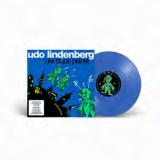
Mit echten Raritäten, kraftvollen Balladen und sozialkritischen Texten erscheint „Der blaue Planet“ von
Udo Lindenberg am 12.12.2025, das erste Mal als blaue 10‘‘ Vinyl in streng limitierter und handnummerierter Auflage. Die B Seite bilden zwei Balladen über Freundschaft und Liebe, die die Single perfekt
abrunden.
Einer der wohl bekanntesten Songs Udo Lindenbergs ist „Cello“. Die Ballade über einen jungen Mann, der
eine Cello-Spielerein anhimmelt erschien erstmals 1973 auf dem Album „Alles klar auf der Andrea Doria“.
1997 nimmt Lindenberg „Cello“ dann erneut auf. Diesmal zusammen mit dem Filmorchester Babelsberg.
Zusammen schaffen sie das Album „Belcanto“. Jetzt kehrt ein Stück Musikgeschichte zurück. Zusammen
mit den zeitlosen, emotionalen Balladen „Bis ans Ende der Welt“, „Du und ich – und dann ganz Lage
gar nichts“ und „Die kleine Zockerin“ in orchestraler Aufmachung, gibt es die Single jetzt erstmals streng
limitiert und handnummeriert auf 10“ Vinyl mit neuem Cover in Anlehnung an das kraftvolle originale
Album „Belcanto“.
Lindenberg besingt in „Club der Millionäre“ in alter Udo-Manier den Wunsch, reich zu sein. Der Song
war die erste Single-Auskopplung von Udos Hommage-Album an seinen Vater, „Gustav“. Die Single erscheint nun zum ersten Mal als 10‘‘ Vinyl in Gold, streng limitiert und handnummeriert. Neben dem
Titelsong sind auf der Single zudem mit „Die Augen zu“, sowie die Ballade „Niemandsland“ und der HipHop Track „Wo ich meinen Hut hinhäng“ enthalten.
Mit echten Raritäten, kraftvollen Balladen und sozialkritischen Texten erscheint „Der blaue Planet“ von
Udo Lindenberg am 12.12.2025, das erste Mal als blaue 10‘‘ Vinyl in streng limitierter und handnummerierter Auflage. Die B Seite bilden zwei Balladen über Freundschaft und Liebe, die die Single perfekt
abrunden.
Einer der wohl bekanntesten Songs Udo Lindenbergs ist „Cello“. Die Ballade über einen jungen Mann, der
eine Cello-Spielerein anhimmelt erschien erstmals 1973 auf dem Album „Alles klar auf der Andrea Doria“.
1997 nimmt Lindenberg „Cello“ dann erneut auf. Diesmal zusammen mit dem Filmorchester Babelsberg.
Zusammen schaffen sie das Album „Belcanto“. Jetzt kehrt ein Stück Musikgeschichte zurück. Zusammen
mit den zeitlosen, emotionalen Balladen „Bis ans Ende der Welt“, „Du und ich – und dann ganz Lage
gar nichts“ und „Die kleine Zockerin“ in orchestraler Aufmachung, gibt es die Single jetzt erstmals streng
limitiert und handnummeriert auf 10“ Vinyl mit neuem Cover in Anlehnung an das kraftvolle originale
Album „Belcanto“.
Lindenberg besingt in „Club der Millionäre“ in alter Udo-Manier den Wunsch, reich zu sein. Der Song
war die erste Single-Auskopplung von Udos Hommage-Album an seinen Vater, „Gustav“. Die Single erscheint nun zum ersten Mal als 10‘‘ Vinyl in Gold, streng limitiert und handnummeriert. Neben dem
Titelsong sind auf der Single zudem mit „Die Augen zu“, sowie die Ballade „Niemandsland“ und der HipHop Track „Wo ich meinen Hut hinhäng“ enthalten.
Mit echten Raritäten, kraftvollen Balladen und sozialkritischen Texten erscheint „Der blaue Planet“ von
Udo Lindenberg am 12.12.2025, das erste Mal als blaue 10‘‘ Vinyl in streng limitierter und handnummerierter Auflage. Die B Seite bilden zwei Balladen über Freundschaft und Liebe, die die Single perfekt
abrunden.
- Mobali Nakobala (Nico – Ngoma J 5127, © Sukisa) Rumba Lingala
- Nalingi Yo Na Motema (Nico, Chantal – Ngoma J 5130 © Sukisa) Kiri-Kiri
- Mokili Makambo (Nico – Sukisa 93) Kiri-Kiri
- Ata Osali (Chantal – Ngoma Dnj 5214, © Sukisa) Rumba Lingala
- 1: Er Boeing (Kwamy – Air Congo) Merengue
- Hommage A Lumumba Patrice (Sukisa 44) Mabanga
- Bougie Ya Motema (Nico – Sukisa 47) Rumba Lingala
- Okosambuisa Ngai (Mizele – Sukisa 66) Rumba Lingala
- Sule (Nico – Sukisa 50) Rumba Lingala
- Okosuka Wapi ? (Josky – Sukisa 110) Danse Kono
- Kamungaziko (Lessa Lassan – Sukisa 114) Danse Kono
- Mokili Matata (Nico – Tcheza 10.001; © Sukisa) Rumba-Kono Lingala
- Baoulé (Lassan – Sukisa 99) Kiri-Kiri
- Beauté (Nico – Sukisa 101) Rumba Lingala
- Mansanga (Nico – Sukisa 131) Rumba Lingala
- Souzi (Sangana – Sukisa 117) Rumba Lingala
- Naboyi Koswana (Sangana – Sukisa 120) Rumba Cha Cha
- July (Julie – Sukisa 120) Madre Rumba
- Runeme Mama (Nico – Sukisa 47) Cha Cha Cha
- A Morow (Arr. Nico – Sukisa 66) Cha Cha Cha
- Apôtre Del Si Boney (Apôtre – Sukisa 73) Charanga
- A La Savana (Arr. Nico – Sukisa 62) Pachanga
- Alto Songo (Arr. Nico – Ngoma J5126, © Sukisa) Rumba Espagnol
- Para Bailar (Nico – Sukisa 50) Pachanga
- Meta Fua Mudia (Kaba – Sukisa 118) Rumba Lingala
- Exhibition Show (Nico – Sukisa 135) Instrumental
- Exhibition Dechaud (Dechaud – Sukisa 71) Instrumental
- Bolala - Ayando (Nico – Sukisa 132) Extrait Show Kasanda
- Excitation - Makwandungu - Ngombele (Nico – Sukisa 132) Extrait Show Kasanda
- Kamulangu
'In collaboration with the children of Nico Kasanda, better known as Docteur Nico, Planet Ilunga proudly presents an anthology dedicated to African Fiesta Sukisa, available as a 3LP set and a digital release with bonus songs. This release is the result of many years of preparations and was realized in close partnership with Liliane Kasanda, Nico’s eldest daughter. Marking forty years since his passing, we felt that the year 2025 was the right time to honor Docteur Nico’s legacy with this original collection.
'Almost all of the African Fiesta Sukisa songs were released on Nico’s Sukisa label which translates in Lingala for “the final accomplishment”. The music on Sukisa, crafted by Nico and legendary vocalists such as Chantal, Sangana, Apôtre, Mizele, Lessa Lassan and Josky, embodies the essence of that powerful phrase with genius, class and depth. The label ran between 1966 and 1975 and released approximately 280 songs. Ngoma also issued the group between 1967 and 1971 and, in addition, reissued material from the Sukisa label. Many of these songs have become part of the collective memory of Congolese society and are still heard, discussed, and analyzed daily across digital platforms worldwide, as well as on numerous Congolese radio and TV stations.
'The album we put together features some of Nico’s signature songs alongside never before reissued tracks from the Sukisa catalog. It furthermore contains a large booklet with song commentary, testimonial interviews from well-known musicians, journalists, fans and Nico’s entourage, besides never before published photography about his personal and musical life.
'Alastair Johnston, author of the book ‘A Discography of Docteur Nico’ and longstanding Planet Ilunga collaborator, designed a stylish booklet and cover using all our collected material. Audifax Bemba, longtime admirer, compiler and connoisseur of Nico’s music, and the author of most of the song commentary in our accompanying booklet, offers his portrait of Docteur Nico:
“After displaying technical virtuosity with African Jazz, expert and accomplished guitar with African Fiesta, which musicologist Sylvain Bemba described as a dream guitar, Nico Kasanda was consecrated ‘dieu de la guitare’ by the public in the late sixties. With his band African Fiesta Sukisa, Docteur Nico displays his wide palette of unusual sounds. While exploring the Hawaiian guitar with its clear, airy, plangent, psychedelic effluvia, he continues to replicate the piano comping technique, and adds two missing strings to his bow: a simulation of the sanza (likembé or thumb piano), whose sounds he reproduces right down to the noisemakers of the tiny tin rings, on the one hand, and the sounds of the Luba balafon on the other. The right note, in the right place, at the right time, is the triptych on which Nico Kasanda’s playing is based, a note dressed in the perfect sound. A guitar of pure emotion. With African Fiesta Sukisa, his playing takes a ‘Chopin-esque’ turn, sending out more notes in a sublime adagio. The true artist is the one who simplifies everything. Docteur Nico is a genius of our time, whose style makes him the supreme exponent of the most important guitar school in Congolese music. He is recognized by his peers as the greatest African solo guitarist of all time. Sculpting sound in a tireless quest for beauty, Nico Kasanda has sublimated the guitar throughout his career.”
[xd] Kamulangu [Outro] (Dr. Kasanda – Sukisa 135) Folklore Baluba
15th Anniversary Edition. Black Vinyl. When Dinosaur Jr. reunited, more than 20 years after their formation and legendary dissolution, the worry was that these guys were just flogging the back catalog, taking the old show on the road as a marketing gimmick. But the 2007 release of Beyond gave a hearty Marshall-driven "F**K YOU!" answer to those inquiring ears. Restoring the sound established by the unassailable hat-trick gambit of their first three albums -- Dinosaur, You're Living All Over Me, and Bug -- Beyond continued the band's march into rock greatness by making old ears smile and new ears bleed afresh. And then came Farm, the 9th full length record by the original line-up: J Mascis, Lou Barlow, and Murph. If Beyond was Dinosaur Jr.'s return to form, Farm is proof that Dinosaur Jr. could (and still do, to this day!) deliver timeless, exhilarating rock music. Farm encompasses Dinosaur Jr.'s signature palette: soaring and distorted guitar, unshakable hooks, honey-rich melodies. At times wholly 70's guitar-epic, at times perfect for sitting by a babbling brook with Joni and Neil, these songs get into your head and stay there, bouncing happily around. The ear-catching "Plans" is nearly seven minutes of classic whipped-topping rock dessert, while "I Don't Wanna Go There" is a meat-and-potatoes main dish, mixing unapologetic lead guitar with straight-ahead delivery a la James Gang or Humble Pie. This expanded deluxe edition of Farm features four songs never pressed to vinyl and never given worldwide release:"Houses", "Whenever You're Ready" (The Zombies Cover), "Creepies" (Instrumental), and "Show". "Whenever You're Ready", a cover of classic pop-rockers The Zombies, is impossibly good for a hidden gem; Murph stomps in with a sledgehammer to the kit, J and Lou layer low-end and fuzz like two halves of one brain, and right when things feel biggest, airy and colossal, there's J with a lightning bolt of a guitar solo. Pure electricity and melody like only he can make. Recorded in J Mascis' Bisquiteen studio in Amherst, Massachusetts, Farm was produced by Mascis himself, and delivers the singular, unique energy of one of America's greatest living rock bands.
- Molinard Danser Cha-Cha
- Mibali Bakomi Mpasi Na Leo
- Soki Ye Te Nani ? “Carra”
- Amida Asukisi Molato
- Ya Mbala
- Kingotolo Mbuta Ngani Mbote
- Muasi Ya Motema Mabe
- Para Fifi
- Clarie Télé
- Moto Na Esika Na Ye
- Toponaki Bino Boyokana
- Kongo Ya Bankoko
- Kajinga Victorine
- Mama Seba
- Ekoti Ngai Hopitalo
- Pachito Eche
- Mi José
- Bueno Valentina Cha Cha
- Lolango Helena
- Lolaka Lwa Bale
- Lalouma De Belen
- Liwa Ya Emery
- Mboka Mosika Mawa
- Zongela Nzela Na Ngai
- Motema Ya Fa Fa
- Mbanda Mwasi Alingi
- Liwa Ya Champagne
- A Girl I’m Looking For
- Mama Ndonga
- Satchmo Okuka Lokole
- Naboyi Ba Jumelle
- Guidado Colamano
- Miso Emona Makambo
- African Bana Ya Kin
- Aya-Ya
- Wachiwara
- Matata Masila Na Congo
- To Yokana Tolimbisana Na Congo
- Ma-Zo ! Dégagez
- Oyeme Querida
- Bana Ya Nwa
- Promenade African Jazz
- Kalejoph Surboum
- Longonia Yaya
- Clair De Lune
- Twist À Leo
- Pachismotou
- Ambiance
- Pasi Die Senorita
- Mutatshi Wa Yombo
- Mwamba Wa Mpatu
- Georgette Ye Ndeko
- Ba Tata Bakenda Kala
- Amor Perdido
- Luna Nokero
- Le Lion Est Mort
- Hallelouia
- To The Source
- Consolation
- Crossroads
- Zaubertrank Für Eliane
- Call The Good Spirits
- Chutes And Ladders
- Riding On Eagles' Wings
- The Embracing Dimension
- Peace
Mit To The Source öffnet Christoph Stiefel einen Raum, in dem Musik nicht nur gehört, sondern erlebt wird. Jeder Ton seines Soloalbums auf dem Klavier ist wie ein Atemzug - bewusst gesetzt, tief empfunden und voller Resonanz. Die Aufnahmen entstanden in zwei akustisch sensiblen Räumen, in denen Klang und Stille gleichberechtigt miteinander kommunizieren. Stiefel spielt nicht, um zu beeindrucken - er spielt, um zu berühren. Die Musik entsteht intuitiv, fließt durch ihn hindurch, ohne Plan, aber mit voller Hingabe. Nebengeräusche wie Atmen oder Rascheln sind keine Makel, sondern Zeugnisse eines echten Moments, eines Menschen, der sich ganz dem Klang hingibt. To The Source ist ein musikalisches Bekenntnis zur Reduktion, zur Essenz, zur Wahrheit. Es ist ein Album, das nicht erklärt, sondern fragt - und dabei tief bewegt.
- Anthropocentric
- The Grand Inquisitor I: Karamazov Baseness
- She Was The Universe
- For He That Wavereth
- The Grand Inquisitor Ii: Roots & Locusts
- The Grand Inquisitor Iii: A Tiny Grain Of Faith
- Sewers Of The Soul
- Wille Zum Untergang
- Heaven Tv
- The Almightiness Contradiction
- (Etching On Side D)
Reissued blue (!) vinyl! The "centrics"-albums saw the introduction of current vocalist Loïc Rossetti to the band's lineup, a game changer in their 17 years history. "Anthropocentric" is heavier than its same-year predecessor "Heliocentric", with the crushing 15-minutes openening track duality "The Grand Inquisitor" part I and II and following track "She Was The Universe", one of the most-streamed THE OCEAN tracks to date, setting the bar high for the rest of the album. Since 2001, the Berlin-based musician collective THE OCEAN have released 7 critically acclaimed studio albums, and a split EP with Japanese post-rock legends Mono. With an ever-changing lineup of various on- and off-stage musicians and visual artists, the relentlessly touring group have become well known for their immense, mind-expanding live shows, which they have carried into the most remote corners of the globe, from Siberian squats to colonial theatres in Ecuador. Over the course of their storied career, THE OCEAN have toured with Opeth, Mastodon, Mono,The Dillinger Escape Plan, Anathema, Between The Buried And Me and Devin Townsend, and have appeared on major festivals including Roskilde, Dour, Pukkelpop, Roadburn, Wacken, With Full Force, Summer Slaughter, Summer Breeze and Graspop. pn: this is coloured double vinyl, the stickersays Golden, but in fact it's Blue (Gold).
- A1: When You Gonna Learn? 3:47
- A2: Too Young To Die 3:23
- A3: Blow Your Mind 3:55
- A4: Emergency On Planet Earth 3:35
- A5: Space Cowboy 3:37
- B1: Virtual Insanity 3:49
- B2: Cosmic Girl 3:47
- B3: Alright 3:42
- B4: High Times 4:09
- B5: Deeper Underground 4:44
- C1: Canned Heat 3:46
- C2: Little L 3:57
- C3: Love Foolosophy 3:46
- C4: Corner Of The Earth 3:54
- C5: You Give Me Something 3:24
- D1: Feels Just Like It Should 4:32
- D2: Seven Days In Sunny June 3:58
- D3: (Don't) Give Hate A Chance 3:49
- D4: Runaway 3:45
- D5: Radio 4:12
2LP 140g col vinyl
»High Times – Singles 1992–2006« erschien 2006, erreichte Platz 1 der Charts und wurde mit Dreifach-Platin ausgezeichnet. Die Tour Edition 2025 erscheint als stahlfarbenes Doppel-Vinyl mit Kunstdruck, Booklet und einem von fünf zufällig beigelegten Sammler-Laminaten mit dem Buffalo-Man-Icon.
Das Album umfasst 20 Songs, darunter den Nummer-1-Hit »Deeper Underground«, sieben weitere Top-10-Titel wie »Virtual Insanity«, »Cosmic Girl« und »Canned Heat« sowie weitere bekannte Singles wie »Seven Days in Sunny June« und »Space Cowboy« viele davon feste Bestandteile der aktuellen Live-Shows.
„Wenn alle verschwunden sind, wer fliegt dann dieses Ding?“ Demon Records präsentiert ein exklusives Audio-Abenteuer für den zehnten Doctor, geschrieben von Dan Abnett und gelesen von David Tennant, begleitet von Murray Golds mitreißender Version des bekannten Doctor Who-Themas. Die Tardis materialisiert an Bord eines bahnbrechenden Weltraumkreuzers, der von der Erde zum Planeten Eternity reist. Als plötzlich Passagiere und Besatzung verschwinden, müssen der Doctor und Flugbegleiterin Sugar verhindern, dass das Schiff abstürzt. Doch auf Eternity erwartet sie etwas Schreckliches… „…ein straff strukturiertes und durchweg unterhaltsames Sci-Fi-Thriller-Abenteuer… und das alles getragen von einer gewohnt energiegeladenen Lesung von David Tennant.“ – SFX Magazin Diese spannende Geschichte erscheint als 2LP auf durchscheinend gelbem Vinyl in einer breiten Hülle mit illustrierten Innenhüllen – exklusiv zum Record Store Day Black Friday Event.
Zum 20-jährigen Jubiläum ihres ikonischen Debütalbums Silent Alarm veröffentlichen Bloc Party drei limitierte Jubiläumsformate: eine 2LP auf weißem Vinyl mit dem original Album, eine 2CD Edition mit dem original Album und Bonus Discs, welche Demos, B-Sides und eine BBC Peel Session beinhalten. Außerdem ist ein 12-seitiges Booklet inkl. Lines Notes und einem Vorwort von Produzent Paul Epworth. Die Deluxe-Box umfasst alle oben erwähnte als 4LP Set. 2LP für das original Album und 2LP für die Bonustracks und Raritäten sowie Demos und Sessions. Wobei es hier ein 24-seitiges Booklet mit noch nie veröffentlichten Fotos der Band und exklusive Liner-Notes gibt. Ein Muss für Fans und Sammler gleichermaßen.
White Vinyl
- Popafangout
- I Don't Have The Heart
- I Could Find Out
- Queen Of Globes And Mirrors
- (I Wanna) Be Your Girl
- Gonna Learn To Crawl
- Balloon 1
- I Don't Adore-Youo
- All The Prefabs
- Talking In Your Sleep
- Fall In Love Again
- Serene Haus Of Hair
- (In A While) You'll Be Mine
- Balloon 2
- Ex-Priest / In A Hole Of A Home
- Takes So Long
- Stop To Say Hello
- All The Shops And Stores Are Closing Now
- Maria Don't
- Crown Of Thorns
- Balloon 3
Manchmal geht einfach alles POP! Fall in Love Again with "Balloon Balloon Balloon"! Unterwerfung. Das ist das Wort, das mir in den Sinn kommt, wenn ich mich mit Kai Slaters Sharp Pins auf den überwältigenden Pop-Planeten begebe. Das Universum funktioniert nur, wenn man sich unterwirft: sich der Liebe unterwirft, sich der Rockmusik unterwirft. Sich der Kraft zu unterwerfen, die von einem Jungen ausgeht, der seine Gitarre schwingt, um makellosen Gitarrenpop zu kreieren, der ins Pantheon der Idole gehört, zu denen er mit diesem Album aufsteigt. Natürlich ist es verständlich, dass man zunächst wütend ist. Alle waren wütend auf Big Star, weil sie den Beatles zu nahe kamen. Und alle werden wütend auf Sharp Pins sein, weil sie dasselbe tun und dann noch Guided by Voices mit ins Spiel bringen. Wie kann er es wagen? Diese Überheblichkeit. Welcher 20-Jährige glaubt, er könne Robert Pollard übertrumpfen? ,Queen of Globes and Mirrors?" Ein Verbrechen. Mit dem noch schlimmeren Verbrechen, Songs zu schreiben, die so rätselhaft zeitlos sind, dass man glauben könnte, sie seien aus einem verlorenen Beatles-Band gestohlen worden. ,I Don't Have the Heart" und ,(I Want to) Be Your Girl" lassen einen wirklich im Unklaren darüber, wann und wo sie entstanden sind. Aber wenn der Lo-Fi-Noise-Pop von "Balloon Balloon Balloon" uns an etwas erinnert, dann daran, dass nur Kai das kann. Mit seiner 12-saitigen Gitarre und seiner unermüdlichen Besessenheit von Popmusik ist Slater einzigartig ausgestattet, um nicht nur von Pollard und Chilton das Erbe anzutreten, sondern auch den Byrds, den Temptations, den Four Tops und allen anderen Künstlern nachzufolgen, die versuchen, die wahre Liebe auf Band zu bannen. Er wendet die Taktik ,um Vergebung bitten, nicht um Erlaubnis" an, wenn er sich bei diesen Größen bedient, und uns bleibt nichts anderes übrig, als Slater zu vergeben, dass er uns diese Rock'n'Roll-Juwelen schenkt, die er aus der Vergangenheit in eine Zukunft katapultiert, die so melodisch makellos und doch kantig und aufrichtig ist, dass wir ihm auch dafür danken müssen, dass er das Genre vor der Bedeutungslosigkeit bewahrt hat. Denn was Slater hinzufügt, ist ganz und gar sein Eigen. Eine unbeschreibliche Sensibilität für das Songwriting, die trotz der zahlreichen Anleihen nur ihm gehören kann. Am Ende des Albums schluckt man jegliche Wut oder Ungläubigkeit, die man vielleicht hatte, und akzeptiert, dass Sharp Pins wirklich so gut sind. Auf diesem umfangreichen, aber niemals überladenen Album erschafft Slater eine Welt voller kleiner Pop-Perlen, die so einfach und dumm gut sind, dass sie uns daran erinnern, dass eine andere Welt möglich ist. Denn es ist nicht nur so, dass die Songs unmöglich aus dem Kopf gehen, was sie auch sind. Es ist Slaters eigene Hingabe an dieses Streben nach dem perfekten Popsong, die uns glauben lässt, dass dies nicht nur möglich ist, sondern auch ausreicht, um dem Leben wieder Form und Farbe zu geben. Fall in Love Again ist keine Empfehlung, sondern eine Verpflichtung. Nicht nur gegenüber einem schönen Mädchen, von denen es auf dem Album viele gibt, sondern gegenüber der Welt selbst. Vielleicht ist es dann möglich, die Zukunft zu erreichen, von der der 20-jährige Slater selbst träumt, aber bis dahin haben wir seine Liebesbriefe an den Rock'n'Roll und die Welt um ihn herum, die uns Gesellschaft leisten.
- Fire (Luke 12:49)
- Nature Is A Song
- Springtime (In Australia)
- Mass-Emmanuel
- Messe Du Saint Esprit
- Light (John 8:12)
- O Brother (Matt. 7:1-5)
- Mary Was Here
- Teenager's Chorus
- O Great Mystery (John 6)
- Christ Our King (Col. 1:13)
- Keshukoran
FIRE VINYL[24,79 €]
Fire of God's Love ist das legendäre Album der australischen Nonne Schwester Irene O'Connor aus dem Jahr 1973 - eine aufrichtige, gefühlvolle und unbewusst psychedelische Songfolge, die der Selbstreflexion und dem Erwachen des inneren Geistes gewidmet ist. Das Album ist eine Sammlung von originellen spirituellen Folksongs, die von O'Connor geschrieben und mit Gitarre, E-Orgel, Drumcomputer und ihrer engelsgleichen Stimme interpretiert wurden. Es wurde von ihrer Mitschwester und Toningenieurin Sister Marimil Lobregat auf erstaunlich futuristische Weise aufgenommen und abgemischt. Freedom To Spend bietet die erste autorisierte Neuauflage dieses heiligen Grals seit 1976; das Album wurde mit Sorgfalt und Bedacht aus den besten verfügbaren Quellen restauriert und remastered. Als junge römisch-katholische Nonne im Orden der Franziskanerinnen von Maria begann Schwester Irene 1953 ihre musikalischen Aktivitäten, als sie von Sydney in ein Kloster in Singapur zog und begann, Kinder mit Lernschwierigkeiten zu unterrichten. Nachdem sie sich eine Akustikgitarre zugelegt und drei einfache Akkorde gelernt hatte, blühten Irenes Lieder dank der Begeisterung der Kinder auf. Durch einen glücklichen Zufall arbeitete ein Elternteil eines Schülers bei einem kommerziellen Radiosender in Singapur, und Irene wurde eingeladen, im Studio des Senders aufzutreten und aufzunehmen. Sie ging hin, trug ihre Ordenstracht und hatte ihre Gitarre dabei, und nahm dort 1965 ihren ersten eigenen Song auf. Unter dem Pseudonym Myiriam Frances, um innerhalb ihres Ordens anonym zu bleiben (,Nonnen machten so etwas nicht", bemerkte O'Connor), veröffentlichte Phillips Ende der 1960er Jahre eine Reihe von Platten von Schwester Irene. Im Kloster in Singapur lernte Schwester Irene Schwester Marimil Lobregat kennen, eine Mitbrüderin aus dem Franziskanerorden, die Anfang der 1960er Jahre von den Philippinen auf die Insel gezogen war. Mehr als ein Jahrzehnt später trafen sie sich, wie durch göttliche Fügung, in einem anderen Kloster in Point Piper in Sydney wieder. Marimil, ebenfalls Musikerin und Klangenthusiastin, arbeitete als Audio- und Videotechnikerin beim Catholic Radio and Television Centre in Homebush im Westen Sydneys. Schwester Irene, die treu an ihren musikalischen Fähigkeiten feilte, und Schwester Marimil schmiedeten den Plan, sich an mehreren Sonntagnachmittagen im Zentrum zu treffen und die Lieder zu komponieren, die später auf ,Fire of God's Love" erscheinen sollten. Die Lieder von ,Fire of God's Love" werden von Schwester Irene mit ihrer engelsgleichen Sopranstimme gesungen (mit Texten in Englisch, Latein und Malaiisch) und von Schwester Marimil produziert und auf einem Teac 3340S 4-Spur-Tonbandgerät aufgenommen. Marimil trug maßgeblich dazu bei, die unheimliche Jenseitigkeit zu zaubern, die das Album durchzieht. Die kristallklare Stimme von Schwester Irene wird exquisit von einem schimmernden Mosaik aus Hall und analogen Synthesizer-Klängen umhüllt, während sie wie eine Glocke in der Dunkelheit erklingt und so lange nachhallt, bis die Wahrheit oder das Göttliche erscheint. Themen wie Barmherzigkeit, Gnade, Licht und Geheimnis werden von sanften Akustikgitarrenklängen und ewigen Pianotönen untermalt, die sich langsam auf vibrierenden Fäden drehen. Bei den Songs mit Keyboards spielte Schwester Irene alle Parts live in Echtzeit, einschließlich der Basspedale. Die Drum Machine wurde von derselben Orgel erzeugt, die sie spielte, und gleichzeitig ausgeführt. All dies trägt zu einer Atmosphäre erhöhter Präsenz bei, einem organischen Blitz, der tief aus dem Unterbewusstsein kommt. Entstanden aus Ideen, die in einem ruhigen Kloster und abgeschieden von weltlichen Einflüssen entstanden sind, wird der liturgische Rahmen des Albums durch die innige Hingabe zweier Schwestern gefiltert - ihre eigene Interpretation von Popmusik, befreit von Anmaßung und oberflächlichem Glamour. Der Titel des Albums stammt, wie viele seiner Songs, aus einem Bibelvers, in diesem Fall Lukas 12:49. Aber Schwester Irene und Schwester Marimil haben ihn in einen Raum gebracht, in dem alle spirituell Suchenden die Übertragung oder: ungewöhnliche Hermeneutik schätzen können. Die Texte sprechen universelle Bedürfnisse, Wünsche und Sehnsüchte an: ewige Liebe und Zuneigung, ein Ende der Einsamkeit, eine neue Form der Erleichterung, Befreiung von der Angst vor dem Tod. Anstelle von Hymnenformeln bedient sich Schwester Irene, vielleicht unbeabsichtigt, der damals modischen Folk- und Psychedelic-Musik, um eine Predigt zu halten, die sich wie Liebesbriefe an eine göttliche Präsenz liest und über jede formale Religion hinaus zur Seele spricht. ,Fire of God's Love" ist ein inspirierendes Archiv früher elektronischer Experimente zwischen zwei befreundeten Frauen und Mystikerinnen, eine Dokumentation ihrer göttlichen Energie, die auf disziplinierte Weise kanalisiert wurde. Bei seiner Erstveröffentlichung war es weder ein durchschlagender Erfolg noch ein Misserfolg, sondern wurde vor allem mit Neugierde aufgenommen. Die beiden haben nie wieder gemeinsam Musik gemacht, und in den 50 Jahren seitdem zieht ihre einmalige Zusammenarbeit weiterhin Zuhörer an, die sie in Plattenläden entdecken (sei es die Originalpressung von Phillips oder die klanglich überlegene Neuauflage von 1976 bei Alba House Communications) oder eher über YouTube, als zufällig entdeckter und heiß diskutierter Kultklassiker. Heute lebt Schwester Irene in Sydney, Australien, und freut sich, dass ein neues Publikum in ihrer Musik mit Schwester Marimil einen Sinn findet. Ihre Geschichte ist ein Beweis dafür, dass man nicht viel braucht, um ein visionäres, zeitloses Album zu schaffen: ein Tonbandgerät, Freundschaft und ,The Fire of God's Love", um den Weg in die Zukunft zu ebnen. Das kann ein spiritueller Freund sein oder ein irdischer Begleiter direkt neben einem. Sister Irene O'Connors ,Fire of God's Love" wird am 14. November über Freedom To Spend auf Vinyl, CD und als digitale Ausgabe veröffentlicht.
- Music To Kill Bad People To
- Evil Death Roll (Demo)
- Dirt (Demo)
- Bit Bit Bit Bit Bit Bit Bit
- Sketches Of Brunswick East (Demo)
- Demo No. 79
- Planet B (Demo)
- The Bird Song (Demo)
- Muddy Water (Demo)
- Mars For The Rich (Demo)
- Footy Footy (Demo)
- Stevie Ray Horn
- Automation (Demo)
- Fishing For Fishies (Demo)
Music To Kill Bad People To ist eine Zusammenstellung von Demos und seltenen Aufnahmen der australischen Acid Rockband King Gizzard & The Lizard Wizard, aufgenommen zwischen 2011 und 2020. Teil der offiziellen Bootlegger-Serie, diese LP hat exklusive Cover-Art des visuellen Künstlers Griffin Scanlan, beherrscht von Joseph Carra.
‘Cataclysm’ is a poignant call for revolution of both politics and consciousness, conveyed through ten distinct songs written and produced by Zanias between 2020 and 2024. Each piece of music inhabits its own aesthetic universe and rhythm, featuring elemental fusions of coldwave, italo disco, witchhouse, trance, breakbeats, hyperpop and even a touch of drum and bass. The unique amalgamation is best described as post-industrial ethereal wave, of Zanias’s very own signature. The subject matter grapples with how to move forward through times when civilisation and the entire ecosystem of the planet feel like they are on the brink of total collapse, while gazing back over hundreds of thousands of years of human survival in total awe of how far we’ve come. The lyrics aim for a balance of vulnerability and poetic strength, as the audience is beckoned to “thread the power through the pain”. While darker atmospheres are conjured through the sound design and instrumentation, the album ultimately directs itself steadfast toward the glittering sheen of hope. As the tempo ascends through the course of the album’s tracklist, so too does Zanias’s deep attachment to our sacred humanity and refusal to give in to despair.
‘Cataclysm’ represents an ambitious defiance of genre tropes in pursuit of pure artistry, with a potent political message delivered with assertive fervour and playful sincerity. Additional production was contributed by mixing engineer Trey Frye, best known for his work in the band Korine, and the album was mastered by Alain Paul.
Der legendäre Club-Klassiker “Distant Planet” aus dem Jahr 1998 kehrt zurück – in einer exklusiven 12“ Maxi Single für Sammler und Liebhaber elektronischer Musik.
Neben den originalen Mixen von Saccoman enthält dieses streng limitierte Release brandneue, moderne Remixe von:
Talla 2XLC
Carl Clarks x Tom Franke
Kalr8 + Andrea Monta
Jeder Remix verleiht dem zeitlosen Track eine frische Energie, perfekt für heutige Dancefloors – und gleichzeitig eine Hommage an den unverkennbaren Sound der späten 90er.
Gepresst auf hochwertigem, farbigem Vinyl in streng limitierter Auflage – ein Must-Have für DJs, Vinyl-Fans und alle, die elektronische Musikgeschichte in neuem Glanz erleben wollen
- Year Of The Plan
- Signal Them In
- Between The X's
- No Vision
- Alibi
- Bigger Better Drug
- Believer Now/Rosebowl '98
- Cousin Zach (Born Lucky)
- Biker Bar
- Heaven Or Wisconsin
Camp Trash ist das Ergebnis von zwei Freundschaften: 1. Friendship America, die kurzlebige Band aus Sarasota, die von den Brüdern Keegan und Levi Bradford und Bryan Gorman gegründet wurde, und 2. die jahrzehntelange Freundschaft und Zusammenarbeit beim Songwriting zwischen Keegan und Bryan. Nachdem Keegan Florida verlassen hatte, blieben er und Bryan in Kontakt, indem sie an Musik arbeiteten und sich Song-Demos per E-Mail schickten. Obwohl sie in verschiedenen Bundesstaaten lebten, beschlossen die drei Freunde, dass es Zeit war, mit den Songs, die sie geschrieben hatten, ein neues Projekt zu starten. Sie gründeten Camp Trash, ohne einen Plan zu haben, wie sie aufnehmen oder auf Tour gehen würden, nur mit einer Handvoll Songs und der Freude, gemeinsam mit Freunden etwas zu schaffen. Camp Trash unterschrieb 2020 bei Count Your Lucky Stars Records, veröffentlichte 2021 ihre Debüt-EP ,Downtiming" und 2022 ihr erstes Album ,The Long Way, The Slow Way". Ihr neues Album ,Two Hundred Thousand Dollars" wurde von James Palko aufgenommen, produziert und gemischt, von Zach Weeks bei God City Studios gemastert und enthält einen neuen Beitrag von Kyle Meggison (ehemals Worst Party Ever) am Schlagzeug. Die zweite LP der Band ist das Ergebnis jahrelanger Begeisterung für Fountains of Wayne und Guided by Voices und dem Wunsch, kurze, laute und eingängige Songs zu schreiben. Die Songs sind lose miteinander verbundene Charakterskizzen, die unglücklichen Betrügern, Spielern, Sektenmitgliedern und kleinen Gangstern folgen, die von etwas Größerem träumen und sich narrensichere Pläne ausdenken, um dorthin zu gelangen, aber feststellen, dass der Weg dorthin komplizierter ist, als sie sich jemals vorgestellt haben.
- 1:
- 2:
- 3:
- 4:
- 5:
- 6:
- 7:
- 8:
The Sludge Of The Land is the new album by digital folklore and post-exoticism Italian duo Babau. Their first full length since 2023’s Flatland Explorations Vol. 2, with The Sludge Of The Land Babau lands on Impatience with their signature audio-prestidigitation at it’s most disorientingly pungent and zonked, a uniquely contemporary approach described as the sound of a continent moving; animals, plants and minerals included.
As part of a residency at Casa degli Artisti, Milan, in 2022, Babau turned their atelier into a recording studio and performing venue thanks to Francesco Piro, who produced the entirety of the album. There, the duo improvised with different acoustic and digital instruments for several hours a day. Returning after ten years to a sound more akin to a band or small orchestra, Babau re-explores tropes and themes of exotica and jazz from their unique and off-kilter perspective of terminally-online diggers-dwellers of the internet flatland.
An homage to digital content consumption and dopamine-infused sensory overloads, The Sludge Of The Land imagines itself as an abstract sonic wunderkammer of online detritus. By diving into the world of ‘sludge content’: audiovisual chaos produced by mixing different content using split screens or dizzying patchworks of videos, Babau celebrates the formless, viscous goo, spam, chum and slop of out-of-context moving image, fast paced digital videos and lo-fi mp4 artifacts. By endlessly spiraling into the non-spaces of The Net, Babau explore the uncharted parageographies of lavacasts, mysterious Chinese anthropozoomorphic legendary beings, vampiric doomscrolling glides and doppelganger, ctrl+c & ctrl+v spiritualism. These ghosts of pointless microevents and traveling-without-moving bedroom boredom are stuffed by Babau with the epic tone and compositional approach of exotica and world music 2.0 reveries, resulting in an absurd, playful narrative of the dangers and allures of the web.
Bringing together the sound of Richard Hayman and Black Dice, Korla Pandit and Sun Araw, Tony Scott and Carl Stone, once again the duo crafts a compelling audio-textual hallucination of transglobal chimera. A multi-fi, extremely layered treasure of fifth world music.
RIYL - Sun Araw, the strangest corners of the internet, Senyawa, digital wind instruments, Nuke Watch, Black Dice, exotica, hallucinating.
Babau is the pantropical project of Artetetra founders Matteo Pennesi and Luigi Monteanni, where their fascination with exotica, world music 2.0, and field recordings merges with the compositional and improvisational techniques of computer music.
Their latest work, All the Gurls were at the Women’s Archo Ashinto, was recently released by Bamboo Shows, while the previous Stock Fantasy Zone and Flatland Explorations Vol.2, were released by Discrepant. They were selected as SHAPE+ artists in 2023, and the duo has performed at various festivals in Italy and beyond, including Fusion, Club to Club, Terraforma, Nextones, Outernational Days, Camp Cosmic, and Saturnalia. For years, they have been striving to synthesize what has been described as the sound of a continent in motion—people, animals, plants, and minerals included.
The Sludge Of The Land was produced and mixed by Francesco Piro at Casa degli Artisti, Milan, and co-produced by Babau
Drums by Giovanni Todisco, bass by Francesco Piro and piano on A4 by Vittorio Cosmo.
Master by Nick Foglia.
Art by Luca Schenardi.