This is the very first and only single artist EP from Tone DropOut. This EP is the work of TDO co -owner DAWL. DAWL has put together four big dance floor electro bangers , that we felt should not be separated.
Each track shows off DAWL's skill, knowledge and love of electro, anyone who loves new and old school electro will love this. We have the big bass lines, the beautiful big deep synths and pads, bleeps and buzzes and that classic electro beat, and topped off with some cheeky sampled voices.
The title Track -Total Annihilation kicks off with its strong electro breakbeat and popping bleeps, going in and out, then comes the big fuzzy bassline and cinematic strings swooping through the track moving all the time, will get any dance floor going.
Track 2 infiltrator has those great claps over the electro beat before we get the busy bassline and the bleeps and buzzes and that driving synth, constantly moving .
Track 3 is Kaotik and that exactly what it is with its wobbly bleeps and whistles and pumped actioned bobbly bassline true electro.
Track 4 the final track on EP as strong as the others with its basslines and bleeps and strings and synths caps off this EP nicely.
Another Tone DropOut four track banger, all tracks ready for the dancefloor.
Buscar:pop act
- A1: Schiller Euphoria Prolog: Willkommen 2:20
- A2: Schiller Euphoria Euphorie 5:59
- A3: Schiller X Karakum Euphoria Memories Of Beyond 5:14
- A4: Schiller Euphoria Der Traum 3:04
- A5: Schiller X Julia Sanina Euphoria My Silence 3:23
- B1: Schiller Euphoria Höhenrausch 7:25
- B2: Schiller Euphoria Clair De Lune 3:52
- B3: Schiller Euphoria Willkommen Im Glück 3:14
- B4: Schiller X 8Kays Euphoria Euphoria 4:19
- C1: Schiller Phoenix 9 15
- C2: Schiller Euphoria Phoenix Ii 5:59
- C3: Schiller X Frida Gold Euphoria Sieben Nächte 3:35
- C4: Schiller Euphoria On A Journey 3:15
- D1: Schiller Der Siebte Himmel 5 43
- D2: Schiller Euphoria Willkommen Im Glück 7:06
- D3: Schiller Euphoria Der Traum 6:49
Die Welt wird immer verrückter. Gut, dass es Musik gibt, die uns in eine positive, optimistische Welt gleiten lässt. SCHILLER präsentiert mit dem neuen Studioalbum "Euphoria" ein kraftvolles musikalisches Gegengewicht zur Unberechenbarkeit unserer Zeit: voller Energie, positiver Schwingungen und cineastischer Klangwelten. Musik zum Abschalten, Auftanken - und zum Eintauchen in eine hypnotische Atmosphäre.
Die limitierte Color Vinyl im Gatefold beinhaltet das "Euphoria"-Album auf 2 audiophilen 180g Vinyls in den Farben Neonpink und Carouso - jeweils in einer gepolsterten Innentasche verpackt
"Euphoria" ist ein mitreißendes Klangabenteuer - episch, bildgewaltig und berührend.
About SCHILLER
Hinter SCHILLER steht der deutsche Elektronik-Künstler Christopher von Deylen, der seit über zwei Jahrzehnten internationale Maßstäbe in der elektronischen Musik setzt. Seine Werke verbinden elektronische Sounds mit orchestralen Elementen, packenden Rhythmen und atmosphärischer Tiefe. SCHILLER ist weltweit bekannt für ausverkaufte Live-Tourneen, hohe Chartplatzierungen und musikalische Kooperationen mit internationalen Top-Künstlern.
Mit zahlreichen Gold- und Platinauszeichnungen sowie unzähligen Nummer-1-Erfolgen gilt SCHILLER als einer der erfolgreichsten deutschen Elektronik-Acts - und als musikalischer Grenzgänger zwischen Pop, Ambient, Klassik und Klangkunst.
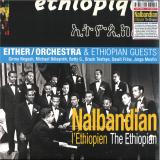
The Éthiopiques series returns! Essential archive recordings from an extremely fruitful period in Ethiopian music.
Before “Swinging Addis” took over the world, there was Moussié Nerses Nalbandian — the Armenian-born composer who shaped modern Ethiopian music. Mentor, arranger, and pioneer, he laid the foundations of Ethio-jazz.
This Éthiopiques volume revives his forgotten legacy, recorded live by Either/ Orchestra First issue ever with new exclusive photos and in depth liner 8-page insert.
“Ethiopian jazzmen are the best musicians that we have seen so far in Africa.
They really are promising handlers of jazz instruments.”
Wilbur De Paris
(1959, after a concert in Addis Ababa)
አዲስ፡ዘመን። *Addis zèmèn* **A new era.**
The time is the mid-1950s and early 1960s, just before "Swinging Addis" bloomed – or rather boomed – onto the scene. Brass instruments are still dominant, but the advent of the electric guitar, and the very first electronic organs, are just around the corner. Rock’n'Roll, R’n’B, Soul and the Twist have not yet barged their way in. Addis Ababa is steeped in the big band atmosphere of the post-war era, with Glenn Miller's *In the* *Mood* as its world-wide theme song, neck and neck with the Latin craze that was in vogue at the same period. Life has become enjoyable once again, with the return of peace after the terrible Italian Fascist invasion of Ethiopia (1935-1941). The redeployment of modern music is part and parcel of the postwar reconstruction. *Addis zèmèn* – a new era – is the watchword of the postwar period, just as it was all across war-torn Europe.
The generation who were the young parents of baby boomers** were the first to enjoy this musical renaissance, before the baby boomers themselves took over and forever super-charged the soundtrack of the final days of imperial reign. Music is Ethiopia's most popular art form, and very often serves as the best barometer for the upsurge of energy that is critical for reconstruction. Whether it be jazz in Saint-Germain-des-Prés or the *zazous* who revolutionised both jazz and French *chanson* after the *Libération*, be it Madrid's post-Franco Movida, or Dada, the Surrealists and *les années folles* that followed World War I, the periods just after mourning and hardship always give rise to brighter and more tuneful tomorrows. Addis Ababa, as the country's capital, and the epicentre of change, was no exception to this vital rule.
**Two generations of Nalbandian musicians**
Nersès Nalbandian belonged to a family of Armenian exiles, who had moved to Ethiopia in the mid-1920s. The uncle Kevork arrived along with the fabled "*Arba Lidjotch*", the** "*40 Kids*", young Armenian orphans and musicians that the Ras Tafari had recruited when he visited Jerusalem in 1924, intending to turn their brass band into the official imperial band. If Kevork Nalbandian was the one who first opened the way of modernism, pushing innovation so far as to invent musical theatre, it was his nephew Nersès who would go on to become, from the 1940s and until his death in 1977, a pivotal figure of modern Ethiopian music and of the heights it. Going all the way back to the 1950s. Nothing less. And it is Nersès who is largely to thank for the brassy colours that so greatly contributed to the international renown of Ethiopian groove. While the younger generations today venture timidly into the genealogy of their country's modern music, often losing their way amidst a distinctly xenophobic historiographical complacency, many survivors of the imperial period are still around to bear witness and pay tribute to the essential role that "Moussié Nersès" played in the rise of Abyssinia's musical modernity.
Given the year of his birth (15 March 1915), no one knows for sure if Nersès Nalbandian was born in Aintab, today Gaziantep (Turkiye/former Ottoman Empire) or on the other side of the border in Alep, Syria... What is certain is that his family, like the entire Armenian community, was amongst the victims of the genocide perpetrated by the Turks. Alep, the place of safety – today in ruins.
Before Nersès then, there was uncle Kevork (1887-1963). For a quarter of a century, he was a whirlwind of activity in music teaching and theatrical innovation. *Guèbrè Mariam le Gondaré* (የጎንደሬ ገብረ ማርያም አጥቶ ማግኘት, 1926 EC=1934) is his most famous creation. This play included "ten Ethiopian songs" — a totally innovative approach. According to his autobiographical notes, preserved by the Nalbandian family, Kevork indicates that he composed some 50 such pieces over the course of his career. This shows just how much he understood, very early on, the critical importance of song as Ethiopia's crowning artistic form. Indeed, for Ethiopian listeners, the most important thing is the lyrics, with all their multifarious mischief, far more than a strong melody, sophisticated arrangements or even an exceptional voice. (This is also why Ethiopians by and large, and beginning with the artists and producers themselves, believed for a long time — and wrongly — that their music could not possibly be exported, and could never win over audiences abroad, who did not speak the country's languages).
Last but not least, one of Kevork's major contributions remains composing Ethiopia's first national anthem – with lyrics by Yoftahé Negussié.
Nersès Nalbandian moved to Ethiopia at the end of the 1930s, at the behest of his ground-breaking uncle. Proficient in many instruments (pretty much everything but the drums), conductor, choir director, composer, arranger, adapter, creator, piano tuner, purveyor of rented pianos,... he was above all an energetic and influential teacher. From 1946 onwards, thanks to Kevork's connexion, Nersès was appointed musical director of the Addis Ababa Municipality Band. In just a few years, Nersès transformed it into the first truly modern ensemble, thanks to the quality of his teaching, his choice of repertoire, and the sophistication of his arrangements. It was this group that would go on to become the orchestra of the Haile Selassie Theatre shortly after its inauguration in 1955, which was a major celebration of the Emperor's jubilee, marking the 25th anniversary of his on-again-off-again reign.
At some point or other in his long career, Nersès Nalbandian had a hand in the creation of just about every institutional band (Municipality Band, Police Orchestra, Imperial Bodyguard Band, Army Band, Yared Music School…), but it was with the Haile Selassie Theatre – today the National Theatre – that his abilities were most on display, up until his death in 1977. To this must be added the development of choral singing in Ethiopia, hitherto unknown, and a sort of secret garden dedicated to the memory of Armenian sacred music, and brought together in two thick, unpublished volumes. Shortly before his death (November 13, 1977), he was appointed to lead the impressive Ethiopian delegation at Festac in Lagos, Nigeria (January-February 1977).
His status as a stateless foreigner regularly excluded him from the most senior positions, in spite of the respect he commanded (and commands to this day) from the musicians of his era. Naturally gifted and largely self-taught, Nerses was tirelessly curious about new musical developments, drawing inspiration from the very first imported records, and especially from listening intensely to the musical programmes broadcast over short-wave radio – BBC *First*. A prolific composer and arranger, he was constantly mindful of formalising and integrating Ethiopian parameters (specific “musical modes”, pentatonic scale, and the dominance of ternary rhythms) into his “modernisation” of the musical culture, rather than trying to over-westernise it. It even seems very probable that *Moussié* Nerses made a decisive contribution to the development of tighter music-teaching methods, in order to revitalise musical education during this period of prodigious cultural ferment. Flying in the face of all the historiographical and musicological evidence, it is taken as sacrosanct dogma that the four musical modes or chords officially recognised today, the *qǝñǝt* or *qiñit* (ቅኝት), are every bit as millennial as Ethiopia itself. It would appear however that some streamlining of these chords actually took place in around 1960. It was only from this time onward that music teaching was structured around these four fundamental musical modes and chords: *Ambassel*, *Bati*, *Tezeta* and *Antchi Hoyé*. A historical and musical “details” that is, apparently, difficult to swallow, especially if that should honour a *foreigner*. Modern Ethiopian music has Nersès to thank for many of its standards and, to this day, it is not unusual for the National Radio to broadcast thunderous oldies that bear unmistakable traces of his outrageously groovy touch.
- A1: Intro
- A2: Young Boy
- A3: Virginia
- A4: Grindin’
- B1: Cot Damn (Feat Ab-Liva & Roscoe P. Coldchain)
- B2: Ma
- B3: I Don’t Love Her (Feat Faith Evans)
- B4: Famlay Freestyle (Feat Famlay)
- B5: When The Last Time
- C1: Ego
- C2: Comedy Central (Feat Fabolous)
- C3: Let’s Talk About It (Feat Jermaine Dupri)
- C4: Gangsta Lean
- D1: I’m Not You (Feat Jadakiss, Styles P & Roscoe P. Coldchain)
- D2: Grindin’ (Bonus Remix Feat N.o.r.e., Baby & Lil’ Wayne)
- D3: Grindin’ (Bonus Selector Remix Feat Sean Paul, Bless & Kardinal Offishall)
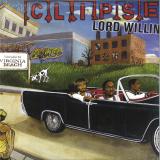
The first act signed to The Neptunes' newly formed Star Trak label was a Virginia based duo known as the Clipse. The first single “Grindin’” impacted the streets with its bare boned but infectious drum beat in the same way that “Sucker MC’s” did almost 20 years earlier. These brothers - Pusha T and Malice combined with The Neptunes groundbreaking production sent a clear message to the rap world – “we are not the same” (as rapped by Malice on his opening verse on “Cot’ Dam”). Clipse brings an authentic Virginia sound into the game and created a movement, with not only their darkly layered raps but The Neptunes as well. Pharrell Williams and Chad Hugo were able to combine their cyberpunk production with just the right group to create a street masterpiece. Following in the footsteps of such rap criminologists as Kool G Rap, Nas, Jay-Z, and Mobb Deep, the Clipse offer the Virginia hustler's viewpoint with clever, hard-hitting lyrics that is sprinkled throughout the entire album. With so many standout tracks on Lord Willin’ the album starts pulling no punches. On Track 1 simply (or maybe not) titled “Intro” you get a very personal and deep testament of crack and the drug game, a theme that is throughout this album…HEAVY. Songs like “Virginia” or “I’m Not You” (featuring Jadakiss, Styles P and Roscoe P Coldchain), have lyrics that play as a musical notes alongside The Neptunes tailored beats. “Young Boy”, “Comedy Central”… all fit perfectly alongside “When the Last Time” and “Cot Dam” as each song plays its part as chapters to the Lord Wilin’ masterpiece. “Gangsta Lean” (another one of the albums standout tracks) features a slightly lighter feel while paired with Pharrell's trademark falsetto hook. The truth of it is, it’s hard to just pick one track, or point out which is the albums star. Each song on Lord Willin’ is essential to making it the classic that it is. The Neptunes (who were busy turning out every other Pop hit on the radio) crafted an album that was deemed an instant classic, and cemented Clipse as Rap’s newest superstars.
R.i.O. welcomes a new member. Straight in full length. An album created by Dorsten,North-Rhine-Westfalia based producer Aroma Von Troisdorf - a man who refuses to be putin a box. Unlike others, who politely stay in one lane, he is a tuneful shape shifter. Alreadyhis 2021 debut on the Cologne based label Papercup Records smashed Krautrock, Synthpop,Electro, Ambient, and dub together. His 2023 and 2024 Papercup Ep's "Buttergolem"and "Rodeln am Rhein" added Italo-Disco, Synth-pop and a drop of experimental Electroto his versatility. Now eight new creations, brilliantly composed, yet - even in odd flashes -effortlessly catchy. They bring once more a stylistic melting pot, now enlarged with TheCure-ish dreamscapes, stretching over guitar riffs and bass grooves, like in the closingambient-folk star "Zeiten" or the dreamy opening track "Fog Frog Green". There is themotorik krautrock pulse of "Osmopower", that boogies heavy in drum machine hypnosisunder Aroma's entrancing new-wave vocals. Tunes like "Dreams Unfold" or "AmplifyShrooms" are likewise propulsive, each one psyching in its very own rhythmic sector. Morevoices are present too. In the two-minute manic preacher "Colas", were Togolese rapperand political activist Yao Bobby chants edgy. Or in "Closer", where singer Aprico sendsspoken-word trances echoing through the cosmic jacking. And there is "Lovers Lake", ahypnotic drift of witchy vocals, bluesy chords, and endless synthscapes, that makes youswim on your feed. Shift the shapes, "Blaumilch" opens the gates.
- A1: Shahrokh - Man Va Tou ("Me And You")
- A2: Shahram Shabpareh, Shohreh Solati - Ghesmat ("Fate")
- A3: Farzin - Eshgheh Man ("My Love")
- B1: Aldoush - Vay Az In Del ("Woe To This Heart")
- B2: Fataneh - Mola Mamad Jan ("Mola Mamad Jan")
- B3: Ebi - Kolbeh Man ("My Cottage")
- C1: Sattar - Khaak (
- C2: Susan Roshan - Nazanin ("Sweetheart")
- C3: Delaram - Gharibeh ("Stranger")
- D1: Black Cats - Rhythm Of Love
- D2: Leila Forouhar - Hamsafar ("Fellow Traveler")
- D3: Hassan Shojaee - Nazi Joon ("Dear Sweetheart")
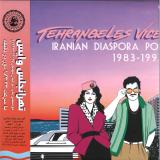
Discotchari is delighted to release a first-of-its-kind various artists compilation: Tehrangeles Vice (Iranian
Diaspora Pop 1983–1993), fully licensed from Taraneh Enterprises. The album is a groundbreaking exposé of
the vibrant subcultural hub of Tehrangeles (portmanteau of Tehran + Los Angeles), and the action–packed, true
story of the Iranian diaspora music industry. Featuring 12 tracks remastered by award–winning Osiris Studio,
lyrics and translations to all featured songs, original cassette covers, a 20+ page album note booklet by Dr.
Farzaneh Hemmasi and more! Sprawling from Westwood to Glendale across the San Fernando Valley, the
Tehrangeles scene was cultivated by the same producers and artists who industrialized the “golden age” of
entertainment in pre–revolution Iran and fled from the 1979 Islamic Revolution along with millions of Iranian
citizens. Through music and visual media, Iranian producers and artists working out of Tehrangeles have
engaged in what the Iranian government calls a “cultural attack” against the Islamic Republic for over 40 years.
The album title Tehrangeles Vice underscores the illicit nature and daring circumstances from which
Tehrangeles pop music was born and compares its legacy within Persian media to one of the most significant
crime–drama TV shows of all time. In the same manner that Miami Vice and its aesthetics had a dynamic
impact on sonic, visual and cultural trends in the United States and around the world, Tehrangeles media was a
shock to the systems of Islamic Republic ideology and Iranian expatriate communities. Listening to these songs
in hindsight, the contribution of Tehrangeles can be better understood as a triumphant effort to preserve Iranian
identity by realizing it in conjunction with prevailing music genres of the ‘80s and ‘90s, and to rebel against the
oppressive regime of the Islamic Republic of Iran through the most seductive of means: dance music.
g C1. Sattar - Khaak ("Home Land")
Sea Oleena is the project of Montreal-based musician Charlotte Oleena. Drifting between ambient dream pop and atmospheric folk, her music is rich with textural warmth. With her softly whispered vocals and atmospheric tones, Oleena's music has been compared to acts like Grouper and Julianna Barwick, though in her more structured moments there are echoes of alternative pop icons the Cocteau Twins and Julee Cruise. Alded by her brother Luke Loseth, she released a stf-titled mini-album in 2010, followed by a second LP titled Sleeplessness a year later. Her third release, Shallow, arrived in 2014. Six years later, Sea Oleena returned with Weaving a Basket, a seven-track album that combines austere piano and guitar arrangements with ebbing swells of instrumentation and misty harmonies layered in a spectral chorus. Throughout the record, Oleena embraces the ambient backdrops of her surroundings - birds chirping, wind rustling, urban traffic - creating a close, intimate, and lived in listening experience. Released one year ago, in late fall 2020, these sounds capture the dual interiority and solemnity of that moment. The result is a wistful and impressionistic collection of songs, in turns haunting and hymnal.
Dutch record label, shop and club platform One Eye Witness presents a lively new entry in their V/A series with WITNESS08. Honing in on more fresh talent from across the globe, Amsterdam’s wandering eye gathers producers Sinqmin, Salomee, Kate08 and elusive duo The Evil B-Side Twins (DJ Tool & Yazzus) for another trip into tech house — and beyond!
Kate08’s “Sticky Toffee” is suitably viscous, burbling and oozing its way across shifting sections. The London artist delicately balances percussion atop warbling bass tones and synth lines that pop in and out. Salomee gets moody on “Night Behaviour”; lurking in the shadows, the track’s acid squelch and interlocking melodies point to the psychedelic, with a purring bassline that keeps things grounded.
The Evil B-Side Twins lay in wait on the flip, springing into action with the tightly-wound “Spindrift”. Propelled by a spiky break and cascading delays, its 303 lines sound like rubber, bouncing between the other synths deployed by the duo. All manner of FX trickery is woven into the production: the Twins layer up and load the track with intricate details. Supplying an unexpected respite from the club action, final cut “Aesthetics For Destination” marks the debut foray into hip-hop for OEW. Produced by Seoul-based Sinqmin and featuring the sultry vocals of 문선 (MOONSUN), the track’s sparse beat and ghostly samples make for a mellow, head-nodding end to another hit from the label.
WITNESS08 — More talent, more trax!
Tell me something that makes a difference’ demands Gaia Weiss in Tenashee’s debut single. Something that immerses crisp melody into stodgy bass, collides warm dub with icy sound design, all the while slowly expanding like a supernova. ‘Tell me something’ takes the sounds and styles of the past and places them in a gravity-free future, while evoking an ethereal and precise atmosphere.
Gaia Weiss is an actress - not a singer by trade - and summons Charlotte Gainsbourg & Brigitte Bardot to deliver the spoken words as a fractured monologue, guiding us through splintered visions, and detuned chord progressions, in pursuit of the seemingly unattainable; ‘something that can make a difference’.
With this six-chapter journey on the newborn Street Cinema label, Tenashee (DJ Tennis and Ashee, Manfredi Romano and Joseph Ashworth) have crafted and refined - like two artisans from another era - a unique creation: a creature that reconnects electronic music with complexity and richness, fully aware of hyper-contemporaneity, yet capable of resisting surrender to it.
“Blink To Check It’s Real” featuring artist Campbell King - poet and beautiful soul - immediately immerses us in an electronic reality check, with 90s-inspired tweaking and glitching, all woven together with a poem from Campbell that contrasts the dizzying intensity of lust and connection with the comfort of being able to ‘loosen their grip’ and ‘make it safe.’
In ‘I Can See Now,’ Aurelia Ray (the stage name of pop-music-writing powerhouse Caitlin Stubbs) evokes a sense of serenity, pure love, and trust within a refined, spacious piece of minimalist electronica. “Blindsided” is a journey through pure, airy abstraction, a dance floor companion to the glacial trip-hop instrumental “Cold Logic”.
Finally, in “Memories,” the last track in the setlist but actually the first song the duo worked on, conceived and developed five years ago in 2020, the voice of Chinese German artist Mona Yim transports us to a place that is both emotionally introspective and intense, balancing on the edge between desire and reality.
“You should know where I go when I dream,” she states.
Over the course of five years, through exchanges, writing sessions, and fine-tuning in Paris, London, Saint Martin, and Ibiza, the world evolved, but Tenashee’s musical mission remained unchanged. The mini-album reflects the musical backgrounds of its two creators, their unique sensitivity to the present, and their desire to challenge each other with sharp, emotional, yet weightless styles and sounds. It is no longer just DJ Tennis; the successful DJ touring worldwide, organising events, and founding influential labels like Life & Death; nor only Joseph Ashworth with his scientific approach and creativity as a
producer and writer in the competitive world of pop; nor Ashee, with his releases on Circoloco and Aus Music. No, Tenashee is something more.
It is a duet searching for a thread that connects electronic music—past, present, and future—through experimentation, craft, and artistry. The moment has truly arrived for Tenashee to ‘tell us something.’
In late-1970s Japan, a new and unique “genre” called techno kayō emerged, blending catchy pop melodies with the futuristic sounds of synthesizers and drum machines. Rooted in the older kayōkyoku style, it was influenced by European electronic acts like Kraftwerk, but had a distinctly Japanese flair. Artists such as Yellow Magic Orchestra pioneered this retro-futuristic sound, creating music that felt both nostalgic and ahead of its time.
Dubby, owner of the legendary record shop Ondas in Tokyo, was one of the first to make Japanese music available to the outside world. He has teamed up with Antal, co-founder of the Amsterdam-based, Rush Hour Records, to release the first in a series of compilations.
Artwork from Johann Kauth (Stenze Quo)
TECHNO KAYO
Wally Badarou is a synth pioneer and musical polymath. But rarely does he sing over his sumptuous tracks. The 6 songs that comprise new record Simple Things finally realise Wally's vision for select backing tracks from his beloved Colors Of Silence.
The tracks were originally developed back in 2001 for the release of the original CD; here, Wally has “simply" added overdubs and vocals to their mastered mixes with some discerning edits. Simply put, Simple Things is another slice of simply stunning Wally Badarou genius.
Simple Things has been decades in the making. Indeed, Wally struggled not only with the idea of singing these wonderful songs himself but singing them in English and writing his own lyrics, while wrestling with the sensational backing tracks, which themselves seemed to have taken on a life of their own.
As Wally explained to us: "In addition to the instrumental artist I have been known as, so far, there has always been a singer who simply was not sure he was, up until now. Even though “Back To Scales Tonight”, my very first album, was, indeed, a song album."
Opener "It Couldn't Be You" embellishes the uptempo groove of soca-funk gem "The Lights Of Kinshasa". As Wally explained to us, it's about “a simple love story somewhere, one rainy night, under the lights of Kinshasa. A woman, a man, online dating, quite usual in our times. Then they meet, almost missing each other." The guide vocal Wally had laid for Colors Of Silence - with an organ sound - seemed striving for words in Linguala, a Congolese language he could not speak. Therefore the decision to do it himself was not an easy one, for it had to be in English to fit his singing. We think it turned out pretty good!
"You Can't Hide Always" vocalises Wally's deep concerns set to the propulsive "Smiles By The Millions": "Populism, ostracism, radicalism, ethics and values all turned upside down worldwide, are they all inevitably exacerbated by our social networks? It could all melt down one day, like a house of cards in the ocean of fake news and false prophecies”. Wally wanted to keep the track as bare as possible but, inevitably, the backing vocals and the synth-brass arrive ultimately to present a welcome 70s flavour, with no snare-drum added.
The bright and breezy "We'll Make It Again" adds vocals to "Where Were We", a tropical, reggae-tinged bounce through the islands. Here's Waly: "Where were we when we last said: "I love you"? Simple words to express something quite common, but never quite simple to deal with. A simple song about the resilience of the broken hearts.” The reggae came from it being conceived when Wally was scoring for “Third World Cop”, a 1999 Jamaican action movie.
"Walk Straight Ahead" provides Wally's gorgeous, contemplative and idiosyncratic vocals to the deep serenity of Colors Of Silence highlight, "Amber Whispers". It's a gliding, divine, mini melodic masterpiece. It'll make you swoon in its extreme beauty. As Wally describes, "it started as just whispers, sweet amber whispers. Then the colour turned darker, as darker skies seemed to fall upon us while the whole world keeps on walking ahead, straight ahead, regardless of the blatant warnings, feeling much too comfortable in conformity. Initially, the verses were to be spoken only. I realised they could be sung all the while, without overshadowing the ethereal atmosphere." Amen.
The serene, celestial "Painting My Life Blue" presents the vocal version of "Days To Wonder". Says Wally, "how does it feel when your second half is gone after decades of riding life together? Past the temporary loss of your bearings, you come to realise you've been blind to the essential, and suddenly you can see...For this most intimate song of mine, I had tried to come up with a melody on top of the existing backing track, long before realising the melody was in the keyboard part already. It just needed to be properly mixed with it."
The profoundly emotional "Just Two Lovers" works up the formerly-too-brief and glorious "Crystal Falls" into a much fuller masterpiece and features acoustic guitar sparkle before fully glistening with some gentle head-nod percussion. Waly explains further: "Dear little green men, please tell me, what is it about us that makes you want to come and visit us so often (contrary to Fermi's assertion)? And here is the reply I believe I heard them sing: "You've got the key you've been searching for: Love”. I reverted to the initial backing track I had made around 1985, which already bore the melody, and which I added acoustic guitars to, before singing it." An astounding closer.
A synth specialist, there can be few artists more under-appreciated given their vast influence than Wally Badarou. His solo work practically defined the sound of the Balearic DJs of the 1980s, and thus the more sophisticated sound of dance culture thereafter. He was one of the Compass Point All Stars (with Sly and Robbie, Barry Reynolds, Mikey Chung and Uziah "Sticky" Thompson), the in-house recording team of Compass Point Studios responsible for a series of albums in the 1980s recorded by Grace Jones, Tom Tom Club, Mick Jagger, Black Uhuru, Gwen Guthrie, Jimmy Cliff and Gregory Isaacs. Badarou's keyboard playing could also be heard on albums by Robert Palmer, Marianne Faithfull, Herbie Hancock, M (Pop Muzik), Talking Heads, Manu Dibango and Miriam Makeba. He also produced Fela Kuti. Phew!
When we asked Wally about the significance of this collection's title, he explained: "These are "Simple things” that everyday’s life seems to build upon. The simplest are the harder to describe, but when satisfactorily described i.e. with simple words, they are the more genuine and authentic to express and share. I’ve immersed myself in other classic song lyrics, something I hardly did before, just to appreciate the genius behind the simple words they were made of, and had a great time studying how powerful they were in expressing complex ideas such as love."
Recording was twofold: first, most of the backing tracks were recorded in 2001, in Wally's studio in Normandy, mostly using hardware synths and Yamaha digital consoles. Then, he fine-tuned the melodies and wrote the lyrics in late 2023, then added some overdubs and sang them all during summer 2024. States Wally, "Digital Performer was and remains the DAW I’ve been using throughout, ever since the 80s."
Wally's sophisticated synth textures and expressive keyboard runs are so full of character, so full of life, that this work of art transcends any easy genre categorisation. Meticulously remastered and cut by both Simon Francis and Cicely Balston respectively, it has been pressed to the highest possibly quality at Record Industry in Holland. Sometimes, the simple things are the most extraordinary.
- A1: Emerge / Fischerspooner
- A2: Seventeen / Ladytron
- A3: Strict Machine/ Goldfrapp
- A4: Girls On Pills / The Droyds
- A5: Hooked On Radiation (Pet Shop Boys Orange Alert Mix) / Atomizer
- B1: Fuck The Pain Away / Peaches
- B2: Do I Look Like A Slut? (Original Version) / Avenue D
- B3: Galang / M.i.a
- B4: Kernkraft 400 (Dj Gius Mix) (Radio Edit) / Zombie Nation
- B5: Poney Pt. 1. (Edit) / Vitalic
- B6: The Game Is Not Over / T. Raumschmiere Feat. Miss Kittin
- C1: Over And Over (Naum Gabo Remix) / Hot Chip (7.05)
- C2: Banquet (Phones Disco Remix) / Bloc Party (5.25)
- C3: E Talking (Nite Version) / Soulwax (6.08)
- C4: ?Zdarlight» / Digitalism (5.44)
- D1: Daft Punk Is Playing At My House (Edit) / Lcd Soundsystem (3.23)
- D2: Hustler / Simian Mobile Disco (3.43)
- D3: We Share Our Mother's Health / The Knife (4.09)
- D4: Missy Queen's Gonna Die / Tok Tok Vs. Soffy O (4.13)
- D5: What Was Her Name (Radio Edit) / Dave Clarke Featuring Chicks On Speed (4.44)
- D6: I Am The Fly / Adam Sky And Crossover (4.59)
- E1: We Are Your Friends / Justice Vs. Simian
- E2: Take Me Out (Daft Punk Remix) / Franz Ferdinand
- E3: Slow (Chemical Brothers Remix Edit) / Kylie Minogue
- F2: Warm Leatherette / The Normal
- F3: Empire State Human / The Human League
- F4: Tryouts For The Human Race / Sparks
- F5: Telephone Operator / Pete Shelley
- F6: Nag Nag Nag / Cabaret Voltaire
- E4: Let's Make Love And Listen To Death From Above / Css
- E5: Solta O Frango / Bonde De Rolê
- E6: Club Action / Yo Majesty
- F1: Numbers / Kraftwerk
‘When The 2000s Clashed: Machine Music For A New Millenium’ is the story of how, 25 years ago, a new form of electronic music – known as electroclash - reignited a tired clubland and gave the indie scene and mainstream pop a shot in the arm in the process. Over this 3LP highlights set, carefully curated from the 5CD box of the same name (also released, 3rd October) the collection showcases the back-to-basics electronic beats that heralded in a new generation of exciting and innovative new artists - Hot Chip, Peaches, LCD Soundystem, and Ladytron, to name a handful. It also shows how the sound and attitude of electroclash plugged into the decade’s cutting-edge indie bands, (Franz Ferdinand, Bloc Party), and became intrinsic to the way chart pop would sound in the first decade of the 2000s (Kylie, Goldfrapp).
The collection also shows how the scene’s underground DIY ethos evolved and inspired the next generation of electronic buccaneers (Simian Mobile Disco, Justice Vs. Simian). ‘When The 2000s Clashed’ brings together a dazzling, diverse selection of artists, producers and remixers from right across the 2000s zeitgeist – from The Chemical Brothers and Daft Punk, from M.I.A. to Soulwax and many points in-between. For good measure, there’s also one side of LP3 given over to the original post punk and electronic sounds (including Kraftwerk, The Human League and Cabaret Voltaire) who’d played such a big influence on the electroclash sound. ‘
When The 2000s Clashed’ was compiled and sequenced for Demon / Edsel by Jonny Slut, founder of London’s electroclash citadel Nag Nag Nag. Established in 2002, in a small Soho venue called Ghetto, ‘Nag’ quickly became THE hottest club, first in London and then in the whole world. A glorious mess and hedonists’ hotspot, a night at ‘Nag Nag Nag’ (if you could get in!) saw the capital’s club kids, students and creatives rub up alongside names from the fashion and music worlds - Björk, Pet Shop Boys, Kate Moss, Boy George, Alexander McQueen, and Pam Hogg were among the regulars. Madonna visited, so did John Peel, Yoko Ono asked to perform and did, Throbbing Gristle’s Chris and Cosey DJ’d, so did Marc Almond, and Too Many DJ’s.
Justin Timberlake was refused entry (too many bodyguards)… even Cilla Black was spotted getting down! Jonny shares these reminisces – and many more - in the collection’s sleevenotes. Named after the 1979 Cabaret Voltaire classic, ‘Nag, Nag, Nag’ became the first place to hear the seemingly endless flow of thrilling new tunes coming from every direction during that decade of dance. Many of them are included on this collection.
On September 26th, 2025, two decades and seven albums into his career, American musician, composer, and academic John Maus will release his most transcendent work yet: Later Than You Think. Arriving via his new label YOUNG, the album explores themes of grief, justice, rebirth, transformation, and spiritual warfare - coalescing into a work of confession and confrontation: an aural metaphysics where affect, intellect, and spirit converge in search of the beautiful, the truth and the real. Written, produced, and recorded in the Ozarks of Southwest Missouri, Later Than You Think spans 16 tracks and contains multitudes - the lush and the bare, the sacred and the profane, minimalist discipline and maximalist indulgence, counterpoint and simple pop harmony. At its core, the album reaffirms John Maus’ commitment to radical sincerity and emotional truth in an age of alienation. Powered by confrontation, faith and transformation - driven by the urgent belief that meaning still matters, and time is of the essence. Holding a degree in experimental music from CalArts and a PhD in political science from the University of Hawaii, Maus has been dubbed a “philosopher pop star” and “analog futurist” for the way he merges academic rigor with lo-fi synth-pop aesthetics. His influence spans genres and generations—from UK grime icon Skepta, who sampled his track “I’m Only Human,” and Gen-Z rapper nettspend, to filmmaker Josh Safdie, actor Natasha Lyonne, and photographer Wolfgang Tillmans. His track “Cop Killer” features in the 2025 film Friendship, underscoring his continued relevance across high and low culture. With five previous albums under his belt - Songs (2006), Love Is Real (2007), We Must Become The Pitiless Censors of Ourselves (2011), Screen Memories (2017) and Addendum (2018) - Maus has carved out a singular path where irony, grief, joy, and absurdity can coexist and gained a cult following along the way. On Late r Than You Think Maus doesn’t just return—he confronts, confesses, and transforms. The result is not only a career-defining work, but a rare artistic offering: one that dares to believe in meaning, beauty, and the possibility of transcendence
Blending British techno and hyperpop with the Baile Funk and samba of singer Paula's native Brazil, PPJ are considered by British magazine NME to be one of the most innovative bands of the moment.
The double EP "Bloco Vol.1 & Vol.2" tells the story of the band's journey to Rio de Janeiro, far from the postcards we know of Brazil.
"One of the most innovative new names around" NME
"A fascinating and exhilarating blend of neoperreo, techno and electroclash from a group to watch" RESIDENT ADVISOR
"Kaleidoscopic techno-pop" DJ MAG
"A real anti-depression remedy"LINE OF BEST FIT
"Their main goal? To make everybody dance" METAL MAGAZINE
‘It’s hard to find an act as distinctive as PPJ » MIXMAG
- A1: Kajagoogoo - Kajagoogoo (Instrumental)
- A2: Simple Minds - Don't You (Forget About Me)
- A3: Orchestral Manoeuvres In The Dark - If You Leave
- A4: Oingo Boingo - Weird Science
- A5: Furniture - Brilliant Mind
- A6: Dave Wakeling - She’s Having A Baby
- B1: The Flowerpot Men - Beat City
- B2: The Psychedelic Furs - Pretty In Pink
- B3: Flesh For Lulu - I Go Crazy
- B4: Dr. Calculus - Full Of Love
- B5: Lick The Tins - Can't Help Falling In Love
- B6: Steve Earle & The Dukes - Six Days On The Road (A
- C1: Kirsty Maccoll - You Just Haven't Earned It Yet Bab
- C2: Suzanne Vega & Joe Jackson - Left Of Center
- C3: Pete Shelley - Do Anything (Soundtrack Version)
- C4: Carmel - It's All In The Game
- C5: The Dream Academy - Power To Believe (Instrume
- C6: Kate Bush - This Woman's Work
- D1: The Beat - March Of The Swivelheads (Rotating He
- D2: Nick Heyward - When It Started To Begin
- D3: Orchestral Manoeuvres In The Dark - Tesla Girls
- D4: Big Audio Dynamite - Bad
- D5: Killing Joke - Eighties
- D6: The Specials - Little Bitch
- E1: Gene Loves Jezebel - Desire (Come And Get It) (Us
- E2: Flesh For Lulu - Slide
- E3: Love And Rockets - Haunted When The Minutes Dr
- E4: Sigue Sigue Sputnik - Love Missile F1-11 (Ultraviole
- E5: Lords Of The New Church - Method To My Madnes
- F1: The Jesus And Mary Chain - The Hardest Walk (Sing
- F2: Echo & The Bunnymen - Bring On The Dancing Hor
- F3: General Public - Tenderness
- F4: The Blue Room - I'm Afraid
- F5: Belouis Some - Round, Round
- F6: Thompson Twins - If You Were Here
- F7: The Dream Academy - Please, Please, Please Let M
- G1: Yello - Oh Yeah
- G2: Book Of Love - Modigliani (Lost In Your Eyes)
- G3: Otis Redding - Try A Little Tenderness
- G4: Patti Smith - Gloria In Excelsis Deo
- G5: Westworld - Ba-Na-Na-Bam-Boo
- G6: Divinyls - Ring Me Up
- G7: Topper Headon - Drummin' Man
2LP Edition[87,35 €]
Demon Music group in conjunction with the Hughes family are proud to present the first official compilation of music
from the movies of legendary filmmaker John Hughes, covering the classic eighties period 1983 – 1989.
For anyone growing up in the 1980s, the films of John Hughes are some of the most iconic of the decade and have
created a lasting cultural impact still felt and referenced across TV, film and music. As well as the characters and
stories created in these iconic movies, what made John Hughes’ movies different from the rest was the symbiotic
relationship between scene and music. Whether Cameron Frye staring at the painting in Ferris Bueller’s Day Off set to
The Dream Academy’s “Please, Please, Please Let Me Get What I Want (Instrumental)”, Duckie and Andie from Pretty
In Pink at prom set to Orchestral Manoeuvres In The Dark’s “If You Leave”, or even Neal and Del’s classic “Those aren’t
pillows” scene from Planes, Trains and Automobiles set to Emmylou Harris’ “Back In Baby’s Arms”.
“Music was a huge part of filmmaking for him, it was a thing he seemed to like the most.” Matthew Broderick
Curated by John Hughes’ music supervisor Tarquin Gotch, this 6LP vinyl boxset includes 73 tracks from the movies
National Lampoon’s Vacation, Sixteen Candles, The Breakfast Club, Weird Science, Pretty In Pink, Ferris Bueller’s Day
Off, Some Kind Of Wonderful, Planes, Trains And Automobiles, She’s Having A Baby, The Great Outdoors and Uncle
Buck.
“Back when we were working on these movie soundtracks, the best way to send music around the world was the
cassette, by Fedex. We sent John cassettes of newly released music, of demos, of just finished mixes (and in return he
would send VHS videos of the scenes that needed music).” Tarquin Gotch
The films of John Hughes spawned many classic tracks, some licensed for the films, some commission specifically, and
many going on to become huge international hits from acts such as Simple Minds, Kate Bush, Furniture, Yello, and
The Psychedelic Furs.
“It serves as a reminder not just to the musicians he championed in the 1980s, but to how intensely his search for
music expanded beyond this era. Until his final days, he was still collecting outrageous amounts of music from around
the world, galaxies removed from the New Romantic and new wave sounds that, to many, still define him.” James
Hughes
Also includes an extensive 24-page booklet including memories from Matthew Broderick, James Hughes, Tarquin
Gotch, Ron Payne, plus track-by-track sleeve notes.
“John said he only made movies so he could choose what music to put in them, so as his success at the Box Office
grew, and thus his power with the studios, the number of tracks in his films, by up and coming UK bands, steadily
grew.” Tarquin Gotch
Billy Idol - "Catch My Fall" (From The 1987 Movie 'Some Kind Of Wonderful')
The Association - "Cherish" (From The 1986 Movie 'Pretty In Pink')
Penguin Cafe Orchestra - "Music For A Found Harmonium" (From The 1988 Movie 'She's Having A Baby')
Zapp - "Radio People" (From The 1986 Movie 'Ferris Bueller's Day Off')
Blue Room - "Cry Like This" (From The 1987 Movie 'Some Kind Of Wonderful')
Ray Charles - "Mess Around" (From The 1987 Movie 'Planes, Trains & Automobiles')
Joe Turner - "Lipstick, Powder & Paint" (From The 1989 Movie 'Uncle Buck')
Darlene Love - " (Today I Met) The Boy I'm Gonna Marry" (From The 1984 Movie 'Sixteen Candles')
Marvin Gaye - "How Sweet It Is (To Be Loved By You)" (From The 1988 Movie 'She's Having A Baby')
Perry Como/Mitchell Ayres & His Orchestra/The Ray Charles Singers - "Juke Box Baby" (From The 1989 Movie 'Uncle Buck')
The Chordettes - "Mr Sandman" (From The 1989 Movie 'Uncle Buck')
Ray Anthony & His Orchestra - "The Peter Gunn Theme" (From The 1984 Movie 'Sixteen Candles')
Lindsey Buckingham - "Holiday Road" (From The 1983 Movie 'National Lampoon's Vacation')
Emmylou Harris - "Back In Baby's Arms" (From The 1987 Movie 'Planes, Trains & Automobiles')
Hugh Harris - "Rhythm Of Life" (From The 1989 Movie 'Uncle Buck')
Spandau Ballet - "True" (From The 1984 Movie 'Sixteen Candles')
Propaganda - "Abuse" (From The 1987 Movie 'Some Kind Of Wonderful')
The Dream Academy - "The Edge Of Forever" (From The 1986 Movie 'Ferris Bueller's Day Off')
Yello - "Lost Again" (From The 1987 Movie 'Planes, Trains & Automobiles')
Bryan Ferry - "Crazy Love" (From The 1988 Movie 'She's Having A Baby')
The Rave-Ups - "Positively Lost Me" (From The 1986 Movie 'Pretty In Pink')
Los Lobos - "Don't Worry Baby" (From The 1985 Movie 'Weird Science')
Steve Earle - "Continental Trailways Blues" (From The 1987 Movie 'Planes, Trains & Automobiles')
The Revillos - "Rev Up" (From The 1984 Movie 'Sixteen Candles')
Boston - "More Than A Feeling" (From The 1988 Movie 'She's Having A Baby')
Balaam & The Angel - "I'll Show You Something Special" (From The 1987 Movie 'Planes, Trains & Automobiles')
The Rave-Ups - "Rave Up/Shut Up" (From The 1986 Movie 'Pretty In Pink')
Pop Will Eat Itself - "Beaver Patrol" (From The 1988 Movie 'The Great Outdoors')
The Vapors - "Turning Japanese" (From The 1984 Movie 'Sixteen Candles')
Silicon Teens - "Red River Rock" (From The 1987 Movie 'Planes, Trains & Automobiles')
out
- A1: She's Getting Married In August
- A2: Evenin' Rain
- A3: Les Papillons
- A4: Zeena
- A5: Virgin Morn
- A6: Seeds
- B1: Crystal Blue
- B2: Lady Carole
- B3: Lotus Child
- B4: Last Prayer
- B5: Hymn For Today
- C1: Boston
- C2: Blackbird Charlie
- C3: My Sun
- C4: Closer To The Truth
- C5: Strange News
- D1: Moonchild
- D2: Red Shoe Truckin
- D3: Beautiful
- D4: Opal Blue Sunday
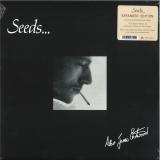
First time vinyl reissue, expanded and deluxe double gatefold 140g double vinyl, remastered audio with restored artwork and fresh liners written by Paul Hillery (Folk Funk & Trippy Troubadours)
Alan James Eastwood's glorious Seeds is a certified folk-funk lost-classic.
But who was Alan James Eastwood? He had never hit the big time and commercial success eluded him. By the mid-1970s, his musical career was pretty much over and he was almost unknown except among deep heads, amongst whom he would gain cult status.
Original copies of the 1971 vinyl release of Seeds exchange hands for high sums, if you can find one. This expanded 2LP contains an extra record, collecting 9 rare non-album singles and is presented in a gatefold sleeve complete with freshly commissioned liner notes courtesy of Paul Hillery (Folk Funk & Trippy Troubadours).
With the long overdue deluxe reissue of this prized artefact, we hope to finally shine a light on the unheralded genius of Alan James Eastwood. RIYL Nick Drake, Rodriguez, Richie Havens.
Alan James ‘Bugsy’ Eastwood was a renowned musician and singer who came to prominence in the late 1960s with The Exception, an unsung but excellent band from Birmingham. The Exception released many singles, the first featuring friend Robert Plant on tambourine, before an album, The Exceptional Exception. However, by this time, Bugsy was feeling constrained and restless; he left the band within weeks of the release.
Having vanished from the scene, he was honing a deeper, introspective edge to his songwriting. His demos found their way to the sound engineer and producer Mike Cooper at Pan Music Studios in Denmark Street. Loving what he heard, Eastwood soon entered a recording session with Cooper. The session was just Alan, his guitar and harmonica and - by all accounts - it was remarkable. With the songs, the voice and such an exceptional talent, it was hard to go wrong. Says Mike: "We had John Hawkins do the big string arrangements and Richard Hewson arranged the string quartet. We overdubbed the orchestrations on Alan's original session recordings, adding Chris Karan on tabla and various percussion. We considered re-recording the vocals but found that the magic on that original session was so exceptional overdubbing would not be as good as the atmospheric 'live' performance."
Mike and Alan viewed each track as a different entity, giving the album a diverse sonic palette. Assessing each song individually, they decided which would be suitable for each arranger. Top-flight session musicians were added to the roster to complete the sound, with Byron Lye Fook (father of musician Omar) on drums, bassist Mike Ward, Brian Pickles on marimba and jazz drummer Chris Karan on tabla and percussion. Recorded in a matter of days in Pan's small 8-track studio, they carefully added overdubs, rhythm sections and four string sessions arranged by Hawkins, with Hewson's arrangements recorded at Trident Studios.
Seeds was Alan James Eastwood's debut solo album – indeed, his only solo album - and was originally issued on President in 1971. It melded Eastwood’s impressive rock sensibilities with a folk thread to superb effect. His arresting voice - its deep, rough-hewn soulfulness - coupled with gorgeous string-drenched backing, make this a phenomenal listen. It really is a great 70s singer-songwriter record - with touches of acid-folk and folk-funk throughout.
It opens with "She's Getting Married In August", a mellow tune with Richard Hewson's strings arranged around Alan's straightforward guitar structure. Up next, the joyous, sun-dappled guitar and strings workout "Evenin' Rain" glides by before the fragile, accordion-enhanced "Les Papillons" breezes out of the speakers. The bluesy "Zeena" follows, featuring vocals and acoustic guitar and showcasing Eastwood's effortless harmonica. Starting out as a ballad, "Virgin Morn" builds with soaring strings and gospel-tinged backing vocals from Marilyn Powell and jazz singer Josephine Stahl. The A-side closes with the title track, "Seeds". With a chugging mid-tempo beat, soulful vocals and a beautiful Bacharach-esque string arrangement, it truly is stop-you-in-your-tracks spectacular.
Side B opens with "Crystal Blue", gilded by Lye Fook's marimba, lush gospel-esque backing vocals and handclaps. Eastwood's acoustic guitar begins "Lady Carole", which starts as a bluesy ballad and builds with more string arrangement, lifting the track to another height. A towering highlight of epic proportions, "Lotus Child" is a true masterpiece of arrangement. It opens with simple yet stunning do-do-dah vocal harmonies blended with John Hawkins's strings, bass lines and rhythmic beats, forming a vibe very much in conversation with the sounds coming from LA's Laurel Canyon. Next up, the heartwarming "Last Prayer", dedicated to Alan's first and last love, contains a melancholic vocal with a wistful string-drenched arrangement that would sit comfortably in a Federico Fellini score. Bringing the album to a close, "Hymn For Today" is a melodic raga with tabla, strings and a soft-psych feel. Eastwood's prophetic whisper - "I am real. At last, I am real" - profoundly hits home.
Kicking off the extra disc is the sparsely funky and country-tinged "Boston", released as the flip to the astonishing "Seeds". Next up are the two tracks that comprised Alan’s debut solo 7" single from 1968. The laconic, Bobby Charles-esque "Blackbird Charlie" evidences a real depth and charm in Eastwood's songwriting whilst the starkly brilliant flip, "My Sun", was a horizontal, atmospheric folk-tinged soundtracky precursor to his later work on Seeds.
In 1972, two further standalone singles followed. The first was the evergreen flute-driven folk-funk bomb, "Closer To The Truth", backed by the funky blues of "Strange News". The second, a deeply moving Havens-inspired "Moonchild" - rightly fawned over to this day - was flipped with "Red Shoe Truckin'", a groove-infused track. Eastwood also paired up with Marilyn Powell for a single produced by Powell's partner, Mike Cooper. Under the name Eastwood & Powell, they released their staggering rendition of "Beautiful", a rock-blues-pop song arranged by Ivor Raymonde and written by Carole King. Over on the flip, a funky Eastwood original "Opal Blue Sunday" lurked. This is not to be overlooked.
Over the years, Alan remained active on the music scene, but problems with alcohol and health complications from diabetes severely impacted his career. He spent his latter years living in London until his untimely death from heart failure on 25 October 2007, just one day before his 62nd birthday and without his music having received the real acclaim it so dearly deserved.
This deluxe reissue, spellbinding from beginning to end, should hopefully go some way to rectifying this tragic fact. Mastering for this special double vinyl edition was overseen by Be With regular Simon Francis and it was cut by the esteemed Cicely Balston at Abbey Road Studios to be pressed in the Netherlands by Record Industry. The original artwork has been lovingly brought back to life at Be With HQ, with the addition of passionately written liner notes specially for this landmark reissue by none other than Paul Hillery.
- 01: Leela Chitnis, Ashok Kumar & Chorus - Chal Chal Re Naujawan
- 02: Zohra Ambala - Ankhiyan Milake
- 03: Shamshad Begum - Ek Kali Nazon Ki Pali
- 04: Ashok Kumar & Sitara - Jalja Jalja Patange
- 05: Noor Jehan - Badnam Mohabbat Kaun Kare
- 06: Noor Jehan, Kalyani, Sohrabai &Amp; Chorus - Aahen Na Bharin Shikve Na Kiye
- 07: Suman Kalyanpur & Shamshad Begum - Dil Gaya To Gaya
- 08: Roshanara Begum - Desh Ki Pur Kaif
- 09: Ameerbai - Ghar Ghar Mein Diwali Hai
- 10: Raj Kumari - Pardesi Ghar Aaja
- 11: Noor Jehan & Surendra - Aawaz De Kahan Hai
- 12: H Khan Mastana - Panghat Pe Ek Chhabili
- 13: K L. Saigal - Hat Gai Lo Kaali Ghata
- 14: Suraiya - Chale Dil Ki Duniya
- 15: Parul Ghosh & Suresh - Tum Ko Mubarak Ho
Death Is Not The End release a second part collecting pre-partition film music, compiled by Gary Sullivan of Bodega Pop.
As the 1940s began, South Asian cinema entered a transformative phase. Playback singing, still a new idea in the previous decade, quickly became standard practice. Actors no longer had to sing, and singers no longer had to act, opening the door to a wave of dedicated vocal talent that redefined the sound of the industry.
Voices like Noor Jehan, Shamshad Begum, and Suraiya rose to prominence, becoming household names across the subcontinent. Behind them, composers like Naushad, Anil Biswas, and Ghulam Haider were expanding the sonic palette of film music, blending ragas with Western orchestration, folk tunes with jazz-era instrumentation. Harmoniums, sarangis, violins, accordions, and clarinets filled out increasingly complex arrangements, while ghazals and qawwalis continued to influence mood and structure.
Although the post-Partition years are often considered to be Bollywood's "Golden Age," thanks to filmmakers like Raj Kapoor, Bimal Roy, and Guru Dutt, the music started its peak just before the divide. By 1947, Naushad and others were producing some of the most emotionally rich and musically intricate work in the industry's history, compositions that would prove challenging to surpass in the decades that followed.
Yet this high point came during a time of immense upheaval. The Second World War, the Bengal famine, and the crumbling of colonial rule all loomed large. Film songs often reflected the uncertainty, sometimes mournful, sometimes romantic, sometimes defiant. And when the Partition finally came, it fractured the world that had created this music. Artists became refugees, studios were split, and careers were thrown into flux. Noor Jehan, who would go on to become Pakistan's most iconic singer, recorded many of her most beloved songs in Bombay. Khursheed, another major star, faded from public life after migrating. K.L. Saigal, a towering figure of the 1930s and '40s, died in Lahore just months before the split.
This collection spans those final years before Partition, a time of creative flowering and looming catastrophe. Like Part 1, these songs were sourced from immigrant-run music shops in New York and New Jersey. They are fragments of a vanishing world, each one a snapshot of the art, longing, and resilience that defined this extraordinary era.
Planning For Burial is the solo project of Thom Wasluck, emerging from Wilkes-Barre, Pennsylvania. It’s Closeness, It’s Easy is the long-awaited follow-up to 2017’s Below The House. If Below The House was about returning home, following in the footsteps of one’s father and joining a union, and leaving behind youth’s wild days, It’s Closeness, It’s Easy embraces what comes next—the weight of all years, the quiet shifts, the reckoning with what remains. This record is many things. It captures the slow drift of time, the unnoticed shifts in a loved one—the creeping changes in mental health, the quiet pull of addiction, the kind of grief that settles in the bones rather than announces itself.
At its core, It’s Closeness, It’s Easy is about stepping into middle age and taking stock. It confronts the reality of living with the hand that’s been dealt and searching for meaning in what remains. It speaks to loss—the crushing weight of saying goodbye to a beloved 17-year old cat, the slow-motion grief of watching friends self-destruct, the inescapable passage of time as it bears down on aging parents and the self. But it also reflects the warmth of reconnection, the kind of love that never burns out but instead deepens. The feeling of picking up where things left off, untouched by the years in between.
While written over the course of two years, the recording process reflects a sense of immediacy. Rather than assembling songs piece by piece over time, the album took shape in singular, immersive sessions—less an act of construction, more an unveiling of something already waiting to take shape.
Rooted in a staunch DIY ethos, Wasluck handles every aspect of Planning For Burial project himself—recording the music, designing the artwork, and performing live as a one-man band. He books his own tours, ever and independent creative. This hands-on approach has led Planning For Burial to play hundreds of shows solidifying his place in the underground music scene. A defining moment came in 2018 when he performed at the Meltdown Festival in London, curated by Robert Smith of The Cure.
- A1: The Muffs– Kids In America
- A2: Cracker– Shake Some Action
- A3: Counting Crows– The Ghost In You
- A4: Luscious Jackson– Here (Squirmel Mix)
- A5: World Party– All The Young Dudes
- A6: Radiohead– Fake Plastic Trees (Acoustic Version)
- A7: Lightning Seeds– Change
- B1: Smoking Popes– Need You Around
- B2: Beastie Boys– Mullet Head
- B3: Mighty Mighty Bosstones*– Where'd You Go?
- B4: Coolio– Rollin' With My Homies
- B5: Supergrass– Alright
- B6: Velocity Girl– My Forgotten Favorite
- B7: Jill Sobule– Supermodel
Musique de Niche Vol.1 barked for a Vol.2. The second opus of any relevant trilogy (did I just spoil a Vol.3?) undergoes always the hardest trial by fire: but the bois, Pierre Marty and Admo, once again delivered these flavors you didnt know your collection was missing.
Same city, different district and new inspirations: following the world premiere in Berlin of their Liveset, they hit the home studio, refining the last bits of this new EP and giving it a new twist while still echoing the first volume.
Tech-house yes, but is it really ?
Indecisiveness feels like we could've said maybe yes but no but...
Well: Alpyren did the quite impressive feat of pressing this feeling on a record - that's A1. The haunting voice sample is this sassy inner self trying to tell you whats up. At least, you're not alone: the quirky bleeps and the punchy bassline are there lending you a hand to make that surely bad decision.
By flipping the record or the usb, you get to the two tracks where they let their new inspirations hit the speakers.
B1 is out before GTA VI, but it could've been in the soundtrack if the game was actually happening between Los Santos and Marseille.G-funk with the Alpyren touch: for the floor, a tune that will make you sway. Broken beats, almost broken legs.
B2 is the freaky one of the bunch: starts with the gloomy sound signature of the duo, but we're back with more 80's inspirations.Darker synth pop with a twist: you end up following the kick with the head bobbing in sync, while all the FX sounds bring to the track this extra spice.
It's 5pm here at the Ordinateuf HQ and we've just finished listening to the latest masters of the new E.P by Alpyren 'Musique de Niche vol2'. Before we're back to more phone calls, we'd like to thank all the friends that bought the first volume: the support has been quite amazing so far.
Enjoy this new one - its got our paw of approval.