In the late summer of 1994, Upadhmanyia (John Mackaay & Michel Rehatta) invited Leo Verhoef (LFU) to collaborate on a track. They met a few more times afterward at a power station converted into a studio in IJsselstein, The Netherlands. "Hasiya" was quickly born and was already in stores by early November 1994. John & Leo drove to house club iT in Amsterdam, where they gave the track to DJ Marcello, resulting in an iT hit! The track was quickly picked up by DJs worldwide, and Richie Hawtin used it in a live set in Denver on November 19th of that year, which can be heard on SoundCloud (Hasiya is mixed around 43:00). The track was also a huge hit on dance floors in England and Spain.
In late 1994, Hasiya appeared on a CNR Music EP titled "Welcome To The Club," along with four other hits from producers like Pete Lazonby, The Shaker, and Drum Club. A double CD of the same name followed in early 1995, released in Belgium, featuring Hasiya alongside artists like Robert Miles, Digital Express, Aura, Natural Born Grooves, and other hits of the era. In early 1995, Arcade released "House Party '95 the Kinky Klubmixx," mixed by Koen Groeneveld & Addy van der Zwan. The same CD was released in Scandinavia as "House Party '95 (5)." Hasiya flourished among the most popular house tracks of the time. The record spent three weeks in the Dance Music Mega Top 30 and peaked at number 22 around the holidays of late 1994.
For 31 years, Hasiya was only available on record, CD, tape, or YouTube. Starting November 21, 2025, it will be resurrected from the underground into the world of digital downloads and streaming. The 2025 Remaster, along with five new mixes, will be widely available, including a limited vinyl release of 350 copies. The 30 test pressings have already been received with open arms by various DJs and received immediate support from Eris Drew and Octa Octa during ADE.
Because Hasiya was created in 1994, the only available remix material is the original DAT tape, which, thankfully, was still stored in an old box in a dusty attic. Most of the sounds for the new versions have been recreated and re-recorded.
Rehatta's Reanimated Mix:
This remix - created by one of the two founders of Upadhmaniya - combines driving, percussive beats with a thrilling, progressive break featuring ascending, dizzying strings. This trick returns shortly afterward to rev things up again. An accessible remix for dance floors worldwide.
LFU 2025 Version:
This straightforward, raw techno version with a touch of acid is ready to rock dance floors. LFU's updated version of the 1994 original, which he created with Michel & John, will undoubtedly remain a head shaker from here on out.
John Consemulder Metaphysical Mix:
With a pumping groove and a funky bassline as an intro, John Consemulder's remix immediately strikes a chord. A refined and elegant approach to the original, with sounds as mysterious and exciting as the flowing lava in the 'Gruta das Torres' - a cave in the Azores - the setting where this tech-trance remix was created.
Davje Remix:
Davje's version begins with the typical club and hard-trance bassline of the late '90s. You're drawn into a trance journey where beat changes sometimes try to throw you off track. Davje's creative Hammond organ interpretation of the Hasiya theme surprises and transports you back to the hippie era by the end of his remix.
Bojcot Remix:
Junglist Bojcot creates an exciting, nuanced, and mathematical remix with a beat that feels like jungle and half-tempo. He conjures up the sounds of LFU's 2025 Version, creates a bassline that sounds like a disturbed bumblebee, and adds a surprising string section. Massive!
Cerca:pop da funk
The album delivers masterful arrangements, inventive rhythms, rich harmonies, and a perfect balance of flute and saxophone interplay. Funk, Jazz, Gospel, Afro, and traditional elements all merge seamlessly into something unique and timeless.
Joshua Sithole (1947–1999) was a self-taught multi-instrumentalist and vocalist from South Africa who first started busking with the Kwela kids in 1959 and then went solo in 1978. He became popular in the 80’s, performing widely in Durban and Cape Town.
Originally released in 1975, this overlooked masterpiece is now reissued for the first time by Voom Voom Records — the first 500 copies include a poster of Vladimir Tretchikoff's painting, "The Pennywhistlers" which captures the beauty of Joshua's playing.
“Joshua Sithole, Errol Dyers, and Jonathan Butler come from some of the most influential and esteemed musical families in South Africa. You cannot write about Jazz in Cape Town and not mention some of these families and their contributions to the art form.” — Fanie Jason (Music Photographer - Cape Town)
"South African spiritual funk gem. slick guitar, banks of horns" - Chris Albertyn (Matsuli Records)
"Dynamic South African funk. An album that will make you want to dance from start to finish" - Franck Descollonges (Heavenly Sweetness)
- A1: Countrymusicdisco45 4 08
- A2: Sometimes Shooting Stars 2 57
- A3: Short Cut Home 3 25
- A4: Disappointment 3 00
- A5: Days Are Mighty 2 46
- B1: Don't Dance With Me Tonight 3 27
- B2: You Got It Wrong 2 39
- B3: Ring The Bells 3 57
- B4: Let's Make It Up 2 49
- B5: When Did You Stop Loving Me 3 54
- C1: Just Beginning 4 00
- C2: Wintering Of The Year 3 16
- C3: Let It Rain 3 04
- C4: We Tell Each Other Who We Are 3 27
- C5: Trip To You 4 06
- D1: Dirt 2 54
- D2: Heaven Right Here 3 38
- D3: If Later Ever Comes 3 03
- D4: Remember The Season 3 10
- D5: A Little Love 3 35
- D6: Weary Traveller 3 20
“The high priest of country cool” - Rolling Stone
“I like him very much. He’s very special. He’s singing with a voice I never heard before” - Townes Van Zandt
“A conscious, soulful brother” - Horace Andy
“He’s a brother to me - one of the best singer/songwriters I’ve ever met” - Adrian Sherwood
“Unearthed mine of gems from inner Wales - a songbook of ideas - that's Jeb!” - Gilles Peterson
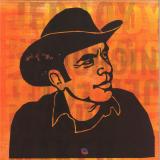
Jeb Loy Nichols is a bonafide Country (Got) Soul legend. The Music Maker presents 21 incredibly deep, grooving and soulful songs from the cream of Jeb's catalogue; from its earliest days to his latest unreleased gems via countless rare and unbelievably good lost-classics. This 2LP set is presented in a gatefold sleeve complete with freshly commissioned artwork courtesy of Jeb himself.
In collecting these uncut, under-heard gems, we hope to do justice to Jeb's jaw-dropping artistic brilliance. A man who, in working with Adrian Sherwood, Dennis Bovell, Dan Penn, Larry Jon Wilson and countless other legendary characters, has crafted some of the most deeply affecting folk, country, soul, funk, blues, dub, reggae, gospel, rap and electronic music, ever heard.
The first music Jeb really felt a connection with was southern soul: "I used to listen to the radio at night and fell in love with Bobby Womack and Al Green, The Staple Singers and Joe Simon – that whole Nashville/Memphis/Muscle Shoals thing.” But Jeb was so much more than a soul boy, Indeed, he "went to bluegrass festivals with my dad and come home and listened to jazz records with my mother.” And, when he was fifteen, he heard his first punk record: "God Save The Queen" by The Sex Pistols. “That and The Ramones completely changed me.” In 1979 he got a scholarship to go to art school in New York: “A great time. Punk was over but hip-hop was starting and I got into that in an obsessive way.”
His first recording, in 1980, was an unreleased rap song called "I’m A Country Boy". If that isn't an insight enough into Jeb's kaleidoscopic path through music, in 1981 he visited friends in London and found himself living in a squat with Adrian Sherwood, Ari Up (from the Slits), and Neneh Cherry. “Adrian put me to work immediately, moving boxes of records all across London. It was Adrian that was and is my biggest influence – in his complete disregard for genre purity.” So, presumably you're getting the picture? A veritable musical magpie with a voracious appetite and unimpeachable taste.
"Mine has always been a meandering career. I've done what I've done, and made the music I've made, due to chance meetings. I'm not particularly ambitious; it's more important to me that I work with friends and like-minded people. I've been a big fan of Be With for years. Everything they release is essential. When they asked about rereleasing "Countrymusicdisco45" I was both pleased and flattered. We began talking about how we'd do it; two years and twenty-one tracks later, here we are. I've always thought of the music I make as Country Music. Music conceived in the country, written in the country, recorded in the country. I left London and moved back to the country so I could live among the trees, the grasses, the animals, those things that don't go to war and get greedy. This compilation is the story of that life. Hand made, lo-fi, ramshackle, stripped down, real deal music. Heartworn and funky. Music made in the kitchen, not in the studio. As the great Skip Mcdonald said, Perfect ain't perfect. It's great to see all these tracks gathered together. It feels like a family reunion. Some older members of the tribe, some newer arrivals."
Opener "countrymusicdisco45" is a song Jeb wrote about how his crew lives, tucked up blissfully in the hills: "House parties full of country folk dancing to disco, reggae, soul, country, hip-hop. All night. I recorded it at home under the influence of Stevie Wonder." It's one of the funkiest records you'll ever hear. "Sometimes Shooting Stars" was recorded in Nashville and mixed by the legendary Dennis Bovell. It's deep, dubby, majestic. A thing of fragile, melodic beauty. The party ramps back up again with the undeniable groove of "Short Cut Home" before the profoundly moving "Disappointment" arrives. One of many songs he's recorded with good buddy Benedic Lamdin (aka Nostalgia 77): "We were going for a Leon Thomas meets Richard Brautigan meets Alice Coltrane kind of thing". We think they nailed it. "Days Are Mighty", like a lot of the tracks on this collection, "started life as a demo, an attempt to get something down while it was fresh. No frills, nothing fancy, just feel." And what feels!
The irrepressibly funky "Don't Dance With Me Tonight" is a deeply moving, slow-mo organ-drenched head-nod-funky country-ballad. Next up, the breezy "You Got It Wrong" was recorded in Wales with some of Jeb's good friends and neighbours, The Westwood All Stars, featuring Clovis Phillips and Will Barnes. Skanking fiddle-flecked gem "Ring The Bells" was the first thing Jeb recorded when he moved to Wales. A combination of all his loves; country, reggae, soul. It's followed by "Let's Make It Up", a truly sumptuous string-drenched emotional groover. "When Did You Stop Loving Me" is another Nashville track, written and recorded during a time Jeb was spending a lot of time with the Muscle Shoals crew, Donnie Fritts, Spooner Oldham, George Soule and Dan Penn: "It shows, I'm sure, their influence." Oh, you bet it does!
The swaggering country-funk of "Just Beginning" should grace many groove-focused DJs' sets whilst "Wintering Of The Year", again made with Clovis, is pastoral, campfire soul. The glacial, gorgeous "Let It Rain" is from an unreleased record Jeb made with the great British jazz bass player Andy Hamill and "We Tell Each Other Who We Are" is freaky country-soul made by a man with a love for strutting, wonky hip-hop stylings. Rounding out the side, "Trip To You" is pure, uncut amphetamine-propelled drum-machine soul.
The spare, beautiful "Dirt" is from an EP Jeb made with Julian Moore in his house in South London: "All first takes, straight to tape." Swoon! "Heaven Right Here" was a very minor league hit in America: "It was produced by the brilliant and much missed Wayne Nunes. It was started in the countryside of Missouri, finished in the countryside of Wales, and recorded in the countryside of Sussex." Double swoon! "If Later Ever Comes" is electronica meets J.J. Cale business whilst "Remember The Season" is truly wonderful and breezy guitar soul. "A Little Love" was made with Wayne Nunes as well, after a night of listening to Studio One and Northern Soul. Bouncy dub closer "Weary Traveller" was written by Bill Monroe, the hero of Jeb's youth: "Monroe's music was heavily influenced by black southern churches; I've tried to keep some of that feral feel." This was the final recording by Jeb's 1990s Country-Dub band, Fellow Travellers.
The name of this compilation comes from a time when Jeb lived in Peckham, south London and he used to DJ and sometimes perform at a local bar: "The owner of the bar, a Jamaican named Count Percy, once asked me what I called my music. I told him I wasn't sure, I guess just pop music. He thought about it for a minute and then said, 'no, more like mom and pop music'. Rather than call me a country singer or a folk singer he always referred to me as The Music Maker."
With the long overdue deluxe overview of his beloved music, we hope to finally shine a light on the unheralded genius of Jeb Loy Nichols. RIYL Larry Jon Wilson, Townes Van Zandt, Bobby Charles, country got soul artists, dub, deep soul, disco, dancing, heartbreak. This deluxe collection, spellbinding from beginning to end, should hopefully go some way to ensuring Jeb reaches an ever bigger, ever more appreciative crowd of followers. Mastering for this special double vinyl edition was overseen by Be With regular Simon Francis and it was cut by the esteemed Cicely Balston at Abbey Road Studios to be pressed in the Netherlands by Record Industry. The artwork has been lovingly put together by The Music Maker, himself, Jeb Loy Nichols. "Be With is the perfect home for this mongrel music. I am forever in their debt." The pleasure is all ours, Jeb.
When people think of Yacht Rock-those smooth, sun-drenched sounds that once drifted from Californian radio stations in the late '70s and early '80s-they rarely imagine it echoing through rehearsal rooms in Hamburg or Linz. Yet even far from the Pacific coastline, the appeal of shimmering chords, laid-back grooves, and polished production found fertile ground.
This compilation gathers rare and overlooked tracks from Germany and Austria. These artists embraced West Coast aesthetics with sincerity and subtle twists, resulting in music that feels both familiar and refreshingly new-smooth sounds for cloudy skies. So drop anchor, pour something cool, and enjoy this unexpected cruise through the lesser-charted waters of Euro Yacht Rock.
Our journey begins in Austria, where Reflection's Because (1981) set the tone with blue-eyed soul and analogue warmth-a sunlit blend of Doobie Brothers polish and local charm. Its creator, Dieter Heyduk, reappears with Austrian Sky, a heartfelt nod to his homeland that fuses mountain calm with oceanic longing.
From the North Sea island of Föhr, Ara Pacis dreamed of California on their 1979 self-release To the Westcoast. Inspired by Steely Dan and Lake, they turned German rock precision into breezy, melodic sophistication. Meanwhile, in Düsseldorf, Mainpoint fused funk and jazz-rock on Frisbee, their 1980 single bursting with rhythmic drive and optimism before the tide of the Neue Deutsche Welle swept such grooves aside.
Bremerhaven's Nuages offered the compilation's only instrumental gem, Strange Weekend (1985)-a gentle blend of jazz-funk and rock and largely lost to time. Its cool restraint captures the European interpretation of Californian ease.
Around the same period, British traveler Gavin James recorded River of Laughter in southern Germany, backed by the blues-rock band Black Cat Bone. His acoustic reflections on water and flow mirrored the soft, meditative pulse at Yacht Rock's core.
Berlin's Top Spin kept things playful with Bikin (1985), a funk-fusion snapshot of urban joy that showcased the city's finest session players. From the Ruhr area, the Jan Pack Band is up next. While not a typical Yacht Rock track, Cable Dance is driven by an effortless, groovy '80s vibe.
Peter Seiler's Goldfinger project reimagined Walkin' in the Sand as a relaxed reggae-tinged track, while Munich's Major Seven closed the voyage with Silverboat, a wistful soft rock ballad gliding between melancholy and light.
Across these hidden harbors of German and Austrian pop, the West Coast dream took on new forms-reflected in rivers, skies, and studio lights half a world away from L.A. Under and Above the Clouds celebrates that spirit: the enduring pull of smooth music, wherever it's made.
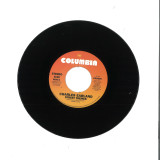
“Coming To You Love” is a classic and ever popular jazz funk and soul release from 1980. From its original release, the LP and 12” versions have dominated, this 7” version only recently coming to light as a different take on the track with a bonus Charles Earland organ solo. Since the realization of its existence, the previously styrene only US Columbia 7” has exchanged hands for increasingly higher amounts.
Charles came from Philadelphia, played sax first with Jimmy McGriff before turning to organ in the late 60s and earning a nickname ‘The Mighty Burner’
During his time at Mercury records he scored a hit song with the disco record “Let The Music Play”, building an audience with a jazz funk and soul crowd which exists to this day through numerous other releases on Mercury and then Columbia through to his passing in 1999.
Quadratschulz returns to Clone / Dub Recordings with a sonic ode to Tokyo - ??six beautifully crafted tracks inspired by the neon-lit nights and electric pulse of the city. Drawing from the spirit of Japanese electronics, arcade culture, and city pop nostalgia, he blends crisp rhythms with emotive melodies and playful synth work. It'??s a journey through dreamy downtowns and rain-soaked alleyways, full of warmth, precision, and imagination. Of course, Japanese electronics play a key role - ??led by the unmistakable playful sound of the Roland TB-303 weaving through the tracks like a main character. Braindance for the dancefloor - ??Quadratschulz in top form. First limited press on opaque red vinyl.
b 02 The Garden of Evermod Shoseien Version
The 12th release on ALIM Music, Brazilian singer-songwriter Rogê delivers a radiant and rhythmically rich reinterpretation of Talking Heads’ “Road to Nowhere,” setting the tone for BBE's Naive Melodies - a bold and visionary tribute to the music of Talking Heads, reinterpreted through the lens of Black musical innovation. Curated by Drew McFadden - the creative mind behind BBE’s acclaimed Modern Love (David Bowie tribute album) releasing this October via BBE Music. Now based in Los Angeles, Rogê, a Latin Grammy nominee and longtime torchbearer of Rio’s samba-soul vanguard - reimagines the Talking Heads classic as a soulful samba jam, infused with earthy guitar, syncopated percussion, and his signature smoky, magnetic vocals. Where the original rides on quirky tension, Rogê’s version flows with saudade and sway, steeped in the Afro-Brazilian traditions that have defined his sound for over a decade.
Produced by Tommy Brenneck (Amy Winehouse, Mark Ronson, Cuco, Charles Bradley, The Budos Band), the track carries a raw, analog warmth that nods to classic MPB (Música Popular Brasileira) and the golden age of 1970s samba-rock, while subtly weaving in the existential overtones of the song’s lyrics. Rogê's “Road to Nowhere” captures the essence of Naive Melodies: a reimagining of Talking Heads’ catalog through the rhythmic and cultural lens of the global Black music traditions that helped shape it. From samba and funk to soul, dub and jazz, the album brings together forward-thinking artists from across the diaspora to revisit, reinterpret, and revive the sounds that have always lived in the band’s DNA.
Building on the foundations of his Braindance Records label (2017–2020), Korean musician Go Dam now presents the second release on Stellar Systems. The Digifuga Series: Stellar EP finds him in interplanetary hyperdrive, charting trails blazed by pioneers from Hashim to Mad Mike to Gerard Hanson.
The four tracks were written in the studio Go Dam built with his own hands in Eulji-ro — once Seoul’s printing district, now a hive of small businesses. That same meticulous, artisanal approach runs through all of his work, whether composing film scores, producing K-Pop for online personalities, or fine-tuning sound systems around the city. The EP opens with the irrepressible electro funk of 'Fevernova', its slapping beat driving growling bass and wide-eyed synths. 'Dream Powder' is a stormy banger, surfing waves of filtered acid and noise before breaking into light. 'Chrono Flux' sustains the high energy, like the soundtrack to an anime motorbike chase at sunset, while 'Quasiverve' drifts into deepest night, its sinuous leads creeping over a stalking bassline.
Blending heavyweight vintage hardware with sharp digital tools, Go Dam conjures an epic widescreen sound that nods both to the sci-fi optimism of early electro and techno and to today’s fractured, machine-mediated music economy.
Brown Angel descends upon Dark Entries with Pure Brown Energy, an EP featuring 6 tracks of gloom-laced electro-funk and retro house. Pure Brown Energy was born when San Francisco-based producer and Hard French collective member Brown Angel was faced with a gift and a loss: an original Roland TR-808 was given to them around the same time that their father passed away. To process their grief, they set about making an album that showcased the many facets of their being, in their words: “my gay tío side, my Latin goth side, my cruising down the boulevard side, and most of all my soft vulnerable side.” From slamming vogue/ballroom house to cumbia-inflected freestyle, Pure Brown Energy channels club sounds both contemporary and timeless, while centering the most eternal electronic instrument of all: the TR-808. Opener “Miel” grooves with the effortlessness of peak-era Masters at Work or vintage Kevin Saunderson, while “Dame Más” dials up the energy even further. The influences of Miami bass and West Coast electro shine through on “Maya” and “Love Me Right,” which pair razor-sharp beats with a flurry of samples culled from Brown Angel’s record collection. “PBE” and “En Movimiento” take the Planet Rock vibes to another level, combining influences from contemporary cumbia and reggaeton sounds with Brown Angel’s Latin goth flair. Each copy comes in a sleeve designed by Ricardo Diseño featuring illustrations inspired by Teen Angels, a popular 1980’s Chicano magazine. Pure Brown Energy brings a sense of urgency to the dancefloor, unreluctantly examining the crossover between creation and loss, between celebration and sorrow. But don’t forget: these cuts also slap.
Steve Moore reprises his beloved Lovelock guise by presenting his unique riff on the library breaks genre. Business And Pleasure contains grimy groove and sleazy, funk-laden lounge music.
This vinyl release is hyper-limited, with just 500 pressed for the world.
The LP is ushered in by the spacey synth-funk of the sleazy, woozy title track. This is that serious slo-mo cosmic-balearic head-nod shit. Laidback bass, heavy funk with dreamy synth and electric guitars. An outstanding opener. Up next, the dynamic, swaggering "Last Call" is a sophisticated, elegant stroll - sweeping, mellow strings, a smooth bassline and gorgeous percussion with urgent keys and swelling synths.
"Slinky Strut" is another spaced-out, sleazy funk groove with jazz rock by way of a heavy, heavy guitar riff, mellotron and bass breakdowns which build to brass crescendos. Gigantic. "First Class" closes out the side, and, like classic Hawkshaw / Bennett noir, it's got that mysterious and murky stretched out sleuth / detective soul with a great bassline and percussive elements, with swelling strings, ace synths and smooth Rhodes piano melodies entering the mix halfway through. Dramatic guitars and groovy percussion add extra intrigue. It's 7 minutes of funk!
Side B opens with the stretched-out psychedelic funk and jazz groove of "Stank 49". It takes its sweet time to unfurl, creating enormous - almost sensual - anticipation for the ensuing beauty but, as it does, we're left beguiled and straight-up hypnotised. Heaven-sent synth flourishes and a laidback bassline over smooth drums cement its simple, vivacious grace. "Dangerous Man" is that creeping crime funk we all love; heavy bass and fuzzy guitar riffs, mellow strings and sumptuous piano/synths. It's irresistible, it's ominous and it's pretty gargantuan. It's basically like an El-P hip-hop instrumental. We need to get some rappers over this stuff, stat!
"Stinkbug" is a dazzling and funky groove-fuelled jazz-rock workout with fizzing synth riffs joined by full percussion and drum breaks, building with strings to a strong swagger. Vigour! To close out this remarkable set, the breezy "Win Or Lose" is laidback soul-inflected funk, utilising urgent, skipping drums and galloping basslines. Just stunning.
This collection was written and recorded in Spring and Summer of ’24. Everything was tracked at Steve's home studio in Albany, NY except the drums and percussion, which were recorded by Jeff Gretz at his space in NYC. The whole collection is basically a rhythm section feature, so Steve's Rickenbacker 4003 and Fender Jazz Bass play very prominently. The bass guitar serves as lead instrument in a lot of these tracks. Also, lots of Rhodes and stringers (Solina, Logan etc) and guitar (Strat and Les Paul). He even dusted off my sax for this one, which he doesn’t do as often as he’d like!
This type of groove-oriented library music has been a steady part of Steve's diet since the late 90’s. In heavy rotation while writing this collection were the following classics: “Time Signals” by Klaus Weiss, “Tilsley Orchestral No. 10” by Reg Tilsley, and “Heavy Truckin’” by Simon Haseley. “Voyage” by Brian Bennett was also a big one.
Lovelock started as a dedicated Italo-disco project, but over the years Steve expanded it to include anything directly informed by the commercial/pop side of the music of his childhood (70s/80s). Writing and recording this album was, like a lot of Steve's music these days, basically a test to see whether or not he could do it.
The song titles, like the music, are meant to be evocative yet vague. But there is a bit of a travel theme. Steve imagined this record being the soundtrack to a sleazy salesman’s business trip. The kind of guy who, when asked if he’s traveling for business or pleasure, responds “both.” Beyond the traveling salesman comparison, the title directly relates to the creation of this album. This was something he wanted to do just for his own enjoyment. Yet, like our sleazy salesman, he still found a way to get paid.
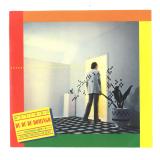
The album’s cover was designed by Chris Stevenson, with no little direction from Steve. He knew that he wanted to go with something photography-based for this cover so, in true DIY/cheapskate spirit, Steve started by looking through his own photos. He found the cover image on his phone, taken through an almost empty bottle of beer, and it clicked. The whole album has a very boozy vibe (especially with titles like “Last Call”) so this shot seemed appropriate. We, hic, agree.
Mastering for this vinyl edition was overseen by Be With regular Simon Francis, and it was cut by the esteemed Cicely Balston at Abbey Road Studios to be pressed in the Netherlands by Record Industry.
Unearthed from the Crammed Discs vaults after nearly four decades (Originally recorded in 1987), a hidden gem finally sees the light. Maurice Poto Doudongo’s The Lost Album arrives on vinyl for the first time—limited to 500 copies, with printed inner sleeve featuring release notes and photographs.
Back in the hazy margins of late-’80s Brussels, where boundary-blurring sounds were seeping through the cracks of pop music, a young autodidact named Maurice Poto Doudongo was crafting music that didn’t quite belong to any scene. Born in Kinshasa and growing up in Belgium, Maurice was a sonic nomad—raised on Franco, Miriam Makeba, and Tabu Ley Rochereau, transfixed by James Brown and Prince, and shaped by the fertile collision between African music and experimental electronics occurring all around him.
Leaving school at 16 to concentrate on music full-time, he began recording on borrowed 4-tracks, using cardboard boxes for percussion, and absorbing whatever sounds the airwaves served him: “Music has no frontier,” he says. “You take what you like. Prince, Fela, Papa Wemba—there is no contradiction. It’s all part of the sound.”
The result? A record that’s equal parts analog drum machine funk, homegrown Afro-pop futurism, and new wave R&B-informed synth poetry. Marc Hollander, founder of Crammed Discs, met Maurice through his friend and associate, musician/producer Vincent Kenis and quickly recognized the spark. The two began working in earnest, preparing tracks intended for a full-length release that, for reasons lost to time and memory, never materialized—until now.
Marc remembers: “The album was never completely finished. “Bolingo” was the only track that came out on a Crammed compilation at that time… and the rest sat on the shelf for decades until we started opening the Crammed vaults.”
Maurice recalls the session as being, “like an unstoppable current”. Listening now, the Lost Album feels both of its time and well beyond it. While tracks like “Momo” sound not a million miles away from the slinky and sophisticated Balearic pop ambience of Wally Badarou’s Echoes album, "Passport Train" shakes itself loose of any genre boundaries, veering into free-form Afro-electronica and tough electronic rhythm. Others pulse with a sweet and soulful groove that suggests dance floors dreamed of but never reached.
In decades hence, Maurice never left music, and the music never left him. Now working mainly as an arranger, he describes his job as being like that of a musical psychologist: “Someone comes to me with their sound, and before anything I have to understand their mind and heart,” he explains. That same intuitive fluency can be heard across this entire album—music that listens before it speaks, that absorbs before it asserts.
This reissue is more than a remastering. It’s a second breath. Sourced from cassette roughs and 24-track demos, carefully restored with Maurice’s blessing, and released as a complete album on vinyl for the very first time, The Lost Album isn’t lost anymore.
It just took nearly 40 years to find its way to you. - Editions de Lux
Wally Badarou is a synth pioneer and musical polymath. But rarely does he sing over his sumptuous tracks. The 6 songs that comprise new record Simple Things finally realise Wally's vision for select backing tracks from his beloved Colors Of Silence.
The tracks were originally developed back in 2001 for the release of the original CD; here, Wally has “simply" added overdubs and vocals to their mastered mixes with some discerning edits. Simply put, Simple Things is another slice of simply stunning Wally Badarou genius.
Simple Things has been decades in the making. Indeed, Wally struggled not only with the idea of singing these wonderful songs himself but singing them in English and writing his own lyrics, while wrestling with the sensational backing tracks, which themselves seemed to have taken on a life of their own.
As Wally explained to us: "In addition to the instrumental artist I have been known as, so far, there has always been a singer who simply was not sure he was, up until now. Even though “Back To Scales Tonight”, my very first album, was, indeed, a song album."
Opener "It Couldn't Be You" embellishes the uptempo groove of soca-funk gem "The Lights Of Kinshasa". As Wally explained to us, it's about “a simple love story somewhere, one rainy night, under the lights of Kinshasa. A woman, a man, online dating, quite usual in our times. Then they meet, almost missing each other." The guide vocal Wally had laid for Colors Of Silence - with an organ sound - seemed striving for words in Linguala, a Congolese language he could not speak. Therefore the decision to do it himself was not an easy one, for it had to be in English to fit his singing. We think it turned out pretty good!
"You Can't Hide Always" vocalises Wally's deep concerns set to the propulsive "Smiles By The Millions": "Populism, ostracism, radicalism, ethics and values all turned upside down worldwide, are they all inevitably exacerbated by our social networks? It could all melt down one day, like a house of cards in the ocean of fake news and false prophecies”. Wally wanted to keep the track as bare as possible but, inevitably, the backing vocals and the synth-brass arrive ultimately to present a welcome 70s flavour, with no snare-drum added.
The bright and breezy "We'll Make It Again" adds vocals to "Where Were We", a tropical, reggae-tinged bounce through the islands. Here's Waly: "Where were we when we last said: "I love you"? Simple words to express something quite common, but never quite simple to deal with. A simple song about the resilience of the broken hearts.” The reggae came from it being conceived when Wally was scoring for “Third World Cop”, a 1999 Jamaican action movie.
"Walk Straight Ahead" provides Wally's gorgeous, contemplative and idiosyncratic vocals to the deep serenity of Colors Of Silence highlight, "Amber Whispers". It's a gliding, divine, mini melodic masterpiece. It'll make you swoon in its extreme beauty. As Wally describes, "it started as just whispers, sweet amber whispers. Then the colour turned darker, as darker skies seemed to fall upon us while the whole world keeps on walking ahead, straight ahead, regardless of the blatant warnings, feeling much too comfortable in conformity. Initially, the verses were to be spoken only. I realised they could be sung all the while, without overshadowing the ethereal atmosphere." Amen.
The serene, celestial "Painting My Life Blue" presents the vocal version of "Days To Wonder". Says Wally, "how does it feel when your second half is gone after decades of riding life together? Past the temporary loss of your bearings, you come to realise you've been blind to the essential, and suddenly you can see...For this most intimate song of mine, I had tried to come up with a melody on top of the existing backing track, long before realising the melody was in the keyboard part already. It just needed to be properly mixed with it."
The profoundly emotional "Just Two Lovers" works up the formerly-too-brief and glorious "Crystal Falls" into a much fuller masterpiece and features acoustic guitar sparkle before fully glistening with some gentle head-nod percussion. Waly explains further: "Dear little green men, please tell me, what is it about us that makes you want to come and visit us so often (contrary to Fermi's assertion)? And here is the reply I believe I heard them sing: "You've got the key you've been searching for: Love”. I reverted to the initial backing track I had made around 1985, which already bore the melody, and which I added acoustic guitars to, before singing it." An astounding closer.
A synth specialist, there can be few artists more under-appreciated given their vast influence than Wally Badarou. His solo work practically defined the sound of the Balearic DJs of the 1980s, and thus the more sophisticated sound of dance culture thereafter. He was one of the Compass Point All Stars (with Sly and Robbie, Barry Reynolds, Mikey Chung and Uziah "Sticky" Thompson), the in-house recording team of Compass Point Studios responsible for a series of albums in the 1980s recorded by Grace Jones, Tom Tom Club, Mick Jagger, Black Uhuru, Gwen Guthrie, Jimmy Cliff and Gregory Isaacs. Badarou's keyboard playing could also be heard on albums by Robert Palmer, Marianne Faithfull, Herbie Hancock, M (Pop Muzik), Talking Heads, Manu Dibango and Miriam Makeba. He also produced Fela Kuti. Phew!
When we asked Wally about the significance of this collection's title, he explained: "These are "Simple things” that everyday’s life seems to build upon. The simplest are the harder to describe, but when satisfactorily described i.e. with simple words, they are the more genuine and authentic to express and share. I’ve immersed myself in other classic song lyrics, something I hardly did before, just to appreciate the genius behind the simple words they were made of, and had a great time studying how powerful they were in expressing complex ideas such as love."
Recording was twofold: first, most of the backing tracks were recorded in 2001, in Wally's studio in Normandy, mostly using hardware synths and Yamaha digital consoles. Then, he fine-tuned the melodies and wrote the lyrics in late 2023, then added some overdubs and sang them all during summer 2024. States Wally, "Digital Performer was and remains the DAW I’ve been using throughout, ever since the 80s."
Wally's sophisticated synth textures and expressive keyboard runs are so full of character, so full of life, that this work of art transcends any easy genre categorisation. Meticulously remastered and cut by both Simon Francis and Cicely Balston respectively, it has been pressed to the highest possibly quality at Record Industry in Holland. Sometimes, the simple things are the most extraordinary.
C.A.R. (Choosing Acronyms Randomly) is the musical project of Chloé Raunet, a Canadian-born, London-based artist known for her icy synths, warm vocals, and left-field pop sensibility. Drawing from post-punk, electro, and experimental songwriting, she creates music that’s both emotionally charged and sonically adventurous.
Following a five-year hiatus, C.A.R. returns with Shyana, the first single from her long-awaited fourth album, Dance at Oscar’s. Produced by Nathan Ridley, the release marks a creative rebirth: a new label, a new live formation with Joni Green, and a sound pulsing with revitalised energy. After a pandemic-induced break to focus on filmmaking — and a period of burnout and disillusionment — Raunet was ready to walk away from music altogether. But a pair of carried-over festival dates and an impromptu onstage reunion with longtime friend Joni Green unexpectedly reignited the spark. What was meant to be a farewell became the start of something new.
Shyana is a shimmering slice of machine-funk — a warped and groovy tribute to Paul Anka, filtered through C.A.R.’s surreal pop lens. A meditation on teen hysteria, pop manufacture, and the strange alchemy of early fame, the track pulses with wonky elegance and strutting confidence. One of the most playful cuts from Dance at Oscar’s, it showcases Nathan Ridley’s tight, swaggering production while capturing the album’s embrace of movement, humour, and the weirdness of cultural nostalgia.
On the B-side, Cecilia Road offers a more reflective counterpoint — a nostalgic, synth-drenched ballad built around a call-and-response vocal, throbbing melodies, and emotional tension. Intimate yet expansive, it hints at vulnerability without losing the pulse.
Artwork by Chloé Raunet, Craig Richards and Oliver Hupfau.
For its sixth release, Rio de Janeiro’s Onda Boa label sees founder Joutro Mundo, step up once again - this time reviving and re-vibing Netinho’s independent 1980s bop, “Du Du Du Domingo”.
Netinho first made his mark in the 1960s as the drummer for Brazilian beat icons Os Incríveis, then again in the 1970s with the heavier, lysergic sounds of Casa das Máquinas. By the 1980s, he had turned toward a new vision, inspired by the spiritual group Amor e Caridade. Released on his own imprint, Manancial do Amor, 1982’s Apartamento 97 – Projeto Amor & Caridade Vol. 2 brought together heavyweights Zé Rodrix, Faísca, and Manito to expand on this funky, pop-rock chapter first introduced with 1980’s Amor & Caridade Vol. 1.
According to Netinho, a year passed in search of inspiration for the follow-up LP before he began receiving notes and poems through his medium, dictated to her by his “protector.” Following that divine intervention, the album’s songs were completed in just two days—including the standout track, “Du Du Du Domingo,” an ode to the beauty of a Sunday afternoon after the toils of the workweek.
Side A presents the original track, lovingly remastered, in all its stripped-down, idiosyncratic glory. A bubbling synth bass paired with a nimble electric bass line set the stage for the plunky synth melody that defines this anomalous yet infectious gem—before giving way to a samba break and a wafting crowd noise that instantly transports you to a sunny Sunday by the sea.
On the B-side, Joutro Mundo injects a new vitality into the track with crisp hi-hats, a thumping kick, and other subtle studio magic. The samba break is brought forward, while the electric bass line—previously bubbling beneath the surface—rises to center stage around the three-minute mark. True to form, Joutro Mundo avoids the obvious, drawing on his deep crates and production sorcery to conjure up yet another gem for the balearic heads and other lovers of left-field dancefloor deviance.
Ixona ist das zweite Album des Chicagoer Komponisten Conor Mackey unter seinem Pseudonym Lynyn. Lynyns meisterhafte instrumentale Elektronikkompositionen, die hauptsächlich mit Hardware erstellt wurden, greifen auf eine Vielzahl von Einflüssen zurück, darunter Drum and Bass, Dub-Techno und Acid, und tauchen den Hörer in eine Umgebung ein, die sowohl weitläufig als auch überraschend intim ist. Während komplexe Breakbeats durch körnige Texturen und pointillistische Schwärme huschen, entsteht dieser Ort, der kein Ort ist, und erstrahlt. Als klassisch ausgebildeter Musiker und Komponist hat Mackey mit einer Vielzahl von Partnern zusammengearbeitet, von Symphonieorchestern bis hin zu Popsängern. Er spielt Gitarre in der Avantgarde-Jazzband Monobody und hat mit seinen Labelkollegen NNAMDI und Warm Human von Sooper Records Platten produziert. Tagsüber schreibt er funktionale Musik, die von neurowissenschaftlichen Prinzipien geprägt ist, für eine spezielle Streaming-Plattform. Mit seinem Projekt Lynyn taucht Mackey tief in die glitzernden Details fein gearbeiteter Maschinenmusik ein: wie sich Cluster künstlicher Fragmente zu lebendigen Bewegungen zusammenfügen können. Mackeys Arbeit ist geprägt von den dichten, treibenden Feinheiten von IDM-Künstlern wie Aphex Twin und Squarepusher, deren Einfluss auf Lynyns Debütalbum lexicon (Sooper Records) aus dem Jahr 2022 deutlich zu hören ist. In den Jahren nach der Veröffentlichung von ,Lexicon" vertiefte sich Mackey in den Minimal-Dub-Techno der Jahrtausendwende von Künstlern wie Pole, Basic Channel und Deepchord. Das Album ,Loop-Finding-Jazz-Records" von Jan Jelinek hatte besonderen Einfluss auf Lynyns nächste Schritte. ,Es ist ein Album, bei dem man sich richtig in die Couch sinken lassen kann. Es ist extrem weitläufig, aber es fühlt sich sehr nah an - sehr eindringlich, aber gleichzeitig beruhigend", sagt er. ,Es gibt diese kleinen Vinyl-Klicks und -Knackser, und die Percussion besteht aus Mikro-Sounds, und dann gibt es diese Ebenen von Pads und Loops im Hintergrund. Auf Ixona habe ich versucht, diese Komponenten in den Stil zu integrieren, an dem ich seit Jahren arbeite."
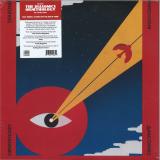
Die Cinematic-Funk-Visionäre The Diasonics liefern mit ihrem neuen Album ,Ornithology", das am 3. Oktober über Record Kicks veröffentlicht wird, ein weiteres solides Set aus östlich angehauchtem Psychedelic, Cinematic und Disco-Funk. Nach ihrem 2022 von der Kritik gefeierten Debütalbum ,Origin of Forms", das von PopMatters zum Library Music Album of the Year gekürt wurde, kehren die in Moskau ansässigen Instrumentalisten The Diasonics mit ,Ornithology" zurück, einem zweiten Album, das ihre klanglichen Grenzen erweitert und gleichzeitig ihrem unverwechselbaren Stil treu bleibt. Aufgenommen in ihrem eigens errichteten Studio 23, das sich in einer umgebauten Lampenfabrik aus der Sowjet-Ära befindet, ist das Album das Ergebnis von zwei Jahren intensiver kreativer Erkundungen und Experimente. Mit ihrer ganz eigenen Mischung aus cineastischem Funk, östlich angehauchten Melodien, instrumentalem Hip-Hop und analogem Soul haben sich The Diasonics einen einzigartigen Platz in der globalen Funkszene geschaffen. ,Ornithology" markiert ein neues Kapitel: Inspiriert von wiederkehrenden Vogelmotiven in ihrer Umgebung, von Zügen und Bahnhöfen bis hin zu lokaler Folklore und den Schreien der Vögel, die über ihrem Studio kreisen, kanalisiert die Platte Ideen von Bewegung und Freiheit, sowohl thematisch als auch musikalisch. ,Das Thema Vögel und Ornithologie ergab sich ganz von selbst - wir fingen einfach an, überall um uns herum vogelähnliche Namen zu bemerken: Züge und Bahnhöfe, Geschäfte, Orte, Nachnamen von Menschen, Bücher und Filme", sagt die Band. "Wir besorgten uns ein paar alte Synthesizer und stimmten die Oszillatoren, während wir den Schreien der Möwen lauschten, die um die Fabrik flogen, in der sich unser Studio befand. Die Ideen von Flug, Freiheit und Raum wurden zentral für die Musik des neuen Albums." Klanglich gehören zu den wesentlichen Merkmalen von Ornithology nicht nur die Synthesizer, sondern auch Diana Grebs hypnotischer Gesang, der sich nahtlos in die Klangpalette einfügt und dem instrumentalen Funk Leben und Seele einhaucht. ,In unserer Vorstellung balancieren wir wie Vögel zwischen der Erde und dem Himmel und haben versucht, unsere eigene musikalische Sprache innerhalb des Konzepts der Ornithologie zu erschaffen, die den Wunsch eines jeden Menschen widerspiegelt, den Vögeln näher zu kommen und frei zu schweben, jenseits von physischen oder mentalen Grenzen." Die 2019 gegründete vierköpfige Band, bestehend aus Daniil Lutsenko (E-Gitarre), Kamil Gazizov (Keyboards), Maksim Brusov (Bass) und Anton Moskvin (Schlagzeug & Perkussion), erlangte durch eine Reihe von begehrten 45er-Scheiben auf Mocambo Records und Funk Night Records schnell Kultstatus. Ihr von der Kritik hochgelobtes Debütalbum Origin of Forms,, das von Henry Jenkins, dem Produzenten der australischen Kultband Surprise Chef, gemischt wurde, erschien 2022 auf Record Kicks und wurde von PopMatters (US) zum Library Music Album" des Jahres und von FIP (Radio France) zum Album des Monats gekürt. Das Vinyl war innerhalb weniger Wochen ausverkauft und ist nun in der internationalen Cinematic-Funk-Szene sehr gefragt. ,Origin of Forms" erhielt begeisterte Kritiken von Zeitschriften wie Wax Poetics, Mojo, Rolling Stone FR, Clash, Uncut und wurde von Jamie Cullum (BBC2), KEXP, Radio France und Huey Morgan, Don Letts, Cerys Matthews und Tom Ravenscroft von BBC 6 Music, um nur einige zu nennen, unterstützt und gespielt. Mit dem neuen Album Ornithology tauchen The Diasonics in üppige Synthesizer, stripped-down Grooves und rohes instrumentales Zusammenspiel ein, schöpfen aus der Library-Musik der 1970er Jahre, sowjetischer Jazz-Fusion und Disco-Funk und liefern eine weitere supersolide Veröffentlichung, die all die Einzigartigkeit bestätigt und vorantreibt, die ,Origin of Forms" so verlockend machte. Unverzichtbar für Fans von Khruangbin, Surprise Chef und instrumentalen Funk-Grooves.
C.A.R. (Choosing Acronyms Randomly) is the musical project of Chloé Raunet, a Canadian-born, London-based artist known for her icy synths, warm vocals, and left-field pop sensibility. Drawing from post-punk, electro, and experimental songwriting, she creates music that’s both emotionally charged and sonically adventurous.
Following a five-year hiatus, C.A.R. returns with Shyana, the first single from her long-awaited fourth album, Dance at Oscar’s. Produced by Nathan Ridley, the release marks a creative rebirth: a new label, a new live formation with Joni Green, and a sound pulsing with revitalised energy. After a pandemic-induced break to focus on filmmaking — and a period of burnout and disillusionment — Raunet was ready to walk away from music altogether. But a pair of carried-over festival dates and an impromptu onstage reunion with longtime friend Joni Green unexpectedly reignited the spark. What was meant to be a farewell became the start of something new.
Shyana is a shimmering slice of machine-funk — a warped and groovy tribute to Paul Anka, filtered through C.A.R.’s surreal pop lens. A meditation on teen hysteria, pop manufacture, and the strange alchemy of early fame, the track pulses with wonky elegance and strutting confidence. One of the most playful cuts from Dance at Oscar’s, it showcases Nathan Ridley’s tight, swaggering production while capturing the album’s embrace of movement, humour, and the weirdness of cultural nostalgia.
On the B-side, Cecilia Road offers a more reflective counterpoint — a nostalgic, synth-drenched ballad built around a call-and-response vocal, throbbing melodies, and emotional tension. Intimate yet expansive, it hints at vulnerability without losing the pulse.
Artwork by Chloé Raunet, Craig Richards and Oliver Hupfau.
- A1: Brothers In Rhythm - Such A Good Feeling
- A2: Black Box – Ride On Time
- A3: C+C Music Factory - Gonna Make You Sweat (Everybody Dance Now)
- A4: Inner City - Good Life
- A5: Adventures Of Stevie V - Dirty Cash (Money Talks)
- A6: Grace – Not Over Yet
- A7: Billie Ray Martin – Your Loving Arms
- B1: S'express - Theme From S-Express
- B2: Kenny “Dope” Presents The Bucketheads - The Bomb! (These Sounds Fall Into My Mind)
- B3: Nightcrawlers - Push The Feeling On
- B4: Coldcut And Lisa Stansfield - People Hold On (Single Version)
- B5: Bomb The Bass - Beat Dis
- B6: Tony Di Bart - The Real Thing
- B7: Saint Etienne - He's On The Phone
- B8: D Ream – U R The Best Thing
- C1: Snap! - Rhythm Is A Dancer
- C2: Corona – The Rhythm Of The Night
- C3: Real Mccoy - Another Night
- C4: Dr. Alban - It’s My Life
- C5: Haddaway - What Is Love
- C6: K.w.s. - Please Don’t Go
- C7: Cappella - U Got 2 Let The Music
- C8: Opus Iii – It’s A Fine Day
- D1: Deee-Lite – Groove Is In The Heart
- D4: Urban Cookie Collective - The Key, The Secret
- D5: Oceanic - Insanity - Dream Tripper (Old Skool Radio Edit)
- D6: N-Trance – Set You Free
- D7: Felix - Don't You Want Me
- D8: Utah Saints - Something Good
- E1: Yazz & The Plastic Population - The Only Way Is Up
- E2: 49Ers - Touch Me
- E3: Baby D - Let Me Be Your Fantasy
- E4: Rozalla – Everybody’s Free (To Feel Good)
- E5: Strike - U Sure Do
- E6: Jx – Son Of A Gun
- E7: Blue Pearl - Naked In The Rain
- E8: Adamski & Seal - Killer
- F1: Soul Ii Soul, Caron Wheeler - Back To Life (However Do You Want Me)
- F2: Beats International - Dub Be Good To Me
- F3: Freak Power - Turn On, Tune In, Cop Out
- F4: The Prodigy – Charly
- F5: Guru Josh - Infinity
- F6: 808 State - Pacific - 707
- F7: The Beloved - The Sun Rising
- D2: Livin' Joy - Dreamer
- D3: Cece Peniston - Finally
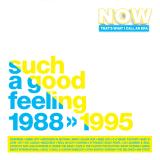
NOW Music proudly presents the next release in our “NOW That’s What I Call An Era” series - Such A Good Feeling: 1988-1995 – a euphoric celebration of a truly transformative time in music.
This stunning 3LP set pressed on blue, white and yellow vinyl showcases 46 essential tracks that soundtracked the dancefloors, charts, and airwaves from the late ’80s through the ’90s — an era when dance culture reshaped the mainstream, soundtracked a generation, and lit up the charts across the UK and beyond
LP1 – Side A opens in style with ‘Such A Good Feeling’ from Brothers In Rhythm, this collection’s inspiring title…followed by Black Box with ‘Ride On Time’ — the best-selling UK single of ’89, and one of dance music’s defining tracks. Massive club classics continue with C+C Music Factory’s ‘Gonna Make You Sweat (Everybody Dance Now)’, house anthems from Inner City with ‘Good Life’, and ‘Dirty Cash (Money Talks)’ from Adventures Of Stevie V, plus dance-pop gems ‘Not Over Yet’ from Grace, and Billie Ray Martin with ‘Your Loving Arms’…Flip the LP over for the pioneering ‘Theme From S-Express’, a chart-topper from 1988, before dancefloor earworms from Kenny “Dope” Presents The Bucketheads with ‘The Bomb! (These Sounds Fall Into My Mind)’, Nightcrawlers with ‘Push The Feeling On’ and ‘People Hold On’ from Coldcut and Lisa Stansfield. The influential ‘Beat Dis’ from Bomb The Bass is up next ahead of Tony Di Bart’s #1 ‘The Real Thing’, Saint Etienne’s sophisticated dance-pop nugget ‘He’s On The Phone’, and LP1’s closer from D:Ream with the Perfecto radio remix of ‘U R The Best Thing’.
LP2 – kicks off with a run of electrifying Eurodance – all massive club anthems. ‘Rhythm Is A Dancer’ from SNAP! leads off; a UK No. 1 and another defining track of the decade – followed by smashes from Corona, Real McCoy, Dr. Alban, Haddaway, KWS and Cappella, before the side closes with the techno-pop of Opus III with ‘It’s A Fine Day’… The party continues on Side B with an irresistible lineup led by Deee-Lite with ‘Groove Is In The Heart’, their brilliant fusion of funk, house and pop that continues to be a massive floor-filler… as is ‘Dreamer’ from Livin’ Joy, a 1995 No. 1 smash, and vocal house classic ‘Finally’ from CeCe Peniston. Urban Cookie Collective scored a huge hit with ‘The Key, The Secret’, which is followed by the rave energy of Oceanic, N-Trance, Felix – and Utah Saints who sign-off LP2 with the epic ‘Something Good’.
Kicking off the final LP, Side A explodes into life with massive feel-good tunes:- Yazz & The Plastic Population’s ‘The Only Way Is Up’ – a 1988 No. 1 and landmark UK house hit ahead of 49ers with ‘Touch Me’ and Baby D with their #1 ‘Let Me Be Your Fantasy’. Another run of floor-fillers from Rozalla with ‘Everybody’s Free (To Feel Good)’, JX with ‘Son Of A Gun’, Blue Pearl’s ‘Naked In The Rain’ and ‘U Sure Do’ from Strike follows and the side closes with the electronic acid house of ‘Killer’ from Adamski that hit the top of the charts and introduced Seal… and over on the final side, the collection moves toward it's close with stunning and enduring tracks of the era – opening with Soul II Soul & Caron Wheeler’s #1 ‘Back To Life (However Do You Want Me)’ blending soul, R&B and club rhythms to perfection, while Beats International’s fusion of dub reggae and house: ‘Dub Be Good To Me’ (another chart-topper) follows with its iconic bassline and leads us into the stylish and smooth ‘Turn On, Tune In, Cop Out’ from Freak Power. The journey through this incredible era is completed with genre pioneers The Prodigy with ‘Charly’, ‘Infinity’ from Guru Josh, and closing with ambient house, ‘Pacific - 707’ from 808 State, and the timeless ‘The Sun Rising’ from The Beloved.
An unforgettable journey through the sounds that defined an era:- NOW That’s What I Call An Era - Such A Good Feeling: 1988-1995 — the definitive celebration of a golden age of dance music.
- A1: Kazumi Watanabe - Park Avenue
- A2: Shigeharu Mukai - Hip Cruiser
- A3: Kiyoshi Sugimoto - The Island Skyline
- A4: Soul Media - Memory Lane
- B1: Spick & Span - Still Love You
- B2: Hidefumi Toki & Temps - Atsui Yujo
- B3: Shigeru Suzuki - West Beach Drive
- B4: Chika Asamoto - Gypsy Moon
- B5: Toshiyuki Daitoku - Living In A City
Selecting melodious and groovy crossover, fusion, and jazz-funk tracks from the Nippon Columbia catalog, including its sub-label Better Days, that City Pop fans will love.
The track selection and commentary are curated by Hitoshi Kurimoto, the most popular City Pop influencer in Japan.
This unique selection includes tracks from Soul Media, Hiromasa Suzuki, Kazumi Watanabe, and Kiyoshi Sugimoto, along with previously unreissued gems.
The artwork is designed by Stereo Tennis, known for its popular '80s-inspired graphics.
A must-have for fans of Japanese Jazz and City Pop.
Exit were a five-piece ensemble of journeymen musicians from the lone star state of Texas who came together in the early 1980’s to record a handful of popular local 45’s including two Football-mania songs. The groups line-up consisted of lead guitarist and vocalist Clennis High, rhythm guitarist Lonnie Jones, his brother Johnny K. Jones the groups keyboardist, bassist Frank Houston Jr and George Oliver on Drums.
Clennis High, a promising Football player with a flair for playing the guitar began his early musical career while attending Wheatley High school. Aged 17, Clennis played on several Crazy Cajun, Huey P Meaux’s recording sessions for Eugene Gamble and Barbara Lynn. Further recording sessions on Roy Head followed before he accepted an invitation by his neighborhood friend Willie Parnell to play alongside a group of fellow students in a band called ‘The Drells’. ‘The Drells’ had been founded by Archie Bell in 1966 pulling together neighborhood friends James Wise, base singer Cornelius Fuller, Billy Butler, Willie Parnell joined later by Archie’s brother Lee Bell. Clennis would play with ‘Archie & The Drells’ through their time on Skipper Lee Frazier’s Ovide label often accompanied by the ‘Texas Southern University Toronadoes’ where they scored a hit with the dance instruction song “Tighten Up” which on the strength of Atlantic Records picked the group up. Clennis played on all 3 of the Drells studio albums “Tighten Up”, “I Can’t Stop Dancing” and There’s Gonna Be A Showdown” under Gamble and Huff’s tutelage before quitting to return home to complete his degree. He continued to play with several local Houston bands including the Cold Four who recorded the sort after “Love And Care/Low Riden” (Drells).
Clennis later formed ‘The Reality Band’ with his friend Jerald Grey which introduced him to George Oliver and Frank Houston Jr. Occasionally ‘The Reality Band’ played with other groups, one group in particular (which Jerald previously knew) being an outfit from Conroe, Texas called the ’58 Engineers.
‘The 58 Engineers’ were founded by Johnny and Lonnie Jones, taking their name from the Army unit Johnny served with during his time in the service. By 1973 having grown to 8 members the group entered the studio to record the highly collectable and popular funk outing “The Funky Fly (Part1 & 2)” on their own Bryant Records label (Bryant being the Jones brother’s mother’s maiden name).
As members of the ‘58 Engineers’ moved on, the Jones brothers found themselves working more and more with the ‘Reality Band’ so when Jerald Grey too later moved on the remaining ‘Reality Band’ members Clennis, George and Frank having grown fond of the two “Country Brothers from Conroe” as they affectionally called the Jones’s made the decision to continue working with them, which led to the foundation of the group, Exit.
During 1980 the recently formed Exit recorded the first of their two Football -mania songs but it is from the groups 1981 release “Success/One More Hour” (Dat-Tex 105) that Soul Junction have taken the splendid ballad “One More Hour” to pair with the flipside of the groups third release “The Little Green Monster” (Dal-Tex 106) which is now highly regarded and sort after by sweet soul/lowrider connoisseurs alike. Both of these songs have been put back-to-back to feature on Soul Junction’s forthcoming September 45 release.