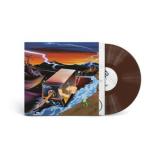
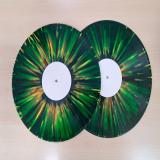
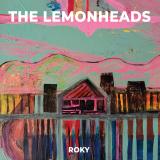
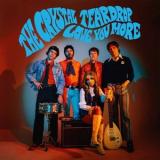
Neon yellow vinyl, limited to 400 copies. The Lords of Altamont's 8th sacrifice to the rock n roll underworld. 10 tracks to take you on a trip through vice enhanced heights and dive bar depths. Recorded world wide, this album captures the evolution of the Lords sound, while staying true to the grit and power of their 28 year history. Dope Forever, Forever Loaded.
Поиск:ps
Все
- 1: Luv Is Fiction
- 2: Up And Down Under
- 3: We Only Came To Get High
- 4: Death March
- 5: Truth Is Stranger Than Fiction
- 6: Chains And Shackles
- 7: I'm Not Dead
- 8: Lockdown
- 9: Bad Boy For Love
- 10: M E 262
- 11: Revenge
Solid Red vinyl[23,11 €]
This Record you are holding is VOLUME 10 (The Best Of) the series of compilations in which I recorded the vocals. Bands that I like and bands that like my singing voice enough to have asked me to "guest vocal" on a song for their records. Some of these have been released and some have not until now. I have sang and/or recorded bass on 50+ releases of bands I love and had the great honor to work with. The good folks at HEAVY PYSCH SOUNDS RECORDS are releasing a series called "N.O. HITS AT ALL". All these songs and bands I've recorded with over the past 25 years are together and available to you to trip out on. So get your head right and put this record on and play it loud. That is all for now. All the Best, Nick Oliveri 2025 Los Angeles, California
Solid Red vinyl, limited to 400 copies. This Record you are holding is VOLUME 10 (The Best Of) the series of compilations in which I recorded the vocals. Bands that I like and bands that like my singing voice enough to have asked me to "guest vocal" on a song for their records. Some of these have been released and some have not until now. I have sang and/or recorded bass on 50+ releases of bands I love and had the great honor to work with. The good folks at HEAVY PYSCH SOUNDS RECORDS are releasing a series called "N.O. HITS AT ALL". All these songs and bands I've recorded with over the past 25 years are together and available to you to trip out on. So get your head right and put this record on and play it loud. That is all for now. All the Best, Nick Oliveri 2025 Los Angeles, California
We’ve all experienced that feeling when a song instantly transports us back to the moment we first heard it and became completely hooked. For Linda & Norm, “Moments to Want You” by the Jerry Lillard Band carried the warm vibes of a Parisian summer in 2019. Fast-forward to 2025, they revisited the track with a complete twist, nudging it toward an AOR resurgence for the label’s Soft Rock for Hard Times series.
The original version by the Jerry Lillard Band was released in 1981 on a German rock sampler, created in protest against the closure of their rehearsal space in an old school building. “Moments to Want You” stands out for its haunting melody, heartfelt lyrics, and compelling arrangements. Inspired by these elements, Linda & Norm cast the song in a new light, leaning into ’80s-tinged guitar pop à la Trevor Horn, with hints of psych bedroom pop in a distinctly Californian fashion.
Joining the release are two favorite artists of theirs, further expanding the song’s potential into dancefloor territory. Sydney’s own DD Mirage delivers the smoky, dubby disco blend we’ve admired since their debut album, while seasoned producer Justin Van Der Volgen brings the B-side magic, echoing the authentic stripped-back dub approach in the vein of Pettibone and Baker. To round it out, an instrumental version, along with an extended mix courtesy of Justin, complements the release, making it a 12” worth pulling out whenever the moment calls.
- Pon De Dungle
- Equatorial Forest
- Brothers On The Slide
- Changes
- Breezeman
- Promised Heights
- Losin' Ground
- Leavert
- The Recluse
- Sheshamani
2024 marked the 50th anniversary of Cymande’s ‘Promised Heights’, a record that closed out an historic three album run of seminal early 1970s Afro-soul that also included their 1972 self-titled debut and 1973’s ‘Second Time Round’
Promised Heights’ solidified Cymande’s place in music history and contains some of their most- beloved and often-sampled tracks such as ‘Brothers On The Slide’.
As children of the Windrush Generation, Cymande were part of the first wave of innovators and originators of the fledgling Black British music scene.
Taking influences from their Guyanese and Jamaican roots, the band fused reggae basslines, Afro-tinged Nyabinghi percussion, psychedelic rock touches, and American style funk instrumentation into a unique sound they dubbed as ‘Nyah-rock’.
‘Promised Heights’ was recorded following the band’s US tour with Al Green, which had firmly planted Cymande in the ears of an adoring American audience.
OUR ENDLESS WAR zeigt eindrucksvoll wie moderner Death Metal zu klingen hat!" Metal Hammer (Florian Krapp, 6 von 7 Punkten)
Info:
Wer es brutal will, kommt an diesem Koloss nicht vorbei!
Auch auf dem fünften Album in ihrer beeindruckenden Karriere kennen WHITECHAPEL kein Halten. Our Endless War bündelt alle Stärken, die das Sextett aus Knoxville in Tennessee seit seiner Gründung entwickelt hat. Das Album wurde penibel ausgefeilt und geht partout keine Kompromisse in Sachen Brutalität ein, ist aber zugleich das bisher geradlinigste, atmosphärischste und emotional packendste Album der Bandgeschichte und hievt jeden Aspekt ihres Sounds auf ein neues Niveau.
Powerful lyrics are voiced by Jah Rueben Mystic, with the inspirational Ital Horns brass section.
Jah Rueben Mystic vocal evokes the fighting spirit and hopefulness of a message sent out to defeat the arrogance and greed of the capitalistic leaders of the world.
Lock up riddim, composed by Kieko De Stefanis is an original Roots Dub tune.
The Dub -produced by Gaudi- is a musical journey through the sound of 70's roots, Gaudi here adds his own analogue trademark creativity and psychedelic-dub mastery effects to the track.
- 1: Three Tree's (Part )
- 2: Shadow Mirror
- 3: Neptune
- 4: Three Tree's (Part 2)
- 5: All Tunnel No Light
- 6: Ekstasis
Gnod's now twenty year journey through spiritual and audial exploration has been driven by relentless curiosity, magpie irreverence and a fierce countercultural imperative, their project has always refused to acknowledge all or any rules and boundaries, internal or external. The latest adventure of this band may never have been intended to celebrate their two-decade anniversary, but in true Gnod fashion by, what began as a trip into a residential studio setup in Hellfire Studios with producer John `Spud' Murphy (Lankum, Black MIDI, Caroline) for six days, resulted in more potent material than anyone bargained for. The end result has been three studio albums to be released over the next year. "This trilogy revealed itself to us in the studio" says Paddy. "We were hoping to get a good album out of the session and lo and behold we got three of the fuckers. It's interesting that we did pretty much capture the full spectrum of the Gnod sound across all three". In fact, this intrepid first instalment of the `Chronicles Of Gnowt' trilogy covers an alarming amount of sonic territory all on its own. Driven as always by the power of repetition as well as Gnod's alchemical marriage of the maximal and the minimal, this album is imbued with a vivid focus that's testimony to the chemistry of the sessions, coupled with a detailed and spacious production from Murphy that brings out the psychedelic sound worlds of the band in vivid colour. This is a travelogue which delves into pastoral tranquillity (as on `Three Trees Parts 1&2') just as adeptly as expansive Earth-tinged riff monoliths (`All Tunnel No Light') and just as formidably as the closing epic `Ekstasis' - a hallucinatory vista where kraut-tinged experimentalism meets Swans-style intensity. Yet all the while, truly sounding like no one but Gnod.
Nicaraguan-American artist Dagmar Zuniga makes music that feels both intimate and expansive: songs drift like disrupted signals, carried by harmony, tape hiss, and a strong sense of touch. Her debut solo album in filth your mystery is kingdom / far smile peasant in yellow music — written and recorded in New York, Norway, and Athens, Georgia over a period of five years on her longtime companion, the Tascam 424 — was uploaded to Bandcamp and YouTube in January 2025, quickly garnering over two hundred thousand views and the attention of artists such as Mount Eerie, who invited her to tour with them that summer. This year, what was once a jewel of tapped-in algorithms and message boards will meet the world at large, with in filth arriving digitally on March 4, and physically on April 10, via AD 93.
in filth is an atmospheric, devotional collage where one voice multiplies into a chorus of selves, sometimes delicate, sometimes severe; an effect created by Zuniga’s masterful layering of texture and complex harmonies. Synths glitter out like spears of sunlight from beneath clouds of moody, time-distorted guitars, and songs spin about themselves like tightly-wound music boxes, making use of a kind of hypnotic repetition, before melting apart into their components or slipping into the following track.
Zuniga began recording to tape as a teenager, drawn to the physicality of the medium — how a tape recording is fragile, mutable, and alive. Though her ethereal sound may draw easy comparisons to other female pioneers of psychedelic folk, she is influenced just as much by the darker sounds of Syd Barrett and The Fall. Like Barrett, Zuniga is a painter, and she is interested not only in recording music but in creating a full, self-contained artistic universe: she creates her own artwork, merchandise, music videos, and bootleg tapes of new and unfinished music that she exclusively sells at live shows (“If something is not material, it does not exist,” she insists). Her world has not gone unvisited, garnering her a monthly show on NTS Radio ‘World of Pain’, as well as a forthcoming appearance at Rewire Festival in April 2026.
Though Zuniga’s work explores themes of solitude and suffering, the suffering in her songs is not borrowed or displayed; it is held, then opened outward through empathy — an exacting practice of attention that insists on shared ground. Solitude, in her work, is not withdrawal but a starting point for connection. Likewise, over time, her recording process has become increasingly communal, with in filth featuring musicians Hayes Hoey, Austyn Wohlers (Tomato Flower), and Zach Phillips (Fievel Is Glauque). Newer recordings widen the circle even more. For Zuniga, collaboration is a way to “find a place between worlds,” echoing Badiou’s idea of love as a vision refracted through the prism of difference. Meaning emerges there — in the space between voices, between artist and listener. “I hope my music helps people work through difficult experiences,” she says. “The same way it helps me.”
New York's P-Sol lands again on their small but already well-formed PS7 label with a pair of smartly crafted and soul-soaked cuts. 'Fat Beatty' comes first and glides in on silky, neo-soul style deep hip-hop with an easy, late-night warmth topped by a few bars of neat rhyming. On the flip is something more playful and funky with jazzy keys dancing over the languid rhythms. 'Legend' features some familiar gravelly but emotive tones as well as some other smart samples from the hip-hop world. Smooth yet substantial, this is P-Sol at his most relaxed and refined.
Kontra-Musik returns with the second release in our ongoing 20-year celebration. After two sold-out releases on the label, Swedish producer PST presents the five-tracker Kognitiv Discodance. The record delivers three house cuts in his unmistakable, warm, classic PST sound, alongside two faster, harder-hitting tracks that push tempo and intensity without ever losing the funk. A limited, hand-stamped, vinyl-only release for the dedicated underground.
The Vibracid network reaches its fourth phase — the moment of awakening.
What was once hidden beneath layers of programming now resurfaces: the total recall of collective memory.
Encrypted memories from multiple worlds are decoded through sequences of electro-bass, acid warfare, and cinematic techno tension.
Six sound engineers from the Galactic Confederation synchronize their signals to reassemble what was erased — transmitting across psychic fields, dancefloors, and forgotten neural corridors.
Calagad 13 opens the operation with Mad Flava, pure raw energy — the ignition spark that reactivates the buried code.
5ZYL follows with To Your Knees, a dark and heavy descent into pressure and distortion.
Saigg brings the direct, high-voltage electro of Procesos Continuos, channeling precision and drive.
On the B-side, Lups Digga delivers Just Dance, a floor-oriented electro-bass detonator built for propulsion.
Roi expands the field with Despoiled — cinematic, tense and electrified, balancing techno discipline with emotional depth.
Finally, Cliff Dalton closes with Snowbirds, an introspective and elegant comedown: the calm after total awakening.
Mastered and crafted with precision for a strictly limited edition of 150 copies on purple vinyl.
Welsh multi-instrumentalist and producer Huw Marc Bennett sinks his hands deep into the soil of South Wales, reimagining traditional melodies from the Morgannwg/Glamorgan region through an earth-toned palette of folk, jazz and psychedelic roots. ‘Heol Las’ is ancient music seen through a modern prism; acoustic textures rubbing up against hypnotic grooves, field-worn stories refracted into new shapes.
Every track on the album is either drawn directly from, or woven around, archival tunes of the region. Bennett’s approach is reverent yet expansive, pulling history into the present while staying grounded in community, landscape, and lived culture.
Bennett says, “On this record there are versions, interpretations and tunes influenced by cerddoriaeth werin, the folk music of Morgannwg; The place I was born, I was raised in and revisit to feel grounded. The melodies you hear were given, found and invented.”
The long-awaited reissue of Toba makes it clear, once and for all, to fans and industry insiders that disco music produced in Italy between the late 70s and early 80s had no chance of success. What was disparagingly called "spaghetti disco", considered a poor imitation of real American disco music, only good for Japanese cartoons. This was the main reason that prompted Italians to record their songs abroad, as Fratelli La Bionda with their pseudonym D.D.Sound in Munich. Luigi Figini, with "Supercool" and "Percussion Sundance" by Edo Martin and Pino Santapaga (the same as "Step By Step" by Koxo), claimed that Kash was a one-off Swedish disco project, a lie that came to light when an Italian test pressing from the previous year, made by GDB, was posted !!! Amin-Peck followed the trend of passing off their songs as foreign music on the intuition of their Roman producers. So ''Love Disgrace'' was released on 7'' by a label called Connection, which never really existed, created for the purpose by Giancarlo Meo, confident that this would bring success to the Bolognese duo who were already creating 'proto Italo-Disco tracks' with a new-wave trend. To make the whole operation seem real, the London agency Ellie Jay Ltd. was involved, contacting Andy Fernbach of Jacobs Studios Ltd. The vinyl was also produced in the UK, otherwise the deception would have been discovered, then imported to Italy by Best Record. Italo-Disco was officially born after this, in 1982, not before! Everything makes sense now ! Real events that actually happened and purely invented names and anecdotes. Just think, even the image of Tony Balch used for the cover of Toba was taken from Grand Theft's 1978 album "Have You Seen This Band?" and reproduced on the new redesigned cover, as were the heads of the other musicians. The idea of a real band called Toba had finally come to fruition and would lead to a second sensational success the following year. Now it all makes sense! Facts and anecdotes that really happened and names and circumstances that are purely fictional. Finally, everything adds up! Real things and invented names of musicians and collaborators. It's important to clarify what we've said above, but we haven't talked about "Make Your Mind Up" and "Don't Take It" and the two masterful remixes performed by Dave Mathmos. In short: with the original versions we'll make Italo-Disco purists happy, with the remix versions we'll please new younger followers with more modern sounds and versions more in line with today's tastes and trends.
Following her debut album, I’ll Look for You in Others (Past Inside the Present), earlier this year, Patricia Wolf joins Spain’s Balmat label with See-Through, her second album. See Through finds the Portland, Oregon musician and field recordist continuing to develop her signature style of ambient, balancing radiant soundscaping with a carefully expressive sensibility. But the new album is also marked by an important difference. Where I’ll Look for You in Others was largely written in response to the death of a loved one, See-Through represents a kind of rebirth.
“After a long period of grief, I had been hoping to find my way to a place of lightness, peace, playfulness, curiosity, and sensuality again,” Wolf says. “What I was surprised and pleased to find is that for the most part, I had.”
She wrote and recorded many of the album’s songs quickly, in preparation for an August 2021 broadcast on the online radio platform 9128 Live. Excited for the opportunity to play live after more than a year of the pandemic, Wolf decided to write all new material for the event, working with a lean setup of Octatrack, Roland Synth Plus 10, Make Noise 0-Coast, and Novation Summit. (In fact, Wolf was the first sound designer invited to create patches for the Summit.) She also picked up an acoustic guitar that her brother had loaned her. “I decided to take the surrealist approach of ‘pure psychic automatism’ to see what poured out of me,” she recalls. “Woodland Encounter,” “Under a Glass Bell,” “The Grotto,” “The Mechanical Age,” “The Flaneur,” and “Psychic Sweeping” are all products of those sessions; the through line holding them together is their exploratory spirit and clarity
of vision.
Other songs, like “A Conversation With My Innocence,” “Recalibration,” and “Psychic Sweeping,” wrestle with the traumas of the preceding year. Though they may linger on the heaviness of loss, Wolf says, “What I discovered is that a stronger archetype had grown inside me to steer my emotions and thoughts to a better place.” Likewise, “Wistfulness” and “Upward Swimming Fish”—her first experiments with VST synthesizers—balance the bittersweet embrace of melancholy with the freedom to choose happiness.
“Pacific Coast Highway,” the album’s lone song with drums, might at first seem like an outlier. But it also signals Wolf’s interest in finding a fusion between the introspection of ambient and the togetherness of beat-oriented music. “Experiencing loss and isolation is what drove me into gentler territories of sound,” she says, “but I want to start making more beat-oriented music. After an extended period of loss and isolation, I’m ready to experience more joyous and social things.”
Listeners with keen ears might recognize the album’s closing song, “Springtime in Croatia”: A different mix of the song originally appeared on the 2021 digital compilation secondnature & friends Vol. II, from the Seattle label secondnature. This marks its first appearance on vinyl, however, and its spiritual home is undoubtedly here, at the close of See-Through. As the bookending answer to the opening “Woodland Encounter”—another song in which field recordings play a crucial role—it closes the circle of an album that is itself keyed to the steadily turning cycles of life.
- Fresst Die Reichen
- Sperminator
- Killen Killen Killen
- Dodlhuat
- Splatterpunk
- Censor Me
- Blunzenblues
- Teddybärgemetzel
- Mummelgreis-Senilo-Sex
- Mama
- Der Hassan
- Nazioper
- Smash Crash
- Ausgeflippter Lodenfreak
- Mad Cat Macho Psycho Romantik
Das Album "Sperminator" von Drahdiwaberl wurde 1994 veröffentlicht und gilt als eines der provokantesten Werke der Band. Es zeichnet sich durch seinen kontroversen Titel und seine schockierenden Texte aus, die bewusst Tabus brechen und Grenzen überschreiten. Das Album enthält eine Mischung aus Punk, Rock und avantgardistischen Elementen und ist ein weiteres Beispiel für Drahdiwaberls künstlerische Experimentierfreude und rebellische Haltung.
Never-before-heard psychedelic acid techno and ambient compositions from beloved Japanese producer Susumu Yokota. Recovered from a collection of DAT tapes gifted by Yokota to Ray Castle during the period he released some of his most memorable records such Acid Mt.Fuji or Ebi's Zen.
A fortunate meeting between Ray Castle and Transmigration label boss David Fogarty means these works finally see the light of day.
The Coyote-affiliated Magic Wand wafts its mercurial charm over a series of mega-useful and equally effective edits here. Robot 84 kicks off with a slow, cyborg-infused and digitally finished dub of a Prince classic and Ali Renault brings sugary synth charm to 'Indovina Key'. Bratley himself then steps up with the whacked out piano house of 'PNO', a slow jam with oversized impact. 'Song To The Hills' gets a Secret Soul Society mix that's infused with subtle psychedelic charm and fresh disco chug.4 new heavyweight reworks from Secret Soul Society, Robot 84, Ali Renault and Craig Bratley.
SAMOH unleashes his new dancefloor weapon, four-track EP ‘Changing Worlds’, out on February 26th, as his debut on Charlotte de Witte’s prestigious KNTXT imprint.
Charlotte de Witte: ‘I have been playing SAMOH’s tracks for quite some time now and I am very happy to welcome him to KNTXT. His acid, techno and trance driven approach to music fits my lane perfectly. There is an energy in his work that feels raw, focused and completely unapologetic. This release in particular has that acidic drive that I love so much. This is powerful club material and I cannot wait to see where it will go.’
Rotterdam’s producer, DJ & live artist SAMOH responds, ‘Releasing this as my first record on KNTXT is an amazing opportunity, and I feel honoured to be able to share my music with so many people and let this sound travel further worldwide.’
‘Changing Worlds’ EP: from the title track’s rampant beat, rattling drums, acid-saturated main theme with euphoric edge, and portentous vocal (‘reality peels away...’) to ‘We Are All Waveforms’ with its psytrancey, insanely acidic builds to banshee pitch over shutter & hiss FX at which point you are indeed ‘entering a non-linear dimension’, you are then a willing victim for ‘Reality Is Gone’ to hammer-drill into the brain and take command of your feet. Final piece ‘Echoes Of Tomorrow’ starts with dystopian chattering percussion and spacey FX, before luring you into a healing euphoric dreamstate with moonstruck, melodic trancey sweetly soaring singing.
’Changing Worlds’ represents my approach to acid techno/trance in its most direct and energetic form.’ SAMOH says.‘I made this EP with three high energy tracks, followed by a more atmospheric closing piece that brings everything together. It’s about a driving motion and intensity, creating moments where dancers can disconnect from everything else and fully give themselves to the music.’
You have been warned. You may as well succumb to acid as voracious as Venusian cloudforms, techno beats galloping over your inhibitions, and trance as bewitching as absinthe for the ears. You’ll be glad you did.
Since first forming in 2016, London's High Vis have steadily polished their palette of progressive hardcore with shades of post-punk, Brit pop, neo-psychedelia, and even Madchester groove, mapping a middle ground between hooks and fury, melodies and mosh pits. Singer Graham Sayle describes their third album 'Guided Tour' as an axis of competing forces: "It's trying to be a hopeful record, while also being incensed." Rounded out by drummer Edward 'Ski' Harper, guitarists Martin MacNamara and Rob Hammaren, and bassist Jack Muncaster, the band's deep roots in the UK and Irish DIY hardcore scenes have kept them grounded but growing, inspired equally by restlessness and righteous anger. As Sayle puts it, "Everyone's scratching, everyone's working all the time, and their idea of relaxing is just getting fucked and avoiding reality. This album is an escape from that."From its opening seconds of a cab door slamming, a car revving away, and a baggy rhythm swinging to life, 'Guided Tour' sounds like a band reaching for new heights, bristling with energy. Recorded across a few weeks at Holy Mountain Studios in London with producer Jonah Falco and engineer Stanley Gravett, the results feel dynamic and dialed-in, like anthems burned into sense memory through sweat and repetition. Harper cuts to the chase: "We had a clear idea going in, every moment got used. Maybe when we're 60 we can sit around and get a drum sound right, but for now it's about getting things done."The album's 11 songs span the spectrum of contemporary guitar music, sharpened by experience, camaraderie, and societal frustrations. From swaggering street punk ("Drop Me Out," "Mob DLA") to jangling indie sneer ("Worth The Wait," "Deserve It") to heavy alt ("Feeling Bless," "Fill The Gap") to shoegazey spoken word ("Untethered"), the group's chemistry transmutes any style to their unique intensity. Sayle champions this evolving fusion: "For years coming from hardcore, we had pretty clear boundaries - other scenes were separate worlds. Now things are getting more blended, drawing from different places."Nowhere is this sentiment flexed more boldly than on "Mind's A Lie," a dance- punk anthem inspired by Harper's love of house, garage, and pirate radio. Stabs of sampled female vocals (by celebrated South London singer and DJ Ell Murphy) build into a razor wire rhythm of low-slung bass, tense drums, and sparkling guitar before Sayle's staunch voice starts barking harsh truths ("Face to face with all I've known / I can't call these thoughts my own"). After a sudden breakdown, the track regroups and takes off, cruising into the horizon in a haze of chiming guitars and Murphy's ascendant voice, from the streets to somewhere beyond.
- A1: Jon Hopkins - Embodiment Breathing (With Fearne Cotton)
- B1: Cherub Sanson, Tim Wheater And Rommek - Bliss Code 000
- B2: Hannah Holland - Ambient Chronolight 1
- B3: Djrum - Come Find Me
- C1: Alessandro Cortini - Iv
- C2: Wata Igarashi - Mineral
- C3: Silent Shadow - Red World
- D1: Cherub Sanson & Tim Wheater - Stillpoint
- D2: Manami - Sown
- D3: Jennifer Loveless - If You Let It
- D4: Ruthlss - Dark Angel
- D5: Hannah Holland - A Door To Who Knows
Mastery, London’s pioneering sound studio, has spent its first two years creating live experiences and installations exploring sound as a gateway to altered states. Now, with co-founders LWE, Mastery enters recorded music with Quantum Sound, a first-of-its-kind project combining sound meditation, breathwork, neuroscience and ambient electronic composition. Announced in December in collaboration with Houndstooth, the album builds on Mastery’s ongoing exploration of sound as both meditation and live electronic music, first introduced through immersive performances by Cherub Sanson, Tim Wheater and Daniel Avery.
Released on 12th February, Quantum Sound positions sound as a psychedelic catalyst, designed for eyes-closed listening. The multi-artist album spans ambient and transcendental spaces, featuring Jon Hopkins, Hannah Holland, Wata Igarashi, Manami, Jennifer Loveless, Silent Shadow and Alessandro Cortini. It also includes a continuous 60-minute mix by Hannah Holland, alongside a 15-minute sound meditation by Cherub Sanson and Tim Wheater with electronic composer Rommek. Following Djrum’s Come Find Me, Ruthlss'’ Dark Angel is out today. Ruthlss is a live electronic artist, composer and producer building a singular musical universe where club culture, classical virtuosity and emotional
storytelling collide. At the centre of the project is a fully authored live show - written, produced and performed entirely by Ruth - that treats electronic music with the emotional and structural depth of film scores and symphonic works, while retaining the physical impact and communal release of the dancefloor.
- A1: Pagan Ways
- A2: Sleep
- A3: Torture Rack
- A4: Frosty Life
- B1: Waiting List
- B2: My Love
- B3: I’m Doing This For You
- B4: Parrots
WHITE VINYL[26,26 €]
Lebanon Hanover kehren mit Songs zurück, welche die Zeit bis zum nächsten termin mit der Lieblingstherapeut*inn überbrücken können. Fast fünf Jahre nach der Veröffentlichung ihres letzten Werkes "Sci-Fi Sky" hat Lebanon Hanover nun mit "Asylum Lullabies" einen Soundtrack für einen Besuch in einer psychiatrischen Klinik kreiert. Das neue Album ist die Weiterentwicklung eines noch kälteren, noch bissigeren Sounds einer Band, die seit über einem Jahrzehnt die Nu Wave/Post-Punk-Szene dominiert, es ist ein sehr schweres Album, das sich mit psychischen Problemen, einer Trennung, andauernden Kriegen und dem aktuellen Horror der Welt befasst, der einen letztendlich mit Angst, Furcht und einem ständigen Gefühl der Erdrückung zurücklässt. Alles bricht gleichzeitig zusammen. Die Mitglieder Larissa Iceglass und William Maybeline schrieben diese Songs aus polarisierenden Perspektiven, haben dabei ein schlüssiges Album produziert. Für Fans von Twin Tribes, Ash Code, Selofan, Cold Wave, Independent, Postpunk
2026 sees Robert Hood going back to his minimal techno roots and then flip things forward with remastered releases from his ground-breaking label, M-Plant. Throughout this year the Perpetual Masters series has been dropping one track per week, digitally, from Hood's extensive catalogue with remastering by legendary German producer, Thomas Heckmann. Now coming to vinyl are two of these remastered tracks.
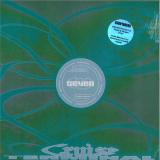
Robert Hood's "Psychic / Pole Position" is a classic which features his stripped-back minimal techno style that helped define the sound in the late '90s. Both tracks are built around hypnotic rhythms and sparse, precise grooves characteristic of Hood's influential production ethos. Originally released in 1999, the EP reflects Hood's focus on minimalist electronic structures and dance floor functionality, and has remained a sought-after piece among fans of the genre.
- A1: Eitan Reiter - Blue Planet (Remix)
- A2: Eitan Reiter Feat. Echo - X - Vision
- A3: Eitan Reiter & A. Balter - E0E (Eitan Reiter Remix)
- A4: Infected Mushroom & Yahel - Electro Panic (Eitan Reiter Remix)
- B1: Eitan Reiter - Eat You (Patrice Bäumel Remix)
- B2: Out Of Orbit (Eitan Reiter) & Shpongle - No Disco (Red Axes Remix)
Part 2[13,66 €]
LS002 marks the first vinyl chapter of 20, Eitan Reiter's two-decade retrospective, distilled through key collaborations and remixes. Featuring Patrice Bäumel, Infected Mushroom, Shpongle, Red Axes, and Echo, this six-track release connects psychedelic heritage with contemporary indie dance and deep electronic aesthetics.
20 (Part 1) is a 12-inch vinyl edition featuring exclusive vinyl cuts, available only on this pressing. The selection reflects Reiter's ability to honor his roots while maintaining a distinctly modern sound,blending psychedelic foundations with cluboriented precision.
A1 - Eitan Reiter - Blue Planet (Remix) Vinyl Cut
The A-side opens with a spacious, atmospheric rework of Blue Planet, balancing restrained tension with melodic clarity.
A2 - Eitan Reiter - X-Vision feat. Echo Vinyl Cut
Echo's vocal performance anchors the track, presented here in a refined vinyl cut that enhances its emotional depth.
A3 - Eitan Reiter & A. Balter - E0E (Eitan Reiter Remix) [Vinyl Cut]
A driving, hypnotic groove where rhythmic focus meets evolving textures.
A4 - Infected Mushroom & Yahel - Electro Panic (Eitan Reiter Remix) [Vinyl Cut]
A confident reworking of a psytrance classic, reshaped into an 80s-leaning indie dance format.
B1 - Eitan Reiter - Eat You (Patrice Bäumel Remix)
Patrice Bäumel heightens the track's underlying tension with a slow-building, immersive reinterpretation.
B2 - Out of Orbit & Shpongle - No Disco (Red Axes Remix)
Red Axes flip the original into a dark disco framework, adding weight, swing, and late-night character.
LS002 presents a vinyl-focused snapshot of Eitan Reiter's collaborative output, with each track adapted for turntable playback.
Even in these most turbulent of times, dub musician and fatigued onlooker Elijah Minnelli remains an inexplicable stalwart on the lower rungs of the Breadminster County Council.
His latest record ‘Clams As A Main Meal’ continues his astute siphoning of council funds, this time with help from the Breadminster Board of Abstinence. As a further mark of respect, the original head of the Board, Dr. K'houldoux, graces the cover art in his infamous ‘Looming Moon of Desire’ guise.*
As fine a backdrop as any for Minneli’s off-brand dub experiments, and ‘Clams...’ is the truest representation of his varied wheelhouse yet...
We find vocal appearances from dub goliath Dennis Bovell and Welsh-language singer Carwyn Ellis. A pair of tracks which build on 2024’s acclaimed ‘Perpetual Musket’, a collection of folk songs reworked alongside reggae vocalists, released by FatCat Records. It garnered glowing reviews, with nods from The Guardian and The Quietus concluding with prominent appearances on their respective yearly round-up lists.
Elsewhere, the album finds Minnelli in a more experimental mode, all wheezing contraptions and cockeyed bass, creaking with the weight of creation, a satisfying tactility laid seam-side up.
As well as ‘Perpetual Musket’, the new album follows years of sold out 7" singles, handmade and self-released. Online, the tracks have amassed global streams numbering in the millions. His tracks have found play across an eclectic range of radio mixes and dance floors, most notably the likes of Andrew Weatherall, Batu, Optimo and Zakia Sewell (BBC6Music).
It is perhaps worth mentioning that this everbuilding interest in his work is at great odds with the growing suspicions amongst his fellow townsfolk, who see his Breadminster County Council Music Initiative as nothing more than an empty cash-grab.
Further Reading on the Breadminster Board of Abstinence
In the late 70s, Breadminster was awash with the last vestiges of the hippy era. Though the flared silhouette of the lower leg remained, the utopian ideals that had once flowed merrily around the youth's shaded ankles had begun to wane. LSD and free love had led to a sharp spike in population and a generation of children raised by air-headed psychonauts unprepared for the bleary-eyed strictures of parenthood.
Aware of the crisis, the County Council entrusted Dr. Paulinque K'houldoux to spearhead a pushback, and it was his pro-abstinence movement - a mixture of education initiatives and radical renutrition campaigns - that came to impact Breadminster's census deep into the new millennium.
Being a pseudo-archipelago Breadminster has fundamentally limited resources, however deep-seated ties to distant coastal villages meant that oysters were a regular part of the local diet. K'houldoux pinpointed this as a factor in the town's overpopulation, and believed that simply replacing these with clams (a “lesser mollusk”) would help lower the erotic urges of the people. It was his “anti-aphrodesia” movement that first championed the idea of “Clams As A Main Meal,” and the slogan “Consider Abstinence” carried the message yet further.
The Breadminster Board of Abstinence soon became involved in all cultural happenings in the area, with K'houldoux MCing at prominent festivals and performances, sometimes dressed as the “Looming Moon of Desire” - an idea of his relating to the tide, seafood, menstrual cycles, and his privately held celestial predilections.
It was in 1981 that it was revealed Dr. K'houldoux had never fully qualified as a doctor and was seeking exile in Breadminster due to a series of botched bracelet heists in which he had previously been involved. K'houldoux was subsequently extradited to Basingstoke, where he served 3 of a 12-year sentence, owing to the lunar-oriented prisoner health campaigns he helped implement.
It has been a strange twist of bureaucratic fate that the Breadminster Board of Abstinence has never stopped receiving public funding, despite its lack of clear utility. And while its roots are tied to a rose-tinted past, the Board continues to sponsor cultural events and projects to this day.
An extract from: Eugeniq Schooner's article in Sydney Parishioner: “Clams, Breadminster and Countercultural Abstinence Trends” (2008)
Ten years after Marcos Valle’s debut long player (Samba Demais) introduced Brazilian music lovers to the immense talents of the Valle brothers, a new direction and backing band helped the singer expand his musical palette. Showcasing a groovy funk and jazz-fusion influence with help from then current backing band Azimuth (later known as Azymuth), synthesizers, Fender Rhodes, and electronic sounds took Valle’s samba, bossa nova, baião (a rhythmic beat from the rural northeast of Brazil), along with the inspiration of black American music and psychedelic rock from prior albums, to dimensions unheard. While not a complete departure, the vocals, grooves, and engaging songs of Previsão Do Tempo are guaranteed to make you feel free and think deep.
- Regrets
- Memory Lane
- Worst Trip
- You've Got The Key
- Everything's Easy
- Early Morning
- Rear View Mirror
- Time
- Instrumental No.1
- We Used To Be Good Friends
- Mercy
- Riverside Drive
Double Exposure ist das neue Album des britischen Multiinstrumentalisten James Hoare, bekannt aus Bands wie Veronica Falls, Ultimate Painting und Proper Ornaments. Unter seinem Solo-Pseudonym Penny Arcade präsentiert er ein Werk, das noch roher, spontaner und experimenteller klingt als sein Debüt Backwater Collage (2024). Die Songs entstanden größtenteils schnell und intuitiv - aufgenommen auf einer 16-Spur-Bandmaschine, mit alten Drumcomputern, schwebenden Orgeln und reduzierten Arrangements. Gitarre ist erstmals nicht das zentrale Element, auch wenn Stücke wie "Regrets" zeigen, wie eindringlich Hoares Gitarrenarbeit bleibt. Das Album bewegt sich zwischen psychedelischen Folk-Momenten, Lo-Fi-Experimenten, souligen Anklängen und analogen Klanglandschaften, die an die Offenheit von Syd Barrett oder die Tape-Ästhetik von White Fence erinnern. Songs wie "Worst Trip", "Rear View Mirror" oder das träumerisch-verrauchíte "We Used To Be Good Friends" wirken wie spontane Momentaufnahmen - unfertig im besten Sinne, atmosphärisch dicht und voller subtiler Melodien. Double Exposure ist ein Album der Stimmungen und Schichten: ein intuitiver, unprätentiöser Blick in Hoares kreative Innenwelt, geprägt von Umbrüchen, Ortswechseln und der Schönheit des Ungefilterten.
- A1: Les Masques - Il Faut Tenir (1969)
- A2: Isabelle Aubret - Casa Forte (1971)
- A3: Christianne Legrand - Hlm Et Ciné Roman (1972)
- A4: Jean Constantin - Pas Tant D'chichi Ponpon (1972)
- A5: Billy Nencioli & Baden Powell - Si Rien Ne Va (1969)
- B1-: Marpessa Dawn - Le Petit Cuica (1963)
- B2: Jean-Pierre Sabar - Vai Vai (1974)
- B3: Sophia Loren - De Jour En Jour (1963)
- B4: Isabelle - Jusqu’à La Tombée Du Jour (1969)
- B5: Sylvia Fels - Corto Maltesse (1974)
- C1: Frank Gérard - Comme Une Samba (1972)
- C2: Ann Sorel - La Poupée Des Favellas (1971)
- C3: Charles Level - Un Enfant Café Au Lait (1971)
- C4: Andrea Parisy - Les Mains Qui Font Du Bien (1970)
- C5: Audrey Arno - Quand Jean-Paul Rentrera (1969)
- C6: Aldo Frank - T’as Vu Ce Printemps (1970)
- D1: Christianne Legrand - Cent Mille Poissons Dans Ton Filet (1972)
- D2: Clarinha - Lemenja (1970)
- D3: Hit Parade Des Enfants - Aquarela (1976)
- D4: Jean-Pierre Lang - Tendresse (1965)
- D5: Magalie Noël - Une Énorme Samba (1970)
- D6: Françoise Legrand - La Lune
Ever since the late 1950s bossa-nova revolution, Brazil’s influence on French music has been undeniable. Pierre Barouh, Georges Moustaki and a vast array of lesser known artists, all made the Musica Popular Brasileira (MPB) an axis of promotion at the service of a cool and metaphysical, modern and mixed Brazilian lifestyle. Some were seduced by the poetic languors of the bossa, some were looking for fun, and others just loved the American hybridization of jazz-bossa, jazz-samba.
What is bossa nova? One of its creators, Joao Gilberto said: "Its style, cadence, everything is samba. At the very start, we didn't call it bossa nova, we sang a little samba made up of a single note - Samba de uma nota so .... The discussion around the origins of bossa nova is therefore useless”. It is nevertheless useful to remember that these magnificent Brazilian songs, which the guitarist describes as samba, were shifted and balanced around improbable chords. "I like things that lean, the in-betweens that limp with grace," said Pierre Barrouh, quoting Jean Cocteau.
With emotion, arrangements for violin and supple guitar licks, bossa nova rapidly changed. A transformation that can be heard in the Tchic, tchic, French Bossa Nova 1963-1974 compilation, the result of a cultural reappropriation, which traveled through the United States and supplemented itself in France.
A musical revolution that has remained significant, bossa nova was born in Rio. From 1956 to 1961, Brazil lived through its golden years. In five years, the country had invented its modernist style. Elected president in 1956, Juscelino Kubitschek de Oliveira, an elegant man with a broad forehead, brandished a promising slogan: "Fifty years of progress in five years". He quickly got to work. Not worried about increasing debt, he launched the project for a new federal capital, Brasilia, designed by the communist architect Oscar Niemeyer. Volkswagen opened state-of-the-art factories and created the “fusquinha”, the Beetle. In Rio, the Vespa made its first appearance. The Arpoador Surf Club crew run into the “girl” from Ipanema, Helô Pinheiro - the tanned garota ("chick"), between a flower and mermaid, who at 17 walked by the Veloso bar, where the fiery author and composer, Tom Jobim and Vinicius de Moraes, were getting drunk on whiskey. From then on, bossa symbolized cool.
In 1958, Joao Gilberto recorded Chega de Saudade, which the directors of Philips denied, calling it "music for fagots". The marketing director, who believed in it, secretly pressed 3000 78-inch vinyls and distributed them at schools around Rio, creating a tidal wave.
American jazzmen then took over. In particular, trumpeter Dizzy Gillespie and guitarist Charlie Byrd. In November 1962, the Brazilian Ministry of Foreign Affairs funded a "Bossa-Nova" concert at Carnegie Hall in New York, inviting the genre’s pioneers. Unprepared, the show soon turned to disaster. But the troupe was invited to the White House by Jackie Kennedy. The first lady loved "the new beat" and in particular Maria Ninguem, a song by Carlos Lyra, later covered by Brigitte Bardot.
In Brazil, the 1964 military coup quickly ended this euphoria. The destructive atmosphere that ensued pushed many Brazilian musicians to leave, if not to exile. Thus, Tom Jobim, Sergio Mendes and Joao Gilberto arrived to the United States. In New York, Joao Gilberto met saxophonist Stan Getz. At the time, he was married to the Bahianese Astrud Weinert Gilberto, who had a German father. She had never sung before, but she knew how to speak English. Getz therefore asked her to replace her husband on The Girl From Ipanema. The Getz/Gilberto record with Tom Jobim on piano, was released in March 1964. Phil Ramone, the "pope of pop" was in charge of sound.
Bossa nova arrived in Paris through the classic “guitar-voice” channel (Pierre Barouh, Baden Powell, Moustaki…) But France loved jazz and Paris had already welcomed its American contributors. All these good people were to pass through Saint-Germain-des-Prés. The cabaret l'Escale became the Mecca of Latin American sound where one could find Pierre Barrouh and his friends, such as the Camara Trio, samba-jazz aces, whose only record was published by the Saravah label. With a band strangely called Les Masques (a band that included Nicole Croisille and Pierre Vassiliu, among others), the Camara Trio recorded an interesting Brazilian Sound, including the track Il faut tenir which is present on this tasty compilation of rarities.
Other enlightened musicians can also be found on the compilation, such as Jean-Pierre Sabar (songwriter for Hardy, Auffray, Leforestier ...) and the French pop rock organist Balthazar. In 1975, Sabar recorded Aurinkoinen Musiikkimatka on a Finnish label, which featured the crazy Vai, Vai, included on this record. We are now following the footsteps of Brazilian electronic musicians such as Sergio Mendes, Eumir Deodato or Marcos Valle who created funk and disco sounds on their keyboards and synthesizers. A style that influenced Véronique Sanson when she wrote Jusqu’à la Tombée de la nuit in 1969 for Isabelle de Funès, the niece of Louis and a great friend of Michel Berger - Sanson did end up singing this track on her 1992 Sans Regret record.
The pinnacle of exoticism and travel, Sylvia Fels’ Corto Maltese includes bongos, sea mist and ocean sounds. The title was taken from Jacky Chalard’s concept album written in 1974, Je suis vivant, mais j’ai peur (I am alive, but I am scared), based on Gilbert Deflez’s science fiction novel.
However, bossa nova extended the scope of popularity. "In the 1970s, I was a fan of Sergio Mendes, Getz / Gilberto. I fell in love with this music that I knew because I had been an orchestral singer, " explained Isabelle Aubret, who in 1971 delivered a composite record of covers by the very funky Jorge Ben, Orfeu Negro, Tom Jobim, Vinicius de Morais and Jean Ferrat. "I recorded this album for Meys Records in Paris, far from Brazil, with wonderful musicians, François Raubert, Roland Vincent, Alain Goraguer...". The latter wrote the arrangements for Casa Forte, a very percussive title borrowed from Edu Lobo, one of the initiators of the bossa who spent time in California. "Jazz and bossa came together and produced very rhythmic music. I love singing, it allows me to dream, to have fun, to feel a high on stage, and these songs brought me joy, made me swing, my singing felt like a dance.”
The world tours of French singers and their desire for the tropics, often brought them to Rio with its hills, forests, caipirinhas and tanned bodies. There are surprises though, like this Iemenja (Iemenja is the goddess of the sea in the Afro-Brazilian candomblé religion). Not unlike the composer and musician Jean-Pierre Lang, based in Sao Paulo, Claire Chevalier taught Brazil to Brazil. In 1970, the singer and painter published a 45-inch vinyl, Mon mari et mes amants (My husband and my lovers), under the improbable pseudonym of Clarinha (little Claire). She was then living in Rio, with her husband, Joël Leibovitz, who founded a band called Azimuth, and who owned a record label specialized in "sambas enredos" songs for samba school parades.
For its B side, she asked Pierre Perret to come up with lyrics for a song composed by Carlos Imperial: "Oh goddess of the sea, o goddess Iemenja, I bring a white rose to adorn your long hair ..." . "Perret came to see us, and we had fun, remembers Joël Leibovitz. We wrote Lemenja for fun, we recorded it at the Havaí studio, behind the Central do Brasil the central station. Erlon Chaves, the arranger who worked with Elis Regina, joined us" adding his share of Afro-Brazilian percussions and funky brass to the mix.
There is a common misunderstanding in Franco-Brazilian history: that bossa, admittedly hedonistic, is perceived as funny, even though the poets who wrote the texts are often philosophizing on the human condition. Its French interpreters pull it towards a carnival inspired universe, far removed from its fundamental essence. Thus, Jean Constantin covered the famous Samba da minha terra, an ode to the art of samba written by the classic Bahian composer Dorival Caymmi, renaming it with the enticing title of Pas tant de tchi tchi pompon: "On your pier there is no tchi tchi / when you arch your back, you know everything is alright ”(lyrics by Gérard Calvi). This expedited bossa aims for the absurd, but retains a certain elegance.
Indeed, Jean Constantin was not an idiot, the rather large man had a huge mustache and liked fantasy, (Les pantoufles à papa, Le pacha, inspired by cha-cha-cha-cha, salsa and jazz) but he was also the lyricist of Mon manège à moi interpreted by Edith Piaf, the composer of Mon Truc en plume by Zizi Jeanmaire and the soundtrack of François Truffaut’s 400 Blows. Le Poulpe, published in 1970, from which this bossa is extract, was arranged by Jean-Claude Vannier, an accomplice of Serge Gainsbourg’s Melody Nelson. In short: "There is enough of samba / By looking at the parasol / Because my poor cabeza / Is going to die in the sun".
Even the American actress Marpessa Down, who was at the heart of the bossa nova revolution with her role as Euridyce in Marcel Camus’ film Orfeu Negro, winner of the 1959 Cannes Palme d'or, fed the clichée with Je voudrais parler au petit cuica - "Tell me how you manage to always make people want to dance / It's true, I must admit that I cannot resist your magic" - in consequence, once can hear the cuica, a little drum inherited from the Bantu.
But bossa nova had many angles. Societal, of course, pushing actresses who were symbols of women's liberation like Brigitte Bardot, Jeanne Moreau, or Sophia Loren to engage in the exercise of accelerated bossa. In February of 1963, Sophia Loren made a record in French in Rome, Je ne t'aime plus, featuring the song De jour en jour, a bossa written by two Italians, Armando Trovajoli and Tino Fornai, which was released a little later by Barclay. Bossa accompanied the 1960s, a decade of moral liberation. Ann Sorel, who interpreted La Poupée des favellas, caused a sensation with L’amour à plusieurs, a provocative song written by Frédéric Bottom and Jean-Claude Vannier. As for the actress Andrea Parisy, she displayed her bourgeois cheekiness in Marcel Carné's Les Tricheurs before interpreting Les mains qui font du bien. And Magalie Noël, the friend of Boris Vian, who sung Johnny fais-moi mal, was hired to sing Une énorme Samba, composed by Alain Goraguer (arranger to Gainsbourg, Bobby Lapointe and Jean Ferrat) with lyrics by Frédéric Botton.
But in the end, of what wood is bossa nova made of? The answer is given by Christianne Legrand, daughter of Raymond the conductor, and sister to Michel the composer: "With me, with jà" - jà means "immediately" in Portuguese. In 1972, the singer, an expert in vocal jazz and a member of the Double Six, published Le Brésil de Christianne Legrand. Two songs included on the Tchic Tchic compilation that demonstrate how bossa, jazz, funk, rock, etc. work like a swiss army knife: the music is used to denounce broken systems, or miracles, HLM et ciné roman, Cent mille poissons dans ton filet, two songs from the O Cafona soundtrack, a successful telenovela broadcast, at the time in black and white, on TV Globo. The first was adapted in French by the fighter and friend of the Legrand tribe, Agnès Varda. The second is content with a play on words, jostling them into a summer fun.
Véronique Mortaigne
Vol.1[18,70 €]
The Bottazz! logbook continues.
With this second chapter, the journey leads us through long-lasting psychedelic suites, towards unexplored territories, between funk, cinematic hallucinations, and synth lashes.
The recipe remains the same:
Live recording, involvement, and interplay between the parts in a dialogue that is never predictable and courageously open to forbidden, and therefore even more ambitious, lengths.
A cathartic album in which to pleasantly lose yourself, only to find yourself different, changed, and at peace.
Enjoy the listening experience and happy browsing.
- 1: Ach, Die Menschen
- 2: Bummelzug
- 3: Die Tuer Sagt
- 4: Fasching Im Februar
- 5: Gute Fee
- 6: Hinter Dicken Mauern
- 7: In Gefahr
- 8: Kurzhalten
- 9: Stern
- 10: Stolz
- 11: Sultan Tanzt Samba
- 12: Therapie
Mit "Ach, die Menschen" legt Keimzeit ihr mittlerweile 14. Studioalbum vor - ein Werk, das die Band erneut als souveräne, eigenständige Größe innerhalb der deutschen Musiklandschaft bestätigt. Unbeeindruckt von Trends setzt Keimzeit auf Kontinuität, poetische Beobachtungen und musikalische Gelassenheit. Im Zentrum stehen die charakteristischen Texte von Norbert Leisegang, die Alltagsmomente, Menschlichkeit und feine Zwischentöne mit liebevoller Präzision einfangen. Zwischen Reggae-Anklängen ("Bummelzug"), chansonhaftem Erzählen ("Fasching im Februar"), folkrockigen Elementen ("Gute Fee") und rockig-psychedelischen Momenten ("Stern") zeigt das Album die stilistische Bandbreite der Band. Auch persönliche Themen wie in "Therapie" und humorvolle Miniaturen wie "Sultan tanzt Samba" fügen sich zu einem warmen, lebensnahen Gesamtbild. "Ach, die Menschen" ist ein durch und durch typisches Keimzeit-Album - poetisch, geerdet, musikalisch frei atmend und voller liebevoller Alltagsparabeln.
- 1: Through Darkened Glass
- 2: Very Heavy Greening
- 3: Wet Skull
- 4: The Magus
- 5: Exodus
- 6: Music For Mandrax
- 7: Return To Earth
- 8: The Middle Way
A magus is a wizard…a sorcerer. Magus, the band, is certainly interested in such things (who isn’t), but the name is especially apt due to the band’s approach to alchemy, the blending of rock, gothic, proto metal, and psychedelic styles to create a sound that is, ultimately, unique. Part of that uniqueness comes from the instrumentation. While guitar is often a dominant instrument of the rock oeuvre, the Fender Rhodes generally plays a supportive role. Not so here, where Jessica Weeks’ deft use of the keyboard dovetails with Greg Weeks’ more standard six-string approach. Not standard is the band’s sound. Doomy yet inspirational, dour yet vibrant, the duo’s tunes map sinister realms whose subjects span metaphysical creatures to enigmatic portals. You know, the typical stuff that rubs elbows with a magus.
Formed in late 2024, Magus sprung from a desire by both artists to experiment with darker, heavier sounds. Long enamored of artists like Flower Travelling Band,, Black Sabbath, and Deep Purple, the duo delved deeply into trance like riffs and euphoric solos to create the backbone of what has become their debut album, Music for Mandrax. This thirteenth Language of Stone offering features grounded, metronomic grooves, organic, lugubrious synth lines, and tandem vocals (supplied by both Weekses) that, in total, weave a heavy, trancelike spell sure to entice fans of bands as disparate as Sabbath is to Pink Floyd. Recorded at Weeks’ Hexham Head studio (to analog tape, of course), the band enlisted long-time counterparts Jesse Sparhawk (bass) and Ben McConnell (drums) to round out their sound and lock down the grooves that propel the album.
Mixed by Brian McTear and Amy Morrisey at Miner Street in Philadelphia, the band’s fully realized vision came to fruition, which left only the album art to contemplate. The band, wishing to further the gothic aesthetic of their sound, enlisted fashion designer and artist extraordinaire Hogan McLaughlin (Game of Thrones) to create the starkly beautiful line drawings of the front and back covers. The duo travelled to Salem, MA to complete the package with Courtney Brooke Hall, who shot the moody and evocative photographs that grace the gatefold release’s inner panels.
Tapping into the otherworldly frequencies of the UFO series, UK-born, Lisbon-based prodigy Rene Wise arrives on Dekmantel with an assured demonstration of his position at the cutting edge of real techno.
Andrew Shobeiri appeared in the cut and thrust of the scene fully-formed around 2017, instantly bringing his Rene Wise alias to top-tier labels with a razor-sharp combination of functional minimalism and mind-warping flair. There's no grey area fluctuation in his hypnotic, intentional sound — this is deep, captivating techno for the long haul, music to submit yourself to.
True to his sound, Rene Wise makes his presence felt on Dekmantel UFO with a varied spread of sounds, leading with the melancholic charm of the melodic sequences weaving through 'Johnson's Theme' before sinking into the engrossing folds and low-end rumble of 'Granite Skin'. There's a lighter atmosphere at play in the vaporous impulses that mark out 'Flow' before rolling into the rhythmic urgency and strafing bleeps of 'Kanga'.
This is the Dekmantel UFO experience as expressed by one of the leading lights in modern techno — an artist who understands the psychoactive power contained within the subtleties of production and pursuit of the ultimate loop.
- 1: Furthur
- 2: Stronger
- 3: Aurora
- 4: Aether
LTD. KELLY GREEN VINYL[24,58 €]
'Beyond The Beyond' is the highly anticipated tenth studio album from inter-dimensional space travelling explorers The Cosmic Dead, the album takes listeners on a four track expedition into the deepest cosmos of the band. Recorded at Dystopia Recording Studio in Glasgow, 'Beyond The Beyond' features the riff rolling rhythm section of Tommy Duffin on drums and Omar Aborida on bass guitar alongside soaring fiddle acrobatics from Calum Calderwood and electronic textural bleeps and bloops from Luigi Pasquini on synthesizers, all wah laden and with phasers set to destroy - Turn on, tune in and immerse yourself in the sound of The Cosmic Dead.
Kelly Green Vinyl, limited to 350 copies. 'Beyond The Beyond' is the highly anticipated tenth studio album from inter-dimensional space travelling explorers The Cosmic Dead, the album takes listeners on a four track expedition into the deepest cosmos of the band. Recorded at Dystopia Recording Studio in Glasgow, 'Beyond The Beyond' features the riff rolling rhythm section of Tommy Duffin on drums and Omar Aborida on bass guitar alongside soaring fiddle acrobatics from Calum Calderwood and electronic textural bleeps and bloops from Luigi Pasquini on synthesizers, all wah laden and with phasers set to destroy - Turn on, tune in and immerse yourself in the sound of The Cosmic Dead.
- 1: Drag Me
- 2: Forever
- 3: Villain
- 4: Die For You
- 5: Black Hearts
- 6: Upside Down
- 7: (Not) Psycho
- 8: Parasite
- 9: New Disease
- 10: Darkside
- 11: Falling From Heaven
- 12: Your Ghost
After making their mark as a hugely successful band with a #1-charting album - 2023’s Blackout, From Ashes To New are set to release their highly anticipated follow-up, Reflections. The band returns with their high-energy fusion of rap, nu metal, electronic, and alternative rock. Reflections has 12 tracks and will be available Digital, CD and different colored vinyl variants.
- 1: Psycho Killer
- 2: Heaven
- 3: Sugar On My Tounge (Dub)
- 4: Born Under Punches (The Heat Goes On)
- 5: Once In A Lifetime
- 6: I Zimbra
- 7: The Book I Read
- 8: Girlfriend Is Better
- 9: Mind
- 10: Burning Down The House
- 1: Uh-Oh Love Comes To Town
- 2: Seen And Not Seen
- 3: Road To Nowhere
- 4: Born Under (More) Punches (The Heat Goes On)
- 5: Take Me To The River
- 6: And She Was
- 7: This Must Be The Place (Naive Melody)
- 8: Crosseyed And Painless
Vinyl[32,35 €]
Naive Melodies is a bold and visionary tribute to the music of Talking Heads, reinterpreted through the lens of Black musical innovation. Curated by Drew McFadden — the creative mind behind BBE’s acclaimed Modern Love (David Bowie tribute album) — this new collection dives deep into the Afro-diasporic rhythms and experimental soul roots that helped shape Talking Heads’ unmistakable New Wave sound. Inspired by artists like Fela Kuti, Parliament, and Al Green — whose influences loomed large in the band’s rhythmic DNA — Naive Melodies shines a light on the Black music traditions that underpinned their artistry. Far from a conventional tribute, Naive Melodies reframes the band’s catalog through the voices and visions of a new generation of genre-defying artists. These interpretations illuminate the foundational grooves and sonic textures that fueled Talking Heads’ rhythm-forward aesthetic, bringing them full circle with authenticity. “With Naive Melodies, I wanted to spotlight the deep and often overlooked influence of Black music on the sound of Talking Heads, drawing from the rhythmic foundations of Afro-diasporic traditions, soul, gospel, Latin, and spiritual jazz. This project is a chance to reimagine Talking Heads’ legacy through the lens of the very innovations that helped shape it, bringing those influences to the forefront through the voices of today’s most forward-thinking artists.” — Drew McFadden The album features a globally minded lineup, including Liv.e, Bilal, Rogê, Miguel Atwood-Ferguson, Aja Monet, Georgia Anne Muldrow, Theo Croker, Kenny Dope, Rosie Lowe, Pachyman, W.I.T.C.H., and more — spanning Afrobeat, jazz, soul, funk, gospel, dub, electronica, orchestral, and Latin styles. It reflects not only the boundary-pushing ethos of Talking Heads, but also the influence of Black music as a cultural force that helped shape it. This is not just a tribute album — it’s a recontextualization. A cultural conversation. A rhythmic reawakening.
2026 Repress !
“It 's curious… for over 20 years nobody was interested in these tracks. They were not played by DJs at all.” - Bloop Bloop is the short-lived techno project by Dirk Bittner and Dirk Jan Müller who are both part of the German psychedelic Krautrock band Electric Orange. Three decades later, Delirious Allusion sees the light of day on the new Brussels imprint Pinguin Society. The A-side features both the original and the mix ahead versions of Delirious Allusion (1997). The flip side offers ‘Robotic Operation’, a previously unreleased track by the duo from ‘98.
Trajectories collide in a wormhole as Tokyo-based Igaxx and Amsterdam-based Gropina converge on a crepuscular four-track 12-inch and digital release for Paesaggi Records. Igaxx drifts through near-beatless, spiralling psychedelia: “The Perception” is a slow-burn ascent, suspended in a state of perpetual anticipation, forever circling a climax that never arrives. “Someday in Time” settles into a steady pulse that glides outward, dissolving into the distance as if lost in quiet contemplation.
On the flip, Gropina reshapes the two pieces through his own sonic lens, like stepping through the looking glass. “The Perception (Version)” brings a supernatural, Kraut-inspired vibe, opening with a deceptive 2:35 intro before unfolding into Mother Sky-esque drums, primitive flutes, and reversed guitars. “Some Day In Time (Version)” is a dubby reinterpretation driven by a ’70s Ace Tone drum machine, a funky bassline, dub-soaked guitars, noir alto saxophone, and subtle details swirling through the mix.
"Late '80s and early '90s electronic music has had a steering influence on the Altered Circuits catalog curation, so we are delighted to present an EP by one of the pioneers of that era: Olivier Abbeloos. His 40 years of experience as a producer and DJ translate into a Discogs profile so extensive it reveals his real name alone can be (mis)spelled in 20 different ways. "1993-1994: Rare & Unreleased 1" features five tracks produced under three different aliases, all sourced from the artist's DAT tapes vault, dating back to the prolific two-year period referenced in its title. ALT024 opens with two "Conga Squad" tracks. "Combo" is a high-energy cut driven by a savory staccato chord progression, and "Substitute" works a similar, yet more restrained dynamic, that is, until a boisterous vocal sample enters. The quirky bass lines and moody synth work of "Under The Ground", the first "Holographic Hallucination" inclusion, concludes the A-side. Its twilight atmospherics fit right in amid the B-movie horror electro trending on contemporary dancefloors. The flip opens with "Psychosky", which caters slightly more to a slow-burner vibe and sets the stage for extensive piano work. "Dj Flavour", composed under the "Warp Factor One" alias, closes the EP. Here, the Latin-tinged percussion that runs as a subtle thread throughout the release takes the spotlight, while funky basslines and manipulated vocals add layers of detail. It is the only track on the EP that was already released in 1994, appearing as part of a - by the standards of that era - obscure and very limited 300-copy pressing. Those times sure have changed, but the music still sounds as fresh as ever."
Stepping up for Punctuality number 8 is the dynamic duo of Ciel and Matthis Ruffing. Needing little introduction, both artists are prolific producers and collaborators across tempos and genres. Toronto-based Ciel has released music on labels like NAFF, Peach Discs, and !K7, while Berliner Matthis Ruffing’s work can be found on International Chrome, Infinite Drift, and Strictly Strictly, to name just a few.
Bonding over a shared love for the techno stylings of Claude Young and early 2000s tech/prog house from labels like Future Groove and Slide, the duo’s collaboration began with a spontaneous jam in Ruffing’s Berlin studio during the summer of 2022. With an organic studio chemistry, the pair continued to jam over the following years. Hot Squid is the result of these studio experiments: five tracks of sleek, muscular, contemporary tech house that fluidly distill the creative visions of both artists—slick, shimmering grooves, heavily weighted for the dancefloor.
The title track, Hot Squid, weaves dubbed-out waves of FX and low-end sonics around metallic, staccato drum bursts, sci-fi pads, stuttered vocals, and syncopated snares that flit and flicker around a rolling bassline reminiscent of golden-era UK tech house from the late ’90s. Roza Terenzi’s remix flips the original into a modern, low-stepping tek roller—a mind-bending re-fix that puts more focus on the snaking vocal groove and a sparser percussion arrangement, filled out with lustrous textures and razor-precise sound design.
On Little Voice, glossy synths and spiraling atmospherics cascade around a mesmeric vocal line, while tightly wound, minimal drum loops give way to a swaggering bassline that barely relents throughout the track. The result is a satisfyingly boshy, groove-driven roller, fit for the dancefloor at any time of day.
Late Summer maintains the EP’s high-grade production standard in the form of a dreamy, electro-leaning tech house number, resplendent with deep, pummeling kick drums, woozy low-end, and organic sonics. Its plucked melody and introspective pads nod to halcyon-era IDM and the Detroit techno that inspired the duo in creating Hot Squid.
The release culminates in Bong Bong—a meditative dancefloor tool suffused with ASMR-like nature documentary samples that lend the track a psychedelic intimacy. Careening percussion lines and swooning chord stabs anchor the rhythm, while the title’s “Bong Bong” mantra hums beneath the surface, carried along by barely perceptible sub fills and ultra-processed percussion. A cohesive, unique, and enduring take on seminal tech house and Detroit techno from Ciel and Matthis Ruffing.