In the spring of 1971, somewhere between Brussels, Paris and a collective pop fever dream, Le Monde Fabuleux Des Yamasuki landed on vinyl. It sounded like nothing else then and it still does not today. More than half a century later, Sdban Records proudly presents a reissue of this singular cult album, available from April 3, 2026 on vinyl.
The album was produced by Jean Kluger and written both by Jean and Daniel Vangarde (aka Bangalter, later the father of Thomas Bangalter of Daft Punk), who were alreadywell ahead of their time, long before electronic music rewrote the rules of pop culture.
Released under the name Yamasuki, also referred to as The Yamasuki Singers, or The Yamasuki's, the project was never intended as a conventional band. It was a studio-born fantasy, a concept album disguised as a pop record. What began as a standalone single quickly expanded into a full-blown pan-cultural pop opera that ignored genres and common sense with joyful abandon.
Musically, the album sits at a delirious crossroads. Psychedelic pop collides with funk rhythms, samba and bubblegum melodies, full of chants and choruses in a phonetic pseudo-Japanese, written with the help of a dictionary. Kluger and Vangarde famously recruited a children's choir to perform the vocals, and for added spectacle, they brought in a Japanese judo grandmaster, whose ritualistic shouts and battle cries erupt throughout the record.
Several singles were released. One of them, Yamasuki, with accompanying dance move, appeared in the United Kingdom and France on John Peel's Dandelion label, a fitting home for a record that thrived on the margins of pop culture. Its B-side, Aieaoa, proved even more potent. In 1975, the song was reborn as A.I.E. (A Mwana) by Black Blood, an African group recording in Belgium, this time sung in Swahili. That melody would travel even further. Aie a Mwana became the debut single of English pop group Bananarama, and in 2010 it resurfaced once more as Helele, an official song of the FIFA World Cup, recorded by South African singer Velile Mchunu with Danish percussion duo Safri Duo. That version became the most widely known incarnation of the song. With Jean Kluger directly involved, it was less a cover than a continuation of the original idea.
The album's afterlife did not stop there. Over the years, Yamasuki has been quietly sampled, covered, and featured across media far beyond the realm of novelty pop. Kono Samourai was sampled in The Healer by Erykah Badu (2007), produced by Madlib, while Yama Yama has found its way into recent pop culture as well: appearing in the television series Fargo, on Angus Stone's project Dope Lemon, and on the 2008 Late Night Tales compilation curated by Arctic Monkeys drummer Matt Helders. Proof, if any were needed, that this strange little record carries a deeper musical DNA than its playful exterior might suggest.
This new reissue of Le Monde Fabuleux Des Yamasuki proves the renewed interest and respect for this cult album, faithful to the original spirit while finally giving it back the physical presence it deserves. In an era obsessed with genres and algorithmic neatness, Yamasuki still laughs, dances and karate-kicks its way past definitions. It reminds us that pop music can be playful without being disposable, strange without being cynical and joyfulwithout explanation. The world of Yamasuki was always fabulous, we are just lucky it found its way back to us!
Suche:sam kin
After a moment of calm, De Lichting returns with the fourth instalment in its double LP album series, Vier.
Never losing touch with its roots in emotional dance music, Vier is a tribute to the electronic soul, something increasingly overlooked on today’s dancefloors. queniv’s Frequency Match opens the album as a gentle invitation, built on minimal drum work and long, stretched pads. RDS’s Aerial Reflections continues in the same vein, leaning into a more serious mood with old school flavoured rhythms.
The first heavier club moment comes from Human Space Machine with Test Rec. A more tense, primetime leaning, proggy groove unfolds, washed in nostalgic strings and trippy elements for both body and mind. Nathan Kofi follows with Kinesis, a proper Detroit infused techno track that pushes the experimental edge further, darker and more driving.
On the second record, the mood shifts into deeper melancholy with Eversines’ Lift The Veil, featuring classic deep house textures of Rhodes chords and FM basses. Nearing the end of the album, Proxyan’s Another delivers pure credits rolling, emotion drenched analogue funk electro, a track the rest of the group had to beg Robbert to include. We are glad we did.
As a kind of bonus track, RDS and Eversines close Vier with a tech house rework of their earlier track Missing. Released on vinyl for the first time, it was previously available only in digital form via Kalahari Oyster Cult.
- A1: Island Universes (Intro)
- A2: 7Th Thunders
- A3: The Best Recluse
- A4: Wondering Ascetic
- A5: Put The Work In
- A6: Rhythm Of Water
- A7: Benevolent Beings
- B1: Where Is Your Tribe (Interlude)
- B2: A Kings Mind
- B3: Umbilical Cord
- B4: Shell Of The Soul
- B5: Divine Reality
- B6: The Meet & Greet
- B7: Life Span
- B8: Triple Beam
- B9: The Path Of Stars
In his 1954 book The Doors of Perception, Aldous Huxley theorized that every person lives and experiences life on their own island universe. We can try to explain our experience to others using language, symbols, and art, but we'll never be sure that we're feeling something precisely the same as anyone else. This line of thinking has become a source of inspiration for many prolific artists. Now, Cincinnati-based producer Jason Grimez is inviting us to hear what it sounds like on an island of his own creation. The Island of Dr. Bionic is the third installment in Dr. Bionic's Terrestrial Radio series. Due out 5/2/2025 on Chiefdom Records, it's a collection of instrumental fusion for fans of hip-hop, jazz, funk, and beyond. Grimez is the producer, mixer, and mastermind behind Dr. Bionic. He's a Cincinnati-based creator with a deep understanding of 90s hip-hop and DJ culture, and he draws inspiration from music of all kinds. Grimez' ever-growing catalog is best described as organic groove. He calls on a rotating cast of veteran musicians to join him at his home studio to write, record, and try out new ideas. Long-time listeners will find some familiar names in the liner notes, for good reason. 'Life Span' (track 14) features a head-bobbing beat from Marvin Hawkins. Nick Brown is responsible for the dreamy Rhodes performance on 'Shell Of The Soul' (track 11). If Charlie Suit's unforgettable sax performance on 'The Path Of Stars' (track 16) is stuck in your head for more than 3 days, please consult Dr. Bionic. Once the recording sessions are complete, the real production work begins. "We get together and record a ton of stuff, and then I'll go back and cut it and mix it together," Grimez explained. "It all finds a home over time."
Kēpa is built whole, even if life has broken a few bones along the way.
Back when he was a pro skater, he gave everything to the board. Today, he gives that same intensity to the stage, delivering hypnotic cine-concerts where motion, sound, and image blur into one. The only falls left now are the ringing final chords of his guitar — not just an instrument, but an extension of his body.
Fingerpicking is his native tongue. So much so that Kēpa no longer sings — he lets the strings speak. Percussive, alive, essential. This music isn’t about performance, it’s about living: a personal quest, a way to reach others by first going inward. Moving against the current without fighting the wind. Finding breath, essence, and remembering we’re all drifting on a spinning planet, surrounded by forces bigger than us.
It’s easier to look away. Easier to follow noise, fear, or false prophets. Harder — and braver — to truly connect.
Released in late 2025, Hotline Service opened the door, offering a wide-open, spiritual escape. With SOUL WASH SERVICES— produced by Timber Timbre — Kēpa goes further. Warmer, deeper, more focused. The album feels like sunlight on asphalt, a long drive with the windows down, time slowing just enough to let something real surface.
A kindred spirit to Hermanos Gutiérrez, Kēpa plays the role of a modern, pagan preacher — guiding us through a dusty, golden road movie that unfolds entirely inside the listener. His music doesn’t shout; it cleans.
Kēpa does it all: writes, plays, films, edits, mixes. Music becomes image, image becomes music. Nothing is separate, on record or on stage. There’s no excess, no showboating — just an open invitation to slow down, go deeper, aim higher.
Tracks like Solarium and Paradisiac reach the peaks with minimal gear: five strings, a few picks, and total control of touch and space. Listening to Kēpa feels like checking in with yourself — a quiet inner trip shaped by sounds from every corner of the world. Blues, not to feel them, but to leave them behind.
After years devoted to picking, his playing has become something sacred.
And if you let it, it carries you with it.
- 1: Twisted On A Train
- 2: Stairway To Nowhere
- 3: Invisible Ink
- 4: Landline
- 5: Crosseyed Critters
- 6: Oil Change
- 7: East Of Ordinary
- 8: Unglued
- 9: Delusions
- 10: Backroads
Black Vinyl[24,16 €]
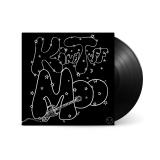
Moo is the first wide release on my new label MUP! When I decided to make a new record, it only seemed right to go back to what brings me the most joy, which is, Rock & Roll music. I got my Tascam 388 fixed, the same tape machine I had used to record my first album, King Tuff Was Dead. It had been sitting in my parent’s house in Vermont for the past 14 years, but I had finally dragged it out to LA. I stopped caring if there were mistakes. There’s not enough mistakes. I played my old, blue, Gibson SG, Jazijoo, and she spewed mangled electrified gold. For once, I sang and I didn’t hate my voice. I played the drums badly and bounced them in mono to one track and it sounded like glorious shit. I wish it sounded even worse. Rock & Roll is the music of rodents and bugs. It should sound like it crept from a decrepit trashcan or a crypt or a toilet. It is not chill or vibey, autotuned or on the grid. It is not perfect, which is why it’s perfect. And I don’t care if it’s dead or alive, cool or uncool: when I hear it, and when I play it, as a chubby and balding 43 year old punk weirdo, I FEEL ENERGIZED. All in all, MOO is a full circle moment. A return to form. A return to rock. A return to Vermont. A return to myself. Reconnecting the dots. Restarting the engine. Plugging in the stack. Finally letting King Tuff be King. Fucking. Tuff.
- 1: Twisted On A Train
- 2: Stairway To Nowhere
- 3: Invisible Ink
- 4: Landline
- 5: Crosseyed Critters
- 6: Oil Change
- 7: East Of Ordinary
- 8: Unglued
- 9: Delusions
- 10: Backroads
Indie Exclusive Vinyl[24,16 €]
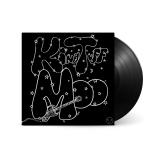
Moo is the first wide release on my new label MUP! When I decided to make a new record, it only seemed right to go back to what brings me the most joy, which is, Rock & Roll music. I got my Tascam 388 fixed, the same tape machine I had used to record my first album, King Tuff Was Dead. It had been sitting in my parent’s house in Vermont for the past 14 years, but I had finally dragged it out to LA. I stopped caring if there were mistakes. There’s not enough mistakes. I played my old, blue, Gibson SG, Jazijoo, and she spewed mangled electrified gold. For once, I sang and I didn’t hate my voice. I played the drums badly and bounced them in mono to one track and it sounded like glorious shit. I wish it sounded even worse. Rock & Roll is the music of rodents and bugs. It should sound like it crept from a decrepit trashcan or a crypt or a toilet. It is not chill or vibey, autotuned or on the grid. It is not perfect, which is why it’s perfect. And I don’t care if it’s dead or alive, cool or uncool: when I hear it, and when I play it, as a chubby and balding 43 year old punk weirdo, I FEEL ENERGIZED. All in all, MOO is a full circle moment. A return to form. A return to rock. A return to Vermont. A return to myself. Reconnecting the dots. Restarting the engine. Plugging in the stack. Finally letting King Tuff be King. Fucking. Tuff.
- Wänderer
- Castle
- Lament
- Genom Sorgen (Ft. Vs
- Angest
- Mörker Över Mörker
- Three Winters Away
- Drömsång
- Raven King
- Vigil
- Eternal Martyr (Ft. Bladee)
- Trollsång (Ft. Spöke)
- Land Av Evig Natt L
- Land Av Evig Natt Ll
- Gates
- Morning Star
- Outro (Ft. Varg2)
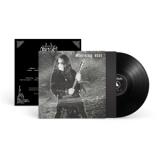
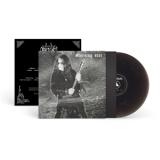
"Morning Star" zeigt Kekht Aräkh auf dem Weg zu einer authentischeren, verfeinerten Version seiner selbst. Das Album wurde in Berlin und Stockholm aufgenommen und entstand in einer Phase intensiven persönlichen und künstlerischen Wachstums. Es verbindet aggressive Black-Metal-Passagen mit immersiven, strukturierten Klanglandschaften, die sowohl intim als auch weitläufig wirken. Seit seinen Anfängen in Mykolajiw, Ukraine, hat Dmitry (alias Crying Orc), der alleinige Kopf hinter dem Projekt, einen unverwechselbaren Weg innerhalb des Black Metal gesucht. Diese Vision entfaltete sich durch sein Debütalbum "Through the Branches to Eternity EP" (2018) und die Alben "Night & Love" (2018) und "Pale Swordsman" (2021), die eine charakteristische Spannung zwischen wildem, viszeralem Black Metal und zarten, introspektiven Balladen etablierten. Auf "Morning Star" erreicht diese Dynamik eine neue Tiefe. Das Album entstand in einer Phase künstlerischer Klarheit und erkundet eine rauere, persönlichere Gefühlspalette, geprägt von Stress, Angst und langen Phasen der Schreibblockade, was ihm eine seltene Unmittelbarkeit und Verletzlichkeit verleiht. Dmitry nahm fast alle Instrumente selbst auf, das Schlagzeug stammt von Jonathan (Spira Me, Vanskapth, Olycka). Bladee steuerte den Gesang bei und war Co-Autor der Texte zu "Eternal Martyr", eine unerwartete Zusammenarbeit, die eine intuitive Chemie offenbart. VS--55 und Varg2Ö fügen abstrakte Samples und subtile Texturdesigns hinzu, die "Morning Star" seine unverwechselbare Körnigkeit und analoge Wärme verleihen, während James Ginzburg (Emptyset, Osmium) sich um das finale Mastering kümmerte und die dynamische Tiefe und atmosphärische Fülle verstärkte. Mehrere Tracks greifen früheres Material mit neuen Perspektiven wieder auf. ,Wänderer" und ,Drömsang" wurden teilweise neu aufgenommen oder komplett neu interpretiert. Intensive, treibende Passagen kollidieren mit spärlichen, kontemplativen Zwischenspielen und erzeugen eine Landschaft, die sowohl viszeral als auch eindringlich ist. Themen wie Isolation und Wanderschaft tauchen in "Wänderer" auf, traumhafte Melancholie in ,Drömsang", existenzielle Kämpfe in "Angest" und Reflexionen über Zeit und Transformation in "Three winters away". Mit "Morning Star" verbindet Kekht Aräkh vergangene Erkundungen mit neuer kollaborativer Energie und produziert ein Album, das die Black-Metal-Tradition der 90er Jahre würdigt und gleichzeitig Lo-Fi-Wärme, melancholische Melodien, klangliche Experimente und emotionale Offenheit umfasst. Das Ergebnis ist ein zutiefst persönliches Statement - ein Album, das sowohl eine Ankunft als auch eine Fortsetzung seiner künstlerischen Reise darstellt.
- Osni Opening
- Act I: Garden
- Act I: Loon
- Act Ii: Dragon
- Act Ii: Pyre
- Act Iii: Umbra
- Act Iii: Rite
- Act Iv: Flood
- Act Iv: Everglow
- Osni Closing
In ,Osni the Flare", dem zweiten Teil von Tristan Allens mythischer Trilogie, zeigt der Komponist, Produzent und Puppenspieler, wie ein Sterblicher durch die Entdeckung des Feuers zu einer Gottheit wird. ,Osni the Flare" wurde über vier Jahre hinweg mit wortlosen Gesängen, Orgeln, Okarinas, einer Menge Spielzeuginstrumenten und einem ausgeklügelten Sounddesign aufgenommen und erzählt in vier akustisch und visuell beeindruckenden Akten von den Ursprüngen der Flamme und der Zeitlichkeit. Allen webt einen Schöpfungsmythos, der zwischen Schönheit, Schatten und wehmütiger Glut wechselt, und schafft so ein Portal zu einem sorgfältig gestalteten, emotional kraftvollen Klang und einer Geschichte, die durch ein fantastisches Reich hallen. Allen wurde in Saratoga Springs, New York, geboren und hat Kindheitserinnerungen an den Aufenthalt seiner Familie in Japan. Sein Weg führte ihn zu prägenden Begegnungen, darunter mit seinem Lehrer Andy Lorio, der das wachsende Interesse und Können des jungen Musikers am Klavier durch Improvisationstechniken förderte, und Amanda Palmer, die ihn mit 16 Jahren während eines Sommerprogramms am Berklee College entdeckte und seine erste Veröffentlichung durch Crowdfunding finanzierte. Nachdem er an der Berklee Klavier studiert, das Live-Elektronik-Kollektiv Nue mitbegründet, mit der Metal-Band Dent durch China getourt und zwei Solo-Klavier-EPs veröffentlicht hatte, zog Allen 2018 von Boston nach Brooklyn. Eine Anzeige auf Craigslist führte zu einer Puppenspielausbildung bei Mike Leach, der ihnen sechs Monate lang beibrachte, wie man eine Marionette richtig führt, was ihnen eine Stelle als Darsteller am renommierten Puppetworks Theater einbrachte. Diese harte Arbeit, zusammen mit dem Kontakt zu den Artefakten des Bread and Puppet Theater ihres Vaters und dem balinesischen Schattenspiel, brachte Allen zu ihrer kreativen Praxis: Komponieren für akustische Instrumente, elektronisches Arrangieren und Auftritte mit Puppenspiel. Osni the Flare erzählt einen Schöpfungsmythos, in dem die Titelfigur in einem Garten aufwacht und Äpfel von einem Baum pflückt. Von einem Loon herbeigerufen, macht sich Osni auf, den Baum vor der Kälte des Winters zu schützen. Als der Loon von einem Drachen verschlungen wird, wagt sich Osni in dessen Bauch und entdeckt dort Glut. Als er diese Glut dem Baum anbietet, entzündet sich dieser - der Ursprung des Feuers selbst. Iso, der Gott des Meeres, greift mit einer Flut ein, die Osnis Garten überschwemmt. Nach seinem Tod gelangt Osnis Seele in das Reich der Schatten, wo sie sich Tin und Iso anschließt und zur Gottheit des Feuers wird - Osni the Flare. Das Album klingt menschlicher und kindlicher als sein Vorgänger ,Tin Iso and The Dawn" und wechselt von der Perspektive der Götter als Beobachter zu der des ersten sterblichen Charakters in Allens Welt. Unterstützt durch neue Liebe, kanalisiert das Projekt Gefühle in Musik, die zu einem ganz eigenen Zauber wird. Wie Tin Iso beginnt und endet das Album mit Klavierklängen als Portal, das die Heimat repräsentiert, während Osni sich auf eine Reise durch drei Reiche begibt: das Land der Lebenden, das Zwischenreich und das Jenseits. Osni the Flare wurde fast komplett mit einem Aston-Kondensatormikrofon in Allens Wohnung in Brooklyn mit Blick auf den Cypress Hills Friedhof aufgenommen und besteht aus Spielzeugklavier und Flöten, Okarinas, Harmonium, Pumporgel, E-Bass und Kontrabass, Gadgets und einer umfangreichen Sammlung von Spieluhren und Glocken. Die Gesangsmelodie - inspiriert vom Summen seiner Partnerin Virginia Garcia Ruiz, das an Pans Labyrinth erinnert - war Allens erster Ausflug in den Gesangsbereich, wobei er eine Melodie ohne Worte verwendete, um den Zuhörern zu ermöglichen, die Protagonisten zu bleiben. Die Flöten wurden Note für Note akribisch aufgenommen, darunter balinesische Sulings, Fundstücke aus chinesischen Souvenirläden und vogelförmige Okarinas. Die Spieluhren wurden langsam aufgezogen, einzeln gesampelt und dann neu arrangiert und gestimmt, um Virginias Summen zu verdoppeln. Ein ausgedientes Casio SK-1 mit einem kaputten Lautsprecher wird mit einem Harmonium kombiniert, um Akkordtexturen zu erzeugen. Stundenlange Improvisationen, die durch Bastl Thyme und NanoVerb geleitet wurden, erzeugten lange, ausklingende Delays, wobei die besten Momente für Songs ausgewählt wurden. Feuergeräusche entstanden durch Fingernagelklicken auf Klaviertasten. Feldaufnahmen hielten das Zerlegen eines Klavieruntergestells, das Löschen von Kerzen und Geräusche aus einem Hospiz fest. Die Stimme des Drachen spricht Worte aus Allens erfundener Sprache. Die Melodie liegt oft im Bass - inspiriert von Goth und Gamelan - mit nach oben gerichteten Verzierungen. Der detailreiche Ansatz spiegelt eine Punktierung wider, die Allens Original-Artwork für das Albumcover ähnelt und durch ihre obsessive Arbeit kleine Teile zu einem großen Bild zusammenfügt - unter der Dusche, vor dem Einschlafen, mitten im Satz. Das Klavier wurde von der Toningenieurin Katie Von Schleicher bei Figure 8 Recording neu aufgenommen, gemischt wurde das Album von Paul Corley. Der technische Leiter Jim Freeman arbeitete vier Monate lang am Halsgelenk und fünf Monate lang an den Schultern der Basswood-Stabpuppe, die von Bruce Schwartz' Ballerina inspiriert ist. Freeman verbrachte Jahre damit, ein selbstgebautes LED-System zu entwickeln, um das Puppenspiel von der Bühne aus zu beleuchten, und sein unwillkürliches Pfeifen während der Arbeit wurde heimlich aufgenommen und ist im Schlussmoment zu hören. Die Herstellung der Puppen wurde von Miryam Moutillet und Lauder Weldon überwacht, die hybriden Köpfe wurden von Duygu Bayar Ekren entworfen. Seit der Veröffentlichung von Tin Iso im Jahr 2023 hat Allen in der experimentellen Puppenspiel-Community von New York City eine Heimat gefunden und wird von der Jim Henson Foundation und La MaMa unterstützt. ,Osni the Flare" steht für Tristan Allens kontinuierliche Weltgestaltung mit akribischer Kontinuität - viele bewegliche Teile, die in funkelnder Kohäsion präsentiert werden, wobei sich jede Komponente aus einer Idee entwickelt, wie eine Fantasy-Serie, die im selben Reich spielt. Das Album erreicht das, was sich Allens kindliches Ich beim Anschauen von Fantasy-Filmen vorgestellt hat: Musik, die nicht so klingt, als würden Menschen Instrumente spielen, sondern wie das Werk der fantastischen Welt selbst. Durch die Kunst des Puppenspielers, ,wahre Lügen zu erzählen", lädt Allen die Zuhörer ein, etwas Ursprüngliches und Unmittelbares zu erleben. Während Osni sich von einem Sterblichen zu einer Gottheit verwandelt, zeichnet das Album nicht nur den Ursprung des Feuers nach, sondern auch den Ursprung des Mythos selbst.
- A1: Ghidrah
- A2: Partes Nada
- A3: Nos Deixei
- B1: Choros (Edit)
- B2: Choros (Club)
- B3: Sigilo (Megamix)
Bruno Silva, operating here under his restless Serpente alias, returns with Visita do Fogo — a sharp, stripped-back and incendiary counterpoint to the drifting, dream-jazz abstractions of Dias da Aranha. If that record floated like smoke, this one crackles and snaps like dry wood.
Visita do Fogo finds Silva stepping back into the heat of his beat-driven origins, embracing a raw, forward-leaning approach that feels closer to his live detonation than a studio construction. The record is built on stark materials — drum fragments, percussive jolts, scorched-earth loops — all manipulated with his unmistakable “screw” instincts: micro-cuts, sudden pivots, rhythmic false floors and the sense that the track might turn itself inside-out at any moment.
Rather than smoothing edges or leaning into atmospherics, Serpente doubles down on urgency. Each piece moves through the record with a chop-and-go physicality, a kind of ritual propulsion that never settles into comfort. Silva’s rhythmic language remains entirely his own: crooked but precise, feral yet meticulous, rooted in dance structures but constantly mutating away from them.
Visita do Fogo is less a sequel to Dias da Aranha than a flare shot into the same night sky — brighter, hotter, and designed to leave afterimages. It captures an artist burning forward, shedding everything unnecessary, trusting the flame.
- A1: Poor Johnny
- A2: That Ain't Love
- A3: Does It Really Matter
- A4: Fadin' Away
- A5: My Last Regret
- A6: It Doesn't Show
- A7: I'm Walkin
- A8: Twenty
- A9: I Know You Will
- A10: I Forgot To Be Your Lover
- A11: Two Steps From The End
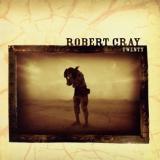
Not long after Strong Persuader became an unexpected crossover hit in 1986 - which was hard to imagine then and seems like a near impossibility now - Cray decided that he would rather pursue the sound of Stax and Hi soul than be a full-fledged bluesman. He punctuated his songs with stinging licks not dissimilar to Albert King, but the sound was closer to O.V. Wright. But what really separated Cray from his forefathers is that instead of getting dirty and gritty, he stayed classy and tasteful. After 25 years and 14 albums, Robert Cray has been mining the same low-key, mellow Memphis soul-blues groove for well over two-thirds of his career. He's found his sound and he's sticking to it. Now for the first time ever available on vinyl Twenty, his 14th album; a thoroughly pleasant listen indeed, it pack's a punch, and has just all the right ingredients. Twenty is available as a limited numbered edition of 750 copies on crystal clear 180 gram vinyl and includes an insert.
Afrikanische Meisterwerke der Akustikgitarre, die auf Mississippis beliebter ,African Guitar Box" aufbauen. 1979 und 1980 machte sich ein junger britisch-kenianischer Musiker namens John Low auf den Weg, um von seinen Helden das Fingerstyle-Gitarrenspiel zu lernen. Er reiste durch Kenia, Tansania, Kongo und Sambia, besuchte Stars wie Jean-Bosco Mwenda, Losta Abelo und Emmanuel Mulemena und wohnte manchmal sogar bei ihnen. Außerdem nahm er brillante, aber bisher wenig bekannte Künstler wie Francis Kitime aus Tansania und Mtonga Wanganangu aus Kenia auf. Unabhängig von ihrem Status ging John jedem Künstler demütig wie ein Schüler entgegen. Er nahm in Häusern, auf Dorfplätzen und an Wasserstellen auf. Die Sessions sind intim und ungezwungen, die Künstler fühlen sich wohl. Johns Kassettendeck nahm einige der größten Künstler des Kontinents auf, zusammen mit dem Klang von Gelächter, spielenden Kindern und klirrenden Gläsern. Fünf Jahrzehnte später bieten diese Bänder einen seltenen Einblick, wie Fingerstyle-Gitarre außerhalb der angespannten Atmosphäre kommerzieller Studios tatsächlich klang. Einige dieser Songs erschienen auf John Storm Roberts' vergriffenen Original Music-Compilations (die Mississippi stark inspirierten). Andere wurden nie öffentlich zugänglich gemacht. Alle wurden von Andrew Walter (Honest Jon's, Abbey Road) fachmännisch restauriert und von den Originalbändern remastert. John Low liefert Notizen und Songtexte, und der tansanische Musikwissenschaftler John Kitime gibt die Perspektive der Musiker wieder. Lizenziert von John Low und den Künstlern, gepresst auf hochwertigem Vinyl bei Smashed Plastic in Chicago.
FROM THE HEART OF STAR TREK – 60 YEARS
From the Archives – Vol. 1 Vinyl Box
60 Jahre Star Trek Jubiläum! Das feiern wir mit einer zweiteiligen Vinyl-Box-Edition. Hier ist Box 1, die mit gleich zwei Highlights aufwartet: erstmals der Soundtrack zur Serie Star Trek: Voyager regulär als Vinyl-Edition – und dazu eine exklusive Vinyl-Compilation direkt aus dem Herzen der Star Trek: The Next Generation-Kinofilme.
Die sorgfältig kuratierte Box versammelt zentrale musikalische Meilensteine der Fernsehgeschichte dieses besonderen Science-Fiction-Serienkosmos: von den klassischen Motiven der Original Series über den charakteristischen Auftakt von The Next Generation („Encounter at Farpoint“) bis zu den prägenden Klangwelten von Deep Space Nine. Ein weiterer Fokus liegt auf Voyager: Die atmosphärischen, oft cineastischen Kompositionen erscheinen erstmals regulär als Vinyl-Edition und machen diese Box zu einem echten Sammlerstück.
Ergänzt wird die Auswahl durch The Next Generation – THE MOTION PICTURE ERA HIGHLIGHTS: eine eigens zusammengestellte Vinyl-Compilation mit den ikonischsten Stücken aus den Kinofilmen der TNG-Ära – Musik, die für viele Fans bis heute einen emotionalen Kern von Star Trek bildet.
Zusätzlich liegt jeder Box ein exklusives Poster bei – ein hochwertiger Kunstdruck, eigens anlässlich des 60-jährigen Jubiläums gestaltet.
Enthaltene Vinyls:
· Star Trek – Volume Two: Original Television Soundtrack
· Star Trek: The Next Generation – Encounter at Farpoint
· Star Trek: Deep Space Nine – The Emissary (Music from the Original Television Soundtrack)
· Star Trek: Voyager – Music from the Original Television Soundtrack (neue Vinyl-Edition)
· Jubiläums-Compilation: The Next Generation – THE MOTION PICTURE ERA HIGHLIGHTS
From the Archives – Vol. 1 ist eine 60-Jahre-GeburtstagsEdition für Vinyl-Liebhaber und Trekkies gleichermaßen – ein Stück Star Trek-Geschichte zum Auflegen.
JeGong, known for their immersive, rhythm-driven explorations of Krautrock and experimental sound design, now take an exhilarating leap into brighter, nostalgically stranger territory. `Gomi Kuzu Can` is an electrifying journey through Kraut, Post- and Experimental Rock, delivered with the analog warmth of the '70s. Across eleven meticulously crafted tracks, JeGong embrace their roots while fearlessly expanding into neon-lit, beat-driven worlds where kinetic rhythms meet playful sonic futurism. It is music built for movement, contemplation, and the ecstatic strangeness of possibility. Their approach borrows the endurance and patience of minimalism, but they subvert minimalism's austerity with grit, distortion, and physicality. The result is music that feels alive in motion: constantly shifting, tightening, unfurling, and mutating even when its core pulse remains unbroken. "We wanted to create a `70s sound as the recording foundation - a sonic aesthetic that sets a mood through warm tape saturation. Like a kind of memory box where you can store recollections, for example from childhood, when you would spend hours by yourself watching TV and listening to the radio, often both at the same time." (JeGong) `Gomi Kuzu Can`, is hand-built, lovingly assembled from circuitry, intuition, and raw creative impulse. This tactile quality is precisely what makes the album's danceability so impactful. In blending organic rhythm with retro-electronic brightness, they've created a sound that is both familiar and refreshingly new. In the end, JeGong's sound is less a genre and more a landscape: rugged, hypnotic, austere, and strangely spiritual. It is music built on the bones of rhythm and the electricity of repetition, crafted with the precision of engineers and the instincts of explorers. FOR FANS OF Neu!, Cluster, Tangerine Dream, Swans, Mogwai, Sonic Youth, John Zorn The single colour edition comes as Glass Clear vinyl!
- 1: Adhd
- 2: Worry Days
- 3: Crying Song
- 4: Fuck U
- 5: Bastard State
- 6: Mania
- 7 3: Sides Touching
- 8: Canned Coffee
- 9: Babymusicc
As collaborative projects often do, 33 has in time found a more fixed form, a kind of structure that turned it from a loose collection of collaborators gravitating around founders Bill John Bultheel and Alexander Iezzi into something resembling more of a traditional band. Not that there is anything conventional in their creative process tho, nor in the music itself… Nontheless Tripolar - their second album and first for Haunter - seems to take them closer to song territory than ever before.
The (progressive) graduation of multi-instrumentalist Cem Dukkha and vocalist/clarinet player Ivan Cheng from collaborators to full-time members has brought 33 to a more refined awareness of their possibilities as a creative unit, although their compositional process has retained a high level of spontaneity and musical madness. Tripolar was in fact assembled by editing hours of improvisation that Bultheel, Iezzi and Dukkah recorded with no specific endgame in mind. The sessions saw them exchange a variety of acoustic, electronic and electric musical instruments: percussions, guitars, strings, piano, hurdy gurdy, synthesizers and even CDJs as a tool of live sampling manipulation.
By molding the pieces into what they are now, the band managed to concoct some beautiful vignettes of contradictory mental and emotional states, as sonically playful as a renaissance fair happening within a broken timestream. Cheng’s lyrical and vocal contributions helped them coalesce even further into proper songs, adding a melodic presence that’s at once seductive and uncanny. But vocal duties are often ceded to guests, namely Danish pop-neoclassicist Astrid Sonne, Kenyan metal guru Lord Spikeheart, Irish goth raconteur Olan Monk and Japanese body-poet Golin.The amount of different sounds arranged into each of the tracks produces a unique sense of awe and bewilderment, a testament to the incredible talent and craft the musicians have employed into putting together such a broad range of influences and approaches into a coherent and extremely effective musical journey.
An equally erratic thematic thread seems to run through all the tracks, one ultimately preoccupied with mental health and its ramifications. Without turning the project into a concept album, 33 and their collaborators have sprinkled it with references to personality disorders and mental conditions that are all too relevant to the contemporary age, reflecting on the lineage of human inner life. A wide display of lyrical and musical tools is employed to explore these themes, ranging from Sonne’s expressionist depiction of ADHD in the opener, to Cheng’s queer-themed reinvention of an Irish murder ballad in closing track ‘Babymusicc’. Tracing lateral trajectories for introspection, Tripolar is not only highly captivating, but it ultimately sounds esoteric in the best possible way: progressively revealing layer after layer of incredible aural magic, its true meaning living in the form and in its manic scope of energies.
- Evil Lord
- Electric Racoon Blues
- Heavy Psych Monster Fuzz
- Sunset In Saigon
- Lizard Wizard
- Homeless Samurai From Jamaica
- Desperados
- The Hidden Speach In A Meaningless Life
- If I Die Today
- Jesus Left His Mothership
- Yellow Shame... Again
Originally released in 2023 and available exclusively on vinyl, Godzilla Was Too Drunk To Destroy Tokyo unleash a raw blast of sludge, stoner and warped psychedelia where fuzz, feedback and cosmic madness collide. Drawing from L7, Melvins, Electric Wizard, Acid King and Monster Magnet, the band deliver dirty sci- fi visions, heavy grooves and hallucinatory blues.
- 1: ) Drift
- 2: ) Niebla
- 3: ) Bending Myself
- 4: ) Something That Is There, Something Similar
- 5: ) Changing Bodies
Thomas Peter debuts on Hallow Ground with »changing bodies,« an album inspired by the resonance and reaction of objects with and to sound. The Swiss composer and sound artist has worked with sounds generated with various materials, field recordings, and an array of analogue and digital synthesizers to create five ever-shifting pieces full of twists and turns in which even silence plays a significant role. Peter composed and recorded the album over the course of four years in an inherently physical process, led by both his intuition and his perception—what you hear on »changing bodies« is an artist intently listening to the material world around him.
Peter laid the foundation for »changing bodies« by making field recordings wherever he went, whether in closed rooms, cities, or rural environments, while also recording organic-sounding material with different synthesizers as well as working with objects made of wood, stone, or metal. »I viewed all these sounds as a kind of language that I was trying to understand,« he says. »I paid close attention to differences between sounds in motion, rhythmic patterns, and dense textures.« He further describes this as an inherently corporeal endeavour, quite literally becoming all ears and internalising the different sounds.
This process of concretion led to one of abstraction when Peter translated the source material and its psycho-physical reverberations into new musical structures. He applied repetition, densification, and recombination to unlock their true potential. Across its five tracks, the album sets literally unheard-of sounds into motion, creating intricate dynamics without ever overwhelming its listeners. »changing bodies« was born out of listening intently and physically.
It is recommended to listen to it in the exact same way.
F
ourth record already here, new Triptych being scooped out of the drawers. This one is heavily video game inspired and marks a turning point for me. I’ve somehow been very much drawn to what I call “boss fight techno”, this is the result of this cogitation.
Total Debauchery kicks off the record with truculence. The title says it all, we’re very far away from warm up time, all hell let loose, big energy discharge, weird stereo bassline, pure madness. Gate Middletone certainly is wonky. It sounds like an anesthetized telephone call. I don’t know if we can refer to this as techno, but who cares, groove is spotless. Absolute Buffoonery started off as a joke with hoover sounds in mind. Turns out it is very danceable and weird enough to be on the record. It still is a foolery.
The B side starts with Demonic Shine. This one is purely dedicated to zombie games. I’ve been thinking about how techno could be interpreted for this kind of stuff. Turns out you can shoot dead people and dance at the same time. Good time. Zany Ditherings is a hard drive that keeps crashing. It disrupts the track, making it spasmodic. You are in a convulsive loop of data being thrown out the window. dc11 accepted this remix operation. His work acts as counterpoint to the record, bringing flawless techno tunneling. Buckle up mate.
Solo 500 delivers another irresistible donut that takes the form of this 2-sided celebration of afro-latin & jazz-funk classics. GSC dusts off 2 deep catalog selections here — & part of the appeal is that neither side is a played-out sample cliché. This one is for heads who already burned through the obvious joints.
Side A digs into Manu Dibango beyond the endlessly flipped “Soul Makossa” universe. “The Panther”, from the 1973 album “Africadelic”, isn’t one of his commonly sampled tracks — & that’s exactly why it hits so hard. Low-slung Afro-funk, stalking bass & suspense-building horns that feel like a break record even if they haven’t been rinsed by every golden-era producer. Selectors who chase texture over recognition will understand the power here immediately. It’s the kind of cut hip-hop heads love not because they’ve heard it before — but because they haven’t.
Side B moves into Latin jazz-funk royalty. Ray Barretto is one of the most sampled percussionists of all time, but “Together” (from the 1969 album of the same name) sits slightly off the obvious break-beat path. Instead of a clean, isolated drum loop, you get rolling congas, warm keys & a communal groove that’s been DJ-tested far more than it’s been sampled. This is the type of Barretto cut that crate-diggers pull when they want rhythm to breathe — bridging jazz floors, disco-leaning sets & hip-hop selectors who think like musicians, not beat miners.
- Renegade Rhythm
- 99: To 1
- The Weapon
- The Weapon Pt. Ii
- Through A Bullet Hole
- Eulogy
Cassette[14,08 €]
Mizery aus San Diego sind ein rebellisches Kraftpaket, das mit seinem Crossover-Hardcore-Sound für Aufsehen sorgen will. Mizery wurden 2014 mit ihrer EP ,Survive The Vibe" bekannt, gefolgt von ihrem 2016 erschienenen Album ,Absolute Light" (Flatspot Records). Mit ihren groovigen Rhythmen und dynamischen Live-Auftritten erregten sie schnell Aufmerksamkeit. Die Idee zu Mizery hatten die Kindheitsfreunde Jose Luna (Gesang) und Taylor Parker (Leadgitarre). Als die beiden den Schlagzeuger Cayle Sain trafen, wurde aus der Idee echt was. Bald darauf holten sie Miguel ,Mikey" Salazar am Bass dazu und begannen als Vierergruppe zu komponieren. Nach der Veröffentlichung des Albums tourten Mizery mit Genre-Größen wie Power Trip, Terror und Backtrack und nahmen Ahmad Ali am Bass auf, wodurch Mikey zur Rhythmusgitarre wechselte. Wie der Rest der Welt kam auch die Band während der Pandemie zum Stillstand, schrieb aber weiter Songs und war bereit, mit voller Kraft zurückzukommen. Im Dezember 2023 erschütterte der unerwartete Tod des Schlagzeugers Cayle Sain, der auch mit Twitching Tongues, God's Hate und GhosteMane auftrat, die Musikszene und brachte Mizery verständlicherweise zum Stillstand. Während sie ihre Trauer verarbeiteten und nachdachten, wussten die Mitglieder von Mizery, dass sie weitermachen mussten, und eine gefundene Aufnahme gab ihnen ein neues Ziel. Jose und Taylor entdeckten, dass Cayle die Vorproduktions-Demos, die sie ihm geschickt hatten, genommen und in einem professionellen Studio Schlagzeugspuren dafür aufgenommen hatte. Mit der Hilfe des Produzenten Taylor Young (The Pit) konnte die Band diese Schlagzeugspuren bekommen und sie für ihre selbstbetitelte EP verwenden. Die Mizery-EP, die am 20. März 2026 bei Flatspot Records erscheinen soll, ist ein offen politisches Album, das sich um Erneuerung und Reflexion dreht. In den sechs Tracks werden die Texte als Waffe eingesetzt, wie Jose erklärt: ,Es ist eine Reflexion einer Welt, die einige von uns sehen und andere ignorieren. Die Gewalttaten, die Angst vor Gewalt und die Auswirkungen von Gewalt." Die Songs weichen von einem geradlinigen Kurs ab und mischen mitreißende Rap-Gesangspassagen mit metallischen Riffs, einfallsreichen Grooves und einigen Überraschungen. Die Einflüsse stammen von Leeways ,Adult Crash", Merauders ,5 Deadly Venoms" und Only Living Witness' ,Innocents", kombiniert mit den Werken von Rage Against The Machine und P.O.D., die die Bandmitglieder in ihrer Jugend geprägt haben. Schon beim Opener ,Renegade Rhythm" wird klar, dass Mizery es ernst meint, wenn sie sich mit dem Zustand der Welt auseinandersetzen und dabei Musik machen, die im Kopf bleibt. ,The Weapon PT.II" ist der lauteste Track auf der EP und setzt auf Worte, um Veränderungen zu bewirken, statt auf physische Gewalt. Den Abschluss der EP bildet der selbstgerechte Song ,Eulogy" mit Gastgesang von Sammy Ciaramitaro von DRAIN. Der Song entstand als frühe Demo und war der einzige Track, für den Cayle programmierte Drums anstelle von Studioaufnahmen verwendet hatte. Um die Single zu vervollständigen, sprang Schlagzeuger David Stalsworth (Militarie Gun, Torena) bei den Aufnahmen ein und ist nun Mitglied von Mizery. Während manche die Veröffentlichung der EP als Triumph betrachten mögen, ist sie für Mizery ein Beweis für ihre Beharrlichkeit und zeigt, dass die Band bereit ist, in eine neue Ära einzutreten.