Search:saudade

Styles
All
Mário Rui Silva - STORIES FROM ANOTHER TIME 1982-1988 (HALF-SPEED MASTERED EDITION) LP 2x12"

Originally released by Time Capsule in 2021 and long out of print, Stories From Another Time 1982-1988 returns in an upgraded edition following years of demand and rising collector prices on the secondhand market. Widely regarded as a modern cult classic, Mário Rui Silva’s visionary recordings blend acoustic folk, cinematic soul, spiritual jazz and saudade-filled Lusophone rhythm into a deeply timeless and universal work that transcends genre and geography.

This new edition features half-speed mastering cut at Metropolis alongside an expanded 4-page insert with a tribute essay and unseen photographs following Silva’s passing in 2024.

Double LP + 4-page insert

==========================================================

The roots of Angolan popular music explored in the meticulous guitar studies of Mário Rui Silva. For fans of Naná Vasconcelos, John Hassell’s Fourth World ambient, Eduardo Mateo’s psychedelic folk and Cameroonian electronic music visionary Francis Bebey.

Whether on mesmerising acoustic ballads or hypnotic groove-led tracks, the music of Angolan guitarist, researcher and intellectual Mário Rui Silva has a beguiling, melancholy quality, woven into the dynamics of his deft guitar playing.Rhythmically complex yet supremely effortless, the music collected here stems from three albums Mário released in Luanda in the 1980s that reflect his diverse range of influences, from traditional Angolan and West African rhythms to European jazz and classical instrumentation. It is united by a sense of low-key beauty, whether on the chugging opener ‘Kazum-zum-zum’, the jazz-funk keys of ‘Lembrança Dum Velho’, or the twinkling, late-night poly-rhythms of ‘Kizomba Kya Kisanji’.

Born in Luanda, Angola in 1953, Mário dedicated his life to Angolan popular music. His fifty-year career has seen him live between Angola and Europe, rub shoulders with Cameroonian musicians Francis Bebey and Ewanjé, record the seminal album Angola ’72 with fellow Angolan musician Bonga, and draw influence from Brazilian guitarist Baden Powell.

It was the teaching of Angolan legend and Ngola Ritmos co-founder Liceu Vieira Dias that Mário gained a technical, political and spiritual understanding of Angolan musical culture. In the hands of Liceu, the traditional Angolan semba and kazukuta rhythms of the 1940s and ‘50s helped create an emancipatory sense of national pride and collective agency that awakened its listeners to the racism and tyranny of colonial rule, underpinning the country’s push for independence in the process.

What might sound like the intonations of Brazilian influence are what Mário attributes to the “African rhythms taken by the slaves which gave rise to other musical cultures” around the globe. Instead, this music emerged from a collective instinct to assert a cosmopolitan Angolan identity free from the patronising falsehoods of Lusotropicalism.

“There was a need within me to contribute in doing new things,” Mário describes. “In the sense of solidifying the music of Angola that was the result of the meeting of two cultures, and wanting to value the Angolan part whenever possible.”A selection from Mário’s three 1980s albums, Sung’Ali (1982), Tunapenda Afrika (1985) and Koizas dum Outru Tempu (1988) have been compiled here as a 2xLP release by Time Capsule’s Sam Jacob and Kay Suzuki. Together, they provide a snapshot of one man’s journey to the core of his nation’s music, charged with the search for a culture uprooted by colonialism

pre-order now12.06.2026

expected to be published on 12.06.2026

26,85
ADRIAN YOUNGE & JOYCE & TUTTY MORENO - JOYCE E TUTTY MORENO JID027
  • 1: Mandala
  • 2: Uan Eté
  • 3: Is This Love?
  • 4: Fingers
  • 5: Janeiro
  • 6: Sorria De Novo
  • 7: Flores Vermelhas
  • 8: Circulo Vicioso
also available

TRANSLUCENT VIOLET VINYL[26,01 €]


Joyce und Tutty Moreno, die legendäre Sängerin/Gitarristin und der Schlagzeuger, die maßgeblich den Klang der brasilianischen Popmusik geprägt haben, haben sich mit Adrian Younge zusammengetan, um JID027 zu erschaffen.Das Ergebnis ist ein Album, das die ätherische Schönheit kollektiver Improvisation, die Schwere der Saudade und die unzerstörbare Verbindung zwischen zwei der angesehensten Musiker Brasiliens einfängt.Das Album bewegt sich in einem feinen Gleichgewicht zwischen Vorausplanung und Improvisation. Joyce' Kompositionen - ,Mandala", ,Uaná Eté", ,Is This Love?", ,Fingers" und ,Janeiro" - stehen neben instrumentalen Stücken von Younge, in denen Joyce' Stimme selbst zum Instrument wird: mal wie ein Horn, mal wie eine Flöte, ein wortloser Strom aus Melodie.Den Abschluss bildet ,Círculo Vicioso", eine Vertonung eines ikonischen Gedichts von Machado de Assis, Brasiliens bedeutendstem Schriftsteller. Joyce' gesprochene Worte, vorgetragen in ihrer Muttersprache Portugiesisch, verwandeln das Stück in eine Meditation über Leben, Tod und die zyklische Natur der Kunst.

pre-order now07.08.2026

expected to be published on 07.08.2026

23,49
ADRIAN YOUNGE & JOYCE & TUTTY MORENO - JOYCE E TUTTY MORENO JID027

Joyce und Tutty Moreno, die legendäre Sängerin/Gitarristin und der Schlagzeuger, die maßgeblich den Klang der brasilianischen Popmusik geprägt haben, haben sich mit Adrian Younge zusammengetan, um JID027 zu erschaffen. Das Ergebnis ist ein Album, das die ätherische Schönheit kollektiver Improvisation, die Schwere der Saudade und die unzerstörbare Verbindung zwischen zwei der angesehensten Musiker Brasiliens einfängt.Das Album bewegt sich in einem feinen Gleichgewicht zwischen Vorausplanung und Improvisation. Joyce' Kompositionen - ,Mandala", ,Uaná Eté", ,Is This Love?", ,Fingers" und ,Janeiro" - stehen neben instrumentalen Stücken von Younge, in denen Joyce' Stimme selbst zum Instrument wird: mal wie ein Horn, mal wie eine Flöte, ein wortloser Strom aus Melodie. Den Abschluss bildet ,Círculo Vicioso", eine Vertonung eines ikonischen Gedichts von Machado de Assis, Brasiliens bedeutendstem Schriftsteller. Joyce' gesprochene Worte, vorgetragen in ihrer Muttersprache Portugiesisch, verwandeln das Stück in eine Meditation über Leben, Tod und die zyklische Natur der Kunst.

pre-order now07.08.2026

expected to be published on 07.08.2026

26,01
Rogê - Road to Nowhere (7")

Rogê

Road to Nowhere (7")

7"-VinylALIM012
BBE Music
17.11.2025

The 12th release on ALIM Music, Brazilian singer-songwriter Rogê delivers a radiant and rhythmically rich reinterpretation of Talking Heads’ “Road to Nowhere,” setting the tone for BBE's Naive Melodies - a bold and visionary tribute to the music of Talking Heads, reinterpreted through the lens of Black musical innovation. Curated by Drew McFadden - the creative mind behind BBE’s acclaimed Modern Love (David Bowie tribute album) releasing this October via BBE Music. Now based in Los Angeles, Rogê, a Latin Grammy nominee and longtime torchbearer of Rio’s samba-soul vanguard - reimagines the Talking Heads classic as a soulful samba jam, infused with earthy guitar, syncopated percussion, and his signature smoky, magnetic vocals. Where the original rides on quirky tension, Rogê’s version flows with saudade and sway, steeped in the Afro-Brazilian traditions that have defined his sound for over a decade.

Produced by Tommy Brenneck (Amy Winehouse, Mark Ronson, Cuco, Charles Bradley, The Budos Band), the track carries a raw, analog warmth that nods to classic MPB (Música Popular Brasileira) and the golden age of 1970s samba-rock, while subtly weaving in the existential overtones of the song’s lyrics. Rogê's “Road to Nowhere” captures the essence of Naive Melodies: a reimagining of Talking Heads’ catalog through the rhythmic and cultural lens of the global Black music traditions that helped shape it. From samba and funk to soul, dub and jazz, the album brings together forward-thinking artists from across the diaspora to revisit, reinterpret, and revive the sounds that have always lived in the band’s DNA.

In Stock

On Stock and ready to ship

21,64
Sabrina Malheiros - Equilibria

Nu bossa icon Sabrina Malheiros has released four now classic original studio albums for Far Out Recordings. Her first, Equilibria, was originally released in 2005, ascending the daughter of Azymuth bassist Alex Malheiros to international acclaim. Celebrating 20 years since it was first released—for Record Store Day 2025—Equilibria will be available on vinyl for the first time ever.

A masterful collection of sambas and bossas, Equilibria strikes the perfect balance between classic Brazilian songwriting and modern production courtesy of Far Out mainstay Daniel Maunick. The album features some of Brazil’s very best musicians including members of Azymuth, as well as Incognito frontman and guitarist Jean-Paul ‘Bluey’ Maunick.

As one review put it, Equilibria is “guaranteed to turn your limbs to liquid…. Prepare to be swept away”

In Stock

On Stock and ready to ship

29,45
Ana Frango Eletrico - Little Electric Chicken Heart LP

Here at Mr Bongo we have been inundated with people asking us to reissue this release. Ana Frango Elétrico's petit cult classic masterpiece 'Little Electric Chicken Heart' from 2019, which was only ever released on vinyl and CD in Brazil and Japan, has fast become a collector's item.

Well received by fans, DJs, and reviewers on release, The Needle Drop expressed "Ana Frango Elétrico's authentically vintage fusion of chamber pop, rock, samba and jazz is a real blast!" listing it as one of its Top 50 Albums of 2019. The album's reputation has been slowly building ever since, gaining a Latin Grammy nomination in 2020, and now solidly cementing itself as a gem of contemporary Brazilian music.

Across the albums nine tracks, Ana blends elements and influences from MPB, Tropicália, indie rock, punk and pop, forging them together with a sumptuous dose of her signature style. The finesse of 'Saudade' kicks off the LP, one of Ana's most known tracks to a non-Brazilian audience. A sublime opener, beginning with a spellbinding piano solo before transcending into a beautiful dream-laden slice of warmth, complete with luscious jazzy horns and deft vocal delivery. ‘Promessa e previsões’ follows, the only track on the album not to be written by Ana, instead being penned by Chico França. It’s a swelling and sweeping twilight groover, building and breaking across absorbing peaks.

Other highlights on the album include the anthemic 'Chocolate', which was a firm favourite with a packed sing-along crowd when we heard Ana perform it live. Elsewhere, 'Se No Cinema' hits with its quirky allure, charm and catchy melodies before transforming into a carnival spirit.

Tapping into the richness of Brazil’s new wave of musical energy, the album also includes a heavyweight lineup of collaborations with artists such as Dora Morelenbaum (Bala Desejo), Tim Bernardes, Antonio Neves and Guilherme Lirio to name but a few.

A short, sweet and refreshing record, that leaves nothing to waste, marrying playful ideas with poignant themes. 'Little Electric Chicken Heart' is a future classic and will beguile fans of ‘70s Brazilian recordings, Gal Costa, Mac DeMarco, Stereolab, Superorganism, Caetano Veloso and more.

In Stock

On Stock and ready to ship

28,53
Tunico - Tunico  LP

Tunico

Tunico LP

12inchFARO236LP
FAR OUT RECORDINGS
14.04.2023

Far Out Recordings proudly presents the self-titled debut album by Rio de Janeiro born multi-instrumentalist, composer and arranger Tunico. Honing Brazilian roots rhythms like maracatu, xanadu, and samba, to combine with a global contemporary jazz outlook, the newcomer adds a modern classic to the ever rich vein of Brazilian instrumental music.

Consider it a natural evolution from the legacies of greats like Quarteto Novo, Hermeto Pascoal, Banda Black Rio, Tamba Trio, and Dom Um Romão, Tunico’s debut brings together an eye catching ensemble of talents from the Rio jazz community, with whom he performs on a weekly basis at celebrated live sessions and jam’s at venues like Macuna and Comuna Lapa, which often go on all night.

Released in 2022, the album’s rip-roaring lead single “Galope” features the effervescent vocals of Katerina Assef, as well as consummate solos from all over the band, as Sounds & Colours put it “…it exudes distinction and promise”. “Sambola” calls on the signature swagger of Far Out favourite Antonio Neves, indulging us in irresistible swinging samba-funk, undeniably reminiscent of the aforementioned Banda Black Rio in their late 70s heyday.

Born and raised in an artistic Rio household, Antonio Secchin aka Tunico’s father was the painter Guilherme Secchin, whose original work is lovingly repurposed to create the album’s cover. Antonio learned his trade on guitar from a young age, which remains his primary method for composition, but at the age of eighteen he started to gravitate towards the saxophone, and in particular the soprano sax, from which he now leads bands despite being entirely self taught. He would develop his skills busking on curbsides and metro stations before becoming a mainstay player in venues and clubs around the city.

When the pandemic struck, Antonio retreated to his family home in the Rio countryside. With time and space to breathe and reflect in a natural environment, he set to work at fleshing out the compositions he’d written throughout his musical life into full bodied works. His affinity with his rural surroundings is reflected in the luscious, blossoming feel of this groovy, mystical and poignant instrumental debut album.

Tunico will be released on vinyl, CD and digital platf

In Stock

On Stock and ready to ship

22,27
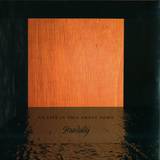
Stareaway - No Life In This Ghist Town

2022 Re Edition

STAREAWAY is Markus Guentner from Regensburg, of Kompakt- and Ware-fame, and Heiko Badje from Hamburg, the man behind saudade-driven pop-band La Grande Illusion. Exploring the possibilities of combining Guentners critically acclaimed adventures in ambient scapes and Badjes melodies and distinctive singing, their track 'Baghira", as an early result, was selected on Kompakts 'Pop Ambient 6 compilation in 2005. Their first EP as STAREAWAY, called 'Learn How To Love Me", was released on Hamburg-based label Couldn.t Care More in 2011 including a remix by deep house icon Osunlade crossing all borders, yet feeling so natural, and the somewhat timeless electronic pop reference 'Unwise". Now STAREAWAY come up with their first album 'No Life In This Ghost Town' (again on Couldn.t Care More); seven sketches between song and track deliberately carved from a shimmering wall of electronic sound by guitars, spiritualized voices and subtle melodies. It.s caressing and thoughtful, but there is also a darkness that makes you shiver. Glowing embers in far away windows. STAREAWAY combine a vision of sound with multitudes of micro-organisms which take turns no one can forsee. And what may appear as a mere coincidence is in fact a concentrated search. They are seekers of the things lying underneath. STAREAWAY's 'No Life In This Ghost Town' is mastered by Rafael Anton Irisarri. It will be available as Double Vinyl (+ Download-Code) and, of course, digitally. Layout by JL Prozess (Markus Guentner), artwork by Claudia Kugler.

In Stock

On Stock and ready to ship

15,59
Nico Gomez - Soul Of Samba

Nico Gomez

Soul Of Samba

12inchMRBLP238
Mr Bongo
08.05.2026
  • A1: Aquarela
  • A2: Tristeza
  • A3: Desafinado
  • A4: Agua
  • A5: Orpheu Negro
  • A6: The Girl From Ipanema
  • B1: One Note Samba
  • B2: Saudade Do Rio
  • B3: Rio
  • B4: Little Boat
  • B5: Vôce E Eu
  • B6: Din! Din! Din!

Nico Gomez, a Belgian orchestra leader of Dutch roots, has long been a favourite with Latin fans, record diggers, DJs, and collectors alike. His blend of bossanova, latin jazz, and easy listening always turns up a few choice nuggets and surprises; what is perhaps most remarkable is that it was recorded in Europe.


Back in 2013, Mr Bongo re-issued Nico Gomez's sought-after 'Ritual' album from 1971, and now we follow it up with another jewel from his catalogue his 1972 album 'Soul Of Samba'. For this re-issue, we have opted to present it with the cover art originally used on the Trio Records version released in Japan. In the Netherlands and Belgium, the album was released with different cover art under the title 'Bossa Nova’, on Omega International and International Bestseller Company records, respectively. We loved the beautiful psychedelic design of the Japanese version and wanted to use it for this re-issue.

'Soul Of Samba' features several euro-bossa-jazz favourites such as the catchy 'Rio'; which was a firm DJ choice cut at jazz dance nights, including Brighton's 'Jazz Rooms' in the 90s. It also featured in Rainer Trüby's classic ‘Glücklich' compilation series which explored European-Brazilian-inspired music. The beguiling ‘Aquarela', with its engaging latin shuffle, entices feet to the dancefloor and is not one to miss. 'Agua’ has a lazy-quirky latin-funk feel with breathy-stoned vocals floating in the background. The album additionally features numerous breezy latin, Brazilian, and easy listening joints, some of which are ripe for sampling.

pre-order now08.05.2026

expected to be published on 08.05.2026

25,42
Bebel Gilberto - Tudo LP

Bebel Gilberto

Tudo LP

12inchMOVLP3656
Music On Vinyl
08.05.2026
  • A1: Somewhere Else
  • A2: Nada Não
  • A3: Tom De Voz
  • A4: Novas Idéias
  • A5: Harvest Moon
  • A6: Tudo
  • B1: Saudade Vem Correndo
  • B2: Areia
  • B3: Tout Est Bleu
  • B4: Lonely In My Heart
  • B5: Vivo Sonhando
  • B6: Inspiração

Tudo is an album by world renowned Grammy-nominated singer/songwriter Bebel Gilberto, originally released in 2014.

Gilberto, daughter of bossa nova immortal João Gilberto, is one of the most internationally famous and beloved of Brazilian musicians. Tudo, which means "everything" in English, showcases Bebel's ethereal vocals and wistful, dreamy song writing in each of the 12 tracks.
Bebel reunites with Mario Caldato Jr., who produced her first landmark album Tanto Tempo.

With Bebel singing in French, English, and Portuguese, Tudo is a shimmering, sweet summery collection that includes original songs along with songs by João Gilberto, Antonio Carlos Jobim and Neil Young, as well as soulful duet with Seu Jorge.

The gorgeous melodies are shaped by touches of electronica and Bebel's intimate vocals hint at a fantastical Rio de Janeiro, a style that has earned her a devoted fanbase worldwide.

Tudo is available on black vinyl and includes a 4-page booklet with pictures and lyrics.

pre-order now08.05.2026

expected to be published on 08.05.2026

31,30
Reggae Workers of the World - New Thing LP
  • 1: Ticking Time
  • 2: J'en Suis Fou
  • 3: New Thing
  • 4: Busy Beaver
  • 5: Psychosomatic Symptom
  • 6 15: 7 Wardour Street
  • 7: Saudade
  • 8: Horace
  • 9: Venus
  • 10: Oil & Water
  • 11: If I Should Stay

With their third studio album New Thing, Reggae Workers Of The World take a bold step forward while staying deeply rooted in the timeless sounds that define them. Scheduled for release in March 2026 on Badasonic Records, the album captures the full scope of this transcontinental supergroup’s musical identity: soulful, genre-defying, and driven by classic songwriting.

Formed by Vic Ruggiero (The Slackers), Jesse Wagner (The Aggrolites), and Nico Leonard (The Badasonics), Reggae Workers Of The World unite the musical spirits of New York, Los Angeles, and Charleroi into a seamless collaboration. Across 11 tracks, New Thing moves freely between reggae, ska, soul, mento, rhythm & blues, and early rock ’n’ roll, reflecting both the trio’s deep roots and their creative freedom.

The album is enriched by an exceptional list of guests, including Efren Santana (Hepcat), David Hillyard (The Slackers), and renowned harmonica master Steven Troch, who all appear on the title track “New Thing.” The result is a warm, organic, and vibrant record—equally suited for vinyl collectors, radio programmers, and live audiences.

Ahead of the album release, the first single will debut as a Japan-exclusive 7” vinyl on January 18, underlining the band’s strong international reach and collector appeal. Following the release of New Thing, Reggae Workers Of The World will return to the road with a European tour in April 2026, reaffirming their reputation as a powerful and authentic live act.

pre-order now24.04.2026

expected to be published on 24.04.2026

32,14
Various - Tchic Tchic: French Bossa Nova 1963-1974  Colored Edition LP 2x12"
  • A1: Les Masques - Il Faut Tenir (1969)
  • A2: Isabelle Aubret - Casa Forte (1971)
  • A3: Christianne Legrand - Hlm Et Ciné Roman (1972)
  • A4: Jean Constantin - Pas Tant D'chichi Ponpon (1972)
  • A5: Billy Nencioli & Baden Powell - Si Rien Ne Va (1969)
  • B1-: Marpessa Dawn - Le Petit Cuica (1963)
  • B2: Jean-Pierre Sabar - Vai Vai (1974)
  • B3: Sophia Loren - De Jour En Jour (1963)
  • B4: Isabelle - Jusqu’à La Tombée Du Jour (1969)
  • B5: Sylvia Fels - Corto Maltesse (1974)
  • C1: Frank Gérard - Comme Une Samba (1972)
  • C2: Ann Sorel - La Poupée Des Favellas (1971)
  • C3: Charles Level - Un Enfant Café Au Lait (1971)
  • C4: Andrea Parisy - Les Mains Qui Font Du Bien (1970)
  • C5: Audrey Arno - Quand Jean-Paul Rentrera (1969)
  • C6: Aldo Frank - T’as Vu Ce Printemps (1970)
  • D1: Christianne Legrand - Cent Mille Poissons Dans Ton Filet (1972)
  • D2: Clarinha - Lemenja (1970)
  • D3: Hit Parade Des Enfants - Aquarela (1976)
  • D4: Jean-Pierre Lang - Tendresse (1965)
  • D5: Magalie Noël - Une Énorme Samba (1970)
  • D6: Françoise Legrand - La Lune

Ever since the late 1950s bossa-nova revolution, Brazil’s influence on French music has been undeniable. Pierre Barouh, Georges Moustaki and a vast array of lesser known artists, all made the Musica Popular Brasileira (MPB) an axis of promotion at the service of a cool and metaphysical, modern and mixed Brazilian lifestyle. Some were seduced by the poetic languors of the bossa, some were looking for fun, and others just loved the American hybridization of jazz-bossa, jazz-samba.


What is bossa nova? One of its creators, Joao Gilberto said: "Its style, cadence, everything is samba. At the very start, we didn't call it bossa nova, we sang a little samba made up of a single note - Samba de uma nota so .... The discussion around the origins of bossa nova is therefore useless”. It is nevertheless useful to remember that these magnificent Brazilian songs, which the guitarist describes as samba, were shifted and balanced around improbable chords. "I like things that lean, the in-betweens that limp with grace," said Pierre Barrouh, quoting Jean Cocteau.


With emotion, arrangements for violin and supple guitar licks, bossa nova rapidly changed. A transformation that can be heard in the Tchic, tchic, French Bossa Nova 1963-1974 compilation, the result of a cultural reappropriation, which traveled through the United States and supplemented itself in France.

A musical revolution that has remained significant, bossa nova was born in Rio. From 1956 to 1961, Brazil lived through its golden years. In five years, the country had invented its modernist style. Elected president in 1956, Juscelino Kubitschek de Oliveira, an elegant man with a broad forehead, brandished a promising slogan: "Fifty years of progress in five years". He quickly got to work. Not worried about increasing debt, he launched the project for a new federal capital, Brasilia, designed by the communist architect Oscar Niemeyer. Volkswagen opened state-of-the-art factories and created the “fusquinha”, the Beetle. In Rio, the Vespa made its first appearance. The Arpoador Surf Club crew run into the “girl” from Ipanema, Helô Pinheiro - the tanned garota ("chick"), between a flower and mermaid, who at 17 walked by the Veloso bar, where the fiery author and composer, Tom Jobim and Vinicius de Moraes, were getting drunk on whiskey. From then on, bossa symbolized cool.

In 1958, Joao Gilberto recorded Chega de Saudade, which the directors of Philips denied, calling it "music for fagots". The marketing director, who believed in it, secretly pressed 3000 78-inch vinyls and distributed them at schools around Rio, creating a tidal wave.

American jazzmen then took over. In particular, trumpeter Dizzy Gillespie and guitarist Charlie Byrd. In November 1962, the Brazilian Ministry of Foreign Affairs funded a "Bossa-Nova" concert at Carnegie Hall in New York, inviting the genre’s pioneers. Unprepared, the show soon turned to disaster. But the troupe was invited to the White House by Jackie Kennedy. The first lady loved "the new beat" and in particular Maria Ninguem, a song by Carlos Lyra, later covered by Brigitte Bardot.

In Brazil, the 1964 military coup quickly ended this euphoria. The destructive atmosphere that ensued pushed many Brazilian musicians to leave, if not to exile. Thus, Tom Jobim, Sergio Mendes and Joao Gilberto arrived to the United States. In New York, Joao Gilberto met saxophonist Stan Getz. At the time, he was married to the Bahianese Astrud Weinert Gilberto, who had a German father. She had never sung before, but she knew how to speak English. Getz therefore asked her to replace her husband on The Girl From Ipanema. The Getz/Gilberto record with Tom Jobim on piano, was released in March 1964. Phil Ramone, the "pope of pop" was in charge of sound.

Bossa nova arrived in Paris through the classic “guitar-voice” channel (Pierre Barouh, Baden Powell, Moustaki…) But France loved jazz and Paris had already welcomed its American contributors. All these good people were to pass through Saint-Germain-des-Prés. The cabaret l'Escale became the Mecca of Latin American sound where one could find Pierre Barrouh and his friends, such as the Camara Trio, samba-jazz aces, whose only record was published by the Saravah label. With a band strangely called Les Masques (a band that included Nicole Croisille and Pierre Vassiliu, among others), the Camara Trio recorded an interesting Brazilian Sound, including the track Il faut tenir which is present on this tasty compilation of rarities.

Other enlightened musicians can also be found on the compilation, such as Jean-Pierre Sabar (songwriter for Hardy, Auffray, Leforestier ...) and the French pop rock organist Balthazar. In 1975, Sabar recorded Aurinkoinen Musiikkimatka on a Finnish label, which featured the crazy Vai, Vai, included on this record. We are now following the footsteps of Brazilian electronic musicians such as Sergio Mendes, Eumir Deodato or Marcos Valle who created funk and disco sounds on their keyboards and synthesizers. A style that influenced Véronique Sanson when she wrote Jusqu’à la Tombée de la nuit in 1969 for Isabelle de Funès, the niece of Louis and a great friend of Michel Berger - Sanson did end up singing this track on her 1992 Sans Regret record.


The pinnacle of exoticism and travel, Sylvia Fels’ Corto Maltese includes bongos, sea mist and ocean sounds. The title was taken from Jacky Chalard’s concept album written in 1974, Je suis vivant, mais j’ai peur (I am alive, but I am scared), based on Gilbert Deflez’s science fiction novel.


However, bossa nova extended the scope of popularity. "In the 1970s, I was a fan of Sergio Mendes, Getz / Gilberto. I fell in love with this music that I knew because I had been an orchestral singer, " explained Isabelle Aubret, who in 1971 delivered a composite record of covers by the very funky Jorge Ben, Orfeu Negro, Tom Jobim, Vinicius de Morais and Jean Ferrat. "I recorded this album for Meys Records in Paris, far from Brazil, with wonderful musicians, François Raubert, Roland Vincent, Alain Goraguer...". The latter wrote the arrangements for Casa Forte, a very percussive title borrowed from Edu Lobo, one of the initiators of the bossa who spent time in California. "Jazz and bossa came together and produced very rhythmic music. I love singing, it allows me to dream, to have fun, to feel a high on stage, and these songs brought me joy, made me swing, my singing felt like a dance.”


The world tours of French singers and their desire for the tropics, often brought them to Rio with its hills, forests, caipirinhas and tanned bodies. There are surprises though, like this Iemenja (Iemenja is the goddess of the sea in the Afro-Brazilian candomblé religion). Not unlike the composer and musician Jean-Pierre Lang, based in Sao Paulo, Claire Chevalier taught Brazil to Brazil. In 1970, the singer and painter published a 45-inch vinyl, Mon mari et mes amants (My husband and my lovers), under the improbable pseudonym of Clarinha (little Claire). She was then living in Rio, with her husband, Joël Leibovitz, who founded a band called Azimuth, and who owned a record label specialized in "sambas enredos" songs for samba school parades.


For its B side, she asked Pierre Perret to come up with lyrics for a song composed by Carlos Imperial: "Oh goddess of the sea, o goddess Iemenja, I bring a white rose to adorn your long hair ..." . "Perret came to see us, and we had fun, remembers Joël Leibovitz. We wrote Lemenja for fun, we recorded it at the Havaí studio, behind the Central do Brasil the central station. Erlon Chaves, the arranger who worked with Elis Regina, joined us" adding his share of Afro-Brazilian percussions and funky brass to the mix.

There is a common misunderstanding in Franco-Brazilian history: that bossa, admittedly hedonistic, is perceived as funny, even though the poets who wrote the texts are often philosophizing on the human condition. Its French interpreters pull it towards a carnival inspired universe, far removed from its fundamental essence. Thus, Jean Constantin covered the famous Samba da minha terra, an ode to the art of samba written by the classic Bahian composer Dorival Caymmi, renaming it with the enticing title of Pas tant de tchi tchi pompon: "On your pier there is no tchi tchi / when you arch your back, you know everything is alright ”(lyrics by Gérard Calvi). This expedited bossa aims for the absurd, but retains a certain elegance.

Indeed, Jean Constantin was not an idiot, the rather large man had a huge mustache and liked fantasy, (Les pantoufles à papa, Le pacha, inspired by cha-cha-cha-cha, salsa and jazz) but he was also the lyricist of Mon manège à moi interpreted by Edith Piaf, the composer of Mon Truc en plume by Zizi Jeanmaire and the soundtrack of François Truffaut’s 400 Blows. Le Poulpe, published in 1970, from which this bossa is extract, was arranged by Jean-Claude Vannier, an accomplice of Serge Gainsbourg’s Melody Nelson. In short: "There is enough of samba / By looking at the parasol / Because my poor cabeza / Is going to die in the sun".

Even the American actress Marpessa Down, who was at the heart of the bossa nova revolution with her role as Euridyce in Marcel Camus’ film Orfeu Negro, winner of the 1959 Cannes Palme d'or, fed the clichée with Je voudrais parler au petit cuica - "Tell me how you manage to always make people want to dance / It's true, I must admit that I cannot resist your magic" - in consequence, once can hear the cuica, a little drum inherited from the Bantu.


But bossa nova had many angles. Societal, of course, pushing actresses who were symbols of women's liberation like Brigitte Bardot, Jeanne Moreau, or Sophia Loren to engage in the exercise of accelerated bossa. In February of 1963, Sophia Loren made a record in French in Rome, Je ne t'aime plus, featuring the song De jour en jour, a bossa written by two Italians, Armando Trovajoli and Tino Fornai, which was released a little later by Barclay. Bossa accompanied the 1960s, a decade of moral liberation. Ann Sorel, who interpreted La Poupée des favellas, caused a sensation with L’amour à plusieurs, a provocative song written by Frédéric Bottom and Jean-Claude Vannier. As for the actress Andrea Parisy, she displayed her bourgeois cheekiness in Marcel Carné's Les Tricheurs before interpreting Les mains qui font du bien. And Magalie Noël, the friend of Boris Vian, who sung Johnny fais-moi mal, was hired to sing Une énorme Samba, composed by Alain Goraguer (arranger to Gainsbourg, Bobby Lapointe and Jean Ferrat) with lyrics by Frédéric Botton.

But in the end, of what wood is bossa nova made of? The answer is given by Christianne Legrand, daughter of Raymond the conductor, and sister to Michel the composer: "With me, with jà" - jà means "immediately" in Portuguese. In 1972, the singer, an expert in vocal jazz and a member of the Double Six, published Le Brésil de Christianne Legrand. Two songs included on the Tchic Tchic compilation that demonstrate how bossa, jazz, funk, rock, etc. work like a swiss army knife: the music is used to denounce broken systems, or miracles, HLM et ciné roman, Cent mille poissons dans ton filet, two songs from the O Cafona soundtrack, a successful telenovela broadcast, at the time in black and white, on TV Globo. The first was adapted in French by the fighter and friend of the Legrand tribe, Agnès Varda. The second is content with a play on words, jostling them into a summer fun.


Véronique Mortaigne

pre-order now17.04.2026

expected to be published on 17.04.2026

27,31
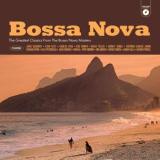
VARIOUS - BOSSA NOVA - VINTAGE SOUNDS
  • 1: Joao Gilberto - Chega De Saudade
  • 2: Stan Getz - Bim Bom
  • 3: Carlos Lyra - Ciúme
  • 4: Baden Powell - Improviso Em Bossa Nova
  • 5: Silvia Telles - Se É Tarde Me Perdoa
  • 6: Quincy Jones - Soul Bossa Nova
  • 7: Antônio Carlos Jobim - A Felicidade
  • 8: Charlie Byrd - Meditacao
  • 9: Ella Fitzgerald - Desafinado
  • 10: Joao Donato E Seu Trio - Muito A Vontade
  • 11: Maysa - O Barquinho
  • 12: Pery Ribeiro - Garota De Ipanema
  • 13: Orlandivo - Onde Anda O Meu Amor
  • 14: Grant Green - Brazil
  • 15: Laura Villa - Corcovado
  • 16: Luiz Bonfa - Luzes Do Rio

Mit der neuen Ausgabe der Vintage Sounds Vinyl Collection kehrt ein echter musikalischer Schatz zurück - diesmal ganz im Zeichen der Bossa Nova. Diese liebevoll kuratierte Zusammenstellung präsentiert 16 zeitlose Klassiker, die den unverwechselbaren Klang Brasiliens geprägt haben und bis heute weltweit für entspannten Groove und federleichte Eleganz stehen. Auf dem Album versammeln sich die wichtigsten Künstler einer Ära, die Musikgeschichte geschrieben hat: Joao Gilberto, Baden Powell, Silvia Telles, Quincy Jones und natürlich Antônio Carlos Jobim, dessen Kompositionen bis heute als Herzstück des Genres gelten. Freuen Sie sich auf unvergängliche Perlen wie "Chega De Saudade", "Garota De Ipanema", "Desafinado", "Corcovado", "A Felicidade", "Soul Bossa Nova", "O Barquinho" oder "Meditaçao" - alle sorgfältig ausgewählt und auf hochwertigem Vinyl neu erlebbar gemacht.

pre-order now27.03.2026

expected to be published on 27.03.2026

13,40
Joao Gilberto - Luz de Corcovado LP
  • Corcovado
  • Chega De Saudade
  • Samba De Uma Nota So
  • Saudade Da Bahia
  • Insensatez
  • Meditacao
  • Brigas, Nunca Mais
  • Se E Tarde Me Perdoa
  • Trevo De Quatro Folhas
  • O Pato
  • Desafinado
  • Outra Vez
  • Coisa Mais Linda
  • Voce E Eu
  • Rosa Morena
  • Samba Da Minha Terra
  • O Nosso Amor
  • A Felicidade
  • Bim Bom
  • Morena Boca De Ouro
  • Discussao

Gathering his most iconic early recordings, this collection captures the pure essence of the man who laid the foundations of Bossa Nova. From the tender intimacy of "Corcovado" and "Chega de Saudade" to the gentle swing of "Desafinado" and "Bim Bom", widely considered the very first Bossa Nova song, every track radiates Gilberto's unmatched grace and rhythmic subtlety. Pressed on high- quality vinyl, Luz de Corcovado invites you to rediscover the soft pulse and poetic warmth that changed Brazilian music forever.

pre-order now13.03.2026

expected to be published on 13.03.2026

20,13
Various Artists - Brazil Greastest Hits LP 2x12"
  • Joao Gilberto - Bim Bom
  • Elizete Cardoso - Outra Vez
  • Luiz Bonfa - Copacabana
  • Antônio Carlos Jobim & Roberto Paiva - Eu E O Meu Amor
  • Joao Donato - Tim-Dom-Dom
  • Carlos Lyra - Você E Eu (You And Me)
  • Baden Powell - Improviso Em Bossa Nova
  • Salinas - Tenha Fé, Pois Amanha Um Lindo Dia Vai Nascer
  • Stan Getz & Charlie Byrd - Desafinado
  • Sérgio Mendes - Oba-La-La
  • Pery Ribeiro - Garota De Ipanema
  • Orlandivo - Onde Anda O Meu Amor
  • Shorty Rogers & His Giants - Chega De Saudade (No More
  • Sylvia Telles - Corcovado
  • Grant Green - Brazil
  • Maysa - Agua De Beber
  • Quincy Jones & His Orchestra - Soul Bossa Nova
  • Trio Mocoto - Nao Adianta
  • David K (Feat. Rolando Faria) - Mas Que Nada (David K R
  • Tom & Joy - Para Bailar
  • Seu Jorge - Carolina
  • Salome De Bahia - Outro Lugar (Edit)
  • Carlinhos Brown - Brasil Brasil (Ole Ole)
  • Caetano Veloso - Hino Da Bahia
  • Suba (Feat. Cibelle) - Felicidade
  • Marcelinho Da Lua (Feat. Seu Jorge) - Cotidiano (Buzzin
  • Bebel Gilberto - August Day Song
  • Negrocan - Cada Vez (Grant Nelson Vocal Mix Edit)

Mit Brazil Greatest Hits veröffentlicht Wagram eine musikalische Reise durch die farbenfrohe Welt Brasiliens - von zeitlosen Bossa-Nova-Klassikern bis zu modernen Latin-Grooves. Auf zwei sorgfältig zusammengestellten Vinyl-LPs versammeln sich legendäre Aufnahmen und internationale Club-Favorites, die den Spirit von Rio, die Leichtigkeit des Samba und den warmen Sound des Tropenlands einfangen. Die erste LP präsentiert ikonische Stimmen und Instrumentalstücke der goldenen Bossa-Nova-Ära - voller Eleganz, Rhythmus und Melodie. Auf LP 2 geht es moderner und tanzbarer weiter: brasilianische Funk-Einflüsse, Remix-Perlen und energiegeladene Tracks zeigen, wie lebendig und vielfältig die Musikszene Brasiliens bis heute ist.

pre-order now27.02.2026

expected to be published on 27.02.2026

23,49
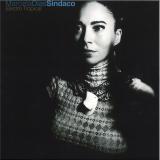
Marcela Dias Sindaco - Electro Tropical LP 2x12"

For Marcela Dias Sindaco’s third release on the Oklahoma City label Fixed Rhythms, she delivers a full-length 2xLP of her characteristically magical electro. These songs were recorded in various studios across Brazil, capturing the intangibles of Brazilian city life. You can hear her influences (Detroit techno, kosmische synth travel, electro, etc.), but she distills it all yet again into something completely her own. Whenever you listen to her music, you know it’s her. Hypnotizing electro made on warm machines with her sung/spoken Portuguese woven enchantedly throughout…truly sublime listening. This is a 16 track groove journey that will make you a Marcela fan if you aren’t already one.

The two black 12 “s come housed in a beautiful jacket that offers you a glimpse into Marcela’s world. The background of the artwork on the backside features a wallpaper design that you may find in an old home in Brazil. Inside is an insert written by Italian curator and philosopher Massimo Torrigiani. Only 300 copies pressed…don’t sleep on this one.

out of Stock

Order now and we will order the item for you at our supplier.

24,79

Last In: 5 months ago
Os Cariocas - A Bossa Dos Cariocas [limited Edition]
  • 1: Pra Que Chorar
  • 2: Rio
  • 3: Garota De Ipanema
  • 4: Anjinho Bossa Nova
  • 5: Samba De Uma Nota Só
  • 6: Devagar Com A Louça
  • 7: Vamos Amar
  • 8: Cartao De Visita
  • 9: Ela É Carioca
  • 10: Chega De Saudade
  • 11: Amanhecendo
  • 12: Samba Do Aviao
  • 13: Menina Certinha
  • 14: O Amor Em Paz
  • 15: Desafinado
  • 16: Só Danço Samba
  • 17: Vivo Sonhando
  • 18: Amor De Nada
  • 19: Tim-Tim-Por-Tim-Tim
  • 20: Insensatez
pre-order now16.10.2025

expected to be published on 16.10.2025

16,18
Rafael Anton Irisarri - A Fragile Geography

Rafael Anton Irisarri

A Fragile Geography

12inchBKE021-LP-YE
Black Knoll Editions
02.10.2025

Ostinato as resistance: Rafael Anton Irisarri’s landmark work reimagined. Marking the tenth anniversary of the American composer’s critically acclaimed album 'A Fragile Geography', this new edition arrives renewed, both sonically and visually.

First released in 2015 (Room40) during a period of personal upheaval and creative reinvention, it endures as a testament to resilience, transformation, and the connection we hold with the places that shape us.

Written in the aftermath of a devastating theft, A Fragile Geography was born out of loss. Just days before a cross-country move to New York, Irisarri’s entire Seattle-based studio was wiped out. Instruments. Recordings. Archives. Gone without a trace. He arrived on the East Coast to an empty room and the daunting task of starting over.

“This album wasn’t just a record; it was a lifeline,” Irisarri reflects. “It became a way to process the emotional chaos that followed: uprooting, instability, and ultimately, the slow, intuitive rebuilding of a life.”

Composed and recorded in the rural woods of the Hudson Valley, the album took shape in seclusion, surrounded by nature, and through a process guided by improvisation. Embracing limitations, Irisarri wove textural layers of field recordings with half-remembered melodies from his Seattle years, piecing them together like fragments of memory. Tracks like “Displacement,” “Hiatus,” and “Persistence” juxtaposed haunting stillness with restless momentum, mapping an inner terrain of grief, catharsis, and rebirth.

Among its defining sounds is “Empire Systems,” a monumental centerpiece built around a simple four-chord progression, organ textures, and guitar drones. Gradually, the track expands into layers of immersive loops and thick, enveloping distortion that wash over the listener like a rolling wave. Often cited as the album’s most majestic passage, it captures Irisarri at his most sonically ambitious. With a harmonically saturated structure crafted from restraint and repetition, it remains one of his most recognizable compositions: an exercise in the art of maximal minimalism.

From the outset, “Reprisal” received praise from BBC’s Mary Anne Hobbs, who championed the track on her radio show. Her support played a key role in introducing Irisarri’s work to wider audiences and solidifying his place within the lineage of electronic, drone, and experimental sound artists. A slow-burning elegy, the piece emerges from a haze of distortion and sub-bass, with dense, unrelenting drones carrying a sense of mounting tension. Just as it seems to collapse under its own weight, flickers of guitar emerge like distant light through fog. It’s a meditation on dissonance, resolve, and the elusive possibility of release.

The closing track, “Secretly Wishing for Rain,” is steeped in saudade: a longing for Seattle’s dour grey skies, lush green landscapes, and desaturated sunsets. Through it, Irisarri mourns a vanished chapter of life bound to the city, a time documented in scattered mementos and cherished collections, now permanently gone. A reflection on what could never be recovered: an era lost to time. Julia Kent’s looped cello motifs added a melancholic warmth to the track, marking the first collaboration between the two artists and sparking a musical dialogue that would keep growing in the years that followed.

More than a career highlight, A Fragile Geography has laid the foundation for Black Knoll studio, which Irisarri rebuilt from the ground up. The studio has since grown into a creative hub for countless projects, with Irisarri engineering records for iconic music figures like Terry Riley, Ryuichi Sakamoto, William Basinski, MONO, Devendra Banhart, Grouper, Emeralds, Steve Hauschildt, Julianna Barwick, and many others. Carried by its lasting influence, the album has quietly captured the ear of a younger generation, its sound and emotional arc finding new listeners in unexpected corners.

The album’s new visual language was reimagined in collaboration with Mexico City–based designer Daniel Castrejón. Irisarri captured ghostly images at Gaztelugatxeko Doniene, a historic coastal site in Bermeo, Euskal Herria. Castrejón then treated the photographs with distressed textures and spectral overlays. The final artwork channels the rugged, elemental forces that shaped both the music and Irisarri’s aesthetic, renewing his ties to ancestral ground inspired by the Basque homeland of his bloodline.

Mastered by Stephan Mathieu with exceptional attention to detail, this anniversary edition uncovers every nuance in the sound design, enhancing clarity and presence. With each listen, new elements emerge, inviting discovery and reconnection.

“I don’t experience this album as a document of grief anymore,” says Irisarri. “I hear adaptation and I'm reminded that when everything falls apart, something meaningful, maybe even beautiful, can emerge.”

out of Stock

Order now and we will order the item for you at our supplier.

27,52

Last In: 3 months ago
Rafael Anton Irisarri - A Fragile Geography

Ostinato as resistance: Rafael Anton Irisarri’s landmark work reimagined. Marking the tenth anniversary of the American composer’s critically acclaimed album 'A Fragile Geography', this new edition arrives renewed, both sonically and visually.

First released in 2015 (Room40) during a period of personal upheaval and creative reinvention, it endures as a testament to resilience, transformation, and the connection we hold with the places that shape us.

Written in the aftermath of a devastating theft, A Fragile Geography was born out of loss. Just days before a cross-country move to New York, Irisarri’s entire Seattle-based studio was wiped out. Instruments. Recordings. Archives. Gone without a trace. He arrived on the East Coast to an empty room and the daunting task of starting over.

“This album wasn’t just a record; it was a lifeline,” Irisarri reflects. “It became a way to process the emotional chaos that followed: uprooting, instability, and ultimately, the slow, intuitive rebuilding of a life.”

Composed and recorded in the rural woods of the Hudson Valley, the album took shape in seclusion, surrounded by nature, and through a process guided by improvisation. Embracing limitations, Irisarri wove textural layers of field recordings with half-remembered melodies from his Seattle years, piecing them together like fragments of memory. Tracks like “Displacement,” “Hiatus,” and “Persistence” juxtaposed haunting stillness with restless momentum, mapping an inner terrain of grief, catharsis, and rebirth.

Among its defining sounds is “Empire Systems,” a monumental centerpiece built around a simple four-chord progression, organ textures, and guitar drones. Gradually, the track expands into layers of immersive loops and thick, enveloping distortion that wash over the listener like a rolling wave. Often cited as the album’s most majestic passage, it captures Irisarri at his most sonically ambitious. With a harmonically saturated structure crafted from restraint and repetition, it remains one of his most recognizable compositions: an exercise in the art of maximal minimalism.

From the outset, “Reprisal” received praise from BBC’s Mary Anne Hobbs, who championed the track on her radio show. Her support played a key role in introducing Irisarri’s work to wider audiences and solidifying his place within the lineage of electronic, drone, and experimental sound artists. A slow-burning elegy, the piece emerges from a haze of distortion and sub-bass, with dense, unrelenting drones carrying a sense of mounting tension. Just as it seems to collapse under its own weight, flickers of guitar emerge like distant light through fog. It’s a meditation on dissonance, resolve, and the elusive possibility of release.

The closing track, “Secretly Wishing for Rain,” is steeped in saudade: a longing for Seattle’s dour grey skies, lush green landscapes, and desaturated sunsets. Through it, Irisarri mourns a vanished chapter of life bound to the city, a time documented in scattered mementos and cherished collections, now permanently gone. A reflection on what could never be recovered: an era lost to time. Julia Kent’s looped cello motifs added a melancholic warmth to the track, marking the first collaboration between the two artists and sparking a musical dialogue that would keep growing in the years that followed.

More than a career highlight, A Fragile Geography has laid the foundation for Black Knoll studio, which Irisarri rebuilt from the ground up. The studio has since grown into a creative hub for countless projects, with Irisarri engineering records for iconic music figures like Terry Riley, Ryuichi Sakamoto, William Basinski, MONO, Devendra Banhart, Grouper, Emeralds, Steve Hauschildt, Julianna Barwick, and many others. Carried by its lasting influence, the album has quietly captured the ear of a younger generation, its sound and emotional arc finding new listeners in unexpected corners.

The album’s new visual language was reimagined in collaboration with Mexico City–based designer Daniel Castrejón. Irisarri captured ghostly images at Gaztelugatxeko Doniene, a historic coastal site in Bermeo, Euskal Herria. Castrejón then treated the photographs with distressed textures and spectral overlays. The final artwork channels the rugged, elemental forces that shaped both the music and Irisarri’s aesthetic, renewing his ties to ancestral ground inspired by the Basque homeland of his bloodline.

Mastered by Stephan Mathieu with exceptional attention to detail, this anniversary edition uncovers every nuance in the sound design, enhancing clarity and presence. With each listen, new elements emerge, inviting discovery and reconnection.

“I don’t experience this album as a document of grief anymore,” says Irisarri. “I hear adaptation and I'm reminded that when everything falls apart, something meaningful, maybe even beautiful, can emerge.”

out of Stock

Order now and we will order the item for you at our supplier.

27,52

Last In: 7 months ago
JACINTA SANCHES - PEDRO RAMOS - S/T

Black Vinyl LP with insert (including the story behind the album and lyrics with English translation)

After their first LP, in 1987, Pedro gathered his usual band, Carlos Sousa on keyboard, Bulimundo on drums, Nuno Santos and Zézé on lead and rhythm guitars, Augusto Rasta on bass, Daló on sax and finally Dalú on percussions, for yet another project, one that carried both their names: Jacinta Sanches - Pedro Ramos. Eight days, no more, that’s all Pedro Ramos and Jacinta Sanches needed inside the Estúdios Musicorde. The process was natural, as with all their music, memories recollected and arranged by Pedro on café napkins, rehearsed and perfected at home with Jacinta. Together they imagined music where Cape Verdean saudade could dance together with Kingston’s skank, two island hearts beating inside European concrete.

His name is Pedro Correia Ramos Varela, born in Praia, Santiago, Cabo Verde on April 6th 1954; her name is Jacinta Lopes Veiga Varela, born in Cidade Velha, Santiago, Cabo Verde on January 22nd 1959. The two met in Praia, where a few exchanged words turned into long evening conversations; conversations into friendship; friendship into love; and love into six wonderful children. After the independence of Cabo Verde, they got married in 1978 and moved to Portugal, where Pedro started working as a welder for Lisnave and playing the guitar in a band in Ramada. Trading shipyard sparks by day for the after-hours pulse of Cova da Moura, his love for music proved harder than steel. And in 1982, after seeing Bob Marley and Peter Tosh in Rotterdam, he opened his own Dancing Bar just below their house, a pioneering space for the promotion of reggae music in Portugal.

Their Dancing Bar kept its doors open from 1982 to 1994, seeing the release of two albums and more singles. To this day, Pedro and Jacinta are still making music, one the inspiration of the other. They define themselves as simple people, living happy without prejudice, friends with the world.

pre-order now29.08.2025

expected to be published on 29.08.2025

24,16
Items per Page:
N/ABPM
Vinyl