
Search:soul revolution

10
BCUC – Bantu Continua Uhuru Consciousness – have been channeling the spirit of Soweto for over twenty years. Indigenous funk, hip-hop consciousness, and punk rock energy fused into something utterly original and deeply rooted. Their mantra: Music for the people, by the people, with the people. From humble beginnings rehearsing in a shipping container, a stone's throw from the church where Desmond Tutu organized the escape of the most wanted anti-Apartheid activists, they kept believing in their dream of self-empowerment. Today they command festival stages worldwide: Glastonbury West Holts, Roskilde, Afropunk Brooklyn, WOMAD, Fusion, Sziget, FMM Sines, Beaches Brew, Boomtown, Colours of Ostrava, Couleur Café – to name just a few. In 2023, BCUC were honoured with the prestigious WOMEX Artist Award, an accolade usually reserved for more established artists, in recognition of their fearless work and transcendent live performances.
THE ROAD IS NEVER EASY
The Road Is Never Easy is BCUC's fifth album and their debut on Outhere Records. On this new offering, BCUC take listeners on another Afro-psychedelic journey into the soul of Soweto. It feels like a gospel sermon colliding with a punk concert, "guaranteed to touch untapped corners of your soul" (OkayAfrica). BCUC's music is deeply rooted in history and echoes the voices of the ones who came before. The road was never easy for the people of Soweto who originally came to work in the mines of Egoli, the City of Gold, Johannesburg. When apartheid finally ended after a long struggle, it was hoped that life would improve. But more than 30 years later, many of those initial hopes and dreams are still waiting to be fulfilled. This album is about that struggle. The album contains 10 brand new songs – a record for BCUC, whose previous albums featured an average of 3 songs. It represents the culmination of more than two decades of performing together and building a reputation as a powerful live act. These ten songs encapsulate that same live energy, each one building gradually and drawing you into BCUC's Afro-psychedelic stream of consciousness. It's a seismic tour de force through life in Soweto today. Songs like Amakhandela (Breaking All the Chains) connect history to daily life: "How is this precious metal inflicting so much pain in us," sing BCUC, "this government has been telling us we are free, but we don't benefit from being free." The album also talks about all the hopes and dreams that remain: "I have too many wishes and dreams in my head," BCUC sing in Um duma khanda, "I think I am losing my mind". The album ends with the soothing Matla a rona ke Bophelo, "our strength is life", praising the spirits and thanking the elders for protection. The Road Is Never Easy is about the harsh reality of life in Soweto, where "people always carry heavy loads". BCUC are street poets trying to deal with that burden: sometimes revolutionary, sometimes soothing, but always hopeful and compassionate. "When you are from Soweto you can't retreat nor surrender." (Sebenzela)
RECORDING
The album was largely recorded in Munich, Germany during tour breaks over two sessions, each three days long. It took place in a small studio located in a German WW II bunker converted into rehearsal spaces. The songs were recorded in one take altogether in one room, with only a few overdubs added, mainly backing vocals, by BCUC at Fourways studio in Johannesburg. BCUC have created their own distinctive way of writing, or rather, finding and creating their songs. The recording process is like an improvised live performance. They bring their ideas into a zone where the music, the rhythm and the spirits take over until the song starts to form. In this Afro-psychedelic zone BCUC create their unique poetry that feeds on the dreams still dreamt, the hopes, the fears and the temptations lingering everywhere. BCUC's songs need to breathe and time to build. The right take was the one when the song took over, and just like their live performances, no one knew beforehand where the song would take them. During the recording, BCUC just let it all flow out: inner turmoil, cries of rebellion, but also resilience and a search for healing, love, unity and compassion. You don't have to be from Soweto to feel the deep meaning and impact of this music. In these times of so much hate and division, BCUC are like a campfire for people to gather around.
PRODUCTION & ARTWORK
"BCUC have a unique magic," says Outhere's Jay Rutledge, who produced the album. "It blew our minds. It's like punk and pure gospel at the same time. Their music can make you dance and it can make you cry, all at the same time. And when the song is over, you feel you're not alone in this world anymore. We felt compelled to do this." The album cover is based on a matchbox design, matches being a common household item in South Africa even today. "These were the matches people used to burn government buildings and cars," explain BCUC. Little messages, addresses, or phone numbers used to be scribbled on the back of these boxes; each one a reminder of the strength, resilience, and resistance that once drove the struggle for freedom in Soweto. BCUC keep this flame burning. The Road Is Never Easy is a heavy spiritual road trip, a deep dive into the subconscious of Soweto and a quest for truth, justice and sanity in this crazy world. BCUC tackle the harsh realities of the voiceless, guided by the spirit world of their ancestors. Rather than reinforcing stereotypes of poverty, BCUC's portrayal of Africa is one rich in tradition, rituals and beliefs. "We bring fun and Afro-psychedelic fire from the hood," says vocalist Kgomotso Mokone.
- Snakes & Ladders ( 05:33 )
- Anemoia ( 05:09 )
- Victorian Wraith ( 03:02 )
- 1890: ( 03:58 )
- Artificial Obsession ( 05:07 )
- Paris Sketch ( 05:47 )
- Perfect Toys ( 03:48 )
- Traveler ( 05:41 )
- Reveille ( 01:54 )
- Last Post ( 02:23 )
- A New Simulation ( 04:38 )
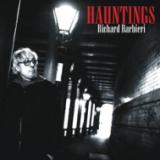
JAPAN & PORCUPINE TREE SYNTHESIST RICHARD BARBIERI RETURNS WITH NEW STUDIO ALBUM 'HAUNTINGS' GATEFOLD 2LP EDITION, PRESSED ON CLASSIC BLACK VINYL. Richard Barbieri remains one of contemporary music's most distinctive voices. Emerging as a key architect of the late '70s/'80s synthesiser revolution with David Sylvian's art-rock ensemble Japan, his visionary synthesiser programming expanded the horizons of electronic music & left a lasting mark on artists from The Human League & Duran Duran to Gary Numan & Talk Talk. His subsequent & ongoing tenure with Steven Wilson's legendary progressive outfit Porcupine Tree across albums such as 'In Absentia' (2002), 'Fear Of A Blank Planet' (2007) &, most recently, 'Closure/Continuation' (2022) further affirmed his status as one of the most intuitive & unique musicians of his generation.
'Hauntings' is Barbieri's first studio album since 2021's 'Under A Spell', deepening the pensive, dark instrumental aesthetic of its predecessor. A diverse collection of immersive sound worlds, both dark & uplifting in equal measure, 'Hauntings' is influenced by a nostalgia for the past & future, & for things that didn't happen yet still manage to haunt the mind & soul. What is real & what is simulation? The album finds Barbieri at the height of his powers, his deft keyboard & sonic architecture conjuring a shadowy, creeping Lovecraftian atmosphere. The music wanders through the streets of a gloomy lamp-lit Victorian London & drifts into grain-speckled snapshots of Belle Époque Paris. These journeys into the past are contrasted with nihilistic but euphoric forays into the future, "Traveler" & "A New Simulation" bristling with the itchy modern anxiety that often runs through his best work. Contrasting the sound designs & electronics of Barbieri, the album features performances from renowned musicians Morgan Agren (drums & percussion), Percy Jones (bass guitar) & Luca Calabrese (trumpet). This 2LP 45 RPM edition of 'Hauntings' is presented in gatefold packaging & pressed on classic black vinyl.

- A1: Beaten Metal
- A2: Filibuster X
- B1: Sanctuary
- C1: Hilo
- C2: War Hero
- D1: I.c.e
- D2: Age
Antibalas established themselves in the late 1990s as a burning, tough, horn, bass and drum driven Afrobeat ensemble cut from the Fela Kuti mold, who were politically savvy and socially conscious. Their live shows have been incendiary events where rhythm and perspiration from completely crazy, booty-shaking audience members shared something deeper and wider than the music itself. Security is Antibalas' fourth album. It was co-produced by the band with John McEntire from Tortoise.
The group, whose name means "bulletproof" in Spanish, has indeed proved they possess the mettle to not only survive but also thrive by employing a musical arsenal that has become known worldwide. Initially using the revolutionary blueprint of afrobeat as a launching pad, the dozen-strong members of Antibalas weave a rich tapestry of latin, jazz, classical, funk and soul into their horn-driven mix. Words fail in trying to describe the result: simultaneously polyrhythmic and political, independent and contagious, and the reason why many have credited the band for introducing afrobeat's framework to a new generation.
Security is available as a numbered limited edition of 500 copies on white vinyl and is packaged in a gatefold sleeve.

14
Reggae music in many ways reminds us of America’s Motown records. The music comes out of its stable fast and furious we tend to know the songs, the artists, the
studio but who? are the players. The unsung heroes that in many cases, cut most of our favourite tracks One such band this applies to in the Reggae field is the Soul Syndicate Band.
Each Jamaican record producer would have their favourite set of musicians they would use, availability permitting. Although several musicians crossed over into different named bands. For example, a set of players working with Producer Bunny 'Striker' Lee would go under the guise of The Aggrovators. The same group working with Producer Joe Gibbs would work under the name The Professionals. Soul Syndicate were the band of choice for Producer Niney the Observer, who used them for his own recordings and when you put that aside the other artists Niney produced, Dennis Brown, Max Romeo, Michael Rose, I Roy, The Ethiopians, Barry Brown, Gregory Issacs and Freddie McGregor. To name a few and not necessary all, you begin to see the amount of material this set of musicians played on.
Built around the rhythm section of Calton 'Santa' Davis and George 'Fully' Fullwood, drums and bass respectfully. They were usually accompanied by Earl 'Chinna' Smith, Tony Chin on guitars, Keith Sterling, Gladstone 'Gladdy' Anderstone, Bernard 'Touter' Harvey, organ/keyboards and Noel 'Skully' Simms, percussion. Niney's tracks tended to be rhythm heavy and thus Sound System favourites.But when brass was needed/called for ,this was provided by the likes of Tommy McCook, Bobby Ellis, Felix ' Deadley Headley' Bennett. Niney not having a studio of his own at the time used most of Kingston's studios, again availability and money providing. But most of these cuts
selected for this release were cut at Channel 1 and a few exceptions at Randy's Studio 17 and at Joe Gibbs studio at Burns Avenue.
Niney also worked closely with King Tubby on his dub plates, so tracks after the recording sessions were taken to King Tubbys for reconstruction and sometimes
re-voicing over an existing rhythm. These were then used as version sides to the vocal cuts, but most importantly used to nice up the dances, being played out on King Tubbys Hometown Hi-Fi Sound System. We have pulled together a selection of such dub plate specials cut by the Soul Syndicate band for this release. Dub sides that emphasise how well the band worked together, and with Niney at the reigns and the added bonus of some Tubby magic sprinkled on top. Please see our Niney the Observer at King Tubbys 1973-1975 (JRO11) for further examples of this work.
We at Jamaican Recordings hope we are not alone in saluting the musicians, that played such a big part in producing many of our favourite Reggae Sounds. Having released titles by The Revolutionaries (JR003), The Aggrovators (JR005), Sly and Robbie (JR006), we are now pleased to release a selection of rare Dub cuts by another one of Jamaica's finest, the Soul Syndicate band to our catalogue...
Respect Jah Floyd.

- A1: Clean Up (Ep Mix)
- A2: Go Get Your Money
- A3: Beretta (Feat. Lucey Way)
- B1: Things
- B2: Rolling
- B:3 Go Get Your Money (B-Sharp Mix)
First Word Records are proud to bring you 'Penny Ballads', a 5-track EP from Royce Wood Junior. Royce Wood Junior is a Grammy & Mercury Award-nominated musician, songwriter and record producer from London, currently based in Brighton. As a multi-instrumentalist, he's collaborated with a litany of brilliant artists over the years, such as Jamie Woon, Nao, Disclosure, Jessie Ware, Olivia Dean, Joy Crookes, Jamie Lidell and Jordan Rakei, additionally to touring with the likes of the legendary Thomas Dolby. He's released two acclaimed solo albums to date ('The Ashen Tang' in 2015, and 'No Two Blue Ticks' in 2021). 'Penny Ballads' demonstrates RWJ's varied talents, with a collection of alternative soul compositions, each one as unique as the next. It includes the first two singles, the Poplife-Prince era flavoured 'Go Get Your Money', and the double-time future funk adrenaline shot, 'Clean Up', along with three previously-unreleased tracks. 'Beretta' is low-slung soul funk, beginning with quirky squelchy synths, before the soulful lead vocal of feature artist Lucey Way breezes in to melt everyone's hearts. 'Things' sweeps in next, an infectiously soulful midtempo heavy soul bop, with an instant earwork of a hook, like a modern-day Steely Dan / Doobie Brothers, complete with a head-nodding string section to end the track. The collection concludes on a more melancholy downtempo tip with 'Rolling'; an almost-folktronic anthem, with a key refrain that wouldn't be out of place on a 70's Stevie piece. RWJ (aka Jim Wood) says of this project… "Back in the 17 and 1800's Troubadours and minstrels would go from Tavern to Tavern selling Penny Ballads, single sheets of music and lyrics written quickly and frivolously to make a quick buck.. It strikes me that we're in a similar phase in the way we value music in 2025. An old Penny Ballad was cheap and dog-eared, ink-smudged, sung aloud by firelight, Now songs live in the digital ether, dissolved in the air, a ghostly breath paid in micro cents. The new era of Penny Balladry is here, and weird. This EP is a snapshot of my writing over a two year period. Focussed on minimal recording styles, one mic on the drums, generally first or second takes on parts and vocals, I wanted the music to feel like small moments with lyrics that talk about the weird nuances of being alive as a latter stage human on the cusp of the Ai revolution. Culturally so evolved, but physiologically still just a bunch of mammals walking about with primitive fears and needs. Just trying to reconcile it all moment to moment…" Previous support for Royce's music has included Radio 1's Future Sounds, BBC 6 Music's New Music Fix, Annie Mac, Clara Amfo, Jo Whiley (BBC Radio 2), Mary Anne Hobbs, Jamz Supernova, Tom Robinson, Huw Stephens (BBC 6 Music), Zane Lowe and MistaJam. There have been sessions previously for the likes of Red Bull and press from Huck, Line of Best Fit, Clash, Aesthetica & DIY magazine. Entirely self-written and self-produced, this EP gives a solid taste of RWJ's talents. A deeply funky diverse set of music from an immensely talented individual. 'Penny Ballads' is due to be released on vinyl & digital, 24th October 2025. The vinyl version also includes an exclusive additional mix of the first single 'Go Get Your Money'. TRACKLIST: 01: Clean Up (EP Mix) 02: Go Get Your Money 03: Beretta (feat. Lucey Way) 04: Things 05: Rolling 06: Go Get Your Money (B-Sharp Mix) Deconstructed Mixes

10
Swan Song
The vinyl LP at the heart of this éthiopiques 31 tracks 2 to 11 was one of the very last vinyl records ever released in Ethiopia. But above all it represents, we felt, the absolute masterpiece of the Ethiopian Groove – the Swan Song of Swinging Addis. The album leaves a clear idea for posterity of the level of sophistication and mastery that modern Ethiopian music had achieved, before being crushed under the Stalino-military heel of the Derg – as the bloody revolution that was unfolding came to be called.
Ethiopia1976.
The Revolution that broke out in February 1974 rolled on in a ruthless march. The whole of Ethiopian society was utterly stunned. The bouquets of flowers handed joyfully to the first tanks of the coup d'état were to wilt very rapidly. From September 1976 to February 1978, 18 months of Red Terror (the name given by the junta itself) spilled blood throughout the country. This fratricidal conflict took its heaviest toll among students and youth. The shift from feudalism to a cruel and primitive Stalinism left the country's citizens deeply traumatised, and snuffed out any pretence of activism, whatever the sector of society. This ice age was to last for seventeen long years.
ሙሉቀን፡መለሰ Mulukèn Mellèssè Muluqän Mälläsä
It was three tracks by Muluken that served as the opener for éthiopiques-1 more than 25 years ago. Seven more tracks appeared on éthiopiques-3 and 13, all accompanied by The Equators, which was soon to become the Dahlak Band.
The first track, Hédètch alu, also the very first piece that Muluken ever recorded, left audiences both unsettled and amazed. Reflecting the singer's extremely young age (he was just 17 at the time), this angelic voice mystified many, who thought they were in fact listening to a feminine voice. He was not yet 22 when he released his last vinyl record in 1976 with Kaifa Records (KF 39LP), one of the very last to be issued in Ethiopia, before the cassette tape became the dominant medium for music distribution – and before the new revolutionary regime put a stop to all independent musical life, via an unspeakable barrage of prohibitions and other persecutions.
Mulu qèn, literally, “A well filled day”. This tender maternal intention wasn't enough to ward off the cruelty of fate. His mother's premature death drove Muluken to leave his native Godjam, in northeast Ethiopia, to live with an uncle in Addis Ababa. Born Muluken Tamer, he took his uncle's last name – Mèllèssè.
The spelling Muluken appeared in his administrative records. Transcription of Amharic to the Latin alphabet, both in Ethiopia and for scholars, gives rise to controversies and quibbles that can never be neatly settled. French allows for a closer approximation of the original pronunciation, thanks to its battery of accent marks, confusing as they may be to anglophones.
Between rather accommodating administrative record-keepers and the various versions that pop up in interviews given by the artist, Muluken's year of birth oscillates between 1953 and 1955…
1954? One thing is certain: the artist's talent made itself known very early indeed, because he got his start in 1966-67, at the age of 13 or 14. Photos from the period attest to his extreme youth. It's a strange sort of initiation for a very young teenager to become a sensation in the heart of Addis's nightlife at the time, Woubé Bèrèha – the Wilds of Woubé. And what's more, in the club of the Queen of the Night, the Godjamé Assègèdètch Alamrèw herself, the very same that was portrayed by Sebhat Guèbrè-Egziabhér in his novel-memoir Les Nuits d’Addis Abeba2… The legendary female club owner who is remembered to this day by the capital's ageing boomers.
Muluken first tried his hand at the drums, before he grabbed the microphone. He emigrated briefly to the Zula Club, across the street from the old Addis Post Office, one of the ground-breaking bars of the burgeoning musical scene, before joining the Second Police Band in 1968, for around three years. He spent a few months with the short-lived Blue Nile Band founded by saxophonist Besrat Tammènè. As the musical scene grew increasingly successful, and pulled slowly but decisively away from its institutional ties, Muluken released his first 45rpm single in February 1972 (Amha Records AE 440). It was included in two LP Ethiopian Hit Parade compilation albums in September of the same year. All in all, Muluken released eight two-track 45s and the same number of original cassette tapes between February 1972 and 1984, the year that he departed for permanent exile in the USA. After converting to Pentecostalism in 1980, Muluken gradually abandoned all secular musical activity. In 1985, at the end of a concert in Philadelphia, he decided to quit concerts and recording for good. Mèlakè Gèbré, the historic bass player from the Walias band who was playing with him that night, recalls that everything appeared so irredeemably diabolical in Muluken's eyes, that it was to be the end of his contribution to Ethiopian Groove.
The end of the story, the beginning of a legend.
Dahlak Band, forgotten by History
Aside from his personal history and vocal talents, it must be remembered that Muluken Mèllèssè was one of the biggest names in the musical innovations that marked the end of the imperial period. These éthiopiques aim to convince those who are just discovering this hidden gem... As for Ethiopians themselves, they are to this day captivated by this singular and atypical figure in the Abyssinian pop landscape – even though he withdrew from public life some 40 years ago. Incorrigible devotees of poetic twists, of more or less hidden meanings, Ethiopians appreciate above all the care Muluken took in choosing his lyrics and the writers who penned them, such as Feqerte Haylou, Alemtsehay Wodajo and, here, Shewalul Mengistu (1944-1977). Love songs, written by women, a far cry from the conventional drivel that pleases sappy sentimentalists.
Muluken is equally acclaimed for his perfectionism when it came to music, the opposite of the overly casual approach that is all too common. He remained a faithful partner of musicians who came from a lineage that borrowed from several inventive and pioneering bands (Venus, Equators, Dahlak). Amongst them were certain artists who began their musical lives with Nersès Nalbandian at the Haile Sellassie Theatre and who come of age in around 1973 – at just the wrong time, you might say. Among them were the pillars Shimèlis Bèyènè (trumpet), Dawit Yifru (keyboards) and Tilayé Gèbrè (sax & flute). Most notably Tilayé Gèbrè, certainly one of the most important musicians, composers and arrangers of his generation, of the end of the imperial era, and of the early years of the Derg.
It was only in 1981 that a miraculous opportunity arose for Tilayé to escape the Stalinist paradise of the dictator Menguistou Haylè-Maryam. Once again it was Amha Eshèté (1946-2021) who provided a solution. The spirited and courageous producer, who had been in exile in Washington since 1975, succeeded, thanks to his incredible perseverence, in bringing the Walias Band to the USA. It was, in fact an extended Walias Band comprising ten musicians3, six of whom chose to slip away after a few concerts and the recording of an LP (The Best of Walias, WRS 100). Tilayé Gèbrè was one of these. He has been living in the USA ever since. There he joined the then-nascent Ethiopian diaspora, which lived largely unto itself, and was making only very modest headway in the American musical market. It seems unfair that Tilayé Gèbrè and the Dahlak Band were not able to benefit earlier from the public recognition that they do deserve.
A similar draining away of the top-rate talents would lead to the reorganization of the major groups of the “Derg Time”. The remaining artists spread themselves around between Ibex Band (renamed Roha Band), Ethio Star Band and a remodeled Walias Band. That spelled the end of the Dahlak Band.
With this record, produced by the essential Ali Abdella Kaifa a.k.a. Ali Tango, we can appreciate everything that the Derg not only destroyed, but also prevented from flourishing. This gem of Ethiopian-style afrobeat came out in 1976 (and, by way of a parenthesis, before the FESTAC 1977 in Lagos, which was attended by an impressive delegation of Ethiopian musicians — although Fela was already personna non grata in his own country). Despite everything that might distinguish this ethio-groove from Fela’s music – no colonial axe to grind, no question of political confrontation with the authorities, no claims to negritude or Africanism for the Ethiopian musicians, and less extrovertion! –, this LP fits beautifully into the saga of intense and electrified soul of the new “African” groove that Fela and Manu Dibango embodied so well from that point onwards.
In restoring this record to its place in the afrobeat epic, it can be seen that, if nothing else, the timeline bestows a legitimate pedigree and a historical primacy to works that had no international impact when they were originally released.
Warning! Masterpiece!
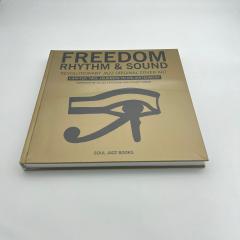
Freedom, Rhythm and Sound showcases the stunning graphic works of independently published jazz record cover designs in the 1960s, 70s, 80s and beyond, from radical jazz musicians such as Sun Ra, John Coltrane, Pharoah Sanders, The Art Ensemble of Chicago and others. This second Freedom, Rhythm and Sound book is a new ‘chapter’, featuring hundreds more unique, rare and beautiful jazz record cover designs.
This book documents the continued development in jazz as African-American artists set out on new journeys to enlightenment, heading out into Europe at the end of the 1960s. The artwork of these (often self-produced) record cover designs during this era reflected their radical agenda, spiritual awareness and singular search for musical and personal freedoms. From raw, DIY aesthetics to lyrical and poetic illustrations, sometimes containing futuristic worlds and ancient landscapes, the designs are always bold, strikingly graphic, and most importantly capture the spirit of the music, giving them a unique beauty. The book also includes sections on African-American poets and writers, Civil Rights and Black Power Movement leaders (Martin Luther King, Malcolm X) and early musical pioneers (Yusef Lateef, Max Roach, Art Blakey and others), all of which helped influence and shape the world of radical and spiritual jazz from the 1960s and onwards to its rebirth today. Since the 1980s, Gilles Peterson has been a pivotal figure in the club scene, renowned for his genre-defying approach to music with jazz at its core. As one of the UK’s most iconic DJs, he has spent over 40 years shaping music trends as a radio presenter, club DJ, producer, and festival curator.
He hosts a flagship show on BBC Radio 6 Music and, in 2016, launched Worldwide FM. He is founder of the Worldwide Festival in the South of France and We Out Here festival in the UK. He runs the label Brownswood Recordings, dedicated to discovering and promoting new talent and bringing fresh voices to the global stage. Stuart Baker founded Soul Jazz Records in 1992. For more than 30 years the record company has released over 500 records covering a genre-defying array of non-mainstream musical worlds – Jazz, Reggae, Punk, Latin, Brazilian, Disco, African, Gospel, Acid House and more.
In 2017, part of Stuart Baker’s jazz record collection (much of which appears in Freedom, Rhythm and Sound) was featured and displayed as part of the Soul of a Nation: Art in the Age of Black Power exhibition at Tate Modern in London, and subsequently at The Broad in Los Angeles (2019) and Brooklyn Museum (2019). Soul Jazz Books launched in 2007, a similarly diverse and critically acclaimed publishing house with graphic art, culture and photography titles that include ‘Voguing and The House Ballroom Scene of New York’, ‘Dancehall – The Rise of Jamaican Dancehall Culture’, ‘Yo! The Early Days of Hip-Hop’, ‘Freedom, Rhythm and Sound – Revolutionary Jazz Cover Art 1965-83’, ‘Punk 45 – The Singles Cover Art of Punk 1976-80’ and others. Reviews of the first Freedom, Rhythm and Sound: “A remarkable book” The New Yorker “If there can be such a thing as a revolutionary coffee table book, Freedom Rhythm & Sound is it―a chance to wallow in the Afrocentric visual language of the non-mainstream black jazz vinyl of this extraordinary fertile and creative period.” Eye “Like the uncompromising music they represent, all the covers broadcast a sense of bold, brazen ideology” Pitchfork “A definitive account of a complex passage of cultural upheaval.” The Independent “For decades, no one was sure how to refer to this extraordinary music.
Calling it ‘fire music’ does justice to its incandescent spirit, still burning from the pages of a book that preserves the memory of a special time.” The Guardian “These sleeves are the original independent legacy to America’s premier art form – Jazz. In terms of African-American cultural expression they are part of a long line of thought that was charged in the 1960s by John Coltrane, Martin Luther King, Ornette Coleman, Malcolm X and others” The Wire “A hefty compendium of radical jazz cover art” Mojo

- A1: King Tubby - Country Gal Dub
- A2: The Wailers - Soul Rebel Dub
- A3: Wayne Smith - Under Mi Sleng Ten
- A4: The Upsetters - Curly Dub
- A5: Augustus Pablo - Cassava Piece
- A6: Horace Andy, Sly & Robbie - Skylarking Dub
- A7: The Abyssinians - Satta Amassa Gana Dub
- B1: Augustus Pablo - King Tubby Meets Rockers Uptown
- B2: Lee Perry & The Upsetters - Bird In Hand
- B3: Eek-A-Mouse - Wa-Do-Dem
- B4: U-Roy, The Mighty Diamonds, Sly & Robbie, The Revolutionaries - Crashie Sweep
- B5: Wailing Souls - Firehouse Rock
- B6: Jacob Miller - Baby I Love You So
- B7: Linval Thompson - Starlight

- A1: Soon Forward
- A2: You'll Never Know
- A3: Motherless Children
- B1: Slave Driver
- B2: Mistake
- B3: Going Downtown
- B4: I'm Coming Home
Reissue of the very first album ever released by Sly & Robbie’s iconic TAXI label back in 1979.
"Having saved enough money during a tour with Peter Tosh to buy 4 multitrack recording tapes, Sly & Robbie asked Gregory to voice a few songs for them. Because they had played on so many of his hits, Gregory generously agreed to do it for free to help bootstrap the new TAXI label.
In 1979, Gregory Isaacs was by far Jamaica’s most popular artist, earning his "Cool Ruler" nickname many times over releasing hit after hit, most of which were produced with Sly & Robbie, who at 25 years of age were already the hottest backing band. Out of these sessions came hits like "Soon Forward", a fabulous cover of Bob Marley’s "Slave Driver" and 4 other potent tracks. There were no flimsy soul or pop covers: Gregory Isaacs, whose voice and range were at their peak, sang with clarity, depth, verve and confidence, with no unnecessary mannerisms.
A must have for any serious music fan, this crucial album features extended so-called "Discomix" versions of all the songs, providing listeners with a generous serving of the Riddim Twins drum and bass extravaganza. In addition to the original album, we have added 3 dub versions that were only released in Jamaica, as B Sides of singles, in 1979. These have never been reissued until now and provide a fascinating glimpse into Sly & Robbie's drum and bass sound, which revolutionized Reggae music at the time."

6
First Word Records are proud to bring you 'Penny Ballads', a 5-track EP from Royce Wood Junior.
Royce Wood Junior is a Grammy & Mercury Award-nominated musician, songwriter and record producer from London, currently based in Brighton. As a multi-instrumentalist, he's collaborated with a litany of brilliant artists over the years, such as Jamie Woon, Nao, Disclosure, Jessie Ware, Olivia Dean, Joy Crookes, Jamie Lidell and Jordan Rakei, additionally to touring with the likes of the legendary Thomas Dolby. He's released two acclaimed solo albums to date ('The Ashen Tang' in 2015, and 'No Two Blue Ticks' in 2021).
'Penny Ballads' demonstrates RWJ's varied talents, with a collection of alternative soul compositions, each one as unique as the next. It includes the first two singles, the Poplife-Prince era flavoured 'Go Get Your Money', and the double-time future funk adrenaline shot, 'Clean Up', along with three previously-unreleased tracks. 'Beretta' is low-slung soul funk, beginning with quirky squelchy synths, before the soulful lead vocal of feature artist Lucey Way breezes in to melt everyone's hearts. 'Things' sweeps in next, an infectiously soulful midtempo heavy soul bop, with an instant earwork of a hook, like a modern-day Steely Dan / Doobie Brothers, complete with a head-nodding string section to end the track. The collection concludes on a more melancholy downtempo tip with 'Rolling'; an almost-folktronic anthem, with a key refrain that wouldn't be out of place on a 70's Stevie piece.
RWJ (aka Jim Wood) says of this project… "Back in the 17 and 1800's Troubadours and minstrels would go from Tavern to Tavern selling Penny Ballads, single sheets of music and lyrics written quickly and frivolously to make a quick buck.. It strikes me that we're in a similar phase in the way we value music in 2025. An old Penny Ballad was cheap and dog-eared, ink-smudged, sung aloud by firelight, Now songs live in the digital ether, dissolved in the air, a ghostly breath paid in micro cents. The new era of Penny Balladry is here, and weird.
This EP is a snapshot of my writing over a two year period. Focussed on minimal recording styles, one mic on the drums, generally first or second takes on parts and vocals, I wanted the music to feel like small moments with lyrics that talk about the weird nuances of being alive as a latter stage human on the cusp of the Ai revolution. Culturally so evolved, but physiologically still just a bunch of mammals walking about with primitive fears and needs. Just trying to reconcile it all moment to moment…"
Previous support for Royce's music has included Radio 1's Future Sounds, BBC 6 Music's New Music Fix, Annie Mac, Clara Amfo, Jo Whiley (BBC Radio 2), Mary Anne Hobbs, Jamz Supernova, Tom Robinson, Huw Stephens (BBC 6 Music), Zane Lowe and MistaJam. There have been sessions previously for the likes of Red Bull and press from Huck, Line of Best Fit, Clash, Aesthetica & DIY magazine.
Entirely self-written and self-produced, this EP gives a solid taste of RWJ's talents. A deeply funky diverse set of music from an immensely talented individual.
'Penny Ballads' is due to be released on vinyl & digital, 24th October 2025.
The vinyl version also includes an exclusive additional mix of the first single 'Go Get Your Money'.
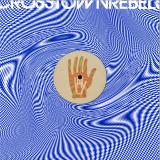
Mia Moretti makes her Crosstown Rebels debut with ‘Safe With Me’, featuring Irma Thomas. The soulful new single, backed by a remix from Sweden’s Tiger Stripes.
Los Angeles-based DJ and producer Mia Moretti heads to Damian Lazarus’ Crosstown Rebels with ‘Safe With Me’, a disco-house celebration featuring New Orleans soul legend Irma Thomas, the Grammy-winning Soul Queen of New Orleans. Co-produced by award-winning producer Mark “Blakkat” Bell, a longtime figure in house and electronic music whose work spans from M People to King Britt, the release marks a full-circle moment for Moretti, who draws on her years of crate digging, gospel house expertise, and deep love for vocal-driven grooves.
‘Safe With Me’ pairs Moretti’s richly textured production with Thomas’ commanding vocal presence, creating a track that balances heartfelt emotion with dancefloor energy. Similar to Moretti's DJ sets, the track blends gospel, disco, and house sensibilities with storytelling. Swedish mainstay Tiger Stripes reinterprets the track with his own forward-thinking production. Known for his house and techno grooves that have energised clubs from Panorama Bar to Ministry of Sound, he injects ‘Safe With Me’ with shimmering synth layers and driving percussion, making it a perfect complement to the original production.Mia Moretti has established herself with vocal and gospel-driven house sets and productions. Her debut EP ‘Tambor’ (2023) marked a confident step as a producer sampling female bullerengue artists from Colombia, including Petrona Martinez and Toto La Momposina, followed by ‘Best I Can’ (2024) alongside gospel icon Vonita White and remixes from house music pioneers. In 2025, Mia has continued to build momentum with appearances from Ibiza to Paris Fashion Week alongside the launch of her Chef’s Kiss radio show on Diplo’s Revolution. ‘Safe With Me’ continues that trajectory, highlighting her instinct for timeless grooves and soulful storytelling.

- 1: The Fear
- 2: Dishes
- 3: Party Hard
- 4: Help The Aged
- 5: This Is Hardcore
- 6: Tv Movie
- 7: A Little Soul
- 8: I'm A Man
- 9: Seductive Barry
- Disc 2
- 1: Sylvia
- 2: Glory Days
- 3: The Day After The Revolution
- 4: Tomorrow Never Lies
- 5: Laughing Boy
- 6: The Professional
- 7: This Is Hardcore (End Of The Line Mix)
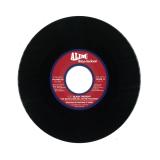
The 10th release on ALIM Music, a stone-cold classic, has been reborn. Gil Scott-Heron and Brian Jackson’s The Revolution Will Not Be Televised, the iconic song of protest and Black Consciousness, has been reimagined and revitalised for a new generation. With new lyrics and vocal performance from Black Thought, a reworked and bassline-heavy production by Masters at Work, Brian Jackson has recreated an absolute masterpiece.
Originally taken from Gil’s poem as performed on his Small Talk at 125th & Lenox and then released as a proto Hip-Hop song featuring Bernard Purdie’s drumming on the 1974 Pieces of a Man album, this new version updates the track’s original powerful lyrics to include references to the propaganda of Fox News, social media tropes, live streaming, taking the knee and modern day consumerism. Delivered by Black Thought in his imitable style and accompanied by Brian Jackson’s incisive jazz flute, these new lyrics represent a Black Liberation call to action for today’s world.
Louie Vega and Kenny Dope’s production gives The Revolution Will Not Be Televised a dancefloor edge that embraces a Jazz Hip-Hop flow with the absolute clarity of the message. Taken from Brian Jackson’s forthcoming and aptly titled BBE Music album, Now More Than Ever, The Revolution Will Not Be Televised will unite Boomers, Millenials and Gen-Z in its multi-generational cross-over appeal bringing the original Gorillas together with Neo-Soul and Hip-Hop heads of today.

7
Das 1970 veröffentlichte, selbstbetitelte Debüt von Funkadelic war eine radikale Kollision von psychedelischem Rock, Gospel, Blues und Soul - ein chaotisches, genreübergreifendes Statement, das die Möglichkeiten der schwarzen Musik neu definierte. Wo Motown auf Hochglanz und Crossover-Appeal abzielte, stürzten sich Funkadelic kopfüber in Verzerrungen, Improvisationen und spirituelle Zweideutigkeiten, mit einem Sound, der so düster und unberechenbar war wie die Ära selbst. Unterstützt von einer wilden jungen Band, lehnte das Album Konventionen zugunsten von rohem Groove und existentiellem Lärm ab. Als Teil der Westbound Records Reissue Serie von Org Music stellt diese Ausgabe die volle Wirkung des Albums wieder her. Die Deluxe-Doppel-LP, die von Dave Gardner direkt vom analogen Band mit 45RPM neu gemastert wurde, bietet das bisher beeindruckendste Hörerlebnis dieses Klassikers. Gardner und die Restaurationsspezialistin Catherine Vericolli archivierten und restaurierten die Original-Masterbänder in den 54 Sound Studios in Ferndale, Michigan, mit Unterstützung des hauseigenen Ingenieurs Nick King. Neben CD, Kassette und digitalen Formaten ist auch eine einfache LP-Ausgabe erhältlich, die von hochauflösenden Bandüberspielungen geschnitten wurde. Funkadelic waren zu ihrer Zeit eine klangliche Revolution mit bleibendem Einfluss, ihr selbstbetiteltes Album ist ein bahnbrechendes Zeugnis für Musik ohne Regeln und Freiheit ohne Grenzen.

8
Ein unverzichtbares Album von Roy Ayers, das soulige Jazz-Wurzeln mit knackigem 1970er-Jahre-Funk verbindet. Mit Ayers' charakteristischen Vibes, präzisen Arrangements und herausragenden Tracks wie "The Boogie Back" (gesampelt von NWA, 2Pac, De La Soul_) und "Change Up the Groove" ist diese LP ein Muss für jeden Fan von Jazz-Funk und Vintage-Grooves, ein etwas verstecktes Juwel aus Roy Ayers Ubiquitys frühen Polygram-Jahren. Dieses soulige Album, das oft zugunsten von Ayers' größeren Hits übersehen wird, ist eine Meisterklasse in Jazz-Funk-Fusion und fängt die Essenz von Ayers' sich entwickelndem Stil ein, als er die Lücke zwischen seinen Jazz-Wurzeln und dem rhythmischen Snap der Funk-Revolution der 70er Jahre überbrückte. Vom ersten Track an steht Ayers' charakteristischer Vibraphon-Sound im Mittelpunkt, der vor Emotionen und Groove nur so sprüht. Das Album besticht durch seine instrumentale Vielfalt, zu der Jazzgrößen wie der legendäre Bernard Purdie am Schlagzeug einen herausragenden Beitrag leisten. Streicher verweben sich subtil und unterstreichen Ayers' ohnehin schon tiefgründige und strukturierte Arrangements. Zu den Höhepunkten gehören der unverkennbare Funk von "The Boogie Back", ein Breakbeat-Favorit für Crate-Digger und DJs (der oft gesampelt wird, um andere Tracks zu garnieren), und eine üppige, elektrifizierte Interpretation von "Feel Like Makin' Love", die vor sanfter Soul-Musik nur so glüht. Der Titeltrack "Change Up the Groove" liefert den typischen, emotional aufgeladenen Funk, der diese Ära geprägt hat. "Change Up the Groove" ist nicht nur ein Album - es ist eine Momentaufnahme von Roy Ayers' künstlerischer Entwicklung, voller Rhythmus, Herz und zeitlosem Groove. Egal, ob Sie ein langjähriger Fan sind oder nun neun entdecken. Essential listening!
Long-time NuNorthern Soul contributor, B.J. Smith is a man in demand, dividing his time between solo work, playing guitar in Crazy P man James Baron’s popular JIM outfit, collaborating in a variety of well-regarded projects (Smith & Mudd, Bison and White Elephant amongst them) and composing for TV. Due to this impressive list of musical commitments, solo releases have been few and far between of late, with Smith’s most recent NuNorthern Soul release, a stripped back version of his Big Sur single, dropping late 2023.
It's been ever longer since he delivered a volume in his popular and ongoing Dedications To The Greats series, where the singer-songwriter and composer successfully turns his hand to other people’s songs. Since debuting the series on NuNorthern Soul in 2013 via revelatory and inspired covers of tracks by Mos Def and the Pharcyde, Smith has covered cuts by Outkast, Prefab Sprout and Soul II Soul.
On volume four, Smith’s first volume in the series for five years, he delivers a “cover of a cover” – a revolutionary and imaginative interpretation of Billy Swan’s ‘Don’t Be Cruel’, itself a version of a song first made famous by Elvis Presley. It was their mutual love of Swan’s version that brought Smith together with the release’s most prominent guest artist, Joe Harvey-Whyte, whose lilting, bittersweet and deeply emotive pedal steel performances can be heard across the EP.
Smith provides three contrasting takes. The EP is led by the ‘Mother Earth’ version, a slowly unfurling epic in which waves of effects-laden pedal steel and sun-splashed picking acoustic guitars usher in Smith’s eyes-closed vocalisations, settling into a groove reminiscent of his collaborative work with long-time friend and collaborator Paul ‘Mudd’ Murphy that showcases Harvey-Whyte centre stage to joyful effect. As the 14-minute epic progresses, we’re treated to long, languid electric guitar solos, percussion-laden slow-motion builds and hazy, stretched-out organ solos. It’s a breathlessly brilliant concoction that’s a million miles away from either Swan or Presley’s versions.
In contrast, the similarly epic ‘Earth Heart’ version – available in full vocal and instrumental takes – pushes the song front and centre. Following an extended build up, where Tamar Osborn’s gorgeous and fluid flute motifs rub shoulders with languid guitar solos and Harvey-Whyte’s pedal steel, Smith takes to the mic, delivering an emotive performance of the song’s heartfelt lyrics over a hushed, slow-motion groove. The track builds in waves as it progresses, with Smith layering up instrumentation as it rolls towards a fine conclusion.
Completing a superb package is the ‘Root Heart Version’, a Balearic-meets-Americana take built around shuffling drums, toasty bass guitar, extended pedal steel instrumentation, flashes of flute and Smith’s sun-bright acoustic guitar. Loved-up and more than a little saucer-eyed, it’s a bona-fide sunset delight.

- A1: Work Song
- A2: Gin House Blues
- A3: Come On Back, Jack
- A4: My Baby Just Cares For Me
- A5: I Put A Spell On You
- A6: Don't Let Me Be Misunderstood
- B1: Either Way I Lose
- B2: Break Down And Let It All Out
- B3: Don't You Pay Them No Mind
- B4: Do I Move You
- B5: It Be's That Way Sometime
- B6: To Love Somebody
- C1: Why? (The King Of Love Is Dead)
- C2: Do What You Gotta Do
- C3: Ain't Got No; I Got Life
- C4: Real Real
- C5: Suzanne
- C6: Revolution (Pt 1)
- D1: To Be Young, Gifted And Black
- D2: Save Me
- D3: Whatever I Am (You Made Me)
- D4: Ooh Child
- D5: Baltimore
- D6: Ain't Go No; I Got Life (Uk Single Version)
‘Icon’ is an overused word when it comes to describing singers and musicians, but when it comes to Nina Simone there are few artists that the word describes more accurately. The ‘High Priestess Of Soul’ is surely one of the most iconic singers of the 20th century, and one whose fame and acclaim stretches far beyond conventional black American music circles.
Nina Simone has featured on Ace and Kent CDs before but this is the first time she’s had one all to herself. “Let It All Out” is the first and only Nina Simone collection to draw repertoire from every label she recorded for between the late 1950s to the late 1970s.
Not a traditional ‘Best Of’ or ‘Greatest Hits’ package (although the performances included here ARE among her very best, and do include most of her Greatest Hits!) it is a singles collection that presents Nina Simone’s soul and R&B-slanted 45s in chronological order. Invariably they are the definitive versions of the songs, whether she recorded the original versions or not.
As well as almost all of her American pop and R&B chart hits from 1960 onwards, “Let It All Out” also contains all of Simone’s UK chart hits from the same period – several of which were more successful here than they were back home, including both versions of her biggest British hit ‘Ain’t Got No; I Got Life’, a UK #2 that did not chart at all in the US as was the case with the belated UK Top 5 hit ‘My Baby Just Cares For Me’ which also made no chart impression on its home turf…
Carefully curated and concisely annotated, “Let It All Out” lets the listener in to two dozen of Nina Simone’s most celebrated singles. There have been many compilations of her works since she passed away 20+ years ago, but none that gets to the heart – and soul – of her catalogue in quite so direct a manner as this one does.

- A1: Riot Radio
- A2: A Different Age
- A3: Train To Nowhere
- A4: Red Light
- A5: We Get Low
- A6: Ghostfaced Killer
- B1: Loaded Gun
- B2: Control This
- B3: Soul Survivor
- B4: Nationwide
- B5: Horizontal
- B6: The Last Resort
- B7: You're Not The Law
- C1: Too Much Tv Dub
- C2: Invader Dub
- C3: D-60 Fights The Evil Force
- C4: No Control Dub
- C5: Tower Block Dub
- D1: Cns Lazer Attack D-60
- D2: Police Radio Dub
- D3: Flight Mission Dub
- D4: No Good Town Dub
- D5: Game Over
The Dead 60s seminal self-titled album gets a timely Deluxe edition reissue on Vinyl for its 20th Anniversary, on Deltasonic Records
“Back in the day, punk and dub weren’t just sharing space—they were smashing into each other headfirst. Late '70s Britain was a pressure cooker, and for kids like me, growing up between Brixton’s bass bins and the chaos of King’s Road, that collision was everything. Jamaican sound system culture met punk’s raw spirit in a haze of smoke, sweat, and feedback. It wasn’t about genre—it was about energy. Identity. Defiance. so when The Dead 60s came along, post-Britpop and post-bullshit, it felt like someone had dusted off the blueprint and run it through a battered old tape echo. These weren’t just lads with good taste—they understood the assignment. They took the DNA of two rebel cultures and mutated it into something that could stand tall in the 21st century. Dub-soaked, punk-fuelled, dripping with that Liverpool attitude. I remember first hearing them and thinking—yeah, here we go again. Not in a retro way, but in a real way. Guitars that cut like sirens in the night. Basslines fat and warm, straight out the Channel One playbook. Lyrics that painted the grey corners of Britain like CCTV poetry. It was the sound of youth under pressure. The sound of not fitting in—and not wanting to.
Their debut album dropped in 2005, and it hit like a flare in the dark. “Riot Radio” was a pirate broadcast from the concrete frontlines. “Control This” swaggered with menace and reverb. It was like someone opened a time capsule from the punky-reggae party and rewired it for a new generation.
Now, with this 20th anniversary vinyl reissue—complete with the full dub companion produced by Central Nervous System—we get to hear the bones and blood of it all. The dub versions pull the tracks apart and let the ghosts speak. Reverb, delay, space—it’s not just production, it’s meditation. Revolution slowed down to a heartbeat. It’s music that makes you move and think. What they’ve done here is more than remix a record—they’ve revealed its soul. That’s what dub does when it’s done right. And The Dead 60s, they got that. They weren’t tourists in the culture—they were students of it, shaped by it, and ultimately, contributors to the legacy. Liverpool’s long had a love affair with Jamaican music—you can hear it in the streets if you’re really listening. The Dead 60s tapped into that lineage, but they brought their own thing to the table. Punk's fire. Dub’s depth. Ska’s bounce. All filtered through a Northern lens and blasted out like protest graffiti. This 20th anniversary reissue ain’t about nostalgia. It’s a reminder. A celebration. A call to arms. Music like this doesn’t belong in a museum—it belongs on a system, shaking walls and waking minds. Crate diggers, completists, young punks, old heads—this one's for all of you.
So put it on and turn it up. Let the punk edge sharpen your thoughts, and the dub shake your bones ‘cos this isn’t just a reissue - it’s resistance on wax.....”

- Mommy, What's A Funkadelic?
- I Bet You
- Music For My Mother
- I Got A Thing, You Got A Thing, Everybody's Got A Thing
- Qualify & Satisfy
- What Is Soul
Das 1970 veröffentlichte, selbstbetitelte Debüt von Funkadelic war eine radikale Kollision von psychedelischem Rock, Gospel, Blues und Soul - ein chaotisches, genreübergreifendes Statement, das die Möglichkeiten der schwarzen Musik neu definierte. Wo Motown auf Hochglanz und Crossover-Appeal abzielte, stürzten sich Funkadelic kopfüber in Verzerrungen, Improvisationen und spirituelle Zweideutigkeiten, mit einem Sound, der so düster und unberechenbar war wie die Ära selbst. Unterstützt von einer wilden jungen Band, lehnte das Album Konventionen zugunsten von rohem Groove und existentiellem Lärm ab. Als Teil der Westbound Records Reissue Serie von Org Music stellt diese Ausgabe die volle Wirkung des Albums wieder her. Die Deluxe-Doppel-LP, die von Dave Gardner direkt vom analogen Band mit 45RPM neu gemastert wurde, bietet das bisher beeindruckendste Hörerlebnis dieses Klassikers. Gardner und die Restaurationsspezialistin Catherine Vericolli archivierten und restaurierten die Original-Masterbänder in den 54 Sound Studios in Ferndale, Michigan, mit Unterstützung des hauseigenen Ingenieurs Nick King. Neben CD, Kassette und digitalen Formaten ist auch eine einfache LP-Ausgabe erhältlich, die von hochauflösenden Bandüberspielungen geschnitten wurde. Funkadelic waren zu ihrer Zeit eine klangliche Revolution mit bleibendem Einfluss, ihr selbstbetiteltes Album ist ein bahnbrechendes Zeugnis für Musik ohne Regeln und Freiheit ohne Grenzen.
