Поиск:stan
Стили
Все
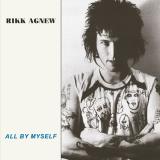
- 1: O.c. Life
- 2: 10
- 3: Yur 2 Late
- 4: Everyday
- 5: One Shot
- 6: Falling Out
- 7: Surfside
- 8: It's Doing Something
- 9: Fast
- 10: Section 8
Rikk Agnew's All by Myself is one of those records that feels like a secret you're lucky to stumble upon -- a raw, weird, totally personal snapshot of a restless artist at a pivotal moment. Originally released in 1982 on Frontier Records, the album stands apart from most of what was coming out of Southern California at the time, even though it was born right in the middle of the exploding hardcore punk scene. By 1982, Rikk Agnew was already a big deal underground. As the guitarist for Adolescents, he helped shape the sound of Orange County hardcore with sharp riffs, surf-inflected melodies, and a sense of urgency that became hugely influential. He also played in bands like D.I. and later Christian Death, moving fluidly between hardcore punk, post-punk, and darker, more experimental territory. Agnew wasn't just a fast, aggressive guitarist -- he was a songwriter with range, curiosity, and a strong DIY instinct. All by Myself lives up to its title in the most literal way. Agnew recorded the album largely on his own, playing all the instruments and handling vocals himself. Instead of delivering another straight-up hardcore record, he went inward. The result is a lo-fi, home-recorded collection of songs that blend punk energy with new wave, post-punk, psychedelic touches, and even moments of pop sensitivity. It's rough around the edges, but that's exactly the point -- the album feels intimate, unfiltered, and honest. In the early '80s, Southern California punk was loud, fast, and often confrontational. Bands were pushing against the mainstream and even against each other, racing toward more extreme sounds. While All by Myself shares that DIY spirit, it doesn't fully play by hardcore rules. The tempos shift, the moods wander, and the songs feel more like personal experiments than scene anthems. That made the record a bit of an outlier at the time -- but also what gives it lasting appeal. Frontier Records was the perfect home for a release like this. The label was known for supporting artists who didn't quite fit into neat categories, and All by Myself captured that ethos perfectly. Today, All by Myself is often seen as a cult classic. For fans of early punk, post-punk, or anyone interested in the roots of DIY recording culture, this album is essential listening
4
Originally released in 1988 on the compilation Acid Tracks Vol. 3 via Needle Records, "The Other Side" has long been recognised as a potent example of early Chicago acid house. Now, more than three decades later, the track receives its first official 12" release - and, crucially, its first release with the original artists correctly credited. While historically attributed to Maurice Joshua, "The Other Side" was in fact produced by Da Posse (Hula Mahone), with vocals by Martell. This forthcoming release marks the first time that the original production has been properly acknowledged and presented in its intended standalone 12" format, restoring authorship to the artists responsible for the record's creation. The release is issued by Island Life Records, a Bali-based label with a growing reputation for carefully curated projects that bridge foundational dance music history and contemporary club culture. By formally reintroducing "The Other Side" with accurate credits, Island Life Records contributes an important corrective to the historical record of Chicago house and acid house music. Musically, "The Other Side" remains a striking artefact of its era: minimal, hypnotic, and emotionally charged, balancing raw machine-driven groove with an atmospheric vocal presence. It exemplifies the experimental, DJ-led ethos of late-1980s Chicago, where tracks were built for function, feeling, and longevity on the dancefloor rather than commercial visibility. The release is accompanied by a set of new remixes that respectfully extend the track's legacy into the present day. Remix duties come from Island Life Records founder Garry Todd under his Clouds Of Kouros alias, Johnny Aux (one half of Paranoid London), and Age Of Hyperion, with the digital including a remix from Garry Todd, each offering a distinct contemporary interpretation while retaining the spirit and tension of the original recording. This release stands not only as a long-overdue physical edition, but as a historically significant moment: the first time the original production has been released on 12", and the first time the correct creative contributors have been formally recognised.


It is time for the guitar riffs and the basslines deeper than the Mariana Trench and therefore who can do it better than the Uruguayan born & raised mastermind that stands behind this next next edition - Matole. Hearing the music from this man leaves a great positive feel wanting to dance, live and love life. By perfecting his sound over the years, as soon as it touches the ear canals you can tell that it’s him and can only be him behind the wheel.
By his young age with utmost will to create, the man is leaving disc artefacts all over the globe working with different labels and promo teams. Now the time has come to synergize with XRD and the feeling is absolutely blissful. As the wise people say the algorithm is not going to fight itself, very important to get into battle stance and show these ones and zeros who is the boss around here.

The much-missed Vaughn Benjamin reminds us why his approach to reggae lyricism remains peerless with “Charges,” a standout track from the Polarities LP released on 7” vinyl for the first time. Arriving amidst an era of global economic shifts, the release feels forcefully timely. Genius metaphorical wordplay and wide-ranging subjects are distilled into a cohesive whole as the global economy and its entrapping neo-colonial rules come under the microscope. Produced by Zion I Kings with Tippy I at the helm, the track is anchored by the rock-solid drumming of Lloyd “Junior” Richards and the propulsive bass of David “JAH David” Goldfine. This release features a previously unheard B-side dub, giving space to the celestial synth work of the late Andrew “Drew Keys” Stoch. This series honours both the vocal and version culture of the reggae sound system and the profound lyricism of Vaughn Benjamin.

Especial is delighted to reprise the label’s relationship with Osaka’s acid master, Akio Nagase. Following his debut, Global Acid EP and follow up African Acid EP covered a range of influences, all with the heavy dose of Roland TR-303, here he completes a trilogy of EPs, culminating in a homage to his love of dub reggae.
Having made reggae influenced dance music under the Makedub alias for decades, here he takes it a step further, utilising a knack for catchy hooks and acid lines, while fusing reggae and live desk-dub mixing.
I Love Smoke, a chant, the stand-out, those classic vocals flowing in and out with a 3AM (Eternal) bump. Riotously expounding the virtues of smoking ’Mari Jane’, the hypnotic stoner vibes are wrapped around Nagase’s meditative and dancefloor heartbeat.
Night Time High Acid swings, the low-end rumble and kick build before the TR-303 and harmonica lead interweave, samples and sirens encase in an ethnic, tribal slo-mo dub flow.
Things shift with the 4/4 bump of Creation Dub. A call to rise wrapped in the warmth of Dub House beats. Melody and dub flow, no need for 303. Vox are space echo’d to the limit. Keys stab, horns call, slip side away.
To finish, Harmonica Dub is just that. Heavy mouth organ solo, the blues calling atop a dub-techno stepper beat. Rimshot, stabs, echo. All encompass that psychedelic flavour of Akio. Dub, Love and Respect. Thank you Mr Kikumoto for the acid, thank you Mr Nagase for beats

- 1: Get Up, Stand Up
- 2: Downpressor Man
- 3: I Am That I Am
- 4: Stepping Razor
- 5: Equal Rights
- 6: African
- 7: Jah Guide
- 8: Apartheid
- 1: Dub-Presser Man (Dub Version)
- 2: I Am That I Am (Shajahshoka Dub Plate)
- 3: Heavy Razor (Shajahshoka Dub Plate)
- 4: African (London Sound System Dub Plate)
- 5: Jah Guide (Dub Plate)
- 6: Hammer (Shajahshoka Dub Plate)
- 7: Blame The Youth
- 8: Babylon Queendom (Dub Version)
- 9: Vampires
также имеющийся в продаже
black vinyl[38,03 €]
Peter Tosh war ein Reggae-Multi-Instrumentalist aus Jamaika, der zusammen mit Bunny Wailer und natürlich Bob Marley zu den Gründern der legendären Band The Wailers gehörte. »Equal Rights« ist sein zweites Studioalbum und dasjenige, das ihn an die Spitze des Reggae katapultierte und ihn als potenziellen Rivalen von Marley etablierte. Das ist zwar nicht ganz gelungen, aber »Equal Rights« ist immer noch eines der einflussreichsten Reggae-Alben aller Zeiten.
Tosh war ein großer Verfechter der Menschenrechte und das spiegelt sich auch in der Tracklist wider. Natürlich gibt es eine Version von »Get Up, Stand Up«, die zusammen mit Bob Marley geschrieben wurde, aber »I Am That I Am«, »Downpressor Man« (eine Version von Sinnerman, die durch Nina Simone berühmt wurde), »Stepping Razor« und »Apartheid« wurden alle zu eigenständigen Menschenrechtshymnen. 1987 wurde Tosh bei einem Raubüberfall getötet und ließ Reggae-Fans auf der ganzen Welt mit der Frage zurück, was hätte sein können.
»Equal Rights« ist als erweiterte 2LP-Edition mit einer Bonus-Disc erhältlich, die seltene und unveröffentlichte Songs enthält, die bisher nur auf »Dubplates« erhältlich waren. Diese definitive Version eines Reggae-Evergreens ist in einer Deluxe-Hülle mit Leinenfinish und einem 4-seitigen Booklet verpackt und in einer limitierten Auflage von 3000 einzeln nummerierten Exemplaren auf orangefarbenem Vinyl erhältlich.

- 1: Get Up, Stand Up
- 2: Downpressor Man
- 3: I Am That I Am
- 4: Stepping Razor
- 5: Equal Rights
- 6: African
- 7: Jah Guide
- 8: Apartheid
- 1: Dub-Presser Man (Dub Version)
- 2: I Am That I Am (Shajahshoka Dub Plate)
- 3: Heavy Razor (Shajahshoka Dub Plate)
- 4: African (London Sound System Dub Plate)
- 5: Jah Guide (Dub Plate)
- 6: Hammer (Shajahshoka Dub Plate)
- 7: Blame The Youth
- 8: Babylon Queendom (Dub Version)
- 9: Vampires
17
также имеющийся в продаже
orange coloured vinyl[39,92 €]
Peter Tosh war ein Reggae-Multi-Instrumentalist aus Jamaika, der zusammen mit Bunny Wailer und natürlich Bob Marley zu den Gründern der legendären Band The Wailers gehörte. »Equal Rights« ist sein zweites Studioalbum und dasjenige, das ihn an die Spitze des Reggae katapultierte und ihn als potenziellen Rivalen von Marley etablierte. Das ist zwar nicht ganz gelungen, aber »Equal Rights« ist immer noch eines der einflussreichsten Reggae-Alben aller Zeiten.
Tosh war ein großer Verfechter der Menschenrechte und das spiegelt sich auch in der Tracklist wider. Natürlich gibt es eine Version von »Get Up, Stand Up«, die zusammen mit Bob Marley geschrieben wurde, aber »I Am That I Am«, »Downpressor Man« (eine Version von Sinnerman, die durch Nina Simone berühmt wurde), »Stepping Razor« und »Apartheid« wurden alle zu eigenständigen Menschenrechtshymnen. 1987 wurde Tosh bei einem Raubüberfall getötet und ließ Reggae-Fans auf der ganzen Welt mit der Frage zurück, was hätte sein können.
»Equal Rights« ist als erweiterte 2LP-Edition mit einer Bonus-Disc erhältlich, die seltene und unveröffentlichte Songs enthält, die bisher nur auf »Dubplates« erhältlich waren. Diese definitive Version eines Reggae-Evergreens ist in einer Deluxe-Hülle mit Leinenfinish und einem 4-seitigen Booklet verpackt und in einer limitierten Auflage von 3000 einzeln nummerierten Exemplaren auf orangefarbenem Vinyl erhältlich.

- A1: Rhythm-Al-Ism (Intro) (1:40)
- A2: We Still Party (5:13)
- A3: So Many Wayz (5:41)
- A4: Hand In Hand (4:18)
- B1: Down, Down, Down (4:43)
- B2: You’z A Ganxta (4:22)
- B3: I Useta Know Her (3:50)
- B4: No Doubt (4:12)
- C1: Speed (3:21)
- C2: Whateva U Do (7:47)
- C3: Thinkin’ Bout U (4:05)
- C4: El’s Interlude (4:05)
- D1: Medley For A “V” (The P***Y Medley) (6:27)
- D2: Bombudd Ii (2:59)
- D3: Get 2Getha Again (4:41)
- D4: Reprise (Medley For A “V”) (2:39)
16
2026 Repress
DJ Quik is a giant of West Coast hip-hop. With his fourth album Rhythm-Al-Ism he created his masterpiece, a perfect hip-hop album. As Quik explains, “the name Rhythm-Al-Ism alone tells you what I was doing. I was mixing up rhythms. I was meshing R&B with hip-hop and jazz. And a little bit of comedy”. It’s absolutely sensational and as with a lot of mid-90s albums those original vinyl copies are now rare so here’s the Be With re-issue.
A preternaturally gifted producer/rapper, DJ Quik has produced scores of LA gangsta rap classics. He’s released platinum and gold records of his own, as well as helped craft them for the likes of Tupac, Snoop Dogg, and Dr Dre. Quik has always been quirkier and more interesting than his gangsta rap peers, both musically and lyrically. An old-school funk producer at heart, he’s also incredibly nice on the mic. His raps often deal in boasts, jokes and good times but also cover his beefs, his trials and his trauma. Partying and pain, all mixed up. DJing and producing hype beat tapes from age 14, Quik’s tracks blended the languid funk and rubbery synths of Zapp and George Clinton with a gangsta aesthetic, creating a more danceable foil to Compton’s more typical nihilistic hedonism. Ultimately, his records sound custom engineered to drift out over sun-soaked barbecues.
Released in 1998 on Profile, Rhythm-Al-Ism was the closest Quik ever got to making a commercial splash. “You’z A Ganxta” and “Hand in Hand” made radio waves across the country and the less radio-friendly tracks like “Medley For A ‘V’” were bumping out of car stereos. Combining his soulful, jazzy P-Funk/G-Funk beats with his effortlessly smooth flow, Rhythm-Al-Ism was the quintessential West Coast Party. Squelchy synths, bouncy bass, monstrously knocking drums and freaky keys - this is peaking acidic party-rap, straight out the gate. Music for gliding, for skating, for time with your people and your poison. Sunshine. No cares. BBQs. Heavy smoke in the air. Dripping with wit and good humour. A real swing to the vibe.
The album opens with Quik setting out his mission statement with “Rhythm-Al-Ism (Intro)”, telling us what this is all about before the self-explanatory “We Still Party” rocks the spot. It’s definitely all about the party here, complete with Quik’s signature head-nod/body-moving beat. Next up, the undeniable laidback funk and dripping swing of groove-laden “So Many Wayz”. This positively slaps.
Then we get to the three huge singles. The R&B-tinged radio-friendly minor-hit “Hand In Hand” closes the first side only for the flip to get straight into the rolling and scratching of bleepy computer-funk banger “Down, Down, Down” (featuring a particularly nice use of Howard Johnson’s epochal “So Fine”). The effortlessly smooth, flute and guitar-laced “You’z A Ganxta” completes the trio. Next up the fast-paced, vocoder-enhanced, woulda-beena-global-hit “I Useta Know Her”. This coulda (shoulda) been a single too. Head-nod funk workout “No Doubt”, with its ace sample of Prince's “Sexy Dancer”, closes out the second side.
“Speed” races out the gate on the second disc, sampling Edwin Birdsong’s “Rapper Dapper Snapper” in a harder, better, faster, stronger way than those daft Parisian punks. Amphetamine-swift raps over soaring, string-drenched b-boy beats. A total anthem. Up next, the staggering, near 8-minute laconic, lounge-y sax-rap of “Whateva U Do” cools things down and smooths things out with its flute wrapping around a sample of Smokey Robinson’s “So In Love” and some oh-so-classy lounge-piano tinkling. And speaking of smooth, things don’t get much smoother than the blissfully melodic glider-anthem “Thinkin’ ’Bout U” riding that ace flip of SWV’s “Use Your Heart”. Exceptional.
The exquisite funky-flute-slapper “Medley for a ‘V’ (The P***Y Medley)” opens the fourth and final side, with star turns from Snoop Dogg and a typically suave Nate Dogg. It’s followed by the supremely skanked-out “Bombudd II”, a beautifully sweet reggae-fuelled ode to the herb. “Get 2Getha Again” is slick funk. Stunning.
This 2022 Be With double LP re-issue has been mastered for vinyl by Simon Francis, cut by Pete Norman and pressed at Record Industry. Unusual for the time, Rhythm-Al-Ism was originally pressed as a double and we’ve reproduced the original LA vibe picture sleeve and insert to match.
As that original front cover says, this is “over 70 minutes of commercial free music” and it’s absolutely perfect from start to finish. There are no stand-out tracks here. It’s all gold.
: Rhythm-al-ism (2LP)

- Strom
- Mindestens Mozart
- In All Diesen Jahren (Feat. Elfmorgen)
- 54: 31° N 13.08° O // Koordinatensong (Feat. Soab)
- Eisberg
- Hinterland (Feat. Lewia, Grundhass, Von Grambusch, Sokae, Schrammen, Dorfterror)
- Immer Für Dich Da
- Land In Sicht
- Juno
- Fertig
Während das musikalische Fundament die Einflüsse aus Nordamerikanischem Pop-Punk aufnimmt und zu einem eigenen Sound weiterentwickelt, stechen insbesondere die klare Haltung und tiefe persönliche Momente in den Texten heraus. Entstanden ist ein Punk/Rock Album, das nicht nach 20ern und Jugendbewegung klingt, sondern nach neuen Perspektiven, nach späten 30ern - menschlich und politisch. Seit Erscheinen des BLAUFUCHS Debüt-Albums vor rund 4 Jahren hat sich in der Welt viel verändert und wenig verbessert. Diese traurige Abwärtsspirale findet sich – mal drastisch und direkt, mal dezent akzentuiert – in allen Texten von „Bis jetzt ging alles gut“ wieder, das trotz Anflügen von Resignation auch stets einen Funken Hoffnung auf Besserung vermittelt. Blaufuchs betrachten nicht nur den gesellschaftlichen Wandel – sie sind selbst auch einer ständigen Veränderung ausgesetzt. Ihr zweites Album ist ein Stück weit auch ein Neubeginn mit einigen Neubesetzungen im Verlauf der letzten Monate. Hale Winter übernahm den Bass von Marisa, Jan Schlagowski das Schlagzeug von Alex Veth und mit Jan Jurat stieß ein weiterer Gitarrist zur Band. Den Blaufuchs Sound verändern die neuen Einflüsse nicht gravierend, die Drums werden ein Stück härter, die Gitarren etwas filigraner, aber die Handschrift von Hauptsongwriter John Hofmeister verbindet nach wie vor den amerikanischen Gesamtsound mit den deutschen Texten von Johannes König. Dennoch verzögerte sich die Entstehung des Albums durch die Umbesetzungen um mehrere Monate, was laut Johannes König auch nötig war: „Mir und John war extrem wichtig, dass auf dem Album auch Einflüsse unserer „Neuen“ zu hören sind, die uns live teilweise schon seit Jahren unterstützen.“ Aufgenommen wurde „Bis jetzt ging alles gut“ in den Limetree Studios in Ilsede und produziert von Sören Kucz und Gitarrist John Hofmeister. Mit „Fertig“ setzt die Platte einen extrem persönlichen Schlusspunkt und König wird hier deutlich direkter: „Den Druck, der mit der Verantwortung in der eigenen Familie, im Job und auch in der Band zusammenkommt, trifft im Alltag oft auf ein Männlichkeitsbild, in dem wider besseres Wissen versucht wird, Dinge alleine zu regeln.“

- Frenzy
- Lotosesser
- Brute Force
- Sublime
- And The Clocks Were Striking
Am 20. Februar 2026 erscheint GLENs viertes Studioalbum - ein fünf Tracks umfassendes, instrumentales Statement aus noisegetriebener Energie und eklektischer, frei formulierter Experimentierlust. Benannt nach dem ersten Satz aus George Orwells 1984, entfaltet sich das Album als hypnotische Kraft strukturierter Chaoszustände: viszeral, im besten Sinne verstörend und mit absoluter Überzeugung vorgetragen.Das grenzüberschreitende Quartett aus Berlin - bekannt für seine intensive Verbindung aus Art Rock, Post-Rock und freier Improvisation - erweitert seine klassische Besetzung aus zwei Gitarren (Wilhelm Stegmeier, Eleni Ampelakiotou), Bass (Roland Feinäugle) und Schlagzeug (Achim Faerber) um Gastmusiker*innen und ein erweitertes Instrumentarium, das von Clavinet bis Synthesizer reicht. So entstehen immersive, dichte und langsam brennende Klangarchitekturen.Geprägt von Wiederholung, Spannung und ständiger Transformation bewegen sich die transluzenten Soundlandschaften zwischen explosiver Energie, struktureller Präzision und freiem Fluss der Improvisation. Körperlich, atmosphärisch und kompromisslos oszilliert GLEN zwischen Minimalismus und Eruption. Roh und zugleich bewusst kontrolliert - ein gelenktes Chaos, angetrieben von Reibung, Wiederkehr und gradueller Metamorphose.

8
Three musicians, three worlds: raga, jazz, and their own imagination. East, West, and the fusion in between. Rhythm, melody, and harmony. Past, present, and future.With 3, Ragini Trio experiences a rebirth - after years of deep exploration into long-form ragas, South Indian Carnatic traditions, konnakkol, and Western jazz.Thirteen years after their debut, this album stands as an homage to both worlds. By refusing to play things "as they should be played," Ragini Trio finds the in-between space - that magnetic tension where jazz and Indian classical music meet and transform each other.
Inspired by the traditional Indian trio of tabla, flute, and tanpura, Ragini offers its mirrored jazz response: drums, saxophone, and double bass. The result unites jazz, which seeks freedom within structure, with raga, which seeks structure within freedom. Far from purism or imitation, Ragini Trio crafts a living dialogue between rhythm, melody, and tone colour.
And it's a statement. Bursting with energy, depth, and self-irony, 3 is a vibrant antidote to the algorithmic recycle-music of today and tomorrow - born from the chemistry of three exceptional artists: saxophonist Nathan Daems, drummer Lander Gyselinck, and double bassist Marco Bardoscia.
- 1: The Cat
- 2: Der Verpasste Kaffee
- 3: Amnesie
- 4: Sugar Sprinkles
- 5: Pixelwissen
- 6: Iceberg
- 7: Paper Memories
- 8: Im Nebel
A unique collaboration between two of the most inquisitive and important artists in modern avant-garde electronic music.
Paper Masks marks a striking new collaboration between visionary Mute labelmates Phew and Danielle de Picciotto. Developed quietly over nearly five years, what began as an experiment between friends gradually evolved into a fulllength album. Phew composed and arranged all the music, weaving in dePicciotto’s voice and freely reshaping it to create something entirely new. Performed in both German and English, the result is an exploratory work that balances electronic minimalism with emotional immediacy.
Described by Pitchfork as “a Japanese underground legend”, Phew - former member of Osaka punk pioneers Aunt Sally - has forged a remarkable solo career, collaborating with Ryuichi Sakamoto, members of Can, and many others. In parallel, Danielle de Picciotto, an American-born interdisciplinary artist based in Berlin, co-founded the Berlin Love Parade and has performed internationally, working with Crime & the City Solution, Gudrun Gut, Space Cowboys, and her partner Alexander Hacke (Einstürzende Neubauten and frequent Phew collaborator) in hackedepicciotto.
Paper Masks stands as a mesmerizing exchange between two singular voices in experimental music - an intimate dialogue across distance, language, and sound, and a compelling addition to both artists’ evolving legacies.
Available on limited edition jellyfish color vinyl, featuring lyrics and poetry, and on CD, housed in an eco card-pack with a lyrics and poetry booklet.

- 01: Cross Fire
- 02: Barrio Bueno
- 03: African Jewel
- 04: Borderland
- 05: The Smallest Share
- 06: Max&Apos;S Movida
- 07: Devilry Time
- 08: Habana Keynote
- 09: Softly Sonora
- 10: Kigis Konar Story
The Cabildos remain one of the most enigmatic names to emerge from the 1970s library music scene. Little is known about the group, except that their name was inspired by Johnny Cabildo, an Italian keyboardist and composer who had relocated to Florida. Their recorded legacy is strikingly concise: just three albums—Yuxtaposición (1972, released under the name Cabildo's Three), Cross Fire (1974), and the later Where Is the Cat? (1979).
Entirely instrumental, the Cabildos' music is driven by deep grooves and a vibrant blend of Latin influences, funk, and jazz fusion, often enhanced by Afro-tribal percussion. Conceived primarily for use in films, documentaries, and advertising, their work naturally belongs to the world of synchronization music.
Cross Fire stands out as a particularly compelling chapter in their catalog, distinguished by an impressive range of textures and moods achieved through the minimalist interplay of bass, drums, and keyboards alone.
Now reissued by Redi Edizioni on clear red vinyl, this excellent record returns with a faithful reproduction of the original artwork, offering a renewed opportunity to appreciate one of library music's most elusive gems.

- Only Love
- Big Red Sun
- Stormy Sunday
- Where The Water Meets The Land
- Not On The Radar
- Daybreak
- Where Would I Be
- Jamais A L'heure
- Rainbow Days
- If I Could
Includes demos of every track from the original album, stripped back to (mainly) guitar and voice. Originally a Norman Records exclusive, these are the last few copies available from a limited pressing of just 300. Mark Fry is a France- based, English singer- songwriter/ artist whose debut album, 'Dreaming With Alice,' released in Italy in 1971, became a much-bootlegged "acid-folk" classic three decades later. Fry returned to recording in 2008 and has since released 4 more acclaimed studio albums. These days, far less "acid" than in his youth, Fry still knows his way around a beautiful melody. This album of sketches is resplendent with love songs, the beauty of nature and the passing of time Fry is certainly no stranger to the preparatory sketch. An artist in the truest sense of the word, renowned equally for his decades- long career as a painter of vibrant abstracts and as a cult psychedelic minstrel turned intimate, evocative singersongwriter, his atelier, housed in a converted stable building at his Normandy home, literally doubles as his music studio. It was in this space that Mark's fifth solo album, 'Not On The Radar,' released back in May, was recorded in the summer of 2024, with the singer pushing back his easels to accommodate a four-piece live band and vanloads of miscellaneous accompanying paraphernalia.
Before that, the studio had been a considerably emptier space in which working versions of the album's ten languidly bucolic compositions were first demoed by the solitary songwriter (although some emergent tracks were also captured at Balintore - the home studio of Mark's regular guitarist, Iain Ross, housed on the latter's London-moored canal barge). With those sketches presented here in the same running order as on the mothership longplayer, this new album stands as a document of process - offering the opportunity for track- by- track comparison for those already familiar with Not On The Radar. Crucially, it also makes for a very fine standalone album in its own right, which, if nothing else, bears testament to the inherent robustness of Mark Fry's songwriting.

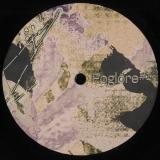
Kyoto-based Stones Taro is a producer and DJ who has established a unique standing within the global dance music scene. After operating the NC4K label since 2017, he embarks on a new challenge by launching his own self-release series.
The inaugural release, titled "Foglore," is characterized by its foggy sound design and timeless arrangements reminiscent of folk tales.
In this four-track release, Stones Taro explores a fresh interpretation of the fusion between Dub, Techno, and Deep House. These tracks capture the essence of contemporary music in intriguing ways, yet feel as familiar as if they have existed since ancient times.


- 01: Ellipse For Bluejay
- 02: Solace Stone Somewhere
- 03: Bent City I
- 04: Ethan Dreams Two People
- 05: Ever Surprised Blue Eyes
- 06: Bent City Ii
- 07: Vision At 1000 Centigrade
- 08: Lizard-Watcher&Apos;S Theme
- 09: Wave Your Moonlight Hat For The Snowfall Train
- 10: Bent City Iii (Alternate Take)
Uno Loop presents the first-ever licensed reissue of Phil Yost's Bent City (1967), a rare Takoma Records title and a landmark of jazz-folk-psych experimentation. Long out of print and previously unavailable digitally, Bent City has gained strong early support with airplay on BBC Radio, Worldwide FM, KCRW, and WFMU, alongside praise from Bandcamp Daily and Aquarium Drunkard. Yost's cult following - particularly within spiritual jazz, American Primitive, and experimental ambient and folk communities -positions this reissue as a high-interest archival title with strong cross-genre appeal.
This edition is fully authorized by the Phil Yost Estate and Concord Records and pressed in a limited run, packaged with an 8-page archival booklet featuring previously unseen photographs, biographical notes, and original research on the enigmatic Bay Area musician. Bent City is the first release in a broader, multi-title restoration of Yost's catalog, with three additional albums to follow (at minimum), including Fog-Hat Ramble (1968), Touchwood's Dream (1970) and Yost's unreleased Sunflower Sojourn - creating a sustained narrative for continued retail engagement. With growing press attention, renewed visibility among collectors, and its unique place in Takoma and outsider jazz-adjacent history, Bent City is a standout catalog builder for stores specializing in jazz, experimental, ambient, and private-press reissues.
