Can a self-portrait be a collage? Can empathy be autobiographical? What's the point of living if we're not trying to understand all the horror and humor that surrounds everything? These are a few of the questions lurking under the bleachers of Wednesday's new album Bleeds, an intoxicating collection of narrative-heavy Southern rock that_like many of the most arresting passages from the North Carolina band's highlight reel so far_thoughtfully explores the vivid link between curiosity and confession. Bleeds is not only the best Wednesday record_it's also the most Wednesday record, a patchwork-style triumph of literary allusions and outlaw grit, of place-based poetry and hair-raising noise. Karly Hartzman_founder, frontwoman, and primary lyricist_credits Wednesday's tightened grasp on their own identity to time spent collaborating on previous albums, plus a tour schedule that's been both rewarding and relentless. "Bleeds is the spiritual successor to Rat Saw God, and I think the quintessential `Wednesday Creek Rock' album," Hartzman said, articulating satisfaction with the ways her band has sharpened its trademark sound, how they've refined the formula that makes them one of the most interesting rock bands of their generation. "This is what Wednesday songs are supposed to sound like," she said. "We've devoted a lot of our lives to figuring this out_and I feel like we did." Just like Rat Saw God, one of the defining rock & roll records of the 2020s so far, Bleeds came together at Drop of Sun in Asheville and was produced by Alex Farrar, who's been recording the band since Twin Plagues. Hartzman again brought demos to the studio, where she and her bandmates _X andy Chelmis (lap steel, pedal steel), Alan Miller (drums), Ethan Baechtold (bass, piano), and Jake "M.J." Lenderman (guitar) _ worked as a team to bulk-up the compositions with the exact right amounts of country truth-telling, indie-pop hooks, and noisy sludge. More than ever, the precise proportions were steered by the lyricism_not only its tone or subject matter, but also the actual sound of the words, as well as Hartzman's masterfully subjective approach to detail selection. Every image or scene is filtered through Hartzman's agile, writerly brain. The particulars deemed essential all contain revelations about Hartzman's specific obsessions and vulnerabilities, about the fragmented way she processes the world. Maybe sometimes the best way to locate truth or pain or dignity within your own life story, Bleeds suggests, is by crawling into someone else's.
Suche:studio ii
- Master Of My Craft
- Borrowed Time
- Donuts Only
- Yr No Stoner
- Yonder Is Closer To The Heart
- Careers In Combat
- Light Up Gold I
- Light Up Gold Ii
- N Dakota
- Stoned And Starving
- No Ideas
- Aster Of Worthless Spells
- Disney P.t
- Tears O Plenty
- Picture Of Health
Light Up Goldist das zweite Studioalbum der US-amerikanischen Indie-Rock-Band Parquet Courts und wurde ursprünglich 2012 in Eigenregie veröffentlicht, bevor es Anfang 2013 über das Label What"s Your Rupture? neu aufgelegt wurde. Mit seinem rohen, energiegeladenen Sound und einer Mischung aus Punk, Garage Rock und intelligenten Texten wurde das Album schnell zu einem Geheimtipp und markierte den Durchbruch der Band in der alternativen Musikszene. Das Album wurde von Kritikern für seine Energie, seinen Witz und seine Direktheit gelobt. Es wirkt wie ein urbaner Schnappschuss des Lebens junger Erwachsener in New York City - nervös, rastlos und reflektiert.Light Up Gold etablierte Parquet Courts als eine der spannendsten neuen Bands der 2010er Jahre und wurde später zu einem der wichtigsten Indie-Rock-Alben des Jahrzehnts gezählt.
Die Black Lips sind mit einer 40-minütigen Rock'n'Roll-Odyssee quer durch die Genres zurück, bei der Garagenrock auf New-Wave-Pop trifft und verärgerter Country sich die Hand mit epischen Western-Soundtracks gibt. Das 14-Track-Album fängt die Energie und den Geist der frühen Black Lips ein und geht gleichzeitig neue Wege beim Songwriting. Das Album ist ein musikalisches Karussell, eine Trip mit straßengeschundenen Geschichten aus der Schattenseite eines lichtlosen Amerikas. Die Rahmung bildet "The Illusion", pt.I und II: eine Suche nach Hoffnung, Angst und Hass in einer Bar, die immer wieder von einem Gefühl der Resignation durchkreuzt wird: ,you reach for the sky / but it's an illusion". An anderer Stelle spielt sich "Wild One" wie ein Morricone-Taumel durch einen weiteren Tag in der Hölle ab. Ein Mantra für verkatertes, himmelschreiendes Klagelied zum Lob des Wilden im Herzen. "Tippy Tongue" zeigt, wie Black Lips den Soul der 60er-Jahre-Girlgroups aufgreifen, wie Shangri-Las oder Ronettes, die von Jayne/Wayne County infiltriert wurden, und ist eine Hommage an Buddha Records. "Kassandra" hat einen sonntäglichen Gitarrensound, der sich wie The Chocolate Watchband mit Zappa am Gesang durch immer wiederkehrende Salven schlängelt. "Zulu Saints" ist ein beschwingter Country-Hupf, ein Gute-Laune-Stück mit Bravour, gespickt mit Cole in einer ungläubigen Radio-Telefon-Show, der nach schwarzäugigen Erbsen sucht und an den Spielautomaten groß gewinnt. Für die Aufnahmen verschanzten sie sich in der idyllischen Umgebung von Schlagzeuger Oakleys neuem Sound At Manor Studio in den Catskills (das erste Album, das dort aufgenommen wurde, seit Oakley das Studio 2020 baute). In dieser idyllischen Umgebung entzog sich die Band dem Stadtleben und nahm ihre Musik analog auf Band auf - Teil ihres Bestrebens, Spontaneität zu leben und die Energie eines Live-Konzerts der Black Lips auf Platte einzufangen. Gelungen! "Simply masters in their field" NME" - Limitiertes, cremefarbenes Vinyl mit DLC sowie CD im Digisleeve
- Squash That Fly
- Hell On Wheels
- Eatin' Dust
- Laserbl'ast!
- I Wanna Be
- Boogie Van
- King Of The Road
- Written In Stone
- Saturn Iii
Neue Auflage, Fu Manchus komplette Performance 2003 beim Roadburn Festival, ein legendäres Fu-Set mit den Klassikern "Squash That Fly", "Hell On Wheels", "Boogie Van" und "King Of The Road". Die Band fand die professionellen Originalaufnahmen, die direkt vom Soundboard aufgenommen wurden, und hat diese speziell für diese Veröffentlichung mastern lassen. Scott Hill, Leadsänger/Gitarre von Fu Manchu kommentiert: "Roadburn im Jahr 2003 zu spielen, war ein Riesenspaß! Es war das Jahr, bevor wir "Start The Machine" herausbrachten, und wir spielten zum ersten Mal auf dieser Tour ein paar Songs davon live. Einer der Songs, der auf diesem Live-Album zu hören ist, "I Wanna Be", ist ein anderes Arrangement als das, was dann auf der Studio-Veröffentlichung gelandet ist". 2025er Pressung als rot-gelbe- blauees Splatter-Vinyl!
World Of Echo announces the reissue of two remastered albums by Japanese guitarist and songwriter Naoki Zushi, 1988’s Paradise, and 2005’s III. Two classics of Japanese psychedelia, both Paradise and III were originally released on Org Records, the imprint of Shinji Shibayama of acid-folk group Nagisa Ni Te, with whom Zushi has guested on second guitar for decades. Both intimate and expansive, rich with revelatory songwriting and blasted, sky-scouring guitar, these reissues return these albums to print for the first time since the 2000s. It’s the first time III has been officially released on vinyl, with an extra, previously unreleased track, “Under The June Moonlight.”
Recorded in Kyoto’s Townhouse Studios in mid 1987 and released in limited-to-500 vinyl pressing in 1988, Paradise emerged from a scene in Kansai, Japan that was embracing the idiosyncracies of 1970s singer-songwriters, the soaring solos of early seventies psychedelia, and the DIY impulse of 1980s post-punk. While Zushi’s musical history stretched back to the early eighties – he was a founding member of Jojo Hiroshige’s noise outfit Hijokaidan – he found his feet with groups like Hallelujahs, whose dream-pop collection Niku O Kuraite Chikai Wo Tateyo was recently reissued by Black Editions, and Idiot O’Clock.
Paradise appeared two years after that Hallelujahs album and share much the same membership – Zushi’s backing band on several of the songs includes Shibayama on drums and Ken-Ichi Takayama (aka Idiot) on electric guitar, though just as often, Zushi plays all the instruments himself. The coordinates here are wide-reaching – you can hear the volume and intensity of Neil Young & Crazy Horse (on “Hallelujah: Left Side” and “Paradise: Midday”), the slow-motion magic of Galaxie 500, the idiosyncratic spirit of The Only Ones, all mixed up with tender guitar miniatures and stumbling garage-psych-pop moves.
Seven years later, after the transitional album Phenomenal Luciferin, Zushi released III. Perhaps his masterpiece, it’s already been bootlegged on vinyl, but this reissue is the real deal. The album was recorded at Studio Nemu over seven years, and sees Zushi backed by Shibayama (bass) and Masako Takeda (drums), his erstwhile bandmates in Nagisa Ni Te. By this stage, Zushi had started to really stretch out, and many of the songs on III swoon languorously, taking their sweet time to say what they need to say. It’s rich with lovely, melancholy songs, in a similar realm to bandmates Nagisa Ni Te, of course, but you can also hear traces of everything from Syd Barrett’s The Madcap Laughs, through seventies private press loner folk, to the slow-burn meanderings of the likes of early Low or Damon & Naomi.
When interviewed by Shibayama in the mid-nineties, Zushi said of Paradise, “it was a sort of collection of songs that had meant something to me up to that point… it was my paradise. I wanted to create paradise.” That’s something Zushi achieves on both of these albums – visionary Japanese psychedelia, en route to paradise. - Jon Dale
g Under The June Moonlight vinyl only bonus track
- 1: The Flood (In Memoriam)
- 2: Foreverland
- 3: Winter Visions
- 4: Twilight Stream
- 5: The Crowned King Of Ancient Forest
- 6: 1473 Ounas
- 7: Hatebreeder (Bodom-Cover)
Nach zwei Jahren unermüdlichen Tourens und zahlreicher Festivalauftritte kehrt die finnische Melodic-Death-Metal-Band Suotana mit ihrem bislang ambitioniertesten Album zurück: „Ounas II“, dessen Veröffentlichung für den 29. August 2025 geplant ist.
Als epische Fortsetzung von „Ounas I“ aus dem Jahr 2023 hebt dieses Album den charakteristisch frostigen Sound der Band auf ein neues Level und liefert eisige, zugleich mitreißende Melodic-Death-Hymnen, die das Genre neu definieren werden. Nach dem Erfolg ihres letzten Albums begab sich Suotana Anfang 2024 auf eine Asientour mit Kalmah sowie auf eine Europatour mit Finntroll und brachte ihren energiegeladenen, atmosphärischen Sound einem neuen internationalen Publikum näher. Auch bei namhaften Festivals wie Summer Breeze, Ragnarök Festival, Nummirock, Tuska und dem Hellsinki Metal Festival konnte die Band ihren Ruf als ernstzunehmende Größe der Szene weiter festigen. Die Rückkehr ins Studio mündete in einem Werk, das Aggression, Melodie und monumentales Storytelling meisterhaft vereint. Ounas II ist ein eindrucksvolles Zeugnis für Suotanas Weiterentwicklung – epische, frostklirrende Melodic-DeathHymnen mit Einflüssen aus Black und Power Metal. Songs wie „Twilight Stream“ und „Winter Visions“ demonstrieren das gereifte Songwriting und die eiskalte, zugleich elektrisierende Atmosphäre der Band. Das unbestrittene Herzstück des Albums ist jedoch „1473 Ounas“ – eine zehnminütige Melodic-Death-Odyssee mit einem atemberaubenden Gastauftritt von Zoe Marie Federoff-Šmerda (Cradle of Filth). Ihre eindringlichen Gesangslinien verschmelzen nahtlos mit Suotanas Signature-Sound und machen den Song zu einem sofortigen Klassiker.
Zum Abschluss der Ounas-Saga präsentiert Suotana eine eiskalte Neuinterpretation des Children-of-Bodom-Klassikers „Hatebreeder“, in ihrem eigenen, rauen und arktisch geprägten Stil.Das beeindruckende Cover-Artwork, erneut geschaffen von Simo Räsänen, fängt die majestätische nordische Landschaft und die rohe Intensität perfekt ein, die Suotana auszeichnet. Mit „Ounas II“ festigt Suotana ihren Platz in der Elite des nordischen Metals und liefert ein Album ab, das die Maßstäbe des Melodic Death Metals mit Black-Metal-Einflüssen neu setzt.
Manche Alben sind mehr als bloße Hit-Sammlungen - sie sind Zeitkapseln. Greatest Hits Volume I & II gehört genau dazu. Ursprünglich 1985 veröffentlicht, bündelt diese Doppel-LP über ein Jahrzehnt Popgeschichte. Vom schwelgerischen Storytelling in "Piano Man" über die Ironie von "It's Still Rock and Roll to Me" bis zur emotionalen Wucht von "Just the Way You Are": Billy Joel erzählt darin nicht nur seine eigene Geschichte, sondern auch die einer ganzen Generation.
Das Album wurde weltweit millionenfach verkauft, mehrfach mit Platin ausgezeichnet und gilt heute als eines der erfolgreichsten Greatest-Hits-Alben aller Zeiten. Es zeigt Joel als Songwriter, Performer und Chronist des Alltags - mal romantisch, mal bissig, immer unverwechselbar.
Mit der Reissue erscheint dieser Klassiker nun neu remastert auf hochwertigem Vinyl. Die Tracklist umfasst alle Schlüsselwerke der Jahre 1973 bis 1985, darunter auch Studio-Neuaufnahmen wie "You're Only Human (Second Wind)" und "The Night Is Still Young". Diese Veröffentlichung ist die ideale Einstiegstür für Neuentdecker und ein wertvolles Sammlerstück für langjährige Fans.
- A1: The Invisible Gossamer Bridge
- A2: The Apparition Speaks
- A3: I Will Have Language
- B1: Oh, Lovely Oddities
- B2: Libraries Of Love
- B3: Blakey Ridge
- C1: Helios
- C2: Museum Of Childhood
- D1: Shieldmaiden
- D2: A Boy Travelling With His Mother
CATCHY, MESMERIZINGLY BEAUTIFUL, DREAMY CHAMBER POP WITH A FOLKY TWIST
Music can have a multitude of emotional impacts and can create inner worlds out of voices, sounds, and moods.
If you open heart and ear to the mesmerizing, hauntingly beautiful soundscapes of AURI, you might find a beacon of light inside a sonic realm untouched by today’s often scary, grim realities; a dreamscape that can be profoundly uplifting.
On their third studio album, III - Candles & Beginnings’ the stars have aligned yet again. Propelled by the unique and celestial voice of Johanna Kurkela, the magical textures of Nightwish mastermind Tuomas Holopainen and the almost unlimited musical palette of Nigtwish multi-instrumentalist Troy Donockley, Auri have presented a world to be unlocked with the senses, blending folk, progressive and symphonic elements, world music, pop and avantgarde.
Right after completing Nightwish’s 2024 monument Yesterwynde, the songwriting for the third chapter in Auri’s musical adventures started in 2023, with Troy writing in Yorkshire and Tuomas and Johanna working their creative magic in Kitee, Finland. By Autumn 2024, a 10-song demo was complete, setting the stage for what would become another breathtaking Auri journey. The band and their trusted engineer Tero “Teecee” Kinnunen took the mixing process to sunny Spain, letting the Andalucian vibes infuse the music whereas in March 2025 mastering was wrapped up by Tim Oliver at the legendary Real World Studios - a ground-breaking recording complex started by Peter Gabriel in 1989.
The album is a tapestry of emotions - each song a world of its own, touching on childhood memories, vivid life experiences, and even a nod to one of the group’s most beloved places on Earth - The Lion Inn at Blakey Ridge, a historic spot nestled in the North York Moors and one of the most remote pubs you will ever find.
Visually, the cover artwork by Pete Voutilainen, layout and watercolors by Mikko Pankasalo plus calligraphy by Johanna Kurkela provide wonderful illustrations perfectly capturing Auri’s unique musical visions.
With guest musicians like Frank Van Essen (strings), Jonas Pap (cello), Juho Kanervo (basses), and the incredible drumming and percussion courtesy of Nightwish’s Kai Hahto, Auri III - Candles & Beginnings is as lush as it is atmospheric and provides astonishing dynamics.
Having been a studio endeavor in the past, Auri is finally going on tour with their first-ever live European trek kicking off in August 2025, followed by summer festivals in 2026, allowing you to hear, see and feel songs from their previous two albums, as well as brand new pieces from III - Candles & Beginnings.
- Eatin' Dust
- Loch Ness Wrecking Machine
- California Crossing
- Hands Of The Zodiac
- Dimension Shifter
- Clone Of The Universe
- Hell On Wheels
- The Return Of Tomorrow
- Saturn Iii
Im Jahr 2024 veröffentlichten Fu Manchu ihr 14. Studioalbum, The Return of Tomorrow, und begaben sich bald auf eine Welttournee, um die neuen Songs zu präsentieren. Die Band hatte das Gefühl, dass diese Tour etwas Besonderes sein würden, also nahmen sie die Shows auf. Als sie zurück kamen und sich die Aufnahmen anhörten, waren sie sicher, ein neues Live-Album zu veröffentlichen, das aus Recordings dieser Auftritte zusammengestellt ist. The Return Of...Live ist ihr erstes offizielles Live-Album seit 20 Jahren und enthält einige Fan-Favoriten wie ,Eatin' Dust" und ,Hell On Wheels" sowie die neueren ,Loch Ness Wrecking Machine", ,Hands Of The Zodiac" und den Titelsong von The Return Of Tomorrow. Scott Hill, Leadsänger/Gitarrist/Gründer kommentiert: "Diese 9 Songs wurden während unserer 2024 The Return Of Tomorrow UK/Europa-Tour aufgenommen. Wir hatten bei allen Shows eine großartige Zeit und das Publikum war unglaublich. Wir hatten das Glück, in den letzten 35 Jahren zu touren, und die Songs auf diesem Album sind einige unserer alten und neuen Lieblingssongs." Das Album wurde vom langjährigen Fu Manchu-Produzenten/Mixer Jim Monroe (Adolescents, Ignite) gemischt und von Carl Saff gemastert. Die Vinyl-Pressung ist eine auf 2000 Exemplare limitierte Auflage auf weißem Vinyl mit blauen, lila und orangen Sprenkeln aka Splatter
- 1: The Doomsday Book
- 2: Jaded Apostles
- 3: A Million Random Digits
- 4: Lie Without A Liar
- 5: The Ghost Within
- 6: The Dragonfly Queen
- 7: How To Avoid Huge Ships
- 8: Bus Lines
- 9: Lost In The Grand Scheme
- 10: Like Summer Tempests Came His Tears
- 11: Sound Of The Silk
…And You Will Know Us By The Trail Of Dead (also known as Trail Of Dead) is an American alternative rock band best known for their wild, energetic live shows. The chief members of the band are Jason Reece and Conrad Keely, who alternate between drumming, guitar and lead vocals, both on recordings and live shows. Since their formation in 1994, they have released ten studio albums, including the 2014 IX. The album features favourites “The Ghost Within” and “The Doomsday Book” amongst others. During the time of these recordings, the band also featured Autry Fulbright II on bass and vocals and Jamie Miller on drums and guitar. IX is available as a limited edition of 500 numbered copies on pink marbled vinyl and includes a 4-page booklet.
Recorded at the legendary Atlantis Studio in Stockholm, Words Were Coming Out Our Ears captures a unique musical encounter in the moment. Pianist Johan Graden, bassists Vilhelm Bromander and Pär Ola Landin, and drummer Nils Agnas entered the studio without a fixed plan – the music emerged organically through improvisation and attentive interplay.
What sets this album apart is the instrumentation. With two double bass players, the music gains an unusual depth and weight, where the bass not only supports the harmony but also takes on melodic and textural roles. This is no traditional piano trio – rather, it's an ensemble where roles shift constantly, and the sonic landscape is shaped by sensitivity and openness.
One track features additional layers of sound with guest musicians Katarina Agnas on contrabassoon and Emil Strandberg on trumpet.
With Words Were Coming Out Our Ears, the ambition is to create a cohesive sonic identity – to allow each piece to take its own shape while still belonging to a unified whole. The music invites deep listening, guided by intuition and presence in the moment.
- The Big E
- The Queen
- What's Wrong
- The Jackhammer
- Another World
- No
- Something Sweet
- Real Fire
- Flesh Debt
- Slight Return
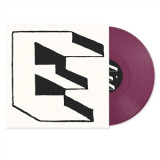
Editrix is a Massachusetts-rooted trio known for their wild, gnarly take on experimental rock. Blending jagged guitar riffs, unpredictable rhythms, and bursts of cartoonish eccentricity, the band creates a sound that's both chaotic and compelling. Composed of singer and guitarist Wendy Eisenberg, drummer Josh Daniel, and bassist Steve Cameron, Editrix thrives on musical risk-taking, often veering into noise-rock territory with a playful edge. On their latest release, The Big E, Editrix unleashes their fangs, resulting in a demonic wall of scuzz. But for as intense as Editrix sounds, the act is convivial and easygoing _ ingrained in deep friendships and speedy, yet jovial recording sessions. Editrix's most pummeling moments seem to be founded on a heartfelt connection, adding emotional resonance to their most feral noise. In the three years since their second LP Editrix II, Eisenberg, Daniel, and Cameron have thrived in individual states of motion _ in and away from music. New York City-based Eisenberg is an accomplished solo artist in the avant-garde realm, receiving recent acclaim for their album Viewfinder (released by American Dreams in 2024). They are also a prolific collaborator, performing in a handful of projects alongside the likes of romantic partner more eaze, Bill Orcutt, David Grubbs, and others. Cameron relocated from Massachusetts to New York City around the same time Editrix II came out, taking a slight step away from music to return to school. Daniel is the only member of Editrix left living in Massachusetts, and performs with the eclectic bands Landowner, Hot Dirt, and The Leafies. Due to Editrix being scattered, the band's new album, The Big E, found them toying with a fresh process. Editrix was quick to write off the idea of collaborating remotely, as the act relishes the warmth of happy accidents that only happen in person. The Big E sparked with Eisenberg, Daniel, and Cameron compiling a list of albums they each admire to establish a self-professed "vibe" up front. King Crimson, My Disco, and Horse Lords were a few key touchstones that shine through, their grounded grooviness balancing erraticism. Eisenberg also found themself infatuated with `70s outlaw country and Van Dyke Parks production. The Big E is titled after a comedic bit between band members, sharing its name with a prominent regional fair in Western Massachusetts, although the title-track aptly features massive E chords. When held up alongside Editrix II _ which found the act toying with Finnish death metal and harsh noise _ The Big E feels settled in its skin. Editrix recorded The Big E with legendary tech death producer Colin Marston (Krallice, Behold_, Dysrhythmia) at his soon-to-be-shuttered studio in Queens. Though these tracks sound toiled over and technical, they are very spontaneous. The majority of The Big E was captured live, with a handful of overdubs added after the fact and came to life over the course of four focused, but rewarding days. Eisenberg uses zen words like "meditative" and "evocative" to describe Editrix's methods, but the end result is crunchy, intricate, and impressively baffling. Easygoing as the band's operation may be, The Big E is a strong jump forward for Editrix inching them towards the center of the avant-rock constellation.
for the next release on galaxiid, we present "carpet watcher", the long-awaited second album from ishome, the project of russian producer and visual artist mirabella karyanova.
emerging from the far eastern port city of nakhodka, ishome's music has always carried a sense of distance and introspection. her debut album confession (2013) became a cult classic, a fragile, cinematic blend of ambient textures, submerged rhythms and quiet emotion.
carpet watcher was completed in 2018 but remained unreleased until now. like much of ishome's work, it was created with no urgency to be heard, a self-contained world suspended in time. drifting between viscous beats and spectral melodies, the album feels like a memory slowly coming into focus.
from her earliest recordings, mirabella has resisted genre classification. her sound draws from minimal techno, ambient, leftfield pop, outsider art, and the surrealism of soviet-era animation. in her hands, these influences dissolve into something deeply personal, a language of mood and movement rather than style.
beyond the studio, ishome has performed live across europe and russia, including sets at berghain and signal festival, as well as appearances on boiler room and nts. she also creates under the mischievous alias shadowax, where playful chaos replaces introspection. her audiovisual performances, combining original music, iphone-shot footage, digital collage and hand-drawn animation, reveal the full breadth of her artistic vision. dreamlike, humorous and emotionally direct.
ishome rarely releases her music, and when she does, it feels less like a project and more like a postcard from a world she's still wandering through. carpet watcher is the first glimpse into that world in over ten years.
- Monument
- Hell Freezes Over - I
- Hell Freezes Over - Ii
- Black Lily
- Gold
- Star
- Hell Freezes Over - Iii
- What Did I Do ?
- Golem
- The Dumb
- Hell Freezes Over
- Iv
Formed in Oslo in 1996 by childhood friends Jon- Arne Vilbo & Thomas Andersen
along with Jan-Henrik Ohme (later joined by Mikael Kromer, Lars Erik Asp & Kristian
Torp), Gazpacho have honed their unique sound over a string of critically acclaimed
albums & numerous tours, including several with long-time supporters Marillion.
'March Of Ghosts' was the band's follow-up to 'Missa Atropos', which was released on
Kscope in 2011 along with the live album, 'London'. 'London' was recorded on the
band's European tour & the success of this tour helped provide the genesis for 'March
Of Ghosts', as Jon-Arne explains: "the previous tour gave us lots of inspiration. So, the
week after returning we went straight into the studio to capture whatever came." This
material was then honed, dissected & refned throughout the summer & autumn of
2011 to create a coherent whole.
While 'Missa Atropos' can be viewed as a concept album, 'March Of Ghosts' is much
more as a collection of short tales; "The idea was to have the lead character spend a
night where all these ghosts (dead & alive) would march past him to tell their stories.
They are short stories. They are a March Of Ghosts. They are tales that need to be
told."
A Deep Dive Into Rock Royalty - The Many Faces of Deep Purple (2 LPS)
Step into the legendary world of Deep Purple with this exclusive double vinyl release, The Many Faces of Deep Purple. More than just a tribute, this compilation is a curated journey through the band's extensive musical legacy, featuring collaborations, rare recordings, and side projects from key members like Glenn Hughes, Joe Lynn Turner, Nicky Simper, Ian Gillan, Don Airey, and Jon Lord. Pressed by MPO for optimal sound quality, this deluxe edition includes 20 tracks across four sides, each selected to reveal a new facet of one of rock’s most influential bands.
Unreleased Gems, All-Star Collaborations & Classic Covers
This collection uncovers the band’s wider universe, from early recordings by Episode Six and Warhorse to powerhouse tracks by Trapeze, Funky Junction, and Quatermass II. Glenn Hughes lends his unmistakable voice to standout perfor- mances, including Piece of My Heart and Freak Out Tonight, while Joe Lynn Turner teams up with guitar icon Leslie West for a searing version of The Seeker. Listeners will also discover rare studio tributes and pre-fame moments, such as the spirited Deep Purple covers by Thin Lizzy members under the Funky Junction moniker.
A Must-Have for Collectors & Classic Rock Fans
Packaged in a striking gatefold sleeve and featuring liner notes that contextualize each track, The Many Faces of Deep Purple is a collector’s dream and a sonic treasure trove. Whether you’re a longtime fan or a new listener exploring rock’s golden age, this double LP release delivers an immersive and essential experience that celebrates the talent, evolution, and influence of the Deep Purple legacy. Available now in limited quantities, don’t miss your chance to own a unique piece of rock history.
- Plas
- Im Süden
- Für Die Katz
- Live In Der Fabrik
- Georgel
- Nabitte
Cluster can be counted among the most important international protagonists of the electronic avant-garde. Some credit them with having invented ambient music, others as pioneers of synthesizer pop, whilst to some they are firmly embedded in the krautrock universe. There is some truth in all of these notions. Cluster (or Kluster as they were in the beginning) were founded in 1970 in Berlin by Conrad Schnitzler, Hans-Joachim Roedelius and Dieter Moebius. A change in direction and musical differences moved Moebius and Roedelius to split from Schnitzler after which the duo recorded 10 regular studio albums between 1971 and 2009. Their debut album ("Cluster 71") was in Wire Magazine"s "One Hundred Records That Set The World On Fire" list. "Cluster II" is influenced by Berlin and Hamburg; situated somewhere in the middle of artistic happenings, musical outrageousness and drug abuse: an urban mixture.
Aiko Takahashi is a Nova Gorica-based musician, a spirit that has released albums on various labels. Just like the line that separates the two cities where Aiko lives, Gorizia and Nova Gorica, divided between two countries yet united as one, Aiko’s music exists on a boundary. A line that separates silence from peculiar, almost imperceptible sounds. Too quiet to be Ambient, too Ambient to be Sound Art.
Two years ago, after a first complete release on IIKKI with "It Could Have Been A Beautiful", Aiko Takahashi comes back with a second complete album, this time, on LAAPS.
"This album is a delicate, meditative collection recorded between March and November 2024 in Aiko's former studio, a secluded spot near the River Isonzo, between Gorizia and Nova Gorica in Slovenia. The Grass Harp was made specifically for LAAPS, who asked Aiko to create a new complete piece of sounds. As always, it was largely recorded using dense layers of manipulated loops that weave in and out of the recordings, shaping them in a singular way through effects pedals, tape decks, and tape loops. The Grass Harp is a meditation on decay and silence, blending warm soundscapes with soft, playful melodies. That’s Aiko’s signature sound."
- A1: The Mystic Moods-Cosmic Sea (1973)
- A2: Life - Cats Eyes (1973)
- A3: Alan Bown - Moanin (1975)
- A4: Red Parish Group - Dynomite (1975)
- A5: André Brasseur - Saturnus (1974)
- A6: Black Buster - Bump The Bump (Part Ii) (1975)
- B1: Bil Tze - Wu Ying Chiao (1976)
- B2: The People Next Door - Husband And Wife (1974)
- B3: Diabolic Man - Diabolic Man (1974)
- B4: Performance - Red Bullet (1975)
- B5: Dance Machine - Virgin Ballet (1978)
- B6: Pharaoh - Ramses (Part I) (1975)
Yellow Vinyl
'70s Disco Music wan’t just Abba or Studio 54. In the same way that punk or glam rock were evolving at the same time, the "disco" phenomenon generated a plethora of obscure and bizarre studio projects which remained unknown for decades, despite often being more inspired and creative than the few ones that reached stardom and sold millions of copies. 45 rpm singles that remained unsold, sitting in junkshops all over the world for decades hide forgotten gems, revealing genius and avant-garde only guilty of not being at the right place at the right time. Whether it's Moroder-oriented proto synth-wave, groovy space-disco or acid afro funk, volume 1 of the Cosmic Discotheque series is all about rediscovering those forgotten treasures while setting your dancefloor on fire!
- A1: Dawn/Go Within
- A2: Carnaval
- A3: Let The Children Play
- A4: Jugando
- A5: I’ll Be Waiting
- A6: Zulu
- B1: Bahia
- B2: Black Magic Woman/Gypsy Queen
- B3: Dance Sister Dance (Baila Mi Hermana)
- B4: Europa (Earth’s Cry Heaven’s Smile)
- C1: She’s Not There
- C2: Flor D’luna (Moonflower)
- C3: Soul Sacrifice/Head, Hands & Feet
- D1: El Morocco
- D2: Transcendence
- D3: Savor/Toussaint L’overture
Santana Bridges the Divide Between Live and Studio Material on Moonflower: 1977 Double Album Features Extraordinary Performances, Soulful Vibes, and Dynamic Mix of Latin, Rock, Funk, and Blues
Sourced from the Original Master Tapes and Strictly Limited to 3,000 Numbered Copies: Mobile Fidelity’s 180g 33RPM 2LP Set Plays with Audiophile-Quality Detail, Balance, and Imaging
1/4” / 15 IPS original analogue non-Dolby master to DSD 256 to analogue console to lathe
Though it may seem strange now, Moonflower stood for nearly 15 years as Santana’s first and only live record released in the United States. This despite the fact that roughly half of the double album consists of new studio songs, including a zesty cover of the Zombies classic “She’s Not There” that reached the Top 30 of the singles charts.
However unconventional, the “split” strategy went over like gangbusters. Moonflower reached the Top 10 of the Billboard Top 200 and achieved double-platinum status — feats the group would not again replicate for 22 years. These, and the beautiful quality of the program itself, are among the reasons why the 1977 effort remains viewed by critics and fans alike as must-have Santana.
Sourced from the original master tapes, pressed at Fidelity Record Pressing in California, housed in a Stoughton jacket, and strictly limited to 3,000 numbered copies, Mobile Fidelity’s 180g 33RPM 2LP set of Moonflower presents the record in audiophile sound for the first time on a domestic reissue. Part of the MoFi’s Santana catalog restoration series, this collectible version features quiet surfaces and black backgrounds that expose the critical details, liquid tones, and dynamic interplay central to Santana’s music.
The enhanced sonics extend not only to Carlos Santana’s six-string wizardry, but to the rhythmic, melodic, and vocal elements that course throughout both the studio and live cuts on Moonflower. The grip and depth of the bass lines; the wash of the organ; the scope and carry of the vocals; the extension and weight of the low-end frequencies; the rich textures of the guitars, percussive devices, and keyboards: all appear amid wide, balanced soundstages and image with right-sized dimensionality.
Significantly rooted in the styles and approaches that inform the group’s first three records, Moonflower captures the final appearances of iconic percussionist Jose “Chepito” Areas and go-to keyboardist Tom Coster on a Santana album. As he did during the preceding five-year stretch, Coster inhabits a large role here, sharing songwriting credits on a majority of the new cuts and helping steer the arrangements toward spiritually minded albeit concise directions that encompass vibrant Latin, rock, and blues themes that began to escape the ensemble shortly after his departure.
Close your eyes and feel the warmth of the sun on the R&B-kissed “I’ll Be Waiting,” anchored by Carlos Santana’s gliding fretwork and Greg Walker’s creamy vocals. Enter the cosmic universe of “Zulu,” on which Coster’s nimble phrasing opens the gate to polyrhythmic beats, knotty grooves, and interlocking funk. Grab the album cover and drift off to paradise amid the equally evocative “Flor d’Luna (Moonflower),” a romantic slow dance that Carlos Santana ensures tiptoes en route to its blissful destination. Channeling a different spirit animal, the guitarist later lets loose on the hard-hitting “El Morocco,” on which he seemingly engages in a shootout with himself and wades into the rippling psychedelia that elevated the band’s early material.
Speaking of the past, Moonflower triumphs on that level as well. In more ways than one, the live selections — and the caliber of the performances — chosen for inclusion represent an abbreviated greatest-hits survey of the band up to that point. And, at the very least, a convincing argument about why Santana had progressed into one of the most formidable bands you could hope to see on a stage in the mid ‘70s.
Simultaneously representative and illustrative of the group’s breadth, tracks stem from the collective’s eponymous debut, Abraxas, and Santana III as well as the then-more recent Amigos and Festival. Whether you fall for the sidewinding spell of a spicy rendition of “Black Magic Woman/Gypsy Queen,” lose your head to the positively epic momentum of “Soul Sacrifice/Head, Hands & Feet,” or keep dropping the needle on the savory grace of the brilliant reading of “Europa (Earth’s Cry Heaven’s Smile),” this pressing of Moonflower puts you — and Santana’s first-chapter legacy — in good hands.
- A1: Antonio Soler: Sonata In D Minor, R. 24
- A2: Antonio Soler: Sonata In F Major, R. 89
- A3: Enrique Granados: El Pelele, Ieg. 22
- A4: Carlos Suriñach: Canciones Y Danzas, No. 3
- A5: Enrique Granados: El Fandango De Candil, "Goyescas" Op. 11, No. 3
- A6: Enrique Granados: Quejas O La Maja Y El Ruiseñor, "Goyescas" Op. 11, , No. 4
- A7: Enrique Granados: Los Requiebros, "Goyescas" Op. 11, No. 1
- B1: Federico Mompou: Canciones Y Danzas No. 4
- B2: Federico Mompou: Canciones Y Danzas No. 5
- B3: Federico Mompou: Canciones Y Danzas No. 6
- B4: Isaac Albéniz: Corpus Christi En Sevilla, "Iberia", Book I, No. 3
- B5: Isaac Albéniz: Triana, "Iberia", Book Ii, No. 3
- B6: Isaac Albéniz: El Albaicín, "Iberia", Book Iii, No. 1
- B7: Isaac Albéniz: Lavapiés, "Iberia", Book Iii, No. 3
- B8: Francis Poulenc: Toccata
The Spanish Queen (of the Piano)
She had small, square hands. She was 1.52 m tall. As a child, she banged her head on the floor to be allowed to play the piano. She was Catalan. She was a pianist—one of the greatest. Her mission? To spread the Spanish repertoire. Her name was Alicia de Larrocha.
When she passed away in 2009 at age 89, Nelson Freire wrote, "I truly loved her; she was a modest woman, and her playing shone like the sun." Acclaimed worldwide, she stood alongside Victoria de Los Angeles as one of Spain’s finest artists.
Larrocha’s journey began at three, seated at a piano. At four, she studied under Frank Marshall, a student of Granados. By six, she was performing publicly; by eleven, she played Mozart’s Coronation Concerto with Madrid’s Symphony Orchestra, astonishing audiences. Despite her small hands, she developed an airy, precise touch, even daring to record Rachmaninov’s Third Concerto. But beyond technical mastery, her playing held a profound sense of life and imagination.
Though trained in Bach, Mozart, and Chopin, Larrocha fought to bring Spanish composers to global audiences. Albéniz and Granados owe much of their fame to her. Her international breakthrough came in the 1950s when an American impresario heard her Spanish recordings and invited her to the U.S., where she triumphed.
Her performances honored Spain’s musical heritage. From Soler’s sonatas to Granados' Goyescas, she infused each note with nuance. She brought Goya’s paintings to life in El Pelele and mastered the dark contrasts of Surinach’s Canción y Danza. Albéniz’s Iberia demanded both power and delicacy—qualities she commanded effortlessly.
Her final tribute was to her friend Francis Poulenc, performing his Toccata—a soaring farewell.
As one admirer put it in 1982, "She walked toward a piano too big for her, sat, placed her hands on the keys… and became the queen."
Alicia De Larrocha, Piano