quête:ta ku

Genres
Tout
TARAS BULBA - Sometimes The Night

Taras Bulba

Sometimes The Night

12inchREPOSELP105
Riot Season
23.07.2021

The third release from Fred Laird was recorded during the period June 2020 and January 2021 on 24trk home studio recording. It is also the first album recorded purely as a solo artist with the occasional guest and draws more from a roots style music (trad it isn’t) than previous more psychedelic releases.
‘Inspiration for the album came from listening to the self-recorded primal music of Hasil Adkins and the first solo Link Wray album for Polydor. The idea of these guys just doing what they wanted back of beyond seemed more akin to me sat in a box room during lockdown feeding off a diet of Billy Chong Kung Fu horror flicks, David Lynch, Noir crime movies, Jean Cocteau and the works of Yukio Mishima.
Musically the sound draws from early Bad Seeds or Crime and the City Solution, Gallon Drunk, Bohren and Der Club of Gore, The Cramps, Hasil Adkins and various other trash inspired twilight creatures. I also wanted to try and create that spooky organ sound that dominates the midnight movie classic ‘Carnival Of Souls’, so there’s quite a lot of organ and piano going on. I also got my hands on a baritone guitar to give the songs more of a deep growly twang!
Vocals are provided by Daisy Atkinson for the Jean Cocteau dedication ‘Orphee’ which is the nearest thing to a pop song on the album and the echoey almost Sister Lover’s sound of the title track. I got sick of my own shit voice and I just thought a female voice would give it a more fragile ethereal vibe.
Mike Blatchford provides formidable saxophone to the album’s last three tracks which were recorded on his mobile phone 300 miles away and synched into the music. The big blasted swing blues of ‘The Big Duvall’ is a dedication to Andy Duvall of Carlton Melton – a big guy who needed a big song. Who knows how big the song could have been in a proper studio. I could have dedicated it to John Wayne but Wayne couldn’t chop down trees with his bare hands like Andy can….’

pré-commande23.07.2021

il devrait être publié sur 23.07.2021

18,70
Shūko No Omit - Himitsu No Kaikoroku

Shūko No Omit is a trio of Yonju Miyaoka on guitars and vocals, Yuya Oishi on drums, and Taiju Sugimori on bass: a classic framework for a rock band, and yet...

Led by Yonju Miyaoka, a young prolific musician from Osaka who lives with schizophrenia, Shūko No Omit could have found a home in the P.S.F. records catalogue curated by the late Hideo Ikeezumi, sitting alongside Go Hirano, Tori Kudo, Chie Mukai / Ché Shizu, and Kousokuya. Yonju Miyaoka's music seems haunted by the psychedelic rock of the late seventies, by its electric, solitary ghost minstrels, perhaps also inhabited by the impulsive riffs of no-wave.

His voice can sound slightly out of tune to the western ear, on the edge, and maybe this is what makes it so terribly moving. His guitar seems to be soaked in the same acid as poured out by the amplifiers of Keiji Haino or Takashi Mizutani, a mercurial grain, a wild and inhabited psychedelia. The compositions crawl towards their ends in a reptilian, winding way, in a mud of saturation and distortion, almost overlaying like tracing paper sheets, in a disordered manner. These six tracks evoke inner collapse, loss, expectations and oblivion.

Like his elders, Miyaoka shows a nonchalant, almost dilettantish way of building songs, preferring a chipped body, the trace of a conundrum disorder, to schoolboy academic perfection.

This album is a long improvisation with a punctured, dismembered body, thrown in here like a bucket full of viscera, and reassembled in an alternate fashion. Miyaoka lies there, naked.

pré-commande23.07.2021

il devrait être publié sur 23.07.2021

29,37
Nick Cave & Warren Ellis - Carnage

Über den Zeitraum von mehreren Wochen während des Lockdowns entstanden, präsentieren Nick Cave & Warren Ellis in dieser Woche ihr neues Gemeinschaftsalbum: Carnage – was zu Deutsch so viel wie Blutbad oder Gemetzel heißt. Cave beschreibt das Gemeinschaftswerk denn auch als „eine brutale, aber wunderschöne Aufnahme, eingebettet in eine gemeinschaftliche Katastrophe.“ Obwohl die beiden schon viele Soundtracks zusammen komponiert und aufgenommen haben, und Ellis zudem seit geraumer Zeit Mitglied von The Bad Seeds ist, handelt es sich bei Carnage tatsächlich um den ersten Longplayer, den sie auch offiziell als Duo eingespielt haben.

„Die Arbeit an Carnage war eine komprimierte Phase intensivster Kreativität“, sagt Ellis, „denn es dauerte gerade mal zweieinhalb Tage, bis diese acht Songs in irgendeiner Form standen. Dann erst sagten wir uns: ‘Ach komm, lass uns doch ein Album machen!’ Das alles war also nicht sonderlich geplant.“

Das Klangspektrum der neuen Aufnahmen reicht vom düsteren, elektronischen Puls des Stücks „Old Time“ bis hin zum sehnsuchtsvoll-wunderschönen „Albuquerque“, einer klassischen Ballade, die auf einer kreisförmigen Klavierfigur basiert, überzogen mit hypnotischen Streicherparts. Insgesamt hat das Album eine etwas rastlose Energie, die Perspektive ist im Vergleich zum gefeierten Nick Cave & The Bad Seeds-Vorgänger Ghosteen eher nach außen gerichtet – wobei die beiden auch dieses Mal versuchen, die Grenzen des Songformats zu verschieben, immer wieder neu auszuloten, was ein Song eigentlich alles sein kann…

Während die eigentlichen Aufnahmen in recht kurzer Zeit stattfanden, waren die Songs von Carnage schon davor länger herangereift, in den ersten Lockdown-Wochen, die Cave damit verbracht hatte, „zu lesen, regelrecht zwanghaft zu schreiben und einfach nur auf meinem Balkon zu sitzen und über die Dinge nachzudenken.“ An ein Album dachten die beiden denn auch gar nicht, als sie zusammen ins Studio gingen, um zu jammen. „Das Album“, so Cave, „ist dann einfach so vom Himmel gefallen. Es war ein Geschenk.“

Carnage ist die Fortsetzung jenes kollektiven Improvisationsansatzes, auf den die beiden schon für Ghosteen gesetzt hatten – was Cave zugleich erlaubte, das klassische, eher narrativ strukturierte Songwriting hinter sich zu lassen. Als Rohmaterial dienen ihnen Textideen, die Cave zuvor über einen längeren Zeitraum verfasst und verfeinert; sie handeln zumeist von wenigen Kerngedanken und -themen, einzelnen Bildern und Metaphern, die er mit Worten umkreist. Die eigentlichen Songs entstehen dann in ausgedehnten Improvisations-Sessions im Studio: Anfangs sehe das so aus, wie Ellis berichtet, dass „da zwei Menschen im Raum sitzen und sich etwas trauen, indem sie erst mal einfach passieren lassen, was gerade passiert“. Ihre endgültige Form bekommen die Stücke daraufhin erst durch intensives Editieren und Filtern, wenn Musik und Text zu einer Art Klangcollage zusammenkommen. Das Element der Überraschung spielt bei jedem dieser Schritte eine zentrale Rolle, und mal geht alles ganz schnell – „Shattered Ground“, zum Beispiel, sei, so Ellis, „gleich im ersten Take fertig“ gewesen, während andere, wie beispielsweise der Titelsong, „sich erst kurz vor dem Abschluss der Mixing-Phase zu erkennen geben sollten.“

Wenn man bedenkt, dass Carnage in relativ kurzer Zeit entstanden ist, wirkt die enorme Bandbreite an Themen und Stimmungen um so beeindruckender, denn das Resultat klingt einerseits absolut eindringlich („Old Time“), andererseits auch zutiefst kontemplativ („Lavender Fields“). Wie sich die Stimmungen und Energien verschieben und überlagern, erkennt man auch daran, wie die beiden gewisse Zeilen, Refrains und flüchtige Bilder auf immer neue Weise in den verschiedenen Songs wieder auftauchen lassen, was dem Album insgesamt etwas Kaleidoskopisches gibt. In Songs wie dem aufrüttelnd-aufgebrachten „White Elephant“ und dem fast schon fiebrig-psychedelischen „Balcony Man“ kollidieren surreale Bildwelten, so dass die Zeilen nicht mehr wörtlich zu verstehen sind und an ihre Stelle etwas Suggestives, Impressionistisches tritt.

Die einzigartige kreative Chemie zwischen Cave und Ellis basiert auf einer langen gemeinsamen Geschichte, die sie als Kollegen und Solokünstler verbindet: Erstmals begegneten sich die zwei schon 1993, als Ellis die Geigenparts für einige Songs von Let Love In einspielen sollte, das achte Album von Nick Cave & The Bad Seeds. Wenig später schaute Cave bei einem Konzert von Ellis’ Band Dirty Three in Brisbane vorbei – und landete schließlich auch selbst auf der Bühne, wo sie gemeinsam Interpretationen von Neil Youngs „Helpless“ und Roy Orbisons „Running Scared“ zum Besten gaben. „Damit fing das alles an“, erinnert sich Ellis, der schließlich selbst festes Mitglied von The Bad Seeds wurde. Auch beim 2006 gegründeten Bandprojekt Grinderman arbeiteten sie zusammen, was laut Nick Cave ein Ventil für „die beste Midlife-Krise war, die sich ein Mann wünschen kann“. In dieser Konstellation sollten sie zwei Alben aufnehmen, Grinderman 1 und 2, bis sie die Band dann 2011 wieder auflösten.

Seit 2005 haben Cave und Ellis zudem an etlichen Soundtracks für Film, TV und Theater gearbeitet – u.a. für The Road (2009) und Lawless (Die Gesetzlosen; 2012), beide entstanden unter der Regie von John Hillcoat, sowie für David MacKenzies Hell or High Water (2016) und Taylor Sheridans Wind River (2017). Das gemeinsame Erschaffen derart atmosphärischer Instrumental-Scores, wobei oftmals elektronische Loops von Ellis als Ausgangspunkt fungierten, über denen Cave am Klavier improvisieren sollte, hat ihre Arbeitsweise und ihr Songwriting nachhaltig geprägt.

Mit Carnage legen sie das nächste Kapitel ihres musikalischen Abenteuers vor: Ein Album, das quasi aus Versehen entstehen sollte, während des langen, weltweiten Stillstands der Pandemie-Monate. Die verschiedenen Stimmungen und auch das Rastlose an diesen Aufnahmen spiegelt die existentielle Ungewissheit wider, aber zugleich flackern auch immer wieder Momente der Ruhe auf, Augenblicke der meditativen Selbstbesinnung. Unterm Strich ist es ein Album, entstanden in und gemacht für diese unbeständigen Zeiten, das durchsetzt ist mit Augenblicken konzentrierter Schönheit. Aufnahmen, die ihre unumstößliche Zuversicht fast schon trotzig zum Ausdruck bringen.

pas en stock

Commandez maintenant et nous commanderons l'article pour vous chez notre fournisseur.

25,17

Last In: 4 years ago
RIPATTI - FUN IS NOT A STRAIGHT LINE

Finnish producer Sasu Ripatti has been torching the fringes of electronic music since the mid 1990s, a process that's found him melting a wide spectrum of musical innovation into his cult brand of experimental minimalism. From the skeletal jazz deconstructions of his 1997 Vladislav Delay debut "The Kind of Blue EP" to the blurred dub techno variations of 2000's "Multila" and 2012's "Kuopio", Ripatti has betrayed a restless, voracious passion for sound. "Fun is Not A Straight Line" builds on this impressive legacy, retaining his sonic signature and adding a playfulness that harks back to his beloved deep house smash, Luomo's "Vocalcity". After becoming frustrated by the inflexibility of the 4/4 house idiom, Ripatti found solace in rap and bass music's rhythmic complexity and anarchic structures. "I bought Nas's 'Illmatic' when it came out in '94 and have more or less been listening to rap since," he explains. "I'm not really sure why now, but that rap influence wanted to come through." Chopped rap vocals, booming subs and gritty, neck-snapping beats are the primary colors of "Fun is Not A Straight Line", painted into the foreground and blended into an immediately recognizable rhythmic palette. The tracks cross into the same continuum as Chicago footwork, with stuttering samples that build thick walls of bass and flurries of wordless rhymes amid a narcotic haze of beats. On 'monolith', Ripatti's love of New York rap is in full focus as he obscures chipmunked vocals with tight, crackling percussion that disintegrates into rolling kicks; 'speedmemories' is even more upfront, channeling the raw sunshine energy of So So Def electro into rhythms that are powerfully skeletal. Elsewhere, syrupy Southern-fried TR-808 bass womps are tangled with molasses-slow vocals on 'videophonekitty', fuzzed into textured, dissociated ambience. Since the beginning, Ripatti has tried to find a balance between his experimental urges and drive to create more universal music. As his more recent albums have traveled into darker, more extreme realms, he has craved something different for balance. By drawing a crooked line between DJ Premier, DJ Screw and DJ Rashad, Sasu Ripatti has emerged with the most accessible and unashamedly enjoyable album he's produced in years.

pas en stock

Commandez maintenant et nous commanderons l'article pour vous chez notre fournisseur.

24,75

Last In: 4 years ago
Tedeschi Trucks Band - Layla Revisited (Live at LOCKN’)

Am 16. Juli veröffentlicht Fantasy Records “Layla Revisited (Live At LOCKN’)” der Tedeschi Trucks
Band - eine einmalige Live-Aufnahme des Derek & The Dominos-Albums “Layla and Other Assorted Love
Songs”, das mit Special Guest Trey Anastasio aufgeführt wird. Aufgenommen am 24. August 2019 auf
dem LOCKN’ Festival in Arrington, VA, fängt Layla Revisited die Tedeschi Trucks Band in ihrer besten
Form ein, wobei Anastasio die perfekte Ergänzung von Gitarrist Derek Trucks und Gitarristin/Sängerin
Susan Tedeschi darstellt.
Der Auftritt von Layla kam für die Fans völlig überraschend. Ursprünglich nur als ”Tedeschi Trucks Band
featuring Trey Anastasio” angekündigt, erwähnten die Künstler nichts von der Musik, die sie im Vorfeld
fleißig geprobt und geplant hatten. Aber die Verbindungen zwischen der Band und dem Album sind tief
in das Gewebe ihrer Existenz eingewoben. Angetrieben von zwei der größten Gitarristen des zwanzigsten
Jahrhunderts, Eric Clapton und Duane Allman, wurde Layla and Other Assorted Love Songs zufällig am
9. November 1970 veröffentlicht, dem Tag, an dem Susan Tedeschi geboren wurde. Später waren Chris
und Debbie Trucks solche Fans des Albums, dass sie inspiriert wurden, ihren erstgeborenen Sohn Derek zu
nennen. Jahrzehnte später war Trucks fünfzehn Jahre lang Mitglied der Allman Brothers Band und tourte
ausgiebig mit Clapton. Die Verbindung zwischen der Musik und den Interpreten ist so tief, dass sich dieses
Album fast schon vorherbestimmt anfühlt.

pré-commande16.07.2021

il devrait être publié sur 16.07.2021

58,78
GOON SAX - MIRROR II

Goon Sax

MIRROR II

12inchOLELP1623
Matador/Beggars Group
09.07.2021
également disponible

White Coloured[17,86 €]


Klasse Indie-Rock von Downunder. Riley Jones, Louis Forster und James Harrison sind seit Ewigkeiten beste Freunde deren gemeinsame Leidenschaft die Musik ist. Folgerichtig manifestierte man den Bund der Freundschaft in einer gemeinsamen Band schon zu High School Zeiten - The Goon Sax waren geboren. "Mirror II" ist bereits das dritte Album der australischen Indieband, gleichzeitig ihr Debüt auf ihrem neuen Label Matador Records und zudem ein Aufbruch in neue Soundwelten. Das 2016 erschienene Debütalbum "Up to Anything" war eine Mischung aus Selbstfindung und musikalischen Feldversuchen zum Nachfolger "We're Not Talking" (2018) hatten man seinen ganz eigenen Sound gefunden hatte. Für "Mirror II" ließen sich die drei Australier drei Jahre Zeit. Louis zog zwischenzeitlich nach Berlin, wo er in einem Kino arbeitete, während Riley und James eine Post-Punk-Band mit dem Namen Soot gründeten. Alle drei experimentierten in dieser Zeit mit teils abstrakter Musik und atonalen Sounds, nun folgt die Rückbesinnung zum Pop. Jedes Bandmitglied bringt dabei seine ganz eigene Art des Songwriting ein. Rileys musikalische Vorbilder wie Les Rallizes Dénudés, Keijo Haino aber auch Kylie Minogue hört man auf "Desire" und "Tag". Louis ist wiederum beeinflusst von avantgardistischem Pop. Er liebt Bands wie HTRK, Young Marble Giants und Stereolab, aber auch Hits von poppigeren Künstlern wie The 1975 oder Justin Bieber. Aus diesen Einflüssen entstanden Songs wie "Psychic" oder "In the Stone". Seine Art Songs zu schreiben brachte ihm immer wieder Vergleiche mit der großen australischen Band The Go-Betweens ein - kein Wunder, schließlich ist Robert Forster sein Vater. Da fällt der Sound nicht so weit vom Stamm. James Harrison ist wiederum ein großer Bewunderer von Syd Barrett, den Walker Brothers, Felt und Jandek, was man den psychedelisch geprägten Tracks "Carpetry" und "Caterpillars" auch anhört.

pré-commande09.07.2021

il devrait être publié sur 09.07.2021

17,86
GOON SAX - MIRROR II

Goon Sax

MIRROR II

12inchOLELPE1623
Matador/Beggars Group
09.07.2021
également disponible

LP[17,86 €]


WHITE COLOURED VINYL

Klasse Indie-Rock von Downunder. Riley Jones, Louis Forster und James Harrison sind seit Ewigkeiten beste Freunde deren gemeinsame Leidenschaft die Musik ist. Folgerichtig manifestierte man den Bund der Freundschaft in einer gemeinsamen Band schon zu High School Zeiten - The Goon Sax waren geboren. "Mirror II" ist bereits das dritte Album der australischen Indieband, gleichzeitig ihr Debüt auf ihrem neuen Label Matador Records und zudem ein Aufbruch in neue Soundwelten. Das 2016 erschienene Debütalbum "Up to Anything" war eine Mischung aus Selbstfindung und musikalischen Feldversuchen zum Nachfolger "We're Not Talking" (2018) hatten man seinen ganz eigenen Sound gefunden hatte. Für "Mirror II" ließen sich die drei Australier drei Jahre Zeit. Louis zog zwischenzeitlich nach Berlin, wo er in einem Kino arbeitete, während Riley und James eine Post-Punk-Band mit dem Namen Soot gründeten. Alle drei experimentierten in dieser Zeit mit teils abstrakter Musik und atonalen Sounds, nun folgt die Rückbesinnung zum Pop. Jedes Bandmitglied bringt dabei seine ganz eigene Art des Songwriting ein. Rileys musikalische Vorbilder wie Les Rallizes Dénudés, Keijo Haino aber auch Kylie Minogue hört man auf "Desire" und "Tag". Louis ist wiederum beeinflusst von avantgardistischem Pop. Er liebt Bands wie HTRK, Young Marble Giants und Stereolab, aber auch Hits von poppigeren Künstlern wie The 1975 oder Justin Bieber. Aus diesen Einflüssen entstanden Songs wie "Psychic" oder "In the Stone". Seine Art Songs zu schreiben brachte ihm immer wieder Vergleiche mit der großen australischen Band The Go-Betweens ein - kein Wunder, schließlich ist Robert Forster sein Vater. Da fällt der Sound nicht so weit vom Stamm. James Harrison ist wiederum ein großer Bewunderer von Syd Barrett, den Walker Brothers, Felt und Jandek, was man den psychedelisch geprägten Tracks "Carpetry" und "Caterpillars" auch anhört.

pré-commande09.07.2021

il devrait être publié sur 09.07.2021

17,86
SABA ALIZADEH - I May Never See You Again

Mit "I May Never See You Again" veröffentlicht der iranische Komponist, Musiker und Virtuose der Kamanche-Geige, Saba Alizadeh am 08. Juli 2021 sein erstes Album auf dem neu gegründeten Hamburger Label 30M. Wie schon auf seinem Debütalbum "Scattered Memories" aus dem Jahr 2019 vermischt der 37-jährige Saba Alizadeh seine instrumentale Virtuosität mit sphärischer Elektronik, Samples persischer Musikinstrumente und Feldaufnahmen aus seiner Heimatstadt Teheran. Geboren 1983 in Teheran als Sohn des weltberühmten Tar- und Setar-Virtuosen Hossein Alizadeh, studierte Saba die iranische Kamanche-Geige mit Saeed Farajpoury und Keyhan Kalhor sowie Fotografie und später experimentelle Klangkunst mit Mark Trayle am California Institute of the Arts, Los Angeles. Geprägt von den konzeptuellen Herangehensweisen, wie sie dort gelehrt wurden, basiert Saba Alizadeh seine Musik auf iranischen Traditionen und Skalen, um sie im nächsten Schritt zu dekonstruieren und zu abstrahieren. Im Ergebnis begeistern die neun meist instrumentalen Tracks auf "I May Never See You Again" als klanglich ausdifferenzierte Meditationen über das Thema Erinnerung - einerseits wird die Glaubwürdigkeit und Belastbarkeit der eigenen Erinnerung musikalisch seziert, andererseits geht Saba Alizadeh z.B. in dem Track "Silences Inbetween" durchaus auch konzeptuell vor, wenn er die Atempausen der Stille in Reden von Diktatoren aus vergangenen Zeiten in akustischen Hallräumen so sehr verstärkt, dass diese Stille als Distortion hörbar wird. "Wie", fragt Saba Alizadeh, "hätte sich die Weltgeschichte verändert, wenn das Publikum in diesen Atempausen nicht andächtig geschwiegen, sondern aufbegehrt hätte?" Das Schweigen der Massen, davon berichtet "Silences Inbetween", ist also keineswegs bloß neutraler Klang oder Geräusch, sondern es besteht aus hochgradig aufgeladenen Schwingungen, die, an historischen Orten bis zur Unkenntlichkeit amplifiziert, von einer (nicht eingetretenen) Utopie berichten, einem anderen Verlauf der Weltgeschichte. Es ist in diesem Sinne vermutlich eine Fügung des Schicksals, dass sich Saba Alizadeh 2016 in Berlin mit Andreas Spechtl, dem Sänger der Band Ja, Panik anfreundete, kurz bevor Spechtl im Rahmen einer Artist Residency für ein einige Monate nach Teheran zog. Andreas Spechtl wurde im deutschsprachigen Raum vor allem dank seiner Songtexte berühmt, in denen er die Wörter ähnlich abstrakt dekonstruiert wie Saba Alizadeh die Musik. Auf "I May Never See You Again" kollaborieren Spechtl und Alizadeh auf den beiden Tracks "Phasing Shadows" und "Touch". Saba Alizadeh kollaborierte zudem noch mit der elektroakustischen Soundkünstlerin Rojin Sharafi, einer gebürtigen Iranerin, die mittlerweile in Wien lebt. Mit ihr komponierte Saba den Track "Hybrid". Nicht zuletzt wegen der anhaltenden Pandemie arbeiteten die beiden virtuell zusammen, indem sie sich Tonspuren über das Internet austauschten - auch daher der Titel "Hybrid". Mit seinen handverlesenen Kollaborationen und vor allem dank seines ausdifferenzierten Klangraums ist "If I Ever See You Again" bereits jetzt eines der herausragenden elektroakustischen Alben des Jahres. Beeinflusst von iranischer Harmonik, Musique concrète und ausgefeilter, zukunftsweisender Beat Science stehen die insgesamt neun Songs von Saba Alizadeh für einen unfassbar spannenden Akt gegenseitiger Inspiration - wenn sich iranische Skalen und westliches elektroakustisches Verständnis kraftvoll vereinigen.

pré-commande09.07.2021

il devrait être publié sur 09.07.2021

23,15
Fehler Kuti - Professional People 2x12"

In view of the immense Black Lives Matter mobilisation in reaction to the murder of George Floyd and the comparatively meagre societal reaction to the attack in Hanau, the question arises: How come our society does not show the same empathy and solidarity towards its own fellow citizens with Kurdish, Turkish, Bulgarian, Bosnian, Afghan migrant backgrounds or members of the Roma and Sinti?

How limited is our postcolonial discourse if we are unable to address the racist exploitation of those who repair our cars, deliver our parcels or harvest our asparagus?

It’s all a sham. Shake it off like a biometric photograph. Shake off that false consciousness. The Black Diaspora is a transatlantic lie invented by music curators and journalists. Embrace this nuanced return to structures and superstructures, to articulations and historical constellations as analytical tools.

Allow me to dampen your expectations. This is not the sound of decolonisation. This is no compilation of BLM protest songs. This is no celebration of Black emancipatory struggles. You will not be able to play this at your hip post-pandemic house party. This will not go down well with your woke friends. This is music for the square in the room. For that reluctant BAME/Person of Color repelled by your fetishisation of the African-American experience.

This is music for gated communities. This is Fehler Kuti singing of class relations, not of identities and positionalities. This is Fehler Kuti resisting.

Listen to these songs of infrastructure and appraisal of the welfare state. Join me in mourning the broken promises of prosperity for all. Send that “Ausländer“ of your mind to heaven. Colonialism fucked you up. Platform Capitalism is keeping you in chains. Are we to unionise all human and non-human workers at Amazon? Will modernity always have that "forever nigger“? What about those dispossessed field hands harvesting your asparagus?

All is lost. The system is rigged. Because all histories, gestures and identities have been absorbed into this late capitalist apparatus we call diversity. It can integrate anything and anyone. It made me. It is the price of the ticket. And it is unable to challenge its own premise of an atomised society. As if you and I had so little in common.

They will try and help you. They will build a museum for your history and a scholarship program for your future. I warn you. Don‘t let them give you a name. Resist appellation. Don’t get that German passport. Don‘t eat asparagus.

Fehler Kuti, Spring 2021

All songs by Julian Warner. Produced by Markus Acher and Tobias Siegert.

Markus Acher – drums, percussion, backing vocals Micha Acher – sousaphone, trumpet Cico Beck – synthesizer Jenny Bohn – backing vocals Pacifico Boy – vocals Katja Kobolt – spoken word Theresa Loibl – bass clarinet, backing vocals Sascha Schwegeler – steeldrum, kalimba, percussion, backing vocals Tobias Siegert – bass, synthesizers, percussion, backing vocals Julian Warner – piano, memotron, vocals

recorded and mixed by Tobias Siegert at Minga Records, july – december 2020 mastered by Moritz Illner at Duophonic

Cover art and photography by Andreas Neumeister. Layout by Sascha Schwegeler.

Fehler Kuti “Professional People” is part of the same multiverse as “The History of the Federal Republic of Germany as told by Fehler Kuti und die Polizei”. A production by Julian Warner. In cooperation with Münchner Kammerspiele. Funded by the Department of Arts and Culture of the City of Munich. Released by Alien Transistor.

pas en stock

Commandez maintenant et nous commanderons l'article pour vous chez notre fournisseur.

24,16

Last In: 4 years ago
FATOUMATA DIAWARA - FENFO

Fatoumata Diawara

FENFO

12inch3382356
Wagram
30.06.2021

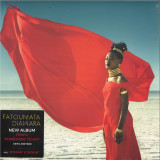
Fatoumata Diawara ist eine malische Singer/Songwriterin und Schauspielerin. Ihr Debüt "Fatou" (2011) und darauffolgende Aktivitäten machten die Künstlerin zu einer der wichtigsten Vertreterinnen moderner afrikanischer Musik. Sie sang auf Alben von Dee Dee Bridgewater ("Red Earth"), Oumou Sangaré ("Seya") und Herbie Hancock ("The Imagine Project"). Darüber hinaus kollaborierte sie mit Bobby Womack, Mulatu Astatke, Cheikh Lô, dem Orchestre Poly-Rythmo de Cotonou, Blick Bassy sowie Rocket Juice & the Moon. Diawara spielte bereits Glastonbury und andere große Festivals, trat in der Carnegie Hall auf und begab sich an Bord von Damon Albarns Africa Express, wo sie sich als Höhepunkt eine Bühne mit Paul McCartney teilte. Parallel setzte sie ihre Karriere als Schauspielerin fort, unter anderem in den Filmen "Timbuktu" (2014) und "Mali Blues" (2015). Ihr Album "Fenfo" (deutsch: "Etwas zu sagen") wurde in Mali, Burkina Faso, Paris und Barcelona aufgenommen und von Diawara selbst sowie dem französischen Superstar Matthieu Chedid alias -M- produziert. "Fenfo" geriet zu einem im besten Sinne grenzenlosen Album. Die elf Songs verbinden alte afrikanischen Saiteninstrumente wie die Kora und Ngoni mit elektrischen Gitarren sowie traditionelle Perkussion mit Kit-Drums. Diawara, die meist auf Bambara singt, wird unter anderem von -M- (Gitarre, Keyboards) dem brillanten Cellisten Vincent Ségal und dem Kora-Spieler Sidiki Diabaté begleitet.

pas en stock

Commandez maintenant et nous commanderons l'article pour vous chez notre fournisseur.

18,45

Last In: 4 years ago
Various - Wanted – Afro Groove. From Diggers to Music Lovers

Wagram turn their attention to the hip-swivelling world of Afro-disco and Afro-Funk, putting together a sizzling set of pan African sounds covering a whole host of dance styles from all over the continent. Deeper diggers may recognise some of these gems from individual reissues over the last few years, but this is the only time you'll find them all in one place.

pas en stock

Commandez maintenant et nous commanderons l'article pour vous chez notre fournisseur.

23,49

Last In: 4 years ago
ZOEE - FLAW FLOWER

Zoee

FLAW FLOWER

12inchZIQ432
Planet Mu Records
25.06.2021

Finnish producer Sasu Ripatti has been torching the fringes of electronic music since the mid 1990s, a process that's found him melting a wide spectrum of musical innovation into his cult brand of experimental minimalism. From the skeletal jazz deconstructions of his 1997 Vladislav Delay debut "The Kind of Blue EP" to the blurred dub techno variations of 2000's "Multila" and 2012's "Kuopio", Ripatti has betrayed a restless, voracious passion for sound. "Fun is Not A Straight Line" builds on this impressive legacy, retaining his sonic signature and adding a playfulness that harks back to his beloved deep house smash, Luomo's "Vocalcity". After becoming frustrated by the inflexibility of the 4/4 house idiom, Ripatti found solace in rap and bass music's rhythmic complexity and anarchic structures. "I bought Nas's 'Illmatic' when it came out in '94 and have more or less been listening to rap since," he explains. "I'm not really sure why now, but that rap influence wanted to come through." Chopped rap vocals, booming subs and gritty, neck-snapping beats are the primary colors of "Fun is Not A Straight Line", painted into the foreground and blended into an immediately recognizable rhythmic palette. The tracks cross into the same continuum as Chicago footwork, with stuttering samples that build thick walls of bass and flurries of wordless rhymes amid a narcotic haze of beats. On 'monolith', Ripatti's love of New York rap is in full focus as he obscures chipmunked vocals with tight, crackling percussion that disintegrates into rolling kicks; 'speedmemories' is even more upfront, channeling the raw sunshine energy of So So Def electro into rhythms that are powerfully skeletal. Elsewhere, syrupy Southern-fried TR-808 bass womps are tangled with molasses-slow vocals on 'videophonekitty', fuzzed into textured, dissociated ambience. Since the beginning, Ripatti has tried to find a balance between his experimental urges and drive to create more universal music. As his more recent albums have traveled into darker, more extreme realms, he has craved something different for balance. By drawing a crooked line between DJ Premier, DJ Screw and DJ Rashad, Sasu Ripatti has emerged with the most accessible and unashamedly enjoyable album he's produced in years.

pré-commande25.06.2021

il devrait être publié sur 25.06.2021

24,75
TUNE-YARDS - SKETCHY

Tune-Yards

SKETCHY

12inchADLPE40309
4AD/BEGGARS Group
23.06.2021

Quietschbunte Indie-Pop-Tunes Nachdem das letzte Tune-Yards-Album "I can feel you creep into my private life" 2018 auf 12 Songs Themen wie Geschlechterteilung, Politik, Feminismus und die nach wie vor um sich greifende Umweltverschmutzung behandelte, hinterfragen sich Merrill Garbus und ihr langjähriger Mitstreiter Nate Brenner auf dem fünften Studioalbum "sketchy." selbst. "We had really been non-stop hustling," reflektiert Merrill, die zwischen 2009 und 2018 vier hoch gelobte Alben als Tune-Yards veröffentlicht hat, durchgängig auf Tour war und zusätzlich noch den Score zum surrealistischen Boots Riley-Film "Sorry To Bother You" kreierte. Ihre eigene Rolle in den von ihr so verhassten, eingefahrenen Systemen, lähmte Merrill, ohne Idee, wie sie nun weitermachen sollte. Inspiriert vom Buch der Beastie Boys und von Questloves "Creative Quest" machte sich das Duo daran täglich für mehrere Stunden in ihrem Proberaum zu jammen, um sich ähnlich wie Athleten vor einem Wettkampf zu trainieren. Dabei tauschten sie Computer-Samples gegen Live-Instrumente ein (Merrill an den Drums, Nate am Bass) und schon nach kurzer Zeit entstanden die ersten neuen Songs. Das Ergebnis ist ein farbenfrohes und fröhliches Album mit Lyrics, die es in sich haben.

pas en stock

Commandez maintenant et nous commanderons l'article pour vous chez notre fournisseur.

17,86

Last In: 4 years ago
K.Mo Featuring Byron The Aquarius - Space Funk EP

Wayout Records head honcho, Manchester DJ and producer James Kumo aka K.Mo, takes the reins for their next release ‘Space Funk EP’, featuring man of the moment Byron The Aquarius.

The deep house groove of title track ‘Space Funk’ has Byron on keys, laying down his trademark synth and bassline stabs courtesy of his Prophet 6. The warm and soulful vibes sit alongside driving drum patterns and additional live percussion by Mauskovic Dance Band member Chris Bruining.

The B side opens with ‘Moon Light Shuffle’, delivering a captivating bass line with synth lead melodies accenting the organic solo to die for from the super talented Tim Jules.

Close ‘Inner Soul’ is full of sparkle with heady pads, luscious piano chords again from Tim Jules, elevating this very credible record to a whole other level.

pas en stock

Commandez maintenant et nous commanderons l'article pour vous chez notre fournisseur.

11,72

Last In: 2 years ago
Don Zilla - Ekizikiza Mubwengula

A few years ago, Don Zilla was sat alone in an internet cafe teaching himself FL Studio, dreaming of becoming one of Africa's greatest music producers. These early experiments evolved into 2019's "From the Cave to the World", an EP that showcased Zilla's rare fusion of eerie industrial electronics, lurching bass and constantly-shifting East African rhythms. Now the manager of Kampala's Boutiq Studios, Zilla returns to Hakuna Kulala with his eagerly-awaited debut album "Ekizikiza Mubwengula", a labyrinthine album that weaves freewheeling dance sub-genres into a bejeweled tapestry, signaling a path to the future. There's the cybernetic 'nuum funk of dBridge, Emptyset's overdriven, cacophonous anxiety, the hyper-paced airlock club ofShanghai's Hyph11E and the confrontational intensity of Dreamcrusher; everything is melted into a groove-fwd whole that's tough to resist. Tangling trap into slippery, atmospheric doom-step on 'Buziba', experimenting with uptempo, Slikback-esque rhythmic complexity on 'Tension' and reshaping noisy industrial ambience on 'Shots', Zilla uses the album to continuously challenge expectations, folding sounds in on themselves Inception-style and allowing fresh rhythms, textures and forms to peek through. It's a bold step from a central character in East Africa's rapidly-growing stable of paradigm shifting experimental club producers.

pré-commande18.06.2021

il devrait être publié sur 18.06.2021

22,23
Whispering Sons - Several Others

‘Several Others’ marks Whispering Sons’ first full-length release
since their 2018 debut ‘Image’, which has notched up over
20,000 sales locally in Belgium as well as tallying up millions of
streams for their dark and unique blend of experimental and
frenetic post-punk.
Similarly, prior to lockdown, their ferocious live shows had also
seen them begin to firmly cement themselves as a must-see
live band, playing alongside the likes of The Murder Capital,
Patti Smith, The Soft Moon and Croatian Amor, as well as
touring across the UK and Europe with Editors in 2019 and
2020.
The new album sees the band distil the ferocious post-punk
aesthetics from which their sound first emerged and pushes
them to the absolute limit. The tracks toy with the delicate
balance between moments of fragility and their capability for
relentless and driving intensity, experimenting at the point in
which no wave, industrial and avant-punk converge.
The anxious and propulsive instrumentation is eerily abstracted,
whilst Fenne Kuppens’ words, sung in a dramatic and utterly
distinctive low register, inject that extra central tension and
darkness.
What the critics said about first single ‘Surface’:
“The first sign that they're fast outstripping the genre-trappings
of their post-punk roots, and an ample showcase for Fenne
Kuppens’ magnetic presence on lead vocals.” - The Quietus
“Bold, dark, and immersive” - CLASH
“A confounding, confusing and continually climaxing song of
dead-ends, narrowing avenues and night-time awareness” - The
Line Of Best Fit

pré-commande18.06.2021

il devrait être publié sur 18.06.2021

25,17
Francis Lung - Miracle

Francis Lung

Miracle

12inchMI0677LP
Memphis Industries
18.06.2021

‘Miracle’ is the new album from Manchester singer songwriter Francis Lung,
released on Memphis Industries.
“For me, ‘Miracle’ is about the struggle between my self-destructive side and my
problem-solving, constructive side,” says Francis. “I suppose through a lot of
these songs I’m dealing with these emotional problems, acknowledging the
negative aspects of my behaviour instead of burying them, and providing an
alternative point of view for myself.”
Despite its serious subject matter, ‘Miracle’ is far from austere in sound, marrying
the cinematic, dreamlike quality of Francis’s earlier music with the pared-back
charm of great singer-songwriters like Judee Sill, Jeff Tweedy and Elliott Smith.
The album opens with ‘Bad Hair Day’, a relentlessly catchy - and deceptively
upbeat - ode to hangovers and missed connections. “I’ve been calling on you all
night / But I never get through, I just get in the way” Francis laments; “I am a
cloud in the sun’s light / Whatever I do, whatever I say.”
Elsewhere, the title track finds him pondering the fickle nature of the music
industry: “I think of [‘Miracle’] as acknowledging and even encouraging the
feelings we’re not supposed to succumb to - giving up, giving in - just because it
can be comforting to hear it from someone else. ‘Why am I climbing these social
ladders and jumping through the hoops of this creative industry? Does this make
me happy?’”
These themes of longing and lacking, missing and being missed, reoccur
throughout ‘Miracle. “When I die / Will I be missed / Or am I missing the point?”
asks ‘Say So’; while ‘Lonesome No More’, inspired by the Kurt Vonnegut book of
the same name, begs the question: if loneliness was eradicated, would we miss
it?
By confronting these feelings, Francis is able to move forward, as triumphant
album closer ‘The Let Down’ proves. Its lyrics serve as a call to action, as
Francis wills himself (and the listener) to “Get up / Get something going / Do
something, do it / Do it now.”
‘Miracle’ was produced by Francis in collaboration with Brendan Williams (Dutch
Uncles, Matthew Halsall, Kiran Leonard) and Robin Koob (who co-arranged and
performed strings). The opportunity to take creative control was one Francis
relished. “I’m quite bad at delegating,” he admits, noting that he played every
instrument except strings on ‘Miracle’. The result is a cohesive, deeply personal
record, which is as vital as it is vulnerable. “I don’t want to be defined by my
anxiety, my depression or any history of substance abuse,” Francis says, “but I
do want to reach out to other people who have had similar experiences,
especially if it’s in a way that helps them feel a little better. To me, this music is
celebrating healing as much as it focuses on the darker sides of the human
psyche.”

pré-commande18.06.2021

il devrait être publié sur 18.06.2021

21,81
Various - The Lost Maestros Collection

To reveal to the world all the musical riches of Mali, and more particularly the music of the Mandé region, cradle of the great griot families, is the highly laudable purpose of this LP The Lost Maestros Collection. To perpetuate and transmit this ancestral musical history, The Lost Maestros Collection brings together 8 wonders of Mali who have each in their own way managed to develop this tradition towards more modern and electrified countries and associates pioneers of Mandingo music and actors of the young post generation.

The Lost Maestros Collection is the result of the collaboration between Deviation Records, newly created by Phil Margueron and the independent Malian label Mieruba, which has been working since 2010 to ensure that this golden age of Mande music does not fall into oblivion. Aware that these nuggets are not eternal, Mieruba, based in Ségou on the banks of the Niger river and capital of the former Bambara kingdom, undertook for eight years the preservation of this musical heritage by putting these 16 pieces on tapes at the Kôré studio de Ségou as well as at the famous Bogolan studio in Bamako.

pré-commande12.06.2021

il devrait être publié sur 12.06.2021

19,71
Joana Serrat - Hardcore From The Heart

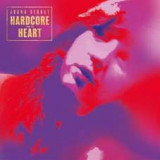
Catalan singer-songwriter Joana Serrat returns with new album ‘Hardcore From The Heart’, out June 11 on Loose Music. Serrat’s fifth album, ‘Hardcore From The Heart’ is the follow-up to 2017’s acclaimed ‘Dripping Springs’ (“…like Mazzy Star guesting on an early Neil Young demo,” Mojo). For the recording, Serrat travelled from her home in Vic, a small city near Barcelona, to Redwood Studio in Denton, Texas, where she teamed up with engineer and producer Ted Young (Kurt Vile, Sonic Youth, Lee Ranaldo).

pré-commande11.06.2021

il devrait être publié sur 11.06.2021

21,81
Stijn Hüwels + Tomoyoshi Date - A Distant Fire, A Distant Cloud (遠き火、遠き雲)

遠き火、遠き雲 (Tōki Hi, Tōki Kumo / A Distant Fire, A Distant Cloud) is the second collaboration by Tomoyoshi Date and Stijn Hüwels. The album was commissioned by Laaps.

Tomoyoshi Date and Stijn Hüwels met for the first time in 2015 in Tokyo, being introduced to each other by Chihei Hatakeyama. That same evening, they recorded what would later become Hochu-Ekki-Tou, their first album, released on Home Normal in 2019. For "Tōki hi, tōki kumo", they teamed up again to create a slow and bright album, using field recordings, processed guitar, piano and synth. The title refers to a poem by Tadahito Ichinoseko, recited by the poet on the album as well.

Tomoyoshi Date creates acoustic and organic sounds with a little touch of digital processing. He began to create electronic music in 1998. In 2003, he forms the group Opitope with Chihei Hatakeyama (released by SPEKK), in 2012 the group ILLUHA with Corey Fuller (released by 12k), and the group Melodia with Federico Durand (Home Normal). His solo albums were released from Flyrec (2009, Japan) and Own Records (2011, Luxembourg). Also he worked as emergency doctor until 2014, and started his ambient oriental medical clinic "Tsuyukusa Clinic" in Tokyo since 2014. Tomoyoshi currently resides in Narita, close to Tokyo.

Stijn Hüwels has a profound fascination for minimalism. He's using mainly layers of processed guitar and field recordings. He released on Dauw, mAtter, Eilean Rec., Home Normal, White Paddy Mountain and Slowcraft/Lifelines. He released albums in collaboration with Chihei Hatakeyama, Norihito Suda, An Moku and Ian Hawgood. Together with James Murray he forms Silent Vigils. Stijn lives and works in Leuven and Brussels, Belgium. He's also curating Slaapwel Records since 2014, a label dedicated to music to fall asleep with.

pré-commande11.06.2021

il devrait être publié sur 11.06.2021

20,80
Articles par page:
N/ABPM
Vinyl