The man of many bands seems perpetually on the lookout for theunbalancedorthesurprising.Likealoveroffirstdates,Nick Wheeldon never tires of adding new formations with an ease that borders on the supernatural. After a highly acclaimed debut solo album in 2021, Communication Problems, followed by Gift in 2022, Nick Wheeldon, the Parisian Englishman from Sheffield, returns with a third opus, Waiting For The Piano To Fall. Nick Wheeldon has recorded nearly 20 albums with countless bands, including Nick Wheeldon's Demon Hosts, Os Noctàmbulos, 39th & the Nortons and Sex Sux, each of them offering him a new opportunity to refine a sound inspired by Gene Clark and Alex Chilton, at once majestic and fragile, delicate and flayed. Waiting For The Piano To Fall is the third LP in a triptych for which Nick Wheeldon has tried to capture a moment, an acoustic photograph. The band, The Living Paintings, had never playedtogether before this album and had no rehearsals before arrivingat the studio. It lends an amazing color, shape, confidence andexperiencetoNick'shypersensitiveanti-folksongs.Moreelaborate arrangements take shape around subtle country soulgroovesinwhicheventhe softestballadsswing.
Cerca:the count
and the novelty goes on: mule musiq welcomes another fresh producer to its vast catalogue of music from all around. this time andro gogibedashvili aka saphileaum. he is coming from tbilisi, georgia and already released an impressive body of work, considering he just publishes music since 2016. countless eps and albums, digital, on tape, documenting his feverish creative urge on labels like not not fun records, good morning tapes, diffuse reality, or vodkast. they cover a comprehensive stylistic range from ambient and downtempo to tribal, house, and techno nuances. a deeper shade of soul, precisely fashioned, growing from different playgrounds of inspiration. he was born into a musical family. as a kid he studied georgian folk. in his school rock band, he sang, and the guitar was his love. then electronic music called the tune, and techno hit his heart. in the midst of it all the 26-year-old never lost contact with his spiritual home. “i find deep inspiration in georgian myths and legends, occultism and esoteric teachings, lost civilizations, earth, unity, truth, information, and the secrets of the universe. these things, to name a few, inspire me daily and help me create the music I make.” saphileaum reveals. “exploring together”, his debut album for mule, navigates all these elements through a merry-go-round of gentle driven rhythm zones. fourth-world spheres, balearic tropes, field recording zones, tropical downbeat, tribal percussions, trancing sounds, balafon hums, mallet airs, hooky house – it’s all there, circling the eavesdropper into a dreamland of melodic undercurrents. “my loops come from tribal and cosmic inspirations. tribal, as below, and cosmic as above. the combination of these two, is very interesting to me”, he clarifies, while joking “but, to put it super simply, loops are super handy for djing”. which brings us to the final promotion of “exploring together” - it’s playability. its vast. multifunctional. spiritual. made for gatherings, were all dance time away. lost in music actions, only touched by the hand of rhythm and sound. his ten tracks are created for such flashes, wide spreading a musical narration of illuminating durability. “cosmic, relaxing, fun, tribal, and mystic.”, as saphileaum declares.
Dog Eat Dog is an American band founded in Bergen County, New Jersey. All Boro Kings is their first full-length album, released in 1994. It is the first time they brought their trademark saxophone sound to the foreground on singles like “If These Are Good Times, “Who’s The King” and “No Fronts”, of which the latter two became their biggest hits and received heavy rotation on MTV. The band were even voted Breakthrough Artists of the Year at the MTV Europe Music Awards. Dog Eat Dog became highly popular, especially in Europe, where they played large festivals and arena-sized shows. The songs released from All Boro Kings also charted on Europe's top forty heavy metal charts.
The album is available as a limited edition of 2000 individually numbered copies on gold coloured vinyl, and contains an insert.
The weird world of Wombo is a kaleidoscopic journey of sharp turns and surprising visions, a melting pot of influences with a cheeky cheshire-cat grin that coalesce into a trippy but infinite universe of the band's own, and a portal into their unique vantage point without limitation. Already committed to living outside the traditionally-heralded country sound of the music scene in their hometown of Louisville, Sydney Chadwick (vocals) and Cameron Lowe (guitar) had previously played in punk pop band the Debauchees, and with the addition of Joel Taylor (drums) in 2016 they found a winning combination of more straightforward indie rock combined with Chadwick's pitched up, oscillating vocals and unpredictable shifts in melody that see the band moving forward at an impressive pace. Their 2020 Blossomslookdownuponus LP is a snapshot of Wombo's wide-ranging aspirations that careen across avant pop, post punk and warbly indie interludes with a sky's-the-limit approach to translating the mundanity of regular life into their own high-frequency language.
Blossomlooksdownuponus by Wombo, released 2 February 2024, includes the following tracks: "Ginkobiloba", "Blossom Bear", "Chugging", "Black Hole Sun II" and more.
This version of Blossomlooksdownuponus comes as a 1xLP.
The vinyl is pressed as a baby blue disc.
- A1: The Cyclones With Count Ossie – Meditation
- A2: Cornell Campbell – Natty Don't Go
- A3: Freddie Mcgregor – Africa Here I Come
- A4: Bunnie & Skitter – Lumumbo
- B1: Willie Williams – Addis A Baba
- B2: L Crosdale – Set Me Free
- B3: Leroy Wallace – Far Beyond
- B4: Lennie Hibbert – More Creation
- C1: Alton Ellis – Blackish White
- C2: Winston Jarrett – Fear Not
- C3: Devon Russell – Drum Song
- C4: The Gaylads – Africa
- D1: Black Brothers – School Children
- D2: Linton Cooper – You'll Get Your Pay
- D3: Sound Dimension – Congo Rock
- D4: Zoot Simms – African Challenge
This is the new 20th anniversary edition of one of Soul Jazz Records’ classic Studio One releases, now available as a one-off special blue vinyl very limited-edition pressing (2000 copies worldwide).
Studio One Roots set the standard for Soul Jazz Records’ long-standing series of Studio One collections and features many of the classic artists from Clement 'Sir Coxsone’ Dodd’s mighty roster of reggae. This album includes Freddie McGregor, Willie Williams, Cornell Campbell, Alton Ellis, Devon Russell alongside some of the defining crack-session men groups of Jamaican reggae history – The Sound Dimension, Brentford All-Stars, The Skatalites, New Establishment and more. As ever the album is filled with a mixture of
seminal cuts and super-rarities from the vast vaults of 13 Brentford Road.
Stand-out tracks include Alton Ellis’s Blackish White, a surreal and powerful Afro-centric dream, Count Ossie Nyabinghi and Rastafarian drummers genre-defying interpretation of Booker
T and The MGs ‘Meditation’, Willie Williams awe-inspiring versioning of the Skatalites seminal Rastafari anthem Addis Ababa and many, many more.
This album has been fully digitally remastered, analog cut and packaged complete with the following: Original sleevenotes by Lloyd Bradley (author of When Reggae Was King),
compiled by Mark Ainley (Hones Jons), high-quality Soul Jazz mastering, wicked images of Count Ossie and the Mystic Revelation of Rastafari on the cover, and a rare image of Clement Dodd and musicians inside the studio at Studio One on the full colour inner
sleeves.
“The music of this compilation is of a rare, rare beauty and is essential to anyone's reggae collection” All Music
Analogue Productions (Atlantic 75 Series) Celebrating the 75th Anniversary of Atlantic Records! 180-gram 45 RPM double LP Mastered by Bernie Grundman from the original analog tape Contains Otis Redding's posthumous hit "Sittin' On the Dock Of the Bay" Appeared on Rolling Stone's 500 Greatest Albums of All Time, rated 161/500! Pressed at Quality Record Pressings Gatefold old-style "tip-on" jacket by Stoughton Printing Hybrid Mono SACD Mastered directly from the original master tape by Bernie Grundman The guts of the story are this: While on tour with the Bar-Kays in August 1967, Otis Redding's popularity was rising, and he was inundated with fans at his hotel in downtown San Francisco. Looking for a retreat, he accepted rock concert impresario Bill Graham's offer to stay at his houseboat at Waldo Point in Sausalito, California. Inspired, Redding started writing the lines, "Sittin' in the morning sun, I'll be sittin' when the evening comes" and the first verse of a song, under the abbreviated title "Dock of the Bay." He had completed his famed performance at the Monterey Pop Festival just weeks earlier. While touring in support of the albums King & Queen (a collaboration with female vocalist Carla Thomas) and Live in Europe, he continued to scribble lines of the song on napkins and hotel paper. In November of that year, he joined producer and esteemed soul guitarist Steve Cropper at the Stax recording studio in Memphis, Tennessee, to record the song. Cropper remembers: "Otis was one of those the kind of guy who had 100 ideas. ... He had been in San Francisco doing The Fillmore. And the story that I got he was renting boathouse or stayed at a boathouse or something and that's where he got the idea of the ships coming in the bay there. And that's about all he had: 'I watch the ships come in and I watch them roll away again.' I just took that... and I finished the lyrics. If you listen to the songs I collaborated with Otis, most of the lyrics are about him. ... Otis didn't really write about himself but I did. Songs like 'Mr. Pitiful,' 'Fa-Fa-Fa-Fa-Fa (Sad Song)'; they were about Otis and Otis' life. 'Dock of the Bay' was exactly that: 'I left my home in Georgia, headed for the Frisco Bay' was all about him going out to San Francisco to perform." Redding and Cropper completed the song in Memphis on Dec 7, 1967 with tragedy, unknowingly, looming. Just two days later Redding lost his life on a routine commute to a performance when the small plane he was in crashed. The other victims of the disaster were four members of the Bar-Kays — guitarist Jimmy King, tenor saxophonist Phalon Jones, organist Ronnie Caldwell, and drummer Carl Cunningham; their valet, Matthew Kelly and pilot Fraser. Cropper and bassist Donald "Duck" Dunn completed the music and melancholic lyrics of "(Sittin' On) The Dock of the Bay' which was taken from the sessions — Redding's final recorded work. Cropper added the distinct sound of seagulls and waves crashing to the background. This is what Redding had wanted to hear on the track according to Cropper who remembered Redding recalling the sounds he heard when he wrote the song on the houseboat. One of the most influential soul singers of the 1960s, Redding exemplified to many listeners the power of Southern "deep soul" — hoarse, gritty vocals, brassy arrangements, and an emotional way with both party tunes and aching ballads. At the time of his tragic death he was 26. ‘(Sittin’ On) The Dock of the Bay’ was released just a month following Redding’s death and became his only ever single to reach number one on the Billboard Hot 100 in January 1968. The album, which shared the song's title, became his largest-selling to date, peaking at No. 4 on the pop albums chart. "Dock of the Bay" was popular in countries across the world and became Redding's most successful record, selling more than 4 million copies worldwide. The song went on to win two Grammy Awards: Best R&B Song and Best Male R&B Vocal Performance. With the album, Redding confirmed himself as a talent lost far too soon. All the hallmarks of a top-notch Analogue Productions reissue are here for you to savor: Mastered directly from the original master tape by Bernie Grundman and cut at 45 RPM. Pressed on 180-gram vinyl at Quality Record Pressings, and housed in tip-on old style gatefold double pocket jackets with film lamination by Stoughton Printing.
Wade "Jimmy" Dyce was an original member of Cultural Roots. He was a vocalist and played a key role in shaping the sound of the group. Cultural Roots emerged as a four-part harmony group for producer Donovan Germain in the late 1970s, releasing « Revolutionary Sounds » and « Mr Bossman » which counts among ‘Jah Shaka's favourite tunes’. Then they released « Hell A Go Pop », one of the Greensleeves label’s lesser-known classics.
In the early 80's, Wade Dyce produced alone three songs at Chris Stanley's famous Music Mountain studio. Wade Dayce surrounds himself with the best musicians of the time, namely the Revolutionaries, but does not remember the exact formation apart from Sly Dunbar on drums and Bongo Herman on percussion. « Humble », « Money Mare » and « Hide & Seek » are three forgotten songs that can be described as killer roots from the middle of the 80s and which you can (re)discover again through this reissue on the original Moving On label. For this release, Jamwax worked with Parade Studio for this original and unique Disco 45 cover graphic creation.
Today, Wade, now sixty-seven years old, is living in Salem, Massachusetts, where he graduated in 2010 as a mental-health specialist. Long live to the Cultural Roots !
2024 repress
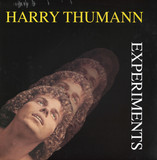
Here four classic studio experimentations conceived by Harry Thumann former owner and main engineer of Country Lane Studios based in Munich, Germany: the home of the glorious munich-sound during the disco era. Many strong songs where produced here, so this EP represents the evolution in sound during that era mid-seventies early eighties.
- 'Take Her Up To Monto' is the follow up to Ro´isi´n's critically acclaimed Mercury Prize nominated album 'Hairless Toys' and is billed as her most daring and creative yet.
- Never an artist to stand still, 'Monto' features everything Murphy has always done but seen afresh, boasting disco fancy, dark cabaret, the sonorities of classic house and electronica and the joy and heartbreak of pure pop drama resulting in her most magnificent song structures so far.
- The follow on from Roisin's Mercury Prize nominated 'Hairless Toys' album last year, Ro´isi´n is at her most creative peak yet.
- Released on embossed CD / double LP with digital download .
- A1: Wrath Of The Lich King (Main Title)
- A2: Dragons' Rest
- A3: Arthas, My Son (Cinematic Intro)
- B1: Path Of Tears
- B2: Crystalsong
- B3: Dalaran
- B4: God Hunters
- B5: Forged In Blood
- C1: Mountains Of Thunder
- C2: Secrets Long Forgotten
- C3: The Kalu'ak
- C4: The Eye Of Eternity
- C5: Garden Of Life
- C6: The Culling
- D1: Howling Fjord
- D2: Rise Of The Vrykul
- D3: Borean Tundra
- D4: Totems Of The Grizzlemaw
- D5: The Wrath Gate
- D6: Angrathar's Shadow
- D7: Assault On New Avalon
- iam8bit Edition - 2xLP on Ice Crown Blue Vinyl - Featuring Music from World of Warcraft: Wrath of the Lich King - Music Composed by Russell Brower, Derek Duke, Glenn Stafford, Jason Hayes, and Neal Acree - Album Design by Ryan Brinkerhoff // Wrath of the Lich King was more than just World of Warcraft's second expansion. For the game's millions of players, its release was a watershed moment in the MMORPG's then-young history, a defining time that rocketed the game into a new stratosphere of popularity and prestige. Northrend may be cold, but we here at iam8bit are feeling the warm and fuzzy embrace of nostalgia, thinking back on fond memories of countless icy raid nights. To commemorate this feeling, we collaborated with the folks at Blizzard Entertainment to create a 2xLP worthy of the Frozen Throne! Inside, you'll find select tracks from Russell Brower, Derek Duke, Glenn Stafford, Jason Hayes, and Neal Acree unforgettable soundtrack, presented across two records and packaged in album design from seasoned talent Ryan Brinkerhoff. This iam8bit version comes on lovely Crown Blue vinyl. Whether you're rolling need or greed, we know you're gonna want this one. Don't miss out on this celebration of one of the greatest expansions of all time!
Originally released by Cooking Vinyl in 1993 this live album took songs from Hanks tour in the Spring of 1992. Taken straight from the desk with no mixing or overdubs they capture the band at their very best. With slow heart wrenching tracks such as 'Birmingham Motel' written by Reg Meuross to the danceable 'Get Rhythm' this LP is a must for anyone interested in Country music from an English musician with a clear passion for the genre. This rerelease has new cover artwork. It is an iconic black and white picture printed in full colour black ( additional cyan) by o Winston Link who is rated as the greatest railway photographer ever to record the passing of steam in the USA. The shot is called 'Sometime the Electricity Fails'
D Double E is one UK rap's most respected, celebrated and genre defining artists, shelling down radio sets, raves and having countless solo hits. Starting off in Jungle and UK garage, he began life in grime as a member of the N.A.S.T.Y. Crew alongside Ghetts, Kano and Jammer before founding the Newham Generals with Footsie. From solo releases and much loved classics including ‘Street Fighter Riddim’ and ‘Woo Riddim’, in 2018 he released his debut solo album Jackuum to critical acclaim. Subsequent releases included the invigorated and daring D.O.N and most recent Bluku! Bluku! 2 have led the legendary artist to receive consistent praise and support from the likes of The Fader, i-D, Crack, The Guardian, VICE, Complex, Highsnobiety, COLORS, DJ Target and more. Boasting artistic collaborations with everyone from Kenny Allstar, Unknown T, Skepta, Ghetts, Novelist, Shy FX, Backroad Gee and more, D Double E has also made an impact in his career resounding far outside of UK rap with big brands. He wrote the original track for the viral and now iconic IKEA Christmas Advert, put his lyrical magic touch on an advert for Pepsi and more. Most recently he has been interviewed as part of the BBC documentary “8 Bar: The Evolution of Grime” and has been tapped for collaborations with Clarks, Palace Skateboards and others.
Few bands have burst quite so brilliantly onto the scene as Clap Your Hands Say Yeah. Fewer still can say their debut album defined a scene, a time, and marked a paradigm shift in the music industry. But the then five-piece, fronted by the enigmatic Alec Ounsworth, managed all this and more; no wonder their self-titled record is still considered one the finest, and most influential, indie releases of the 2000s.A heady blend of left-field pop and melodic, exuberant indie rock, the record repurposed a number of classic new wave references for a new generation of music fans. Fun-loving and quirky, the band achieved that rare alchemy - synthesising a dizzying array of styles and influences into something wholly their own. And that something was utterly glorious, full of buzzing synths, trebly guitars, bustling drums, and lilting, wailing vocals. The record's raw, ramshackle sound was an integral part of its appeal; time has merely magnified that charm. In `The Skin Of My Yellow Country Teeth' and `Upon This Tidal Wave Of Young Blood' Ounsworth wrote two of the most uplifting, celebratory tracks of this millennium, obvious highlights on an album of consistent excellence, and one rightly lauded for re-writing the rules of what indie bands could be.
Cam Cameron appears to be another one of those performers from an infinite list of Black American artists that cut a solitary 45 single and then disappear into obscurity never to be seen or heard from again. Couple this with the passing of any of the relevant protagonists from the time along with any of the surviving ones ever diminishing memories and the job of collating events and artists back stories from over 50 years ago becomes that much harder.
Cam Cameron appears to be one of those artists (although our investigations are ongoing). Therefore, from the information currently gleaned, the artist Cam Cameron was none other than Alvin Cameron the writer of the featured song “You Say”, with Cam being a kind of nickname. The string arrangements on both “They Say” and “I’m A Lonely Man” were provided by the late John Andrew Cameron a hugely respected arranger, producer and songwriter within the Chicago music scene of the 1960’s and early 70’s, more often credited as Johnny Cameron. Johnny’s credits can be found on many recordings of the time often working with fellow Chicago music scene producer Clarence Johnson, some of the highlights from this liaison being the song “I Really Love You” recorded by both Jimmy Burns (Erica) and Bobby James (Karol) and the girl group, ‘The Lovelites’, on their acclaimed album “With Love From The Lovelites” (Uni). Johnny’s involvement with the Scott Brothers goes as far back as 1965 when he provided the musical arrangements on The Howard Scott penned song “I’ve Got To Get Over” recorded by Syl Johnson for the TMP-Ting label. Although they share the same surname, Alvin (Cam) Cameron is believed to be of no relation to Johnny Cameron.
“You Say” would gain a release on the independent Capri label owned by Sephus Howard Scott who together with brother Walter Scott composed the 45’s flipside “I’m A Lonely Man”. Howard also featured as one of the songs producers alongside the mysterious Edgar Mullins (a name which has been found on a couple of other tape boxes, the investigations continue).
Musical accompaniment was provided by The Scott Brothers Band, with both songs being recorded at RCA Victor’s Chicago number 2 Recording Studio at 445 North Lake Shore Drive, in the Navy Pier section. on the 10th of August 1967 and released on Capri Records during the month of February 1968.
Cameron’s “You Say” was another 45 that was first introduced to UK Soul Collectors via those much lamented and fondly remembered soul packs, always regarded as a quality collector’s 45 the only regular turntable action remembered was provided by Northampton’s very own discerning DJ Cliff Steele at venues such as ‘Detroit Academicals’, ‘Bretby Country Club’ and later ‘Albrighton’ during the leaner days of the UK Rare Soul Scene?! Hopefully a wider appreciation of both sides of this soulful Windy City 45 beckons! The second release in Soul Junction’s Capri series.
As the BBE Music J Jazz Masterclass Series hits its 19th title, the milestone is suitably matched by a collaboration between two giants of jazz brought together to deliver an exceptional album, working with a band of the very best Japanese jazz musicians. ‘Reminicent Suite’ by American pianist Mal Waldron and Japanese trumpeter Terumasa Hino was originally released in 1973 on the famed Victor label and was one of several Japan-only albums recorded and released by Waldron over a thirty-year period, most of which have never been available outside Japan. ‘Reminicent Suite’ comprises two extended tracks, both taking up a side each. The title track on Side A is composed by Waldron, and is a dark, brooding heavy groove typical of his early 70s sound. ‘Black Forest’ on side B is written by Hino and is a vivid and energetic piece, layered and textured with dense percussion and Hino’s signature trumpet tone. Mal Waldron started out in the early 1950s working extensively on the Prestige label with notable figures such as Gene Ammons, Jackie McLean and Charles Mingus. Most famously, he worked with Billie Holiday before leaving the States in the mid-60s and relocating to Europe where he established himself as a major figure working across many countries including France, Italy, and Germany, where he made his home in Munich. In 1969, Waldron recorded the first releases for two major European jazz labels, ECM and Enja, before visiting Japan on tour for the first time in 1970. Waldron instantly fell in love with Japan and, over the next three decades, extensively toured and recorded there for numerous labels. Terumasa Hino is one of the towering figures of post-war modern jazz in Japan. Coming to prominence via the Hideto Shiraki and Sadao Watanabe bands in the mid-60s, Hino soon emerged as one of the prime movers in new jazz generation that changed the direction of jazz in Japan. He explored a more open, freer, and improvised sound, mixing psychedelic and rock elements with freeform and post-bop jazz. Hino recorded for many of the leading jazz labels of the era including Columbia, Three Blind Mice, and East Wind and would go on to relocate to the US in the mid-70s, immersing himself with the leading fusion players of the New York scene including Larry Corryell, Mtume, Al Foster, Dave Liebman and many more. In the early 80s, Hino’s jazz funk tracks were dancefloor smashes on the UK jazz dance scene. Joining Waldron and Hino on ‘Reminicient Suite’ is a band made up of the very best Japanese jazzman of their day: Takeo Uematsu on sax, Terumasa’s brother, Motohiko Hino, on drums, and the legendary bass master, Isao Suzuki. Together, they deliver one of the very best albums of the era, a richly articulated and dynamic session that exemplifies the very best that the Japanese jazz scene was doing in the early 1970s. ‘Reminicent Suite’ is pressed on 200g vinyl presented in a gatefold sleeve plus obi strip, with new photos by Tadayuki Naito; translated original sleeve notes; and a 7500-word essay including interview with Terumasa Hino from Tony Higgins, co-curator of the J Jazz Masterclass Series. This is the first time this album has been available outside of Japan
Studio One was founded by Clement "Coxsone" Dodd1 in 1954, and the first recordings were cut in 1963 on Brentford Road in Kingston.1[2] Amongst its earliest records were "Easy Snappin" by Theophilus Beckford, backed by Clue J & His Blues Blasters, and "This Man is Back" by trombonist Don Drummond. Dodd had previously issued music on a series of other labels, including World Disc, and had run Sir Coxsone the Downbeat, one of the largest and most reputable sound systems in the Kingston ghettos.
In the early 1960s, the house band providing backing for the vocalists were the Skatalites[3] (1964–65), whose members (including Roland Alphonso, Don Drummond, Tommy McCook, Jackie Mittoo, Lester Sterling and Lloyd Brevett) were recruited from the Kingston jazz scene by Dodd. The Skatalites split up in 1965 after Drummond was jailed for murder, and Dodd formed new house band the Soul Brothers (1965–66), later named the Soul Vendors (1967) and Sound Dimension (1967-). From 1965 to 1968 they played 9 a.m. to 5 p.m., 5 days a week, 12 rhythms a day (about 60 rhythms a week) with Jackie Mittoo as music director, Brian Atkinson (1965–1968) on bass, Hux Brown on guitar, Harry Haughton (guitar), Joe Isaacs on drums (1966–1968), Denzel Laing on percussion, and on horns (some initially and some throughout): Roland Alphonso, Dennis 'Ska' Campbell, Bobby Ellis, Lester Sterling, among others on horns during the era of Rock Steady. Headley Bennett, Ernest Ranglin, Vin Gordon and Leroy Sibbles were included among a fluid line-up, to record tracks directed by Jackie Mittoo at Studio One from 1966-1968.
During the night hours at Studio One from 1965-1968, singers like Bob Marley, Burning Spear, The Heptones, The Ethiopians, Ken Boothe, Rita Marley, Marcia Griffiths, Judy Mowatt, Alton Ellis, Delroy Wilson, Bunny Wailer[4] and Johnny Nash, among others, would put on headphones to sing lyrics to original tracks recorded by the Soul Brothers earlier each day. These seminal recordings included "Real Rock" (by Sound Dimension), "Heavy Rock", "Jamaica Underground", "Wakie Wakie", "Lemon Tree", "Hot Shot", "I'm Still In Love With You", "Dancing Mood", and "Creation Rebel".
Jackie Mittoo, Joe Isaacs, and Brian Atkinson left Studio One in 1968, recorded drums and bass for Desmond Dekker's and Toots' biggest hits at other Kingston studios, then moved to Canada. Hux Brown stayed in Jamaica to record on the soundtrack The Harder They Come, The Harder They Fall, and toured in Nigeria with Toots and the Maytals and Fela Kuti. The Soul Brothers (a.k.a. Sound Dimension) formed the basis of reggae music in the late 1960s, being versioned and re-versioned time after time over decades by musicians like Shaggy, Sean Paul, Snoop Lion, The Clash, String Cheese Incident, UB40, Sublime, and countless other Billboard originals and remakes trying to emulate their original Rock Steady sound at Coxsone's Studio One.
The label and studio were closed when Dodd relocated to New York City in the 1980s.
Studio One was founded by Clement "Coxsone" Dodd1 in 1954, and the first recordings were cut in 1963 on Brentford Road in Kingston.1[2] Amongst its earliest records were "Easy Snappin" by Theophilus Beckford, backed by Clue J & His Blues Blasters, and "This Man is Back" by trombonist Don Drummond. Dodd had previously issued music on a series of other labels, including World Disc, and had run Sir Coxsone the Downbeat, one of the largest and most reputable sound systems in the Kingston ghettos.
In the early 1960s, the house band providing backing for the vocalists were the Skatalites[3] (1964–65), whose members (including Roland Alphonso, Don Drummond, Tommy McCook, Jackie Mittoo, Lester Sterling and Lloyd Brevett) were recruited from the Kingston jazz scene by Dodd. The Skatalites split up in 1965 after Drummond was jailed for murder, and Dodd formed new house band the Soul Brothers (1965–66), later named the Soul Vendors (1967) and Sound Dimension (1967-). From 1965 to 1968 they played 9 a.m. to 5 p.m., 5 days a week, 12 rhythms a day (about 60 rhythms a week) with Jackie Mittoo as music director, Brian Atkinson (1965–1968) on bass, Hux Brown on guitar, Harry Haughton (guitar), Joe Isaacs on drums (1966–1968), Denzel Laing on percussion, and on horns (some initially and some throughout): Roland Alphonso, Dennis 'Ska' Campbell, Bobby Ellis, Lester Sterling, among others on horns during the era of Rock Steady. Headley Bennett, Ernest Ranglin, Vin Gordon and Leroy Sibbles were included among a fluid line-up, to record tracks directed by Jackie Mittoo at Studio One from 1966-1968.
During the night hours at Studio One from 1965-1968, singers like Bob Marley, Burning Spear, The Heptones, The Ethiopians, Ken Boothe, Rita Marley, Marcia Griffiths, Judy Mowatt, Alton Ellis, Delroy Wilson, Bunny Wailer[4] and Johnny Nash, among others, would put on headphones to sing lyrics to original tracks recorded by the Soul Brothers earlier each day. These seminal recordings included "Real Rock" (by Sound Dimension), "Heavy Rock", "Jamaica Underground", "Wakie Wakie", "Lemon Tree", "Hot Shot", "I'm Still In Love With You", "Dancing Mood", and "Creation Rebel".
Jackie Mittoo, Joe Isaacs, and Brian Atkinson left Studio One in 1968, recorded drums and bass for Desmond Dekker's and Toots' biggest hits at other Kingston studios, then moved to Canada. Hux Brown stayed in Jamaica to record on the soundtrack The Harder They Come, The Harder They Fall, and toured in Nigeria with Toots and the Maytals and Fela Kuti. The Soul Brothers (a.k.a. Sound Dimension) formed the basis of reggae music in the late 1960s, being versioned and re-versioned time after time over decades by musicians like Shaggy, Sean Paul, Snoop Lion, The Clash, String Cheese Incident, UB40, Sublime, and countless other Billboard originals and remakes trying to emulate their original Rock Steady sound at Coxsone's Studio One.
The label and studio were closed when Dodd relocated to New York City in the 1980s.
- A1: Open Space
- A2: Green Valley
- A3: Caretera Pnamericana
- A4: Goodmorning Sun
- A5: To-Day's Sound
- A6: Free Dimension
- B1: Truck Driver
- B2: Blue Lagoon
- B3: Wanderer
- B4: Lady Magnolia
- B5: Pretty
- C1: Railroad
- C2: Country Town
- C3: Bus Stop
- C4: Cotton Road
- C5: Nocturne
- D1: Exploration
- D2: Tropical River
- D3: Coast To Coast
- D4-: Safari Club
- D5: Music On The Road
PRESSING OF 500 COPIES WORLDWIDE. INCLUDES POSTER.
The sound of today. A very strong statement. Yet, fifty years later, it remains undisputed. Today’s sound is Piero Umiliani's manifesto, his will to demonstrate to the world that he always has his finger on the pulsating vein of the world, ready to embrace the heartbeat of the future.
In the summer of 1973, Piero Umiliani, in his futuristic recording studio in Rome, much like Miles Davis for his 'Bitches Brew,' gathered an extraordinary collective of musicians, both old and new guard to measure themselves against some of his compositions.
Besides strongly emphasizing the backbeat, what stands out the most is the timbre provided by his 'electronic instruments,' as he liked to call them. Minimoog, Arp 2600, Fender Rhodes, EMS VCS3, Clavinet, Lowrey organ, Space Echo, self-built envelope filters—machines impossible to see all together in an Italian recording studio at the time and made available to the musicians.
The line-up is stellar; under the name 'Sound Workshoppers,' the 'Wrecking Crew all'Amatriciana' is hidden an impossible mix where Marc 4, Gres and Perigeo are blended, along with a brass section of veterans and pioneers of Italian jazz, all members of the RAI Symphonic Rhythm Orchestra.
Comparing the recordings from the original scores, one can also understand the space left by Piero Umiliani for his musicians. They are free to move, to contribute solutions, to enrich the maestro's music.
The perfectly preserved original masters, once transferred at the maximum possible sampling frequency, allowed for the recovery of many lost frequencies, restoring brilliance and the remarkable low end expertly captured in recording by engineer Claudio Budassi.
Today’s sound was extremely difficult to control and fully render with the mastering technology of that time.
Paradoxically, Today's sound could not sound as I have managed to make it sound today: urgent, majestic, more alive than ever.
tapetopia 010 FO 32 extra hart arbeitendes rastermaterial für kontakt did not emerge from the usual underground milieu – their setting was the base of the 4th Flotilla of the GDR People’s Navy! The propaganda unit PrK 18 had among its recruits some who turned the logistics for agitation against the intentions of the system. Inside a barracks, but under the state radar, the paramilitary music corps FO 32 boarded an NVA studio and recorded industrial tracks and dark ambient. The experimental military band gave an illegal concert; they had previously been heard on the radio programme “Parocktikum”, a pirate gig from the ranks of the People’s Navy on GDR radio. In 1989, a first FO-32 tape was shared among just a few friends. Shortly after, an abridged mix of material was released on the illegal Trash Tape label in an edition of no more than one hundred copies. The vinyl version on tapetopia is based on the original tape. The tapetopia series, using the original layouts and track lists, publishes cassette editions from the GDR underground of the 1980s, especially from the “walled-in” scene in East Berlin. More than three decades after their initial “release”, these tapes have yet to be heard on either vinyl or CD, even though they made an audible mark in the canon of GDR subculture. Despite the tiny original editions of the time, many of the bands were considered cult in countercultural circles, which made them highly suspect in informed circles.
* Lou Reed's final solo album finally available again * First time on vinyl * Produced in partnership with Laurie Anderson and the Lou Reed Archive * Booklet features unseen photography by Lou, Q&A with Laurie Anderson & Jonathan Cott, essay by Eddie Stern, and archival interviews with Lou and Hal Willner * Remastered by GRAMMYr-nominated engineer John Baldwin * Package designed by multi-GRAMMYr-winning artist Masaki Koike // "I first composed this music for myself as an adjunct to meditation, Tai Chi, and bodywork, and as music to play in the background of life, to replace the everyday cacophony with new and ordered sounds of an unpredictable nature. New sounds freed from preconception. ...over time, friends who heard the music asked if I could make them copies. I then wrote two more pieces with the same intent: to relax the body, mind, and spirit and facilitate meditation." - Lou Reed Light in the Attic Records in cooperation with Laurie Anderson and the Lou Reed Archive, proudly announces a definitive re-release of Hudson River Wind Meditations, the pioneering artist's final solo album. Originally released in 2007, the deeply personal project combines Reed's love of creating drone music with his passion for Tai Chi, yoga and meditation. The album's ambient soundscapes have been described as a counterpoint to his intense Metal Machine Music album-but they are similar outliers in Reed's 40+ year exploration of drone music and feedback harmonics. The album has been remastered by the GRAMMYr-nominated engineer John Baldwin with vinyl pressed at Record Technology Inc. (RTI). The Double LP set is presented in a gatefold jacket designed by GRAMMYr-winning artist, Masaki Koike and features new liner notes by renowned Yoga instructor and author, Eddie Stern, who guided Reed's practice for years. Also included in the physical editions is a fascinating conversation conducted earlier this year between author/journalist Jonathan Cott (Rolling Stone, The New Yorker) and Reed's wife, artist Laurie Anderson, who discusses the album, as well as her husband's devotion to Tai Chi - one of the album's primary inspirations. Hudson River Wind Meditations marks the latest release in LITA's Lou Reed Archival Series. Launched in 2022 in tandem with the late artist's 80th birthday, the ongoing series has celebrated one of America's most influential songwriters through such acclaimed collections as Words & Music, May 1965 featuring many of Reed's earliest (and previously-unreleased) recordings, including the earliest-known versions of "I'm Waiting for the Man" and "Pale Blue Eyes."