
Cerca:trading places


- A1: J.p. Sunshine
- A2: Hey Girl
- A3: Love Scene
- A4: This Side Up
- A5: Octopus
- A6: Watch Out
- B1: Eyes Are Raining
- B2: Dark Star
- B3: Swan Song
- B4: Rising Free
- B5: Hand In Hand
8
In 1967, the English poet George Duffell, alias Jorgy Porgy, decided to set his verses to music, birthing J.P. Sunshine with guitarist/vocalist Rod Goodway of pop act the Pack (later with the Crazy World of Arthur Brown), the line-up expanding with a bassist and bongo player, Duffell’s girlfriend on percussion, and former Pack guitarist Andy Rickell on electric lead. These resultant recordings, cut on basic gear in Duffell’s flat, evidence an individual psychedelic sound, marked by the incestuous claustrophobia of the group’s romantic rivalries, the meandering lyrics and disjointed melodies pointing to the pervasive drug use that ultimately squashed the project. This is psych with a difference: rare, rough, and freaky!

- A1: The Traveller
- A2: A Prenormal Day At Brighton
- A3: Masai Morning: Casting Of The Bones/The Hunt/A Ritual Of Kings
- A4: Windweaver
- A5: Dragonfly Day: Metamorphosis/Dance Of The Sun Spirit/Death
- B1: Petunia
- B2: Telephone Girl
- B3: Psychiatric Sergeant
- B4: Slow Ride
- B5: Sundial Song
- B6: Telephone Girl (First Version - Bonus Track)
11
After backing future Mike Oldfield producer Tom Newman and playing in psychedelic outfit July, percussionist/flutist Jon Field and guitarist Tony Duhig joined forces with bassist Glyn Havard to form experimental prog act Jade Warrior, their non-standard 1971 self-titled debut a work of excellence unjustly overlooked. Veering between acou-stic introspection, searing acid rock and world music interludes, with melody and percussion from Africa and India and nary a drumkit in sight, this pure musical gemstone of uncommon beauty is ripe for rediscovery, and this edition comes with a rare alternate of ‘Telephone Girl’ to boot. Mega!

- A1: The List
- A2: Venus Time Trap
- A3: Free Flow
- A4: Saved By The Bell
- A5: Xkanitzki Avenue
- A6: Blue Pseud Megalomaniac's Shoes
- A7: Chic Silver
- B1: You Won't Fool Al
- B2: Charm School
- B3: Haunting Me
- B4: Mug Shots
- B5: Darker Shade Of Grey
- B6: Free Flow (Alternative Version)
11
After exiting Buster Summers Express, Leeds-based songwriter/multi-instrumentalist Derek Noy formed Jan Dukes De Grey with woodwinds player, Michael Bairstow, soon opening for Pink Floyd and the Who, though LPs Sorcerer and acid folk masterpiece Mice And Rats In The Loft sold poorly. After line-up changes, in 1977, Noy assembled a new crew for Strange Terrain, cut at Brittania Row with Roger Waters co-producing, but the album’s curious mix of post-prog, acid rock and punk was deemed unsuitable for release until 2010! This edition comprises the complete original LP, just as delivered at its time of recording. Essential!

12
Before joining Dick Cuthell in jazz fusion act Trifle, keyboardist Alan Fealdman and drummer Chico Greenwood formed Jasper with bassist Jon Taylor, guitarist Steve Radford and singer/harmonica player, Nick Payne. On sole LP Liberation, released by Spark in 1969, Jasper skirts psychedelia, proto-prog and blues rock, the unusual hybrid a fluid sound that’s difficult to place. Along with unusual arrangements of ‘Baby Please Don’t Go,’ ‘St Louis Blues’ and Donovan’s ‘Cuttin’ Out,’ there are baroque motifs of the title track, repeated at varying intervals. For fans of multidimensional prog and cutting edge blues-rock.

11
Following his tenure fronting British psychedelic rock act The Web, who cut a couple of likeable albums featuring his bluesy, soulful lead, US-born vocalist Mississippi John L. Watson went solo, working with Pete Wingfield on his 1970 debut, White Hot Blue Black. Superior sophomore set Let’s Straighten It Out was released on Bob Kingston’s Spark label in 1975 and credited to John L. Watson and White Mouse, with Watson headed in a funk direction; along with the potent title track, there’s a fine cut of Gwen McCrae’s ‘Rockin’ Chair,’ making the set a sure-fire winner for Watson fans and lovers of British funk and soul.

9
Formed in 1971 by guitarist John Evan-Jones and his bassist brother Trevor, obscure British prog-rock act Jonesy had a shifting line-up and unusual elements, Chicago-born Jimmy Kaleth’s battery of keyboards including a Mellotron. Sophomore set Keeping Up saw Trevor return to the fold, along with drummer Plug Thomas, fresh from sessions with Supertramp; guitarist Ray Russell’s lush string arrangements and Alan Bown’s plaintive trumpet and flugelhorn add extra musical dimensions. Capturing the group at their most eclectic, Keeping Up is a must for Mellotron fans and all lovers of pop, jazz, and blues-tinged prog.


12
Inspired by Muddy Waters and other blues greats, the South London blues-rock band Killing Floor was formed in 1968 with lead singer and harmonica player Bill Thorndycraft, guitarist Mike Clarke, bassist Stuart McDonald, pianist Lou Martin and percussionist Bas Smith. This self-titled debut set, issued by the independent Spark label (and licensed to Sire for US pressings), was produced with care by former DJ John Edward, based on Chicago blues material, as heard on the cover of Willie Dixon’s ‘You Need Love.’ This is the band at their rawest beginnings, a grittier traditional blues set that contrasts with later work for Larry Page.
7
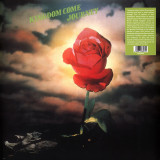
Theatrical rocker Arthur Brown gained notoriety and fame in equal measure through ‘Fire,’ an anthem to their pyrotechnic excess. When his backing musicians quit to form Atomic Rooster, Brown formed Kingdom Come to further explore the nexus of music and theatre and of the series of albums they cut for Polydor, Journey is the strangest and greatest. Stretching to the deepest reaches of space rock, Journey used the Bentley Rhythm Ace drum machine, and Victor Peraino’s synths, theremin and mellotron, to chart the astral records of history. This is Brown’s true masterpiece, an astounding record that was aeons ahead of its time.

- A1: A Whole Lotta Shakin' Goin' On
- A2: Going Home Tomorrow
- A3: Money Honey
- A4: Only You
- A5: Hound Dog
- A6: Goodnight Irene
- B1: Lawdy Miss Claudie
- B2: Groovy Little Suzy
- B3: Short Fat Fanny
- B4: Cherry Red
- B5: Memories Are Made Of This
- B6: Blueberry Hill
7
Known as ‘the Architect of Rock ‘n’ Roll,’ the flamboyant rhythm and blues extrovert, Little Richard, made an incredible impact with unorthodox piano playing and rasping, shouted vocals, yielding a series of pivotal hits in the mid-1950s, but he abandoned secular music for gospel following a tour of Australia in 1957. Lured back into rock by promoter Don Arden, his UK tour featuring The Beatles as support, Little Richard Is Back was his comeback set for Vee Jay, his voice now deeper and seasoned; the range of covers are tackled with plenty of pep, and original ‘Groovy Little Suzy’ was co-written by Harry Nillson. All hail the King!

4
The adventurous singer, guitarist and music journalist Mick Farren launched his solo career after being sacked by his fellow Deviants, the protopunk band he fronted from 1967-69. Suffering from depression and other mental health issues, Farren teamed up with an all-star cast, including members of Quartermass and ex-Tyrannosauros Rex honcho Steve Peregrin Took for debut opus Mona The Carnivorous Circus, mixing hard rock, spoken word, spaced-out interludes, radio cut-ups and garage rock, rendering a work as compelling as it is hard to classify. Strange, delightful and a favourite of Julian Cope, this is an aural journey to savour.


6
Fresh from their US tour supporting Black Sabbath, Brooklyn-based heavy metal trio Sir Lord Baltimore expanded to a quartet for the recording of their self-titled sophomore album, released by Mercury in late 1971. The new addition was uitarist/keyboardist/vocalist Joey Dambra, brother of guitarist co-founder, Louis Dambra, adding a dual-guitar element to their hefty sound. The album begins with the epic “Man From Manhattan,” a symbolic allegory of a resurrected Christian icon in a new setting; in contrast, “Where Are We Going” captured the rawness of the group in live glory and “Chicago Lives” a twin-guitar attack. Somehow, the band did not survive long after its release, though Joey later recorded with John Lennon; this reissue spins at 45 RPM for maximum fidelity.

- A1: Lost Awakening
- A2: Your Woman's Gone And Left You
- A3: Night Girl
- A4: Nothing Can Change Your Mind
- A5: Living For Today
- B1: Big House
- B2: Mirrors Of Sorrow
- B3: Look, What Else Is Happenin
- B4: I'm Fallin' Far Behind
- B5: Witches Come Today
6

