“Twee” is Tsepo’s debut mini-album. The beautiful 6-tracker strikes a balance between breaks, percussive house, and glitchy ambient. Tsepo has been around as a DJ for over 8 years. He played Trouw, Heidegluhen, Lowlands, Shelter, DGTL, Wildeburg, and more. On “Twee”, he combines emotive melodies with expertly produced beats. The diversity of the music is perhaps best expressed in how easily the glitchy ambient works "Dough" and "Max" go together with the resonating techno track "La Vaca Vega" and the uplifting title track "Twee". "Extebarri" (where a hard snare is the basis of a driving melody) and the downtempo "Tribeca" round off the release effortlessly. Tsepo knows what he's doing and his years of experience in the DJ booth echo on this wonderful, well-crafted debut.
Search:twee
- A1: Kleine Handjes
- A2: Sterke Vrouwen
- A3: Mtr
- A4: Twee Keer Twee Is Vier
- A5: Alles Komt Wel Uit
- A6: Edeghem
- A7: Maybe, Ok Maybe
- A8: Friendship
- A9: Het Vuur
- B1: De Laatste Loodjes
- B2: Ongerijmde Rijmen
- B3: Vivian Chow
- B4: Vloeiend En Precies Uitdrukken
- B5: 23 July
- B6: Haar Huid Glom Als Een Spiegel
- B7: Verloren In De Taal
Bell Gardens combines the musical visions of Kenneth James Gibson (formerly of Furry Things, now recording as
*Bell Gardens' origins began arguably as more of an experiment than the duo's current 'experimental' projects - McBride's drone- and string-laden ambient symphonies, and Gibson's ventures in dub and minimalist techno - as they sought to manifest their mutual reverence for folk, psychedelia and chamber pop in a traditional band structure without cannibalising any particular past genre. Bell Gardens' sound is less reliant on effects and studio trickery than the pairs' independent guises, laying bare as it does vocals and live instruments with emotional sincerity, and presenting songs imbued with an almost pastoral or gospel simplicity and timelessness.
Slow Dawns for Lost Conclusions was again recorded mostly at home studios, but additionally the band made use of a friend's desert cabin in Wonder Valley, California, and it seems this willingness to retreat from the city has lent an expansiveness to the tracks, in particular the spacious, ceremonial 'Silent Prayer' (written in a snowbound mountain cabin in Idyllwild, C.A.) and the crepuscular 'She's Stuck in an Endless Loop of Her Decline' (mapped out under the stars in the desert).
While the addition of strings (contributed by Lauren Chipman of The Rentals and The Section Quartet) and trumpet (Stewart Cole of Edward Sharpe and The Magnetic Zeros) provides a double rainbow of tonal textures throughout, the nine tracks of Slow Dawns for Lost Conclusions are united by an understated elegance belying the newly expanded, communal effort in the studio: each instrument earns its place, nothing is overwrought or conspicuous. Moreover, it is McBride and Gibson's artistry in building stirring soundscapes from the barest of materials in their other guises that lends such assurance and sophistication to these arrangements.
The band is a result of the complimentary cross-pollination of Gibson and McBride's musical tastes - borne from a late-night conversation between the two that grew wings - and it is the universality of the sentiments and their restrained, reflective approach to writing and recording that allows the music to simultaneously straddle the past and the present. The music avoids pastiche, its pedal steel, sleigh bells and harmonies giving a nod to the ghosts of musical genres past, but never overriding or distracting from the emotional content of the sum of its parts.
The album ends with the glorious 'Take Us Away' - one of the first demos Gibson gave McBride when he was on tour with Stars of the Lid - neatly bringing their work to date full circle and exemplifying the band's mindfulness of their own serendipitous beginnings: the dawning of an auspicious, unique musical force.
Bell Gardens - Take Us Away -
Harmonies alert!! Actually, this is rather lovely. Slow-tempo, just the right side of 'twee' and packed full of strings, as if Air and Midlake had been taking balloon trips over the mid-West and sprinkling good-vibes dust across the land. From L.A. and subconsciously plugged into the '60s dream-pop scene, taking in a little bit of Mercury Rev and Brendan Perry en route, stopping off at Pearls Before Swine and Big Star's house for inspiration, before getting stoned with '70s era Brian Eno and Harold Budd.
Acknowledge Kindness expands San Francisco based The Reds, Pinks And Purples' distinctive brand of emotional pop, music built for the quiet hours and the restless mind. Evolving naturally from the heavier, melancholic indie rock of previous releases, the mood here feels more exposed and reflective, blossoming into lush dreamscapes that recall the bittersweet sorrow of The Cure or the tenderly gloomy transcendence of California by American Music Club. Created from a new headspace, the album finds main man Glenn Donaldson observing both the present and the weight of what came before it. Songs lean into a deeper sense of nostalgia, allowing him to look back with intent and revisit moments that once carried a sting. Donaldson's vocals are captured in high fidelity, raw and immediate, with lyrical abstraction underpinned by chiming acoustic guitars and achingly beautiful piano. Across its 11 tracks, Acknowledge Kindness expands The Reds, Pinks And Purples' emotional and sonic panorama, with Donaldson's ongoing world-building remaining both warmly nostalgic and strikingly original. "Donaldson's best work hides allure within a bigger picture, like a jangle-pop egg hunt" Pitchfork FFO The Smiths, Guided By Voices, The Chills, Leonard Cohen, The Go-Betweens, Robert Wyatt, Twee-, Jangle- & Sophisticated Guitar Pop. Coloured vinyl LP versions and digisleeve CD available
- 1: Sidewalk
- 2: Dream From An Eyelash
- 3: Things We Rehearse
- 4: Silver Chain
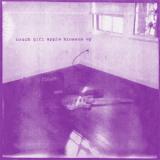
Die Band Touch Girl Apple Blossom aus Austin komponiert Songs, die dich direkt ins Herz treffen. Ihre selbstbetitelte Debüt-EP ist eine Sammlung von klirrend-nostalgischen Popsongs, die sich so vertraut und intim anfühlen, dass sie sofort an die zuckersüße Glückseligkeit von Künstlern wie Heavenly, Tiger Trap und Velocity Girl erinnern. Die Gitarristen Olivia Garner und John Morales lernten sich beim Spielen in einer Country-Band kennen und fanden über ihre gemeinsame Liebe zur Twee-Musik zueinander, was sie dazu inspirierte, sich zusammenzutun und ein paar Songs zu schreiben. Bassist Dustin Pilkington und Schlagzeuger Charles Powell stießen kurz darauf dazu, und die Band begann, in ihrer Heimatstadt Austin, Texas, aufzutreten. Letztes Jahr ging die Band mit Max Deems ins Studio und nahm die vier Songs, aus denen später die EP Touch Girl Apple Blossom werden sollte, auf einem 8-Spur-Recorder auf und stellte sie im August 2023 online.
Super Rhythm Trax are proud to present this reissue of one of the most loved, most underground and most sought after Breakbeat Hardcore records from 1991. Raw rugged and authentic, no silly chipmunk vocals or twee piano here, oh no!
Carefully remastered from the original dat tapes, both original versions of Underkut “Both Ends” are now available at a reasonable price after 35 years!!
Since its original release in 1991 it quickly gathered legendary status with it’s super slamming breaks and ‘that’ huge Bassline, it doesn’t get any better than this.
On the DAT tape, we also chanced upon an unreleased, unheard version, and We include this unheard vocal mix as an ‘of it’s time’ artefact for the collectors, as it really accentuates the record’s obvious HipHop leanings and there are parallels to be drawn with the whole Britcore movement of the time, where crews like Hijack, Gunshot, Cash Crew, Demon Boyz and London Posse were flourishing.
For the fifth release on 777Hz, Hiss Is Bliss teams up with the legendary singer Ras Tweed who delivers an amazing vocal cut with his unique voice. Recorded in Birmingham UK at Friendly Fire Studio by Robin, the A side track takes it back to the roots ! While on the B side the Dub version will send you straight back to Berlin via Detroit.
InDepth Imprint launches its debut release with a forward-thinking V.A. bringing together UFO95, Hadone, Raar, Initial Code and Clara D. The label focuses on bridging avant-garde sound exploration with club-driven functionality. This first release is built on audio material recorded during a collaborative residency at Willem Twee Studios, using its unique collection of mid-20th-century scientific instruments repurposed for music. Each artist was invited to explore their own creative path, resulting in a highly distinctive record where experimental textures meet precision-engineered techno. The outcome is a coherent yet diverse sonic statement that sets the artistic direction for InDepth Imprint: immersive, concept-driven and deeply connected to contemporary club culture.
ENTER PLANET DUST goes full 80s Chicago for label head DONALD DUST’s new collaboration with Buenos Aires’ expert slinger of 12”s, knowledge-dropper of all things House, New Beat and dark Disco, and increasingly decorated Dance record vocalist GALA.
Working together halfway across the globe, the two have crafted a compelling single touching on the early sounds of icons like Matt Warren and Razz, with a healthy dose of Euro-Disco and heartbreaking threnodies from the mouths and minds of both parties. Flip the record over for a devilish dub and stomping beat-a-pella courtesy of the ‘Wicked Dub’ and ‘Beat This’ mixes.
Engineered and mastered by Loom Sound Studio’s KARL BARNES. Expect smouldering Spanglish vocals, tweeter-baiting fuzz and slamming synths, demand nothing less!
Dabrea is the first release by Kliche, a new alias from Biri. The record features three timeless and dubwise dancefloor cuts alongside a closing downtempo roller. Steeped in lush ambiance, and with a sense of urgency echoing the exploratory energy of rave’s formative years.
Following a move to London from Berlin, these tracks were recorded early 2025 and mixed at Willem Twee Studios in Netherlands. The record represents a fresh start for the producer after stepping away from club music, seeking a freedom of expression beyond the conventions of techno.
Fusing the melodic ideations of braindance with soundsystem weightiness and a deftness of craft, Dabrea is an impressive statement that ignites new energy into the contemporary club continuum.
naemi follows last year’s excellent Erika de Casier-starring »Dust Devil« with a genius new album of ultra-catchy, perfectly executed shoegaze diamonds, powered by Ulla on drums and additional vox, flutes and extra vocals by Baptist Goth, and fuzz guitar by Kouhei.
»Breathless Shorn« is the Berlin-based Kansas-born producer's most compelling move thus far, featuring 11 perfectly fuzzed songs that almost completely shake off any electronic remnants in favour of a light-touched act of MBV worship. naemi has long nurtured an obsession with vintage dreampop and shoegaze, but until now they mostly blurred those influences with dubby ambience and delicate, heart-slicing production. On »Breathless Shorn« they completely re-draw their outlines, bristling with a much looser energy in a mode that feels like a big step up - more impactful, full of easy swagger and a bona fide emotional resonance.
Distorted, tremolo-bent guitars, boxy drums, electric bass and delirious multi-tracked vocals are the backbone here, mostly sounding like they could have been lifted off Kevin Shields' »Ecstasy and Wine« sessions. naemi's attention to detail is remarkable; no longer leaning on electronic masking or the influence of '90s British slacker rawk or twee pop, instead deploying the genuine article, with ambient music left as just a faint note wafting in the background.
4 track EP from Pain Struck Stanley Dumb, feat remixes from Radioactive Man & Paul Blackford.
The genesis of Pain Struck Stanley Dumb is as dignified as their sound. Picture this: 7am at an afterparty, and Doctor Luke Dumbstruck, commanding the decks. Neuro-dnb at its most raw, trousers around his ankle, and a single eyepatch completing the enigmatic tableau.
Amid this sonic debris, Christopher D Ashley found a kindred spirit - PSSD was born with a manifesto: to forge timeless electronics, drawing inspiration from Drexciya, Underground Resistance, Two Lone Swordsmen, and Juan Atkins.
Their latest release, "Breakfast At Brian's", marks a significant milestone: their debut on Radioactive Man's esteemed Asking For Trouble imprint. This record is a masterclass in stripped-back electro/techno production - a testament to the power of simplicity.
- A1: Album Bitch
- A2: Tweedy For President
- A3: Dub Sack
- A4: I'm Calling You A Bitch
- A5: Walk That Walk
- A6: Keep On Walkin
- A7: My Dic Is Still Prejudiced
- A8: Real Gangsta Shit (Skit)
- B1: Gangsta Tweed
- B2: I Got My Strap
- B3: Fucc Miami
- B4: Y'all Can't Fucc With Us
- B5: Dangerous Is The Shit
- B6: Girls I've Done Fucc Before
- B7: Shout Out
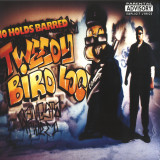
Gangsta rap history makes a comeback for RSD 2025 with the re-release of Tweedy Bird Roc’s 1994 album, 'No Holds Barred.' This album, which was previously only available on CD, is now available for the first time as a LP vinyl after 30 years. It was the second and final project produced by the Compton rapper, who passed away in 2020 at the age of 52. One of his most significant achievements was organising and recording a collaborative album featuring both Bloods and Crips rappers and gang members (Tweedy Bird Roc, an active Crips member), aiming to promote peace between the rival gangs. Limited edition.
A sense of destiny hangs over Sentir Que No Sabes, Mabe Fratti’s fourth solo-credited album released in a five year span. Her work has always possessed a finely tuned sense of drama capable of expressing a range of emotional states, and across this new album, she conveys the struggle to process various relationships or situations–and the actions that come next. Sentir Que No Sabes is urgent and clear, poppy, generous and approachable, while showcasing a considerable emotional hinterland. It is also, as Fratti is quick to mention, “groovy.”
Written and recorded with her partner, multi-instrumentalist, and co-composer Héctor Tosta (I.La Católica, Titanic), Sentir Que No Sabes is the result of an intense, detail-oriented process. Fueled by a new confidence gained in their collaborative project, Titanic, and its critically acclaimed 2023 LP, Vidrio, the two hunkered down in the familiarity of their studio (aka Tinho Studios) to bash out the initial sonic coordinates of her new record. “We talked and talked, and discussed ways of playing and recording, until things became inevitable,” Fratti explains. “We recorded a bunch of demos at our home studio and that meant we had a lot of time to re-edit and experiment. We really dug in. We were super focused on detail.” Tosta also took up the controls as producer and arranger-in-chief for all additional instruments. The album was later completed at Willem Twee Studios in Den Bosch in the Netherlands, and Pedro y el Lobo Studios and Soy Sauce Studios, in Mexico City.
For the final studio recordings, the pair were joined by drummer Gibran Andrade and trumpetist Jacob Wick to fill out and expand on Tosta’s percussion and brass arrangements. This small group of friends were able to work quickly and openly, and without fear: a testament to the exhaustive groundwork put in at Tinho Studios. This can be heard in three short, intermediary tracks that also manage to be the most aggressive on the record: “Kitana” (a scratch-laden instrumental that acts as a strange prelude for the last track, “Angel nuevo”) and a pair of two-minute instrumental interludes, “Elastica” I and II. None are throwaway mood pieces; rather they act as emotional cue cards, and hint at the way Fratti and Tosta created the overall atmosphere of Sentir Que No Sabes.
A strong sense of rhythm irrigates the sound from the jump, as heard on the glorious opening track, “Kravitz.” Here, the brilliant plucked cello line acts as a bassline and props up the steady thump of the kick drum. The cello’s growl serves as a conduit for a set of slightly paranoid lyrics that tell us “Quizás haya oídos en el techo” (“maybe there are ears in the ceiling”), while the song also introduces another staple of the record: the clever brass stabs, whistles, parps, and other interjections that paint a canvas of traffic in a city. It’s a postmodern, widescreen sound that for some might recall The Blue Nile’s Hats.
Sentir Que No Sabes is a record full to the brim with a modern pop sensibility, invoked by the sort of magpie spirit that ensnares anything it can find, repositioning sounds for the here and now. The keys and melody on the melancholy “Pantalla azul” (“Blue screen error”) transport us back to the glossy mid-1980s. “Oídos” (“Ears”) is a beautiful slice of contemporary, hybrid pop, in which Fratti’s vocal lines delicately spin themselves around the lean structures erected by the brass and drums, and the descending “plink” of a set of piano chords. Then we have a gloriously strong ending with the swell of “Angel nuevo” (“New angel”), another cinematic track full of gentle, instrument-rich swells and eddies that manages to be almost endless in its range–and yet intensely personal, as Fratti’s voice is close, almost whispering in your ear. A much needed lullaby for our fractious times.
The lyrics, for their part, have a stop-start quality to them, and hint at the small, incremental emotional taxes we pay through just living our lives. They circle around the music like birds waiting to swoop. There is something of the spiritual in all of Fratti’s work that expresses itself in a form of yearning: she looks to new horizons while personal dramas find themselves internalized, contextualized, and then dealt with through metaphor. Here, she was keen to mention Tosta’s constant encouragement in her finding a path to best sing or phrase her words to impart their maximum effect. “Hector was super inquisitive about my lyrics and asked me questions about what I meant, which sometimes is something you don't wonder so much about in isolation,” Fratti explains. “Besides, he is a great poet, and you can see that in what he did on the Titanic record. This made me go deeper into my lyric writing and definitely transformed it into something that I feel super happy about now.”
Take “Enfrente” (“In Front”), a track that initially comes across as a languid, glossy number, with plucked cello strings standing in for a bass line and brittle synth parts. Soon we catch on to a brilliant minor chord switch, which mirrors the fear and doubt expressed in the lyrics as someone “trembles up to the podium” in a “search for meaning.” There’s also the startling introduction of a vocoder in “Quieras o no” (“Whether you want it or not”); it comes precisely at the point Fratti sings “Quieras o no es un desastre” (“Whether you want it or not, it's a disaster”). Moments like these leave room for interpretation and, over time, create a strong bond between the listener and the record.
In fact, across Sentir Que No Sabes, each phrase–whether instrumental or vocal–becomes at some level emblematic of acts and moods that impart deep emotional significance. We see this best on “Intento fallido” (“Failed attempt”), which could be the score to feeling trapped in self-doubt, only to suddenly be sprung free by the song’s gloriously upbeat ending. On “Márgen del índice” (“Index margin”), the quicksilver switch between initial disharmony and a beautiful melody is breathtaking, all augmented by evocative arrangements, textured production, and the slightly playful, gnomic lyrics. The track’s emotional ecosystem allows another brilliant ending, which uses the simple repeated phrase, “Cómo lo va a ver?” (“How are you going to see it?”).
So what to make of Sentir Que No Sabes? High gloss Pastoralism? The sound of a city-bound, post-post modern soulscape? No matter the emotions evoked, it's the work of an artist coming into their own, and creating a benchmark record.